In This Guide
- Top 5 Tips for RV Rental in Australia
- Before You Book - Class, Dates, Insurance
- Pre-Trip Prep - Packing Checklist for Australia
- On the Road - Driving, Fueling, Navigation
- At the Campground - Setup, Hookups and Etiquette
- RV Rental-Specific Tips for Australia
- Common Mistakes to Avoid in Australia
- What is the 3-3-3 rule for campervan?
- What are the drawbacks of renting an RV?
- How much does it cost to rent an RV in Australia?
- Can you park an RV anywhere in Australia?
- How much is a 1 week RV rental?
- Is it worth having a toilet in a campervan?
- Can US citizens rent a car in Australia?
- What not to do in Australia as an American?
- Is AUD$3000 enough for 2 weeks in Australia?
Top 5 Tips for RV Rental in Australia
To ensure a smooth and enjoyable RV rental experience in Australia, booking your vehicle well in advance, especially during peak travel seasons, is paramount. Peak season varies across Australia's diverse climate zones: December-February for the southern states and school holidays, but often June-August for the warm, dry north.
Selecting the right motorhome class for your trip is crucial; consider your group size, desired amenities, and the specific routes you plan to explore. Don't forget to factor in all potential expenses beyond just the base rental fee, such as fuel costs, insurance options, and campsite charges. Planning your itinerary with realistic daily driving distances, ideally no more than 100-150 km per day on average, allows ample time for spontaneous stops, exploring, and truly connecting with the local culture, food, and scenery. Finally, familiarize yourself with Australian road rules and be prepared for potentially long distances between towns, particularly in remote Outback areas. We handle the details, you live the journey, offering personal service from day one until your booking is confirmed. On the routes offered through RV PLANET routes, you can itemize and track every expense along the way for easy budgeting.
Before You Book - Class, Dates, Insurance
Choosing an RV class for your Australian adventure depends on your travel party size, desired amenities, and where you plan to go, offering options from compact campervans like a '2 Berth Hi Top' with automatic transmission, ideal for a couple, to spacious motorhomes or even rugged 4WD campers such as the '4x4 Camper B - TYR'.
Booking dates significantly impact pricing and availability; securing your RV 3-6 months ahead is highly advisable, especially for peak travel periods which include December-February (southern summer), Easter, and local school holidays throughout the year. However, for those looking to experience winter in Australia, June-August can be peak season for the northern regions, offering warm, dry weather for exploring destinations like the tropical north of Queensland or the Northern Territory. Prices are dynamic, similar to flight tickets, changing daily based on availability and seasonality. Flexibility with your travel dates, even by a few days, can lead to substantial savings.
Standard insurance options typically start with basic coverage included in the rental price, often covering third-party liability with a deductible (also known as an excess). To travel with extra peace of mind, you can upgrade to a top-level deductible reimbursement option, reducing your out-of-pocket expenses in case of an incident. We believe in full transparency, so you'll never encounter hidden fees or surprises during your booking process.
Pre-Trip Prep - Packing Checklist for Australia
A thoughtful packing checklist tailored to Australia's diverse climates and RV travel ensures a comfortable and prepared journey. For winter travel, even in areas that aren't 'cold' in the European sense, evenings can be cool, so pack layers, including a warm jacket and comfortable sleeping attire.
Essentials for varying weather conditions should include sun protection (hat, sunscreen, sunglasses) year-round, alongside waterproof outer layers, especially for southern and eastern coastal trips where winter brings more rainfall. Remote area preparedness is critical: carry extra water, a basic first-aid kit, and consider a satellite phone or UHF radio if venturing into truly isolated regions without mobile phone reception. Practical living in a smaller RV space means bringing versatile clothing, compact toiletries, and utilizing the onboard kitchen for cooking meals to save on dining out expenses. For some delicious ideas, check out our RV-friendly recipes playlist.
On the Road - Driving, Fueling, Navigation
Driving a rented RV in Australia requires adapting to left-hand traffic, managing longer distances than many expect, and planning meticulously for fuel stops in remote areas. Australia's national speed limit for cars and RVs is generally 100-110 km/h (62-68 mph) on open roads, but always adhere to local signage, which can vary. Drive slowly and carefully, and you can drive almost anywhere without issues. No need to stress - just use common sense and pay attention. In urban centers, motorhomes like the 'cruise america rv rental example Explorer' or a smaller campervan are manageable if you approach with a calm and observant mindset.
Fueling up is essential, as distances between service stations in the Outback can stretch for hundreds of kilometers. Always top up your tank when you see an opportunity, especially before entering remote sections. Navigation can be a mix of GPS and physical maps, especially where mobile signal is limited. Consider downloading offline maps or using a dedicated GPS device. Be alert for wildlife, particularly at dawn and dusk, when animals like kangaroos are most active and prone to crossing roads. Pay attention to road train warnings in regional areas; these massive multi-trailer trucks require ample space and careful overtaking maneuvers. Always use designated rest stops when feeling fatigued, and remember to travel slowly, averaging a maximum of 100-150 km per day, to truly appreciate the vastness and beauty of the Australian landscape.
At the Campground - Setup, Hookups and Etiquette
Setting up your rented RV at an Australian campground typically involves parking your vehicle, connecting to available power and water hookups, and properly managing waste. Most caravan parks and many national park campsites offer powered sites, ensuring you have electricity for your appliances and charging needs. The general hookup order is to connect power first, then water, and ensure your grey and black water tanks are sealed until disposal at designated dump points.
Campground etiquette includes observing quiet hours (often 10 PM to 7 AM), respecting fellow campers' space and privacy, and keeping your site tidy. Always dispose of rubbish in provided bins and leave no trace of your stay. Many campgrounds offer shared facilities like laundry rooms, BBQs, and even swimming pools, enhancing the social aspect of RV travel. For finding campsites and campgrounds during your trip, we recommend using RV PLANET (rvplan.net) - a great resource for locating available spots along your route and tracking ancillary costs.
RV Rental-Specific Tips for Australia
Choosing the right rented RV in Australia makes all the difference for your comfort and budget. For families, selecting motorhomes with designated sleeping areas, ample storage for toys, and considering models with a second battery for powering entertainment devices, like a '6 Berth Deluxe' motorhome, is beneficial. Seniors may prioritize RVs with easier access, comfortable beds, and automated leveling systems for convenience, perhaps a Class B campervan like the 'Kiwi Traveller 2 ST'.
Budget-conscious travelers can save by opting for older model campervans, utilizing free or low-cost overnight parking options where permitted, and cooking most meals onboard. Luxury travelers, on the other hand, might seek out premium motorhomes offering spacious layouts, advanced kitchen appliances, solar panels for off-grid capabilities, and additional comfort features like external showers or larger awnings, similar to a 'Euro Deluxe' model. Understanding these options, and remembering that Bandana Caravan offers bookings in 30+ currencies with full price transparency, helps you find the perfect match without surprises.
Common Mistakes to Avoid in Australia
First-time RV renters in Australia often underestimate the vast driving distances between destinations; instead, plan for shorter daily drives of no more than 300 km to allow for breaks and sightseeing. Ignoring local weather warnings, especially for extreme heat (in summer) or bushfire risk (often seasonal), can be dangerous, so always check daily forecasts and adjust plans accordingly. During Australia's winter, southern regions can experience heavy rain and cooler temperatures, while the north enjoys dry season sun, necessitating varied preparation.
Not booking campsites in advance, particularly during peak seasons or in popular national parks and coastal towns, is another common mistake that can leave you scrambling for a spot. Improper waste disposal is a serious issue in Australia's sensitive ecosystems; always use designated dump points for grey and black water and dispose of rubbish responsibly, following strict 'Leave No Trace' principles. Lastly, overlooking routine vehicle maintenance checks, such as tire pressure, fluid levels, and lights, especially before long stretches of remote road, can lead to inconvenient breakdowns. Our team of true RV specialists is here to support you in avoiding these common pitfalls, before, during, and after your booking.
What is the 3-3-3 rule for campervan?
The '3-3-3 rule' for campervan or RV travel is a widely recommended guideline for a relaxed and safe road trip experience, particularly relevant in Australia's vast landscapes.
This rule suggests driving no more than 300 kilometers (approximately 186 miles) per day to avoid fatigue, especially given Australia's long, sometimes monotonous roads, and to allow for spontaneous stops and discoveries. It also advises aiming to stop driving and set up camp by 3 PM to secure a good spot at a campground, enjoy daylight hours, and settle in before dark. Finally, consider staying at least 3 nights in particularly scenic or interesting locations to fully immerse yourself without the constant packing and unpacking, enabling a slower, more enriching travel experience.
What are the drawbacks of renting an RV?
Renting an RV in Australia can present several drawbacks, including higher fuel costs due to the vehicle's size, which can be significant given Australia's vast distances and potentially higher fuel prices in remote areas. Potential difficulties in maneuvering and parking in urban areas, though manageable with slow and careful driving, can also be a challenge.
Other challenges include limited availability of specialized RV services in remote regions, and the possibility of mechanical issues in isolated locations which might require roadside assistance. Relying on external amenities is necessary if your rented RV lacks a full bathroom, and connectivity issues (phone/internet) are common outside major towns. Extreme weather conditions, such as intense heat or sudden storms in summer, or colder, wet conditions in the southern winter, can impact travel comfort and safety. Wildlife hazards, particularly collisions with kangaroos, wallabies, or emus, require constant vigilance, especially at dawn and dusk. Always travel prepared with emergency supplies, a robust first-aid kit, and, for remote areas, consider a satellite phone for critical communications. Despite these, the freedom and flexibility an RV provides far outweigh the challenges for most travelers.
How much does it cost to rent an RV in Australia?
The cost to rent an RV in Australia varies significantly, typically ranging from AUD$50-AUD$100 per day for a basic campervan in the off-season to AUD$200-AUD$400+ per day for a luxury motorhome during peak travel periods, like a spacious 6-berth model. Prices are dynamic and can change daily based on demand, availability, and seasonality, similar to airline tickets.
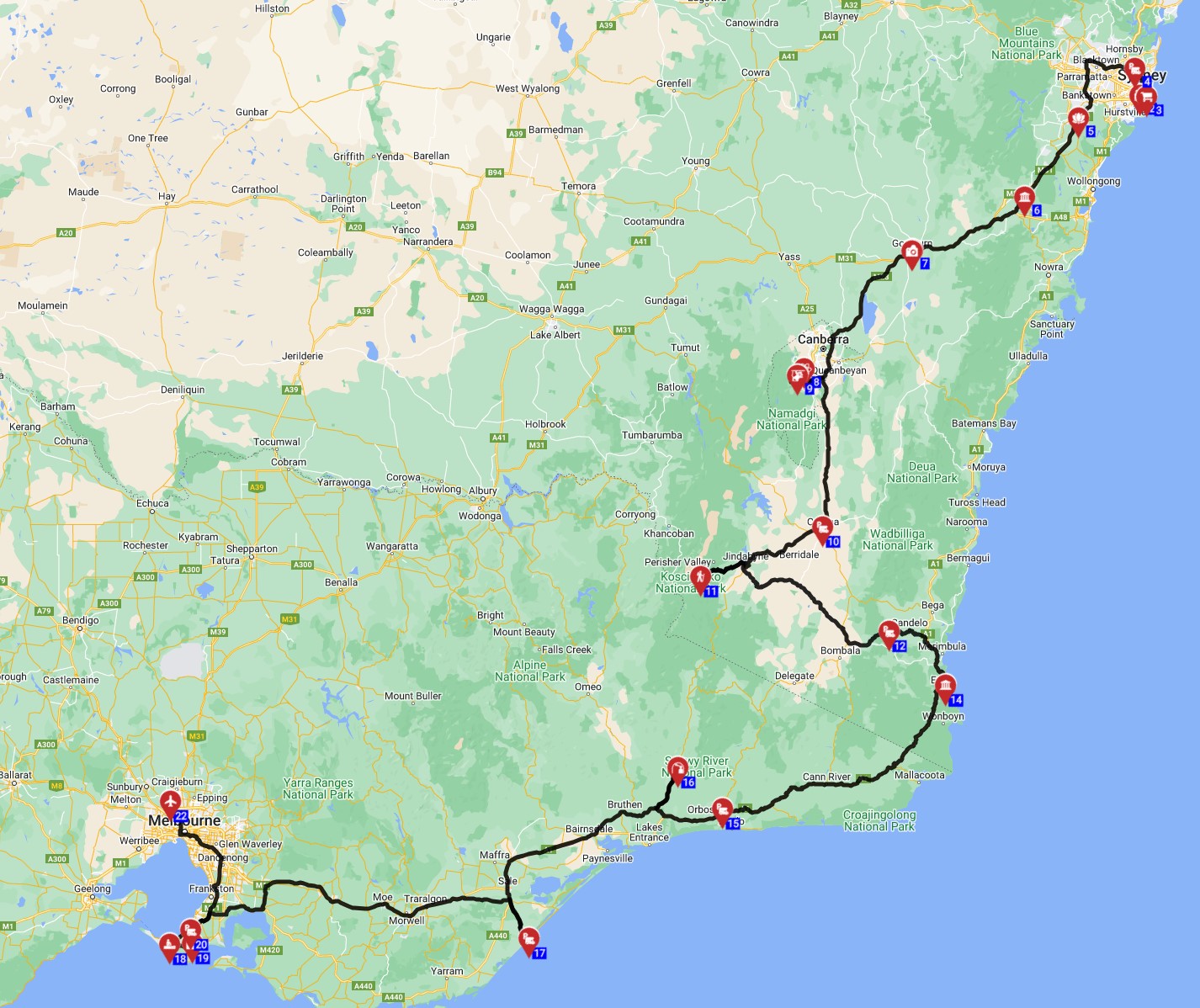
Beyond the base rental fee, travelers should anticipate additional expenses. These often include comprehensive insurance upgrades (the top-level deductible reimbursement is an optional upgrade, not included by default), fuel (which can be more expensive in remote Outback areas), national park entry fees or permits, and potential one-way rental surcharges that can range from AUD$150-AUD$500 for routes such as
Can you park an RV anywhere in Australia?
No, you cannot park a rented RV anywhere in Australia; regulations for overnight parking and free camping are strictly enforced and vary significantly by state, territory, and even local council. Designated caravan parks, national park campsites (many of which require permits and advance booking), and specific free camping areas (like some rest stops or council-approved sites) are the only legal places for overnight stops.
Always check local signage and use essential apps like WikiCamps Australia for up-to-date information on permissible parking, dump points for grey and black water disposal, and any fire restrictions, which are especially critical during dry seasons. Illegal parking can result in fines and disrupt local ecosystems, so adhering to 'Leave No Trace' principles is crucial for sustainable and responsible RV travel in Australia. Planning your stops in advance is key to a hassle-free journey, particularly when looking for a spot during busy periods. Remember that many national and state parks reserve only 25-30% of spots for booking; the rest are first-come-first-serve. You'll find a spot; if not at the first campground, then the next one. Always call ahead before driving.
How much is a 1 week RV rental?
A 1-week RV rental in Australia can range from approximately AUD$350-AUD$700 for a compact campervan during the off-peak season to AUD$1400-AUD$2800+ for a larger, more modern motorhome or 4WD camper in peak demand periods.
This estimate typically covers the base rental cost for a week-long trip, but it often excludes additional expenses such as fuel, comprehensive insurance (if upgraded to a top-level deductible), campsite fees, and any one-way surcharges. Booking in advance and comparing different vehicle types and rental companies can help secure a better weekly rate for your adventure. For detailed information, explore our "Weekly RV Rental in Australia - Pricing 2026" guide.
Is it worth having a toilet in a campervan?
Whether a toilet is worth having in a rented campervan in Australia depends heavily on your travel style, intended routes, and comfort preferences.
For those planning to free camp frequently or explore remote areas where public facilities are scarce, an onboard toilet offers significant convenience and independence, allowing for greater flexibility and less reliance on public amenities. However, including a toilet generally means a slightly larger vehicle (though still compact for easy driving), increased weight, and the responsibility of waste management (finding dump points), which can be a minor drawback for those seeking a more minimalist setup or who primarily stay in caravan parks with readily available amenities. Vehicles like the 'Luxury Small' motorhome, despite their compact size, often include a shower and toilet, offering a good balance of features and maneuverability.
Can US citizens rent a car in Australia?
Yes, US citizens can rent a car, and consequently an RV, in Australia, provided they meet specific requirements.
You will need a valid US driver's license, which must be current and in English. While generally not mandatory, an International Driving Permit (IDP) is highly recommended for visitors from non-English speaking countries, and can serve as a useful supplementary document for non-English licenses. Renters must also meet the minimum age requirement, which is typically 21 years old for most motorhome classes, and present a valid passport and an appropriate visa for their stay. There are no young driver surcharges or vehicle class restrictions based on age with Bandana Caravan, making RV rental accessible for a wider range of travelers.
What not to do in Australia as an American?
As an American traveler in Australia, avoid underestimating the vast distances between towns, which can be much greater than anticipated, leading to fuel and water shortages if not properly planned. Do not ignore warnings about local wildlife, such as feeding animals or approaching dangerous species, and exercise extreme caution when driving at dawn and dusk to avoid collisions.
Never assume free camping is universally permitted; always verify local regulations to avoid fines and ensure you're adhering to 'Leave No Trace' principles. Refrain from taking risks in remote areas without proper preparation, such as not carrying sufficient water, fuel, or a satellite phone where mobile reception is absent. Culturally, avoid over-tipping (as it's not customary in Australia) and be mindful of local slang and humor, which can differ from American English. Understanding and respecting Australia's unique environment and customs will ensure a smoother and more enjoyable RV rental adventure.
Is AUD$3000 enough for 2 weeks in Australia?
AUD$3000 is a reasonable budget for a 2-week RV trip in Australia for a frugal to mid-range experience, but its sufficiency highly depends on your travel style, chosen rental, and planned activities. This budget could comfortably cover a basic campervan rental, fuel for moderate distances (e.g., 100-150 km per day average), groceries for cooking most meals in your RV kitchen, and fees for a mix of free and powered campsites.
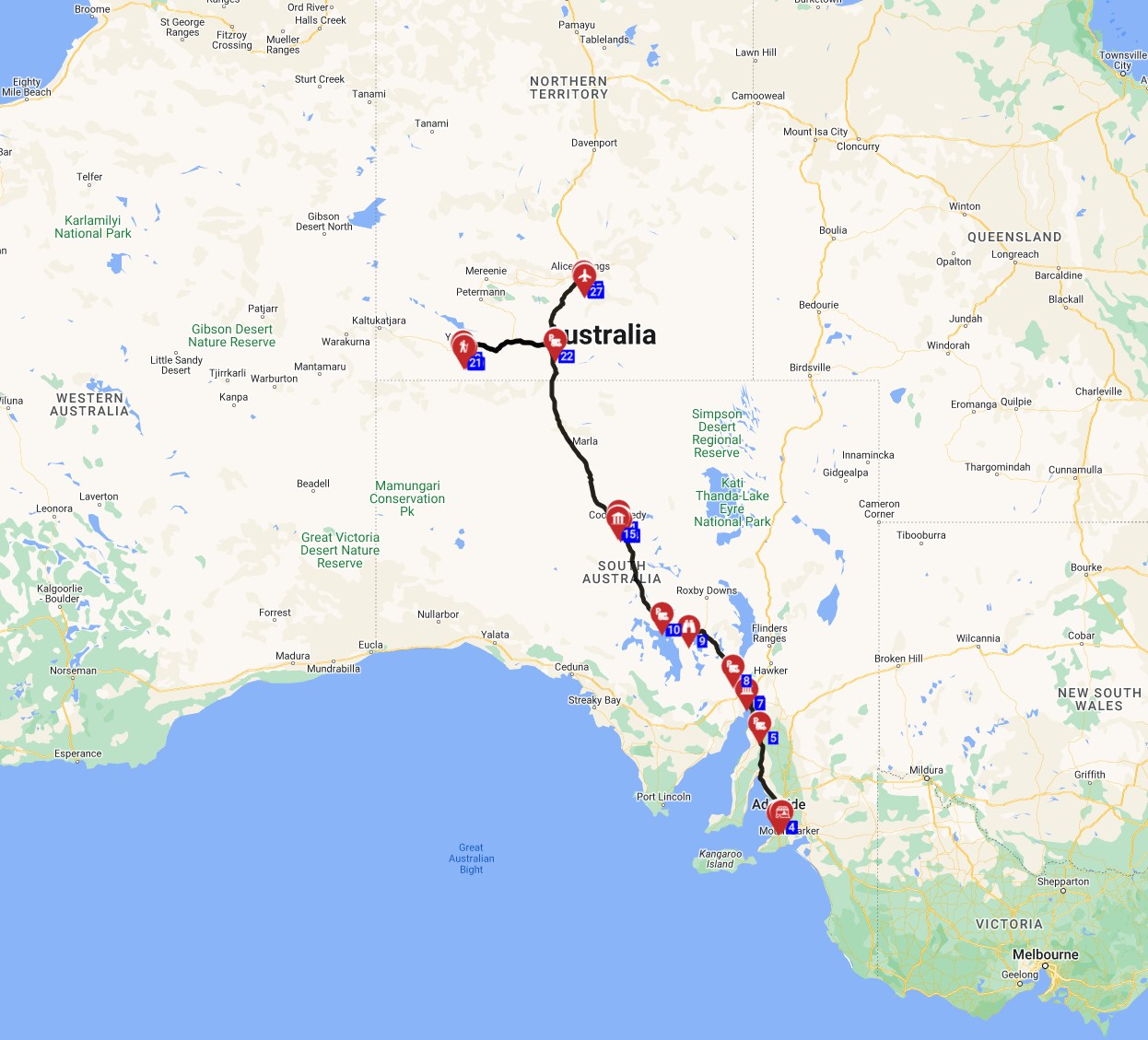
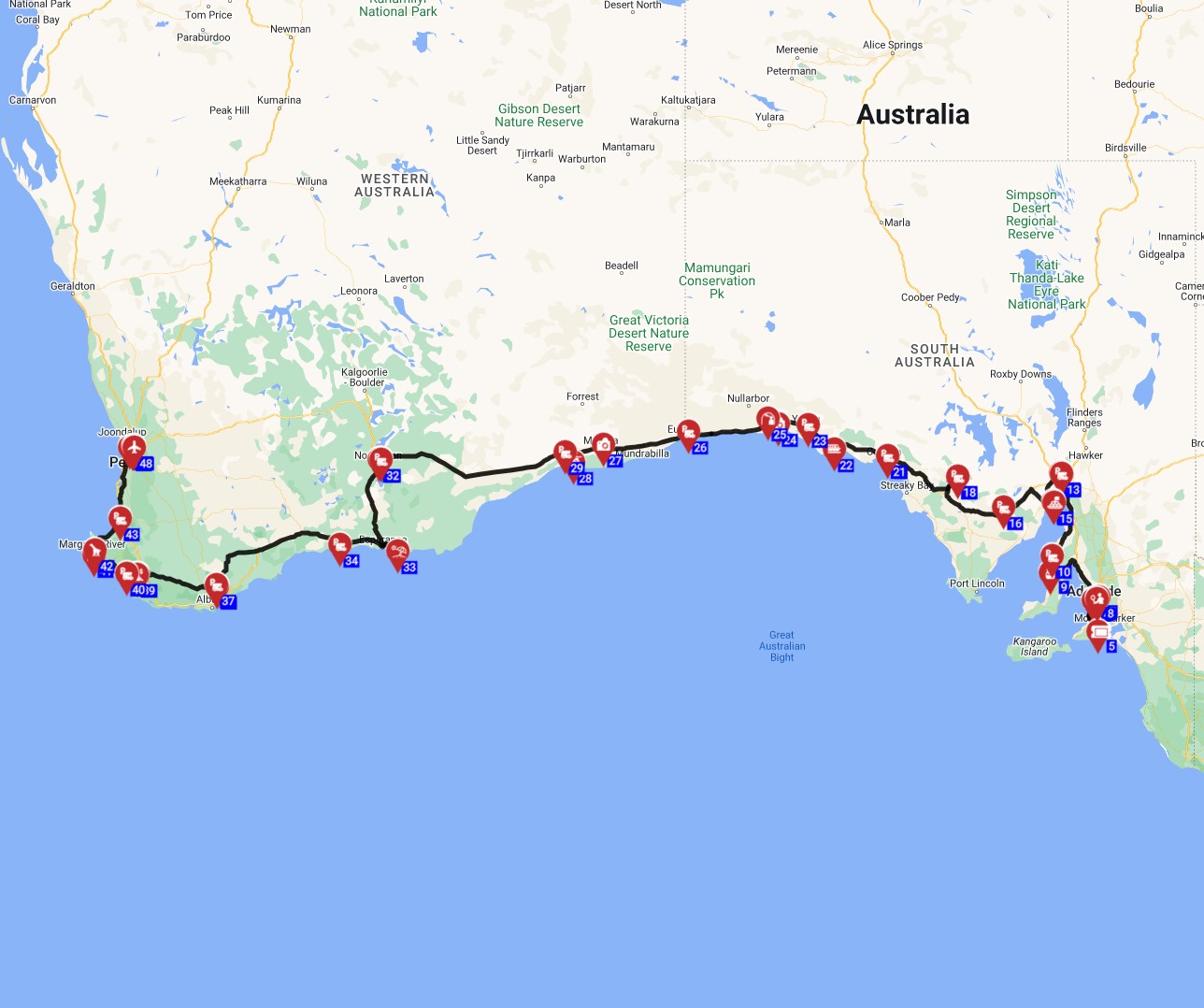
However, AUD$3000 might be tight if you opt for a luxury RV model, cover extensive distances (especially in remote areas with higher fuel prices), dine out frequently, or plan many expensive tours or activities, particularly during peak season or for routes like the Perth to Alice Springs - The Dreamtime Highway. It's essential to budget for potential ancillary costs such as national park entry fees, any one-way rental surcharges, and a top-level deductible upgrade for peace of mind. Remember, prices are dynamic, so planning and booking early can help maximize your budget. For comprehensive route plans that help you track every expense, explore RV PLANET routes.
What You Shouldn't Miss
Australia offers an incredible array of experiences, and with a rented motorhome, you have a mobile headquarters to explore it all. Here are some top adventures to consider for your next RV trip, including expert insights from Avi Bandana:
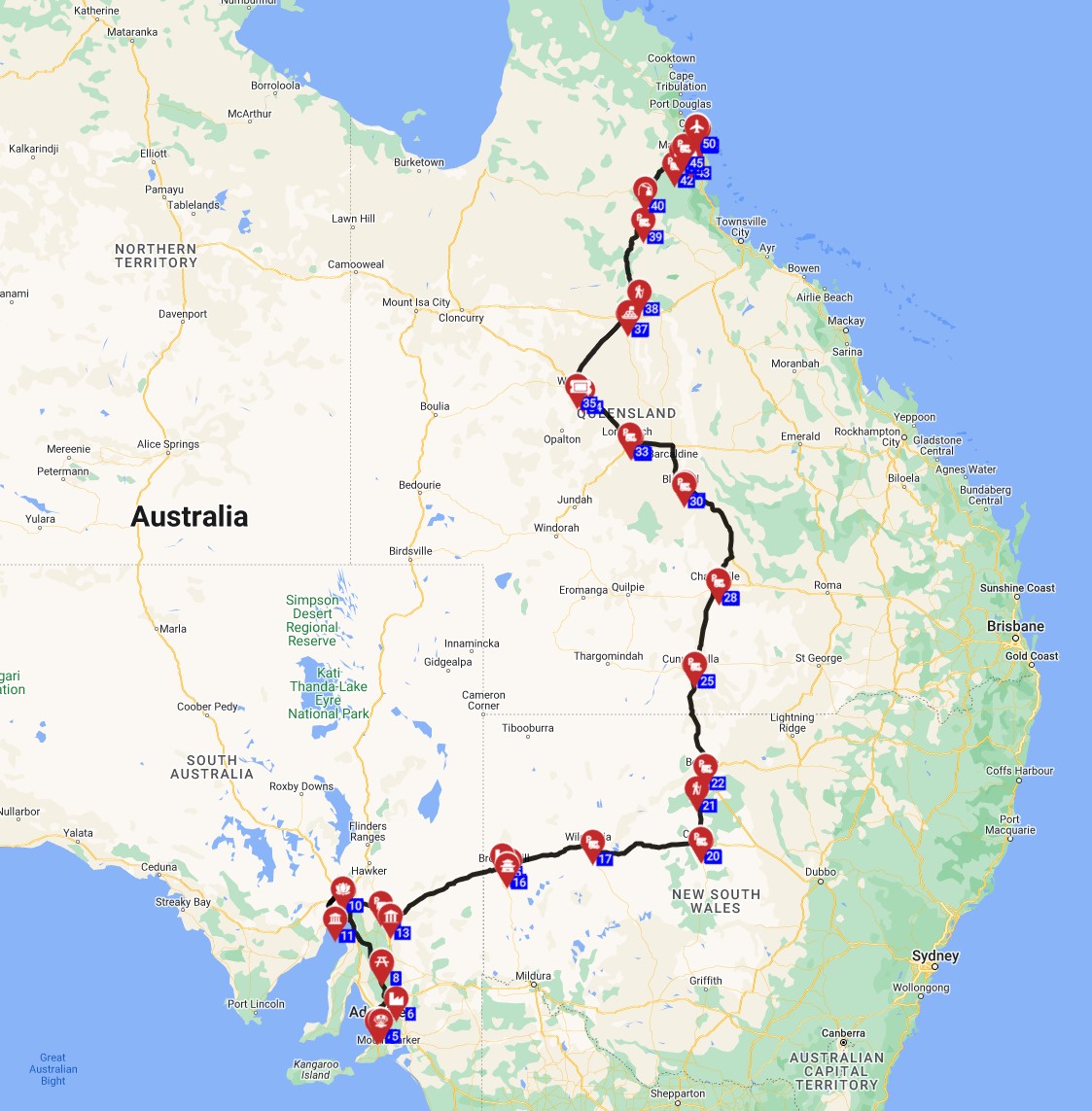
- Explore Tropical North Queensland in Winter: Australia's winter (June-August) is the dry season in the north, offering perfect weather for exploring Cairns, the Daintree Rainforest, and the Great Barrier Reef. Imagine waking up to sunshine and mild temperatures in your campervan, ready for a day of snorkeling or rainforest hikes.
- Journey through the Red Centre: A trip from Perth to Alice Springs - The Dreamtime Highway offers an unforgettable traverse through Australia's ancient heartland. Experience the iconic Uluru and Kings Canyon under clear winter skies, avoiding the intense summer heat. This 21-day, 5447.3 km route features 2 wildlife watches, 3 museums, and 4 natural features.
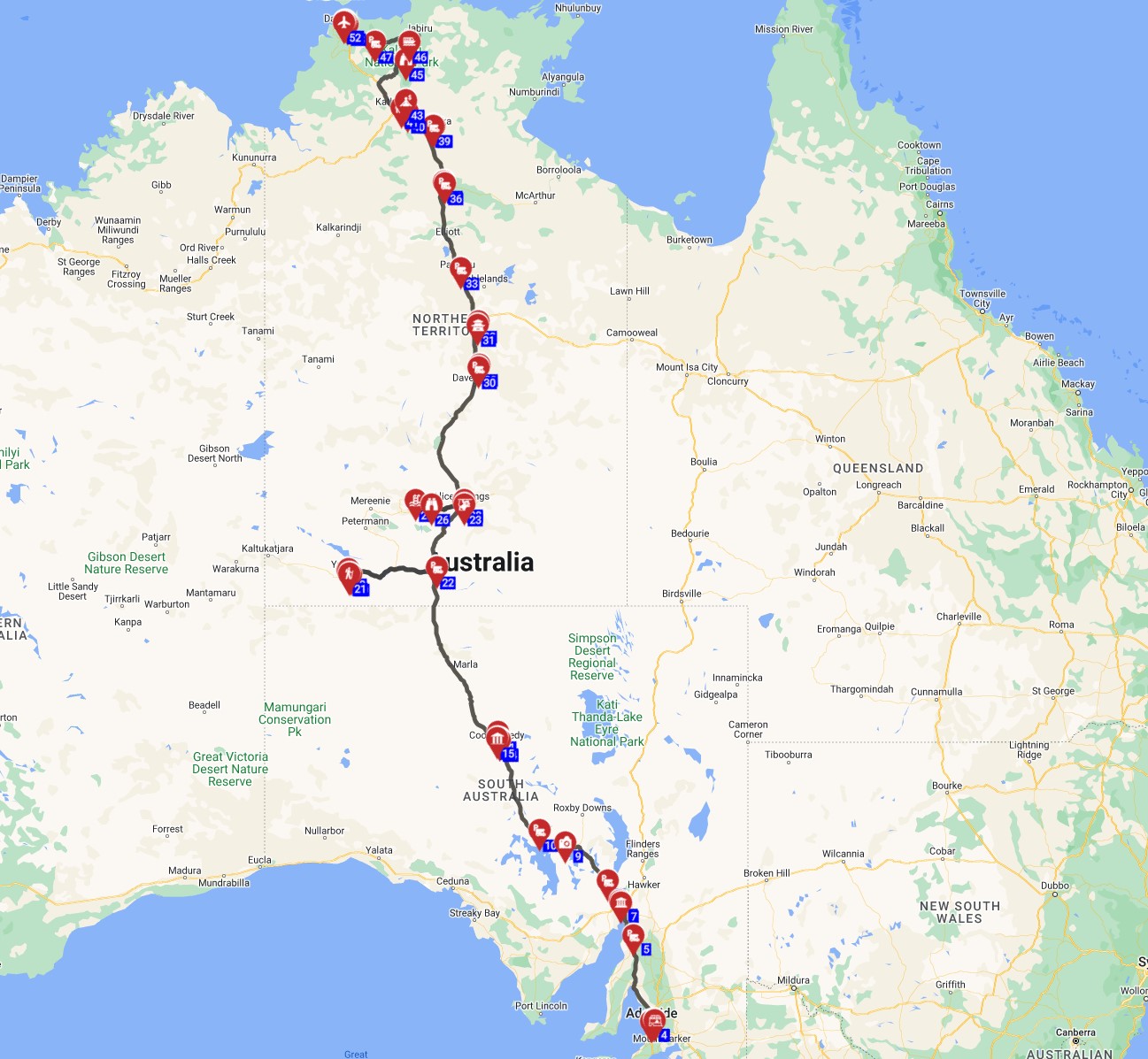
- Top 5 Adventures - recommendations from Avi Bandana: "Don't rush it! Australia is massive, and every region offers something truly unique. My absolute favorite winter RV journey is exploring Tasmania, especially its national parks like Cradle Mountain. The crisp air, dramatic landscapes, and fewer crowds make for magical hiking. Plus, many RVs come 'Winter Ready' (like the '2 Berth Rover'), meaning they're equipped with heating for those chilly nights. For an epic cross-country experience, Melbourne to Darwin - Australia’s Heartline Road Trip is a fantastic choice, taking you from the southern cool to the northern warmth in 26 days and over 5600 km, showcasing 5 hiking areas and 5 points of interest."
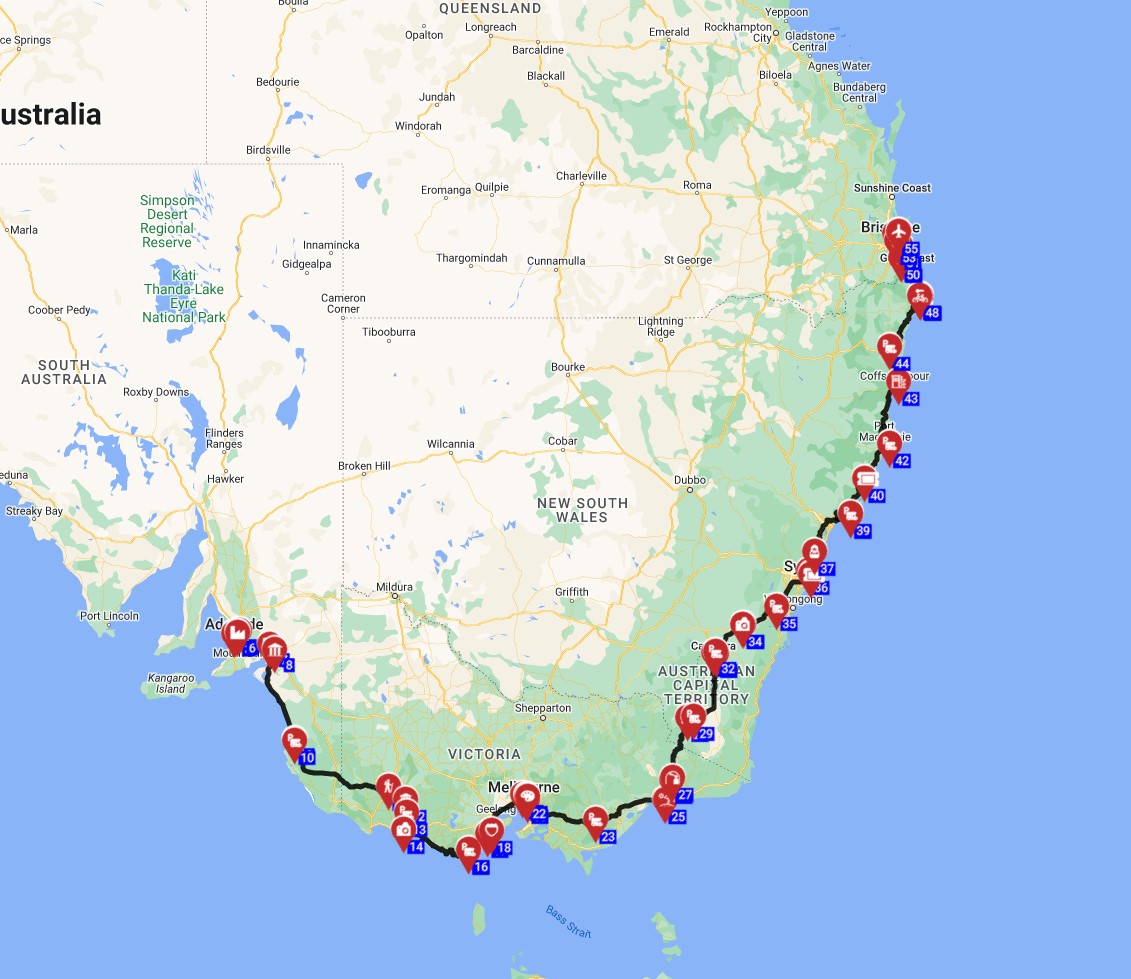
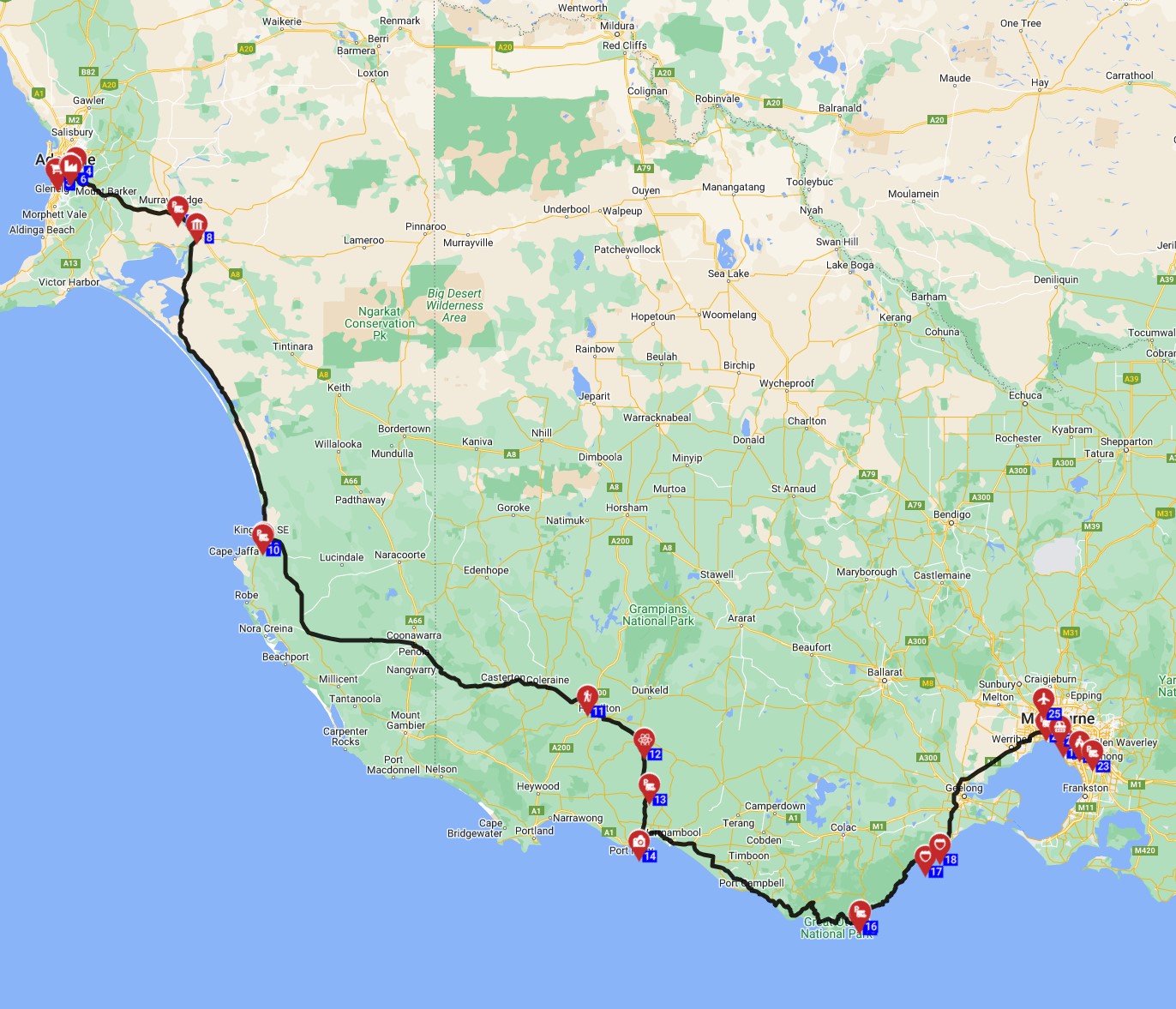
- Coastal Drives in the South (off-peak): While winter brings cooler weather to southern Australia, it often means fewer tourists and stunning, dramatic coastlines. Consider the Great Ocean Road (Victoria) or the stunning coastline of Western Australia. With a well-equipped motorhome, you can enjoy these iconic routes with quiet beaches and cozy evenings.
- Wildlife Encounters: Winter is an excellent time for wildlife spotting, particularly migrating whales along the southern and eastern coasts. National parks are often teeming with kangaroos, wallabies, and diverse birdlife. Remember to observe wildlife from a respectful distance.
Final Thoughts
Exploring Australia in a rented RV, even during its diverse winter months, is an adventure waiting to happen. Whether you're chasing the sun in the tropical north or embracing the cooler, dramatic beauty of the south, the freedom of a mobile home allows for unparalleled discovery. Remember to plan thoughtfully, drive responsibly, and immerse yourself in the incredible landscapes and cultures this continent offers.
At Bandana Caravan, we are dedicated to supporting you every step of the way, providing the tools and expertise for a seamless and memorable trip. Discover top destinations, planning tips, all in one place! Your Australian RV adventure is calling, and we're excited to help you answer.