In This Guide
- What Rv Rental RV Rental Costs in Australia (2026)
- Seasonal Pricing - Peak vs. Shoulder vs. Off-Season in Australia
- What's Included vs. What's an Add-On
- Hidden Costs to Budget For in Australia
- How to Save on Rv Rental RV Rental in Australia
- How much does it cost to rent an RV in Australia
- Can you sleep in a motorhome anywhere in Australia
- Do you need a special license to drive an RV in Australia
- Top Cities for RV Rental in Australia
- Country-Wide Practical Info for RV Travelers in Australia
- Understanding RV Costs: Buying vs. Renting in Australia
- RV Travel and Long-Term Stays in Australia
- What You Shouldn't Miss
- Why Book with Bandana Caravan
- Final Thoughts
- Frequently Asked Questions
Australia, a land of breathtaking landscapes, from the iconic Uluru to the stunning coastal roads, offers an unparalleled adventure for those who choose to explore it with a rented RV. Imagine the freedom of waking up to a different view each day, having your home on wheels as you traverse national parks, bustling cities, and serene beaches. For live availability and current prices, start with our RV Rental Australia - Complete Guide 2026 guide.
What Rv Rental RV Rental Costs in Australia (2026)
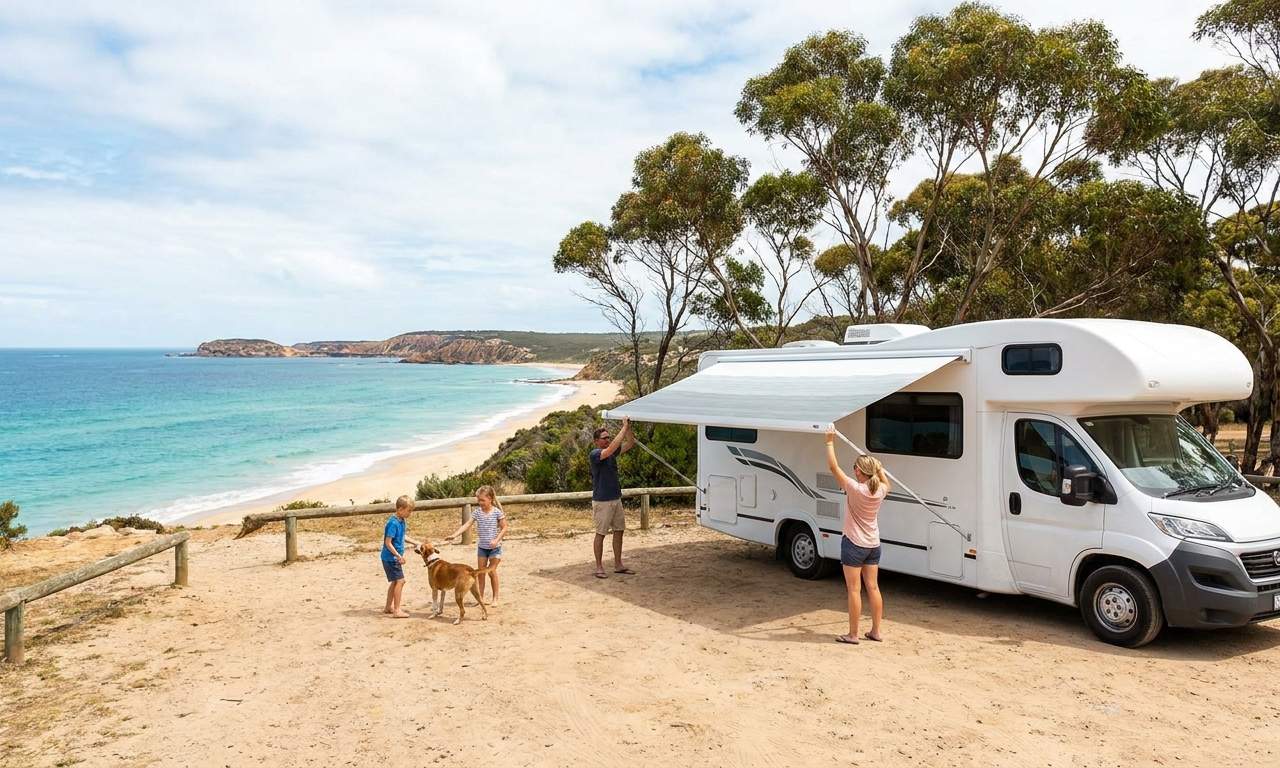
Daily rental rates for a motorhome in Australia typically range from AUD$80-150 during the off-peak season to AUD$250-400+ in peak periods for a Class C vehicle like the "rv rentals example Comfort Class." The cost of renting a campervan or motorhome in Australia is dynamic, changing daily based on factors such as vehicle class, rental duration, supplier availability, and the time of year. For instance, a compact campervan like the "rv rental denver example Category Van" might be more affordable than a larger, family-friendly motorhome. At Bandana RV, we believe in full transparency: no hidden fees, no surprises, ensuring that what you see is what you get, and you can compare prices in over 30 currencies without conversion commissions. This commitment provides peace of mind as you plan your Australian adventure.
For a two-week adventure, a mid-sized Class C motorhome might cost approximately AUD$2,500-4,000 during shoulder season, while a smaller campervan for a week-long trip could be around AUD$560-1,050. These figures are base rental costs and do not include additional expenses like fuel, campground fees, or optional add-ons. Our platform, being true RV specialists, focuses exclusively on RV travel, offering unmatched personal experience and attention to the smallest details, making sure you understand all potential costs upfront. On the routes offered through RV PLANET routes, you can itemize and track every expense along the way for easy budgeting.
Seasonal Pricing - Peak vs. Shoulder vs. Off-Season in Australia
Peak season in Australia, typically coinciding with summer holidays (December-February), Easter, and major events, sees motorhome rental prices surge by up to 100% compared to off-peak periods due to high demand. During this time, popular routes and campgrounds, especially along coastal regions and near major attractions, experience significant booking pressure. Shoulder seasons, encompassing spring (September-November) and autumn (March-May, with April being particularly cost-effective), offer a desirable balance of pleasant weather and more moderate pricing, making them ideal for exploring various routes.
Off-season, generally from June to August in the southern states, provides the lowest rates and fewer crowds, although some regions might experience cooler weather or specific wet seasons, like the tropical north. Planning your route according to the season is crucial for the best experience; for example, exploring the Great Ocean Road during autumn avoids summer crowds and harsh heat, while the tropical north is best visited during its dry season (May-October). Renters have found that being flexible with their travel dates can result in savings of up to 30% when booking a campervan or motorhome during the quieter months. Keep in mind that prices are dynamic, fluctuating daily with availability and demand, so checking current rates on our platform is always recommended.
What's Included vs. What's an Add-On
Basic liability insurance is universally included with RV rentals in Australia, though this often has a high deductible, typically AUD$5,000 to AUD$7,500, meaning a substantial amount is held as a security deposit during your trip. Standard inclusions for a rented motorhome usually cover essential vehicle equipment like a fully functional kitchen with a gas stove and refrigerator (perfect for preparing RV-friendly recipes playlist on the go), freshwater and wastewater tanks, and basic safety gear. Some Class C motorhomes or campervans, such as the "hire campervan example Paradise S/T", include a shower and toilet, offering greater self-sufficiency.
Common add-ons, which can significantly impact your total trip cost, often include comprehensive insurance tiers (reducing your deductible, for peace of mind you can upgrade to a top-level deductible), unlimited mileage packages, and convenience kits that bundle bedding, towels, and kitchen utensils. Additional drivers will typically incur a daily fee, and optional extras like outdoor furniture, GPS, or satellite phones for remote areas are also available. It's crucial to review the specific inclusions and optional add-ons for each RV model and supplier during the booking process to ensure there are no surprises. Our full transparency policy ensures all these options and their costs are clearly presented.
How to Save on Rv Rental RV Rental in Australia
Renting a campervan or motorhome during Australia's shoulder seasons (April-May, September-October) can result in savings of up to 30% compared to peak summer rates, offering excellent value for your extended road trip. Booking your rented RV 3-6 months in advance, especially for popular destinations or specific vehicle types, can secure better daily rates and a wider selection of available motorhomes and campervans. Consider a smaller vehicle size, such as a compact 2-berth campervan like the "camper for rent example Jackpot," if it comfortably fits your group, as these generally have lower rental rates and better fuel efficiency compared to larger Class C motorhomes.
Opting for longer rental durations, like a two-week adventure or even a month-long trip, often translates to a lower daily rate than shorter, week-long rentals. Many national and state parks only reserve 25-30% of their spots, leaving the rest for first-come, first-served arrivals; if you're flexible, you'll find a spot-if not at the first campground, then the next one. Just call ahead before driving. Additionally, taking advantage of pre-planned routes from RV PLANET, our sister company, can save you 25% on planning services. These RV PLANET routes are crafted by professionals, helping you optimize your itinerary and budget effectively.
How much does it cost to rent an RV in Australia
The total cost to rent an RV in Australia encompasses the daily rental rate, insurance, fuel, campsite fees, and potential add-ons or one-way fees, typically ranging from AUD$1,200 for a week-long off-season campervan trip to over AUD$4,000 for a peak-season family motorhome rental. For couples, a compact campervan like the "2 Berth Hi Top" can cost AUD$80-150 per day in the off-season. Families of 2+2 considering a Class C motorhome such as the "4 Berth Henty" should expect AUD$180-300 per day during shoulder seasons, climbing to AUD$350-500+ in peak periods. These prices are dynamic, changing daily based on availability and supplier marketing decisions.
Beyond the rental vehicle itself, budgeting for fuel is essential, with a typical motorhome consuming 11-14 liters per 100 km, leading to weekly fuel costs of AUD$150-300 for average travel distances. Campground fees range from AUD$10 for basic national park sites to AUD$60+ per night for fully serviced private caravan parks. For a truly authentic Australian experience, remember to travel slowly, max 100-150 km per day on average, taking time to feel the place, connect to the culture, the food, and the scenery. This approach not only enhances your journey but can also optimize your fuel consumption.
Can you sleep in a motorhome anywhere in Australia
No, you cannot legally sleep in a motorhome anywhere in Australia; regulations for overnight parking and 'free camping' vary significantly by state, territory, and local council, requiring travelers to be mindful of local laws. Designated caravan parks, national park campgrounds, and approved free camping spots are the primary legal options for overnight stays for a rented RV. Australia's National Parks often require permits and advance bookings for their campgrounds, with strict rules against dispersed camping outside marked areas, and local council bylaws often prohibit overnight parking in many urban and coastal areas to prevent illegal camping.
To find legal campsites, dump stations, and water points, travelers should utilize reliable resources like WikiCamps Australia or CamperMate apps, which provide up-to-date information on available sites. It's crucial to always adhere to 'Leave No Trace' principles by taking all rubbish with you, respecting wildlife, and minimizing your environmental impact. When in areas with abundant wildlife, especially at dawn and dusk, extra caution is advised while driving and ensuring all food is securely stored at campsites to prevent encounters with curious animals like wallabies or the cheeky 'Bin Chickens.'
🎬 Video coming soon
Do you need a special license to drive an RV in Australia
Most standard recreational vehicles (RVs) available for rental in Australia, including all Class A, Class B campervans, and Class C motorhomes with a Gross Vehicle Mass (GVM) not exceeding 4.5 tonnes, can be driven with a regular car driver's license (Class C or equivalent). There is no requirement for a special license or a Commercial Driver's License (CDL) for any of our rental motorhomes, ensuring a straightforward booking process for most travelers. The minimum rental age for all motorhome classes in Australia is 21 years old, with no young driver surcharges applied or vehicle class restrictions based on age.
International visitors planning to rent an RV in Australia typically need a valid foreign driver's license that is in English, or an International Driving Permit (IDP) alongside their original foreign license if it is not in English. While an IDP is recommended for clarity, it is not mandatory in most cases, but it certainly helps for smooth interactions with local authorities and rental suppliers like Apollo and Britz, who are among our 50+ leading RV partners worldwide. Always carry your original driver's license and any necessary permits with you during your trip to avoid any potential issues.
Top Cities for RV Rental in Australia
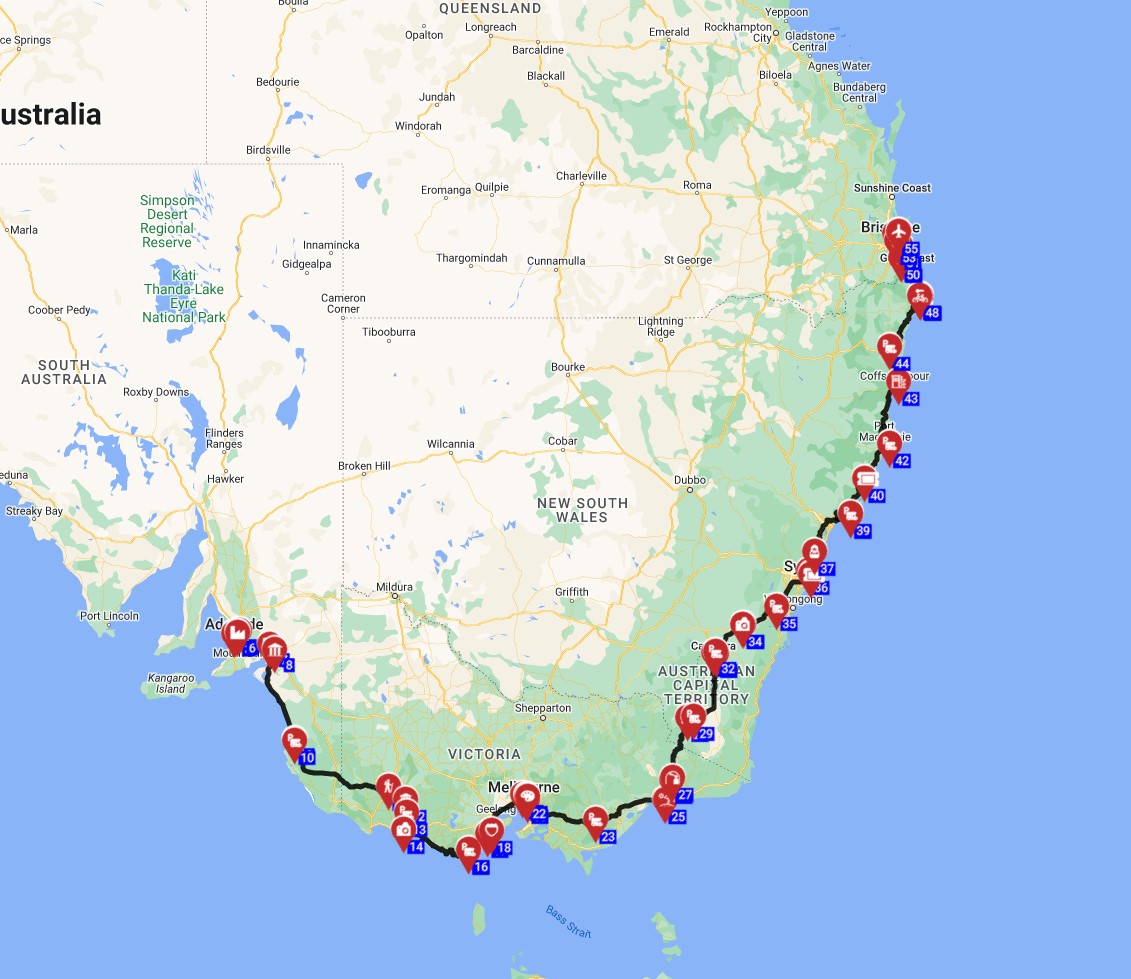
Australia boasts several excellent cities for picking up your rented motorhome or campervan, offering diverse starting points for your Outback or coastal adventures. Sydney, with its iconic Harbour Bridge and Opera House, serves as a popular gateway to the East Coast. Melbourne, a cultural hub, is ideal for exploring the scenic Great Ocean Road. Brisbane provides access to Queensland's stunning beaches and rainforests, while Perth opens up the vast landscapes of Western Australia.
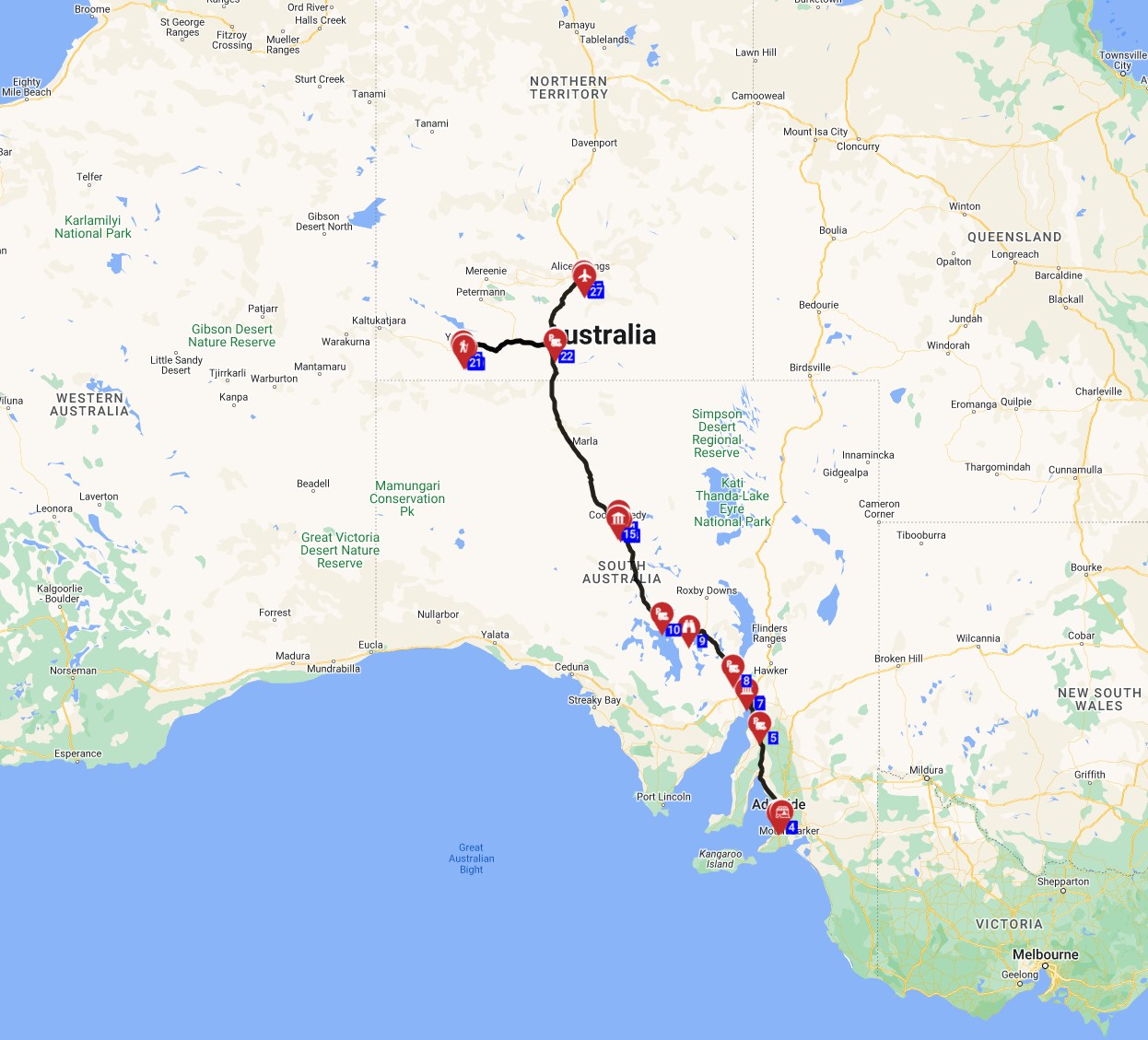
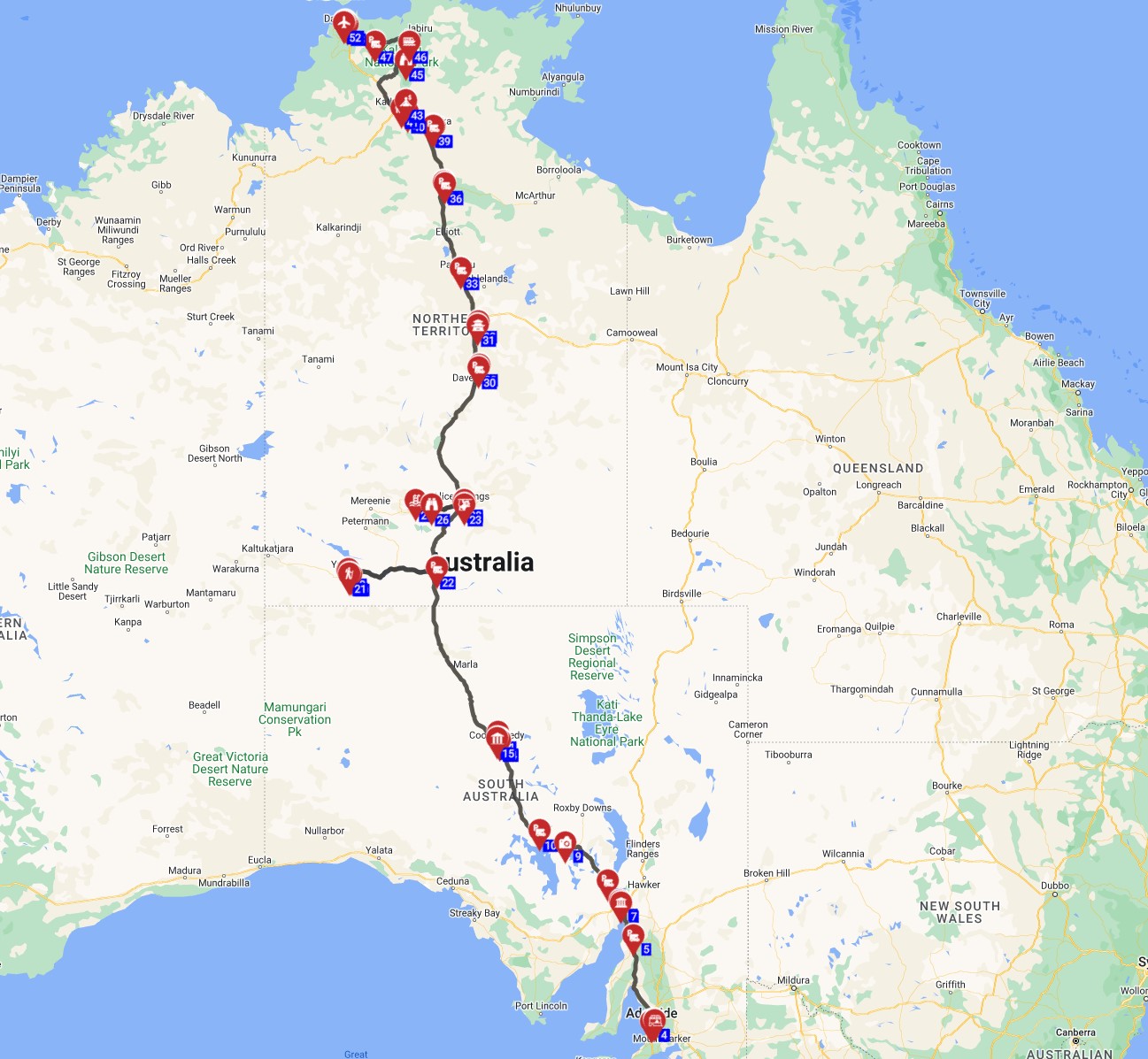
For those venturing into the Red Centre, Alice Springs is the perfect launchpad to Uluru and Kata Tjuta. Cairns is your starting point for tropical North Queensland, including the Great Barrier Reef and Daintree Rainforest. Darwin offers adventures into the Top End, including Kakadu National Park. Each city provides unique local flavors and incredible natural wonders waiting to be discovered with your home on wheels.
Country-Wide Practical Info for RV Travelers in Australia
Driving a rented RV in Australia means adapting to left-hand side driving, with typical urban speed limits around 50 km/h and rural/highway limits of 100-110 km/h, which are crucial for safety on Australia's diverse roads. Drive slowly and carefully, and you can drive almost anywhere without issues. No need to stress - just use common sense and pay attention, especially in cities where roads can feel tighter with a larger motorhome. Australia's emergency number is 000 for police, fire, or ambulance services, vital information for any traveler.
Fuel availability can be sparse in remote Outback areas, making careful planning and carrying extra fuel supplies a smart move for extended journeys. Unleaded petrol and diesel are the standard fuel types. For connectivity, major providers like Telstra, Optus, and Vodafone offer coverage, but remote regions will have limited or no service, necessitating consideration of satellite phones or UHF radios for emergency communication. When journeying through the Outback, wildlife safety is paramount; kangaroos, emus, and other native animals are most active at dawn and dusk, posing a significant road hazard. Always secure food at campsites to avoid attracting wildlife, upholding "Leave No Trace" principles to protect Australia's unique ecosystems.
Understanding RV Costs: Buying vs. Renting in Australia
The cost of purchasing a new RV in Australia typically starts from AUD$60,000 for campervans and can exceed AUD$300,000 for luxury motorhomes, whereas renting allows for short-term access without such a significant capital outlay. These purchase prices are vastly different from rental costs, which cater to temporary vacation experiences rather than long-term ownership and its associated expenses. Bandana Caravan focuses exclusively on RV rentals, providing a convenient and cost-effective way to experience Australian road trips without the commitment of buying.
When inquiring about "How much is rent in Australia in USD," it generally refers to long-term residential property rental, which is a distinct market from temporary recreational vehicle hire. Average weekly residential rent in major Australian cities can range from approximately AUD$450-700 (USD$300-470) for apartments. This is entirely separate from RV rental, which offers daily or weekly rates for recreational travel. Choosing to rent a motorhome provides the flexibility to select different vehicle types, from compact campervans like the "hire campervan example Active Classic" to spacious Class C motorhomes such as the "Euro Deluxe," tailored to each trip's specific needs, without the burdens of registration, insurance, maintenance, and storage that come with ownership.
RV Travel and Long-Term Stays in Australia
While technically possible, living permanently in a motorhome in Australia presents significant logistical and legal hurdles regarding domicile, mail, and securing long-term legal parking, as Bandana Caravan exclusively caters to RV rentals for vacation travel. Australian regulations around 'free camping' and long-term stays are strict and vary widely by state and local council, making continuous informal camping challenging and often illegal. Extended stays typically require booking into caravan parks, which, while offering excellent facilities, can become costly over long periods.
For extended rental trips, preparing for remote travel is crucial. This includes meticulous water and fuel management, as distances between services can be vast. Communication strategies for remote areas should involve more than just mobile phones; satellite phones or UHF radios are recommended for emergencies. For fresh and prepared food, planning for extended storage and utilizing local produce markets in towns along your route is key. When preparing meals in your rented RV, explore our RV-friendly recipes playlist for delicious and easy ideas. This holistic approach ensures a safe, enjoyable, and well-supported extended road trip experience, keeping in mind that Bandana's focus remains on your temporary travel adventures.
What You Shouldn't Miss
- Drive the Great Ocean Road: Experience one of the world's most scenic coastal drives, featuring the iconic Twelve Apostles and charming seaside towns.
- Explore Uluru-Kata Tjuta National Park: Witness the majestic Uluru at sunrise or sunset and discover the ancient landscapes of Kata Tjuta in Australia's Red Centre.
- Immerse in Tropical North Queensland: Visit the Daintree Rainforest, the world's oldest rainforest, and snorkel or dive the vibrant Great Barrier Reef from Cairns.
- Cruise through Kakadu National Park: Discover ancient Aboriginal rock art, diverse wildlife, and stunning waterfalls in the vast Top End wilderness near Darwin.
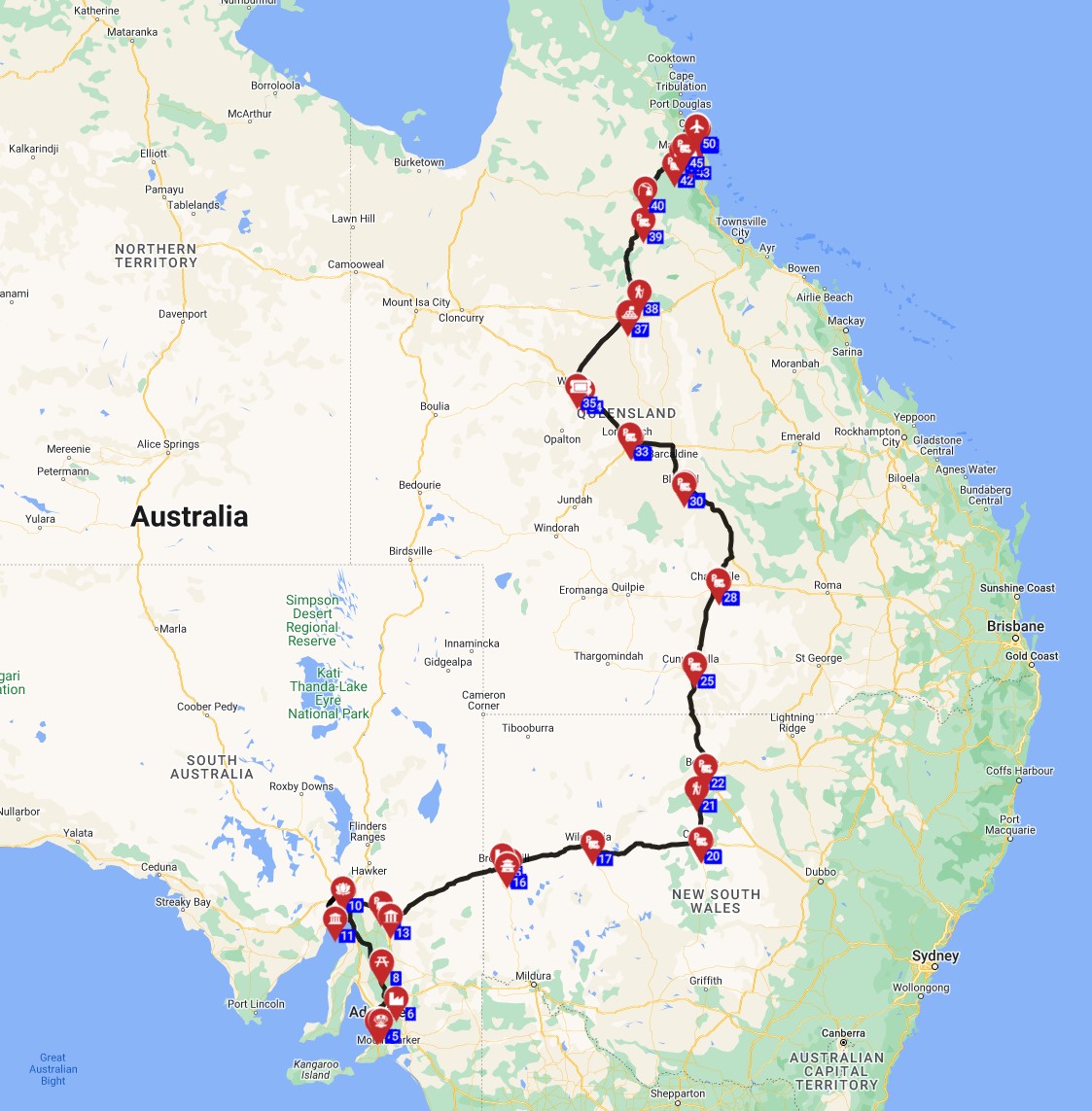
- Discover the Quirky Outback Towns: Experience unique communities like Coober Pedy, where residents live and camp underground, or delve into the mining history of Broken Hill.
- Looking for expert insights from Avi Bandana? Top 5 Adventures - recommendations from Avi Bandana - Discover more expert tips on the Bandana blog.
Final Thoughts
Renting an RV in Australia promises an adventure of a lifetime, offering the flexibility to explore its vast and varied landscapes at your own pace. From the sun-kissed coastlines to the rugged Outback, your rented motorhome or campervan becomes your personal gateway to discovery. We understand that planning such a journey involves many considerations, from understanding pricing to navigating local regulations, and we're here to make it as seamless as possible.
Remember to embrace the spirit of slow travel; dedicate time to savor each destination, connect with the local culture, and indulge in the unique Australian scenery and cuisine. With Bandana Caravan, you're not just booking a vehicle; you're gaining a partner dedicated to supporting your journey. We handle the details, you live the journey, ensuring your Australian RV adventure is filled with unforgettable moments and cherished memories. Discover top destinations, planning tips, all in one place and plan a trip itinerary in advance with minimal effort and maximum enjoyment.
Compare Motorhome Prices for Australia and find rv Rentals in Australia today. Your incredible road trip awaits!