In This Guide
- What winter rv rental RV Rental Costs in Europe (2026)
- Seasonal Pricing - Peak vs. Shoulder vs. Off-Season in Europe
- What's Included vs. What's an Add-On
- Hidden Costs to Budget For in Europe
- How to Save on winter rv rental RV Rental in Europe
- How much does it cost to rent an RV in Europe?
- Is it cheaper to rent an RV or stay in hotels?
- Can you sleep anywhere in a campervan in Europe?
- Is Europe RV friendly?
- What is the average cost of a campsite in Europe?
- Where is the cheapest place in Europe to buy a camper van?
- What is the 3-3-3 rule for RV travel?
- Are RVs cheaper to buy in the winter?
- How much does a motorhome cost in Europe?
- What You Shouldn't Miss
- Why Book with Bandana Caravan
- Final Thoughts
- Frequently Asked Questions
Winter RV rental in Europe offers a magical way to explore snow-dusted landscapes, charming Christmas markets, and cozy destinations without the peak season crowds. Whether you dream of a family adventure through Alpine villages or a romantic escape to a festive city, a rented motorhome provides unparalleled flexibility and comfort.
To plan your ideal winter adventure, begin with our RV Rental Europe - Complete Guide 2026 for live availability and current prices across the continent.
🎬 Video coming soon
What winter rv rental RV Rental Costs in Europe (2026)
RV rental prices in Europe are dynamic, changing daily based on factors like demand, vehicle type, and duration. April is generally the cheapest month for renting an RV in Europe due to lower off-season demand, with daily rates for a compact campervan like the "V3" (a 2-berth with a 100-liter fresh water tank) potentially starting from around €70-€90, while a larger, more insulated 4-berth Class C motorhome such as the "Euro Camper" may cost €120-€180 per day. To obtain the most accurate pricing for your specific winter RV trip dates and preferences, it is always best to use a real-time comparison search.
A typical 1-week winter RV trip for a couple in a comfortable campervan (like a "Luxury Small" with a 100-liter fresh water tank and 80-liter fuel tank) could range from €500 to €800, excluding fuel and campsites. For a 2-week family adventure in a 4-6 berth Class C motorhome, such as a "MHC24" (with a 150-liter fresh water tank and 200-liter fuel tank), costs might be €1,000 to €2,500, depending on the vehicle age and luxury level. For a month-long journey, especially in a spacious "Glamys 40" 6-berth motorhome, rental costs can easily exceed €3,000, offering significant flexibility for extended exploration of destinations like the Eastern European Christmas markets.
When comparing winter RV rental options, be sure to note the differences in models. For example, a 2-berth campervan might have a 30-liter fresh water tank and 70-liter fuel tank, while a 6-berth motorhome could boast a 125-liter fresh water tank and a 90-liter fuel tank for longer journeys. Remember that rental prices are like flight tickets: they change constantly, so early comparison is key.
Seasonal Pricing - Peak vs. Shoulder vs. Off-Season in Europe
Peak season in Europe, typically July-August, sees the highest rental prices due to high demand and ideal summer weather. Winter RV rentals, falling into the off-season category (November-April, excluding holidays), generally present the lowest rates, with April often being the most affordable month to rent a motorhome or campervan. For example, a "Category Large 5 AT" Class C motorhome might rent for €250-€350 per day in August, but drop to €100-€180 per day in January. Shoulder seasons (May-June and September-October) offer a balance of good weather and moderate prices, making them popular for cost-effective travel, with potential daily rates of €150-€250 for similar vehicles.
To take advantage of these savings, consider planning your adventure during the quieter winter months. Not only are the rental costs more budget-friendly, but you'll also encounter fewer tourists at popular attractions, providing a more intimate travel experience. For pre-planners, securing a booking 3-6 months in advance for winter travel often yields the best deals, with potential savings of up to 25% compared to last-minute bookings.
What's Included vs. What's an Add-On
Basic insurance is always included with RV rentals in Europe, covering essential liability and damage, typically with a high deductible. Many rental models, such as the "MIC" 6-berth motorhome (Fiat 130 HP - Euro 5 engine, 100-liter fresh water tank), include features like a 3-burner gas stove, a 145-liter refrigerator, and heating suitable for winter. For enhanced peace of mind, you can upgrade to a top-level deductible for extra protection, reducing your financial exposure in case of an incident. This is an optional upgrade and not included by default.
Additional add-ons, which vary by RV and rental station, typically include comprehensive insurance tiers, unlimited mileage packages, kitchen kits, bedding, and generator usage. For example, a "K125" campervan may offer a bicycle rack for up to 4 bikes as an extra. Our comparison tool allows you to easily toggle and compare prices with or without these extras. Always verify the exact inclusions and available add-ons for your specific booking before finalizing. Bandana provides full transparency: what you see is what you pay, with no surprise fees at pickup.
For making delicious meals in your rented motorhome, explore our RV-friendly recipes playlist on YouTube.
Hidden Costs to Budget For in Europe
Beyond the RV rental fees, travelers in Europe should meticulously budget for various ancillary costs. Fuel is often a major expense, with prices for diesel and petrol varying significantly by country, generally ranging from €1.80 to €2.20 per liter. Road tolls and vignettes (mandatory highway passes in countries like Switzerland, Austria, and Slovenia) can add a substantial amount, with an Austrian 10-day vignette costing around €10-€15. Ferry costs, essential for island hopping or crossing major waterways, can be considerable, especially for larger motorhomes. Parking fees in popular cities can range from a few euros for an hour to €30-€50 for overnight stays in secure lots. Additionally, specific environmental zone permits (e.g., ZTLs in Italy, Umweltzonen in Germany) are required for many city centers, typically costing €5-€20 for a sticker or online registration, with fines for non-compliance starting at €80-€100. On the routes offered through RV PLANET routes, you can itemize and track every expense along the way for easy budgeting.
Campsite fees are another significant variable, usually ranging from €20-€50 per night for a powered pitch in winter. Dump-station charges, if not included at a campsite or service area, might cost €5-€10. For cross-border travel, familiarize yourself with any potential fees or specific safety equipment requirements for each country; for example, many require reflective vests and warning triangles. On RV PLANET routes, you can itemize and track every expense along the way for easy budgeting, ensuring no surprises.
How to Save on winter rv rental RV Rental in Europe
Savvy travelers can significantly reduce the cost of a winter RV rental in Europe by being flexible and planning strategically. Booking during shoulder or off-season months, like November, February, or April, will yield significantly lower daily rates compared to peak summer. For example, a week-long rental of a compact 4-berth campervan might be 30% cheaper in February than in July.
Choosing a smaller RV class, such as a Class B campervan (e.g., "Active Bunk Auto" which offers a flexible sleeping arrangement and is compact) if your group size permits, often results in lower rental rates and better fuel efficiency, saving money on both rental and ancillary costs. Longer rental durations typically decrease the daily rate; a one-month rental of a "Luxury" 4-berth motorhome may cost €80/day, while a 7-day trip might be €120/day. Monitoring flex-rate drops and regularly checking prices for your desired dates can also uncover last-minute deals, as dynamic pricing means rates can fluctuate. Finally, prioritize free or low-cost overnight parking options where legally permitted to reduce campsite fees, though always call ahead to confirm availability and conditions, especially for "winter ready" vehicles that offer extra insulation and heating for cold European nights. Consider our routes and savings options such as the "Budget RV Driving in Europe - Save on Fuel 2026" guide.
How much does it cost to rent an RV in Europe?
The total cost to rent an RV in Europe for a trip typically ranges from €80 to €250 per day, encompassing the rental vehicle, basic insurance, and essential add-ons, but excluding variable costs like fuel and campsites. Daily rental rates fluctuate significantly based on vehicle size, season, rental duration, and specific country. For instance, a small 2-berth campervan like a "Combi Van" could be €70-€120 per day in winter, while a large 6-berth Class C motorhome like the "Euro Deluxe" might be €150-€280 per day, especially for a "Winter Ready" model. Beyond the rental itself, factor in costs for fuel, which can be a major expense given average prices of €1.80-€2.00/liter, road tolls and vignettes, campsite fees (€20-€50 per night), ferry crossings, and potential environmental zone permits in cities.
Budgeting for additional items such as groceries (you can save significantly by cooking in your RV's kitchen, which often includes a 2-3 burner gas stove and a 50-150 liter refrigerator), activities, and potential breakdown assistance memberships will provide a more comprehensive cost estimate for your European RV adventure. When considering vehicle types, a typical "F2" 3-berth motorhome features a 140-liter fresh water tank and a 75-liter fuel tank, ideal for a couple or small family.
Is it cheaper to rent an RV or stay in hotels?
For families or groups, renting an RV in Europe can often be cheaper than staying in hotels, especially for longer trips (one week or more), as it combines accommodation and transport costs. A family of four staying in hotels could easily spend €150-€300 per night on rooms alone, whereas a 4-berth motorhome rental, plus campsite fees, might average €120-€230 per night. RV travel offers significant savings on dining by allowing self-catering with your onboard kitchen, which typically includes a refrigerator and gas stove for preparing meals, greatly reducing the need to eat out for every meal. For example, making breakfast and lunch in your rented campervan could save €50-€100 per day for a family.
The overall cost-effectiveness of an RV versus hotels depends heavily on trip duration, the number of travelers, the chosen RV class (e.g., a compact "Class A - Thor ACE 30" might be more expensive than a "Class C - Alcove" but offers luxury features), and your travel style (preferring basic campsites over luxury ones, or wild camping where permitted). While an RV rental involves initial costs like rental fees, fuel, and campsites, the cumulative savings on accommodation and food for multiple people often make it a more economical choice over an extended period. With Bandana, we offer full price transparency and show all mandatory fees upfront, so there are no surprises when comparing options.
Can you sleep anywhere in a campervan in Europe?
No, you generally cannot sleep anywhere in a campervan in Europe; laws regarding wild camping and overnight parking vary significantly by country and even by local municipality, making prior research crucial for RV travelers. While some countries, particularly in Scandinavia and parts of Eastern Europe, have more relaxed wild camping rules (often under 'freedom to roam' laws), many Western and Southern European countries have strict prohibitions or require permission, with fines for illegal parking or camping potentially ranging from €50 to €500.
Designated campsites, official Stellplätzen or aires de service (motorhome service areas), and private property with owner permission are the safest and most legal options for overnight stays. RV PLANET (rvplan.net) is a great resource for locating available spots along your route, offering information on hundreds of campgrounds and service areas across Europe. Always research specific country and regional regulations before attempting to wild camp, as authorities actively enforce rules. Remember, even if overnight parking is permitted, services like fresh water (a Class B campervan like "Duo" often has an 80-liter fresh water tank) and waste disposal (an 80-liter waste water tank) might not be available.
Is Europe RV friendly?
Yes, Europe is generally RV-friendly with extensive infrastructure for recreational vehicles, though drivers should be aware of specific regional challenges and diverse regulations. The continent boasts a vast network of campgrounds (campings), dedicated service areas (Stellplätzen in Germany, aires de service in France), and a mature RV culture, especially in countries like France, Germany, and the Netherlands, which offer thousands of designated spots. However, navigating narrow roads in historic city centers, finding suitable parking for larger RVs (such as a 7.15m long "MIC" Class C motorhome) in urban areas, and adhering to diverse national speed limits (which can vary for RVs), environmental zone restrictions, and safety equipment requirements (e.g., reflective vests, warning triangles, first-aid kits) can be challenging.
RV travelers should also familiarize themselves with local cultural etiquette regarding noise levels at campgrounds, proper waste disposal, and respectful interaction in local communities to ensure a smooth journey. Driving slowly and carefully, you can drive almost anywhere without issues. No need to stress - just use common sense and pay attention. For specific guidance on driving across different countries, consider our "Driving an RV in Europe - Complete Guide 2026".
What is the average cost of a campsite in Europe?
The average cost of a campsite in Europe typically ranges from €20 to €50 per night for a pitch with electricity, varying significantly based on the country, season, location, and amenities offered. Basic sites in less touristy areas or during off-peak winter seasons can be found for as low as €10-€15, while prime coastal locations, popular national parks (even with winter closures of some facilities), or luxury sites during peak summer can exceed €70 per night. Many campsites, even in winter, offer discounts for longer stays or through membership cards (like ACSI, ADAC), making it worthwhile to inquire about potential savings. Expect higher prices in Western European countries like Switzerland, Italy, France, and Scandinavia, compared to Eastern European nations where costs tend to be lower.
Many RVs, like the "MH-A" motorhome, are "Winter Ready" with advanced heating systems, making winter camping comfortable even when temperatures drop. For finding campsites and campgrounds during your trip, we recommend using RV PLANET (rvplan.net) - a great resource for locating available spots along your route, often including details on winter-specific amenities.
Where is the cheapest place in Europe to buy a camper van?
Germany and the Netherlands are generally considered the cheapest places in Europe to buy a used camper van, owing to their large domestic markets, extensive selection, and competitive pricing. These countries have a high number of RV owners, leading to a robust second-hand market with well-maintained vehicles. While Bandana specializes exclusively in RV rentals for vacation travel and does not sell RVs, researching these markets can give an idea of vehicle availability and general value within Europe, which can be useful context for understanding rental costs. For instance, a popular campervan model like a "VW California Ocean" might be widely available for purchase in these regions.
For those focused on rentals, remember that purchasing costs differ greatly from rental costs and involve additional considerations like registration, long-term insurance, and ongoing maintenance. Our focus is on providing top-notch rental experiences, and we partner with over 50 leading RV suppliers worldwide, including trusted names like El Monte and Apollo, to offer a diverse fleet of motorhomes and campervans for your European adventure.
What is the 3-3-3 rule for RV travel?
The 3-3-3 rule for RV travel is a widely adopted guideline suggesting travelers drive no more than 300 miles (approximately 480 km) a day, arrive at their destination by 3 PM, and stay for at least 3 nights, promoting a relaxed pace. This rule is designed to reduce driver fatigue, allowing ample time to explore each location, enjoy the amenities of your rented motorhome (like a comfortable double bed in a "2 Berth Sandpiper"), and manage campground logistics without feeling rushed. For a winter RV adventure in Europe, adhering to a modified version, such as the 2-2-2 rule (200 miles/320 km, arrive by 2 PM, stay 2 nights) or simply planning shorter daily drives of 100-150 km, may be more practical due to varying road conditions, potential mountain passes, and the desire to truly immerse yourself in the culture and scenery.
Slow travel allows you to take time to feel the place, connect to the culture, the food, and the scenery, making your trip more rewarding. Remember, the journey is just as important as the destination. Consider exploring a "Week-Long RV Driving Tour in Europe 2026" to embrace this philosophy fully.
Are RVs cheaper to buy in the winter?
RVs are often cheaper to buy in the winter months, typically from October through February, as demand significantly decreases outside of the peak travel season, though this pertains to purchasing, not renting. Sellers are more motivated to offer deals during the off-season, and dealerships may provide discounts to clear inventory before new models arrive. However, Bandana focuses exclusively on RV rentals for vacation travel, so these purchasing trends are a contextual observation rather than a direct service we offer. Our primary goal is to make RV travel accessible and joyful for everyone through our extensive rental options.
While winter might be ideal for purchasing, it's also a time when many campgrounds in Europe reduce services or close, making it less ideal for immediate travel with a newly acquired vehicle. For rental customers, winter offers distinct advantages like lower rates and fewer crowds, making it an excellent time for a rented motorhome or campervan adventure. Vehicles like the "V2L" (a 2-berth motorhome with a 100-liter fresh water tank) are perfect for couples exploring Europe in the colder months.
How much does a motorhome cost in Europe?
The rental cost of a motorhome in Europe typically ranges from €90 to €280 per day, with larger, more luxurious Class A or integrated models commanding higher prices compared to more compact Class B (campervan) or Class C (alcove) motorhomes. Factors influencing motorhome rental costs include the vehicle's size (e.g., a compact "C-Small" with a 115-liter fresh water tank vs. a large "MHLUX" with a 260-liter fresh water tank), age, luxury features, the rental company, the specific country of pickup, and the seasonality of your travel dates. For example, a "Group A" campervan (4-berth, 30-liter fresh water tank) might start at €80-€100 per day in the low season, while a "Group I" 6-berth Class C motorhome (100-liter fresh water tank, 100-liter waste water tank) could easily exceed €200 per day in peak season. Motorhomes generally offer more space, amenities, and often better insulation for winter travel compared to smaller campervans, but this comes with a higher rental price and potentially increased fuel consumption and toll charges.
For an exact figure, it is essential to specify your desired motorhome type, travel dates, and pickup location using a dedicated search tool, as prices are dynamic and vary daily. Bandana offers bookings in 30+ currencies with full price transparency, ensuring you see the final cost upfront. We have direct partnerships with 50+ leading RV suppliers worldwide, including renowned names like El Monte, Cruise America, Apollo, and Britz, providing you with a wide selection of vehicles to compare and choose from.
What You Shouldn't Miss
- Vienna's Christmas Markets: Immerse yourself in the festive spirit with a Vienna Roundtrip - The epic Eastern European Christmas markets Route. This 15-day, 2762 km route plan covers 10 traditional markets, 2 museums, and numerous historical sites. Imagine sipping mulled wine as you explore baroque architecture.
- Alpine Ski Resorts: Experience world-class skiing or snowboarding in the Austrian, Swiss, or French Alps. Many resorts offer RV-friendly parking and facilities, allowing you to hit the slopes directly from your temporary home.
- Fairytale Castles of Germany: Visit Neuschwanstein Castle, often dusted with snow, creating an even more enchanting sight. The nearby towns are cozy and offer a warm welcome during the colder months.
- Northern Lights in Scandinavia: Head north to countries like Finland or Norway for a chance to witness the spectacular Aurora Borealis. A motorhome allows you the flexibility to chase clear skies away from city lights, with routes like the Rovaniemi Roundtrip - End of Europe scenic roads Route offering extended exploration.
- Thermal Baths in Hungary: Warm up in the famous thermal baths of Budapest, a truly unique experience especially when there's a chill in the air.
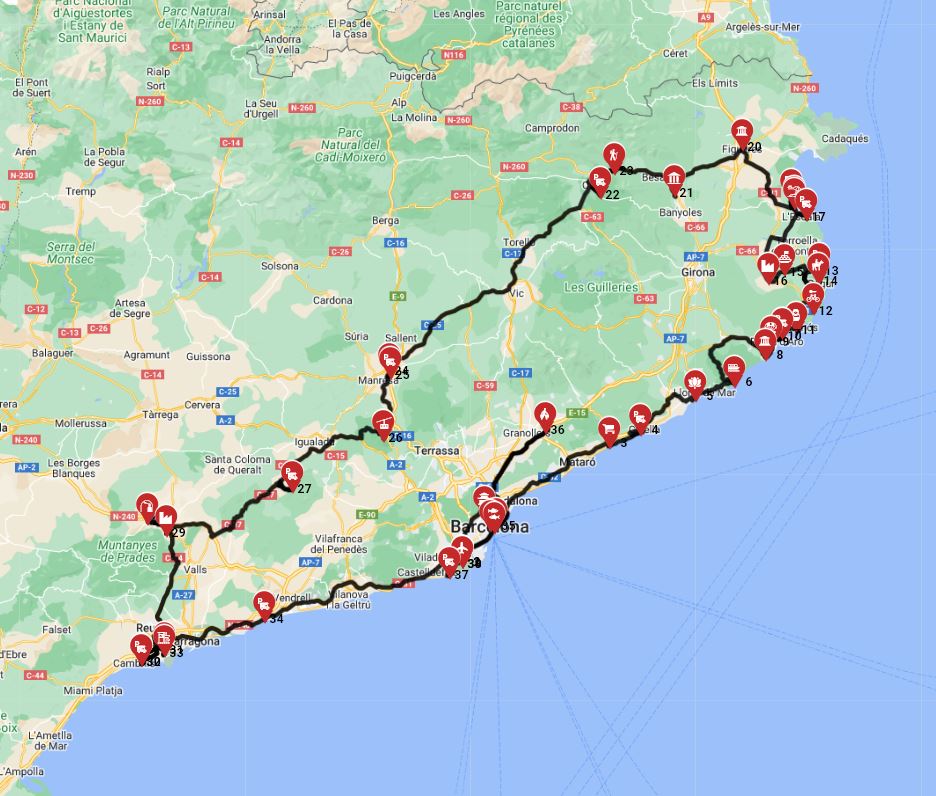
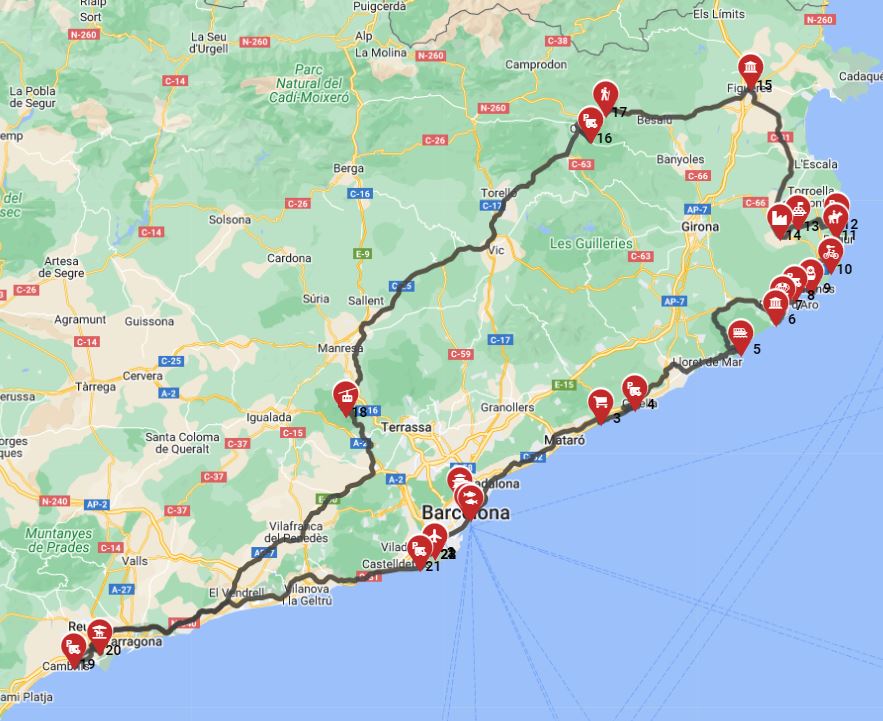
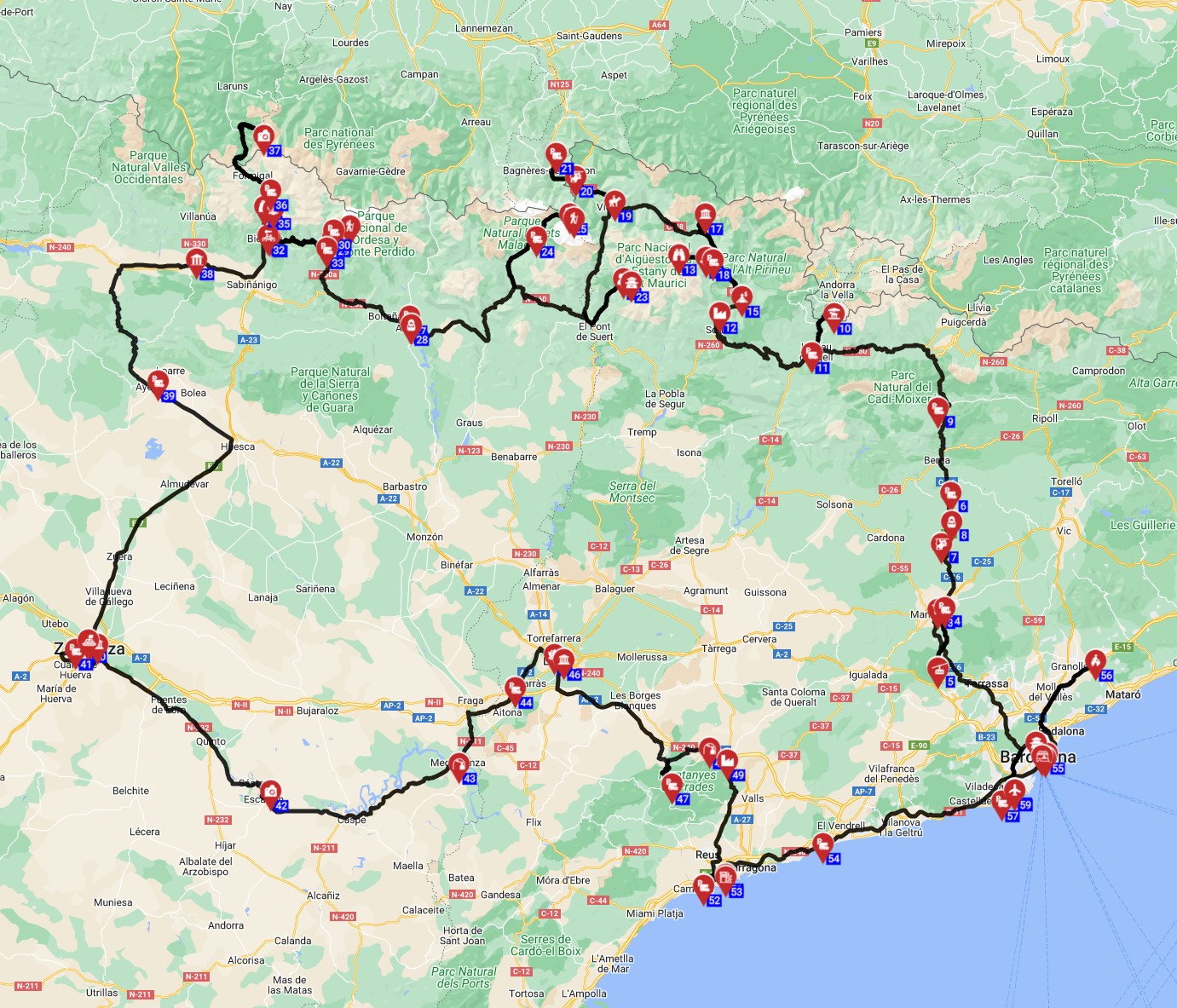
- Mediterranean Winter Charm: Explore the quieter coastal towns of Southern Europe, like those on the Toulouse Round trip - European Charms & Family Delights Route. This 15-day, 2088.7 km route offers a mix of amusement parks, historical sites, and natural features, perfect for families seeking milder winter weather.
Looking for expert insights from Avi Bandana? Top 5 Adventures - recommendations from Avi Bandana
Avi Bandana, our founder, has personally traversed countless routes across Europe. He emphasizes slow travel, suggesting you aim for a maximum of 100-150 km per day on average to truly soak in the culture, food, and scenery. "Winter RVing in Europe is about embracing the quiet magic," he says. "Find those hidden gems, linger in a local café, and let the landscape unfold at its own pace. It's a different kind of adventure, full of warmth and wonder."
Final Thoughts
Embracing a winter RV rental in Europe truly opens up a world of unique travel possibilities, from snow-capped mountains to bustling festive markets. Imagine waking up to a new view every day, with all the comforts of home right there with you. It's an adventure that promises unforgettable memories, whether you're a couple seeking a quiet escape or a family yearning for a magical holiday.
With Bandana's commitment to transparency, genuine expertise, and comprehensive support, you can plan your journey with confidence. So, take the leap, choose your perfect motorhome or campervan, and get ready to discover the unparalleled charm of Europe in winter.
Get inspired for your next trip! Find winter RV Rentals in Europe now!