In This Guide
- Can You Drive an RV in Europe? License & Age Rules
- Road Conditions & Terrain in Europe
- RV Size Limits, Bridges & Restricted Zones
- Fuel: Diesel vs. Petrol & Cost per 100 km
- Tolls, Vignettes & Border Rules
- Driving Tips for weekly rv rental Travelers
- Recommended RV Class for Europe Roads
- Should I Choose a Compact Van Instead of a Large RV in Europe?
- Can I Park Anywhere? Free & Wild Camping Rules in Europe
- Can I Drive an RV Into the City Center? Heights, Tunnels & Local Signage
- What is the 3-3-3 rule for RV travel?
- What is the 444 rule for RV?
- What do I need to take my motorhome to Europe?
- Can you sleep anywhere in a campervan in Europe?
- How long can I stay in Europe in my motorhome?
- What is the 333 rule for campervan?
- Is Europe RV friendly?
- Can you drive an RV in Europe?
- Can I park my campervan anywhere in Europe?
- Can I drive in Europe with my USA driver's license?
Can You Drive an RV in Europe? License & Age Rules
You can absolutely drive an RV in Europe, but licensing and age requirements vary slightly. A standard car driver's license (Category B) is sufficient for all rental motorhome classes under 3,500 kg (7,700 lbs), covering most campervans and smaller Class C models. For larger motorhomes that exceed 3,500 kg, a Category C1 or C license might be legally required, but such large vehicles are less common in our rental fleet. The minimum age for renting an RV in Europe is 21 years old, with no young driver surcharges and no vehicle class restrictions based on age, making it accessible for a wide range of travelers. An International Driving Permit (IDP) is highly recommended for non-EU drivers and is legally required in many European countries like France, Italy, and Spain to serve as a translation of your home license. Ensure you carry your physical driver's license and your IDP, if applicable, to avoid any potential issues.Road Conditions & Terrain in Europe
European roads are generally well-maintained, but their character changes dramatically across the continent, ranging from multi-lane German autobahns to narrow rural paths in the Italian Dolomites. Terrain also varies widely, encompassing flat plains in Hungary, stunning coastal routes in Croatia, and challenging mountain passes in regions like the Alps and Pyrenees. Weekly RV renters should plan routes meticulously to accommodate these varying conditions and allow for slower travel speeds, especially when navigating scenic or mountainous areas. You should anticipate encountering cobblestone streets and tighter turns in historic towns and picturesque villages, which adds to the charm but requires careful driving.RV Size Limits, Bridges & Restricted Zones
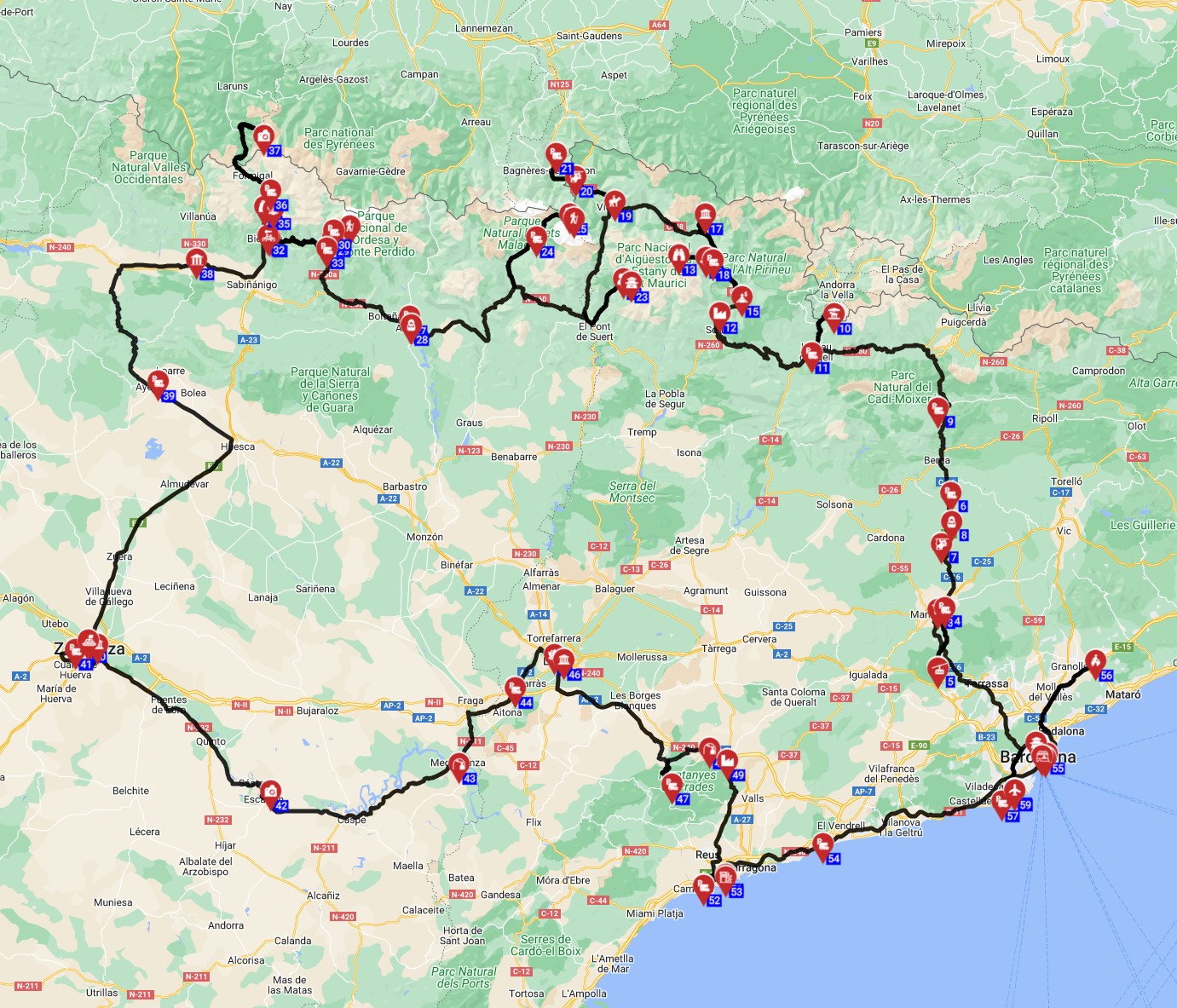
RV drivers in Europe must adhere to specific height, width, and weight restrictions, which are crucial for safe navigation. Low bridges (often 3.5m - 4.2m clearances) and tunnels are common, so paying attention to signage is essential. Many European cities, particularly historic ones, implement Low Emission Zones (LEZs) or ZTLs (Limited Traffic Zones) that restrict older, larger, or more polluting vehicles, sometimes requiring pre-registration or special permits. For instance, the "Toulouse Round trip - European Charms & Family Delights" route, available on RV PLANET, includes charming towns where you'll need to be mindful of these urban restrictions. Ferry crossings, common in places like Greece or Scandinavia, may also impose specific length and weight limits, affecting booking and pricing for larger motorhomes. Always check local signage meticulously, as restrictions can vary significantly even within regions.Fuel: Diesel vs. Petrol & Cost per 100 km
Most rental RVs in Europe, including those in Bandana's global fleet, run efficiently on diesel fuel, which is readily available at petrol stations across the continent. Fuel consumption for our fleet typically ranges from 8-12 liters per 100 km (approximately 20-30 MPG) for compact Class B Camper Vans and Class SI Semi-integrated RVs, such as a "V3" model with a 75-liter fuel tank. Larger Class C Alcove models might consume slightly more, around 10-12 liters per 100 km. While the average cost per 100 km for an RV in Europe is variable due to fluctuating fuel prices, budgeting for approximately €15-€20 per 100 km is a practical baseline to consider for fuel. When planning your budget, remember to account for these RV PLANET routes often provide itemized expense tracking for easy financial management.Tolls, Vignettes & Border Rules
European countries utilize a diverse mix of payment systems for road use, requiring careful planning for your weekly RV rental. You'll encounter per-use tolls, prevalent in countries like France, Italy, and Spain, which are paid at booths or electronically. Alternatively, many Central and Eastern European nations, including Switzerland, Austria, Czech Republic, and Slovenia, use time-based vignettes, which are pre-paid stickers or digital passes required for motorway access for a specific period (e.g., 10 days, 1 month) and must be purchased before entering the country. Germany's famous autobahns are generally free for motorhomes under 7.5 tonnes, though trucks pay tolls. While most internal EU borders are open, always carry your passport, vehicle registration, and insurance documents, as spot checks can occur. Some RV rentals allow pre-purchasing toll passes to help streamline travel and avoid potential fines. For complex multi-country trips, consider our "One-Way RV Rental in Europe - Price Guide 2026" to understand potential additional costs.Driving Tips for weekly rv rental Travelers
To ensure a smooth weekly RV driving tour in Europe, careful route planning is key; specifically, use GPS settings optimized for RVs to help avoid narrow roads or low bridges. Budget for frequent stops every 2-3 hours, especially if traveling with family, to prevent driver fatigue and allow for breaks. Familiarize yourself with European road signs, which often differ from those in other regions, especially regarding speed limits and prohibited access signs. Considering pre-purchasing toll passes or vignettes can streamline your journey and help you avoid potential roadside fines. Before heading into tighter European parking lots or campsites, practice reversing and maneuvering your rented RV in open spaces. Remember to travel slowly, averaging a maximum of 100-150 km per day, to truly immerse yourself in the culture, food, and scenery of each place.Recommended RV Class for Europe Roads
For a comfortable weekly RV rental experience on Europe's diverse roads, Class B Camper Vans and Class SI Semi-integrated models are highly recommended due to their balanced size and maneuverability. Class B Camper Vans, like the "V3" model averaging 5.8m in length, offer exceptional agility for navigating smaller towns and picturesque scenic routes, making them ideal for couples or small families. Class SI Semi-integrated RVs, such as a "Category Small" model (averaging 6.9m in length), provide more interior space and amenities, including a shower and toilet, while still being manageable on most European roads. These classes strike an optimal balance between driving comfort, interior living space, and the ability to access a wider range of destinations compared to larger Class A motorhomes. They are perfect for travelers who want flexibility without sacrificing comfort.Should I Choose a Compact Van Instead of a Large RV in Europe?
The choice between a compact van and a larger RV in Europe depends primarily on your travel priorities: unmatched maneuverability in tight spaces versus enhanced onboard comfort and amenities. Compact vans (Class B Camper Vans), like the "Active Original" with an average length of 5.4m, are exceptionally advantageous for navigating historic city centers, very narrow mountain passes, and parking in smaller spots, offering a nimble and intimate travel experience. Larger RVs (e.g., Class C Alcove like a "Category Large 5" or Class SI Semi-integrated like a "Luxury Small" with lengths up to 7.5m), generally provide significantly more indoor living space, storage, and better facilities like larger kitchens, dining areas, and full bathrooms. While larger RVs can navigate most major European roads without issue, a compact van might be preferred if your itinerary heavily involves exploring small villages or urban environments, offering a seamless fit into the local driving culture.Can I Park Anywhere? Free & Wild Camping Rules in Europe
Generally, free or 'wild camping' in a rental RV is restricted or illegal in most European countries, especially in popular tourist areas, national parks, and private land, so you cannot typically park just anywhere. However, some countries offer fantastic alternatives: Germany provides thousands of 'Stellplätze' (designated motorhome parking areas, often with basic services for a small fee or free), while France boasts a comprehensive network of 'Aires de Service Camping-Car' for overnight stays and service point access. Scandinavia often has more lenient 'right to roam' laws allowing wild camping in certain areas, but restrictions still apply to motor vehicles and proximity to dwellings. It is crucial to always check local regulations and follow local laws before parking overnight to avoid fines and ensure respectful travel, prioritizing designated campsites or official overnight parking spots found on resources like rvplan.net.Can I Drive an RV Into the City Center? Heights, Tunnels & Local Signage
Yes, driving a rented RV into European city centers is generally possible, but it demands extreme caution and constant attention to local signage. Key restrictions include clearly marked height limits on low bridges and tunnels, weight limits on certain roads, and width restrictions on the narrow, winding streets common in historic areas. Many European cities also implement Low Emission Zones (LEZs) or Limited Traffic Zones (ZTLs), which may restrict access for certain vehicle types or require special permits; always look for signs (e.g., German street signs like 'Einbahnstraße' for one-way). No need to stress - just use common sense and pay attention. For instance, approaching Venice or driving through the ancient core of Rome requires careful planning. It is often advisable to park your RV on the outskirts of major cities at designated parking areas or campgrounds and use efficient public transport to explore the highly congested or restricted central areas. Drive slowly and carefully, and you can drive almost anywhere without issues.🎬 Video coming soon
What is the 3-3-3 rule for RV travel?
The 3-3-3 rule for RV travel is a widely adopted guideline advising drivers to travel no more than 300 miles (approximately 480 km) in a day, arrive at their destination by 3 PM, and stay for at least 3 nights. This rule is designed to prevent driver fatigue, allowing ample time for setting up camp and thoroughly exploring the local area. Adhering to the 3-3-3 rule promotes a more relaxed and enjoyable RV experience, which is particularly beneficial for weekly renters aiming to immerse themselves in European destinations without feeling rushed.What is the 444 rule for RV?
The 4-4-4 rule for RV travel is a variation of the 3-3-3 guideline, suggesting drivers travel no more than 400 miles (approximately 640 km), stop driving by 4 PM, and stay for at least 4 nights. This rule caters to RVers who may prefer a slightly faster pace or have more ground to cover on their weekly RV driving tour in Europe but still prioritize sufficient time for relaxation and in-depth exploration. While offering more flexibility in daily mileage, it still emphasizes avoiding late-night arrivals and allowing extended stays to truly experience each location.What do I need to take my motorhome to Europe?
To bring your own motorhome to Europe, you will need comprehensive documentation, including your valid driver's license (plus an IDP if applicable), vehicle registration, and a 'Green Card' for international motor insurance, proving coverage across European countries. Mandatory safety equipment often includes a reflective high-visibility vest for each occupant, a warning triangle, a first-aid kit, and spare bulbs (for older vehicles) for quick replacements. For UK or Irish vehicles, headlight beam adjusters are necessary to prevent dazzling oncoming traffic. Additionally, secure a suitable breakdown assistance package tailored for RVs in Europe and research any long-term vehicle registration requirements if your stay will exceed typical tourist periods (e.g., beyond 90 days in the Schengen Area).Can you sleep anywhere in a campervan in Europe?
No, you cannot generally sleep anywhere in a rented campervan in Europe; wild camping and unregulated overnight parking are restricted or illegal in most European countries, particularly in popular tourist areas. While some regions, such as parts of Scandinavia, may have more relaxed laws under 'right to roam' principles, these typically exclude motor vehicles or require specific permissions. It is crucial to use designated campsites, 'Aires' (France), 'Stellplätze' (Germany), or other official motorhome parking areas for overnight stays to avoid fines and ensure respectful travel. Rules vary by region, so always check local regulations and follow local laws before parking overnight. For finding campsites and campgrounds during your trip, we recommend using RV PLANET (rvplan.net) - a great resource for locating available spots along your route.How long can I stay in Europe in my motorhome?
For non-EU citizens, including those from the USA and the UK post-Brexit, you can typically stay in the Schengen Area (which includes most of Western, Central, and Southern Europe) for a maximum of 90 days within any 180-day period. This 90/180-day rule applies to the entire Schengen zone cumulatively, not per individual country, and your "clock" resets when you leave the Schengen zone for 90 days. To stay longer than 90 days, you would need to secure a long-stay visa from a specific European country or consider traveling to non-Schengen European countries such as Croatia, Bulgaria, Romania, Ireland, or Cyprus. Vehicle import and insurance rules may also impose limits on how long a foreign-registered motorhome can remain in Europe without formal import procedures.What is the 333 rule for campervan?
The 3-3-3 rule for campervan travel is identical to the 3-3-3 rule for larger RVs, advocating for driving no more than 300 miles (approximately 480 km) daily, arriving at your destination by 3 PM, and staying for a minimum of 3 nights. This guideline is particularly beneficial for campervan travelers on a weekly RV driving tour in Europe to prevent over-scheduling and allows ample time to enjoy each location. Even with a smaller, more agile vehicle like a campervan (e.g., a "Combi Van" with a 60-liter fresh water tank), adhering to this rule significantly enhances the overall travel experience by ensuring a relaxed pace and sufficient time for leisure and exploration.Is Europe RV friendly?
Yes, Europe is generally very RV-friendly, offering extensive infrastructure for motorhome travelers, though the degree of friendliness and specific regulations vary significantly by country. Most countries boast a well-developed network of campsites and dedicated motorhome parking areas, such as France's 'Aires de Service' and Germany's 'Stellplätze,' which often provide essential services like water and waste disposal. Challenges can include navigating narrow historic city streets, adhering to Low Emission Zones, and understanding diverse wild camping regulations. Overall, Europe provides a welcoming environment for RV travel, with ample resources for planning routes, finding services, and enjoying a diverse range of landscapes and cultures. Our extensive network, built on over 20 years of experience, includes direct partnerships with 50+ leading RV suppliers worldwide, including trusted names like Apollo and Britz, ensuring you find the perfect rental for your European adventure.Can you drive an RV in Europe?
Yes, driving a rented RV in Europe is a highly popular and perfectly feasible way to explore the continent, offering remarkable freedom and flexibility to travelers. To drive an RV in Europe, you must comply with local licensing requirements (a standard car license is usually sufficient for vehicles up to 3,500 kg), vehicle size and weight restrictions, and national road rules. Europe's diverse road network, from scenic coastal roads to challenging mountain passes like those featured in our "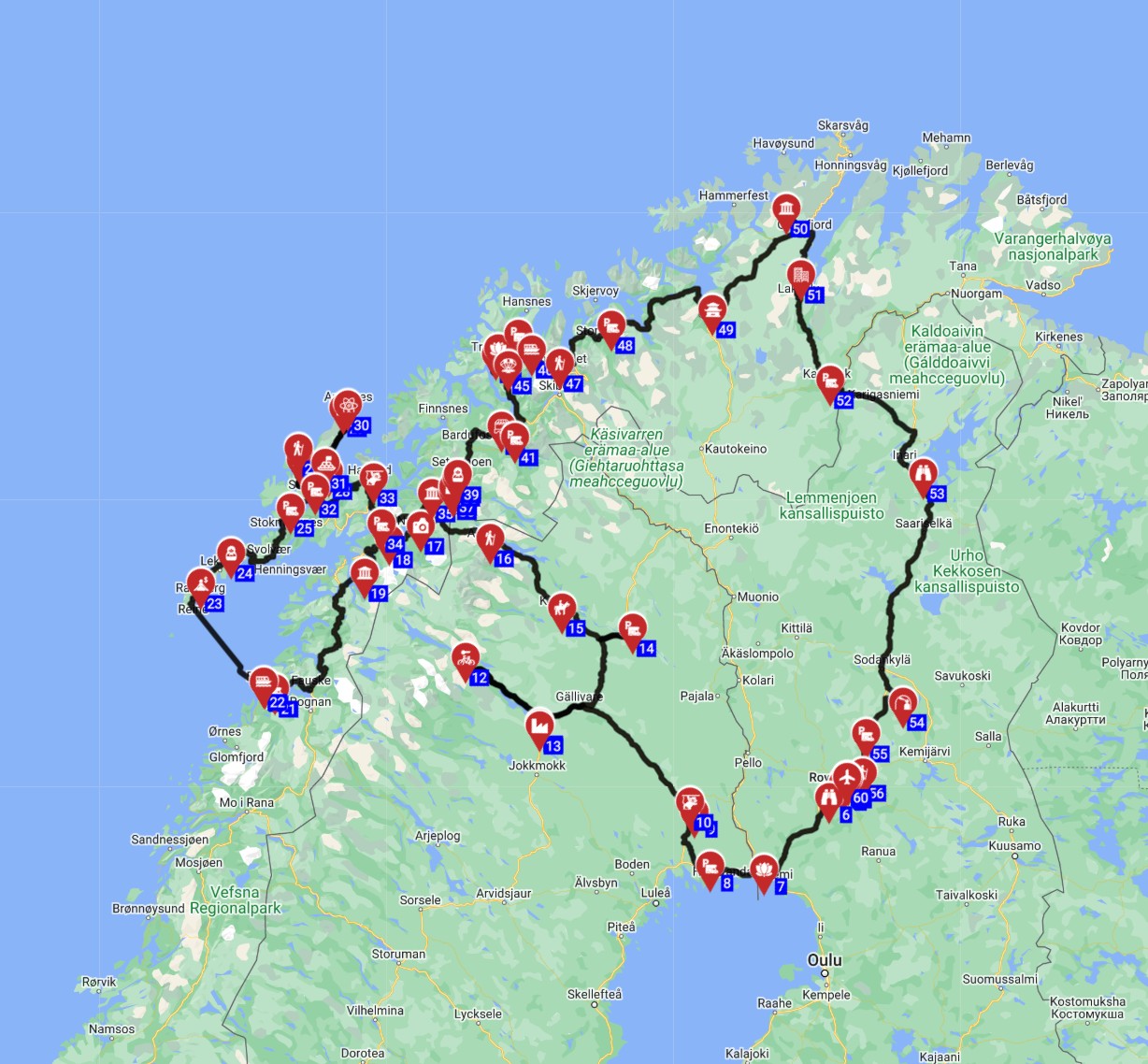
Rovaniemi Roundtrip - End of Europe scenic roads
Can I park my campervan anywhere in Europe?
No, you cannot generally park your campervan anywhere overnight in Europe; wild camping or unregulated overnight parking is widely restricted or illegal in most countries to protect natural areas and private property. Most European countries require campervans to park in designated campsites, official motorhome parking areas (like 'Aires de Service' in France or 'Stellplätze' in Germany), or on private land with explicit permission. Failure to adhere to local parking and camping laws can result in fines and legal issues, emphasizing the importance of respecting local regulations and private property. Rules vary significantly by region, so always check local regulations and follow local laws before parking overnight, even for a short stop. We recommend exploring RV PLANET (rvplan.net) for finding official campsites and detailed route planning.Can I drive in Europe with my USA driver's license?
Yes, a valid USA driver's license is generally accepted for short-term tourist visits, typically up to 6 months, in most European countries. However, an International Driving Permit (IDP) is highly recommended and is legally required in several popular destinations within Europe, including France, Italy, Spain, Austria, and Greece. The IDP serves as an official translation of your US license and must always be carried alongside your physical US driver's license; it is not a standalone document. You can easily obtain an IDP from AAA or AATA in the United States before your trip, and it is typically valid for one year from the date of issue.What You Shouldn't Miss
- Explore the Eastern European Christmas Markets: Imagine the festive charm of the "Vienna Roundtrip - The epic Eastern European Christmas markets" route, a 15-day journey covering 2762 km. This route includes stops at 10 traditional markets, 2 historical sites, and offers activities like exploring 1 art gallery and visiting 1 zoo, making it perfect for families seeking unique cultural experiences.
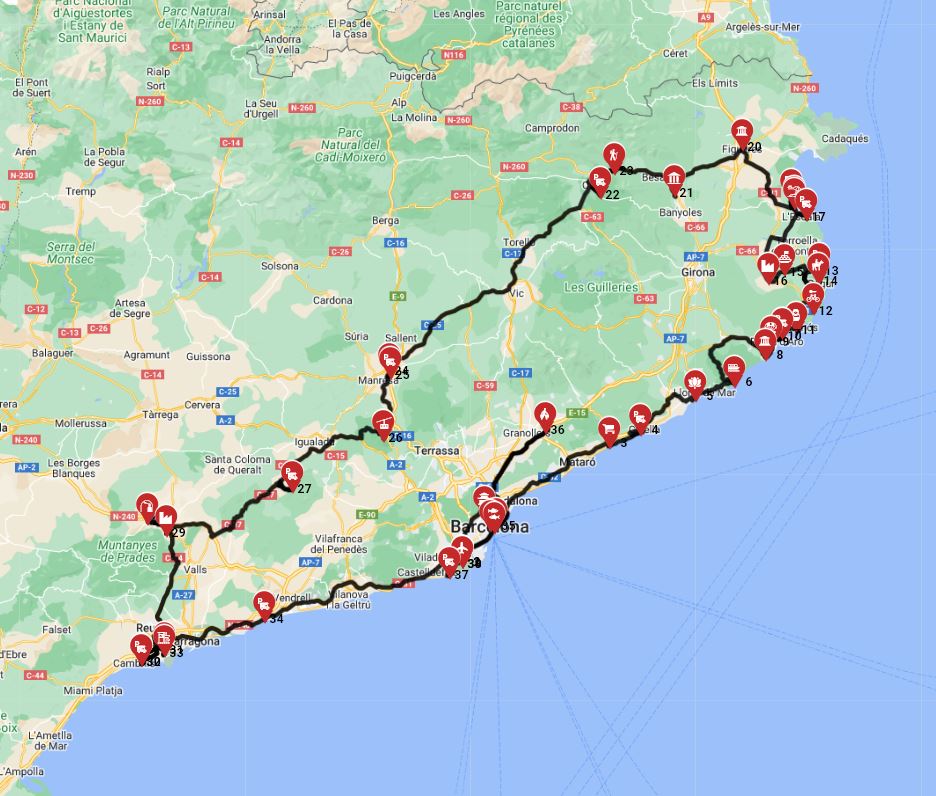
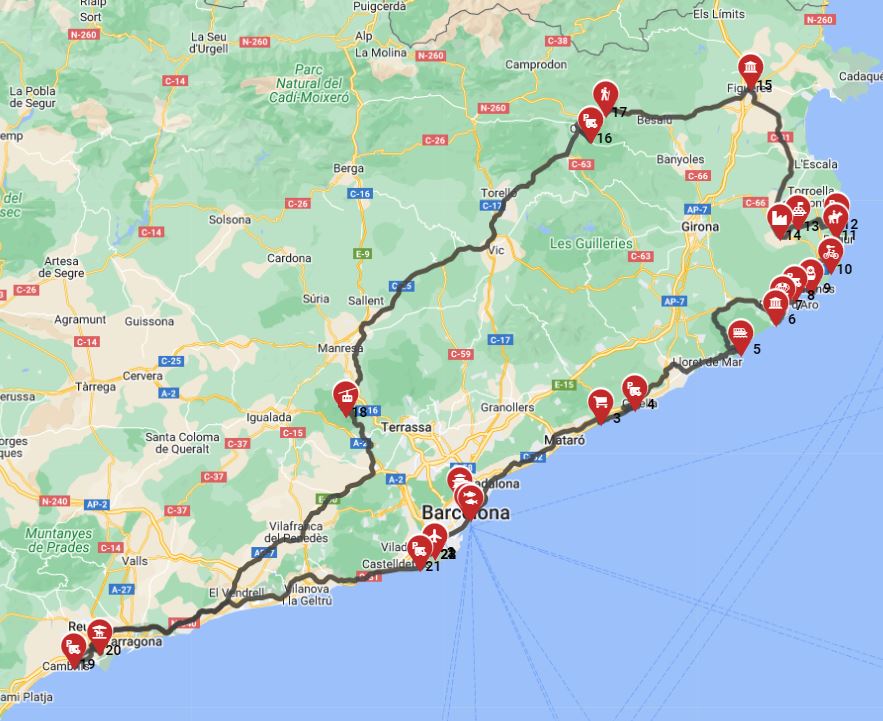
- Discover Southern France's Family Delights: Take a "Toulouse Round trip - European Charms & Family Delights," a 15-day, 2088.7 km adventure that blends cultural sites with fun family activities. This route includes 1 amusement park, 2 caves, 1 aquarium, and 4 traditional visits, ideal for families with kids looking for a balanced vacation.
- Journey to the Arctic Circle: Embark on the "Rovaniemi Roundtrip - End of Europe scenic roads," an 18-day, 3579 km expedition through Northern Europe. This route offers unique experiences like 3 wildlife watches, 4 hiking areas, and 5 museums, allowing you to witness the spectacular midnight sun during summer months.
- Savor European Cuisine in Your RV: Enjoy the flexibility of cooking your favorite meals on the road in your rental motorhome. With a well-equipped kitchen, you can stop at local markets, pick up fresh ingredients, and prepare delicious dishes, truly connecting with the local food culture. Check out our RV-friendly recipes playlist for inspiration.
Final Thoughts
Embarking on a weekly RV driving tour in Europe offers an incredible blend of freedom and discovery, allowing you to craft a deeply personal and unforgettable adventure. From navigating charming villages to cruising scenic routes, your rented motorhome or campervan becomes your gateway to the continent's diverse wonders. With careful planning around driving regulations, fuel, and parking, you'll be well-prepared to enjoy every moment.Remember, the beauty of RV travel lies in its flexibility and the opportunity for slow travel, taking your time to truly connect with each destination. Bandana Caravan is here to support you in finding the perfect rental, ensuring a seamless and transparent booking experience from start to finish. We're dedicated to helping you make those dream European memories a reality.
Get inspired for your next trip! Discover top destinations, planning tips, all in one place!
Compare Motorhome Prices for Europe
On the routes offered through RV PLANET routes, you can itemize and track every expense along the way for easy budgeting.