In This Guide
- Can You Drive an RV in Europe? License & Age Rules
- Road Conditions & Terrain in Europe
- RV Size Limits, Bridges & Restricted Zones
- Fuel: Diesel vs. Petrol & Cost per 100 km
- Tolls, Vignettes & Border Rules
- Driving Tips for luxury RV rental Travelers
- Recommended RV Class for Europe Roads
- Should I Choose a Compact Van Instead of a Large RV in Europe?
- Can I Park Anywhere? Free & Wild Camping Rules in Europe
- Can I Drive an RV Into the City Center? Heights, Tunnels & Local Signage
- What is the 3-3-3 rule for RV travel?
- What is the 333 rule for campervan?
- Can you sleep anywhere in a campervan in Europe?
- Do you need a CDL to drive a luxury RV?
- Do people drive RVs in Europe?
- Which European countries are best for driving in a motorhome?
- What do Europeans call an RV?
- Do you need a special license to drive a classy motorhome?
- Can you drive an RV in Europe?
- What is the best travel insurance company for Europe?
- What You Shouldn't Miss
Europe offers an unparalleled backdrop for a luxury RV adventure, blending diverse cultures, breathtaking landscapes, and historical richness. Imagine yourself navigating the winding coastal roads of Italy in a comfortable Class SI - Semi-integrated motorhome, or exploring the charming villages of France in a nimble campervan. For live availability and current prices for your dream European journey, start with our RV Rental Europe - Complete Guide 2026 guide. At Bandana RV, we specialize in making these luxury motorhome dreams a reality, providing full transparency and expert support every step of the way.
Can You Drive an RV in Europe? License & Age Rules
Yes, you can absolutely drive a rented RV in Europe, and the licensing requirements are generally straightforward for most rental vehicles. Most standard EU or international driving licenses (B-category) are sufficient for operating motorhomes up to 3.5 tonnes (approximately 7,700 lbs) Gross Vehicle Weight (GVW).
For drivers from non-English speaking countries, an International Driving Permit (IDP) is recommended in addition to your national license, although it's not strictly mandatory in all cases. The minimum driver age for motorhome rentals across Europe is typically 21 years old. Some luxury RV rental suppliers may have age requirements up to 25 for specific, larger Class A motorhomes, but this is less common for the popular European models. Bandana RV offers options with no young driver surcharges or vehicle class restrictions based on age, ensuring everyone over 21 can find their perfect luxury RV.
Road Conditions & Terrain in Europe
European roads are generally excellent and well-maintained, but they offer a diverse range of driving experiences, from high-speed German autobahns to narrow, winding country roads and challenging mountainous terrain. A luxury rented RV or campervan is well-equipped to handle these varied conditions, whether you're traversing the majestic Alps, the picturesque Pyrenees, or the gentle rolling hills of Tuscany.
We always recommend adopting a slow travel approach, averaging no more than 100-150 km per day. This allows you to truly immerse yourself in the local culture, savor regional food, and appreciate the stunning scenery at a relaxed pace. Driving slowly and carefully ensures a smooth and enjoyable journey, allowing you to drive almost anywhere without issues, without needing to stress over varied road conditions. Just use common sense and pay attention.
RV Size Limits, Bridges & Restricted Zones
When driving a rented RV in Europe, it is crucial to be aware of vehicle dimensions, as height (typically between 3.5m-4m) and weight limits are common, especially in older towns, tunnels, and bridges. Many historic European city centers have tight streets and low clearances that require careful navigation.
Additionally, numerous European cities enforce Low Emission Zones (LEZs), which may require a specific permit or sticker, such as France's Crit'Air vignette or Germany's Umweltplakette. These zones aim to reduce pollution and might restrict access for certain vehicle types or ages. For ferry travel, which is often a delightful part of a European RV itinerary, ensure you book based on your rented RV's precise length and weight category to avoid any surprises.
Fuel: Diesel vs. Petrol & Cost per 100 km
Most luxury motorhomes and campervans available for rental in Bandana RV's fleet, such as Class SI - Semi-integrated and Class C - Alcove models, run on diesel fuel, which is readily available throughout Europe. The average fuel consumption for a typical Class SI - Semi-integrated motorhome is approximately 10-11 Liters/100 km, while a larger Class C - Alcove might consume 10-12 Liters/100 km.
As of 2026, you should budget for fuel costs in the range of €1.70-€2.00 per liter, although prices can fluctuate based on country and current market conditions. Some rental providers may offer fuel discount cards or programs to help manage these ancillary costs. When planning your route, remember that RV PLANET routes allow you to itemize and track every expense along the way for easy budgeting, making your RV PLANET routes planning more predictable. On the routes offered through RV PLANET routes, you can itemize and track every expense along the way for easy budgeting.
Tolls, Vignettes & Border Rules
Europe features a variety of road usage payment systems for vehicles, including traditional tolls and time-based vignettes, which vary significantly by country. Countries like France, Italy, and Spain primarily use tolls, where you pay per distance traveled or per section of highway. In contrast, countries such as Switzerland, Austria, and Slovenia utilize vignettes, which are sticker or digital passes purchased for a specific duration (e.g., 10 days, 1 month, 1 year) and allow unlimited use of their motorways.
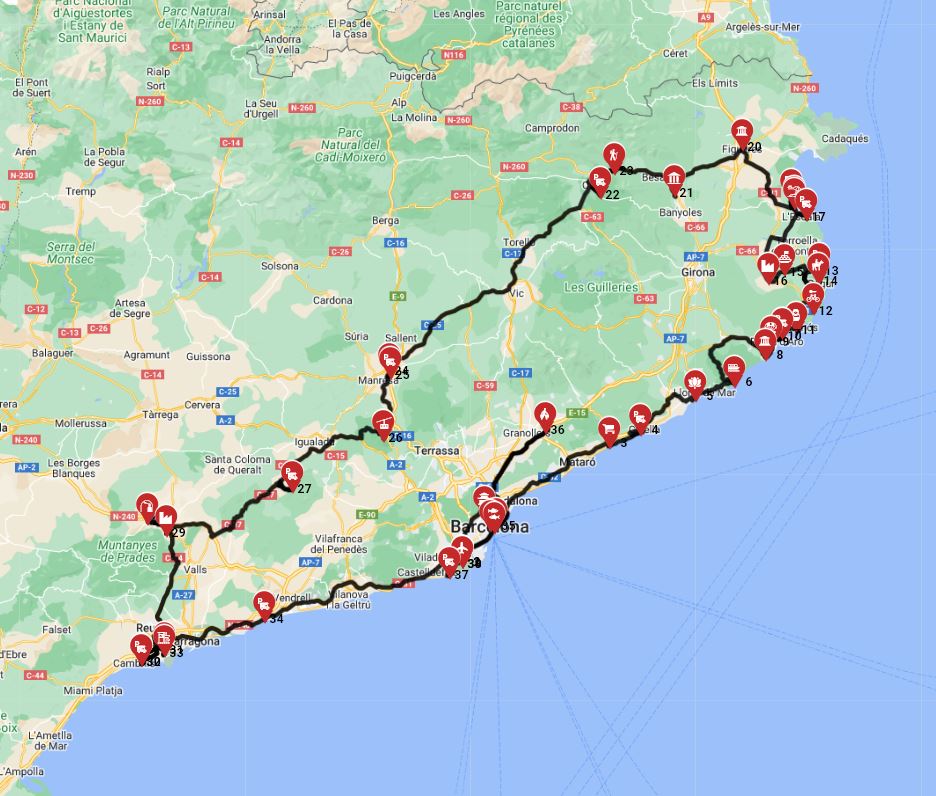
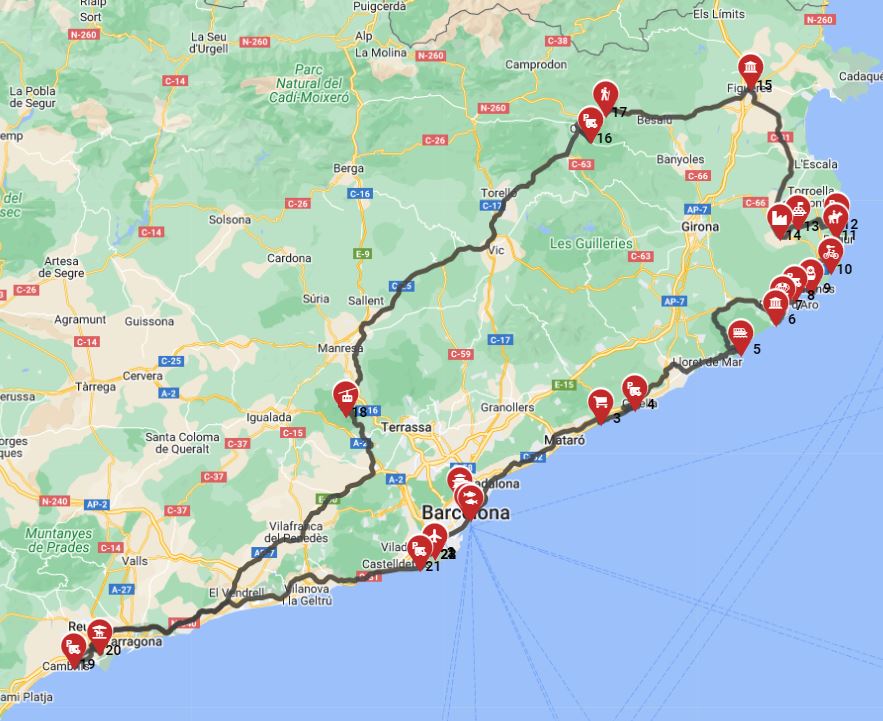
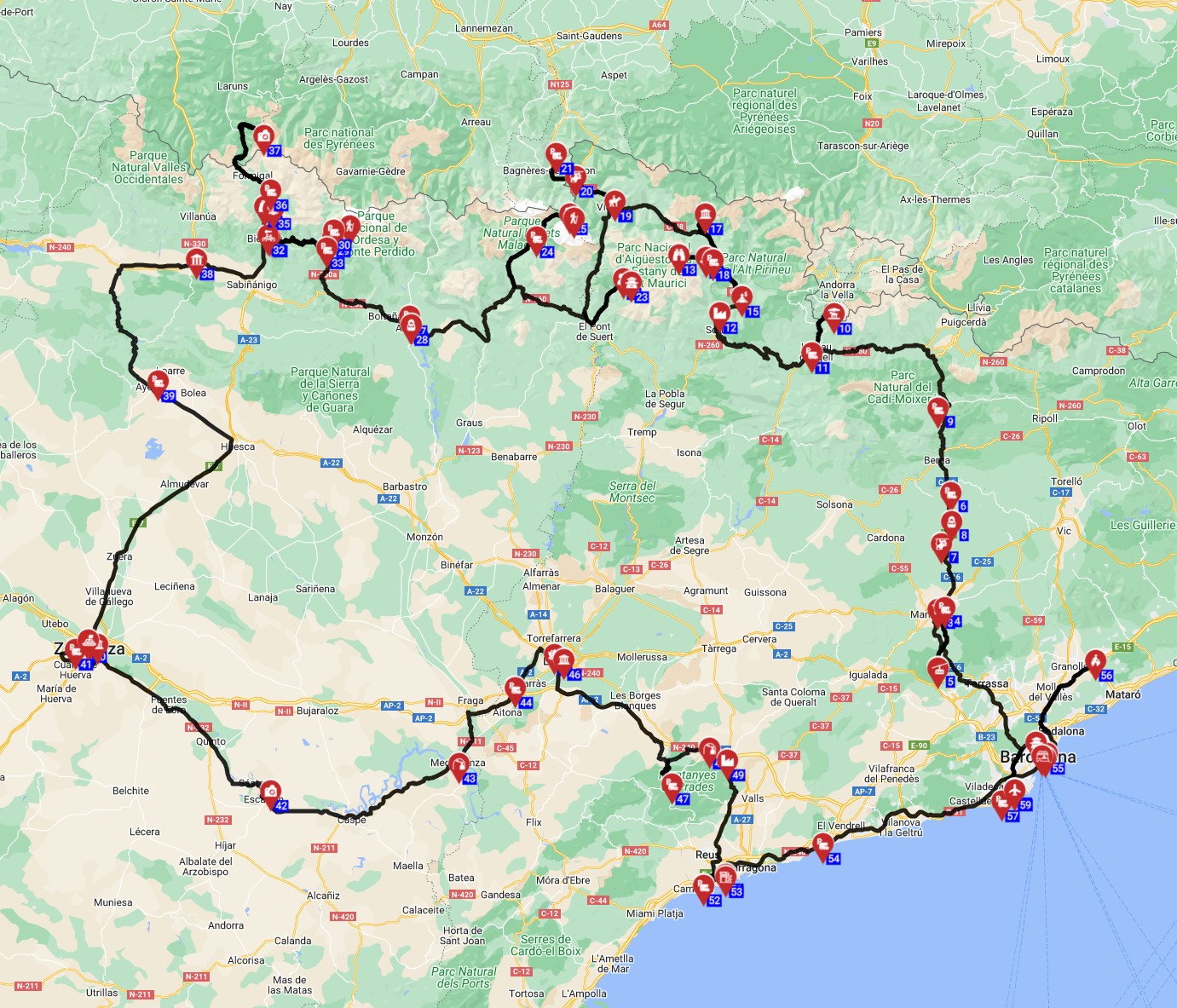
Vignettes can typically be purchased at border crossings, petrol stations, or online before entering the country. To enhance convenience and avoid potential fines, some luxury RV rental providers offer the option to pre-purchase toll passes or provide vehicles already equipped with necessary vignettes, especially useful for specific itineraries like an RV Trip Overview for North Spain and the Pyrenees. Always research the requirements for each country on your itinerary to ensure a smooth journey.
Driving Tips for luxury rv rental Travelers
To ensure a smooth and enjoyable luxury RV rental trip through Europe, consider opting for an automatic transmission model, as it greatly simplifies navigation on varied European roads, especially for those accustomed to automatic vehicles. Utilizing an RV-specific GPS system is highly recommended to avoid unsuitable routes like excessively narrow streets or bridges with low clearance, which can be common in older towns.
Plan frequent stops, perhaps every 2-3 hours, not only for rest but also to fully appreciate the numerous sightseeing opportunities, particularly when traveling with family. Familiarize yourself with local traffic laws and signage; for instance, understanding German Einbahnstraße (one-way street) signs can prevent unnecessary detours. Many travelers find it convenient to pre-purchase tolls and vignettes, which streamlines border crossings and prevents potential fines, allowing you to focus on the journey.
Recommended RV Class for Europe Roads
For navigating Europe's diverse roads, Class SI - Semi-integrated motorhomes generally offer an excellent balance of luxury, comfort, and maneuverability. These models, averaging around 6.9 meters in length from Bandana's fleet, provide ample living space with amenities like a shower, toilet, and often a well-equipped kitchen for preparing RV-friendly recipes playlist.
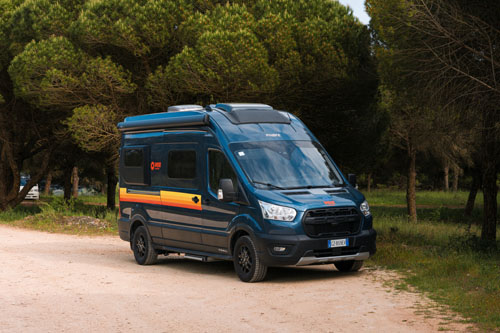
Alternatively, Class B - Camper Vans, typically averaging 5.8 meters, are superb for urban exploration and traversing tighter, more scenic routes often found in Europe's charming old towns and mountain regions. Both classes offer modern features like front air conditioning and are suitable for various group sizes, providing comfort without being overly cumbersome for the continent's varied road network.
Should I Choose a Compact Van Instead of a Large RV in Europe?
The choice between a compact campervan and a larger luxury motorhome in Europe depends on your travel priorities. Compact vans, such as the V2L (5.99m length) or K125 (6.99m length), certainly offer superior maneuverability, making them ideal for navigating the often-tight historic city centers and narrow mountain passes.
However, larger luxury RVs, including many Class A and Class C models, generally pose no significant issues for most European travel, especially if you stick to main routes and plan your city visits using park-and-ride options. These larger vehicles provide enhanced comfort and space, which can be invaluable for extended road trips or families. The trade-off is typically between the ultimate maneuverability for deep urban exploration versus the superior comfort and generous living space that a larger RV provides on main touring routes.
Can I Park Anywhere? Free & Wild Camping Rules in Europe
No, you generally cannot park and sleep anywhere you like in a rented campervan or motorhome across most of Europe, as wild camping regulations vary significantly by country and are often restricted or illegal. While some Nordic countries like Norway allow a version of it under 'Allemansrätten' (the right to roam), many Western and Southern European nations strictly enforce rules against unauthorized overnight parking.
Instead, travelers are typically required to use designated overnight parking spots, often called Stellplätze in Germany and Austria, or Aires de services in France. These spots, along with official campgrounds, provide legal and safe places to stay, often equipped with essential services like fresh water and waste disposal. Always check local regulations and adhere to local laws before parking overnight to avoid fines and ensure a respectful travel experience.
Can I Drive an RV Into the City Center? Heights, Tunnels & Local Signage
Yes, you can almost always drive a rented RV into European city centers, but it requires careful attention to local regulations and common sense. European cities, especially older ones, often have narrow streets, low bridges, and specific height limits (e.g., typically 3.5m-4m) that can be challenging for larger motorhomes. Pay close attention to local signage, as this will indicate restricted access for certain vehicle sizes or environmental zones.
Many cities have Low Emission Zones (LEZs) that require special permits (like Germany's Umweltplakette) to enter. Historic centers, such as those found in places like Rome or near the Rialto Bridge in Venice, might also have pedestrian-only zones or residents-only streets. To mitigate parking challenges, consider utilizing park-and-ride facilities on the city outskirts and then using public transport to explore the central areas.
What is the 3-3-3 rule for RV travel?
The 3-3-3 rule for RV travel is a widely adopted guideline that promotes a relaxed and safe pace for your road trip. It suggests driving no more than 300 miles (approximately 500 km) in a single day, ensuring you don't over-exert yourself or rush through the scenic routes of Europe. The rule also advises arriving at your destination by 3 PM, giving you ample daylight to set up camp, explore your immediate surroundings, and relax.
Finally, it recommends staying for at least 3 nights in each location to truly feel the place, connect with the local culture, enjoy the food, and explore the scenery without feeling rushed. This approach is particularly beneficial for a luxury RV trip in Europe, allowing for deeper immersion and a more authentic experience.
What is the 333 rule for campervan?
The 333 rule for campervans is the same practical guideline as for larger RVs, encouraging a balanced and enjoyable pace for your journey. It suggests driving a maximum of 300 miles (approximately 500 km) per day, arriving at your chosen spot by 3 PM, and staying for at least 3 nights to fully experience the area.
This rule is especially useful for campervan travelers in Europe, helping them navigate diverse terrains, ensure safer driving, and find legal overnight parking spots or campgrounds with less stress. Adhering to the 333 rule helps avoid rushed driving, allows sufficient time for setting up your rental camper, and maximizes your enjoyment of each unique destination.
Can you sleep anywhere in a campervan in Europe?
No, you generally cannot sleep anywhere in a rented campervan in Europe, as specific regulations regarding "wild camping" or unauthorized overnight parking vary significantly by country and are often prohibited. While the idea of spontaneously parking and sleeping by a beautiful lake might be appealing, it is illegal in many Western and Southern European nations.
Designated campgrounds, Stellplätze (motorhome parking areas), or official campsites are typically required for overnight stays across most of Europe. It's essential to always check local laws and signage for the specific region you are traveling through to avoid potential fines and ensure a respectful and compliant trip. Finding a spot will generally be manageable, and if not at the first campground, then the next one; just call ahead before driving.
Do you need a CDL to drive a luxury RV?
In Europe, a Commercial Driver's License (CDL) is not generally required for driving a personal luxury RV rental. The license category needed depends on the motorhome's Gross Vehicle Weight (GVW).
A standard B-category driver's license, which permits driving vehicles up to 3.5 tonnes GVW, is sufficient for the majority of rental motorhomes and campervans. For larger luxury RVs falling between 3.5 and 7.5 tonnes, a Category C1 license is typically needed. Most rental luxury RVs offered by Bandana RV fall within either the B or C1 license categories, meaning a special commercial license is not required for your European adventure.
🎬 Video coming soon
Do people drive RVs in Europe?
Yes, driving a rented RV, motorhome, or campervan is an incredibly popular and well-supported way to travel and explore Europe. The continent boasts an extensive infrastructure tailored to RVers, including thousands of well-equipped campsites, dedicated motorhome parking areas (Stellplätze/Aires), and service points for fresh water and waste disposal.
This flexible mode of transport is favored by millions who seek to experience Europe's diverse landscapes, rich history, and vibrant cultures at their own pace. From the sun-drenched coasts of Italy to the majestic fjords of Norway, RV travel allows you to create your own itinerary and truly immerse yourself in each destination.
Which European countries are best for driving in a motorhome?
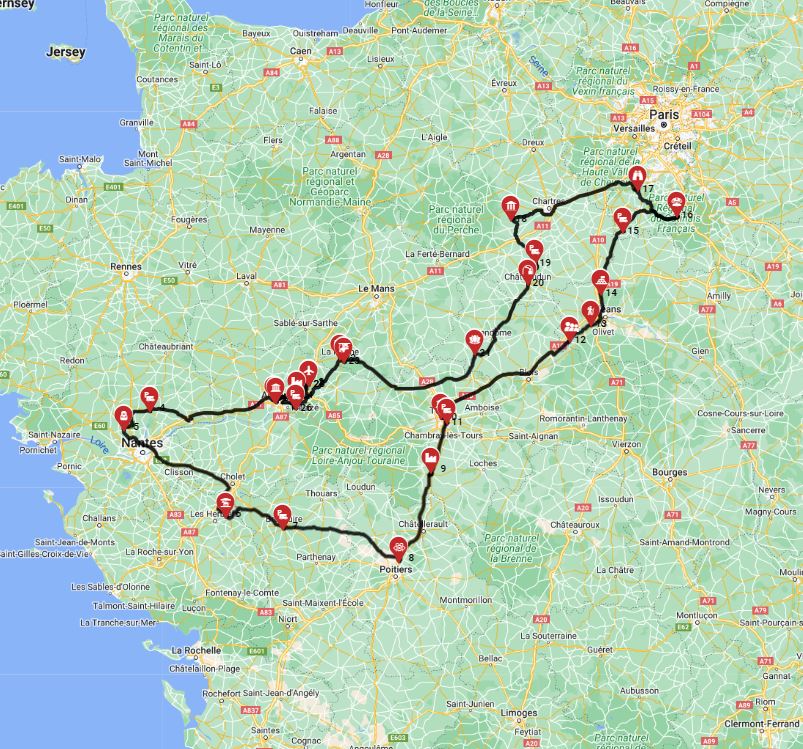
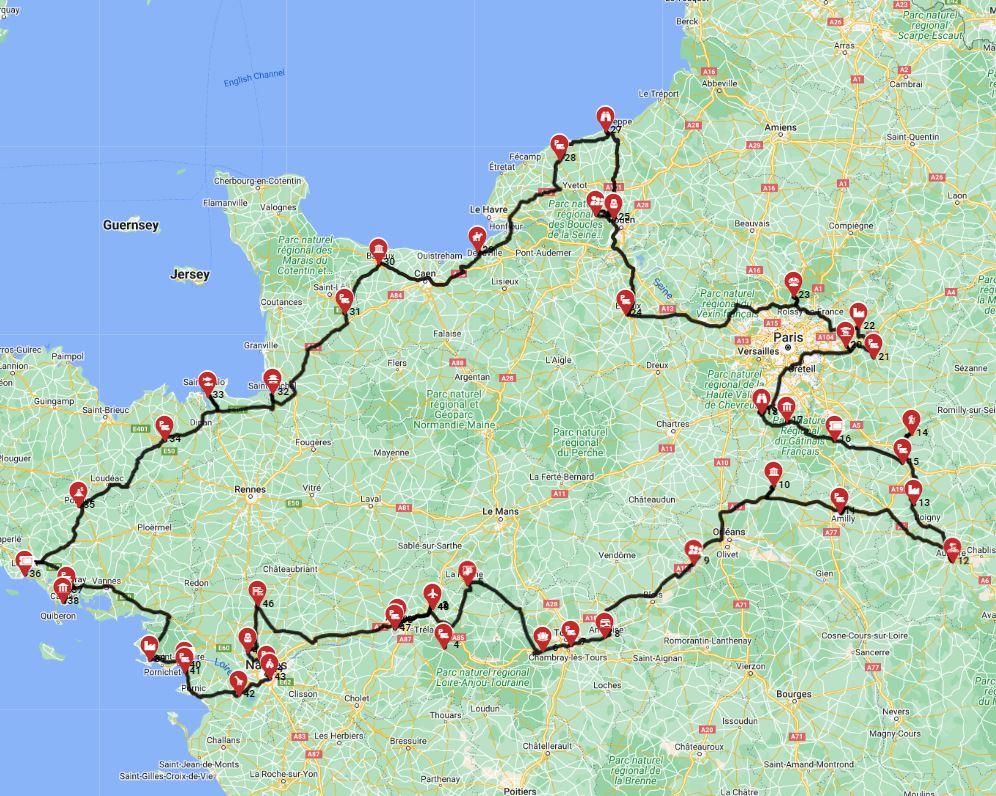
Several European countries stand out as exceptional destinations for driving a rented motorhome due to their excellent infrastructure and diverse attractions. France is consistently rated highly, offering a vast network of 'aires de service' (dedicated motorhome service areas) and an abundance of scenic routes, including options for a Toulouse Round trip - European Charms & Family Delights, which includes 2 caves, 2 historical sites, and 4 traditional visits.
Germany also provides efficient roads and thousands of Stellplätze, making it an ideal choice for exploring its castles and Black Forest. Italy offers stunning coastal drives and unparalleled cultural sites, while the Netherlands is perfect for its flat terrain and extensive cycle paths. For those seeking dramatic natural beauty, Norway provides breathtaking fjord landscapes. Additionally, Spain and Portugal are popular for their warm climates and beautiful coastlines, making them excellent choices for an RV Trip Overview for North Spain and the Pyrenees.
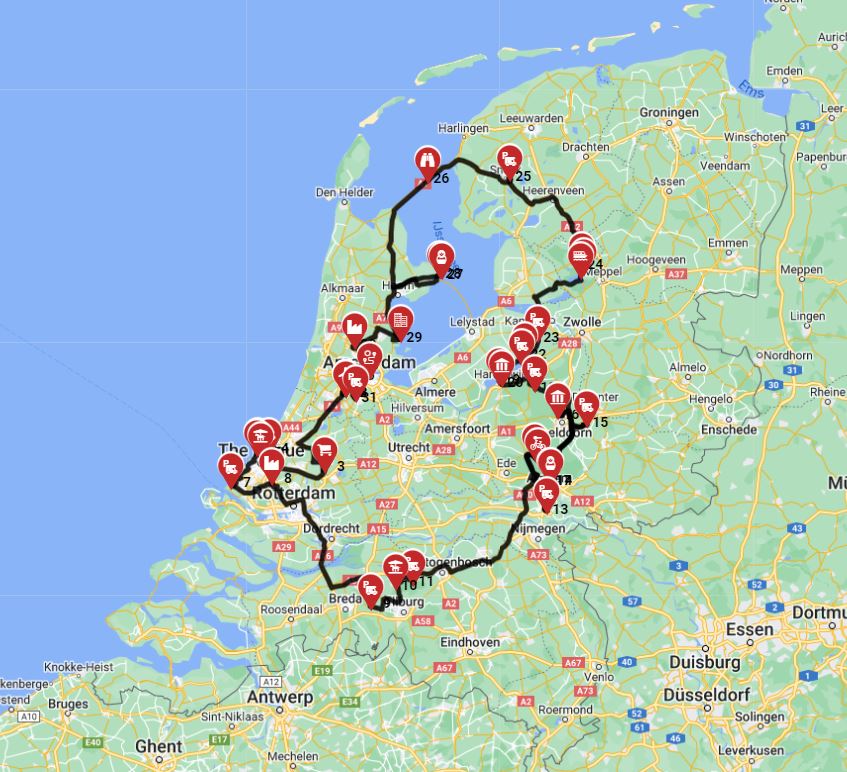
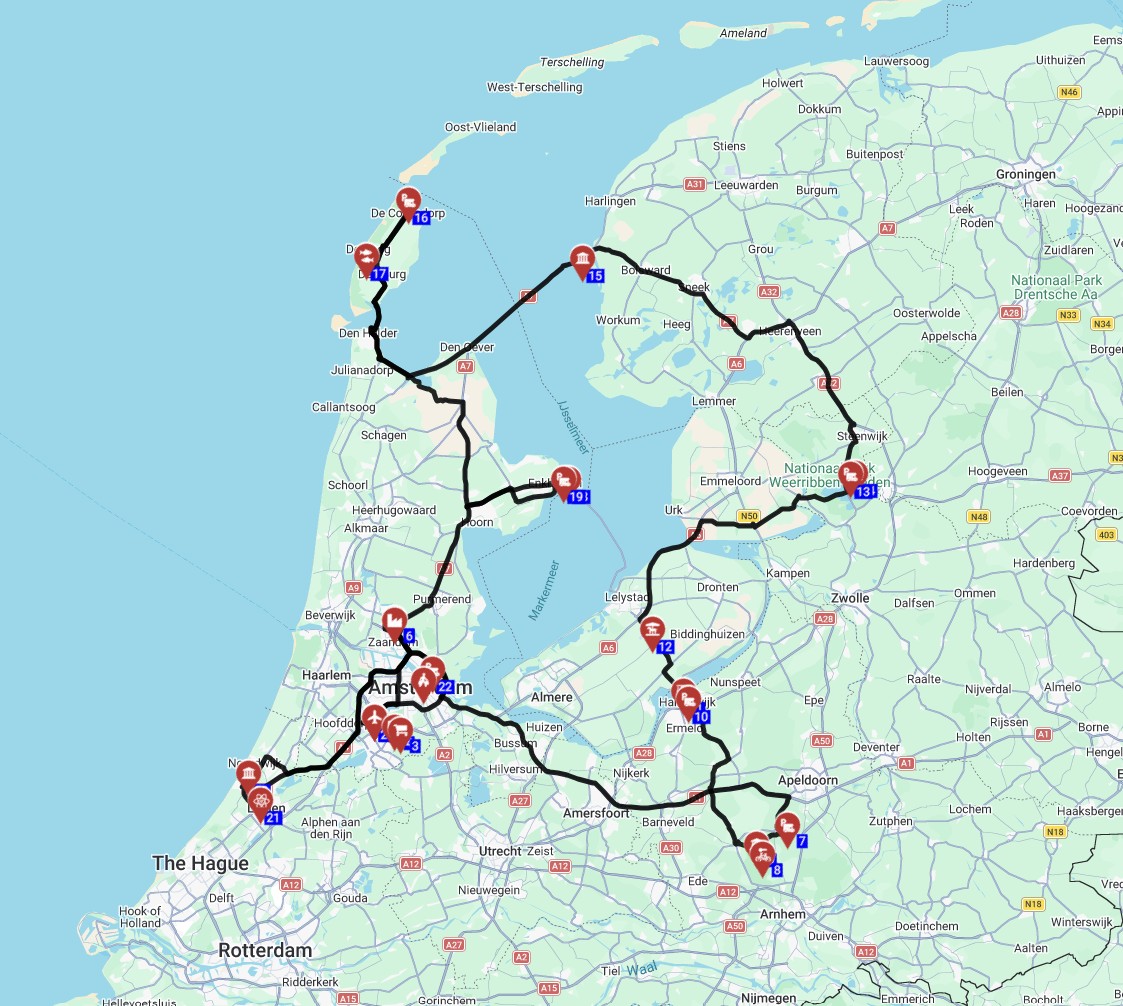
These countries, alongside others offering specialized routes like the Netherlands Motorhome Tour Route Map, boast strong RV cultures and ample facilities. For winter travelers, the

What do Europeans call an RV?
Europeans commonly use a variety of terms for what North Americans call an RV, with "motorhome" and "campervan" being the most prevalent. The term "RV" (Recreational Vehicle) is primarily used in North America.
In France, you'll most often hear "camping-car," emphasizing its role in camping. Germans refer to them as "Wohnmobil," which translates literally to "living mobile." Spaniards use "autocaravana." While the specific terminology may differ by country, the concept of exploring in a self-contained vehicle is universally cherished across the continent.
Do you need a special license to drive a classy motorhome?
The requirement for a "special license" to drive a classy motorhome in Europe hinges on its Gross Vehicle Weight (GVW), rather than its luxury status. For most standard rental motorhomes up to 3.5 tonnes (approximately 7,700 lbs), a Category B driver's license (the standard car license) is perfectly sufficient.
However, if your chosen luxury motorhome has a GVW between 3.5 and 7.5 tonnes, a Category C1 license is typically required. While larger Class A motorhomes might fall into this category, many popular European luxury models, such as the Class SI - Semi-integrated or Class C - Alcove, are designed to remain within the standard B-license limits. Always confirm the specific license requirements for your chosen model with your rental supplier, like Bandana Caravan, well in advance.
Can you drive an RV in Europe?
Yes, driving a rented RV, motorhome, or campervan in Europe is a highly popular, enjoyable, and well-supported travel option for tens of thousands of travelers every year. Europe offers an extensive and well-developed network of roads, campsites, and designated motorhome parking areas, making it an ideal continent for road trips.
With a comprehensive comparison platform like Bandana RV, you can easily find the perfect luxury RV rental for your adventure. Familiarizing yourself with local driving laws and vehicle restrictions is crucial for a smooth trip, but overall, it's an incredibly rewarding way to explore diverse landscapes and cultures at your own pace. Drive slowly and carefully, and you can drive almost anywhere without issues. No need to stress - just use common sense and pay attention.
What is the best travel insurance company for Europe?
Choosing the best travel insurance company for your luxury RV trip in Europe involves finding a comprehensive policy that covers a range of potential needs. Reputable providers often recommended for European travel include Allianz Travel Insurance, World Nomads, and Travel Guard. It's essential to look for policies that offer robust coverage for medical emergencies, trip cancellation or interruption, and personal liability.
Specifically for RV rentals, ensure your chosen policy extends to cover vehicle damage beyond the rental company's standard offerings, provides breakdown assistance, and protects your personal belongings while on the road. Always compare different policies to ensure they align with your specific itinerary and potential risks. Consider additional benefits like those offered by the Camping Key Europe Card, which can provide discounts and supplementary insurance. For complex European itineraries, exploring Rent&Plan services through RV PLANET can further streamline your trip planning, including budgeting for unexpected costs.
What You Shouldn't Miss
- **The Romantic Road, Germany**: Traverse this 460-kilometer route through Bavaria in your rented motorhome, linking historic towns like Rothenburg ob der Tauber and Fussen, culminating at the fairytale Neuschwanstein Castle.
- **The Amalfi Coast, Italy**: Experience breathtaking coastal views along this UNESCO World Heritage site. While some roads are narrow, many luxury RVs can navigate it slowly, or you can park on the outskirts and use local transport.
- **Norwegian Fjords**: Drive your campervan along the stunning Western Fjords, such as Geirangerfjord and Sognefjord, where dramatic cliffs meet crystal-clear waters. Plenty of scenic spots for parking and enjoying the view.
- **The Scottish Highlands, UK**: Embark on an epic journey through vast wilderness, ancient castles, and serene lochs in your luxury RV. The North Coast 500 is a classic route offering incredible scenery and charming villages.
- **Loire Valley, France**: Explore the opulent châteaux of the Loire Valley, such as Chambord and Chenonceau, with your rented RV as your base. Enjoy local wines and fresh produce from farmers' markets right outside your door.
Looking for expert insights from Avi Bandana? Top 5 Adventures - recommendations from Avi Bandana
Final Thoughts
Embarking on a luxury RV adventure through Europe is more than just a vacation; it's an invitation to create unforgettable memories, discover hidden gems, and experience diverse cultures at your own pace. With a rented motorhome or campervan, you gain the freedom and flexibility to craft an itinerary that truly reflects your desires, whether that's chasing sunsets along a picturesque coastline or immersing yourself in the heart of a vibrant city.
At Bandana RV, we're here to support you every step of the way, offering full transparency and the expertise of true RV specialists. Our goal is to handle the details so you can focus on living the journey. So, start dreaming, start planning, and get ready to hit the road for an epic European road trip that awaits you.
Discover top destinations, planning tips, all in one place! Compare Luxury RV Prices for Europe today and begin your ultimate adventure.
In This Guide
- Can You Drive an RV in Europe? License & Age Rules
- Road Conditions & Terrain in Europe
- RV Size Limits, Bridges & Restricted Zones
- Fuel: Diesel vs. Petrol & Cost per 100 km
- Tolls, Vignettes & Border Rules
- Driving Tips for luxury RV rental Travelers
- Recommended RV Class for Europe Roads
- Should I Choose a Compact Van Instead of a Large RV in Europe?
- Can I Park Anywhere? Free & Wild Camping Rules in Europe
- Can I Drive an RV Into the City Center? Heights, Tunnels & Local Signage
- What is the 3-3-3 rule for RV travel?
- What is the 333 rule for campervan?
- Can you sleep anywhere in a campervan in Europe?
- Do you need a CDL to drive a luxury RV?
- Do people drive RVs in Europe?
- Which European countries are best for driving in a motorhome?
- What do Europeans call an RV?
- Do you need a special license to drive a classy motorhome?
- Can you drive an RV in Europe?
- What is the best travel insurance company for Europe?
- What You Shouldn't Miss
Europe offers an unparalleled backdrop for a luxury RV adventure, blending diverse cultures, breathtaking landscapes, and historical richness. Imagine yourself navigating the winding coastal roads of Italy in a comfortable Class SI - Semi-integrated motorhome, or exploring the charming villages of France in a nimble campervan. For live availability and current prices for your dream European journey, start with our RV Rental Europe - Complete Guide 2026 guide. At Bandana RV, we specialize in making these luxury motorhome dreams a reality, providing full transparency and expert support every step of the way.
Can You Drive an RV in Europe? License & Age Rules
Yes, you can absolutely drive a rented RV in Europe, and the licensing requirements are generally straightforward for most rental vehicles. Most standard EU or international driving licenses (B-category) are sufficient for operating motorhomes up to 3.5 tonnes (approximately 7,700 lbs) Gross Vehicle Weight (GVW).
For drivers from non-English speaking countries, an International Driving Permit (IDP) is recommended in addition to your national license, although it's not strictly mandatory in all cases. The minimum driver age for motorhome rentals across Europe is typically 21 years old. Some luxury RV rental suppliers may have age requirements up to 25 for specific, larger Class A motorhomes, but this is less common for the popular European models. Bandana RV offers options with no young driver surcharges or vehicle class restrictions based on age, ensuring everyone over 21 can find their perfect luxury RV.
Road Conditions & Terrain in Europe
European roads are generally excellent and well-maintained, but they offer a diverse range of driving experiences, from high-speed German autobahns to narrow, winding country roads and challenging mountainous terrain. A luxury rented RV or campervan is well-equipped to handle these varied conditions, whether you're traversing the majestic Alps, the picturesque Pyrenees, or the gentle rolling hills of Tuscany.
We always recommend adopting a slow travel approach, averaging no more than 100-150 km per day. This allows you to truly immerse yourself in the local culture, savor regional food, and appreciate the stunning scenery at a relaxed pace. Driving slowly and carefully ensures a smooth and enjoyable journey, allowing you to drive almost anywhere without issues, without needing to stress over varied road conditions. Just use common sense and pay attention.
RV Size Limits, Bridges & Restricted Zones
When driving a rented RV in Europe, it is crucial to be aware of vehicle dimensions, as height (typically between 3.5m-4m) and weight limits are common, especially in older towns, tunnels, and bridges. Many historic European city centers have tight streets and low clearances that require careful navigation.
Additionally, numerous European cities enforce Low Emission Zones (LEZs), which may require a specific permit or sticker, such as France's Crit'Air vignette or Germany's Umweltplakette. These zones aim to reduce pollution and might restrict access for certain vehicle types or ages. For ferry travel, which is often a delightful part of a European RV itinerary, ensure you book based on your rented RV's precise length and weight category to avoid any surprises.
Fuel: Diesel vs. Petrol & Cost per 100 km
Most luxury motorhomes and campervans available for rental in Bandana RV's fleet, such as Class SI - Semi-integrated and Class C - Alcove models, run on diesel fuel, which is readily available throughout Europe. The average fuel consumption for a typical Class SI - Semi-integrated motorhome is approximately 10-11 Liters/100 km, while a larger Class C - Alcove might consume 10-12 Liters/100 km.
As of 2026, you should budget for fuel costs in the range of €1.70-€2.00 per liter, although prices can fluctuate based on country and current market conditions. Some rental providers may offer fuel discount cards or programs to help manage these ancillary costs. When planning your route, remember that RV PLANET routes allow you to itemize and track every expense along the way for easy budgeting, making your RV PLANET routes planning more predictable.
Tolls, Vignettes & Border Rules
Europe features a variety of road usage payment systems for vehicles, including traditional tolls and time-based vignettes, which vary significantly by country. Countries like France, Italy, and Spain primarily use tolls, where you pay per distance traveled or per section of highway. In contrast, countries such as Switzerland, Austria, and Slovenia utilize vignettes, which are sticker or digital passes purchased for a specific duration (e.g., 10 days, 1 month, 1 year) and allow unlimited use of their motorways.
Vignettes can typically be purchased at border crossings, petrol stations, or online before entering the country. To enhance convenience and avoid potential fines, some luxury RV rental providers offer the option to pre-purchase toll passes or provide vehicles already equipped with necessary vignettes, especially useful for specific itineraries like an RV Trip Overview for North Spain and the Pyrenees. Always research the requirements for each country on your itinerary to ensure a smooth journey.
Driving Tips for luxury RV rental Travelers
To ensure a smooth and enjoyable luxury RV rental trip through Europe, consider opting for an automatic transmission model, as it greatly simplifies navigation on varied European roads, especially for those accustomed to automatic vehicles. Utilizing an RV-specific GPS system is highly recommended to avoid unsuitable routes like excessively narrow streets or bridges with low clearance, which can be common in older towns.
Plan frequent stops, perhaps every 2-3 hours, not only for rest but also to fully appreciate the numerous sightseeing opportunities, particularly when traveling with family. Familiarize yourself with local traffic laws and signage; for instance, understanding German Einbahnstraße (one-way street) signs can prevent unnecessary detours. Many travelers find it convenient to pre-purchase tolls and vignettes, which streamlines border crossings and prevents potential fines, allowing you to focus on the journey.
Recommended RV Class for Europe Roads
For navigating Europe's diverse roads, Class SI - Semi-integrated motorhomes generally offer an excellent balance of luxury, comfort, and maneuverability. These models, averaging around 6.9 meters in length from Bandana's fleet, provide ample living space with amenities like a shower, toilet, and often a well-equipped kitchen for preparing RV-friendly recipes playlist.
Alternatively, Class B - Camper Vans, typically averaging 5.8 meters, are superb for urban exploration and traversing tighter, more scenic routes often found in Europe's charming old towns and mountain regions. Both classes offer modern features like front air conditioning and are suitable for various group sizes, providing comfort without being overly cumbersome for the continent's varied road network.
Should I Choose a Compact Van Instead of a Large RV in Europe?
The choice between a compact campervan and a larger luxury motorhome in Europe depends on your travel priorities. Compact vans, such as the V2L (5.99m length) or K125 (6.99m length), certainly offer superior maneuverability, making them ideal for navigating the often-tight historic city centers and narrow mountain passes.
However, larger luxury RVs, including many Class A and Class C models, generally pose no significant issues for most European travel, especially if you stick to main routes and plan your city visits using park-and-ride options. These larger vehicles provide enhanced comfort and space, which can be invaluable for extended road trips or families. The trade-off is typically between the ultimate maneuverability for deep urban exploration versus the superior comfort and generous living space that a larger RV provides on main touring routes.
Can I Park Anywhere? Free & Wild Camping Rules in Europe
No, you generally cannot park and sleep anywhere you like in a rented campervan or motorhome across most of Europe, as wild camping regulations vary significantly by country and are often restricted or illegal. While some Nordic countries like Norway allow a version of it under 'Allemansrätten' (the right to roam), many Western and Southern European nations strictly enforce rules against unauthorized overnight parking.
Instead, travelers are typically required to use designated overnight parking spots, often called Stellplätze in Germany and Austria, or Aires de services in France. These spots, along with official campgrounds, provide legal and safe places to stay, often equipped with essential services like fresh water and waste disposal. Always check local regulations and adhere to local laws before parking overnight to avoid fines and ensure a respectful travel experience. Finding a spot will generally be manageable, and if not at the first campground, then the next one; just call ahead before driving.
Can I Drive an RV Into the City Center? Heights, Tunnels & Local Signage
Yes, you can almost always drive a rented RV into European city centers, but it requires careful attention to local regulations and common sense. European cities, especially older ones, often have narrow streets, low bridges, and specific height limits (e.g., typically 3.5m-4m) that can be challenging for larger motorhomes. Pay close attention to local signage, as this will indicate restricted access for certain vehicle sizes or environmental zones.
Many cities have Low Emission Zones (LEZs) that require special permits (like Germany's Umweltplakette) to enter. Historic centers, such as those found in places like Rome or near the Rialto Bridge in Venice, might also have pedestrian-only zones or residents-only streets. To mitigate parking challenges, consider utilizing park-and-ride facilities on the city outskirts and then using public transport to explore the central areas.
What is the 3-3-3 rule for RV travel?
The 3-3-3 rule for RV travel is a widely adopted guideline that promotes a relaxed and safe pace for your road trip. It suggests driving no more than 300 miles (approximately 500 km) in a single day, ensuring you don't over-exert yourself or rush through the scenic routes of Europe. The rule also advises arriving at your destination by 3 PM, giving you ample daylight to set up camp, explore your immediate surroundings, and relax.
Finally, it recommends staying for at least 3 nights in each location to truly feel the place, connect with the local culture, enjoy the food, and explore the scenery without feeling rushed. This approach is particularly beneficial for a luxury RV trip in Europe, allowing for deeper immersion and a more authentic experience.
What is the 333 rule for campervan?
The 333 rule for campervans is the same practical guideline as for larger RVs, encouraging a balanced and enjoyable pace for your journey. It suggests driving a maximum of 300 miles (approximately 500 km) per day, arriving at your chosen spot by 3 PM, and staying for at least 3 nights to fully experience the area.
This rule is especially useful for campervan travelers in Europe, helping them navigate diverse terrains, ensure safer driving, and find legal overnight parking spots or campgrounds with less stress. Adhering to the 333 rule helps avoid rushed driving, allows sufficient time for setting up your rental camper, and maximizes your enjoyment of each unique destination.
Can you sleep anywhere in a campervan in Europe?
No, you generally cannot sleep anywhere in a rented campervan in Europe, as specific regulations regarding "wild camping" or unauthorized overnight parking vary significantly by country and are often prohibited. While the idea of spontaneously parking and sleeping by a beautiful lake might be appealing, it is illegal in many Western and Southern European nations.
Designated campgrounds, Stellplätze (motorhome parking areas), or official campsites are typically required for overnight stays across most of Europe. It's essential to always check local laws and signage for the specific region you are traveling through to avoid potential fines and ensure a respectful and compliant trip. Finding a spot will generally be manageable, and if not at the first campground, then the next one; just call ahead before driving.
Do you need a CDL to drive a luxury RV?
In Europe, a Commercial Driver's License (CDL) is not generally required for driving a personal luxury RV rental. The license category needed depends on the motorhome's Gross Vehicle Weight (GVW).
A standard B-category driver's license, which permits driving vehicles up to 3.5 tonnes GVW, is sufficient for the majority of rental motorhomes and campervans. For larger luxury RVs falling between 3.5 and 7.5 tonnes, a Category C1 license is typically needed. Most rental luxury RVs offered by Bandana RV fall within either the B or C1 license categories, meaning a special commercial license is not required for your European adventure.
🎬 Video coming soon
Do people drive RVs in Europe?
Yes, driving a rented RV, motorhome, or campervan is an incredibly popular and well-supported way to travel and explore Europe. The continent boasts an extensive infrastructure tailored to RVers, including thousands of well-equipped campsites, dedicated motorhome parking areas (Stellplätze/Aires), and service points for fresh water and waste disposal.
This flexible mode of transport is favored by millions who seek to experience Europe's diverse landscapes, rich history, and vibrant cultures at their own pace. From the sun-drenched coasts of Italy to the majestic fjords of Norway, RV travel allows you to create your own itinerary and truly immerse yourself in each destination.
Which European countries are best for driving in a motorhome?
Several European countries stand out as exceptional destinations for driving a rented motorhome due to their excellent infrastructure and diverse attractions. France is consistently rated highly, offering a vast network of 'aires de service' (dedicated motorhome service areas) and an abundance of scenic routes, including options for a Toulouse Round trip - European Charms & Family Delights, which includes 2 caves, 2 historical sites, and 4 traditional visits.
Germany also provides efficient roads and numerous Stellplätze, making it an ideal choice for exploring its castles and Black Forest. Italy offers stunning coastal drives and unparalleled cultural sites, while the Netherlands is perfect for its flat terrain and extensive cycle paths. For those seeking dramatic natural beauty, Norway provides breathtaking fjord landscapes. Additionally, Spain and Portugal are popular for their warm climates and beautiful coastlines, making them excellent choices for an RV Trip Overview for North Spain and the Pyrenees.
These countries, alongside others offering specialized routes like the Netherlands Motorhome Tour Route Map, boast strong RV cultures and ample facilities. For winter travelers, the Vienna Roundtrip - The epic Eastern European Christmas markets provides 10 traditional markets and several historical sites across 2,762 km, ensuring a festive luxury RV rental experience.
What do Europeans call an RV?
Europeans commonly use a variety of terms for what North Americans call an RV, with "motorhome" and "campervan" being the most prevalent. The term "RV" (Recreational Vehicle) is primarily used in North America.
In France, you'll most often hear "camping-car," emphasizing its role in camping. Germans refer to them as "Wohnmobil," which translates literally to "living mobile." Spaniards use "autocaravana." While the specific terminology may differ by country, the concept of exploring in a self-contained vehicle is universally cherished across the continent.
Do you need a special license to drive a classy motorhome?
The requirement for a "special license" to drive a classy motorhome in Europe hinges on its Gross Vehicle Weight (GVW), rather than its luxury status. For most standard rental motorhomes up to 3.5 tonnes (approximately 7,700 lbs), a Category B driver's license (the standard car license) is perfectly sufficient.
However, if your chosen luxury motorhome has a GVW between 3.5 and 7.5 tonnes, a Category C1 license is typically required. While larger Class A motorhomes might fall into this category, many popular European luxury models, such as the Class SI - Semi-integrated or Class C - Alcove, are designed to remain within the standard B-license limits. Always confirm the specific license requirements for your chosen model with your rental supplier, like Bandana Caravan, well in advance.
Can you drive an RV in Europe?
Yes, driving a rented RV, motorhome, or campervan in Europe is a highly popular, enjoyable, and well-supported travel option for tens of thousands of travelers every year. Europe offers an extensive and well-developed network of roads, campsites, and designated motorhome parking areas, making it an ideal continent for road trips.
With a comprehensive comparison platform like Bandana RV, you can easily find the perfect luxury RV rental for your adventure. Familiarizing yourself with local driving laws and vehicle restrictions is crucial for a smooth trip, but overall, it's an incredibly rewarding way to explore diverse landscapes and cultures at your own pace. Drive slowly and carefully, and you can drive almost anywhere without issues. No need to stress - just use common sense and pay attention.
What is the best travel insurance company for Europe?
Choosing the best travel insurance company for your luxury RV trip in Europe involves finding a comprehensive policy that covers a range of potential needs. Reputable providers often recommended for European travel include Allianz Travel Insurance, World Nomads, and Travel Guard. It's essential to look for policies that offer robust coverage for medical emergencies, trip cancellation or interruption, and personal liability.
Specifically for RV rentals, ensure your chosen policy extends to cover vehicle damage beyond the rental company's standard offerings, provides breakdown assistance, and protects your personal belongings while on the road. Always compare different policies to ensure they align with your specific itinerary and potential risks. Consider additional benefits like those offered by the Camping Key Europe Card, which can provide discounts and supplementary insurance. For complex European itineraries, exploring Rent&Plan services through RV PLANET can further streamline your trip planning, including budgeting for unexpected costs.
What You Shouldn't Miss
- The Romantic Road, Germany: Traverse this 460-kilometer route through Bavaria in your rented motorhome, linking historic towns like Rothenburg ob der Tauber and Fussen, culminating at the fairytale Neuschwanstein Castle.
- The Amalfi Coast, Italy: Experience breathtaking coastal views along this UNESCO World Heritage site. While some roads are narrow, many luxury RVs can navigate it slowly, or you can park on the outskirts and use local transport.
- Norwegian Fjords: Drive your campervan along the stunning Western Fjords, such as Geirangerfjord and Sognefjord, where dramatic cliffs meet crystal-clear waters. Plenty of scenic spots for parking and enjoying the view.
- The Scottish Highlands, UK: Embark on an epic journey through vast wilderness, ancient castles, and serene lochs in your luxury RV. The North Coast 500 is a classic route offering incredible scenery and charming villages.
- Loire Valley, France: Explore the opulent châteaux of the Loire Valley, such as Chambord and Chenonceau, with your rented RV as your base. Enjoy local wines and fresh produce from farmers' markets right outside your door.
Looking for expert insights from Avi Bandana? Top 5 Adventures - recommendations from Avi Bandana
Final Thoughts
Embarking on a luxury RV adventure through Europe is more than just a vacation; it's an invitation to create unforgettable memories, discover hidden gems, and experience diverse cultures at your own pace. With a rented motorhome or campervan, you gain the freedom and flexibility to craft an itinerary that truly reflects your desires, whether that's chasing sunsets along a picturesque coastline or immersing yourself in the heart of a vibrant city.
At Bandana RV, we're here to support you every step of the way, offering full transparency and the expertise of true RV specialists. Our goal is to handle the details so you can focus on living the journey. So, start dreaming, start planning, and get ready to hit the road for an epic European road trip that awaits you.
Discover top destinations, planning tips, all in one place! Compare Luxury RV Prices for Europe today and begin your ultimate adventure.