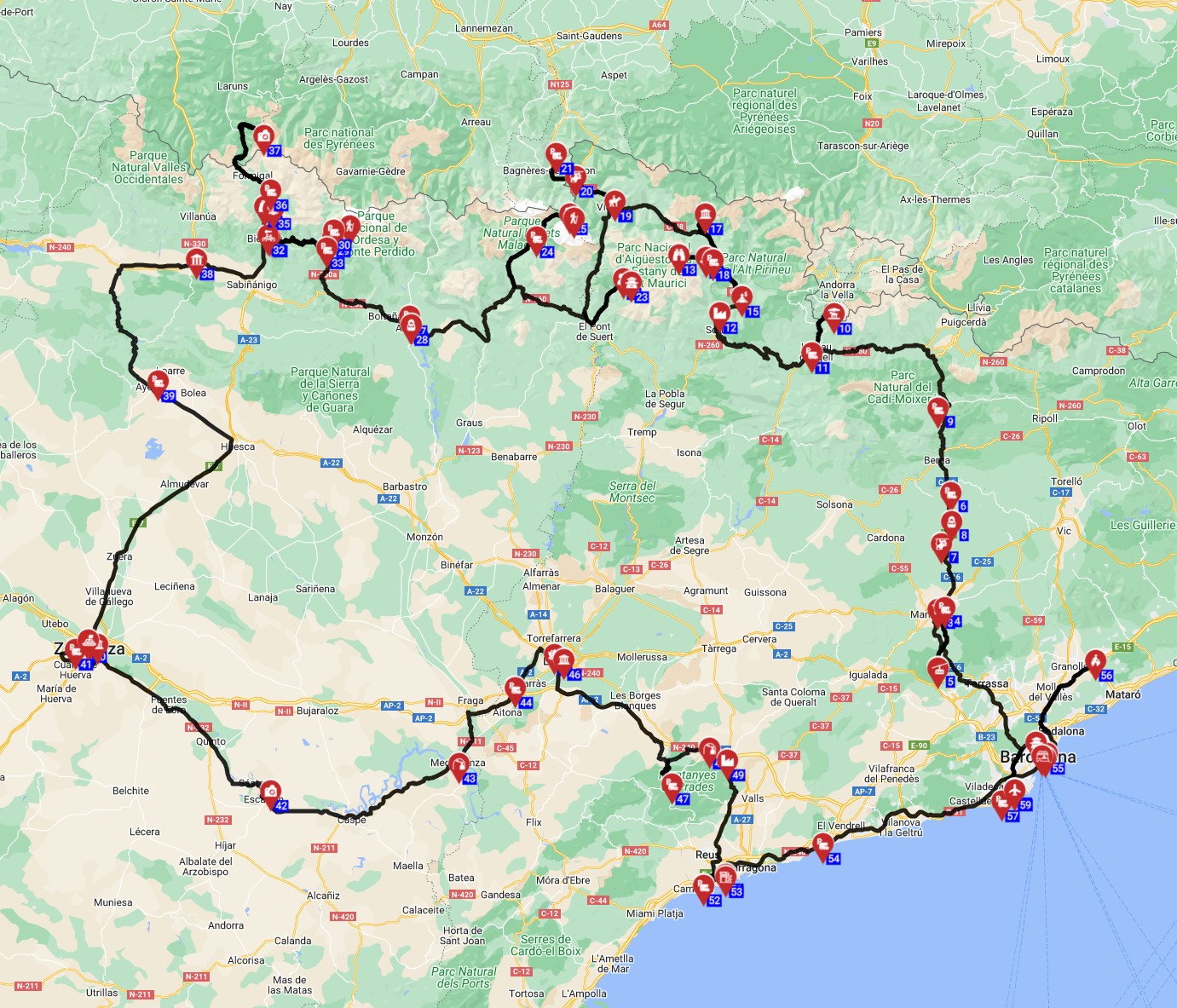
For live availability and current prices, start with our RV Rental Europe - Complete Guide 2026 guide.
In This Guide
- Can You Drive an RV in Europe? License & Age Rules
- Road Conditions & Terrain in Europe
- RV Size Limits, Bridges & Restricted Zones
- Fuel: Diesel vs. Petrol & Cost per 100 km
- Tolls, Vignettes & Border Rules
- Driving Tips for Budget RV Rental Travelers
- Recommended RV Class for Europe Roads
- Should I Choose a Compact Van Instead of a Large RV in Europe?
- Can I Park Anywhere? Free & Wild Camping Rules in Europe
- Can you drive an RV into the city center? Heights, Tunnels & Local Signage
- What is the 3-3-3 rule for RV travel?
- What is the 444 rule for RV?
- Can you sleep anywhere in a campervan in Europe?
- Is Europe RV friendly?
- Can you park a motorhome anywhere in Europe?
- What do Europeans call an RV?
- What is the cheapest country in Europe to get a driver's license?
- What is the 333 rule for campervan?
- Which European country is the easiest to get a driver's license?
Can You Drive an RV in Europe? License & Age Rules
Most drivers with a standard B license can operate many RVs in Europe, provided the vehicle's maximum authorized mass (MAM) does not exceed 3,500 kg. For RVs over 3,500 kg MAM, a C1 or C category license is typically required, necessitating an advanced license category beyond the standard car license. The minimum driver age for RV rental generally starts at 21, though some rental companies may require drivers to be 25 or older, and usually mandate at least 1-3 years of driving experience. Non-EU citizens generally need an International Driving Permit (IDP) in conjunction with their national driver's license, along with their passport and any required visa for Europe. An IDP translates your national license into several languages, is usually valid for one year, and acts as official proof of your driving privileges abroad. Ensure your license is valid for the entire duration of your trip, covers the specific RV class you intend to rent, and confirm requirements with your rental provider for comprehensive coverage including a Green Card for international insurance proof and country-specific mandatory vehicle equipment (e.g., reflective vests, warning triangles, spare bulb kits). You can compare many affordable European RV rental options through Bandana, streamlining the process of finding a vehicle that meets your needs and driving qualifications.
Road Conditions & Terrain in Europe
European road conditions are generally excellent, featuring well-maintained motorways (autobahns, autoroutes, autostrade) that connect major cities, making long-distance travel smooth. Rural roads and smaller country lanes, while often paved, can be significantly narrower, more winding, and occasionally steep, particularly in mountainous regions like the Alps, Pyrenees, or coastal areas. Driving an RV allows for exploring Europe's diverse terrains, from the flat, canal-laced landscapes of the Netherlands to the challenging passes of Norway. While smaller RVs offer greater agility on tighter routes, larger motorhomes, like the 'cruise america rv rental example Explorer' (7.1m length), can still navigate most main roads comfortably with careful planning. Urban areas frequently present challenges with dense traffic, limited parking, and intricate street layouts, making compact RVs or strategic parking outside city centers more practical for cheap RV renters. For a budget-friendly RV rental experience, embracing a slower pace and prioritizing scenic routes over high-speed travel can enhance enjoyment, allowing discovery of charming villages and natural beauty away from main highways. Be prepared for varied road surfaces, including cobblestones in historic towns and occasional gravel sections in less-traveled areas or some campground access roads.
RV Size Limits, Bridges & Restricted Zones
RV travelers in Europe must pay close attention to posted height, width, and weight restrictions, which are common on older roads, underpasses, and in historic city centers. Height limits can be as low as 2.5 to 3.5 meters in urban areas or under low bridges; for reference, many RVs, like a Class C - Alcove, can average 7.5 meters in length and exceed 3 meters in height. Numerous European cities implement Low Emission Zones (LEZs) or environmental zones, requiring specific stickers (e.g., Crit'Air in France, Umweltplakette in Germany) based on your vehicle's emission standards to avoid fines. Ferry services, essential for island hopping or crossing bodies of water (e.g., between Italy and Greece), frequently charge based on vehicle length and height, making precise dimensions crucial for accurate budgeting. Always check road signs for maximum authorized mass (MAM) limits, which can restrict larger RVs (often those over 3.5 or 7.5 tonnes) from certain roads, bridges, or tunnels. Be aware that some historic routes or mountain passes may have specific width restrictions that could challenge larger motorhomes. When comparing rental options, consider models like Bandana's Class B - Camper Vans, averaging 5.8 meters in length, for easier navigation in these zones. On the routes offered through RV PLANET routes, you can itemize and track every expense along the way for easy budgeting.
Fuel: Diesel vs. Petrol & Cost per 100 km
The vast majority of RVs available for rent in Europe, including those in Bandana's global fleet, are diesel-powered, favored for their greater fuel efficiency and widespread availability. Bandana's Class B - Camper Vans typically consume 8-10 Liters/100 km, while Class SI - Semi-integrated models average 10-11 Liters/100 km, and Class C - Alcove RVs use 10-12 Liters/100 km. Fuel prices vary significantly across European countries, but as of 2026, diesel generally costs between €1.60 - €2.00 per liter, subject to market fluctuations. To estimate cost, a Class SI RV consuming 10.5 L/100km at an average price of €1.80/liter would cost approximately €18.90 per 100 km, making fuel a significant budget consideration. While less common for larger RVs, petrol (gasoline) is readily available at all fuel stations for cars and smaller vehicles, typically costing slightly more than diesel. Some RV rental providers may offer fuel discount cards or loyalty programs, which can help mitigate fuel costs, especially for budget-Wconscious travelers on long journeys.
Tolls, Vignettes & Border Rules
Toll systems in Europe vary significantly by country; some utilize direct payment booths (e.g., France, Italy), others require pre-purchased vignettes (e.g., Switzerland, Austria, Slovenia) for motorway use, and some employ electronic payment systems. Vignettes, which are physical stickers or digital passes valid for a specific time period, are mandatory for using motorways in countries like Austria, Switzerland, and Slovenia, and must be displayed correctly to avoid fines. Crossing borders within the Schengen Area is generally seamless, but it is crucial to be aware of each country's specific toll requirements, mandatory vehicle equipment (such as reflective vests and warning triangles), and environmental zone stickers. Certain rent-motorhome RVs may offer the convenience of pre-purchased toll passes or electronic toll devices (like an 'On-Board Unit' for trucks in some countries) which can help travelers avoid roadside fines and streamline their journey. Always research the specific toll and vignette requirements for every country you plan to visit, including any neighboring countries your route may pass through, and factor these costs into your budget. Be aware that some mountain tunnels (e.g., Mont Blanc, Frejus) and scenic roads charge separate, often significant, tolls regardless of vignettes. When planning your trip, consider using resources like RV PLANET routes to help itemize and track these ancillary costs for easier budgeting.
Driving Tips for Cheap RV Rental Travelers
When embarking on a cheap RV rental journey in Europe, several driving tips can significantly enhance your experience. **Plan Your Route with RV-Specific Navigation**: Utilize apps like Sygic Truck & RV or Campercontact that account for vehicle dimensions to avoid narrow roads, low bridges, and restricted zones, crucial for a stress-free budget trip. **Embrace Slower Travel**: Europe is best experienced by taking your time; a slower pace allows for more spontaneous stops, deeper cultural immersion, and often saves on fuel costs compared to high-speed driving. For instance, the "

Recommended RV Class for Europe Roads
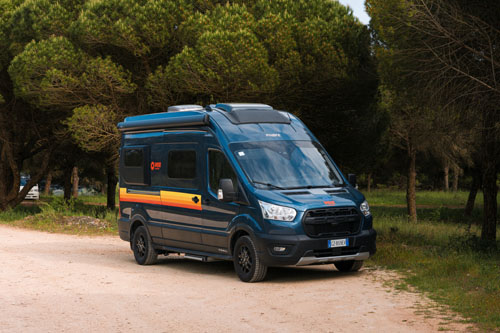
For navigating Europe's diverse roads, **Class B - Camper Vans** and **Class SI - Semi-integrated** RVs are highly recommended due to their balanced maneuverability, comfort, and suitability for varying road conditions. Class B - Camper Vans, with an average length of 5.8 meters in Bandana's global fleet, offer excellent agility for narrow village streets and easier parking, making them feel similar to driving a large car. For instance, the 'rv rentals denver example Category Van' is a compact campervan ideal for couples. Class SI - Semi-integrated RVs, averaging 6.9 meters in length, provide a strong compromise, offering more interior comfort, amenities, and sleeping places (average 3.8) than a campervan while remaining relatively manageable on European roads. The '2 Berth Tamar' is a good example of this class. While larger Class C - Alcove (average 7.5m length) and Class A - Integrated (average 7.5m length) models provide more extensive space and sleeping capacity (average 5.8 for Class C), their increased length and height can make navigating historic centers and some challenging mountain roads more difficult. A 'cruise america rv rental example Explorer' (length 7.1m) illustrates a popular size that successfully balances comfortable living space for up to 4 people with manageable dimensions for European travel. For cheap RV rentals, considering the fuel efficiency of smaller classes (e.g., 8-10 L/100km for Class B) can also contribute to overall budget savings.
PShould I Choose a Compact Van Instead of a Large RV in Europe?
While larger RVs are generally manageable on Europe's main roads, choosing a compact campervan, like Bandana's Class B - Camper Vans (averaging 5.8m in length), offers significant advantages in specific European travel scenarios. Compact vans are considerably easier to navigate through tight historic city centers, narrow village streets, and challenging mountain passes, where larger vehicles often struggle with turn radii, height restrictions, and weight limits. Parking is also simpler and more readily available with a compact van, often allowing you to use regular car parking spaces, which can be a major cost and convenience benefit in urban areas where dedicated RV parking is scarce or expensive. However, choosing a larger RV (e.g., a 6.9m Class SI or 7.5m Class C) provides much more indoor living space, often a separate toilet/shower, and better kitchen facilities, significantly enhancing comfort for longer trips or multiple travelers. The 'Class A - Thor ACE 30' or the 'C-30' motorhomes offer ample space for families. Ultimately, there is usually no inherent *issue* driving any RV size in Europe on major routes, but for a cheap RV rental focused on urban exploration and flexibility, a compact van like the 'hire campervan example Active Classic' can genuinely reduce stress and overall costs. For ideas you can prep on the road, watch our RV-friendly recipes playlist on YouTube.
Can I Park Anywhere? Free & Wild Camping Rules in Europe
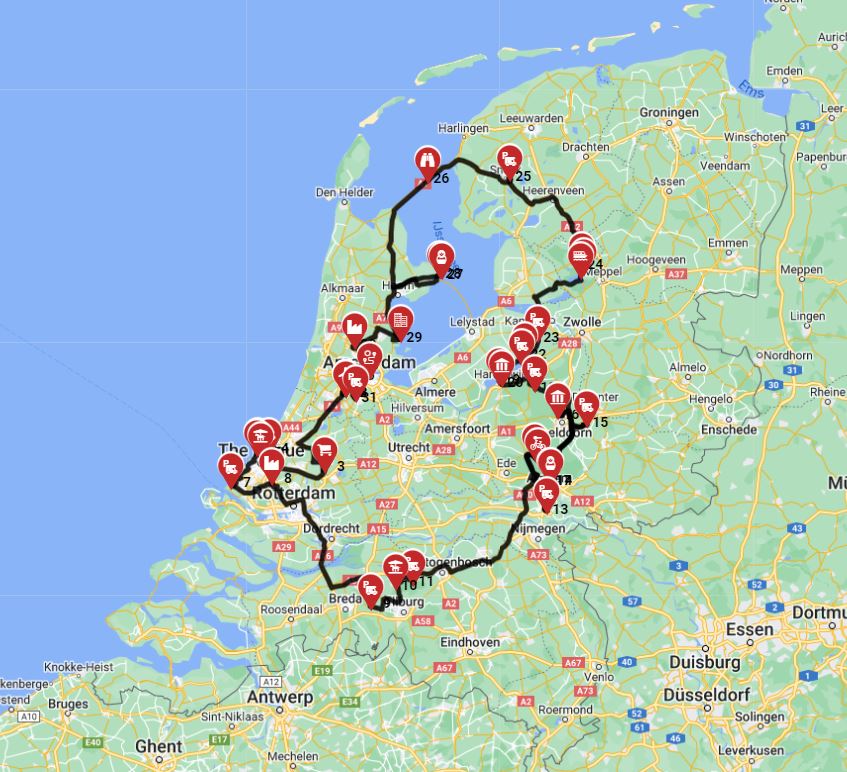
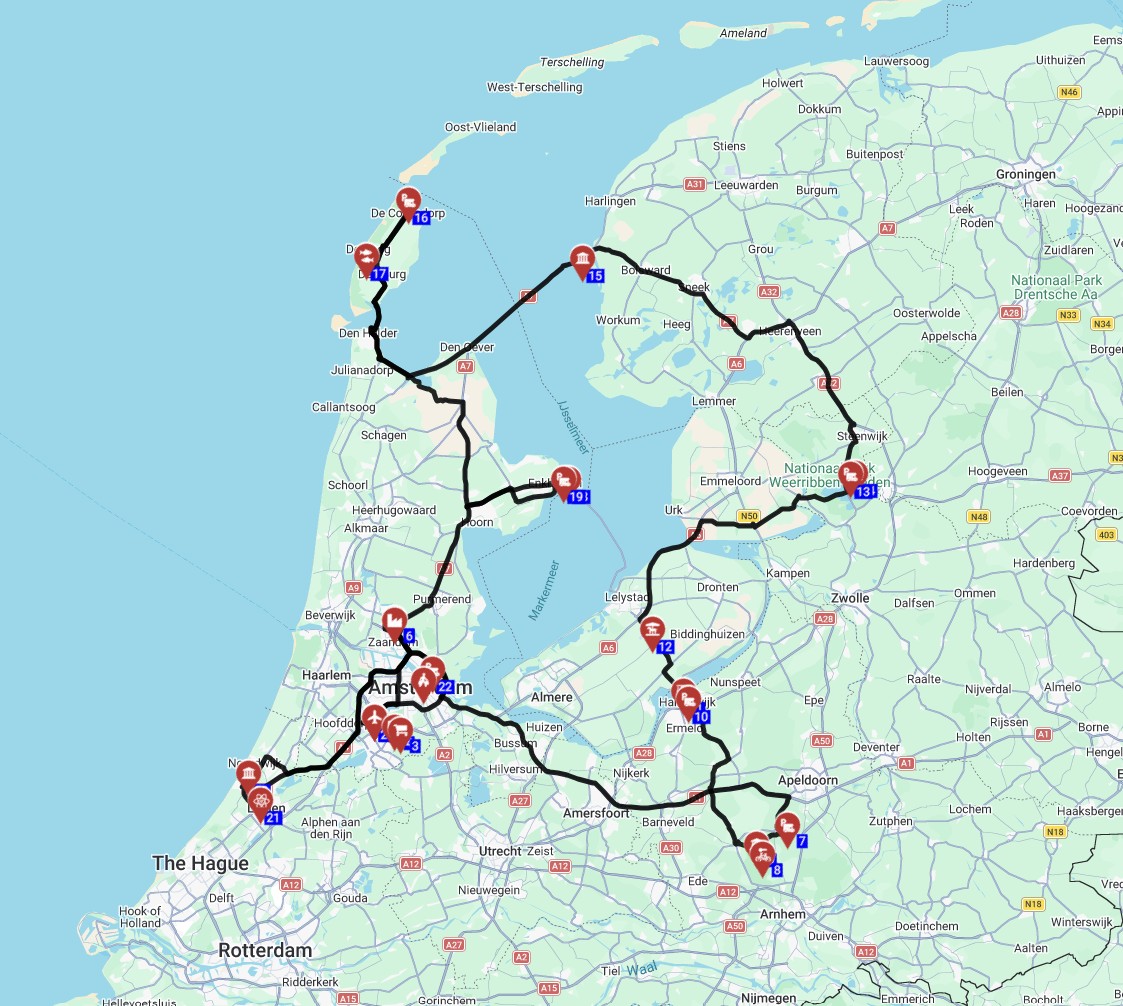
The ability to 'wild camp' or park overnight outside designated campsites varies widely across Europe, with strict regulations in many countries. In some Nordic countries like Norway, Sweden, and Finland, 'Allemannsretten' (freedom to roam) allows for wild camping for a night or two, provided you follow 'leave no trace' principles and respect private property. Conversely, wild camping is largely prohibited or highly restricted in countries like Germany, Austria, Switzerland, Italy, and the Netherlands (as implied by resources like the 'Netherlands Motorhome Tour Route Map' focusing on designated stops), often only permitted on private land with explicit owner permission. Designated 'Stellplätze' (Germany, Austria) or 'Aires de services' (France) offer legal, often free or low-cost, overnight parking for RVs, sometimes including basic services like water and waste disposal, serving as vital alternatives. It is always essential to respect local signage, avoid private property, adhere to environmental protection rules, and never leave any trace of your stay to practice responsible and sustainable RV travel. Rules vary by region; always check local regulations and follow local law before parking overnight. For itinerary planning that includes ideal spots, consider the detailed routes available on RV PLANET routes, which often highlight suitable overnight locations.
Can you drive an RV into the city center? Heights, Tunnels & Local Signage
Yes, you can almost always drive an RV into city centers in Europe, but it necessitates careful attention to specific local signage and restrictions, which vary by municipality. Always look out for explicit height and weight limits on signs, especially when approaching historic districts, tunnels, or underpasses, where clearances can be surprisingly low (e.g., under 3 meters). Many European cities have Low Emission Zones (LEZs) or environmental zones that restrict access for older or less eco-friendly vehicles without the correct emissions sticker (like the *Umweltplakette* in Germany, as indicated by 'German Street Signs - Einbahnstraße and Lindenweg' implying urban regulations). Be vigilant for 'residents only' parking signs or zones, pedestrian-only areas, and extremely narrow streets that may be impassable or highly inconvenient for a larger RV, such as navigating the tight alleys around the Rialto Bridge in Venice. Parking can be a significant challenge and expense in city centers, often limited to designated oversized vehicle spots or peripheral parking garages (if height allows), with street parking rarely suitable or permitted for RVs. Consider parking your RV on the outskirts of cities and using public transport to explore the center to avoid stress, fines, expensive parking fees, and the risk of damage in tight spaces. Remember to always check local regulations and follow local law before parking overnight.
What is the 3-3-3 rule for RV travel?
The '3-3-3 rule' for RV travel, also sometimes referred to as the '3-300-3' rule, is a widely recommended guideline to ensure a relaxed and enjoyable road trip by limiting daily driving. It suggests that you should aim to drive no more than **300 miles (approximately 480 km)** in a day, arrive at your destination by **3 PM**, and stay for at least **3 nights**. This rule promotes a slower pace of travel, significantly reducing driver fatigue, allowing ample time for sightseeing and relaxation, and minimizing the stress of finding campsites or overnight spots late in the day. Adhering to the 3-3-3 rule for a cheap RV rental in Europe helps prevent burnout, allows for deeper exploration of locations, and ensures the journey itself is as enjoyable as the destinations. While a guideline, it's particularly valuable in Europe where road conditions, cultural experiences, and unique attractions can vary significantly, encouraging travelers to savor the experience rather than rush between locations. For example, exploring Europe at this pace could allow you to fully appreciate the "Toulouse Round trip - European Charms & Family Delights" which includes 1 Amusement Park, 1 Aquarium, and 2 caves across its 15-day itinerary.
What is the 444 rule for RV?
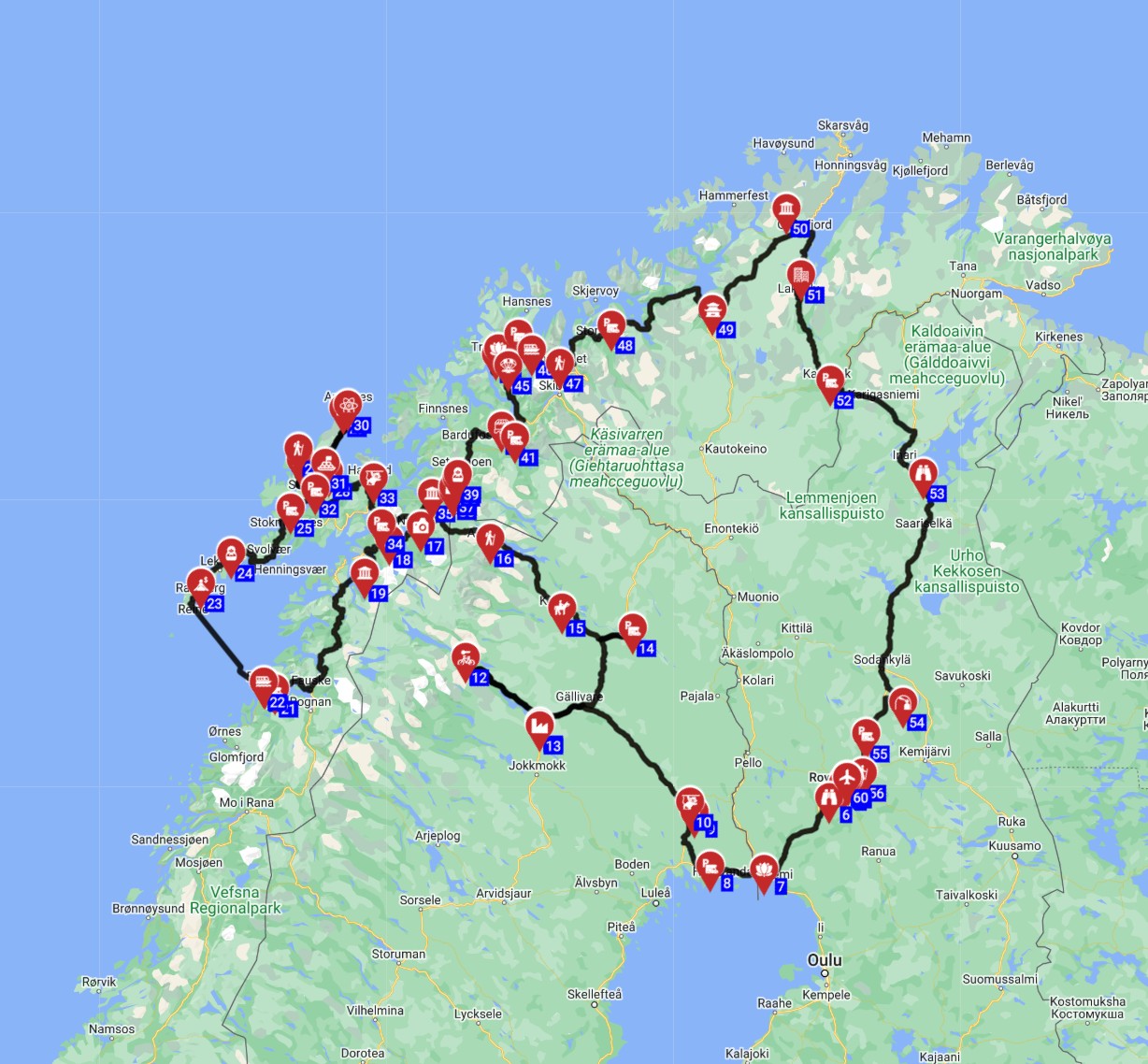
The '4-4-4 rule' for RV travel is an alternative or variation to the 3-3-3 rule, offering similar benefits for a more relaxed and manageable road trip experience. It advises driving for **no more than 4 hours a day**, covering a maximum of **400 kilometers (approximately 250 miles)**, and stopping by **4 PM**. This rule is particularly beneficial for families, first-time RVers, or those traveling through areas with many attractions, allowing more time for breaks, exploration, and settling into campsites or overnight parking. Applying the 4-4-4 rule to a cheap RV rental in Europe can help manage fuel costs by reducing long, high-speed drives and provides more flexibility for finding budget-friendly overnight spots or legal free parking (where permitted). Both the 3-3-3 and 4-4-4 rules emphasize a mindful travel pace, which is ideal for truly experiencing the diverse landscapes and cultures of Europe without the pressure of constant movement. Consider this for a longer trip like the "
Can you sleep anywhere in a campervan in Europe?
Generally, you cannot sleep just anywhere in a campervan in Europe, as regulations for overnight parking and wild camping vary significantly by country and are often quite strict. In countries like Germany, Austria, Switzerland, Italy, and the Netherlands (whose 'Netherlands Motorhome Tour Route Map' suggests designated stops), wild camping is largely prohibited or restricted to private land with explicit owner permission. However, many countries offer designated 'Stellplätze' (Germany, Austria) or 'Aires de services' (France), which are free or low-cost parking areas specifically for RVs and campervans, sometimes including basic services like water and waste disposal. Some Nordic countries, such as Norway, Sweden, and Finland, have 'Allemannsretten' (freedom to roam) laws that are more permissive towards wild camping, provided you follow 'leave no trace' principles and respect private property. Always check local laws and signage, respect private property, and consider using official campgrounds, which provide facilities, security, and a legal place to stay overnight for peace of mind.
Is Europe RV friendly?
Europe is generally very RV friendly, offering an extensive network of modern motorways, diverse landscapes, and a well-developed infrastructure of campsites and service areas tailored for motorhomes and campervans. Many countries, particularly France, Germany, and the Nordic nations, have excellent facilities specifically for RVs, including thousands of designated 'Stellplätze' or 'Aires de services' for overnight parking and basic amenities. However, 'RV friendly' doesn't mean 'unregulated'; travelers must adhere to specific rules regarding vehicle dimensions, environmental zones, tolls, and wild camping, which vary significantly by country and region. The Camping Key Europe Card is a useful resource for accessing discounts and streamlined check-ins at many European campsites, indicating a coordinated effort to support RV tourism. While larger RVs can navigate most major routes comfortably, the narrow streets of historic city centers and some challenging rural roads may be better suited for smaller campervans, or require strategic parking on the outskirts. With proper planning regarding routes, local regulations, and overnight stops, Europe offers an incredibly rewarding and accessible experience for RV travelers.
Can you park a motorhome anywhere in Europe?
No, you cannot generally park a motorhome anywhere in Europe; parking regulations for RVs are often strict and vary widely by country, region, and even local municipality. While legal for daytime parking in most public spaces that allow large vehicles, overnight parking or 'wild camping' is frequently restricted or prohibited, especially in popular tourist areas and on private land without explicit permission. Many cities have designated parking zones for oversized vehicles or require specific permits, and environmental zones (Low Emission Zones) may limit access for certain vehicle types entirely, making casual parking challenging. For legal and convenient overnight stays, travelers should prioritize official campgrounds, municipal 'Stellplätze' or 'Aires de services,' which are specifically designed to accommodate motorhomes. Always observe local signage (like those depicted in 'German Street Signs - Einbahnstraße and Lindenweg' which hint at urban regulations) and adhere to local ordinances to avoid fines, unwanted attention, or disruptions to your trip.
What do Europeans call an RV?
Europeans use several terms for what North Americans call an 'RV,' with the most common and widely understood terms being **'motorhome,' 'campervan,'** or simply **'camper.'** A 'motorhome' generally refers to larger, integrated recreational vehicles with full living amenities, akin to North American Class C or Class A RVs. 'Campervan' (or 'camper van') typically denotes smaller, more compact vehicles, often based on a commercial van chassis, similar to North American Class B RVs, which are popular for their maneuverability in Europe. In specific European countries, you might encounter localized terms such as 'Wohnmobil' (Germany), 'camping-car' (France), 'autocaravana' (Spain), or 'camper' (Italy, Netherlands). Regardless of the regional term, these vehicles all serve the fundamental purpose of combining transport and accommodation for travel and leisure, offering a flexible way to explore Europe.
What is the cheapest country in Europe to get a driver's license?
For foreign travelers planning an RV trip, attempting to obtain a European driver's license solely for travel is generally impractical and unnecessary, as validating your existing national license and acquiring an International Driving Permit (IDP) is the standard approach. The process of obtaining a new driver's license in any European country typically involves established residency requirements, extensive local knowledge for theory tests, and practical driving exams, making it unsuitable for short-term visitors. While costs for a Category B (car) license can vary significantly across Europe (e.g., from a few hundred euros in some Eastern European countries to over a thousand euros in Western Europe), this does not factor in the higher C1/C categories often required for larger RVs. For an RV rental in Europe, your valid national driver's license, accompanied by an IDP if you're from outside the EU/EEA, is the standard, most economical, and legally recognized approach. Always confirm license requirements with your specific RV rental provider and the embassies of the countries you plan to visit, rather than attempting to acquire a new, potentially unsuitable, license solely for your trip.
What is the 333 rule for campervan?
The '3-3-3 rule' applies universally to all RVs, including campervans, and serves as a valuable guideline for a more relaxed and enjoyable travel experience: drive no more than 300 miles (480 km), arrive by 3 PM, and stay for at least 3 nights. While campervans (like Bandana's Class B models, averaging 5.8m in length) offer greater maneuverability and fuel efficiency compared to larger RVs, adhering to this rule still promotes a less rushed and more enjoyable travel experience. For campervan travelers, arriving by 3 PM allows ample time to find suitable (and potentially free or low-cost) parking or a spot at a campsite before sunset, which is particularly beneficial given their compact nature and versatility. Staying for at least 3 nights provides a deeper immersion in each location, allowing for exploration of local culture, hiking, or relaxation, significantly reducing the constant packing and unpacking often associated with faster-paced road trips. This rule is especially beneficial for cheap RV rental travelers, as it encourages mindful exploration, minimizes driver fatigue, and can lead to discovering more local, budget-friendly experiences that might be missed when rushing.
Which European country is the easiest to get a driver's license?
For international visitors planning an RV trip, the concept of which European country is the 'easiest' to get a driver's license in is largely irrelevant and impractical, as existing national licenses and International Driving Permits (IDPs) are the standard for tourists. The process of obtaining a new driver's license in any European country typically requires established residency, extensive local knowledge for theory tests, and practical driving exams, making it a time-consuming and expensive endeavor unsuitable for temporary visitors. Focus should instead be placed on ensuring your current national driver's license is valid for use in Europe and obtaining an International Driving Permit (IDP) if your license is not from an EU/EEA country. An IDP acts as an official translation of your license, facilitating recognition across borders and complying with international driving conventions, and is typically a straightforward application process in your home country. Rental companies and local authorities will primarily require your home country's valid license and potentially an IDP, not a newly acquired European license, for a temporary visit and RV rental.
What You Shouldn't Miss
- Explore France's 'Aires de Services': Utilize the extensive network of over 6,000 dedicated motorhome service points for convenient and budget-friendly overnight stays and access to essential amenities.
- Embrace Norway's 'Allemannsretten': In designated areas, experience the freedom of wild camping responsibly, respecting the environment and local customs.
- Navigate Cities with Compact Vans: For exploring historic city centers with narrow streets and potential restrictions, opt for a Class B campervan for ease of driving and parking.
- Consider Vignettes for Central Europe: Purchase motorway vignettes in advance for countries like Austria, Switzerland, and Slovenia to avoid fines and ensure smooth travel.
- Utilize RV-Specific Navigation: Download apps that provide routes tailored for vehicle dimensions, helping you avoid low bridges and restricted roads.
- Embrace Slow Travel: Plan your itinerary with Bandana's pre-planned routes via RV PLANET (rvplan.net) to maximize your experience and minimize travel stress. Consider the "Vienna Roundtrip - The epic Eastern European Christmas markets" for a detailed 15-day exploration.
Final Thoughts
Renting an RV for your European adventure opens up a world of possibilities, allowing you to explore at your own pace and immerse yourself in diverse cultures and breathtaking landscapes. By understanding the nuances of European driving regulations, road conditions, and practicalities, you can ensure a smooth and enjoyable journey.
Remember, planning is key, but flexibility is also your friend. With Bandana Caravan, you have a partner dedicated to making your RV rental experience seamless, from comparing options to securing your perfect vehicle. Get inspired, start planning, and prepare for an unforgettable road trip across Europe!