For live availability and current prices, start with our RV Rental Canada - Complete Guide 2026 guide.
In This Guide
- What Winter RV Rental Costs in Canada (2024)
- Seasonal Pricing - Peak vs. Shoulder vs. Off-Season in Canada
- What's Included vs. What's an Add-On
- Hidden Costs to Budget For in Canada
- How to Save on Winter RV Rental in Canada
- How do I budget for a winter RV trip in Canada?
- What are the specific challenges of winter RV travel in Canada?
- How do you winterize an RV for Canadian travel?
- What are essential safety tips for winter RVing in Canada?
Embracing a Canadian winter by rented motorhome is an unforgettable adventure, offering unique access to snow-covered landscapes, ski resorts, and cozy fireside evenings. Planning for a winter RV rental in Canada, however, requires understanding the costs involved and how to prepare for colder conditions. For live availability and current prices, start with our RV Rental Canada - Complete Guide 2024 guide, which offers a broader overview of RVing throughout the year in this magnificent country.
What Winter RV Rental Costs in Canada (2024)
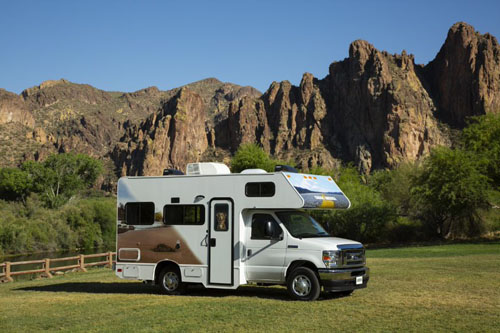
In 2024, the average daily cost for a winter RV rental in Canada can vary significantly, starting from around CAD $100 for a compact campervan and rising to CAD $350 or more for larger, well-equipped Class C or Class A motorhomes. These prices are dynamic, changing daily based on factors like demand, availability, booking lead time, and the specific rental supplier. For example, a 2-berth campervan like the "Active Standard" might cost less than a 6-berth "Euro Deluxe" Class C motorhome.
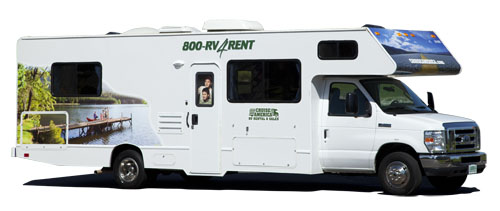
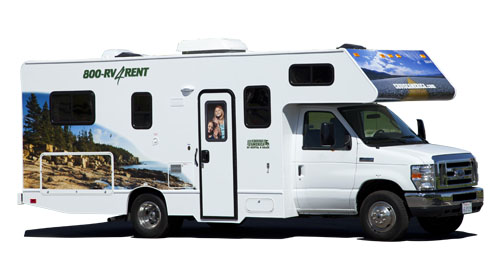
For couples looking for a week-long trip, a smaller Class B campervan such as the "Combi Van" or "Van - Economy" can be a great choice, often found for CAD $100-$200 per day. These agile vehicles, often with dimensions of around 5 meters in length, are perfect for navigating winter roads and smaller campsites. Families with 4-6 people, on the other hand, might prefer a Class C motorhome like the "MHC24" or "24 Class C Motorhome", which typically offer more sleeping spaces and amenities. These larger rentals, measuring around 7-8 meters, generally fall into the CAD $200-$350 per day range during winter months. A month-long winter RV trip will generally see lower average daily rates compared to a 1-week rental due to long-term discounts offered by many suppliers. Always remember that the final price is set at the actual booking time, so early comparison is key.
For finding the best prices and comparing various winter-ready motorhomes, using a dedicated comparison platform like Bandana RV is incredibly helpful. We partner with over 50 leading RV suppliers worldwide, including trusted names like El Monte and Cruise America, ensuring you see a wide range of options with full price transparency and no hidden fees.
Seasonal Pricing - Peak vs. Shoulder vs. Off-Season in Canada
RV rental prices in Canada exhibit distinct fluctuations throughout the year, primarily influenced by tourist demand and weather conditions. Winter, generally considered the off-season for many parts of Canada (November through March), typically offers the lowest daily rates, with some exceptions for popular ski resort areas in British Columbia and Alberta. During this true off-season, you can expect to find daily rental prices up to 30% lower than summer peak rates.
Peak season for RV travel in Canada runs from July to August, when demand is at its highest, leading to premium pricing. Shoulder seasons, usually late spring (April-June) and early fall (September-October), offer a balance of milder weather and moderate prices, often 10-20% less than peak rates. April often represents the lowest point for rental costs as the country transitions from deep winter to spring, before the summer rush begins. For a winter RV trip, you’ll find that a rented mobile home is prepped with necessary heating and insulation, allowing for comfortable travel despite the cold. By planning your trip for late fall or early spring, you can take advantage of significant savings while still experiencing Canada's breathtaking landscapes without the summer crowds.
What's Included vs. What's an Add-On
The base price of an RV rental in Canada always includes basic insurance, but the exact coverage levels and what constitutes a "basic" package can vary significantly between suppliers. Most motorhome rentals come with a fully equipped kitchen area featuring a stove, refrigerator, and sink, allowing you to prepare meals on board. You'll often find a functional shower and toilet onboard as well, ensuring comfort even in colder climates. Some larger vehicles, like the "MHC30" Class A motorhome, also boast amenities like microwaves and ovens, perfect for preparing more elaborate meals. If you're interested in cooking on your trip, remember to check out our RV-friendly recipes playlist for inspiration.
Common add-ons you might encounter for a Canadian winter RV rental include higher tiers of comprehensive insurance (allowing you to upgrade to a top-level deductible for extra peace of mind), additional mileage packages beyond a standard allowance, and fees for generator usage if not included. Kitchen kits, which typically contain cooking utensils, crockery, and cutlery, along with bedding and linens, are also frequently offered as optional extras. It's crucial to review the inclusions and add-ons for your specific vehicle on our comparison platform, as these can differ by individual RV model and rental station. For example, some "Winter Ready" campervans like the "2 Berth Hi Top" might include basic winter equipment, while others may require it as an extra. Our platform allows you to clearly see what is included and compare options, ensuring full transparency in your booking.
Hidden Costs to Budget For in Canada
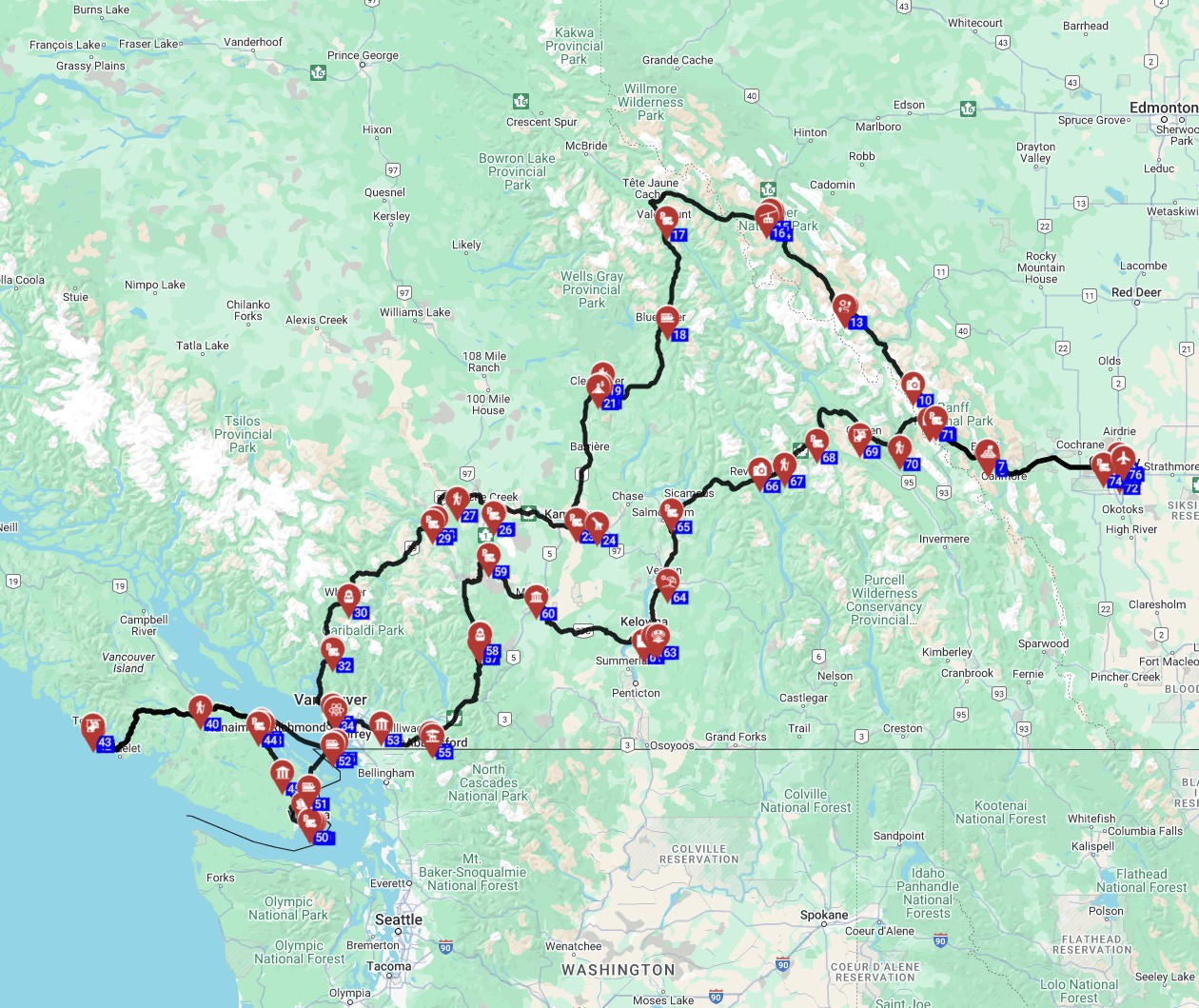
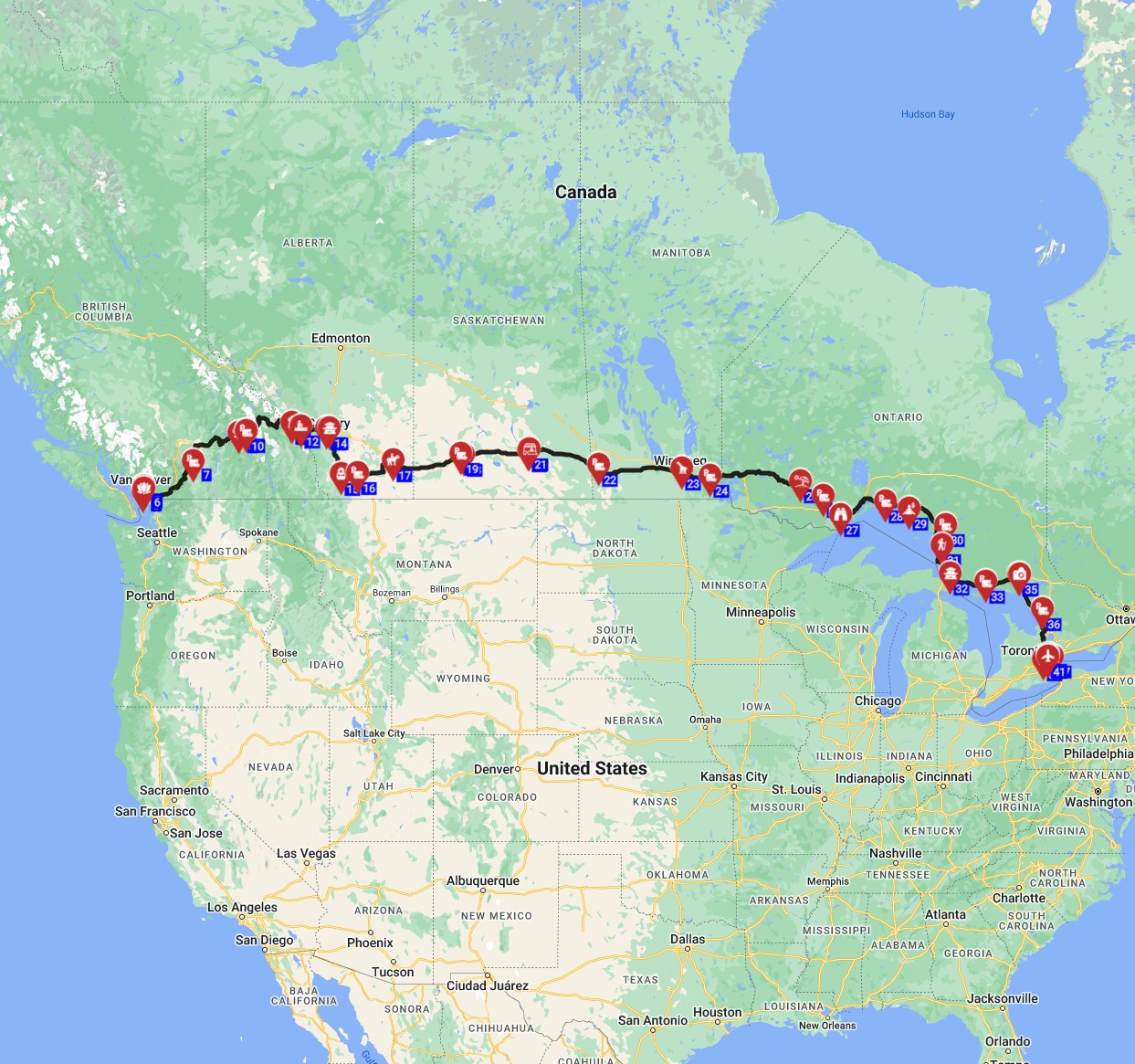
Beyond the daily rental rate, several ancillary costs should be factored into your budget for a winter RV trip in Canada. Fuel consumption will be a significant expense, as winter driving often increases fuel usage, and prices vary by province. For a long trip, such as the 9,199.1 km "Halifax to Whitehorse - Exploring Canada’s Heartland in a Motorhome" itinerary, fuel costs can easily add up. Campground fees also vary widely; while many national and provincial parks offer basic winter camping at reduced rates (e.g., CAD $20-$40 per night), private RV resorts with full hookups and amenities might charge CAD $50-$80 or more. Some locations, like the picturesque sites on the "

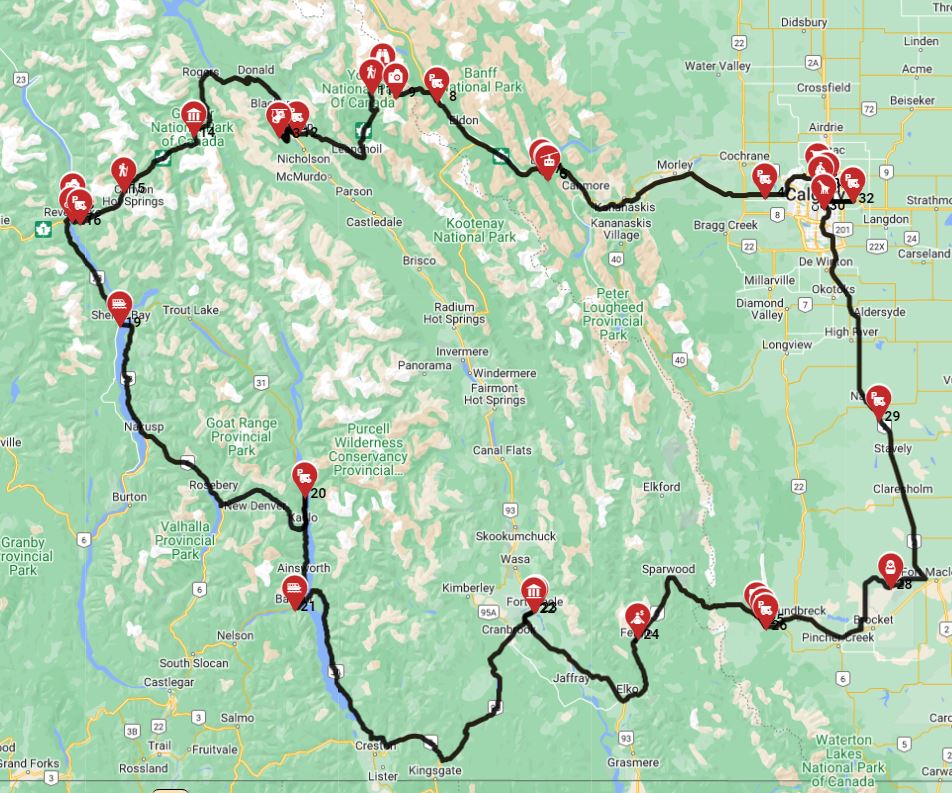
Other potential costs include propane for heating and cooking, dump station fees if not included with your campground, and tolls, particularly on highways in Eastern Canada. Tolls in Ontario, for instance, are not widespread but can surprise travelers. National park entry passes, such as the Parks Canada Discovery Pass (approximately CAD $145 for a family/group for a year), are also necessary for accessing many scenic areas. Always budget for potential extra mileage if your itinerary, like the 4,886.2 km "
How to Save on Winter RV Rental in Canada
To minimize your winter RV rental costs in Canada, consider booking your trip during the deepest part of the off-season, typically January to March, when demand is lowest (outside of ski regions). For instance, opting for a 10-day rental of a "Combi Van" during February could save you 20-30% compared to a December trip. Renting for longer durations, such as an extended road trip of two weeks or more, frequently results in a lower daily rate. Our comparison platform also allows you to compare different suppliers like El Monte and Cruise America side-by-side, helping you find the most competitive deals.
Choosing a smaller Class B campervan, such as the "Active Classic" or "Juliette 2-3," if it meets your group's needs, can save on both rental costs and fuel expenses. These more compact vehicles, often under 6 meters in length, are generally more fuel-efficient, which is a significant advantage given Canada's vast distances. Keep an eye out for flex-rate drops and special promotions by checking our platform regularly. For more ideas on how to manage your budget, consult our "Budget RV Driving in Canada - Save on Fuel 2026" guide.
Additionally, pre-planning your route and campsites can help avoid last-minute, higher-priced bookings. While many national and provincial parks reserve only 25-30% of their winter spots, the remainder are first-come, first-served. Don't stress too much – you'll find a spot, and if not at the first campground, then the next one. Always call ahead before driving long distances to confirm availability.
How do I budget for a winter RV trip in Canada?
Budgeting for a winter RV trip in Canada requires careful consideration of several specific cold-weather expenses beyond standard rental fees. Expect to allocate a significant portion of your budget to propane for heating the living space and water system, as continuous usage in sub-zero temperatures can quickly deplete tanks, costing around CAD $30-$50 per refill. Fuel consumption will be higher than in warmer months, possibly by 10-20%, due to colder engine temperatures and potentially more idling for warmth, so factor in an extra CAD $100-$300 per week for fuel depending on your mileage, for a vehicle like a "SVC" motorhome.
Winter camping fees in Canada often range from CAD $20-$60 per night for a powered site at an open campground, with fewer unpowered or dispersed camping options available. Additionally, consider costs for specialized winter activities like ski passes (CAD $100-$200 per day per person at major resorts), snowshoe rentals (CAD $20-$40 per day), or dog sledding tours. A general daily budget for two people in a medium-sized campervan might look like CAD $100-$200 for rental, $50-$100 for fuel, $30-$60 for camping, $50-$80 for groceries (especially if you're utilizing the RV kitchen), and another $50-$150 for activities or dining out. This brings a realistic total to CAD $280-$590 per day for a comfortable winter adventure, not including any one-way fees or deductible upgrades. Our "RV Driving Deals in Canada - Routes and Savings 2026" itinerary can provide further insights into optimizing your travel budget.
What are the specific challenges of winter RV travel in Canada?
Winter RV travel in Canada presents unique challenges, primarily centered around extreme cold, road conditions, and reduced service availability. Temperatures can plunge to -20°C or lower in many regions, necessitating constant vigilance to prevent water lines and tanks from freezing in your rented mobile home. Many smaller campgrounds and services, including water fill-up and dump stations, are seasonal and close for winter, making route planning to open RV parks crucial. Even larger sites may offer limited facilities.
Road conditions are unpredictable, with snow, ice, and black ice common, particularly in mountainous areas or during storms. Drive slowly and carefully, and you can drive almost anywhere without issues. No need to stress - just use common sense and pay attention. Shorter daylight hours, sometimes as little as 7-8 hours in December, restrict driving times and daylight activities. Additionally, propane consumption for heating increases significantly, requiring more frequent refills. Ensure your chosen campervan or motorhome, such as the "MH-A" (which is a winter-ready RV), is explicitly rated and prepared for winter use. Understanding these challenges helps you prepare for a safe and enjoyable trip. Consider exploring our "Driving an RV in Canada - Complete Guide 2026" for more detailed advice on navigating Canadian roads.
How do you winterize an RV for Canadian travel?
To properly prepare a rented RV for Canadian winter travel, the most critical step is ensuring its water systems are thoroughly winterized to prevent freezing. This typically involves draining all fresh, grey, and black water tanks completely, bypassing the water heater and draining it, and then flushing all water lines with RV-specific antifreeze. Suppliers like Cruise America and El Monte usually handle this process for their winter-ready fleet, but it's essential to confirm.
Beyond the plumbing, ensure propane tanks are full for continuous heating, which is vital for both comfort and keeping internal systems from freezing. Check that all heating appliances, including the furnace, are in good working order. Many winter-spec motorhomes, like the "MH-B" Class A, feature enhanced insulation and heated tanks. When you pick up your rented RV, ask the supplier for specific instructions on managing the vehicle's heating and water systems in cold weather. Additionally, you should be equipped with appropriate tires, such as winter or all-weather tires, which are often standard on rentals during colder months in Canada. If you're picking up in cities like Abbotsford or Halifax, make sure to ask about local winter driving regulations and requirements.
What are essential safety tips for winter RVing in Canada?
Essential safety tips for winter RVing in Canada include diligently monitoring weather forecasts, carrying comprehensive emergency supplies, and exercising extreme caution on winter roads. Always check Environment Canada's weather advisories and road conditions before driving, especially when traversing long distances or remote areas. Make sure your rented motorhome or campervan is equipped with good winter tires, and consider carrying tire chains if you plan on driving through mountainous regions.
Driving slowly and carefully, maintaining ample following distance, and being aware of potential black ice are paramount. Pack an emergency kit containing extra blankets, non-perishable food, a first-aid kit, a flashlight, jumper cables, and a shovel. Wildlife encounters, especially with deer and moose, are common year-round but can be particularly hazardous on icy or snowy roads, so remain alert, especially at dawn and dusk. Always inform someone of your planned route and estimated arrival time, and consider a satellite communication device for areas without cell service, which can be frequent in Canada's vast wilderness. For instance, on a long route like "Halifax to Whitehorse - Exploring Canada’s Heartland in a Motorhome" that covers 9,199.1 km, reliable communication is vital.
Lastly, ensure you have sufficient propane and fuel, as services can be sparse in remote winter locations. For those considering a one-way RV driving in Canada - route planner, factor in potential weather delays and ensure you have flexible booking options. An International Driving Permit (IDP) is recommended for visitors from non-English speaking countries, although not strictly mandatory in all cases.
What You Shouldn't Miss
- Skiing and Snowboarding in the Rockies: Head to world-class resorts like Banff National Park (Alberta) or Whistler Blackcomb (British Columbia) for incredible slopes and stunning mountain views. Your rented RV offers a warm basecamp after a day on the snow.
- Witnessing the Northern Lights: Drive your campervan to remote areas in Yukon or Northwest Territories, away from light pollution, for a chance to see the mesmerizing aurora borealis dance across the winter sky.
- Ice Skating on Frozen Lakes: Experience quintessential Canadian winter by skating on natural ice rinks, such as Lake Louise in Banff, often surrounded by breathtaking scenery.
- Exploring Winter Cities: Visit charming cities like Quebec City for its European ambiance and Winter Carnival, or Montreal for its underground city and vibrant culinary scene, enjoying the flexibility of your rented motorhome.
- Snowshoeing in National Parks: Many national parks, including Fundy National Park in New Brunswick or Jasper National Park in Alberta, offer maintained trails for peaceful snowshoeing excursions through pristine forests.
- Enjoying Hot Springs: Relax in natural hot springs like those in Banff Upper Hot Springs, providing a warm contrast to the crisp winter air and a perfect way to unwind after exploring in your rented mobile home.
Looking for expert insights from Avi Bandana? Top 5 Adventures - recommendations from Avi Bandana.
Final Thoughts
A winter RV rental in Canada truly opens up a different kind of adventure, one filled with breathtaking snowy vistas, cozy evenings, and the thrill of exploring a pristine landscape. While it comes with its unique set of challenges, careful planning and the right vehicle can transform these into manageable parts of an unforgettable journey. Whether you're a couple seeking a quiet retreat or a family eager for ski slopes and winter fun, Canada's winter wonderland awaits your exploration.
Remember, the beauty of RV travel, especially in winter, is the freedom it offers. You can travel slowly, perhaps averaging 100-150 km per day, taking the time to feel the place, connect to the culture, the food, and the scenery. Don't rush; savor every moment, from the frosted trees to the warm glow of your rented motorhome. We're here to support you in finding the easiest, safest, and most affordable way to rent an RV, comparing final prices across 50+ suppliers so you don't have to.
So, get inspired for your next trip! Discover top destinations and planning tips all in one place. Plan a trip itinerary in advance with minimal effort and maximum enjoyment. The Canadian winter is calling for your mobile home adventure!