In This Guide
- Can You Drive an RV in Canada? License & Age Rules
- Road Conditions & Terrain in Canada
- RV Size Limits, Bridges & Restricted Zones
- Fuel: Diesel vs. Petrol & Cost per 100 km
- Tolls, Vignettes & Border Rules
- Driving Tips for rv rental deals Travelers
- Recommended RV Class for Canada Roads
- Should I Choose a Compact Van Instead of a Large RV in Canada?
- Can I Park Anywhere? Free & Wild Camping Rules in Canada
- Can I Drive an RV Into the City Center? Heights, Tunnels & Local Signage
- How Much Does an RV Rental in Canada Cost?
- Exploring Canada's Unique Regions and Hidden Gems by RV
- Staying Connected: Cell Service and Wi-Fi in Canadian RVs
- RV Travel Safety: Wildlife Encounters and Nature Protocols in Canada
- Benefits and Challenges of Off-Season RV Travel in Canada
- Emergency Preparedness for RV Trips in Canada
- Traveling with Pets: RV Rules and Tips for Canada
Can You Drive an RV in Canada? License & Age Rules
Most standard RVs in Canada, generally those under 11,000 kg Gross Vehicle Weight Rating (GVWR), can be driven with a regular Class 5 equivalent license, similar to what you'd use for a car. This simplifies the process for many international travelers, as no special RV license or Commercial Driver's License (CDL) is typically required. The minimum age for RV rentals is usually 21 or 25, depending on the rental company and the specific RV class; larger or more complex motorhomes might have a higher minimum age. International drivers need a valid driver's license from their home country. If your license is not in English or French, an International Driving Permit (IDP) is often recommended and may be required by some rental providers to ensure clear understanding of your driving privileges.
Road Conditions & Terrain in Canada
Canada offers a remarkably diverse range of road conditions and terrain, primarily characterized by the vastness of its landscapes. The main arteries, such as the Trans-Canada Highway, are generally well-maintained and designed to accommodate large vehicles. However, venturing onto secondary roads, particularly in mountainous regions like the Canadian Rockies, you'll encounter steep grades, sharp turns, and potentially narrower passages. Drivers should be prepared for variable weather conditions, as snow can occur in shoulder seasons (spring and fall) or at higher elevations, even during summer. We always encourage slower driving to truly appreciate the breathtaking scenery, spot wildlife safely, and ensure you can react to changing road conditions.
RV Size Limits, Bridges & Restricted Zones
While Canada's road infrastructure is generally accommodating for RVs, drivers must remain aware of specific height and weight restrictions, especially in urban areas or on less-traveled routes. Always pay close attention to posted height limits on bridges, underpasses, and in tunnels. Some national or provincial parks might have length restrictions for RVs on particular scenic routes or within certain campgrounds. If your travel plans include using ferry services, such as BC Ferries, be aware that pricing is often based on length and height; booking larger RVs well in advance is highly recommended to secure your space and ensure smooth passage.
Fuel: Diesel vs. Petrol & Cost per 100 km
Petrol, commonly referred to as gasoline in North America, is widely available at stations across Canada. Diesel fuel is also readily accessible, primarily at major service centers and along main highways, though it may be less frequent in very remote regions. For context on fuel efficiency, Bandana's fleet typically sees Class C motorhomes consuming around 10–12 Liters/100 km, while more compact Class B camper vans average a more economical 8-10 Liters/100 Km. For planning your budget, expect fuel prices to hover around $1.50 - $2.00 CAD per liter in 2026, though this can vary significantly by province and region. It's always a good idea to inquire with your rental provider if they offer any fuel discount cards or programs to help manage these essential travel expenses.
Tolls, Vignettes & Border Rules
Canada has a relatively limited number of tolled roads, primarily concentrated on certain bridges and expressways, and importantly, it does not employ a national vignette system like some European countries. A notable exception is the 407 ETR in Ontario, a fully electronic toll highway where rental RVs without a transponder may incur administrative fees in addition to the tolls. When crossing the border into the United States, ensure you have your valid passport, vehicle registration, and proof of insurance readily available. Some rental companies may offer pre-purchased toll passes or transponders, which can simplify your journey and help avoid potential fines or unexpected charges. On the routes offered through RV PLANET routes, you can itemize and track every expense along the way for easy budgeting.
Driving Tips for rv rental deals Travelers
Given Canada's immense size, it's crucial to pace yourself on the road, planning frequent stops to rest and break up long driving days, especially when traveling with family. Prioritize fuel management by filling up whenever you see a station, particularly before entering remote areas where services are sparse. Pre-planning any potential tolls is wise; consider alternative routes if available or look into pre-paid toll options to streamline your journey and manage costs effectively. Utilizing an RV-specific GPS can be invaluable for navigating safely, as it accounts for vehicle dimensions and potential restrictions. Always remain vigilant for wildlife, especially at dawn and dusk, and familiarize yourself with safe encounter protocols.
Recommended RV Class for Canada Roads
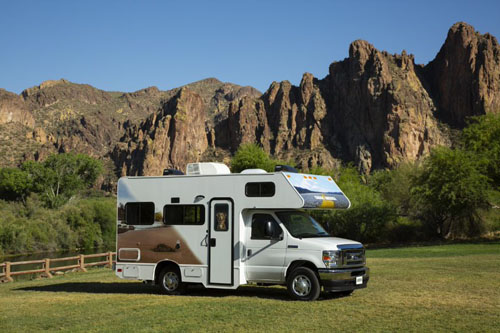
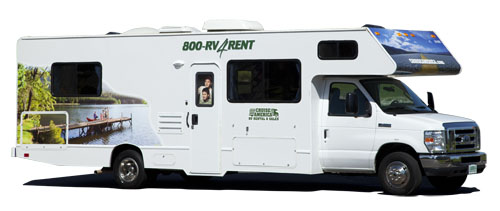
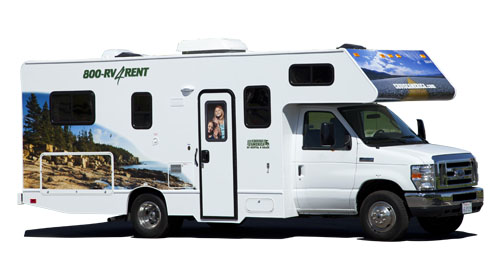
Choosing the right RV class significantly impacts your Canadian road trip experience. For couples or small families prioritizing maneuverability and easier urban access, Class B camper vans, typically around 5.8 meters (19 feet) in length, are an excellent choice, often achieving good fuel economy averaging 8-10 Liters/100 Km. For families needing more living space and amenities, Class C alcove motorhomes, usually around 7.5 meters (25 feet) long, are a popular option, handling highways well and fitting comfortably in most national and provincial park campsites. While larger Class A integrated RVs offer the most luxury and living space, they can present more challenges in tight city streets or specific park roads.
Should I Choose a Compact Van Instead of a Large RV in Canada?
The choice between a compact van and a larger RV in Canada often boils down to your travel style and priorities. Compact vans, like Bandana's Class B camper vans, offer superior maneuverability and fuel efficiency, averaging 8-10 Liters/100 Km, making them ideal for navigating smaller towns and more remote areas. However, larger RVs provide unmatched comfort, extensive living space, and amenities like full kitchens and private washrooms, which are particularly beneficial for longer trips or family travel. While Canadian roads are generally RV-friendly and can accommodate most sizes, a larger RV often represents a better trade-off for those prioritizing onboard comfort and amenities over nimble handling.
Can I Park Anywhere? Free & Wild Camping Rules in Canada
While Canada offers vast wilderness, free and wild camping opportunities vary significantly by province, territory, and local municipality. Undeveloped Crown Land often permits dispersed camping in many provinces, but access and specific regulations differ considerably. It’s crucial to always adhere to 'no overnight parking' signage in urban areas, retail lots, and designated rest stops. National and provincial parks typically require designated campsites, and these often need advance booking, especially during peak season. When wild camping, practicing Leave No Trace principles is paramount to protect Canada's pristine natural environments. Always check local regulations and abide by local laws before parking overnight.
Can I Drive an RV Into the City Center? Heights, Tunnels & Local Signage
RVs can generally be driven into most Canadian city centers, utilizing the main arterial roads designed for larger vehicles. However, drivers must exercise heightened awareness and pay close attention to local signage, particularly for height restrictions on tunnels, underpasses, and parking garages. Parking a large RV in busy city centers can be challenging and expensive; consider utilizing park-and-ride options or public transport once you've reached the city outskirts. Be mindful of potential local by-laws regarding RV parking on residential streets or in specific zones, as these can vary significantly. While uncommon, some cities may implement environmental zones that could affect certain RVs in the future, so staying informed about local ordinances is always advisable.
How Much Does an RV Rental in Canada Cost?
RV rental rates in Canada fluctuate based on season, RV class, and rental duration, typically ranging from $100-$400+ CAD per day. Fuel represents a significant portion of trip expenses, with Bandana's global fleet RVs consuming 8-17 Liters/100 km and current 2026 prices around $1.50-$2.00 CAD/liter. Campground fees for powered sites usually fall between $30-$100+ CAD per night, varying by park and amenities. Remember to budget for additional costs such as insurance deductibles, propane refills, dump station fees, park passes, and groceries. Detailed budgeting for all these components is essential for an accurate total trip cost estimate.
Exploring Canada's Unique Regions and Hidden Gems by RV
Embarking on an RV journey across Canada offers unparalleled freedom to explore beyond the most popular routes, allowing you to discover the unique nuances of each province and territory and immerse yourself in local culture. You can uncover regional specialties, from Quebec's iconic poutine to the fresh seafood of Atlantic Canada, truly tasting the country. Venture off the beaten path to visit lesser-known attractions and charming small towns that offer authentic cultural insights and a slower pace of travel. Utilizing your rented RV gives you the flexibility to access remote provincial parks or discover unique, secluded campsites, fostering a deeper connection with Canada's magnificent natural landscapes.
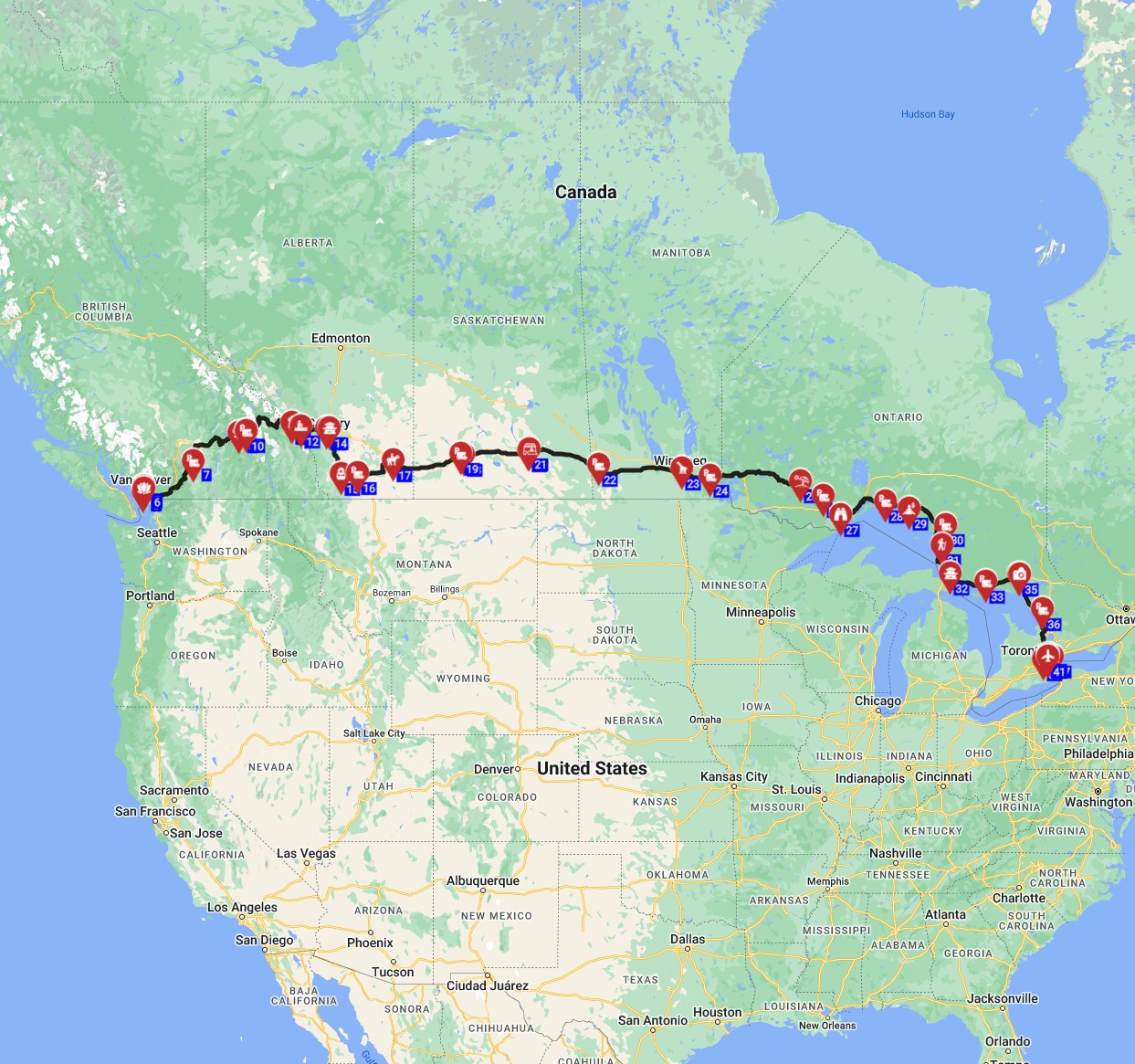
For those seeking a cross-country adventure, our "
Staying Connected: Cell Service and Wi-Fi in Canadian RVs
Connectivity can be a concern for RV travelers in Canada's vast remote areas. Major providers like Bell, Rogers, and Telus offer the most comprehensive cell coverage along highways and within urban centers. However, expect significant cell service gaps in many national parks, wilderness regions, and remote territories. While many campgrounds offer Wi-Fi, speeds can be inconsistent due to high demand. For reliable mobile connectivity, consider bringing a portable Wi-Fi hotspot or purchasing a Canadian SIM card. For truly off-grid adventures, a satellite communication device is highly recommended for emergency situations.
RV Travel Safety: Wildlife Encounters and Nature Protocols in Canada
Canada's wilderness is teeming with wildlife, making it essential to prioritize safety. Practice strict bear safety protocols: store food and scented items securely in bear-proof containers or your RV, and always carry bear spray, knowing how to use it effectively. Be vigilant for large wildlife like moose, deer, and bison on roads, especially at dawn, dusk, and night, as these encounters can pose significant driving hazards. Prepare for insects, particularly mosquitoes and black flies, which can be prevalent in spring and summer; repellent and protective clothing are advised. Always observe wildlife from a safe distance, never attempt to feed or approach animals, and adhere to all specific wildlife-related rules posted in parks.
Benefits and Challenges of Off-Season RV Travel in Canada
Opting for off-season RV travel in Canada—spring, fall, or even winter—offers distinct advantages like reduced crowds and lower rental and campground costs. However, it also presents specific challenges. Be prepared for highly variable weather, including potential early or late season snowfalls in mountainous regions, and always monitor road conditions and potential closures, especially for high mountain passes. Ensure your rental RV is properly winterized if you plan on traveling in colder temperatures to prevent damage to water systems. The rewards include unique off-season events, vibrant fall foliage displays, or the serene beauty of a snow-covered landscape, all experienced with fewer fellow travelers.
Emergency Preparedness for RV Trips in Canada
Thorough emergency preparedness is vital for any Canadian RV adventure. Confirm that your rental RV includes comprehensive roadside assistance and keep all necessary contact numbers readily accessible. While carrying a fully charged cell phone is standard, be aware of service dead zones in remote areas and consider a satellite device for communication in emergencies. Pack an essential toolkit, a comprehensive first-aid kit, extra water, and non-perishable food. Research the locations of the nearest medical facilities along your route; non-Canadian residents must ensure they have robust travel medical insurance. Remember that dialing 911 is the universal emergency number in Canada for police, fire, or ambulance services, and be prepared to clearly state your precise location.
Traveling with Pets: RV Rules and Tips for Canada
Traveling with pets in Canada by RV requires careful planning. First, confirm your RV rental company's specific pet policy, as some have restrictions or charge additional fees. Ensure your pets have up-to-date vaccinations and microchipping for identification, and always carry their health records. Research pet-friendly attractions and specific national/provincial park regulations, which often include leash rules and designated pet-friendly areas. Never leave pets unattended in the RV, especially during warm weather, due to the rapid temperature increase inside vehicles. Identifying emergency veterinary clinics along your planned route is also a prudent step, particularly when traveling in remote areas.
What You Shouldn't Miss
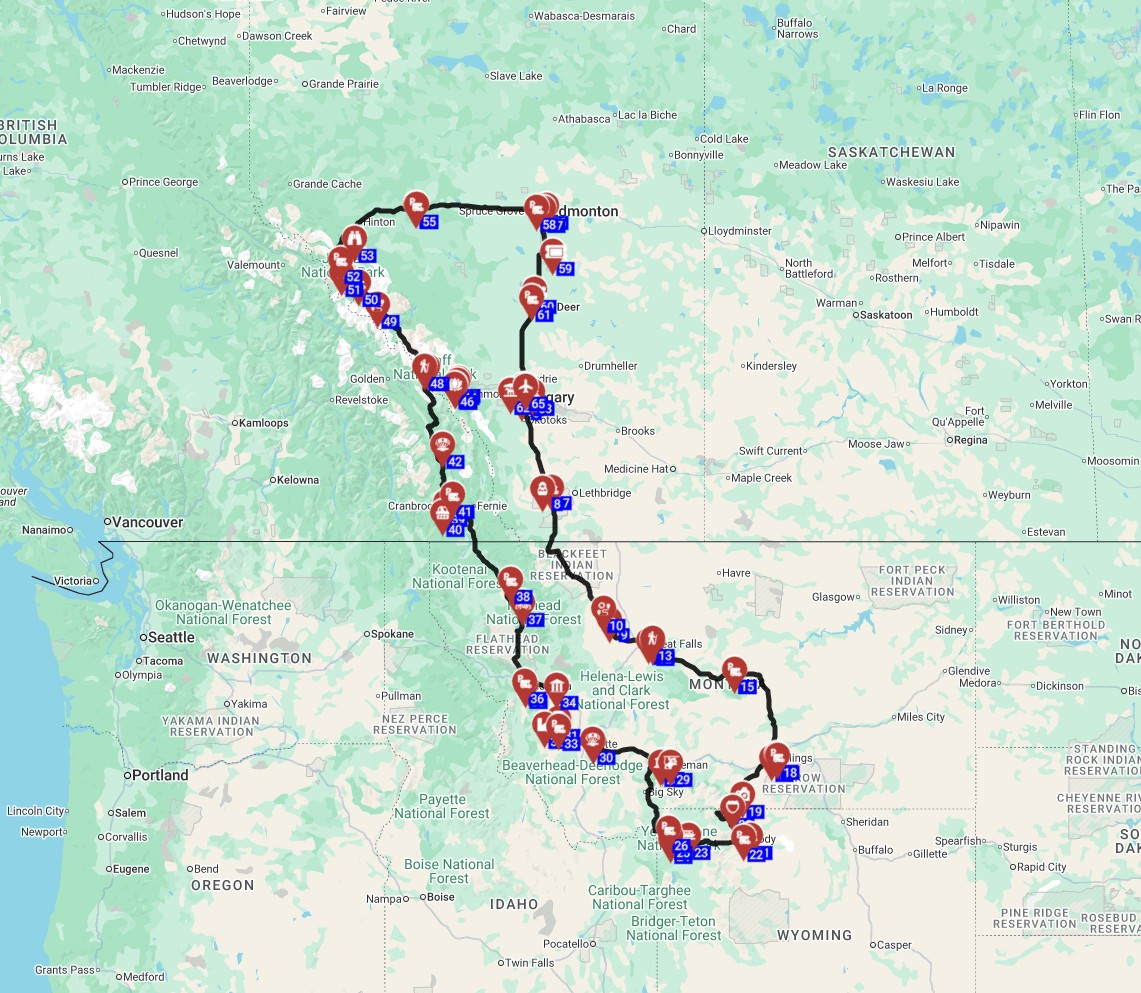
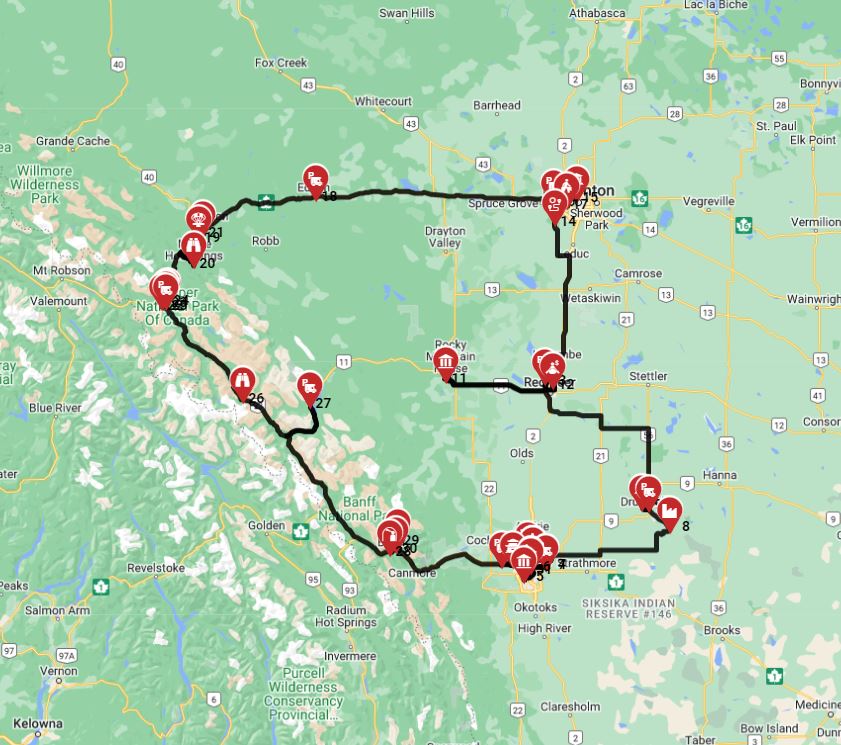
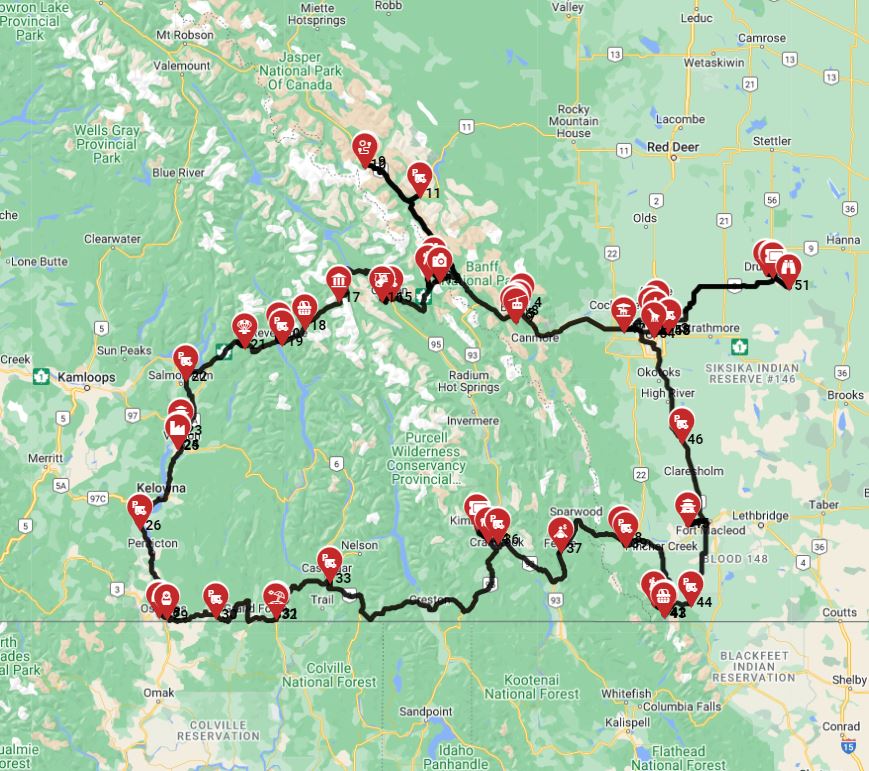
- Drive the scenic Icefields Parkway in Alberta, connecting Banff and Jasper National Parks, with numerous pull-offs for breathtaking views and potential wildlife sightings.
- Explore the historic Cabot Trail in Nova Scotia, a world-renowned scenic drive offering stunning coastal vistas and charming fishing villages.
- Experience the vastness of the Yukon on the "Halifax to Whitehorse - Exploring Canada’s Heartland in a Motorhome" route (37 days, 9199.1 km), discovering remote landscapes and unique cultural encounters.
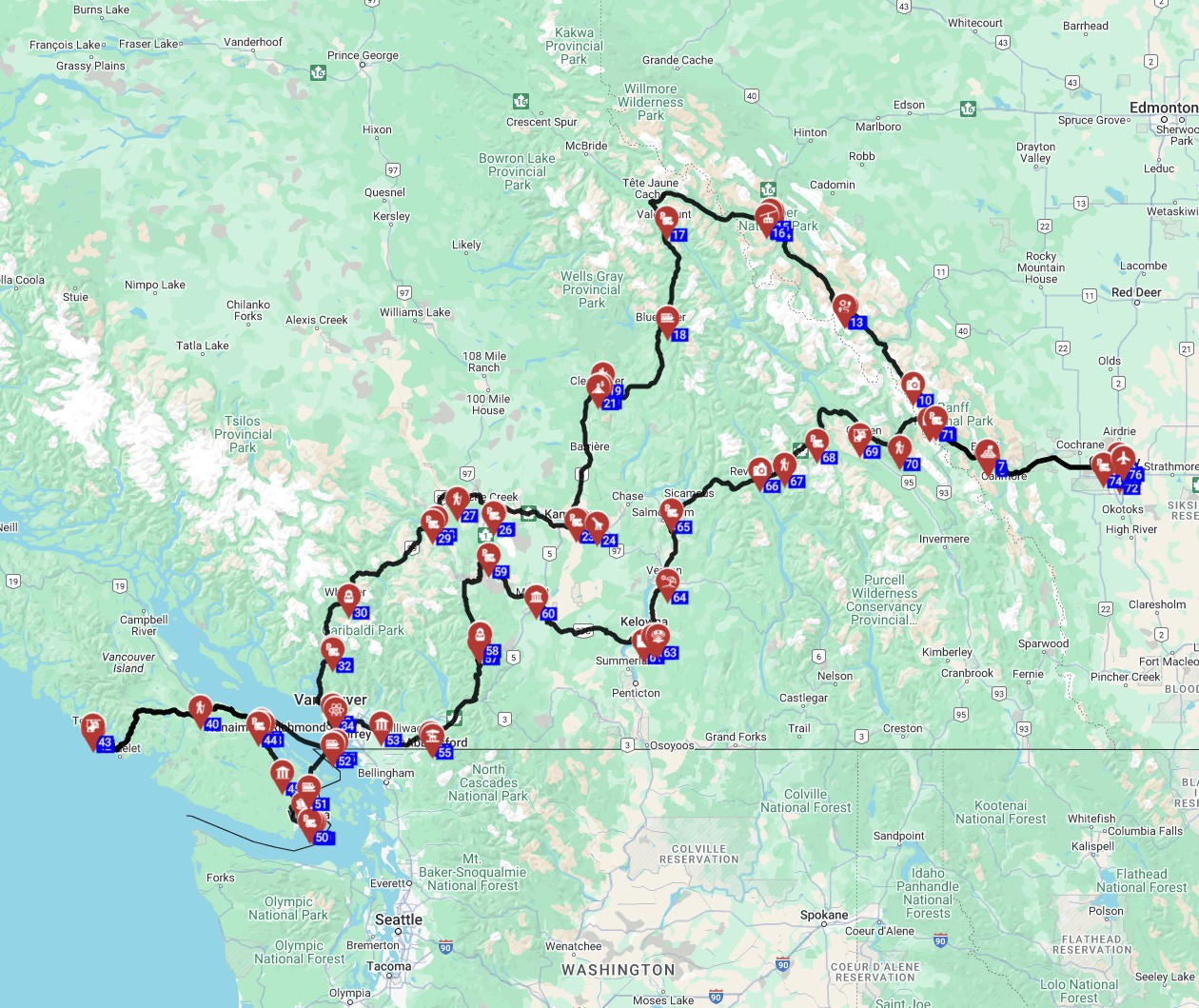
- Take a journey along the Pacific coast of British Columbia, perhaps following a segment of the scenic
, which includes 3 bike rental locations and 2 parks.
 Vancouver Round Trip - West Canada Cycling Adventure
 - Witness the majestic Rocky Mountains; many RVers suggest spending at least 3-4 days in Banff National Park, utilizing its 2 parks and numerous hiking areas for an unforgettable experience.
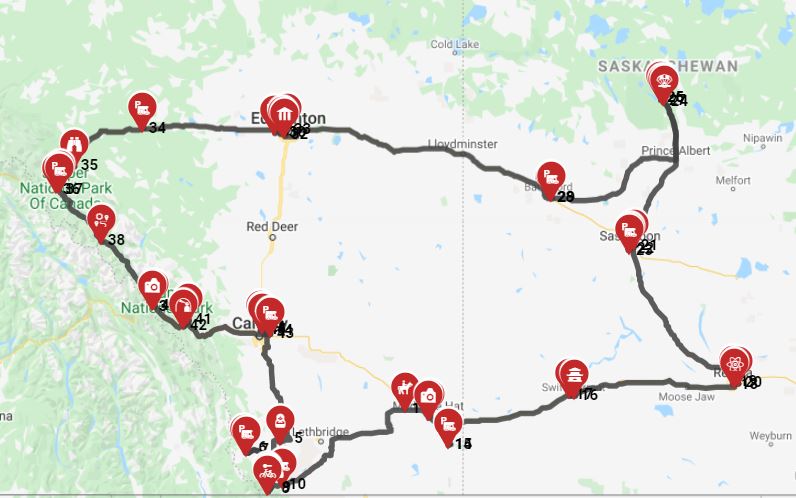
- For a true cross-country immersion, consider the "Vancouver to Toronto - Trans Canada West to East" route, an epic 15-day, 4,886 km adventure that showcases the diversity of Canada's landscapes and culture.
Final Thoughts
Renting an RV in Canada unlocks an incredible way to experience its diverse landscapes and vibrant culture. From the majestic peaks of the Rockies to the stunning coastlines of the Maritimes, your journey will be as memorable as the destinations themselves. Remember that flexibility in your dates or routes can often lead to the best deals, and planning ahead ensures you secure your preferred vehicle and popular campsites.
Bandana Caravan is here to make your planning process seamless and transparent. We’re dedicated to providing you with all the information you need to embark on an unforgettable Canadian RV adventure. So, pack your bags, plan your route, and get ready to discover the vast beauty of Canada at your own pace!