In This Guide
- Can You Drive an RV in Canada? License & Age Rules
- Road Conditions & Terrain in Canada
- RV Size Limits, Bridges & Restricted Zones
- Fuel: Diesel vs. Petrol & Cost per 100 km
- Tolls, Vignettes & Border Rules
- Driving Tips for RV Rental Travelers
- Recommended RV Class for Canada Roads
- Should I Choose a Compact Van Instead of a Large RV in Canada?
- Can I Park Anywhere? Free & Wild Camping Rules in Canada
- Can I Drive an RV Into the City Center? Heights, Tunnels & Local Signage
- Can you drive an RV from the US to Canada?
- What is the 3-3-3 rule for RV travel?
- Do you need a different license to drive an RV in Canada?
- Can Americans RV in Canada?
- Do RVs get searched at the Canadian border?
- What license do I need to drive an RV in Canada?
- What license do you need in Ontario to pull a trailer over 11000 lbs?
- How much is RV insurance in Canada?
- How much does an RV cost in Canada?
- What is the typical RV insurance cost?
- Top Cities for RV Rental in Canada
- Connectivity & SIM Card Tips for RVers in Canada
- Emergency Services & Roadside Assistance in Canada
- What You Shouldn't Miss
- Why Book with Bandana Caravan
- Final Thoughts
- Frequently Asked Questions
Embarking on an RV adventure across Canada offers unparalleled freedom to explore stunning national parks, vibrant cities, and serene coastlines. At Bandana RV, we're dedicated to helping you plan the perfect journey with full transparency and dedicated support. For live availability and current prices, start with our RV Rental Canada - Complete Guide 2026 guide.
Can You Drive an RV in Canada? License & Age Rules
Yes, you can absolutely drive an RV in Canada, as most standard motorhomes, including Class B campervans, Class C alcove RVs, and many Class A integrated RVs, can be operated with a regular driver's license for vehicles under 11,000 lbs (5,000 kg). Drivers must generally be at least 21 years old to rent an RV in Canada, regardless of the provincial driving age which can be as low as 16 or 18. International visitors are advised to carry a valid driver's license from their home country; an International Driving Permit (IDP) is highly recommended for licenses not issued in English or French to avoid potential language barriers and facilitate smooth travel. For larger, heavier RVs or combinations that exceed the 11,000 lbs (5,000 kg) threshold, specific provincial regulations might require a higher class of license, such as a Class A in Ontario, so always verify with your rental supplier and check local regulations. Rest assured, Bandana RV specializes in making the rental process clear and straightforward, ensuring you have the right information before you even hit the road.
Road Conditions & Terrain in Canada
Canada boasts an extensive network of well-maintained highways perfect for RV travel, but road conditions and terrain vary significantly across its vast landscapes. Travelers can anticipate everything from smooth, multi-lane urban routes to well-graded gravel backroads, especially when venturing into remote areas or some national and provincial parks. The country presents incredibly diverse terrain, featuring flat, expansive prairies in the central regions, the majestic, rugged mountains of the Canadian Rockies in the west, and picturesque coastal highways like those in British Columbia and the Maritimes. From late fall to early spring, winter driving conditions are common across much of the country, requiring appropriate all-season or winter tires and extra caution, though summer and early fall offer ideal weather. RV travel in Canada truly encourages a slower pace, allowing travelers to fully immerse themselves in the country's stunning natural beauty and adapt comfortably to any changing road conditions.
RV Size Limits, Bridges & Restricted Zones
While most Canadian roads are built to accommodate large RVs and commercial vehicles, drivers must always be vigilant about posted height and weight restrictions. These limits are particularly crucial on older bridges, in tunnels, and within certain urban centers, where clearances can be surprisingly low. Height clearance signs are typically displayed well in advance of low overhead structures, giving RVers ample warning, especially on secondary routes or scenic parkways in national parks. Some national or provincial parks, like specific roads within Banff or Jasper National Parks, may enforce length restrictions for larger RVs or RVs towing vehicles to preserve sensitive ecosystems or manage traffic. Furthermore, if your journey involves ferry travel, advanced booking is highly recommended for larger motorhomes, as ferries often have strict length, height, and weight limits that can impact availability and cost. Always consult local signage and specific route information to ensure a smooth and safe journey without unexpected surprises.
Fuel: Diesel vs. Petrol & Cost per 100 km
Both petrol (gasoline) and diesel are widely available across Canada, ensuring that most rented motorhomes will have access to the necessary fuel, though diesel stations might be less frequent in very remote areas. Fuel consumption for Bandana's fleet typically shows Class B campervans averaging 8-10 Liters/100 km, while Class SI - Semi-integrated RVs often get 10-11 Liters/100 km. Class C - Alcove RVs, popular for families, generally consume 10-12 Liters/100 km. Larger Class A - Integrated RVs in our fleet typically average 8-12 Liters/100 km. Fuel prices in Canada are always displayed per liter and can fluctuate significantly by province and region, often being higher in more isolated territories. It’s a good practice to budget for 10-15 liters per 100 km on average when planning your route, keeping in mind that ancillary costs like fuel, campground fees, and tolls can be tracked and itemized for easy budgeting on RV PLANET routes. On the routes offered through RV PLANET routes, you can itemize and track every expense along the way for easy budgeting.
Tolls, Vignettes & Border Rules
Canada has relatively few tolled roads compared to many other countries, with most being found in specific regions of Ontario (e.g., Highway 407 ETR), Quebec, Nova Scotia, and British Columbia. There are no national vignettes required for driving on Canadian highways; tolls are typically paid per use at booths or through electronic transponders, rather than a flat fee for road access. For international travelers, particularly those driving a rented RV from the USA to Canada, strict border rules apply. You will need to present valid passports for all occupants, along with your vehicle registration and proof of Canadian-compliant RV insurance. Be prepared to declare all goods, including food items and any alcohol or tobacco, to Canadian Border Services Agency (CBSA) officers. Many RV rental providers offer options to pre-purchase toll passes or provide transponders, which can help streamline your journey and avoid unexpected fines or delays at toll booths.
Driving Tips for RV Rental Travelers
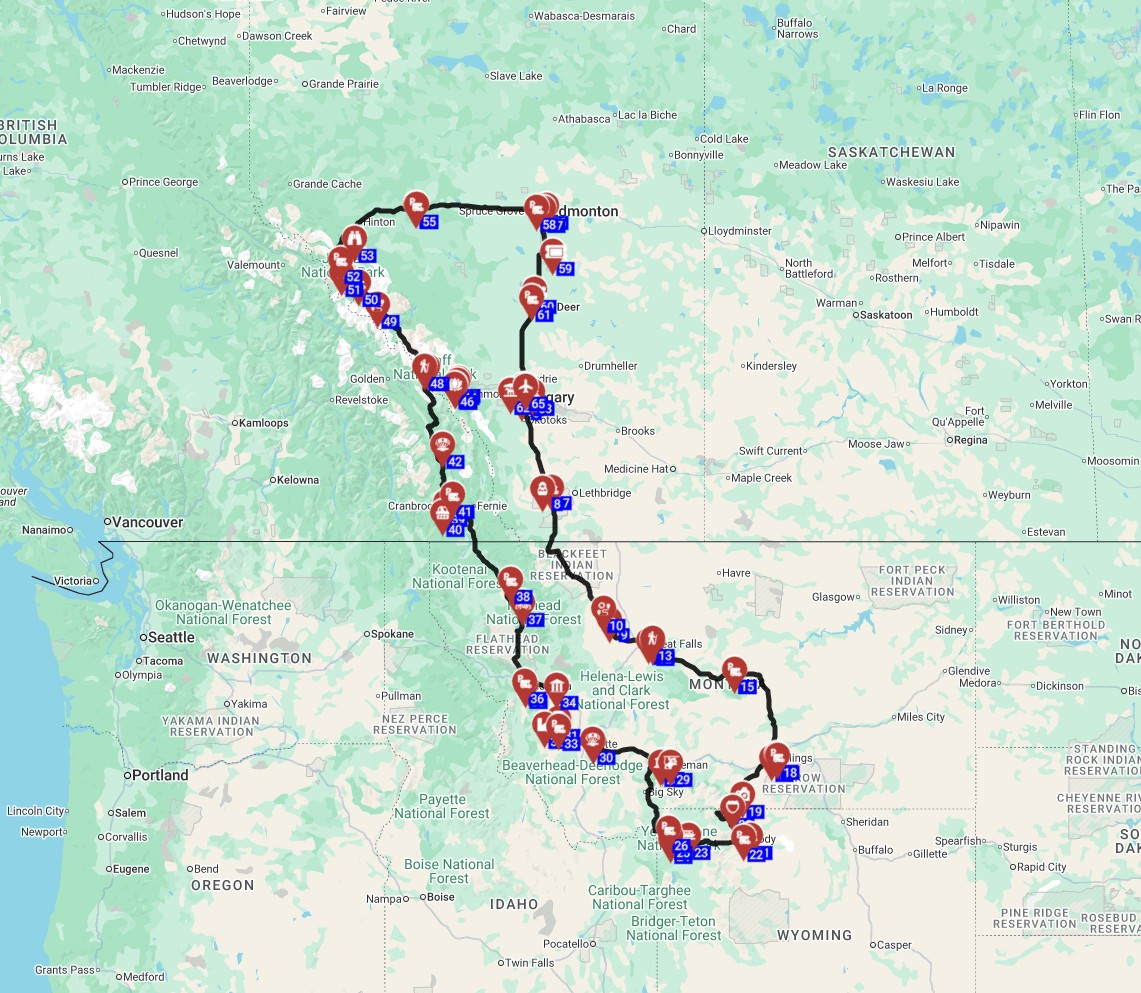
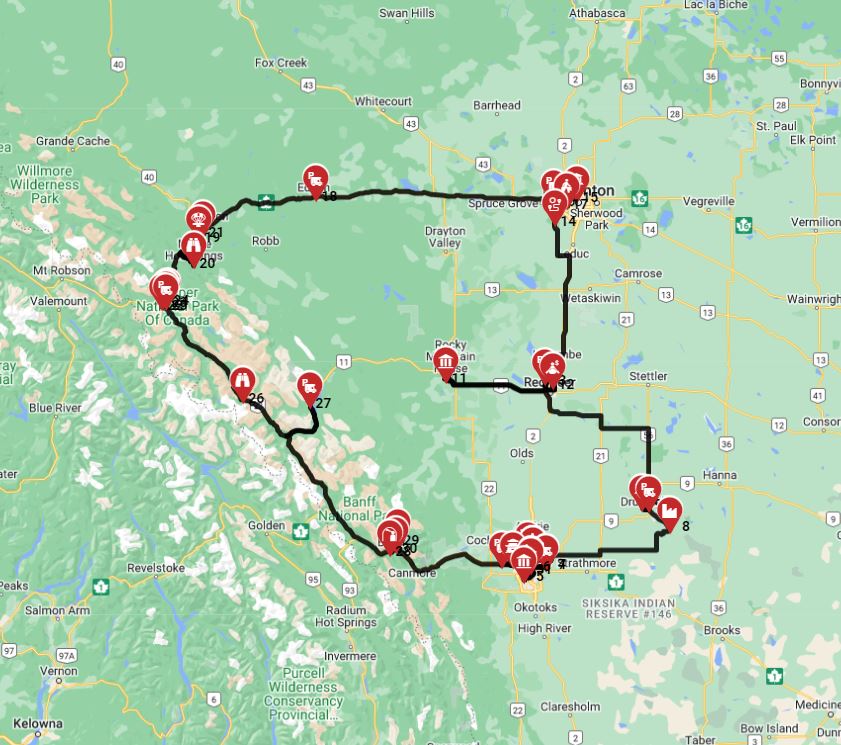
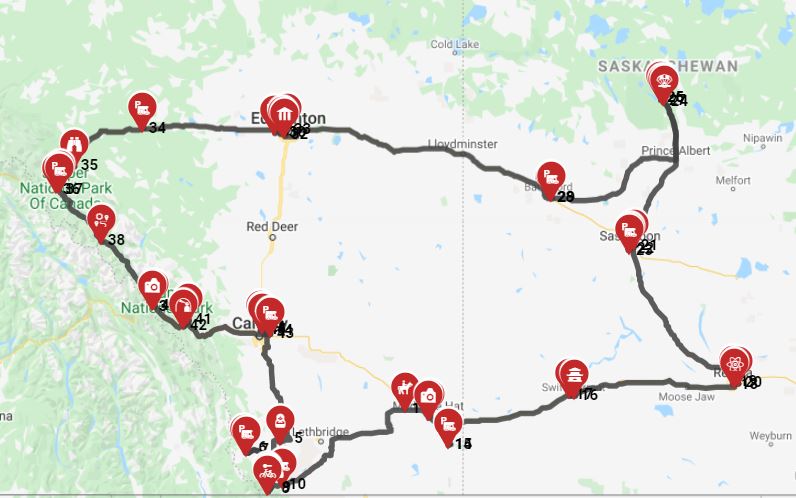
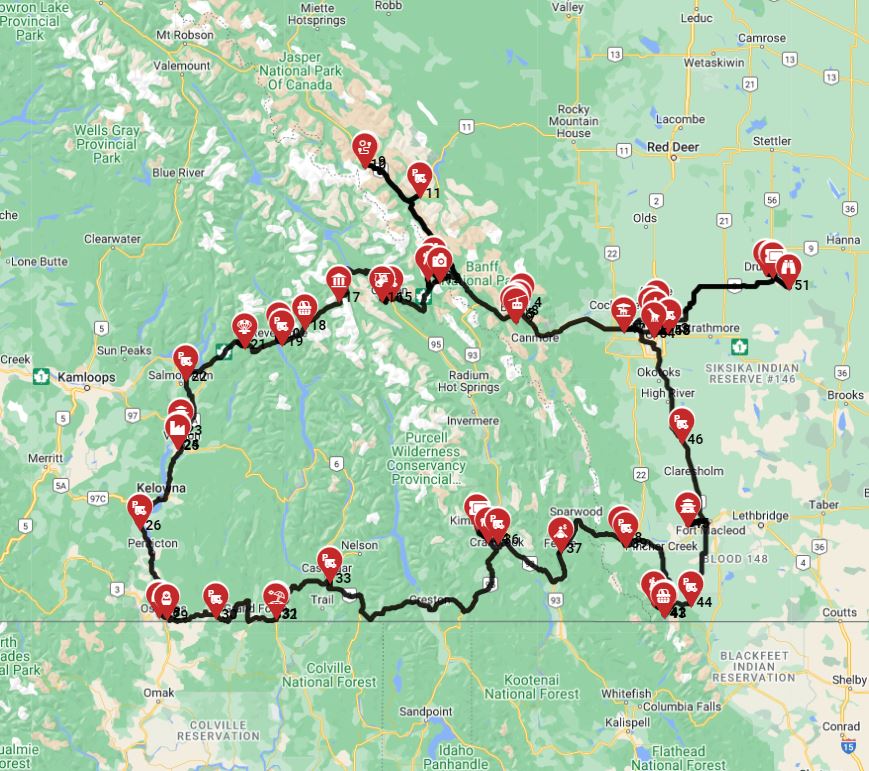
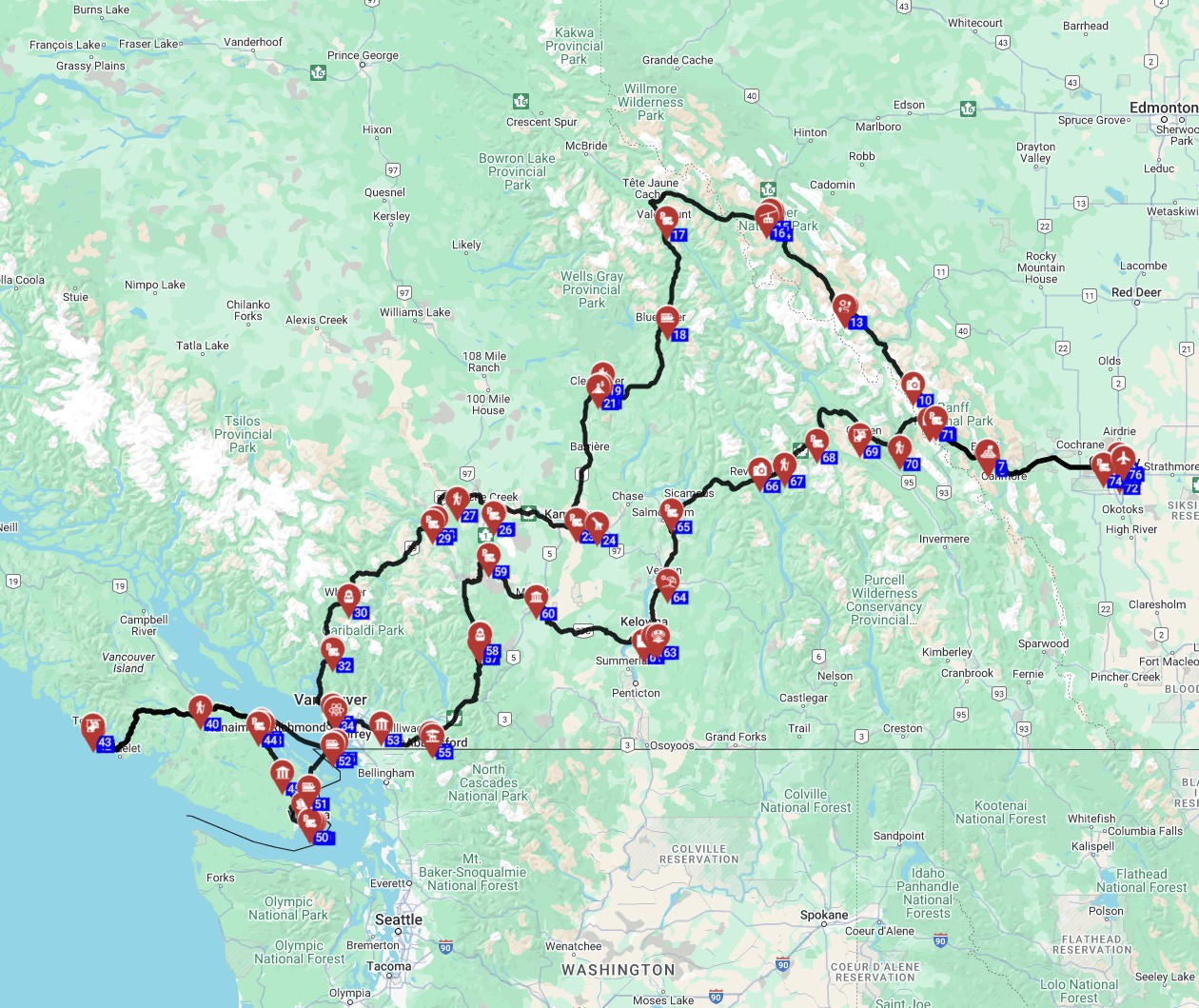
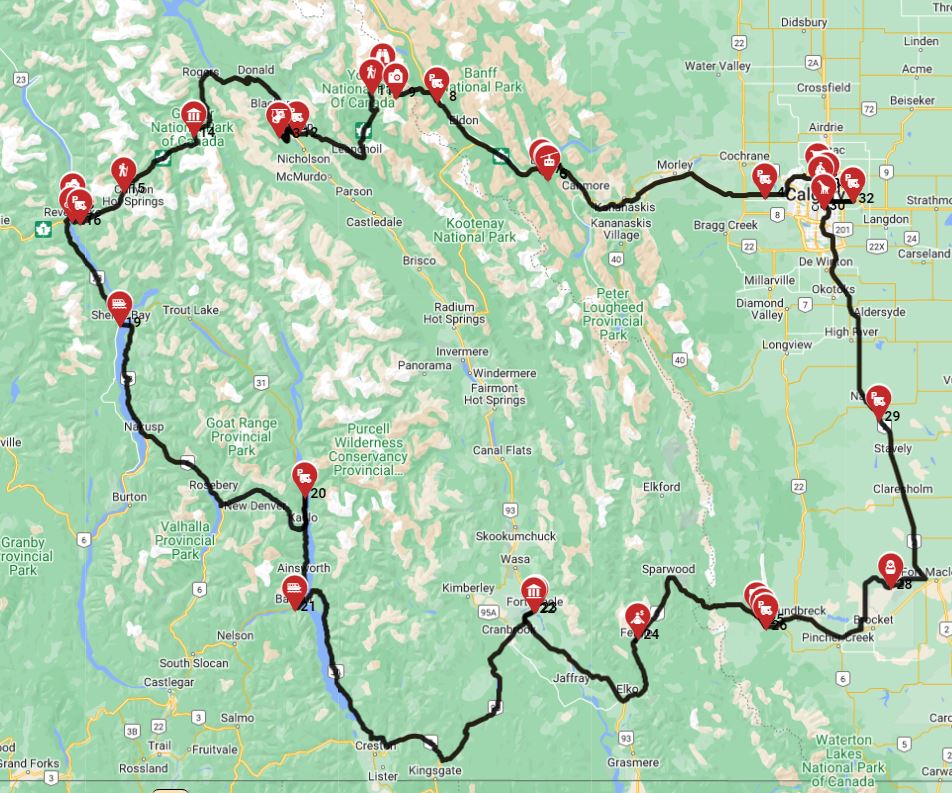
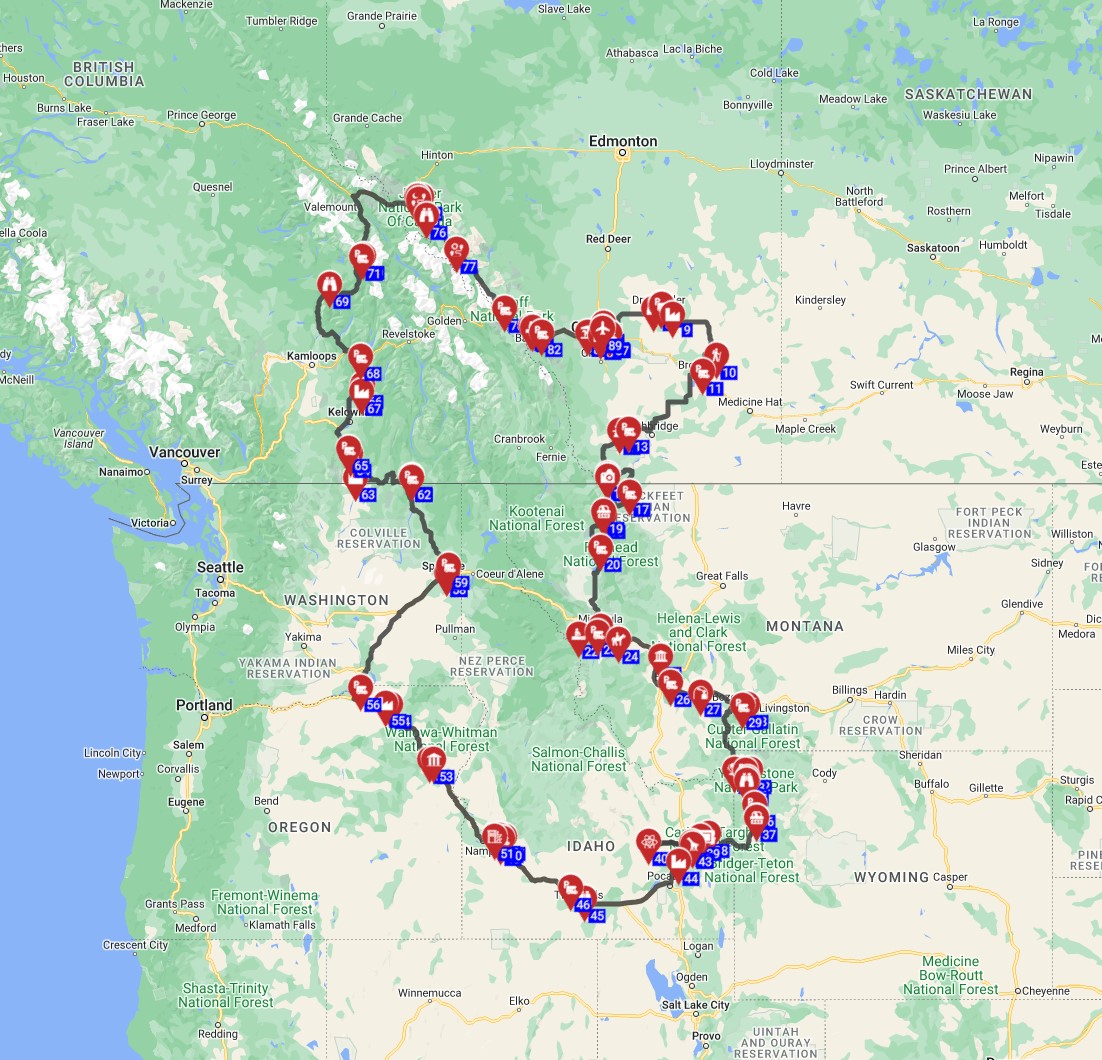
Planning your route thoroughly is the first step to a smooth RV adventure in Canada, utilizing resources like the Canada Prairies and Rockies RV Route Map or Western Canada and Pacific Northwest itineraries available on rvplan.net. Driving defensively and being acutely aware of wildlife is paramount, as Canadian roads, especially outside major urban centers, are prone to animal crossings; maintaining safe speeds and staying alert, particularly at dawn and dusk, is crucial. For family travelers, we always recommend planning stops every 2-3 hours to stretch, refuel, and truly appreciate the scenic overlooks, making the journey itself a memorable part of the adventure. Practicing RV maneuvering before you embark, such as making wide turns, gauging overhead clearances, and using a spotter when backing up, will build your confidence in campgrounds or tight parking spaces. Budgeting for all essentials, including variable fuel costs, potential ferry fees, and provincial park entrance or camping fees, is key to managing your overall trip expenses.
Recommended RV Class for Canada Roads
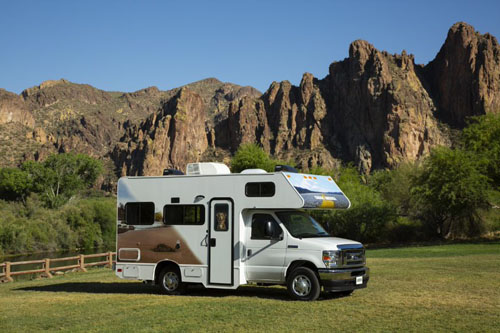
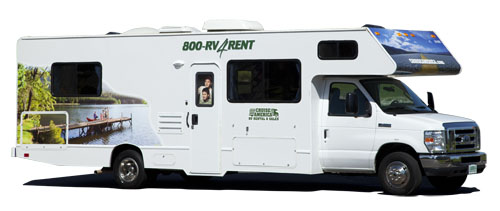
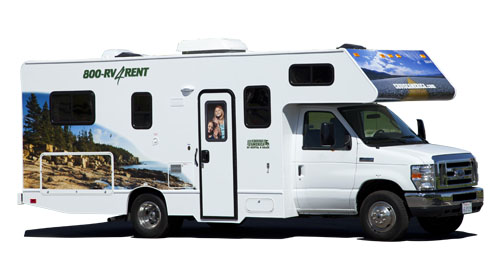
For navigating the diverse roads of Canada, Class C - Alcove motorhomes are highly recommended due to their excellent balance of spaciousness and maneuverability. These vehicles, typically averaging 7.5 meters in length and comfortably accommodating around 4-5 adults, provide ample living space without being overly cumbersome on scenic routes or in campgrounds. Class SI - Semi-integrated motorhomes also offer a superb experience for smaller groups, with an average length of 6.9 meters and sleeping berths for 3-4, making them versatile for various Canadian road types. Both of these popular Class C and Class SI options provide sufficient ground clearance for most paved highways and well-maintained gravel roads often found within national parks or leading to breathtaking scenic spots. Their robust construction and thoughtfully designed interiors make them ideal for handling varied Canadian conditions, from mountainous terrain to open highways, ensuring a comfortable and confident journey. Many of our top suppliers, like El Monte and Cruise America, offer a fantastic selection in these categories.
Should I Choose a Compact Van Instead of a Large RV in Canada?
The choice between a compact campervan and a larger motorhome for your Canadian adventure truly depends on your personal travel style and needs. It's important to remember that there is no inherent issue driving any RV size in Canada; the country's infrastructure is generally well-equipped for larger vehicles. A compact campervan, such as a Class B - Camper Van (averaging 5.8 meters in length), offers superior maneuverability for navigating tighter city streets, fitting into crowded campsites, and finding smaller parking spaces. These vans also typically consume less fuel, often in the 8-10 Liters/100 km range, which can translate to savings on longer trips. However, larger RVs like Class C or Class A models provide significantly more indoor living space, greater comfort, and more extensive amenities, including larger kitchens, full bathrooms, and separate sleeping areas. For week-long trips or extended road trips with families or groups, the added comfort and amenities of a larger RV often outweigh the minor maneuverability advantages of a compact van, especially when exploring Canada's vast natural landscapes where open roads are common.
Can I Park Anywhere? Free & Wild Camping Rules in Canada
Free and wild camping, often referred to as boondocking, in Canada is generally permitted on Crown Land, which comprises vast tracts of publicly owned land outside of protected areas. However, travelers must understand that strict rules and local variations apply. It is typically not allowed to park overnight on private property, within city limits, or in designated parking lots without explicit permission from the landowner or municipal authority. National and provincial parks almost always require RVs and campervans to stay in designated campgrounds, which come with varying fees and amenities. For more flexible or budget-friendly overnight stops, popular options include specific Walmart parking lots (always confirm with store management first), some rest stops, or designated recreational sites managed by local authorities. Always check regional or provincial regulations before parking overnight, and consistently practice Leave No Trace principles to protect Canada’s pristine wilderness. You can find detailed camping information and locate available spots along your route using RV PLANET (rvplan.net).
Can I Drive an RV Into the City Center? Heights, Tunnels & Local Signage
Yes, you can almost always drive an RV into Canadian city centers, but careful and constant attention to local signage is paramount for a stress-free experience. There's no need to stress about driving a larger vehicle; just use common sense and pay attention. Key considerations include clearly marked height limits for tunnels, underpasses, and multi-story parking garages, which can be restrictive for larger motorhomes. Many cities prioritize public transport and may have environmental zones or residents-only streets, though these are generally less common for RVs than in some European cities. Always be aware of local parking regulations, as finding suitable and legal parking for a large RV in a busy downtown core can be challenging and often expensive. It's often advisable to plan your route into a city, identify potential parking areas on the outskirts, and consider using efficient public transportation for inner-city exploration to make the most of your visit.
Can you drive an RV from the US to Canada?
Yes, you can absolutely drive a rented RV from the United States into Canada, as it's a popular and convenient way for many travelers to explore North America. All occupants must carry valid passports or other approved travel documents, and the vehicle itself must meet Canadian entry requirements. You will need to present your valid U.S. passport, the RV's registration (proving ownership), and proof of Canadian-compliant RV insurance at the border crossing. It’s crucial to be aware of prohibited items, such as certain firearms, specific agricultural products (like fresh fruits, vegetables, or meats), and firewood, to ensure a smooth border crossing and avoid delays or fines. While less common for temporary tourist visits, travelers should be generally aware that the '10-year rule' dictates that RVs manufactured more than 10 years ago cannot be permanently imported into Canada, though this does not typically affect temporary tourist travel.
🎬 Video coming soon
What is the 3-3-3 rule for RV travel?
The '3-3-3 rule' for RV travel is a widely adopted guideline that suggests a relaxed and enjoyable pace for your road trip: drive no more than 300 miles (approximately 480 km) in a day, arrive at your destination by 3 PM, and stay for at least 3 nights. This simple rule is designed to significantly reduce driver fatigue, allowing ample time for stress-free campsite setup and local exploration. By sticking to this guideline, you prevent rushed travel, offer flexibility for unexpected delays like scenic detours, and ensure you have plenty of daylight hours for navigating new locations and getting settled. This framework is particularly beneficial for those new to RVing or for families traveling with children, promoting a comfortable and truly immersive adventure. Remember, travel slowly, max 100-150 km per day on average, to take time to feel the place, connect to the culture, the food, and the scenery.
Do you need a different license to drive an RV in Canada?
Generally, for most recreational vehicles (RVs) rented in Canada, a standard driver's license (equivalent to a Class 5 in most provinces, or a G license in Ontario) from your home country or province is entirely sufficient. This applies because the vast majority of rental motorhomes and campervans fall well within the weight limits for a regular car license, typically under 11,000 lbs (5,000 kg). However, if you were to drive a very large, specialized motorhome or a commercial vehicle that pushes the Gross Vehicle Weight Rating (GVWR) beyond this 11,000 lbs (5,000 kg) threshold, you might indeed need a higher class of license, such as a Class A or its provincial equivalent. For U.S. residents, a valid state driver's license is commonly accepted, but an International Driving Permit (IDP) is recommended if your license is not in English or French to facilitate easier communication with authorities. Always confirm the specific license requirements with your RV rental company, like our trusted partners El Monte or Cruise America, as well as the provincial Ministry of Transportation where you plan to drive, especially if you have any doubts about vehicle weight categories.
Can Americans RV in Canada?
Yes, Americans can absolutely RV in Canada, and it remains one of the most popular and scenic cross-border road trip destinations. To ensure a smooth entry, American citizens must have all necessary documentation, including a valid U.S. passport for each traveler and their rented RV's valid registration or proof of ownership. Crucially, proof of adequate insurance coverage that extends into Canada is required; many American RV insurance policies offer this extension, but it is vital to confirm with your provider and ensure sufficient coverage limits. Be prepared for potential customs questions about your travel plans, the duration of your stay, and any items you are bringing into the country. Familiarizing yourself with Canada's prohibited and restricted items list, which includes certain firearms, specific agricultural products like fresh produce or meats, and even firewood (to prevent invasive species), will help ensure a hassle-free border crossing experience. For more detailed insights, consider our "RV Rental USA - Complete Guide 2026" to plan your cross-border trip.
Do RVs get searched at the Canadian border?
Yes, RVs can and sometimes do get searched at the Canadian border, just like any other vehicle entering the country, as part of routine customs and immigration procedures. Canadian Border Services Agency (CBSA) officers retain the right to inspect vehicles and their contents to ensure compliance with Canadian laws regarding imports, prohibited items, and the admissibility of passengers. To facilitate a quicker and smoother inspection, it's highly advisable to be transparent about items you are carrying, ensure easy access to storage areas within your rented motorhome, and proactively declare all dutiable goods, food items, and any alcohol or tobacco. Common items customs agents frequently look for include undeclared alcohol and tobacco, firearms, prohibited food items (such as fresh fruits, vegetables, or meats without proper documentation), and large amounts of undeclared cash. A prepared and honest approach will always lead to a more efficient border experience.
What license do I need to drive an RV in Canada?
To drive most common motorhomes and campervans in Canada, you generally only need a standard class driver's license from your home province or country. This standard license, typically known as a Class 5 in most Canadian provinces or a G license in Ontario, is sufficient because rental RVs usually have a Gross Vehicle Weight Rating (GVWR) below 11,000 lbs (5,000 kg). This threshold is key; vehicles below it do not require a special commercial or higher-class license. However, if you were to rent an exceptionally large Class A motorhome or a truck camper that, when fully loaded, exceeds the 11,000 lbs (5,000 kg) limit, a higher class of license like a Class A might be necessary in some provinces. For foreign drivers, a valid license is essential, and an International Driving Permit (IDP) is strongly recommended if your home country's license is not in English or French. Bandana RV works with top suppliers like Apollo and Britz who will provide clear licensing information for each vehicle class.
What license do you need in Ontario to pull a trailer over 11000 lbs?
In Ontario, to pull a trailer with a registered gross weight or actual gross weight exceeding 11,000 lbs (5,000 kg), you generally need a Class A driver's license. This license class is specifically designated for driving any truck-trailer combination where the total combined gross weight is over 11,000 lbs (5,000 kg) and the towed vehicle alone weighs over 10,000 lbs (4,600 kg). This is distinct from a Class G license, which is the standard car license and permits you to drive cars, vans, and small trucks, including pulling a trailer up to 10,000 lbs (4,600 kg) as long as the total combined weight of the vehicle and trailer does not exceed 11,000 lbs (5,000 kg). Since Bandana RV focuses exclusively on motorhome and campervan rentals, where towing large trailers is not typically part of the rental agreement, a Class A license would generally not be required for our customers. Always confirm the specific weight ratings of any vehicle you rent and any intended towed items to ensure you hold the appropriate license class.
How much is RV insurance in Canada?
The cost of RV insurance in Canada varies widely, influenced by numerous factors such as the type and value of the rented motorhome, your driving history, the chosen coverage limits, and the province where the rental originates. For U.S. residents driving their own RVs or cross-border rentals, many American RV insurance policies do extend coverage into Canada, but confirming this extension and ensuring adequate liability limits is critical before your trip. Non-residents specifically renting an RV in Canada often find that basic insurance is included in the rental price, with options to purchase supplemental non-resident RV insurance or a specific rider for enhanced protection, such as top-level deductible reimbursement, for extra peace of mind. Typical daily costs for enhanced insurance coverage on a rental can range from CAD $20 to CAD $60, depending on the supplier and level of protection. For detailed budgeting, our RV PLANET routes allow travelers to itemize and track every expense along the way.
How much does an RV cost in Canada?
The cost of an RV rental in Canada is dynamic, similar to flight tickets, changing daily based on factors like the RV class, age, amenities, rental duration, season, and pick-up location. For instance, smaller campervans might start from CAD $100-$200 per night during the off-season, while larger, more luxurious Class A or Class C motorhomes during peak summer months can range from CAD $300-$500+ per night. These figures typically do not include variable costs such as mileage fees, insurance add-ons, and taxes, which contribute to the final price set at the actual booking time. When planning your budget for an RV trip in Canada, it's crucial to factor in these daily rental fees, along with fuel costs (which vary regionally and are sold per liter in Canadian dollars), and campground fees that can range from CAD $30-$80 per night for a serviced site. Our goal is full transparency, so there are no hidden fees or surprises when you book through Bandana RV.
What is the typical RV insurance cost?
The typical cost for RV insurance, particularly for a rental motorhome in Canada, is highly variable. It's influenced by factors such as the RV's class (e.g., a compact Class B campervan vs. a spacious Class C motorhome), its value, your personal driving record, and the specific coverage options you choose. Basic liability insurance is usually included in the core rental price, providing minimal protection. However, many renters opt for additional coverage, such as collision damage waiver (CDW) or increased liability, to enhance their peace of mind. For instance, upgrading to a top-level deductible reimbursement option is an optional purchase that can significantly reduce your out-of-pocket expenses in case of an incident. These optional add-ons can increase your daily rental cost by CAD $20 to CAD $60 or more. The final price of your RV rental and insurance package is dynamic and set at the actual booking time, so it's always best to compare options carefully, especially for a week-long trip or longer adventures across Canada. You can compare various options and see clear pricing details on Bandana RV.
Top Cities for RV Rental in Canada
Canada offers numerous excellent cities for starting your RV adventure, providing convenient access to diverse landscapes and vibrant urban experiences. These top pick-up locations are strategically situated near major attractions and offer a wide selection of rental motorhomes and campervans. Consider starting your journey in Vancouver, British Columbia, known for its stunning coastal scenery and proximity to the Canadian Rockies. Another great option is Calgary, Alberta, a gateway city to Banff and Jasper National Parks, offering immediate access to majestic mountain ranges. In central Canada, Toronto, Ontario, provides access to the Great Lakes region and eastern Canada's rich history, while Montreal, Quebec, is perfect for exploring French-Canadian culture and charming rural areas. Halifax, Nova Scotia, offers an ideal starting point for a scenic Maritimes tour, including the Cabot Trail. Each of these cities has reputable Bandana RV partner suppliers, including names like El Monte and Cruise America, ensuring you find the perfect rental motorhome for your journey.
- Vancouver: Gateway to the Pacific Coast and Canadian Rockies, excellent for Western Canada exploration. Our "
" route plan covers 4,886.2 km.
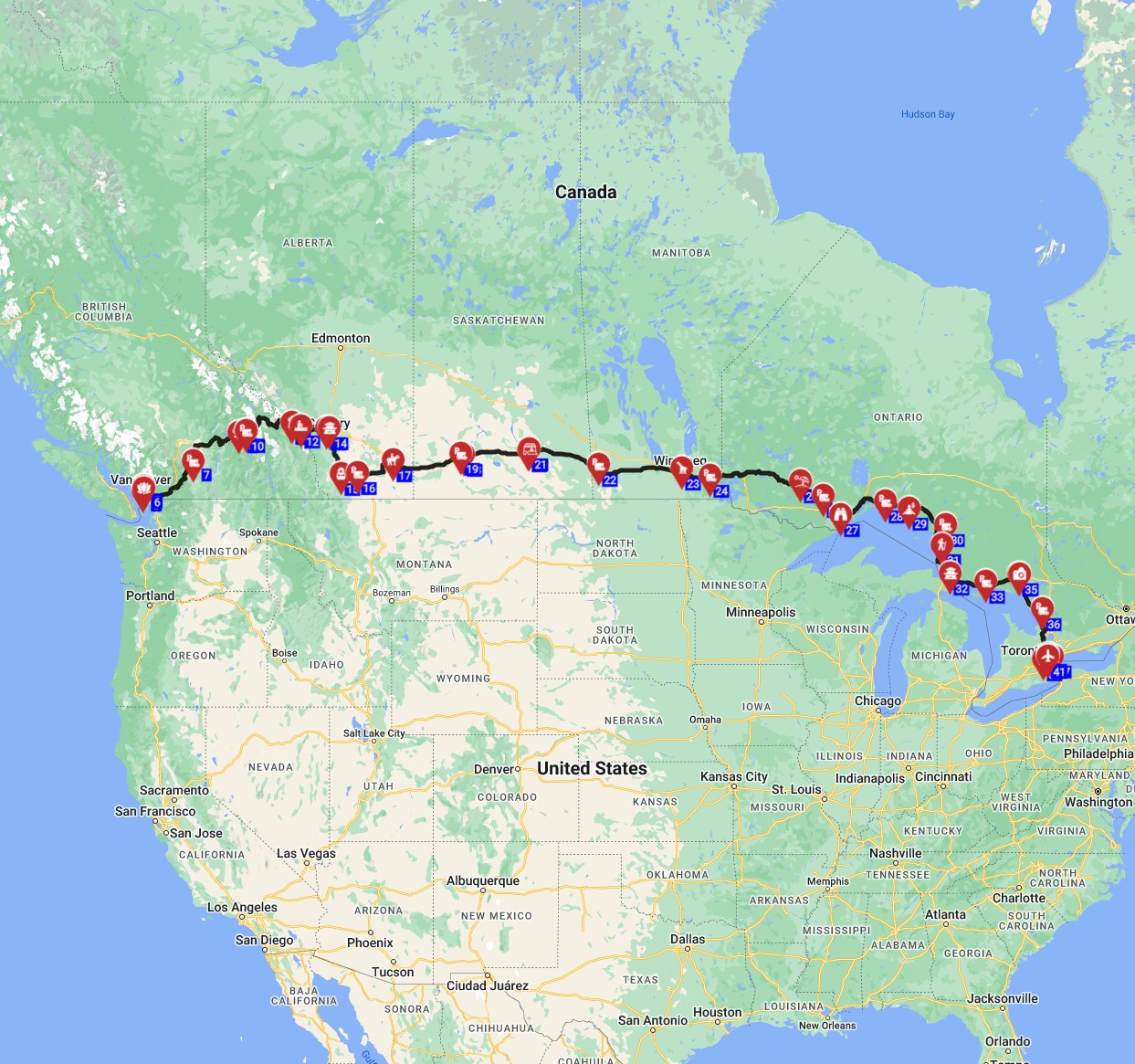 Vancouver to Toronto - Trans Canada West to East
 - Calgary: Direct access to Banff and Jasper National Parks, ideal for mountain adventures.
- Toronto: Explore the Great Lakes, Niagara Falls, and Eastern Canada's urban centers.
- Montreal: Immerse in French-Canadian culture and charming Quebecois countryside.
- Halifax: Perfect launchpad for the scenic Maritimes, including the world-renowned Cabot Trail. Our "Halifax to Whitehorse - Exploring Canada’s Heartland in a Motorhome" itinerary is a 37-day, 9,199.1 km epic.
- Edmonton: Another strong option for accessing Alberta’s northern national parks and the vast wilderness.
- Winnipeg: A central hub for exploring the prairies and onward to other Canadian regions.
- Quebec City: Rich in history, offering a unique blend of European charm and North American wilderness access.
Connectivity & SIM Card Tips for RVers in Canada
Staying connected while RVing across Canada is generally straightforward in populated areas, but connectivity can become sporadic in remote regions or national parks. Major Canadian cellular providers like Bell, Rogers, and Telus offer extensive coverage, especially along major highways and in urban centers. For travelers from other countries, purchasing a local SIM card with a Canadian plan can be a cost-effective solution for data and calls during your week-long trip or longer adventure. Many providers offer prepaid options specifically designed for tourists, which can be easily topped up as needed. Wi-Fi is often available at private campgrounds, national/provincial park visitor centers, and public libraries in towns, though speeds and reliability may vary. Planning for periods without cellular service is wise, especially if you venture off the Trans-Canada Highway onto more isolated routes; downloading offline maps and essential information before heading out is a smart practice. Remember to always use RV PLANET routes for pre-planned routes by professionals to account for connectivity and other logistics.
Emergency Services & Roadside Assistance in Canada
Knowing how to access emergency services and roadside assistance is crucial for any RV trip in Canada, ensuring peace of mind throughout your journey. The national emergency number for police, fire, and ambulance services across all of Canada is 911. This number is universally recognized and should be used for immediate, life-threatening situations. For roadside assistance with your rented motorhome, most reputable RV rental companies, including Bandana's direct partners like Apollo and Britz, provide 24/7 support numbers for mechanical issues. It is always wise to save this number in your phone. Additionally, memberships with services like CAA (Canadian Automobile Association, affiliated with AAA in the US) can offer benefits like towing, battery boosts, and tire changes, which can be invaluable when traveling in remote areas. Always ensure your rental agreement specifies what kind of roadside assistance is included and consider purchasing additional coverage for comprehensive protection. Staying informed and prepared means you can focus on enjoying Canada’s incredible scenery.
What You Shouldn't Miss
Canada is an enormous country brimming with diverse landscapes and experiences, making an RV trip an ideal way to explore. From the majestic mountains to the vibrant coastal cities, here are a few highlights you shouldn't miss on your RV rental adventure:
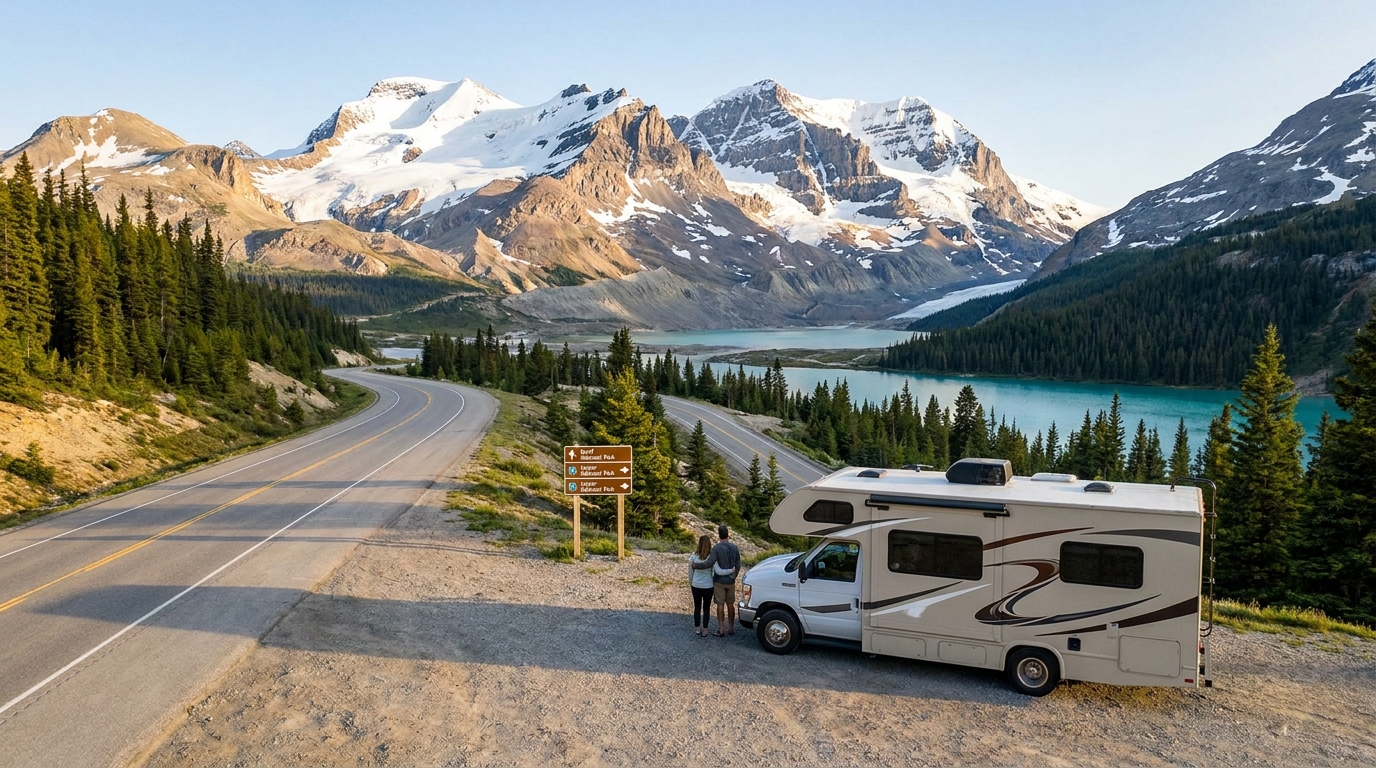
- The Canadian Rockies: Drive the Icefields Parkway between Banff and Jasper National Parks. This 232 km (144 mile) stretch offers glacier views, turquoise lakes like Lake Louise, and abundant wildlife viewing opportunities. There are over a dozen campgrounds along this route, many suitable for motorhomes.
- Niagara Falls: Witness the awe-inspiring power of Niagara Falls from the Canadian side in Ontario, often considered the most scenic view. Stay at one of the several RV-friendly campgrounds within a short drive of the falls.
- Cabot Trail, Nova Scotia: This 298 km (185 mile) loop on Cape Breton Island is renowned as one of the world's most scenic drives, winding through Highlands National Park and offering breathtaking ocean vistas and charming fishing villages. You’ll find around 15 provincial and private campgrounds along the way.
- Vancouver Island, British Columbia: Take a ferry to explore the rugged west coast, including Tofino and Pacific Rim National Park. Enjoy surfing, whale watching, and ancient rainforests. Numerous campgrounds, both rustic and full-service, are available.
- Quebec City's Old Town: Experience a slice of European charm in North America. Park your RV at a nearby campground and use public transport to explore the historic cobblestone streets, fortifications, and exquisite French cuisine.
- Bay of Fundy, New Brunswick: Witness the world's highest tides at Hopewell Rocks. Walk on the ocean floor at low tide and kayak among the flowerpot rocks at high tide. Several RV campgrounds are in the vicinity, including Fundy National Park with 150+ sites.
Looking for expert insights from Avi Bandana? Top 5 Adventures — recommendations from Avi Bandana.
Final Thoughts
Driving a rented RV in Canada is an incredible way to experience this vast and beautiful country, offering freedom and flexibility unmatched by other travel styles. From the soaring peaks of the Rockies to the stunning coastlines and charming cities, every mile promises new discoveries. We encourage you to embrace slow travel, allowing yourself the luxury of lingering in places that capture your heart, connecting deeply with the local culture, savoring the delicious food, and soaking in the breathtaking scenery.
Whether you're a meticulous planner who likes every detail organized or a spontaneous traveler ready to book day-to-day, Canada welcomes you. With Bandana RV, you get the support of true RV specialists who understand the ins and outs of motorhome travel, ensuring full transparency and peace of mind from your first search to your journey's end. We handle the details, you live the journey.
Ready to chart your course through Canada's majestic landscapes? Discover top destinations, planning tips, all in one place!