For live availability and current prices, start with our RV Rental Sydney - Complete Guide 2026 guide.
In This Guide
- What RV classes are available for rent in Sydney?
- Class SI (Semi-integrated) — Best For
- Class C (Alcove) — Best For
- Class B (Campervan) — Best For
- Class TC (Truck Camper) — Best For
- Price Comparison by RV Class in Sydney
- Side-by-Side Comparison Table
- Our Recommendation for winter rv rental Travelers in Sydney
- Is it worth renting a campervan in Australia?
- How much does it cost to rent an RV in Australia?
- How much does it cost to rent an RV in Sydney?
- Is it cheaper to rent a campervan or stay in hotels?
- What are the best campervan rental companies in Australia?
- What is the best RV rental company?
- What is the most reliable brand of motorhome in Australia?
- What brand of RV is best for the winter?
- What is the 3 3 3 rule for RVing?
- What is the 4 4 4 rule for RVing?
The 4 RV Families Compared for Sydney
Choosing the right RV family significantly impacts your winter RV rental experience in Sydney, influencing everything from maneuverability in urban areas to comfort on scenic routes. When selecting your Australian winter adventure vehicle, consider the terrain you'll encounter, the expected winter climate in the regions you plan to visit, your desired trip length, and the size of your group. Matching the RV type to your specific travel style ensures optimal comfort, cost-efficiency, and an overall more enjoyable journey.
Class SI (Semi-integrated) — Best For
Class SI (Semi-integrated) motorhomes offer a fantastic balance of comfort and maneuverability, making them an excellent choice for couples or small families looking to rent an RV in Sydney for their winter explorations. These vehicles typically measure around 6.5 meters in length and comfortably sleep 2-3 people, providing essential amenities like compact kitchens and bathrooms without feeling overly large for city driving or parking. With a fuel consumption that averages about 14 litres per 100km, they offer a good compromise between living space and economy. Class SI motorhomes are particularly well-suited for travelers seeking comfort and self-sufficiency on sealed roads, whether you're exploring Sydney's surroundings, the coast, or heading into the Blue Mountains. Their size makes them easier to navigate and park than larger Class C models, enhancing your flexibility.
Class C (Alcove) — Best For
Class C (Alcove) motorhomes are ideal for families or larger groups seeking a winter RV rental from Sydney, offering ample living space and dedicated sleeping areas, including the distinctive bed over the cab. These motorhomes typically average 7.6 meters in length and can comfortably sleep five or more people, ensuring everyone has enough space, even for extended periods indoors during cooler weather. With a typical fuel consumption of around 14 litres per 100km, they provide a capable option for longer journeys. This class is perfect for longer family trips from Sydney to destinations like the Hunter Valley or the South Coast, where robust facilities and generous living space are prioritized over extreme urban maneuverability. Renting a Class C motorhome allows families to fully embrace the self-contained nature of RV travel.
Class B (Campervan) — Best For
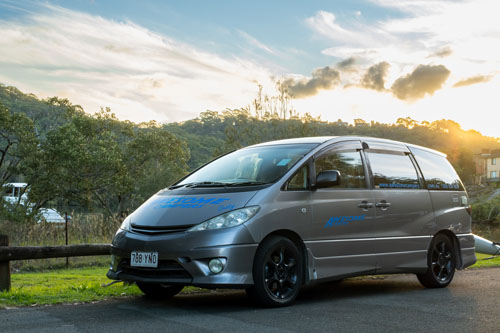
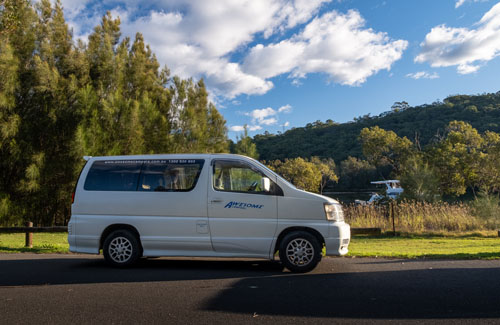
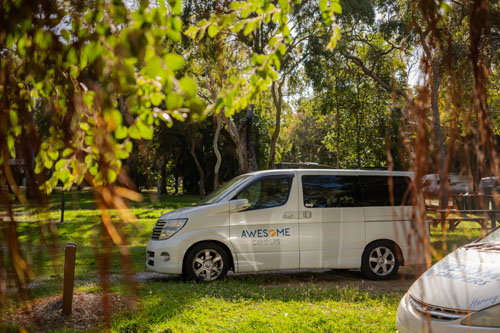
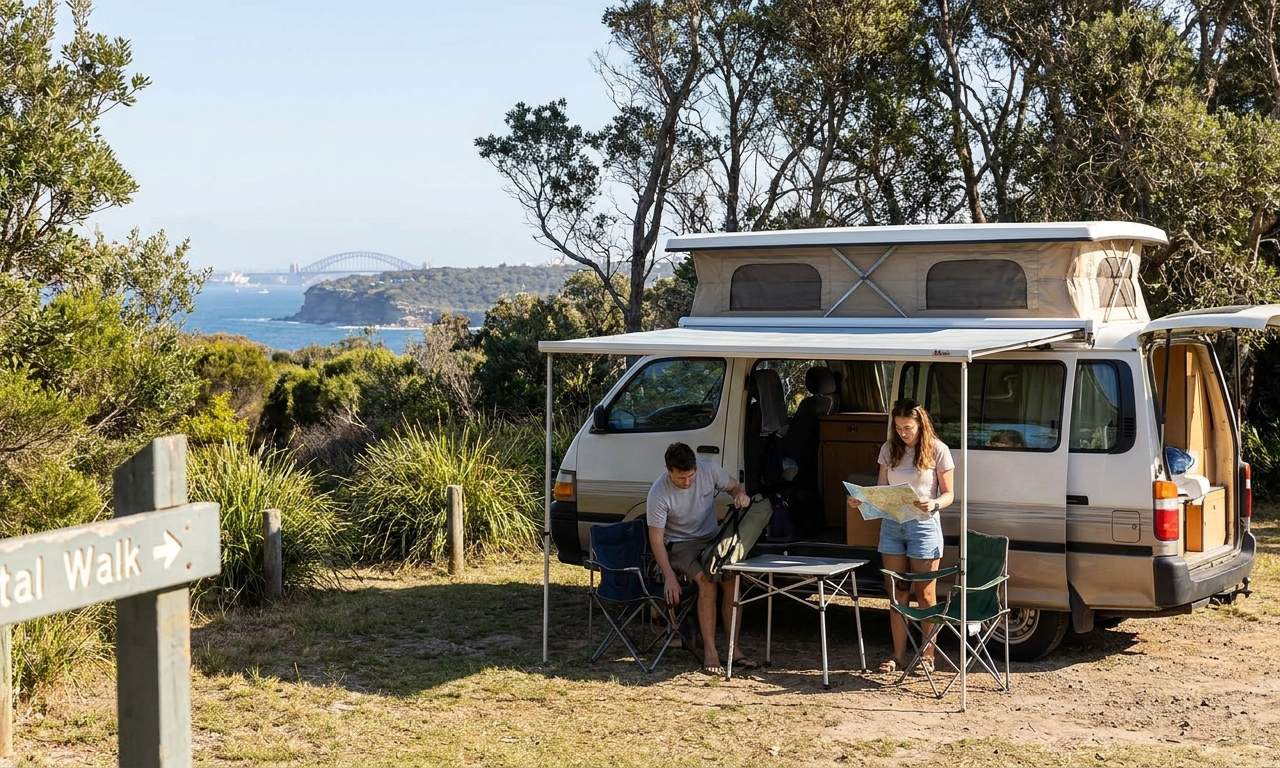
Class B (Campervan) rentals in Sydney are perfect for adventurous solo travelers or couples who prioritize maneuverability, fuel efficiency, and ease of parking during their winter exploration. Measuring around 5.8 meters on average and sleeping 2-3 people, these campervans are nimble enough for navigating busy city streets and the tighter roads often found in national parks. Their fuel economy is often the best among RV classes, typically averaging 13-14 litres per 100km. Campervans are ideal for exploring Sydney's stunning beaches and coastal towns, taking day trips to the Blue Mountains, or embarking on spontaneous road trips where compactness and agile driving are key advantages. They offer a freedom to explore that's hard to match.
Class TC (Truck Camper) — Best For
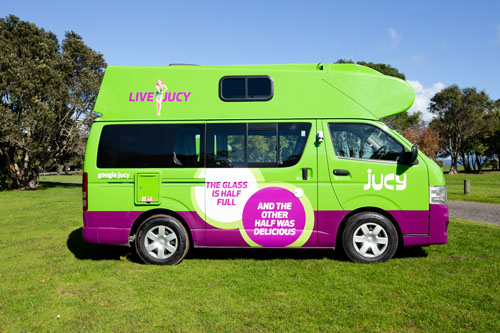
Class TC (Truck Camper) units are an excellent choice for winter RV travelers heading out from Sydney who seek rugged versatility and the ability to access more remote or unsealed roads. Often available as a detachable unit on a ute, some truck campers even offer 4WD capability for enhanced off-road adventures. These campers typically measure about 5.9 meters in length and sleep 2-3 people, providing a compact, self-contained solution for off-grid explorations. Their fuel consumption generally ranges between 12-14 litres per 100km. Truck campers are best suited for those wanting to explore beyond main highways, venturing into specific national park trails or less accessible wilderness areas around New South Wales during winter, offering a truly immersive experience.
Price Comparison by RV Class in Sydney
Because RV pricing is dynamic and flex-rate, similar to airline tickets, the table below provides real example prices pulled from Bandana's live search for various classes and durations departing from Sydney. Remember that these prices are estimates and can fluctuate daily based on demand, seasonality, and availability. Always use the search tool at the top of the page for the most current rates for your specific travel dates.
Please note: The live price comparison content is dynamically generated and cannot be displayed here.
Side-by-Side Comparison Table
This table offers a quick overview of the key differences between the RV families available for rent in Sydney, helping you choose the best fit for your winter adventure:
| Family | Avg Length | Sleeps | Fuel Use | Best Use Case in Sydney |
|---|---|---|---|---|
| Class SI (Semi-integrated) | 6.5 m | 2-3 | ~14L/100km | Couples/small families, balanced comfort & maneuverability on sealed roads. |
| Class C (Alcove) | 7.6 m | 5+ | ~14L/100km | Families/larger groups, ample space & amenities for longer trips. |
| Class B (Campervan) | 5.8 m | 2-3 | ~13-14L/100km | Solo travelers/couples, urban exploration & fuel efficiency. |
| Class TC (Truck Camper) | 5.9 m | 2-3 | ~12-14L/100km | Adventurous travelers, off-grid exploration & rugged terrain access. |
Our Recommendation for winter rv rental Travelers in Sydney
For most winter RV rental travelers departing from Sydney, the **Class SI (Semi-integrated) motorhome** is our primary recommendation. This choice stems from its ideal balance of comfort, effective internal heating capabilities, and manageable size, making it perfect for exploring the diverse landscapes around Sydney during the cooler months. These vehicles offer sufficient living space and essential self-contained amenities like a kitchen and bathroom, crucial for cooler weather comfort, while still being significantly easier to drive and park than larger Class C motorhomes. This makes them suitable for both coastal drives and trips into regional areas like the Blue Mountains. For ideas you can prep on the road, watch our RV-friendly recipes playlist on YouTube.
As a strong runner-up, the **Class B (Campervan)** is highly recommended for solo travelers or couples who prioritize fuel efficiency, exceptional ease of driving within Sydney, and the flexibility for shorter, more spontaneous winter excursions. While offering less internal space and potentially more basic facilities compared to larger models, their agility and economy make them a superb choice for exploring the city and its immediate surroundings.
Is it worth renting a campervan in Australia?
Renting a campervan in Australia offers unparalleled freedom and flexibility to explore the country's diverse landscapes at your own pace, providing significant experiential value that often surpasses traditional hotel stays. The ability to chase favorable weather, wake up to breathtaking natural views, and craft personalized itineraries, such as a winter journey along the NSW South Coast or through the picturesque Hunter Valley, are key advantages that greatly enhance the overall travel experience. This style of travel also allows access to unique RV-friendly stops and 'hidden gems' that are often inaccessible or inconvenient with conventional accommodation, fostering a deeper connection with Australia's natural beauty and local insights.
While there are initial rental costs and fuel expenses, the potential savings from cooking your own meals onboard and the flexibility of choosing free or low-cost campgrounds can make RV travel surprisingly cost-effective for longer trips. It truly offers a different perspective on experiencing a destination.
How much does it cost to rent an RV in Australia?
The total cost to rent an RV in Australia typically ranges from AUD $100 to $400 per day for the rental vehicle itself. However, this figure can vary significantly based on the RV class you choose, the season of your travel, the rental duration, any added insurance packages, and a comprehensive budgeting for associated travel expenses like fuel and campsites. Beyond the daily rental fee, anticipate additional costs for fuel, with larger RVs often consuming 12-18 litres per 100km. Campground fees can range from AUD $20-$60 per night for powered sites, and food costs will naturally add to your overall budget. Insurance premiums vary widely; consider a comprehensive policy to mitigate unexpected expenses from accidents or damage, as standard options often have high deductibles. Don't forget to factor in LPG refills for cooking and heating, water tank top-ups, and potential fees for using dump stations – all crucial components of a detailed cost breakdown for successful RV travel in Australia. On the routes offered through RV PLANET routes, you can itemize and track every expense along the way for easy budgeting.
How much does it cost to rent an RV in Sydney?
Renting an RV directly from Sydney generally aligns with national average costs, though specific local demand, shorter rental durations, and the logistics of pick-up/drop-off can sometimes push prices higher, particularly during peak holiday seasons. Winter in Sydney (June to August) is often considered a shoulder season for RV rentals, potentially offering more competitive rates compared to the peak summer months, though availability for popular models might still be limited. Expect to factor in Sydney-specific costs such as urban tolls (e.g., M2, M7, Harbour Bridge), potentially higher fuel prices compared to regional areas, and varying campground prices within an hour or two's drive of the city. Always inquire about specific mileage limits and any extra fees for one-way rentals if you plan to drop off your RV outside of Sydney to ensure you have a clear picture of your total expenditure.
Is it cheaper to rent a campervan or stay in hotels?
For extended trips or travel with families, renting a campervan often proves more cost-effective than staying in hotels, especially when factoring in the significant savings from cooking your own meals and avoiding multiple nightly accommodation charges. A detailed cost breakdown reveals that while initial RV rental and fuel costs might appear higher than a single hotel night, the cumulative savings on restaurants, car rental (if needed with hotels), and the flexibility of choosing free or low-cost campgrounds can make RVing substantially cheaper over a multi-day or multi-week journey. For instance, a week-long family trip might involve one RV rental payment versus seven separate hotel bills, plus associated dining and transport expenses, clearly highlighting the budget advantage of a campervan.
However, for very short trips (1-3 nights) or solo travelers, hotels might be comparable or even slightly cheaper due to fixed RV rental costs such as cleaning fees and initial setup charges that can impact the overall value proposition.
What are the best campervan rental companies in Australia?
Top campervan rental companies in Australia, recognized for their extensive fleets, comprehensive customer service, and overall reliability, include major players like Apollo, Britz, Maui, Jucy, and Mighty Campers. Additionally, platforms like Bandana aggregate offerings from various trusted local suppliers, simplifying your search. When choosing a provider, it's crucial to look for companies with strong reputations for vehicle maintenance, clear and fair insurance options (including roadside assistance), and positive customer reviews, especially concerning responsiveness and the condition of their vehicles. Bandana helps address potential concerns about reliability and vehicle suitability by allowing direct comparison of vehicles and terms from multiple trusted local suppliers, ensuring you find a rental that precisely meets your needs for features like shower/toilet facilities or 4WD capability. Prioritizing companies that offer newer fleets generally means fewer mechanical issues and a more comfortable journey.
What is the best RV rental company?
The "best" RV rental company ultimately depends on your individual traveler needs and priorities. However, providers consistently offering reliable vehicles, transparent pricing, and comprehensive support, such as the diverse options aggregated through platforms like Bandana, are generally preferred by experienced RVers. Key factors that contribute to a company being considered "best" include the modernity and maintenance of their fleet, the clarity of their insurance policies, the quality of their customer service with responsive support, and flexibility regarding pickup/drop-off locations and one-way rentals. Detailed reviews focusing on vehicle reliability, the ease of the booking process, and the quality of the handover and return procedures provide invaluable insights into a company's performance, helping you gauge the consistency of their service. It's also wise to consider companies that offer specific vehicle features that are important for your particular trip type, such as good heating and insulation for winter travel, a spacious kitchen for self-catering, or 4WD capability for off-road adventures.
What is the most reliable brand of motorhome in Australia?
While reliability in rental fleets largely hinges on rigorous maintenance and servicing schedules adhered to by the rental company, popular motorhome brands known for their robust construction and suitability for Australian conditions include Jayco, Avida, and Winnebago. These are often built on dependable chassis from manufacturers like Fiat Ducato or Mercedes-Benz Sprinter. The underlying chassis and engine are crucial for long-term reliability, with European brands like Fiat (commonly found in Class C and SI models) and Mercedes-Benz (often used for premium Class B and SI vehicles) having strong reputations for endurance on Australian roads. When selecting a rental, prioritize the individual vehicle's condition and service history over just the brand name, as a well-maintained older model can often prove more reliable than a neglected newer one. Look for features indicative of quality construction and design suitable for Australian winter conditions, such as robust plumbing, effective insulation, and reliable heating systems, which significantly contribute to both comfort and vehicle integrity.
What brand of RV is best for the winter?
For winter RV travel in Australia, brands that prioritize superior insulation, efficient heating systems (whether diesel or gas-powered), and self-contained facilities like a full bathroom are generally considered the best. Higher-spec models from manufacturers like Jayco, Avida, or even European brands such as Bürstner or Hymer (if available through rental fleets) can be excellent choices. Key features to actively seek out include double-glazed windows for better insulation, well-insulated walls and flooring, and robust heating systems (especially critical for maintaining comfortable overnight temperatures). Ample fresh and grey water tank capacities are also important to minimize the need for frequent stops in cold weather. Consider RVs with good battery capacity or solar panels to power internal appliances and heating, particularly if you plan to freedom camp or stay in unpowered sites. For specific winter conditions, such as potential trips to colder regions outside Sydney like the Snowy Mountains, ensure the RV has appropriate tires and potentially even snow chain compatibility, though this is less critical for coastal NSW winter RVing.
What is the 3-3-3 rule for RVing?
The "3-3-3 rule" for RVing is a popular guideline that suggests you drive no more than 300 miles (approximately 500 km) in a day, aim to arrive at your destination by 3 PM, and stay for at least 3 nights. This rule promotes a relaxed and enjoyable travel pace, which is particularly beneficial when addressing the practicalities of RVing in Australia. It helps prevent driver fatigue on Australia's often long and sometimes monotonous stretches of road, allows ample time to set up camp before dark, and encourages deeper exploration of each location rather than simply rushing between spots. Arriving by 3 PM is especially useful during the Australian winter, as daylight hours are shorter, providing enough time to secure a good campsite, connect to power, and prepare for the evening. Adhering to this rule can also reduce fuel consumption by avoiding rushed driving and increases opportunities to find essential amenities like water/dumping stations, LPG refills, and reliable internet connectivity.
What is the 4-4-4 rule for RVing?
While the "3-3-3 rule" is a common suggestion for RV travel, some RVers also adopt a "4-4-4 rule" for even more relaxed trips. This guideline advocates driving no more than 400 km in a day, arriving by 4 PM, and staying for at least 4 nights, offering even greater leisure and flexibility. This variation is especially suitable for extended winter tours from Sydney where the primary goal is deeper immersion and minimizing travel stress, allowing more time for local attractions and accommodating unforeseen, delightful detours. The 4 PM arrival time still provides sufficient daylight in most winter scenarios around NSW for setting up camp, although it's always wise to plan ahead for potentially darker conditions in very remote areas. Adopting either the 3-3-3 or 4-4-4 rule actively supports safe driving practices in Australia, including planning for wildlife safety during dawn and dusk – times when kangaroos and other animals are most active – and allowing ample time to navigate varied driving challenges in both urban and rural environments.
What You Shouldn't Miss
-
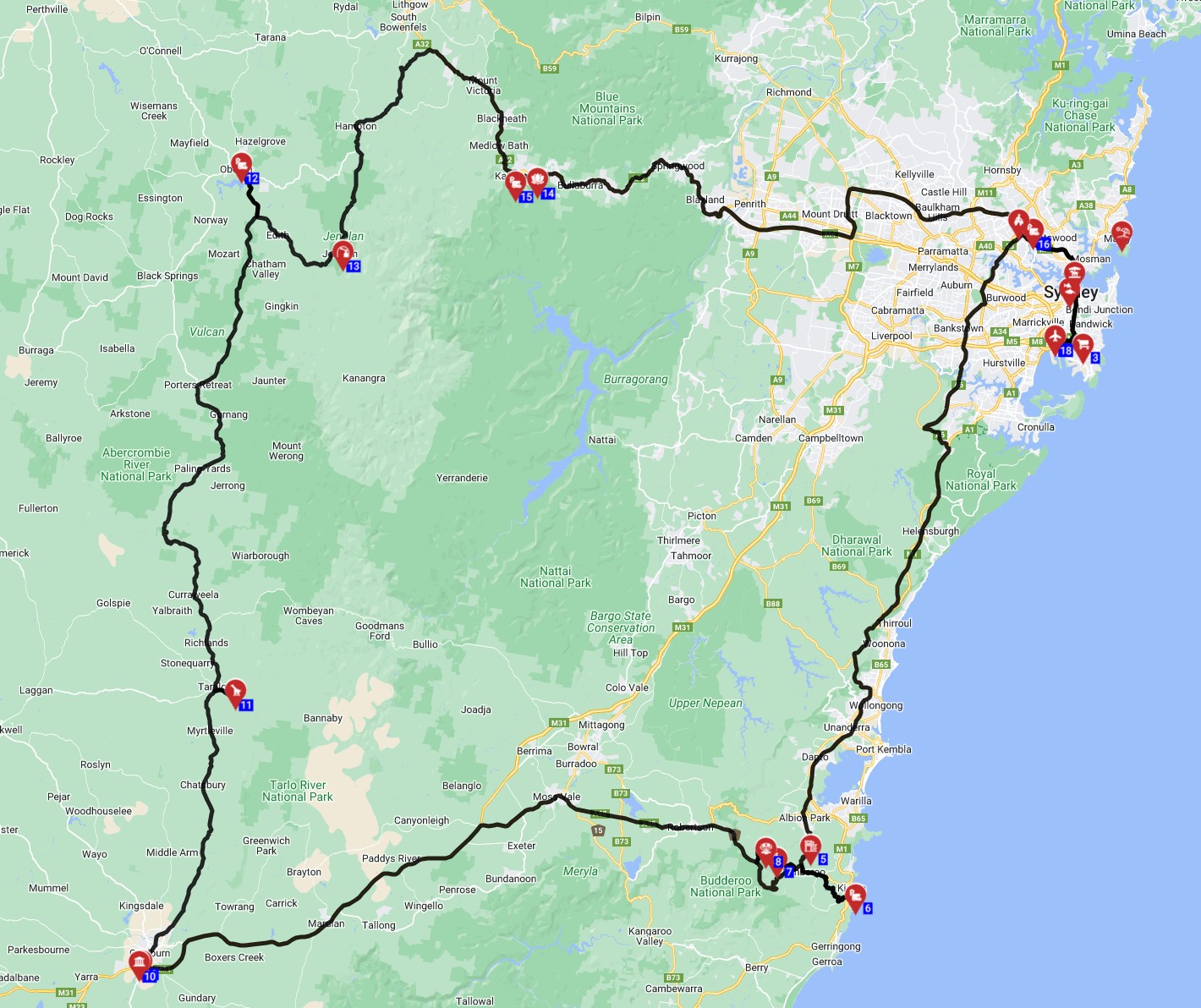
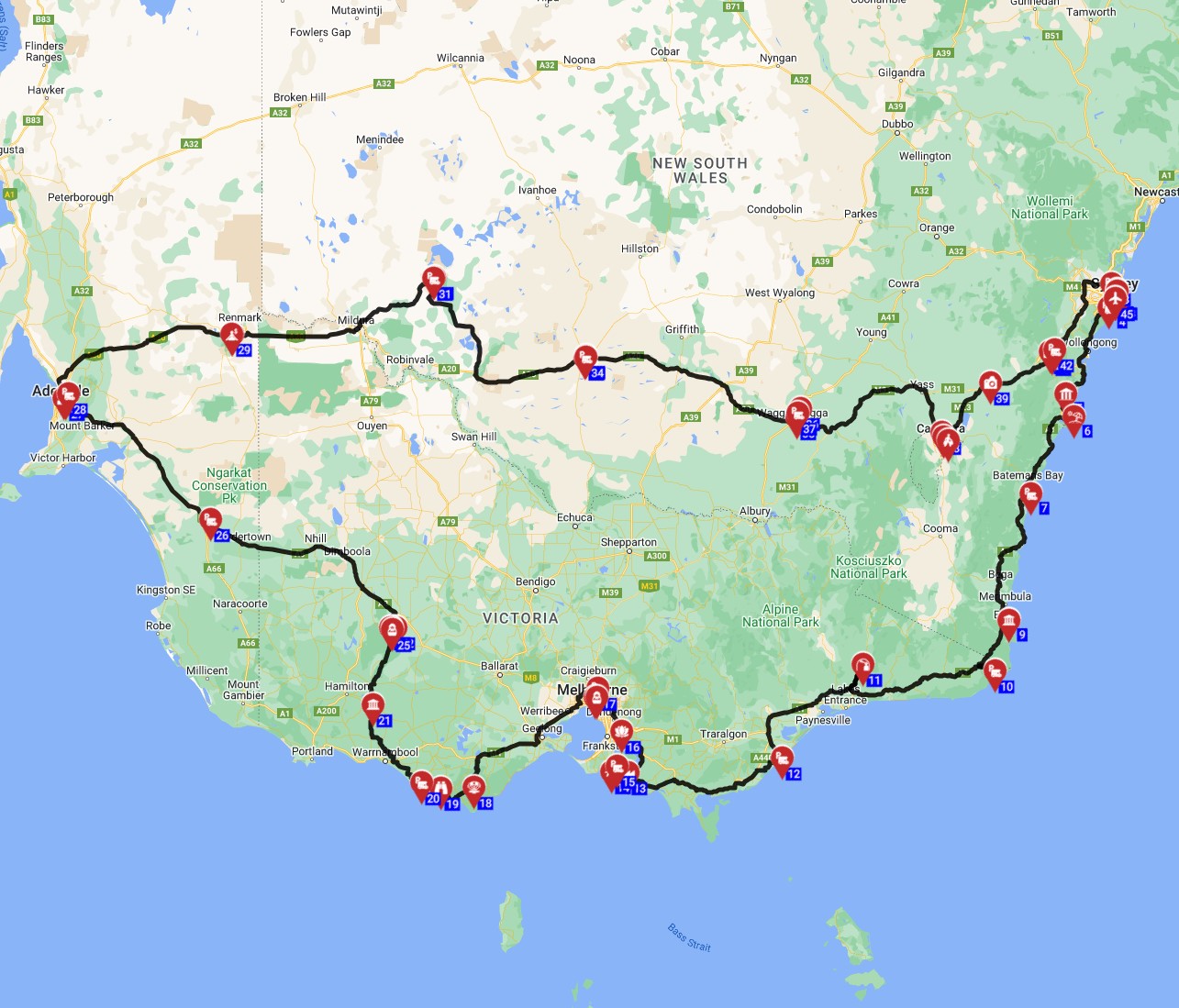
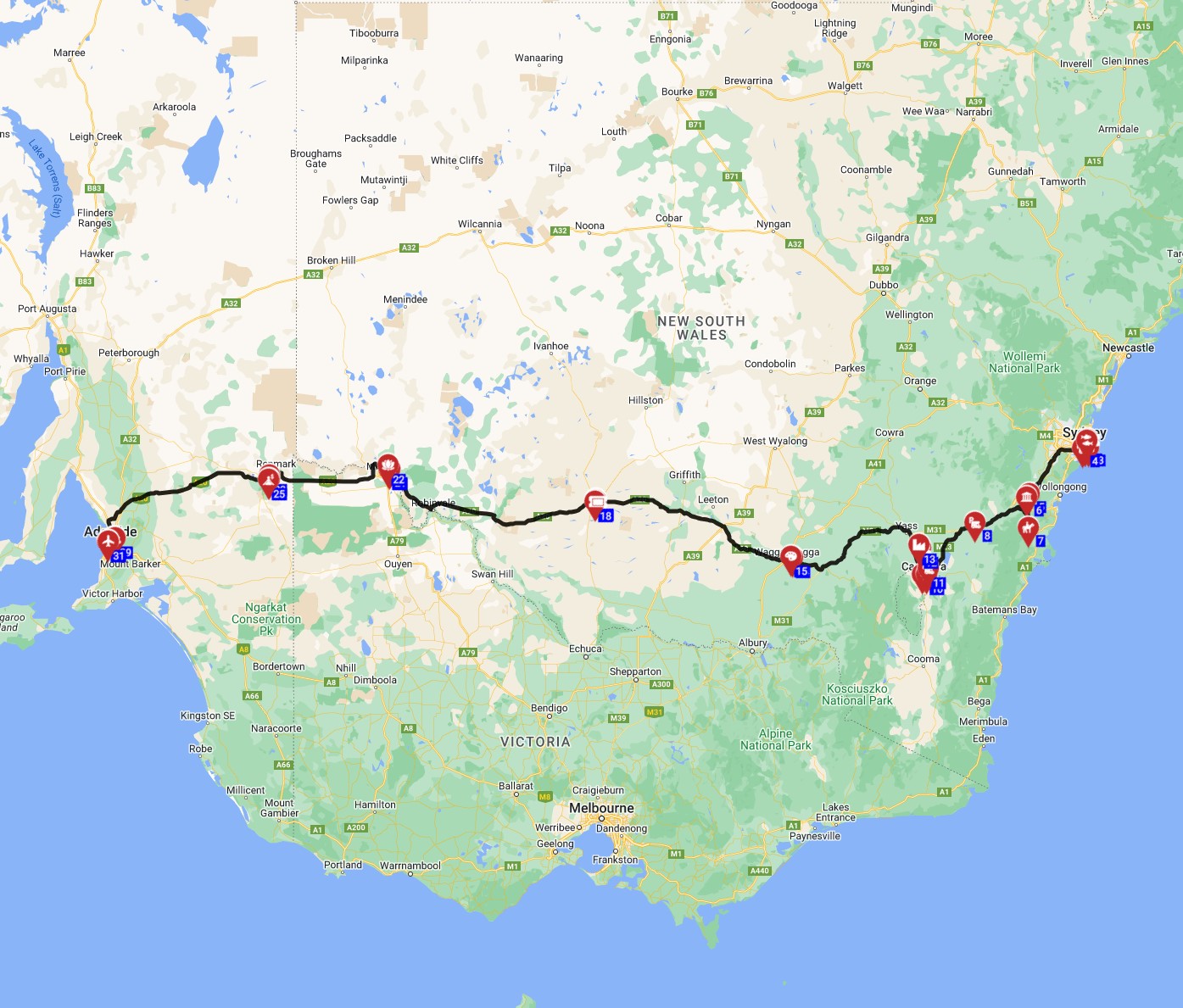
(11 days, ~1720 km): Experience the contrast between the iconic Blue Mountains' natural beauty and the vastness of the Outback. This route includes significant attractions like the Adelaide Aquarium and multiple museums, offering a rich journey.
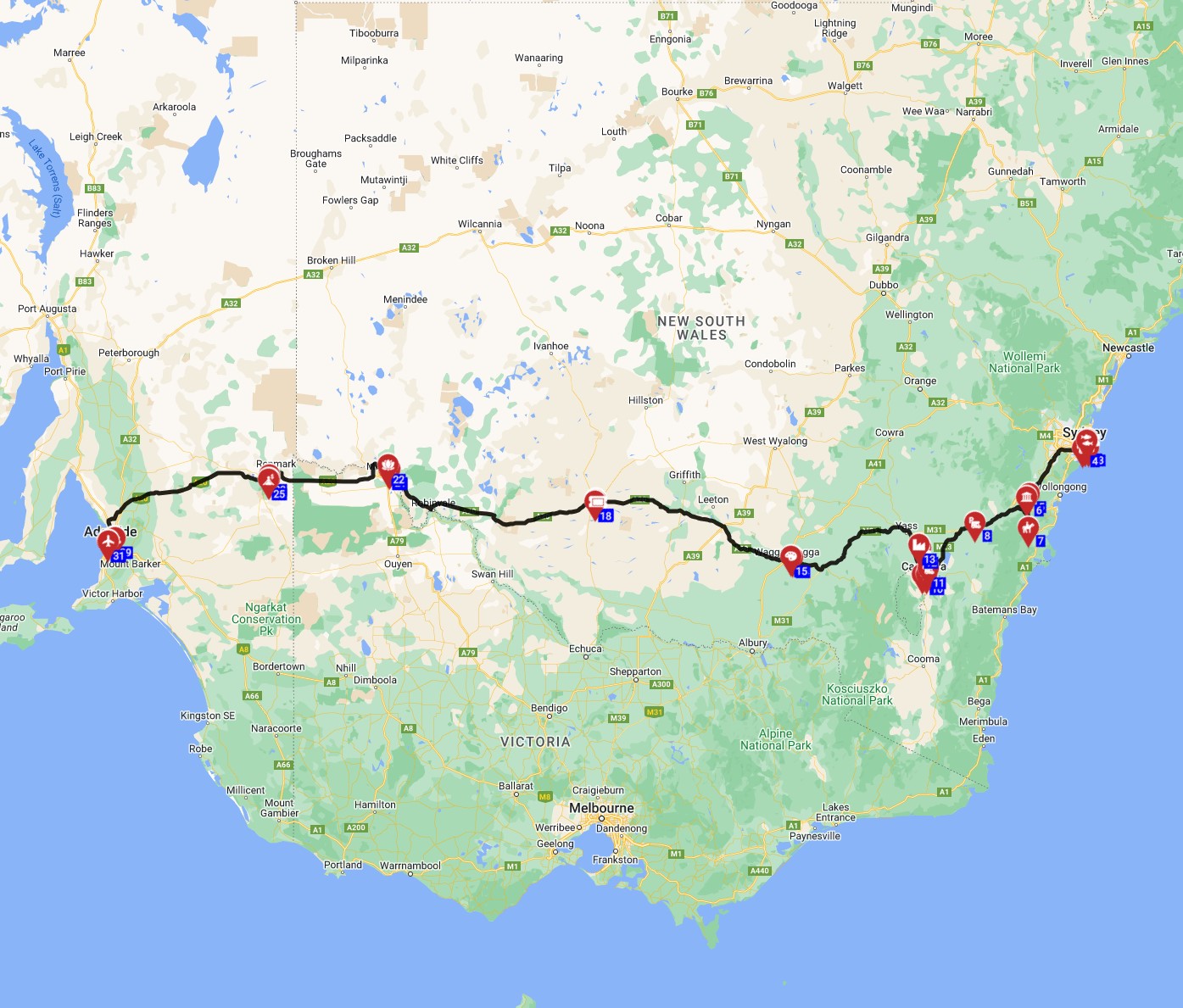 Sydney to Adelaide - the Outback and Blue Mountains
 -
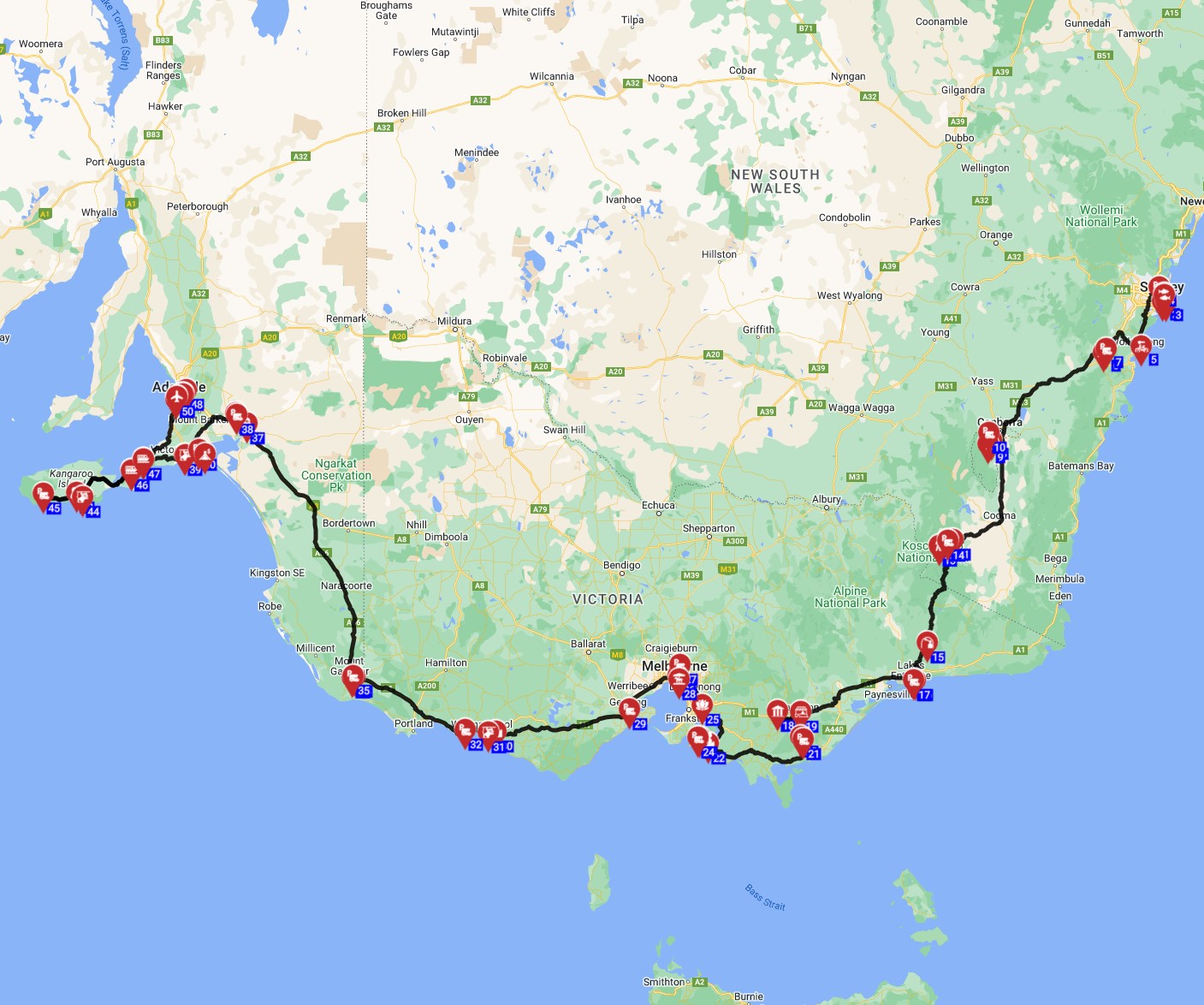
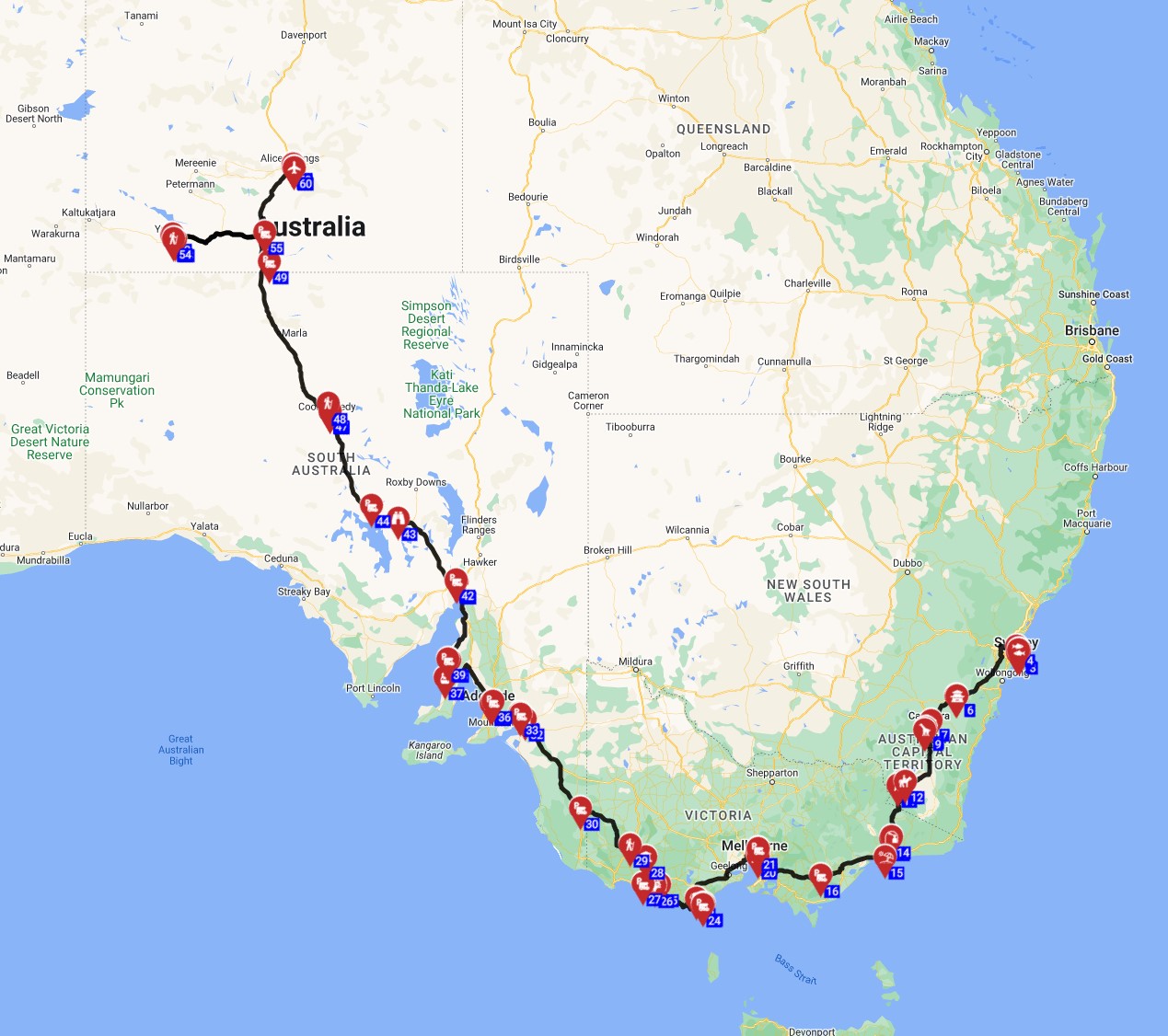
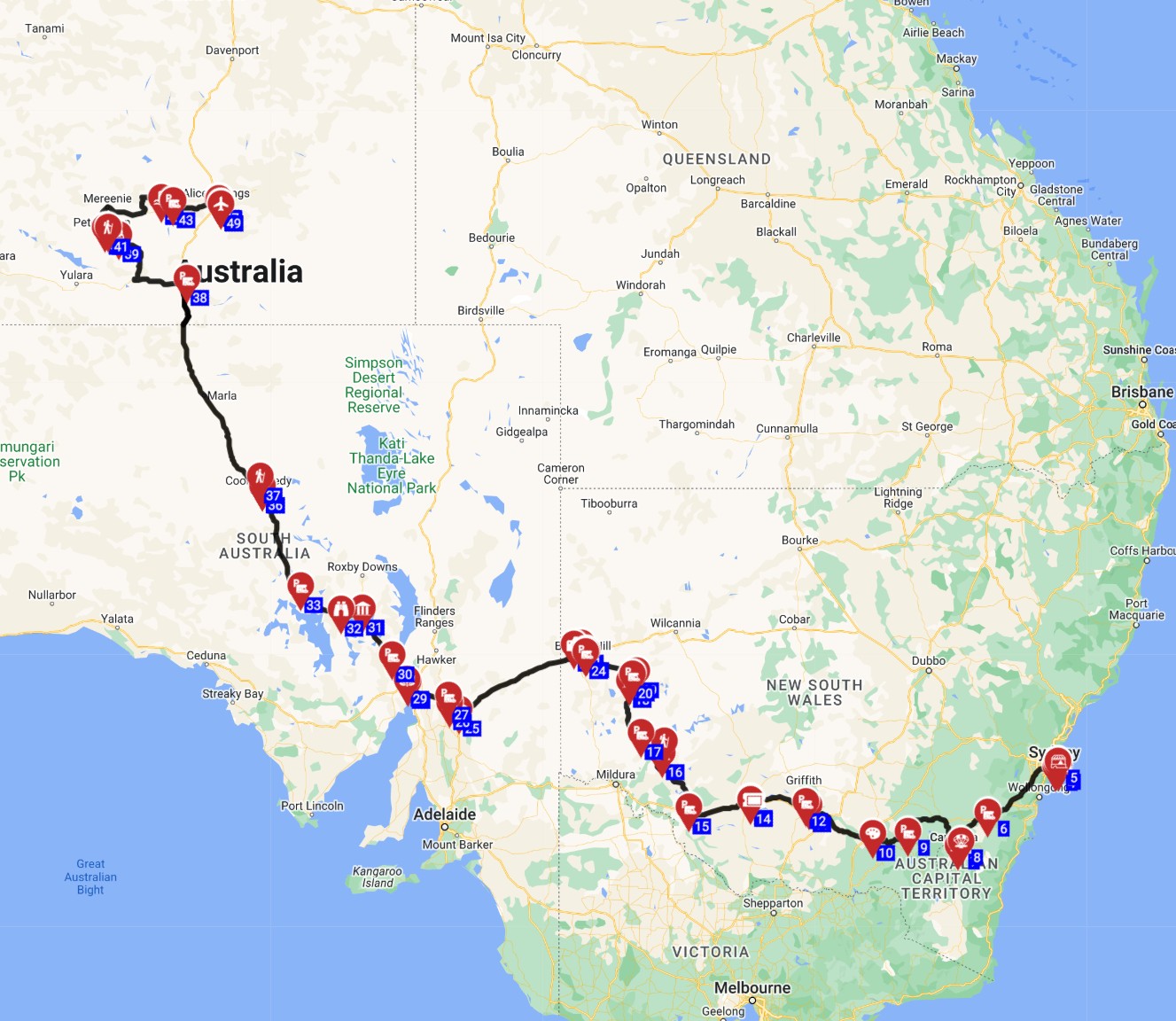
(13 days, ~2204 km): Discover Australia's diverse heritage with stops at amusement parks, beaches, and historical sites. With 22 included experiences ranging from aquariums to zoos, this tour provides a comprehensive exploration of the region.
 Adelaide to Sydney - The Heritage and Horizons Tour
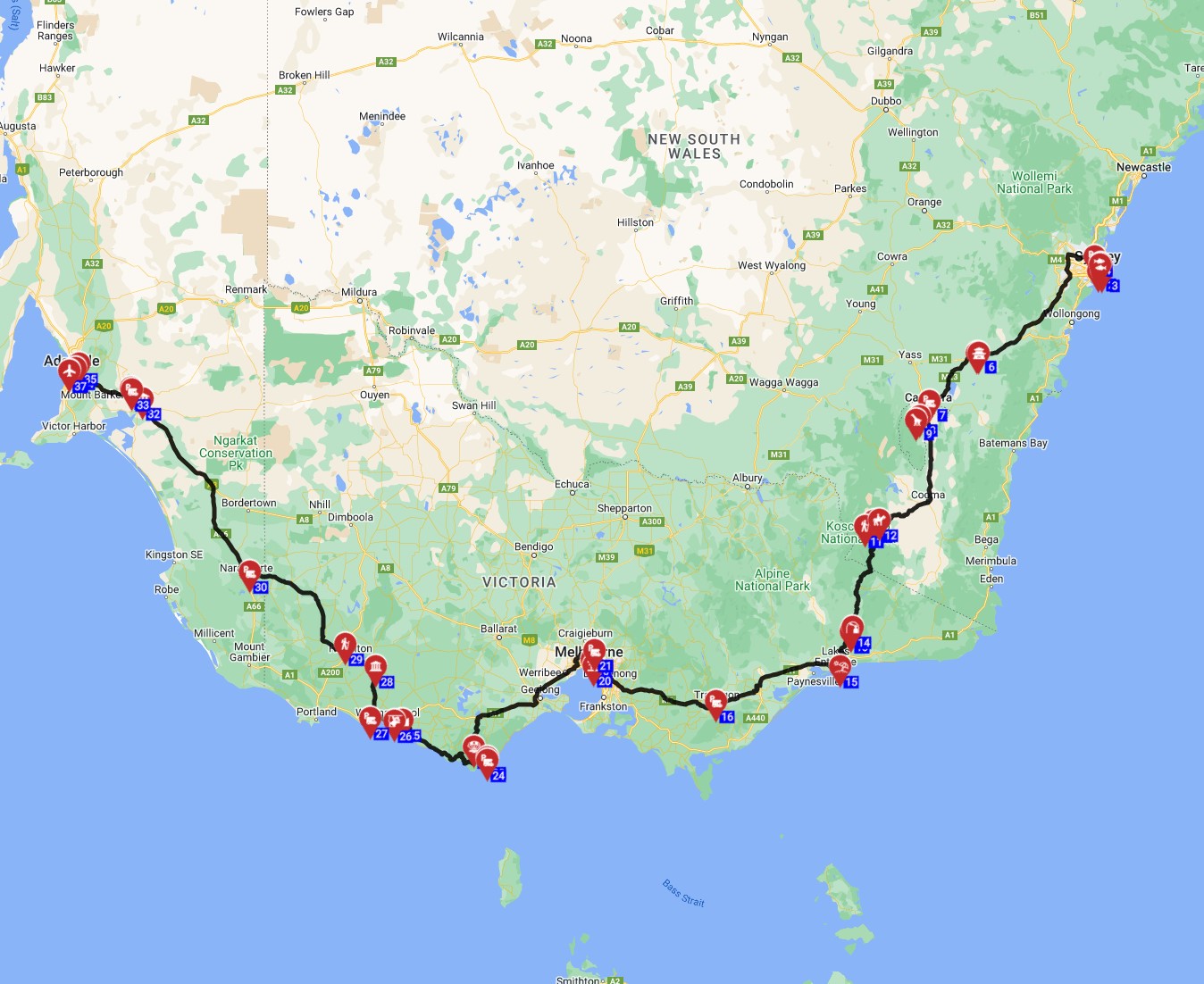
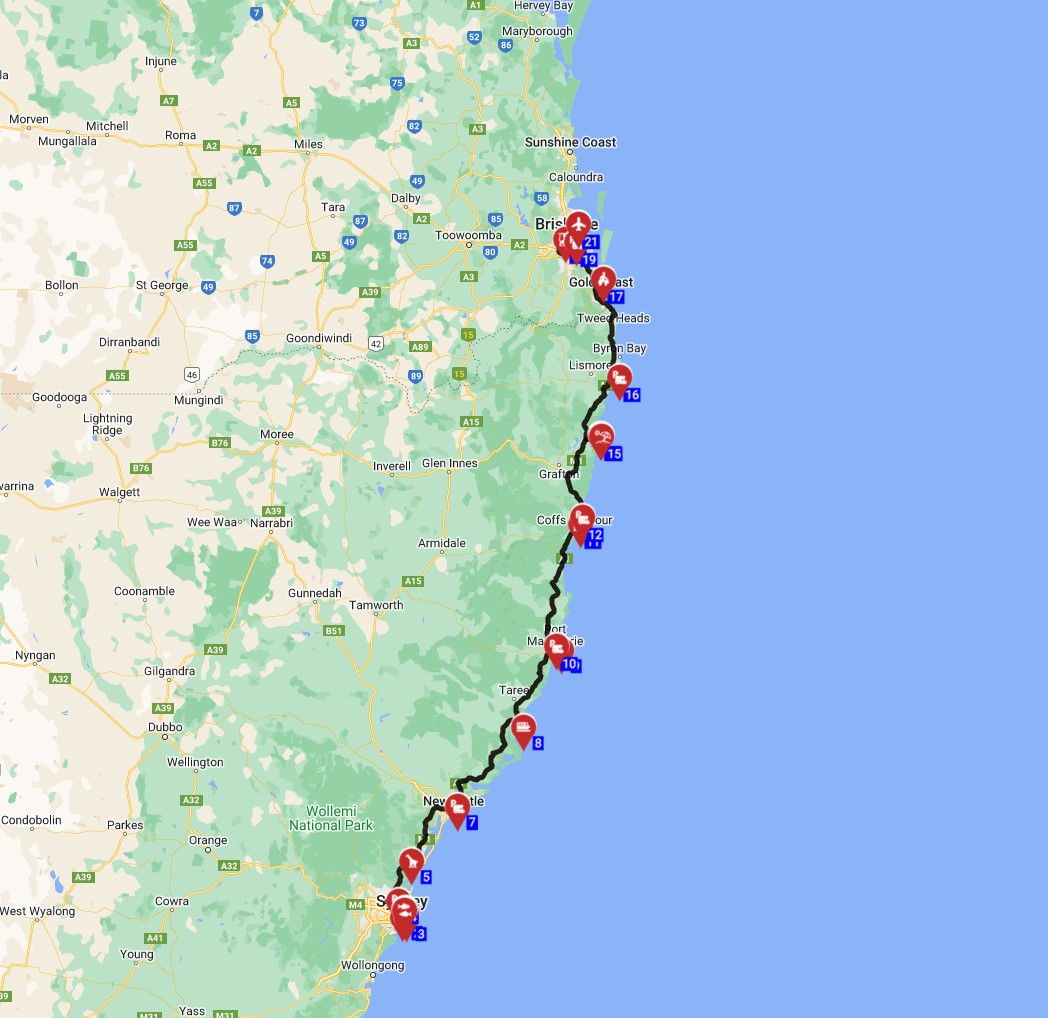
 - Melbourne to Sydney - Sweet and Scenic: A Family Adventure (9 days, ~1553 km): This family-focused trip highlights Australia's coastal charm with visits to numerous beaches, botanical gardens, and historical sites. It’s a perfect introduction to the RV lifestyle for families.
Final Thoughts
Renting an RV in Sydney for your winter adventure opens up a world of possibilities, offering the perfect blend of convenience, flexibility, and the chance to experience Australia's stunning landscapes up close. By understanding the different RV classes and choosing the one that best suits your travel style, you're setting yourself up for an unforgettable journey.
Remember, Bandana Caravan is here to simplify your booking process with full transparency and support every step of the way. We’re dedicated to making your RV rental experience as smooth and enjoyable as possible, from initial comparison to the final leg of your trip.
Find Motorhome Rentals in Sydney