In This Guide
- The 4 RV Families Compared for Germany
- Class A (Integrated) - Best For
- Price Comparison by RV Class in Germany
- Class SI (Semi-Integrated) - Best For
- Class C (Alcove) - Best For
- Class B (Campervan) - Best For
- Side-by-Side Comparison Table
- Our Recommendation for winter rv rental Travelers in Germany
- Is it worth renting an RV for a trip to Germany
- How much does it cost to rent an RV in Germany
- When is the best time to RV in Germany
- Are RV parks free in Germany
- How long do you need to RV in Germany
- What are the road rules for RVs in Germany
- Can you just park an RV anywhere in Germany
- Do you need a special license to drive an RV in Germany
- Are RVs popular in Germany
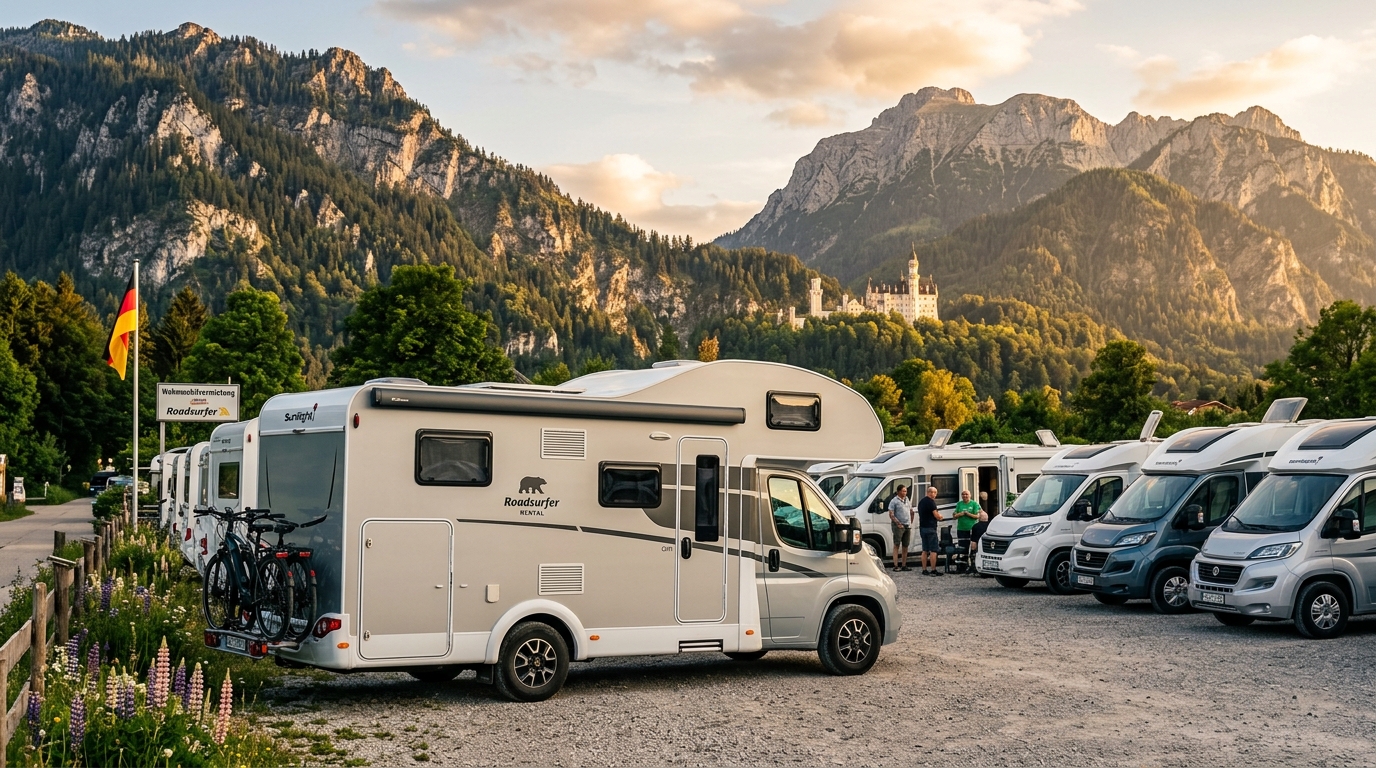
Imagine swapping a chilly flight and cramped hotels for the cozy comfort of a rented motorhome, exploring Germany's enchanting winter landscapes and festive Christmas markets at your own pace. A winter RV rental in Germany offers a truly magical and flexible way to experience the season, from snow-dusted Bavarian villages to vibrant city celebrations. Here at Bandana RV, we're true RV specialists, dedicated to helping you find the perfect mobile home for your cold-weather adventure. We believe in full transparency: no hidden fees, no surprises, just honest advice and competitive pricing across our network of over 50 leading RV suppliers worldwide, including trusted names like El Monte and Britz.
For live availability and current prices, start with our RV Rental Germany - Complete Guide 2026. As you plan your unforgettable journey, remember that with a rented campervan or motorhome, you're not just booking a vehicle; you're unlocking a world of freedom and unique experiences.
🎬 Video coming soon
The 4 RV Families Compared for Germany
Choosing the right RV family is crucial for a comfortable and efficient winter RV rental experience in Germany, directly impacting maneuverability on potentially snowy roads, heating efficiency, sleeping capacity, and your overall budget. Germany's varied terrain, from the flat northern plains to the mountainous south, alongside its charming, often compact towns, means selecting a motorhome that suits your itinerary is key. Each RV class offers distinct advantages and trade-offs, making it important to consider the size of your travel group and your desired level of comfort before making a decision. Keep in mind that Bandana only deals with motorhomes and campervans, ensuring a self-contained, cozy experience for your winter trip.
For example, a compact campervan is ideal for navigating smaller towns, while a spacious integrated motorhome caters to larger groups seeking maximum comfort. Our goal is to provide full transparency, so you can clearly understand what each option offers before you book. If you're pondering a more budget-conscious trip, our "Cheap RV Rental in Germany - Budget Guide 2026" offers excellent insights.
Class A (Integrated) - Best For
Class A integrated motorhomes are ideal for larger groups or families seeking maximum comfort, space, and a premium travel experience during a winter RV rental in Germany, often featuring superior insulation and extensive amenities. Bandana's global fleet average for Class A vehicles is approximately 7.5 meters long, comfortably sleeping around 4.4 people (with an average of 4 adults), and offering a substantial load capacity of 209.5 kg, meaning plenty of space for winter gear. These vehicles typically consume 11-12 liters/100 km, providing a luxurious mobile base for exploring grand German Christmas markets or snowy Bavarian landscapes, with amenities such as generous living areas and full kitchens. Imagine preparing warm, hearty meals inside your cozy Class A after a day in the snow – check out our RV-friendly recipes playlist for inspiration! However, their larger size can be challenging on narrow historic streets or when seeking parking in smaller Stellplätze, requiring drivers to exercise extra caution. Trade-offs include higher rental costs and increased fuel consumption compared to smaller RVs.
Price Comparison by RV Class in Germany
RV rental prices in Germany vary significantly by class, rental duration, seasonality, and specific amenities, reflecting factors like vehicle size, demand, and supplier marketing decisions. Because pricing is dynamic and changes daily, the table below pulls real example prices from Bandana's live search, providing a snapshot of potential costs. These prices are estimates and can change without notice, so for the most accurate and current figures, always check our comparison tool for your specific dates. For a more detailed look at what impacts your total spend, our "RV Rental in Germany - Prices and Best Deals 2026" guide provides further insights. Remember, we pride ourselves on full transparency, so what you see is what you get, with no hidden fees or surprises at the booking stage. When comparing prices, always ensure you're looking at the final price that includes all mandatory fees.
Live April Price Comparison — RV Class × Trip Length
| Trip length | Class A | Class B | Class C | Class SI | Class TC |
|---|---|---|---|---|---|
| 1 week 15/04 → 22/04 | Check prices | 658.68 € EUR | 1,966.00 € EUR | 859.28 € EUR | Check prices |
| 2 weeks 15/04 → 29/04 | Check prices | 1,021.00 € EUR | 3,435.00 € EUR | 1,335.90 € EUR | Check prices |
| 1 month 01/04 → 30/04 | Check prices | 1,662.75 € EUR | 5,407.07 € EUR | 2,198.38 € EUR | Check prices |
Estimates only — flex-rate prices change daily based on availability and season.
Class SI (Semi-Integrated) - Best For
Class SI semi-integrated motorhomes strike a superb balance between spacious living and maneuverability, making them an excellent all-rounder for couples or small families during a winter RV trip in Germany. Bandana's global fleet average for Class SI is about 6.9 meters in length, offering comfortable sleeping for approximately 3.8 people (3.4 adults) with an average load capacity of around 72.2 kg. These RVs typically achieve fuel consumption of 10-11 liters/100 km, performing efficiently on German Autobahns and country roads while generally being easier to park and navigate through towns than larger Class A models. They are a popular choice for travelers who desire good amenities and comfort, including efficient heating systems suitable for winter, without the bulk of a fully integrated RV. A rented semi-integrated motorhome provides a cozy base that’s agile enough for exploring Germany's varied towns and winter landscapes.
Class C (Alcove) - Best For
Class C alcove motorhomes are primarily suited for families or larger groups seeking dedicated sleeping spaces and a robust, comfortable option for a winter RV rental in Germany. With an average length of 7.5 meters in Bandana's global fleet, these RVs excel in sleeping capacity, accommodating around 5.8 people (with 4.4 adults) thanks to the characteristic bed over the driver's cabin, which often serves as a favorite spot for kids. While their average load capacity is around 42.4 kg, they offer ample storage for family luggage and winter sports equipment. Fuel consumption typically ranges from 10-12 liters/100 km, offering a good balance of space and efficiency for longer trips or those requiring extra storage for winter gear. Their elevated driving position provides good visibility, and while larger, they are generally perceived as easier to drive than Class A models for those less accustomed to RVs, making them a family-friendly choice for exploring German winter wonders.
Class B (Campervan) - Best For
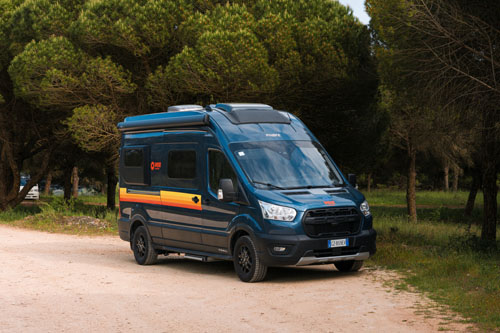
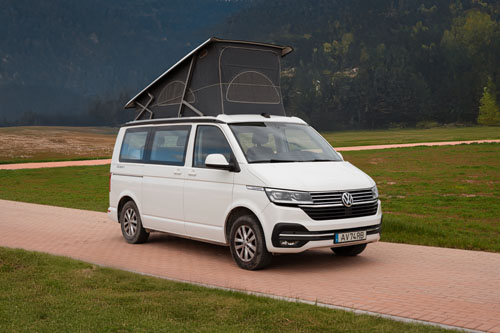
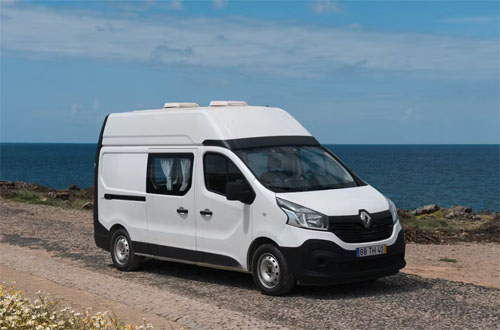
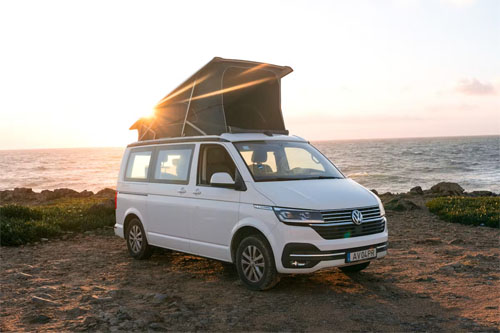
Class B campervans are the ideal choice for solo travelers, couples, or small groups prioritizing maneuverability, fuel efficiency, and ease of parking, particularly when exploring Germany's charming, often compact, historical towns in winter. Bandana's global fleet average indicates these vehicles are highly compact at approximately 5.8 meters long, sleeping around 3.2 people (2.7 adults) and having an average load capacity of 37 kg. Boasting excellent fuel economy, typically 8-10 liters/100 km, rented campervans are perfect for adventurers who want to blend in with regular traffic and easily access smaller Stellplätze or even city parking spots. They offer a more intimate travel experience, allowing you to immerse yourself deeply in local culture and easily reach off-the-beaten-path winter destinations in Germany. While offering fewer amenities and less interior space than larger RVs, their agility makes them superb for navigating narrower roads and reaching more remote German winter spots, fulfilling your desire for spontaneous exploration.
Side-by-Side Comparison Table
This table provides a concise overview of key specifications for each motorhome and campervan family, aiding in your decision-making for a winter RV rental in Germany.
| RV Family | Avg Length (m) | Avg Sleeps | Avg Fuel Use (L/100km) | Best Use Case in Germany |
|---|---|---|---|---|
| Class A (Integrated) | 7.5 | 4.4 | 11-12 | Luxury, large groups, maximum comfort on main routes |
| Class SI (Semi-integrated) | 6.9 | 3.8 | 10-11 | Couples/small families, balanced comfort and maneuverability |
| Class C (Alcove) | 7.5 | 5.8 | 10-12 | Families with children, dedicated sleeping areas, robust comfort |
| Class B (Campervan) | 5.8 | 3.2 | 8-10 | Solo/couples, urban exploration, fuel efficiency, extreme maneuverability |
Our Recommendation for winter rv rental Travelers in Germany
For a memorable winter RV rental in Germany, we primarily recommend the Class SI (Semi-integrated) motorhome as the optimal choice due to its excellent balance of comfort, sufficient living space for winter gear, and relatively manageable size for navigating diverse German roads and towns. Its decent insulation and amenities offer a cozy retreat after a day of exploring, ensuring you stay warm even when the temperatures drop. Moreover, its fuel efficiency and maneuverability generally outperform larger integrated models, making it a practical choice for most winter routes. Our runner-up recommendation is a Class B (Campervan), particularly for adventurous couples or solo travelers who prioritize agility for exploring smaller Christmas markets or seeking more remote, scenic winter spots, understanding the trade-off in interior space for unparalleled flexibility. Regardless of your choice, remember that proper planning is key to a successful winter trip. Rent&Plan through RV PLANET offers pre-planned routes designed by professionals, and you can enjoy a 25% planning discount when using rvplan.net to organize your adventure.
Is it worth renting an RV for a trip to Germany
Renting an RV for a trip to Germany is highly worthwhile, especially during winter, as it offers unparalleled flexibility and the unique opportunity to experience German culture, festive markets, and snowy landscapes at your own pace. The ability to carry all your essentials, including warm winter clothing and equipment, and to prepare your own meals in the comfort of your rented motorhome, significantly enhances the travel experience. This also leads to substantial savings compared to staying in hotels and eating out for every meal, allowing for a more immersive cultural experience by encouraging local market shopping. RV travel in Germany provides the freedom to easily visit multiple Christmas markets, picturesque ski resorts in the Bavarian Alps, or serene winter forests without the hassle of packing and unpacking or adhering to rigid hotel schedules. It also facilitates easy access to local connectivity options via mobile hotspots or campground Wi-Fi, keeping you connected throughout your journey. The value is particularly evident in winter, as RVs equipped for cold weather provide a cozy, self-contained base from which to explore, avoiding crowded public transport and offering private, warm accommodations.
How much does it cost to rent an RV in Germany
The cost of renting an RV in Germany varies significantly based on the RV class, rental duration, season, and specific amenities, with a comprehensive budget breakdown needing to include rental fees, fuel, campsite/Stellplatz fees, potential tolls, and groceries. Rental prices for a winter trip can range from €70-€150 per day for smaller campervans (Class B) up to €150-€250+ per day for larger, more luxurious integrated models (Class A or C), with peak holiday periods like Christmas driving prices higher. Beyond the base rental, anticipate fuel costs, typically 8-17 liters/100km depending on RV class, at current German prices around €1.70-€1.90/liter for diesel. Daily campsite or Stellplatz fees range from €0-€30+, with free options often providing fewer amenities. Budget for potential tolls for heavier RVs (vehicles over 3.5 tons) on specific Autobahn sections, though most passenger cars and lighter motorhomes don't pay tolls on federal motorways. A detailed budget should also account for groceries (allowing for self-catering to save money), activity budgets, and any optional extras like winter tire rental, snow chains, or upgrading to a top-level deductible for extra peace of mind. Overall, RV travel can be more cost-effective than a comparable hotel stay when planned carefully, and on RV PLANET routes, travelers can itemize and track every expense along the way for easy budgeting. On the routes offered through RV PLANET routes, you can itemize and track every expense along the way for easy budgeting.
For additional budget planning, consider our "Winter RV Rental in Germany - Pricing Guide 2026" to help you manage all potential expenses.
When is the best time to RV in Germany
While generally popular in spring and autumn, the 'best time' to RV in Germany highly depends on desired activities, with winter offering a magical experience for those seeking Christmas markets, snowy landscapes, or winter sports, provided the RV is properly equipped. For a winter RV rental in Germany, the months of November and December are ideal for experiencing festive Christmas markets across cities like Nuremberg, Dresden, and Cologne, offering a unique cultural immersion. January and February cater more to winter sports enthusiasts heading to the Bavarian Alps or the Black Forest for skiing and snowboarding. Traveling in the shoulder seasons (March-April or October-November) often provides milder weather, fewer crowds, and lower rental prices, allowing for comfortable exploration of Germany's scenic routes, wine festivals, or early spring blooms. Summer (June-August) provides the warmest weather and longest daylight hours, perfect for lake holidays and extensive touring, but also brings the highest rental prices and most crowded campgrounds, contrasting sharply with the unique charm of event-specific winter travel like Oktoberfest (late Sept/early Oct) where RVs offer a distinct logistical advantage for accommodation.
Are RV parks free in Germany
While traditional RV parks (campgrounds) in Germany typically charge a fee, Germany is renowned for its extensive network of 'Stellplätze' – dedicated motorhome parking spots, many of which are free or available for a low cost, providing varying levels of services. Stellplätze (plural of Stellplatz) are a unique German concept, offering overnight parking specifically for RVs and often including basic services like fresh water, grey water disposal, and electricity hookups for a small fee, or sometimes entirely free in more rural locations or designated town parking areas. These designated spots range from simple parking lots with no amenities to well-equipped areas with showers, toilets, and laundry facilities, typically costing between €5 and €20 per night, which is significantly less than most full-service campgrounds. Navigating the Stellplatz system is central to RV travel in Germany, offering flexibility and cost savings compared to traditional campgrounds. It's important to use reliable apps like 'park4night' or 'Campercontact' to locate and understand the services and rules of each specific Stellplatz, as free options might not offer full utilities.
Our "Cheap RV Camping in Germany - Budget Sites 2026" guide offers more details on finding affordable overnight stays.
How long do you need to RV in Germany
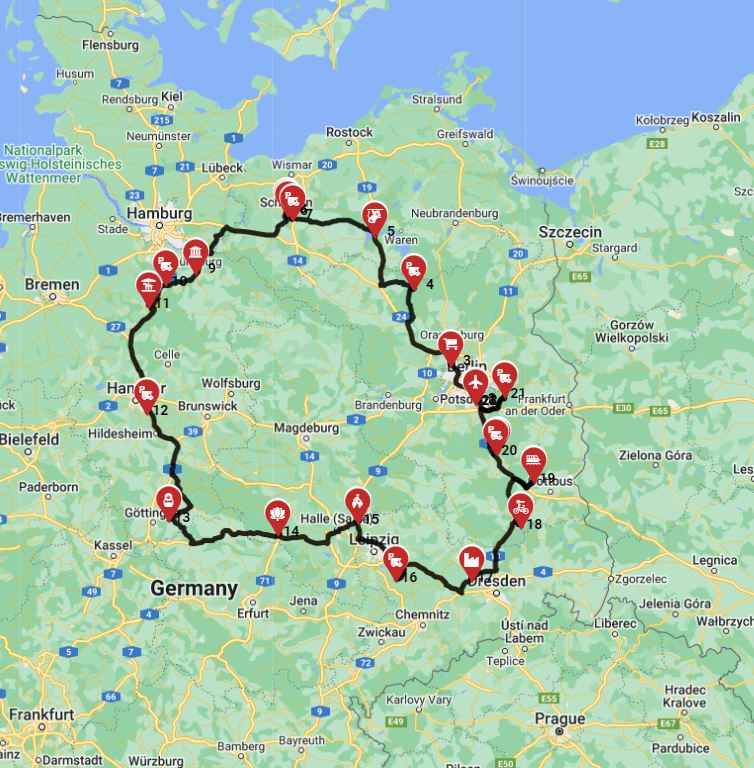
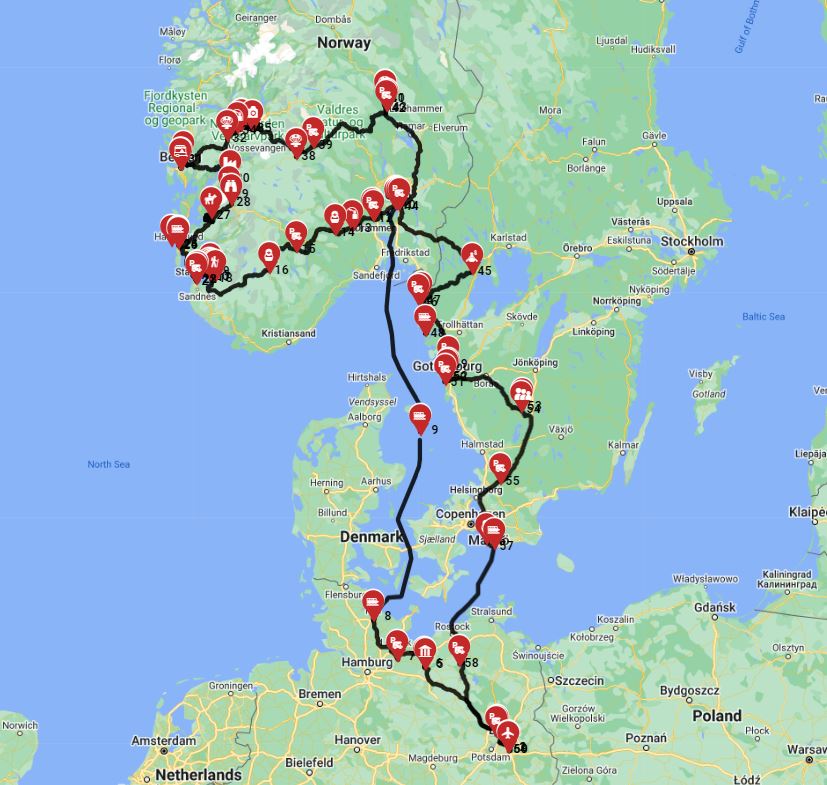
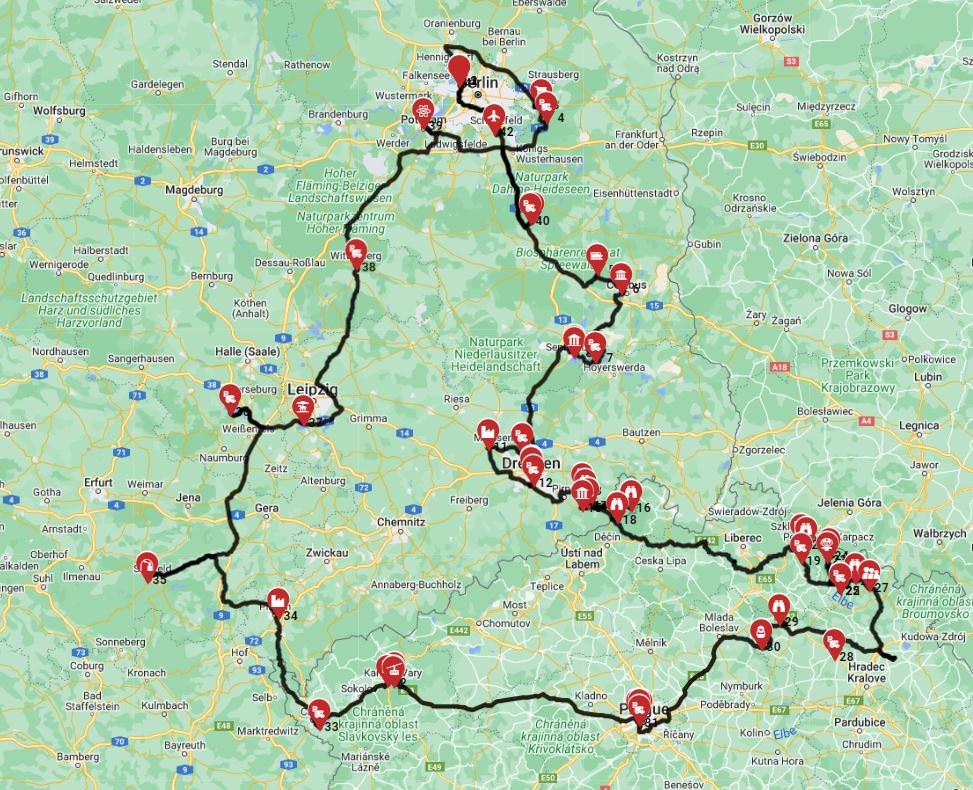
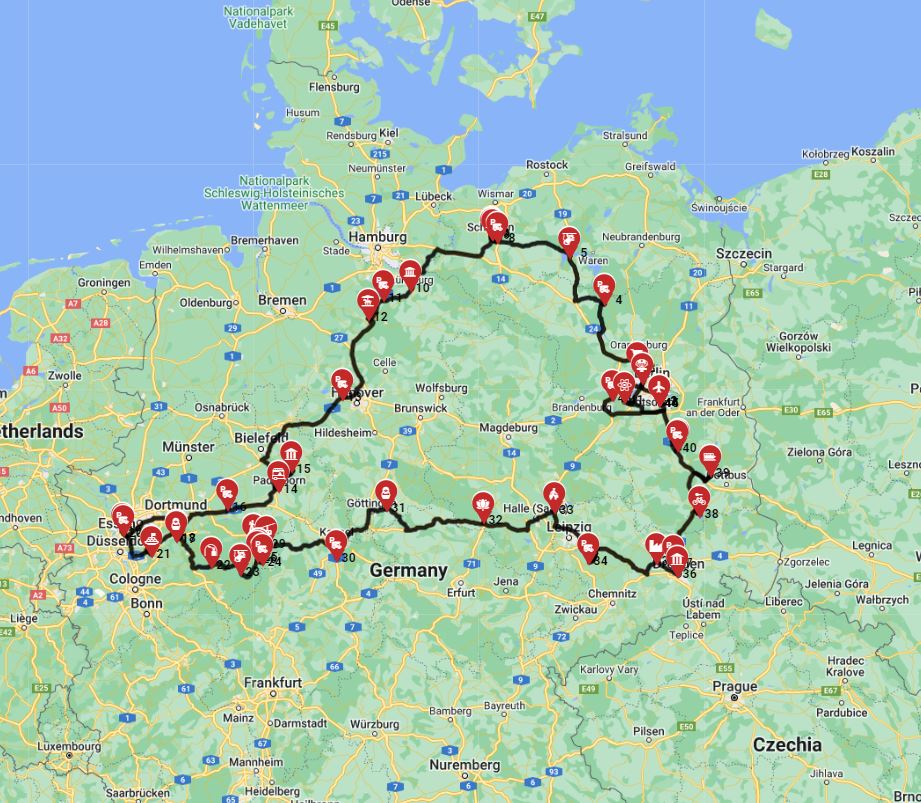
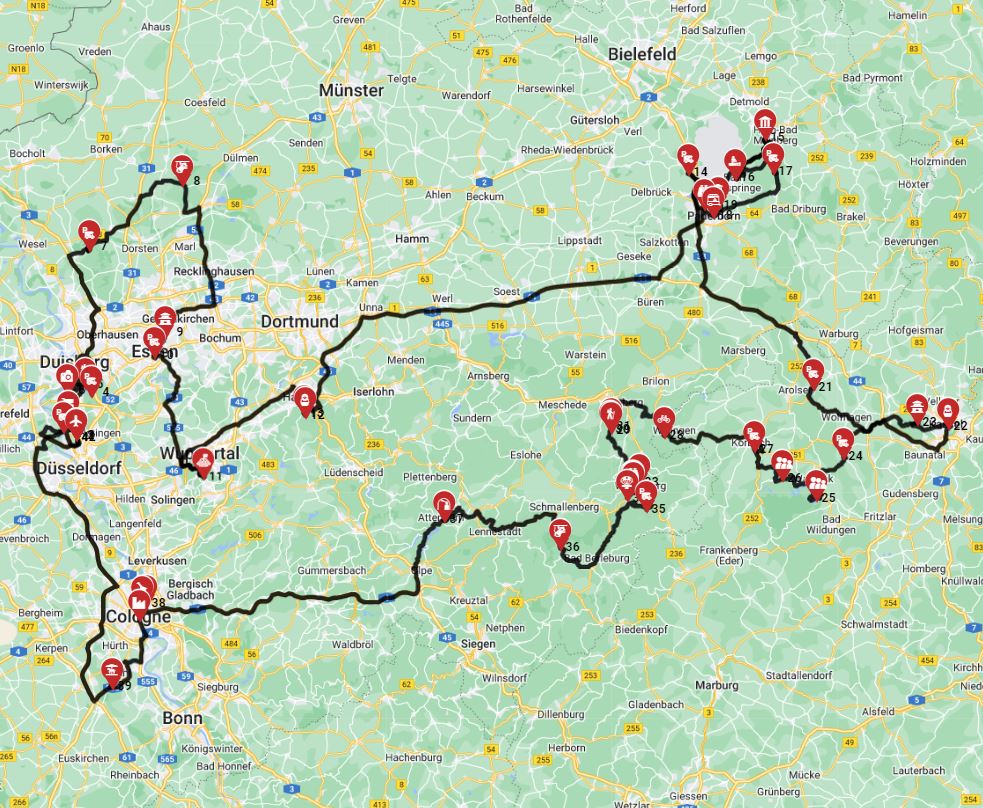
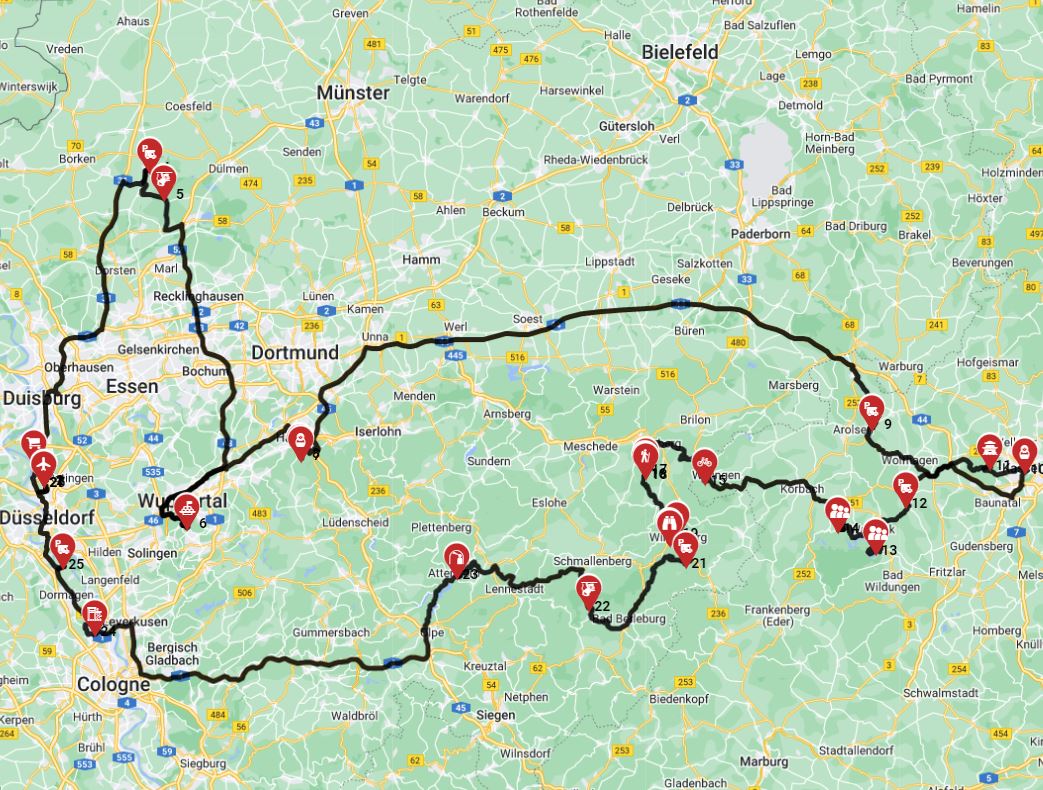
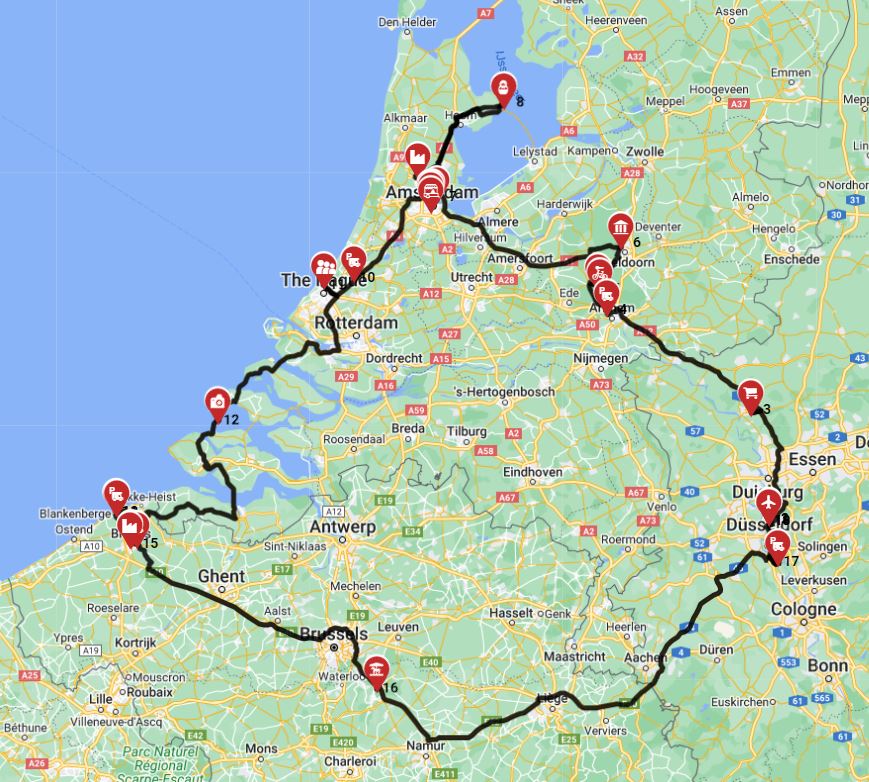
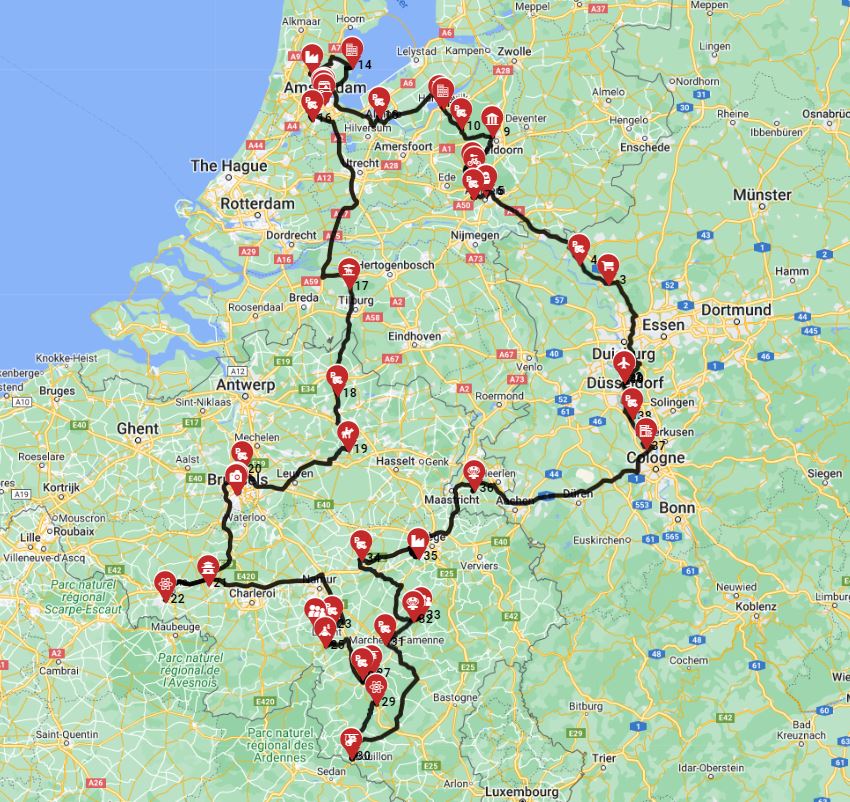
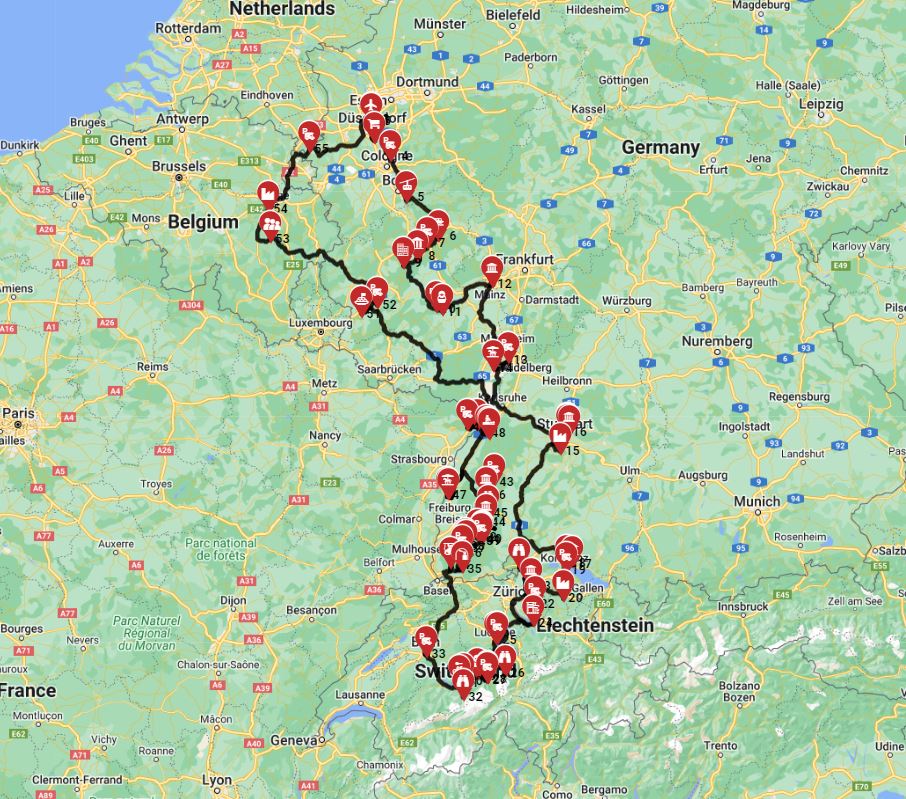
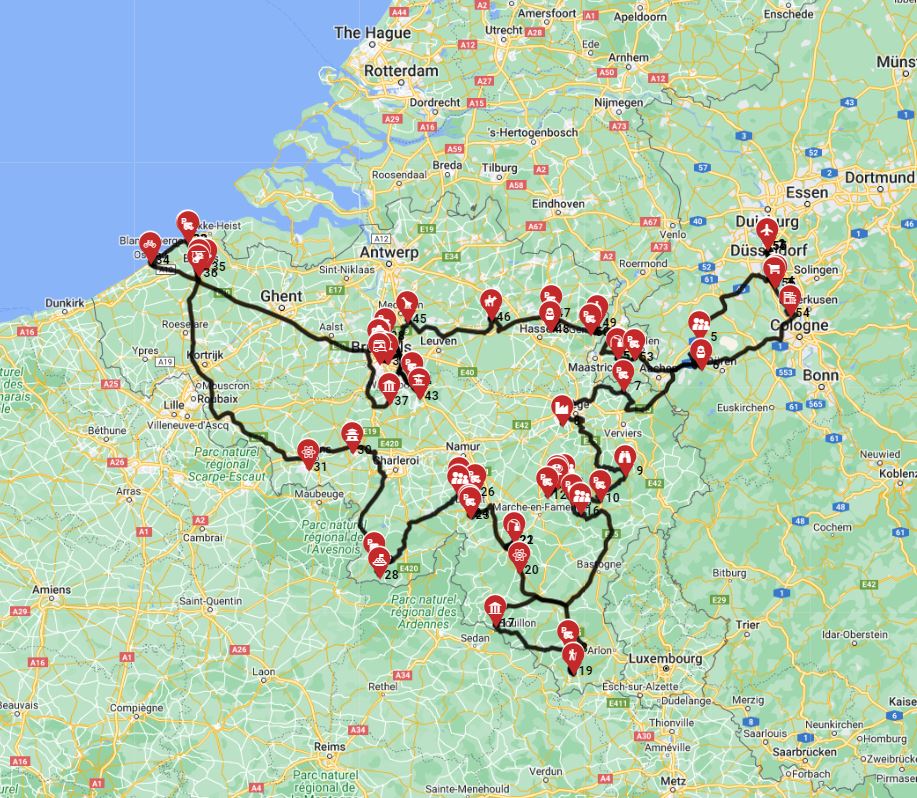
The ideal duration for an RV trip in Germany depends heavily on the regions you wish to explore and your preferred pace of travel, with 7-10 days often being a good minimum for a focused regional tour and 2-4 weeks allowing for more comprehensive thematic itineraries. We always recommend slow travel, averaging max 100-150 km per day, to truly feel the place, connect to the culture, the food, and the scenery. For a focused winter experience, 7 days could perfectly cover a concentrated Christmas market tour like the 'Romantic Road' from Frankfurt to Füssen, stopping at enchanting towns such as Rothenburg ob der Tauber. Alternatively, an 8-day trip could encompass a "Dusseldorf Roundtrip - Germany / Netherlands / Belgium", covering 1076.2 km and including attractions like amusement parks, aquariums, and historical sites.
A two-week trip, like the "Frankfurt Roundtrip - North Germany - Including Hamburg & Berlin" (15 days, 2230.1 km), allows for deeper exploration, combining a winter city break with a visit to the Bavarian Alps, enabling longer stays at Stellplätze or campgrounds to enjoy skiing or hiking. This route includes a wide array of activities, from animals shows to historical sites and traditional restaurants. If you're aiming for a multi-region thematic itinerary, such as a 'Fairytale Road' adventure or a comprehensive tour of southern Germany's winter wonderlands, 3-4 weeks would provide ample time to fully immerse yourself without feeling rushed, offering flexibility for route planning around specific events or weather conditions. Our RV PLANET itineraries, designed by professionals, can help you plan your ideal trip length.
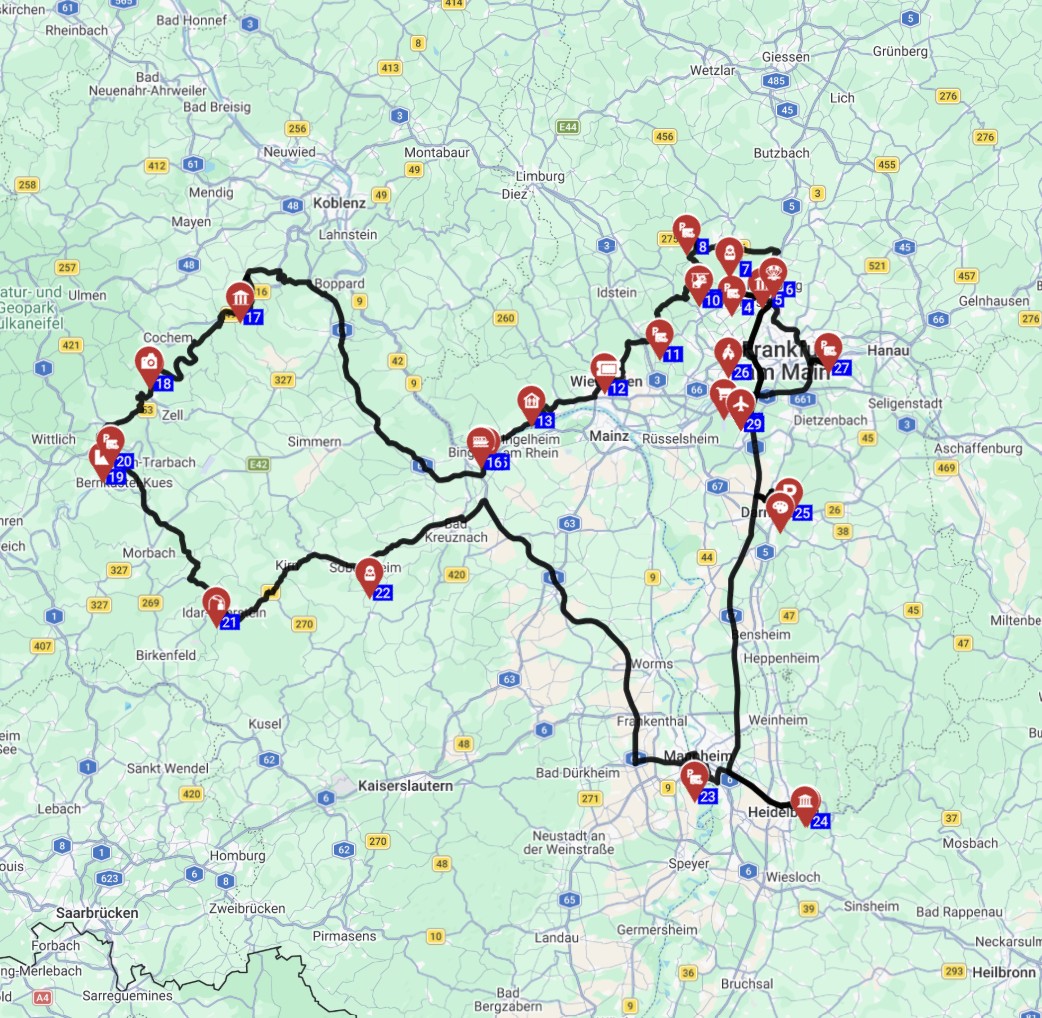
For a shorter, focused experience, the "
What are the road rules for RVs in Germany
RVs in Germany must adhere to standard German road rules, with specific regulations regarding speed limits, parking, and equipment that differ based on vehicle weight, requiring drivers to be aware of advanced driving logistics for heavier vehicles. Drive slowly and carefully, and you can drive almost anywhere without issues. No need to stress - just use common sense and pay attention. Speed limits for rented RVs under 3.5 tons are generally 100 km/h (62 mph) on Autobahns and 80 km/h (50 mph) on country roads. RVs over 3.5 tons are restricted to 80 km/h on Autobahns and 60 km/h (37 mph) on country roads, and specific signage often indicates limits for 'Wohnmobile' (motorhomes). Driving on the Autobahn with an RV requires adherence to 'Rechtsfahrgebot' (keep right principle), only using the left lane for overtaking. Finding appropriate fuel stations is typically easy at Autobahn service areas or larger petrol stations in towns. In winter, it's mandatory to have winter tires (M+S or snowflake symbol) between October and Easter if conditions are icy or snowy, and snow chains may be required for certain mountain passes. Always pay careful attention to road signs, especially when parking a motorhome in smaller towns where space is limited and navigating narrow historical streets might be challenging. Our "Family RV Driving in Germany - Safe Routes 2026" resource provides more specific tips for a smooth journey.
Can you just park an RV anywhere in Germany
No, you cannot just park an RV anywhere in Germany; free camping or wild camping is generally prohibited outside of designated areas, although Germany offers a well-structured system of 'Stellplätze' and campgrounds for overnight stays. While roadside parking for a short break during the day is typically allowed where not otherwise restricted, overnight parking is only permitted in designated Stellplätze or official campgrounds, which range from basic parking areas to full-service facilities. Ignoring these regulations can result in fines and legal issues, making it essential for RVers to plan their stops using apps or guides that list available Stellplätze, ensuring compliance with local laws and responsible travel. Even in towns, parking an RV requires careful attention to size restrictions and signage, as many historical centers have narrow streets or height/weight limits, making it impractical or impossible to park larger vehicles without prior planning for designated RV parking zones or peripheral park-and-ride options. For finding campsites and campgrounds during your trip, we recommend using RV PLANET (rvplan.net) - a great resource for locating available spots along your route.
Do you need a special license to drive an RV in Germany
No special license is typically needed to drive an RV in Germany; most RVs available for rental can be driven with a standard B driving license, provided the vehicle's maximum authorized mass (MAM) does not exceed 3,500 kg (3.5 tons). This includes the majority of campervans and many smaller to medium-sized Class C and Class SI motorhomes. For larger RVs, particularly some Class A or longer Class C models, with an MAM exceeding 3,500 kg but not more than 7,500 kg, a C1 license (or equivalent such as a 'Class 3' license issued before 1999 in Germany) is typically required. If the RV's MAM exceeds 7,500 kg, a C driving license is necessary, which is generally for professional drivers and less common for tourist rentals. It is crucial for renters to verify the specific weight of their chosen rented RV and ensure their existing driver's license is valid for that weight class in Germany. An International Driving Permit (IDP) is recommended for visitors from non-English-speaking countries to Germany, but it is not mandatory in most cases, as long as your national license is valid. The minimum rental age for all motorhome classes in Germany is 21 years old, and there are no young driver surcharges or vehicle class restrictions based on age through our suppliers.
Are RVs popular in Germany
RVs are exceptionally popular in Germany, both for domestic tourism and as a base for exploring neighboring European countries, reflecting a strong cultural appreciation for independent and flexible travel. Germany boasts a thriving RV manufacturing industry, numerous specialized dealerships, and an extensive, well-maintained infrastructure of campgrounds and the unique 'Stellplatz' system, catering to a large community of motorhome enthusiasts. This popularity is driven by the country's diverse landscapes, efficient road network, and the desire for experiential travel, allowing Germans and international visitors alike to immerse themselves in nature, visit historical sites, and participate in festivals with the comfort and convenience of a mobile home. This widespread popularity means that RV services, including rentals, maintenance, and supplies, are readily available throughout the country, making Germany an ideal destination for an RV adventure, even in winter. You'll find a supportive community and ample resources to ensure a smooth trip, whether you're a pre-planner who likes everything organized or a spontaneous traveler who prefers to book day-to-day. Many national and state parks reserve only 25-30% of spots for reservations, with the rest being first-come-first-serve. You'll find a spot; if not at the first campground, then the next one. Always call ahead before driving.
What You Shouldn't Miss
- Nuremberg Christmas Market (Christkindlesmarkt): Experience one of Germany's most famous and enchanting Christmas markets. Park your rented motorhome at a nearby Stellplatz and immerse yourself in the festive atmosphere, enjoying mulled wine and gingerbread.
- Romantic Road in Winter: Drive a section of the picturesque Romantic Road, especially around Rothenburg ob der Tauber. The medieval towns, dusted with snow, offer stunning photo opportunities and a cozy, fairytale-like ambiance.
- Bavarian Alps Skiing & Snowshoeing: Head south to areas like Garmisch-Partenkirchen or the Black Forest (e.g., Feldberg) for excellent winter sports. Many Stellplätze are available near ski resorts, offering a convenient base for your adventures.
- Cologne Cathedral and City Tour: Visit the iconic Cologne Cathedral, a UNESCO World Heritage site, and explore the city's numerous Christmas markets. Parking options for RVs are available on the outskirts, with easy public transport into the city center.
- Rhine Valley Castles (Snow-dusted): While many Rhine cruises pause in winter, the sight of snow-covered castles perched above the river is breathtaking. Drive along the scenic river roads in your campervan, stopping at viewpoints.
- Avi Bandana's Top 5 Winter Adventures in Germany: Discover hidden gems and local favorites with exclusive recommendations from our founder, Avi Bandana, guiding you to unparalleled experiences.
Final Thoughts
Embarking on a winter RV adventure in Germany promises a truly unique and memorable experience, blending the warmth and comfort of your own mobile home with the breathtaking beauty of snow-kissed landscapes and festive traditions. From navigating charming medieval towns to exploring stunning natural parks, a rented motorhome or campervan gives you the freedom to create an itinerary that perfectly suits your desires. Remember, whether you're a meticulous planner or a spontaneous traveler, Bandana RV is here to support you with transparent pricing, expert advice, and a wide selection of vehicles from top suppliers like Cruise America and Apollo. Don't let the thought of winter travel deter you; embrace the cozy adventure that awaits!
We invite you to explore the possibilities and begin planning your extraordinary journey. Discover top destinations, planning tips, all in one place! Your ultimate winter RV trip in Germany is just a few clicks away. Get inspired for your next trip!
Find Winter RV Rentals in Germany