In This Guide
- Best New Zealand RV Itinerary for rv rental — Overview
- 7-Day Classic Route in New Zealand
- 14-Day Extended Journey in New Zealand
- Recommended RVPlan Trip for New Zealand
- Must-See Stops Along the Way (Avi Bandana Picks)
- Daily Driving Distances & Drive Times in New Zealand
- Best RV Class for This Itinerary — Couple & Family Picks
- Is New Zealand RV friendly?
- Is it easy to drive a motorhome in New Zealand?
- Can I park my motorhome anywhere in New Zealand?
- Is it worth getting a campervan in New Zealand?
- What is the 333 rule for campervan?
- What month is the best month to go to New Zealand?
- Can you sleep anywhere in a campervan in New Zealand?
- Is a campervan a good way to see New Zealand?
- What should I not miss in New Zealand?
New Zealand in winter offers a breathtaking landscape transformed by snow and ice, providing a unique backdrop for an unforgettable RV rental adventure. Imagine cozying up in your comfortable mobile home after a day of exploring snow-capped peaks or enjoying geothermal wonders. For live availability and current prices, start with our RV Rental New Zealand - Complete Guide 2026 guide.
At Bandana RV, we specialize in helping travelers discover the magic of RV travel, ensuring full transparency with no hidden fees and 24/7 support from real people. We genuinely know RV travel and love helping people experience it.
Best New Zealand RV Itinerary for rv rental — Overview
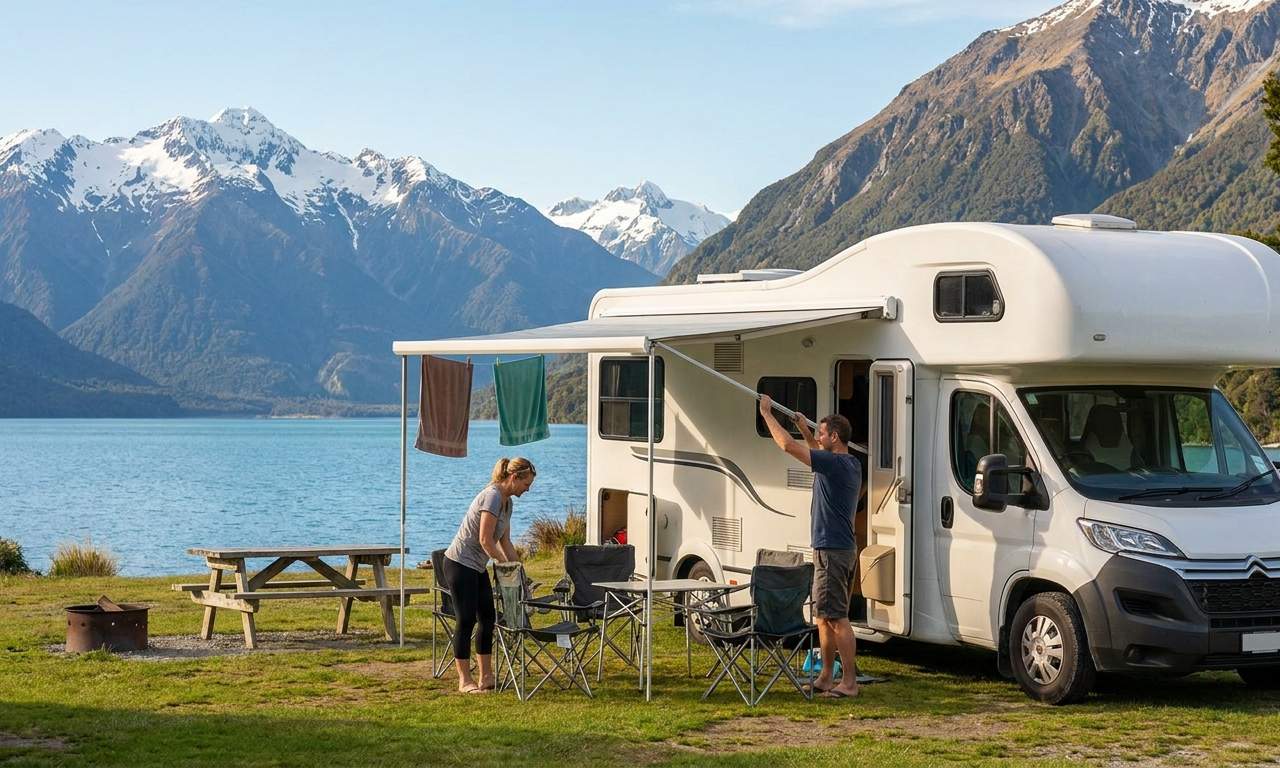
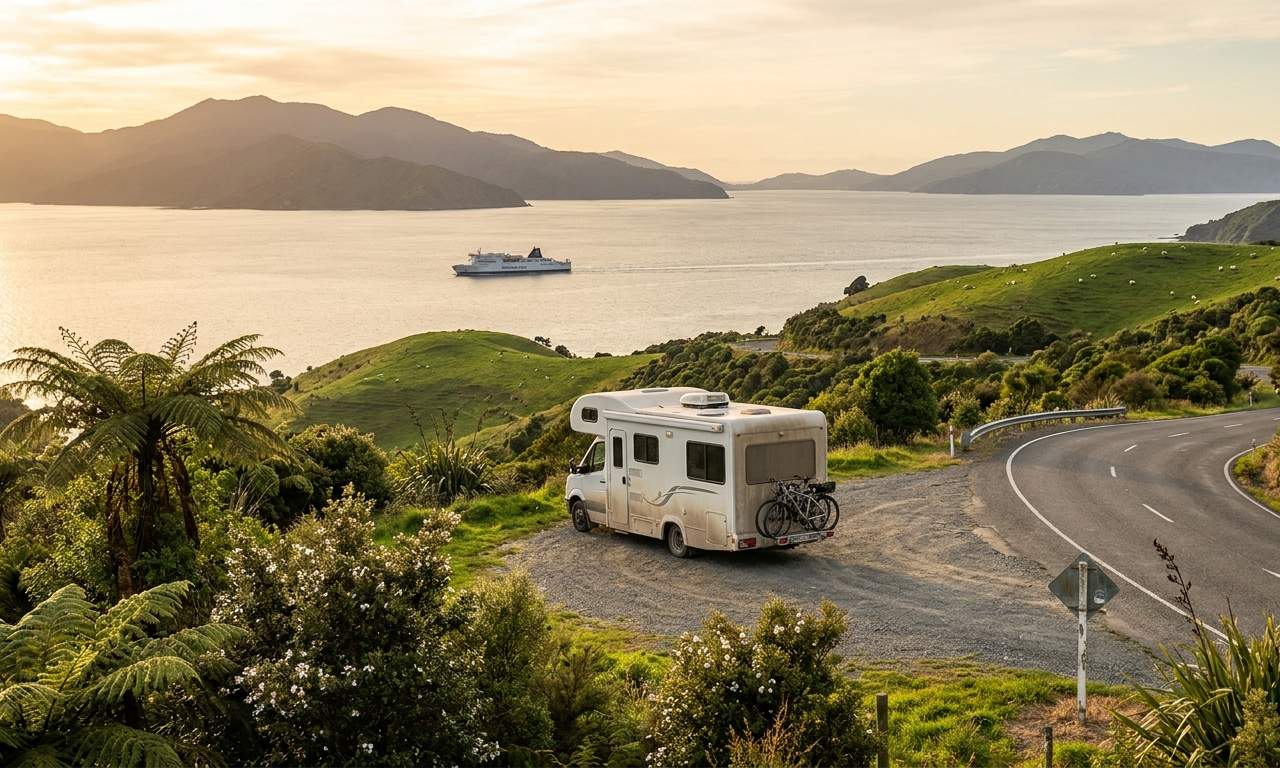
A typical New Zealand RV itinerary effectively covers both North and South Islands over 14-25 days, or allows for a detailed exploration of one island over 7 days, aiming for approximately 100-150 km (60-90 miles) of daily travel. This recommended pace encourages slow travel, allowing you to truly feel the place, connect to the culture, savor the food, and immerse yourself in the stunning scenery.
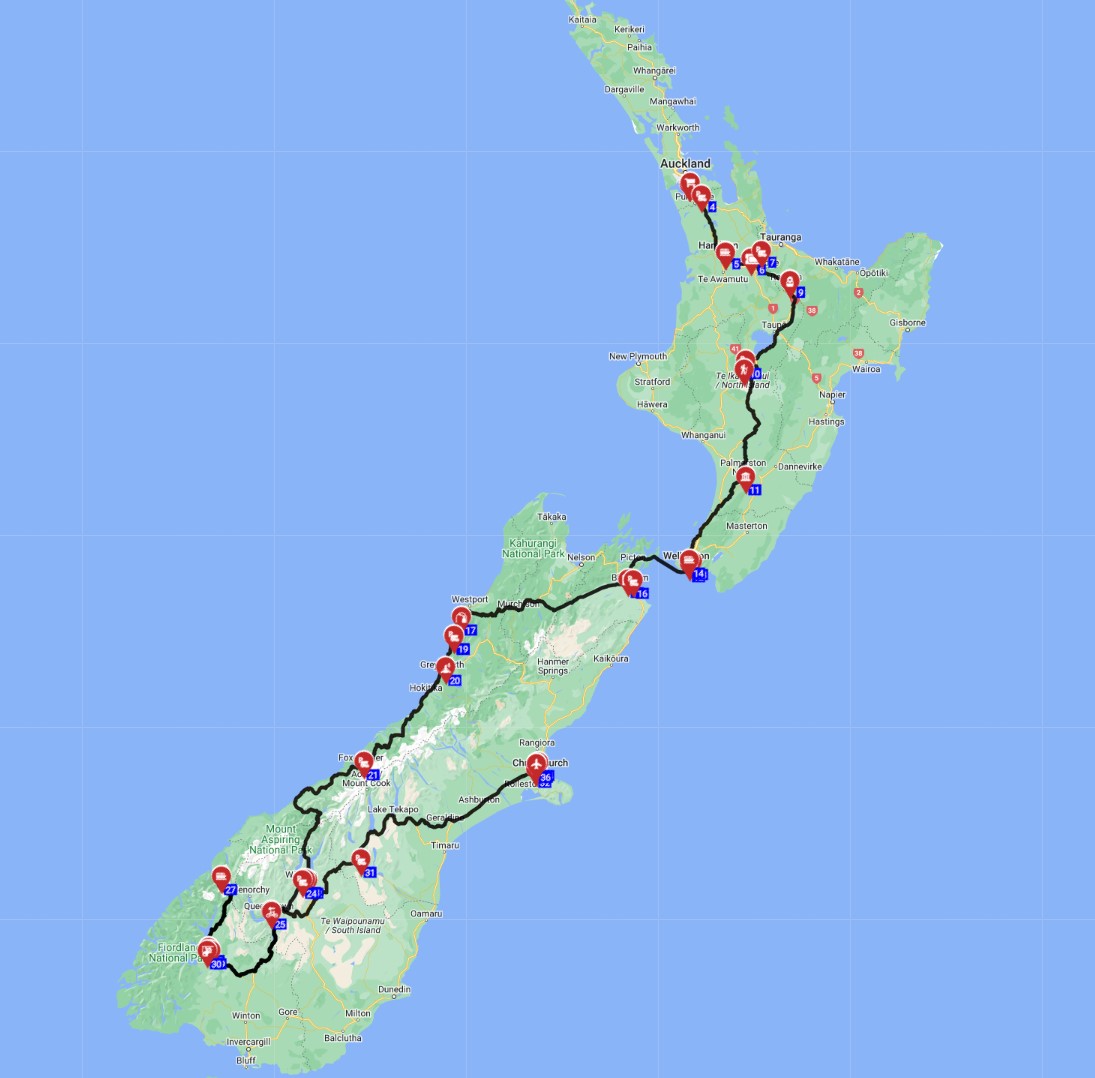
For those embarking on a comprehensive North to South Island journey, an Auckland to Christchurch route can span over 4,000 km, taking you through diverse landscapes from volcanic plateaus to majestic fiords. While summer offers warmer temperatures and longer daylight hours, the shoulder seasons (spring: September-November, autumn: March-May) often provide fewer crowds and pleasant weather, making them excellent times for an RV rental. For winter, focus on the South Island for incredible snow sports and dramatic, clear-sky scenery, remembering to pack cold weather bedding and emergency supplies.
We're true RV specialists, not just a travel agency side department, and we’re with you before, during, and after your booking, ensuring a smooth adventure with top-level deductible reimbursement for added peace of mind.
7-Day Classic Route in New Zealand
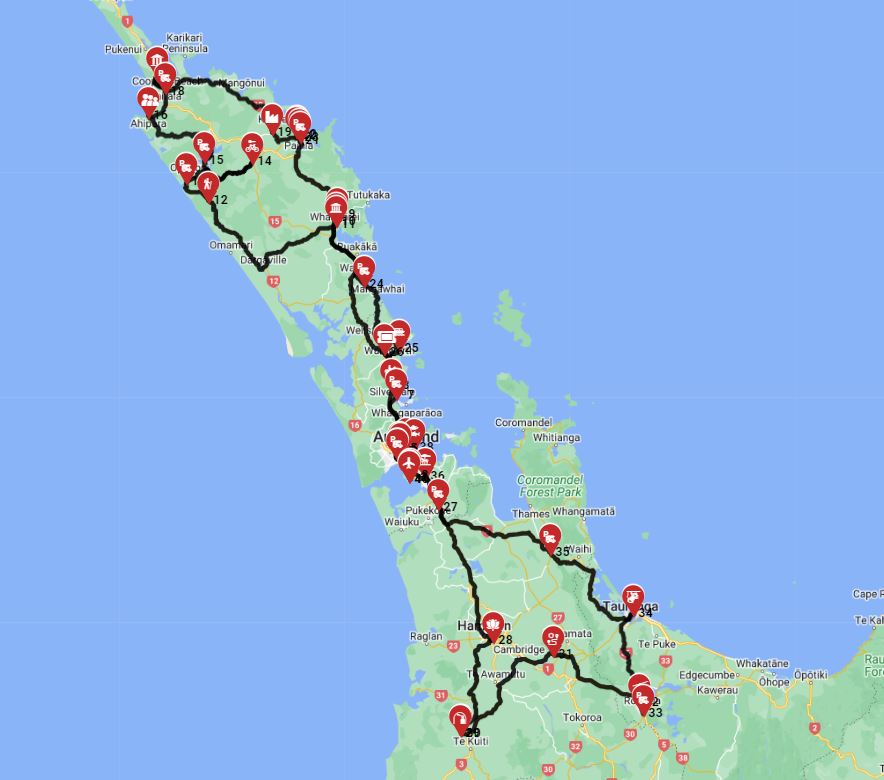
This 7-day North Island itinerary provides a wonderful taste of New Zealand's diverse landscapes, largely adhering to the recommended daily driving limits for a relaxed and enjoyable pace. Remember that you’ll find a spot at a campground; if not at the first one, then the next. Always call ahead before driving.
- Day 1: Auckland → Coromandel Peninsula (Whitianga) (approx. 190 km / 118 miles): Begin your journey from Auckland, driving to the stunning Coromandel Peninsula. Highlights include digging your own spa pool at Hot Water Beach and exploring the iconic Cathedral Cove. Spend the night at a designated campground near Whitianga or Hahei.
- Day 2: Coromandel → Rotorua (approx. 180 km / 112 miles): Traverse scenic countryside to Rotorua, famous for its intense geothermal activity and rich Māori culture. Explore the geysers and mud pools at Te Puia or wander through the majestic Redwoods Whakarewarewa Forest. Park your rented RV at Rotorua Thermal Holiday Park.
- Day 3: Rotorua → Taupo (approx. 80 km / 50 miles): A short, picturesque drive leads to Lake Taupo, New Zealand's largest lake. Witness the powerful Huka Falls and explore the unique Craters of the Moon geothermal walk. Taupo DeBretts Spa Resort is an excellent overnight stop.
- Day 4: Taupo → Tongariro National Park (Whakapapa Village) (approx. 100 km / 62 miles): Head south to the dual World Heritage site of Tongariro National Park. Enjoy short walks like the stunning Taranaki Falls track amidst volcanic scenery. Whakapapa Holiday Park provides a convenient camping spot.
- Day 5: Tongariro → Waitomo Caves (approx. 180 km / 112 miles): Journey west to the Waitomo region, renowned for its spectacular glowworm caves and subterranean adventures. Explore the Waitomo Glowworm Caves or Ruakuri Cave. Waitomo Caves Campground is ready for your mobile home.
- Day 6: Waitomo Caves → Raglan (approx. 80 km / 50 miles): Drive to the relaxed surf town of Raglan on the west coast. Enjoy its black sand beaches, vibrant surf culture at Manu Bay, or visit the beautiful Bridal Veil Falls. Raglan Holiday Park offers a perfect place to settle for the night.
- Day 7: Raglan → Auckland (approx. 150 km / 93 miles): Conclude your campervan journey by returning to Auckland for vehicle drop-off or further city exploration. This route offers a diverse experience without excessive daily driving, making it perfect for a week-long trip.
14-Day Extended Journey in New Zealand
This 14-day South Island-focused itinerary allows for a deeper exploration of its iconic landscapes, thoughtfully paced with an average daily driving distance of 150 km (93 miles) for a true slow travel experience. Many national and state parks reserve 25-30% of spots for first-come-first-serve campers, so you'll always find a spot.
- Days 1-2: Christchurch & Canterbury Plains
- Day 1: Christchurch to Geraldine (approx. 140 km): Explore Christchurch city sights, then head to the charming country town of Geraldine. Sleep at Geraldine Holiday Park.
- Day 2: Geraldine to Lake Tekapo (approx. 100 km): Continue inland to the picturesque Lake Tekapo, renowned for its turquoise waters and the iconic Church of the Good Shepherd. Find your spot at Lake Tekapo Holiday Park.
- Days 3-5: Aoraki/Mt Cook & Central Otago
- Day 3: Lake Tekapo to Twizel & Mt Cook (approx. 60 km + day trip): Venture to the majestic Aoraki/Mt Cook National Park for stunning hiking opportunities, then return to Twizel for the night. Twizel Holiday Park awaits your rented RV.
- Day 4: Twizel to Wanaka (approx. 150 km): Enjoy the stunning drive via Lake Pukaki and Lindis Pass to Wanaka. Explore the famous Wanaka Tree and the mind-bending Puzzling World. Settle into Wanaka Holiday Park.
- Day 5: Explore Wanaka (0 km): Dedicate a full day to enjoy Wanaka's beautiful lakeside activities, various hiking trails, or simply relaxing by the lake. Stay another night at Wanaka Holiday Park.
- Days 6-8: Queenstown & Fiordland
- Day 6: Wanaka to Queenstown (approx. 70 km): A short, incredibly scenic drive over the Crown Range Road (or via Cromwell) leads to Queenstown, the adventure capital. Queenstown Holiday Park is a great base.
- Day 7: Queenstown to Te Anau (approx. 170 km): Journey through stunning landscapes to Te Anau, the welcoming gateway to Fiordland National Park. Te Anau Holiday Park is ready for you.
- Day 8: Te Anau to Milford Sound (day trip, approx. 240 km return): Experience the iconic Milford Sound with a memorable cruise. This is a longer driving day but an essential excursion. Return to Te Anau Holiday Park.
- Days 9-11: West Coast Glaciers & Punakaiki
- Day 9: Te Anau to Haast (approx. 200 km): A longer drive through remote and wild West Coast scenery, including the spectacular Haast Pass. Haast Holiday Park offers a place to rest.
- Day 10: Haast to Franz Josef Glacier (approx. 150 km): Continue up the West Coast, with opportunities to see ancient rainforests and the impressive Franz Josef Glacier. Overnight at Franz Josef Holiday Park.
- Day 11: Franz Josef to Punakaiki (approx. 220 km): Journey north along the dramatic coastline, stopping at Hokitika Gorge before reaching the iconic Punakaiki Pancake Rocks. Punakaiki Holiday Park is your destination.
- Days 12-14: Buller Gorge & Marlborough
- Day 12: Punakaiki to Murchison (approx. 100 km): Head inland through the impressive Buller Gorge. Murchison Holiday Park offers a quiet overnight stop.
- Day 13: Murchison to Blenheim (approx. 150 km): Drive through picturesque landscapes to Blenheim, the heart of the Marlborough wine region. Enjoy world-class wine tasting experiences. Blenheim Holiday Park is a good choice.
- Day 14: Blenheim to Picton (approx. 30 km): A short drive to Picton, where you can return your motorhome rental or catch the Interislander ferry if continuing to the North Island.
This detailed itinerary provides ample time to explore without feeling rushed, embodying our slow travel philosophy. To ensure your budget stays on track, remember that on RV PLANET routes, you can itemize and track every expense along the way.
Recommended RVPlan Trip for New Zealand
For travelers who appreciate pre-planned routes crafted by professionals, RV PLANET, our sister company, offers expertly designed itineraries for your RV rental in New Zealand. These plans take the guesswork out of trip planning, providing full access to trip-planning software and removing the headache of meticulous organization.
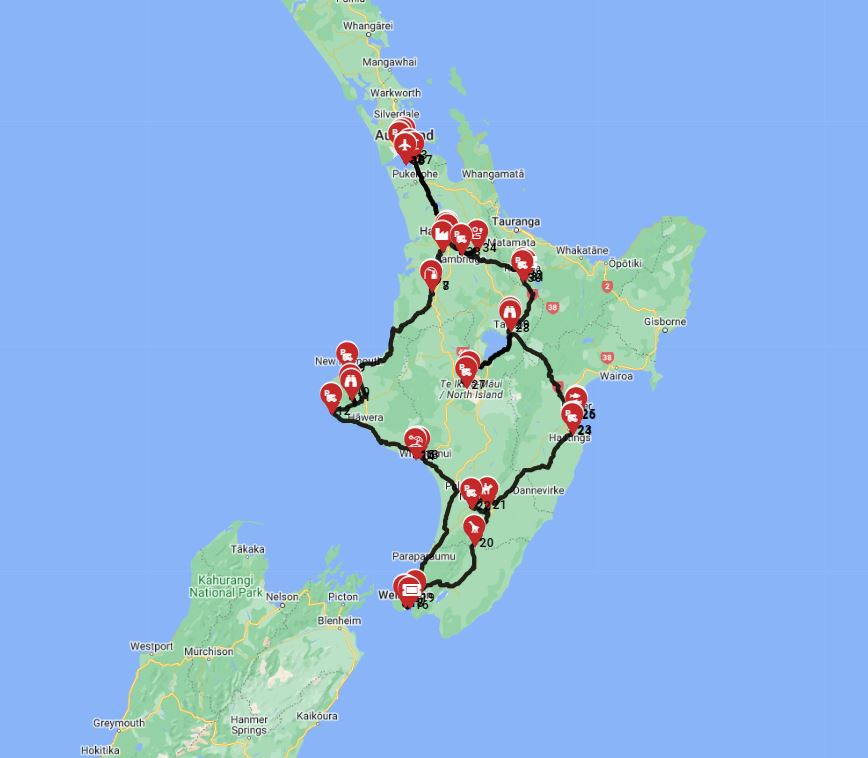
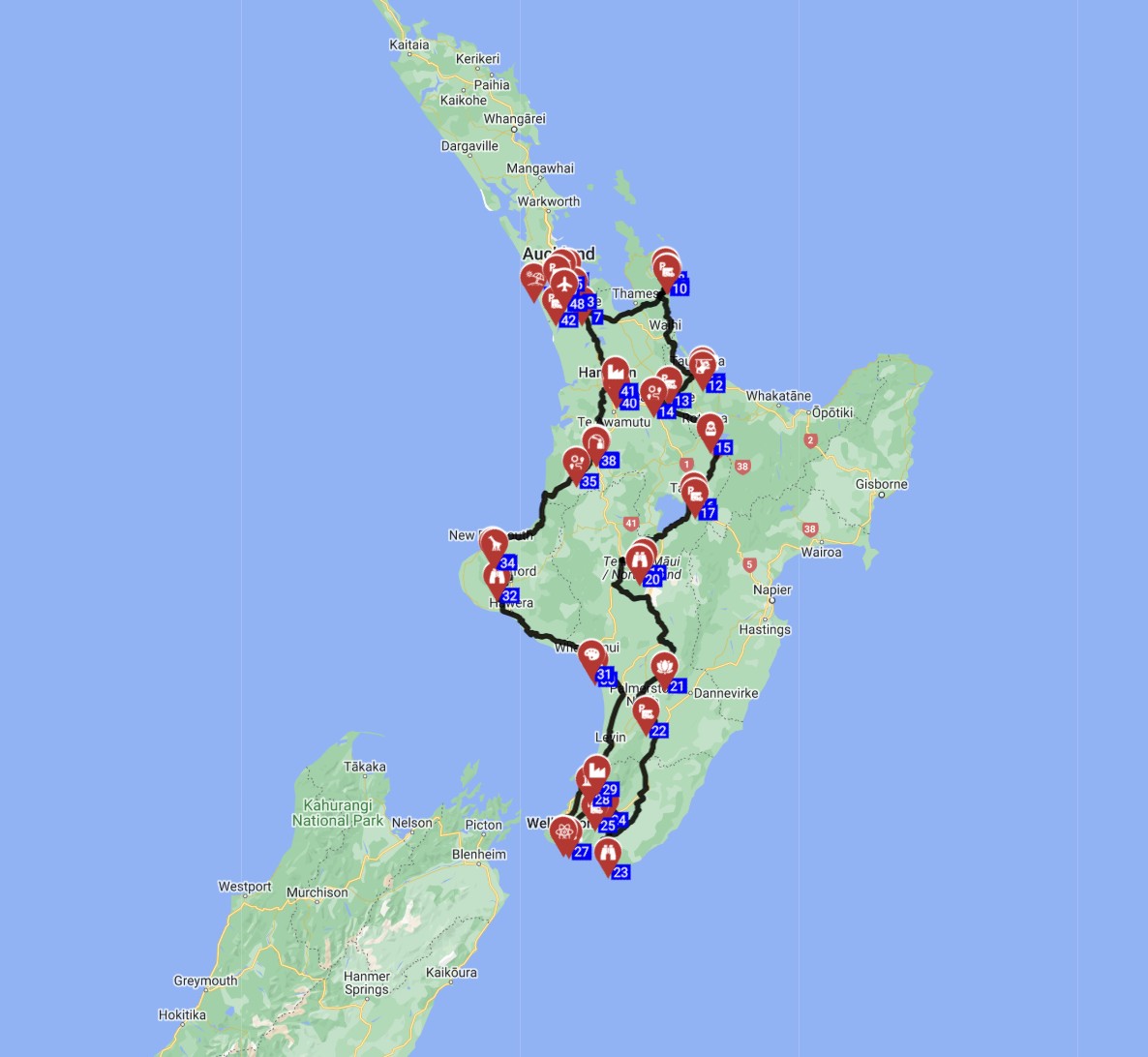
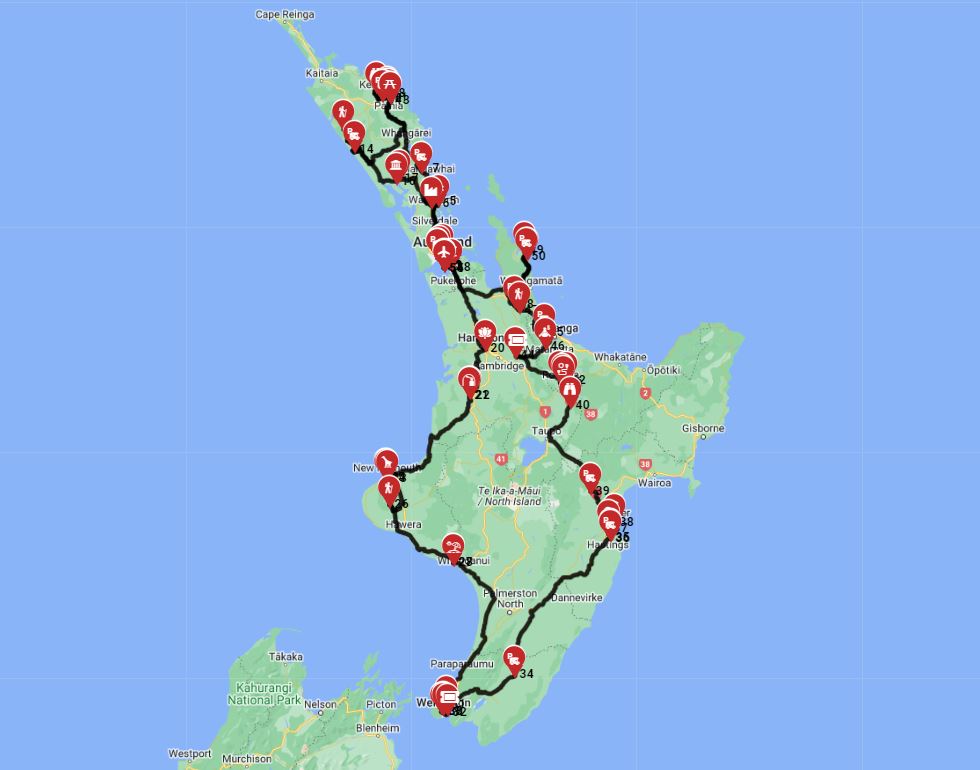
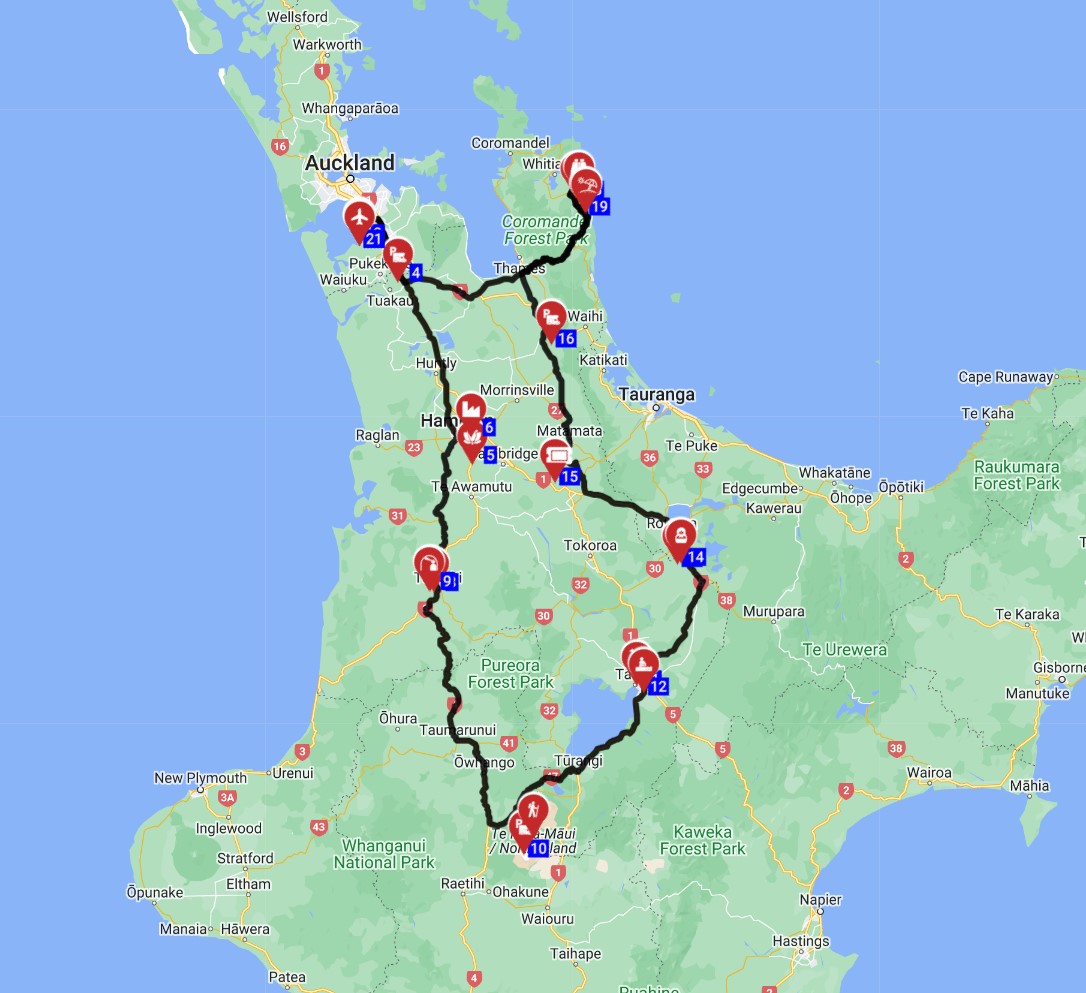
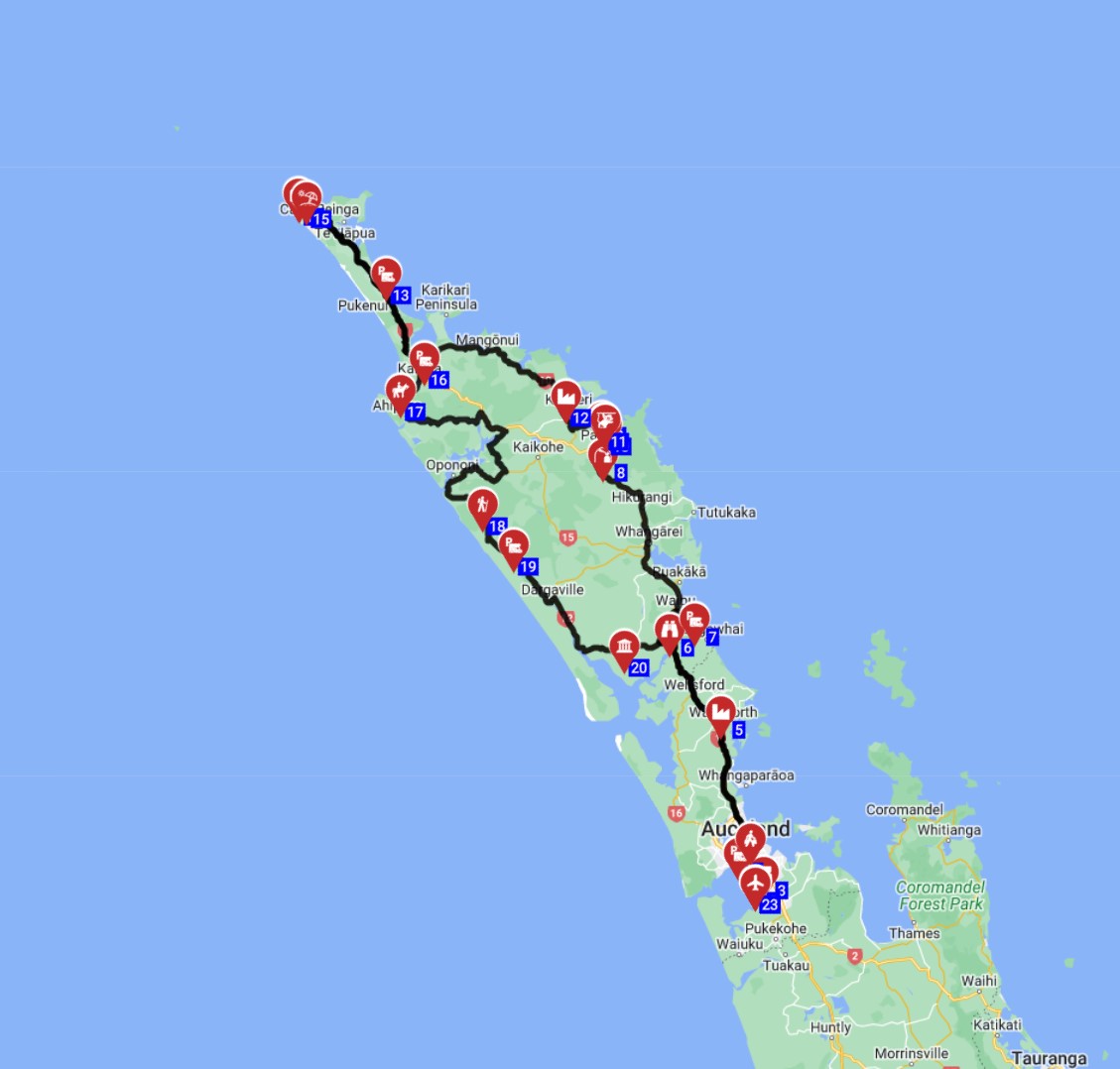
For an extensive exploration, the '
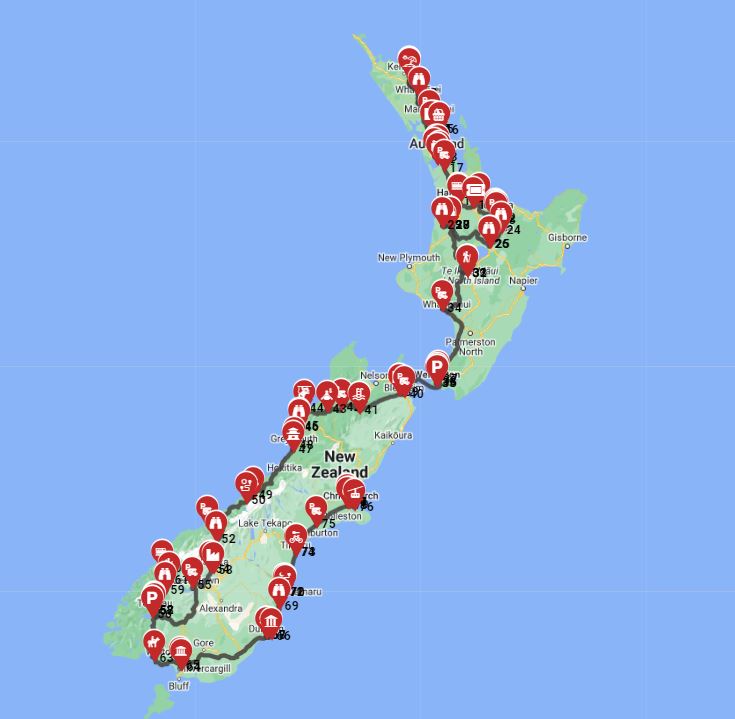
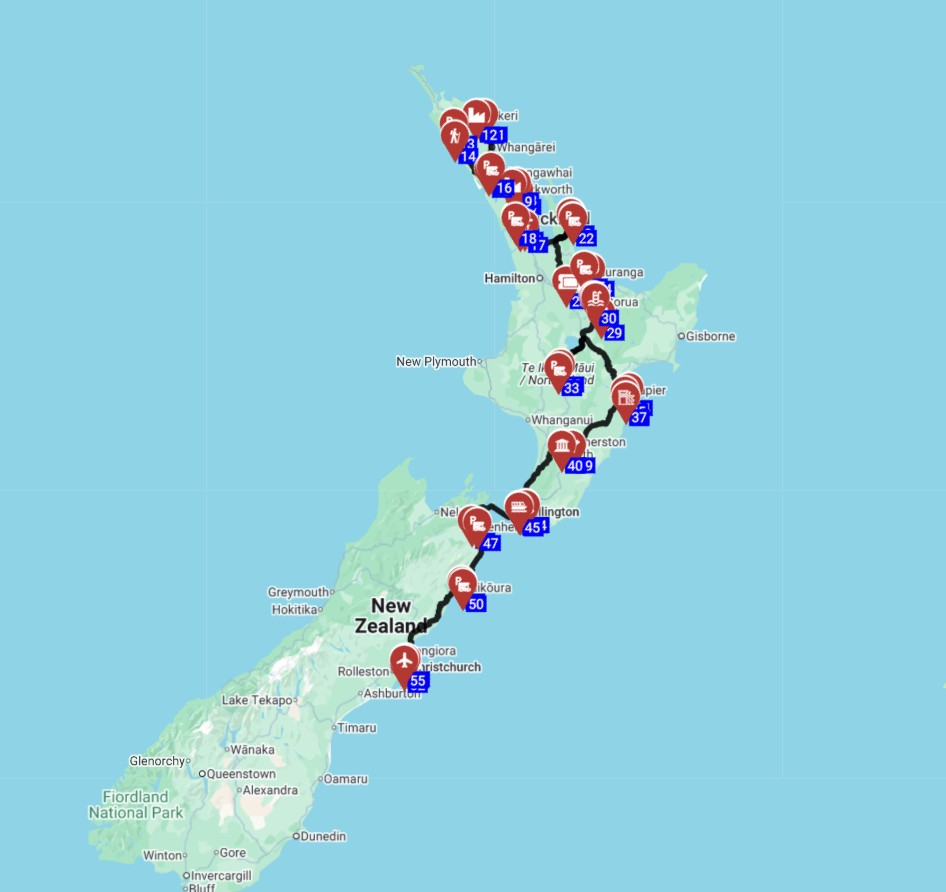
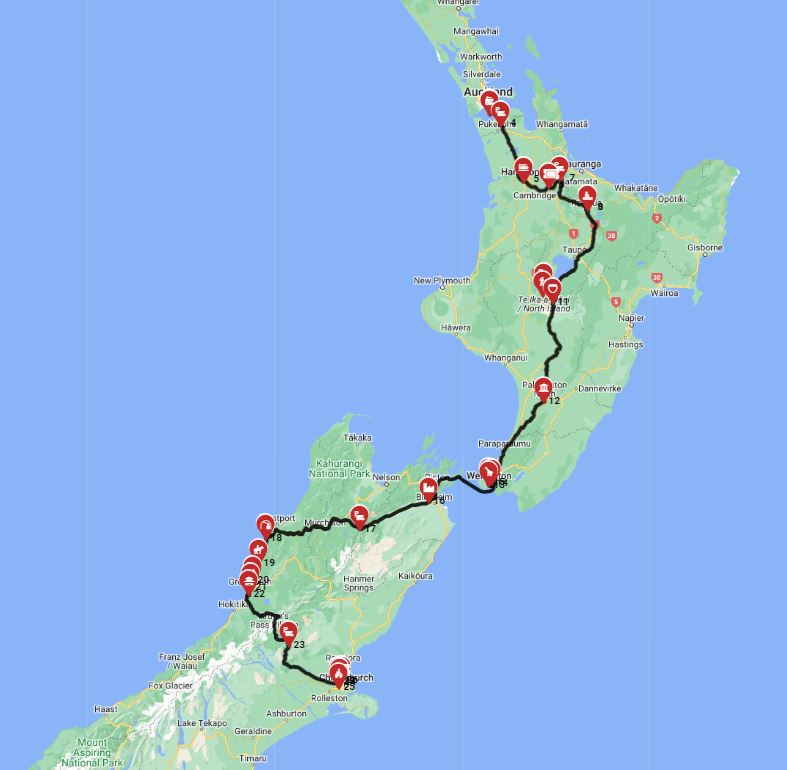
Another popular option is the '
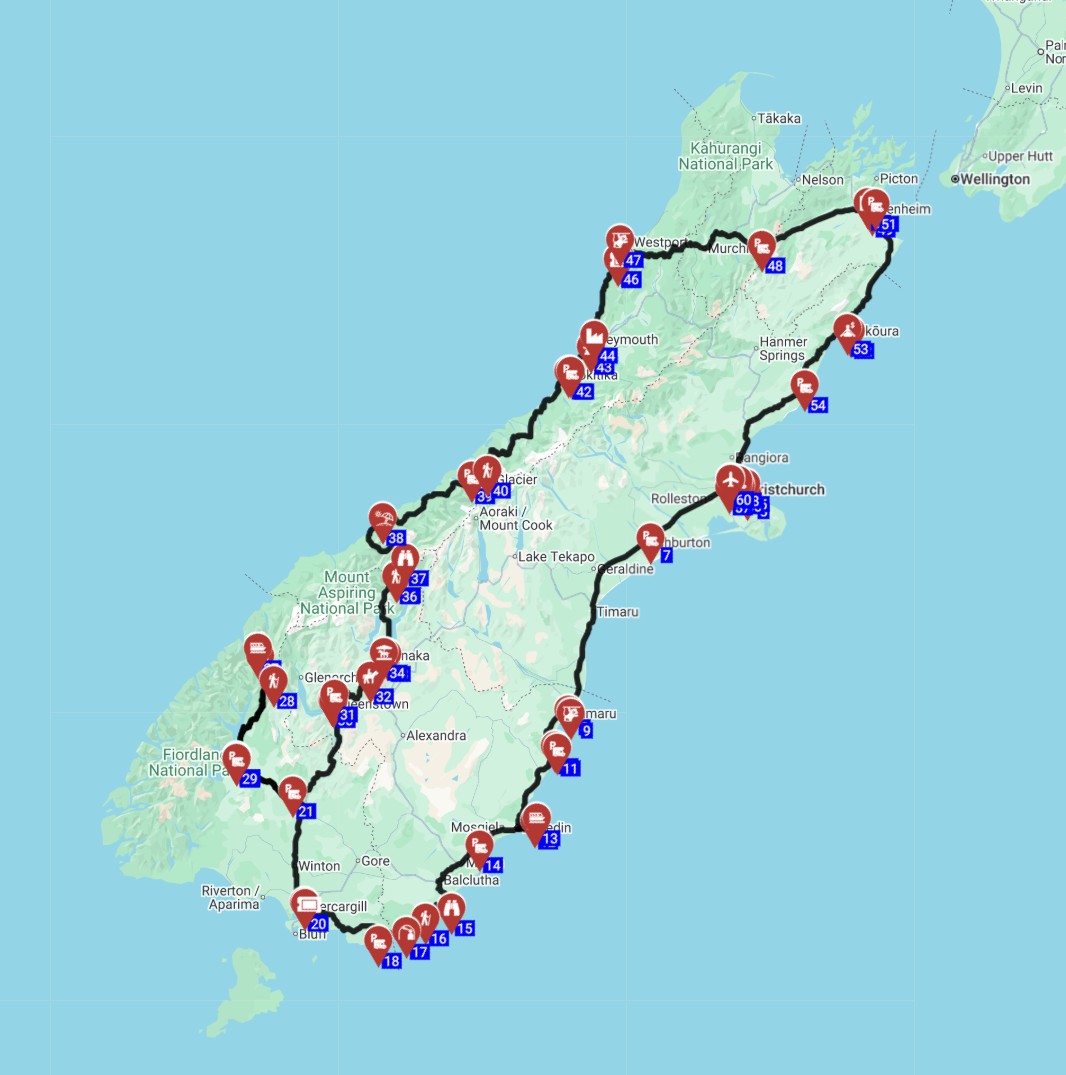
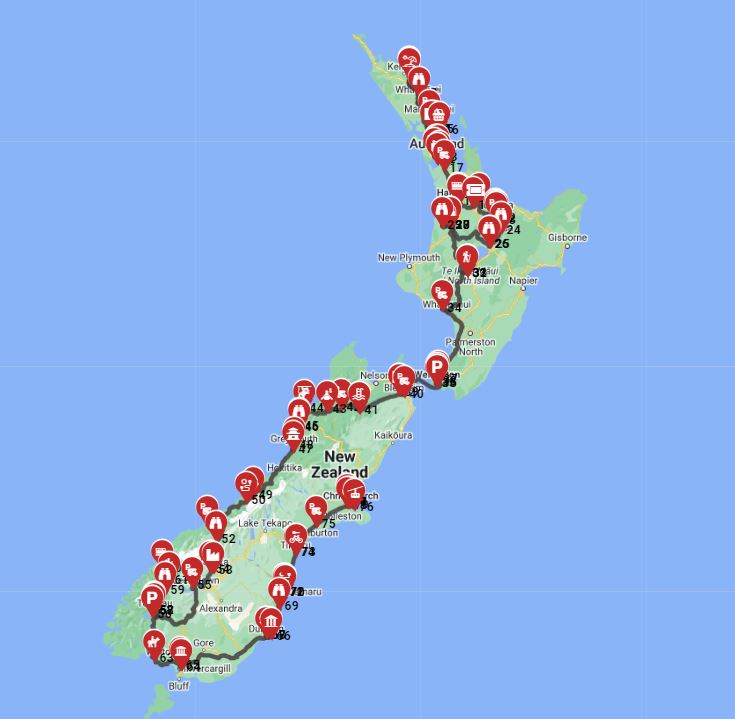
For those looking to explore both islands, the '
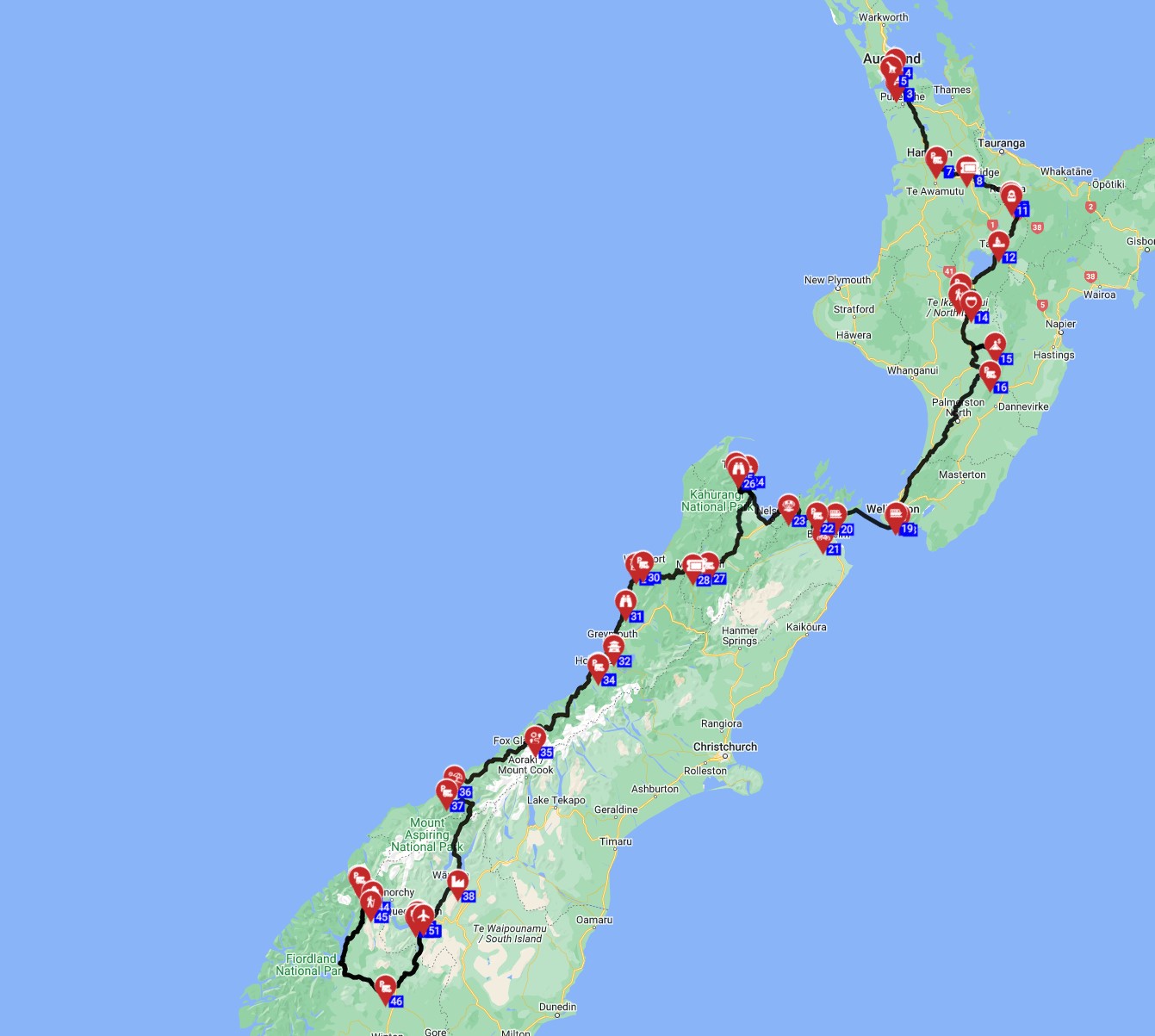
Using RV PLANET routes can also provide a 25% planning discount when you use rvplan.net to craft your perfect itinerary.
Must-See Stops Along the Way (Avi Bandana Picks)
Looking for expert insights from Avi Bandana? Here are Top 5 Adventures – recommendations from Avi Bandana for your RV rental journey in New Zealand, emphasizing a blend of cultural immersion, local experiences, and natural beauty. These picks are designed to enrich your RV PLANET routes and provide truly memorable experiences:
- Waitangi Treaty Grounds (Bay of Islands): A Traditional Visit offering deep insight into New Zealand's founding history and the vibrant Māori culture.
- Matakana Village Farmers Market: A fantastic Traditional Market providing an opportunity to gather fresh regional produce and artisanal goods, perfect for cooking delicious meals in your RV. Find inspiration for your mobile kitchen with our RV-friendly recipes playlist.
- Marlborough Wine Region Wineries: Exploring Local Industry is highly recommended here, offering numerous wineries for tastings and a glimpse into New Zealand's renowned viticulture.
- Rotorua Geothermal Areas: Discover the powerful geothermal energy and unique landscapes, a truly Natural Feature that showcases the Earth's raw power.
- Milford Sound Cruise: An essential Cruise Terminal/Sailing experience, this fiord in the South Island offers dramatic cliffs, waterfalls, and wildlife, a truly awe-inspiring Natural Feature.
For more inspiration, consider checking out an "RV Travel Guide to New Zealand - Tips and Top Spots 2026" to enhance your planning.
Daily Driving Distances & Drive Times in New Zealand
Avi Bandana consistently recommends a maximum of 100 miles or 150 km per day on average when driving a rented RV in New Zealand. This approach encourages travelers to embrace a slow travel philosophy, allowing ample time to fully appreciate the country's stunning scenery without feeling rushed.
Prioritizing shorter daily drives ensures more opportunities to stop at scenic viewpoints, explore hidden gems, and enjoy spontaneous detours, rather than merely rushing between destinations. For instance, the drive from Auckland to Rotorua (approx. 230 km) typically takes around 3 hours, Queenstown to Te Anau (approx. 170 km) is about 2.5 hours, and Christchurch to Lake Tekapo (approx. 230 km) takes roughly 3 hours, not including stops. New Zealand's roads, particularly in mountainous or coastal areas, are often narrow and winding, meaning average speeds can be lower than anticipated, further reinforcing the benefit of conservative daily driving targets. Drive slowly and carefully, and you can drive almost anywhere without issues. No need to stress - just use common sense and pay attention.
Best RV Class for This Itinerary — Couple & Family Picks
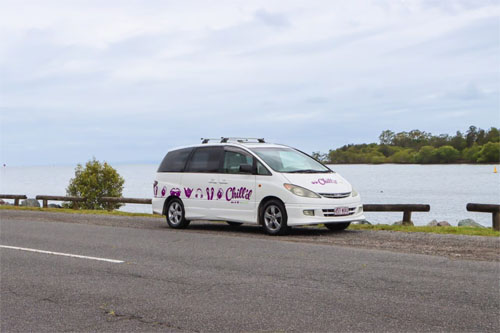
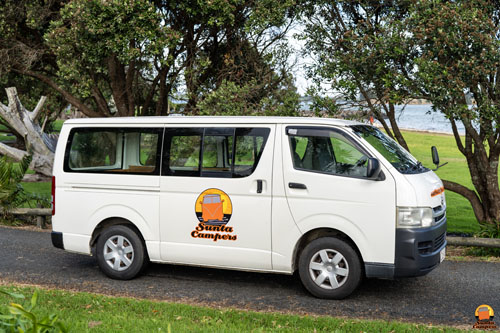
Choosing the right RV class significantly enhances the New Zealand road trip experience, with Bandana offering diverse motorhome and campervan options tailored for different traveler needs. Our direct partnerships with 50+ leading RV suppliers worldwide, including Apollo and Britz, ensure you have a wide selection.
For a Couple: The Class B - Camper Van is an ideal choice, offering agility and efficiency for two travelers navigating New Zealand's varied roads. These campervans, like the "Active Original" or "Juliette 2-3," typically have an average length of 5.8 meters and comfortably sleep 2-3 adults. With common fuel consumption around 8-10 Liters/100 km, they are nimble for tight turns and smaller campgrounds. Many models, such as the "2 Berth Hi Top," are "Winter Ready," perfect for cold-weather routes.
For a Family: The Class C - Alcove motorhome provides ample space and comfort, perfect for families traveling with children. Models like the "Euro Deluxe" or "Koru Star 6 Freedom" average 7.5 meters in length and feature 5-6 sleeping places, accommodating around 4-6 adults. These are suitable for families seeking dedicated sleeping areas and more living space, with fuel consumption typically 10-12 Liters/100 km. Many Class C options, such as the "24' Class C Motorhome" and "29′ Class C Motorhome," also come "Winter Ready" for comfortable cold-season travel.
To streamline your adventure, Rent&Plan offers a unique service combining RV rental with a ready-made itinerary crafted by travel experts, providing full access to trip-planning software and removing the headache of meticulous planning. This means you get a well-organized trip and save money, too, with a 25% planning discount when using rvplan.net.
Is New Zealand RV friendly?
New Zealand is highly RV friendly, offering extensive infrastructure for campervans and motorhomes, though specific regulations for freedom camping and driving conditions require awareness. The country boasts a well-developed network of Department of Conservation (DOC) campsites, private holiday parks, and designated freedom camping spots, making it easy to find overnight accommodation for your rented RV.
RV infrastructure, including dump stations for grey and black water, fresh water points, and rubbish disposal facilities, is readily available throughout popular tourist routes and towns. While private holiday parks offer amenities like powered sites, kitchens, and showers at a cost, DOC sites are often more basic, scenic, and budget-friendly, requiring pre-booking during peak seasons. Understanding and adhering to environmental responsibility and 'leave no trace' principles is crucial for RV travelers to protect New Zealand's pristine natural beauty for future generations. For finding campsites and campgrounds during your trip, we recommend using RV PLANET (rvplan.net) - a great resource for locating available spots along your route. On the routes offered through RV PLANET routes, you can itemize and track every expense along the way for easy budgeting.
Is it easy to drive a motorhome in New Zealand?
Driving a motorhome rental in New Zealand is generally easy, but it requires caution due to narrow, winding roads, one-lane bridges, and mountain passes, especially for larger vehicles. New Zealand drives on the left side of the road, which can be an adjustment for international visitors. Roads are generally well-maintained, but can be steep and winding, particularly in scenic areas, so remember to drive slowly and carefully, and you can drive almost anywhere without issues.
Specific challenges include navigating the numerous one-lane bridges, common in rural and West Coast regions, which require drivers to yield to oncoming traffic. Mountain passes like the iconic Homer Tunnel on the way to Milford Sound also demand careful attention. Some roads, particularly those leading to remote DOC campsites or lesser-known attractions, may be unsealed gravel roads, which require slower speeds and extra care. Always check road conditions, especially during adverse weather or in mountainous regions, as road closures can occur due to snow, ice, or landslides. A standard car driver's license is sufficient for all motorhome classes (Class A, Class B, and Class C) in New Zealand, and an International Driving Permit (IDP) is recommended for visitors from non-English-speaking countries but is not mandatory in most cases.
Can I park my motorhome anywhere in New Zealand?
No, you cannot park your motorhome rental anywhere in New Zealand; parking and sleeping rules are strict, especially for freedom camping, and require adherence to self-containment regulations and designated sites. Freedom camping is permitted only in specified areas for vehicles certified as self-contained, meaning they have a toilet, wastewater tank, and rubbish facilities for at least three days.
Local council bylaws strictly dictate where freedom camping is allowed, often prohibiting it in urban areas, popular tourist spots, or environmentally sensitive locations. Non-self-contained vehicles are restricted to commercial campsites, holiday parks, or designated DOC campsites that provide toilet facilities. Failing to comply with freedom camping rules can result in significant fines (up to NZD $400) and negative impacts on the environment and local communities, underscoring the importance of responsible waste management for grey water, black water, and rubbish in a rented RV. Always look for clear signage and consult local visitor information centers to avoid issues. Remember, our philosophy at Bandana is full transparency: no hidden fees, no surprises, which extends to understanding local rules!
Is it worth getting a campervan in New Zealand?
Getting a campervan rental in New Zealand is generally considered highly worthwhile, offering unparalleled flexibility, direct access to stunning natural landscapes, and often cost savings compared to car rental and hotel stays, especially for longer trips. A rented RV provides the freedom to change itineraries spontaneously, pull over at breathtaking viewpoints for a scenic break, and stay in beautiful, remote locations not always accessible via traditional accommodation.
A cost-benefit analysis often reveals that while the initial RV rental might seem higher than a car, the significant savings on accommodation and dining out can make it a more economical option, particularly for families or extended journeys. Campervan travel allows for a deeper immersion into New Zealand's outdoors, enabling travelers to wake up to stunning views and enjoy the tranquility of nature. The ability to cook your own meals in an RV significantly reduces food expenses, contributing to overall budget savings. With over 25 years helping tens of thousands of travelers explore the world by RV, we confidently say it’s an incredible way to experience New Zealand.
What is the 333 rule for campervan?
The '333 rule' for campervans in New Zealand is an unofficial but widely adopted guideline for responsible freedom camping, recommending campers stay no more than 3 nights in one spot, drive at least 3 kilometers away before re-parking, and leave 3 meters distance from any other vehicle or permanent structure. While not a legal requirement, adhering to the '333 rule' promotes sustainable tourism, minimizes environmental impact, and ensures fair access to popular freedom camping spots for all travelers.
This guideline helps prevent overcrowding, reduces the strain on local infrastructure, and encourages responsible behavior when enjoying New Zealand's natural beauty. Always ensure your vehicle is certified self-contained when freedom camping, as this is a legal requirement. Properly managing grey water, black water, and rubbish by using designated dump stations and bins is essential. Understanding and respecting this informal rule, alongside official regulations, is key to a positive and sustainable RV travel experience in New Zealand, making sure everyone can enjoy its pristine landscapes.
What month is the best month to go to New Zealand?
The best month to visit New Zealand largely depends on your desired activities, with shoulder seasons (spring: September-November and autumn: March-May) often offering a good balance of pleasant weather, fewer crowds, and decent availability for a motorhome rental. Summer (December-February) provides the warmest temperatures, longest daylight hours, and ideal conditions for beaches, hiking, and water sports, but it's also the busiest and most expensive time, requiring bookings well in advance.
Winter (June-August) is perfect for snow sports in the South Island's ski fields, such as those near Queenstown and Wanaka. While winter brings colder temperatures and shorter days, and potential road closures due to snow in alpine passes (always check forecasts!), many RVs are "Winter Ready" with good heating systems for a comfortable experience. Winter RV travel requires specific cold weather bedding and emergency supplies. Spring offers blooming landscapes, lambing season, and good conditions for hiking, while autumn showcases vibrant fall foliage and stable weather, both providing a quieter experience than summer. Consider how weather impacts driving conditions and road closures, especially for longer RV itineraries, and pack accordingly with essential RV-specific gear like insect repellent for sandflies, particularly during warmer months.
Can you sleep anywhere in a campervan in New Zealand?
No, you cannot sleep anywhere in a campervan in New Zealand; strict regulations govern where overnight parking is permitted, primarily restricting it to designated campgrounds, holiday parks, or approved freedom camping sites for certified self-contained vehicles. The misconception of being able to sleep 'anywhere' often leads to fines and disrupts local communities, emphasizing the importance of researching and planning your overnight stops for your motorhome rental.
Only vehicles with a 'self-contained' certification, displaying a blue sticker, are allowed to freedom camp in areas where it is expressly permitted by local council bylaws, ensuring responsible management of waste (grey water, black water, rubbish). Many popular tourist areas have specific 'no overnight parking' zones, and these are strictly enforced. Always look for signage and consult local visitor information centers to confirm legal overnight spots. Utilizing resources like the CamperMate app or the Department of Conservation website can help identify legal and appropriate overnight parking options, including DOC campsites and private holiday parks. Booking several months in advance for peak season, especially in popular spots, is always a good strategy, though many campgrounds also offer first-come-first-serve sites.
Is a campervan a good way to see New Zealand?
A campervan rental is an excellent way to see New Zealand, providing the freedom to explore remote locations, adapt itineraries spontaneously, and immerse oneself in the country's diverse landscapes at a relaxed pace. The self-sufficiency of a mobile home allows travelers to reach areas off the main tourist routes, access scenic DOC campsites, and enjoy unparalleled proximity to nature, fostering a truly authentic travel experience.
Compared to traditional car rental and hotel stays, a campervan often offers a more integrated travel experience, combining transport and accommodation into one flexible package. RV travel offers a unique sense of adventure and independence, enabling travelers to tailor their journey to their interests, whether it's hiking, photography, or simply enjoying the breathtaking views. The comprehensive RV infrastructure, including readily available dump stations and fresh water points, further supports the convenience and viability of campervan travel throughout New Zealand. With Bandana RV, we provide pre-booking comparison and booking support, ensuring you find the ideal campervan to make your New Zealand adventure a reality.
What should I not miss in New Zealand?
When exploring New Zealand by RV rental, you should not miss iconic natural wonders like Milford Sound with its dramatic fiords, the geothermal areas of Rotorua showcasing vibrant Maori culture, the stunning beaches and hidden coves of the Coromandel Peninsula, the challenging yet rewarding Tongariro Alpine Crossing, and the adventure capital of Queenstown. These destinations offer a diverse range of experiences.
In the North Island, the Waitomo Glowworm Caves provide a magical subterranean experience, while the vibrant Māori cultural experiences in Rotorua offer deep insights into indigenous heritage. The South Island's must-sees include the dramatic landscapes of Fiordland National Park (Milford Sound), the glacial valleys of Franz Josef and Fox Glaciers, and the serene beauty of Lake Wanaka and Lake Tekapo. Tailored RV itineraries should also incorporate scenic drives such as the rugged West Coast Road, known for its dramatic beauty and the Punakaiki Pancake Rocks. Don't forget to plan for the Interislander or Bluebridge ferry crossing between the North and South Islands if your journey spans both. Look for opportunities for local industry visits, such as the Marlborough wine region, and traditional markets like the Matakana Village Farmers Market for authentic Kiwi experiences. For an even more tailored experience, consider planning with rvplan.net to discover routes that fit your interests perfectly.
What You Shouldn't Miss
New Zealand offers an incredible array of experiences for RV travelers. Beyond the well-trodden paths, some spots truly capture the essence of this magical land:
- Milford Sound: A cruise through this majestic fiord, often called the "Eighth Wonder of the World," is non-negotiable. The sheer scale of its cliffs and waterfalls is simply breathtaking.
- Rotorua's Geothermal Wonderland: Immerse yourself in Māori culture and witness the powerful geysers and bubbling mud pools. It's an sensory experience unlike any other.
- Queenstown's Adventure Hub: Whether it's bungee jumping, jet boating, or simply taking a scenic gondola ride, Queenstown delivers an adrenaline rush surrounded by stunning Southern Alps scenery.
- Lake Tekapo & Aoraki/Mt Cook: The turquoise waters of Lake Tekapo and the starry nights at an International Dark Sky Reserve are unforgettable. Explore the tracks around New Zealand's highest peak, Aoraki/Mt Cook, for dramatic alpine views.
- Franz Josef Glacier: Witness the powerful, dynamic beauty of this accessible glacier on the West Coast. Heli-hikes offer an unparalleled perspective.
- Coromandel Peninsula: Dig your own hot pool at Hot Water Beach or kayak to Cathedral Cove. It's a coastal paradise perfect for a relaxed RV stop.
Looking for expert insights from Avi Bandana? Top 5 Adventures — recommendations from Avi Bandana.
Final Thoughts
Exploring New Zealand by RV rental in winter offers a truly magical experience, from snow-dusted mountains to steamy geothermal pools, all from the comfort of your mobile home. It's an adventure that promises stunning landscapes, unique challenges, and the kind of flexibility that only RV travel can provide. Remember to embrace the local rules, plan your stops, and take your time to soak in every moment.
At Bandana RV, we're passionate about making your RV dreams a reality. We provide the transparent booking process, expert knowledge, and supportive service you need to embark on this incredible journey. Whether you're a seasoned RVer or a first-timer, New Zealand in winter awaits your discovery.
So, what are you waiting for? Get inspired for your next trip! Discover top destinations, planning tips, all in one place! Plan a trip itinerary in advance with minimal effort and maximum enjoyment.