In This Guide
- Can You Drive an RV in New Zealand? License & Age Rules
- Road Conditions & Terrain in New Zealand
- RV Size Limits, Bridges & Restricted Zones
- Fuel: Diesel vs. Petrol & Cost per 100 km
- Tolls, Vignettes & Border Rules
- Driving Tips for RV Rental Travelers
- Recommended RV Class for New Zealand Roads
- Should I Choose a Compact Van Instead of a Large RV in New Zealand?
- Can I Park Anywhere? Free & Wild Camping Rules in New Zealand
- Can I Drive an RV Into the City Center? Heights, Tunnels & Local Signage
- What is the 4 second rule in New Zealand?
- Is it difficult for Americans to drive in New Zealand?
- What is the 333 rule for campervan?
- Who insures motorhomes in NZ?
- How much does it normally cost to insure an RV?
- What You Shouldn't Miss
- Why Book with Bandana Caravan
- Final Thoughts
- Frequently Asked Questions
Winter RV driving in New Zealand offers a truly magical experience, transforming the already stunning landscapes into snow-dusted wonderlands. While it presents unique considerations, with the right preparation and knowledge, your winter motorhome adventure will be safe, comfortable, and unforgettable. Bandana RV, with over 20 years of experience helping tens of thousands of travelers explore the world by RV, is here to provide you with all the insights you need for a fantastic trip. For live availability and current prices, start with our RV Rental New Zealand - Complete Guide 2026 guide.
Can You Drive an RV in New Zealand? License & Age Rules
Yes, most international visitors can comfortably drive an RV in New Zealand, provided they hold a valid driver's license from their home country and, if their license is not in English, an International Driving Permit (IDP). A Class 1 license, which is a standard car driver's license, is typically all you need for motorhomes with a Gross Laden Weight (GLW) up to 3,500 kg, covering the vast majority of rental campervans and Class C motorhomes. Drivers must be at least 21 years old to rent an RV through Bandana RV, with no additional young driver surcharges.
It's always a good idea to carry your physical driver's license and your IDP (if required) at all times while driving. New Zealand authorities recognize valid overseas driving licenses for up to 12 months from the date of entry, but the IDP ensures a smoother experience for translation purposes. Our full transparency commitment means you'll know all license and age requirements upfront, with no hidden surprises when you book your perfect New Zealand RV rental.
Road Conditions & Terrain in New Zealand
New Zealand's roads are generally well-maintained, but they are incredibly diverse, featuring everything from open highways to narrow, winding mountain passes and occasional gravel sections, especially in rural and scenic areas. During winter, these conditions can include ice and snow, particularly in the South Island's high country and on mountain passes like the Lindis Pass or Arthur's Pass, requiring additional caution. Drivers should prepare for single-lane bridges throughout the country, requiring reduced speeds and careful navigation, always observing "Give Way" signage. The key to enjoying New Zealand's landscapes is to travel slowly, allowing ample time for your journey and embracing the scenic beauty at every turn, rather than rushing. Remember to pack warm clothing and have snow chains readily available for mountain passes in winter if advised or required.
RV Size Limits, Bridges & Restricted Zones
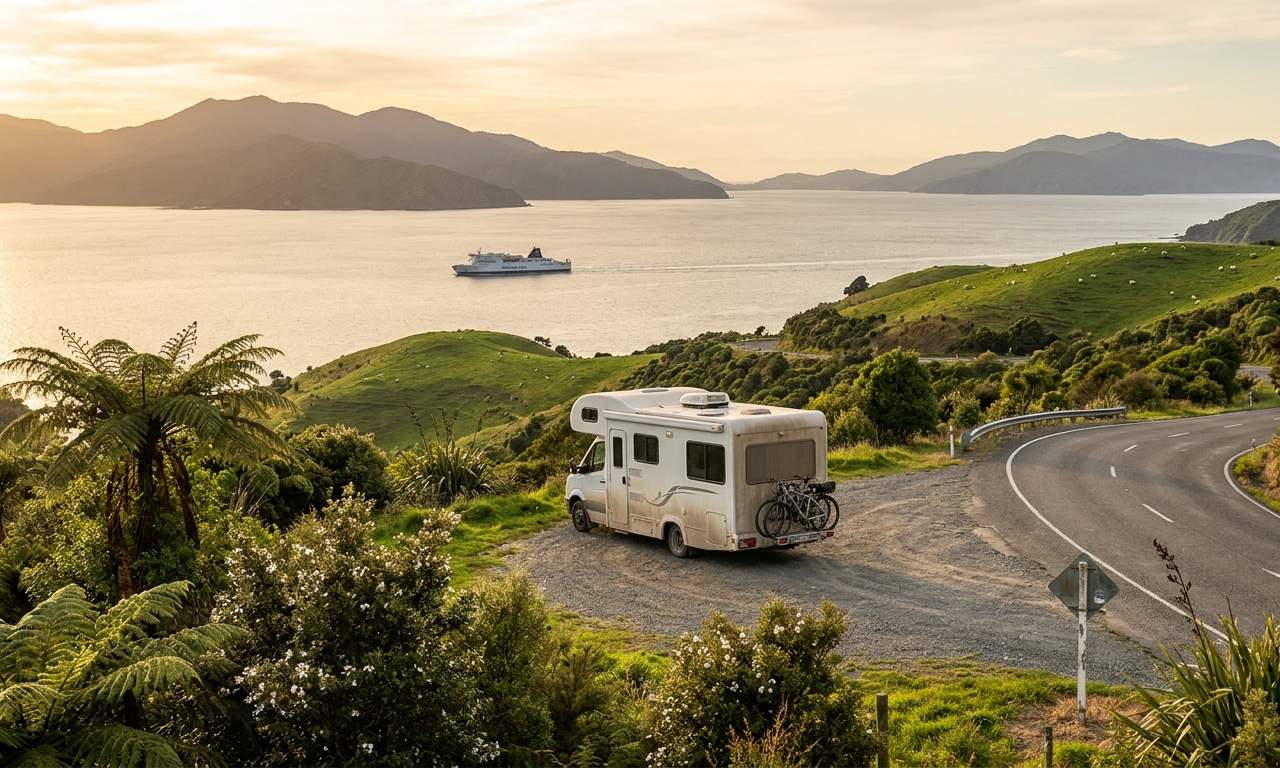
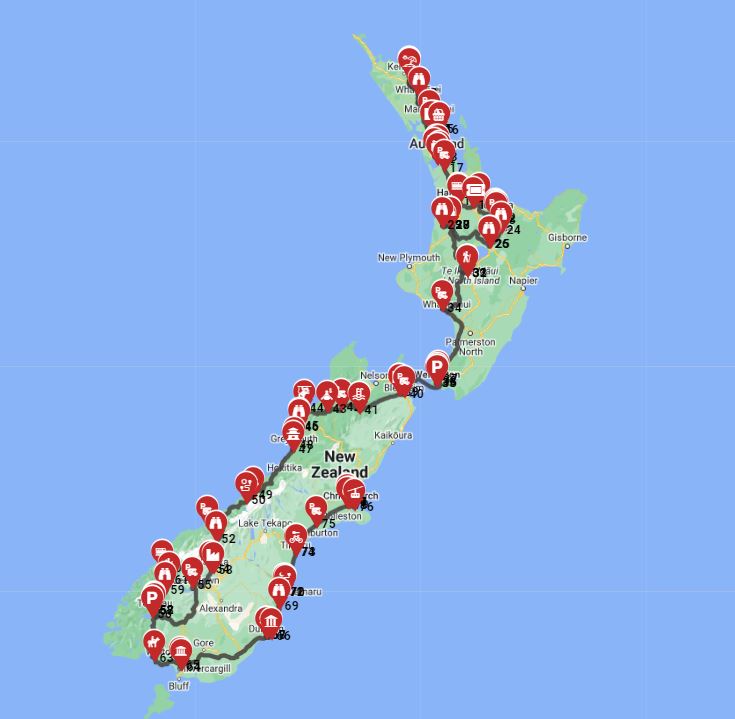
Most rental RVs are perfectly suited for New Zealand's road network, but drivers must remain mindful of their vehicle's height and length, especially when encountering low bridges, certain tunnels, and urban car parks. For instance, the iconic road to Milford Sound includes the Homer Tunnel, which is generally accessible by standard RVs, but always check for specific dimensions. When planning an inter-island adventure, accurate RV dimensions are essential for booking ferry services between the North and South Islands to ensure proper space allocation and correct pricing. Our team of true RV specialists is here to assist with any questions about vehicle specifications before you book.
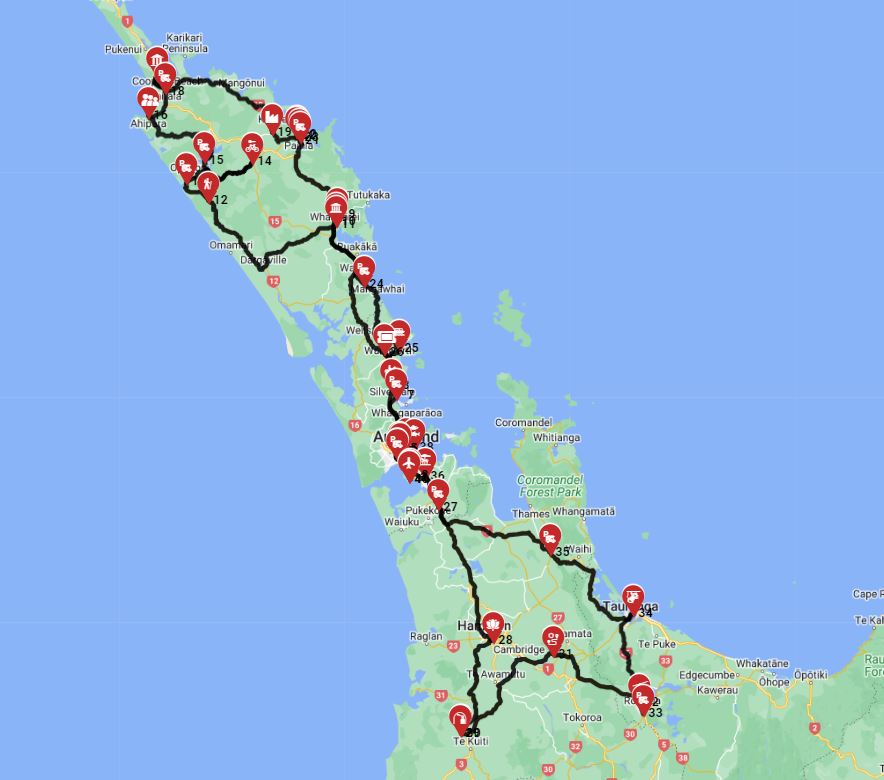
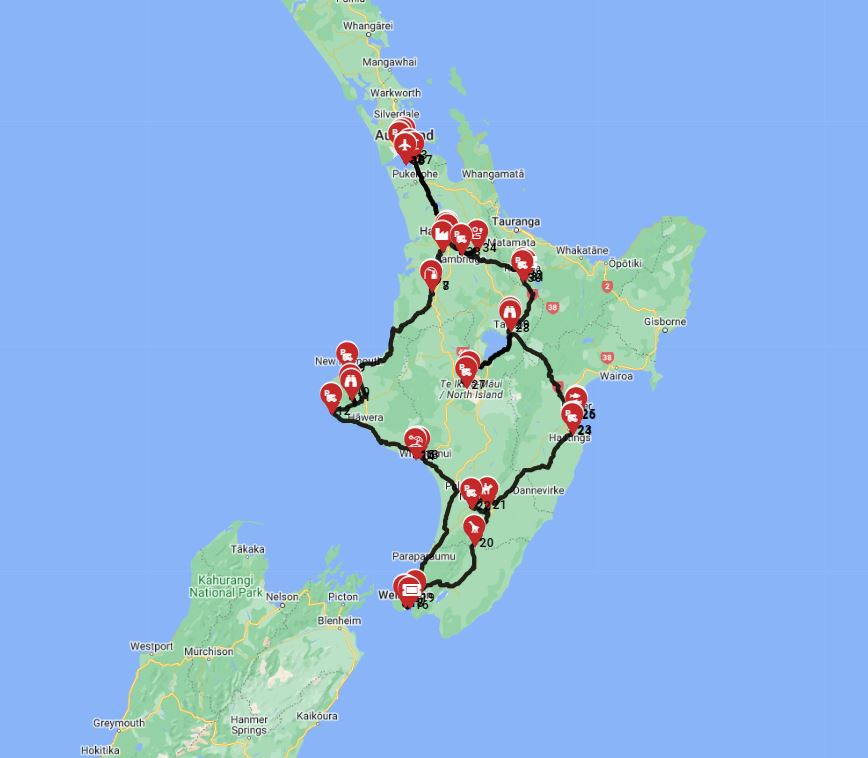
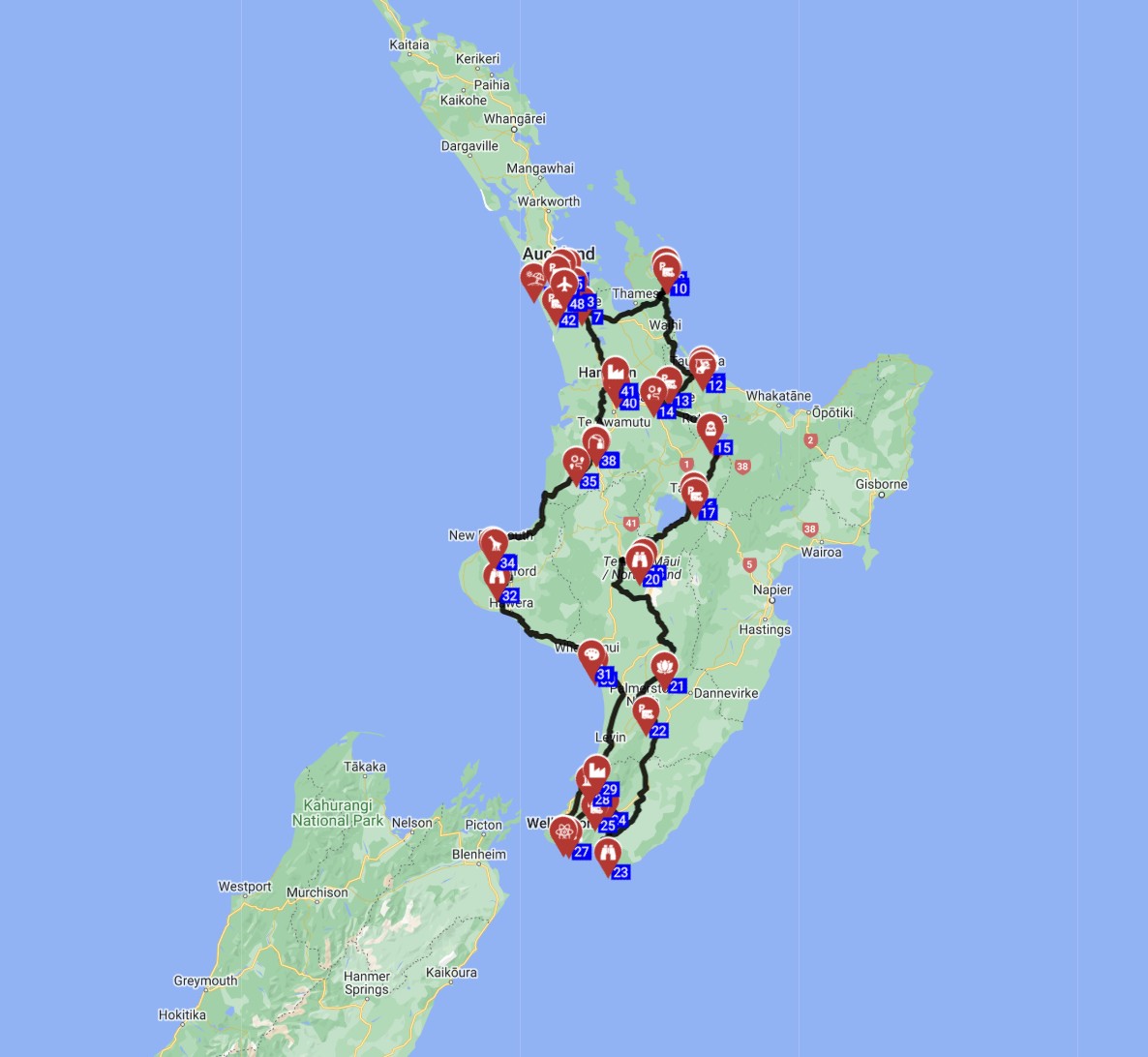
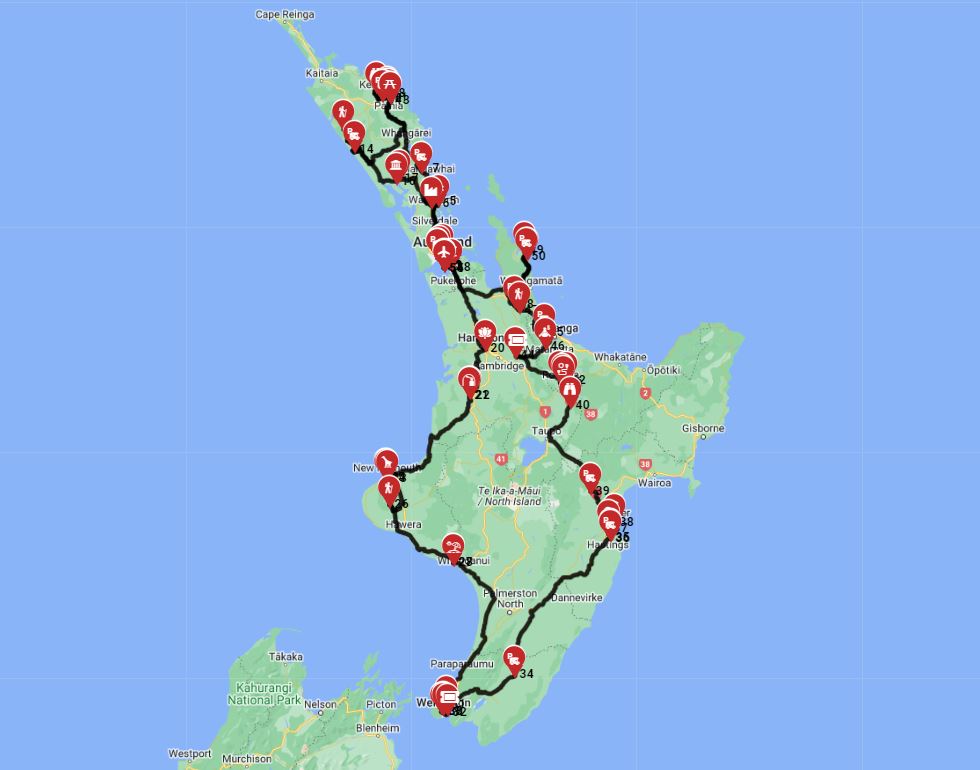
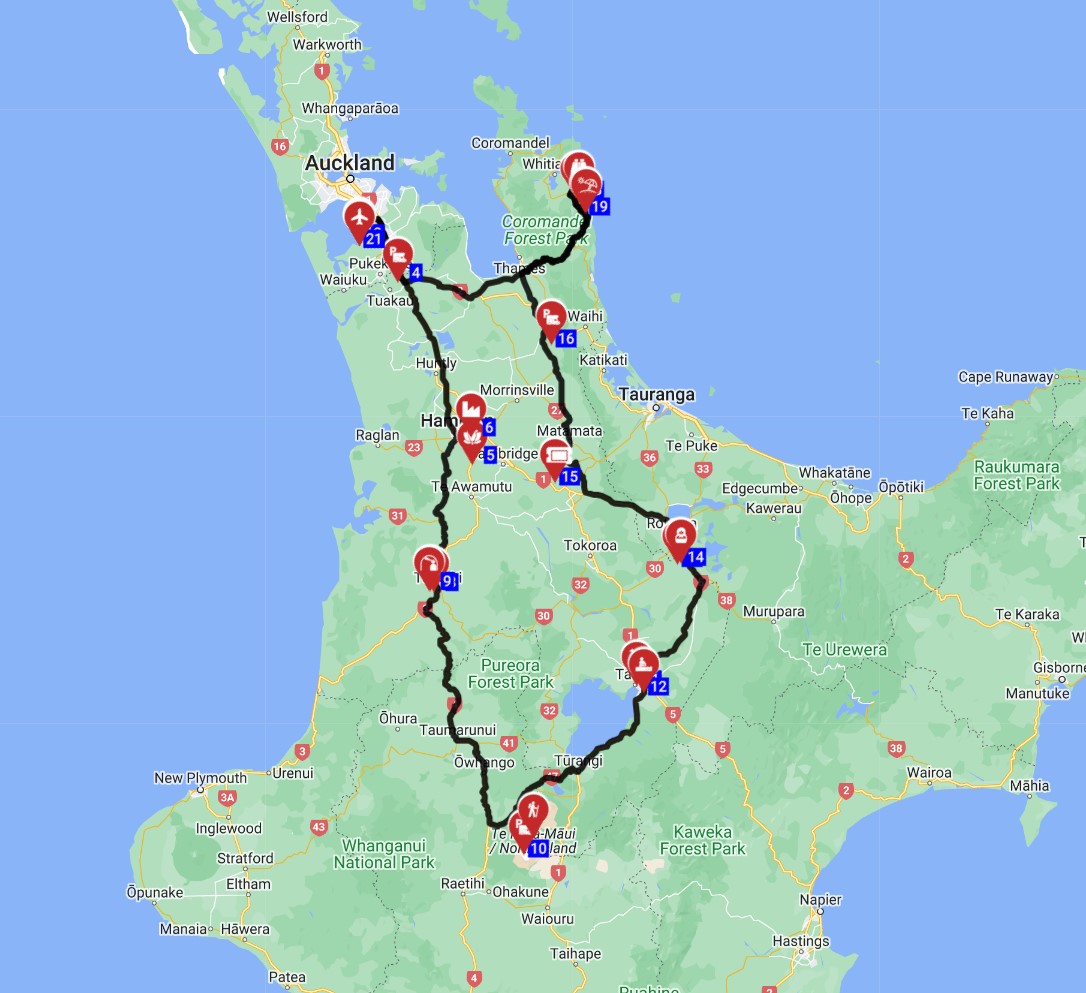
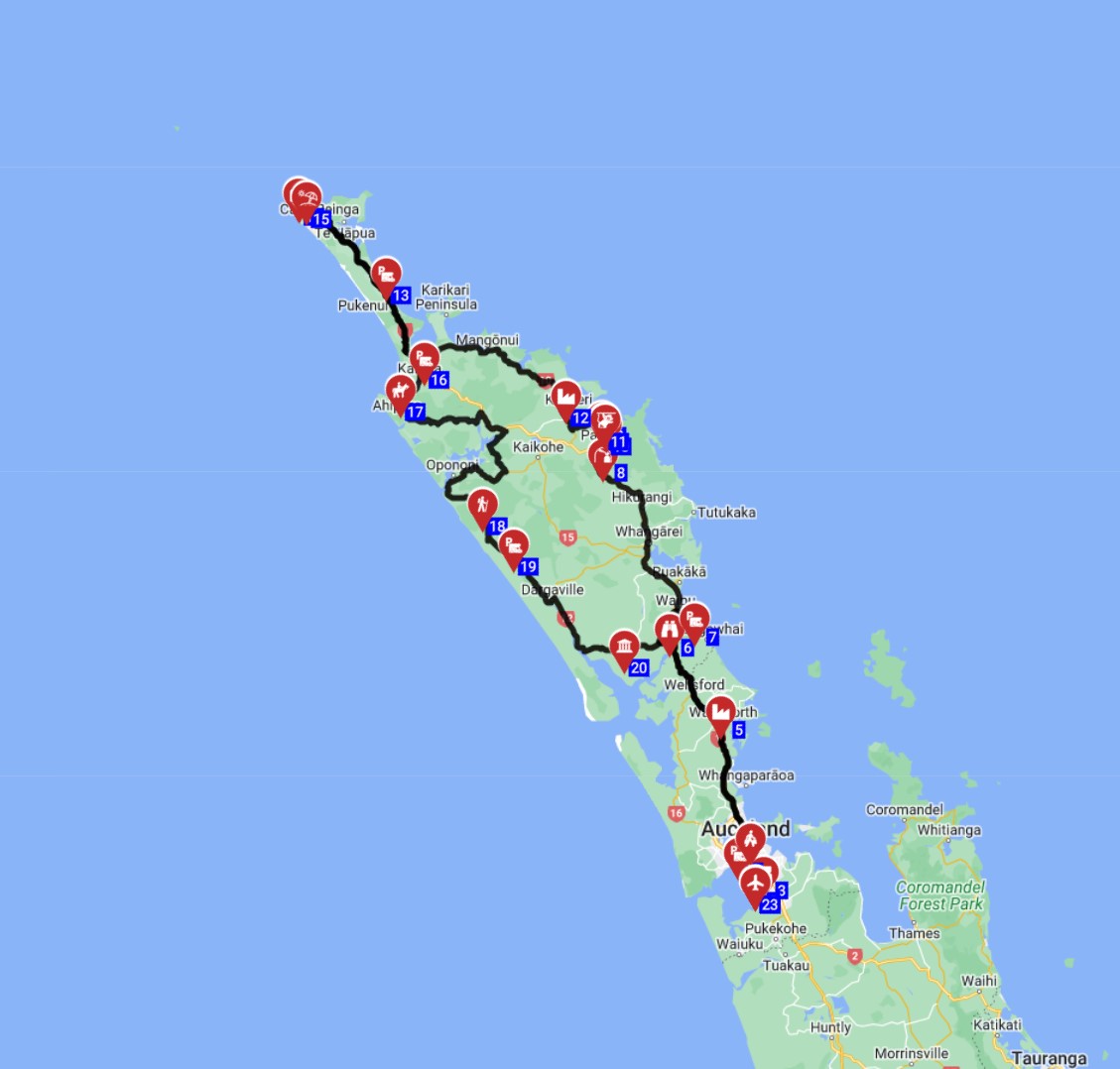
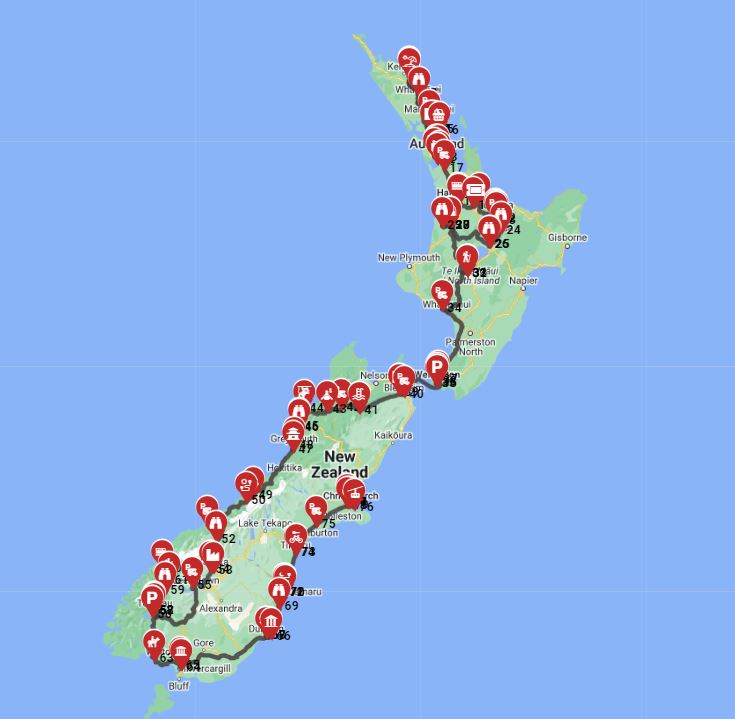
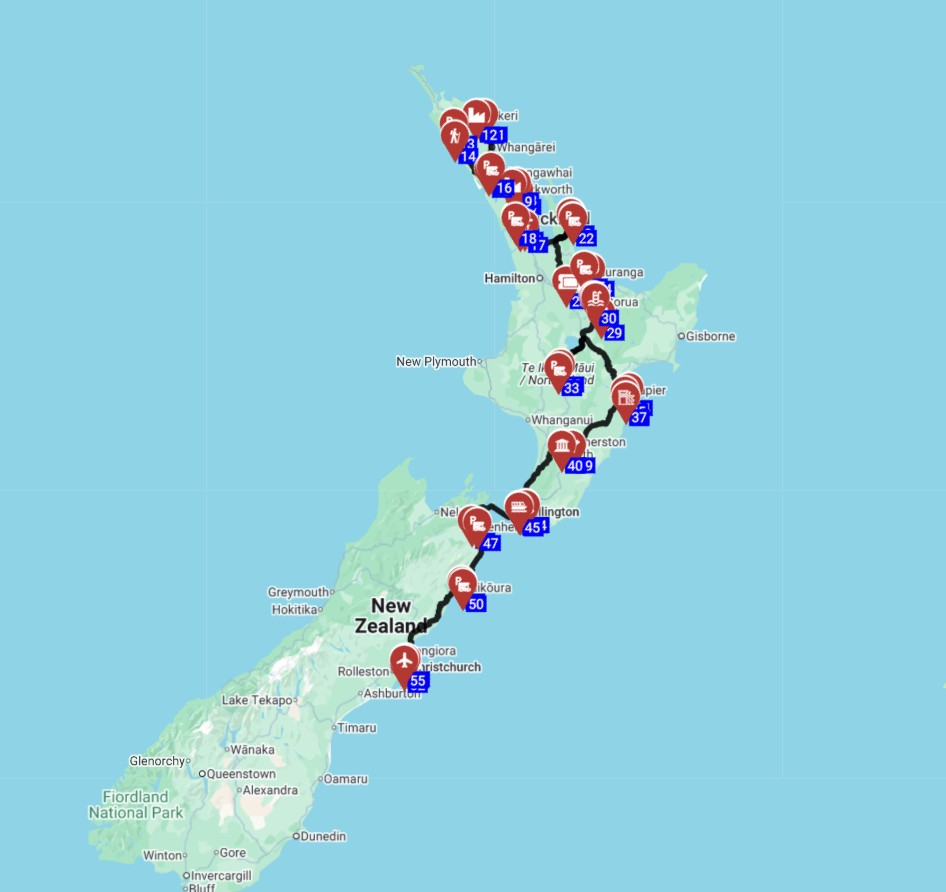
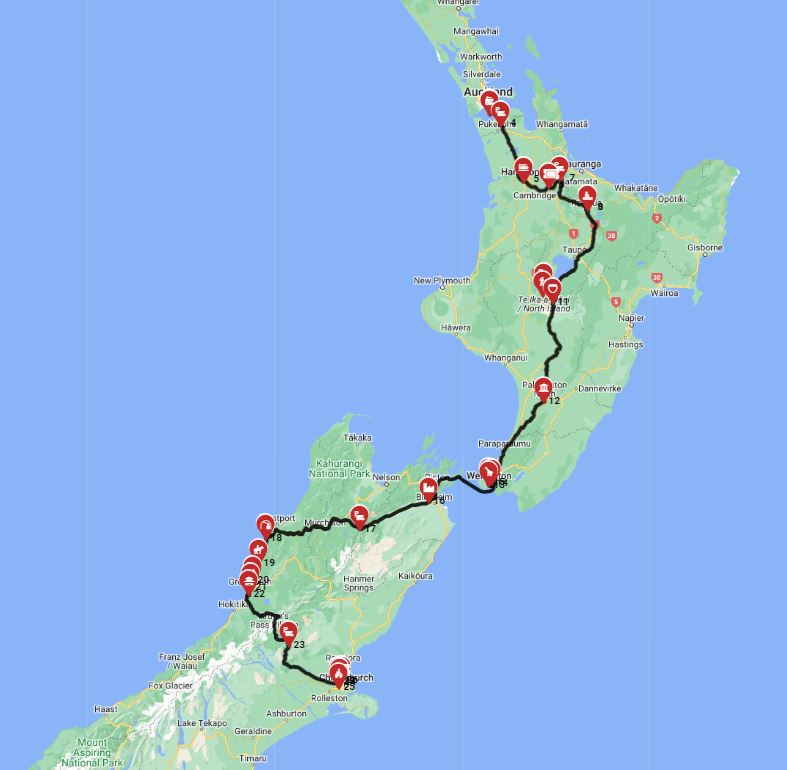
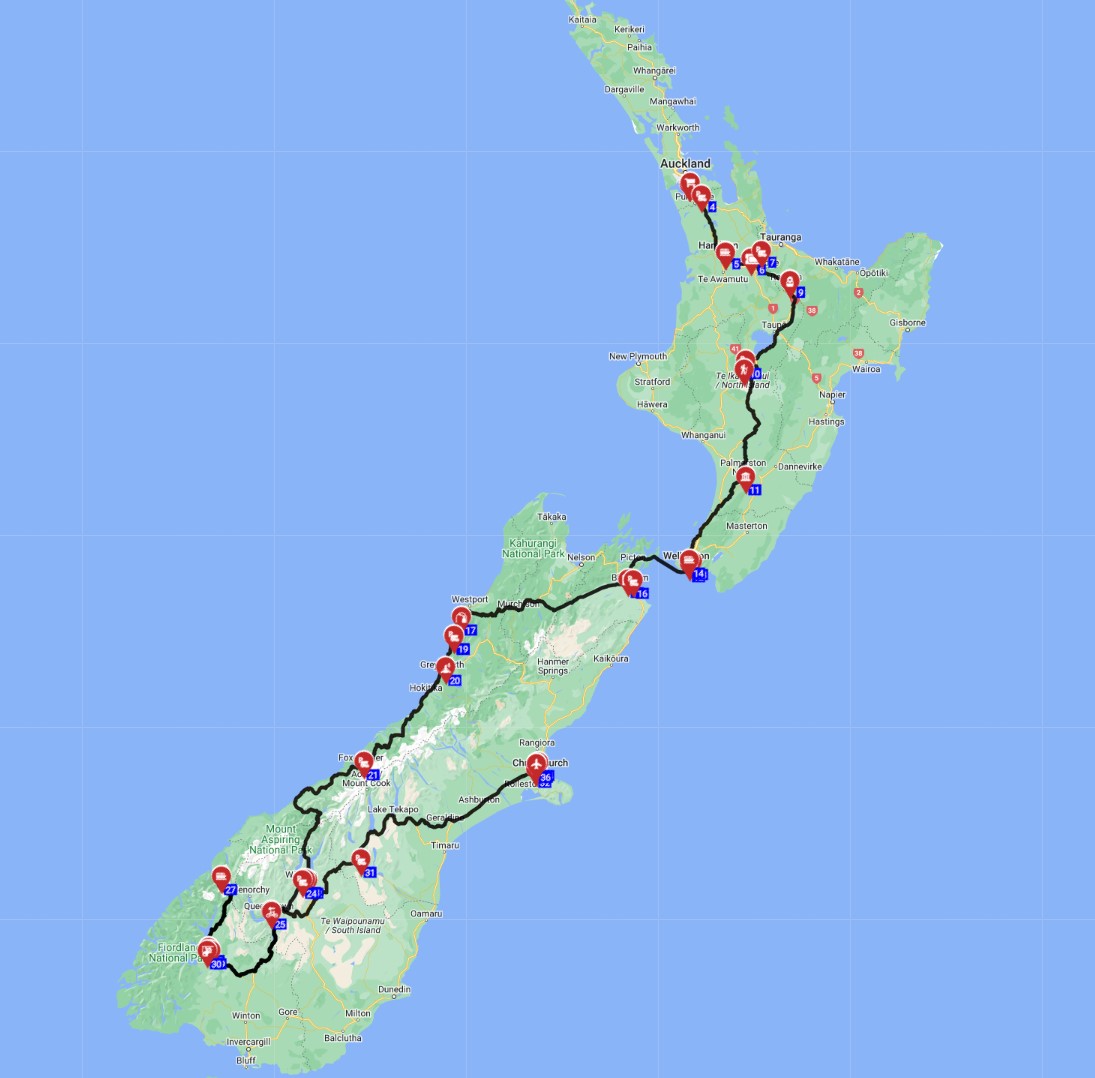
One popular route is the "
Fuel: Diesel vs. Petrol & Cost per 100 km
Most rental RVs in New Zealand operate on diesel, which is generally more fuel-efficient than petrol, making it a common choice for longer road trips. Diesel vehicles in New Zealand are subject to a Road User Charge (RUC), which is paid by the vehicle owner, though some rental companies may pass this cost on to the renter or offer pre-paid RUC options to simplify your budgeting. Petrol is primarily used by smaller campervans and private cars, while larger motorhomes are almost exclusively diesel. For example, a Class C motorhome like the "cruise america rv rental example Explorer" has a 75 Liter fuel tank, while smaller campervans might have similar or smaller tanks. Bandana's global fleet averages suggest fuel consumption typically ranges from 10-12 Liters/100 km for Semi-integrated and Alcove RVs, and 8-10 Liters/100 km for Camper Vans. When planning your RV PLANET routes, you can itemize and track every expense, including fuel, for easy budgeting. On the routes offered through RV PLANET routes, you can itemize and track every expense along the way for easy budgeting.
Fuel costs can be a significant part of your trip budget, so planning your stops and understanding your vehicle's consumption is helpful. Always ensure your tank is full before venturing into remote areas, especially in winter, where service stations may be less frequent or have reduced hours.
Tolls, Vignettes & Border Rules
New Zealand has a few electronic toll roads, primarily concentrated on the North Island, such as the Northern Gateway Toll Road, with no physical toll booths to stop at. Payments for these tolls can easily be made online before or after your journey, or you might find that your RV rental provider offers a pre-arranged pass to simplify the process and help you avoid any unexpected fines. There are no vignettes required for road use or any border crossing rules to concern yourself with for RV travel within New Zealand, as it is a single island nation. Traveling between the North and South Islands is seamlessly managed by reliable inter-island ferry services, which you should book in advance, especially during peak seasons or if traveling with a larger motorhome.
Driving Tips for RV Rental Travelers
Driving on the left-hand side of the road is the golden rule in New Zealand, and it requires conscious effort, especially for those accustomed to right-hand drive. We recommend taking frequent breaks, particularly during longer journeys, to stay alert and enjoy the scenery. Travel slowly, aiming for a maximum of 100-150 km per day on average, to truly feel the place, connect to the culture, the food, and the scenery. Allow ample time for your drives, as winding roads, especially in mountainous regions like the Southern Alps, and frequent scenic stops can significantly extend travel times. Be vigilant for one-lane bridges, indicated by "Give Way" signs; always pull over and wait for oncoming traffic if you don't have the right of way. In mountainous areas, use lower gears to control your speed on descents and prevent brake overheating, a crucial safety measure in a larger rented motorhome. During winter, be extra cautious for black ice on shaded roads, especially in the early mornings and evenings. We handle the details, so you can live the journey, but safe driving is always in your hands.
Recommended RV Class for New Zealand Roads
Class B Camper Vans are highly recommended for navigating New Zealand's diverse road network, offering an excellent balance of comfort and maneuverability. These campervans, with an average length of 5.8m, such as the "Combi Van" or "Active Pop Top" are agile enough for narrower roads and effortless to park in most locations. For travelers seeking more comfort and living space without sacrificing too much agility, Class SI (Semi-integrated) RVs, averaging 6.9m in length, provide a superb option. Models like the "2 Berth Rover" or "Cruz" offer amenities such as showers and toilets, along with efficient heating systems, which are especially valuable for winter travel. Our range of RVs from suppliers like Apollo and Britz means you have plenty of choices to find the perfect fit for your New Zealand adventure.
Should I Choose a Compact Van Instead of a Large RV in New Zealand?
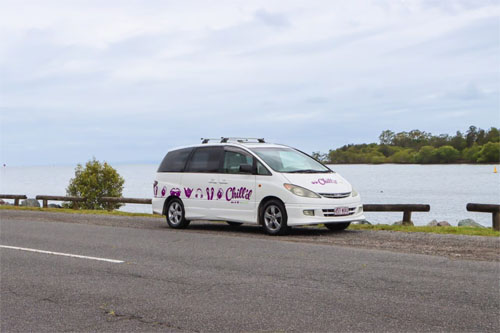
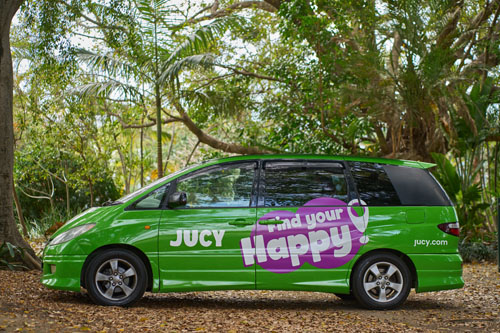
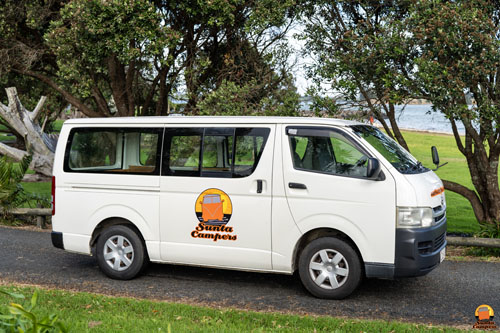
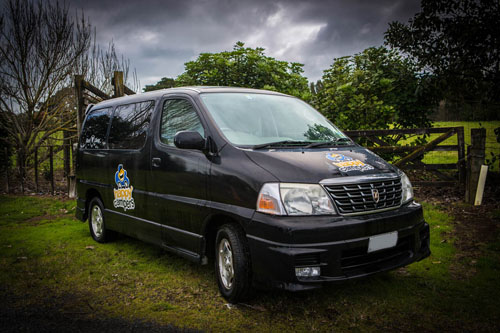
Choosing between a compact van and a larger RV for your New Zealand adventure depends on your personal priorities, as almost all RV sizes are manageable on the country's main roads. Compact vans, like a 2-berth "Kuga Campervan" from Apollo or a "HiTop" from Britz, offer superior maneuverability and often better fuel efficiency (e.g., 8-10 Liters/100 km), making them ideal for very tight spots or budget-conscious travelers. These are great for navigating smaller towns or finding parking in more crowded areas. However, larger RVs, such as Class C motorhomes, provide significantly more comfort, internal space, and amenities, which often outweigh minor maneuverability differences for longer trips or family groups. A "Euro Deluxe" for 6 people, with its large living space and features like a microwave and a big refrigerator, offers a truly comfortable "home on wheels" experience for cooking and relaxing after a day of exploration. While a compact van might occasionally offer an advantage on extremely narrow, unsealed mountain passes, most popular routes comfortably accommodate larger RVs without significant issues. No need to stress - just use common sense and pay attention. Remember, many of our vehicles are "Winter Ready" ensuring you stay warm even in colder climates. Our personal service helps you compare final prices across 50+ suppliers to find the best option for you.
Can I Park Anywhere? Free & Wild Camping Rules in New Zealand
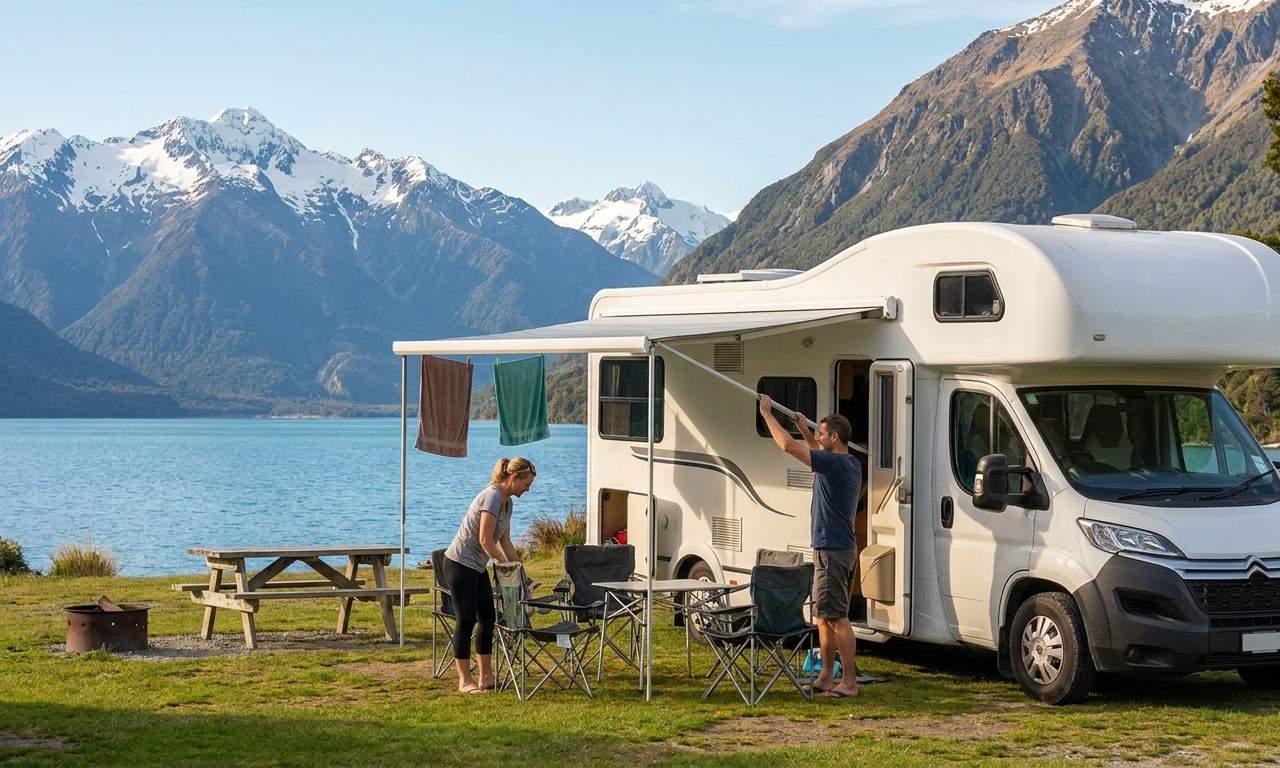
No, you cannot park your motorhome just anywhere in New Zealand; strict regulations govern freedom camping to protect the environment and local communities. To legally freedom camp, your rented RV must be certified self-contained, meaning it is equipped with an onboard toilet, greywater tank, and freshwater tank, allowing it to manage all waste responsibly for at least three days. Overnight parking is generally restricted to designated freedom camping sites, commercial holiday parks, or approved private properties. Fines of up to NZD 200-400 are issued for illegal freedom camping, so always thoroughly check local council regulations and displayed signage before parking overnight. Many Department of Conservation (DOC) campsites, while often basic, offer stunning locations for a small fee (e.g., NZD 8-15 per adult per night) and contribute to conserving New Zealand's natural beauty. We compare final prices across 50+ suppliers so you don't have to worry about finding the best deals for your certified self-contained campervan.
Can I Drive an RV Into the City Center? Heights, Tunnels & Local Signage
Yes, you can generally drive an RV into New Zealand city centers, offering the flexibility to explore urban attractions with your rented motorhome. Drivers must, however, be vigilant for specific local signage that indicates height restrictions, particularly for underground car parks, multi-story garages, and some older tunnels. Always double-check for maximum height clearance signs to avoid any mishaps. For instance, a larger Class C motorhome like the "Denali Searcher 30 - Gold" with a typical length of around 9.1m needs more space than a compact Class B campervan such as the "Acer" (approximately 5.99m). While less common than in some European cities, be aware of any local environmental zones or resident-only streets which may restrict access for larger vehicles. Drive slowly and carefully, and you can drive almost anywhere without issues. No need to stress - just use common sense and pay attention.
What is the 4 second rule in New Zealand?
The 4-second rule in New Zealand is a critical safe driving guideline that recommends drivers maintain a minimum four-second following distance behind the vehicle ahead. To effectively measure this, select a fixed point on the road, such as a road sign or a bridge. Once the vehicle in front of you passes that point, begin counting "one thousand and one, one thousand and two, one thousand and three, one thousand and four" before your own vehicle reaches the same fixed point. This rule is particularly important when driving larger RVs or motorhomes, as their increased weight and size necessitate significantly more distance to stop safely, especially on winding roads or in wet winter conditions. Adhering to this rule helps prevent collisions and allows for adequate reaction time. This attention to detail is part of our commitment to your safety; God is in the small details, and we take care of them.
Is it difficult for Americans to drive in New Zealand?
For Americans, the primary challenge of driving an RV in New Zealand is adapting to driving on the left side of the road, with the steering wheel positioned on the right side of the vehicle. This reversal requires focused attention, particularly during turns and at intersections. New Zealand's roads can also be narrower and more winding than many US highways, especially in rural and mountainous areas of the South Island, demanding careful navigation and reduced speeds. Understanding local give-way rules, particularly at unmarked intersections, roundabouts, and single-lane bridges, is crucial for safe travel. Furthermore, speed limits are clearly posted in kilometers per hour (km/h), requiring a quick mental conversion from miles per hour (mph) for familiarization, with common speed limits being 100 km/h on open roads and 50 km/h in urban areas. With patience and a commitment to slow travel, American drivers can successfully enjoy a New Zealand RV adventure. Looking for pre-planned route plans? Our Rent&Plan service includes 1,300+ pre-planned routes across 5 continents via RV PLANET (rvplan.net) - a sister company, offering you a 25% planning discount when you use it!
🎬 Video coming soon
What is the 333 rule for campervan?
The '333 rule' for campervans is an informal guideline often mentioned in relation to freedom camping in New Zealand, commonly interpreted as aiming for 3 nights in one spot, being within 3 minutes walk to a toilet (if not self-contained), and parking 3 meters from sensitive natural areas. However, it's crucial to understand that the official legal requirement for freedom camping in New Zealand is that your rented vehicle must be certified self-contained, meaning it has sufficient freshwater, greywater, and blackwater tanks to contain all waste. While the '333 rule' offers a helpful memory aid for responsible camping, adhering strictly to certified self-containment standards is essential to comply with local bylaws and avoid significant fines when freedom camping with your motorhome or campervan. Always use official resources like local council websites or the Department of Conservation (DOC) for the most accurate and up-to-date regulations.
Who insures motorhomes in NZ?
Motorhome rentals in New Zealand typically include basic insurance coverage as part of the rental agreement, provided by the rental company. This basic coverage often comes with a high excess (deductible), which can range from NZD 2,500 to NZD 7,500. Renters usually have the option to reduce this liability by purchasing an additional 'excess reduction' package directly from the rental supplier for an extra daily fee (e.g., NZD 30-70 per day). Bandana RV believes in full transparency; we ensure you understand all insurance options and costs upfront, with no hidden fees or surprises. For privately owned motorhomes, specialized insurers such as Covi Insurance and RV Super Centre (through their brokers) offer comprehensive policies. General insurers like AA Insurance and Tower also provide options for motorhome and caravan insurance in New Zealand, often tailored to personal use. You can upgrade to a top-level deductible for extra peace of mind, an optional enhancement available through many of our partners.
How much does it normally cost to insure an RV?
The cost to insure an RV in New Zealand varies significantly, influenced by factors such as the vehicle's value, its age, the driver's history, the chosen level of coverage, and the specific insurer. For rental RVs, insurance costs are almost always integrated into the overall rental price, but with a standard, often high, excess or deductible. Optional 'excess reduction' fees to lower your liability in case of damage typically range from NZD 30-70 per day. For example, a "2 Berth Sandpiper" motorhome might have different insurance considerations than a larger "4 Berth Adventurer." Private motorhome insurance premiums can range from a few hundred to over a thousand New Zealand dollars annually, depending on whether you opt for comprehensive coverage versus more basic third-party options and the vehicle's sum insured. The term 'caravan insurance' is often used interchangeably with RV or motorhome insurance in New Zealand, covering similar types of recreational vehicles. Our transparent booking process ensures you understand all insurance implications before confirming your rental.
What You Shouldn't Miss
- **Stargazing in the Aoraki Mackenzie International Dark Sky Reserve:** Park your rented campervan under the incredible, unpolluted night skies near Lake Tekapo or Mount Cook for an unparalleled celestial show.
- **Milford Sound Cruise:** Drive your motorhome to Milford Sound, a majestic fiord carved by glaciers, and take a scenic cruise amidst towering peaks and waterfalls, a highlight of any South Island itinerary.
- **Exploring Fiordland National Park:** Dedicate several days to New Zealand's largest national park, offering numerous hiking areas and natural features. Consider the Routeburn Track or Key Summit walk.
- **Rotorua's Geothermal Wonders:** Witness the vibrant geothermal activity, bubbling mud pools, and geysers in Rotorua, North Island. Don't miss a traditional Māori cultural experience and an authentic Hāngī meal. For ideas on preparing meals in your RV, check out our RV-friendly recipes playlist.
- **Queenstown's Adventure Capital Thrills:** From bungee jumping to jet boating, Queenstown is the hub for extreme activities. Even in winter, skiing and snowboarding are popular draws, and your RV provides a cozy base.
- **Coastal Beauty of Abel Tasman National Park:** While colder in winter, the coastal tracks are still beautiful, and many RV parks are available nearby. Enjoy kayaking or simply soak in the tranquil beach scenery.
Looking for expert insights from Avi Bandana? Top 5 Adventures - recommendations from Avi Bandana.
Final Thoughts
Embracing a winter RV adventure in New Zealand is an incredible way to experience its stunning landscapes in a unique, cozy, and flexible manner. While driving in winter does require extra preparation and awareness, the rewards of fewer crowds, crisp air, and snow-capped scenery are truly priceless. Remember to prioritize safety by understanding local road rules, choosing a suitable vehicle, and packing appropriately for the conditions.
At Bandana RV, we're dedicated to supporting your journey from the moment you start planning until your booking is confirmed. We offer full transparency, 24/7 support for your booking process, and expert advice from true RV specialists. Get inspired for your next trip and discover top destinations, planning tips, all in one place!
Ready to discover the magic of a New Zealand winter by motorhome? Start planning your epic route and find the perfect RV rental to suit your adventurous spirit.
Find RV Rentals in New Zealand