In This Guide
- Can You Drive an RV in Chile? License & Age Rules
- Road Conditions & Terrain in Chile
- RV Size Limits, Bridges & Restricted Zones
- Fuel: Diesel vs. Petrol & Cost per 100 km
- Tolls, Vignettes & Border Rules
- Driving Tips for winter rv rental Travelers
- Recommended RV Class for Chile Roads
- Should I Choose a Compact Van Instead of a Large RV in Chile?
- Can I Park Anywhere? Free & Wild Camping Rules in Chile
- Can I Drive an RV Into the City Center? Heights, Tunnels & Local Signage
- Do you need a 4x4 to drive in Patagonia Chile?
- Can you camp anywhere in Chile?
- What is the best month to visit Chile?
- Is it safe to travel Chile by RV?
- How much does it cost to rent an RV in Chile?
- Top Cities for RV Rental in Chile
- Country-Wide Practical Information for RVers in Chile
- What You Shouldn't Miss
Embarking on a winter RV rental adventure in Chile offers an unparalleled opportunity to experience dramatic landscapes, from the stark beauty of the Atacama Desert to the snow-capped peaks of Patagonia, all from the comfort of your mobile home. With Bandana RV, you're not just renting a vehicle; you're gaining a partner in planning your journey, ensuring full transparency with no hidden fees and 24/7 support every step of the way. Whether you're a seasoned RV veteran or a first-timer, this guide provides all the essential information to navigate Chile's diverse terrains safely and confidently during the cooler months. For live availability and current prices, start with our RV Rental Chile - Complete Guide 2026 guide.
Can You Drive an RV in Chile? License & Age Rules
Foreigners can drive an RV in Chile with a valid foreign driver's license and an International Driving Permit (IDP), which serves as an official translation and is recommended for non-English licenses, although not always strictly mandatory. Most standard RVs and campervans under 3,500 kg Gross Vehicle Weight (GVW) require a Class B equivalent license, perfectly covered by your standard car license paired with an IDP. The minimum driver age for most RV rentals in Chile is 21 years old, with Bandana RV having no young driver surcharges or vehicle class restrictions based on age, making it accessible for a wider range of travelers.
Road Conditions & Terrain in Chile
Chile offers diverse road conditions, ranging from well-maintained paved highways like the Pan-American (Ruta 5) in the central valley, ideal for any rented motorhome, to rough gravel roads, especially in Patagonia and high-altitude Andean passes, critical considerations for winter RV rentals. In winter, typically from June to August, expect snow and ice on mountain roads, particularly in the Andes and southern Patagonia, often requiring tire chains and careful driving. Driving a rented RV in Chile encourages slow, scenic travel, averaging a maximum of 100-150 km per day, allowing you to truly appreciate the varied landscapes from the arid Atacama Desert to the glacial fjords of the south without rushing.
RV Size Limits, Bridges & Restricted Zones
While Chile generally accommodates standard RV sizes, travelers should be mindful of specific height and weight restrictions, particularly for older bridges, tunnels, and certain ferry crossings, which are more prevalent in remote or mountainous areas. Always pay close attention to local signage indicating maximum vehicle dimensions, especially when entering national parks, rural towns, or considering off-paved-road excursions, as navigation can be tricky. There are no widespread environmental zones in Chile that restrict RV access, but specific local regulations might apply in urban centers or protected areas, so it's always best checked with your rental provider or local authorities for up-to-date information.
Fuel: Diesel vs. Petrol & Cost per 100 km
Most RVs available for rent in Chile, particularly Bandana's fleet, run on diesel fuel, which is widely available across the country, though it can be more sparsely found in remote areas. Bandana's semi-integrated RVs, like a 2 Berth Tamar, typically consume 10-11 Liters/100 km, while alcove models average 10-12 Liters/100 km, and compact camper vans like the Category Van range from 8-10 Liters/100 km. Fuel prices in Chile vary by region; while specific costs per 100 km depend on current prices, budgeting approximately €15-€20 per 100 km for diesel is a reasonable estimate for planning purposes, and some rental companies may offer fuel discount cards. When planning your route, remember that RV PLANET routes allow you to itemize and track every expense, helping you budget accurately for fuel and other ancillary costs. On the routes offered through RV PLANET routes, you can itemize and track every expense along the way for easy budgeting.
Tolls, Vignettes & Border Rules
Chile has a network of toll roads, primarily on its major highways like Ruta 5, which are typically paid electronically via a TAG system or at toll booths with cash or card. For foreign travelers, rental RVs often come equipped with a TAG device for electronic toll collection, or rental companies can advise on pre-purchasing passes to avoid fines. Crossing borders into neighboring countries like Argentina by RV requires specific vehicle documentation, including a notarized power of attorney from the rental company granting permission, and adherence to customs and immigration procedures for both the vehicle and passengers; ensure you discuss this with Bandana RV when planning your One-Way RV Rental in Chile - Price Guide 2026 trip.
Driving Tips for winter rv rental Travelers
Driving in Chile during winter requires heightened awareness: always drive defensively and adjust your speed for colder conditions, especially on gravel roads or during snowfall, keeping headlights on and maintaining safe distances. Always carry emergency supplies, including extra blankets, food, water, a first-aid kit, and tire chains, especially when traveling through remote or mountainous regions in winter. Prioritize planning your route around daylight hours, as many roads in Chile lack lighting and visibility can be severely reduced during winter nights or storms. Familiarize yourself with basic RV systems, such as water heating, propane levels, and proper winterization procedures, to ensure comfort and functionality in colder temperatures, and always ensure your propane tank is full for heating and cooking inside; check out our RV-friendly recipes playlist for meal ideas on the road.
Recommended RV Class for Chile Roads
For varying Chilean road conditions, a Class B Camper Van or a Class SI Semi-integrated RV from Bandana's fleet are highly recommended, balancing maneuverability with comfort. Class B Camper Vans, with an average length of 5.8 meters, like the Active Original, offer excellent agility for winding roads and city access while still providing essential amenities like a shower and toilet, making them ideal for couples or solo travelers. Class SI Semi-integrated RVs, averaging 6.9 meters in length, such as the Active Standard Auto, provide more living space and amenities, typically sleeping 3-4 adults, without being excessively large for most Chilean highways and designated campsites.
Should I Choose a Compact Van Instead of a Large RV in Chile?
Choosing between a compact van and a larger RV in Chile largely depends on your travel style and group size, as there's usually no significant issue driving standard RV sizes across most of the country; drive slowly and carefully, and you can drive almost anywhere without issues. A compact van, such as Bandana's Class B Camper Van (avg. 5.8m) like the Juliette 2-3, offers superior maneuverability for tight city centers, narrow mountain passes, and easier parking, often preferred by adventurous couples or those seeking the "Cheap RV Rental in Chile - Budget Guide 2026" option. However, larger RVs (e.g., Class SI at 6.9m or Class C at 7.5m), like the Nexus Triumph 24TS, provide significantly more indoor space, better amenities, and enhanced comfort for families or longer trips, which often outweighs the slight advantage in maneuverability, especially during winter when indoor space and heating are crucial for a comfortable journey.
Can I Park Anywhere? Free & Wild Camping Rules in Chile
While free camping, or "wild camping," is a popular concept among some travelers, legally, you cannot park and camp anywhere in Chile without permission; designated campsites, private land with the owner's consent, or specific free camping areas are generally required. Chile offers numerous designated campsites in national parks, private campgrounds, and some municipal areas, providing facilities and security, which is especially advisable during the winter season when weather conditions can be unpredictable. For responsible wild camping in Chile, seek out remote, discreet spots away from private property, dispose of all waste properly following 'Leave No Trace' principles, and always respect local environmental regulations and cultural sensitivities. For finding campsites and campgrounds during your trip, we recommend using RV PLANET (rvplan.net) - a great resource for locating available spots along your route and exploring options for RV Camping in Chile - Best Campgrounds 2026.
Can I Drive an RV Into the City Center? Heights, Tunnels & Local Signage
You can generally drive an RV into most city centers in Chile without issues, but attention to local signage regarding height limits, narrow streets, and parking restrictions is paramount; just use common sense and pay attention. Specific watchouts include low bridges and tunnels in older city sections (e.g., Valparaíso), designated residents-only parking zones, and environmental restrictions that might apply to larger vehicles on certain days or times. Always use a GPS system with RV-specific settings to avoid height-restricted routes, and consider parking at the periphery of major cities like Santiago and utilizing public transport for central exploration. Don't stress; with a little care, your rented motorhome can take you wherever you wish to go.
Do you need a 4x4 to drive in Patagonia Chile?
While a 4x4 RV is not strictly necessary for most of Patagonia Chile's main paved routes, it is highly recommended and often essential for exploring more remote areas, especially during winter or after heavy rainfall. Many popular Patagonian destinations and stretches of the Carretera Austral include extensive gravel roads and potentially challenging terrain where the added traction and ground clearance of a 4x4, like the 4x4 Scout Adventure Truck Camper Gold, provide greater safety and accessibility. For a winter RV rental specifically, a 4x4 capability or at least robust 2WD with good ground clearance and tire chains will significantly enhance your ability to navigate icy patches and snowy sections, making for a safer and less restricted journey through the stunning Patagonian wilderness.
Can you camp anywhere in Chile?
Legally, you cannot camp just anywhere in Chile; most land is privately owned or part of national parks and reserves, requiring permission or designated facilities for overnight stays. While informal or 'wild' camping spots can be found, particularly in remote regions, it's crucial to ensure you are not on private property without consent and to adhere strictly to 'Leave No Trace' principles to protect Chile's natural beauty. For a secure and equipped experience, especially during winter when amenities are more limited, utilize Chile's extensive network of paid campgrounds and national park campsites, which offer crucial facilities and a safer environment for your rented campervan.
What is the best month to visit Chile?
The best months to visit Chile generally depend on your desired activities and regions, but for an RV trip outside of winter (June-August), the shoulder seasons of spring (September-November) and autumn (March-May) often offer pleasant weather and fewer crowds. For a winter RV rental specifically, the central and northern regions, including the Atacama Desert, typically offer clear skies and mild daytime temperatures (around 15-20°C/59-68°F), while southern Patagonia experiences harsh winter conditions with significant snow, strong winds, limited daylight, and potential road closures, often with temperatures below 0°C. If exploring Patagonia during winter is your goal, be prepared for cold temperatures, limited daylight, and challenging road conditions, focusing on routes known to be passable and having a well-equipped, winterized motorhome with adequate heating and insulation.
Is it safe to travel Chile by RV?
Traveling Chile by RV is generally considered safe, offering a secure and flexible way to explore the country's diverse landscapes, provided travelers exercise standard precautions and awareness. Key safety considerations include securing your rented vehicle and belongings, avoiding driving at night, especially in remote areas or unpaved sections, and being aware of local road conditions and any potential advisories. In remote regions, ensure you have reliable communication options, such as a local SIM card (Entel, Movistar, Claro) or a satellite phone, and are prepared for potential breakdowns or medical emergencies by carrying adequate supplies and sharing your itinerary; our 24/7 support means real people are behind you before and after your booking to help with any concerns. For a comprehensive overview of prices, check out RV Rental in Chile - Prices and Best Deals 2026.
How much does it cost to rent an RV in Chile?
The cost to rent an RV in Chile varies significantly based on the RV class, rental duration (weekend rentals are not typically offered; think week-long trip or more), season, and included amenities, typically ranging from €100 to €300 per day for a standard Class C or Class B campervan. For a winter RV rental, prices might be lower than the peak summer season (December-February), but specific winterized models or 4x4 options could command a premium. Beyond the daily rental rate, budget for additional expenses such as fuel (Bandana's fleet consumes 8-12 Liters/100 km), campground fees (from €10-€30/night), tolls, insurance (you can upgrade to a top-level deductible for extra peace of mind), and potential one-way fees (e.g., Santiago to Punta Arenas could incur a €500 drop-off fee), making a comprehensive budget crucial for planning; remember prices are dynamic and set at the actual booking time. For tips on managing your budget, explore our "Cheap RV Rental in Chile - Budget Guide 2026" and "Luxury RV Rental in Chile - Premium Prices 2026" to find the perfect fit for your trip.
Top Cities for RV Rental in Chile
Chile offers several key hubs for picking up your rented motorhome, providing strategic starting points for diverse itineraries. Santiago, the capital, is the primary gateway, with most international flights arriving at Santiago - Airport. From here, you can head north to the Atacama Desert or south towards Patagonia. Puerto Montt serves as a crucial southern hub, especially for those embarking on a journey along the Carretera Austral, offering access to the Lake District and further south. Punta Arenas is the southernmost major city, ideal for exploring Chilean Patagonia, including Torres del Paine National Park. Other pickup locations like Arica and Calama - Airport cater to travelers focusing on the northern desert regions. Each city offers unique experiences and access to distinct Chilean wonders, allowing you to tailor your adventure precisely. Consider checking our "RV Rental Deals in Chile - Latest Offers 2026" for rentals from these key locations.
Country-Wide Practical Information for RVers in Chile
When planning your rented RV adventure in Chile, understanding local nuances is key to a smooth trip. In Chile, you drive on the right side of the road, and speed limits are typically 50 km/h in urban areas, 100 km/h on rural roads, and 120 km/h on highways. An International Driving Permit (IDP) is recommended for visitors from non-English-speaking countries, although a valid foreign license is usually sufficient for short stays. For connectivity, purchasing a local SIM card from major providers like Entel, Movistar, or Claro upon arrival is advisable, as Wi-Fi can be unreliable in remote areas. Emergency numbers include 131 for ambulances, 132 for firefighters, and 133 for police. Always keep these numbers handy. Remember to travel slowly, max 100-150 km per day on average. Take time to feel the place, connect to the culture, the food, and the scenery. We handle the details, you live the journey.
What You Shouldn't Miss
- Explore the Atacama Desert: Witness otherworldly landscapes, including Valle de la Luna, geysers del Tatio (best at sunrise, plan your RV parking early!), and stunning stargazing opportunities.
- Drive the Carretera Austral: Experience one of the world's most epic road trips, with breathtaking fjords, ancient forests, and hanging glaciers. Be prepared for gravel sections and seasonal closures.
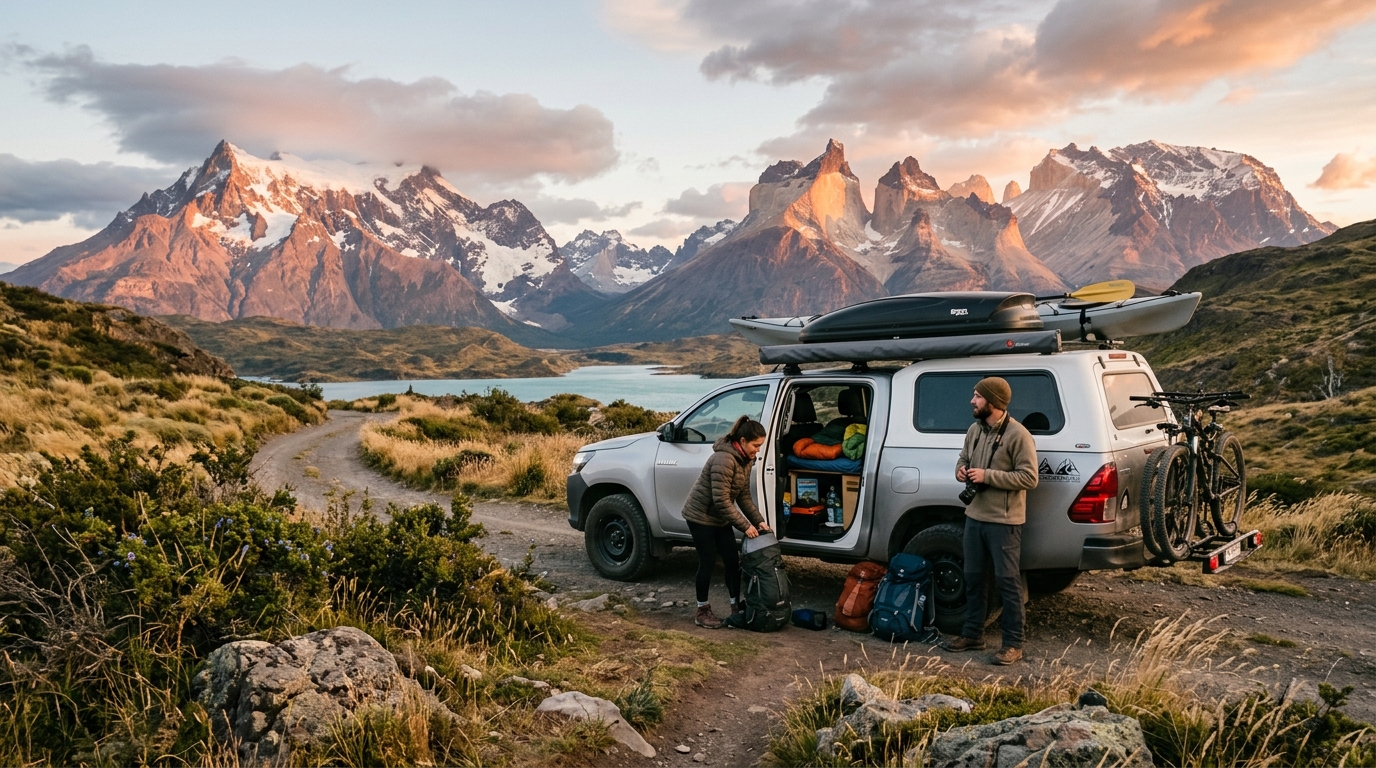
- Visit Torres del Paine National Park: Hike among iconic granite peaks and turquoise lakes. RV camping within or near the park offers incredible access to this Patagonian gem, even in winter with the right preparation.
- Discover the Lake District: Enjoy picturesque towns like Puerto Varas, surrounded by volcanoes and serene lakes, perfect for scenic drives and water activities in warmer months, or snowy vistas in winter.
- Savor Chilean Cuisine: Stop at local markets and roadside eateries to try empanadas, fresh seafood, and traditional Chilean barbecues (asados). Your RV kitchen is also perfect for preparing your own local feasts.
Final Thoughts
A winter RV rental in Chile is more than just a trip; it's an immersive experience that allows you to connect with nature, culture, and adventure on your own terms. From the dramatic northern deserts to the majestic southern fjords, Chile truly offers something for every type of RV traveler. We believe that true discovery happens when you slow down, allowing the magic of the landscapes and the warmth of the local communities to truly sink in. Imagine cozy evenings in your rented motorhome, preparing a warm meal after a day of exploring snow-dusted mountains or vibrant cities.
At Bandana RV, we're dedicated to making your journey as smooth and enjoyable as possible. With our transparent pricing, expert knowledge, and supportive approach, you can embark on your Chilean adventure with complete peace of mind. We're here to assist you in finding the perfect campervan or motorhome and to offer invaluable insights that only true RV specialists can provide. So, what are you waiting for? Your Chilean winter wonderland awaits!
Discover top destinations, planning tips, all in one place! Plan a trip itinerary in advance with minimal effort and maximum enjoyment.