In This Guide
- What rv rental deals RV Rental Costs in Chile (CurrentYear)
- Seasonal Pricing - Peak vs. Shoulder vs. Off-Season in Chile
- What's Included vs. What's an Add-On
- Hidden Costs to Budget For in Chile
- How to Save on rv rental deals RV Rental in Chile
- What Are the Detailed Cost Breakdowns for RV Travel in Chile?
- Is RV Travel in Chile Safe - A Comprehensive Safety Guide
- What Type of RV is Best for Different Regions in Chile (Patagonia, Atacama, Central Valley)?
- Where Can I Find RV Infrastructure (Water, Dump, Propane, Mechanics) in Chile?
- What Are Off-the-Beaten-Path RV Destinations in Chile?
- How Can I Experience Cultural Immersion While RVing in Chile?
- What Are the Best Connectivity Solutions for RV Travel in Chile?
- How Can I Practice Responsible and Eco-Friendly RV Travel in Chile?
- What is the Best Season for RV Travel in Different Regions of Chile?
- Top Cities for RV Rental in Chile
- Country-Wide Practical Information for RV Travelers in Chile
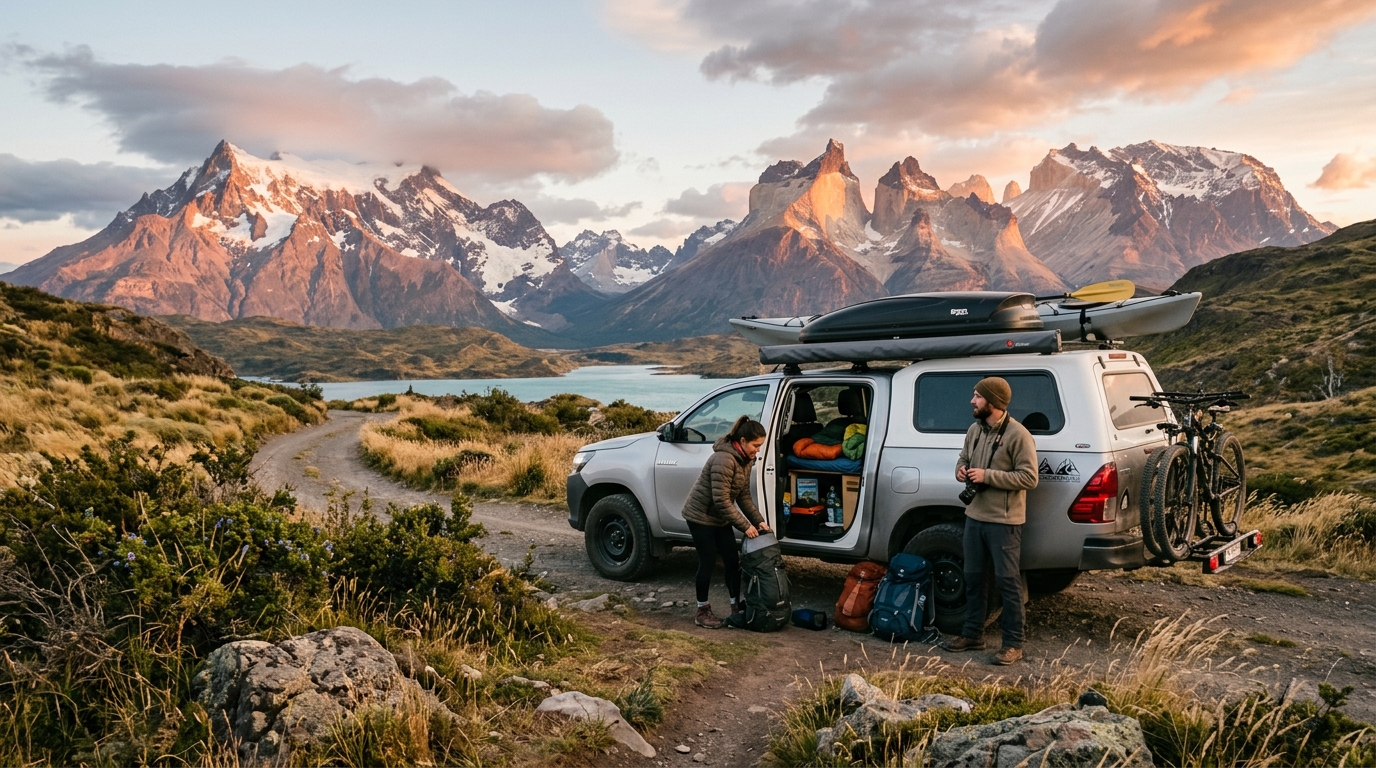
Chile offers an unparalleled landscape for rented motorhome adventures, from the stark beauty of the Atacama Desert to the majestic fjords of Patagonia. Imagine yourself waking up to the sound of crashing waves on the Pacific coast or surrounded by snow-capped Andean peaks, all from the comfort of your own mobile home. As true RV specialists, we've been helping tens of thousands of travelers explore the world by RV since 2001, and Chile is one of our favorite destinations. For live availability and current prices, start with our RV Rental Chile - Complete Guide 2026 guide.
What rv rental deals RV Rental Costs in Chile (CurrentYear)
RV rental costs in Chile are dynamic and fluctuate daily, similar to flight tickets, based on current demand, vehicle availability, and supplier promotions. Typically, April is the cheapest month for RV rental in Chile, with potential savings of up to 30% compared to peak season rates. For instance, a compact campervan like the "Category Van" might start from $70 USD per day in the off-season, while a spacious Class C motorhome like the "Adak Argonaut 21 - Bronze" could range from $120 to $250 USD per day depending on the season and duration. To see live pricing for various RV classes and durations, you'll need to use the search box at the top of our page, entering your desired pick-up and drop-off dates in cities like Santiago or Puerto Montt. This ensures full transparency with no hidden fees or surprises at the time of actual booking. Remember, prices are flex-rate and subject to daily changes, so securing your booking early is often beneficial.Seasonal Pricing - Peak vs. Shoulder vs. Off-Season in Chile
RV rental prices in Chile fluctuate significantly by season, with peak periods seeing the highest demand and rates. The peak season for RV travel in Chile typically runs from December to February, which is summer in the Southern Hemisphere and ideal for exploring Patagonia and the Lakes District; prices can be 20-40% higher during this time. Conversely, off-season months, such as April and May, generally provide the best value and lowest rates, making it an excellent time to find deals, especially for those exploring the Central Valley or the Atacama Desert. Shoulder seasons, like spring (September-November) and autumn (March-May), offer a comfortable balance of moderate pricing and pleasant weather across many regions. For example, a 4-berth "Euro Camper" might cost $150 USD/day in shoulder season versus $200+ USD/day in peak season. Prices can change daily, particularly during high demand, so checking specific dates is crucial for accurate quotes.What's Included vs. What's an Add-On
Basic insurance is always included with every RV rental in Chile, offering a foundational level of coverage. However, specific inclusions vary by rental company and RV model, so it's vital to review these details before confirming your booking. Common add-ons that travelers often choose to enhance their trip experience include comprehensive insurance tiers (which can significantly reduce your deductible, providing travel with peace of mind), mileage packages, use of a generator (if available), kitchen kits (equipped with pots, pans, and cutlery for cooking RV-friendly recipes playlist), and bedding sets. For instance, an "Adventurer" Class C motorhome may include a basic kitchen kit, while a more premium "Luxury" model might include it by default with an option for enhanced kitchen equipment. To see prices that include comprehensive coverage, simply select that option during your initial search on our platform. Our transparent pricing ensures you'll encounter no hidden fees or surprises.Hidden Costs to Budget For in Chile
RV travelers in Chile must budget for several ancillary costs beyond the initial rental fee. Major expenses include road tolls, which can accumulate on primary highways and typically range from CLP 1,000-5,000 per section, depending on the vehicle class and route. Campsite fees at established campgrounds generally range from CLP 15,000-40,000 per night, with national parks often being at the higher end. Fuel is another significant variable; diesel and gasoline prices fluctuate by region, typically between CLP 800-1100 per liter, making it a substantial part of the overall budget, especially for longer journeys. Occasional dump-station charges may also apply, particularly outside of full-service campgrounds. Some RV rental companies in Chile offer pre-purchase options for tolls, which can be convenient for avoiding fines. It's always advisable to inquire about all potential extra costs at vehicle pickup to ensure a smooth trip. For planning and tracking all these expenses, RV PLANET routes allow travelers to itemize and manage every cost along the way for easy budgeting.🎬 Video coming soon
How to Save on rv rental deals RV Rental in Chile
Savvy travelers can significantly save on RV rental deals in Chile by implementing a few key strategies. Booking during the shoulder or off-season, such as April, often yields lower daily rates by up to 30% compared to peak summer months (December-February). For example, a "Patagonia Camper 4x4 double cab" might be significantly more affordable in spring. Choosing a smaller RV class, if suitable for your group, typically results in lower rental costs and better fuel efficiency, directly impacting your overall budget for a week-long trip. Longer rental durations often come with better daily rates, making extended road trips more economical per day. Additionally, closely monitoring flex-rate price drops on our comparison platform can help secure better deals, as prices are dynamic. We compare final prices across 50+ suppliers, ensuring you find the easiest, safest, and most affordable way to rent an RV without hidden fees.What Are the Detailed Cost Breakdowns for RV Travel in Chile?
Detailed RV travel costs in Chile vary significantly based on your preferred travel style-be it budget-conscious, mid-range, or luxury. For a budget trip, a compact campervan might cost $70-100 USD/day, while mid-range Class C motorhomes ("Explorer" model) typically run $120-180 USD/day, and luxury Class A motorhomes could exceed $250 USD/day. Fuel remains a major expense, with prices for gasoline and diesel often fluctuating between CLP 800-1100 per liter (approximately $0.85-1.15 USD per liter). Road tolls on major routes typically range from CLP 1,000-5,000 per section, potentially adding $10-50 USD to daily travel depending on the distance covered. Campsite fees generally range from CLP 15,000 ($16 USD) for basic sites to CLP 40,000 ($42 USD) per night for full-service campgrounds. Food costs depend on self-catering versus dining out; cooking in your rented RV can save hundreds over a two-week adventure, especially if you explore local markets for fresh produce. Activity expenses vary widely, from free national park hikes to guided excursions that can cost $50-200+ USD per person.Is RV Travel in Chile Safe - A Comprehensive Safety Guide
RV travel in Chile is generally safe but requires preparation for its diverse driving conditions and natural hazards. Road conditions vary significantly, from well-paved highways in the Central Valley and along Route 5 to gravel roads, particularly on the Carretera Austral or in remote parts of Patagonia and Atacama; always drive slowly and carefully, paying attention to signage. Monitoring weather conditions is crucial; strong winds in Patagonia can impact vehicle handling, and extreme temperatures can occur in the Atacama Desert. It is strongly recommended to avoid night driving due to poor visibility, free-roaming animals, and unpredictable road hazards outside of major urban areas. Chile is prone to natural disasters like earthquakes and volcanoes; familiarize yourself with local emergency protocols and evacuation routes, especially when camping in active seismic or volcanic zones. For immediate assistance, remember the emergency contact numbers: Police 133, Ambulance 131, Fire 132. Cell service can be limited in remote areas, so having offline maps and emergency supplies is essential.What Type of RV is Best for Different Regions in Chile (Patagonia, Atacama, Central Valley)?
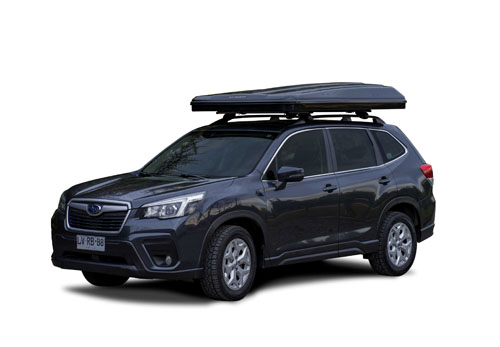
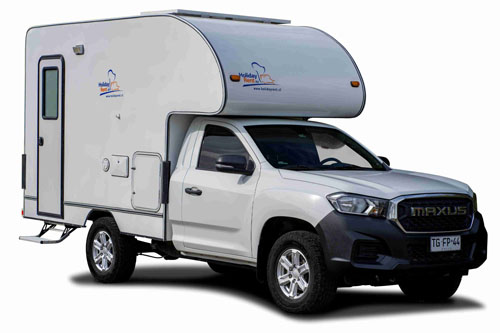
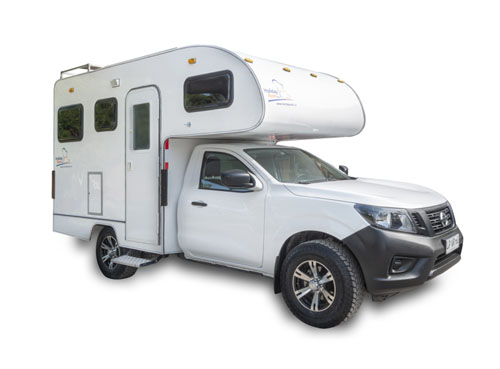
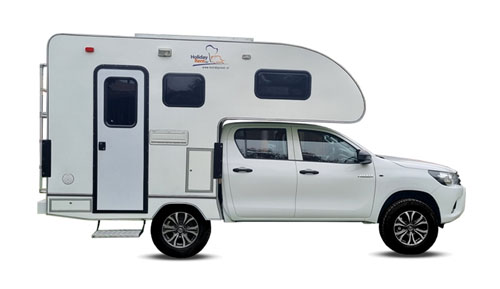
The best type of rented RV for your Chilean adventure depends heavily on the regions you plan to explore. For the rugged terrains of Patagonia and off-the-beaten-path areas of the Atacama Desert, a 4x4 camper or a sturdy 2WD expedition vehicle with higher ground clearance, such as a "Patagonia Camper 4x4 double cab" or a "4x4 Scout Adventure Truck Camper Gold," is highly recommended to handle gravel roads and challenging tracks. These vehicles typically offer robust suspension and the capability to navigate diverse conditions. Conversely, standard 2WD Class C or Class B motorhomes, like the "Active Standard Auto" or "Class I Van," are perfectly well-suited for the paved roads of the Central Valley, coastal regions, and more urban areas like Santiago. When selecting your rental RV, always check the vehicle's maintenance history, tire condition, and confirm if spare parts or roadside assistance are included for peace of mind during your journey.Where Can I Find RV Infrastructure (Water, Dump, Propane, Mechanics) in Chile?
RV infrastructure for essential services like water refill, dump stations, propane, and mechanics in Chile is more concentrated near major cities and popular tourist routes. Water refill and dump stations are typically available at established campgrounds, particularly those in national parks or popular destinations, and some larger service stations along main highways. Propane (gas) is widely available in mid-sized to large towns throughout Chile, but it is essential to ensure your rented RV has the correct adapters for refilling tanks, as connection types can vary. Reputable mechanics are common in urban centers like Santiago, Puerto Montt, and Punta Arenas, capable of handling most motorhome or campervan issues. For breakdowns in remote areas, robust roadside assistance from your rental company is crucial. Always plan diligently by filling all your tanks-fuel, water (typically a 70-150 liter fresh water tank for a Class C motorhome), and propane-before venturing into remote areas where services may be sparse.What Are Off-the-Beaten-Path RV Destinations in Chile?
Beyond well-trodden routes like the Carretera Austral and Santiago, Chile offers numerous off-the-beaten-path RV destinations awaiting discovery. The Elqui Valley, for example, east of La Serena, provides unique stargazing experiences at astronomical observatories and charming visits to pisco distilleries, away from major tourist crowds. Venture off the main roads in the Aysén Region to discover hidden fjords, explore less-visited national parks like Queulat National Park with its hanging glacier, and connect with local communities. The Araucanía Region, south of Santiago, provides deep cultural immersion with indigenous Mapuche communities and opportunities to visit smaller national parks like Conguillío, renowned for its ancient araucaria forests and Llaima volcano. The Maule and Ñuble regions in Central Chile offer pristine Andes foothills, less-traveled wineries, and scenic rivers, perfect for a slower, more intimate week-long RV driving tour in Chile. These routes provide unique vistas and cultural exchanges.How Can I Experience Cultural Immersion While RVing in Chile?
Experiencing cultural immersion while RVing in Chile involves intentionally engaging with local life beyond the major tourist hubs. Travelers can connect with local communities by choosing to stay in smaller towns, visiting bustling local markets for fresh produce and unique crafts, and making an effort to learn basic Spanish phrases (even a few words go a long way). Seeking out authentic food experiences at "picadas" (small, traditional eateries) or fishermen's markets offers a taste of true Chilean cuisine. Consider timing your trip to coincide with regional festivals and "fiestas costumbristas," which celebrate local traditions, music, and food. For example, a visit to Arica could coincide with local festivities. Practicing responsible tourism by supporting local artisans, using locally sourced ingredients for meals in your rented motorhome's kitchen, and respecting local customs and traditions will enrich your journey and create meaningful connections.What Are the Best Connectivity Solutions for RV Travel in Chile?
Maintaining connectivity during your RV travel in Chile is essential for navigation, emergencies, and sharing your adventures. Purchasing a local SIM card from major providers like Entel, Movistar, or Claro offers reliable mobile data coverage in populated areas and along main highways. However, cell service can be spotty or non-existent in remote regions like parts of Patagonia, the high Andes, or the Atacama Desert. For these areas, satellite communication devices, such as Garmin InReach, or portable satellite internet solutions like Starlink Roam, are crucial for staying connected and ensuring safety. Many established campgrounds, cafes, and restaurants, especially in cities like Punta Arenas or Santiago, offer Wi-Fi access. Consider carrying a portable Wi-Fi hotspot with a local data plan for on-the-go internet. Always download offline maps and essential travel information before venturing into areas with unreliable signal to prevent any navigational issues.How Can I Practice Responsible and Eco-Friendly RV Travel in Chile?
Practicing responsible and eco-friendly RV travel in Chile is paramount to preserving its stunning natural beauty and unique ecosystems. Adhere strictly to 'Leave No Trace' principles: pack out all trash, dispose of waste properly in designated facilities, and camp on durable surfaces only. Minimize your environmental footprint by conserving water and energy within your rented RV; many motorhomes are equipped with efficient water systems, but mindful usage is key. Utilize designated dump stations for black and grey water tanks, and seek out recycling facilities in towns, actively avoiding single-use plastics. Respect wildlife by observing from a safe distance and never feeding animals. Supporting local conservation efforts or choosing eco-certified tour operators, particularly in sensitive regions like Torres del Paine, further contributes to sustainable tourism. Our commitment to transparent and ethical practices extends to helping you plan your journey responsibly, whether you're taking a One-Way RV Driving in Chile - Route Planner 2026 trip or exploring locally.What is the Best Season for RV Travel in Different Regions of Chile?
The ideal RV travel season in Chile is highly region-dependent, given its vast north-south stretch and diverse climates. For Patagonia and the Lakes District (e.g., around Puerto Montt), summer (December-February) is best, offering optimal weather for hiking and exploring, with most services fully operational. Spring (September-November) and autumn (March-May) are preferable for the Central Valley and the Atacama Desert, as they avoid the extreme heat of summer and offer pleasant temperatures for touring vineyards or celestial observatories in the Elqui Valley. Be aware of the "invierno altiplánico" (altiplano winter) rains in the Atacama during winter (June-August), which can cause temporary road closures. Always check specific regional weather forecasts and road conditions, especially if you are considering a Luxury RV Driving in Chile - Scenic Routes 2026 through diverse climates, before and during your RV journey, as conditions can change rapidly.Top Cities for RV Rental in Chile
Chile offers several strategic locations for picking up your rented motorhome or campervan, providing excellent starting points for your adventure.- Santiago: As the capital city, Santiago and Santiago - Airport are major hubs with the widest selection of RV rental options, perfect for starting your journey north to the Atacama or south towards the Central Valley.
- Puerto Montt: Situated in the Lakes District, Puerto Montt is the gateway to Patagonia and the famous Carretera Austral. It's an ideal pick-up spot for those eager to explore the southern wilderness.
- Punta Arenas: Located at the very southern tip of continental Chile, Punta Arenas is the ultimate starting point for adventures into Tierra del Fuego and Torres del Paine National Park.
- Arica: In Chile's far north, Arica is perfect for exploring the Atacama Desert and its unique altiplano landscapes, offering a desert-to-coast experience.
- Calama - Airport: Convenient for travelers flying directly into the Atacama region, Calama - Airport provides direct access to San Pedro de Atacama and its otherworldly surroundings.
Country-Wide Practical Information for RV Travelers in Chile
Navigating Chile in a rented RV is a rewarding experience, but understanding local practicalities makes it smoother. In Chile, driving is on the right-hand side of the road, and speed limits are typically 50 km/h (31 mph) in urban areas, 100 km/h (62 mph) on rural roads, and 120 km/h (75 mph) on highways. Driver's licenses are straightforward: a standard car driver's license is sufficient for all motorhome classes (Class A, Class B, and Class C), with the minimum rental age being 21 years old. An International Driving Permit (IDP) is recommended for visitors from non-English-speaking countries, although it's not mandatory in most cases. You'll find diesel (gasoil) and gasoline (bencina) widely available, but always fill up when passing through towns, especially in remote areas. For connectivity, local SIM cards from providers like Entel, Movistar, or Claro are recommended for mobile data. Emergency numbers are 133 for police, 131 for ambulance, and 132 for fire. Drive slowly and carefully, and you can drive almost anywhere without issues. No need to stress - just use common sense and pay attention. For inspiration on planning your trip, consider our "RV Driving Deals in Chile - Routes and Savings 2026" or "Week-Long RV Driving Tour in Chile 2026" itinerary options.What You Shouldn't Miss
- Drive the Carretera Austral: This legendary route through northern Patagonia offers stunning landscapes of fjords, glaciers, and national parks. Be prepared for unpaved sections and mandatory ferry crossings, providing a truly unique "Ferry-Hopping Carretera Austral" experience.
- Explore Torres del Paine National Park: Witness the iconic granite towers, emerald lakes, and massive glaciers. Book campsites in advance during peak season, or look for first-come-first-serve spots, which often make up 70-75% of park capacity.
- Stargaze in the Elqui Valley: Visit the world's first International Dark Sky Sanctuary. Many campgrounds offer telescopes and guided astronomical tours from your RV campsite.
- Discover the Atacama Desert: From Valle de la Luna's moon-like landscapes to high-altitude geysers and vibrant lagoons, the Atacama offers a unique desert RV experience. Keep an eye out for the rare "Desierto Florido" after unusual rains.
- Visit Chiloé Island: Head to Quellón, the true end of the Pan-American Highway, and explore the unique wooden churches, palafitos (stilt houses), and rich folklore of this enchanting island.
- Wine Route in the Central Valley: Enjoy slow travel through picturesque vineyards between Santiago and Talca, savoring world-class Chilean wines and local cuisine, averaging 100-150 km per day.
Final Thoughts
Chile truly is a motorhome traveler's paradise, offering an incredible variety of landscapes and experiences, from the desert to the ice fields. With a rented motorhome or campervan, you unlock the freedom to explore at your own pace, savoring every moment and connecting deeply with the local culture and breathtaking scenery. Remember, planning is part of the fun, whether you prefer a meticulously organized itinerary or a more spontaneous adventure. Don't let the details overwhelm you; we are here to support you through the pre-booking comparison, booking, and post-booking coordination stages. We are your true RV specialists, ensuring you get the best deal with full transparency. Your Chilean road trip promises to be an unforgettable journey filled with stunning vistas and unique discoveries. Ready to start your Chilean motorhome adventure? Compare Motorhome Prices for Chile and find the perfect RV rental deal for your journey!On the routes offered through RV PLANET routes, you can itemize and track every expense along the way for easy budgeting.