In This Guide
- Can You Drive an RV in Chile? License & Age Rules
- Road Conditions & Terrain in Chile
- RV Size Limits, Bridges & Restricted Zones
- Fuel: Diesel vs. Petrol & Cost per 100 km
- Tolls, Vignettes & Border Rules
- Driving Tips for luxury rv rental Travelers
- Recommended RV Class for Chile Roads
- Should I Choose a Compact Van Instead of a Large RV in Chile?
- Can I Park Anywhere? Free & Wild Camping Rules in Chile
- Can I Drive an RV Into the City Center? Heights, Tunnels & Local Signage
- How much does it cost to rent an RV in Chile?
- Is it safe to drive an RV in Chile?
- What are the best RV routes in Chile?
- What are the best places to visit in Chile by RV?
- Can you rent a 4x4 RV in Chile?
- Can you cross the border from Chile to Argentina with a rental RV?
- Are there pet-friendly RV rentals in Chile?
- Is Chile good for solo travel?
- How much does it cost to rent an RV in Santiago Chile?
- Can I pick up an RV in Chile and drop off in Argentina?
Can You Drive an RV in Chile? License & Age Rules
Yes, you can drive an RV in Chile with a valid national driver's license. Most rental companies in Chile require drivers to be at least 21 years old, though some may have a higher minimum age of 25 for larger or luxury RV classes. An International Driving Permit (IDP) is highly recommended, and often mandatory for foreign visitors whose national licenses are not in Spanish or English. For most rented luxury RVs, which typically weigh under 3,500 kg (7,700 lbs) Gross Vehicle Weight (GVW), a standard car license (equivalent to a Class B in Chile) is sufficient. Larger motorhomes, if available and exceeding this weight threshold, might necessitate a higher license category, but these are uncommon for standard rentals.
Road Conditions & Terrain in Chile
Chile's diverse geography presents a range of road conditions that RV travelers should be prepared for. Major highways, such as the Pan-American Highway, are generally well-maintained and offer smooth driving. However, venturing into regions like Patagonia, particularly along the Carretera Austral (Route 7), you'll encounter significant stretches of gravel and dirt roads. These can be winding, narrow, and prone to potholes or loose gravel, necessitating a slower pace and increased vigilance. Mountain passes in the Andes can be steep and winding, with rapidly changing weather conditions that can impact visibility and road surface. Urban areas, especially Santiago, may experience heavy traffic and narrower streets, while rural roads tend to be less congested. Embracing a slower travel pace is key to safely navigating these varied terrains and fully appreciating Chile's stunning landscapes.
RV Size Limits, Bridges & Restricted Zones
When driving a luxury RV in Chile, it's important to be aware of potential size limitations. Most rental RVs, such as a Class C motorhome averaging 7.5 meters in length, can navigate most roads. However, longer vehicles might find maneuvering in very narrow towns or on ferry ramps challenging. Always pay close attention to signage for height restrictions, especially when approaching tunnels, underpasses, or older city center infrastructure. While weight limits are less common for standard rental RVs, they can apply to older bridges in remote rural areas. Ferry services, crucial for routes along the Carretera Austral or to Chiloé Island, have specific vehicle dimension and weight allowances; booking in advance for larger RVs is highly recommended. Additionally, some historical or environmentally protected urban zones might restrict vehicle access, so it's wise to consult local regulations if you plan to drive into specific city cores.
Fuel: Diesel vs. Petrol & Cost per 100 km
Diesel (known locally as Gasóleo or Diésel) is the prevalent fuel type for RVs in Chile and is widely available. However, in very remote regions, fuel stations can become sparse. It's wise to budget for fuel expenses, as they represent a significant portion of your travel costs. For context, Bandana's fleet averages indicate that Class B camper vans typically consume between 8-10 Liters/100 km, while larger Class C motorhomes generally use 10-12 Liters/100 km. Class A motorhomes can range from 8-12 Liters/100 Km. Fuel costs in Chile can fluctuate, so planning your refueling stops strategically is essential. Always refuel whenever you have the opportunity, especially before entering remote areas where stations are few and far between. On the routes offered through RV PLANET routes, you can itemize and track every expense along the way for easy budgeting.
Tolls, Vignettes & Border Rules
Chile operates a toll road system, particularly around major urban centers like Santiago and on key highways. These tolls often utilize electronic payment methods, such as a Tag (Telepeaje). If you plan to use these toll roads, inquire with your rental company about options for temporary electronic devices or pre-paid passes to avoid potential fines. Crossing international borders, especially into Argentina, with a rental RV is possible but requires strict adherence to specific procedures. You must obtain explicit prior permission from your rental provider, who will supply necessary notarized documents (like a 'Poder' or power of attorney) and arrange for the correct international insurance. Be prepared for thorough customs and immigration checks, ensuring all passenger and vehicle documentation—including passports, visas (if applicable), driver's licenses, IDPs, rental agreements, and cross-border authorizations—is in order. Factor in potential fees for international permits or extended insurance coverage when planning multi-country trips.
Driving Tips for luxury rv rental Travelers
When embarking on a luxury RV adventure in Chile, embrace a slower pace of travel, allowing ample time to enjoy the scenery and adapt to varied road conditions. Practice defensive driving, maintain safe distances, and anticipate the maneuvers of other road users, especially given the size of your rented RV. Strategic planning for fuel, water refills, and waste disposal (dump points) is crucial, as these services can be scarce in remote Patagonian or desert regions. Before setting off, familiarize yourself with your specific luxury RV’s dimensions, handling characteristics, and onboard systems; an automatic transmission is often preferred for ease of driving. Finally, ensure you are prepared for emergencies by carrying essential contacts, a first-aid kit, a spare tire, and knowing the local emergency service numbers, such as 133 for the Carabineros (police).
Recommended RV Class for Chile Roads
For navigating Chile's diverse roads, a Class SI (Semi-integrated) or Class C (Alcove) motorhome is generally recommended for a luxury RV experience. A Class SI, averaging around 6.9 meters, offers a comfortable and manageable size for couples or small families, providing ample amenities while remaining relatively agile. The Class C, typically around 7.5 meters, offers superior interior space and amenities, making it ideal for families or longer journeys. Both classes usually provide adequate ground clearance (often 15-20 cm) for common gravel roads encountered in areas like Patagonia, striking a good balance between comfort, luxury, and maneuverability.
Should I Choose a Compact Van Instead of a Large RV in Chile?
The choice between a compact camper van and a larger luxury RV in Chile hinges on your travel priorities. Compact camper vans, like Bandana's Class B camper vans (averaging 5.8 meters), offer superior maneuverability in tight urban centers and on extremely narrow tracks. However, larger luxury RVs, such as Class SI or C motorhomes, provide significantly enhanced comfort, living space, and a wider array of amenities essential for extended journeys. Much of Chile's popular RV network, including key sections of the Carretera Austral, is navigable by larger RVs. For travelers prioritizing comfort and comprehensive features for a premium experience, a Class SI or C RV generally offers a more satisfying journey.
Can I Park Anywhere? Free & Wild Camping Rules in Chile
Specific regulations for free or wild camping in Chile can vary by region. Generally, it is tolerated in many remote, undeveloped, and non-private areas, provided campers practice discretion and respect the environment. It is advisable to avoid overnight parking in urban centers, on private land without explicit permission, or within national parks unless at a designated campsite. For luxury RVs, using established campgrounds—whether private or within national parks—is often preferable, as they offer essential services like water, dump stations, and electricity, along with enhanced security. Always adhere to Leave No Trace principles: pack out all trash and dispose of greywater and blackwater responsibly at designated dump stations. Remember that rules can differ significantly by region, so always check local regulations before parking overnight.
Can I Drive an RV Into the City Center? Heights, Tunnels & Local Signage
While RVs are not typically prohibited from Chilean city centers, careful attention to local signage is paramount. It's crucial to be particularly mindful of height restrictions when approaching tunnels, underpasses, or multi-story car parks, which are often unsuitable for RVs. Be aware that many older city centers feature very narrow, sometimes one-way streets that can pose challenges for larger RVs; consider parking on the outskirts and utilizing public transport for city exploration. Some major urban hubs may have environmental zones or access restrictions for certain vehicle emissions, so check ahead if necessary. Finding suitable parking for a luxury RV in a busy city center can be difficult; look for designated RV parking areas or larger, open-air lots.
How much does it cost to rent an RV in Chile?
The total cost of renting a luxury RV in Chile involves more than just the daily rental fee. It typically ranges from approximately $150 to $400 USD per day, depending on the season, RV class, and your chosen itinerary. Key factors influencing the overall trip cost include fuel, which can be substantial given Bandana's estimated consumption figures (8-25 Liters/100 km depending on RV class) and fluctuating Chilean fuel prices. You'll also need to account for electronic tolls around Santiago and on major routes, campsite fees (typically $20-$60 USD per night), and national park entry permits ($10-$40 USD per person). Budgeting for groceries (cooking in the RV significantly saves money) and planned excursions is also essential, alongside comprehensive travel insurance. Watch out for potential ancillary costs such as one-way fees, cleaning fees, or additional driver charges. For ideas you can prep on the road, watch our RV-friendly recipes playlist on YouTube.
Is it safe to drive an RV in Chile?
Driving an RV in Chile is generally safe, provided you exercise proper planning, stay aware of local road conditions, and adhere to standard security practices. Be prepared for variations in road quality, including unpaved sections, especially in the south; always drive defensively, adjust your speed, and watch for potholes or loose gravel. Chile is seismically active, so staying informed about earthquake protocols and monitoring local news for volcanic activity or weather-related road closures is advisable. To mitigate theft risks, ensure your RV is locked, avoid leaving valuables visible inside, and choose secure parking spots, particularly overnight in urban or popular tourist areas. Familiarize yourself with the local driving culture—be patient, anticipate maneuvers, and know emergency numbers like 133 for Carabineros. For remote travel, inform someone of your itinerary and consider satellite communication where cell service is unreliable.
What are the best RV routes in Chile?
Chile offers exceptional RV routes that showcase its incredible diversity. The iconic **Carretera Austral (Route 7)** in Patagonia is a legendary journey through fjords, glaciers, and national parks, though it requires readiness for significant gravel sections and limited services. For a starkly different experience, the **Atacama Desert Loop**, centered around San Pedro de Atacama, explores surreal landscapes like geysers and salt flats; here, you'll need to prepare for extreme temperatures and high altitudes. The **Lakes District** in central-south Chile presents beautiful volcanoes, lakes, and generally good infrastructure on mostly paved roads. For authentic cultural immersion, seek out routes that incorporate local markets, artisanal shops, and small family-run restaurants (picadas) to discover Chilean life beyond the main tourist hubs. Remember to plan logistics like water refills and dump points in advance, especially for remote travel.
What are the best places to visit in Chile by RV?
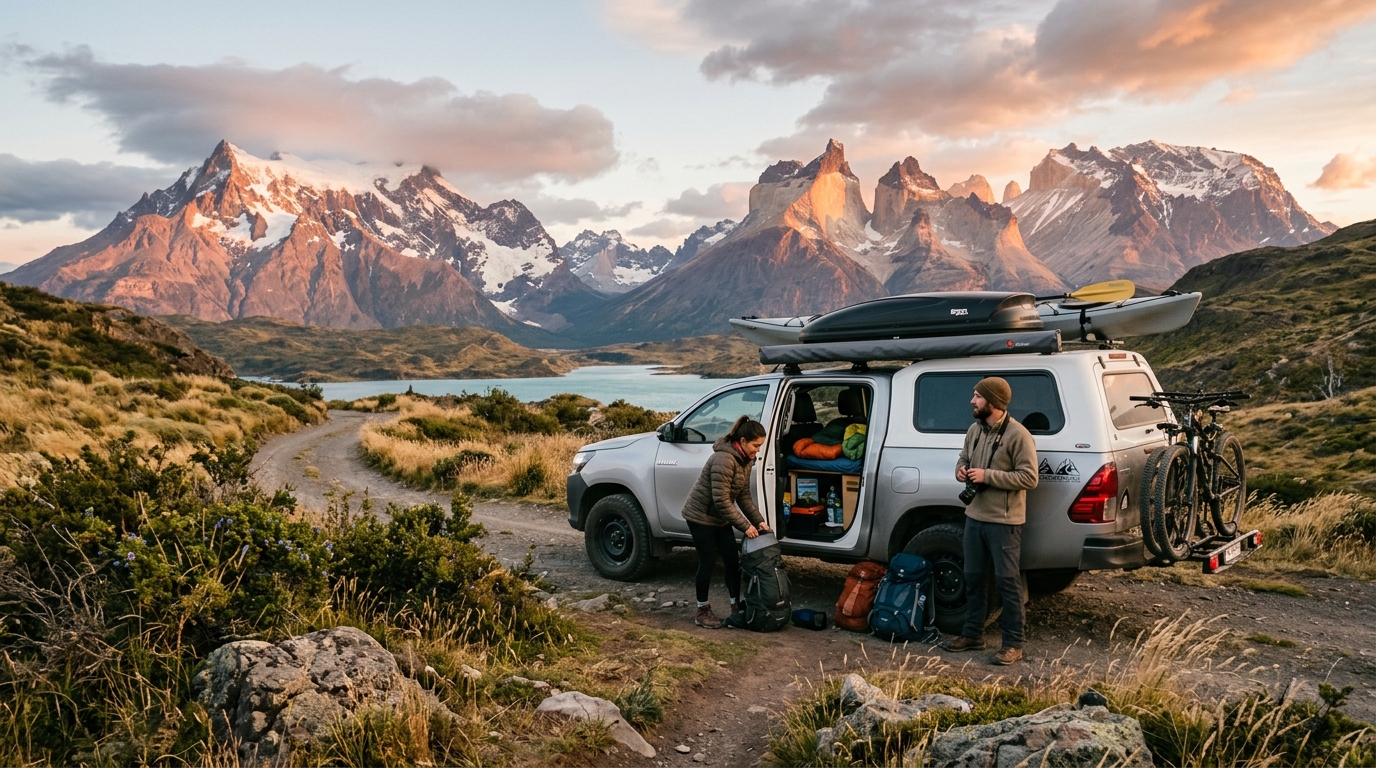
Chile is brimming with destinations perfect for RV exploration, offering unique cultural and natural experiences. In Patagonia, **Torres del Paine National Park** is iconic for its granite towers and glaciers; booking campsites well in advance is essential. The **Atacama Desert**, specifically **San Pedro de Atacama**, serves as a gateway to wonders like El Tatio Geysers and Valle de la Luna, requiring preparedness for high altitudes and dry conditions. The **Lakes District**, with its volcanoes and hot springs around **Pucón** and **Villarrica National Park**, is an adventure hub with excellent RV infrastructure. For a distinct cultural experience, **Chiloé Island** offers wooden churches and unique local cuisine, accessible by ferry. For urban exploration, such as **Valparaíso**, it's often best to park your RV on the outskirts and use public transport due to the city's narrow, steep streets. Actively seek opportunities for cultural immersion by visiting small villages and engaging with locals to discover authentic eateries and experiences.
Can you rent a 4x4 RV in Chile?
While most luxury RV rentals in Chile are 2WD, specialized providers do offer 4x4 RVs or robust truck campers, which are highly recommended for truly remote and rugged terrains. A 4x4 vehicle is genuinely beneficial for extremely challenging dirt roads, steep inclines with loose gravel, or deep mud where a standard 2WD RV might struggle. While many sections of the Carretera Austral can be navigated by 2WD RVs, certain detours or less-maintained tracks greatly benefit from 4x4 capabilities and higher ground clearance. Assess your planned itinerary's ground clearance requirements carefully; higher clearance, common in 4x4s, helps prevent damage on rough tracks. For the average luxury RV traveler sticking to established routes, a 2WD RV is usually sufficient; a 4x4 is truly for those intending deliberate off-road exploration.
Can you cross the border from Chile to Argentina with a rental RV?
Crossing the border from Chile to Argentina with a rental RV is feasible but requires meticulous pre-planning and coordination with your rental company. You must secure explicit authorization and obtain specific legal documentation, including a notarized power of attorney ('Poder') and international vehicle insurance valid for both countries. It's imperative to inform your RV provider well in advance of your intention to cross international borders to allow sufficient time for document preparation and insurance arrangements. Be prepared for thorough customs and immigration checks at the border, ensuring all personal and vehicle documents are readily available. Research specific border crossing hours and potential busy periods, as some crossings may have limited operating hours or close seasonally. Due to the complexity and limited availability, booking international one-way rentals or border crossings many months in advance is highly recommended.
Are there pet-friendly RV rentals in Chile?
Yes, some luxury RV rental companies in Chile offer pet-friendly vehicles, allowing you to bring your furry companions. However, policies often include additional cleaning fees, size restrictions, and may require specific pet travel documentation. Always confirm the provider's pet policy, including any breed or size restrictions or limitations on the number of pets, before booking. Expect an additional, often non-refundable, cleaning fee to cover specialized cleaning required for pet-friendly vehicles. Ensure your pet has all necessary health certificates, vaccination records, and an international microchip, especially if crossing borders; consult SENASA for specific import/export requirements. Remember to practice responsible pet ownership: keep pets leashed, clean up after them, and ensure they do not damage the RV interior. You'll also want to research pet-friendly campsites and be aware that national parks often have restrictions on where pets can go.
Is Chile good for solo travel?
Chile is widely considered an excellent destination for solo travelers, including solo female travelers, offering a safe environment, diverse landscapes, and a welcoming culture. Traveling by RV enhances this, providing self-sufficiency and comfort. Chile generally boasts a low violent crime rate, making it safe for solo exploration, though common-sense precautions against petty theft are always advisable. Solo female travelers frequently report positive experiences, but it's wise to avoid walking alone at night in poorly lit areas and maintain situational awareness. An RV provides a secure, independent base, allowing solo travelers to control their itinerary, choose safe overnight parking, and enjoy personal space. While independent, campgrounds and tourist hubs offer opportunities to meet fellow travelers. Investing in a local SIM card for communication (providers like Entel, Movistar, Claro are common) and considering a satellite device for remote areas are practical steps.
How much does it cost to rent an RV in Santiago Chile?
Renting a luxury RV in Santiago, Chile, is a popular starting point for many journeys, with rental costs aligning closely with the national average. Santiago's accessibility via its international airport and the concentration of rental providers mean a wider selection of luxury RVs is usually available. Rental prices originating from Santiago are influenced by the same factors as rentals elsewhere: RV class, season, duration, and included amenities, with daily rates typically falling within the $150-$400 USD range. Be prepared for the initial challenge of navigating out of the busy city and ensure your rental depot is conveniently accessible from the airport. Some companies might offer slightly different rates for rentals specifically originating from Santiago, so it's worth comparing. Early booking is particularly crucial for luxury models and during peak season to secure the best rates and your preferred vehicle.
Can I pick up an RV in Chile and drop off in Argentina?
While picking up a luxury RV in Chile and dropping it off in Argentina is often possible through specialized rental companies, this international one-way rental option typically involves significant additional fees and requires extensive pre-planning for documentation and logistics. It's crucial to find a provider that explicitly supports international one-way rentals, as this service is not universally offered. Expect substantial drop-off fees, which cover the cost of returning the vehicle to its origin country. All necessary vehicle and personal documents, including a notarized power of attorney ('Poder') and international insurance valid for both countries, are mandatory. You must pre-plan the exact drop-off location and time, as international depots may have different operating hours or procedures. Given the complexity and limited availability, booking such rentals many months in advance is imperative. Carefully weigh the convenience against the considerable additional cost; in some cases, returning to the origin country and flying out might prove more economical.
What You Shouldn't Miss
- Drive a portion of the Carretera Austral (Route 7) in Patagonia, experiencing its remote beauty and essential ferry crossings.
- Stargaze in the Atacama Desert, finding a designated camping spot for an unparalleled celestial view.
- Explore the stunning landscapes of Torres del Paine National Park, remembering to book campsites well in advance.
- Visit Pucón in the Lakes District for adventure activities and natural beauty.
- Immerse yourself in the unique culture of Chiloé Island, known for its wooden churches and distinct cuisine.
- Experience the geothermal wonders and unique desert landscapes on the Atacama Desert Loop.
Final Thoughts
Embarking on an RV journey through Chile is an adventure that promises unparalleled freedom and breathtaking scenery. From the stark beauty of the Atacama to the rugged grandeur of Patagonia, your rented RV will be your gateway to experiencing the very best of this incredible country. Remember to plan ahead, stay flexible, and embrace the slow travel ethos to truly connect with Chile's diverse landscapes and warm culture.
With Bandana Caravan, you can compare options from leading suppliers with full price transparency, ensuring a smooth and enjoyable booking process. Let us help you plan your dream Chilean adventure, where every kilometer unveils a new, unforgettable vista. Get inspired for your next trip!