In This Guide
- What cheap rv rental RV Rental Costs in Chile (CurrentYear)
- Seasonal Pricing - Peak vs. Shoulder vs. Off-Season in Chile
- What's Included vs. What's an Add-On
- Hidden Costs to Budget For in Chile
- How to Save on cheap rv rental RV Rental in Chile
- What are the key safety considerations for RV travel in Chile?
- Is wild camping or boondocking allowed with an RV in Chile?
- What are the total costs to budget for an RV trip in Chile beyond the rental fee?
- What are the best RV routes in Chile and their specific challenges?
- How can I experience Chilean culture and interact with locals during my RV trip?
- What specific RV preparation and maintenance are needed for Chilean roads?
- What are the requirements for RV border crossings between Chile and Argentina?
- Top Cities for Your Cheap RV Rental in Chile
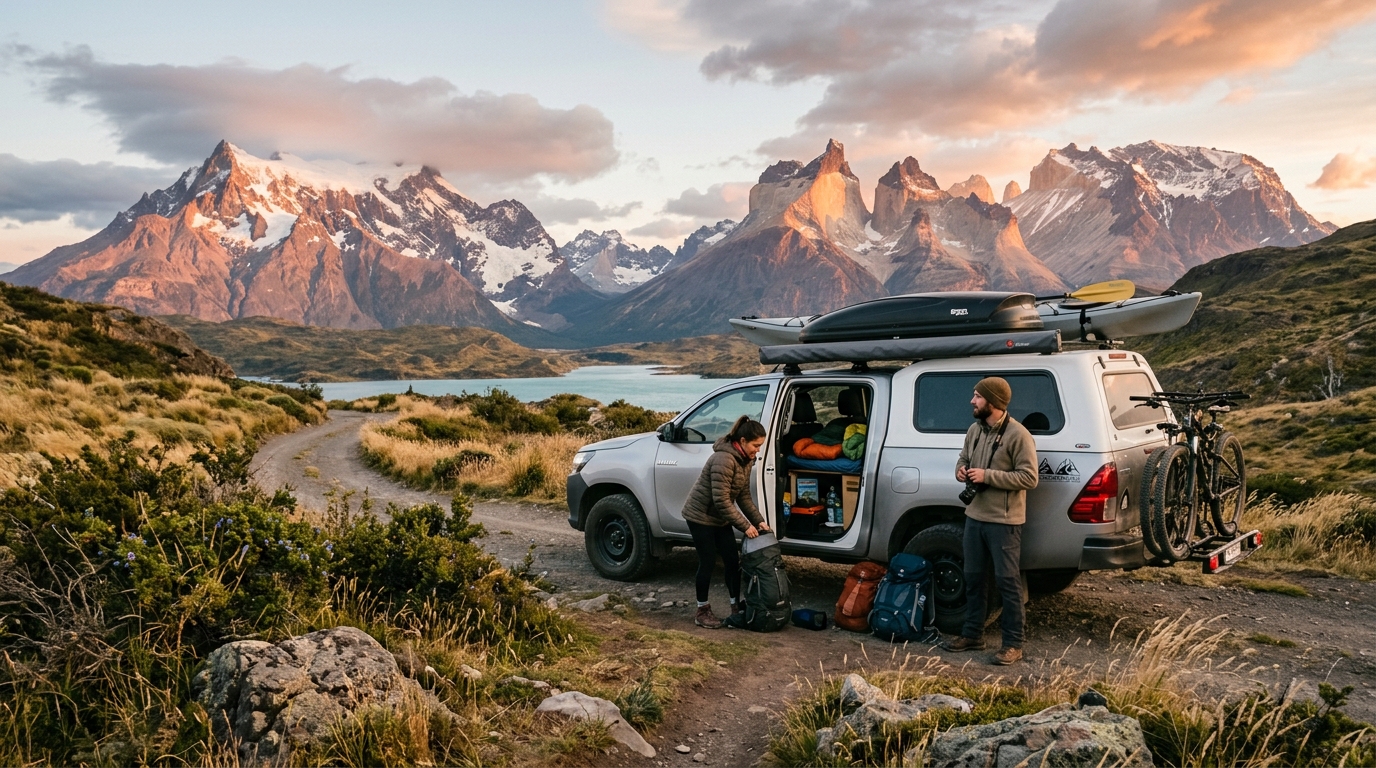
Embarking on a cheap RV rental in Chile opens up a world of breathtaking landscapes, from the lunar valleys of the Atacama Desert to the majestic fjords of Patagonia. Imagine the freedom of setting your own pace, waking up to incredible views, and having your comfortable mobile home right there with you. For many, a motorhome trip through Chile is a once-in-a-lifetime adventure, and with careful planning, it can be surprisingly affordable.
At Bandana RV, we specialize in helping travelers like you discover the joy of RV travel. We’ve been assisting tens of thousands of adventurers since 2001, offering direct partnerships with over 50 leading RV suppliers worldwide to ensure you find the perfect campervan or motorhome for your Chilean journey. For live availability and current prices, start with our RV Rental Chile - Complete Guide 2026 guide.
What cheap rv rental RV Rental Costs in Chile (CurrentYear)
April is typically the cheapest month for RV rental in Chile, offering the most budget-friendly options for travelers. Prices for RV rentals are dynamic, fluctuating based on demand, season, RV class, and rental duration. For an immediate overview of current rental costs across various RV classes and trip lengths, refer to the live pricing table below.
Live April Price Comparison — RV Class × Trip Length
| Trip length | Class A | Class B | Class C | Class SI | Class TC |
|---|---|---|---|---|---|
| 1 week 15/04 → 22/04 | [Price_ClassType-A_PickupID-112_DropoffID-112_PickupDate-15/04_DropoffDate-22/04] | [Price_ClassType-B_PickupID-112_DropoffID-112_PickupDate-15/04_DropoffDate-22/04] | [Price_ClassType-C_PickupID-112_DropoffID-112_PickupDate-15/04_DropoffDate-22/04] | [Price_ClassType-SI_PickupID-112_DropoffID-112_PickupDate-15/04_DropoffDate-22/04] | [Price_ClassType-TC_PickupID-112_DropoffID-112_PickupDate-15/04_DropoffDate-22/04] |
| 2 weeks 15/04 → 29/04 | [Price_ClassType-A_PickupID-112_DropoffID-112_PickupDate-15/04_DropoffDate-29/04] | [Price_ClassType-B_PickupID-112_DropoffID-112_PickupDate-15/04_DropoffDate-29/04] | [Price_ClassType-C_PickupID-112_DropoffID-112_PickupDate-15/04_DropoffDate-29/04] | [Price_ClassType-SI_PickupID-112_DropoffID-112_PickupDate-15/04_DropoffDate-29/04] | [Price_ClassType-TC_PickupID-112_DropoffID-112_PickupDate-15/04_DropoffDate-29/04] |
| 1 month 01/04 → 30/04 | [Price_ClassType-A_PickupID-112_DropoffID-112_PickupDate-01/04_DropoffDate-30/04] | [Price_ClassType-B_PickupID-112_DropoffID-112_PickupDate-01/04_DropoffDate-30/04] | [Price_ClassType-C_PickupID-112_DropoffID-112_PickupDate-01/04_DropoffDate-30/04] | [Price_ClassType-SI_PickupID-112_DropoffID-112_PickupDate-01/04_DropoffDate-30/04] | [Price_ClassType-TC_PickupID-112_DropoffID-112_PickupDate-01/04_DropoffDate-30/04] |
Estimates only — flex-rate prices change daily based on availability and season.
These prices are flex-rate estimates and may change daily, much like airline tickets. For the most accurate and up-to-date pricing for your specific dates and preferences, always check live prices via the search box at the top of the page. Remember, booking 3-6 months in advance often secures better rates, with potential savings of 10-15% on popular motorhome categories. Bandana RV offers full price transparency, so there are no hidden fees or surprises when you compare options for your cheap RV rental in Chile.
Seasonal Pricing - Peak vs. Shoulder vs. Off-Season in Chile
RV rental prices in Chile are heavily influenced by seasonal demand, with significant daily fluctuations during peak times. Understanding these seasons is key to finding the cheapest RV rental in Chile.
Peak Season (December-February & July-August): The summer months (December-February) are high season due to warm weather and holidays, particularly popular for trips to Patagonia. July-August sees another peak for winter holidays, especially in skiing regions and for Patagonian winter landscapes, driving demand and prices highest. During these periods, securing a 4-berth Class C motorhome can cost upwards of $250 USD per day. Booking well in advance, ideally 6 months or more, is crucial to avoid disappointment and secure any available rates. A "Luxury RV Driving in Chile - Scenic Routes 2026" adventure might be better suited for these popular times.
Shoulder Season (September-November & March-April): These months offer a favorable balance of pleasant weather, fewer crowds, and more moderate prices. For instance, a Class B campervan might be available for $150-$200 USD per day. April, in particular, often stands out as a low-season anchor for budget-conscious travelers, providing good conditions before winter sets in, and a great time for a "Week-Long RV Driving Tour in Chile 2026".
Off-Season (May-June): Characterized by lower demand and the most attractive pricing, with some campervans available for as low as $100-$150 USD per day. While some services might be reduced and weather can be cooler or wetter, it's ideal for those seeking solitude and significant savings. Travel during this time might offer the best opportunities for a truly cheap RV rental in Chile.
What's Included vs. What's an Add-On
Understanding what's included in your rented RV and what constitutes an add-on is vital for accurate budgeting for your cheap RV rental in Chile. While specifics vary by motorhome and rental station, some common elements apply. Basic insurance is always included with RV rentals. To see prices including the most comprehensive coverage, select that option during your search on Bandana RV; then, all relevant insurance options, such as upgrading to a top-level deductible for extra peace of mind, will be shown. On the routes offered through RV PLANET routes, you can itemize and track every expense along the way for easy budgeting.
Common add-ons can significantly impact your total trip cost. These often include additional mileage packages (some rentals include unlimited mileage, others charge per kilometer over a set limit), generator usage fees (if the RV has one), kitchen kits (utensils, cookware), and bedding/linen sets. For instance, a basic kitchen kit might cost $50-$100 USD per rental, and extra mileage could be $0.30-$0.50 USD per kilometer. Bandana RV offers a convenient comparison toggle to see which RVs include kitchen utensils, tableware, and bedding. Renting a motorhome through our platform allows you to compare final prices across 50+ suppliers so you don't have to, ensuring full transparency with no hidden fees.
Want to check exactly what's included with your preferred Class B campervan or Class C motorhome? Click here to start a search and review specific vehicle details, making your "RV Driving Deals in Chile - Routes and Savings 2026" planning much easier.
Hidden Costs to Budget For in Chile
Beyond the primary rental fee, several hidden costs can add up during an RV trip in Chile, making careful budgeting essential. The most significant variable expense is typically fuel, which can average $1.20-$1.50 USD per liter and may be more expensive in remote regions, such as along the Carretera Austral. You should also budget for road tolls on major highways, which can total $5-$15 USD per day depending on your route and distance traveled. For routes requiring ferry crossings, like parts of the Carretera Austral, expect additional fees ranging from $20-$150 USD per crossing for a motorhome.
Campsite fees vary widely, from free wild camping spots to organized campgrounds charging $10-$40 USD per night. Dump station charges for emptying waste tanks, if not included at a campground, can be $5-$15 USD per use. Propane for cooking and heating can add another $20-$50 USD per week. Some Bandana RV providers allow you to pre-purchase toll-road usage, helping you avoid surprise charges and potential fines. Additionally, some RV rentals come with fuel discount cards, and Bandana RV offers access to campground discount cards, which can lead to significant savings on overnight stays. For tracking all these expenses, RV PLANET routes allow travelers to itemize and track every expense along the way for easy budgeting.
How to Save on cheap rv rental RV Rental in Chile
Maximizing your budget for an RV adventure in Chile involves smart planning and leveraging available savings opportunities. Firstly, booking your trip during the shoulder season (e.g., April or September-November) can significantly reduce rental costs compared to peak periods, potentially saving 15-20% on daily rates for a 2-berth campervan. Secondly, take advantage of any pre-payment options for tolls or look for RVs that include fuel or campground discount cards, which can offset daily operational expenses. For tips on managing these costs, you might find our "Budget RV Driving in Chile - Save on Fuel 2026" helpful.
Consider selecting a smaller RV class if it comfortably accommodates your group, as smaller vehicles like a Class B campervan often come with lower rental rates (e.g., $100-$180 USD/day) and better fuel efficiency (e.g., 10-15 L/100km fuel consumption). Additionally, opting for longer rental durations, such as a two-week adventure, typically results in a lower daily rental rate. Finally, keep an eye on flex-rate drops; these dynamic pricing changes can sometimes offer unexpected deals, especially closer to your desired pickup date, though availability for specific motorhome types like a 6-berth Class C might be limited. We compare final prices across 50+ suppliers so you don't have to, making it easier to find the cheapest RV rental in Chile.
What are the key safety considerations for RV travel in Chile?
RV travel in Chile requires awareness of specific hazards like 'ripio' gravel roads, challenging mountain passes, potential wildlife encounters, and urban crime risks, alongside preparedness for natural phenomena. Drivers should be particularly cautious on unpaved 'ripio' roads, which can account for significant portions of scenic routes like the Carretera Austral, requiring slower speeds (e.g., 40-60 km/h) and careful maneuvering to avoid punctures. When navigating steep mountain passes in the Andes, especially during winter (July-August), be prepared for sudden weather changes and potential ice; carrying tire chains is often recommended for such conditions. Wildlife, such as guanacos or foxes, can appear on roads, particularly at dawn or dusk, necessitating vigilance.
In urban areas, standard crime prevention measures like securing your vehicle, not leaving valuables in sight, and being aware of your surroundings are essential. Always lock your rented motorhome when leaving it unattended, even for short periods. It's also critical to understand how to access emergency services; Chile's emergency number is 133 for police. Be prepared for natural events like earthquakes or volcanic activity, especially in geologically active regions. Knowing your nearest medical facilities and having a basic first-aid kit in your campervan is always a good idea. Remember, drive slowly and carefully, and you can drive almost anywhere without issues. No need to stress - just use common sense and pay attention.
Is wild camping or boondocking allowed with an RV in Chile?
While not explicitly illegal in all areas, wild camping or 'boondocking' with a rented RV in Chile requires careful consideration of legality, local regulations, safety, and respect for private property and the environment. While many public lands, especially in more remote regions like Patagonia, may permit discreet wild camping, it is always crucial to ensure you are not on private land without explicit permission; a polite inquiry to local landowners can often grant you a beautiful, free spot. Adhering to 'Leave No Trace' principles is paramount to preserve Chile's natural beauty, which means packing out all trash, properly disposing of human waste, and minimizing impact.
Prioritize safety by choosing well-lit, visible, and secure locations, especially if traveling alone in your campervan. Research specific recommended spots through resources like rvplan.net to avoid sensitive ecosystems or areas with local restrictions. National parks often have designated campgrounds (many with 25-30% first-come-first-serve spots, costing $15-$30 USD/night), and camping outside these can lead to fines or being asked to move. You'll find a spot. If not at the first campground, then the next one. Call ahead before driving. Wild camping can offer incredible solitude and significant savings, but always err on the side of caution and respect local communities and their land.
What are the total costs to budget for an RV trip in Chile beyond the rental fee?
Beyond the RV rental fee, a comprehensive budget for an RV trip in Chile must include realistic estimates for fuel, tolls, ferry crossings (e.g., Carretera Austral), groceries, activities, and potential border crossing fees. Fuel is often the largest variable cost, especially when exploring remote areas where prices can be higher (e.g., $1.50 USD/liter in Patagonia) and stations scarcer, potentially adding $300-$800 USD for a two-week trip covering 2,000-3,000 km. Tolls are common on major Chilean highways, with costs accumulating to $50-$100 USD for an extended road trip. Ferry services, essential for certain iconic routes like the Carretera Austral, can add ticket prices ranging from $20-$150 USD per crossing for a motorhome.
Daily expenses for groceries for cooking on board your rented RV, occasional dining out, and desired activities or tours also need to be included. A family of four might spend $80-$120 USD per day on food and activities. For those who enjoy preparing their own meals, our RV-friendly recipes playlist offers great ideas. National park entry fees can range from $5-$30 USD per person per park. If crossing borders, such as into Argentina, be prepared for potential reciprocal fees or specific vehicle entry taxes, which can be $10-$50 USD per crossing. Planning ahead with RV PLANET routes allows travelers to itemize and track every expense along the way for easy budgeting.
What are the best RV routes in Chile and their specific challenges?
Iconic RV routes in Chile, such as the Carretera Austral, Ruta 5, and Atacama desert routes, offer unique landscapes but demand specific planning for challenges like ferry schedules, fuel availability, cell service gaps, and varied road conditions. The Carretera Austral (Route 7), stretching over 1,200 km through Chilean Patagonia, is famous for its wild beauty but involves multiple ferry crossings, necessitating advance booking for vehicles during peak season (December-February) and extensive 'ripio' (gravel) sections that require slower speeds, perhaps 40 km/h, and careful driving. For this epic journey, our "One-Way RV Driving in Chile - Route Planner 2026" might be invaluable.
Ruta 5 (Pan-American Highway) offers a smoother, faster journey through central and southern Chile, providing access to major cities like Santiago and attractions, though tolls are frequent and can add up. It’s a great option for a "Week-Long RV Driving Tour in Chile 2026". The Atacama Desert routes in the north provide otherworldly scenery, including the Valle de la Luna and high-altitude lagoons, but necessitate careful preparation for high altitudes (some passes over 4,500 meters), extreme temperatures (daytime 25-30°C, nighttime near 0°C), and limited services, with significant distances (150-200 km) between fuel stops. Across all routes, fuel stops, cell service availability (especially outside major towns), and varied road quality are crucial considerations for RV travelers. Drive slowly and carefully, and you can drive almost anywhere without issues. No need to stress - just use common sense and pay attention.
How can I experience Chilean culture and interact with locals during my RV trip?
To genuinely immerse in Chilean culture during your RV trip, seek out local markets, regional cuisine, unique festivals, interact respectfully with indigenous communities, and explore hidden gems beyond standard tourist circuits. Visiting 'ferias' (local markets) provides an excellent opportunity to buy fresh produce, local crafts (e.g., $5-$50 USD for handmade items), and observe daily life in towns like Puerto Montt or along the Central Valley. Don't shy away from trying regional cuisine at small, local eateries; for example, a 'completo' (Chilean hot dog) costs about $3-$5 USD, or a hearty 'cazuela' stew around $10-$15 USD. You can also cook your own version in your rented motorhome.
Check local calendars for unique festivals or community events that might be happening during your visit, such as the Fiesta de La Tirana in July or regional harvest festivals. Learning basic Spanish phrases can significantly enhance interactions with locals, fostering warmer connections and potentially unlocking unique local insights. Remember to approach indigenous communities, particularly in the south, with respect and cultural sensitivity, asking permission before taking photos. Venturing off the main tourist circuit, perhaps guided by customized itineraries from RV PLANET, often leads to more profound and memorable cultural encounters, making your journey with a rented campervan truly special.
What specific RV preparation and maintenance are needed for Chilean roads?
Preparing an RV for Chilean conditions requires considering specific needs like appropriate tires, essential tools, potential satellite communication for remote areas, and familiarity with local fuel types and repair services for minor roadside issues. Ensure your RV's tires are in excellent condition and suitable for diverse terrains, including potentially long stretches (hundreds of kilometers) of 'ripio' gravel roads found in Patagonia; consider tire pressure adjustments for different surfaces. Packing a basic toolkit for minor repairs, a robust jack, and a spare tire is highly recommended, as roadside assistance can be slow or unavailable in remote areas.
For travel in very remote regions with no cell service, such as deep into the Andes or parts of the Atacama, a satellite communication device for emergency calls or a personal locator beacon (PLB) can be a lifesaver. Understand the differences in Chilean fuel types (primarily diesel or gasoline, often labeled 'bencina') and plan your route around known fuel stations, especially where distances between towns can be 100-200 km. Finally, research the availability of repair services and common RV parts, as these might differ from what you're accustomed to. Knowing how to check oil and fluid levels in your rented motorhome is always a good practice before long stretches of driving. For more driving tips, consult our "Driving an RV in Chile - Complete Guide 2026".
What are the requirements for RV border crossings between Chile and Argentina?
RV border crossings between Chile and Argentina involve specific document requirements beyond a standard driver's permit, potential wait times, and strict agricultural restrictions on fresh produce. Essential documents typically include your passport, a valid national driver's license (an International Driving Permit is recommended for non-Spanish speakers but not always mandatory), RV ownership papers (provided by the rental company), and a specific temporary vehicle exit/entry permit. This permit, often called 'permiso de salida temporal' for exiting Chile, is usually obtained at the border itself and might require a small administrative fee (e.g., $10-$20 USD).
Be prepared for potentially long wait times, particularly during peak travel seasons (December-February) or at popular crossings like Paso Los Libertadores, where delays can be 2-4 hours. A critical regulation to observe is the strict prohibition on bringing fresh produce (fruits, vegetables), raw meat, and dairy across the border due to agricultural protection laws in both countries. Officials will confiscate these items, and you could face fines up to $200 USD. Always declare items as required and be aware that specific border posts might have unique requirements or operating hours, typically 8:00 AM to 8:00 PM, though some close earlier in winter. Our "One-Way RV Driving in Chile - Route Planner 2026" can provide route-specific border info.
Top Cities for Your Cheap RV Rental in Chile
Chile offers several excellent starting points for your RV adventure, each providing access to different facets of this incredibly diverse country. Choosing the right city for your cheap RV rental in Chile can significantly influence your trip's cost and convenience. Bandana RV partners with top suppliers like Apollo and Britz in these key locations, ensuring a wide selection of campervans and motorhomes.
- Santiago: As the capital and largest city, Santiago offers the widest selection of RV rental options, including Class C motorhomes and campervans, and often the most competitive prices. It's the ideal starting point for exploring central Chile's wine regions or heading north to the Atacama Desert or south towards Patagonia via Ruta 5. Santiago International Airport (SCL) is the primary pickup location.
- Calama - Airport: Located in northern Chile, Calama is the gateway to the Atacama Desert. Renting a campervan here allows immediate access to San Pedro de Atacama, Valle de la Luna, and the high-altitude lagoons, perfect for a short desert exploration without long drive times from Santiago.
- Puerto Montt: Situated in the Lakes District, Puerto Montt is often considered the southern gateway to Patagonia and the start of the famous Carretera Austral. Picking up your motorhome here is perfect for those planning a deep dive into the region's fjords, glaciers, and national parks, saving hundreds of kilometers of driving from Santiago.
- Punta Arenas: For adventurers keen on exploring the extreme south of Chilean Patagonia, including Torres del Paine National Park, Punta Arenas offers rental options. While selection might be smaller, it allows for direct access to some of the world's most dramatic landscapes, with many 4x4 campervan options ideal for challenging terrain.
- Arica: In the far north, Arica is a lesser-known but strategic spot for those looking to explore the Chilean Altiplano, Lauca National Park, and the border regions with Peru and Bolivia. It's an excellent choice for a unique cultural and high-altitude adventure with a rented RV.
What You Shouldn't Miss
- Drive the Carretera Austral: This iconic route (Route 7) winds through some of Patagonia's most untouched landscapes, featuring pristine lakes, glaciers, and dense forests. Allow ample time for ferry crossings and gravel roads.
- Explore the Atacama Desert: Witness otherworldly landscapes, including the Valle de la Luna, geysers, and high-altitude lagoons with flamingos near San Pedro de Atacama.
- Hike in Torres del Paine National Park: Experience world-class trekking amidst towering granite peaks, glaciers, and turquoise lakes in this Patagonian gem. Remember to book campsites well in advance, especially during peak season.
- Visit the Chilean Wine Valleys: Take your rented motorhome through central Chile's lush valleys, sampling renowned Cabernet Sauvignon and Carmenere. Many vineyards offer RV-friendly parking and tastings.
- Discover the Lake District: Explore the picturesque region around Pucon and Puerto Varas, with their volcanic backdrops, hot springs, and opportunities for water sports and adventure tourism.
- Looking for expert insights from Avi Bandana? Top 5 Adventures - recommendations from Avi Bandana
Final Thoughts
Exploring Chile by a rented RV is an unparalleled experience, offering the freedom to discover its incredible natural beauty and rich culture at your own pace. With careful planning and an understanding of potential costs, a cheap RV rental in Chile is well within reach for couples, families, or groups of friends.
Remember to embrace the spirit of slow travel, averaging no more than 100-150 km per day, allowing yourself time to truly feel each place, connect to the local culture, savor the food, and soak in the magnificent scenery. From the vibrant markets to the tranquil fjords, Chile awaits your motorhome adventure.
Ready to find your perfect home on wheels? Compare Motorhome Prices for Chile and start planning your unforgettable journey today!