In This Guide
- Can You Drive an RV in Chile? License & Age Rules
- Road Conditions & Terrain in Chile
- RV Size Limits, Bridges & Restricted Zones
- Fuel: Diesel vs. Petrol & Cost per 100 km
- Tolls, Vignettes & Border Rules in Chile
- Driving Tips for Weekly RV Rental Travelers in Chile
- Recommended RV Class for Chile Roads
- Should I Choose a Compact Van Instead of a Large RV in Chile?
- Can I Park Anywhere? Free & Wild Camping Rules in Chile
- Can I Drive an RV Into the City Center in Chile? Heights, Tunnels & Local Signage
Imagine yourself on the route, winding through Chile's breathtaking landscapes, from the arid Atacama Desert to the glacial fjords of Patagonia. A weekly RV rental in Chile offers unparalleled freedom and flexibility to discover this incredibly diverse country at your own pace. With a rented motorhome, your accommodations and transport are seamlessly combined, ready to take you on an unforgettable week-long adventure or even longer.
At Bandana RV, we're true RV specialists, dedicated exclusively to motorhome travel. We believe in full transparency: no hidden fees, no surprises. We're with you every step of the way, offering personal service from your first inquiry until your booking is confirmed, ensuring you have peace of mind. For live availability and current prices, start with our RV Rental Chile - Complete Guide 2026 guide.
Can You Drive an RV in Chile? License & Age Rules
Yes, foreign visitors can drive a rented RV in Chile with a valid home country driver's license, provided it is printed in Spanish or accompanied by an International Driving Permit (IDP) if not. A standard car license (equivalent to a Chilean B class license) is typically sufficient for driving most rental motorhomes, as they generally fall within the 3,500 kg Gross Vehicle Weight Rating (GVWR) limit. For those renting an RV for a week or more in Chile, remember that special licenses, CDLs, or additional permits are not required for any of the motorhome classes (Class A, Class B, Class C) we offer.
The minimum age for RV rentals in Chile is generally 21 years old across most Bandana partner suppliers, unlike some countries where it's 25. What's more, there are no young driver surcharges and no vehicle class restrictions based on age, making RV travel accessible to a broader range of adventurers. Always carry your physical driver's license and the IDP (if applicable) when driving in Chile.
Road Conditions & Terrain in Chile
Chile features diverse road conditions, ranging from excellent paved highways like Ruta 5 (the Pan-American Highway) to unpaved gravel roads, especially prevalent in Patagonia and more remote regions. When traveling through the Andes or exploring national parks, expect mountainous terrain with winding roads, steep inclines, and sharp turns. These sections require careful driving, but they also offer some of the most spectacular scenic vistas imaginable.
Drivers should anticipate encountering varied road surfaces, including paved, gravel, and occasionally rougher sections, encouraging a slower, more scenic driving pace of max 100-150 km per day. This allows you to truly feel the place, connect to the culture, the food, and the scenery. Be prepared for potential road hazards such as potholes, wandering livestock, and unpaved shoulders, particularly in rural areas. Having a relaxed mindset and allowing extra travel time will ensure a smooth and enjoyable week-long rv trip.
RV Size Limits, Bridges & Restricted Zones
Chilean infrastructure generally accommodates rental RVs of various sizes, including Class B Camper Vans (averaging 5.8m in length) and larger Class A Integrated RVs (up to 7.5m). Drivers should always be vigilant for low bridges and tunnels, particularly in older towns or specific urban areas, though these are typically well-marked with clear height and weight limits. When traveling to islands like Chiloé or along parts of the Carretera Austral, ferry services may have specific length, height, and weight restrictions, and advance booking is often essential for larger motorhomes.
Environmental zones or specific restricted access areas for RVs are uncommon outside of designated national park regulations; always check local park rules for sensitive natural areas. Remember, you can drive almost anywhere without issues. Drive slowly and carefully, and you can drive almost anywhere without issues. No need to stress - just use common sense and pay attention to road signs, especially those indicating maximum height or weight. Our direct partnerships with over 50 leading RV suppliers worldwide, including El Monte and Apollo, ensure we offer a wide variety of motorhomes to suit different travel styles and preferences.
Fuel: Diesel vs. Petrol & Cost per 100 km
Most rental RVs in Chile operate on diesel (locally known as 'Diésel' or 'Petróleo'), which is widely available across the country. Petrol ('Bencina') is also common, particularly for smaller campervans. Fuel availability can become sparse in very remote regions, especially in parts of Patagonia and the Atacama Desert, making careful route planning and regular refueling stops essential. Always consider filling up when you see a gas station, especially before heading into sparsely populated areas.
Based on Bandana’s global fleet averages, fuel consumption typically ranges from 8-10 Liters/100 km for Class B Camper Vans. Larger Class SI Semi-integrated RVs might consume 10-11 Liters/100 km, while bigger Class C motorhomes could use 12-17 Liters/100 km. The average cost per 100 km, of course, depends on current fuel prices, which can be higher in remote southern regions. For budgeting your total trip costs, including fuel, tolls, and campground fees, remember that RV PLANET routes allow you to itemize and track every expense for easy financial management. On the routes offered through RV PLANET routes, you can itemize and track every expense along the way for easy budgeting.
Tolls, Vignettes & Border Rules in Chile
Chile primarily uses a toll road system ('peajes') on its major highways. Electronic tolls ('TAG' or 'Televía') are prevalent around Santiago and other urban areas. Chile does not utilize a vignette system for road usage; instead, tolls are paid per-use or via these electronic devices. Some Bandana rental RVs may offer electronic toll passes as an optional add-on or inclusion, which can save you from potential fines for unpaid tolls and streamline your journey.
If you're considering crossing into neighboring countries like Argentina or Peru with your rental RV, specific documentation is required. This includes notarized authorization from the rental company, international insurance, and adherence to customs and immigration procedures. These crossings often incur additional fees and require advance notice to your rental provider. Planning a One-Way RV Rental in Chile - Price Guide 2026 can give you an idea of costs if you're not crossing borders but ending your trip in a different Chilean city.
Driving Tips for Weekly RV Rental Travelers in Chile
**Plan Your Route Carefully:** Before embarking on your weekly rv adventure in Chile, research road conditions, identify reliable fuel stops, and pinpoint potential overnight parking locations. This is especially crucial for journeys through diverse Chilean landscapes like the Atacama or Patagonia. Consider using detailed route plans from RV PLANET, where you can even enjoy a 25% planning discount when using rvplan.net.
**Embrace Slow Travel:** Chile's stunning and varied scenery truly encourages a relaxed pace. Allow ample time for travel between destinations, aiming for a maximum of 100-150 km per day on average, and plan for frequent stops. This slow approach lets you connect deeply with the culture, local food, and incredible scenery. Cook delicious meals in your rented motorhome's kitchen after a day of exploring by checking out our RV-friendly recipes playlist.
**Secure Parking:** In urban areas, prioritize secure, well-lit parking or opt for established campgrounds for overnight stays. When wild camping is permitted, always choose safe, non-private, and non-restricted areas. Carry local emergency contact numbers, a comprehensive first-aid kit, and ensure you understand basic RV operations and troubleshooting for a smoother trip. With Bandana, we handle the details, you live the journey, offering personal service from day one until your booking is confirmed.
**Altitude Awareness:** When traveling in the Andes (e.g., Atacama region), be mindful of altitude sickness. Stay hydrated, ascend gradually, and be aware of symptoms. Driving slowly and being attentive will enhance your safety and enjoyment.
Recommended RV Class for Chile Roads
For a weekly RV rental in Chile, Bandana generally recommends Class B Camper Vans or Class SI Semi-integrated RVs for their optimal balance of maneuverability, comfort, and suitability for varied road conditions. A Class B Camper Van, with an average length of 5.8m and seating for 2-3 adults, offers excellent maneuverability for narrower roads and easier city parking, along with good fuel economy (8-10 Liters/100 km). These are ideal for couples or small groups.
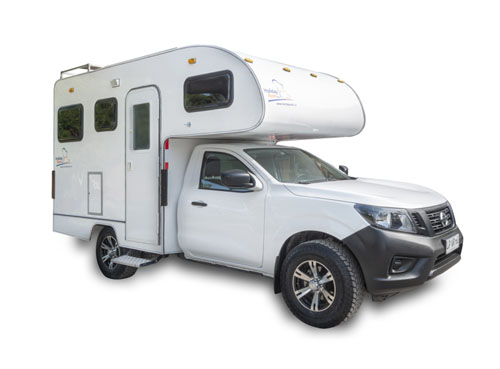
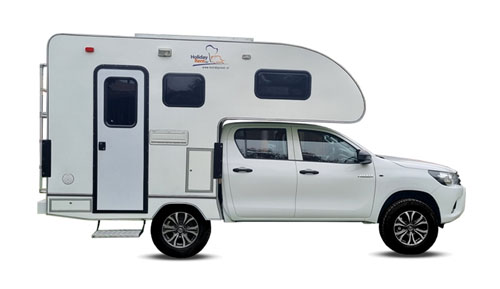
A Class SI Semi-integrated motorhome, averaging 6.9m in length and sleeping 3-4 adults, provides more living space and amenities for families, while still being manageable on Chile's main roads with typical fuel consumption of 10-11 Liters/100 km. While larger Class C (Alcove) and Class A (Integrated) RVs are certainly viable, their increased length and weight may require more cautious driving on unpaved or winding routes, particularly in regions like Patagonia. Consider checking out Cheap RV Rental in Chile - Budget Guide 2026 if budget is a primary concern, as smaller RVs often have lower rental rates and better fuel efficiency.
Should I Choose a Compact Van Instead of a Large RV in Chile?
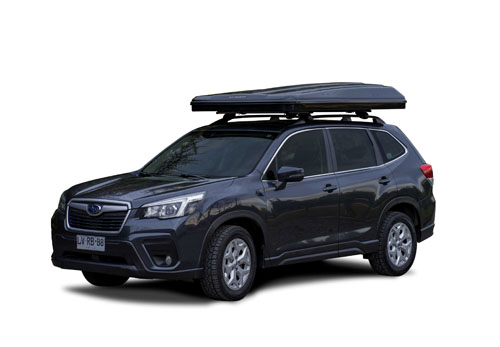
The choice between a compact campervan and a larger RV for your trip to Chile largely depends on your travel style and comfort preferences. A compact campervan, like Bandana's Class B Camper Van (averaging 5.8m in length), offers superior maneuverability and ease of parking in tighter urban spaces or on very narrow mountain passes. Vehicles like the "Active Pop Top" are great examples of agile yet comfortable options. They are excellent for minimalist travelers prioritizing agility and a more rugged experience.
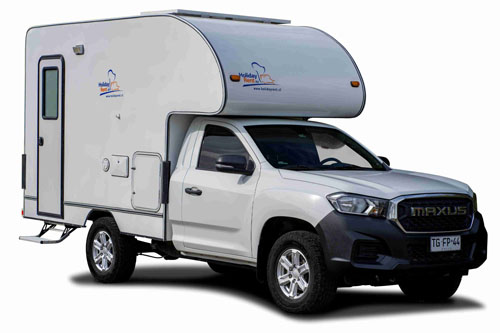
However, a larger RV, such as a Class SI Semi-integrated (averaging 6.9m) or a Class C (Alcove) motorhome (like the "24' Class C Motorhome" which sleeps 5-6), generally provides significantly more comfort and amenities for a weekly rental in Chile. These larger vehicles offer distinct living, sleeping, and kitchen areas, along with full bathrooms, enhancing the overall experience for families or longer trips. Most popular routes and main roads in Chile are well-suited for larger RVs, making the trade-off in maneuverability often minor compared to the added comfort and space. Our "RV Rental in Chile - Prices and Best Deals 2026" can help you compare options.
Can I Park Anywhere? Free & Wild Camping Rules in Chile
Wild camping and free overnight RV parking in Chile are generally tolerated in many remote, non-private, and non-restricted areas, though it's essential to exercise discretion and respect local regulations. Always avoid parking on private property without explicit permission from the landowner, and strictly adhere to 'no camping' signage, especially in urban or protected areas. Within National Parks and other protected natural areas, wild camping is typically restricted to designated campsites; check specific park rules beforehand.
Practice strict 'Leave No Trace' principles: pack out all trash, dispose of greywater and blackwater only at designated dump stations, minimize fire risk, and respect local flora and fauna. For water sourcing, rely on established campgrounds or carry appropriate water purification methods for natural sources, and plan dump station stops. Rules vary by region, so always check local regulations and follow local law before parking overnight. For finding campsites and campgrounds during your trip, we recommend using RV PLANET (rvplan.net) - a great resource for locating available spots along your route. You can also look into "RV Camping in Chile - Best Campgrounds 2026" for more specific guidance.
Can I Drive an RV Into the City Center in Chile? Heights, Tunnels & Local Signage
Yes, you can generally drive a rented RV into city centers in Chile, including major cities like Santiago and Valparaíso, provided you pay close attention to local signage. Be vigilant for explicit height restrictions on tunnels, underpasses, and multi-story parking garages, as these can be a limiting factor for taller RVs. While access is usually permitted, finding suitable and secure parking for a larger motorhome in dense city centers can be challenging; consider utilizing larger peripheral parking lots and public transport for urban exploration.
Watch for local signs indicating environmental zones or 'residents-only' streets, though these are less common for general RV access in Chile compared to some European cities. Drive slowly and carefully, and you can drive almost anywhere without issues. No need to stress - just use common sense and pay attention to your surroundings. Familiarize yourself with local internet/cellular connectivity options, as coverage can vary, particularly in remote areas, but is generally good in and around city centers, allowing you to stay connected and navigate with ease.
🎬 Video coming soon
What You Shouldn't Miss
Looking for expert insights from Avi Bandana? Top 5 Adventures - recommendations from Avi Bandana:
- Drive the Carretera Austral: This iconic route through Chilean Patagonia is a dream for RVers, offering unparalleled access to pristine national parks, turquoise lakes, and hanging glaciers. It’s perfect for slow travel, allowing you to truly immerse yourself in the wild beauty.
- Explore the Atacama Desert: Head north in your campervan to experience the driest desert on Earth. Witness stunning geysers, salt flats, and incredible stargazing opportunities near San Pedro de Atacama.
- Discover Wine Country: In central Chile, cruise through picturesque valleys like Maipo or Colchagua in your motorhome, stopping at vineyards for tastings and enjoying gourmet meals paired with exquisite Chilean wines.
- Visit the Lakes District: Venture to the heart of Chile’s natural beauty around Puerto Montt, with its volcanos, lush forests, and crystal-clear lakes. It’s an ideal region for hiking, kayaking, and enjoying the tranquility of nature.
- Experience Valparaíso's Charm: Park your RV just outside this vibrant, colorful port city and explore its labyrinthine hills, street art, and bohemian culture on foot or via its historic ascensores (funiculars).
Final Thoughts
A weekly RV driving tour in Chile promises an adventure filled with breathtaking landscapes, rich culture, and the ultimate freedom of the open road. From the majestic Andes to the vibrant coastline, a rented motorhome is your perfect companion for exploration. Remember, travel slowly, embrace the unexpected, and let the journey unfold at its own pace. We're here to support you in crafting an incredible and memorable experience.
With Bandana RV, you’re not just booking a vehicle; you’re gaining a partner who understands and loves RV travel as much as you do. We'll handle the details so you can focus on living the journey. Discover top destinations, planning tips, all in one place, and embark on your incredible Chilean road trip with confidence!
Plan a trip itinerary in advance with minimal effort and maximum enjoyment. Compare Motorhome Prices for Chile and start your South American adventure today!