In This Guide
- Where to Camp in Australia - Top Options
- Campground Types in Australia (National, Private, Wild)
- Featured RV Park or Campground in Australia
- Hookups & Amenities - What to Expect
- Booking Windows & Reservations in Australia
- Nearby Supermarkets & Resupply Points
- Best RV Class for Camping in Australia
- How to Save on Campgrounds in Australia
- Can you park an RV anywhere in Australia?
- What are RV parks called in Australia?
- Where can you park overnight for free in Australia?
- What is the average caravan park fee in Australia?
- How much do campsites cost in Australia?
- Are RVs allowed in Australia?
- How can I book campsites in Australia?
- Do you need to pre-book campsites in Australia?
- What is ghost camping in Australia?
Embarking on a winter RV camping adventure in Australia offers a unique way to experience the country's diverse landscapes, whether you're chasing the sun in the tropical north or cozying up with heated sites in the cooler south. With a rented RV, you have the flexibility to explore at your own pace, enjoying the freedom of the open road and the comfort of your mobile home. For live availability and current prices, start with our RV Rental Australia - Complete Guide 2026 guide.
Where to Camp in Australia - Top Options
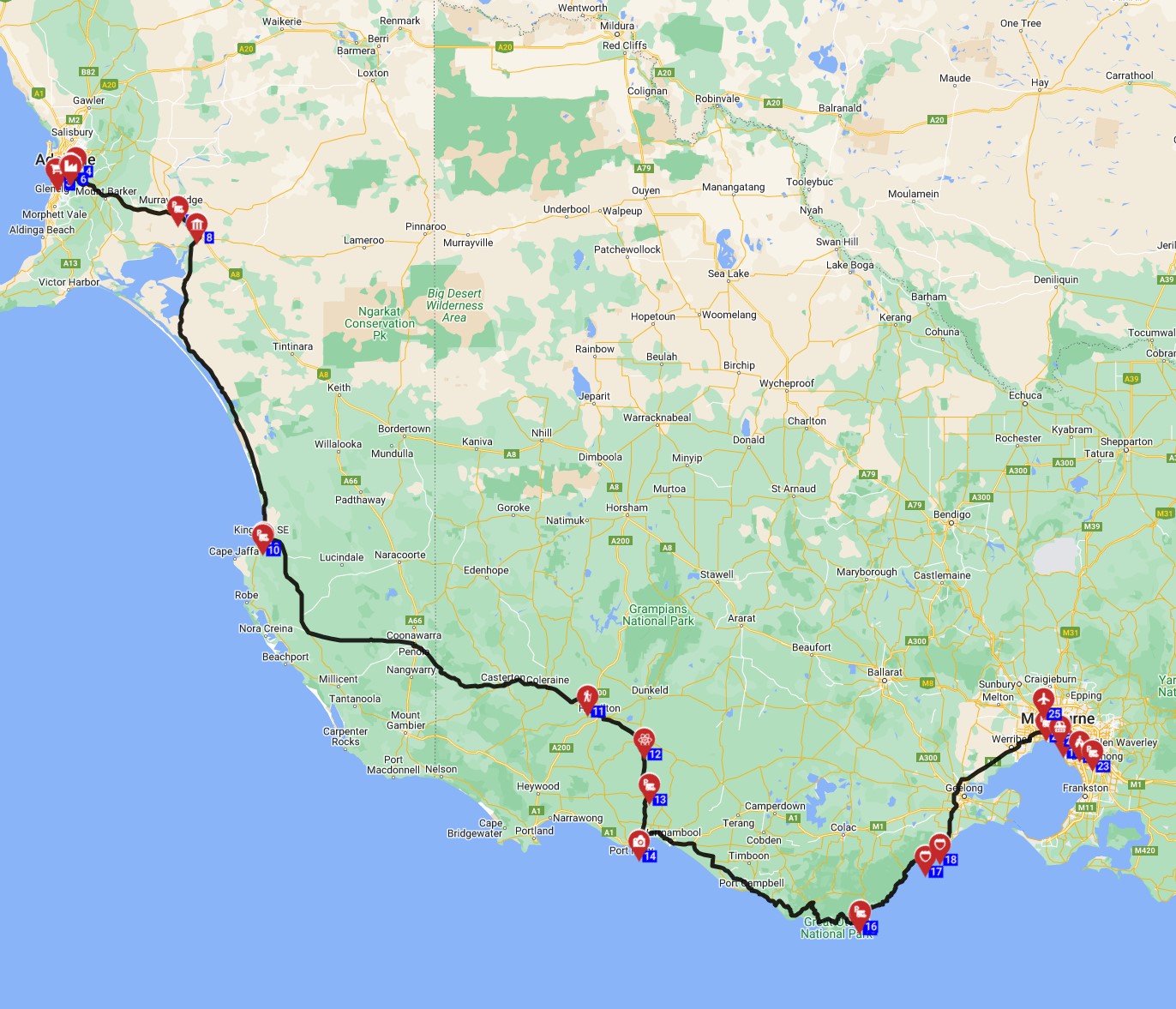
Australia provides a vast array of camping options for RV travelers, from stunning coastal views to serene outback experiences. Coastal campgrounds offer breathtaking ocean vistas, particularly along iconic routes like the Great Ocean Road in Victoria or Queensland's scenic coastlines, providing access to beaches and marine activities.
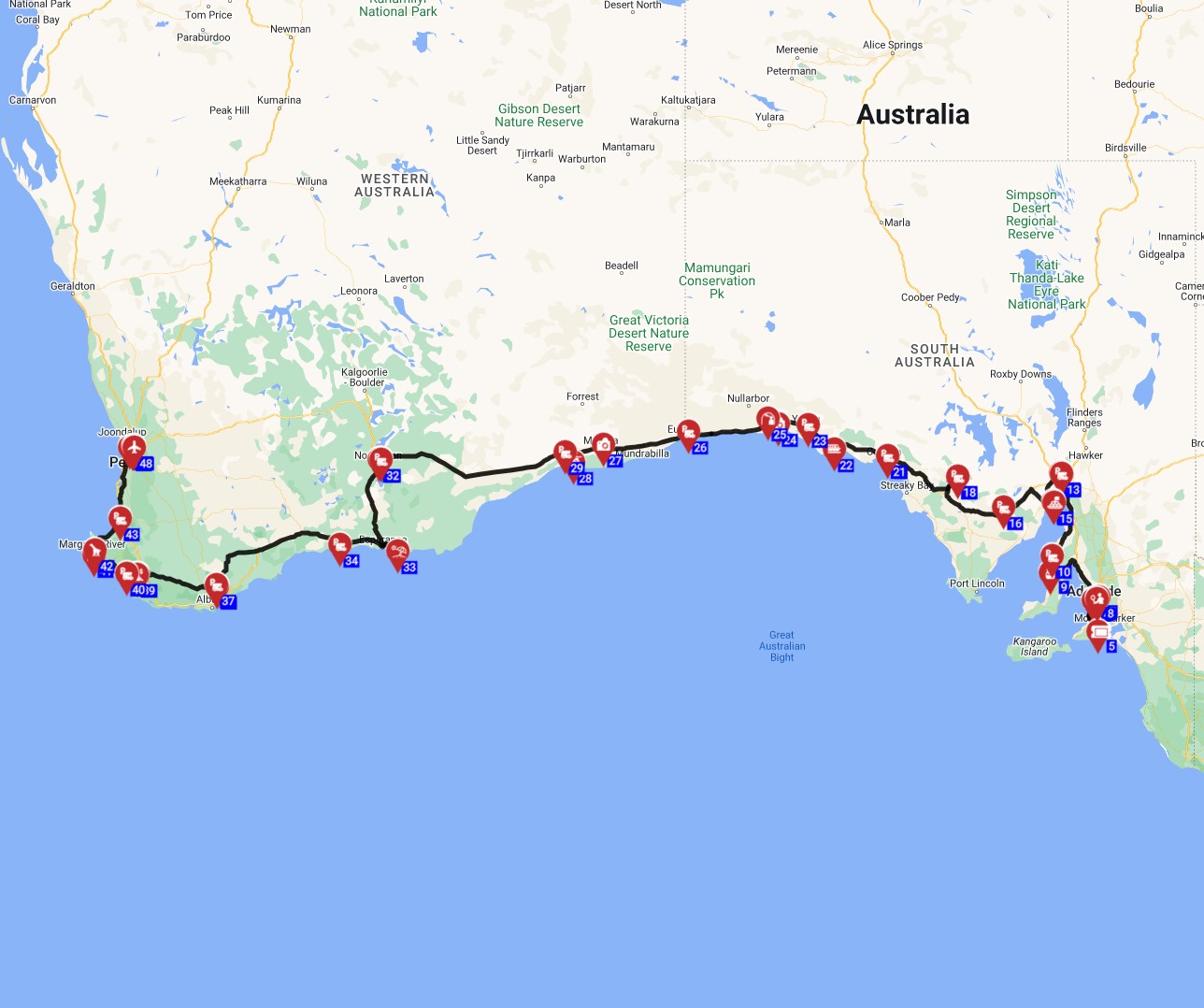
Alternatively, outback station stays, common in regions such as the Flinders Ranges in South Australia or Western Australia's vast Kimberley, deliver unique cultural experiences and remote serenity. These private properties often allow RVs, sometimes with basic amenities. National Parks across Australia, including those in Tasmania or the Blue Mountains of New South Wales, provide access to incredible natural beauty, abundant wildlife, and frequently offer basic to moderate camping facilities. When planning your route, remember to travel slowly, aiming for a maximum of 100-150 km per day on average, to truly immerse yourself in the place, connect to the culture, the food, and the scenery.
Campground Types in Australia (National, Private, Wild)
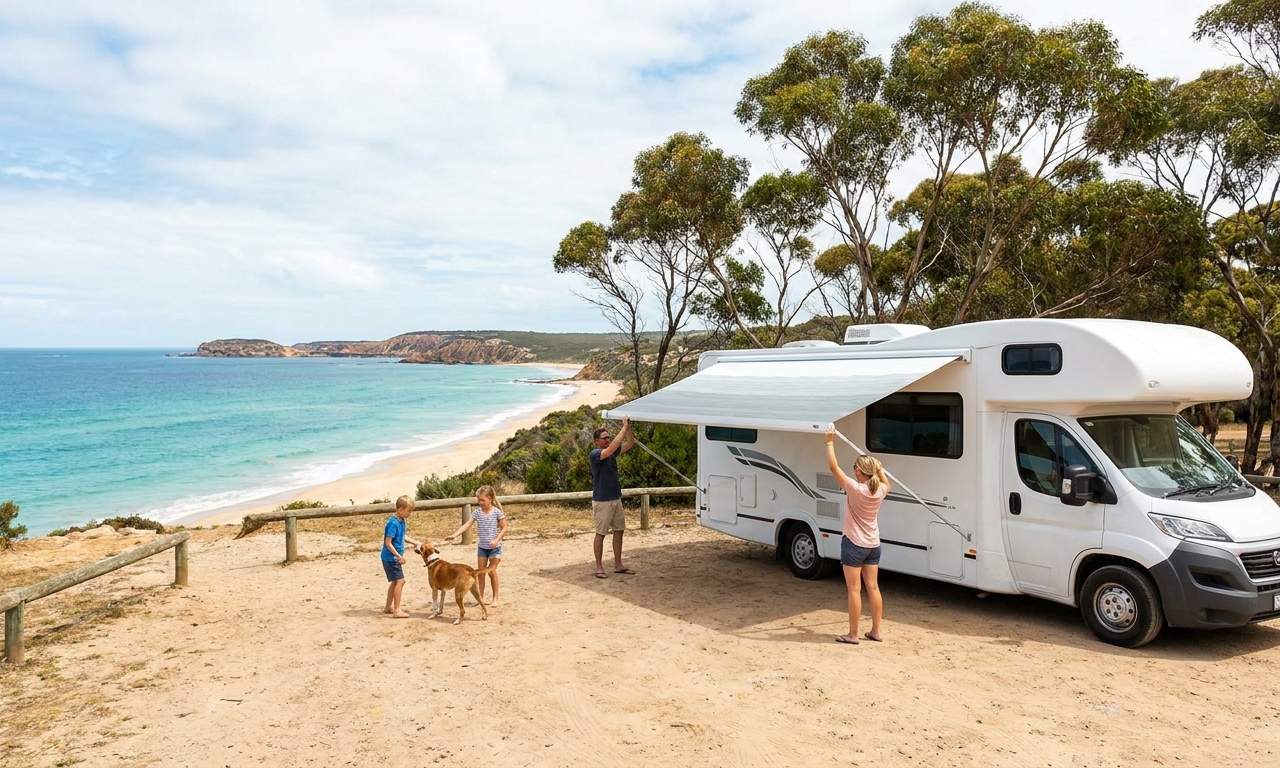
Navigating the various campground types in Australia is essential for a smooth RV adventure. National Parks often require permits and offer basic facilities, focusing on natural immersion and minimal environmental impact. Private caravan parks, also known as holiday parks, are widespread and provide extensive amenities like powered sites with 240V AC power, fresh water hookups, dump points, laundry, and often extra comforts such as pools or cafes. Freedom camping (wild camping) rules vary significantly by state and local council, often requiring self-contained vehicles and strict adherence to 'leave no trace' principles; always check local regulations to avoid fines.
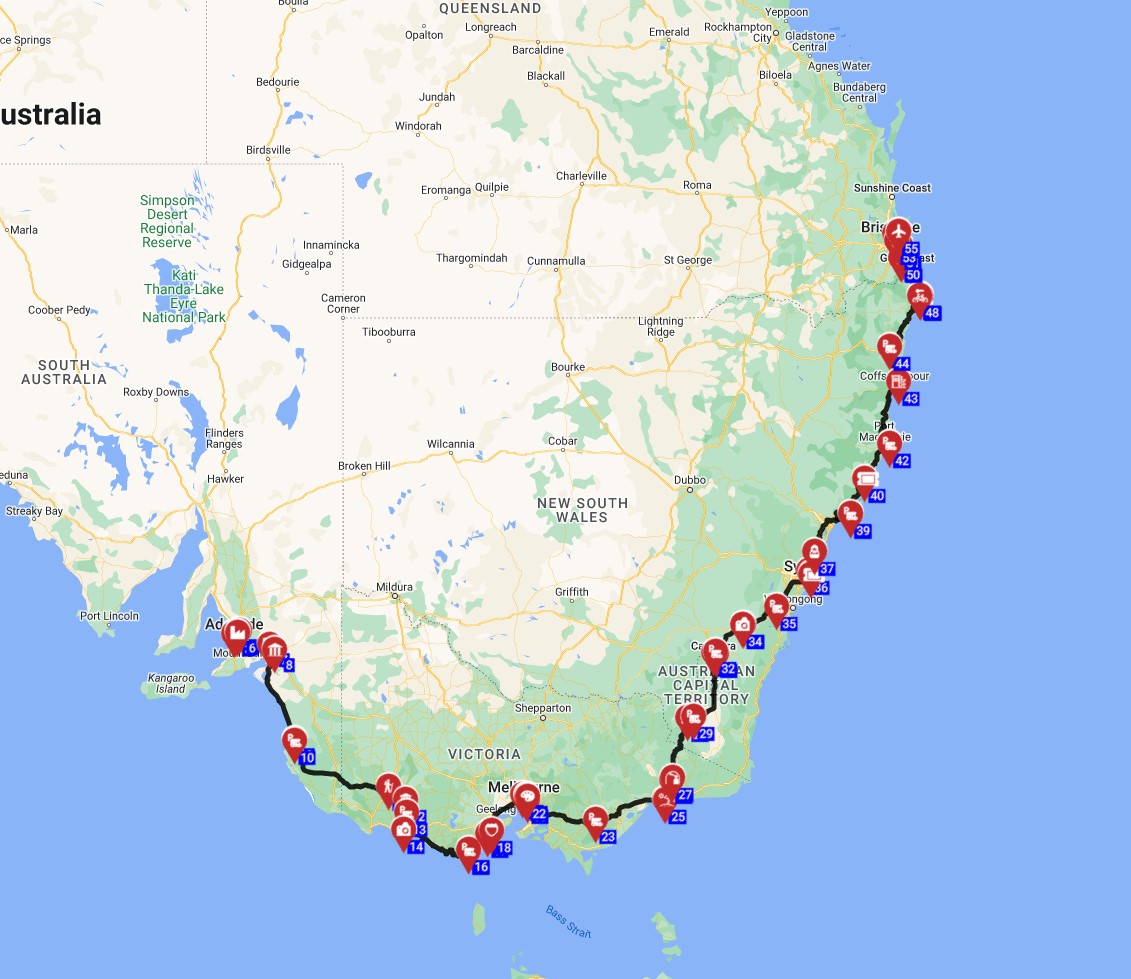
Some areas, including Indigenous lands or specific remote regions like Arnhem Land, may require additional permits beyond standard camping fees, necessitating advance planning. For specific route plans that highlight various camping options, you might find valuable information in our "RV Travel Guide to Australia - Tips and Top Spots 2026" itinerary. When considering all trip costs, from fuel to campground fees, remember that RV PLANET routes allow you to itemize and track every expense for easy budgeting. On the routes offered through RV PLANET routes, you can itemize and track every expense along the way for easy budgeting.
Featured RV Park or Campground in Australia
When selecting an RV park in Australia, prioritize those offering essential amenities like 240V power, fresh water hookups, and a grey/black water dump point for convenience. Consider parks with good accessibility to local attractions, hiking trails, or beautiful beaches, especially if you're undertaking an extended road trip. Reading recent reviews for cleanliness, quietness, and family-friendly facilities such as playgrounds, BBQ areas, or camp kitchens can help you make an informed choice.
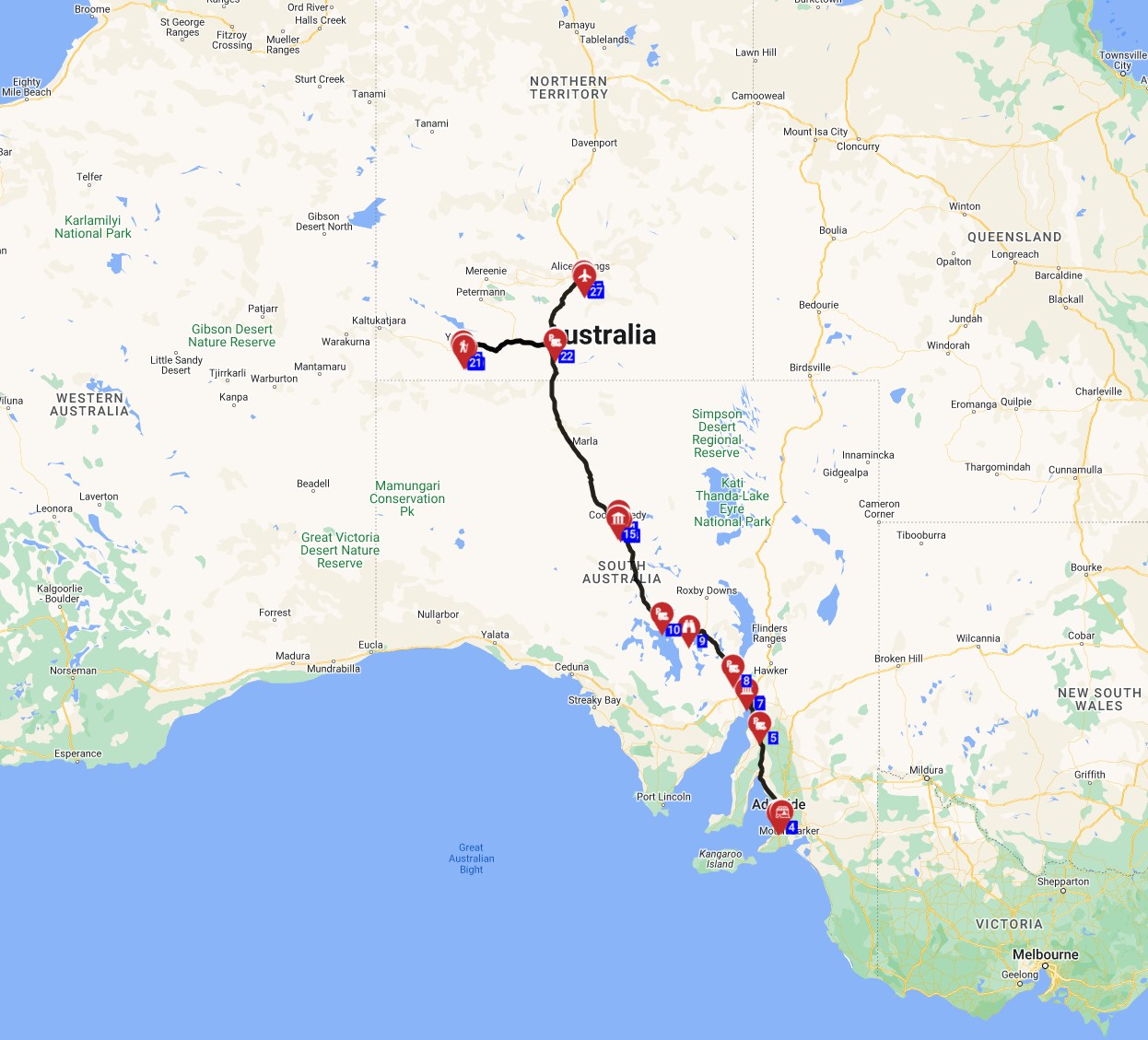
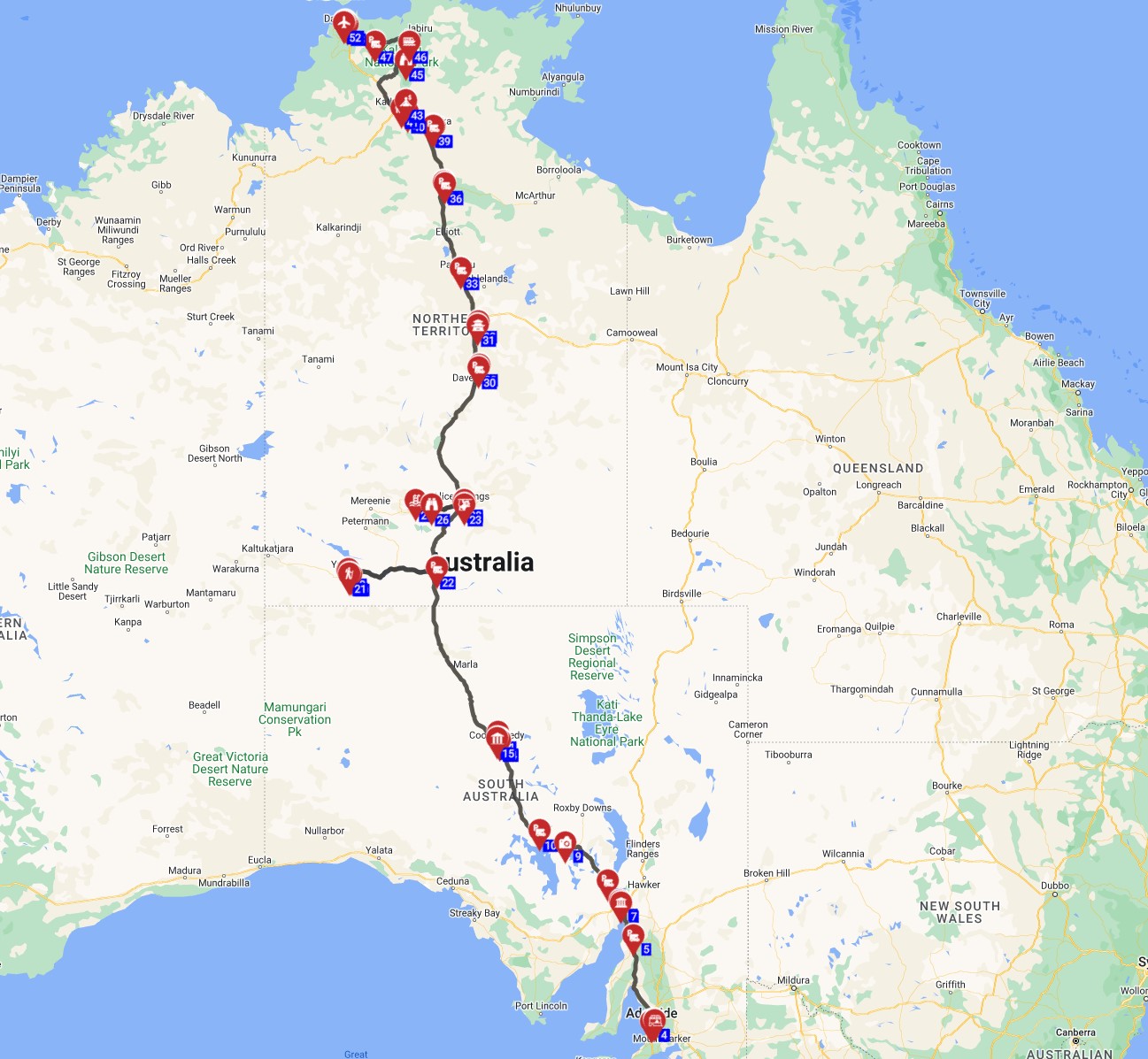
Many top caravan parks offer additional services like Wi-Fi (though often at an extra cost), well-maintained laundry facilities, and hot showers, which are a welcome luxury after a day of exploring. Even in winter, these facilities are usually operational and comfortable. For example, on the 26-day "Melbourne to Darwin - Australia’s Heartline Road Trip" route, which covers over 5,600 km and includes 17 Traditional Visits and 5 hiking areas, access to well-equipped campgrounds is crucial for a comfortable journey.
Hookups & Amenities - What to Expect
When renting an RV in Australia, you can generally expect excellent hookup facilities at most caravan and holiday parks. Standard Australian power outlets are 240V AC, and most powered sites will provide a 15-amp connection, suitable for running all your onboard appliances, including heating systems. Fresh water hookups are common at powered sites, while dump points for grey and black water are widely available within caravan parks and at many public rest areas, ensuring you can manage your tanks easily.
Many rented motorhomes come equipped with heating, making them perfectly "Winter Ready" for cooler regions. For example, a "2 Berth Hi Top" campervan or a "24' Class C Motorhome" often include interior heating. Wi-Fi, though often an extra cost, is frequently offered at private parks, as are shared laundry facilities and hot showers. Always confirm the availability of specific amenities when booking, especially in more remote or basic campgrounds, to match your expectations for comfort.
Booking Windows & Reservations in Australia
For peak seasons, which include summer (December-February, especially in southern states) and school holidays, as well as popular destinations, pre-booking campsites months in advance is highly recommended to secure your spot. However, spontaneous travelers often find same-day or next-day availability in less popular areas or during off-peak times by calling parks directly. It's good to know that many national park campgrounds only release 25%-30% of their spots for advance reservations, with the remainder being first-come, first-served, particularly for basic sites.
You will almost certainly find a place; if not at the first campground, then the next one. The key is flexibility with your route and a willingness to call ahead before driving long distances, especially if you're traveling in a larger Class C motorhome. Remember, Bandana is a true RV specialist, not a travel agency side department, and we're here to support you before, during, and after your booking, providing full transparency with no hidden fees or surprises.
Nearby Supermarkets & Resupply Points
Keeping your pantry stocked while on an RV rental adventure in Australia is relatively easy due to widely available resupply points. Australia's two largest supermarket chains, Woolworths and Coles, are conveniently found in almost all towns and cities across the country, offering a full range of groceries. For smaller regional towns, look for IGA or local general stores, which are crucial resupply points for more remote itineraries, especially when exploring areas off the main highways.
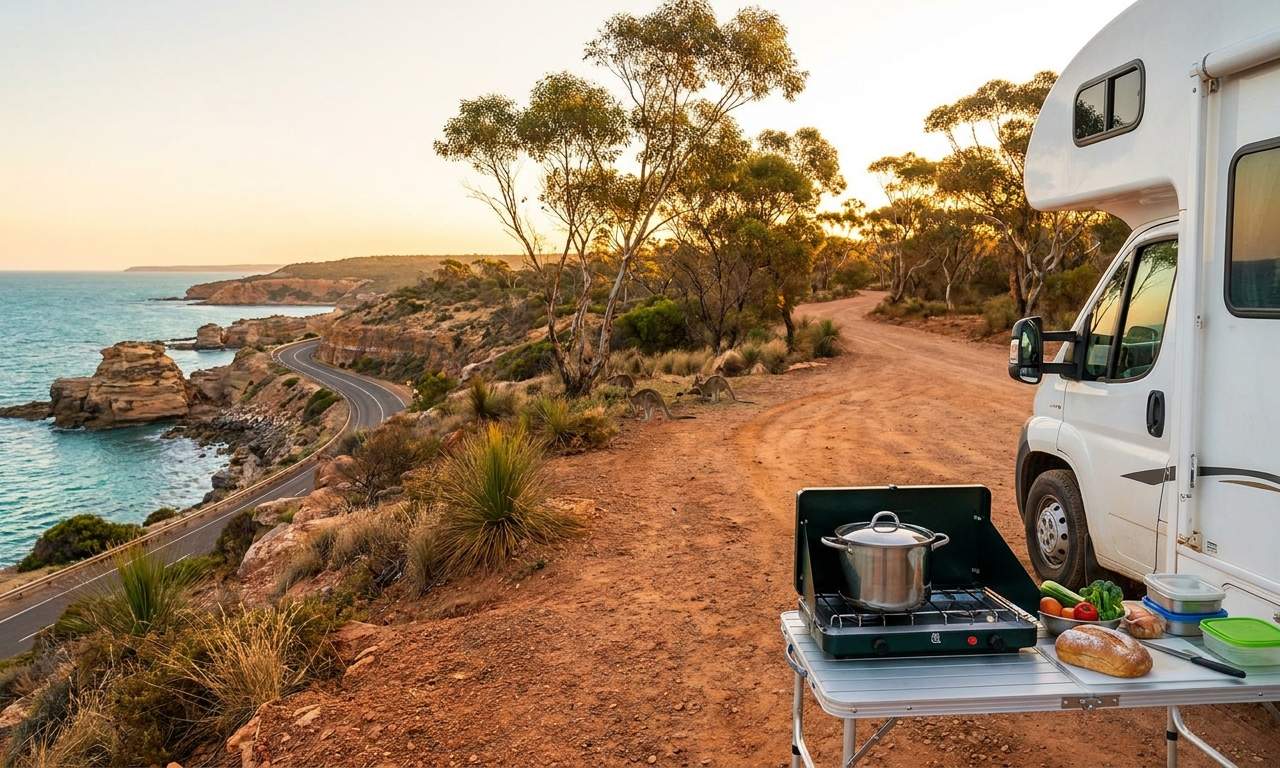
It's always wise to plan your route to ensure regular access to fresh food, water, and fuel, particularly when venturing through vast outback regions where services can be sparse. Many caravan parks also feature small convenience stores for last-minute essentials or forgotten items. When you're cooking up a storm in your rented motorhome, our RV-friendly recipes playlist can offer some delicious inspiration!
Best RV Class for Camping in Australia
Choosing the best RV class for camping in Australia depends on your travel style, group size, and the types of roads and campgrounds you plan to access. For maximum maneuverability and accessing diverse campsites, including some national parks and even cities, a Class B Camper Van is ideal. These campervans, such as an "Active Pop Top" or a "Koru 2 Freedom", average 5.8m in length, typically sleep 2-3 people, and often achieve around 10 Liters/100 km fuel consumption.
If you're traveling with a family (4-6 people) or prefer more comfort and amenities, a Class C Alcove RV offers more space. Models like the "Euro Deluxe" or a "6 Berth Discovery" average 7.5m in length, sleep 4-6 people, and typically consume 10-12 Liters/100 km. These often include extensive features like multiple double beds, a larger refrigerator, and full bathroom facilities. For those seeking off-road adventures and robust design, Class TC Truck Campers are excellent, with vehicles like the "4x4 Truck Camper Gold" averaging 5.5m in length, sleeping 2 people, but with higher fuel consumption of typically 12-17 Liters/100 km. Remember, drive slowly and carefully, and you can drive almost anywhere without issues. No need to stress - just use common sense and pay attention.
How to Save on Campgrounds in Australia
Saving on campground fees in Australia is possible with a few smart strategies, ensuring your RV rental trip remains affordable. Utilizing exclusive campground discount cards or memberships, such as those offered by major caravan park networks, can provide significant savings at participating parks across Australia.
Traveling during shoulder seasons (spring from September-November and autumn from March-May) often means lower rates and fewer crowds compared to peak summer or school holidays, especially in the southern states. Opting for municipal or regional council-run campgrounds can also be more affordable than private resort-style caravan parks. Additionally, booking longer stays, such as a week-long trip, often allows you to benefit from weekly rates that significantly reduce the per-night cost, making an extended road trip more budget-friendly. Our "RV Rental Deals in Australia - Latest Offers 2026" guide can help you find current promotions.
Can you park an RV anywhere in Australia?
No, you cannot park an RV just anywhere in Australia, as specific regulations govern overnight parking and freedom camping varies significantly by state, territory, and local council. Overnight parking on public roads is generally prohibited unless specific signage permits it, with stricter rules enforced in urban and residential areas.
Designated rest areas along highways may permit short overnight stays (24-48 hours), but these are primarily for driver fatigue management, not extended camping. State-specific legislation and local council bylaws dictate legal freedom camping spots; illegal parking can result in substantial fines, and living in a rented RV long-term on public land is generally not permitted. Permits are often required for accessing certain remote areas, Indigenous lands, or specific National Parks, even if just for parking during the day.
What are RV parks called in Australia?
In Australia, what are commonly known as 'RV parks' in North America are typically referred to as 'Caravan Parks' or 'Holiday Parks'. Caravan Parks are widespread, offering a range of amenities from basic powered and unpowered sites to comprehensive facilities blocks with showers, toilets, and often laundry facilities. Holiday Parks are usually larger and provide more extensive facilities like swimming pools, playgrounds, BBQ areas, and sometimes even cafes or organized activities.
Other terms you might encounter include 'Tourist Parks,' 'Camping Grounds,' 'Station Stays' (on working farms or cattle stations, offering unique rural experiences), and 'Free Camps' or 'Rest Areas' for basic overnight stops. These facilities also typically provide 'dump points' for the convenient disposal of grey and black water, which is a crucial part of responsible RV rental travel.
Where can you park overnight for free in Australia?
Free overnight parking in Australia is primarily available at designated rest areas along major highways, specific council-managed free camps, and some remote bush camps, but regulations vary considerably by state and locality. Many country towns participate in 'RV friendly town' initiatives, offering free or low-cost overnight parking for self-contained motorhomes in designated areas, often for a 24 to 48-hour period.
Mobile apps and websites such as WikiCamps Australia (an excellent resource) and CamperMate are invaluable for locating verified free and low-cost campsites, often with user reviews and facility details. Always check local signage and council websites for specific regulations, as illegal parking or camping can result in fines ranging from AUD $100 to over $500, and environmental damage can be caused in undesignated areas. While some remote areas allow informal bush camping, it's crucial to confirm land ownership (private or Aboriginal land may require permits) and adhere strictly to fire restrictions and 'leave no trace' principles to preserve Australia's natural beauty.
What is the average caravan park fee in Australia?
The average caravan park fee in Australia typically ranges from AUD $30 to $60 per night for a powered site, though prices can vary significantly based on location, season, and amenities. Budget-friendly parks in regional areas or during off-peak seasons might start from AUD $25-$35 per night.
Premium holiday parks in popular tourist destinations or capital cities like Sydney or Melbourne can charge AUD $60-$90+ per night, especially for sites with ensuite bathrooms or prime beachfront locations. Unpowered sites are generally cheaper, often AUD $5-$10 less than powered sites. Peak season, such as school holidays or long weekends, usually sees higher prices and often minimum stay requirements; utilizing campground discount cards or booking longer stays for a week or more can reduce the per-night cost. Remember, prices are dynamic like flight tickets, changing daily based on availability and seasonality.
How much do campsites cost in Australia?
Campsite costs in Australia vary widely, ranging from free at designated rest stops and some council-run sites to over AUD $90 per night for premium holiday park sites with extensive facilities. Free camps offer minimal or no amenities but present a zero-cost option for budget travelers in a rented campervan.
National Park campsites typically range from AUD $6 to $25 per night, often requiring online booking and payment through the relevant state's parks authority (e.g., Parks Victoria, NSW National Parks and Wildlife Service). Basic caravan park sites with power generally fall between AUD $30-$60 per night, providing more amenities than free or national park options. Remote or specialty sites, such as those on private stations (station stays) or requiring 4WD access with a truck camper, may have unique pricing structures, sometimes including additional access fees beyond just camping. For a deeper dive into costs, check out our "RV Rental in Australia - Prices and Best Deals 2026" guide.
Are RVs allowed in Australia?
Yes, RVs are widely allowed and are an incredibly popular mode of transport for touring and camping in Australia, supported by a robust infrastructure of caravan parks, campgrounds, and designated rest areas. Australia's vast and diverse landscapes, from stunning coastal routes to rugged outback tracks, are ideally suited for RV travel, with major cities and tourist routes easily accessible.
Drivers of rented motorhomes must adhere to specific vehicle regulations regarding weight, length, and width, which can vary by state, although a standard car driver's license is sufficient for all motorhome classes. While most areas welcome RVs, certain sensitive ecological zones, private properties, or very remote 4WD-only tracks may have restrictions on access for larger vehicles, so always check local signage and conditions.
How can I book campsites in Australia?
Campsites in Australia can primarily be booked online through dedicated state and territory park websites, private caravan park booking platforms, or via third-party aggregators. For National Parks, utilize the specific state park authority website (e.g., NSW National Parks and Wildlife Service, Parks Victoria, Queensland Parks and Wildlife Service) for making reservations and acquiring necessary permits.
Private caravan and holiday parks often have their own websites for direct booking or can be booked through major chains like Big4, Discovery Parks, or G'day Parks, which offer a wide range of facilities including heated cabins or sites. Mobile apps and websites such as WikiCamps Australia and CamperMate provide comprehensive directories with maps, user reviews, and direct booking links for various types of camps, proving invaluable on the road. Calling parks directly is also an effective method, especially for last-minute availability, special requests, or to inquire about non-standard sites for your rented mobile home.
Do you need to pre-book campsites in Australia?
While not always strictly necessary, pre-booking campsites in Australia is highly recommended, especially during peak seasons like summer holidays (December-February) or long weekends, or for popular destinations, to guarantee a spot and avoid disappointment. Popular coastal and national park campgrounds can book out months in advance during high-demand periods, especially those offering premium powered sites suitable for a comfortable stay in a rented motorhome.
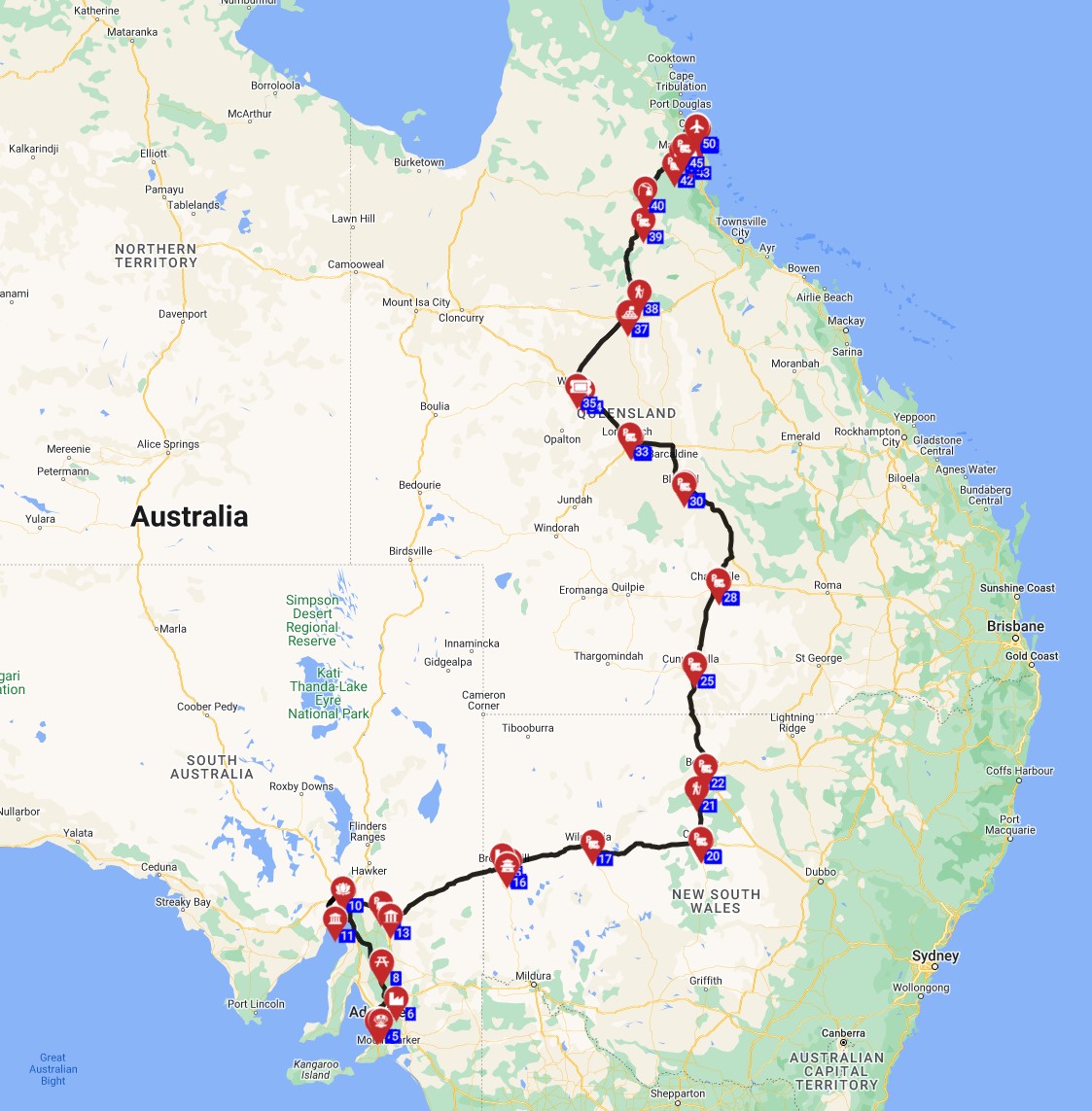
For spontaneous travel, aiming for less popular regional parks or utilizing free camp directories is a feasible approach, but always have a backup plan. Many National Park campgrounds operate on a booking system, with some offering a limited number of first-come, first-served sites that require early arrival. Pre-booking is particularly crucial for larger RVs or if you require specific hookups like a 15-amp power connection, which may be limited. When planning a multi-week adventure like the "Cairns to Alice Springs - Northern Horizons: A Journey Through Australia's Heartland" route, which spans over 4,000 km, booking key stops ahead can alleviate stress.
What is ghost camping in Australia?
'Ghost camping' in Australia refers to the practice of parking a rented RV or campervan overnight in a non-designated or prohibited area, often without permission and typically attempting to remain undetected. This practice is generally illegal across most of Australia and can result in significant fines ranging from AUD $100 to $500+ from local councils, park rangers, or police, depending on the jurisdiction and severity.
It differs fundamentally from legal 'freedom camping' or 'free camping,' which occurs in officially designated and permitted areas, often clearly identified through signage or online directories like WikiCamps Australia. While some very remote areas may be less monitored, ghost camping is not officially tolerated and carries risks not only of financial penalties but also of environmental damage, safety concerns, and negative impacts on local communities. Always prioritize legal and designated campsites to ensure a hassle-free trip and to contribute positively to Australia's sustainable tourism infrastructure.
What You Shouldn't Miss
- **Explore the Great Ocean Road:** Drive a rented motorhome along Victoria's stunning coastal route, witnessing the Twelve Apostles and picturesque seaside towns. Even in winter, the dramatic scenery and cozy local cafes offer a memorable experience.
- **Journey through the Red Centre:** Experience the spiritual heart of Australia with a trip to Uluru-Kata Tjuta National Park. Visit in the cooler winter months (June-August) for more comfortable hiking around Uluru and Kata Tjuta.
- **Discover Tropical North Queensland:** Head north to Cairns and explore the Daintree Rainforest and the Great Barrier Reef. Australian winters (June-August) mean dry, sunny weather in this region, perfect for outdoor activities.
- **Coastal Charm of Western Australia:** Take your rented RV along the coastline from Perth, experiencing pristine beaches, vibrant coral reefs at Ningaloo, and the unique Pinnacles Desert.
- **Tasmanian Wilderness Road Trip:** Explore Tasmania's rugged national parks and charming towns. Winter in Tasmania (June-August) can be cold but offers crisp air, fewer crowds, and the possibility of seeing the Southern Lights. Ensure your rental motorhome has good heating for this journey.
- Looking for expert insights from Avi Bandana? Top 5 Adventures - recommendations from Avi Bandana
🎬 Video coming soon
Final Thoughts
Winter RV camping in Australia, whether you're seeking the warmth of the northern tropics or the crisp beauty of the southern regions, offers an incredible opportunity for adventure and discovery. With a wide range of motorhome rentals available and an extensive network of caravan parks providing heated sites and essential amenities, you can plan a comfortable and unforgettable journey.
Remember to leverage resources like RV PLANET for pre-planned routes and always check local regulations for camping. At Bandana Caravan, we are your dedicated RV specialists, committed to providing full transparency and unwavering support throughout your booking process. So, get inspired for your next trip, pack your bags, and get ready to experience Australia in a truly unique way!
Discover your perfect RV rental in Australia and embark on an adventure where every turn brings a new vista and every stop offers a chance to connect with the incredible Australian landscape. Check Australia RV Rental Prices Now and start planning your escape!