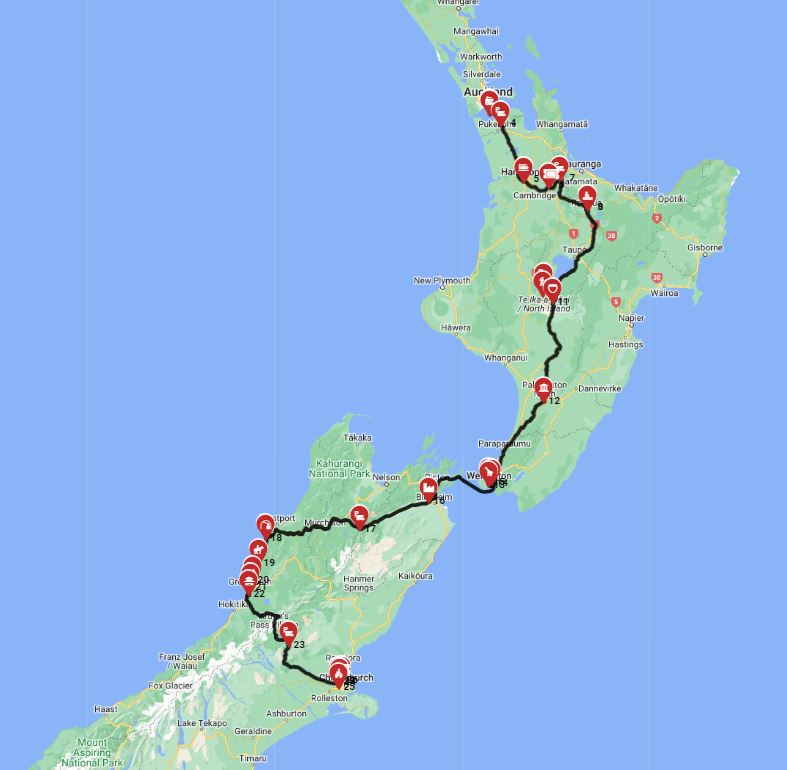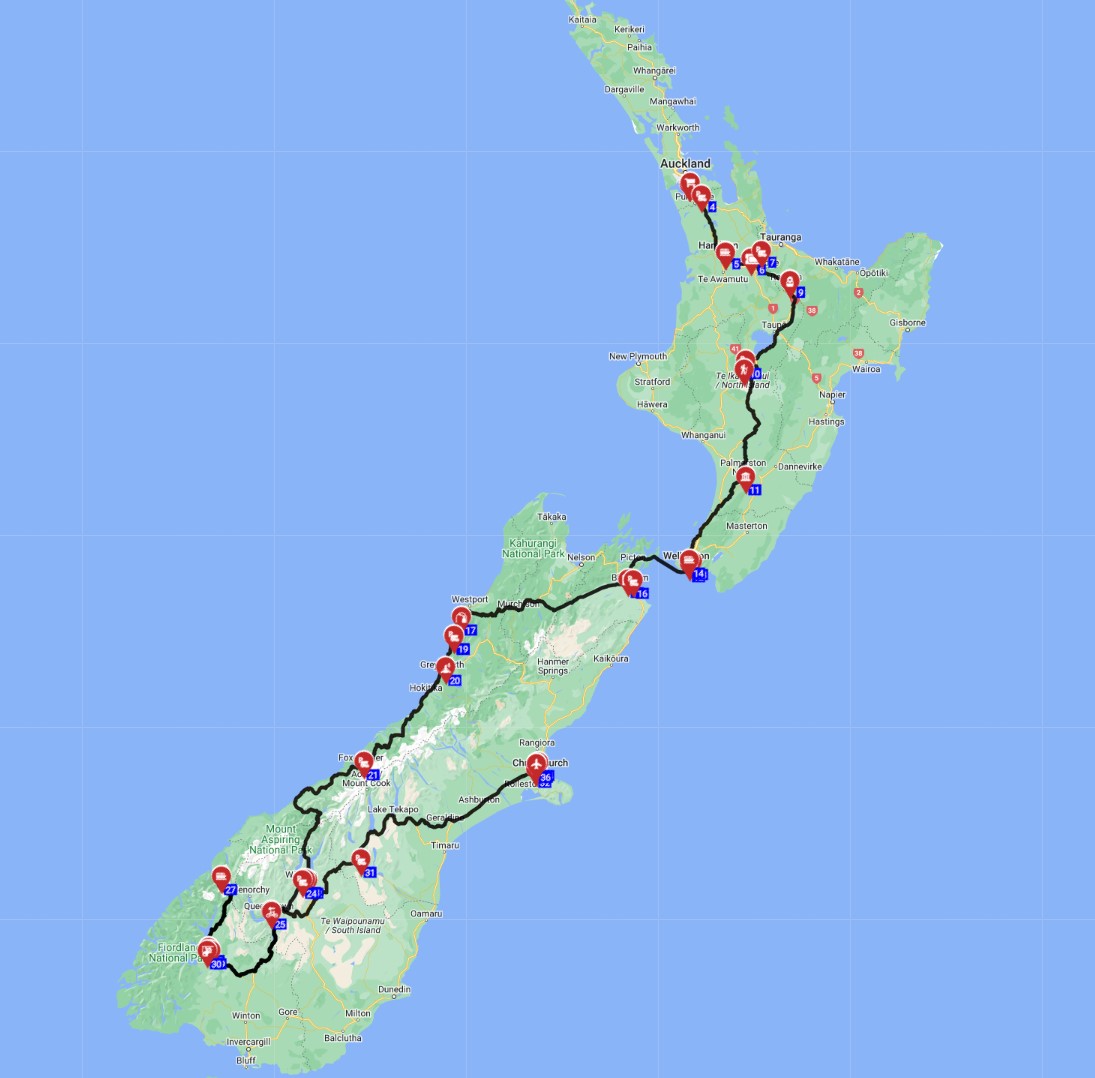
In This Guide
- Top 5 Tips for RV Rental in New Zealand
- How much does it cost to rent an RV in New Zealand?
- How much money would I need for 2 weeks in New Zealand?
- Pre-Trip Prep - Packing Checklist for New Zealand
- On the Road - Driving, Fueling, Navigation
- At the Campground - Setup, Hookups and Etiquette
- RV Rental-Specific Tips for New Zealand
- Common Mistakes to Avoid in New Zealand
- What is the 333 rule for campervan?
- Is it easy to drive a motorhome in New Zealand?
- Is it easy to campervan around New Zealand?
- Do and Don'ts New Zealand?
- What is the best camper rental in New Zealand?
- Is it worth it to rent a campervan in New Zealand?
- What are the drawbacks of renting an RV?
- Before You Book - Class, Dates, Insurance
New Zealand offers an unparalleled RV adventure, blending stunning landscapes with a freedom that only a rented motorhome can provide. As true RV specialists, we've helped countless travelers explore these incredible islands, and we're here to share everything you need to know for your perfect journey.
For live availability and current prices, start with our RV Rental New Zealand - Complete Guide 2026 guide.
Top 5 Tips for RV Rental in New Zealand
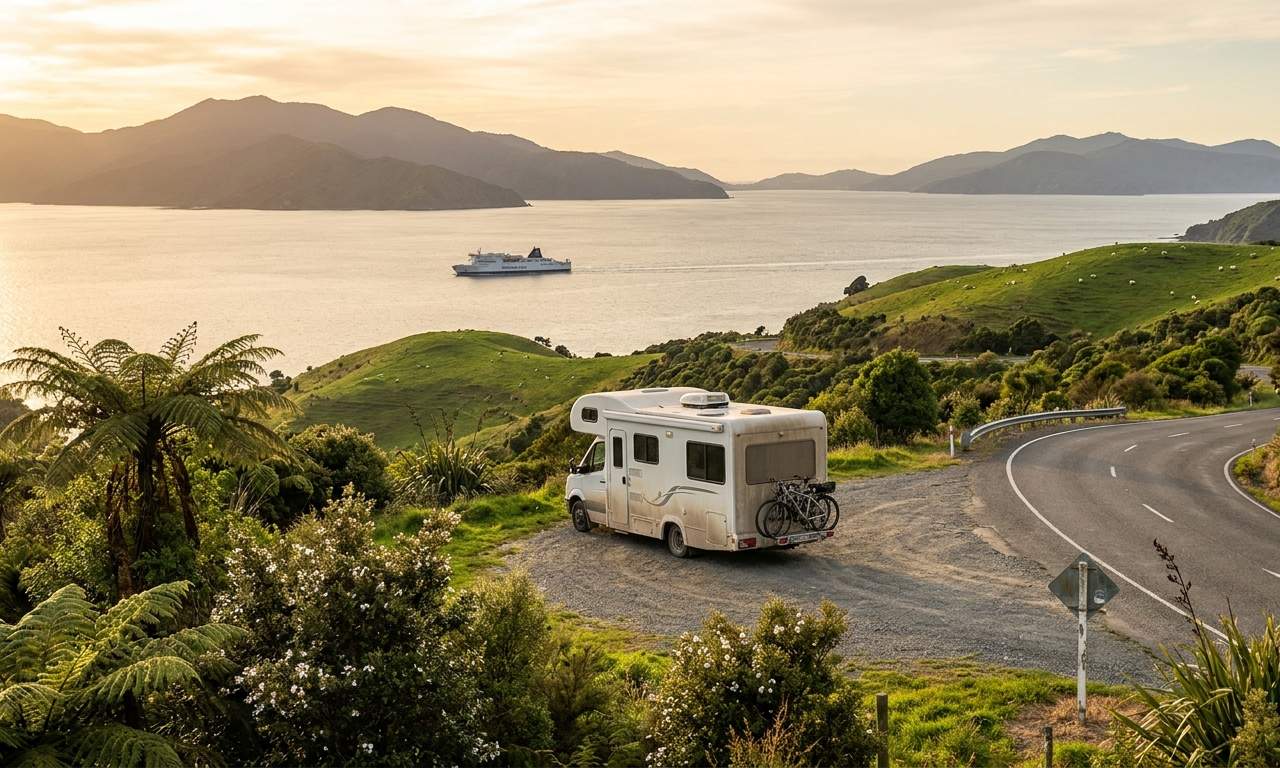
To make your RV rental in New Zealand seamless and enjoyable, consider these five essential tips. Firstly, book your chosen motorhome well in advance, especially if your travel dates fall within the peak season from December to February. Early booking ensures you get the best selection and often more favorable rates.
Secondly, understand the 'self-contained' certification, as many popular freedom camping opportunities in New Zealand require your RV to meet specific standards, like having an onboard toilet and tanks sufficient for three days. You can learn more about this in the "What is the 333 rule for campervan?" section below. Thirdly, factor in all potential costs beyond just the rental fees: these include fuel (diesel prices hover around NZD $2.80 - $3.20 per litre), campsite fees (NZD $10-$60 per night), activities, and essential ferry tickets if you plan to travel between the North and South Islands via the Interislander ferry. On RV PLANET routes, you can easily itemize and track every expense along the way for easy budgeting. Fourthly, choose an RV size that is appropriate for New Zealand's winding roads and your specific travel group; while a Class C motorhome like the 'Cruise America RV Rental Explorer' (7.1m length, 4 sleeping places) provides comfort, a smaller campervan offers more agility. On the routes offered through RV PLANET routes, you can itemize and track every expense along the way for easy budgeting.
Finally, familiarize yourself with basic road rules and remember that driving is on the left side of the road. New Zealand's diverse terrain means driving slowly and carefully will allow you to navigate almost anywhere without issues, using common sense and paying attention.
How much does it cost to rent an RV in New Zealand?
RV rental costs in New Zealand typically range from NZD $80 to $300+ per day, varying significantly by season, vehicle size, age, and duration of rental. For example, a compact 2-berth campervan can start from NZD $80 per day in the off-peak season (May-September), while a large 6-berth Class C motorhome such as the 'Euro Deluxe' might cost upwards of NZD $250-$300 per day during the summer peak season (December-February).
Additional costs to factor into your budget include fuel, which for diesel can be around NZD $2.80 - $3.20 per litre, and campsite fees, ranging from NZD $10 for basic Department of Conservation (DOC) sites to NZD $60+ for premium holiday parks with full amenities. The Interislander ferry for crossing between the North and South Islands typically costs NZD $250-$400+ for an RV and its passengers. Insurance options beyond the basic coverage can add an extra NZD $20-$50 per day, offering a top-level deductible reimbursement for extra peace of mind. For a comprehensive budget, consider an all-inclusive daily estimate of NZD $200-$500 for two people, depending on your travel style and how many activities you plan. Remember, prices are dynamic, much like flight tickets, and the final price is set at the actual booking time.
How much money would I need for 2 weeks in New Zealand?
For a two-week RV trip in New Zealand, a comfortable budget for two people could range from NZD $3,000 to $7,000+, depending on travel style and inclusions. This estimate typically covers approximately NZD $1,120-$4,200 for RV rental (assuming NZD $80-$300 per day for 14 days) and NZD $400-$800 for fuel, based on covering around 1,500-2,500 km at an average fuel efficiency. For example, an 'Active Classic' campervan is economical, while a larger '4 Berth Deluxe' motorhome will use more fuel.
Campsite fees would add another NZD $140-$420 for 7-14 nights at an average of NZD $20-30 per night. If you plan to travel between islands, budget an additional NZD $250-$400 for the Interislander ferry. Allocate an extra NZD $700-$1,400+ for groceries and dining out, depending on how often you cook in your rented motorhome. Cooking your own meals can significantly save costs, and our RV-friendly recipes playlist offers great ideas. Finally, set aside NZD $500-$1,500+ for activities, excursions, and personal expenses, ensuring you enjoy everything from Milford Sound cruises to Hobbiton tours. Our RV PLANET routes are excellent for budgeting, as they allow you to itemize and track every expense, offering full transparency for your trip.
Pre-Trip Prep - Packing Checklist for New Zealand
New Zealand's climate can be unpredictable, making versatile packing essential for your motorhome adventure. Always pack layers, regardless of the season, and be prepared for sudden weather changes, especially in mountainous regions and along coastal areas. While many rental motorhomes come equipped with basic kitchenware and linens, a detailed checklist ensures you won't forget anything important.
- Clothing:
- Rainproof/windproof jacket
- Warm layers (fleece, merino wool)
- Hiking boots/sturdy walking shoes
- Sandals/flip-flops
- Swimsuit
- Sun hat and sunglasses
- Kitchen & Comfort:
- Reusable water bottle and coffee cup
- Basic cooking supplies (salt, pepper, oil if not provided)
- Dishwashing liquid & sponge (check if RV provides)
- Portable power bank for devices
- Insect repellent (especially for sandflies)
- Small drying line and pegs
- Safety & Essentials:
- First-aid kit (check RV supplies)
- Headlamp or flashlight
- Comprehensive travel insurance details
- Emergency contact information
- Documents:
- Valid driver's license (with international permit if required)
- Passport & visa documents
- RV rental agreement & insurance papers
- Printed confirmation of bookings (campsites, ferry)
- Map (physical backup) & GPS/phone apps
For additional tips tailored to your specific trip, explore more with Bandana RV specialists.
At the Campground - Setup, Hookups and Etiquette
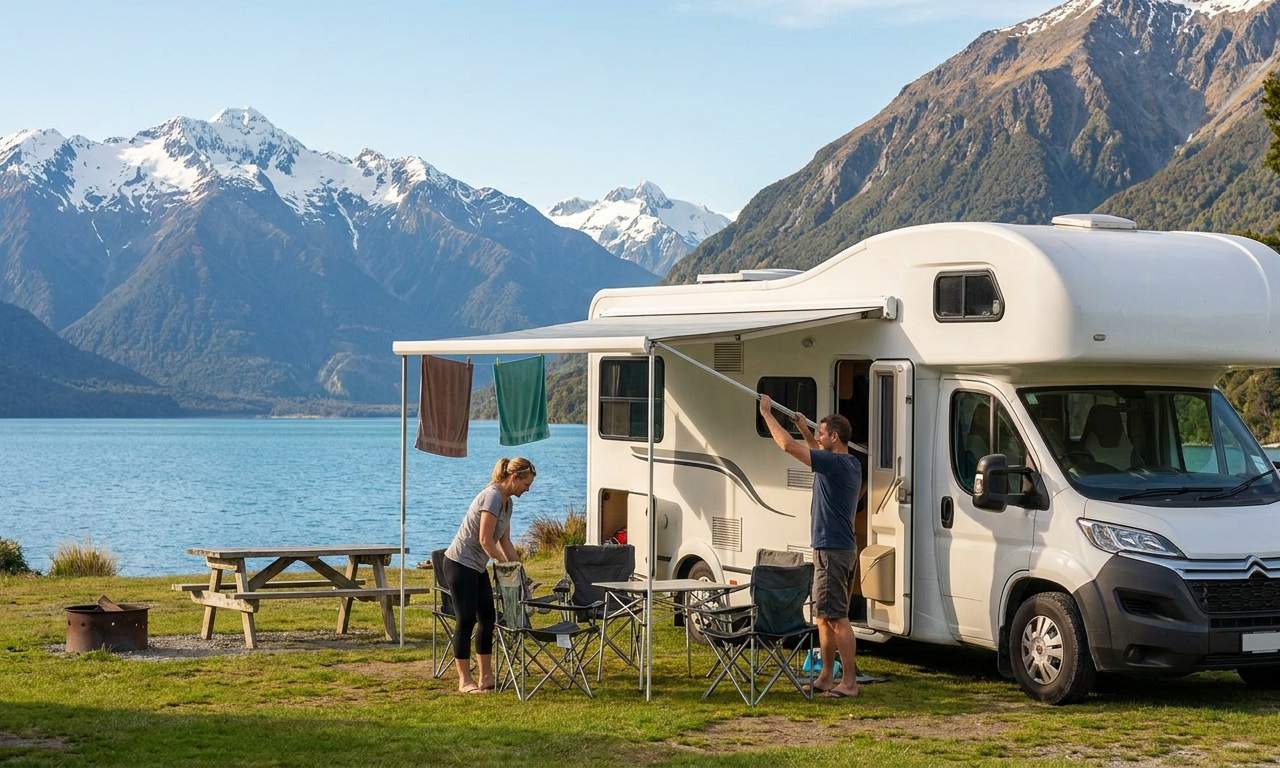
Upon arrival at a powered site, connect your power cable first (New Zealand uses 240V sockets, so ensure your adapter is correct), then proceed to water and waste connections. Familiarize yourself with your rented RV's specific hookup points for electricity, fresh water, and waste (grey and black water) during your pickup orientation. A 6-berth motorhome like the 'Euro Deluxe' often has substantial fresh water (140L) and waste water tanks (120L), allowing for comfortable stays.
Always dispose of grey and black water at designated dump stations, never into the environment, adhering strictly to 'Leave No Trace' principles. These facilities are readily available at most holiday parks and many public areas; the CamperMate app is a great resource for finding them. Respect quiet hours, typically from 10 PM to 7 AM, by minimizing noise and keeping external lights low. Clean up your campsite thoroughly before departing, leaving no rubbish or personal items behind. Be mindful of other campers' privacy and space, keeping children and pets (if your rental allows) supervised. For finding campsites and campgrounds during your trip, we recommend using RV PLANET (rvplan.net) - a great resource for locating available spots along your route.
RV Rental-Specific Tips for New Zealand
Families embarking on a New Zealand adventure might prefer motorhomes with separate sleeping areas or designated kid-friendly zones, such as a 'Comfort Family' which sleeps up to 6, allowing for quiet nap times and adult relaxation. Seniors, on the other hand, should consider ergonomic RV classes, prioritizing ease of access, lower beds, and automatic transmission for maximum comfort during extended touring. Many modern Class C motorhomes, like the '24' Class C Motorhome,' offer automatic transmission and comfortable amenities.
Budget-conscious travelers can save significantly by utilizing certified self-contained vehicles for freedom camping in designated areas, thereby reducing campsite fees. Luxury RV renters can explore premium add-ons like portable Wi-Fi hotspots, outdoor living setups, or even enhanced kitchen packages for gourmet meals on the road. Always check the specific road restrictions for your chosen RV class, especially if planning to drive on challenging routes like Milford Sound Road or unsealed roads, as some larger vehicles may have access limitations. Remember that Bandana RV only offers motorhomes and campervans, ensuring a broad selection of vehicles like the agile 'Aero' campervan or the spacious 'Comfort Class' motorhome for any travel style.
Common Mistakes to Avoid in New Zealand
One common mistake RV renters make in New Zealand is not booking their vehicle and popular campsites in advance, especially during the peak season of December to February. Instead, securing your RV and campsites 4-6 months ahead is highly recommended, though spontaneous travelers can often find first-come-first-serve spots, as many national and state parks reserve 25-30% of their spots for this. Call ahead before driving to check availability.
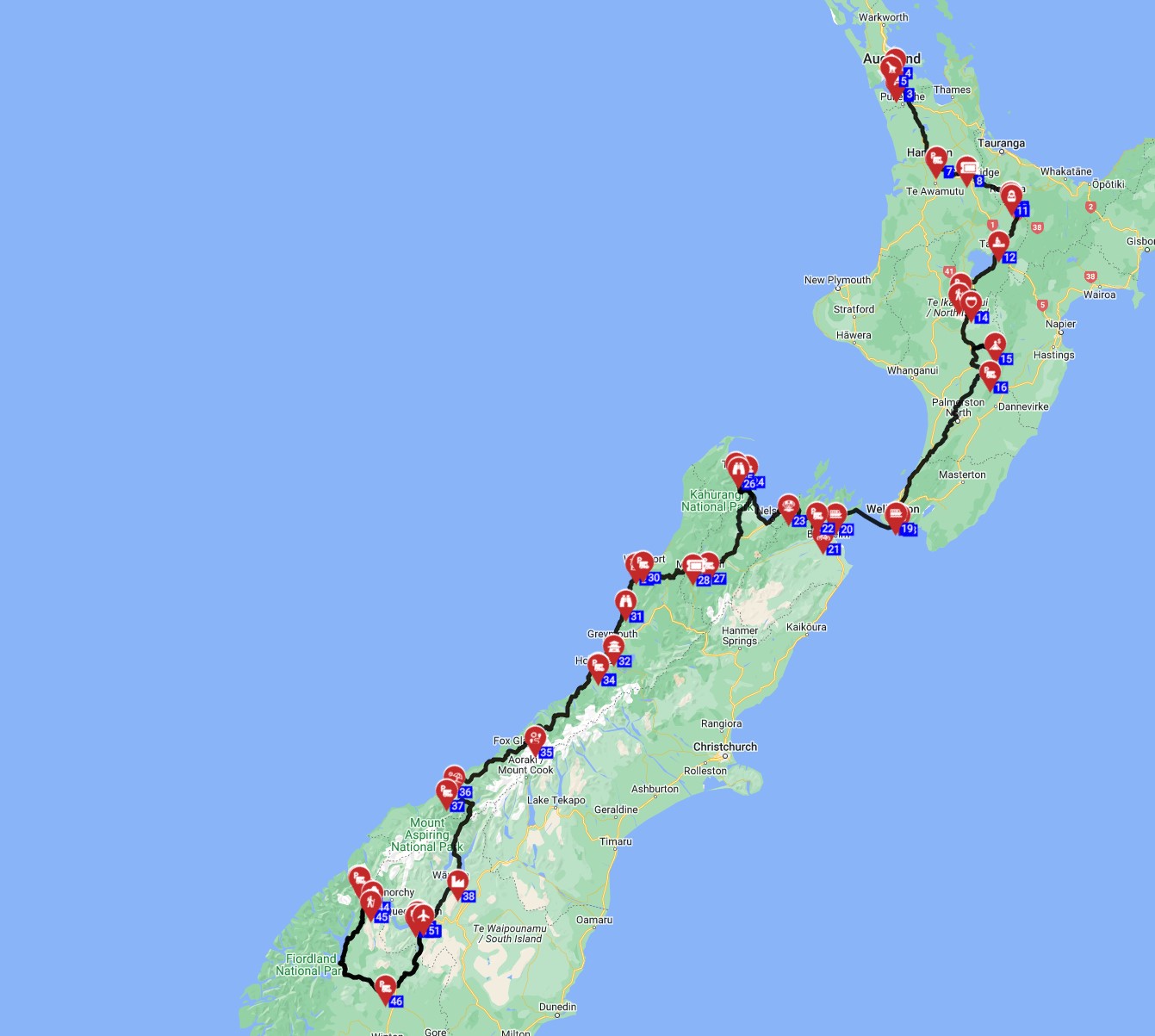
Another error is underestimating driving times and distances; New Zealand's winding roads mean you'll often cover fewer kilometers than anticipated, so plan realistic daily schedules, ideally averaging max 100-150 km per day. Ignoring 'no freedom camping' signs is a critical mistake, as fines can be substantial; always ensure your rented campervan is certified self-contained and only park in approved spots. Not budgeting for all expenses is another common pitfall; create a comprehensive budget including fuel, the Interislander ferry, activities, and food, beyond just rental and campsite fees. Relying solely on phone signal for navigation can leave you stranded in remote areas; download offline maps or carry a physical map as a backup. Finally, disregarding local etiquette and environmental guidelines, such as littering or not properly disposing of waste, is a serious concern; always embrace 'Leave No Trace' principles and respect Māori culture and local communities. For example, the
What is the 333 rule for campervan?
The '333 rule' for campervans in New Zealand is a commonly cited guideline, though not an official regulation, advocating for sustainable and considerate freedom camping practices. It generally suggests that campers should 'stay no longer than 3 nights, no closer than 3 kilometers from a town, and leave no trace as if 3 people hadn't just stayed there.' While not a legal requirement, adhering to the 333 rule promotes responsible tourism and helps preserve New Zealand's pristine environments.
Legally, self-contained vehicles must meet a specific standard (NZS 5465:2001) to freedom camp, typically requiring a toilet, wastewater tank, freshwater tank, and rubbish bin sufficient for three days for the occupants. Always check local council bylaws, as freedom camping rules and restrictions vary significantly by region and specific location, even for certified self-contained vehicles. Using a rental platform like Bandana ensures you can easily identify vehicles that are certified self-contained, like the 'Koru Star 4 Freedom' campervan, allowing you to maximize your freedom camping opportunities.
Is it easy to drive a motorhome in New Zealand?
Driving a motorhome in New Zealand can be easy for those accustomed to driving on the left side of the road, but it requires caution and awareness due to unique road conditions. New Zealand roads are often narrower, windier, and hillier than in many other countries, especially in scenic or rural areas, requiring slower speeds and careful maneuvering. For example, a medium-sized Class C motorhome like the 'Cruise America RV Rental Explorer' (7.1m length) is manageable, but requires attention on tight turns.
Many popular routes involve mountain passes and unsealed (gravel) roads; ensure your rental agreement allows driving on such surfaces. The country experiences unpredictable weather, including heavy rain, strong winds, and occasional snow in winter, which can make driving challenging, so always check forecasts. Larger motorhomes may find parking difficult in smaller towns and cities, and some scenic routes have vehicle length restrictions, so it's wise to plan ahead. Drive slowly and carefully, and you can drive almost anywhere without issues. No need to stress - just use common sense and pay attention. Regularly check road conditions and weather forecasts via resources like the Waka Kotahi NZ Transport Agency website before setting out on your journey.
Is it easy to campervan around New Zealand?
Campervanning around New Zealand is generally considered easy due to excellent infrastructure for RVs, numerous scenic routes, and a welcoming attitude towards self-drive tourism. The country offers a vast network of holiday parks, Department of Conservation (DOC) campsites, and designated freedom camping spots for certified self-contained vehicles, with over 200 DOC campsites available on the South Island alone.
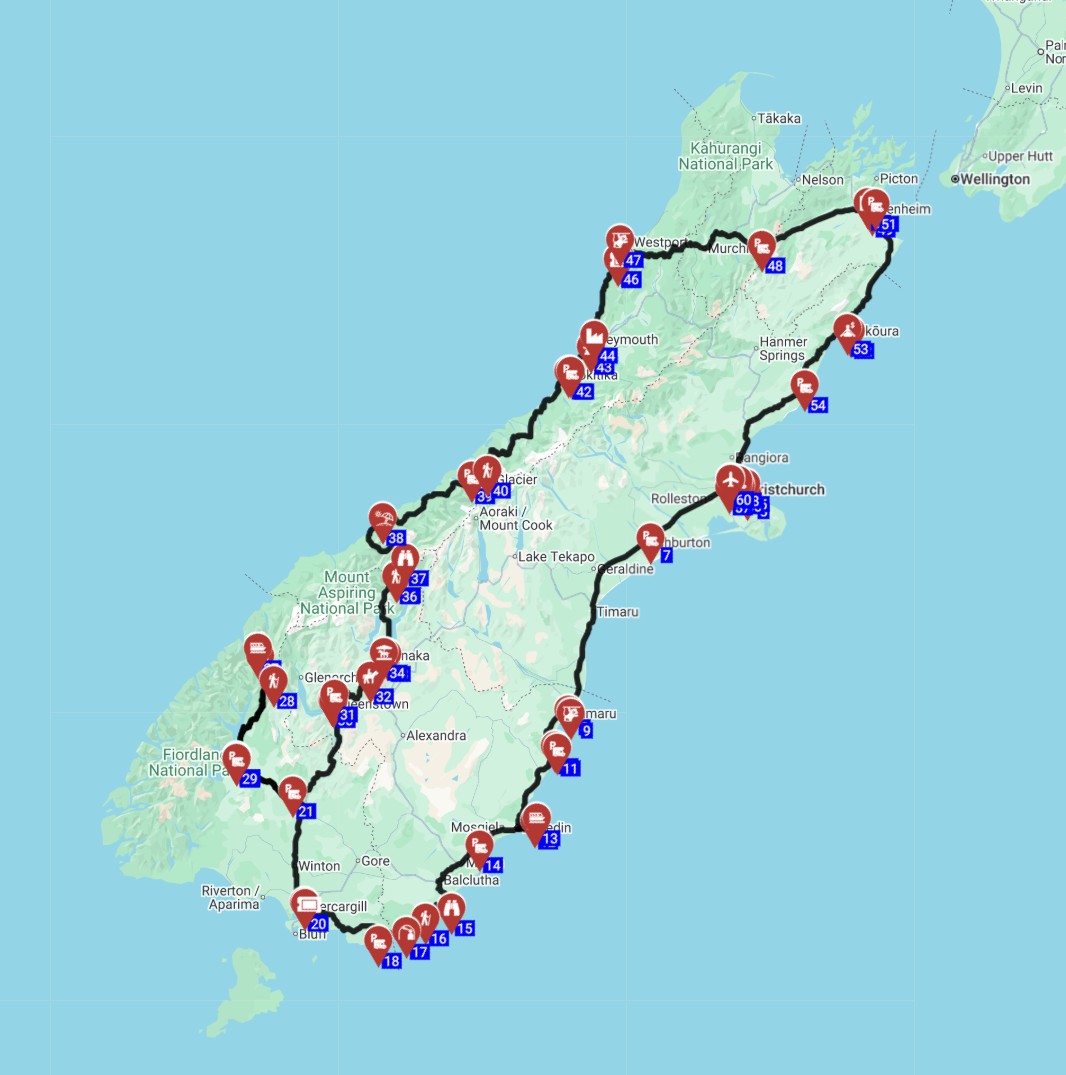
Finding water fill-up stations and dump stations for grey and black water is straightforward, with many located at holiday parks, public facilities, and petrol stations; the CamperMate app is an invaluable tool for locating these services. Major supermarket chains like Pak'nSave, Countdown, and New World are found in most towns, making grocery shopping convenient for preparing meals in your rented campervan. While cell service is good in populated areas, it can be unreliable in remote regions, making offline maps and pre-downloaded entertainment essential. The
Do and Don'ts New Zealand?
When RVing in New Zealand, DO drive on the left side of the road and adhere strictly to speed limits; DON'T rush or drive fatigued, especially on winding roads which often require slower speeds than you might be used to. DO properly dispose of all waste at designated rubbish and recycling bins, and always use dump stations for RV waste; DON'T litter or empty waste into the environment, as this is illegal and harmful to New Zealand's pristine natural beauty, leading to fines.
DO be respectful of Māori culture and customs, especially when visiting Marae (meeting grounds) or sacred sites; DON'T take photos without permission or enter sacred areas uninvited. DO protect yourself from sandflies and the powerful sun, as these are constant companions in many scenic areas; DON'T underestimate the need for good insect repellent and high SPF sunscreen. DO check weather forecasts and road conditions regularly, especially when traveling to remote or mountainous areas; DON'T drive in conditions you're uncomfortable with, and always be prepared for sudden changes. Finally, DO be prepared for unexpected events, including earthquake preparedness (know your RV's emergency exits and have a meeting point); DON'T rely solely on mobile signals for communication in remote regions, carrying a satellite phone or emergency beacon for peace of mind can be a smart choice.
What is the best camper rental in New Zealand?
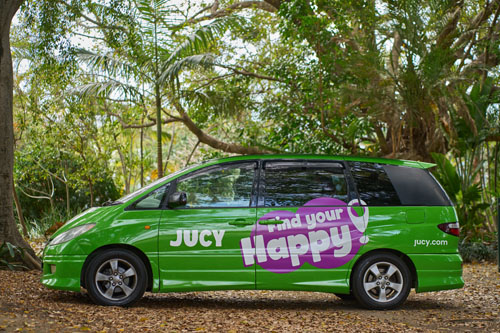
The 'best' camper rental in New Zealand depends largely on your budget, travel style, group size, and desired level of comfort. For budget-conscious travelers, suppliers like Jucy and Cheapa Campa offer economical options, often with older vehicles or more basic amenities, such as a 'Condo' campervan that sleeps 4 but is more compact. Mid-range options like Maui, Britz, and Apollo provide a good balance of comfort, amenities, and price, with a wider range of vehicle sizes and newer models.
Luxury travelers might prefer premium brands such as Wilderness Motorhomes or KEA Campers, offering newer, high-spec vehicles with enhanced features like a 'Koru Star 6 Freedom' with 3 double beds, automatic transmission, and roof air condition. Consider factors like vehicle age, inclusion of a toilet/shower for self-containment, automatic vs. manual transmission, and specific bed configurations when choosing. For instance, the 'Paradise Family 5' is ideal for a couple with ample space and microwave, while a 'Patagonia Camper 4x4 double cab' is perfect for off-road adventures. Assess whether a 2WD (suitable for most sealed roads) or 4WD (for off-the-beaten-path adventures) aligns with your planned itinerary. Bandana Caravan partners with over 50 leading RV suppliers worldwide, including Apollo and Britz, to offer you a wide selection.
Is it worth it to rent a campervan in New Zealand?
Renting a campervan in New Zealand is widely considered worth it for travelers seeking flexibility, independence, and immersive access to the country's stunning natural landscapes. The primary advantage is the freedom to change plans, discover hidden gems, and wake up to incredible views directly from your vehicle, without being tied to hotel bookings. For example, a 2-berth 'Koru 2 Freedom' campervan offers this agility.
It can be a cost-effective way to combine accommodation and transport, especially for longer trips or groups of 4-6, potentially saving on separate hotel and car rental expenses, particularly if you utilize freedom camping spots. However, it requires careful budgeting for fuel, campsites, and the Interislander ferry, which can add up; our full price transparency means no hidden fees or surprises for your RV rental. Campervan travel allows you to explore remote areas and stay closer to nature, enhancing the 'Leave No Trace' experience. The overall value depends on your preference for comfort versus adventure, and whether you enjoy a more self-sufficient travel style; Bandana Caravan, founded in 2001, has over 23 years of experience helping tens of thousands of travelers explore the world by RV, providing true RV specialists to guide you.
What are the drawbacks of renting an RV?
One significant drawback of renting an RV in New Zealand can be the high total cost, particularly during peak season, when rental fees, fuel expenses, and ferry crossings accumulate quickly. For example, a two-week rental of a larger motorhome can cost over NZD $4,000, not including other expenses. Driving a larger vehicle, such as a 7.6m Class C motorhome like the 'RV Rentals Utah Example Sunrise Escape,' on New Zealand's narrow, winding roads can be challenging for inexperienced drivers, potentially leading to slower travel times and increased stress, though common sense and attention overcome this.
Finding suitable parking in urban areas or popular attractions can also be difficult for larger RVs, limiting spontaneous stops. RVs require regular maintenance tasks such as emptying waste tanks, refilling water, and plugging into power, which can be time-consuming; a typical 100-liter freshwater tank will need refilling every 2-3 days for two people. While offering freedom, limited bathroom facilities (especially in smaller models like a 'Condo') and less personal space compared to hotel rooms can be a drawback for some travelers. Lastly, some remote roads or challenging terrains may be inaccessible to certain RV classes, restricting itinerary options.
Before You Book - Class, Dates, Insurance
When choosing an RV class, consider your group size, luggage amount, and comfort preferences; smaller campervans like the 'rv rental denver example Category Van' are agile for two, while larger motorhomes such as a 'camper for rent example Big Six' offer more amenities and sleep up to six people, ideal for a big family or group of friends. Booking dates significantly impact both price and availability, with the New Zealand summer (December-February) being the most expensive and busiest period for RV rentals.
Lock in your rental dates as early as possible, ideally 4-6 months in advance for peak season, to secure better rates and vehicle choices. However, for those with flexibility, last-minute deals can sometimes be found. Basic insurance is always included with your rental; however, to ensure complete peace of mind, you can upgrade to a top-level deductible reimbursement for extra protection. Carefully review the insurance options to understand excess amounts, excluded damages, and whether additional coverage (e.g., for tires, windscreen) is necessary for your specific trip. As true RV specialists, Bandana Caravan offers full transparency, comparing final prices across suppliers so what you see is what you pay, with no surprise fees at pickup.
What You Shouldn't Miss
New Zealand is a land of unparalleled beauty, and your rented RV is your ticket to its most spectacular corners. Here are some absolute must-do experiences:
- Cruise Milford Sound: Drive the scenic Milford Road (check for vehicle restrictions and weather) to experience one of the world's most stunning fjords. A boat cruise here is unforgettable.
- Explore the Queenstown-Wanaka Region: Known as the adventure capital, Queenstown offers bungee jumping, jet boating, and hiking. Nearby Wanaka provides a more relaxed vibe with beautiful lake views and accessible hikes, such as parts of the Routeburn Track.
- Discover Rotorua's Geothermal Wonders: Immerse yourself in Māori culture and witness bubbling mud pools, geysers, and vibrant thermal landscapes. Don't miss a traditional Hāngi meal.
- Hike in Tongariro National Park: Home to three active volcanoes and the famous Tongariro Alpine Crossing, this UNESCO World Heritage site on the North Island offers dramatic volcanic scenery for hikers.
- Stargaze in the Aoraki Mackenzie Dark Sky Reserve: Head to the South Island for an awe-inspiring celestial display. Designated campgrounds make this accessible for RVers seeking night sky photography.
- Relax on Abel Tasman's Golden Beaches: Park your campervan near the park entrance and enjoy day hikes or kayak trips along the stunning golden beaches and turquoise waters of the Abel Tasman National Park.
Looking for expert insights from Avi Bandana? Top 5 Adventures - recommendations from Avi Bandana
Avi Bandana, our founder, personally recommends slowing down and truly experiencing each location. "Travel slowly, max 100-150 km per day on average. Take time to feel the place, connect to the culture, the food, and the scenery," he advises. This philosophy is especially rewarding in a country as diverse and breathtaking as New Zealand, allowing you to uncover hidden gems and connect deeply with the natural environment. His personal favorite is finding a secluded spot by a Fjord, brewing a cup of coffee in his campervan, and simply watching the sunrise over the water.
Final Thoughts
Embarking on a motorhome adventure in New Zealand is truly a once-in-a-lifetime experience. The freedom to explore its breathtaking landscapes, from the fiords of the South Island to the geothermal wonders of the North, at your own pace is unmatched. By following these weekly RV tips for New Zealand - 7-Day Travel Advice 2026, you're well-equipped to navigate the roads, manage your budget, and discover hidden gems.
Remember, the magic of RV travel in New Zealand lies in its flexibility and the intimacy it offers with nature. Whether you opt for a compact campervan for two or a spacious motorhome for the whole family, planning ahead and embracing the local customs will ensure a smooth and memorable journey. We're here to support you every step of the way, from comparing prices to coordinating your post-booking needs.
So, imagine yourself waking up to a stunning New Zealand sunrise, brewing a fresh coffee in your rented RV, and setting off for another day of exploration. Life is now - go discover New Zealand!
🎬 Video coming soon