In This Guide
- Top 5 Tips for weekly rv rental RV Rental in Miami
- Before You Book - Class, Dates, Insurance
- Pre-Trip Prep - Packing Checklist for Miami
- On the Road - Driving, Fueling, Navigation
- At the Campground - Setup, Hookups & Etiquette
- weekly rv rental-Specific Tips for Miami
- Common Mistakes to Avoid in Miami
- What is the rule of 3 with an RV?
- What is the 3-3-3 rule when rving?
- What do I need to know before renting an RV?
- What is the average cost to rent a RV for a week?
- What is the new RV law in Florida?
Top 5 Tips for weekly rv rental RV Rental in Miami
Planning a weekly RV rental in Miami requires specific considerations to ensure a smooth and enjoyable trip, from vehicle choice to local regulations. For live availability and current prices, start with our RV Rental Miami - Complete Guide 2026 guide.Firstly, while smaller Class B campervans or compact Class C motorhomes can offer advantages in Miami's urban environment due to their maneuverability, remember that you can drive almost any RV size with common sense and attention. Drive slowly and carefully, and you can almost always navigate without issues. Secondly, booking your RV and securing campground reservations well in advance, especially during Miami's peak tourist seasons (typically November through April), is crucial to ensure availability and potentially lower rates. Thirdly, familiarizing yourself with Miami's unique tropical climate is essential, meaning you should pack for heat and humidity, and come prepared to manage potential insect encounters.
Fourthly, prioritizing research into RV-friendly parking solutions and overnight options near your desired Miami attractions before you arrive is critical, as urban parking for larger vehicles can be challenging and restricted. Many city neighborhoods have strict prohibitions against overnight street parking for RVs. Lastly, understanding Florida's general RV-related regulations and specifically local Miami ordinances will significantly impact your RV parking and usage, helping you avoid fines or towing. For more detailed insights into various vehicle options and costs, explore our Weekly RV Rental in Miami - Pricing 2026 guide.
Before You Book - Class, Dates, Insurance
Choosing the appropriate RV class for your weekly rental in Miami is paramount, with Class B campervans or smaller Class C motorhomes often recommended for their relative ease of navigation in congested areas and easier parking. While larger Class A motorhomes also offer luxurious amenities such as spacious living areas and full kitchens, their size requires more careful route planning and parking considerations. For example, a "cruise america rv rental example Explorer" Class C motorhome, with its 7.1-meter length, provides a balance of comfort for 4 people with 2 double beds and manageability.Securing your desired rental dates as early as possible is crucial, particularly for trips during Miami's high season (typically November through April), to guarantee availability and potentially lower prices. Many national and state parks, including those within an hour or two of Miami, only reserve 25-30% of their spots online, leaving the rest for first-come-first-serve arrivals; however, calling ahead before driving is always wise to confirm availability. Bandana RV, with over 23 years of experience helping tens of thousands of travelers, advises pre-planners to book 3-6 months ahead to potentially save 15-25% on peak-season rates.
Regarding insurance, basic insurance is always included; to see prices including the most comprehensive coverage, select that option during search. This will display all relevant insurance options, allowing you to choose the best protection for your Miami adventure. You can upgrade to a top-level deductible for extra peace of mind, ensuring minimal out-of-pocket expenses in case of an unforeseen incident. Additionally, consider the number of travelers and amount of luggage to ensure the chosen RV provides adequate space and comfort for a week-long journey, like a "rv rentals example Comfort Class" that offers 3 double beds for larger families.
Pre-Trip Prep - Packing Checklist for Miami
A tailored packing checklist for Miami's tropical climate is essential to ensure comfort and preparedness for your weekly RV rental. Beyond clothing, consider specific items that enhance your experience in a humid, sunny environment.-
Clothing & Personal Care:
- Lightweight, breathable clothing (cotton, linen)
- Swimsuits and beach towels (for South Beach, Key Biscayne)
- Rain gear (lightweight jacket or umbrella) - afternoon showers are common
- Sunscreen (high SPF) and insect repellent (especially with DEET or picaridin for Everglades visits)
- Wide-brimmed hat and sunglasses
- Comfortable walking shoes and sandals/flip-flops
-
Kitchen & Food Supplies:
- Basic cooking utensils, pots, pans, and dinnerware (check what's included with your rental)
- Cooler or insulated bag for extra cold storage (crucial for cold drinks on hot days)
- Reusable water bottles to stay hydrated
- Coffee maker and coffee (if not provided and you're a coffee lover)
- Environmentally friendly dish soap and sponges
- Trash bags and storage containers to manage waste effectively in high temperatures. For inspiration on meals you can prepare, check out our RV-friendly recipes playlist.
-
Safety & Emergency:
- Comprehensive first-aid kit, including after-sun care and allergy medication
- Roadside assistance contact information and emergency numbers
- Fire extinguisher (check RV's existing one)
- Flashlight or headlamp with extra batteries
-
Documents & Navigation:
- Valid driver's license (a standard car license is sufficient for all motorhome classes in Florida) and RV rental agreement
- Proof of insurance
- Campground reservation confirmations and directions
- GPS device or app with RV-specific routing capabilities to avoid low clearances (like under the Venetian Causeway)
- Any necessary travel documents (passport/ID)
Packing smartly ensures you can fully embrace Miami's vibrant culture and stunning nature without a hitch, whether you are exploring South Beach or heading west towards Everglades National Park.
On the Road - Driving, Fueling, Navigation
Navigating Miami in an RV requires specific awareness of traffic patterns, road clearances, and the challenge of finding appropriate fueling and parking spots, though with common sense and attention, you can drive almost anywhere. While smaller Class B campervans or compact Class C motorhomes, like a "rv rentals atlanta example US Tourer" at 6.1 meters, offer more nimble handling through Miami's often congested urban streets and can simplify parking, all RV sizes are manageable with careful driving. Drive slowly and carefully, and you can drive almost anywhere without issues. No need to stress - just use common sense and pay attention.Utilize an RV-specific GPS system or app to avoid low bridges (such as those along the scenic Venetian Causeway or connecting islands), weight-restricted roads, and tight turns, which are common challenges when driving a larger vehicle in Miami's infrastructure. Planning your fuel stops strategically is also important; RVs consume more fuel (e.g., a Class C might average 20-25 liters per 100 km), and finding gas stations with ample space for larger vehicles can be more difficult in densely populated Miami areas like Brickell or South Beach. Consider using truck stops or larger gas stations on major highways like I-95 or Florida's Turnpike before entering the city center.
Be aware of Miami's peak traffic hours, typically weekday mornings (7-9 AM) and afternoons (4-6 PM), and consider scheduling travel during off-peak times to reduce stress and travel duration. For exploring attractions, consider parking your rented RV at designated lots or RV parks on the outskirts of central Miami, such as the Larry and Penny Thompson Memorial Park and Campground near Zoo Miami, and then using ride-sharing services, local buses, or the Metromover to reach destinations like South Beach, Little Havana, or the Wynwood Walls, as urban RV parking is often restricted or unavailable. For comprehensive route planning that includes fuel stops and overnight stays, our RV PLANET routes are an invaluable resource.
At the Campground - Setup, Hookups & Etiquette
Successful setup at a Miami-area RV campground involves a systematic approach to hookups and adherence to local etiquette for a pleasant week-long stay. Upon arrival, first position your rented RV on the site, ensuring it is as level as possible, then engage the parking brake before extending any slide-outs or deploying leveling jacks. This initial step helps prevent damage and ensures comfort inside your motorhome.Connect your utilities in the proper sequence: begin with the sewer hose, then the freshwater hose, and finally the electrical hookup (e.g., a 30-amp or 50-amp connection), meticulously checking each connection for security and leaks. Given Miami's warm climate, proper waste management is crucial to prevent odors and pests; ensure your grey and black water tanks are sealed and emptied at designated dump stations. You can find many RV-friendly campgrounds in Florida by exploring our RV Rental Florida - Complete Guide 2026 guide. On the routes offered through RV PLANET routes, you can itemize and track every expense along the way for easy budgeting.
Familiarize yourself with and respect the campground's specific rules, including quiet hours (typically 10 PM to 7 AM), pet policies, and waste disposal guidelines. For example, at Larry and Penny Thompson Memorial Park and Campground, pets are welcome but must be leashed, and trash must be disposed of in bear-resistant containers. Maintaining a clean and organized campsite, storing food securely to deter wildlife (especially in areas bordering natural reserves), and ensuring all trash and waste water are disposed of properly are particularly important in Miami's higher temperatures to manage sanitation effectively.
weekly rv rental-Specific Tips for Miami
Tailoring your weekly RV rental experience to Miami's unique environment allows for an optimized trip, whether for families, seniors, budget travelers, or those seeking luxury. Families renting for a week should prioritize motorhomes with ample sleeping and living space, such as a 6-berth "Euro Deluxe" model with 3 double beds, and seek out campgrounds with kid-friendly amenities like pools, such as those found at Everglades National Park's Long Pine Key Campground. Plan visits to attractions like Zoo Miami or the Phillip and Patricia Frost Museum of Science with pre-researched RV parking.For senior travelers, choosing an easy-to-drive Class B campervan, potentially one from a "luxury rv rental example Carthago Malibu 600" collection which offers maneuverability and a comfortable layout, can enhance the experience. Focus on well-appointed RV resorts with paved sites and convenient access to medical facilities or pharmacies in areas like Homestead or near Miami International Airport. Budget-conscious renters can maximize their weekly rental by seeking out more affordable state park campgrounds, exploring options for legal perimeter parking (always verify local legality), and self-catering meals in their rented RV to save on dining costs.
Luxury renters might consider premium Class A motorhomes, opting for RV resorts that offer full hookups, spa services, and concierge assistance. You could potentially add amenities like professional cleaning or gourmet meal prep services for an elevated Miami experience. Integrate RV-friendly activities into your Miami itinerary, such as exploring Everglades National Park (with dedicated RV parking at Ernest Coe Visitor Center), visiting the Redland agricultural area for local produce, or utilizing public transport from a perimeter RV park to explore South Beach or Wynwood, rather than attempting direct urban RV parking. Our RV Rental in Miami - Prices and Best Deals 2026 provides more specific cost information.
Common Mistakes to Avoid in Miami
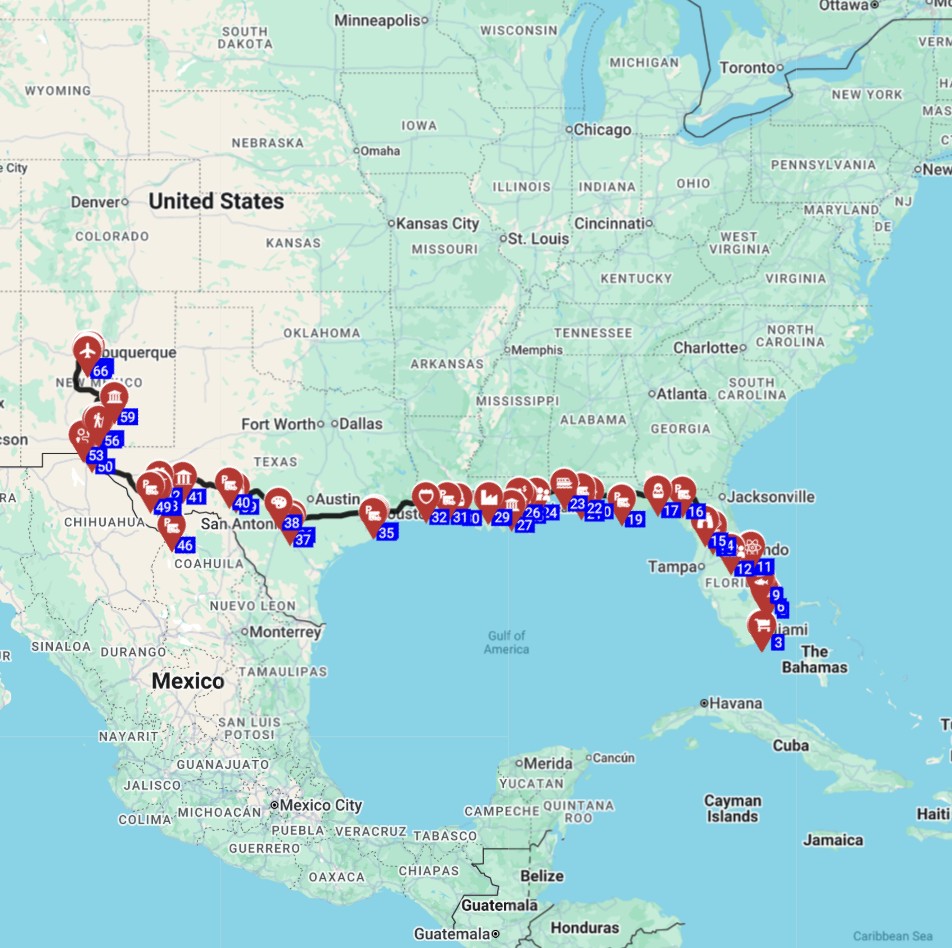
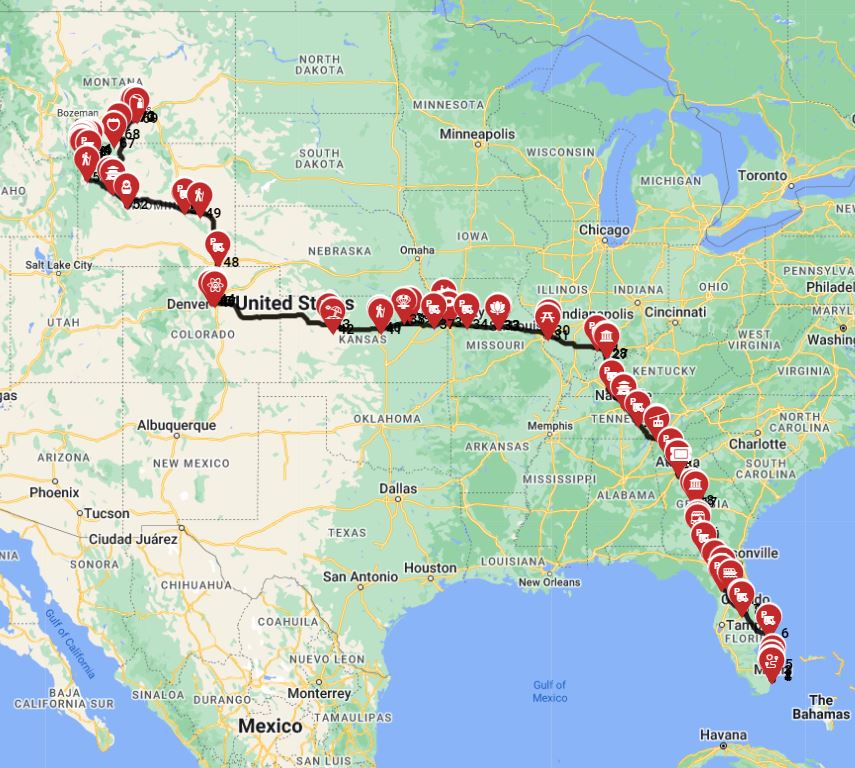
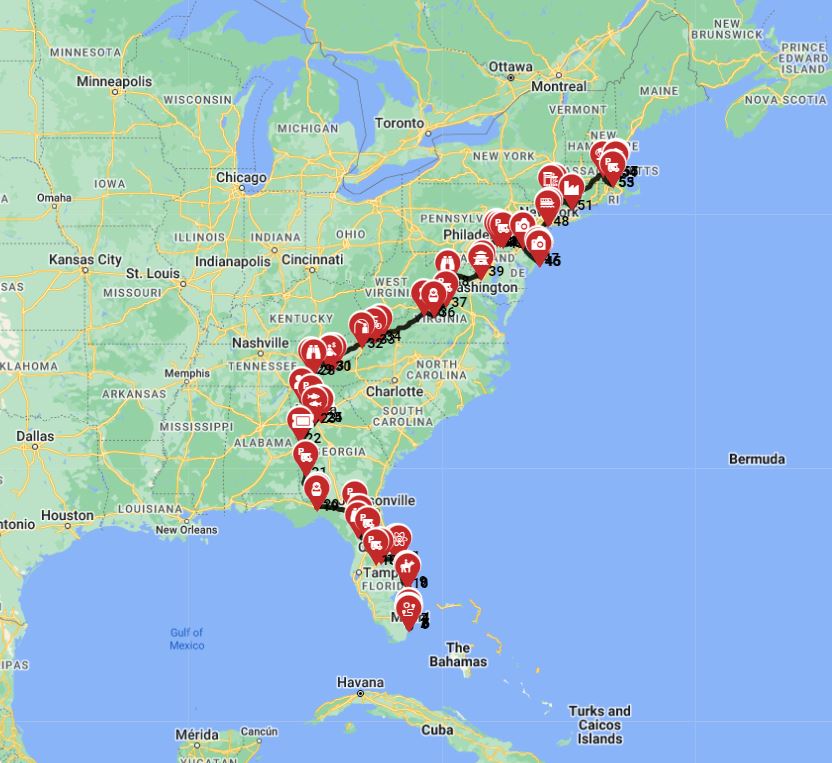
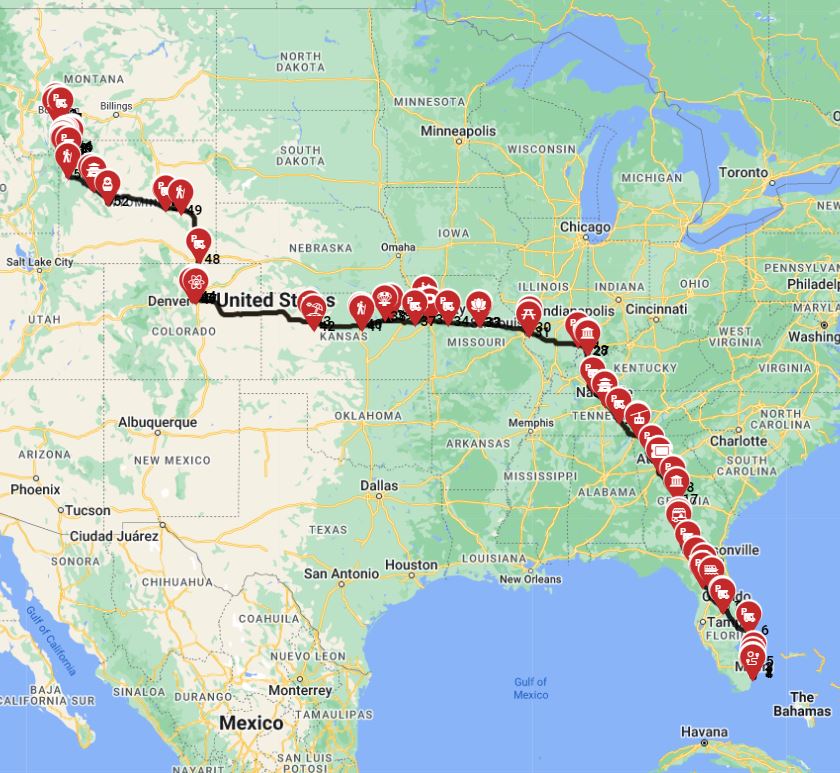
Avoiding common mistakes can significantly improve your weekly RV rental experience in Miami, transforming potential challenges into smooth sailing. Instead of attempting to drive and park a large Class A motorhome directly into highly congested areas like South Beach or Brickell, consider parking at a designated RV-friendly lot outside the city center, such as the parking available near Hard Rock Stadium, and utilizing ride-sharing or public transportation. Remember, you can drive slowly and carefully in almost any city, but strategic parking is key in dense urban environments.Rather than underestimating Miami's tropical climate, ensure your rented RV's air conditioning system is fully functional, pack appropriate lightweight clothing, and stay hydrated, especially during the humid summer months (May-October). Overlooking effective insect control is another common oversight; diligently keep RV screens closed, use quality insect repellents, and ensure doors are sealed to prevent mosquitoes and other pests from entering your living space, particularly near marshy areas like the Everglades. For tips on a longer adventure, consider our New York to Miami - Including the White Mountains, Niagara Falls, Smoky Mountains, Appalachian trail 2026 route plan.
Instead of neglecting to research local RV ordinances and parking rules, verify specific restrictions in Miami and Miami-Dade County neighborhoods, as these can be more stringent than general state laws and lead to fines or towing. Many areas explicitly prohibit overnight RV parking on city streets. Rather than assuming all campgrounds are easily accessible to major attractions, choose an RV park based on its strategic location relative to your planned activities or its connectivity via public transport to minimize urban driving. Finally, instead of overlooking urban waste disposal, plan for grey and black water dumping at designated campground facilities, as public sani-dumps can be scarce in Miami and improper disposal is illegal and environmentally damaging.
What is the rule of 3 with an RV?
The 'rule of 3' in RVing, frequently expanded to the 3-3-3 rule, is a widely adopted guideline designed to promote a relaxed and safer travel pace for RVers. This principle suggests that travelers should aim to drive no more than 300 miles a day, arrive at their destination or campground by 3 PM, and stay for a minimum of 3 nights. This gentle pace allows for a more immersive and less rushed travel experience.Adhering to the 3-3-3 rule helps to prevent driver fatigue by limiting daily driving distances to approximately 480 kilometers, allows ample daylight hours for comfortable campsite setup and any unexpected issues, and encourages a slower pace of travel that enables more thorough exploration of each location. For a weekly RV rental in Miami, this could mean taking your time on a road trip from afar, ensuring you have enough daylight to settle into a Miami-area campground like John Pennekamp Coral Reef State Park in Key Largo, and dedicating several days to experiencing the city's attractions without constant movement.
What is the 3-3-3 rule when rving?
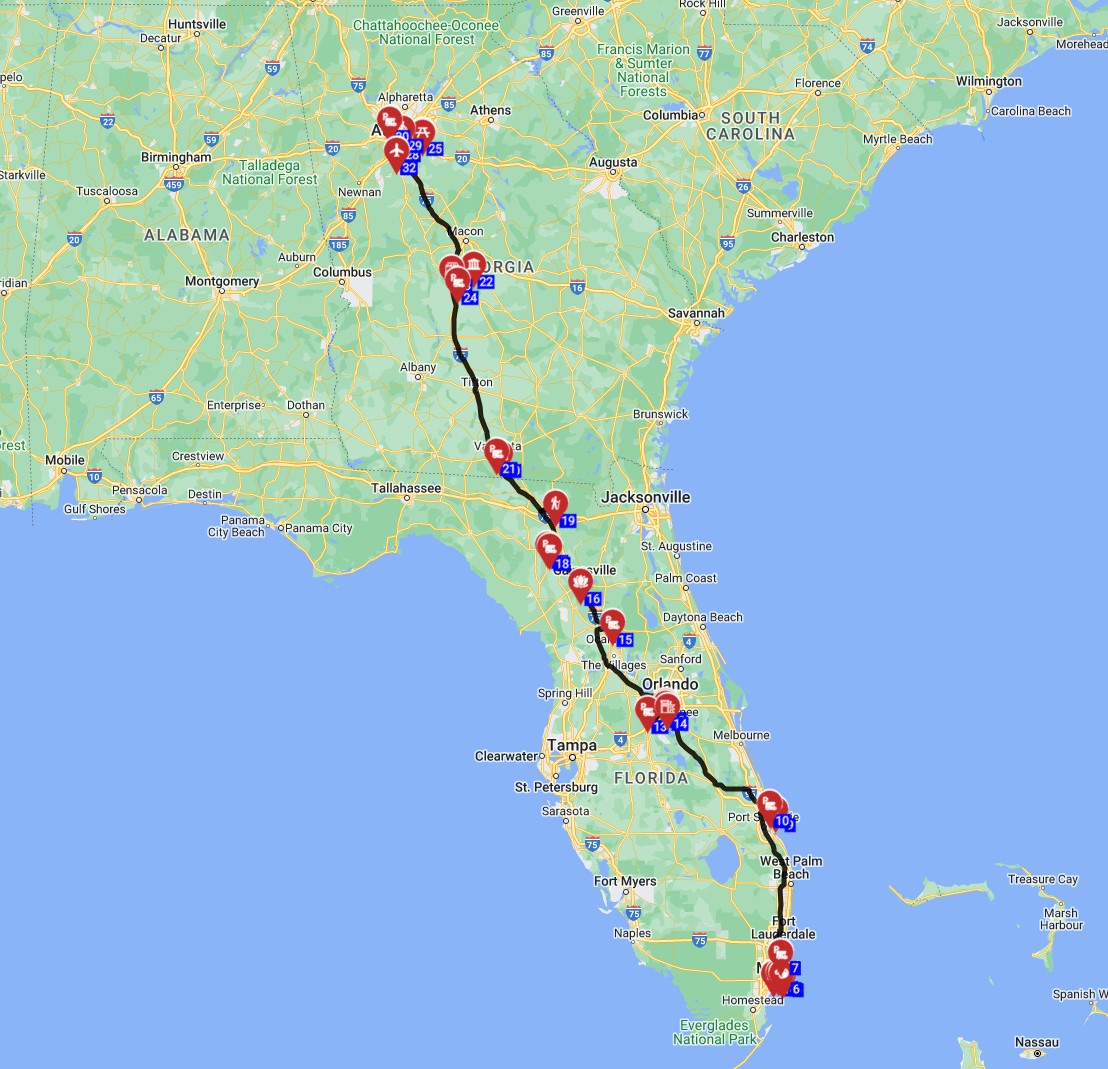
The 3-3-3 rule when RVing is a popular travel strategy recommending that recreational vehicle users drive no more than 300 miles per day, aim to arrive at their destination by 3 PM, and stay for at least 3 nights. This rule is primarily designed to prevent driver exhaustion, provide sufficient time for campsite setup before dark, and allow ample opportunity to explore the local area without feeling rushed.For a weekly RV rental in Miami, applying the 3-3-3 rule means planning a leisurely journey to South Florida, ensuring you have enough daylight to settle into your Miami-area campground, and dedicating several days to experiencing the city's attractions without constant movement. For example, if driving your rented motorhome from a northern state like Georgia, breaking your trip into manageable 300-mile segments prevents burnout, while arriving by 3 PM provides crucial time to connect hookups and familiarize yourself with the campground amenities before sunset in an unfamiliar setting. This approach aligns perfectly with our philosophy of slow travel, maximizing your connection to the culture, food, and scenery.
What do I need to know before renting an RV?
Before embarking on a weekly RV rental to Miami, understanding key aspects such as RV types, rental costs, insurance, and local driving considerations is crucial for a smooth trip. Familiarize yourself with the various RV classes-Class A (large luxury motorhomes like a "Class A - Thor ACE 30"), Class B (compact campervans such as a "Combi Van"), and Class C (mid-size like a "24 Class C Motorhome") - and select one that aligns with your driving comfort, budget, and the specific challenges of navigating Miami's urban environment. Remember, any size can be driven carefully, but smaller options offer more flexibility in city settings.Thoroughly investigate all components of the rental cost, which typically includes the base rate, mileage charges, preparation fees, and any optional add-ons like kitchenware or linen kits, to budget accurately. Bandana RV offers full price transparency with no hidden fees, so what you see is what you pay. Review your insurance options; while basic liability is generally included, consider additional coverage such as collision damage waivers or roadside assistance for comprehensive protection during your Florida travels. You can upgrade to a top-level deductible for extra peace of mind. For detailed pricing structures, refer to our RV Rental in Miami - Prices and Best Deals 2026 guide.
Carefully read the rental agreement to understand policies on mileage limits, fuel requirements, waste tank management (black and grey water), and the specific return procedures for your Miami pick-up/drop-off location. Crucially, research and ideally pre-book campgrounds or legal overnight parking solutions in or very near Miami *before* your arrival, as spontaneous RV parking in the city can be extremely limited and difficult. For finding campsites and campgrounds during your trip, we recommend using RV PLANET (rvplan.net) - a great resource for locating available spots along your route.
What is the average cost to rent a RV for a week?
The average cost to rent an RV for a week in the Miami area can range significantly, typically from $1,000 to $3,500, influenced by the RV's class, the rental season, booking duration, and any additional features. Prices are dynamic, similar to flight tickets, changing daily based on availability and supplier decisions, so the final price is set at the actual booking time.Smaller, more fuel-efficient campervans (Class B) or compact Class C motorhomes generally represent the lower end of the spectrum, with weekly rates often between $700-$2,100 ($100-$300 per night) during off-peak seasons. Larger Class A motorhomes or luxury models will command higher prices, potentially ranging from $2,100 to $3,500+ per week ($300-$500+ per night), especially during Miami's peak season (December-February). For couples, a smaller campervan might cost around $1,000-$1,800 for a week, while a family with 2 adults and 2 kids might look at $1,500-$3,000+ for a Class C with more space. Our "Family RV Rental in Miami - Pricing Guide 2026" offers more detailed breakdowns for different group sizes.
Beyond the base rental fee, factor in additional costs such as mileage charges (often starting after a free allowance, at $0.35-$0.75 per mile), preparation fees (typically $75-$200), insurance premiums (optional upgrades like top-level deductible reimbursement), fuel expenses, and daily campground fees (which can be $30-$100+ per night in Miami-area parks like Larry and Penny Thompson Memorial Park). When considering ancillary trip costs like fuel and campground fees, remember that RV PLANET routes allow you to itemize and track every expense along the way for easy budgeting. Bandana RV offers bookings in 30+ currencies with full price transparency and no hidden fees, helping you compare final prices across suppliers to ensure what you see is what you pay.
What is the new RV law in Florida?
As of 2026, there isn't one overarching 'new RV law' in Florida that significantly alters the landscape for RVers; instead, changes are typically incremental and primarily occur at the local ordinance level, particularly in urban areas like Miami. Florida state legislation tends to focus on vehicle titling, registration, or minor adjustments to state park regulations, none of which usually impose drastic new restrictions on typical RV renters.However, visitors must be highly cognizant of *local* Miami-Dade County and specific city ordinances (e.g., City of Miami, City of Miami Beach) that rigorously regulate RV usage, especially concerning overnight parking on public streets, residential areas, and even some commercial lots. Many Miami neighborhoods have strict prohibitions against overnight street parking for RVs, and these local laws are actively enforced, carrying penalties such as fines of $50-$100 or vehicle towing. For instance, parking a larger motorhome on Ocean Drive or near popular South Beach attractions is virtually impossible and illegal overnight.
Therefore, for a weekly RV rental in Miami, it is crucial to research the specific municipal codes for parking, noise, and waste disposal in any area you plan to visit or stay, as these local rules will have a much greater impact on your trip than any general statewide 'new' RV law. Always aim to stay at designated RV campgrounds like the C.B. Smith Park in Pembroke Pines, which offers full hookups, or the Miami Everglades RV Resort, both offering amenities and legal parking. For broader context on state regulations, consult the RV Rental Florida - Complete Guide 2026.
What You Shouldn't Miss
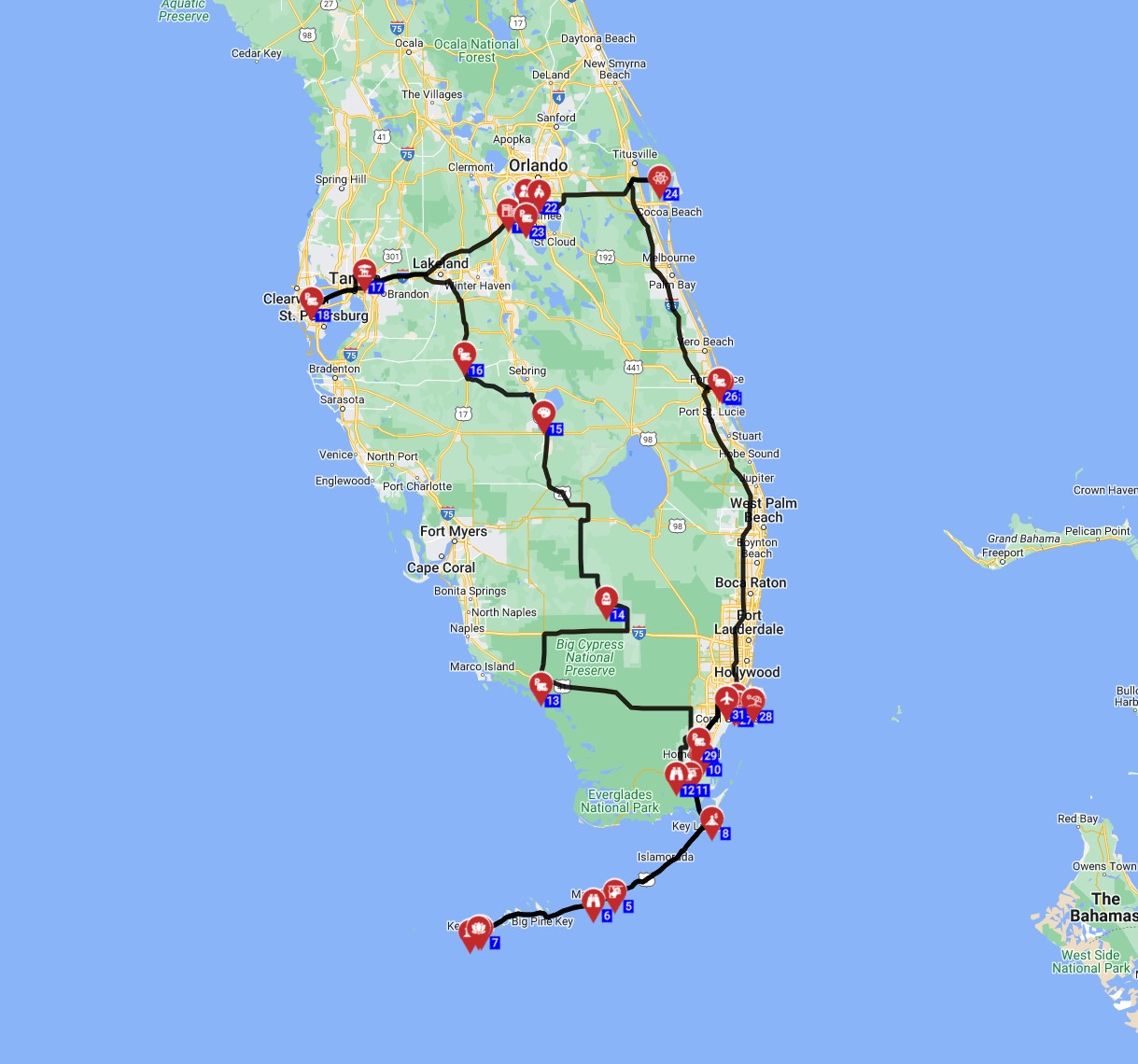
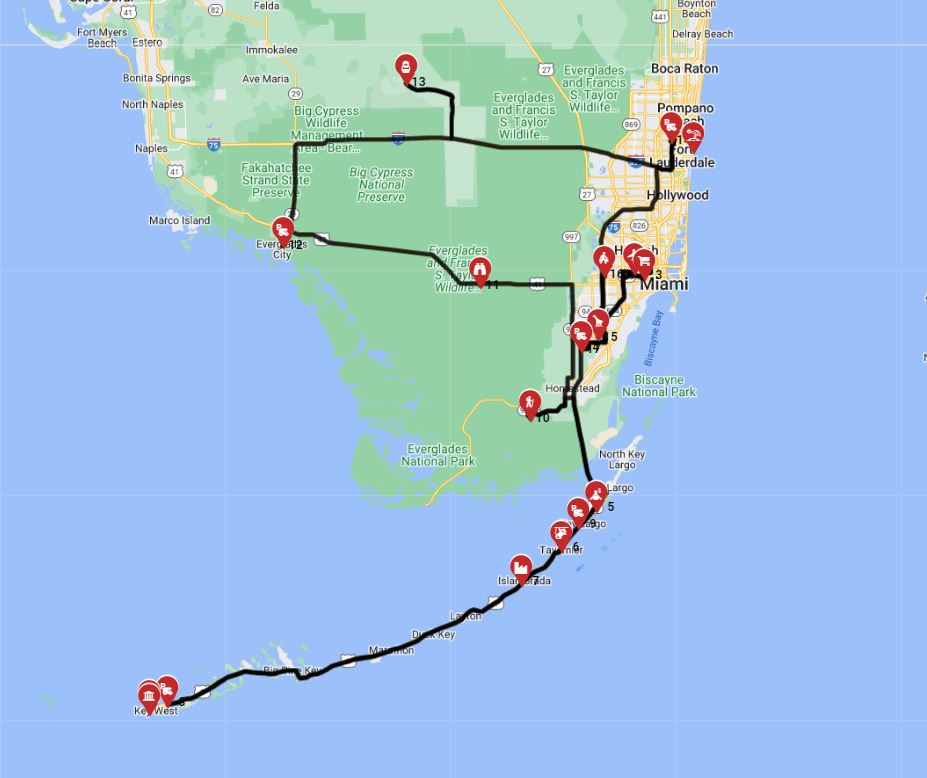
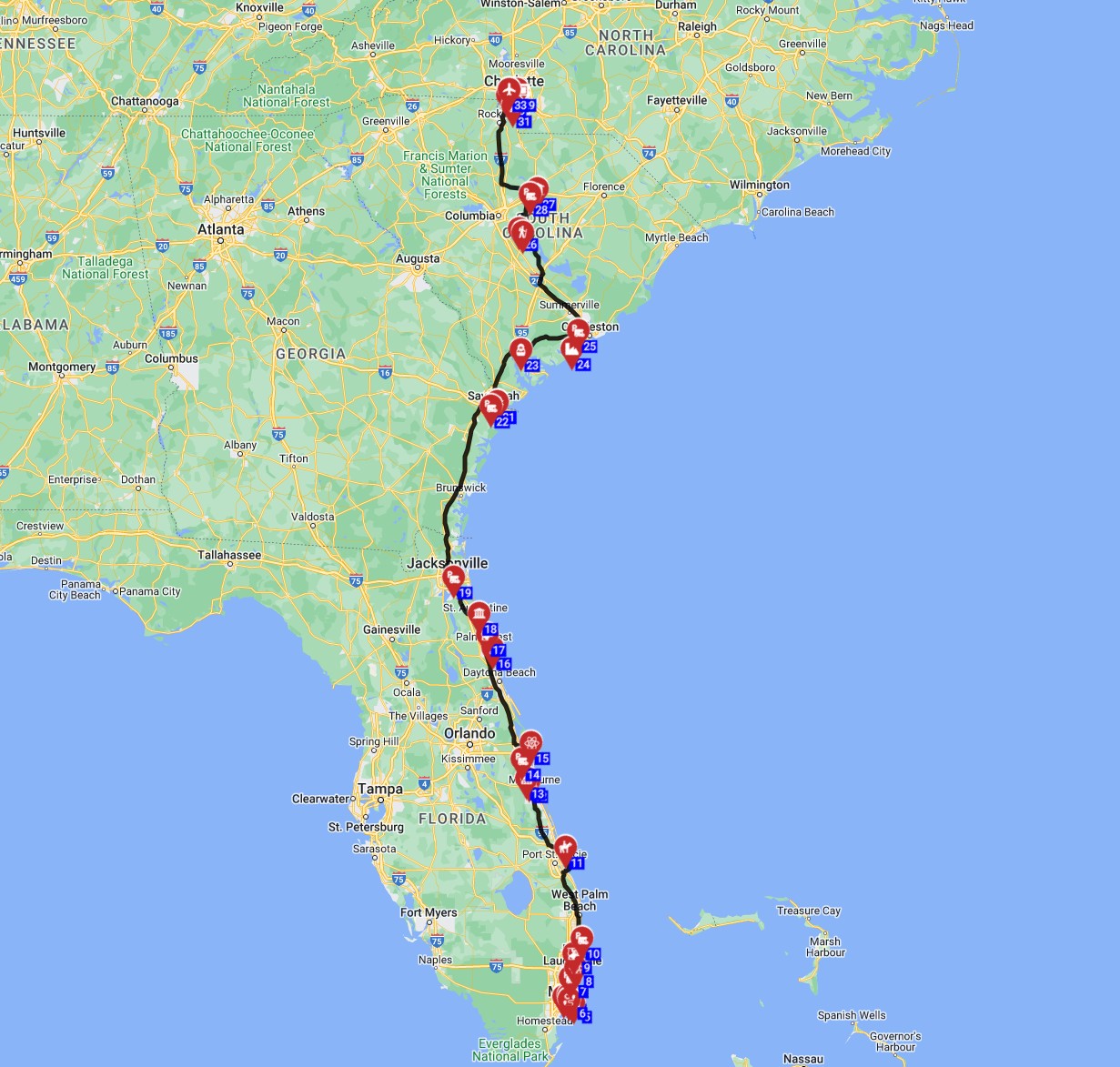
- Explore the Florida Keys on a 7-day loop: Embark on the 1043.2 km "
" for a classic Florida adventure. This itinerary includes stops for wildlife watching, beach relaxation, kayaking, and a visit to the Key West Museum.
 Miami Roundtrip - Southern Florida up to Key West
 - Visit Everglades National Park: Just an hour west of Miami, the Everglades offers unparalleled opportunities for airboat tours, hiking, and seeing alligators. Park your rented motorhome at the Ernest Coe Visitor Center or consider a stay at Long Pine Key Campground for immersive experiences.
- Experience Little Havana's Culture: Park your RV at a nearby paid lot (research options like the parking garage at SW 1st Street and 13th Avenue) and immerse yourself in the vibrant Cuban culture on Calle Ocho, enjoying authentic food, music, and the famous cigar shops.
- Discover Wynwood Walls: This outdoor street art museum is a must-see. Look for parking garages in the surrounding Wynwood area that might accommodate smaller campervans or use ride-sharing from a perimeter RV park.
- Relax at Miami's Beaches: While South Beach is famous, consider quieter spots like Bill Baggs Cape Florida State Park on Key Biscayne, which offers beautiful beaches and a historic lighthouse. There's ample parking for RVs during the day, though no overnight camping.
Final Thoughts
Embarking on a weekly RV rental in Miami offers an incredible way to experience South Florida, combining urban excitement with natural wonders. By understanding local nuances, planning your trip carefully, and choosing the right motorhome for your needs, you're setting the stage for an unforgettable adventure. Drive slowly, embrace the journey, and connect with the vibrant culture and stunning scenery that Miami and its surroundings have to offer.From the lively streets of South Beach to the tranquil landscapes of the Everglades, a rented RV provides the flexibility and comfort to truly explore at your own pace. Let Bandana RV be your guide to finding the perfect vehicle and ensuring a seamless booking experience with full transparency and dedicated support. Your Miami road trip awaits!
Find Motorhome Rentals in Miami