In This Guide
- Top 5 Tips for Weekly RV Rental in Germany
- Before You Book - Class, Dates, Insurance
- Pre-Trip Prep - Packing Checklist for Germany
- On the Road - Driving, Fueling, Navigation
- At the Campground - Setup, Hookups & Etiquette
- Weekly RV Rental-Specific Tips for Germany
- Common Mistakes to Avoid in Germany
- How much does it cost to rent an RV for a week in Germany
- Is it worth renting an RV in Germany
- Where can I get an RV in Germany
- What is the best month to RV in Germany
- How do I plan an RV trip in Germany
- Do you need a special license to drive an RV in Germany
- Is it easy to drive an RV in Germany
- What are the rules for RV in Germany
- Can you park overnight in an RV in Germany
- How do you dispose of RV waste in Germany
- Do you need to book campsites in Germany
- How much does it cost to camp in Germany
- Are RVs popular in Germany
- What You Shouldn't Miss
- Why Book with Bandana Caravan
- Final Thoughts
- Frequently Asked Questions
Embarking on a weekly RV adventure through Germany offers an unparalleled sense of freedom, allowing you to explore historic castles, picturesque landscapes, and vibrant cities at your own pace. With a rented RV, your accommodation and transport are rolled into one, creating a seamless and unforgettable travel experience. For live availability and current prices, start with our RV Rental Germany - Complete Guide 2026 guide, where you can find all the essential information to kickstart your journey.
Top 5 Tips for Weekly RV Rental in Germany
To ensure a smooth and enjoyable weekly RV rental in Germany, follow these top tips. First, book your motorhome well in advance, especially if you plan to travel during peak season (June-August) or over major German holidays, as popular RV types and locations can be fully reserved 3-6 months ahead. Second, thoroughly understand available insurance options beyond basic coverage, considering upgrades like a top-level deductible reimbursement for extra peace of mind and protection against unexpected costs. Third, familiarize yourself with German road signs, speed limits, and specific traffic rules before driving, such as the minimum 1.5-meter passing distance for cyclists and pedestrian right-of-way. Fourth, plan your routes to include official campgrounds or designated Stellplätze for overnight stays, as wild camping is generally prohibited and can lead to fines up to €100-€500 depending on the location. Finally, carefully choose your rented RV class based on your group size, driving comfort preferences, and planned destinations, with campervans (like a "rv rental denver example Category Van" for 2 people with a toilet and shower) being ideal for couples, while a larger "rv rentals example Comfort Class" can easily accommodate a family of 2+2 with 3 double beds.
Before You Book - Class, Dates, Insurance
When selecting an RV class for your weekly rental in Germany, balance the desired interior space and amenities with the practicalities of navigating German roads. Compact campervans, often measuring around 5-6 meters in length, are excellent for couples or solo adventurers, offering easier maneuverability and parking in smaller towns. Larger motorhomes, such as a Class C, typically range from 6 to 9 meters and provide more spacious living areas and separate sleeping zones for families, like the "MH-A" model which offers 3 double beds and can accommodate up to 6 people. Always consider the vehicle's dimensions against your comfort level for driving on European roads; remember, you can drive slowly and carefully, and you can drive almost anywhere without issues. No need to stress - just use common sense and pay attention.
Securing your preferred weekly rental dates 3-6 months in advance is highly recommended, particularly for trips during Germany's peak season (June-August) or major national festivals like Oktoberfest, to guarantee availability and potentially lock in more favorable rates. Bandana Caravan offers full transparency in pricing, ensuring what you see is what you pay, with no hidden fees or surprise costs added at pickup. When comparing options, you'll see various prices like the "rv rentals utah example Sunrise Escape" which is a 5-sleeper motorhome, and it gives you clarity from the start.
Basic insurance is always included with your RV rental in Germany, covering collision damage waiver with a deductible and third-party liability. However, to see prices that include the most comprehensive coverage, select that option during your initial search on our platform. This allows you to travel with peace of mind, knowing you're protected against most unforeseen circumstances. You can upgrade to a top-level deductible for extra peace of mind, an optional enhancement available for purchase. We handle the details, you live the journey, providing personal service from day one until your booking is confirmed.
Pre-Trip Prep - Packing Checklist for Germany
A well-prepared packing list is crucial for a comfortable weekly RV rental in Germany, as the weather can be quite variable. Pack versatile clothing layers, including waterproof jackets and comfortable walking shoes, suitable for exploring both city streets and scenic trails. While many rental motorhomes, such as a "Glamys 40" or "K125", often come with basic kitchen essentials, it's wise to pack a small coffee maker, reusable grocery bags for market visits, and perhaps your favorite spices to enhance your onboard cooking. For delicious meal ideas, be sure to check out our RV-friendly recipes playlist.
Essential safety items required by German law include a first-aid kit, reflective vests for all passengers, and a warning triangle, all typically included with your rental but worth double-checking. Don't forget a European-specific adapter for electrical hookups at campgrounds. Crucial documents to have on hand are your valid passport, national driving license (a standard car driver's license is sufficient for motorhomes up to 3,500 kg), an International Driving Permit (IDP) if your license is not from an EU country, your rental agreement, and European Health Insurance Card (EHIC) or comprehensive travel insurance details. Remember, Bandana Caravan has direct partnerships with 50+ leading RV suppliers worldwide, including El Monte, Cruise America, Apollo, and Britz, ensuring a broad selection of well-equipped vehicles for your trip.
On the Road - Driving, Fueling, Navigation
Driving a rented RV in Germany is a rewarding experience, thanks to excellent infrastructure, but it requires adherence to specific rules. For RVs under 3.5t, speed limits are generally 100 km/h on autobahns (where limits exist) and 100 km/h on rural roads. For larger motorhomes over 3.5t, the autobahn speed limit is often 100 km/h, and rural roads limit to 80 km/h. Drive slowly and carefully, and you can drive almost anywhere without issues. No need to stress - just use common sense and pay attention to signage. All rental motorhomes in Germany typically run on Diesel fuel, easily identifiable at service stations; familiarize yourself with German fuel station operations, which are usually self-service, and note that payment is often made after fueling at the cashier. Many stations have specific RV-friendly pumps, especially along major routes.
For navigation, reliable GPS apps are invaluable. Utilize up-to-date options like Google Maps, Maps.me (for offline capabilities), or specialized RV navigation systems that account for vehicle dimensions to avoid low bridges, narrow city streets, or weight-restricted roads. An important consideration for urban exploration is Germany's 'Umweltzonen' (environmental zones) in many cities, which require a green emissions sticker (Umweltplakette) to enter. You can purchase these online in advance or at authorized garages (TÜV, Dekra) in Germany. This ensures you comply with local regulations and enjoy seamless city visits. Remember to carry local currency or a reliable credit card for tolls on certain bridges or tunnels, though most autobahns are toll-free for passenger vehicles, including most RVs. On the routes offered through RV PLANET routes, you can itemize and track every expense along the way for easy budgeting.
🎬 Video coming soon
At the Campground - Setup, Hookups & Etiquette
Upon arriving at a German campground (Campingplatz) or motorhome parking area (Stellplatz), the check-in process is straightforward. Typically, you’ll report to the reception where you'll receive your pitch number, a map of the facilities, and any access codes for gates or amenities. Follow the standard hookup order to settle your rented motorhome: first, connect the electricity cable to the power pedestal, then attach your fresh water hose for refilling, and finally, position your grey water tank for emptying at the designated disposal point or locate the central grey water dump station. For black water, chemical toilets must be emptied at specific, clearly marked "Chemietoiletten" disposal points, often requiring a specific chemical flush liquid.
Observing local campground etiquette is key to a harmonious stay. Quiet hours are generally enforced, usually between 10 PM and 7 AM, and often during a midday break called "Mittagsruhe" from 1 PM to 3 PM. During these times, campers are expected to minimize noise, which means no loud music or excessive generator use. Proper waste disposal is highly valued in Germany, reflecting a strong environmental focus. Diligently separate all waste into the provided bins for recyclables (paper, plastic, glass) and general waste. Always use the designated stations for emptying all waste tanks, as improper disposal can result in significant fines and environmental damage. This contributes to sustainable and eco-friendly RV travel. Planning for your trip in Germany can be streamlined using RV PLANET routes where you can itemize and track every expense along the way for easy budgeting.
Weekly RV Rental-Specific Tips for Germany
For families traveling with young children on a weekly RV rental in Germany, consider motorhome models like the "Group G" which offer ample sleeping places (up to 7) and child-friendly layouts, often including bunk beds. Planning nap-friendly drives during quieter times of the day can maximize comfort for everyone. For senior travelers, ergonomic RV classes with automatic transmissions, easy-access beds, and spacious bathrooms, such as a "rent motorhome example E3" or a "Luxury Small" model, can enhance the comfort and convenience of their extended road trip. These features are designed to make travel as relaxing as possible.
Budget-conscious renters can significantly optimize costs by seeking out free Stellplätze for overnight stays, many of which provide basic services like water and waste disposal. Cooking most meals in your rented RV's kitchen using fresh, local ingredients purchased from German Wochenmärkte (weekly markets) or Hofläden (farm shops) can also lead to substantial savings compared to dining out daily. For those seeking a luxury weekly rental experience, explore premium add-ons like satellite TV, larger awnings, or even bicycle racks for local exploration, as seen in models like the "campervan hire new zealand example Euro Deluxe," which offers exclusive features for a more opulent journey. Germany's diverse RV offerings cater to every preference and budget, ensuring a perfect fit for your adventure.
Common Mistakes to Avoid in Germany
First-time RV renters in Germany often make several preventable mistakes that can impact their trip. A common misstep is attempting to navigate larger RVs directly into historic city centers; instead, use designated park-and-ride (P+R) facilities on the outskirts and rely on Germany's efficient public transport. Another frequent error is overlooking the mandatory requirement for an Umweltplakette (environmental sticker) to enter 'Umweltzonen' (environmental zones) in many German cities. Always purchase one online or at a TÜV station before entering these zones to avoid fines. Our "Cheap RV Rental in Germany - Budget Guide 2026" offers more detail on these costs.
Don't assume all campgrounds accept spontaneous arrivals, especially during peak tourist season or popular holidays like Easter. Instead, booking your pitch in advance, particularly in scenic areas like the Black Forest or the Bavarian Alps, is crucial to guarantee a spot. Many national parks and popular sites, for instance, reserve only 25-30% of their spots for spontaneous arrivals, with the rest typically being booked in advance. Reassure yourself by calling ahead before driving long distances if you haven't reserved. Finally, avoid improper waste disposal outside of designated facilities; always use the clearly marked grey water, black water, and recycling points at campgrounds and Stellplätze. This respect for local customs and the environment ensures a smooth experience. For comprehensive route plans and itineraries that factor in these details, consider using RV PLANET (rvplan.net).
How much does it cost to rent an RV for a week in Germany
Weekly RV rental costs in Germany typically range from €700 to €1,500 for smaller campervans like the "V2L" (a 2-sleeper motorhome with a 100-liter fresh water tank) and €1,200 to €2,500+ for larger motorhomes, such as the 6-berth "Group I" model, during peak season (June-August). Prices are dynamic, similar to flight tickets, changing daily based on availability, seasonality, and supplier marketing decisions. Booking 90+ days ahead can save an average of 15-20% on weekly rates.
Beyond the base rental price, additional trip costs can include insurance upgrades, mileage fees, cleaning fees (e.g., a €100 fee for not emptying the toilet cassette in some vehicles like the "rent camper example Cat C - Sky 500"), and equipment rentals (like bedding or kitchen kits). For instance, a weekly rental of a 4-berth "4 Berth Adventurer" could cost around €1,500-€2,000 in July, excluding extras. Budget-conscious travelers can optimize these costs by planning meals to cook in their RV kitchen and researching free or low-cost Stellplätze, targeting an average daily spend of €50-€100 per person for fuel, food, and activities. Our "RV Rental in Germany - Prices and Best Deals 2026" guide provides more detailed breakdowns.
Is it worth renting an RV in Germany
Renting an RV in Germany is unequivocally worthwhile for travelers seeking flexibility, an immersive travel experience, and the significant advantage of combining accommodation and transport costs, especially for week-long trips. Germany's exceptional infrastructure for motorhomes, including well-maintained autobahns, hundreds of dedicated campgrounds, and a vast network of Stellplätze, makes RV travel convenient and enjoyable. Imagine waking up to the rolling hills of Bavaria one day and the dramatic cliffs of the Baltic Sea the next, all from the comfort of your mobile home.
The value of an RV rental in Germany is further enhanced by the ability to explore both popular tourist routes and off-the-beaten-path destinations. Compared to bringing your own RV from abroad, renting locally with a trusted specialist like Bandana Caravan simplifies many logistical hurdles, such as navigating European insurance regulations, ensuring vehicle compliance with local standards, and providing immediate breakdown assistance. With our transparent pricing and dedicated support, you can focus entirely on living the journey without hidden fees or surprises. This approach makes RVing in Germany an accessible and highly rewarding choice for many international visitors.
Where can I get an RV in Germany
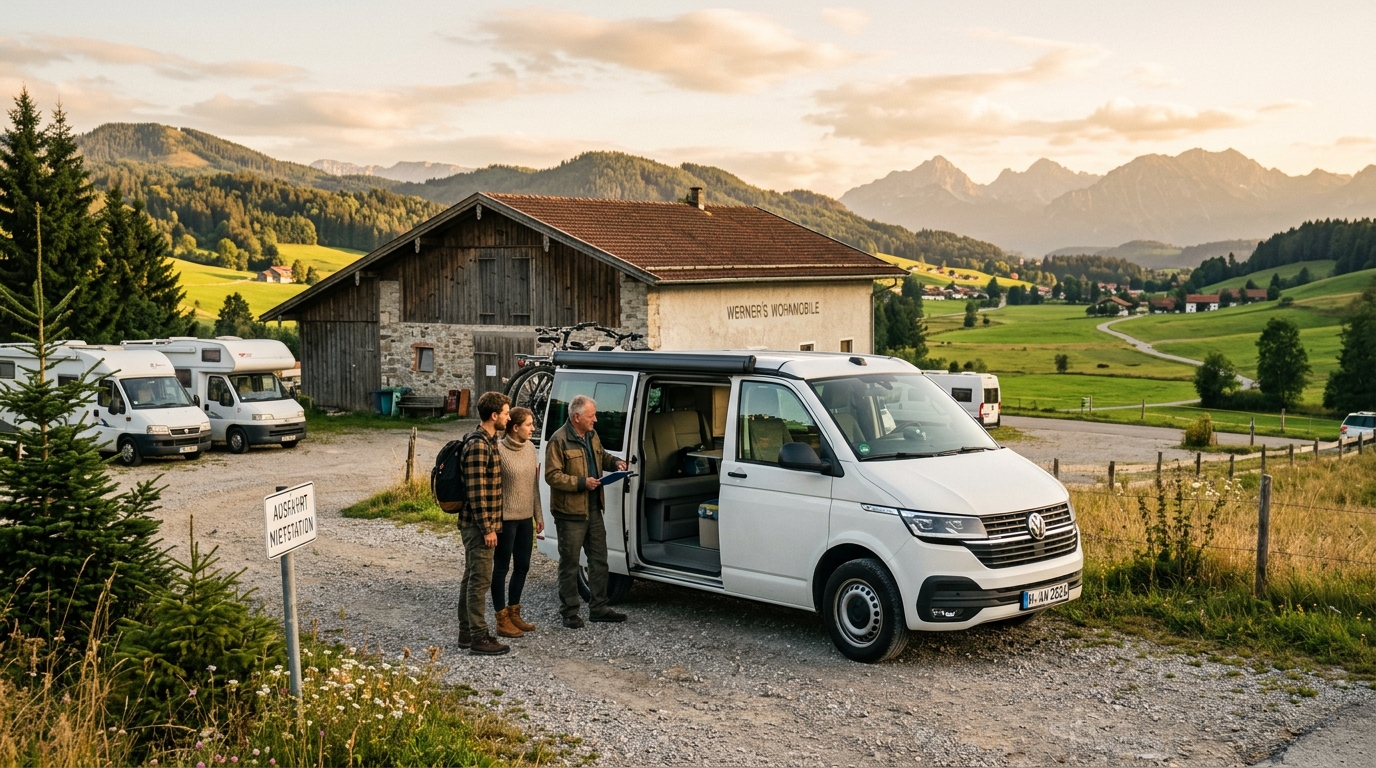
You can readily rent an RV in Germany from major international rental companies and through comparison platforms like Bandana Caravan, which partners directly with 50+ leading global suppliers such as El Monte, Cruise America, Apollo, and Britz. Primary pick-up locations are conveniently situated in major German cities, including Frankfurt, Munich, Berlin, and Hamburg. For instance, you could pick up a "K125" campervan in Berlin and begin an adventure exploring the eastern regions of Germany.
Many rental depots are strategically located near international airports or major railway stations, ensuring easy access for arriving travelers. The rental process typically involves a straightforward online booking through our platform, followed by providing a valid driver's license (minimum age 21) and passport at pickup, along with a comprehensive vehicle inspection. This process ensures your rented RV meets all European safety and operational standards, providing peace of mind from the moment you hit the road. For example, our 8-day
What is the best month to RV in Germany
The best months for an RV trip in Germany are typically May, June, and September, offering a delightful combination of pleasant temperatures, longer daylight hours, and generally fewer crowds compared to the peak summer season. Average temperatures in May and June range from 15-20°C (59-68°F), ideal for outdoor activities and sightseeing. The roads are less congested, and popular attractions like Neuschwanstein Castle or the Romantic Road are more enjoyable without the heaviest tourist traffic.
July and August provide the warmest weather, often reaching 20-25°C (68-77°F), which is perfect for swimming in lakes or enjoying beer gardens. However, these months coincide with German school holidays, resulting in higher prices for RV rentals and campgrounds, fuller spots in popular areas, and increased traffic, especially on major routes. Shoulder seasons like April and October can offer excellent value and even fewer tourists, with weekly rental prices often 10-15% lower, though the weather can be more unpredictable, requiring preparation for cooler temperatures and potential rain. For those considering a Winter RV Rental in Germany - Pricing Guide 2026, remember that some campsites may have limited services, but winter can also offer unique, magical experiences.
How do I plan an RV trip in Germany
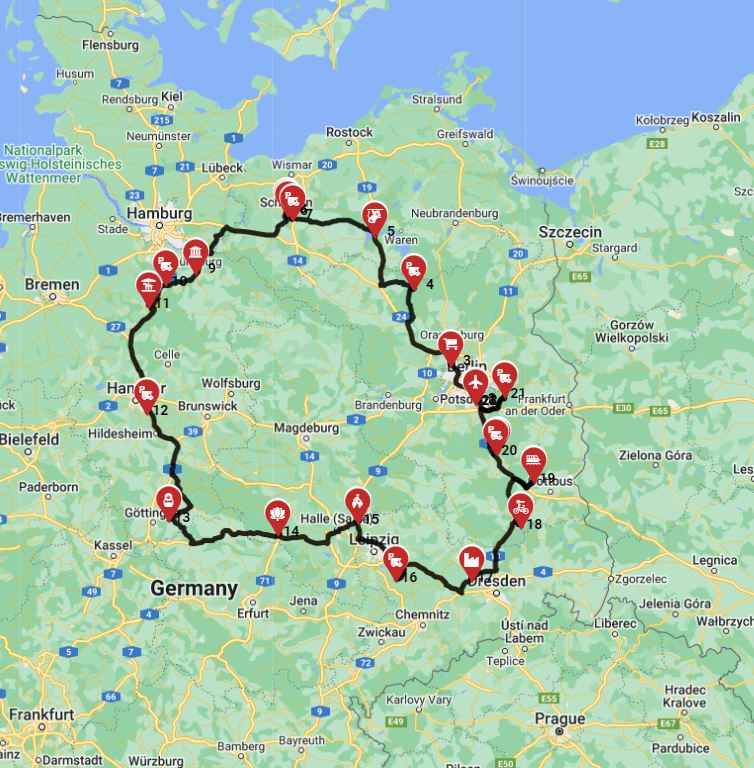
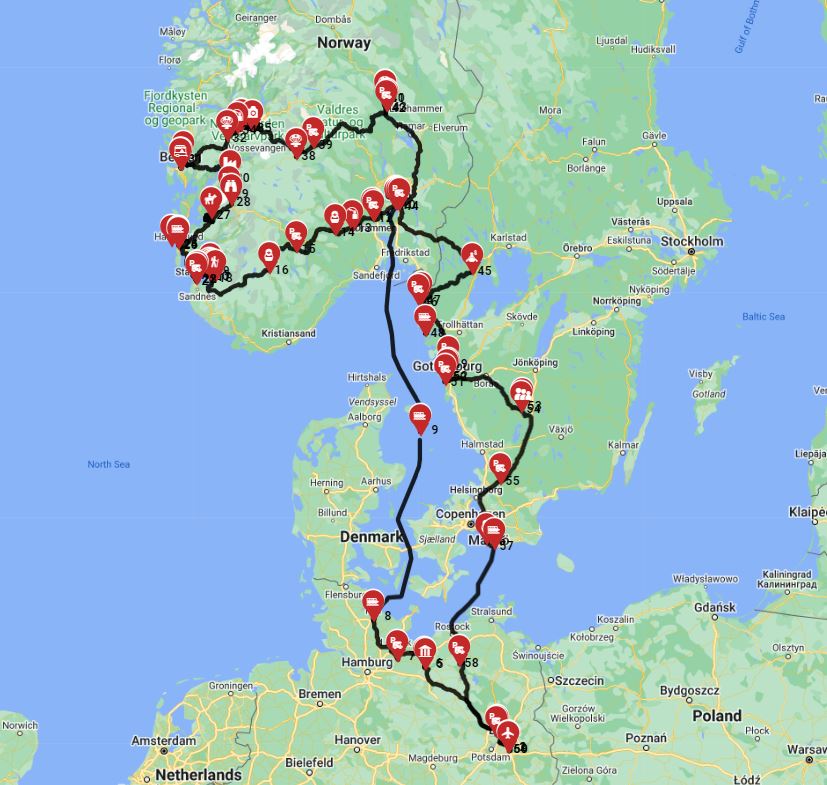
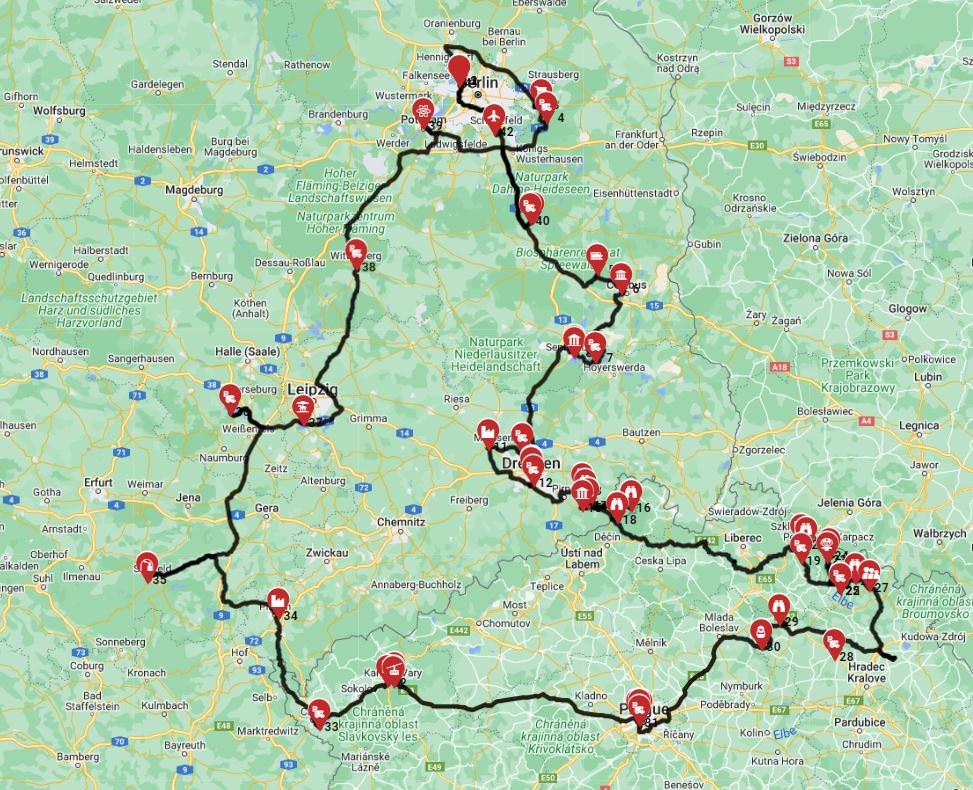
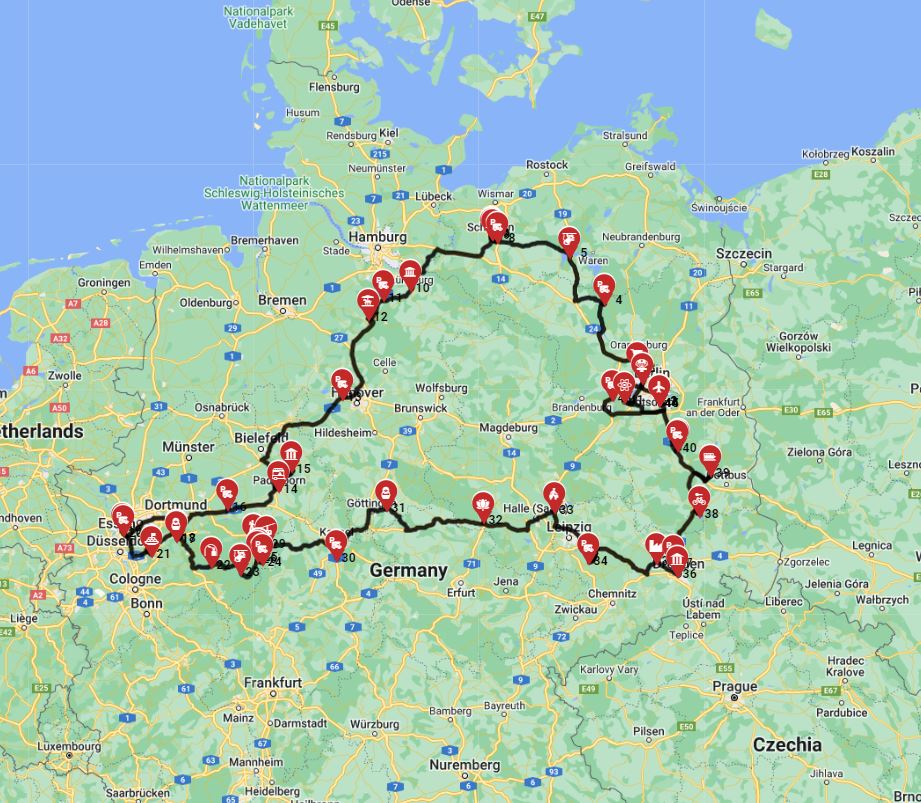
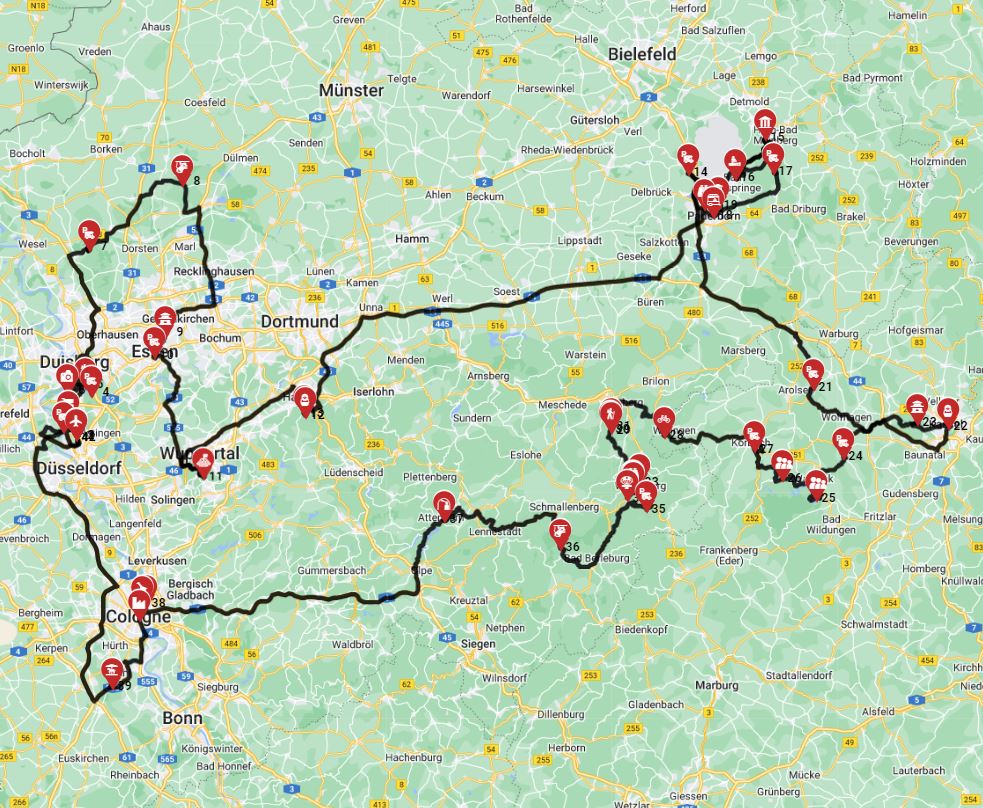
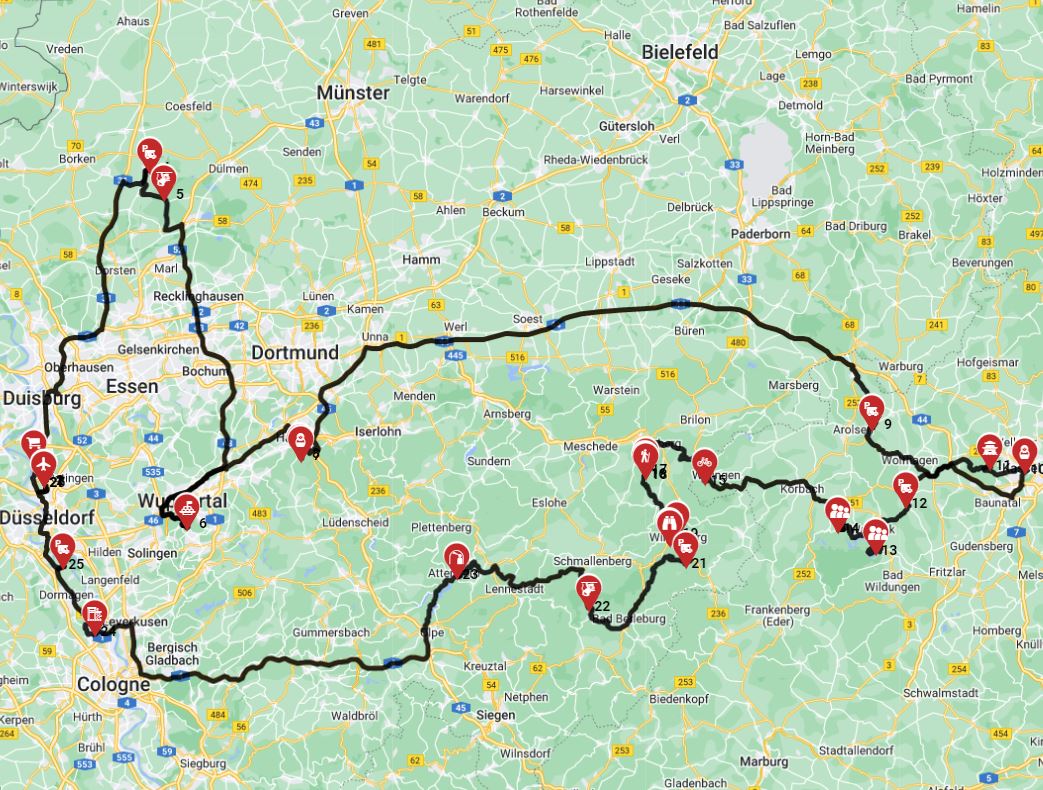
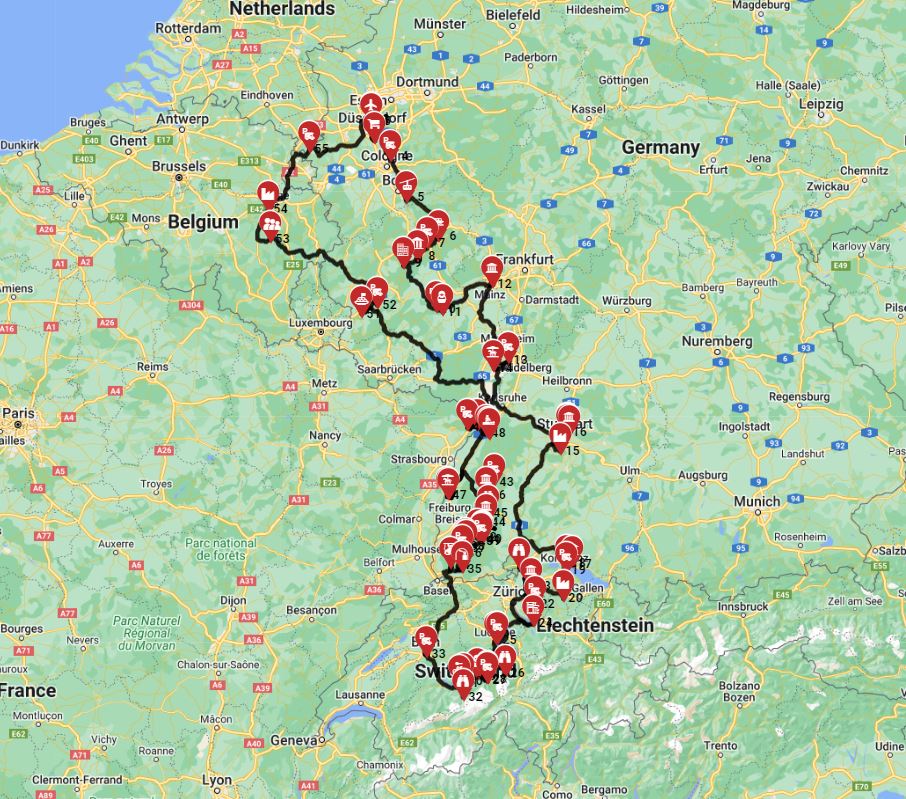
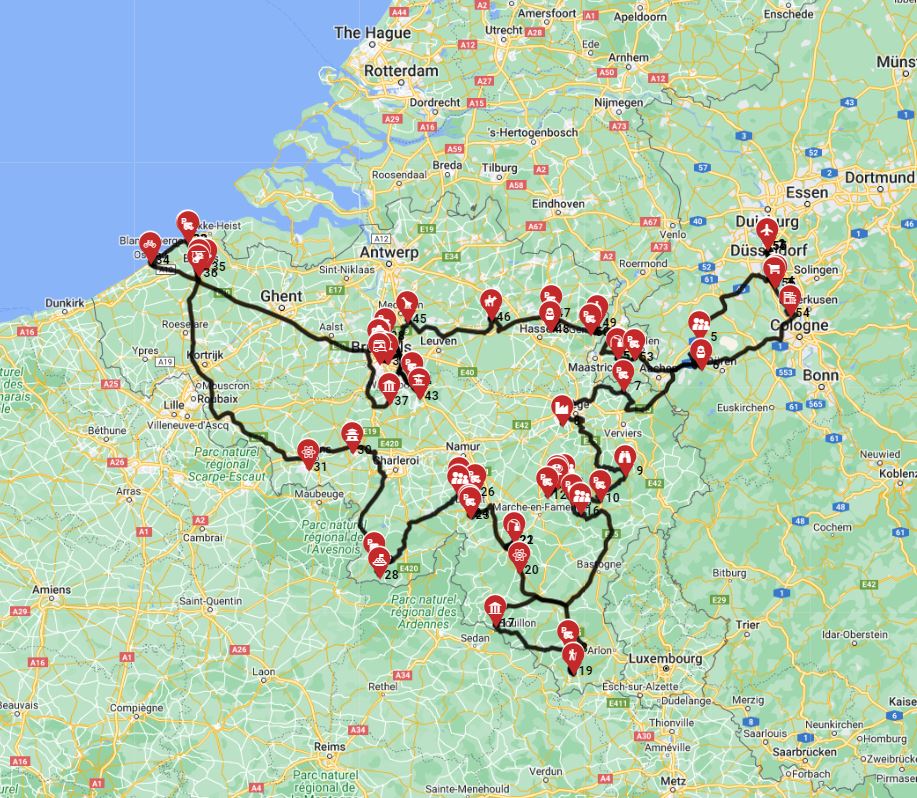
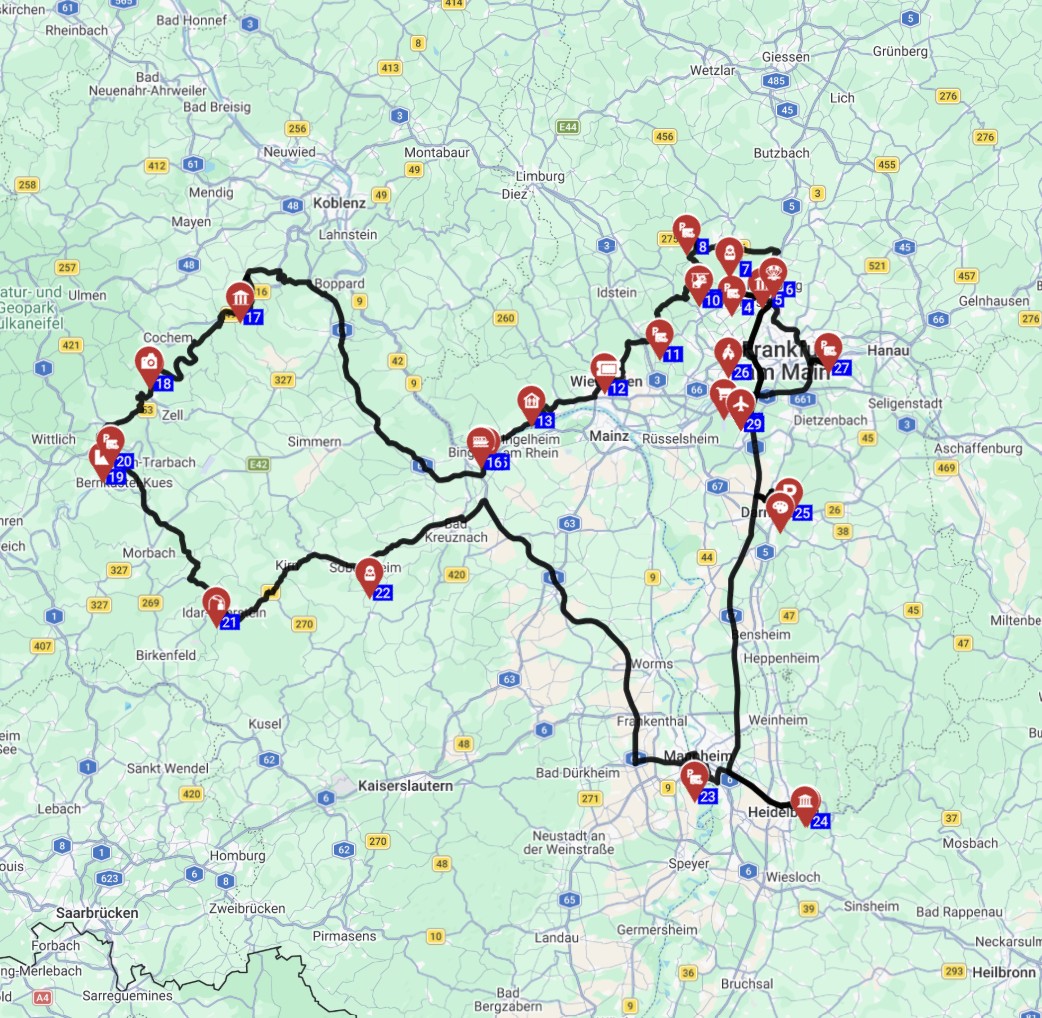
Planning an RV trip in Germany involves outlining a flexible itinerary, thoroughly researching specific campgrounds or Stellplätze, understanding local road regulations, and preparing for unique cultural experiences. Start by identifying your interests, whether it's exploring the fairy-tale castles of Bavaria, the scenic Rhine Valley, or the vibrant cities of Berlin and Hamburg. Our sister company, RV PLANET (rvplan.net), offers 1,300+ pre-planned routes across 5 continents, including detailed itineraries for Germany, making planning effortless. For instance, the Frankfurt Roundtrip - North Germany - Including Hamburg & Berlin (15 days, 2230.1 km) is an excellent example of a professionally crafted route plan, covering 2 zoos, 2 museums, and 2 traditional restaurants.
Consider incorporating off-the-beaten-path destinations such as the hiking trails of Saxon Switzerland, the charming villages along the Romantic Road, or the scenic lakes of Bavaria, rather than sticking solely to well-trodden tourist routes. Embrace Germany's rich local food and drink culture by sourcing fresh ingredients from Wochenmärkte or Hofläden for cooking in your RV kitchen, which is usually equipped with a gas stove and refrigerator, perfect for preparing meals like those in a "Motorhome MC4 Gold" or "MC 4-32" (with its 3-burner stove and refrigerator). Don't forget to try regional German road trip snacks like Brezeln or various Wurst from local butchers. Remember, slow travel is the best travel: aim for a maximum of 100-150 km per day on average to truly feel the place, connect to the culture, the food, and the scenery.
Do you need a special license to drive an RV in Germany
No, most standard RVs (motorhomes and campervans up to 3,500 kg Gross Vehicle Weight - GVW) in Germany can be driven with a regular 'B' driving license, which is equivalent to a standard car license in many countries. This covers the vast majority of rental campervans and smaller Class C motorhomes, such as the "rv rental nj example Category Small" or "Chaser" models, which are popular for couples and small families. This makes RV travel highly accessible for most international visitors.
For larger RVs between 3,500 kg and 7,500 kg GVW, a 'C1' license is required. Vehicles exceeding 7,500 kg GVW necessitate a 'C' license. However, these larger categories are less common for typical weekly rentals and are usually reserved for very big, custom motorhomes. Non-EU citizens are strongly advised to carry an International Driving Permit (IDP) alongside their national driver's license, as it is often legally required for driving in Germany and can be requested during vehicle stops, even if your national license is accepted alone in some cases. Bandana Caravan ensures full transparency on vehicle requirements during the booking process, so you'll always know what's needed for your chosen rental motorhome.
Is it easy to drive an RV in Germany
Driving a rented RV in Germany is generally easy due to the country's exceptionally well-maintained roads, clear and consistent signage, and disciplined drivers. The autobahns offer smooth, multi-lane travel for covering longer distances efficiently. However, navigating narrower roads in charming, older towns or certain mountainous regions does demand careful attention, especially with larger motorhomes (like the 7.6-meter long "CA-25" model). Drive slowly and carefully, and you can drive almost anywhere without issues. No need to stress - just use common sense and pay attention to your surroundings.
For technology and connectivity, acquiring a local German SIM card for mobile data is highly recommended for reliable navigation, communication, and real-time traffic updates. Consider using apps like ADAC Maps or specific campground search tools to locate available spots. Many campgrounds offer Wi-Fi, though quality can vary, so having your own mobile data is a good backup. Bandana RV specializes in RV travel, offering a wealth of experience to help you prepare. Our 24/7 support means real people are behind you before, during (for coordination), and after your booking, ensuring a smooth journey even if unexpected situations arise. For more on safe travel, consult our "Family RV Driving in Germany - Safe Routes 2026" guide.
What are the rules for RV in Germany
RVing in Germany is governed by strict traffic laws and cultural etiquette. Specific speed limits apply based on vehicle weight: RVs under 3.5t can often match car speed limits (130 km/h on derestricted autobahns, 100 km/h outside built-up areas), while those over 3.5t are typically restricted to 100 km/h on autobahns and 80 km/h on rural roads. Mandatory environmental stickers (Umweltplakette) are required for access to designated 'Umweltzonen' in many cities, so plan to obtain one if your itinerary includes urban areas. Additionally, safe loading practices are enforced, and all passengers must wear seatbelts while the vehicle is in motion, like the "MH4-5 - SIF" which has 4 seatbelts.
Beyond traffic laws, drivers must adhere to local customs and cultural etiquette, particularly at campgrounds and Stellplätze. Observing quiet hours (typically 10 PM-7 AM and often 1 PM-3 PM midday) is paramount. Wild camping or unregulated overnight parking on public land is generally prohibited and can lead to fines, so always seek out designated parking areas or official campsites. Sustainable and eco-friendly RV travel is strongly encouraged, aligning with Germany's environmental focus. This means diligently separating waste, using designated disposal facilities for grey and black water, and minimizing noise and light pollution to preserve the natural beauty of the German landscapes. God is in the small details, and we take care of them. That's what makes the big difference in your travel experience.
Can you park overnight in an RV in Germany
Yes, you can generally park overnight in a rented RV in Germany at designated Stellplätze (motorhome parking areas) or official campgrounds (Campingplätze), which are specifically equipped and legally sanctioned for RVs. Stellplätze are often found in or near towns, offering a convenient and sometimes free or low-cost (€5-€20 per night) option for a single overnight stay. These spots typically provide basic facilities, though "camping behavior" (e.g., setting out awnings, tables, or chairs) is usually not permitted in these transient parking areas.
Wild camping, or unregulated overnight parking outside of private property with explicit permission, is largely prohibited across Germany and can result in fines, particularly in nature reserves, protected areas, or private land. Therefore, it's always best to plan your overnight stops in advance or consult local signage carefully. Many national parks reserve only 25-30% of their spots for first-come-first-serve arrivals, so calling ahead to secure a spot at a campground is always a wise move. For comprehensive details on options, refer to our "Cheap RV Camping in Germany - Budget Sites 2026" guide.
How do you dispose of RV waste in Germany
RV waste in Germany is disposed of at clearly marked designated facilities found at nearly all campgrounds (Campingplätze) and many Stellplätze (motorhome parking areas). These facilities are specifically designed to handle grey water (from sinks and showers) and black water (from toilets), which must be emptied into separate drainage points. It is crucial to distinguish these from fresh water refilling stations to prevent contamination, a key aspect of responsible RV travel in Europe.
Many waste disposal facilities also provide separate bins for general waste and an extensive system for recycling paper, plastic, and glass, encouraging adherence to Germany's strong environmental regulations. Travelers are expected to diligently sort their trash, supporting sustainable practices. Ensuring all waste tanks are empty and clean upon returning your rental motorhome is also a standard requirement, with potential cleaning fees (e.g., a €200 fee for uncleaned tanks, as mentioned for the "Duo" campervan) if not properly handled. Bandana is committed to honest and transparent practices, making sure you know all expectations upfront.
Do you need to book campsites in Germany
While not always strictly mandatory, booking campsites in Germany is highly recommended, especially if you're traveling during peak season (June to August), major public holidays like Easter or Octoberfest, or when planning to stay in popular tourist regions like the Black Forest, Bavarian Alps, or along the Baltic Sea coast. Many desirable campgrounds, particularly those offering desirable amenities or located near major attractions, can fill up quickly, making advance reservations crucial to secure a spot for your rented motorhome.
For off-peak travel or in less frequented areas, spontaneous arrivals might be possible, but it's always advisable to call ahead or check online for availability before driving. Germany's national and state parks often reserve only 25-30% of their spots for first-come-first-serve visitors, so pre-planners will benefit from securing their pitches. If your first choice is full, don't fret: "You'll find a spot. If not at the first campground, then the next one. Call ahead before driving." This flexible approach ensures your weekly RV trip in Germany remains stress-free.
How much does it cost to camp in Germany
The cost to camp in Germany varies significantly but generally ranges from €15 to €45 per night for a pitch with a rented RV, depending on the campground's location, the quality of facilities, the season, and its popularity. Premium sites in highly sought-after areas, such as those in Bavaria or on the North Sea coast, will naturally be at the higher end of this scale, while more basic sites in rural areas might offer lower prices.
Additional costs may include electricity hook-ups (typically €3-€5 per night), metered showers (often €0.50-€1 for a few minutes), tourist taxes (Kurtaxe) which can range from €1-€3 per person per night in some regions, and extra charges for pets or additional occupants. Stellplätze (motorhome parking areas) often present a more budget-friendly alternative, with costs typically under €15 per night or sometimes even free for a basic overnight stay, though they usually offer limited facilities compared to full campgrounds. For detailed routes including budgeting tips, explore the RV PLANET routes to plan your weekly rv rental Germany trip.
Are RVs popular in Germany
RVs are extremely popular in Germany, which boasts one of the largest and most enthusiastic motorhome communities in Europe, making it an ideal destination for weekly RV rentals. This popularity is evidenced by a robust infrastructure of meticulously maintained campgrounds (Campingplätze) and thousands of dedicated Stellplätze (motorhome parking areas) found throughout the country, often in scenic locations or near cultural attractions. German engineering excellence also extends to RV manufacturing, with many world-renowned brands originating from Germany, contributing to a culture that truly embraces motorhome travel.
This widespread acceptance of RVs stems from a strong cultural appreciation for independent travel, outdoor recreation, and the opportunity to explore Germany's diverse landscapes, from the majestic Alps to the tranquil Baltic Sea, at one's own pace. The high demand ensures a wide availability of rental options, ranging from compact campervans like the "Combi Van" to spacious Class C motorhomes such as the "Group I" model, along with readily available repair services and a supportive community of fellow enthusiasts. This makes Germany a highly welcoming and convenient destination for any RV traveler, whether you're a first-timer or an experienced road-tripper.
What You Shouldn't Miss
- **The Romantic Road:** Drive through picturesque towns like Rothenburg ob der Tauber and Fussen, culminating at Neuschwanstein Castle. This classic route offers stunning views and historic charm perfect for a rented RV.
- **Rhine Valley Castles:** Take a leisurely cruise or drive along the Rhine River, stopping at vineyards and exploring medieval castles perched on hillsides. Many river towns offer convenient Stellplätze.
- **Black Forest:** Immerse yourself in the dense, dark forests, charming villages, and cuckoo clock traditions. Ideal for hiking and enjoying nature with your campervan.
- **Bavarian Alps:** Explore breathtaking mountain landscapes, pristine lakes like Eibsee, and indulge in traditional Bavarian cuisine. Plenty of campgrounds offer alpine views.
- **Berlin's Rich History:** Park your RV at a city-edge campground and use public transport to dive into Berlin's iconic landmarks, museums, and vibrant cultural scene.
- **Avi Bandana's Top 5 Adventures - recommendations from Avi Bandana:** For unique, expert-curated experiences, keep an eye out for Avi's personal recommendations, which often highlight hidden gems and truly authentic local interactions.
Final Thoughts
A weekly RV rental in Germany is more than just a trip; it's an invitation to a unique European adventure, offering unparalleled flexibility and a deep dive into culture and nature. From the practical considerations of choosing your ideal motorhome from diverse options like the "DVC" or "K2D" models, to navigating local regulations and discovering charming Stellplätze, you're well-equipped to make the most of your journey. Remember, the key is to embrace the pace of slow travel, averaging 100-150 km per day, allowing you to truly savor each moment and connection.
With Bandana Caravan, you have a trusted partner every step of the way. We believe in complete transparency and provide expert support to ensure your planning is seamless and your trip is worry-free. So, imagine yourself on the open German roads, a fresh Brezel in hand, ready to discover another hidden gem around the bend. Your unforgettable German RV adventure awaits!
Ready to hit the road? Compare Weekly RV Rental Prices for Germany now and start planning your perfect itinerary.