In This Guide
- Top 5 Tips for RV Rental in Australia
- Before You Book - Class, Dates, Insurance
- Pre-Trip Prep - Packing Checklist for Australia
- On the Road - Driving, Fueling, Navigation
- At the Campground - Setup, Hookups & Etiquette
- RV Rental-Specific Tips for Australia
- Common Mistakes to Avoid in Australia
- What is the 3-3-3 rule for campervan?
- What are the drawbacks of renting an RV?
- How much does it cost to rent an RV in Australia?
- Can you park an RV anywhere in Australia?
- How much is a 1 week RV rental?
- Is it worth having a toilet in a campervan?
- Can US citizens rent a car in Australia?
- What not to do in Australia as an American?
- Is 3000 AUD enough for 2 weeks in Australia?
- What You Shouldn't Miss
- Why Book with Bandana Caravan
- Final Thoughts
- Frequently Asked Questions
Australia, a land of vast open spaces, stunning coastlines, and unique wildlife, is perfectly suited for exploration by a rented RV or campervan. Imagine waking up to the sound of kookaburras, enjoying breakfast overlooking a pristine beach, or gazing at a sky full of stars in the Outback. An RV adventure offers unparalleled freedom and flexibility to truly immerse yourself in the diverse landscapes and cultures of this incredible continent. For live availability and current prices, start with our RV Rental Australia - Complete Guide 2026 guide.
Top 5 Tips for RV Rental in Australia
Booking your RV rental well in advance, especially for travel during peak seasons, is crucial to ensure vehicle availability and potentially secure better rates, often saving up to 25% for trips planned 90+ days ahead. Carefully review and understand your insurance options beyond the basic coverage to protect against various unforeseen incidents, and remember that you can upgrade to a top-level deductible for extra peace of mind. Our team is here to help you compare final prices across 50+ suppliers so you don't have to worry about hidden fees or surprises.
Planning your itinerary to include a balanced mix of designated free camping spots and well-equipped paid campgrounds is a smart strategy to manage costs and experience diverse settings. Budgeting realistically for significant expenses like fuel, which can fluctuate and add up quickly over Australia's long distances, will prevent financial surprises. Finally, familiarize yourself with specific Australian road rules, including driving on the left side of the road and understanding speed limits, before you depart to ensure a safe and smooth journey. On the routes offered through RV PLANET routes, you can itemize and track every expense along the way for easy budgeting.
Before You Book - Class, Dates, Insurance
Choosing the right RV class for your Australian adventure significantly impacts your comfort and experience, with options ranging from compact campervans perfect for a couple, like the "rv rental denver example Category Van" with front air conditioning and a shower, to spacious motorhomes suitable for families of 2+2 or larger groups, such as the "rv rentals example Comfort Class" which boasts 3 double beds and can accommodate many. Securing your rental dates well in advance, particularly for travel during Australian school holidays (like December to February) or major events, can ensure availability and potentially better pricing, preventing last-minute disappointments. While many national and state parks only reserve 25-30% of their spots, the rest are often first-come, first-served, so you'll always find a spot - if not at the first campground, then the next one; just call ahead before driving.
Regarding insurance options, basic coverage is always included with RV rentals in Australia; to view prices encompassing the most comprehensive coverage, select that option during your search, which will then display all relevant insurance choices for enhanced peace of mind. We believe in full transparency, so you'll never encounter hidden fees or surprises with Bandana. An International Driving Permit (IDP) is recommended for visitors from non-English-speaking countries but is not mandatory for a standard car driver's license, which is sufficient for all motorhome classes (Class A, Class B, and Class C).
Pre-Trip Prep - Packing Checklist for Australia
Preparing a comprehensive packing list tailored to Australia's diverse climates and your RV lifestyle is essential for a comfortable and self-sufficient journey. Always consider the season and regions you plan to visit, as temperatures can range from tropical humidity in the north to arid heat in the center, and cooler conditions in the south.
- Lightweight, breathable clothing (layers for varying temperatures)
- Sun protection: wide-brimmed hat, sunglasses, high-SPF sunscreen
- Swimsuit and quick-dry towel
- Comfortable walking shoes and sturdy sandals
- Insect repellent (especially for evenings and remote areas)
- Reusable water bottles and a water filter (optional for remote areas)
- Basic cooking essentials: spices, coffee/tea, olive oil, non-perishables
- Comprehensive first-aid kit (including blister treatment and snake bite bandage)
- Multi-adapter for Australian power outlets (Type I)
- International Driving Permit (if required) and your valid home country license
- Physical copies of rental agreements, emergency contacts, and travel insurance details
- National Park passes or permits (if visiting specific parks)
- Portable power bank for devices and charging cables
- Offline maps or a dedicated GPS device, as mobile service can be intermittent
Packing light but smart is key for RV travel. Most rented motorhomes, even compact ones like a "hire campervan example Paradise S/T", come equipped with essential kitchenware, linens, and basic cleaning supplies. Always check with your supplier for specific inclusions before you pack. Remember, "God is in the small details, and we take care of them. That's what makes the big difference."
On the Road - Driving, Fueling, Navigation
When driving an RV in Australia, always remember to drive on the left side of the road, and be mindful of your vehicle's larger dimensions, particularly when cornering, parking, or navigating narrow country roads. Speed limits are generally 50 km/h in urban areas, 100 km/h on rural roads, and 110 km/h on major highways, though limits can vary, so always check local signage. Driving slowly and carefully, you can drive almost anywhere without issues. No need to stress - just use common sense and pay attention.
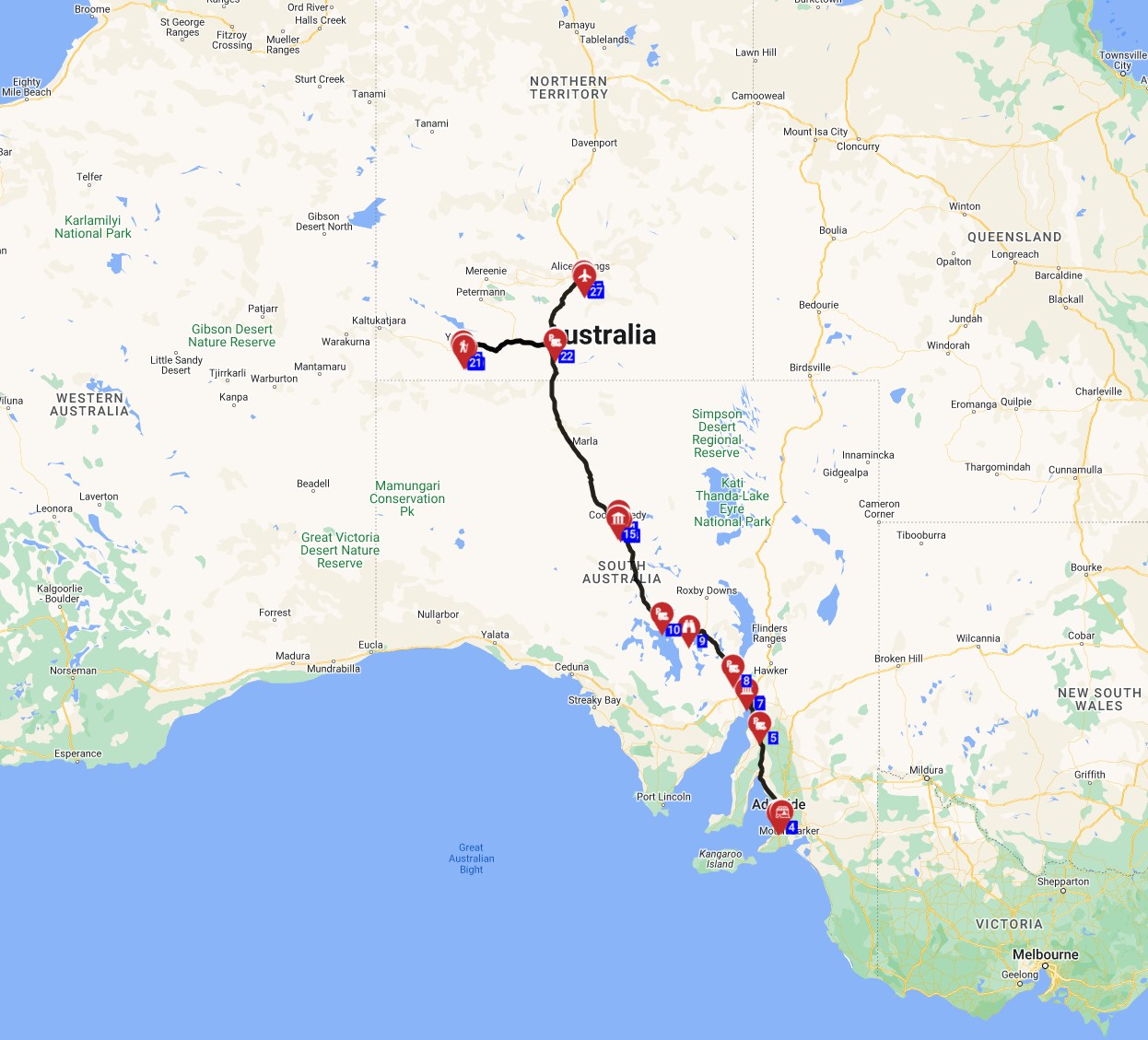
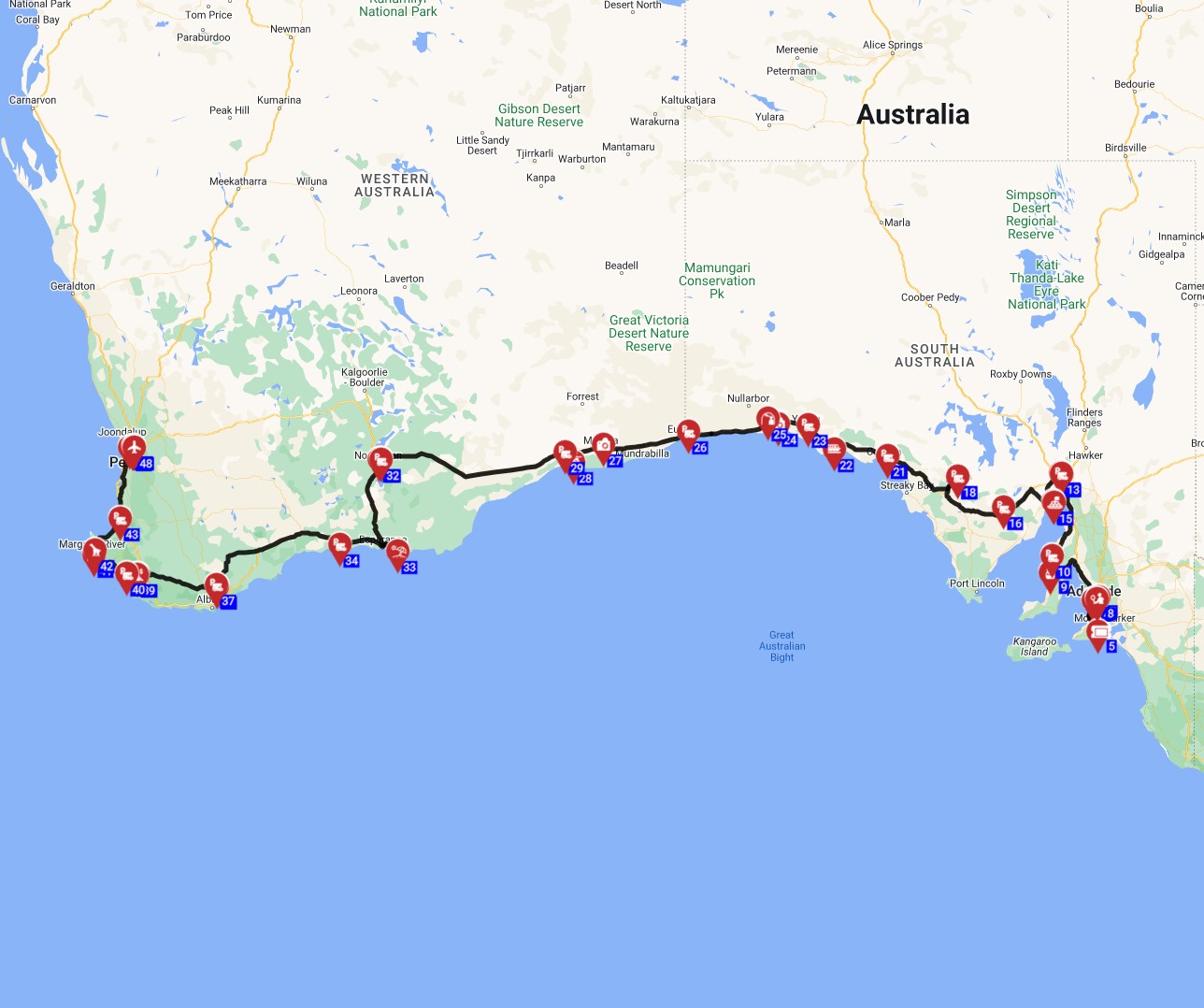
Planning your fuel stops is crucial, especially in remote regions where services can be sparse and distances between towns are vast, so always fill up when you have the opportunity. Many rural fuel stations might close early, particularly on weekends. Utilizing reliable navigation, such as a dedicated GPS with up-to-date maps or offline map applications like those integrated into RV PLANET routes, is highly recommended as mobile phone service can be intermittent or nonexistent in many parts of rural Australia. For instance, on a 21-day "Perth to Alice Springs - The Dreamtime Highway: A Journey Through Australia's Heart" itinerary covering 5447.3 km, consistent navigation is vital.
At the Campground - Setup, Hookups & Etiquette
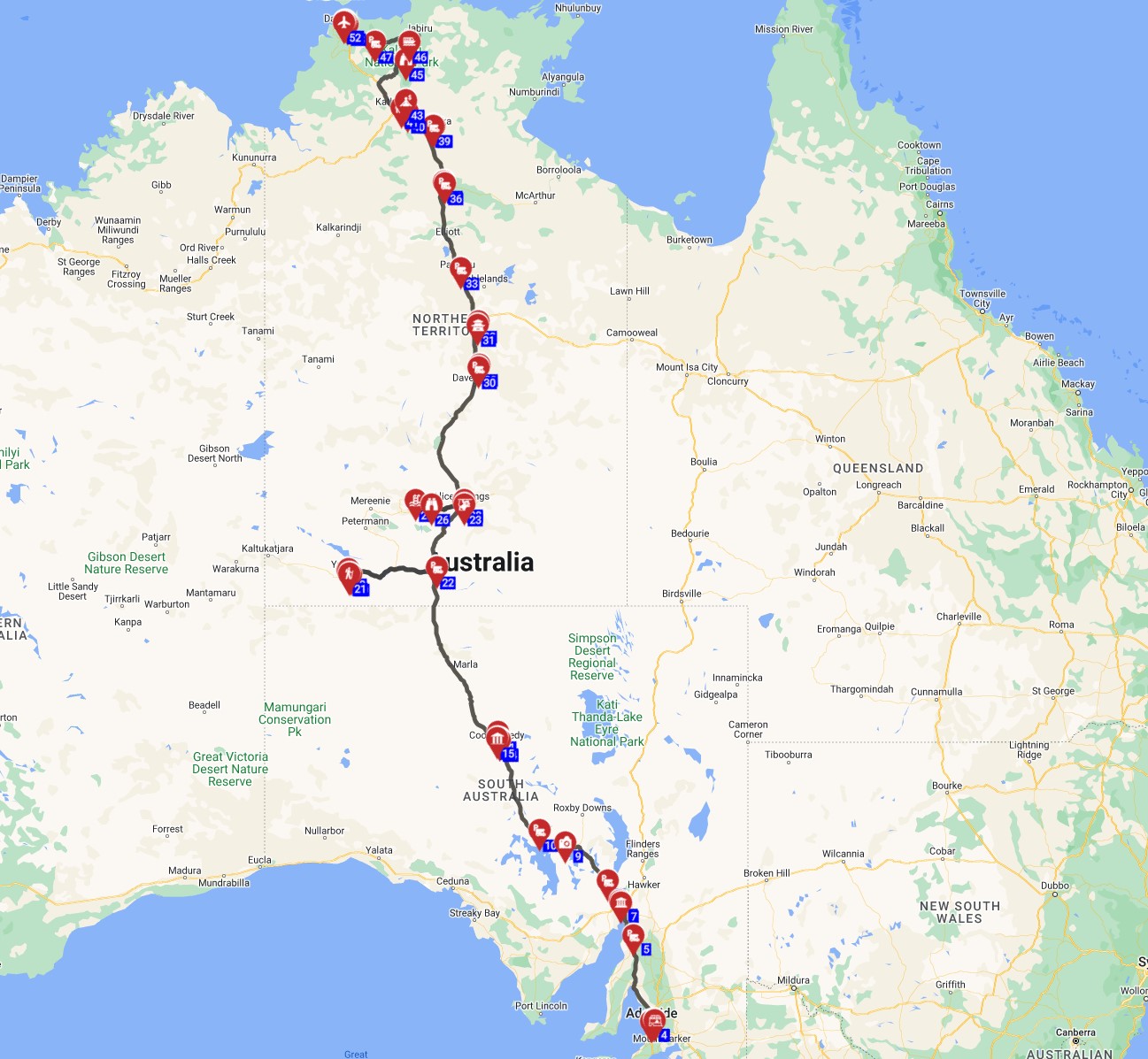
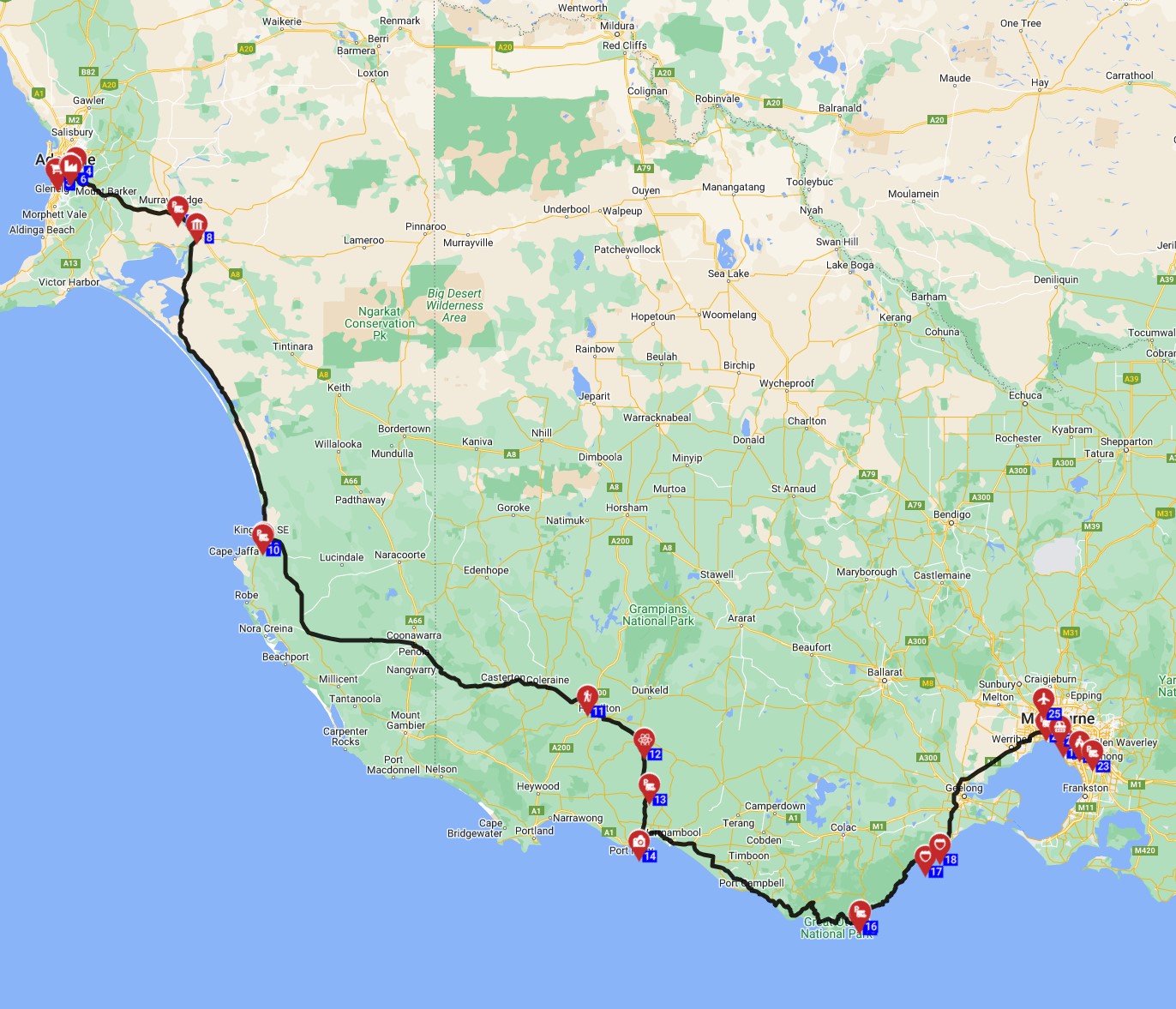
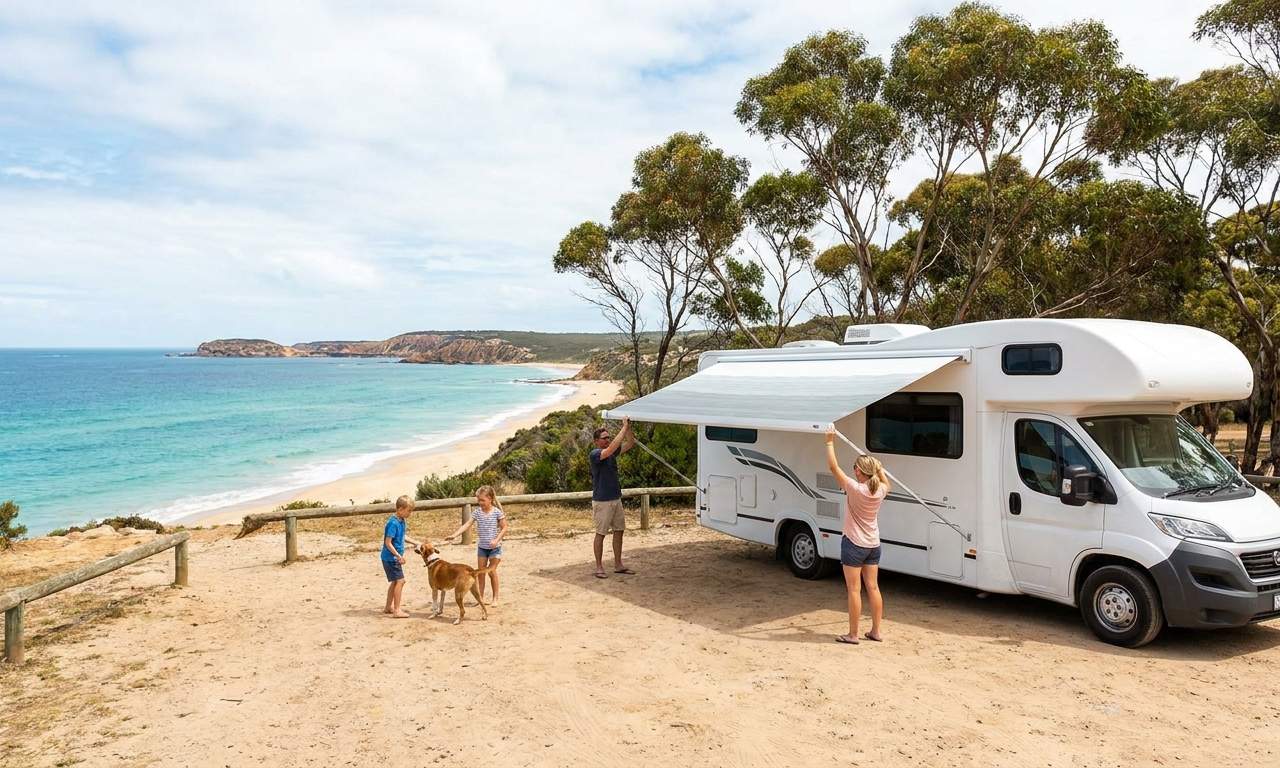
Upon arrival at a campground in Australia, the typical setup process involves parking your RV level using ramps if needed, extending awnings and outdoor living spaces, and preparing for utility connections. Always ensure your vehicle is stable and clear of any obstructions or overhanging branches. Many popular destinations, like those along the "Melbourne to Darwin - Australia’s Heartline Road Trip" with its 5 hiking areas and 4 natural features, offer excellent camping facilities.
The standard hookup order usually begins with connecting power to your RV using an appropriate adapter for Australian power outlets (Type I), followed by attaching the fresh water hose, and then securing your wastewater hose if available for direct drainage into a designated inlet. Observing campground etiquette, such as adhering to quiet hours (typically 10 PM to 7 AM), keeping your site tidy, managing waste responsibly by using designated bins and dump points, and respecting fellow campers' privacy, helps ensure a pleasant and harmonious experience for everyone. Be mindful of water usage, especially in arid regions, as many campsites, even in popular areas, encourage conservation.
RV Rental-Specific Tips for Australia
Australia's vastness and diverse landscapes mean different types of RV rentals suit different travelers. For families, consider a motorhome like the "Euro Deluxe" which offers 3 double beds and is ideal for a big family or group of friends, providing ample space for everyone. Options with separate sleeping areas or a pop-top roof can offer added space and ensure comfortable, nap-friendly drives for young children and distinct zones for various activities. Imagine cooking up family meals in your rented RV's kitchen after a day of exploring - for inspiration, check out our RV-friendly recipes playlist.
Seniors may benefit from choosing an ergonomic RV class with lower entry steps, comfortable beds, and easily accessible controls to enhance comfort and ease of use throughout their journey. The "cruise america rv rental example Explorer" is a 4-berth motorhome that's often a good choice, featuring a comfortable double bed and a dining area, making it ideal for couples. Budget-conscious travelers can significantly save by researching and utilizing designated free overnight camping spots (often found via apps like WikiCamps) and committing to cooking most meals in their RV kitchen. Luxury RV renters might explore premium add-ons like outdoor BBQ facilities, advanced satellite navigation systems, or additional solar panels for extended off-grid capabilities in remote locations, like the "rv rentals utah example Sunrise Escape" which comes with an oven and microwave, perfect for gourmet meals on the road.
Common Mistakes to Avoid in Australia
One common mistake to avoid in Australia is underestimating driving distances and times; always plan your itinerary with realistic daily limits, accounting for slower RV travel speeds and frequent stops, especially on unsealed roads. Australia is immense, and distances can be much longer than expected. It's often recommended to travel slowly, averaging a maximum of 100-150 km per day, allowing you to truly feel the place, connect to the culture, the food, and the scenery.
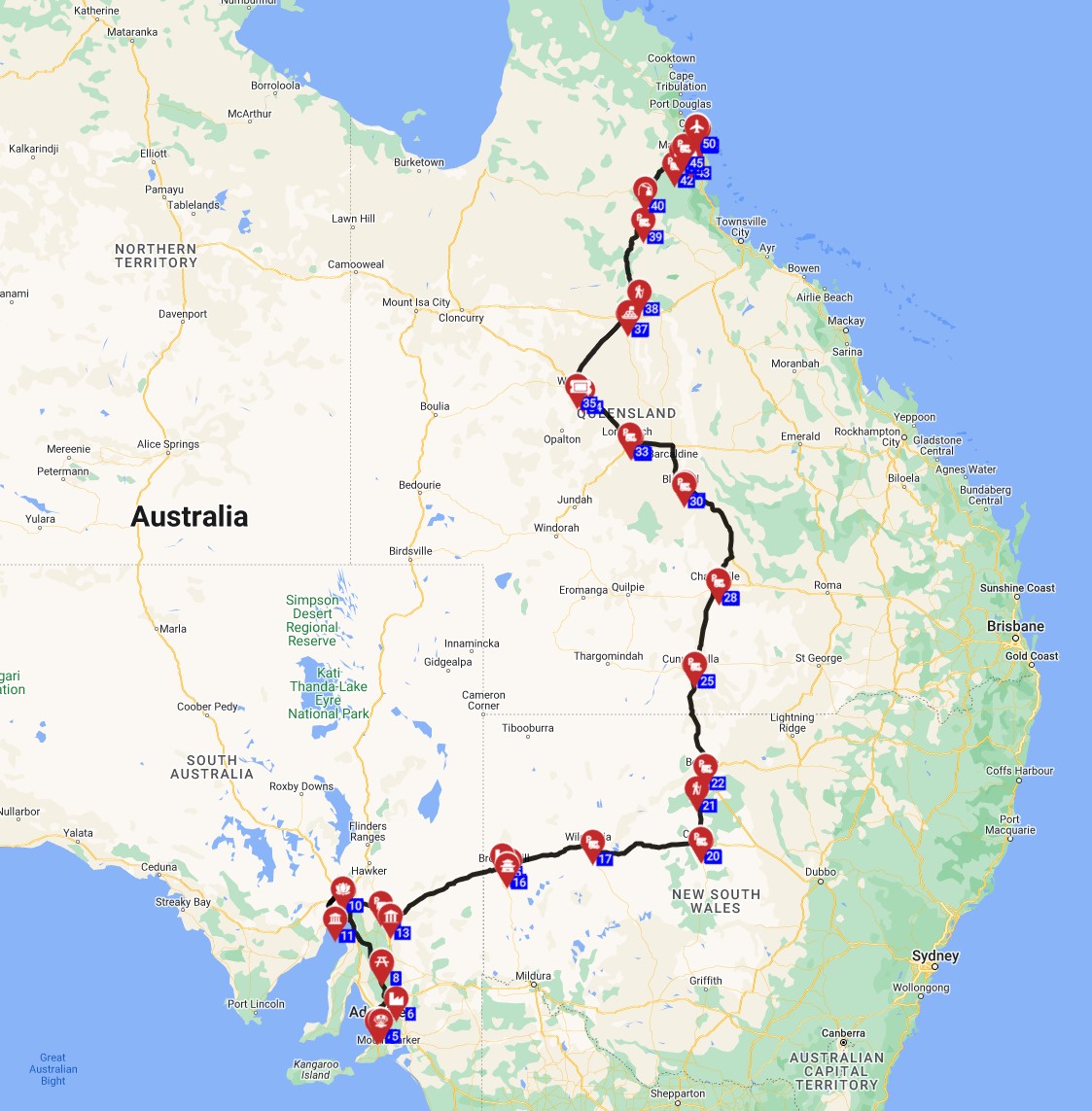
Rather than forgetting to book popular campsites in advance during peak season, reserve your spots well ahead of time, particularly in national parks or coastal areas, to avoid disappointment. Even if online bookings are full, many parks reserve a percentage of sites for first-come, first-served arrivals, so it's always worth checking. Avoid overpacking by focusing on versatile, layered clothing and utilizing the compact storage solutions within your RV efficiently, as laundry facilities are usually available at campgrounds. Instead of ignoring wildlife safety, educate yourself on local fauna, drive cautiously at dawn and dusk to avoid animal collisions (especially with kangaroos), and store food securely to deter unwanted wildlife encounters. Lastly, rather than neglecting essential supplies for remote areas, ensure you carry extra water, food, fuel, and a reliable communication device (like a satellite phone or UHF radio) for peace of mind and emergencies, especially on routes like the "Cairns to Alice Springs - Northern Horizons: A Journey Through Australia's Heartland" which spans over 4000 km.
What is the 3-3-3 rule for campervan?
The "3-3-3 rule" for campervan and RV travel is a widely recommended guideline for safe driving practices, suggesting you aim to drive no more than 300 kilometers (approximately 186 miles) in a day, stop every 3 hours for a break, and ideally stay in each location for at least 3 nights to fully experience it. This rule primarily aims to prevent driver fatigue, which is a major safety concern on Australia's long and often monotonous roads, and promotes a more relaxed pace of travel, allowing for better exploration of destinations. Adhering to regular breaks every few hours is crucial for maintaining alertness and reducing the risk of accidents, particularly when navigating unfamiliar terrain or dealing with varied road conditions. The 'stay for 3 nights' aspect encourages travelers to immerse themselves in local environments, discover hidden gems, and reduce the stress of constant packing and unpacking, perfectly aligning with our philosophy of slow travel.
What are the drawbacks of renting an RV?
While RV travel offers immense freedom and the joy of a mobile home, potential drawbacks of renting an RV in Australia can include higher fuel consumption compared to standard cars, typically ranging from 10-25 liters per 100 km depending on vehicle size. There's also the need for careful route planning due to vehicle size and varied road conditions, which can sometimes mean avoiding certain unsealed roads or low clearances. Furthermore, potential unexpected maintenance issues or complexities with vehicle systems, such as a clogged grey water tank, can arise, though Bandana offers supportive coordination before and after your booking to help mitigate these.
Managing waste, specifically emptying grey water and black water tanks at designated dump points every 2-3 days, can be a less glamorous but necessary aspect of RV travel. Maneuvering a larger vehicle, especially a Class C motorhome like the "29′ Class C Motorhome" (a substantial 8.8m long), in city centers, tight parking spots, or through narrow national park roads, can be challenging for inexperienced drivers, though driving slowly and carefully resolves most issues. The overall cost, when factoring in rental fees, significant fuel expenses, comprehensive insurance upgrades like the top-level deductible, and daily campground fees (ranging from AUD $15-$60+), can sometimes exceed that of a car and hotel combination, depending on the trip style and duration. To help with budgeting, RV PLANET routes offer the ability to itemize and track every expense along the way for easy financial management.
How much does it cost to rent an RV in Australia?
The cost to rent an RV in Australia typically ranges from AUD $50 to AUD $400 per day, varying significantly based on factors such as the vehicle's size and age, rental duration, season of travel, and included amenities. For instance, a compact campervan like the "HiTop Campervan" might be on the lower end, while a larger "6 Berth Deluxe" motorhome with amenities would command a higher rate. Prices are dynamic, similar to flight tickets, changing daily based on availability, seasonality, and supplier marketing decisions.
Peak seasons, like Australian summer (December to February) and school holidays, will see prices at their highest due to increased demand, whereas off-peak periods (e.g., May-September outside of specific regional events) often offer more competitive rates. Beyond the base rental fee, travelers should budget for additional costs including fuel (a significant expense on long distances), comprehensive insurance upgrades (which are optional), national park permits, campground fees (ranging from AUD $15 for basic sites to AUD $60+ for powered sites with amenities), and potential one-way rental fees if you're not returning to the pick-up location. Our full transparency promise means no hidden fees, ensuring what you see is what you get at the actual booking time.
Can you park an RV anywhere in Australia?
No, you cannot park an RV anywhere in Australia, as specific rules and regulations govern where you can legally park and camp, which vary significantly by state, territory, and local council. While "free camping" or "freedom camping" is permitted in designated areas, often found outside major towns on public land or specific rest stops, it is strictly prohibited in most urban areas, national parks (without a specific permit or booking), and private properties without explicit permission. Penalties for illegal camping or parking in restricted areas can be substantial, including fines ranging from AUD $100 to $500, and even vehicle impoundment.
National parks often require specific permits and bookings for overnight stays, with some popular parks requiring reservations months in advance, though many also offer a percentage of first-come, first-served spots. Always look for signage indicating "No Overnight Parking," "No Camping," or "No Stopping" and consult reputable apps like WikiCamps or local council websites for approved overnight parking locations and legal free camping options. Understanding these specific legalities and local restrictions, and planning your overnight stops in advance, is crucial to avoid fines and ensure a smooth and respectful RV trip across Australia. You'll find a spot; if not at the first campground, then the next one. Call ahead before driving.
How much is a 1 week RV rental?
A 1-week RV rental in Australia can range from approximately AUD $350 for a basic campervan in the off-season to over AUD $2,800 for a premium, larger motorhome during peak travel times, excluding additional costs like fuel and campsite fees. This estimate typically includes the base rental rate for the vehicle for seven days, basic insurance coverage, and standard mileage allowances, but specific inclusions vary by provider. For example, a "2 Berth Hi Top" campervan, often ideal for couples, might fall into the lower price range, while a "4 Berth Henty" motorhome, suitable for a family of 2+2, would be higher.
Factors influencing this price include the RV's size, age, and features (such as having a shower and toilet onboard), the specific rental company (we partner with 50+ leading suppliers worldwide like Apollo and Britz), the time of year (peak season like summer or school holidays vs. off-peak), and the pick-up/drop-off locations (one-way rentals often incur additional fees of $150-$500 AUD). Beyond the rental fee, a week-long trip will also require budgeting for fuel, which could be several hundred dollars depending on distances covered, as well as campground fees, groceries for self-catering, and any optional extras like picnic tables or additional insurance. For current rates tailored to your dates, explore options through our RV Rental in Australia - Prices and Best Deals 2026 and Weekly RV Rental in Australia - Pricing 2026 guides.
Is it worth having a toilet in a campervan?
Whether it is worth having a toilet in a campervan largely depends on your travel style, preferred camping locations, and comfort level, with significant pros and cons to consider for different trip types. Having an onboard toilet offers considerable convenience and privacy, especially when free camping in remote areas without public facilities, during night stops, or for families and those who prefer not to use shared amenities. For instance, a "rent rv example A1" motorhome includes a toilet and shower, providing full self-sufficiency on the road.
However, onboard toilets require regular maintenance, including emptying the black water tank at designated dump points, which can be an unpleasant task and limit your ability to camp in areas without such facilities. Vehicles equipped with toilets are generally larger, heavier, and often more expensive to rent and fuel, and the space dedicated to a bathroom might otherwise be utilized for additional living or storage areas. Many travelers find portable toilets or relying on public facilities and campground amenities to be a perfectly viable and often more practical solution, especially for shorter trips or when primarily sticking to well-serviced caravan parks. A compact campervan like an "Active Compact Select" often includes a toilet and shower, balancing space and convenience for couples.
Can US citizens rent a car in Australia?
Yes, US citizens can rent a car or RV in Australia, provided they meet specific requirements, including holding a valid driver's license from their home state or country, being at least 21 years old (the minimum rental age), and often possessing an International Driving Permit (IDP). There are no young driver surcharges for those aged 21-24, nor are there vehicle class restrictions based on age. A standard car driver's license is sufficient for all motorhome classes (Class A, Class B, and Class C).
An IDP, which translates your US license into several languages, is highly recommended and sometimes mandatory, particularly if your license is not fully in English or for certain insurance purposes; it must be obtained before leaving the US. US citizens will also need a valid passport and a suitable Australian visa for their stay, such as a tourist visa, which should be secured in advance. It is crucial for US travelers to be aware of and adapt to Australian driving conditions, including driving on the left side of the road, understanding unique road signs, and respecting speed limits. Specific insurance needs for international travelers should also be discussed with the rental company, as personal car insurance from the US typically does not cover international rentals, and comprehensive coverage is advised. Bandana offers clear comparisons of insurance options to help you choose the right one.
What not to do in Australia as an American?
When traveling in Australia as an American, it is important to avoid certain behaviors to ensure a respectful and safe trip, such as underestimating the vastness and remoteness of the country, which can lead to inadequate planning for long drives or remote area safety. Remember to travel slowly, max 100-150 km per day on average, to avoid rushing and missing out on the experience. Do not approach, feed, or interfere with wildlife, no matter how friendly they appear, as it can be dangerous for both humans and animals, and is often illegal; observe from a respectful distance.
Avoid ignoring local driving rules, especially regarding speed limits, fatigue management (remember the 3-3-3 rule), and never attempt to drive through flooded roads or beyond designated sealed roads unless your rented RV is explicitly equipped and permitted. Refrain from making assumptions about cultural norms or political views; instead, engage respectfully and openly with locals, showing appreciation for their culture and hospitality. Do not forget essential sun protection and hydration, as the Australian sun can be incredibly harsh, and always inform someone of your itinerary when venturing into remote regions, ensuring emergency communication is available. For more comprehensive insights, consider consulting our RV Travel Guide to Australia - Tips and Top Spots 2026.
Is 3000 AUD enough for 2 weeks in Australia?
Yes, 3000 AUD can be enough for a 2-week RV trip in Australia for budget-conscious travelers, particularly if you are strategic about your choices, although it will require careful planning and potentially some sacrifices in luxury. This budget might cover a modest campervan rental in the off-season, such as a "Budget Camper" or a "campervan hire australia example HiTop" (typically AUD $50-100 per day), basic fuel costs for a regional trip (approximately AUD $500-800 depending on distance and vehicle efficiency), and groceries for self-catering most meals to minimize dining out expenses. You can expect campground fees to add another AUD $200-500 for basic sites.
To stay within this budget, you would likely need to utilize free camping spots or very low-cost caravan parks, limit participation in expensive tours or activities, and focus on enjoying natural attractions like national parks. Factors that could easily push you over this budget include traveling during peak season, choosing a larger or newer RV like an "Euro Deluxe" (which can cost AUD $200-400+ per day), covering extensive distances requiring more fuel, or indulging in multiple paid attractions and restaurant meals. For a more comfortable experience with a bit more flexibility for activities, higher-quality campgrounds, and occasional dining out, a higher budget, perhaps AUD $4000-$6000+, would be more realistic for two weeks. Remember that prices are dynamic and change daily, so it's always best to check for RV Rental Deals in Australia - Latest Offers 2026 to find the best value.
What You Shouldn't Miss
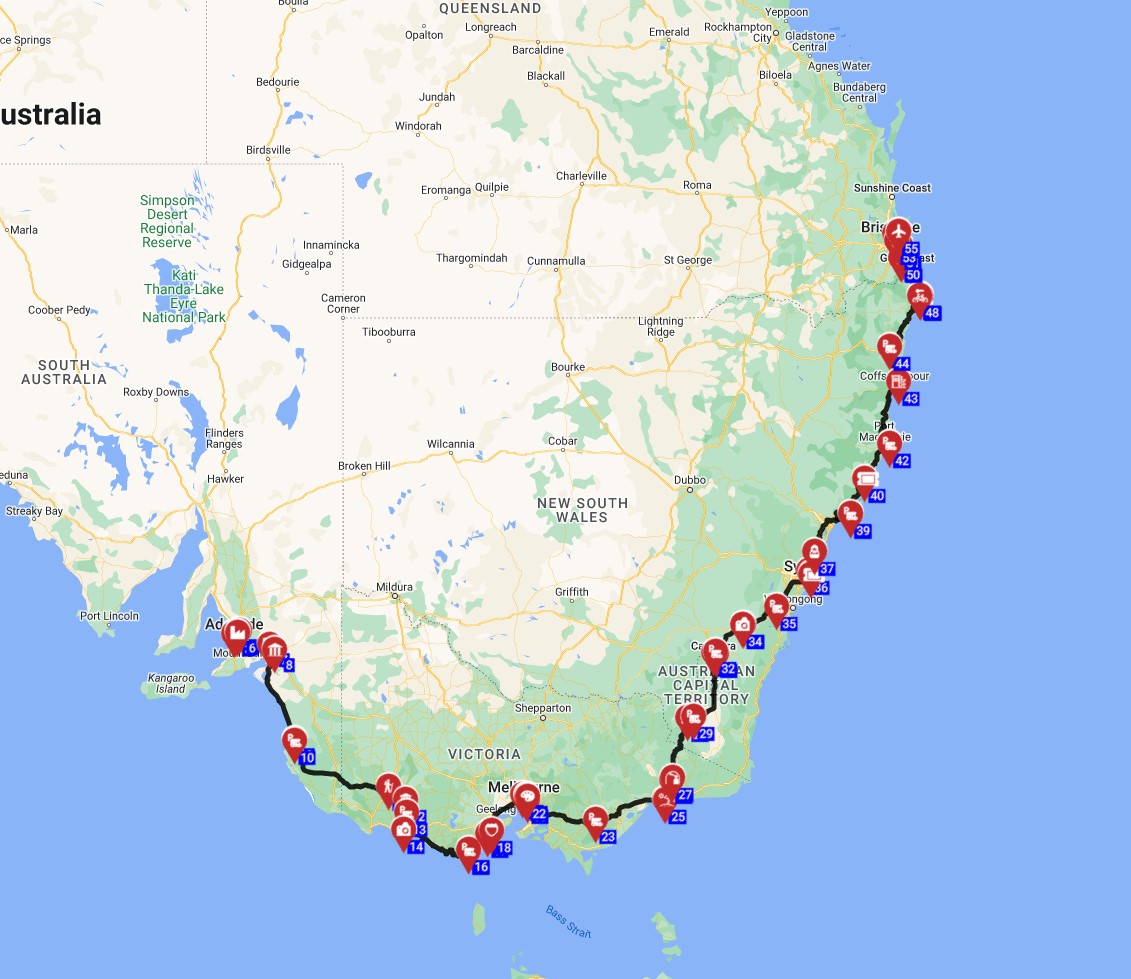
- **The Great Ocean Road, Victoria:** Drive this iconic 243 km coastal route with breathtaking ocean views, stopping at the Twelve Apostles and charming seaside towns.
- **Uluru-Kata Tjuta National Park, Northern Territory:** Experience the spiritual heart of Australia with the majestic Uluru, exploring its ancient rock formations and learning about Aboriginal culture. Our "Perth to Alice Springs - The Dreamtime Highway: A Journey Through Australia's Heart" route plan includes 4 natural features and 5 points of interest in this sacred region.
- **The Daintree Rainforest, Queensland:** Immerse yourself in the world's oldest tropical rainforest, home to incredible biodiversity and stunning scenery. The "Cairns to Alice Springs - Northern Horizons: A Journey Through Australia's Heartland" itinerary features a botanical garden and 3 hiking areas near this natural wonder.
- **Sydney Harbour, New South Wales:** Park your RV in a nearby campground and explore the vibrant city of Sydney, from the Opera House to the Harbour Bridge.
- **Kangaroo Island, South Australia:** Discover abundant wildlife, rugged coastlines, and pristine beaches on this natural sanctuary, accessible by ferry.
- **Perth's Beaches and Wine Region, Western Australia:** Enjoy the relaxed lifestyle of Perth, its beautiful beaches, and take a day trip to the nearby Swan Valley wine region.
Final Thoughts
Exploring Australia by rented RV is an adventure unlike any other, offering the freedom to chart your own course and immerse yourself in breathtaking landscapes at your own pace. With Bandana RV, you’re not just booking a vehicle; you’re gaining a partner dedicated to making your journey seamless and unforgettable. We stand by you before, during, and after your booking, ensuring every detail is handled with care.
Whether you're planning a week-long coastal cruise or an extended Outback odyssey, our transparent pricing, comprehensive support, and expert resources like RV PLANET are here to empower your travels. So pack your bags, choose your perfect motorhome or campervan, and get ready to experience the magic of Australia on the open road. The adventure of a lifetime awaits!
🎬 Video coming soon