In This Guide
- What weekly rv rental RV Rental Costs in Santiago (2024)
- Seasonal Pricing - Peak vs. Shoulder vs. Off-Season in Santiago
- What's Included vs. What's an Add-On
- Hidden Costs to Budget For in Santiago
- How to Save on weekly rv rental RV Rental in Santiago
- How much does it cost to rent an RV in Chile
- What do you need to rent an RV in Chile
- How much does it cost to rent an RV for a month in Chile
- Is it worth renting an RV in Chile
- What is the best way to travel around Chile
- How much money do you need per day in Chile
- What is the cheapest time to visit Chile
- Is Chile expensive to travel in
- Can you just park an RV anywhere in Chile
- Is it safe to drive around Chile
- Is it easy to drive around Chile
- Can I travel in Chile now
- What are the driving laws in Chile
- What are the road conditions like in Chile
- Can you sleep in your car in Chile
- Can you freedom camp in Chile
- Do you need an international driving permit for Chile
- What documents do I need to rent an RV in Chile
- Do you need 4x4 for Chile
- How long should you spend in Chile
- What You Shouldn't Miss
- Why Book with Bandana Caravan
- Final Thoughts
- Frequently Asked Questions
What weekly rv rental RV Rental Costs in Santiago (2024)
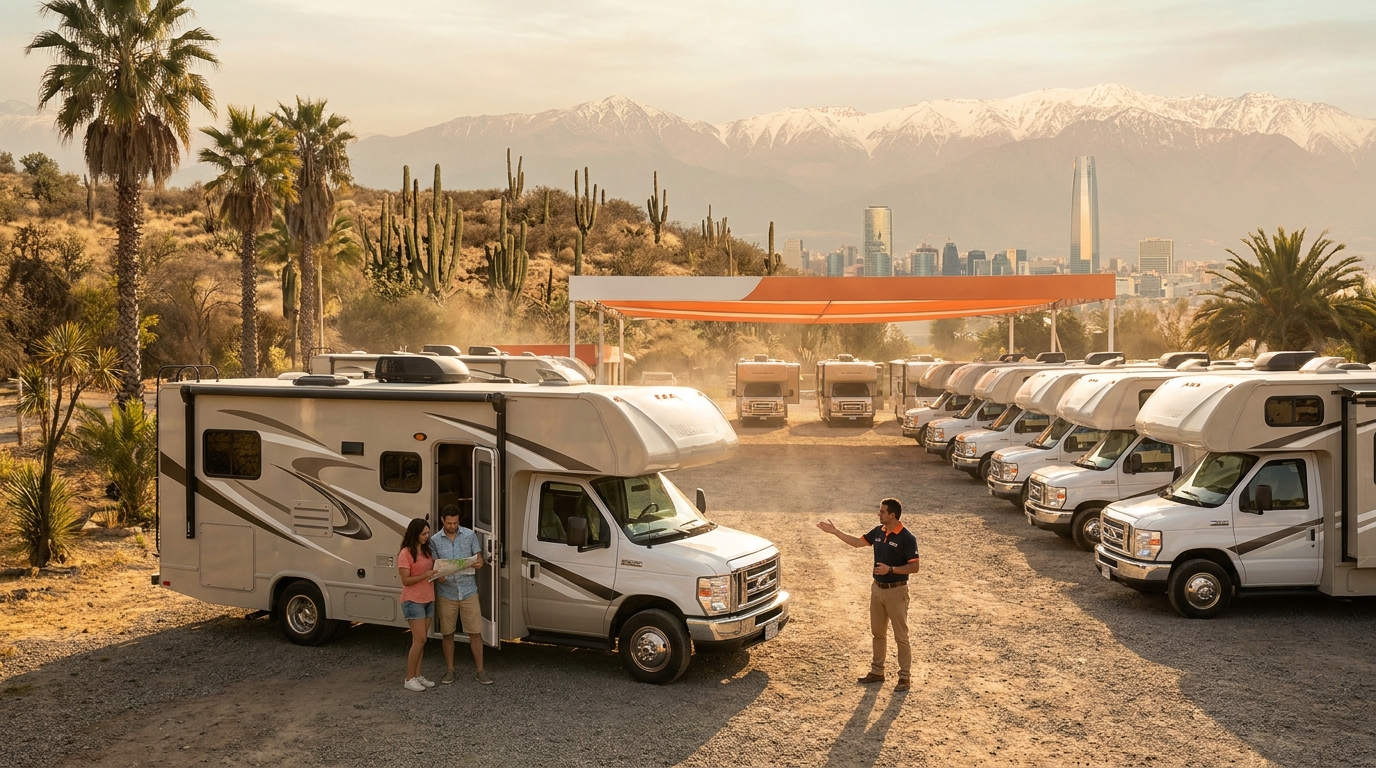
RV rental costs in Santiago for a week-long trip in 2024 are dynamic and vary significantly based on seasonality, vehicle size, and supplier availability, much like flight tickets. For live availability and current prices, start with our RV Rental Santiago - Complete Guide 2026 guide. Generally, you can expect to pay anywhere from $80 USD per day for a compact campervan like an "rv rental denver example Category Van" to $400+ USD per day for a luxurious Class A motorhome like an "rv rentals - michigan example MHLUX" during peak season. A popular choice for families, a 4-6 berth Class C motorhome, such as a "cruise america rv rental example Explorer", might average $120-$250 USD per day during shoulder season. Prices are always subject to change until the actual booking is confirmed.Weekly RV Rental Cost for Couples vs. Families with Kids in Santiago
The total cost of your weekly RV rental in Santiago is largely influenced by the size of the motorhome you choose, which often correlates with your group size. Couples often opt for more compact and fuel-efficient campervans or smaller Class C motorhomes, which typically cost between $80-$180 USD per day. For instance, a "luxury rv rentals example Carthago Malibu 600" is ideal for a couple, offering features like a double bed and a compact kitchen. Families with 4-6 people, on the other hand, will generally require a larger Class C or even a Class A motorhome, which can range from $180-$400 USD per day. These larger vehicles, such as a "Motorhome MC6 Gold" with multiple double beds, offer more living and sleeping space, crucial for comfort on an extended road trip. Consider the trade-off between space and fuel efficiency when making your selection.How much does a 1-week / 2-week / 1-month weekly RV trip cost in Santiago?
The duration of your RV rental significantly impacts the overall cost, with longer trips often benefiting from a lower average daily rate in Santiago. A 1-week RV rental for a mid-size Class C motorhome might average $150-$250 USD per day, totaling around $1,050-$1,750 USD. Extending your adventure to a two-week trip could see the daily rate drop slightly, averaging $130-$220 USD, bringing the total to $1,820-$3,080 USD. For an entire month-long RV journey, many suppliers offer even more attractive daily rates, potentially falling to $100-$180 USD per day, resulting in a total of $3,000-$5,400 USD for the rental period. These figures are estimates and depend heavily on the vehicle chosen, the season, and how far in advance you book.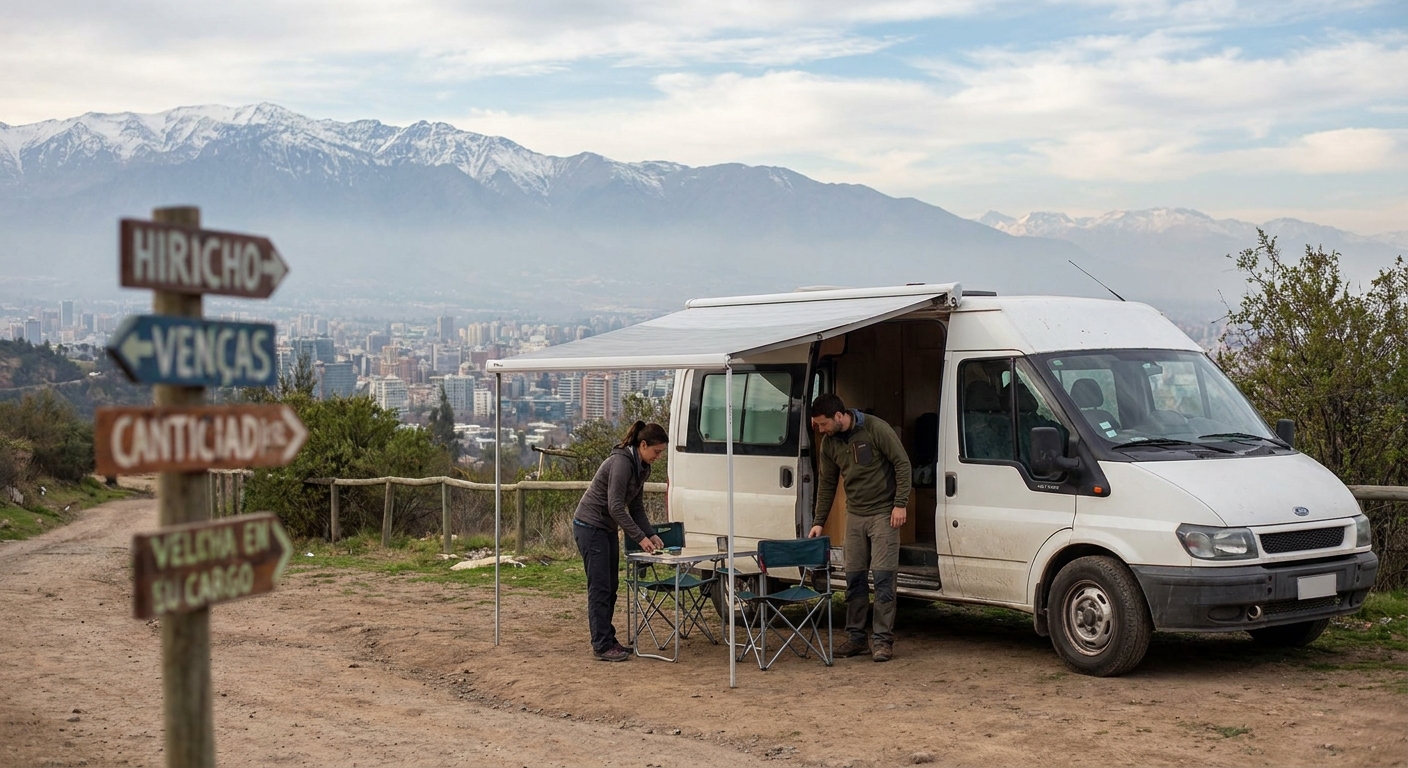
Seasonal Pricing - Peak vs. Shoulder vs. Off-Season in Santiago
RV rental prices in Santiago fluctuate significantly throughout the year, driven by local holidays, school breaks, and favorable weather conditions. Understanding these seasonal variations can help you secure the best deal for your adventure. Peak season in Santiago typically runs from December to February, aligning with the Southern Hemisphere's summer and major holidays, and also during July and August, when winter sports draw crowds to nearby Andean resorts. During these times, demand is highest, and daily rental rates can increase by 20-40%. For example, a "Category Large 6 AT" Class C motorhome might be priced at its highest during these months. Shoulder seasons, spanning March to June (autumn) and September to November (spring), offer a pleasant balance of good weather and more moderate prices, often seeing a 10-20% reduction from peak rates. This is an ideal time for exploring the vibrant colors of the Maipo Valley or experiencing the coastal towns with a comfortable "Odyssey" Class SI motorhome. The off-season, particularly April and parts of May, usually provides the lowest weekly RV rental prices in Santiago, with potential savings of up to 30% or more. While the weather might be cooler or wetter, it's perfect for budget-conscious travelers seeking to explore without the crowds.What's Included vs. What's an Add-On
When considering weekly RV rental in Santiago, understanding what comes standard with your booking versus what incurs an additional charge is crucial for transparent budgeting. Basic insurance coverage is universally included with all motorhome and campervan rentals, providing essential protection for your vehicle. However, the level of coverage and the deductible amount can vary significantly. You can upgrade to a top-level deductible for extra peace of mind, ensuring a lower out-of-pocket expense in case of an incident. This optional upgrade is a key differentiator, offering travelers greater security. Many convenient items are typically offered as add-ons, allowing you to customize your rental to your specific needs. These commonly include mileage packages, kitchen kits with cookware and utensils, bedding and linen sets, and comprehensive insurance options beyond the basic coverage. For instance, a "Category Small AT" campervan might offer a standard mileage package, while unlimited mileage could be an additional fee. To view exact prices, including comprehensive coverage, simply select the relevant options during your initial search on our platform. Our comparison toggles are designed to help you easily identify which specific amenities are included with each rented RV, ensuring full transparency with no hidden fees or surprises.Hidden Costs to Budget For in Santiago
Beyond the initial weekly RV rental fees in Santiago, travelers must budget for several ancillary costs to ensure a smooth and surprise-free trip. Fuel is often the largest variable expense, as diesel and gasoline prices fluctuate. For example, a larger Class C motorhome like an "MHC28" with a 200-liter fuel tank will require substantial refueling on a long road trip. Chile's road network, especially around Santiago, utilizes electronic "free flow" tolls (TAG/telepeaje), which can accumulate quickly; some RVs offer pre-purchase options for these, and it's essential to clarify this with your supplier to avoid unexpected fines. Campsite charges also form a significant part of your budget, varying widely depending on whether you choose private campgrounds, national park sites, or municipal options. Expect to pay between $15-$40 USD per night for a powered site, though basic facilities might be less. Propane for cooking and heating, dump station fees for black and gray water tanks, and potential fees for additional drivers or specific equipment (like child seats) are other common add-ons. Don't forget groceries if you plan on preparing meals in your RV's kitchen. For a detailed breakdown and to track every expense along the way for easy budgeting, we recommend using RV PLANET routes. This ensures full transparency, true to our commitment of no hidden fees.How to Save on weekly rv rental RV Rental in Santiago
Saving on your weekly RV rental in Santiago is entirely possible with a bit of savvy planning and flexibility. The most significant way to reduce costs is to book during the shoulder or off-season, which can offer savings of 15-30% compared to peak travel times. Traveling in April, for instance, typically provides the cheapest rates. Consider renting a slightly longer duration, such as a two-week adventure instead of just one, as many suppliers offer lower daily rates for extended trips. Choosing a smaller RV class that comfortably fits your group, such as a compact Class B campervan like an "Active Compact Select" for couples or small families, will not only lower your rental fee but also significantly save on fuel expenses, as these vehicles generally consume less fuel per 100km. Pre-paying tolls through your rental provider or ensuring your RV has the necessary electronic TAG can help avoid surcharges and fines associated with Santiago's "free flow" system. Additionally, utilizing campground discount cards, if available, and being flexible with your pickup and drop-off dates can also lead to considerable savings. Regularly monitor flex-rate drops by checking prices frequently before your desired dates. Explore our options to "Budget RV Driving in Santiago - Save on Fuel 2026". We offer a 25% planning discount when you use rvplan.net for creating your pre-planned routes, further rewarding smart planning.How much does it cost to rent an RV in Chile
The cost to rent an RV in Chile varies widely based on the vehicle class, rental duration, season, and additional services, much like dynamic flight pricing. Weekly rates from Santiago generally reflect demand, with peak seasons (December-February and July-August) being the most expensive. For instance, a small campervan might range from $80-$150 USD per day during the shoulder season, while a large 6-berth motorhome could cost $250-$400 USD per day during peak summer. Factors like included mileage, insurance tiers, and amenity packages significantly influence the final price, so it's always best to compare multiple options on our platform.What do you need to rent an RV in Chile
To rent an RV in Chile, you typically need a valid driver's license (a standard car license is sufficient for all motorhome classes), a credit card for the security deposit, and must meet the rental company's minimum age requirements, which is 21 years old with Bandana partners. Foreign visitors are highly recommended to carry an International Driving Permit (IDP) alongside their national license, as it translates your credentials for local authorities. Your passport should also be readily available, especially for international travelers. Some rental agreements might require proof of onward travel or return, so it's wise to have those details handy. Our true RV specialists understand these requirements and are ready to assist you through the booking process.How much does it cost to rent an RV for a month in Chile
Monthly RV rental costs in Chile, particularly from Santiago, typically offer a better daily rate compared to weekly rentals, providing a more cost-effective option for extended adventures. For example, a Class C motorhome that might cost $200 USD per day for a week could see its daily rate drop to an average of $100-$180 USD when rented for an entire month, resulting in a total cost of approximately $3,000-$5,400 USD. This built-in discount for longer durations makes a month-long RV trip an attractive option for immersing yourself in Chile's diverse landscapes. Referencing historical data for similar rentals, a "Family Sleeper (FS)" motorhome, ideal for a family, would also see significant per-day savings over a month.Is it worth renting an RV in Chile
Renting an RV in Chile can be highly worthwhile for travelers seeking unparalleled flexibility, immersive experiences, and the freedom to explore diverse landscapes at their own pace. Imagine waking up to views of the Andes from your rented motorhome near Santiago, or cruising along a scenic route further south. This mode of travel allows you to connect more deeply with the culture, the food, and the scenery, as you're not bound by hotel bookings or public transport schedules. It provides a unique opportunity for independent travel and can be particularly cost-effective for families or groups, as it combines accommodation and transportation. Embracing slow travel, averaging 100-150 km per day, enhances the experience, allowing you to truly feel the place.What is the best way to travel around Chile
For exploring Chile's diverse geography and remote regions comprehensively and flexibly, a rented RV is often considered one of the best ways to travel, offering significant advantages over public transport or a car-plus-hotel approach. A motorhome or campervan combines accommodation and transport, simplifying logistics for multi-stop journeys. This freedom allows you to change itineraries spontaneously, pull over at breathtaking viewpoints, and access areas less served by conventional tourism, from the arid Atacama Desert in the north to the rugged landscapes of Patagonia in the south. Consider consulting our "Driving an RV in Santiago - Complete Guide 2026" for local insights before you set off.How much money do you need per day in Chile
The daily money needed for RV travel in Chile varies significantly, but a realistic budget for ancillary costs should account for fuel, tolls, campsite fees, food, and potential activity costs, typically ranging from $50-$150 USD per person, excluding the rental cost itself. Fuel can be a major expense, with a Class C motorhome like a "Denali Searcher 28 - Gold" consuming more than a compact campervan. Food costs can be significantly reduced by utilizing your RV's kitchen to prepare meals; for inspiration, check out our RV-friendly recipes playlist. Campsite fees (typically $15-$40 USD/night) are a regular expense, and tolls around Santiago, especially the 'free flow' system, require budgeting. Always budget for unexpected maintenance or emergencies.What is the cheapest time to visit Chile
The cheapest time to visit Chile, especially for RV rentals from Santiago, is typically during the autumn and early winter months, with April often being the most budget-friendly. During these shoulder and off-peak seasons, both RV rental prices and tourist accommodation tend to be lower due to reduced demand. For instance, a "Juliette 2-3" campervan might be significantly more affordable in April than in January. Avoid the peak summer holidays (December-February) and the winter ski season (July-August) for the best deals, as these periods see a surge in tourism and corresponding price increases across all travel sectors.Is Chile expensive to travel in
Chile can be moderately expensive to travel in compared to some other South American countries, particularly concerning imported goods and certain tourist services, though RV travel can offer a more budget-friendly option for families or longer trips. Fuel and tolls are significant expenses, especially for longer distances. However, the ability to self-cater in your rented motorhome can drastically reduce food costs compared to eating out for every meal. Accommodation costs are also mitigated by having your lodging integrated directly into your vehicle, saving on hotel expenses. This allows travelers more control over their daily spending.Can you just park an RV anywhere in Chile
While 'wild camping' (known as 'camping libre') or parking an RV anywhere is often practiced in Chile, legal restrictions and significant safety considerations suggest sticking to designated campsites or asking for explicit permission on private land, particularly in populated areas or national parks like those accessible from Santiago. Responsible waste disposal and respecting local communities are crucial when considering non-designated parking. For finding campsites and campgrounds during your trip, we recommend using RV PLANET (rvplan.net) - a great resource for locating available spots along your route. Secure overnight parking options, such as official campsites like Camping Las Nieves in Cajón del Maipo, minimize theft risk and ensure peace of mind for your weekly RV rental in Santiago.Is it safe to drive around Chile
Driving an RV around Chile is generally safe, particularly on main highways like Route 5, which extends north and south from Santiago. However, it requires awareness of local driving conditions, potential road hazards, and navigating urban traffic, especially in the bustling areas of central Santiago. Exercise caution regarding valuables and secure your RV overnight, preferably in designated campsites. Be prepared with emergency contacts and protocols, as cell service can be spotty in remote areas like those accessed on a "Luxury RV Driving in Santiago - Scenic Routes 2026" itinerary. Always drive defensively and pay attention to your surroundings.Is it easy to drive around Chile
Driving an RV around Chile is relatively easy for experienced drivers, especially on well-maintained main roads outside major urban centers like Santiago. However, navigating Santiago traffic, understanding local driving laws, and handling certain mountain passes in the Andes can present challenges. Drive slowly and carefully, and you can drive almost anywhere without issues. No need to stress - just use common sense and pay attention. Familiarity with larger vehicles and careful route planning, considering RV size and clearance, are beneficial for specific terrains, particularly when exploring areas like Cajón del Maipo. Road signage is generally clear, but understanding Spanish terms for road warnings is helpful.Can I travel in Chile now
Travel regulations for Chile can change rapidly, so it's essential to check the latest entry requirements, visa policies, and any travel advisories issued by your home country's government and the Chilean Ministry of Health before planning your RV trip. Currently, many countries have open travel agreements with Chile, but protocols like health declarations or specific vaccination requirements can be updated. Be aware of any specific health protocols or vaccination requirements that may be in place. Flexibility in your plans is advisable given the dynamic nature of international travel. For a comprehensive overview, refer to the "RV Rental Chile - Complete Guide 2026".What are the driving laws in Chile
Driving laws in Chile mandate using headlights during the day on all inter-urban roads, seatbelt use for all occupants, strict adherence to posted speed limits (typically 50 km/h in urban areas and 100-120 km/h on highways), and a zero-tolerance policy for driving under the influence of alcohol. Drivers must carry their valid license (and IDP if applicable), vehicle registration, and insurance documents. Understanding electronic toll systems ('free flow' TAG/telepeaje) is critical to avoid fines, especially around Santiago, where these systems are prevalent on major arteries like Autopista Central.What are the road conditions like in Chile
Road conditions in Chile vary significantly, ranging from excellent, well-maintained paved highways (like Ruta 5) around Santiago and between major cities, to unpaved gravel roads, particularly in more remote, mountainous regions such as the Cajón del Maipo, or the Carretera Austral in Patagonia. Some mountain passes can be winding, narrow, and steep, requiring careful driving and appropriate vehicle suitability. For instance, while a Class C motorhome can handle many routes, some areas might be better suited for smaller campervans. Seasonal changes, such as snow in winter (July-September) or heavy rain, can also impact road navigability, so always check local conditions before embarking on a section of your journey. Consider planning your route with our "One-Way RV Driving in Santiago - Route Planner 2026".Can you sleep in your car in Chile
While sleeping in your car or rented RV in non-designated areas is often practiced in Chile, it's generally safer, more advisable, and aligns with responsible travel practices to use established campsites or seek explicit permission on private land, particularly in populated areas like Santiago's periphery. Security is a primary concern in some areas, and designated campgrounds offer amenities, security, and a sense of community that enhance your travel experience. Always prioritize safety and respect private property.Can you freedom camp in Chile
Freedom camping in Chile is a common practice in many rural and remote areas, but it is not officially permitted everywhere, especially within national parks or on private property without explicit consent from the landowner. When choosing to freedom camp with your rented RV, adhering to cultural etiquette, such as minimizing your environmental footprint and interacting respectfully with local communities, is paramount. Always practice 'Leave No Trace' principles by taking all trash with you, properly disposing of waste at designated dump points, and leaving no visible trace of your stay. This ensures the beautiful Chilean landscapes remain pristine for future travelers.Do you need an international driving permit for Chile
Yes, an International Driving Permit (IDP) is highly recommended and often required for non-resident foreigners driving in Chile, especially when renting an RV, as it translates your national license into multiple languages for local authorities. The IDP must always be presented alongside your original, valid national driver's license. While some rental companies might not strictly demand it for booking, local police may require it during a stop or in the event of an accident. It's a small investment that can save a lot of hassle and is a vital part of your "RV Travel Guide to Santiago - Tips and Top Spots 2026" checklist.What documents do I need to rent an RV in Chile
To rent an RV in Chile, you will primarily need a valid driver's license (a standard car license is perfectly sufficient for all our motorhome and campervan classes), your passport, and a major credit card for the security deposit and payment. Ensure you have a copy of your rental agreement and any relevant insurance documents readily accessible. Some companies may also ask for an additional contact number or address. Bandana RV's full transparency policy means we clearly outline all necessary documentation upfront, ensuring no surprises when you pick up your vehicle.Do you need 4x4 for Chile
While a 4x4 RV is not strictly necessary for exploring Chile's main paved routes and popular tourist destinations, it becomes highly advantageous, and sometimes essential, for accessing remote areas, certain challenging mountain passes, or unpaved Patagonian roads. For standard road trips around Santiago and along the main Pan-American Highway, a 2WD RV, such as a "Category Family 5 AT" Class C motorhome, is usually sufficient and more fuel-efficient. However, if your itinerary involves venturing off major highways or exploring rugged terrain like parts of the Andes or the Carretera Austral, a 4x4 option, like a "Patagonia Camper 4x4 double cab" or "4x4 Camper B - TYR", provides superior traction and ground clearance, ensuring you can truly embrace the spirit of adventure.How long should you spend in Chile
The ideal duration for an RV trip in Chile depends heavily on the regions you wish to explore and your preferred pace, but for a comprehensive experience covering a major region like Patagonia or the Atacama Desert, two weeks to a month is often recommended. A one-week RV rental from Santiago allows for exploration of Central Chile, including coastal cities like Valparaíso and Viña del Mar, or a quick loop through the Andes foothills like Cajón del Maipo. Longer trips, such as an extended road trip for a month, unlock more diverse landscapes and allow for deeper cultural immersion. Remember our recommendation to travel slowly, averaging a maximum of 100-150 km per day, to truly feel the place and connect with the culture, food, and scenery. For inspiration, consider our "Week-Long RV Driving Tour in Santiago 2026".What You Shouldn't Miss
- Explore Cajón del Maipo: Just an hour's drive from Santiago, this Andean canyon offers stunning scenery, hot springs (Termas Colina), hiking, and camping spots perfect for a rented RV.
- Sip Wine in Maipo Valley: Take your campervan through the rolling vineyards of the Maipo Valley, stopping for tastings at RV-friendly wineries just south of Santiago.
- Wander Valparaíso's Hills: Drive your RV to the outskirts of Valparaíso, then explore its colorful, bohemian hills, street art, and historic funiculars by foot or local transport.
- Stroll through Parque Metropolitano de Santiago: Park your RV securely outside and enjoy panoramic views of Santiago from Cerro San Cristóbal, accessible by funicular or cable car.
- Experience the Ruta de los Siete Lagos (Seven Lakes Route): For a longer adventure, head south from Santiago to this iconic RV-friendly route in the Chilean Lake District, offering pristine lakes, volcanoes, and lush forests.
- Looking for expert insights from Avi Bandana? Top 5 Adventures - recommendations from Avi Bandana.
Final Thoughts
Embarking on a weekly RV rental in Santiago opens up a world of discovery, from the dramatic peaks of the Andes to the vibrant coastline. It’s a journey of freedom, allowing you to tailor your adventure to your family's pace and preferences. Don't let pricing or logistics deter you; with transparent information and expert support from Bandana RV, your Chilean road trip can be both memorable and manageable. We believe that life's greatest adventures are found on the open road, and we're here to ensure your Santiago RV experience is nothing short of incredible. Remember, planning is part of the fun, but spontaneity often leads to the best memories. So, pack your bags, choose your perfect motorhome, and get ready to experience the breathtaking beauty of Chile. God is in the small details, and we take care of them. That's what makes the big difference. Find Motorhome Rentals in SantiagoOn the routes offered through RV PLANET routes, you can itemize and track every expense along the way for easy budgeting.