In This Guide
- Can You Drive an RV in Santiago? License & Age Rules
- Road Conditions & Terrain in Santiago
- RV Size Limits, Bridges & Restricted Zones
- Fuel: Diesel vs. Petrol & Cost per 100 km
- Tolls, Vignettes & Border Rules
- Driving Tips for cheap rv rental Travelers
- Recommended RV Class for Santiago Roads
- Should I Choose a Compact Van Instead of a Large RV in Santiago?
- Can I Park Anywhere? Free & Wild Camping Rules in Santiago
- Can I Drive an RV Into the City Center? Heights, Tunnels & Local Signage
- What Is the Best Time of Year To Rent an RV in Santiago?
- What Should I Pack for an RV Trip in Chile?
- What Are Important Safety Tips for RV Travel in Chile?
- How Is Internet Connectivity for RV Digital Nomads in Chile?
- Do I Need a 4x4 RV for Traveling Around Santiago and Chile?
- How Much Does It Cost To Rent an RV and Travel in Chile?
- What About RV Maintenance and Roadside Assistance in Chile?
- Where Are the Best Spots for Free Camping Near Santiago?
- Where Can RV Travelers Find Unique Culinary Experiences in Santiago and Chile?
🎬 Video coming soon
Can You Drive an RV in Santiago? License & Age Rules
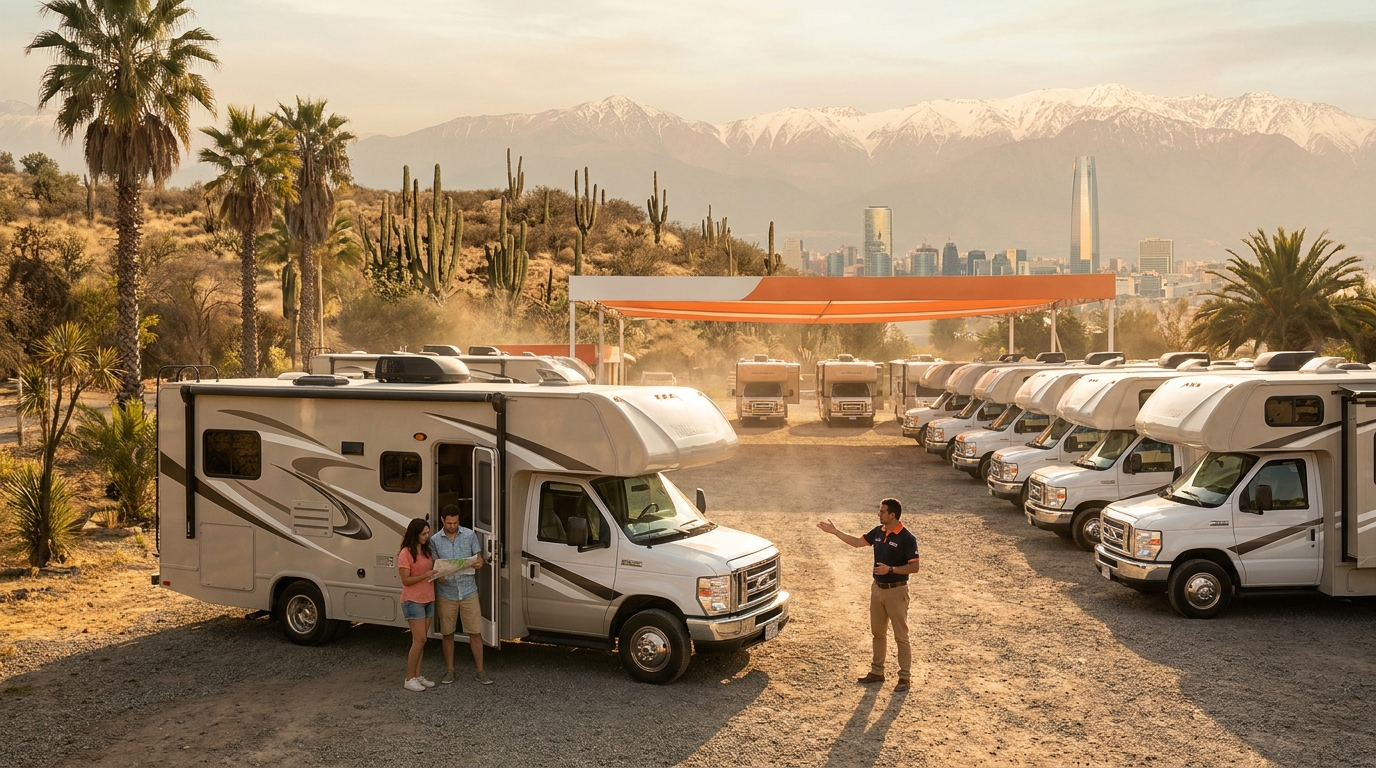
In Chile, a standard Class B driver's license is typically all you need for most RVs under 3,500 kg, which includes many popular rental options in Santiago. Foreign drivers can use their valid home country license for up to 90 days, but an International Driving Permit (IDP) is highly recommended for smooth interactions with authorities and is often required by rental companies for a cheap RV rental in Santiago. The minimum driver age for most motorhome rentals in Santiago through Bandana's partners is 21 years old, with no young driver surcharges and no vehicle class restrictions based on age, making RV adventures accessible to a broader range of travelers.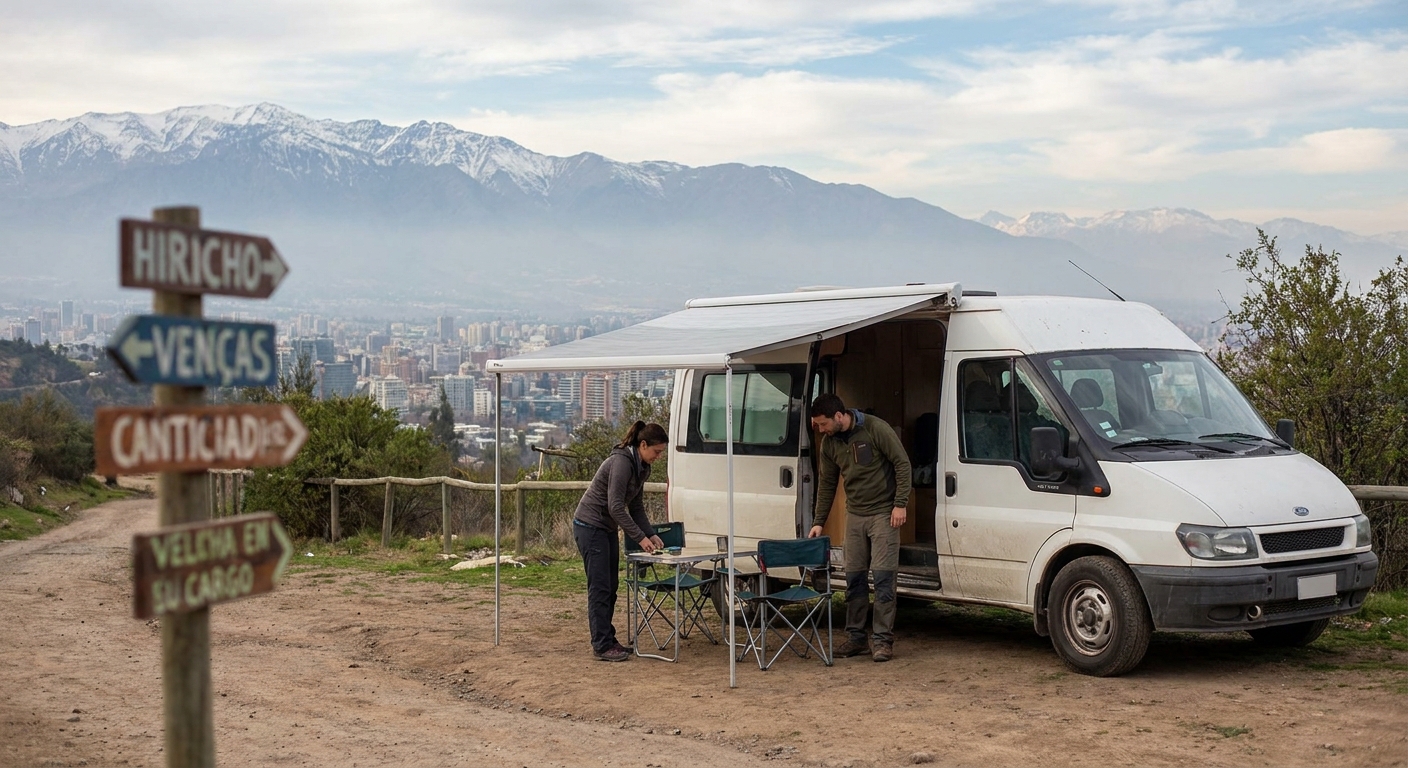
Road Conditions & Terrain in Santiago
Santiago's urban roads are generally well-maintained, providing a smooth experience, but navigating a rented motorhome requires awareness of traffic density, especially during peak hours on major arteries like Avenida Libertador Bernardo O'Higgins. Beyond the city, Chile's terrain varies dramatically from smooth paved highways leading south on Ruta 5 to winding mountain passes in the Andes and unpaved gravel roads, particularly when exploring scenic routes like those in the Cajón del Maipo or heading towards Patagonia. Drivers of cheap RV rentals should anticipate slower travel speeds on unpaved or mountainous roads, emphasizing safety and scenic enjoyment over speed. Remember, you can drive slowly and carefully, and you can drive almost anywhere without issues. No need to stress-just use common sense and pay attention.RV Size Limits, Bridges & Restricted Zones
While there are no blanket RV size limits for driving in Santiago, drivers of a rented campervan must be mindful of height restrictions for underground parking garages, which are often around 2.1-2.4 meters, and occasional lower bridges in older parts of the city. Santiago occasionally implements environmental zones (Restricción Vehicular) during high pollution alerts, which may restrict older or non-compliant vehicles, but newer rental RVs are typically less affected. If planning to travel south to regions like Patagonia, be aware that ferries such as those to Chiloé Island or along the Carretera Austral have length and weight tariffs that can impact your overall trip cost. For detailed insights on budgeting for these, remember that RV PLANET routes RV PLANET routes allow you to itemize and track every expense.Fuel: Diesel vs. Petrol & Cost per 100 km
Most RVs available for rent in Santiago, including Bandana’s Class TC - Truck Campers like the "Patagonia Camper 4x4 double cab" (featuring "4 Wheel Drive" and "RV size - Small"), run on diesel fuel, which is widely available across Chile. A typical Class TC - Truck Camper consumes around 13 liters per 100 km, making diesel cost a significant factor in your budget. While specific fuel prices fluctuate, diesel is generally more economical than petrol in Chile, and some Bandana RV rental partners may offer fuel discount cards to help manage costs effectively. For a clearer picture of potential costs, check out our guide on "Cheap RV Rental in Santiago - Budget Guide 2026".Tolls, Vignettes & Border Rules
Santiago and its surrounding highways, including Ruta 5 and Ruta 68 connecting to the coast, utilize an electronic toll system called 'TAG' or 'Televía', requiring a transponder that rental companies typically provide and manage. It's important to understand this system to avoid unexpected fines. Some Bandana RV rentals offer the option to pre-purchase toll passes, which can simplify travel and help avoid fines for unpaid tolls. For cross-border travel into neighboring countries like Argentina, specific vehicle permits and insurance documentation from your rental company are mandatory, requiring advance planning and a clear understanding of what's covered.Driving Tips for cheap rv rental Travelers
To maximize fuel efficiency and minimize costs on your rented motorhome adventure in Santiago and Chile, maintain a steady speed of around 90-100 km/h on highways, avoid rapid acceleration, and keep tire pressure correctly inflated. Familiarize yourself with Chilean road signs, which are standard international pictograms, paying special attention to speed limits and warnings for winding roads or animal crossings, particularly outside urban areas. Always account for longer braking distances and wider turns when driving an RV, especially in urban areas or on narrow mountain roads. For families or budget-conscious travelers, frequent stops to cook meals in the RV can save significantly compared to eating out, while also allowing for refreshing breaks every 2-3 hours. Find inspiration for your RV-friendly recipes playlist to prepare delicious meals on the go.Recommended RV Class for Santiago Roads
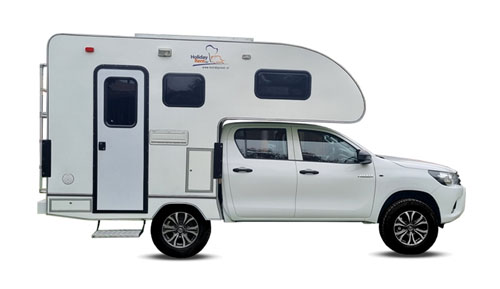
The Class TC - Truck Camper, such as the "Patagonia Camper 4x4 double cab", is an excellent choice for navigating Santiago and exploring Chile's diverse landscapes due to its balanced size and capability. With an average length of 5.6 meters, these RVs offer sufficient living space for 2-3 adults, including "Front Air condition" and "4 Wheel Drive", while remaining maneuverable enough for city driving and agile on rural or gravel roads. Class TC vehicles often feature robust construction, and many come with 4x4 capabilities, providing a significant advantage for exploring more remote areas beyond Santiago's immediate vicinity, such as the Atacama Desert or parts of Patagonia. This makes them ideal for adventurers seeking a versatile and budget-friendly option.Should I Choose a Compact Van Instead of a Large RV in Santiago?
While compact vans offer slightly easier maneuverability in very tight historic centers like those found in parts of central Santiago, a larger RV, such as a Class TC - Truck Camper, generally provides superior comfort and amenities without significant driving issues in most of Santiago or broader Chile. For longer week-long trips or those prioritizing indoor space, comprehensive cooking facilities, and a private bathroom, a larger RV offers a much more comfortable and self-sufficient travel experience. A compact van might be a better fit for solo travelers or couples focused purely on driving with minimal living space needs, but for the typical 'cheap RV rental' experience that includes self-catering and extended stays, the benefits of a larger vehicle like a 5.6-meter truck camper usually outweigh marginal maneuverability gains. For those considering "RV Rental in Santiago for Couples - Pricing 2026", a Class TC provides ample comfort.Can I Park Anywhere? Free & Wild Camping Rules in Santiago
In Santiago's urban areas, free or wild camping in a rented campervan is generally not permitted, and overnight RV parking should be limited to designated campgrounds or secure paid parking lots, such as those found near Parque O'Higgins or along the Costanera Center. Across wider Chile, wild camping is often tolerated on public lands in remote rural areas, especially in the south like along parts of the Carretera Austral, provided you leave no trace and respect private property. Always prioritize safety and follow local law; rules vary significantly by region and specific protected areas, so verify regulations by calling local tourism offices or checking online resources like iOverlander before parking your rented motorhome overnight.Can I Drive an RV Into the City Center? Heights, Tunnels & Local Signage
Yes, RVs can generally be driven into Santiago's city center, but drivers must remain highly vigilant for specific height restrictions, especially when approaching underground parking garages (often around 2.1-2.4 meters) or certain older underpasses near Barrio Lastarria. Pay close attention to all local signage, including posted height limits, lane restrictions, and environmental zone advisories, which may affect vehicle access on certain days. While most main thoroughfares like Alameda Bernardo O'Higgins are accommodating, navigating side streets or very dense areas requires careful attention to the rented RV's dimensions and potential local restrictions. For a better understanding of local driving, consult "RV Travel Guide to Santiago - Tips and Top Spots 2026".What Is the Best Time of Year To Rent an RV in Santiago?
The shoulder seasons (Spring: September-November and Autumn: March-May) are often the best times to rent an RV in Santiago for a balance of pleasant weather, fewer crowds, and potentially lower rental costs, with daily rates averaging 15-25% less than peak season. Summer (December-February) offers the warmest weather for exploring, perfect for adventures to the coast or Andes, but can mean higher prices, more crowded destinations, and more demanding driving conditions in very hot northern regions. Winter (June-August) brings cooler temperatures and snow in the Andes, potentially limiting access to some mountain passes but offering opportunities for skiing and unique experiences in the central and northern regions, especially for those considering "Winter RV Rental in Santiago - Pricing Guide 2026".What Should I Pack for an RV Trip in Chile?
Essential packing for a rented RV trip in Chile includes versatile clothing layers to accommodate diverse climates, from the scorching heat of the Atacama Desert to the cooler Patagonian south, where temperatures can drop to 5°C (41°F) even in summer. Key gear essentials for the RV include a first-aid kit, basic tools like a tire pressure gauge, a physical map (for areas with no cell signal in remote regions), and cooking staples to utilize your RV's kitchen for significant cost savings. Don't forget sun protection (hat, sunscreen with SPF 30+), insect repellent, a reusable water bottle to reduce plastic waste, and a quality camera to capture Chile's stunning landscapes. Our guide "RV Rental Chile - Complete Guide 2026" offers more comprehensive packing lists.What Are Important Safety Tips for RV Travel in Chile?
Beyond general driving safety, be aware of specific road hazards in Chile such as potholes on rural roads, domestic animals (llamas, sheep, dogs) that may wander onto the highway, and occasional heavy vehicle traffic, especially trucks on Ruta 5. For trips into the high Andes, understand and prepare for altitude sickness by staying hydrated, avoiding strenuous activity initially, and recognizing symptoms like headaches or nausea above 2,500 meters (8,200 feet). Always secure your rented RV when parking overnight, especially in urban areas like Santiago, and have emergency contact numbers (your rental company, local police at 133, and roadside assistance) readily accessible. You can upgrade to a top-level deductible for extra peace of mind, a Bandana differentiator.How Is Internet Connectivity for RV Digital Nomads in Chile?
Internet connectivity for RV digital nomads in Chile is generally reliable in urban centers like Santiago and along major highways, typically offering 4G speeds, but can become sparse in remote or mountainous regions. Purchasing a local SIM card from providers like Entel, Movistar, or Claro upon arrival offers the best mobile data coverage, often allowing for hotspot usage from your phone for remote work. Many campgrounds and some cafes in towns offer Wi-Fi, but its speed and reliability can vary, making a backup data plan or booster useful for consistent remote work while traveling in your rented campervan.Do I Need a 4x4 RV for Traveling Around Santiago and Chile?
While a 4x4 RV is not strictly necessary for exploring Santiago and its immediate paved surroundings, such as the Pomaire pottery town or Viña del Mar, it becomes highly beneficial and often recommended for venturing into more remote or adventurous regions of Chile. Regions like Patagonia (e.g., the Carretera Austral, which is 1,240 km of mostly gravel), the Atacama Desert, or specific high-Andean routes feature extensive gravel, unpaved, or challenging road conditions where 4x4 capability provides enhanced safety, traction, and peace of mind. Many Class TC - Truck Campers available from Bandana offer 4x4 options, providing the versatility to comfortably explore both urban and rugged Chilean landscapes. Consider this for your "Pet-Friendly RV Rental in Santiago - Pricing 2026" if you plan to bring a furry companion to remote areas.How Much Does It Cost To Rent an RV and Travel in Chile?
The total cost to rent an RV and travel in Chile varies widely but typically includes the rental rate (starting from roughly $100-$200 USD/day for cheap options in a Class TC - Truck Camper), fuel, tolls, campsites, and food. For a budget-conscious trip, estimate fuel costs around 13 liters/100 km for a truck camper, plus electronic tolls in Santiago (around $5-$10 USD per entry to urban highways) and potential manual tolls on other routes. Campsite prices range from free (wild camping where permitted) to $20-$50 USD/night for equipped campgrounds, with significant savings possible through self-catering in your RV. Pre-planned routes available via RV PLANET offer comprehensive budgeting tools, helping you track every expense for your Chile adventure. When you use rvplan.net, you can benefit from a 25% planning discount. For specific breakdowns, explore "RV Rental in Santiago - Prices and Best Deals 2026".What About RV Maintenance and Roadside Assistance in Chile?
Reputable RV rental companies in Santiago, including Bandana's direct partners like Apollo, typically provide 24/7 roadside assistance for breakdowns, which is crucial given Chile's diverse and sometimes remote terrain. Before your trip, familiarize yourself with basic RV functions and emergency procedures, as well as the rental company's protocol for reporting issues, often detailed in your rental agreement. While a network of reliable mechanics exists in larger Chilean towns like Rancagua or Talca, services can be sparse in very remote areas, making good preparation and clear communication with your rental provider essential for any rented motorhome journey. Bandana's 24/7 support means real people are behind you before, during, and after your booking, coordinating with suppliers on your behalf.Where Are the Best Spots for Free Camping Near Santiago?
While formal free camping within Santiago's immediate urban limits is limited, excellent opportunities for 'wild camping' exist within a few hours' drive in more rural and natural areas. Popular regions for free camping include spots in the Cajón del Maipo valley (east of Santiago, though local rules are tightening), along certain lake shores in the central region, or in remote areas of national reserves outside developed campsites. Resources like iOverlander and local online forums can provide up-to-date information on permissible and popular free camping spots. Always verify local regulations, practice Leave No Trace principles, and call ahead to municipalities or landowners if unsure before parking your rented campervan overnight.Where Can RV Travelers Find Unique Culinary Experiences in Santiago and Chile?
RV travelers can find unique culinary experiences in Santiago and Chile by visiting local ferias (farmers' markets), such as La Vega Central near the Mapocho River, to purchase fresh, regional ingredients for cooking in their rented RV, offering a budget-friendly and authentic dining option. Seek out 'picadas' – small, traditional eateries often found off the main tourist routes in neighborhoods like Barrio Brasil – for genuine Chilean home cooking like pastel de choclo, empanadas, or curanto (in the south). Exploring coastal towns like Valparaíso or Viña del Mar offers opportunities to try fresh seafood cooked simply, while the Central Valley provides access to renowned vineyards for wine tasting, often with RV-friendly parking available. Preparing these meals in your RV is not only budget-friendly but also a fantastic way to immerse yourself in the local flavors; find inspiration on our RV-friendly recipes playlist.What You Shouldn't Miss
- Explore the vibrant street art of Valparaíso, a UNESCO World Heritage city just a short RV drive west of Santiago, offering stunning Pacific Ocean views and bohemian charm.
- Hike or relax in Cajón del Maipo, a picturesque Andean valley located southeast of Santiago, where you can find hot springs, scenic trails, and riverside camping spots for your rented motorhome.
- Discover the Elqui Valley, a celestial destination north of Santiago renowned for its clear skies, Pisco distilleries, and enchanting stargazing tours, offering unique overnight parking opportunities.
- Drive a segment of the Ruta de los Parques de la Patagonia, starting from Puerto Montt, to experience breathtaking fjords, ancient forests, and abundant wildlife, ideal for longer RV adventures.
- Indulge in Chilean wine country, particularly the Maipo Valley near Santiago, where numerous vineyards offer tours and tastings, many with spacious parking for your campervan.
- Visit the coastal town of Pichilemu, famous for its surf breaks and laid-back atmosphere, perfect for a week-long RV trip focusing on sun and sea.
- Looking for expert insights from Avi Bandana? Top 5 Adventures – recommendations from Avi Bandana.
Final Thoughts
Embarking on a budget-friendly RV adventure in Santiago is an incredibly rewarding way to experience the diverse beauty of Chile. By choosing the right vehicle, understanding local driving conditions, and planning your route with an eye on expenses like fuel and tolls, you can enjoy a memorable journey without breaking the bank. Remember to embrace slow travel, averaging 100-150 km per day, to truly immerse yourself in the culture, cuisine, and breathtaking scenery. Whether you're a couple seeking a romantic escape or a family looking for an exciting extended road trip, a rented motorhome offers the flexibility and comfort you need. With Bandana Caravan, you benefit from our full transparency and dedicated support, ensuring a seamless booking experience. Start envisioning your perfect Chilean road trip today, knowing that every detail is handled with genuine care and expertise. Find Motorhome Rentals in SantiagoOn the routes offered through RV PLANET routes, you can itemize and track every expense along the way for easy budgeting.