In This Guide
- Can You Drive an RV in Santiago? License & Age Rules
- Road Conditions & Terrain in Santiago
- RV Size Limits, Bridges & Restricted Zones
- Fuel: Diesel vs. Petrol & Cost per 100 km
- Tolls, Vignettes & Border Rules
- Driving Tips for luxury rv rental Travelers
- Recommended RV Class for Santiago Roads
- Should I Choose a Compact Van Instead of a Large RV in Santiago?
- Can I Park Anywhere? Free & Wild Camping Rules in Santiago
- Can I Drive an RV Into the City Center? Heights, Tunnels & Local Signage
- What are the best RV-friendly attractions and day trips around Santiago?
- What are the seasonal considerations for RV travel in Santiago?
- Is RV travel safe in Santiago and nearby regions?
- How can RV travelers experience local culture in Santiago?
Can You Drive an RV in Santiago? License & Age Rules
Yes, you can drive an RV in Santiago with the right documentation and adherence to regulations. In Chile, a standard B-class driver's license, equivalent to a Class B license in many countries, is generally sufficient for operating RVs weighing up to 3,500 kg. This class typically covers most of the luxury RV rentals available, including the compact yet comfortable campervans perfect for exploring. Foreign visitors can use their valid national driver's license for up to 90 days from entry into Chile. For added legal clarity and to ensure smoother interactions with authorities, obtaining an International Driving Permit (IDP) alongside your national license is highly recommended, especially for longer stays or if your home license is not in English or Spanish. The minimum driver age for renting a luxury RV in Santiago is typically 21 years old. However, it's crucial to note that some rental providers, particularly for larger or more premium vehicle classes, may require drivers to be 25 years old due to insurance stipulations. Always confirm the specific license and age requirements with your chosen rental provider, such as Bandana Caravan, well in advance of booking your dream RV adventure.
Road Conditions & Terrain in Santiago
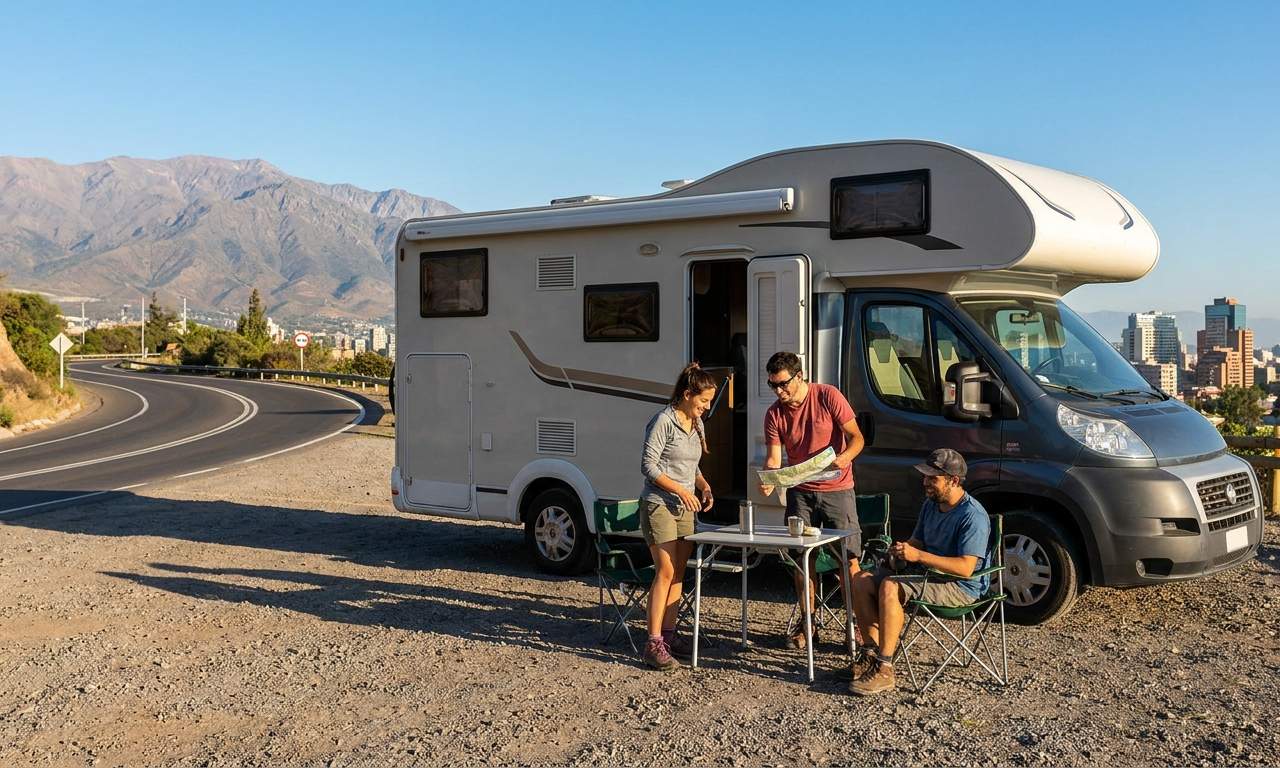
Navigating Santiago and its surroundings in a luxury RV is generally a smooth experience, thanks to Chile's well-maintained road infrastructure. Within the city and on the major intercity routes, you'll find modern, paved highways that are comfortable for RV travel, including scenic connections to the coast and other major urban centers. These routes are well-signposted and generally in excellent condition. However, as you venture towards the Andes, particularly on roads like those traversing Cajón del Maipo, the terrain can become more challenging. These routes often feature steeper gradients, tighter turns, and may include sections of unpaved or gravel surfaces, necessitating slower speeds and a more cautious approach from RV drivers. Urban driving within Santiago itself can involve dense traffic, especially during peak commuting hours in the central business districts. Be prepared for a higher volume of vehicles, including buses and smaller cars, and exercise vigilance and patience. The robust construction and often superior suspension systems found in luxury RVs, such as Bandana's recommended Class TC - Truck Camper models, are well-equipped to handle these varied conditions, allowing you to relax and appreciate the stunning central Chilean landscapes at your own pace.
RV Size Limits, Bridges & Restricted Zones
While explicit RV-specific size restrictions are uncommon on major Chilean roads, luxury RV drivers in Santiago must remain aware of general vehicle limitations, particularly concerning height and weight. These are most relevant when navigating tunnels, underpasses, and multi-story parking facilities within urban areas like Santiago; most standard RVs will exceed the height clearance of typical parking garages. Always be vigilant for posted height restrictions. The majority of standard RV lengths and widths are well-accommodated on Chile's extensive highway network and main urban thoroughfares, ensuring you can reach most destinations with ease. It's worth noting that Santiago occasionally implements environmental zones or temporary vehicle restrictions, often based on license plate numbers, especially during periods of high air pollution. However, these restrictions primarily affect older vehicles, and modern luxury RVs are less likely to be impacted. If your itinerary involves traveling to more remote areas or islands (for example, if you plan to use ferries in southern Chile), it is crucial to verify the maximum permissible length, height, and weight for your specific RV, as ferry operators often have strict limitations. Always consult your rental provider for specific guidance.
Fuel: Diesel vs. Petrol & Cost per 100 km
Most luxury RVs, including Bandana's popular Class TC - Truck Camper models available in Santiago, operate on diesel fuel. Diesel is the preferred fuel for larger recreational vehicles due to its inherent efficiency and the high torque required for RV engines, making it readily available at service stations throughout Chile, even in more rural areas. For context on your travel budget, Bandana's Class TC - Truck Camper fleet typically averages around 13 liters of diesel consumption per 100 km. Assuming an average diesel price of approximately 1,000 CLP per liter in 2026, the estimated fuel cost for 100 km of travel would be around 13,000 CLP. To help manage these costs, some luxury RV rental options from providers like Bandana may include fuel discount cards, offering potential savings on your journey. It's always a good idea to factor fuel expenses into your overall travel budget when planning your routes. On the routes offered through RV PLANET routes, you can itemize and track every expense along the way for easy budgeting.
Tolls, Vignettes & Border Rules
Navigating Chile's highways, especially around Santiago, involves a modern, primarily electronic toll system known as 'Free Flow'. This system means you won't encounter traditional toll booths; instead, tolls are captured electronically. These tolls are common on intercity highways and the ring roads surrounding Santiago. To ensure a seamless experience and avoid potential fines or administrative fees, it's essential to have an electronic transponder, known as a TAG, associated with your rental RV. Many luxury RV rental companies, including Bandana, offer the convenience of pre-purchasing or including a TAG device with your rental agreement. This allows you to pass through toll points without stopping, simplifying your travel. Chile does not currently employ a vignette system (time-based road tax stickers) for general vehicle use; all road usage is managed via these per-use tolls. For those planning international excursions from Santiago into neighboring countries like Argentina, remember to secure the necessary specific vehicle documentation, often provided by the rental company, along with your personal identification, to facilitate smooth customs and immigration procedures.
Driving Tips for luxury rv rental Travelers
To make your luxury RV driving experience in and around Santiago as enjoyable as possible, embrace a leisurely pace. Many modern luxury RVs, including those offered by Bandana, come with automatic transmission options, making them easier and less stressful to handle, especially on winding mountain roads or in city traffic. Always plan your routes in advance, using up-to-date GPS systems in conjunction with physical maps, particularly when venturing into mountainous regions or less-traveled areas where cell service might be intermittent. Remember to take frequent breaks, ideally every 2-3 hours of driving, especially when traveling with family. This helps prevent driver fatigue and allows everyone to appreciate the scenic stops and amenities your comfortable luxury RV provides. Take the time to familiarize yourself with local Chilean road signs and driving etiquette, which may differ from your home country, to ensure safe and respectful navigation. Finally, make use of any pre-paid toll passes, such as a TAG device provided by your rental company, to streamline your journeys on Chile's toll roads and avoid any unexpected fines or delays.
Recommended RV Class for Santiago Roads
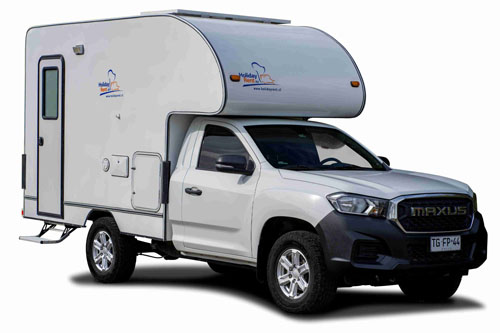
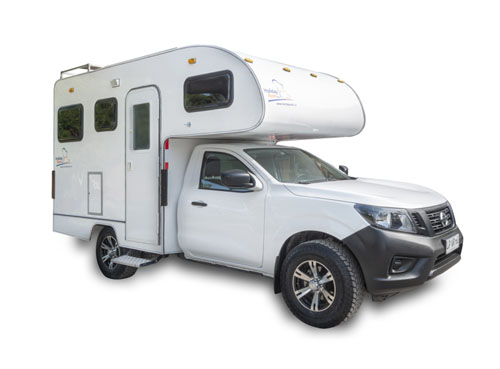
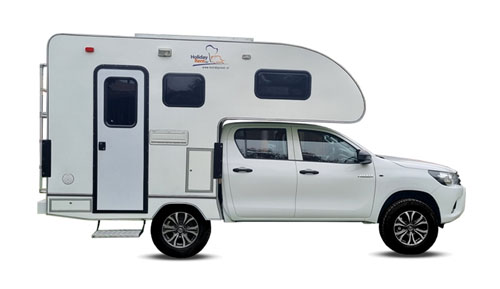
For those seeking a balanced experience that combines maneuverability for Santiago's varied routes with the comfort of a luxury RV, a Class TC - Truck Camper is highly recommended. Bandana's Class TC - Truck Camper models, typically around 5.6 meters in length, offer excellent agility, making them well-suited for navigating both the winding mountain roads leading to the Andes and the urban fringes of Santiago. These versatile RVs usually provide comfortable sleeping arrangements for approximately 2.7 people on average, making them an ideal choice for couples or small families looking for both adventure and comfort. The robust, truck-based design inherent to this RV class also provides superior ground clearance and durability, which can be advantageous when encountering unpaved or less-maintained roads outside the city. This class of RV strikes an optimal balance, offering the amenities and comfort expected of a luxury RV while remaining agile enough to access a wider range of destinations around Santiago and its breathtaking natural surroundings.
Should I Choose a Compact Van Instead of a Large RV in Santiago?
While a compact van might seem appealing for its perceived maneuverability in very tight urban centers or extremely narrow mountain passes, a luxury RV, particularly a well-chosen Class TC - Truck Camper or similar, often provides a significantly more comfortable and amenity-rich travel experience in and around Santiago without major driving impediments. The primary benefit of opting for a larger RV or truck camper lies in the enhanced living space, superior amenities, and the self-sufficiency provided by a full kitchen and private bathroom – elements that truly define a luxury RV adventure. Most main roads, highways, and popular attractions accessible from Santiago are perfectly suitable for standard RV sizes; only highly restrictive historical districts or specific, very rough off-road tracks might genuinely favor a compact van. For the luxury traveler, the trade-off between slightly easier maneuverability and the substantial increase in comfort, storage, and features almost always favors the larger RV or truck camper. Reserve a compact van only if your itinerary heavily emphasizes navigating extremely congested, narrow city streets daily, or if parking in very small, restrictive urban spots is a constant necessity. Otherwise, embrace the superior comfort and convenience of a luxury RV for your Santiago exploration. For ideas you can prep on the road, watch our RV-friendly recipes playlist on YouTube.
Can I Park Anywhere? Free & Wild Camping Rules in Santiago
While official campgrounds and designated RV parks are readily available around Santiago, the concept of free and wild camping in Chile is nuanced and requires careful consideration. Generally, wild camping is strongly discouraged within Santiago's city limits and is strictly prohibited in national parks, national reserves, and on private land without explicit permission from the landowner. While you might find unofficial, discreet overnight parking spots near natural attractions outside the city, these typically lack facilities and offer no guaranteed security. For your safety, access to essential services, and peace of mind, it is always recommended to utilize established campgrounds or paid RV parks for overnight stays, particularly when you are near urban areas. Remember that rules can vary significantly by region and specific land ownership, so always check local regulations and respect private property and environmental guidelines before deciding on an overnight parking location.
Can I Drive an RV Into the City Center? Heights, Tunnels & Local Signage
Yes, you can generally drive an RV into Santiago's city center, but it requires a keen awareness of local signage pertaining to height limits, restricted zones, and parking regulations. Santiago's major avenues are broad and easily accommodate RVs; however, be particularly attentive to posted height restrictions on tunnels, underpasses, and the entrances to parking garages, as most RVs will exceed typical clearance. Older, narrower streets in historical districts or pedestrianized areas may also have restrictions for larger vehicles. It is essential to pay close attention to local signage indicating 'residents-only' parking, 'no large vehicle' zones, or specific environmental restrictions that might limit circulation on certain days based on vehicle type. For maximum convenience and a more relaxed city exploration, consider parking your luxury RV at a secure, RV-friendly lot or campsite located on the periphery of the densest urban core. From there, you can easily utilize Santiago's efficient public transport system or ride-sharing services to explore the city center.
What are the best RV-friendly attractions and day trips around Santiago?
Santiago serves as an excellent base for exploring a diverse range of RV-friendly attractions and day trips, from the dramatic Andes mountains to charming coastal cities and world-renowned wine regions. Southeast of the city, the **Cajón del Maipo** offers spectacular Andean canyon scenery, natural hot springs, and hiking trails, with seasonal access to the Embalse El Yeso reservoir; always check road conditions before heading out. Approximately 1.5 hours west, the vibrant coastal cities of **Valparaíso** and **Viña del Mar** provide rich cultural experiences and beaches, with RV parks available on their outskirts for convenient exploration. The **Casablanca Valley**, situated between Santiago and the coast, is a must-visit for wine enthusiasts, boasting numerous wineries that offer RV-accessible parking and tasting opportunities. During the winter months (June-August), ski resorts like **Valle Nevado** and **Portillo** provide stunning mountain vistas and skiing, though be prepared for potentially steep mountain roads that may require snow chains for your RV. For a taste of local tradition, visit the pottery village of **Pomaire**, southwest of Santiago, known for its artisan crafts and typically offering ample parking outside the main village center.
What are the seasonal considerations for RV travel in Santiago?
Seasonal variations significantly influence the RV travel experience around Santiago, impacting everything from road conditions to the accessibility of attractions and the overall atmosphere. Summer (December-February) is peak season, ideal for exploring coastal areas and higher Andean regions like Cajón del Maipo, as roads are generally clear. Expect warm weather and bustling tourist spots. Autumn (March-May) offers pleasant temperatures, making it an excellent time for city exploration and wine region tours with fewer crowds and beautiful fall foliage. Winter (June-August) is ski season in the Andes; however, this can also mean potential road closures due to snow at higher elevations, particularly for resorts like Valle Nevado. RVs heading to these areas must be prepared for winter conditions and carry snow chains. Spring (September-November) brings mild weather and blooming landscapes, perfect for hiking and outdoor activities, though be mindful that national holidays like Fiestas Patrias can lead to increased traffic congestion. Regardless of the season, always monitor local weather forecasts and road conditions, especially for mountain passes, as weather in central Chile can change rapidly.
Is RV travel safe in Santiago and nearby regions?
RV travel in Santiago and its surrounding regions is generally safe, provided you exercise common precautions. Regarding urban security, it's advisable to park your luxury RV in secure, well-lit campgrounds or paid parking facilities, especially when overnighting, to minimize risks of theft or vandalism. When venturing into mountainous areas like Cajón del Maipo, be prepared for winding, sometimes narrow roads, potential unpaved sections, and variable weather; always drive cautiously and check road conditions beforehand. Central Chile is also susceptible to seismic activity, so familiarize yourself with earthquake safety procedures and always have an emergency kit. During the summer months, be aware of potential wildfire risks in rural areas. As a general rule, keep valuables out of sight, ensure your RV is locked when unattended, and remain aware of your surroundings, particularly in crowded tourist areas.
How can RV travelers experience local culture in Santiago?
RV travelers can achieve deep immersion in Santiago's vibrant local culture by actively seeking out accessible markets, savoring authentic cuisine, and engaging respectfully with Chilean customs. Explore bustling hubs like La Vega Central or the Mercado Central, which offer a rich array of local produce, fresh seafood, and artisanal goods; parking your RV on the periphery and walking in allows for a more authentic immersion. For genuine Chilean flavors, seek out local 'picadas' or neighborhood eateries to try dishes like pastel de choclo, empanadas, and the popular 'completo'. Enhancing your interactions is easy by learning a few basic Spanish phrases like 'hola' (hello) and 'gracias' (thank you), and observing local customs will foster respectful engagement. Researching local festivals or 'ferias' that might coincide with your visit can provide unique insights into Chilean traditions, music, and celebrations. Consider visiting smaller, family-run vineyards beyond the main wine routes for a more intimate glimpse into Chile's agricultural heritage and its celebrated winemaking process.
What You Shouldn't Miss
- Drive the scenic Andes road to Cajón del Maipo: Experience breathtaking mountain scenery and maybe even a soak in natural hot springs, keeping an eye on road access depending on the season.
- Explore the coastal charm of Valparaíso: Wander through its colorful hills, admire the street art, and enjoy the Pacific breeze, finding convenient RV parking on the outskirts.
- Savor the vineyards of the Casablanca Valley: Indulge in wine tasting at world-class wineries, many of which are RV-friendly and offer opportunities for overnight stays.
- Immerse yourself in Santiago's culinary scene: Visit local markets like La Vega Central for fresh produce and explore traditional 'picadas' for authentic Chilean flavors.
- Hike or relax in the foothills of the Andes: Enjoy the proximity of towering peaks for day trips, offering unparalleled mountain vistas and fresh air experiences.
Final Thoughts
Renting a luxury RV for your journey around Santiago offers an unparalleled blend of freedom, comfort, and immersion in Chile's stunning landscapes. From the majestic Andes to the Pacific coast, your mobile home base will allow you to explore at your own pace, connecting deeply with the culture and scenery.
With Bandana Caravan, you benefit from our commitment to full transparency and dedicated support, ensuring your trip planning is as smooth as your travels. We're here to help you craft an unforgettable RV adventure.
Find Motorhome Rentals in Santiago