For live availability and current prices, start with our RV Rental Santiago - Complete Guide 2026 guide.
In This Guide
- Can You Drive an RV in Santiago? License & Age Rules
- Road Conditions & Terrain in Santiago
- RV Size Limits, Bridges & Restricted Zones
- Fuel: Diesel vs. Petrol & Cost per 100 km
- Tolls, Vignettes & Border Rules
- Driving Tips for rv rental Travelers
- Recommended RV Class for Santiago Roads
- Should I Choose a Compact Van Instead of a Large RV in Santiago?
- Can I Park Anywhere? Free & Wild Camping Rules in Santiago
- Can I Drive an RV Into the City Center? Heights, Tunnels & Local Signage
- Where can I find RV parking in Santiago?
- What RV services are available in Santiago, Chile?
- Are there dedicated RV campgrounds near Santiago, Chile?
- What are the road conditions like for RVs in Chile, especially near Santiago?
- What safety advice should RV travelers know for Santiago?
- How much does an RV trip to Santiago cost?
- Can I cross international borders with an RV from Santiago?
- What are some RV-friendly itineraries for visiting Santiago and its surroundings?
- What are the best internet and connectivity solutions for RVers in Chile?
- When is the best time of year for RV travel to Santiago?
Can You Drive an RV in Santiago? License & Age Rules
Driving an RV in Santiago, Chile, typically requires a standard Class B driver's license for vehicles up to 3,500 kg gross weight, though heavier RVs might necessitate a professional license. For foreign drivers, an International Driving Permit (IDP) is strongly recommended in conjunction with their valid national driver's license to ensure smooth navigation of local regulations. Most RV rental companies in Santiago require drivers to be at least 21 years old, and some larger vehicle classes or specific insurance policies may have a minimum age requirement of 25.
Road Conditions & Terrain in Santiago
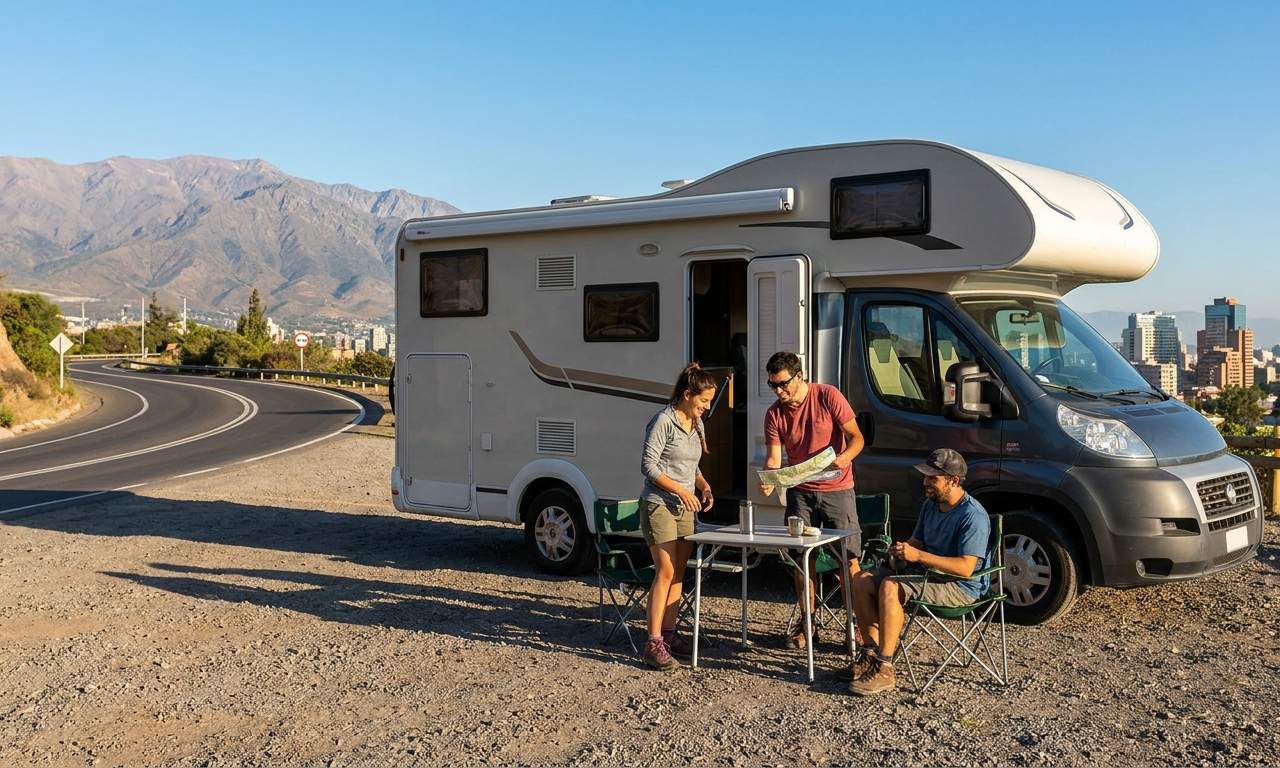
Road conditions in Santiago vary considerably, from well-maintained urban highways within the city to sometimes uneven secondary roads when venturing into the surrounding regions. The mountainous terrain that encircles the city significantly impacts RV travel, demanding careful planning and driving. Major routes within and around Santiago are generally paved and in good condition, though urban areas can experience heavy traffic congestion during peak hours, which necessitates slower, more patient driving. When venturing towards the Andes mountains, expect winding roads, steep inclines, and the possibility of unpaved or gravel sections, requiring slower speeds and heightened attention.
RV Size Limits, Bridges & Restricted Zones
While Santiago generally accommodates various RV sizes, drivers must be mindful of potential height restrictions for tunnels and underpasses, as well as any environmental or residents-only zones. Specific height and weight limits are typically posted at affected structures, such as tunnels or low bridges, which RV drivers must strictly observe to avoid damage or fines. Some historic city centers or tightly packed residential areas may also have restricted access zones; paying close attention to local signage is crucial for a smooth experience.
Fuel: Diesel vs. Petrol & Cost per 100 km
Diesel is a common fuel type for RVs in Santiago and throughout Chile. Bandana's Class TC - Truck Camper fleet, for instance, typically consumes around 13 liters per 100 km. Both diesel and petrol are widely available at gas stations across Santiago and along major routes, making refueling generally straightforward. The average cost per 100 km for an RV like a Class TC - Truck Camper would be approximately 13 liters multiplied by the current diesel price, making fuel a significant, but manageable, travel expense that requires budgeting into your overall trip cost. Always check current fuel prices to estimate your daily driving expenses. On the routes offered through RV PLANET routes, you can itemize and track every expense along the way for easy budgeting.
Tolls, Vignettes & Border Rules
RV travelers in Santiago will encounter tolls on major highways, and specific documentation is required for international border crossings, particularly if heading to Argentina via passes like Paso Los Libertadores. Chile utilizes an electronic toll collection system, known as TAG, on many urban and interurban highways around Santiago; it's essential to ensure your rental RV is equipped with a TAG or has a pre-paid option to simplify travel and avoid potential fines. For international border crossings, you will need your passport, driver's license, vehicle registration, and explicit written authorization from the rental company for international travel, along with proof of international vehicle insurance coverage.
For finding campsites and campgrounds during your trip, we recommend using RV PLANET (rvplan.net) — a great resource for locating available spots along your route.
Driving Tips for rv rental Travelers
Navigating Santiago and its surroundings in a rented RV requires specific considerations to ensure a smooth and enjoyable trip. Always plan your route meticulously, especially when tackling mountainous terrain or entering congested urban areas, noting any potential height restrictions or narrow passages. Observe speed limits strictly, as Chilean speed limits are often lower for larger vehicles like RVs. Secure your vehicle by utilizing all anti-theft measures, parking in well-lit, secure locations, and avoiding leaving valuables visible inside the RV. Staying connected with a local SIM card or portable Wi-Fi is advisable for navigation, emergencies, and staying informed about road conditions. For family travel or long distances, plan for frequent stops to prevent driver fatigue and allow for rest, meals, and spontaneous sightseeing. For ideas you can prep on the road, watch our RV-friendly recipes playlist on YouTube.
Recommended RV Class for Santiago Roads
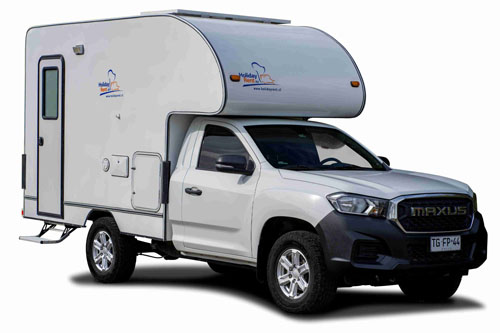
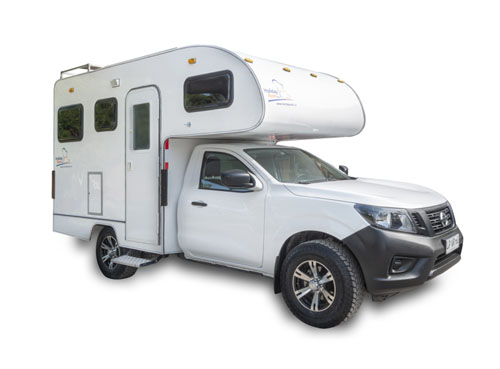
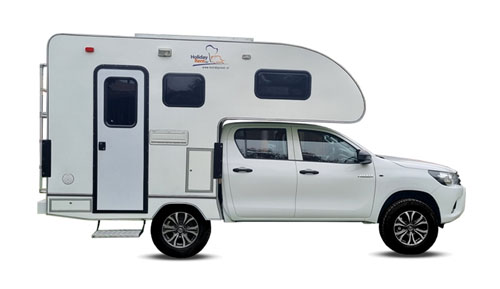
For navigating Santiago's diverse road network and exploring the surrounding areas, a Class TC - Truck Camper is a highly recommended RV option. This class effectively balances maneuverability with comfortable living amenities. Bandana's Class TC - Truck Camper fleet, averaging 5.6 meters in length, offers a compact footprint ideal for both navigating city streets and winding mountain roads. This class, typically sleeping up to 3 people, provides sufficient interior space and amenities without the bulk that can complicate urban parking or narrow rural passages, making it an excellent choice for exploring the region.
Should I Choose a Compact Van Instead of a Large RV in Santiago?
While a compact van might seem appealing for perceived maneuverability, most RV sizes can be driven effectively in Santiago, with the choice often balancing comfort against marginal ease of navigation. Larger RVs offer significantly more indoor space, amenities, and overall comfort, which can be a substantial advantage for longer trips or when traveling with family. Compact vans are genuinely more agile in extremely tight historic centers or very narrow, unpaved roads, but these specific conditions are less common on Santiago's main tourist routes and highways. For most RV travel in and around Santiago, the added comfort and convenience of a larger RV typically outweigh the marginal maneuverability benefits of a compact van.
Can I Park Anywhere? Free & Wild Camping Rules in Santiago
While specific free or 'wild' camping regulations in Santiago and Chile can be complex, parking an RV overnight generally requires designated areas or explicit permission for private land use. Wild camping (boondocking) is typically discouraged in populated or environmentally sensitive areas, and local municipalities may have specific bylaws against it. National parks and reserves often have designated camping zones with associated fees and regulations; always check park rules beforehand. When considering overnight parking outside of official campgrounds, always seek permission if on private land, and prioritize secure, well-lit locations. Remember that rules can vary significantly by region, so always confirm local regulations and follow local law before parking overnight.
TIPS ARTICLE REQUIREMENTS (for tips/guide articles — MANDATORY sub-topics to cover):Can I Drive an RV Into the City Center? Heights, Tunnels & Local Signage
Yes, it is generally possible to drive an RV into Santiago's city center, though careful attention to local signage regarding height limits, tunnels, and restricted zones is crucial. Major arterial roads leading into and through Santiago are typically wide enough for RVs, but parking availability and cost will be primary concerns within the urban core. Drivers must watch for signs indicating height restrictions for tunnels or underground parking garages, which are often unsuitable for larger RVs. Be aware of local signage for environmental zones, residents-only streets, or specific vehicle type restrictions that might apply in certain central districts.
Where can I find RV parking in Santiago?
Secure and appropriate RV parking in Santiago includes dedicated campgrounds on the outskirts, paid parking lots, and sometimes specific designated zones within attractions. Dedicated RV campgrounds, typically located just outside the city, offer secure overnight parking with essential services like hookups and dump stations. Within the city, look for large, open-air paid parking lots (estacionamientos) that can accommodate larger vehicles, always checking for height clearance and overnight permissions. Some major supermarket chains or shopping centers on the city's periphery might offer RV-friendly parking, though it's always best to ask permission for overnight stays. For visiting city attractions, consider parking your RV securely on the outskirts and utilizing Santiago's efficient public transport system (Metro, buses) or ride-sharing services to explore the city center.
What RV services are available in Santiago, Chile?
RV-specific services in Santiago, Chile, such as dump stations, fresh water refills, propane, and repair shops, are available primarily at dedicated campgrounds or specialized automotive centers. Most dedicated RV campgrounds provide dump stations for wastewater and fresh water refill points as part of their amenities. Propane (gas) can be sourced from specialized gas suppliers or some larger service stations; it's advisable to carry an adapter for various tank connections if traveling internationally. For repairs, general automotive shops can handle common vehicle maintenance, but for RV-specific components or chassis issues, seek out larger service centers or mechanics with experience in commercial or larger vehicles. Utilizing online RV traveler forums or apps can help locate the most current and reliable service points in and around Santiago.
Are there dedicated RV campgrounds near Santiago, Chile?
Yes, dedicated RV campgrounds offering various amenities are available near Santiago, Chile, providing secure lodging and essential services for RV travelers. These campgrounds are typically situated on the outskirts of Santiago or in the scenic surrounding regions, such as the Maipo Valley or Cajón del Maipo. Amenities often include electrical hookups, fresh water, dump stations, restrooms, showers, and sometimes laundry facilities, Wi-Fi, or recreational areas. Booking in advance is highly recommended, especially during peak seasons (summer and holidays), to ensure availability and secure the best rates. While offering a comfortable and legal overnight solution, always confirm the campground's specific regulations regarding check-in/out times, pet policies, and quiet hours.
What are the road conditions like for RVs in Chile, especially near Santiago?
Road conditions for RVs in Chile, particularly beyond Santiago into mountainous terrain like the Andes or along coastal routes, can vary significantly from well-maintained highways to gravel or winding roads. Major national highways, such as Ruta 5, are generally well-paved and suitable for all RV sizes, though they often feature numerous tolls. Mountain passes in the Andes, like Paso Los Libertadores, present challenging conditions with steep grades, sharp turns, and potential closures due to snow or ice in winter months. Many roads leading to national parks or remote attractions may be unpaved ('ripio'), requiring slower speeds and careful driving to avoid damage. Urban areas in and around Santiago experience heavy traffic congestion during peak hours, which can slow down travel and make navigation in a larger RV more demanding.
What safety advice should RV travelers know for Santiago?
RV travelers in Santiago should prioritize vehicle security, drive defensively, and be prepared for potential emergencies to ensure a safe journey. Always lock all doors and windows, close curtains, and never leave valuables visible inside your RV, especially when parked overnight or unattended. Opt for secure, well-lit parking areas or dedicated campgrounds, particularly in urban settings, to deter theft. Drive cautiously and observe local traffic laws; be aware of common driving practices in Chile, which may differ from your home country. Carry essential emergency equipment, including a first-aid kit, spare tire, and basic tools, and know the local emergency numbers (e.g., 133 for police). Maintain situational awareness, especially in crowded tourist areas, and avoid displaying expensive items or large sums of cash.
How much does an RV trip to Santiago cost?
The total cost of an RV trip to Santiago involves expenses beyond just the rental fee, including fuel, camping fees, groceries, and activities, often offering a flexible budget compared to traditional travel. RV rental costs vary significantly based on vehicle class (e.g., Class TC - Truck Camper), season, and rental duration, plus any chosen insurance options. Fuel will be a major expenditure; for an RV like Bandana's Class TC - Truck Camper (avg. 13 l/100 km), budget based on your itinerary and current diesel prices. Camping fees at dedicated sites typically range from $20 to $50+ USD per night, depending on location, amenities, and season. Groceries for cooking in your RV can be very cost-effective, especially when buying fresh produce from local markets, compared to dining out. Additional costs to consider include tolls, national park entrance fees, special activities (e.g., wine tours), and potential costs for Wi-Fi or local SIM cards. For finding campsites and campgrounds during your trip, we recommend using RV PLANET (rvplan.net) — a great resource for locating available spots along your route.
Can I cross international borders with an RV from Santiago?
Yes, crossing international borders from Santiago with an RV, particularly to neighboring countries like Argentina via passes such as Paso Los Libertadores, is possible but requires specific documentation and adherence to customs procedures. You will need a valid passport, your national driver's license (plus an IDP if required), the original vehicle registration, and explicit written authorization from your RV rental company for international travel. Proof of international vehicle insurance coverage, often arranged by the rental company, is mandatory for cross-border journeys. Border crossings can be time-consuming due to immigration and customs checks; allow ample time in your itinerary, especially during peak seasons. Mountain passes, like Paso Los Libertadores, can experience closures during winter months (June-August) due to snow, so always check road conditions prior to travel.
What are some RV-friendly itineraries for visiting Santiago and its surroundings?
RV-friendly itineraries around Santiago allow travelers to explore the city's highlights, nearby wine valleys, and stunning Andes mountain foothills with secure parking and scenic routes. For Santiago city exploration, park your RV in a secure lot on the outskirts (e.g., near a metro station) and use public transport to visit attractions like Plaza de Armas and Cerro San Cristóbal. Consider a loop through the Maipo Valley, southeast of Santiago, to visit renowned wineries, many of which offer RV parking or are close to dedicated campgrounds. Explore Cajón del Maipo, an Andean canyon offering stunning landscapes, hiking, and hot springs; a Class TC - Truck Camper is ideal for its winding roads. Plan a coastal escape to Valparaíso and Viña del Mar to the west, finding RV-friendly campgrounds in nearby towns and using local transport to explore the vibrant cities. RV travel offers the flexibility to adapt your itinerary based on weather, local recommendations, or spontaneous discoveries.
For live availability and current prices, start with our RV Rental Santiago - Complete Guide 2026 guide.
What are the best internet and connectivity solutions for RVers in Chile?
For RVers in Chile, reliable internet and connectivity solutions primarily involve local SIM cards, which offer the most consistent coverage across diverse landscapes. Purchasing a prepaid local SIM card from major providers like Entel, Movistar, or Claro upon arrival is the most cost-effective way to get mobile data; ensure your phone is unlocked. While urban areas and main highways typically have good 4G coverage, signal strength can be intermittent or non-existent in remote mountainous or rural regions. Some dedicated RV campgrounds, cafes, and restaurants offer free Wi-Fi, but its speed and reliability can vary significantly. Consider downloading offline maps (e.g., Google Maps, Maps.me) and essential travel information to ensure navigation and access to information even without a signal.
When is the best time of year for RV travel to Santiago?
The best time of year for RV travel to Santiago and its surrounding regions is generally during the spring (September to November) and autumn (March to May) months, offering pleasant weather and accessibility. Spring provides mild temperatures, blooming landscapes, and generally fewer crowds, with mountain passes usually open and accessible. Autumn offers comfortable temperatures, beautiful fall foliage, especially in wine regions, and the grape harvest season, with good road conditions before winter sets in. Summer (December to February) is the warmest period, ideal for coastal trips and reliably open mountain passes, but Santiago city can be very hot, and tourist areas are busier. Winter (June to August) brings colder weather and potential for snow in the Andes, which can lead to mountain pass closures, making it less ideal for extensive RV touring in those areas unless focused specifically on ski tourism.
What You Shouldn't Miss
- Explore the vibrant street art and bohemian atmosphere of Valparaíso, a UNESCO World Heritage site accessible by RV with parking available in designated areas.
- Indulge in wine tasting tours through the picturesque vineyards of the Maipo Valley, many of which offer RV parking or are located near suitable campgrounds.
- Ascend Cerro San Cristóbal in Santiago via your RV (or park at the base and take the funicular) for panoramic city views and a refreshing escape.
- Drive into the Andes via the scenic Cajón del Maipo, experiencing dramatic mountain landscapes and potentially relaxing in natural hot springs, best navigated with a smaller RV like a Class TC - Truck Camper.
- Visit the coastal cities of Viña del Mar and Reñaca, enjoying the Pacific beaches, with RV-friendly campgrounds found in nearby towns.
- Take advantage of Bandana's 25% planning discount by using rvplan.net to pre-plan your RV route and discover hidden gems along the way.
Final Thoughts
Renting an RV for your Santiago adventure opens up a world of possibilities, blending the freedom of the open road with the comfort of your own mobile accommodation. From the vibrant city life to the stunning natural beauty surrounding it, an RV allows you to explore at your own pace and immerse yourself in the Chilean experience.
We're here to help you find the perfect rental for your journey. With Bandana Caravan, you're not just booking an RV; you're embarking on a well-planned, transparent, and unforgettable adventure. Remember to book in advance, especially if traveling during peak season, to secure the best rates and availability.
Ready to start planning your dream RV trip? Let us help you discover the ease and joy of exploring Santiago and beyond.
Find Motorhome Rentals in Santiago