For live availability and current prices, start with our RV Rental New Zealand - Complete Guide 2026 guide.
In This Guide
- The 5 RV Families Compared for New Zealand
- Class A (Integrated) - Best For
- Price Comparison by RV Class in New Zealand
- Class SI (Semi-Integrated) - Best For
- Class C (Alcove) - Best For
- Class B (Campervan) - Best For
- Class TC (Truck Camper) - Best For
- Side-by-Side Comparison Table
- Our Recommendation for RV Rental Travelers in New Zealand
- How much does an RV cost in New Zealand
- Is it worth getting a campervan in New Zealand
- How to get a cheap campervan in New Zealand
- How much does it cost to rent a campervan in New Zealand for 2 weeks
- What You Shouldn't Miss
- Why Book with Bandana Caravan
- Final Thoughts
- Frequently Asked Questions
New Zealand, with its breathtaking landscapes and endless adventure opportunities, is truly a dream destination for a motorhome rental vacation. Imagine waking up to the sounds of nature, brewing your morning coffee in your rented RV, and stepping out to a panoramic view of snow-capped mountains, turquoise lakes, or pristine coastlines. Exploring New Zealand by campervan or motorhome offers unparalleled freedom, allowing you to discover hidden gems at your own pace and create an unforgettable journey. For live availability and current prices, start with our RV Rental New Zealand - Complete Guide 2024 guide.
The 5 RV Families Compared for New Zealand
Choosing the right RV family is critical for a New Zealand adventure, as terrain, climate, trip length, and group size significantly impact comfort, maneuverability, and overall experience. New Zealand's diverse landscapes, from winding coastal roads to mountainous passes, require an RV that balances living space with ease of driving. Understanding the distinct characteristics of Class A, SI, C, B, and TC RVs helps travelers match their vehicle to their unique travel style and budget for a seamless journey. On the routes offered through RV PLANET routes, you can itemize and track every expense along the way for easy budgeting.
Class A (Integrated) - Best For
Class A integrated motorhomes, averaging 7.5 meters in length and typically sleeping 4.4 people (4 adults), are best suited for those seeking a luxurious and spacious RV experience in New Zealand. These larger vehicles, such as the 'Elite Traveller' models often available through our suppliers, offer ample storage and comfort for longer trips or larger families desiring hotel-like amenities on the road. With a global average fuel consumption of 11-12 liters/100 km and a substantial average load capacity of 209.5 kg, you'll find plenty of space for all your gear and a comfortable living area, often including dedicated dining and lounging areas. While offering superior comfort and panoramic views, their larger size can be a trade-off on New Zealand's narrower, winding roads and in finding suitable parking at smaller campgrounds or towns. However, drive slowly and carefully, and you can drive almost anywhere without issues. No need to stress - just use common sense and pay attention.
Price Comparison by RV Class in New Zealand
Understanding the varying costs of RV rentals in New Zealand is crucial for budgeting, as prices fluctuate based on vehicle class, rental duration, and seasonal demand. Because pricing is flex-rate, the final price is set at actual booking time, changing daily based on availability and supplier marketing decisions. For a comprehensive overview of costs and the latest offers, we recommend exploring RV Rental in New Zealand - Prices and Best Deals 2024 and RV Rental Deals in New Zealand - Latest Offers 2024. These resources offer insights into how choosing different vehicle classes, from compact campervans to luxury motorhomes, impacts your budget. For premium options, consider Luxury RV Rental in New Zealand - Premium Prices 2024. The table below pulls real example prices from Bandana's live search, offering a snapshot of rental costs for various RV classes and trip lengths. These example prices highlight the general cost hierarchy, where smaller, more fuel-efficient models like Class B campervans are typically more budget-friendly, while larger Class A or C models offer more space at a higher premium. Remember that prices for RV rentals in New Zealand update daily based on availability and demand; always check live prices via the search box at the top of the page for the most accurate rates before booking.
Check live pricesPrices are flex-rate estimates and may change. Check live prices via the search box above. For more detailed budgeting and tips on securing the most economical options, our Cheap RV Rental in New Zealand - Budget Guide 2024 provides excellent insights.
Class SI (Semi-Integrated) - Best For
Class SI semi-integrated motorhomes, with Bandana's fleet averaging 6.9 meters in length and accommodating about 3.8 sleepers (3.4 adults), strike an excellent balance between comfort and maneuverability, making them highly versatile for New Zealand travel. These RVs typically consume 10-11 liters/100 km and offer an average load capacity of 72.2 kg, providing enough space for essential gear without being excessively cumbersome. They often outperform Class A vehicles in ease of driving on New Zealand's narrower roads and are more spacious and better equipped than many Class B campervans, making them ideal for couples or small families seeking both amenities and agility. They're best suited for travelers who want a comfortable bed, functional kitchen, and bathroom facilities, such as the '2 Berth Tamar' or '2 Berth Rover' models, without the full bulk of an alcove or integrated motorhome, offering a refined touring experience.
Class C (Alcove) - Best For
Class C alcove motorhomes, averaging 7.5 meters in length and boasting space for 5.8 sleepers (4.4 adults) in Bandana's global fleet, are exceptionally well-suited for families or larger groups exploring New Zealand. These RVs typically consume 10-12 liters/100 km and have an average load capacity of 42.4 kg, making them a cost-efficient option for group travel with integrated sleeping, kitchen, and bathroom facilities. The distinctive 'alcove' over the cab provides an additional sleeping area, maximizing space without significantly extending the vehicle's footprint beyond what is manageable on New Zealand roads. Models like the '24' Class C Motorhome' or '4 Berth Deluxe' are favored by families prioritizing separate sleeping areas, robust construction for diverse road conditions, and a good balance of amenities and value for money on their New Zealand adventure. Drive slowly and carefully, and you can drive almost anywhere without issues. No need to stress - just use common sense and pay attention.
Class B (Campervan) - Best For
Class B campervans, with Bandana's fleet averaging a compact 5.8 meters in length and sleeping about 3.2 people (2.7 adults), are ideal for solo travelers, couples, or small groups prioritizing maneuverability and fuel economy in New Zealand. These nimble vehicles, like the '2 Berth Hi Top' or 'Active Classic' models, boast an excellent average fuel consumption of 8-10 liters/100 km and an average load capacity of 37 kg, making them the most economical choice for day-to-day running costs. Their smaller size makes them perfect for navigating New Zealand's often narrow and winding roads, easily parking in towns, and accessing smaller Department of Conservation (DOC) campsites that might be inaccessible to larger RVs. Class B campervans are favored for their ease of driving, potential for freedom camping (where permitted and self-contained), and ability to offer a more immersive, agile travel experience, blending transport and basic accommodation seamlessly.
Class TC (Truck Camper) - Best For
Class TC truck campers, averaging 5.5 meters in length and typically sleeping 2.4 people (2.1 adults) in Bandana's global fleet, offer a unique blend of robust utility and off-grid adventure, perfect for exploring New Zealand's more remote landscapes. With common fuel consumption around 12-17 liters/100 km, these vehicles are designed for durability and accessibility, often providing 4x4 capabilities when mounted on a compatible truck chassis. Models such as the '4x4 Scout Adventure Truck Camper Gold' are excellent choices for tackling diverse terrain. Their detachable nature allows the truck to be used independently for day trips, while the camper provides self-contained living, making them ideal for adventurers who want to venture off the beaten path or access harder-to-reach campsites. They are best for travelers seeking rugged flexibility, the ability to tackle rougher terrain, and a truly immersive wilderness experience, prioritizing access over expansive interior luxury.
Side-by-Side Comparison Table
This comparison table provides a quick overview of the key characteristics for each RV family available for rental in New Zealand, aiding in your decision-making process. Use this data to match vehicle specifications with your travel needs, considering factors like group size, desired comfort level, budget for fuel, and planned itinerary.
| Family | Avg Length (m) | Sleeps (Avg) | Fuel Use (L/100 km) | Best Use Case in New Zealand |
|---|---|---|---|---|
| Class A (Integrated) | 7.5 | 4.4 | 11-12 | Luxury, large groups, maximum comfort on main routes |
| Class SI (Semi-integrated) | 6.9 | 3.8 | 10-11 | Couples/small families, balanced comfort and maneuverability |
| Class C (Alcove) | 7.5 | 5.8 | 10-12 | Families/larger groups, cost-efficient, good amenities |
| Class B (Campervan) | 5.8 | 3.2 | 8-10 | Solo/couples, maneuverability, fuel economy, nimble exploration |
| Class TC (Truck Camper) | 5.5 | 2.4 | 12-17 | Off-grid adventure, remote access, rugged terrain |
Our Recommendation for RV Rental Travelers in New Zealand
For most RV rental travelers exploring New Zealand, we primarily recommend a Class SI (Semi-integrated) motorhome due to its optimal balance of comfort, amenities, and maneuverability. Its average length of 6.9 meters and fuel efficiency (10-11 L/100 km) allow for comfortable navigation on diverse New Zealand roads while providing ample living space for couples or small families, including integrated kitchen and bathroom facilities. As a strong runner-up, a Class B (Campervan) is highly recommended for solo travelers or couples, offering unmatched agility (avg. 5.8m length) and superior fuel economy (8-10 L/100 km). The campervan's smaller footprint facilitates easier parking, access to more secluded campsites, and a more intimate connection with New Zealand's stunning natural environment, making it perfect for budget-conscious or nimble adventurers.
How much does an RV cost in New Zealand
An RV rental in New Zealand varies significantly based on factors like class, season, duration, and included amenities, with total trip costs encompassing more than just the initial rental fee. Rental fees, as seen in the live price comparison, typically range from NZD $80 - $300+ per day, influenced heavily by peak season (December-February), booking lead time, and the vehicle's size and age. Beyond the rental, factor in fuel costs (e.g., Class SI averages 10-11 L/100 km, while Class TC can be 12-17 L/100 km, with petrol/diesel prices varying across regions), which for a typical 2,000 km week-long trip can add several hundred dollars. Camping fees are another significant expense, ranging from free designated freedom camping sites (requiring self-contained certification) to Department of Conservation (DOC) campsites (NZD $8-20 per person per night) and commercial holiday parks (NZD $25-60+ for a powered site). Don't forget the Interislander or Bluebridge ferry costs for crossing between the North and South Islands (NZD $200-500+ for an RV, booking well in advance is essential), as well as potential costs for activities, groceries (cooking in your RV saves significantly), and optional insurance excess reduction. For precise budgeting and to track every expense along the way for easy planning, we highly recommend checking out RV PLANET routes, which offer itemized cost tracking for popular itineraries. Additionally, exploring RV Rental Deals in New Zealand - Latest Offers 2024 can provide valuable strategies for managing your overall trip expenses.
Is it worth getting a campervan in New Zealand
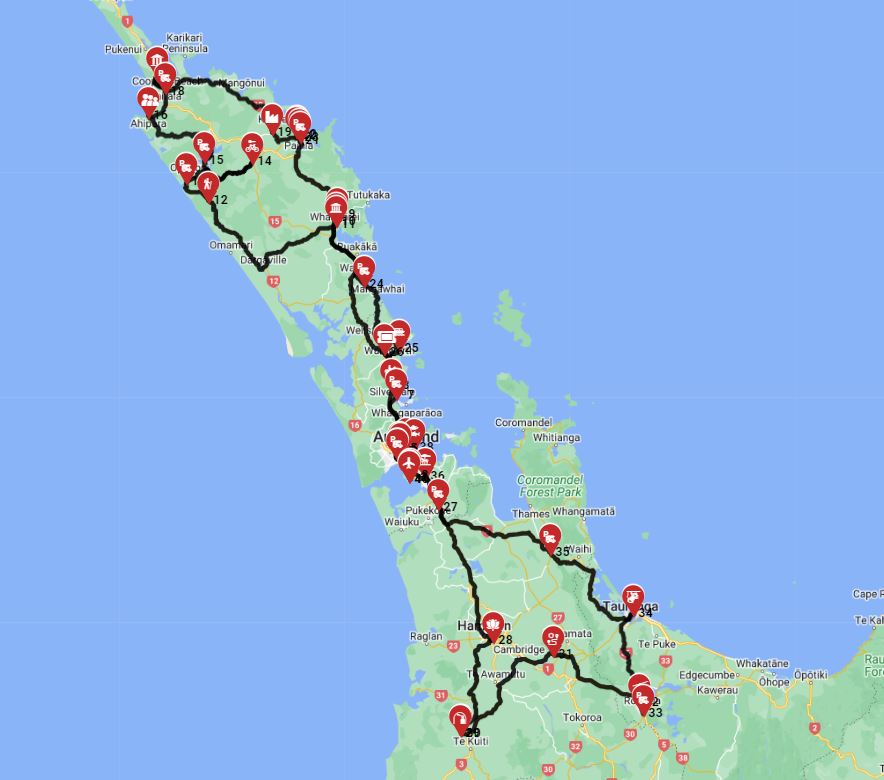
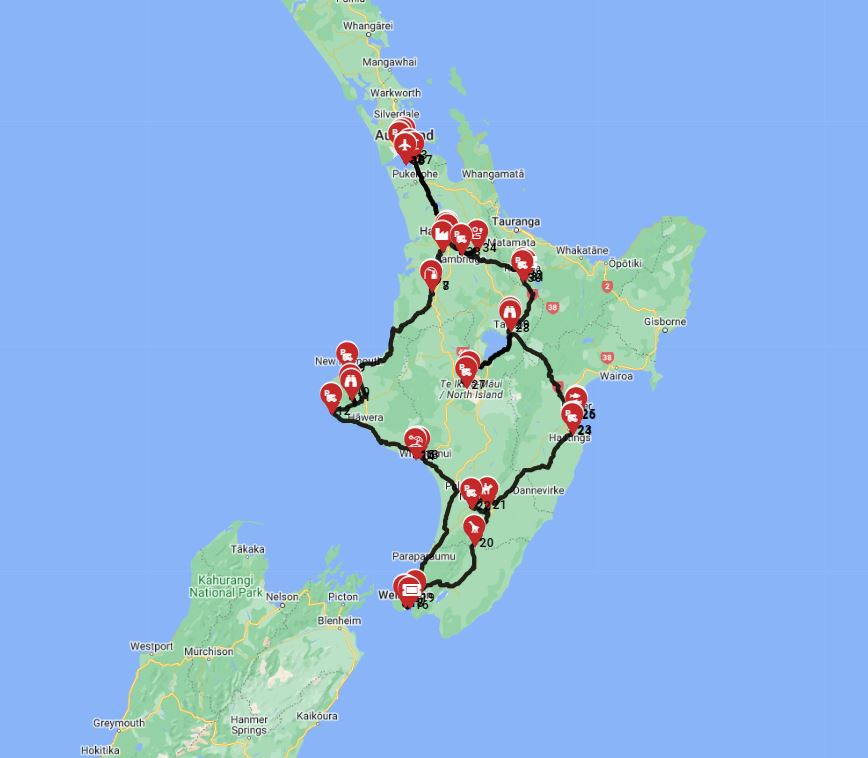
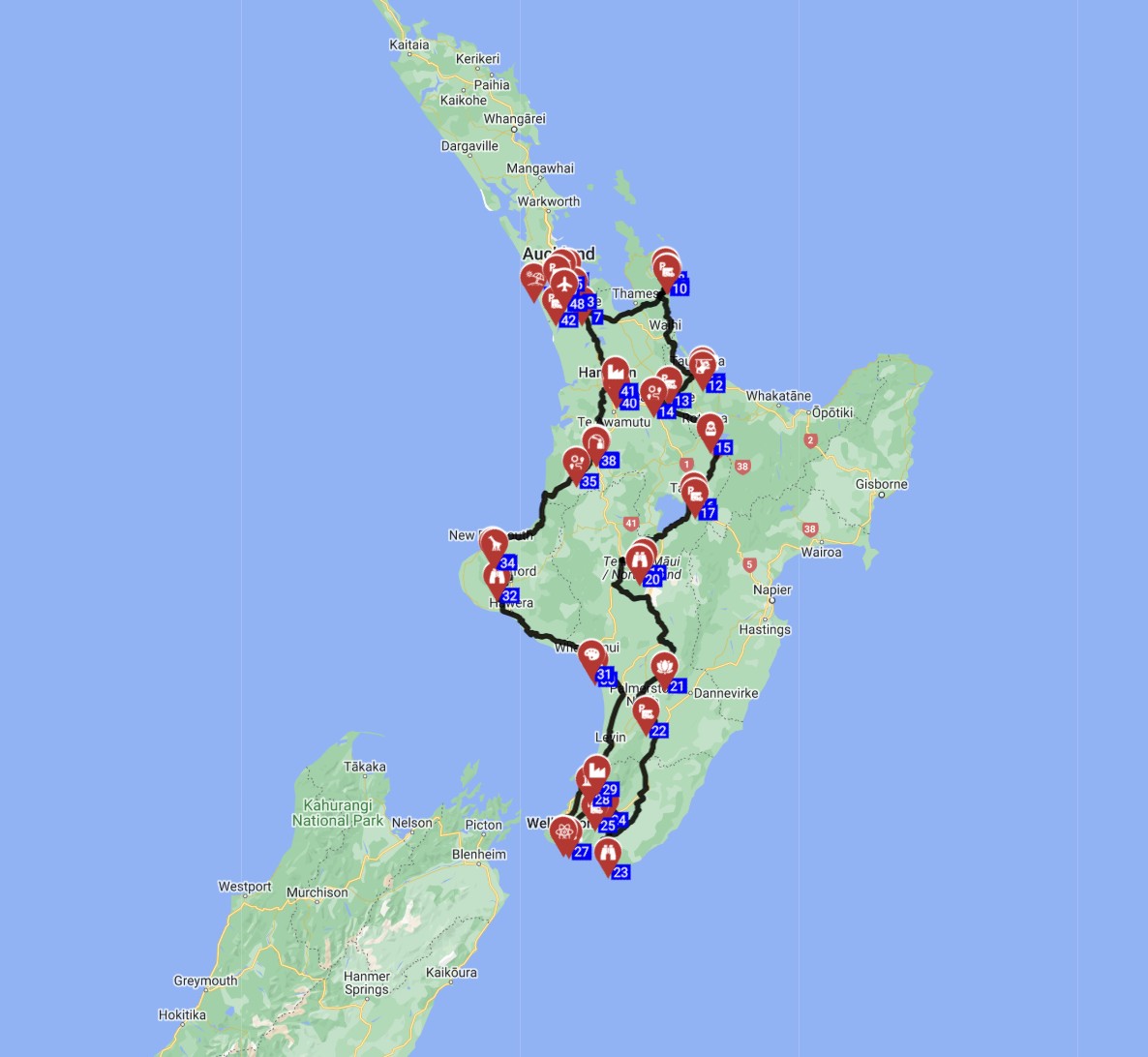
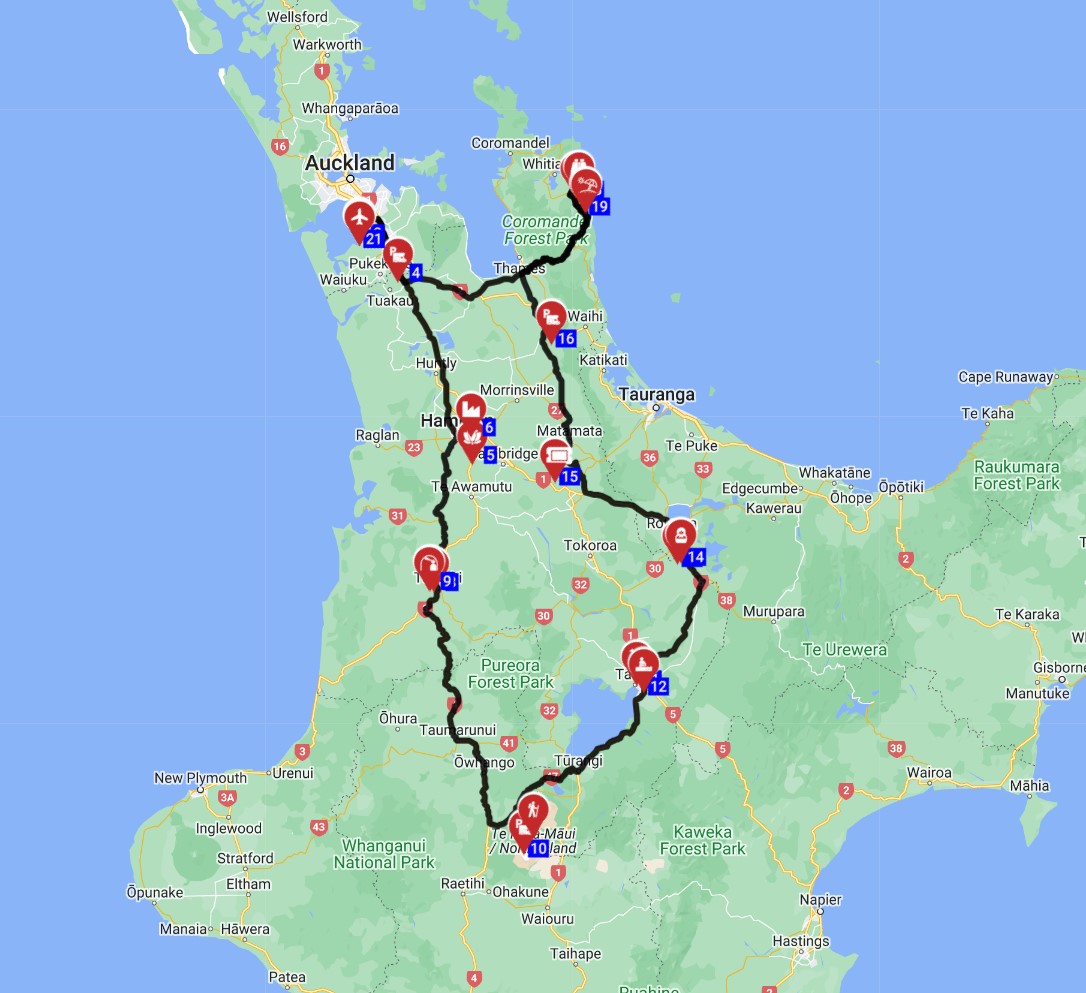
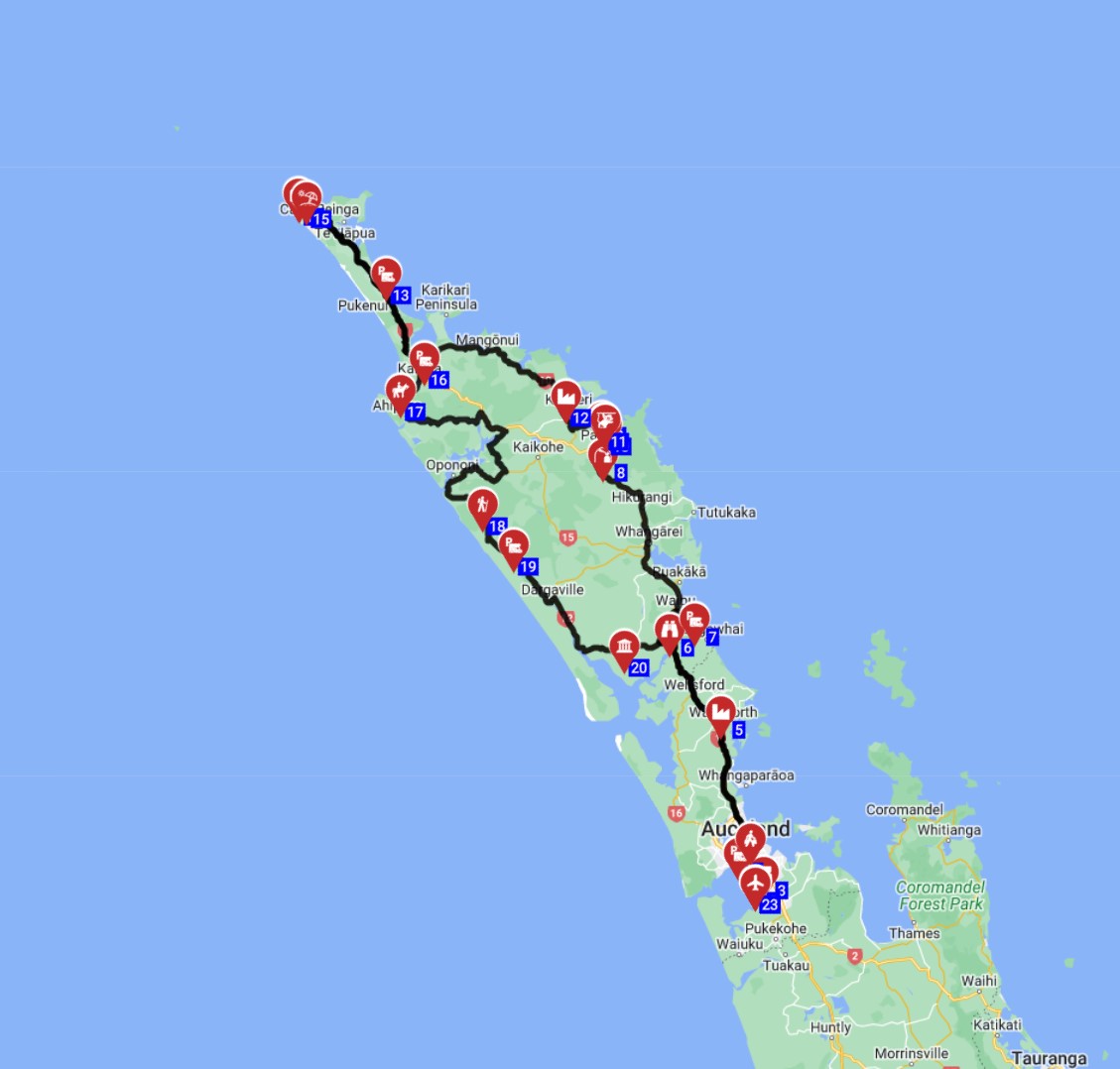
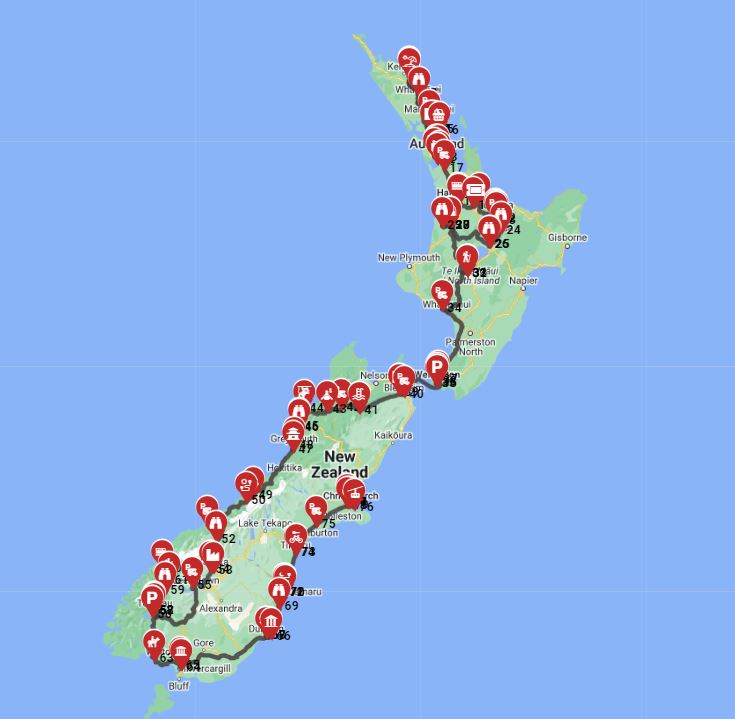
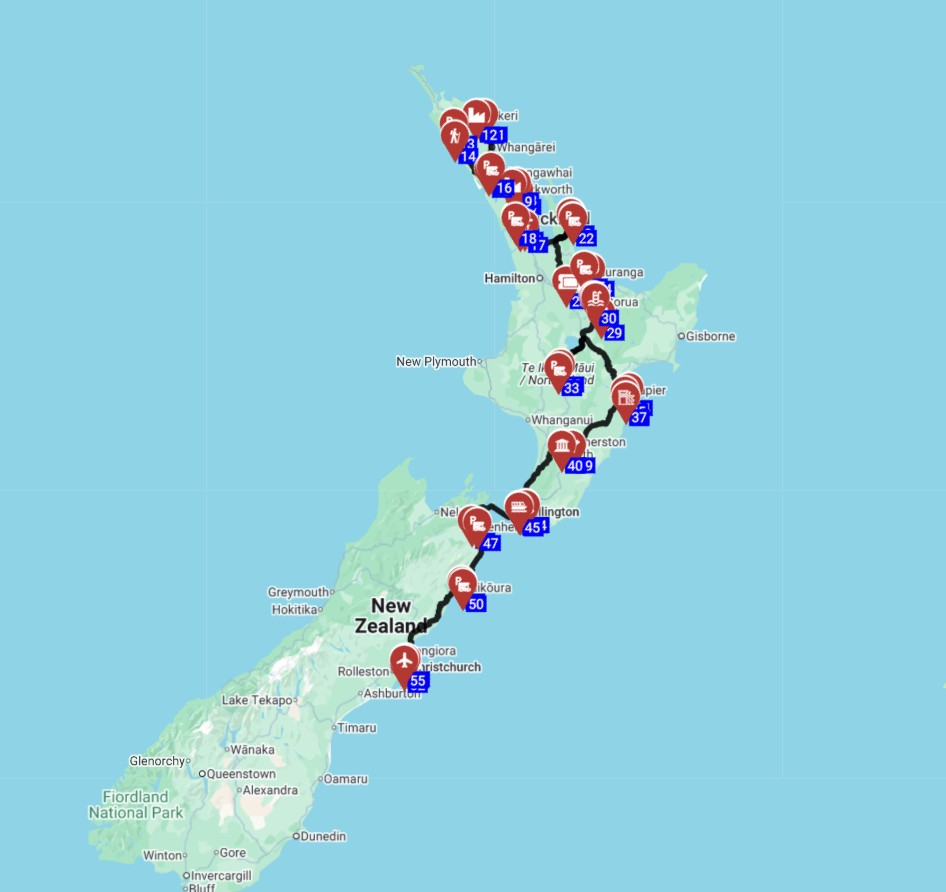
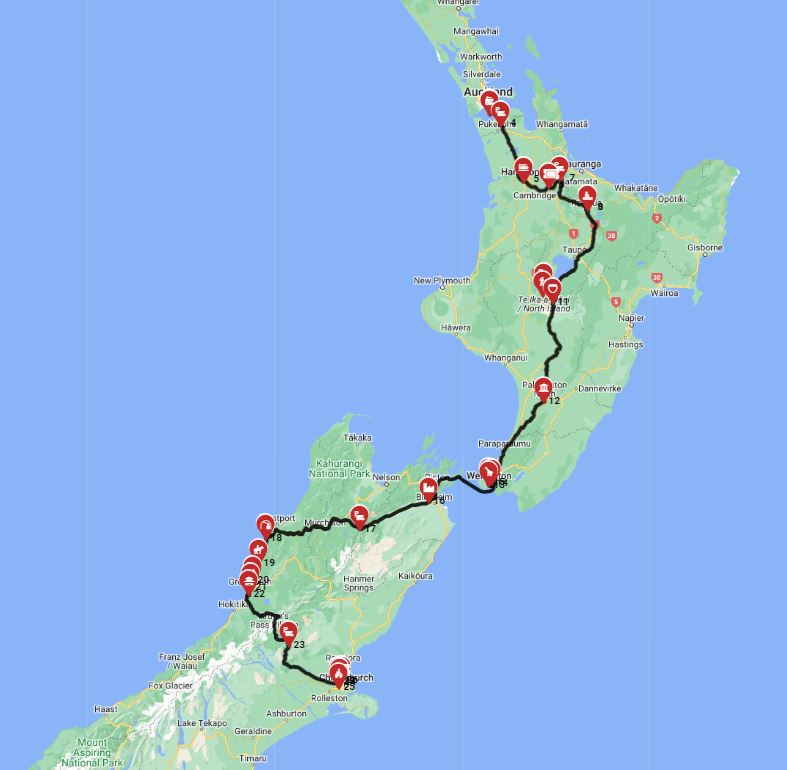
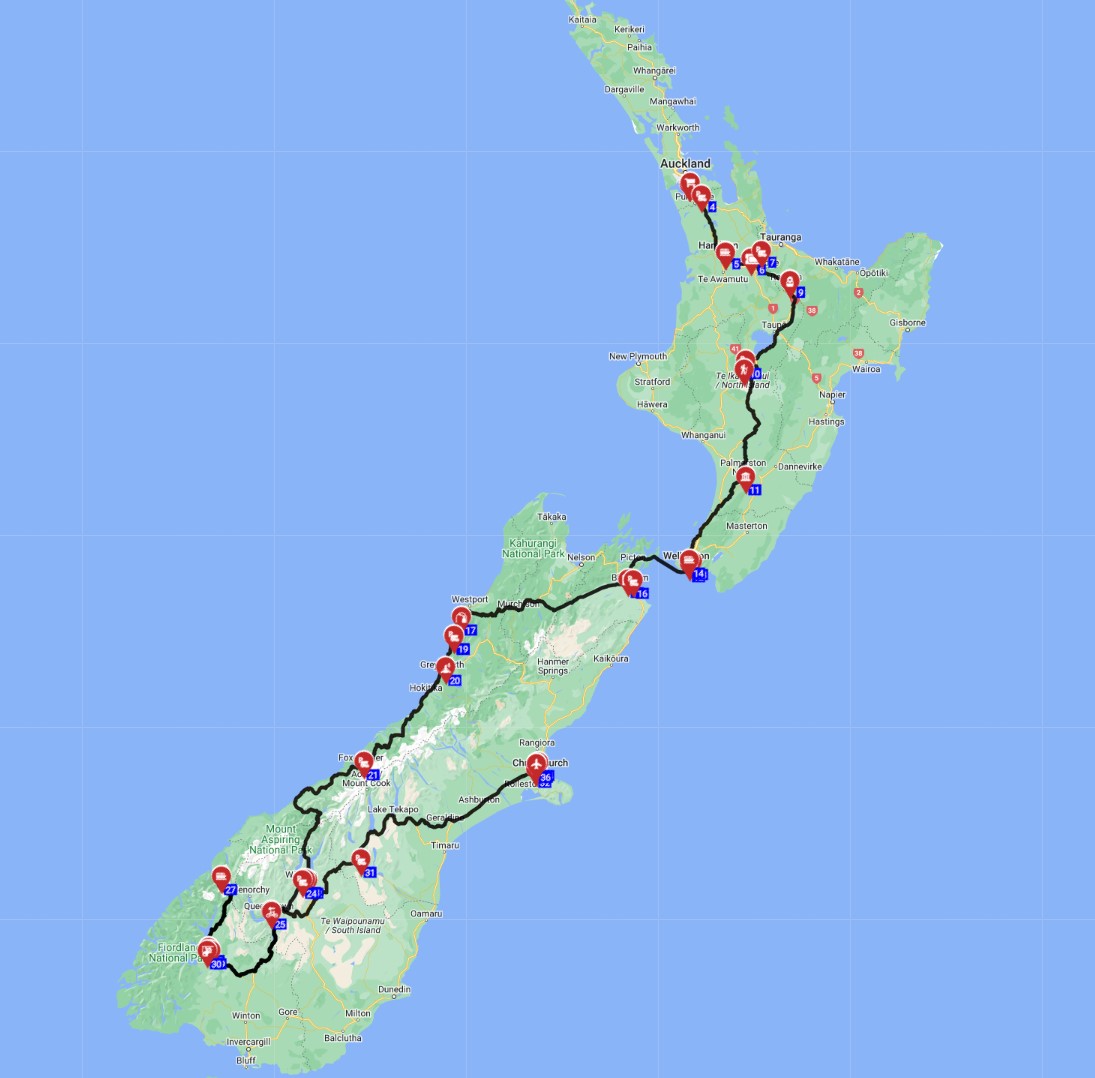
Yes, getting a campervan in New Zealand is widely considered an excellent choice for experiencing the country's diverse landscapes, offering unparalleled freedom, flexibility, and unique access to nature. The experiential value of RV travel in New Zealand is immense; it grants the freedom to explore at your own pace, detour to hidden gems, and wake up to breathtaking views in remote locations that traditional hotels cannot offer. Campervans provide a cost-effective way to combine accommodation and transport, allowing travelers to self-cater and choose from a variety of camping options, from basic DOC sites to fully equipped holiday parks. It fosters an authentic connection with New Zealand's natural environment, allowing you to immerse yourself in its stunning scenery, national parks, and local culture, providing a unique sense of adventure and independence. While offering incredible freedom, be mindful of driving on New Zealand's often narrow and winding roads, particularly for larger RVs (like Class A at 7.5m average length), and always adhere to local freedom camping rules and Leave No Trace principles for responsible travel. Consider exploring pre-planned routes like the
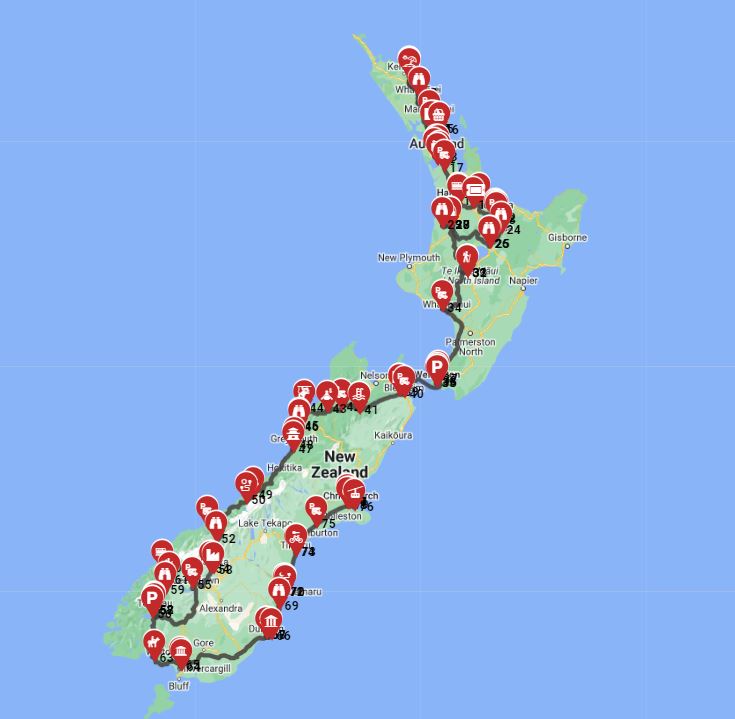
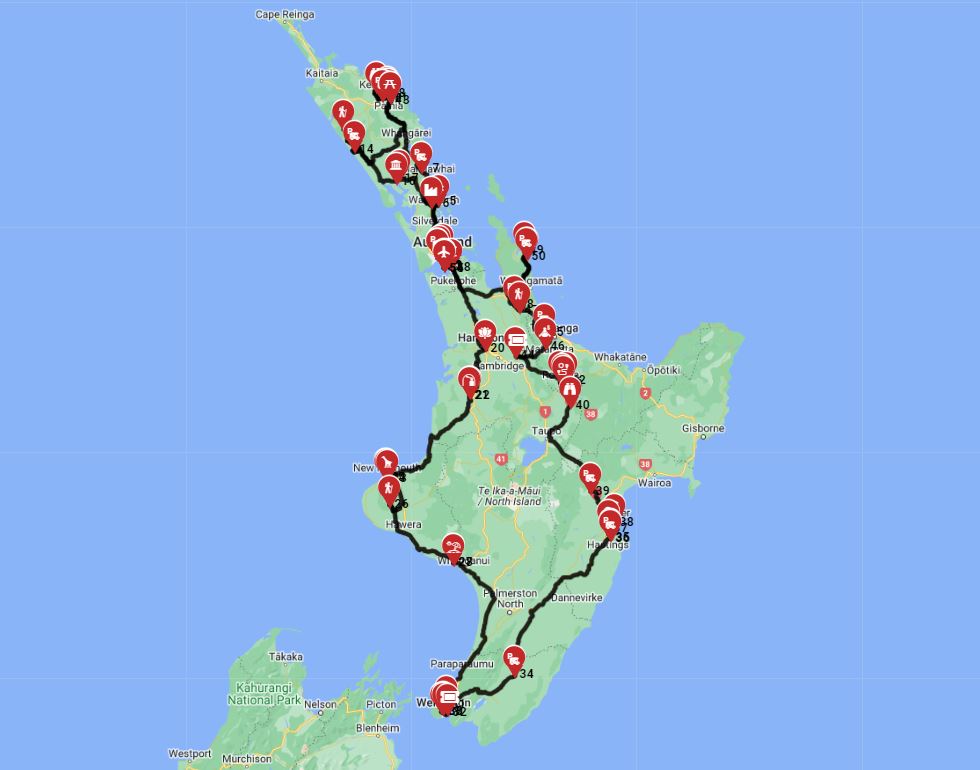
Another popular option, the
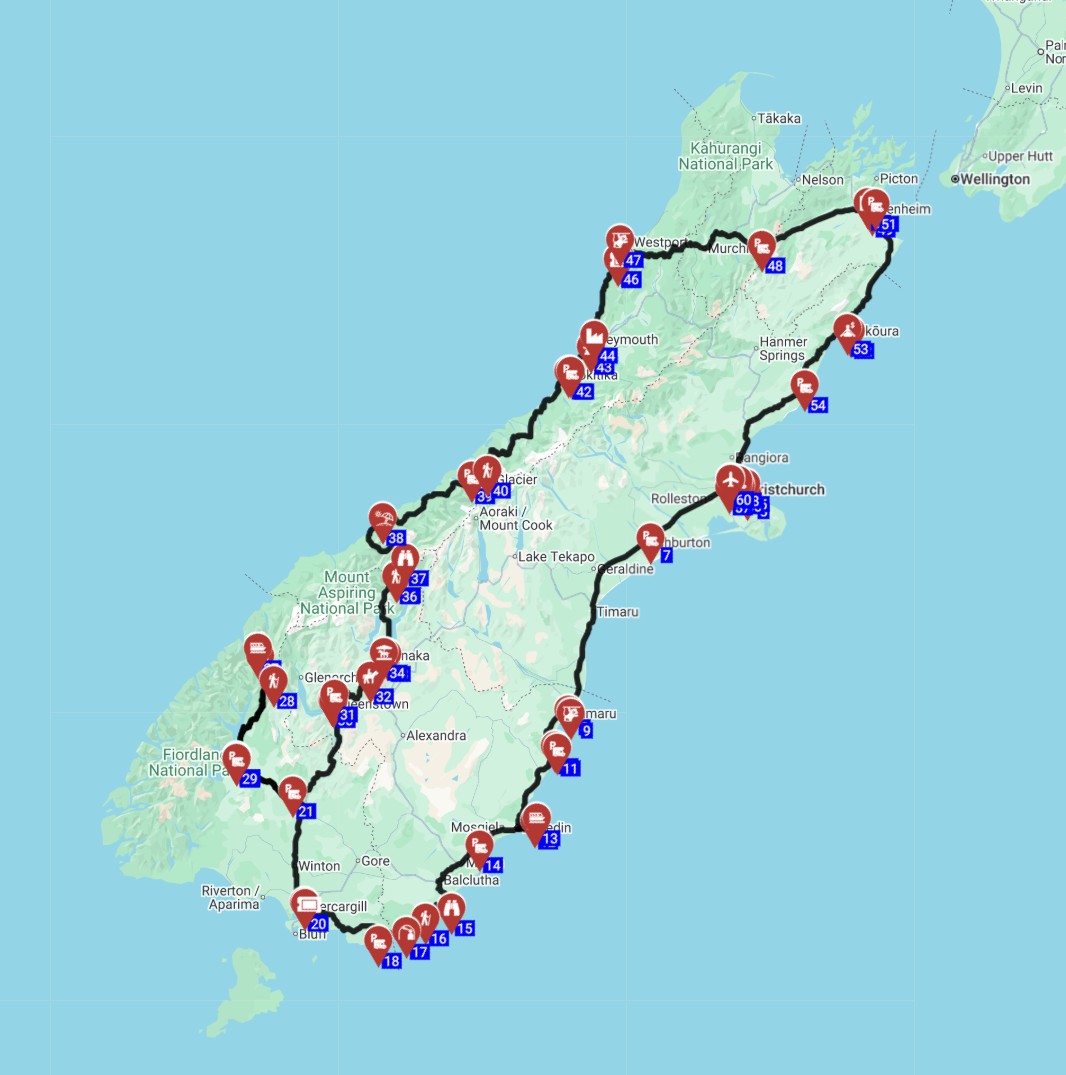
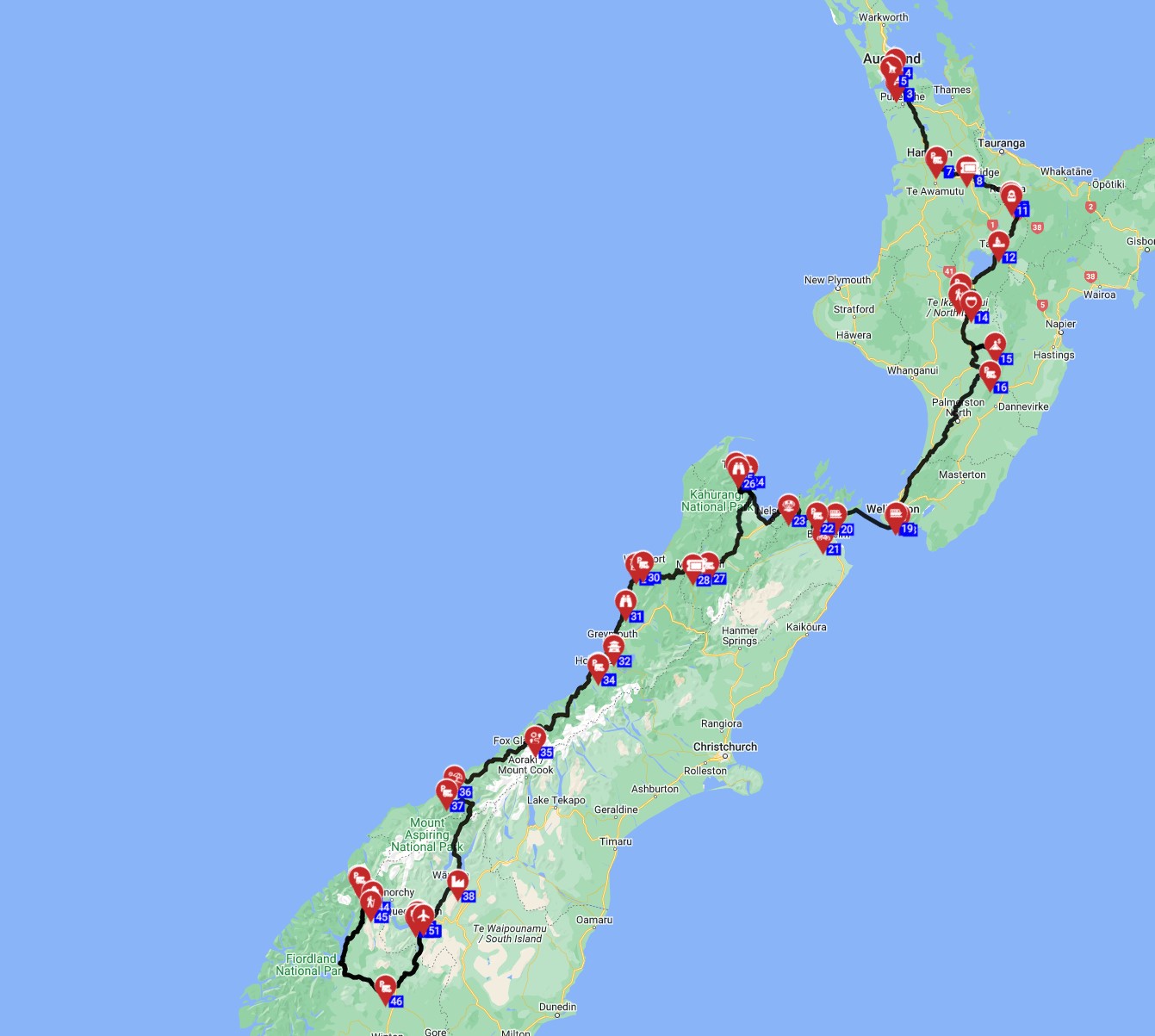
These professionally designed itineraries can truly enhance your week-long or extended road trip.
How to get a cheap campervan in New Zealand
To secure a cheaper campervan rental in New Zealand, book well in advance (6-12 months is ideal), travel during the shoulder (April-May, September-November) or off-season (June-August), and be flexible with your dates and pick-up/drop-off locations. Consider renting smaller Class B campervans, which average 5.8 meters in length and consume 8-10 liters/100 km, as they are typically more economical to rent and cheaper to fuel than larger models. Look for relocation deals, especially at the end of peak season (March/April) or start (October/November), where companies offer heavily discounted rates to move vehicles between islands or cities. Opt for older models or vehicles with fewer bells and whistles; while luxury options exist, a basic, well-maintained campervan can significantly reduce rental costs. Further cost savings can be achieved by utilizing free or low-cost Department of Conservation (DOC) campsites (ensuring your vehicle is certified self-contained where required), self-catering with groceries purchased from supermarkets or local farmers markets, and planning your itinerary to minimize excessive driving and ferry crossings. For detailed budgeting guidance, our Cheap RV Rental in New Zealand - Budget Guide 2024 is an invaluable resource.
How much does it cost to rent a campervan in New Zealand for 2 weeks
The cost to rent a campervan in New Zealand for two weeks varies significantly, typically ranging from NZD $1,000 to over $4,000 for the rental fee alone, depending on the campervan class, season, and specific provider. Refer to the 'Price Comparison by RV Class' section and the live price comparison for live example prices for a 2-week rental, which illustrate how rates differ between a compact Class B campervan and a spacious Class C alcove motorhome. Beyond the rental fee, budget for approximately NZD $300-$600+ for fuel for a standard 2-week itinerary (around 2,000-3,000 km, assuming 8-12 L/100 km fuel consumption for most classes and current fuel prices). Camping fees for 14 nights could range from NZD $0 (for consistent freedom camping if permitted and self-contained) to NZD $350-$800+ if primarily staying at powered sites in commercial holiday parks, which often include amenities like hot showers and cooking facilities. Additional expenses for a two-week trip will include groceries (NZD $300-$600+ if mostly self-catering, with many opportunities to try RV-friendly recipes playlist in your onboard kitchen), potential Interislander or Bluebridge ferry tickets (NZD $200-$500+ if crossing between islands), and any desired activities or excursions. Remember that prices are dynamic, so comparing options and booking early for your extended road trip is always recommended.
What You Shouldn't Miss
- Milford Sound Cruise: Take a scenic cruise through the majestic fjords of Milford Sound, often called the "Eighth Wonder of the World," accessible via the stunning (and carefully driven) Milford Road.
- Hike in Tongariro National Park: Embark on the Tongariro Alpine Crossing, a world-renowned day hike in the North Island, offering diverse volcanic landscapes and incredible views.
- Explore Queenstown: Experience the adventure capital of the world, offering everything from bungee jumping and jet boating to tranquil lake cruises and gondola rides for panoramic vistas.
- Visit Rotorua's Geothermal Wonderland: Immerse yourself in Māori culture and witness the vibrant geothermal activity, including bubbling mud pools and erupting geysers, in Rotorua.
- Discover the West Coast Glaciers: Drive down the South Island's West Coast to marvel at the Franz Josef and Fox Glaciers, two of the most accessible glaciers in the world.
- Wine Tasting in Marlborough: Sample world-class Sauvignon Blanc and other varietals in the picturesque vineyards of the Marlborough region, a must-do for connoisseurs.
Looking for expert insights from Avi Bandana? Top 5 Adventures - recommendations from Avi Bandana
For more personalized suggestions and in-depth itineraries, you'll want to check out the expert recommendations from Avi Bandana. His passion for RV travel shines through every suggestion, ensuring you discover the most authentic and thrilling experiences New Zealand has to offer. You can also gain valuable insights for your journey by watching our RV Travel Guide to New Zealand - Tips and Top Spots 2026 video.
🎬 Video coming soon
Final Thoughts
New Zealand truly is a wonderland for rented RV travel, offering a diverse range of experiences from serene lake-side mornings to thrilling adventure sports. Choosing the right campervan or motorhome size, understanding the costs involved, and being prepared for local driving conditions are key to a seamless trip. Whether you're a couple seeking a nimble campervan or a family needing a spacious Class C motorhome, the freedom of the open road in New Zealand is an experience you won't soon forget.
Remember, planning is part of the adventure, but flexibility is your best friend. Don't worry too much about booking every single campsite months in advance; many national and state parks reserve 25-30% of spots for first-come-first-serve travelers. You'll find a spot. If not at the first campground, then the next one. Just remember to call ahead before driving to confirm availability. With Bandana Caravan, you have a true RV specialist behind you, ready to help you compare final prices and embark on your incredible Kiwi journey. Get inspired for your next trip! Discover top destinations, planning tips, all in one place!
Start comparing options for your New Zealand adventure today. Find rv Rentals in New Zealand.