In This Guide
- Best Chile RV Itinerary for weekly rv rental - Overview
- 7-Day Classic Route in Chile
- 14-Day Extended Journey in Chile
- Recommended RVPlan Trip for Chile
- Must-See Stops Along the Way (Avi Bandana Picks)
- Daily Driving Distances & Drive Times in Chile
- Best RV Class for This Itinerary - Couple & Family Picks
- What is the best time of year to RV in Chile?
- How much does it cost to rent an RV in Chile?
- What permits do I need to rent an RV in Chile?
- Is it safe to RV in Chile?
- Can you wild camp in Chile?
- What are the best places to visit in Chile by RV?
- What are the driving conditions like in Chile?
- What do I need to know before renting an RV in Chile?
- What should I pack for an RV trip in Chile?
- Top Cities for RV Rental in Chile
Embarking on a weekly RV rental in Chile offers an unparalleled sense of freedom and discovery, allowing you to explore this remarkably diverse country at your own pace. Imagine waking up to the sound of waves crashing on the Pacific coast, then driving through ancient vineyards and majestic Andean foothills all within a few days. Chile, a slender ribbon of land stretching over 4,300 km, provides a stunning backdrop for any motorhome adventure, from its arid northern deserts to the pristine glaciers of Patagonia.
At Bandana RV, we believe that an RV trip is more than just a vacation; it's an opportunity to connect with nature, culture, and your travel companions in a truly authentic way. With our expertise since 2001, having helped tens of thousands of travelers, we understand the nuances of RV travel, especially in unique destinations like Chile. For live availability and current prices, start with our RV Rental Chile - Complete Guide 2026 guide. We are true RV specialists, not just a travel agency side department, ensuring you get honest, transparent advice with no hidden fees and 24/7 support throughout your booking process.
Best Chile RV Itinerary for weekly rv rental - Overview
A weekly RV rental in Chile typically covers between 700 to 1050 kilometers (430-650 miles) over a minimum of 7 days, which is ideal for exploring a specific region such as the lush Central Valley or a concentrated segment of Patagonia. While a 7-day itinerary provides a fantastic snapshot of a region, a 14-day journey allows for a more comprehensive exploration, enabling travelers to delve deeper into Chile's stunning landscapes and diverse cultural offerings. Planning your trip during the best season for RV travel in Chile, generally from October to April, is recommended as it offers warmer weather and better road conditions, particularly in the south; the peak season for many regions is December to February.
7-Day Classic Route in Chile
This 7-day classic route focuses on Central Chile, offering a mix of vibrant cities, renowned wine regions, and stunning coastal and mountain scenery, starting and ending in Santiago. This itinerary covers approximately 600-700 kilometers, adhering to our recommendation of traveling slowly, averaging 100-150 km per day, to truly immerse yourself in the experience.
- Day 1: Santiago → Valparaíso (approx. 120 km / 75 miles). Explore the colorful, UNESCO-listed port city of Valparaíso, known for its historic funiculars and vibrant street art, before settling into a nearby campground.
- Day 2: Valparaíso → Casablanca Valley (approx. 40 km / 25 miles). Indulge in world-class wine tasting at one of the many vineyards in the Casablanca Valley, famed for its white wines, and consider an overnight stay at a vineyard or a serene rural campground.
- Day 3: Casablanca Valley → Pomaire → Lago Rapel (approx. 100 km / 60 miles). Visit the traditional artisan village of Pomaire, famous for its unique clay pottery, then enjoy lakeside activities and peaceful camping by Lago Rapel.
- Day 4: Lago Rapel → Pichilemu (approx. 80 km / 50 miles). Experience the laid-back surf town vibes of Pichilemu, relax on its beautiful beaches, and enjoy a night of beachside camping.
- Day 5: Pichilemu → Santa Cruz (Colchagua Valley) (approx. 110 km / 70 miles). Journey to the heart of the Colchagua Valley, a premier wine region, for more winery tours and a visit to the Colchagua Museum, staying at a winery-affiliated RV park.
- Day 6: Santa Cruz → Cajón del Maipo (approx. 150 km / 95 miles). Drive into the dramatic Andes foothills to Cajón del Maipo, where you can admire breathtaking mountain scenery and find relaxation in natural hot springs, camping in the Andean landscape.
- Day 7: Cajón del Maipo → Santiago (approx. 60 km / 40 miles). Return your rented motorhome to Santiago, allowing time for any last-minute city exploration or souvenir shopping before your departure.
14-Day Extended Journey in Chile
For those with more time, a 14-day journey offers a deeper dive into Chile's wonders, combining the cultural and vinicultural highlights of the Central Valley with the pristine natural beauty of the Southern Lakes and Volcanoes region. This itinerary provides an opportunity to experience both coastal charm and majestic Andean landscapes with a comfortable pace.
Central Valley & Coast (Days 1-7, as above):
- Day 1: Santiago → Valparaíso (approx. 120 km / 75 miles).
- Day 2: Valparaíso → Casablanca Valley (approx. 40 km / 25 miles).
- Day 3: Casablanca Valley → Pomaire → Lago Rapel (approx. 100 km / 60 miles).
- Day 4: Lago Rapel → Pichilemu (approx. 80 km / 50 miles).
- Day 5: Pichilemu → Santa Cruz (Colchagua Valley) (approx. 110 km / 70 miles).
- Day 6: Santa Cruz → Cajón del Maipo (approx. 150 km / 95 miles).
- Day 7: Cajón del Maipo → Santiago (approx. 60 km / 40 miles).
Southern Lakes & Volcanoes (Days 8-14, fly/transfer to Puerto Montt):
- Day 8: Puerto Montt → Puerto Varas (approx. 20 km / 12 miles). Pick up your next RV rental, then explore Puerto Varas, known as the 'City of Roses,' situated on the shores of Llanquihue Lake with stunning volcano views, and camp by the lake.
- Day 9: Puerto Varas → Petrohué Falls & Osorno Volcano (approx. 70 km / 45 miles). Enjoy scenic drives to the emerald waters of Petrohué Falls and explore the slopes of the magnificent Osorno Volcano, with options for light hikes and potential wild camp spots near nature.
- Day 10: Osorno → Frutillar → Puyehue National Park (approx. 130 km / 80 miles). Discover charming German colonial architecture in Frutillar before heading to Puyehue National Park for thermal springs and serene national park camping.
- Day 11: Puyehue National Park → Valdivia (approx. 140 km / 85 miles). Travel to the river city of Valdivia, famous for its sea lion colonies and craft beer scene, and stay at a local city campground.
- Day 12: Valdivia → Pucón (approx. 160 km / 100 miles). Journey to Pucón, Chile's adventure capital, offering spectacular views of Villarrica volcano and ample opportunities for camping near town or by the lake.
- Day 13: Pucón → Huerquehue National Park (approx. 35 km / 20 miles). Immerse yourself in the ancient araucaria forests and pristine lakes of Huerquehue National Park, enjoying peaceful and secluded camping.
- Day 14: Huerquehue National Park → Temuco (approx. 120 km / 75 miles). Return your RV rental in Temuco, taking time to experience the rich Mapuche culture before your onward travel.
Recommended RVPlan Trip for Chile
While a specific RVPlan trip could perfectly match your weekly RV rental in Chile, users are encouraged to explore the diverse range of pre-planned itineraries offered by RV PLANET (rvplan.net). These expertly crafted routes provide detailed daily breakdowns, highlight points of interest, and optimize driving distances to ensure a relaxing and memorable journey across Chile's stunning landscapes. Moreover, on RV PLANET routes, travelers can itemize and track every expense along the way for easy budgeting, ensuring full transparency in your trip's ancillary costs, from fuel to campground fees. On the routes offered through RV PLANET routes, you can itemize and track every expense along the way for easy budgeting.
Must-See Stops Along the Way (Avi Bandana Picks)
Chile is a country of extraordinary contrasts, and exploring it with a rented motorhome allows for an immersive experience. Here are some of Avi Bandana's top picks that you shouldn't miss on your RV adventure:
- Valparaíso's Historic Quarter: Avi Bandana recommends exploring the vibrant street art, historic funiculars, and bohemian cafes of this UNESCO World Heritage site for an authentic cultural experience.
- Colchagua Valley Wineries: A top pick for wine enthusiasts, with world-class vineyards offering tours and tastings, often including gourmet dining options. Imagine enjoying a delicious meal with local wine right outside your RV!
- Pomaire Village: Don't miss this traditional artisan village known for its unique clay pottery, perfect for finding handcrafted souvenirs and experiencing local crafts firsthand.
- Cajón del Maipo's El Yeso Reservoir: Avi suggests a drive into the Andes for breathtaking mountain vistas and the chance to relax in natural hot springs, a perfect escape into nature.
- Puerto Varas & Lake Llanquihue: For those venturing south, the German-influenced town of Puerto Varas offers stunning views of Osorno Volcano and access to unique local culinary traditions. Many local ingredients can be prepared in your RV kitchen, for more inspiration check out our RV-friendly recipes playlist.
Daily Driving Distances & Drive Times in Chile
Avi Bandana recommends a maximum of 100 miles or 150 km per day on average when RVing in Chile, allowing ample time to enjoy the scenery, make spontaneous stops, and immerse yourself in local culture without feeling rushed. Traveling slowly is key to appreciating Chile's diverse landscapes, from coastal roads to Andean passes, ensuring a relaxed pace rather than a hurried dash between destinations. Drive slowly and carefully, and you can drive almost anywhere without issues. No need to stress - just use common sense and pay attention, even in cities like Santiago or Puerto Montt.
Example Drive Time Estimates:
- Santiago to Valparaíso: Approximately 1.5 to 2 hours (120 km / 75 miles).
- Puerto Varas to Petrohué Falls: Around 1 hour (70 km / 45 miles).
- Pucón to Huerquehue National Park: Approximately 45 minutes to 1 hour (35 km / 20 miles).
- Arica to Lauca National Park: Roughly 3-4 hours (150 km / 93 miles), accounting for altitude.
- Calama to San Pedro de Atacama: Approximately 1.5 hours (100 km / 62 miles).
Best RV Class for This Itinerary - Couple & Family Picks
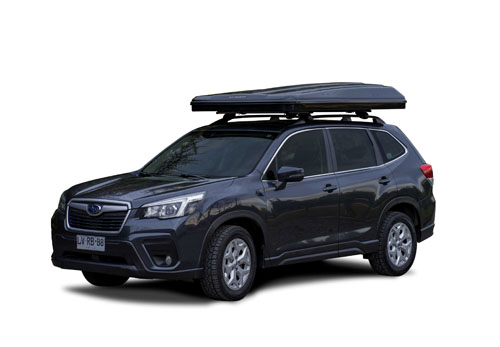
Choosing the right RV rental for your Chilean adventure depends largely on your group size and desired level of comfort and off-road capability. For couples exploring Chile, the Class B - Camper Van is an excellent choice, offering agility and ease of parking with an average length of 5.8 meters and sleeping places for around 3.2 individuals, comfortably accommodating 2.7 adults. These compact RVs, which typically consume around 10 Liters/100 km of fuel, are ideal for navigating diverse Chilean roads and provide a cozy base for two travelers seeking flexibility and efficiency. Consider a "rv rental denver example Category Van" for its compact size, featuring front air conditioning and a toilet, perfect for a couple's journey.
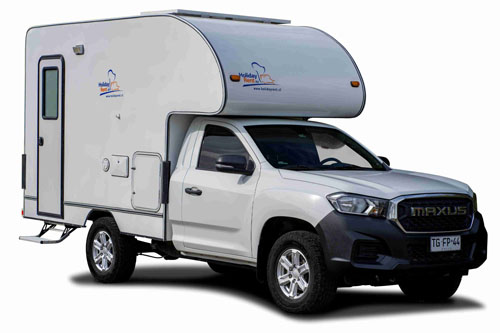
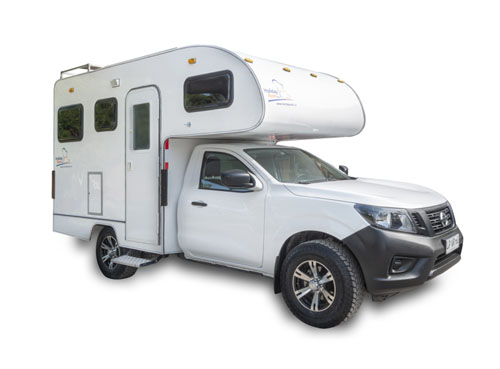
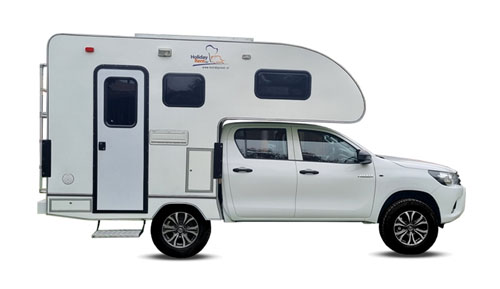
For families, the Class C - Alcove motorhome provides ample space and comfort, with an average length of 7.5 meters, offering sleeping places for 5.8 individuals and comfortably accommodating 4.4 adults. This class, with an average fuel consumption of 10-12 Liters/100 km, is well-suited for family adventures, providing separate sleeping areas and generous living space for a more relaxed trip. A popular choice among our partners is the "24' Class C Motorhome", featuring automatic transmission, front air conditioning, a generator, and sleeping for up to 5 individuals. Bandana RV offers a 'Rent&Plan' service, providing RV rentals combined with ready-made itineraries crafted by travel experts, granting full access to comprehensive trip-planning software that eliminates the headache of organizing your Chilean adventure.
What is the best time of year to RV in Chile?
The best time of year to RV in Chile largely depends on the region you plan to visit, but generally, the warm season from October to April is recommended due to more favorable weather and accessible roads, especially in the south. During these months, road conditions are better, and you'll experience more daylight hours, ideal for sightseeing and outdoor activities. Consider our "RV Rental Deals in Chile - Latest Offers 2026" to find seasonal discounts.
- Peak Season (December to February): Ideal for Patagonia and the Lake District, offering warm temperatures and long daylight hours. However, popular areas can be crowded, and rental prices are typically higher. National and state parks often reserve only 25-30% of spots for advance booking, with the rest available first-come-first-serve, so you'll find a spot; if not at the first campground, then the next one. Call ahead before driving.
- Shoulder Seasons (October-November and March-April): Excellent for Central Chile (Santiago, Valparaíso, wine regions) and the Atacama Desert, providing pleasant temperatures, fewer crowds, and often better rental rates. This period can offer a great balance of good weather and less tourist traffic, making it a prime time for a "Cheap RV Rental in Chile - Budget Guide 2026" adventure.
- Winter (May to September): RV travel in Southern Chile is challenging due to cold, rain, and snow, with many mountain passes closed. However, this can be a unique time to visit the Atacama Desert for unparalleled stargazing or to enjoy ski resorts in Central Chile. Some regions, like the Atacama, experience their dry season during winter, offering clear skies.
How much does it cost to rent an RV in Chile?
The cost of renting an RV in Chile can range significantly, typically from $100 to $300 USD per day depending on the RV class, rental duration, season, and included amenities, and prices are dynamic like flight tickets, changing daily. For more detailed pricing, consult our "RV Rental in Chile - Prices and Best Deals 2026" guide. This daily rate generally applies to a standard Class C motorhome; smaller campervans like the "Juliette 2-3" or a "Patagonia Camper 4x4 double cab" might be at the lower end, while larger Class A motorhomes or luxury options are at the higher end, as detailed in our "Luxury RV Rental in Chile - Premium Prices 2026" guide.
Granular Budget Breakdown for a weekly rv rental in Chile (estimates per day):
- RV Rental Fee: Expect $100-$300/day. Smaller campervans will be at the lower end, while larger, more luxurious motorhomes or 4x4 campervans like the "Adventure Camper" will be at the higher end. Longer rentals often reduce the daily rate.
- Fuel: Chile's fuel prices are generally comparable to or slightly higher than North American prices. A Class C RV consuming 10-12 Liters/100 km could cost $50-$100+ per day, depending on your mileage and current fuel costs.
- National Park Fees: Entrance fees vary, typically $5-$20 USD per person per park. Consider multi-day passes if available for destinations like Torres del Paine or Lauca National Park.
- Tolls: Major highways, especially around Santiago, have tolls. Budget $5-$15 USD per day depending on your route. An electronic tag (TAG) is often used for tolls, which your rental company may provide or recommend an option for.
- Food: Self-catering with a rented RV can save money, budgeting $20-$40 USD per person per day for groceries, easily prepared with your onboard kitchen. Eating out occasionally adds to this, especially in tourist hotspots.
- Propane & Water: Expect to spend $10-$20 USD for propane refills (every 7-10 days for cooking and heating) and minimal costs for water refills at campgrounds or designated stations.
- Campsite Fees: Standard campgrounds typically cost $20-$50 USD per night, offering amenities like electricity, water, and dump stations. Wild camping, where permitted and safe, can significantly reduce this cost.
Always remember that the final price for your rental is set at the actual booking time and can change daily based on availability and seasonality. We believe in full transparency, so you'll never face hidden fees or surprises at pickup.
What permits do I need to rent an RV in Chile?
To rent an RV in Chile, you typically need a valid driver's license from your home country, a passport, and often an International Driving Permit (IDP), which serves as a translation of your license. A standard car driver's license is sufficient for driving any motorhome class (Class A, Class B, or Class C) in Chile, as no special license or CDL is required. The minimum rental age for motorhome rentals is 21 years old, with no young driver surcharges or vehicle class restrictions based on age, making it accessible for a wider range of travelers.
International Driving Permit (IDP): While not always explicitly checked by every rental agency or local authority, an IDP is highly recommended for non-resident drivers in Chile. It ensures your license information is understood by local authorities and can prevent potential misunderstandings, especially if your national license is not in Spanish or English. You should obtain an IDP from your home country's motor vehicle association before your trip.
Cross-Border Travel Logistics (Argentina): If you plan to take your rented RV across the border to Argentina, this requires special permission and additional documentation from the rental company. You must inform the rental company well in advance (often 1-2 months) to obtain the necessary notarized authorization (Poder) for temporary export of the vehicle, which is a critical step. Additionally, ensure your rental insurance covers international travel into Argentina; additional cross-border insurance might be mandatory or highly recommended by the supplier. Be prepared for potentially lengthy border crossing procedures, including customs and immigration checks, and always have all vehicle documents (registration, authorization) readily available to ensure a smooth transition. For details on planning such a trip, see our "One-Way RV Rental in Chile - Price Guide 2026" which often involves cross-border logistics.
Is it safe to RV in Chile?
RVing in Chile is generally safe, especially in major tourist areas and national parks, but travelers should practice standard safety precautions and be aware of local conditions and potential hazards. Millions of visitors enjoy Chile's landscapes each year without incident, particularly those traveling by rented motorhome which offers a secure base.
General Safety Tips:
- Crime Prevention: Avoid leaving valuables visible in your RV, lock all doors and windows, and park in well-lit, secure areas or designated campgrounds, particularly in urban centers like Santiago or Valparaíso. Just as you would in any city worldwide, exercising common sense is your best defense.
- Driving at Night: Minimize night driving, especially on rural or unpaved roads (ripio), due to poor lighting, unmarked obstacles, livestock, and potential for drunk drivers. It’s always safer to arrive at your destination before dusk.
- Local Etiquette: Be respectful of local customs and communities; learning basic Spanish phrases can significantly enhance interactions and safety, making your journey more pleasant and supportive of local cultures.
- Emergency Procedures: Have local emergency numbers handy (e.g., 133 for police, 131 for ambulance, 132 for fire), and consider purchasing a local SIM card with data for reliable communication, especially when traveling through more remote areas where cell service can be spotty. Remember, we offer 24/7 support for your booking needs, and while we don't provide on-trip emergency services, having local contacts is always smart.
Can you wild camp in Chile?
Wild camping, or boondocking, is possible in many parts of Chile, particularly in rural and less populated areas, but it is important to understand the legality, safety considerations, and best practices to ensure a responsible and enjoyable experience. While formal campgrounds are abundant, especially in popular tourist regions, the vastness of Chile also offers opportunities for more secluded stops with your rented campervan.
Legality and Safety:
- Private Property: Always avoid wild camping on private land without explicit permission from the owner. Respecting private property is crucial and helps maintain positive relationships with local communities.
- National Parks/Reserves: Wild camping is generally prohibited within national parks and protected areas outside of designated campsites. Always check specific park regulations upon entry or by consulting official CONAF (Corporación Nacional Forestal) resources before planning your overnight stops.
- Safety Considerations: When choosing a wild camping spot, prioritize well-trafficked, visible locations if possible, especially if you are traveling alone. Inquire with local police or tourism offices about safe spots or recommended areas for boondocking. Avoid isolated areas that feel unsafe or have signs of recent illicit activity.
- Resources: Apps like iOverlander are invaluable tools for identifying potential wild camping spots, as well as locating essential services such as potable water refill points, propane exchange stations, and dump stations. These resources are crucial for sustainable boondocking and maintaining your RV rental's utilities.
Leave No Trace Principles:
- Pack It In, Pack It Out: Always carry out all trash, including organic waste and food scraps, leaving absolutely no trace of your presence.
- Dispose of Waste Properly: Utilize designated dump stations for grey and black water. If no dump station is available for human waste, dig catholes at least 200 feet (60 meters) from water sources, trails, and campsites.
- Minimize Campfire Impact: Check for fire restrictions, especially during dry seasons. Use established fire rings if available, or bring a portable stove for cooking. Ensure any fires are completely extinguished before leaving.
- Respect Wildlife & Flora: Observe wildlife from a distance and never feed animals. Avoid disturbing natural vegetation or picking wildflowers.
- Support Local: When possible, support local businesses and campgrounds. This helps local economies and often provides access to amenities you might need.
What are the best places to visit in Chile by RV?
Chile offers an incredible diversity of landscapes perfect for RV exploration, with highlights ranging from the stark beauty of the Atacama Desert to the dramatic fjords of Patagonia. Traveling by a rented motorhome or campervan gives you the flexibility to truly experience these varied environments.
Top RV Destinations:
- Atacama Desert (Northern Chile): Explore lunar valleys, geysers, salt flats, and observe some of the clearest night skies on Earth. *Vehicle Suitability:* A 4WD campervan or smaller Class C RV like a "Patagonia Camper 4x4 double cab" is ideal for navigating some of the unpaved roads and accessing remote sites, though many main attractions are accessible by 2WD.
- Central Valley (Santiago & Wine Regions): Discover vibrant cities, renowned wine valleys (Colchagua, Maipo), and coastal towns like Valparaíso and Viña del Mar. This region is perfect for any Class B or C motorhome, such as the "rv rentals utah example Sunrise Escape" for families, or a compact "hire campervan example Paradise S/T" for couples.
- Lake District & Northern Patagonia (around Puerto Montt and Puerto Varas): Immerse yourself in the stunning region of volcanoes, pristine lakes, and lush forests, including popular spots like Pucón, Puerto Varas, and Frutillar. This area has well-maintained roads but offers plenty of opportunities for scenic drives on gravel roads where a Class C motorhome like the "Adak Argonaut 23 - Gold" would be comfortable.
- Carretera Austral (Southern Patagonia): A legendary road trip, offering unparalleled wilderness, glaciers, and national parks. *Vehicle Suitability:* This route demands a robust 4WD RV or a sturdy campervan due to long stretches of ripio (gravel) roads and isolated conditions. Proper tire care and emergency preparedness are essential. Vehicles like a "4x4 Scout Adventure Truck Camper Gold" are highly recommended for the Carretera Austral, offering the necessary ground clearance and traction.
- Off-the-Beaten-Path & Local Immersion Experiences: Seek out lesser-known spots like the Parque Nacional Alerce Andino near Puerto Montt for ancient forests, explore local markets in smaller towns for fresh produce, or engage with artisanal communities for unique cultural insights, moving beyond typical tourist circuits. RV travel allows you to stop spontaneously, enabling these deeper connections.
What are the driving conditions like in Chile?
Driving conditions in Chile vary significantly by region, from well-maintained paved highways in central areas to challenging gravel (ripio) roads in Patagonia and mountain passes that can be affected by snow or ice. Drive slowly and carefully, and you can drive almost anywhere without issues. No need to stress - just use common sense and pay attention.
Road Conditions:
- Paved Roads: Main highways, particularly around Santiago and along the Pan-American Highway (Ruta 5), are generally in good condition, making for smooth travel in your rented camper or motorhome.
- Ripio Roads (Gravel): Many roads in the Lake District and especially the Carretera Austral are unpaved gravel (ripio). These require slower speeds, increased caution, and are best navigated with a vehicle suited for rough terrain. Vehicles with "4 Wheel Drive" features like the "Adventure Truck" are a smart choice for these routes.
- Mountain Passes: Roads in the Andes can be winding, steep, and, during winter months (May to September), may require snow chains or be temporarily closed due to weather. Always check road conditions before venturing into high-altitude areas.
Local Driving Etiquette:
- Chilean drivers can be more aggressive than in some other countries. Expect fast driving, frequent lane changes, and sometimes less adherence to indicators. Maintain a defensive driving posture.
- Be mindful of pedestrians, cyclists, and stray animals, especially in rural areas and small towns.
- Always give way to emergency vehicles.
Vehicle Suitability for Terrain:
- For general touring on paved roads and mild gravel, a 2WD Class B campervan or Class C motorhome (such as a "cruise america rv rental example Explorer") is usually sufficient and comfortable.
- For adventurous routes like the Carretera Austral or exploring remote areas of the Atacama, a 4WD campervan or truck camper (like a "rv rental usa example T17 Truck Camper") is strongly recommended for better traction, ground clearance, and reliability.
- Ensure your rented RV has good tires and a spare, as roadside assistance can be sparse in remote regions.
Common Road Hazards: Look out for potholes, livestock on rural roads, and unexpected speed bumps (lomos de toro) even on seemingly major routes, which can appear suddenly. Planning your route on RV PLANET (rvplan.net) can provide insights into road types and potential hazards.
🎬 Video coming soon
What do I need to know before renting an RV in Chile?
Before renting an RV in Chile, it is crucial to understand local regulations, vehicle requirements, and essential preparations to ensure a smooth and enjoyable trip. Taking the time for these considerations will significantly enhance your adventure with a rented campervan or motorhome.
Key Information:
- Insurance: Always opt for comprehensive insurance coverage for your RV rental. Understand what is included (e.g., collision, theft, third-party liability) and consider additional coverage, like our top-level deductible reimbursement option, for extra peace of mind, especially for remote areas or specific types of damage. We believe in full transparency, so you'll always know what you're paying for.
- Roadside Assistance: Confirm if your rental includes 24/7 roadside assistance, which is especially vital for journeys through remote regions where cell service can be spotty. While Bandana offers 24/7 support for your booking, on-trip assistance is handled by your chosen supplier.
- Rental Age & License: Verify the minimum age requirement (typically 21, but always check with your specific supplier) and ensure you have an International Driving Permit (IDP) in addition to your national driver's license, if from a non-English speaking country. A standard driver's license is sufficient for all motorhome classes.
- Vehicle Condition Check: Thoroughly inspect the RV for existing damage before departure and document it with photos or videos. This step is critical for avoiding disputes upon return and is part of our commitment to full transparency.
- Connectivity & Utilities Access: Research options for reliable internet, such as purchasing a local SIM card with data or renting portable Wi-Fi devices. Plan for potable water refill points, propane exchange stations, and dump stations, as these can be less frequent in rural areas than in more developed countries. Apps like iOverlander are invaluable for locating these services.
- Responsible Travel Guidelines: Embrace 'Leave No Trace' principles. Properly dispose of all waste, use eco-friendly products, respect local flora and fauna, and support local businesses to minimize your environmental impact and contribute positively to Chilean communities.
What should I pack for an RV trip in Chile?
Packing for an RV trip in Chile requires versatility due to the country's diverse climates and terrains, focusing on layered clothing, essential documents, and practical gear for outdoor adventures. Your rented motorhome will provide a comfortable base, but what you bring with you will ensure you’re prepared for anything Chile throws your way.
Essential Clothing & Gear:
- Layers: Pack clothing that can be layered, including thermal base layers, fleeces, waterproof and windproof jackets. Even during summer, mountain weather can change rapidly.
- Comfortable Footwear: Sturdy hiking boots for treks in national parks like Torres del Paine and comfortable shoes for driving and town visits are a must.
- Sun Protection: Sunscreen with high SPF, sunglasses, and a wide-brimmed hat are essential, especially in the Atacama Desert and during summer months in the south where UV index can be very high.
- Swimsuit: For relaxing in natural hot springs or enjoying coastal stops in places like Pichilemu.
- First-Aid Kit: A comprehensive kit for minor injuries, along with any personal medications, is crucial as pharmacies can be sparse in remote areas.
Documents & Navigation:
- Passport & Visa: Ensure they are valid for your entire stay in Chile and any planned cross-border excursions (e.g., to Argentina).
- Driver's License & IDP: As mentioned, your national driver's license and an International Driving Permit (IDP) are highly recommended.
- RV Rental Agreement & Insurance Documents: Keep these accessible, preferably in both physical and digital formats.
- Maps & GPS: Download offline maps (e.g., Google Maps, Maps.me) and consider carrying a physical map as a backup, especially where cell service is limited.
RV Specifics & Comfort:
- Adapters: A universal power adapter if your devices require different voltage or plug types for shore power.
- Headlamp/Flashlight: Essential for night-time activities, navigating campgrounds after dark, or in case of power outages.
- Reusable Water Bottle: Stay hydrated and reduce plastic waste. Access to potable water may vary, so having a way to carry and filter water is smart.
- Camera Gear: Don't forget chargers, extra batteries, and memory cards for Chile's breathtaking scenery. Binoculars are also a great addition for wildlife viewing.
- Reusable Bags: For groceries and minimizing plastic waste.
Top Cities for RV Rental in Chile
Chile offers several key pickup and drop-off locations for your RV rental, strategically located to launch your adventure into different regions. These cities provide convenient access to major attractions and reliable services for your motorhome or campervan trip. Bandana RV partners with leading global suppliers like El Monte and Apollo to ensure a wide selection of vehicles in these popular hubs.
- Santiago: As the capital and largest city, Santiago is the primary hub for RV rentals in Chile, offering the widest selection of motorhomes and campervans. It's the perfect starting point for exploring the Central Valley, wine regions, and heading north to the Atacama Desert or south towards Patagonia. The Santiago - Airport location makes arrivals and departures smooth.
- Puerto Montt: This city is the gateway to Chile's stunning Lake District and Northern Patagonia. Renting an RV in Puerto Montt allows you to immediately immerse yourself in a region of volcanoes, lakes, and dense forests, ideal for adventurers planning to drive the Carretera Austral.
- Punta Arenas: Located in the far south of Chilean Patagonia, Punta Arenas is a strategic starting point for exploring Tierra del Fuego, the Strait of Magellan, and for accessing areas leading to Torres del Paine National Park. It's often chosen by travelers seeking a truly remote and epic RV experience.
- Calama: Serving as the main entry point to the Atacama Desert, Calama - Airport is convenient for those looking to explore the arid beauty of northern Chile, including San Pedro de Atacama, lunar valleys, and geysers. A 4x4 campervan is often recommended for this region due to rougher terrain.
- Arica: Further north, Arica is known as the "City of Eternal Spring" and offers a gateway to the high-altitude landscapes of Lauca National Park and its unique wildlife. Starting your weekly rv rental in Arica can lead to a fascinating exploration of Andean culture and stunning desert scenery.
What You Shouldn't Miss
When you're exploring Chile with a rented RV, you have the flexibility to discover hidden gems and iconic landmarks alike. Make sure these experiences are on your itinerary:
- Stargazing in the Elqui Valley: Head to the Elqui Valley, near La Serena, for some of the clearest skies on Earth, perfect for an unforgettable night of stargazing. Many observatories offer tours, and you can simply pull over your campervan in a safe spot to admire the Milky Way.
- Hiking in Torres del Paine National Park: While requiring a trip to Patagonia, the iconic hikes here, like the W Trek or the Base del Paine, are world-renowned. Consider a smaller, robust RV for easy navigation around the park's access points.
- Soaking in Termas Geométricas: In the Lakes District, these stunning geometric hot springs, nestled in a lush canyon, offer a truly unique and relaxing experience after a day of driving.
- Exploring the Marble Caves (Capillas de Mármol): Located on Lake General Carrera in Patagonia, these intricate marble formations are a natural wonder best explored by boat, a short detour from the Carretera Austral.
- Sandboarding in Valle de la Luna (Moon Valley) near San Pedro de Atacama: Experience the surreal, lunar-like landscapes of the Atacama Desert, ending your day with an exhilarating sandboarding adventure as the sun sets over the unique rock formations.
Looking for expert insights from Avi Bandana? Top 5 Adventures - recommendations from Avi Bandana
Final Thoughts
A weekly RV itinerary in Chile promises an adventure filled with breathtaking landscapes, rich culture, and the ultimate freedom of the open road. Whether you opt for a 7-day dash through the Central Valley or an extended 14-day exploration into the Lakes District, traveling by rented motorhome allows you to immerse yourself fully in this spectacular country. Remember to travel slowly, savoring every moment and taking time to connect with the places you visit.
With Bandana RV, you're not just renting a vehicle; you're gaining a partner committed to making your trip seamless and enjoyable. Our full transparency, dedicated support, and wealth of planning resources ensure you can hit the road with confidence, ready to create unforgettable memories. So, imagine yourself on the route, cooking a delicious meal in your RV kitchen, or simply watching the stars from a remote campsite, and let your Chilean dream begin!
Discover top destinations, planning tips, all in one place! Plan a trip itinerary in advance with minimal effort and maximum enjoyment. Compare Motorhome Prices for Chile and start your adventure today.