In This Guide
- Top 5 Tips for RV Rental in Australia
- Before You Book - Class, Dates, Insurance for Your Australia RV Trip
- Pre-Trip Prep - Packing Checklist for RV Travel in Australia
- On the Road - Driving, Fueling, Navigation in Australia
- At the Campground - Setup, Hookups & Etiquette for Australian RV Parks
- RV Rental-Specific Tips for Traveling Australia
- Common Mistakes to Avoid on Your Australia RV Adventure
- What is the 3-3-3 rule for campervan travel in Australia?
- What are the drawbacks of renting an RV in Australia?
- How much does it cost to rent an RV in Australia?
- Can you park an RV anywhere in Australia?
- How much is a 1-week RV rental in Australia?
- Is it worth having a toilet in a campervan for an Australian trip?
- Can US citizens rent a car in Australia?
- What is the 3-3-3 rule for RV travel in Australia?
- What not to do in Australia as an American traveler?
- Is 3000 AUD enough for 2 weeks in Australia?
Embarking on an RV adventure in Australia, whether for a week-long journey or an extended exploration, requires some savvy planning. To ensure your trip is smooth and memorable, here's some quick travel advice and essential tips for navigating the vast and beautiful Australian landscape. For live availability and current prices, start with our RV Rental Australia - Complete Guide 2026 guide.
Top 5 Tips for RV Rental in Australia
Successful RV rental in Australia hinges on thoughtful preparation and understanding local nuances. First, secure your RV rental well in advance, especially for peak seasons like the Australian summer (December-February) or winter school holidays (June-August), to guarantee vehicle availability and often better rates; booking 3-6 months ahead can save you up to 20%.
Second, familiarize yourself thoroughly with Australian road rules, including driving on the left-hand side of the road and specific speed limits (e.g., 50 km/h in urban areas, up to 110 km/h on highways), before you hit the road. Third, budget comprehensively for your trip by factoring in all potential costs: rental fees, insurance, fuel, national park permits, and campground fees, ensuring no hidden fees or surprises along the way. Fourth, plan your itinerary with realistic driving distances; slow travel is key in Australia, aiming for a maximum of 100-150 km per day on average, as long stretches can be remote and require careful preparation. On the routes offered through RV PLANET routes, you can itemize and track every expense along the way for easy budgeting.
Finally, choose an RV class that comfortably accommodates your group size and desired amenities, suitable for the types of roads and destinations you plan to visit. For instance, a compact campervan like the `rv rental denver example Category Van` with front air conditioning and a shower is ideal for a couple, while a larger motorhome such as the `rv rentals example Comfort Class` (with 3 double beds) can comfortably house a big family or group of friends.
Before You Book - Class, Dates, Insurance for Your Australia RV Trip
Selecting the right RV class, booking dates, and understanding insurance options are paramount for a smooth Australian adventure. When choosing an RV class for your Australian adventure, consider your group size, required living space, and the terrain you'll encounter; options range from compact campervans ideal for couples, offering basic features like a shower and toilet, to larger Class C or Class A motorhomes designed for families, which often feature multiple sleeping areas and ample storage.
Lock in your rental dates as early as possible to secure your preferred vehicle, particularly if traveling during popular Australian school holidays or major events, which often see vehicles booked out well in advance. Bandana RV operates with full transparency, showing you exactly what’s included and any optional upgrades. Evaluate your insurance options carefully; basic insurance is always included with your rental, and to see prices including the most comprehensive coverage, select that option during your search – then all relevant insurance options, including the ability to upgrade to a top-level deductible for extra peace of mind, will be clearly shown.
Pre-Trip Prep - Packing Checklist for RV Travel in Australia
A well-prepared packing list will enhance your RV travel experience in Australia. Essential documents include your valid driver's license (a standard car license is sufficient for all motorhome classes), an International Driving Permit (IDP) if your license is not in English, your passport and visa (if applicable), and travel insurance documents. For clothing, pack lightweight, breathable items suitable for warm weather, long-sleeved shirts and pants for sun protection and cooler evenings, sturdy walking shoes for hiking, a wide-brimmed hat, and sunglasses.
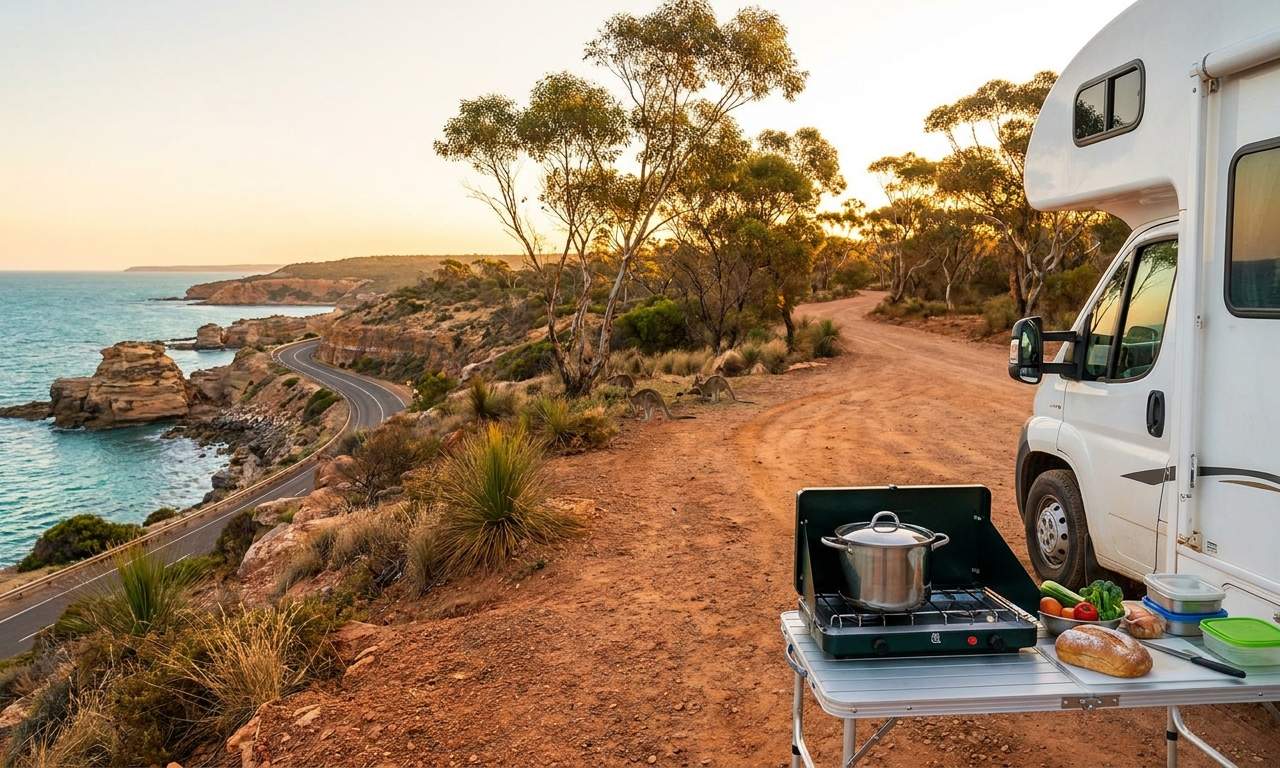
Personal necessities should include high SPF sunscreen, insect repellent, a basic first-aid kit, and any personal medications. For navigation and connectivity in remote areas where mobile reception is limited, download offline maps or bring a GPS device. Other useful items include binoculars for wildlife spotting, a headlamp or flashlight, reusable water bottles, and a power bank for charging devices. Basic cooking supplies like salt, pepper, and oil are generally not provided with rentals, so consider packing or purchasing them locally to enjoy delicious meals on the go. For ideas on what to cook, check our RV-friendly recipes playlist.
On the Road - Driving, Fueling, Navigation in Australia
Navigating Australia's roads in a rented motorhome requires a few key considerations for safety and efficiency. Always remember to drive on the left-hand side of the road in Australia, and be mindful of speed limits, which are strictly enforced and vary between urban (e.g., 50 km/h) and rural areas (up to 110 km/h). Drive slowly and carefully, and you can drive almost anywhere without issues. No need to stress - just use common sense and pay attention.
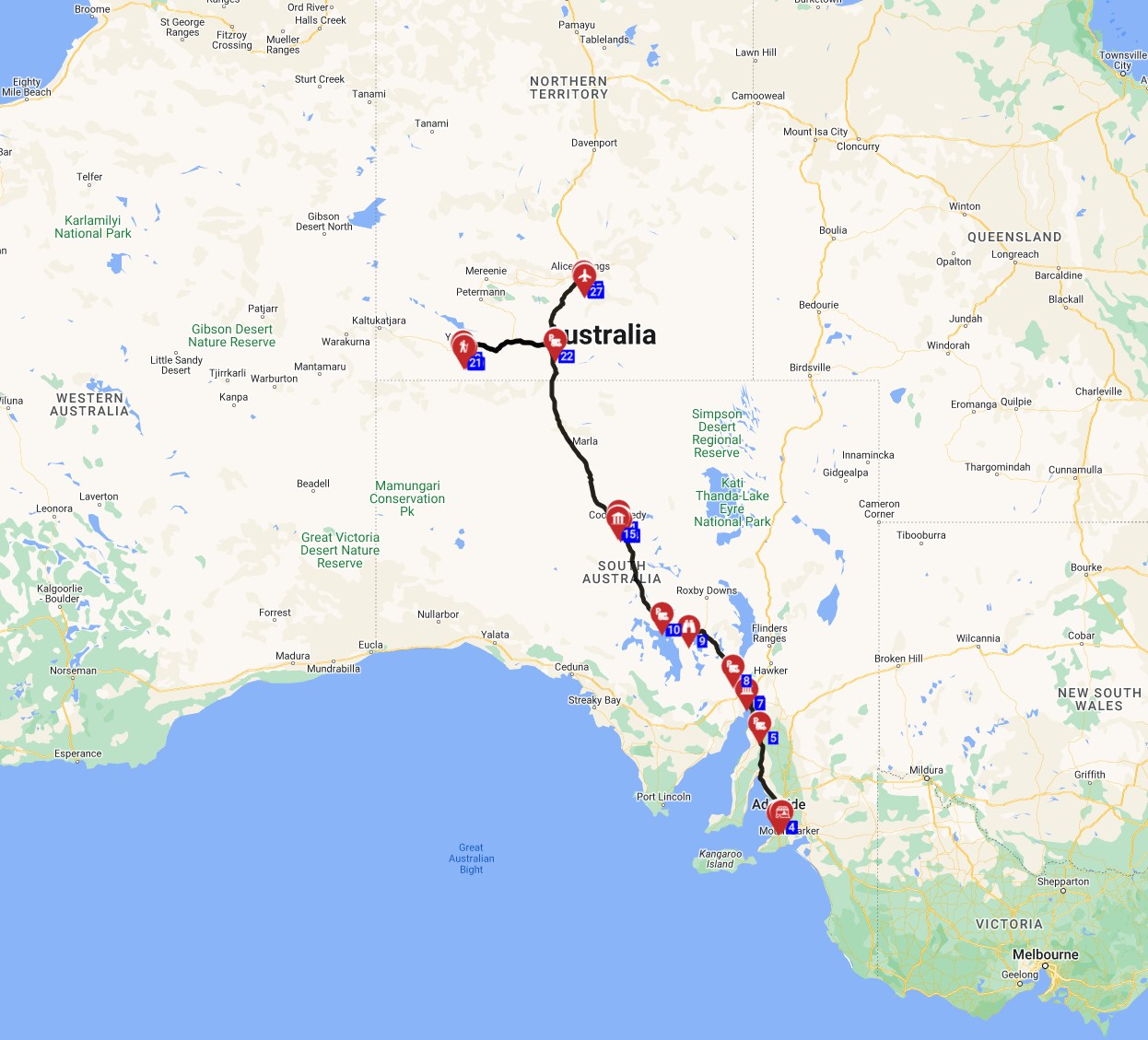
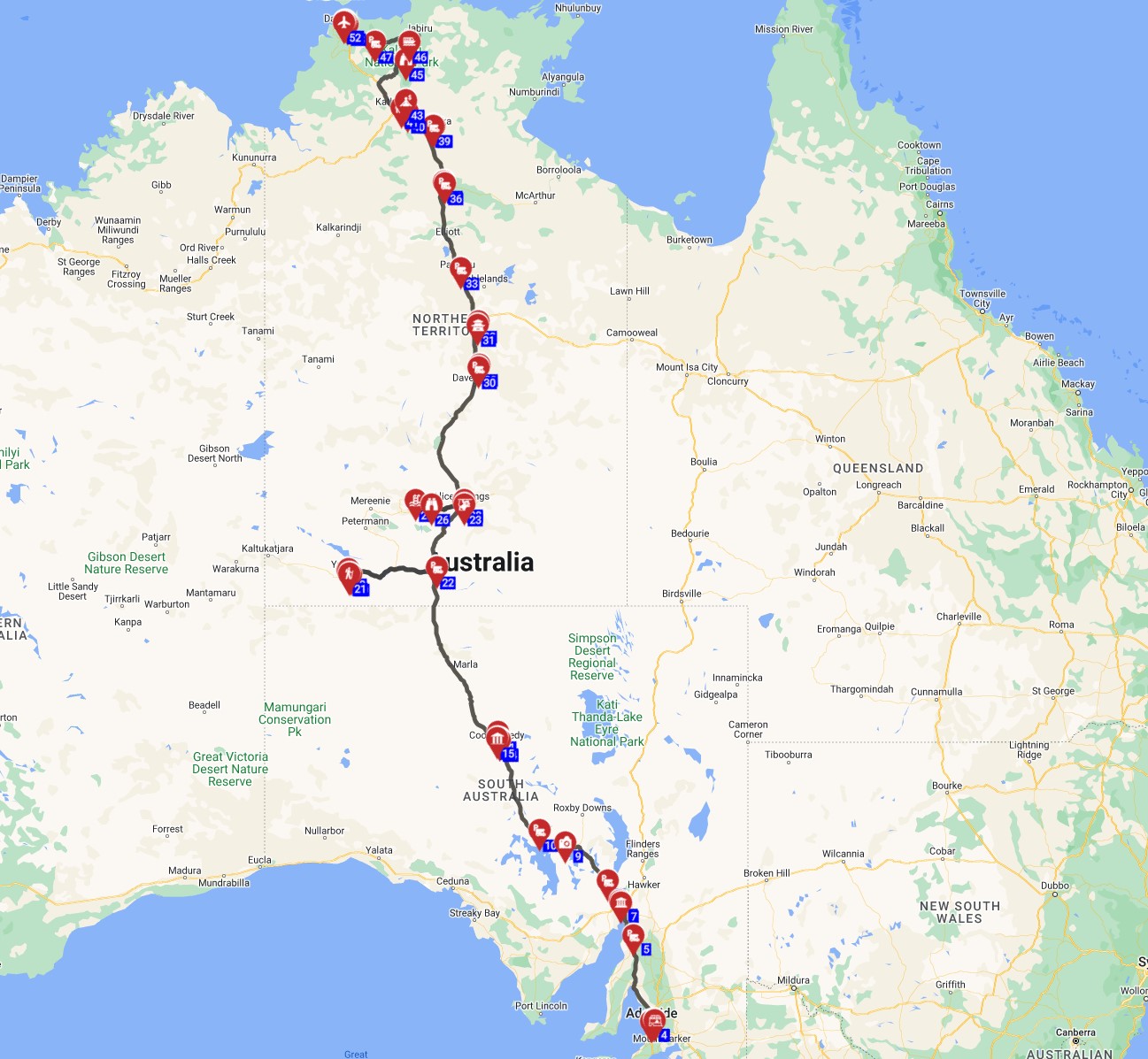
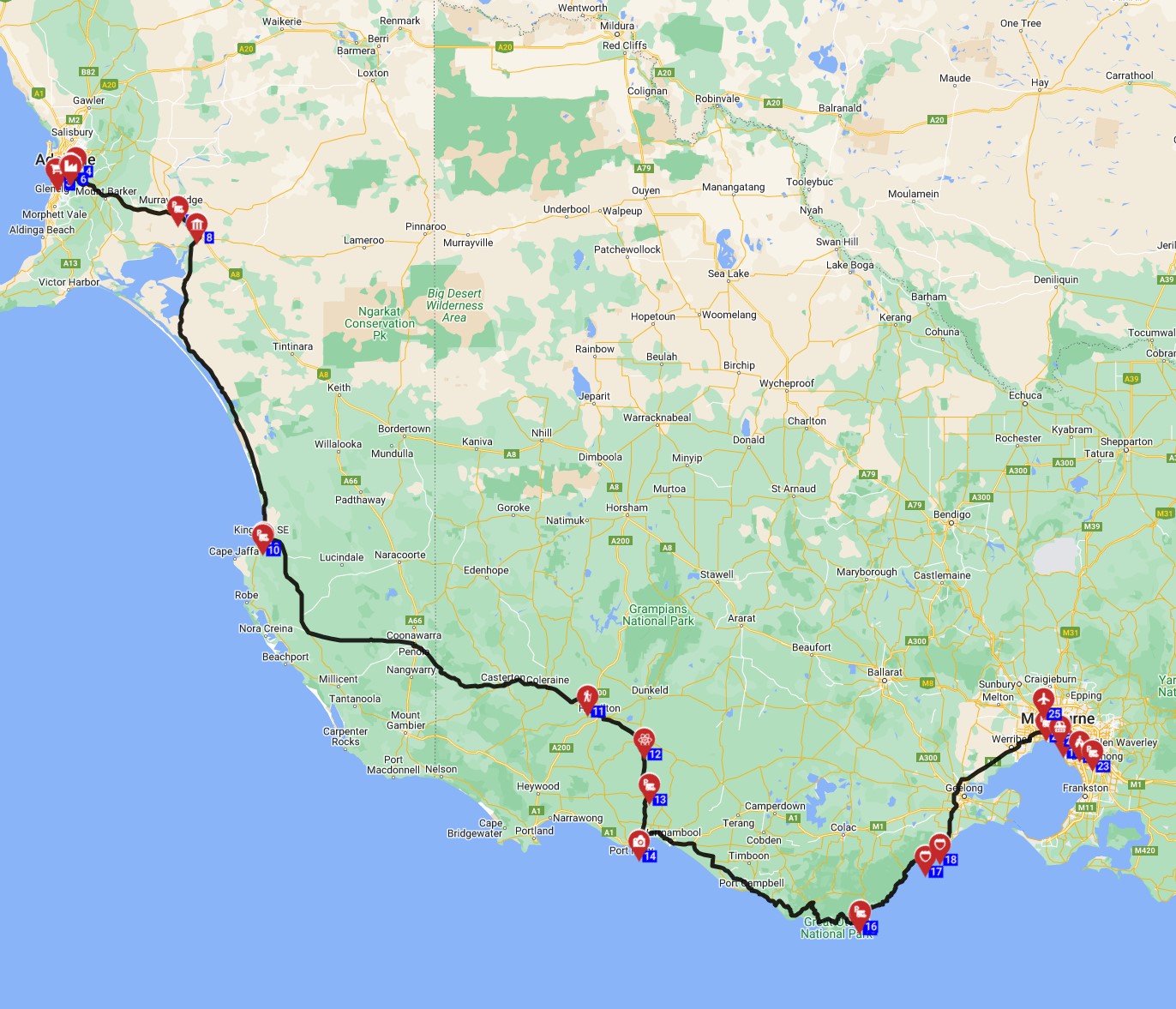
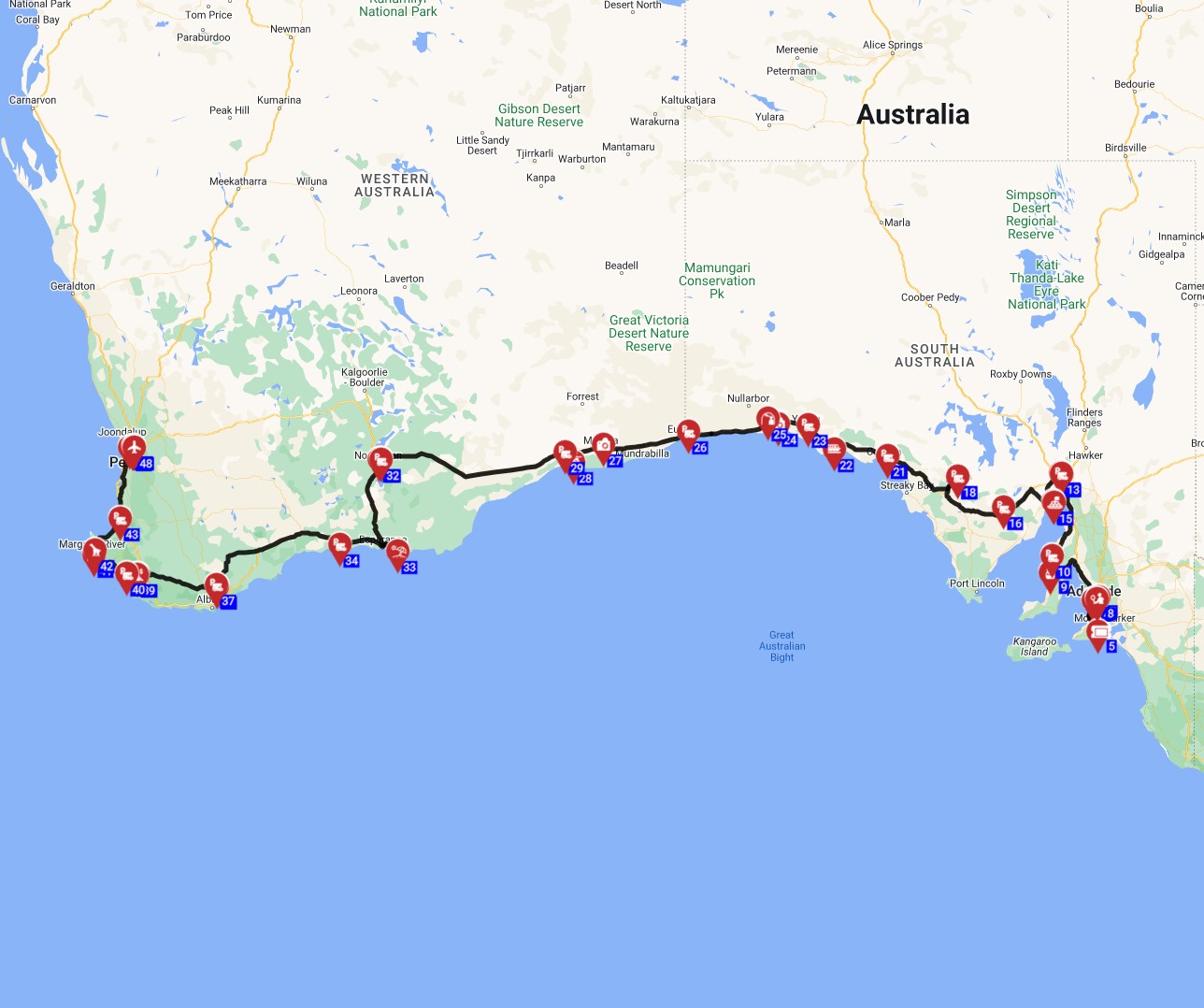
Monitor your fuel gauge diligently, especially when traversing remote or Outback regions where petrol stations can be hundreds of kilometers apart; always carry extra water as a precaution. Utilizing reliable navigation tools is crucial, so ensure you have downloaded offline maps or have a dedicated GPS device, as mobile phone reception can be intermittent or non-existent in many rural areas. Additionally, exercise extreme caution for wildlife, particularly at dawn, dusk, and night, as kangaroos, emus, and other animals frequently cross roads and pose significant hazards. These tips are especially important when exploring extensive routes like the "Perth to Alice Springs - The Dreamtime Highway" which covers 5447.3 km over 21 days.
At the Campground - Setup, Hookups & Etiquette for Australian RV Parks
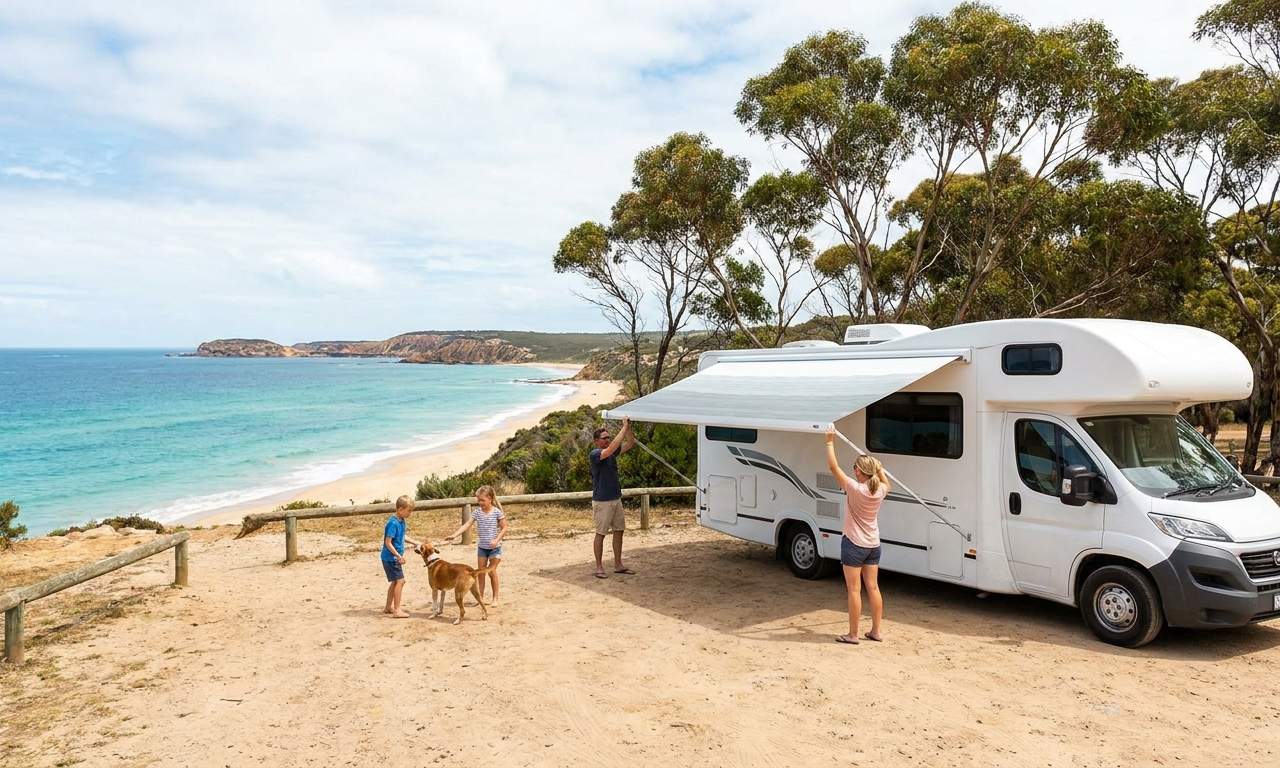
A positive campground experience in Australia relies on proper setup and respectful etiquette. Upon arriving at your campsite, safely position your rented motorhome, ensuring it is level, and then connect to power (if available) before attaching water hoses and preparing for waste disposal. There are over 1000 caravan parks and numerous national park campgrounds across the country, many offering various amenities.
Adhere strictly to campground quiet hours, typically from 9 PM or 10 PM to 7 AM, to respect fellow campers and ensure a peaceful environment for everyone. Properly dispose of all waste, including greywater and blackwater, only at designated dump points found in campgrounds and some rest areas; Australia has an extensive network for responsible waste management. Maintain a tidy campsite, keep noise levels down, and respect communal facilities such as kitchens, bathrooms, and laundry rooms by leaving them clean for the next user. For finding campsites and campgrounds during your trip, we recommend using RV PLANET (rvplan.net) - a great resource for locating available spots along your route.
RV Rental-Specific Tips for Traveling Australia
Tailoring your RV choice and travel style to your group's needs ensures an optimal experience in Australia. Families renting an RV should prioritize models with ample storage, separate sleeping areas (like a 6-berth Class C motorhome which might have bunk beds), and child-friendly amenities to ensure comfort and privacy for everyone on a long-term RV rental in Australia. Senior travelers might find RVs with automatic transmission, lower beds, and easy-access bathrooms more comfortable and convenient for extended trips, such as a semi-integrated Class SI model.
Budget-conscious travelers can significantly reduce costs by choosing smaller, more fuel-efficient campervans (like the `hire campervan example Paradise S/T` which is ideal for a couple and offers good fuel economy) and actively seeking out free or low-cost overnight parking spots where legally permitted. For those seeking a luxury experience, consider premium motorhomes that offer features like larger living spaces, upgraded kitchens, integrated entertainment systems, and even satellite internet for enhanced comfort in remote locations. Remember to travel slowly, max 100-150 km per day on average, to take time to feel the place, connect to the culture, the food, and the scenery.
Common Mistakes to Avoid on Your Australia RV Adventure
Avoiding common pitfalls will make your Australian RV trip much more enjoyable and stress-free. Do not underestimate the vast distances between towns; instead, plan realistic daily driving limits (e.g., sticking to the 100-150 km per day recommendation) and ensure you have sufficient fuel and supplies for long stretches. Avoid ignoring local road signs, especially those indicating unsealed roads, flash flood warnings, or wildlife; instead, always heed advice and diversions, as conditions can change rapidly.
Do not forget to book national park campsites or popular holiday park spots in advance, particularly during peak seasons; instead, secure your accommodations early to avoid disappointment, though remember many parks reserve 25-30% of spots for first-come-first-serve. Avoid drinking and driving; Australia has strict laws and high penalties for impaired driving. Do not forget adequate sun protection; always apply high SPF sunscreen, wear a hat, and seek shade during the hottest parts of the day. For budgeting and tracking these various expenses, RV PLANET routes allow travelers to itemize every cost.
What is the 3-3-3 rule for campervan travel in Australia?
The '3-3-3 rule' for campervans in Australia is a widely recommended guideline for safe and enjoyable travel. This rule advises drivers to limit their daily travel to around 300 kilometers to prevent driver fatigue and allow for ample sightseeing.
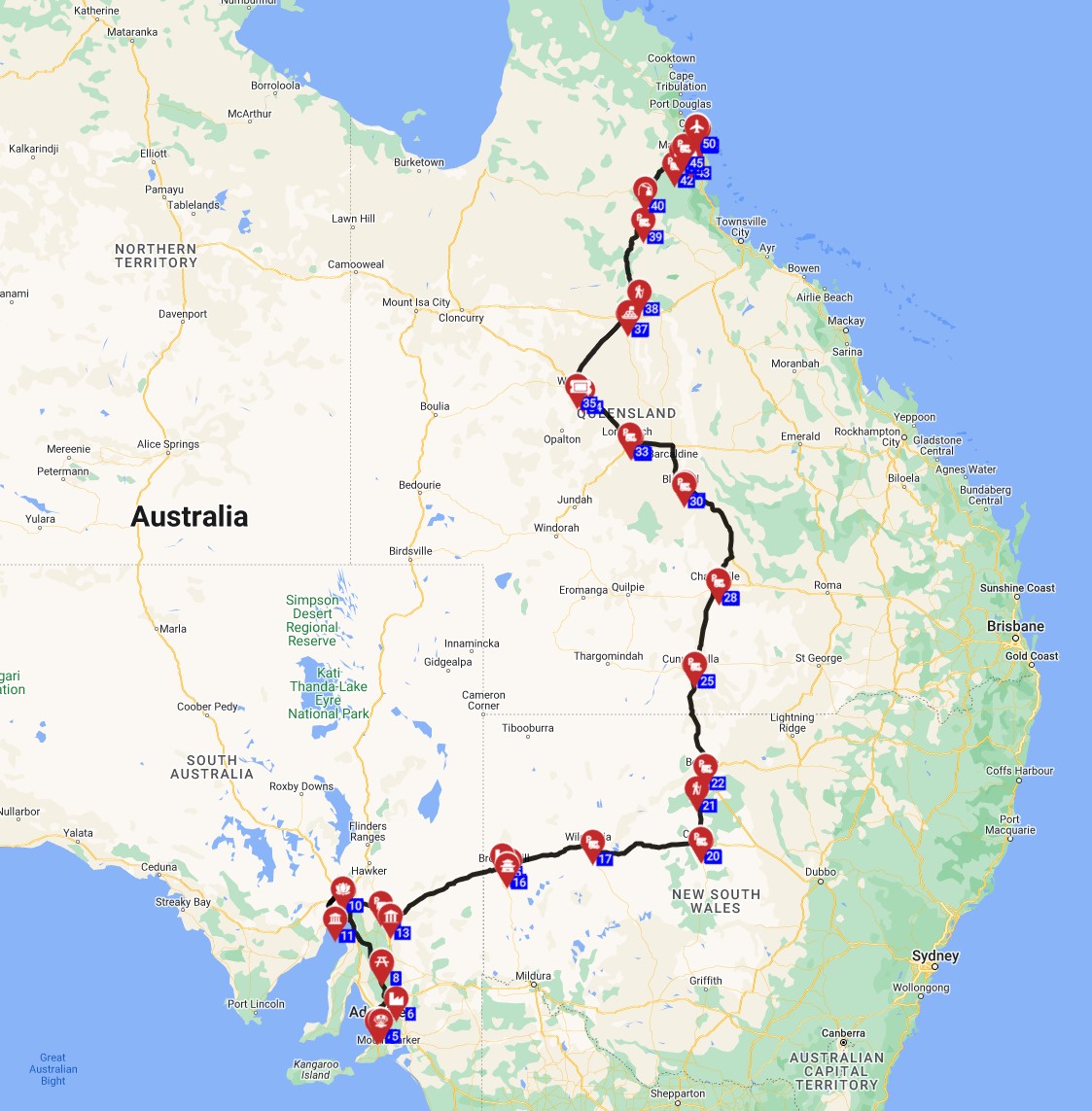
It also suggests aiming to arrive at your campsite or overnight stop by 3 PM, allowing ample time to set up camp, relax, and explore the surroundings before dark. Finally, the rule recommends staying at least 3 nights in particularly appealing locations, fostering a more immersive experience and reducing the stress of constant packing and unpacking. This guideline is particularly useful for longer journeys, such as those covered in a "Cairns to Alice Springs - Northern Horizons" itinerary, spanning 4003.6 km over 17 days.
What are the drawbacks of renting an RV in Australia?
Renting an RV in Australia offers immense freedom but comes with a few considerations. Renting an RV can be more expensive than other travel options, with costs including the daily rental fee (from AUD $80 per day for a basic campervan), comprehensive insurance, significant fuel expenses for long distances (expect to pay AUD $1.90-$2.30 per liter), and campsite fees (averaging AUD $25-$70+ per night).
Driving and parking a larger RV, such as a Class C motorhome measuring over 7 meters, can be challenging, particularly for those unaccustomed to big vehicles or navigating narrow city streets and crowded parking lots; however, drive slowly and carefully, and you can drive almost anywhere without issues. RV travel also requires practical responsibilities such as managing water tanks (e.g., a 120L fresh water tank), emptying waste, and setting up/packing down camp, which can reduce spontaneity compared to hotel stays. Finally, some remote or unsealed roads in Australia may be off-limits to standard rental RVs due to insurance restrictions, potentially limiting access to certain destinations and requiring careful route planning.
How much does it cost to rent an RV in Australia?
The cost to rent an RV in Australia typically ranges from AUD $80 per day for a basic campervan in the off-season to over AUD $300 per day for a large, modern motorhome during peak periods. Prices are dynamic and influenced by several factors, including the vehicle's size and age, the rental season (peak seasons like summer and school holidays are more expensive), the duration of the rental (longer rentals often have lower daily rates), and the chosen insurance coverage.
Additional expenses to budget for include fuel (which can be substantial given Australia's vast distances, potentially 10-25 liters per 100 km depending on vehicle size), daily campsite fees (averaging AUD $25-$70+ at powered caravan parks), LPG for cooking, and potential one-way rental fees if you drop off at a different location (ranging from AUD $150 to $500). For example, a "Weekly RV Rental in Australia - Pricing 2026" during shoulder season for a 2-berth campervan could be around AUD $600-$1000, not including fuel and campsites. Bandana RV offers full transparency with no hidden fees, so what you see is what you pay.
Can you park an RV anywhere in Australia?
No, you cannot park an RV anywhere in Australia; overnight parking and camping are generally restricted to designated campgrounds, caravan parks, or specific free camping areas approved by local councils. Parking an RV on public streets, in national parks (outside of designated campgrounds), or on private land without explicit permission is typically illegal and can result in fines of several hundred dollars.
While 'free camping' is available in some areas like specific rest stops or regional parks, it's crucial to check local regulations in advance as rules vary significantly by state and territory. Always look for signage indicating "No Overnight Camping" or "Self-Contained Vehicles Only" and utilize resources like RV PLANET (rvplan.net) to find legal and safe overnight spots. For instance, many coastal areas have strict anti-camping rules to protect natural beauty and manage tourism.
How much is a 1-week RV rental in Australia?
A 1-week RV rental in Australia typically costs between AUD $560 and $2100+, reflecting a broad range dependent on the vehicle type, time of year, and inclusions. For example, a compact campervan like a `rent rv example A1` during the shoulder season might be on the lower end, around AUD $600-$900 for the week, while a spacious motorhome in peak summer (December-February) could exceed AUD $2000 for the week.
This weekly estimate primarily covers the rental cost, but travelers should also budget an additional AUD $300-$700+ for a week's worth of fuel (assuming 100-150 km per day), AUD $175-$490 for campsite fees (at an average of AUD $25-$70 per night), and variable amounts for food and activities. Prices are dynamic like flight tickets and change daily based on availability, seasonality, and supplier marketing decisions; the final price is set at the actual booking time. For the most up-to-date pricing, check "RV Rental in Australia - Prices and Best Deals 2026".
Is it worth having a toilet in a campervan for an Australian trip?
Having a toilet in a campervan is often worth it for the convenience and flexibility it offers, especially when free camping or traveling in remote Australian areas where public facilities are scarce. An internal toilet provides privacy and eliminates the need to seek out public restrooms, which is particularly beneficial during the night or in inclement weather.
However, integrating a toilet system means less internal living space (compared to a simpler campervan like the `Combi Van`), requires regular maintenance (emptying and cleaning the waste cassette at designated dump points), and contributes to the overall weight and potentially the rental cost of the vehicle. For couples or solo travelers on a budget, a smaller campervan without a toilet, relying on public facilities at caravan parks, might be a more cost-effective option, reducing the "Long-Term RV Rental in Australia - Monthly Rates 2026".
Can US citizens rent a car in Australia?
Yes, US citizens can rent a car or RV in Australia, provided they meet the standard rental requirements. This typically includes presenting a valid US driver's license, and it is highly recommended or sometimes required to also carry an International Driving Permit (IDP) as a multi-language translation of your license, although it is not mandatory in most cases. Renters must generally be over 21 years old (not 25, there are no young driver surcharges or vehicle class restrictions based on age with Bandana RV) and possess a major credit card for security deposit purposes.
It is important to remember that Australia drives on the left-hand side of the road, which can take some adjustment for US drivers. Familiarizing yourself with local road signs and customs before you travel can make the transition smoother. Consider exploring various options for "RV Rental Deals in Australia - Latest Offers 2026" to find the best fit for your travel needs.
What is the 3-3-3 rule for RV travel in Australia?
The '3-3-3 rule' for RV travel is a practical guideline designed to enhance safety and enjoyment on the road in Australia. It recommends that travelers drive no more than 300 kilometers per day to avoid fatigue and allow for spontaneous stops and deeper exploration. This promotes the slow travel philosophy, allowing you to absorb the culture, food, and scenery.
The rule also suggests arriving at your chosen destination or campground by 3 PM, which allows ample daylight for setting up camp and familiarizing yourself with the area before dusk, especially important for spotting wildlife. Furthermore, it advises staying a minimum of 3 nights in locations you find particularly appealing, fostering deeper exploration and a more relaxed pace of travel. This approach helps in making the most of your adventure, whether it's an `campervan australia example Euro Deluxe` experience or a cozy trip in an `hire campervan example Paradise S/T`.
What not to do in Australia as an American traveler?
To ensure a respectful and enjoyable trip to Australia, American travelers should be mindful of several cultural and practical considerations. Do not forget to drive on the left side of the road; this is a fundamental difference from the US and requires constant vigilance, especially at intersections and roundabouts. Drive slowly and carefully, and you can drive almost anywhere without issues. Avoid underestimating the power of the Australian sun; always wear high-SPF sunscreen, a wide-brimmed hat, and sunglasses, and stay hydrated, particularly when exploring coastal areas or the Outback.
Do not approach or feed native wildlife; instead, observe animals from a safe distance and never provoke them, as they can be unpredictable and dangerous. Avoid ignoring signs about road conditions, especially in rural areas; instead, heed warnings about unsealed roads, road closures, or flood risks, as rental RVs may have restrictions on certain terrains. Do not forget to consider local etiquette; embrace the laid-back Australian culture, use 'please' and 'thank you,' and engage respectfully with locals. For additional insights, consider viewing a "RV Travel Guide to Australia - Tips and Top Spots 2026" video.
Is 3000 AUD enough for 2 weeks in Australia?
Whether 3000 AUD is enough for 2 weeks in Australia largely depends on your travel style, the type of RV chosen, and your itinerary, but it can be a tight budget for an RV trip covering all expenses. This amount might cover a budget-conscious trip with a smaller campervan, utilizing free camping spots where legally available, self-catering meals prepared in your `camper for rent example Camper`'s kitchen (which usually includes a fridge and gas stove), and limited paid activities.
However, for a larger RV, consistent use of powered caravan parks (AUD $30-70+ per night), dining out frequently, or engaging in numerous paid attractions, 3000 AUD for two weeks would likely be insufficient. Fuel costs alone, especially for a larger motorhome like a `6 Berth Discovery` consuming up to 14 liters per 100km, can consume a significant portion of this budget. Prices for RV rental and other expenses are dynamic, so it's always best to compare final prices across suppliers - what you see is what you pay, with no surprise fees at pickup.
What You Shouldn't Miss
- **Great Ocean Road, Victoria:** Drive a scenic coastal route of over 240 kilometers, featuring iconic landmarks like the Twelve Apostles and lush rainforests. Many caravan parks along the way offer powered sites for easy stops.
- **Uluru-Kata Tjuta National Park, Northern Territory:** Experience the spiritual heart of Australia with a 9-km base walk around Uluru and explore the domed Kata Tjuta (The Olgas). Designated campgrounds nearby provide essential services.
- **Daintree Rainforest, Queensland:** Immerse yourself in the world's oldest tropical rainforest, exploring boardwalks, crocodile river cruises, and pristine beaches. Be sure to check for RV access and suitable parking.
- **Sydney Harbour, New South Wales:** Park your rented motorhome at a nearby caravan park and explore the iconic Sydney Opera House and Harbour Bridge, easily accessible via public transport.
- **Kangaroo Island, South Australia:** Discover abundant wildlife, rugged coastlines, and stunning natural formations. Ferries accommodate RVs, but book in advance, especially during peak season.
- **Whitsunday Islands, Queensland:** Leave your RV at a mainland caravan park and take a boat trip to Whitehaven Beach, known for its pure silica sand and crystal-clear waters.
Looking for expert insights from Avi Bandana? Top 5 Adventures - recommendations from Avi Bandana
🎬 Video coming soon
Final Thoughts
An RV rental in Australia promises an unforgettable adventure, offering the freedom to explore diverse landscapes at your own pace. With Bandana Caravan, you're partnering with true RV specialists who understand the intricacies of motorhome travel and are committed to making your experience exceptional. From transparent pricing to expert planning resources on rvplan.net, we're here to support you every step of the way, long before you even pick up your keys.
Imagine waking up to a breathtaking Australian sunrise, cooking breakfast in your campervan (check out our RV-friendly recipes playlist for inspiration), and setting off on a new road, knowing you have everything you need. That's the essence of an Australian RV trip. By following these quick tips and embracing the spirit of slow travel, your journey will be filled with discovery, connection, and cherished memories. Now, go forth and explore the incredible beauty of Australia!
Ready to discover top destinations, planning tips, all in one place? Get inspired for your next trip!