In This Guide
- What RV Rental Costs in Canada (2026)
- Seasonal Pricing - Peak vs. Shoulder vs. Off-Season in Canada
- What's Included vs. What's an Add-On
- Hidden Costs to Budget For in Canada
- How to Save on RV Rental in Canada
- How much does it cost to rent an RV for a short trip in Canada?
- What is the cheapest time to rent an RV in Canada?
- Is it cheaper to rent an RV or stay in hotels in Canada?
- What RVs are available to rent in Canada?
- What do you need to rent an RV in Canada?
- Can you rent an RV for one way in Canada?
- Top Cities for RV Rental in Canada
- Practical Driving and Travel Tips for Canada
- What You Shouldn't Miss
- Why Book with Bandana Caravan
- Final Thoughts
- Frequently Asked Questions
What RV Rental Costs in Canada (2026)
RV rental costs in Canada for 2026 are influenced by several factors, including the season, the type of RV, and the length of your trip, with April typically offering the lowest rates. The actual cost includes the base rental rate, additional mileage, insurance tiers, and various optional add-ons. For live availability and current prices, start with our RV Rental Canada - Complete Guide 2026 guide, which provides comprehensive information. Prices are dynamic and change daily based on demand and availability, much like flight tickets. We compare final prices across 50+ suppliers so you don't have to, ensuring full transparency with no hidden fees and no surprises. Imagine yourself on the open road, Canadian Rockies in your rearview mirror, knowing you got a great deal! When planning your budget, remember that prices for a rented motorhome can vary significantly. For example, a compact Class B campervan might range from $150-$250 CAD per day in shoulder season, while a large Class C suitable for a family could be $250-$400+ CAD per day during peak summer. For families or groups of 4-6 people, a Class C offers a comfortable balance of space and amenities without breaking the bank. Retired couples might prefer the ease of a campervan or a smaller Class B model. The table below provides a live snapshot of estimated weekly, bi-weekly, and monthly rates for various RV classes.Live April Price Comparison — RV Class × Trip Length
| Trip length | Class A | Class B | Class C | Class SI | Class TC |
|---|---|---|---|---|---|
| 1 week 15/04 → 22/04 | [Price_ClassType-A_PickupID-129_DropoffID-129_PickupDate-15/04_DropoffDate-22/04] | [Price_ClassType-B_PickupID-129_DropoffID-129_PickupDate-15/04_DropoffDate-22/04] | [Price_ClassType-C_PickupID-129_DropoffID-129_PickupDate-15/04_DropoffDate-22/04] | [Price_ClassType-SI_PickupID-129_DropoffID-129_PickupDate-15/04_DropoffDate-22/04] | [Price_ClassType-TC_PickupID-129_DropoffID-129_PickupDate-15/04_DropoffDate-22/04] |
| 2 weeks 15/04 → 29/04 | [Price_ClassType-A_PickupID-129_DropoffID-129_PickupDate-15/04_DropoffDate-29/04] | [Price_ClassType-B_PickupID-129_DropoffID-129_PickupDate-15/04_DropoffDate-29/04] | [Price_ClassType-C_PickupID-129_DropoffID-129_PickupDate-15/04_DropoffDate-29/04] | [Price_ClassType-SI_PickupID-129_DropoffID-129_PickupDate-15/04_DropoffDate-29/04] | [Price_ClassType-TC_PickupID-129_DropoffID-129_PickupDate-15/04_DropoffDate-29/04] |
| 1 month 01/04 → 30/04 | [Price_ClassType-A_PickupID-129_DropoffID-129_PickupDate-01/04_DropoffDate-30/04] | [Price_ClassType-B_PickupID-129_DropoffID-129_PickupDate-01/04_DropoffDate-30/04] | [Price_ClassType-C_PickupID-129_DropoffID-129_PickupDate-01/04_DropoffDate-30/04] | [Price_ClassType-SI_PickupID-129_DropoffID-129_PickupDate-01/04_DropoffDate-30/04] | [Price_ClassType-TC_PickupID-129_DropoffID-129_PickupDate-01/04_DropoffDate-30/04] |
Estimates only — flex-rate prices change daily based on availability and season.
Seasonal Pricing - Peak vs. Shoulder vs. Off-Season in Canada
Seasonal demand significantly impacts RV rental prices across Canada, with prices changing day-to-day, especially in peak periods. Peak season, typically from July to August, experiences the highest rental rates due to favorable weather, school holidays, and increased tourist activity. During this time, booking well in advance is crucial to secure availability and potentially better rates, though prices will still be at their premium. Many national parks, like Banff, see peak visitor numbers in these months, so planning campground reservations is essential. Shoulder seasons, spanning May to June and September to October, present a sweet spot for many travelers. Prices are generally more moderate than in peak season, yet the weather remains pleasant for most parts of the country, offering a good balance of cost savings and enjoyable travel conditions. You'll find better availability and fewer crowds at popular destinations, making it an ideal time for a serene adventure. Imagine autumn foliage in Quebec or spring blooms in British Columbia from the comfort of your rented motorhome. Off-season, which runs from November to April, generally offers the cheapest RV rental prices in Canada; specifically, April serves as a consistent low-season anchor. However, rental options may be limited, and many campgrounds or routes might be closed due to winter conditions, requiring careful planning around weather and accessibility. Even in the off-season, you can find unique experiences, perhaps a scenic drive through the temperate rainforests of British Columbia. Our specialists are true RV specialists, not just a travel agency side department, so we can advise on the best seasons for different Canadian regions.What's Included vs. What's an Add-On
What's included in an RV rental in Canada versus what's considered an add-on varies significantly by rental station and specific RV model, so it's essential to verify details for each booking. Basic insurance is always included with every RV rental, offering fundamental coverage as a standard feature. Common add-ons include additional mileage packages, convenience kits (e.g., kitchen utensils, tableware), bedding, generator usage fees, and roadside assistance upgrades. To see prices including the most comprehensive coverage, select that option during search - then all relevant insurance options will be shown. You can also upgrade to a top-level deductible reimbursement for extra peace of mind. Some providers, like Bandana RV partners, offer a comparison toggle that highlights if kitchen utensils, tableware, and bedding are included or available as an extra. Want to check exactly what's included? Click here. For example, a typical "cruise america rv rental example Explorer" motorhome might include a gas stove with 4 burners, an 82-liter fresh water tank, and a 75-liter fuel tank, but a kitchen kit and bedding could be an optional extra. It’s always best to review the full details during the booking process to ensure there are no surprises. We believe in full transparency, which means you'll see all fees upfront.How to Save on RV Rental in Canada
Saving on your RV rental in Canada is achievable with strategic planning and flexibility. Firstly, booking your trip during the shoulder season (May-June or September-October) rather than the peak summer months can significantly reduce your daily rental rate by 20-50%, while still offering enjoyable weather conditions. Secondly, consider the size of your RV; choosing a smaller class, such as a compact campervan like an "rv rental denver example Category Van" or a Class B, that comfortably fits your group can lead to savings on both the rental price and fuel consumption. For longer trips, you often find that booking an extended duration results in a lower daily rate compared to shorter rentals. Always check if your rental provider offers discount cards for campgrounds or fuel, as these can accumulate substantial savings over your journey. Finally, keep an eye on dynamic flex-rate drops and try to book as early as possible, especially for popular periods, to secure the best available prices and RV selection. Being flexible with your pick-up and drop-off dates by a few days can sometimes unlock significantly better deals. Planning a trip itinerary in advance with minimal effort and maximum enjoyment is easy with our resources.How much does it cost to rent an RV for a short trip in Canada?
A short RV rental in Canada, generally meaning a duration of a few days to a week, typically costs between $300 to $800 CAD for the rental period itself, though this figure can fluctuate widely based on the RV class, specific pick-up and drop-off dates, and the rental location. For example, a compact Class B campervan might be at the lower end, while a larger, amenity-rich Class C could be at the higher end. These estimates generally exclude additional costs like fuel, excess mileage charges, comprehensive insurance, and campground fees, which can add an additional 20-50% to your total budget. While Bandana RV primarily focuses on longer adventures of a week or more, we understand the appeal of shorter getaways. For a detailed cost breakdown, beyond general considerations, it's crucial to factor in specific daily or weekly estimates for fuel based on your planned route (e.g., a Class C motorhome might consume 18-25 Liters per 100 km), expected campground fees (averaging $30-$70 per night), and potential add-ons like generator usage or convenience kit rentals. Always get a specific quote for your desired dates to see the precise breakdown of costs. Our platform provides full transparency so you know exactly what you're paying for.What is the cheapest time to rent an RV in Canada?
The cheapest time to rent an RV in Canada is predominantly during the off-season, with April standing out as the month typically offering the most competitive prices, often 20-50% lower than peak season rates. During late fall (November) and early spring (March-April), rental rates can be significantly reduced compared to the peak summer months of July and August. This significant price drop is due to decreased demand and less favorable weather conditions for extensive RV travel in some regions. While these months offer considerable savings, travelers should be aware of potential limitations such as reduced RV availability, particularly for larger models, and the closure of some provincial parks, national park sections, or remote routes due to snow or seasonal maintenance. Despite this, for budget-conscious travelers focusing on regional attractions accessible in cooler weather, the off-season provides excellent value. Remember that many national and state parks in Canada reserve 25-30% of their spots for first-come, first-served arrivals, which can be an advantage for spontaneous off-season trips.Is it cheaper to rent an RV or stay in hotels in Canada?
For many travelers, particularly families or groups on longer trips, renting an RV in Canada can be a more economical option than consistently staying in hotels, especially when considering savings from cooking your own meals. While the upfront daily cost of an RV rental, plus fuel, mileage, and campground fees, might seem higher than a single hotel night, the RV package often includes transportation, accommodation, and a mobile kitchen, reducing dining-out expenses significantly. Imagine preparing delicious meals in your rented motorhome's kitchen - maybe some of our RV-friendly recipes playlist could inspire you. In contrast, hotel stays accumulate nightly room rates, often require eating out for every meal, and can incur additional costs for parking and separate transport. For shorter getaways or solo travelers seeking minimal fuss, hotels might sometimes prove more economical, particularly if budget-friendly hotel options are available and travel distances are short. However, the true value of an RV extends beyond mere price; it offers unparalleled flexibility, the comfort of a private space, and the unique experience of traveling through Canada's landscapes with your accommodation always at hand. Plus, with a rented motorhome, you avoid the hassle of daily packing and unpacking, making for a much more relaxed journey.What RVs are available to rent in Canada?
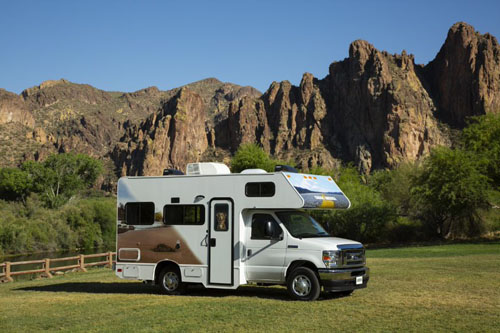
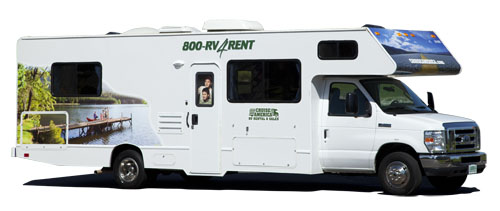
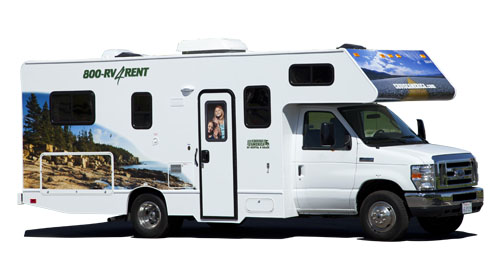
A diverse array of RVs are available to rent across Canada, catering to different travel styles, group sizes, and budgets, including Class A, B, and C motorhomes, and campervans. Class B campervans, for instance, are highly popular for their maneuverability and fuel efficiency, making them ideal for navigating smaller provincial parks and scenic routes. Models like the "rv rental denver example Category Van" offer essential amenities in a compact footprint, typically around 5-6 meters in length, perfect for a couple or solo traveler. Class C motorhomes strike a popular balance, providing more space and amenities than a Class B, often including a separate sleeping area, kitchen, and bathroom. A "cruise america rv rental example Explorer" is a Class C motorhome around 7.1 meters long, offering 4 sleeping places, a 4-burner gas stove, and an 82-liter fresh water tank, making it suitable for families or groups of 2+2. Larger Class A motorhomes, like a "rent rv example E3" which could feature a double bed, shower, and toilet, offer the most luxurious and spacious experience, akin to a small apartment on wheels, perfect for longer journeys across the Trans-Canada Highway. When considering vehicle suitability, remember that Class B RVs are excellent for nimble mountain passes, while larger rigs are generally better suited for wider highways and more open routes, so choose an RV that aligns with your planned Canadian adventure and the terrains you'll encounter.What do you need to rent an RV in Canada?
To rent an RV in Canada, travelers generally need to meet specific age and documentation requirements set by rental companies and provincial regulations. Most providers require drivers to be at least 21 years old, with some premium RVs or insurers raising the minimum age to 25. A valid driver's license from your home country or province is essential, and for international visitors from non-English-speaking countries, an International Driving Permit (IDP) might be recommended in conjunction with your original license, though it is not mandatory in most cases. A major credit card is also mandatory for the security deposit and any additional charges incurred during the rental period. It's highly recommended to familiarize yourself with Canadian traffic laws and road signs, as well as specific regional regulations. For example, speed limits are generally 100-110 km/h on highways and 50 km/h in urban areas. All vehicles drive on the right side of the road. Ensuring you have adequate insurance coverage, whether through your rental provider's comprehensive packages or your personal auto insurance, is also a critical requirement before hitting the road. Additionally, for regional-specific RV itineraries and road conditions, our "Driving an RV in Canada - Complete Guide 2026" offers valuable insights.Can you rent an RV for one way in Canada?
Yes, one-way RV rentals are certainly possible in Canada and are a popular option for travelers looking to explore vast regions without the need to backtrack to their original pickup location. These rentals are commonly available between major urban centers such as Vancouver, Calgary, Toronto, and Montreal, allowing for diverse itineraries like a cross-Canada journey or a multi-province adventure. However, one-way rentals almost always incur an additional relocation or one-way fee, which can vary significantly depending on the distance, the rental company, and the season, typically ranging from $250-$1000+ CAD. Our "One-Way RV Driving in Canada - Route Planner 2026" provides more details on available routes and associated costs. Availability for one-way rentals can be seasonal; you might find more options and potentially lower fees during the shoulder or off-peak seasons when rental companies are looking to reposition their fleet. While they offer immense flexibility for experiencing different Canadian landscapes, from British Columbia's coastal drives to Quebec's historical routes, it's crucial to factor the one-way fee into your overall budget and book well in advance, especially for popular routes during busier times. Don't worry, even last-minute RV rental deals can sometimes be found, though choice may be limited.Top Cities for RV Rental in Canada
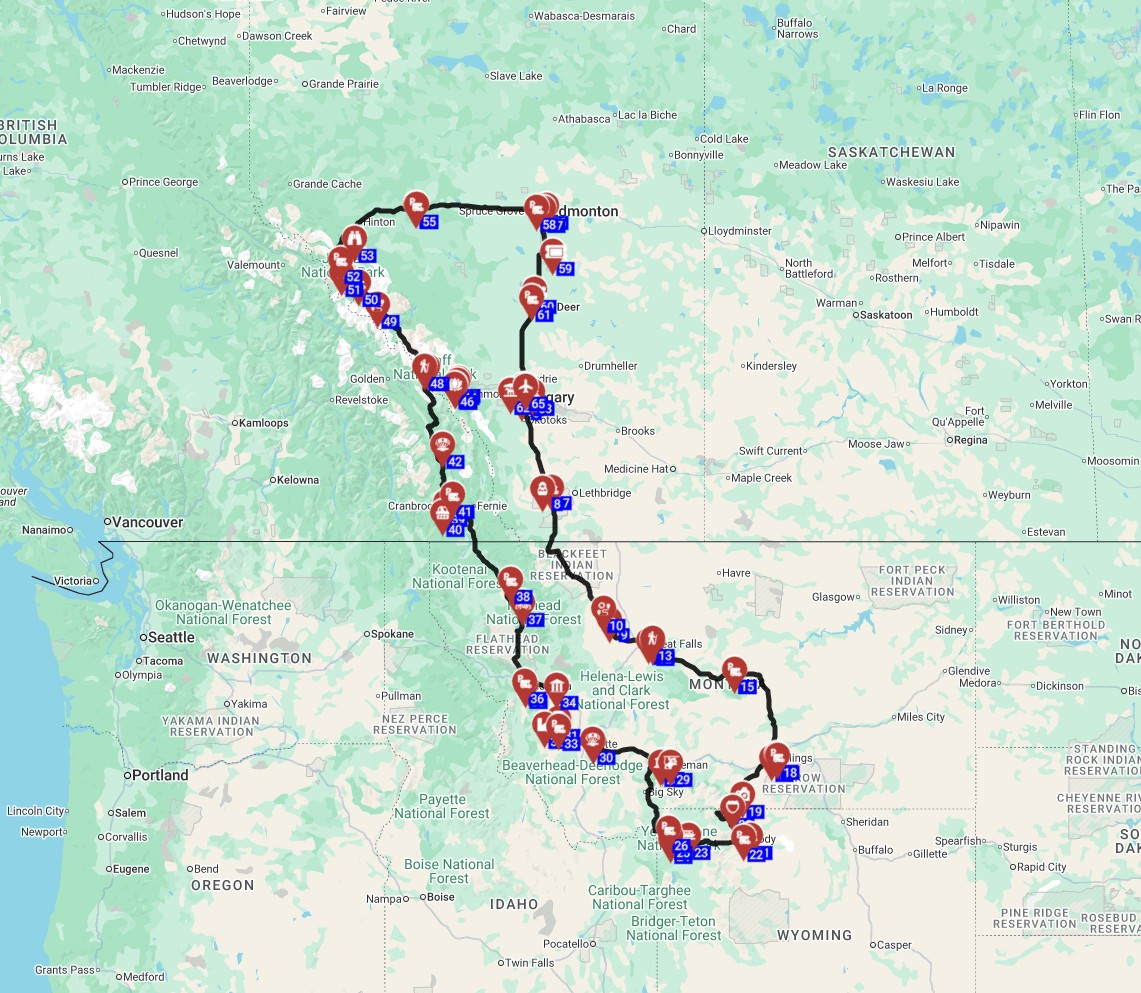
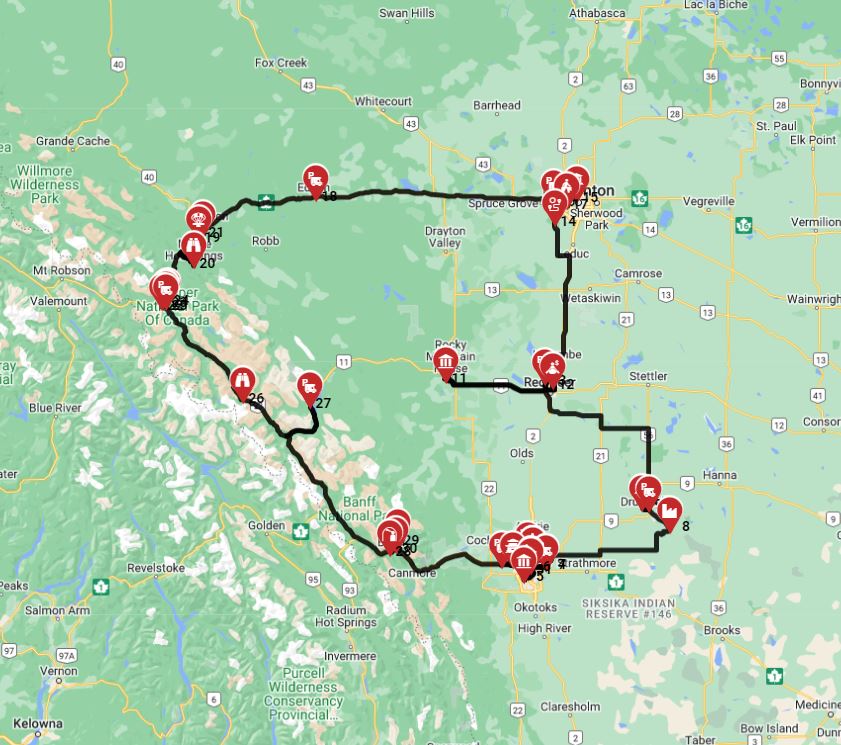
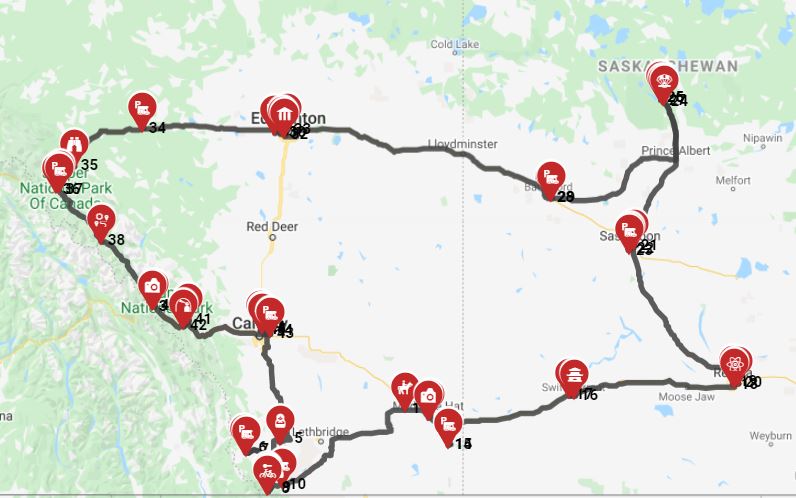
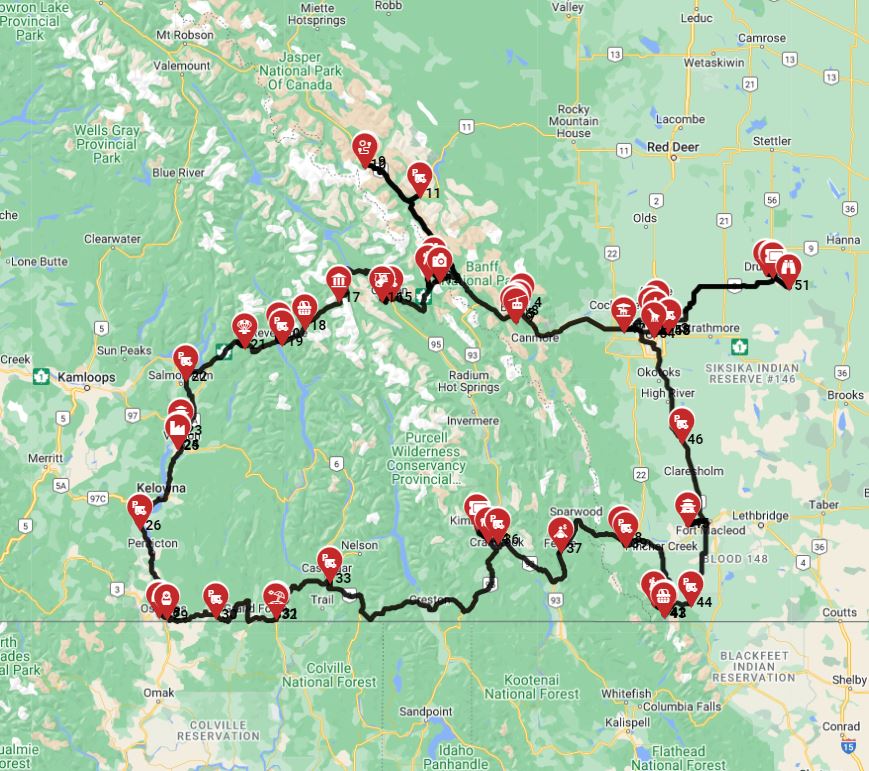
Canada offers numerous excellent starting points for your motorhome adventure, each providing unique access to different regions and attractions. Major cities like Toronto, Vancouver, Montreal, and Calgary serve as primary hubs with a wide selection of RVs from various suppliers like El Monte, Cruise America, Apollo, and Britz. * Vancouver, British Columbia: Often the gateway to the stunning West Coast, offering easy access to the Rocky Mountains, coastal drives, and ferry connections to Vancouver Island. It's an ideal starting point for a "
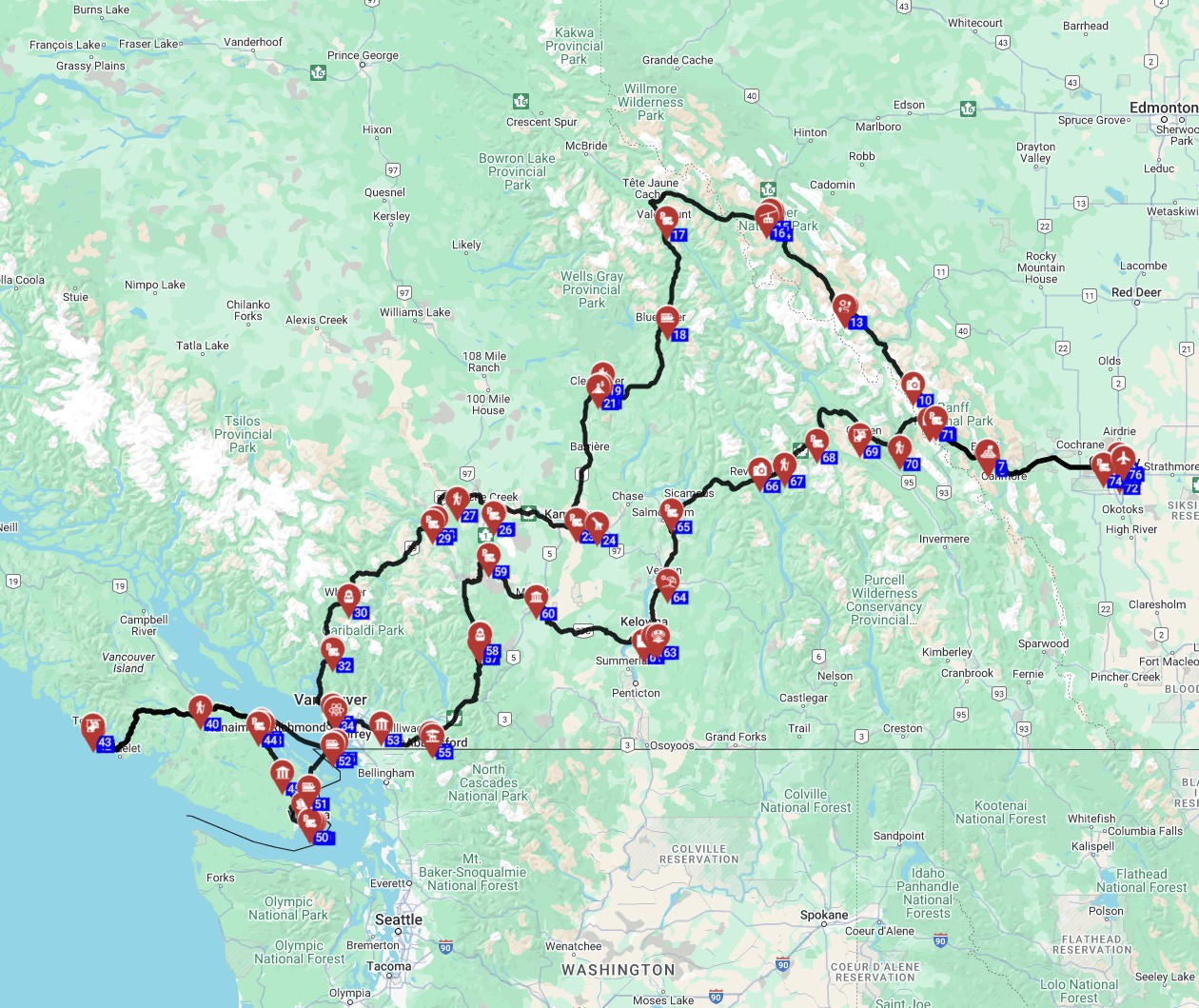
Vancouver Round Trip - West Canada Cycling Adventure
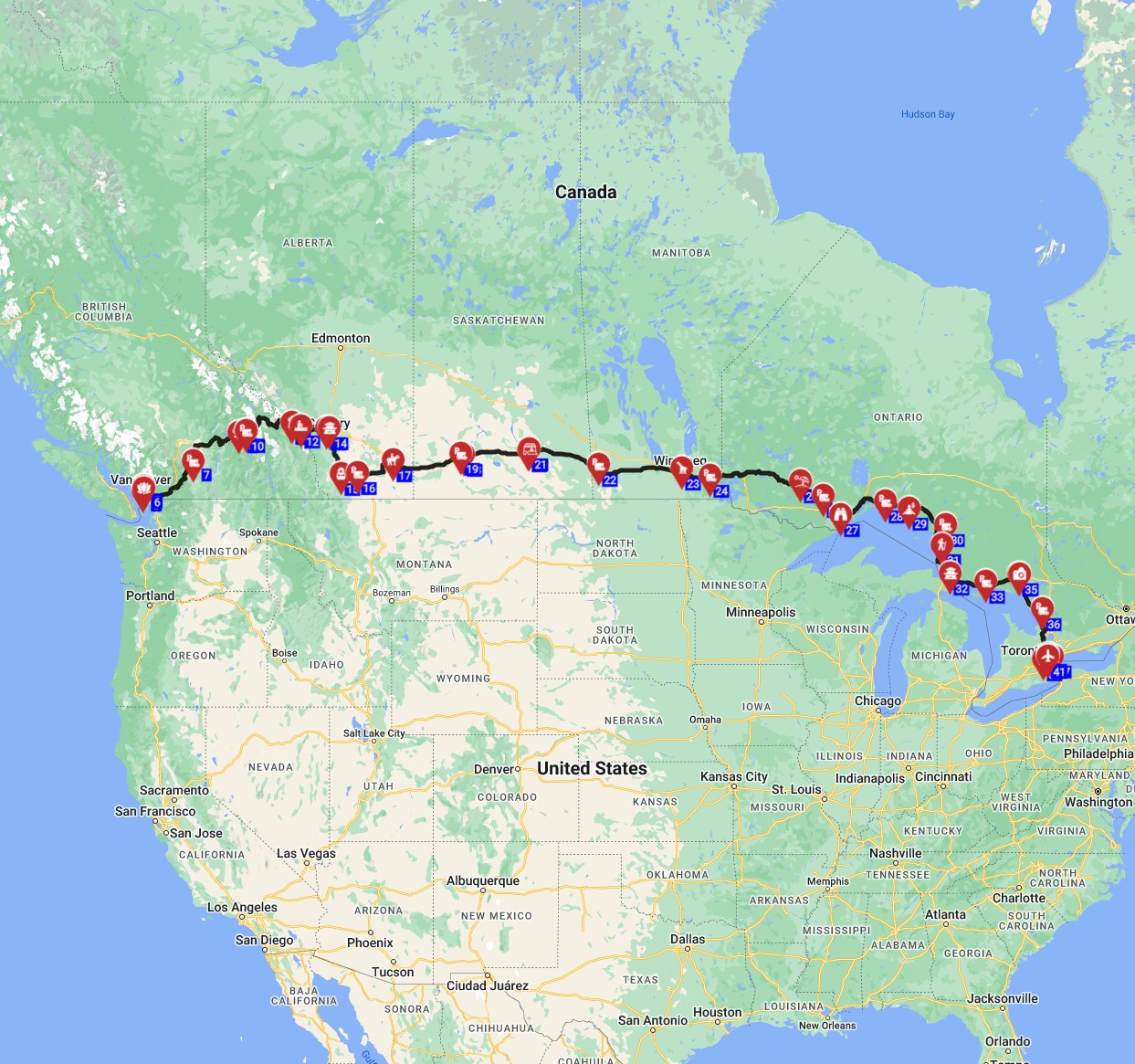
Vancouver to Toronto - Trans Canada West to East
Practical Driving and Travel Tips for Canada
Navigating Canada in a rented RV is a fantastic experience, but a few practical tips can make your journey even smoother. Canada drives on the right side of the road, and speed limits are posted in kilometers per hour (km/h), typically 100-110 km/h on highways and 50 km/h in urban areas. Drive slowly and carefully, and you can drive almost anywhere without issues. No need to stress - just use common sense and pay attention to road signs and conditions, which can vary significantly by province and season. Emergency services can be reached by dialing 911 anywhere in Canada. For connectivity, major Canadian carriers (Bell, Rogers, Telus) offer wide coverage, but remote areas, especially in the North or mountainous regions, will have limited or no cellular service. Consider downloading offline maps and investing in a satellite messenger for emergencies in truly off-grid locations. Many campgrounds offer Wi-Fi, but it can be spotty. When it comes to camping, while Canada has many established campgrounds, national and provincial parks often require reservations, especially during peak season. However, many parks reserve 25-30% of their spots for first-come, first-served arrivals, which offers flexibility. If you can't find a spot at the first campground, then check the next one. Always call ahead before driving a long distance. For finding campsites and campgrounds during your trip, we recommend using RV PLANET (rvplan.net) - a great resource for locating available spots along your route. Remember to adhere to local camping laws and respect private property. Always travel slowly, aiming for a maximum of 100-150 km per day on average, to truly take time to feel the place, connect to the culture, the food, and the scenery.What You Shouldn't Miss
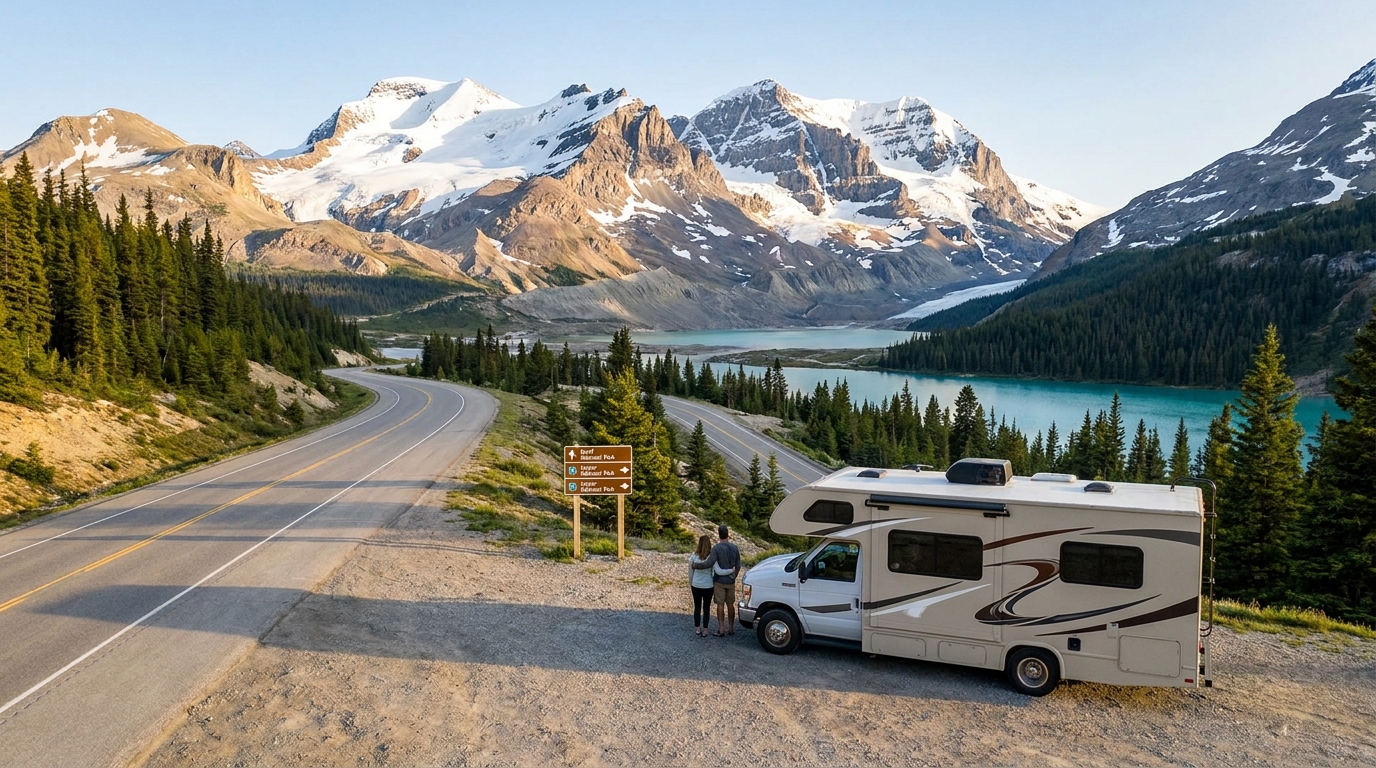
Canada is a land of incredible diversity, and experiencing it by rented motorhome allows you to immerse yourself fully in its natural beauty and vibrant culture. Here are some must-do experiences:- **Explore the Canadian Rockies:** Drive the Icefields Parkway between Banff and Jasper National Parks, witnessing glaciers, turquoise lakes, and abundant wildlife. This iconic route is a highlight for any RV traveler in Canada.
- **Coastal Adventures in British Columbia:** Take your campervan along the scenic coastal highways, perhaps catching a ferry to explore Vancouver Island and its rugged beaches and charming towns.
- **The Maritime Charm of the Atlantic Provinces:** Discover the stunning Cabot Trail in Nova Scotia, explore quaint fishing villages, and indulge in fresh seafood. This region offers a different pace and beauty.
- **Cityscapes and Culture:** Experience the unique blend of French and English cultures in cities like Montreal and Quebec City, or the vibrant urban energy of Toronto and Vancouver. Remember, driving your RV in cities is manageable with common sense.
- **Dark Sky Stargazing:** Head to designated Dark Sky Preserves, such as Jasper National Park, for an unforgettable celestial show, far from city lights.
- **Wildlife Watching:** Keep an eye out for moose, bears, elk, and various bird species. Parks across Canada offer incredible opportunities to observe animals in their natural habitats.
Final Thoughts
Embarking on an RV adventure in Canada is an unparalleled way to experience its majestic landscapes, from the serene coasts of British Columbia to the vibrant cities of Ontario and the rugged beauty of the Maritimes. While planning is key, especially when considering pricing and seasonal variations, remember that the journey itself is the reward. Bandana Caravan is here to make your planning effortless and your trip memorable. We're more than just a booking platform; we're your partners in discovery, offering transparent pricing, unparalleled support before and after your booking, and the expertise of true RV specialists. Whether you're a seasoned RVer or planning your first trip, Canada offers endless possibilities for exploration and connection. So, get inspired for your next trip, discover top destinations, planning tips, all in one place, and prepare to create unforgettable memories. Your Canadian adventure in a rented motorhome awaits!On the routes offered through RV PLANET routes, you can itemize and track every expense along the way for easy budgeting.