In This Guide
- Can You Drive an RV in Canada? License & Age Rules
- Road Conditions & Terrain in Canada
- RV Size Limits, Bridges & Restricted Zones
- Fuel: Diesel vs. Petrol & Cost per 100 km
- Tolls, Vignettes & Border Rules
- Driving Tips for one way rv rental Travelers
- Recommended RV Class for Canada Roads
- Should I Choose a Compact Van Instead of a Large RV in Canada?
- Can I Park Anywhere? Free & Wild Camping Rules in Canada
- Can I Drive an RV Into the City Center? Heights, Tunnels & Local Signage
- How much does a one-way RV rental cost in Canada?
- What is the best time of year to RV in Canada?
- Are one-way RV rentals available from Vancouver to Calgary?
- Can I take a rental RV to the US from Canada?
- What are the regulations for RVing in National Parks in Canada?
- How do I plan a one-way RV trip in Canada?
- What documents do I need to rent an RV in Canada?
- Are pets allowed in one-way RV rentals in Canada?
- What are the popular one-way RV routes in Canada?
- What insurance do I need for a one-way RV rental in Canada?
Can You Drive an RV in Canada? License & Age Rules
Most RVs under 11,000 kg (24,250 lbs) can be driven in Canada with a standard Class 5 (or equivalent) driver's license, provided the driver is at least 21 years old. A standard Class 5 license in Canada is sufficient for the vast majority of recreational vehicles, including Class B campervans, Class C motorhomes, and smaller Class A motorhomes. Foreign drivers need a valid driver's license from their home country, which must be in English or French. If your license is in another language, an International Driving Permit (IDP) is recommended, though not strictly mandatory in all provinces, to avoid any potential misunderstandings. We always advise having one, just for that extra layer of clarity and peace of mind. For live availability and current prices, start with our RV Rental Canada - Complete Guide 2026 guide. Bandana RV has been helping tens of thousands of travelers explore the world by RV since 2001, building decades of expertise in international RV rental requirements. The minimum age for RV rental is 21 years across our direct partnerships with 50+ leading RV suppliers worldwide, and importantly, there are no young driver surcharges for any vehicle class.Road Conditions & Terrain in Canada
Canada offers a vast network of well-maintained highways, particularly the Trans-Canada Highway, though road quality can vary in remote areas, including gravel roads and unpaved sections. A one-way RV rental in Canada will take you through incredibly diverse terrain, from the flat prairies to the challenging Rocky Mountains and picturesque coastal highways. This diversity means you should prepare for winding roads, steep inclines, and descents in mountainous regions like British Columbia and Alberta, requiring careful driving and awareness of changing weather conditions. Urban areas will have denser traffic and narrower streets, but remember, you can drive slowly and carefully, and you can drive almost anywhere without issues. No need to stress- just use common sense and pay attention to signage. Rural and northern routes can be isolated, necessitating preparedness for limited services. The beauty of traveling in a rented motorhome is that it allows you to fully appreciate Canada's scenic beauty at your own pace, with many routes specifically designed for picturesque journeys. Travel slowly, max 100-150 km per day on average, to fully feel the place, connect to the culture, the food, and the scenery.🎬 Video coming soon
RV Size Limits, Bridges & Restricted Zones
While Canada generally accommodates all sizes of rented RVs, drivers must be aware of specific height and weight restrictions, particularly on older bridges, tunnels, and certain provincial or national park roads. Typical RV height limits in Canada are rarely an issue on main highways, but always heed signs for low overpasses and tunnels, especially in older city centers. Some historical or scenic routes, particularly within national parks, may have length restrictions, advising that smaller vehicles offer better maneuverability for those specific tight turns. Environmental zones, while not as prevalent as in some European cities, can exist in certain urban areas; always check local signage before entering. If your one-way RV rental involves ferry services, common for accessing islands like Vancouver Island or Newfoundland, be aware they have strict length and weight limits. Larger RVs will incur higher fares and almost always require advance booking, especially during peak travel periods.Fuel: Diesel vs. Petrol & Cost per 100 km
Rented RVs in Canada predominantly use either diesel or petrol (gasoline), with diesel typically offering better fuel economy but sometimes slightly less availability in very remote areas. Based on Bandana's global fleet averages, common fuel consumption for a Class C motorhome is 10–12 Liter/100 km, while a Class B campervan typically ranges from 8–10 Liter/100 km. For larger Class A motorhomes, expect 8–12 Liter/100 km. The average cost per 100 km in Canada fluctuates significantly with global fuel prices and regional taxes, making budgeting for fuel a critical part of your one-way trip planning. Most rental companies specify the fuel type of your chosen RV; always confirm this detail when booking to plan for refueling stops. When calculating ancillary trip costs beyond the RV rental itself, such as fuel, campground fees, and groceries, remember that RV PLANET routes allow you to itemize and track every expense for easy budgeting.Tolls, Vignettes & Border Rules
Canada does not use a national vignette system like some European countries; instead, tolls are specific to certain highways and bridges, most notably Ontario's 407 ETR. Drivers undertaking a one-way RV rental should research tolls along their planned route, as many are electronic and can lead to unexpected charges or fines if not pre-arranged or paid. For example, some provincial park access roads may have small fees. For cross-border travel between Canada and the USA, it is crucial to ensure your rental agreement explicitly permits international travel. You must also have all necessary identification, such as passports, and vehicle documentation ready for customs inspection. Confirming cross-border policies with your specific rental provider well in advance is vital to avoid any issues at the border or invalidating your insurance. Many of our partner suppliers, like El Monte and Cruise America, offer flexibility for US travel.Driving Tips for one way rv rental Travelers
Planning your route carefully is essential for one-way RV trips in Canada; pre-map your journey, noting fuel stops, campgrounds, and attractions, especially in remote Canadian areas where services can be sparse. Canada's vast landscapes are best enjoyed with slower, scenic driving; incorporate regular stops, particularly for families, to prevent driver fatigue and explore points of interest. You can travel slowly, aiming for an average of 100-150 km per day. Budget for variable costs, accounting for fuel price fluctuations, potential one-way fees, and diverse camping costs, as detailed cost breakdowns are crucial for financial preparedness. Prepare for connectivity challenges by researching cell service availability along your route and consider offline maps or satellite communication devices for remote Canadian wilderness areas. For emergency preparedness, equip your rented RV with a first-aid kit and an emergency roadside kit, and always have a plan for wildlife encounters like bears or moose, as remote areas can have limited access to medical or mechanical help. Remember that you'll find a spot at a campground; if not at the first one, then the next. Always call ahead before driving.Recommended RV Class for Canada Roads
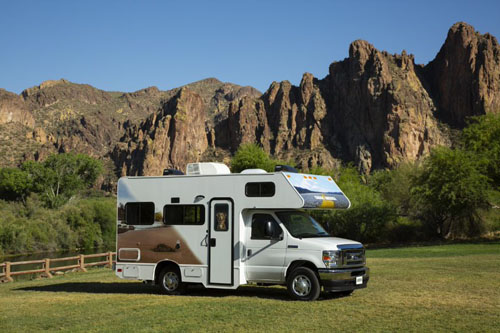
For diverse Canadian roads, including scenic routes and national parks, Bandana's fleet data suggests Class B Camper Vans and Class C Alcove RVs are highly suitable options for a rented motorhome adventure. Class B Camper Vans, like the "rv rental denver example Category Van" (often around 5.8 meters in length), offer excellent maneuverability and fuel efficiency (typically 8–10 Liter/100 Km), making them ideal for couples or small groups seeking flexibility and easier parking. Class C Alcove RVs, such as the "cruise america rv rental example Explorer" (averaging 7.1 meters in length with beds including a 160/220cm over-cab bed and 163/210cm double bed), provide more interior space and amenities, comfortably accommodating 4-6 people, making them a popular choice for families navigating both highways and provincial parks. The robust design of both Class B and Class C RVs from Bandana's global fleet ensures they handle Canada's varying road conditions, from paved highways to some gravel access roads, effectively.Should I Choose a Compact Van Instead of a Large RV in Canada?
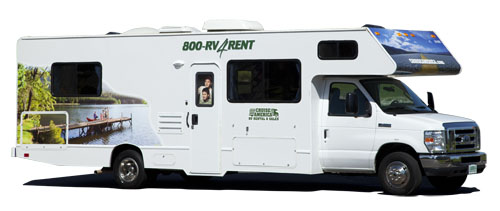
Generally, there is no inherent issue driving any RV size in Canada, and the choice between a compact van and a larger RV often hinges on desired comfort and indoor space versus perceived maneuverability. A compact Class B Camper Van, with its average length of 5.8 meters, can genuinely help in situations requiring high maneuverability, such as navigating tight historic city centers or finding parking in busy towns. However, for a one-way trip spanning Canada's vast distances, the enhanced comfort, living space, larger amenities, and dedicated sleeping areas of a Class C Alcove (like the "29′ Class C Motorhome", a large RV with a sleeping capacity for 8 and a 35 Kg gas bottle) or even a Class A motorhome often outweigh the minor benefits of a smaller footprint. With a larger rented RV, you benefit from more storage for luggage and gear, a more comfortable interior for relaxation, and potentially better amenities like a full bathroom and kitchen, which can significantly enhance a long journey. Drive slowly and carefully, and you can drive almost anywhere without issues. No need to stress - just use common sense and pay attention, and any size RV can be a fantastic choice for your Canadian adventure. If cooking meals on board sounds appealing, check out our RV-friendly recipes playlist for inspiration!Can I Park Anywhere? Free & Wild Camping Rules in Canada
No, you generally cannot park anywhere for free overnight in Canada; wild camping or boondocking rules vary significantly by province, territory, and municipality, often requiring specific permits or designated areas. While Crown land (publicly owned land) sometimes permits dispersed camping, specific provincial regulations and restrictions apply, particularly concerning how far you must be from roads or established parks. Many municipalities strictly prohibit overnight RV parking on city streets or in public parking lots, so always look for 'No Overnight Parking' signs or inquire with local authorities. Always adhere to 'Leave No Trace' principles when considering wild camping: pack out all waste, respect wildlife, avoid disturbing natural habitats, and ensure any fires are permitted and fully extinguished. For finding campsites and campgrounds during your trip, we recommend using RV PLANET (rvplan.net) - a great resource for locating available spots along your route. Even in peak season, many national/state parks reserve 25-30% of spots for first-come, first-serve, so you'll usually find a spot.Can I Drive an RV Into the City Center? Heights, Tunnels & Local Signage
Yes, in most Canadian cities, you can generally drive a rented RV into the city center, but it's crucial to pay close attention to local signage regarding height limits, tunnels, low bridges, and potential environmental or residents-only zones. Many urban areas have designated RV-friendly routes or parking lots; researching these in advance can save time and stress, allowing you to confidently navigate even bustling areas like downtown Toronto or Vancouver. Always be mindful of parking availability, as larger motorhomes can be challenging to maneuver and park in congested city areas, and parking fees can be substantial, often ranging from CAD 15-50 per day in major urban centers. Exercise caution around construction zones, one-way streets, and during peak traffic hours, as these can make city driving particularly difficult for larger vehicles. Drive slowly and carefully, and you can drive almost anywhere without issues. No need to stress - just use common sense and pay attention to signage.How much does a one-way RV rental cost in Canada?
A one-way RV rental in Canada typically costs between CAD 150 to CAD 500 per night for the rental fee itself, with additional expenses significantly impacting the total. Key cost factors include the RV class (smaller Class B vans are generally less expensive than larger Class C or A models), season (peak summer is most expensive), duration, and the specific pickup/drop-off locations. One-way fees, also known as repositioning fees, are a significant additional cost, ranging from CAD 300 to over CAD 1,000, depending on the route's popularity and demand for vehicle relocation. Comprehensive cost breakdowns should also factor in mileage packages (often 100-200 km/day included, with extra km charged at around CAD 0.40-0.60/km), insurance premiums (basic liability usually included, but extended coverage is recommended, costing CAD 20-50/day), and fuel costs (which can be CAD 200-500+ for a week-long trip, depending on distances). Beyond the rental, budget for camping fees (CAD 30-80/night), food (CAD 50-100/day for a family), activities, and potential unexpected expenses like maintenance or repairs. Prices are dynamic, similar to flight tickets, and change daily based on availability, seasonality, and supplier marketing decisions; the final price is set at the actual booking time. For deeper insights into pricing, explore our "RV Rental in Canada - Prices and Best Deals 2026" guide.What is the best time of year to RV in Canada?
The best time of year to RV in Canada for most travelers is generally from late May to early October, offering pleasant weather and full accessibility to parks and attractions. Summer (July and August) is the peak season, providing the warmest temperatures (averaging 20-25°C), longest daylight hours (up to 16 hours), and the widest range of open campgrounds and activities, though it also means higher prices and crowded popular spots. The shoulder seasons (late May to June and September to early October) offer significant advantages, including lower rental rates (potentially saving 15-30%), fewer crowds, and stunning natural beauty like spring blossoms or vibrant fall foliage, especially on routes in Eastern Canada. RVing during different seasons requires specific considerations; early spring and late fall can present unpredictable weather, including snow in higher elevations like the Rocky Mountains, which might limit road access or require different tires, impacting route planning and safety. Always check local weather forecasts.Are one-way RV rentals available from Vancouver to Calgary?
Yes, one-way RV rentals are very commonly available from
Vancouver To Calgary
Can I take a rental RV to the US from Canada?
Yes, you can often take a rental RV from Canada into the United States, but it almost always requires explicit permission from the rental company and adherence to specific border crossing requirements. Most rental agreements will include a clause detailing cross-border travel rules and may impose additional fees or require special insurance coverage for trips into the USA, typically an extra CAD 100-300. Travelers must possess valid passports and ensure all occupants meet the entry requirements for both Canada and the United States, including any necessary visas or ESTA authorizations for non-Canadian/US citizens. At the border, be prepared to present your rental agreement, vehicle registration (provided by the rental company), and personal identification, and declare any goods as required by customs officials. Always confirm cross-border policies with your specific rental provider well in advance to avoid any issues at the border or invalidating your insurance. For a broader perspective on RV travel, consult our "RV Rental USA - Complete Guide 2026" to plan your cross-border adventure seamlessly.What are the regulations for RVing in National Parks in Canada?
RVing in Canada's National Parks requires a Parks Canada Discovery Pass (CAD 75.25 for an adult annual pass, or CAD 22.00 for a daily family/group pass) for entry, and specific regulations govern camping, wildlife interaction, and overall conduct. Campground reservations within popular national parks like Banff, Jasper, and Yoho are highly competitive and must often be made months in advance, typically starting in January for the upcoming summer season, with prime spots booking out within minutes. All visitors must adhere to 'Leave No Trace' principles, ensuring proper waste management, staying on marked trails, and respecting wildlife by keeping a safe distance (minimum 30 meters from large animals) and never feeding animals. Boondocking or wild camping is generally prohibited within National Park boundaries; rented RVs must stay in designated campgrounds, which often have specific amenities and hookup options (e.g., 30-amp or 15-amp electrical). Regulations also cover generator use (restricted to certain hours, usually 9:00 AM - 11:00 AM and 5:00 PM - 7:00 PM), quiet hours (11:00 PM - 7:00 AM), and fire restrictions, which are strictly enforced to preserve the pristine wilderness and ensure visitor safety.How do I plan a one-way RV trip in Canada?
Planning a one-way RV trip in Canada involves several key steps: choose your desired route, select the appropriate RV type, budget comprehensively, and book well in advance. Begin by deciding on your starting and ending points and researching popular one-way routes, such as
Vancouver To Calgary
What documents do I need to rent an RV in Canada?
To rent an RV in Canada, you primarily need a valid driver's license, a major credit card, and for international visitors, a passport and potentially an International Driving Permit (IDP). Your driver's license must be valid for the entire rental period and in good standing; it should be readable in English or French, or accompanied by an IDP if in another language. A major credit card (Visa, Mastercard, American Express) is essential for securing the rental, paying the security deposit (typically CAD 1000-2500), and covering any additional charges or incidentals. International travelers will need a valid passport as proof of identity and nationality, alongside any required entry visas for Canada. Some rental companies may also require proof of sufficient funds or additional insurance documentation, so it's always best to confirm specifics directly with your chosen provider. Bandana RV offers full transparency with bookings available in 30+ currencies and no hidden fees or conversion commissions.Are pets allowed in one-way RV rentals in Canada?
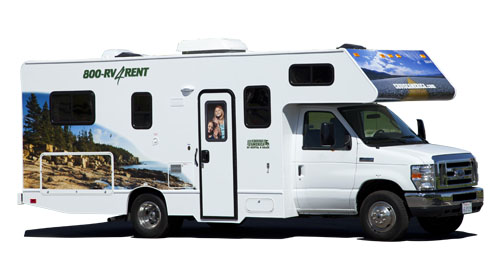
Many RV rental companies in Canada do allow pets in their rented vehicles, including for one-way rentals, though this often comes with specific conditions and additional fees. Expect to pay a non-refundable pet cleaning fee, typically ranging from CAD 100 to CAD 300, to cover extra cleaning to accommodate future renters who may have allergies. Policies vary widely by company and even by specific motorhome models; some may restrict pet size or breed, or have a limit on the number of pets allowed. For example, some Class C motorhomes explicitly state "Pet Friendly" in their features, such as the "24' Class C Motorhome". Ensure your pet is always secured while the RV is in motion, and bring their own bedding and bowls to make them comfortable. Look for rental companies that explicitly advertise pet-friendly options and research specific pet-friendly activities, trails, and beaches across Canada, like those found in provincial parks, to enhance your trip with your furry companion.What are the popular one-way RV routes in Canada?
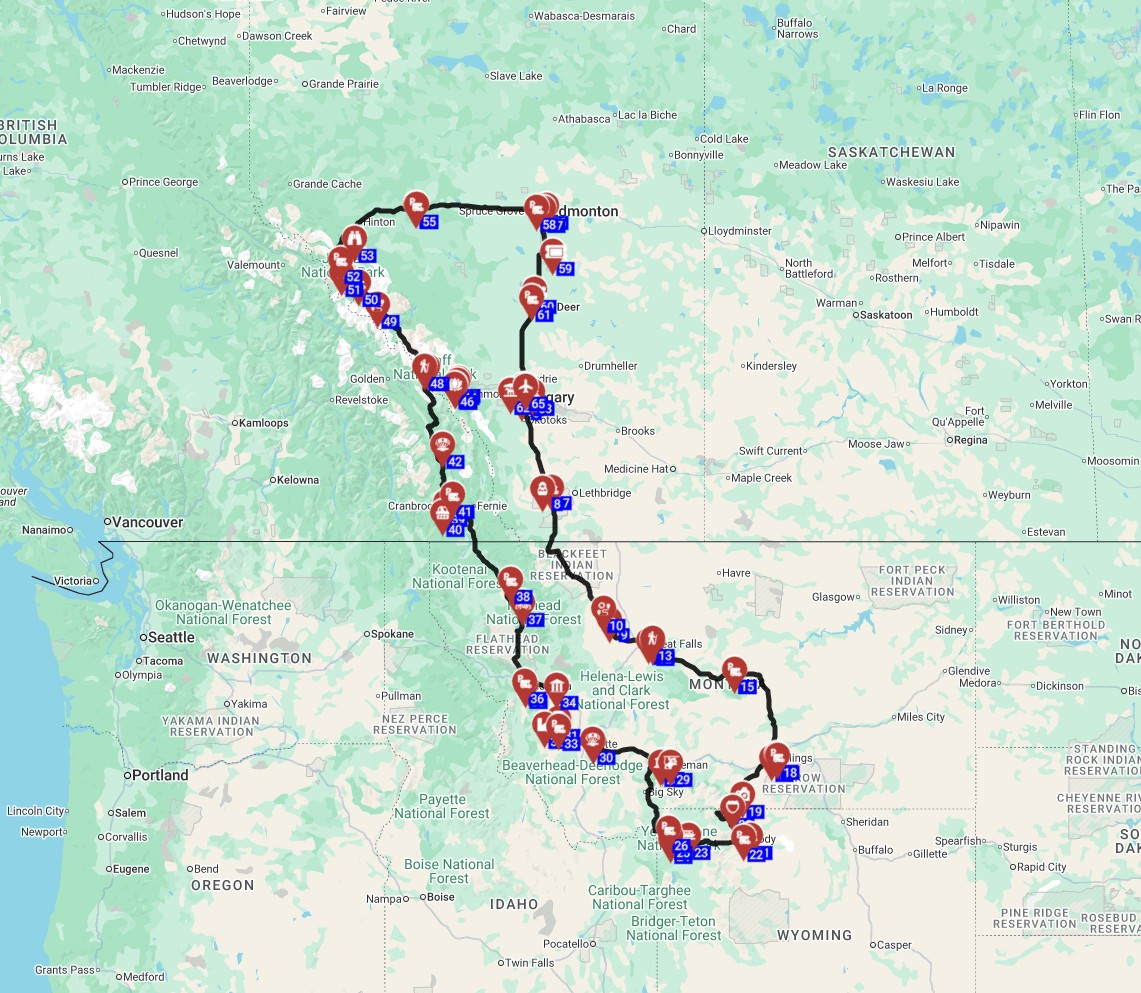
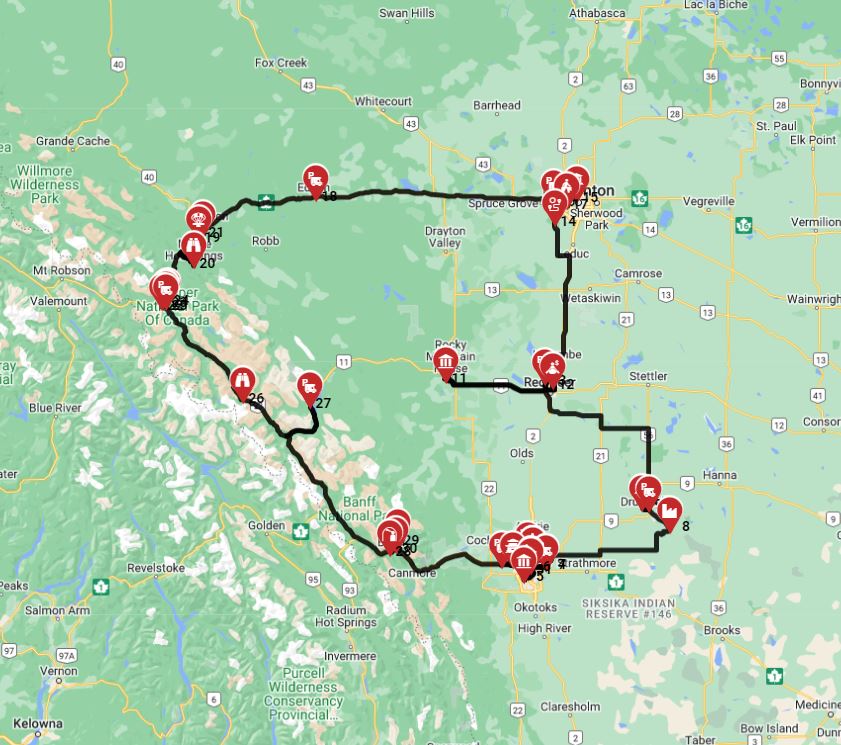
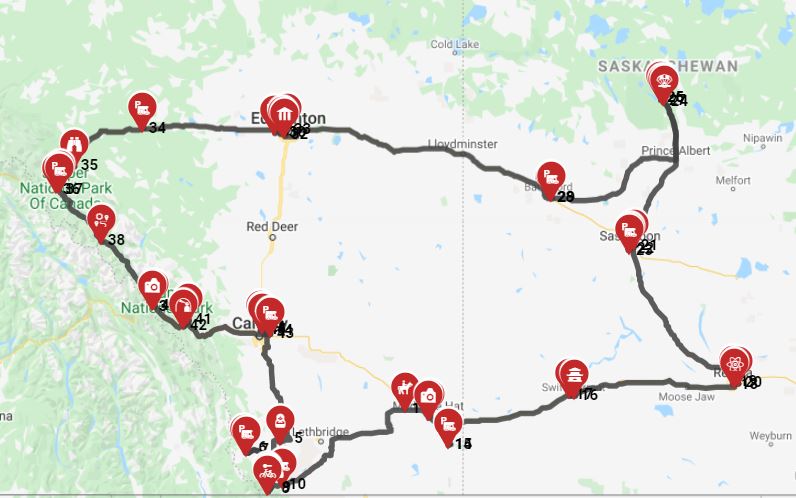
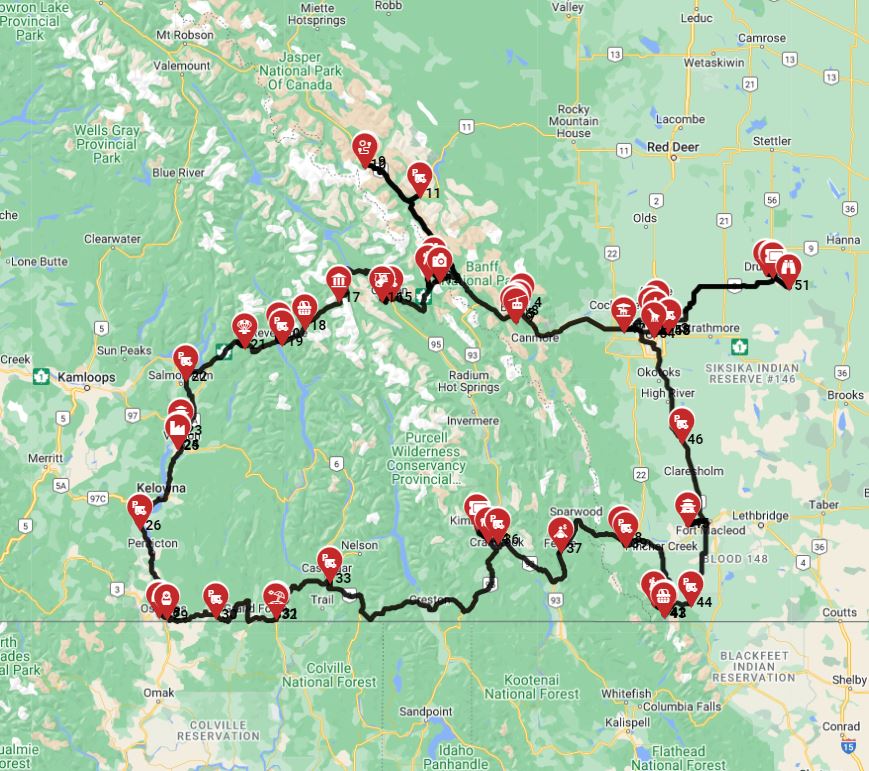
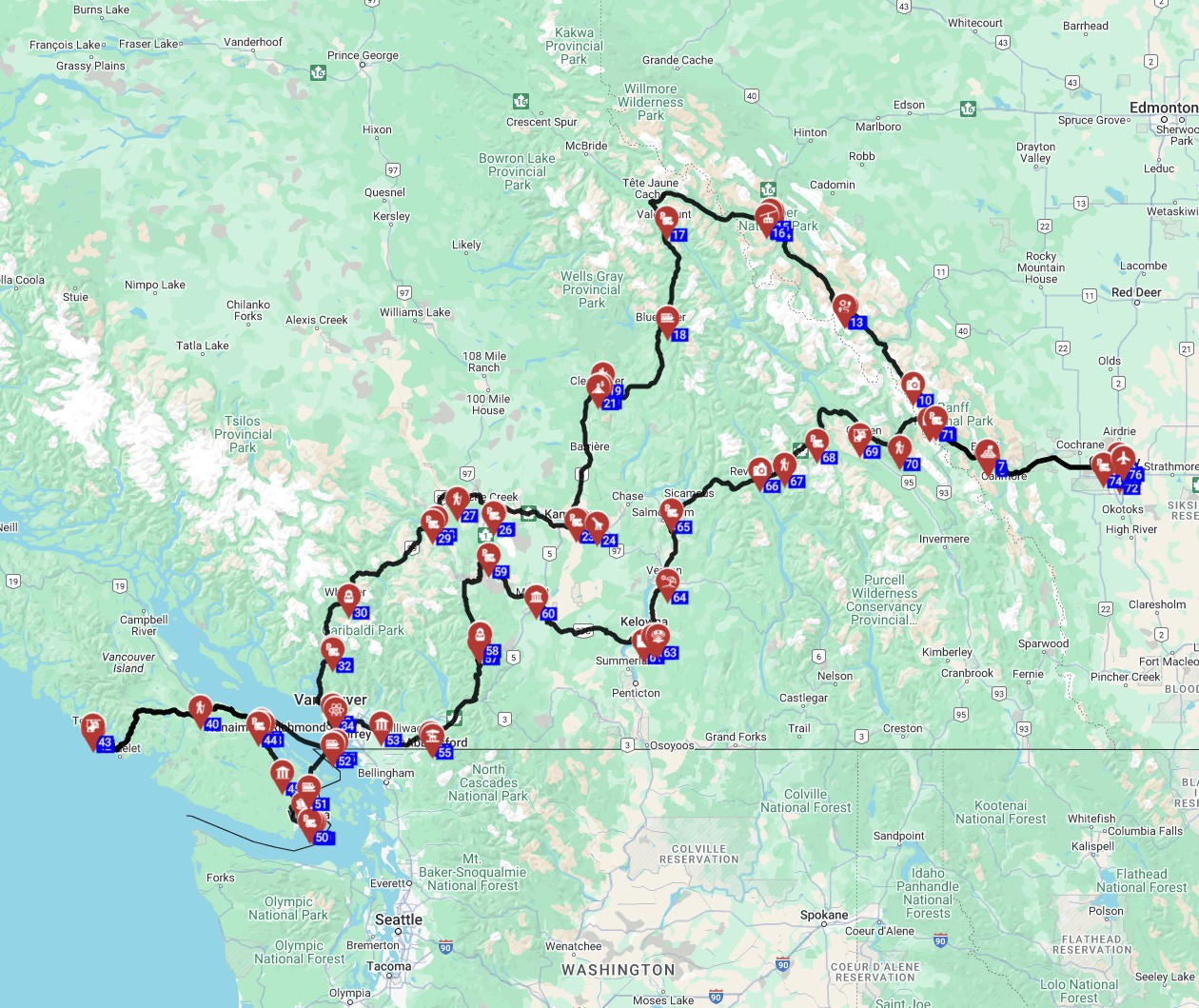
Popular one-way RV routes in Canada typically connect major cities or iconic natural landmarks, offering convenience and diverse scenic experiences. The most sought-after route is often Vancouver to Calgary (or vice-versa), traversing the spectacular Canadian Rockies and national parks like Banff and Jasper, covering approximately 900 km. Other popular options include Toronto to Montreal or Quebec City, showcasing Eastern Canada's historical sites, vibrant culture, and stunning fall foliage routes over a distance of roughly 550 km. Routes linking major urban centers like Edmonton to Vancouver (a longer journey of over 1100 km) or Halifax to Montreal (approximately 1000 km) also provide excellent opportunities for exploring different regions. These routes frequently offer opportunities for authentic cultural immersion, from experiencing local cuisine like poutine in Quebec and Nanaimo bars in British Columbia to discovering unique regional festivals and customs. Our RV PLANET itineraries, such as "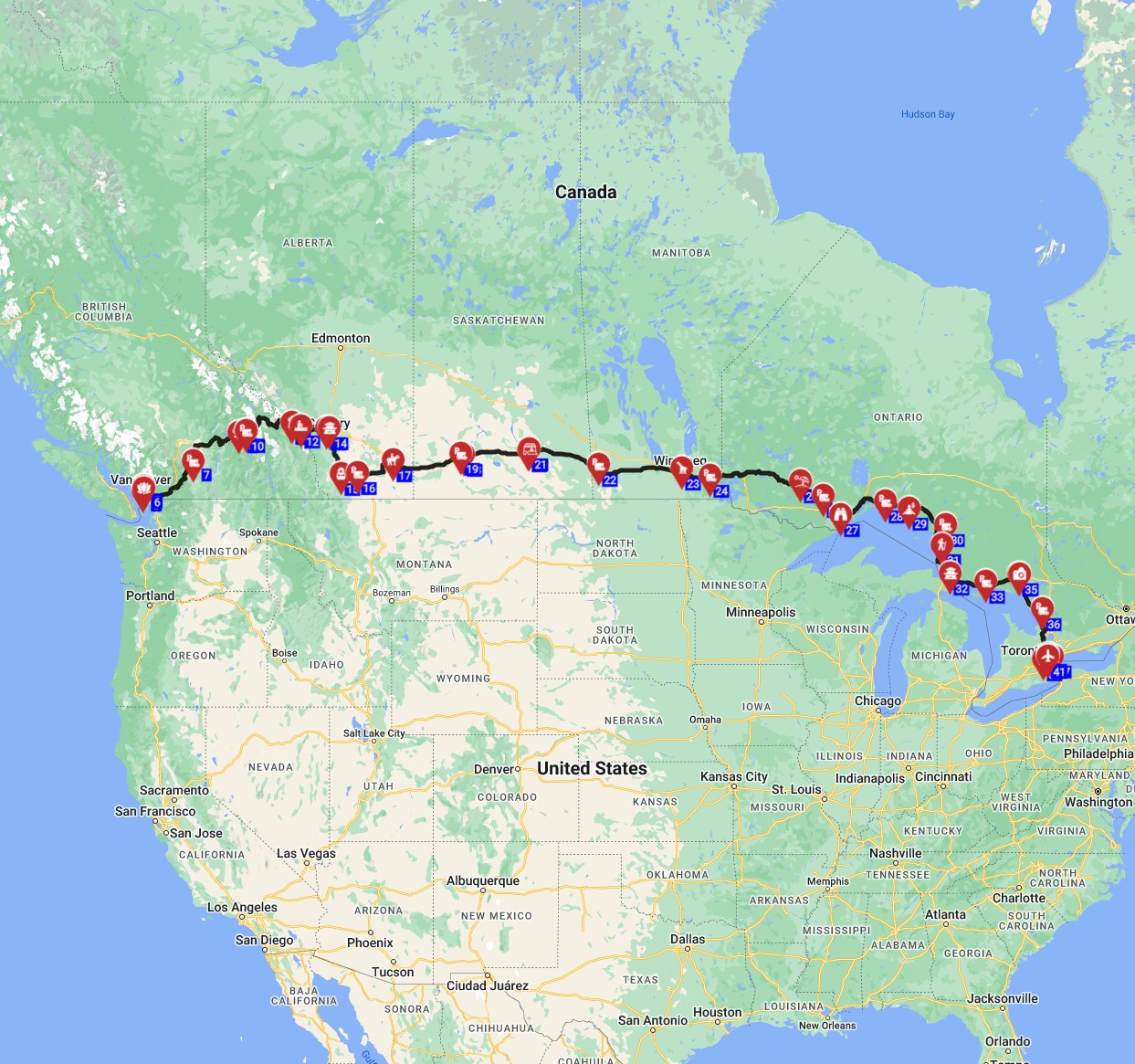
Vancouver to Toronto - Trans Canada West to East
What insurance do I need for a one-way RV rental in Canada?
For a one-way RV rental in Canada, basic third-party liability insurance (typically CAD 1-5 million) is usually included by the rental company, but supplementary coverage is highly recommended for comprehensive protection. Basic liability protects against damages to other vehicles or property, but often provides minimal coverage for damage to your rented RV. Many renters opt for additional Collision Damage Waiver (CDW) or Loss Damage Waiver (LDW) plans offered by the rental company, which can significantly reduce your financial responsibility for damages to the RV to an excess amount, often around CAD 1000-2500. You can also upgrade to a top-level deductible for extra peace of mind through Bandana RV, ensuring you travel without stress. Consider extending your personal travel insurance to cover medical emergencies (which can be costly in Canada), trip interruption, or personal belongings, as these are usually not covered by basic RV rental insurance. Always check if your personal auto insurance policy or credit card benefits offer any coverage for RV rentals, but verify the extent of coverage for large recreational vehicles before declining supplemental options. We compare final prices across 50+ suppliers, including insurance options, so you know what you see is what you pay, with no surprise fees at pickup.What You Shouldn't Miss
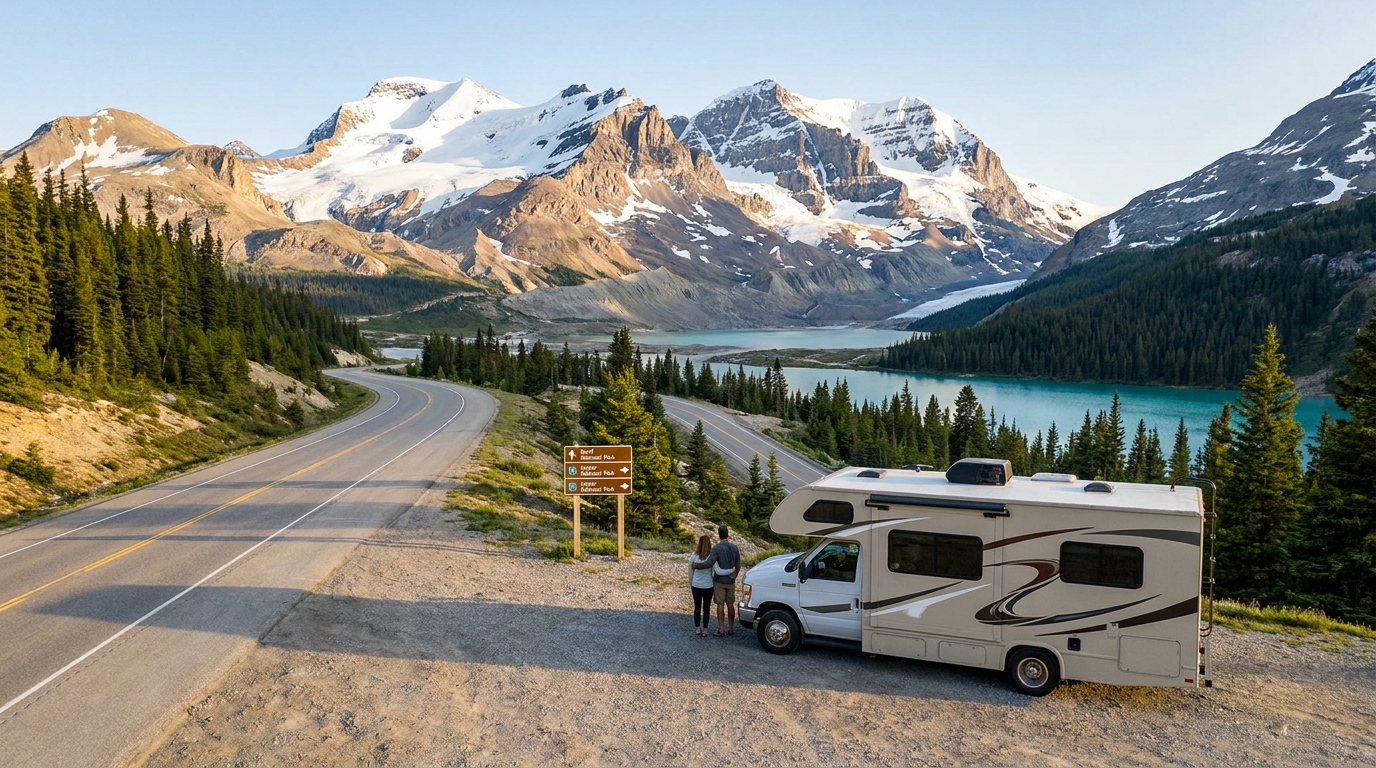
- **The Canadian Rockies:** Drive the Icefields Parkway between Banff and Jasper National Parks, an iconic 232 km route with over 100 glaciers, stunning lakes like Lake Louise, and abundant wildlife viewing opportunities.
- **East Coast Charm:** Explore the Maritime Provinces, including a week-long trip through Nova Scotia's Cabot Trail on Cape Breton Island, a 298 km scenic highway with Celtic culture and ocean views.
- **Vibrant Cities:** Spend a few days in cities like Montreal (Canada's second-largest city, rich in French-Canadian culture) or Vancouver (a bustling West Coast hub with easy access to mountains and ocean).
- **Northern Wilderness:** For the truly adventurous, consider a one-way motorhome journey towards Whitehorse, Yukon, for a taste of Canada's vast, untouched wilderness and potential Northern Lights viewing.
- **Great Lakes Exploration:** Discover the beauty of Ontario's Great Lakes region, with numerous provincial parks and charming lakeside towns, perfect for a week-long or two-week adventure.
Looking for expert insights from Avi Bandana? Top 5 Adventures - recommendations from Avi Bandana
Final Thoughts
Embarking on a one-way RV adventure across Canada is an experience like no other, offering unparalleled freedom and the chance to immerse yourself in stunning landscapes and vibrant cultures. Whether you dream of tracing the Trans-Canada Highway from coast to coast or exploring a specific region, a rented motorhome or campervan provides the perfect home base. With careful planning, transparent pricing, and the right support, your Canadian road trip can be an unforgettable journey filled with discovery and cherished memories. At Bandana Caravan, we are true RV specialists, dedicated to making your rental experience smooth and worry-free. We believe in being supportive before, during, and after your booking, ensuring you have all the information and assistance you need. So, pack your bags, prepare for an epic adventure, and let Canada's vast beauty unfold before you. Discover top destinations, planning tips, all in one place!On the routes offered through RV PLANET routes, you can itemize and track every expense along the way for easy budgeting.