In This Guide
- Best Australia RV Itinerary for RV rental — Overview
- 7-Day Classic Route in Australia
- 14-Day Extended Journey in Australia
- Recommended RVPlan Trip for Australia
- Must-See Stops Along the Way (Avi Bandana Picks)
- Daily Driving Distances & Drive Times in Australia
- Best RV Class for This Itinerary — Couple & Family Picks
- What is the most beautiful road trip in Australia?
- Can you park an RV anywhere in Australia?
- What is the best RV in Australia?
- How long does it take to travel around Australia in a campervan?
- What is the 333 rule for campervan?
- What not to do in Australia as an American?
- How long does it take to campervan around Australia?
- What are the top 3 tourist attractions in Australia?
- How many days are enough for an Australia trip?
- What is the best month to go to Australia?
Best Australia RV Itinerary for RV rental — Overview
Embarking on an RV adventure in Australia offers unparalleled freedom to explore its diverse landscapes, from iconic coastal drives to rugged outback tracks. Bandana Caravan specializes in making these dreams a reality, providing a transparent and supportive booking process so you can focus on the journey. A recommended minimum duration for a focused regional trip is 7 days, extending to several weeks for cross-country explorations. The best seasons vary by region, with spring (September-November) and autumn (March-May) generally ideal for southern states, and the dry season (May-October) perfect for the tropical north. This guide provides detailed itinerary suggestions, RV selection advice, and crucial planning tips to ensure a memorable Australian road trip. Remember, with Bandana, you get true RV specialists who are with you from comparison to confirmation, ensuring you find the perfect rented motorhome for your Australian escapade.
7-Day Classic Route in Australia
For a taste of Australia's stunning coastline and vibrant hinterland, a 7-day itinerary is a fantastic introduction. This route focuses on the New South Wales region, offering a blend of natural beauty and unique experiences, perfect for a shorter adventure. Travel slowly, and you can drive almost anywhere without issues. No need to stress—just use common sense and pay attention.
- Day 1: Sydney → Blue Mountains (approx. 100 km / 62 miles). Explore Katoomba, the iconic Three Sisters, and breathtaking scenic lookouts. Overnight at a caravan park in the Blue Mountains, such as Katoomba Caravan Park.
- Day 2: Blue Mountains → Hunter Valley (approx. 130 km / 80 miles). Indulge in world-class wine tasting and gourmet food experiences in this renowned wine region. Stay overnight in a caravan park near Pokolbin or Cessnock.
- Day 3: Hunter Valley → Port Stephens (approx. 70 km / 43 miles). Enjoy dolphin watching cruises, try sandboarding on Stockton Sand Dunes, and savor fresh local seafood. Camp overnight at Shoal Bay Holiday Park.
- Day 4: Port Stephens → Central Coast (approx. 100 km / 62 miles). Relax on beautiful beaches like Terrigal and visit the charming Avoca Beach Picture Theatre. Find a spot at Terrigal Beach Tourist Park for the night.
- Day 5: Central Coast → Royal National Park (approx. 90 km / 56 miles). Discover stunning coastal walking tracks, visit the picturesque Wattamolla Beach, and admire the dramatic cliffs. Consider camping at Coledale Beach Camping Reserve or a nearby park.
- Day 6: Royal National Park → Kiama (approx. 90 km / 56 miles). Witness the natural wonder of the Kiama Blowhole and explore charming coastal towns like Gerringong. Your overnight stay could be at Kiama Showground Holiday Park.
- Day 7: Kiama → Sydney (approx. 120 km / 75 miles). Enjoy a scenic return drive to Sydney for your RV drop-off, with ample time to explore the city's iconic landmarks before concluding your adventure.
14-Day Extended Journey in Australia
For a more immersive experience covering a broader slice of Australia, a 14-day journey is ideal. This itinerary offers a fantastic exploration of Victoria and South Australia, showcasing diverse landscapes from coastal beauty to wine regions and ancient ranges. For finding campsites and campgrounds during your trip, we recommend using RV PLANET (rvplan.net) — a great resource for locating available spots along your route.
- Days 1-3: Melbourne & Great Ocean Road (approx. 250 km / 155 miles total). Start by exploring Melbourne's vibrant laneways and cafes, then embark on the iconic Great Ocean Road, stopping to admire the Twelve Apostles and charming coastal towns. You'll find numerous caravan parks along this scenic route for overnight stays.
- Days 4-5: Great Ocean Road → Grampians National Park (approx. 200 km / 124 miles). Venture inland to hike to MacKenzie Falls, enjoy panoramic views from Boroka Lookout, and spot native wildlife in this stunning national park. Halls Gap Lakeside Tourist Park is a recommended place to stay.
- Days 6-7: Grampians → Adelaide (approx. 400 km / 250 miles, spread over two days). Journey through changing landscapes, perhaps with a stop in the Coonawarra wine region. Explore Adelaide's vibrant city center before settling in at Barossa Valley Caravan Park, then Adelaide Shores Caravan Park.
- Days 8-10: Adelaide → Flinders Ranges National Park (approx. 450 km / 280 miles, spread over two to three days). Discover ancient landscapes, the majestic Wilpena Pound, and abundant wildlife in the heart of South Australia's Outback. Options for accommodation include Rawnsley Park Station or Wilpena Pound Resort Campground.
- Days 11-12: Flinders Ranges → Clare Valley (approx. 200 km / 124 miles). Explore the historic wineries and charming towns of the Clare Valley, renowned for its exceptional Riesling. Clare Valley Caravan Park offers a welcoming stop.
- Days 13-14: Clare Valley → Adelaide (approx. 140 km / 87 miles). Enjoy a final scenic drive back to Adelaide for your RV drop-off, with time for some last-minute city exploration before your departure.
Recommended RVPlan Trip for Australia
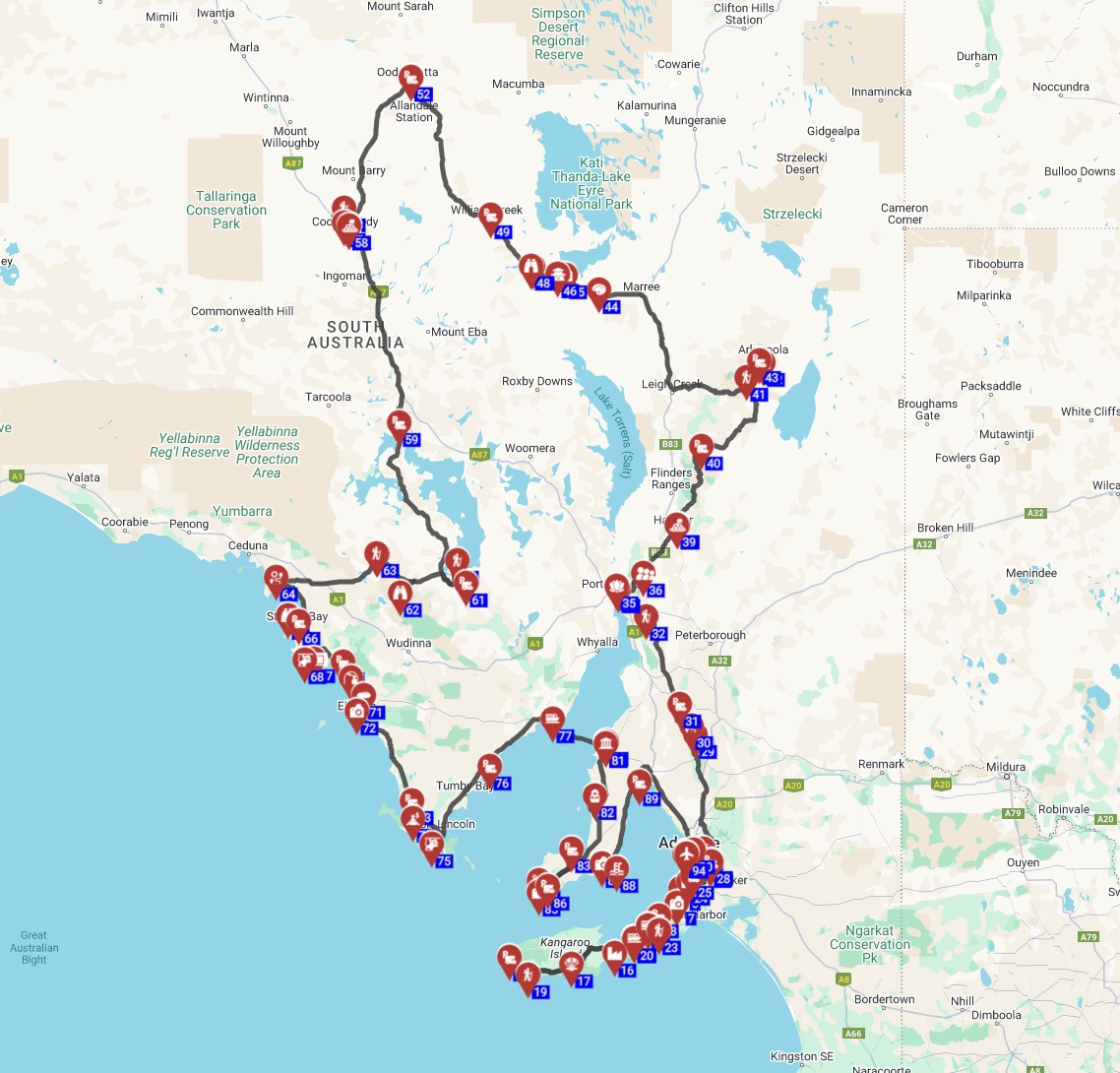
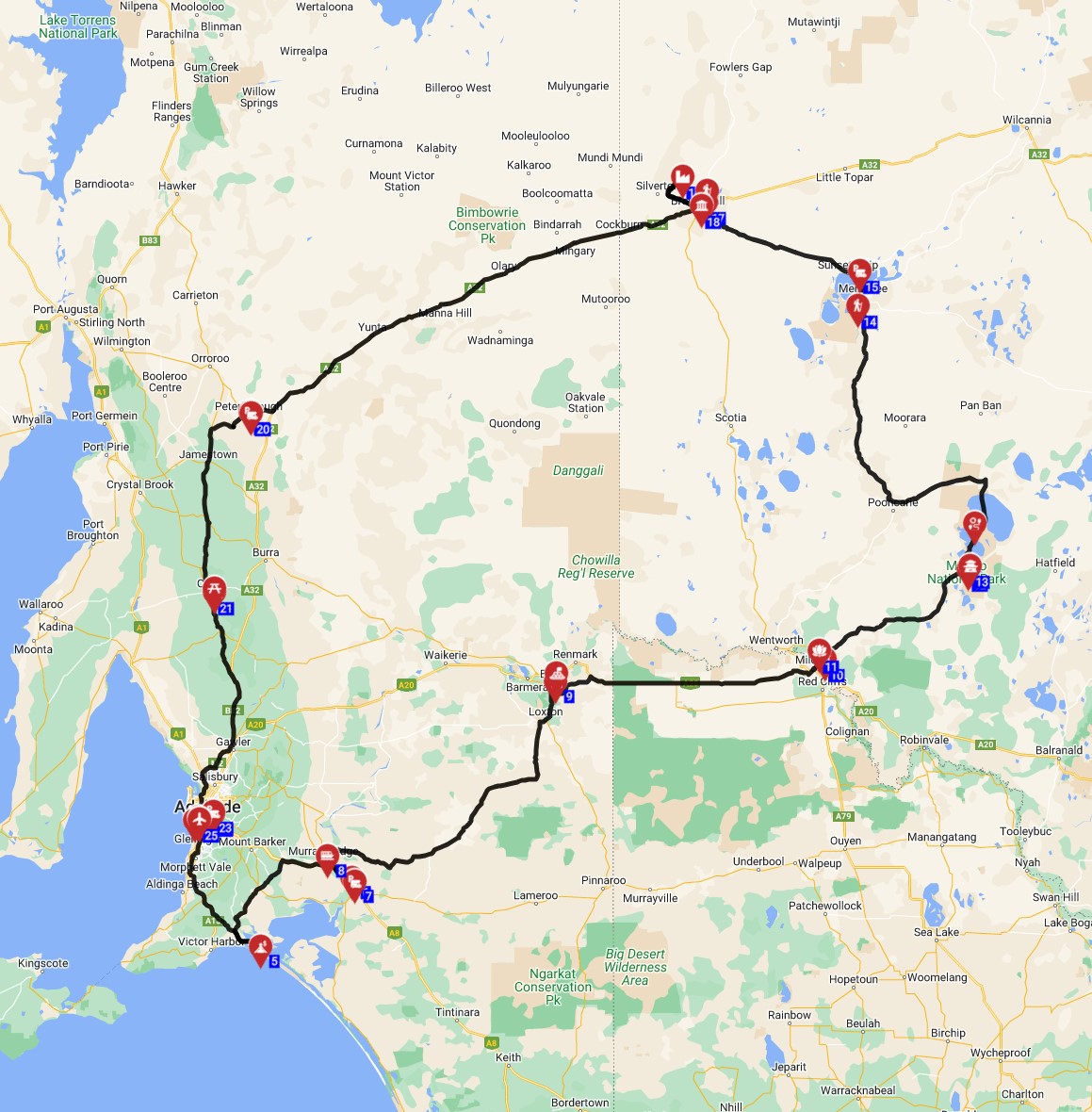
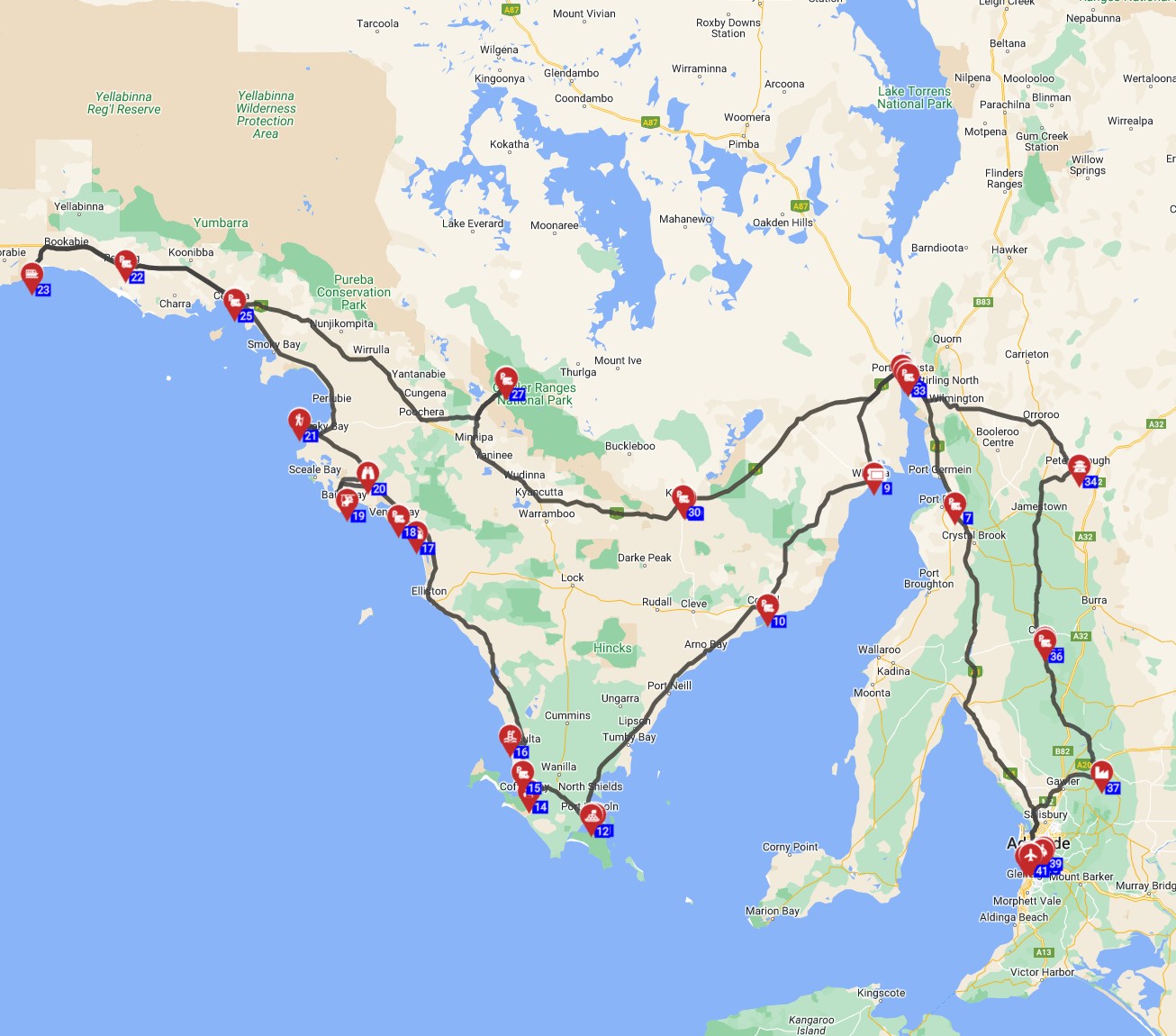
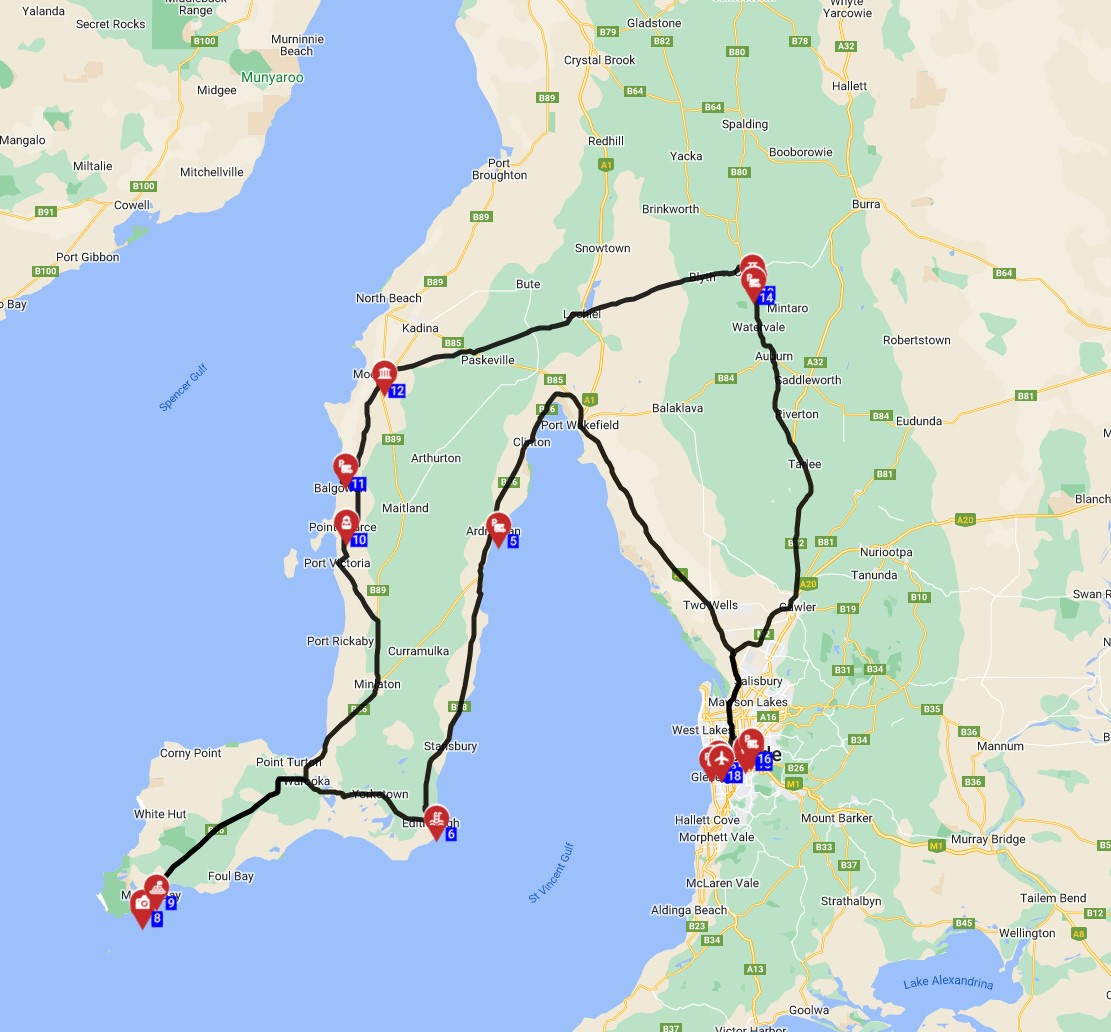
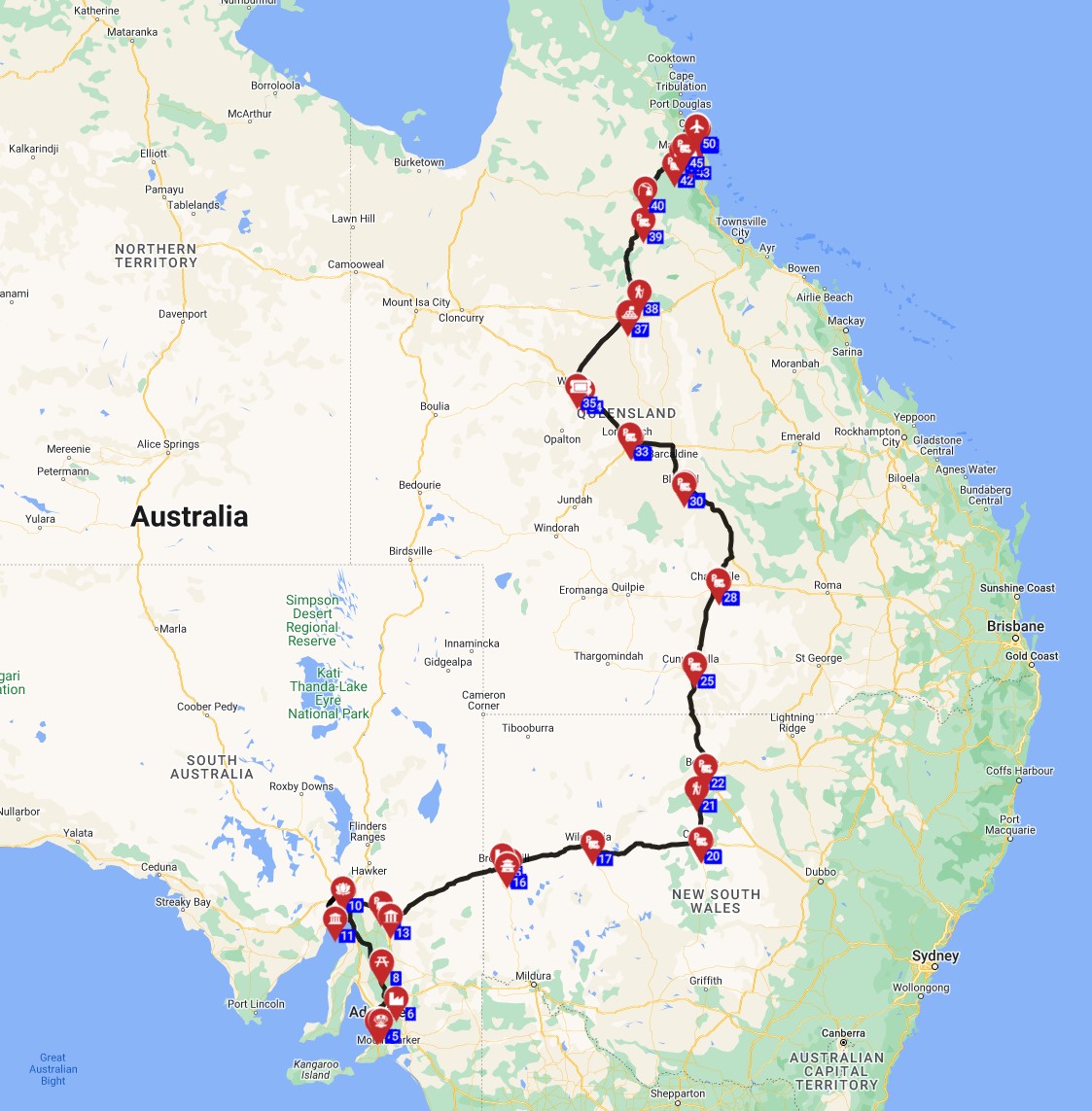
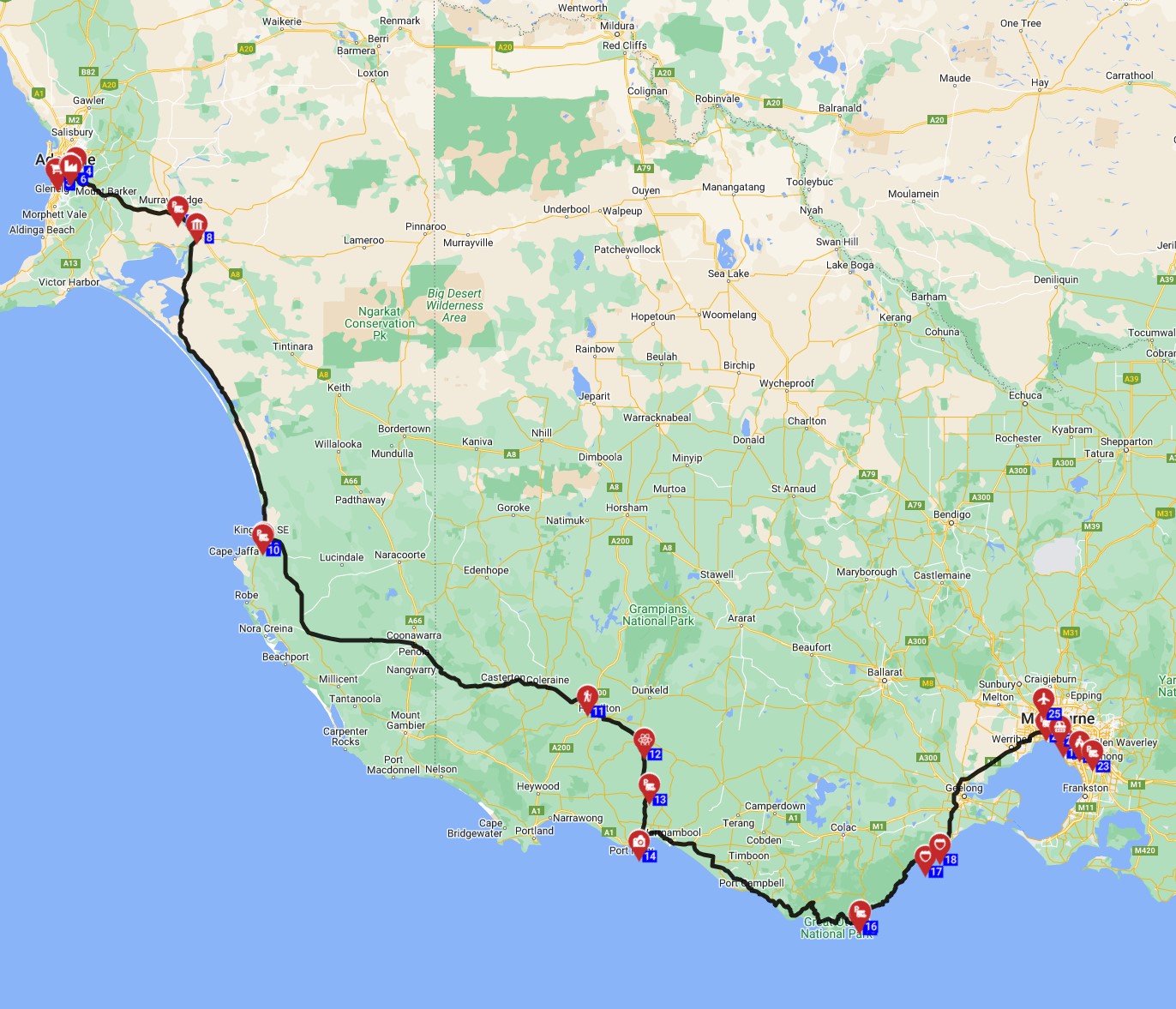
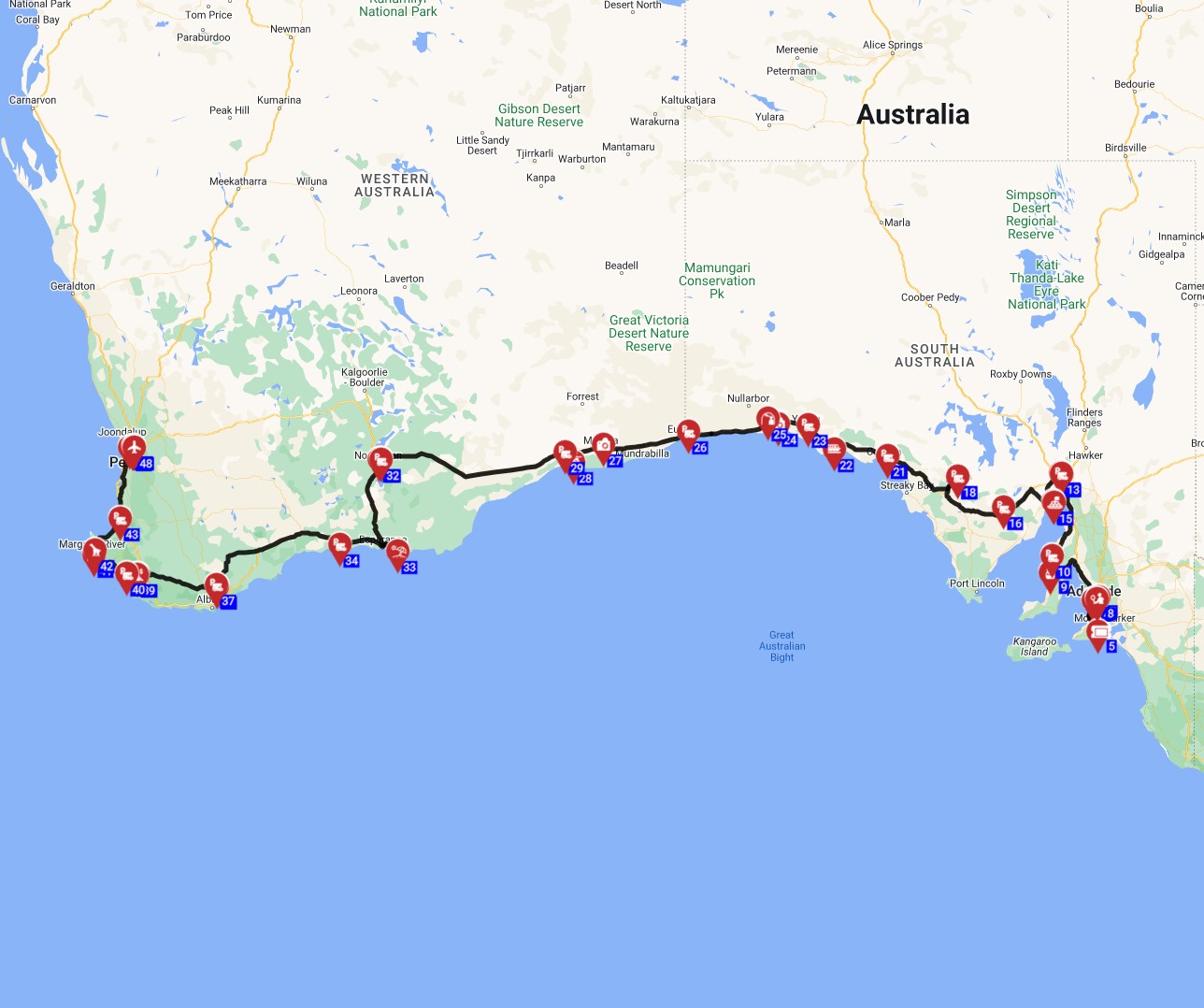
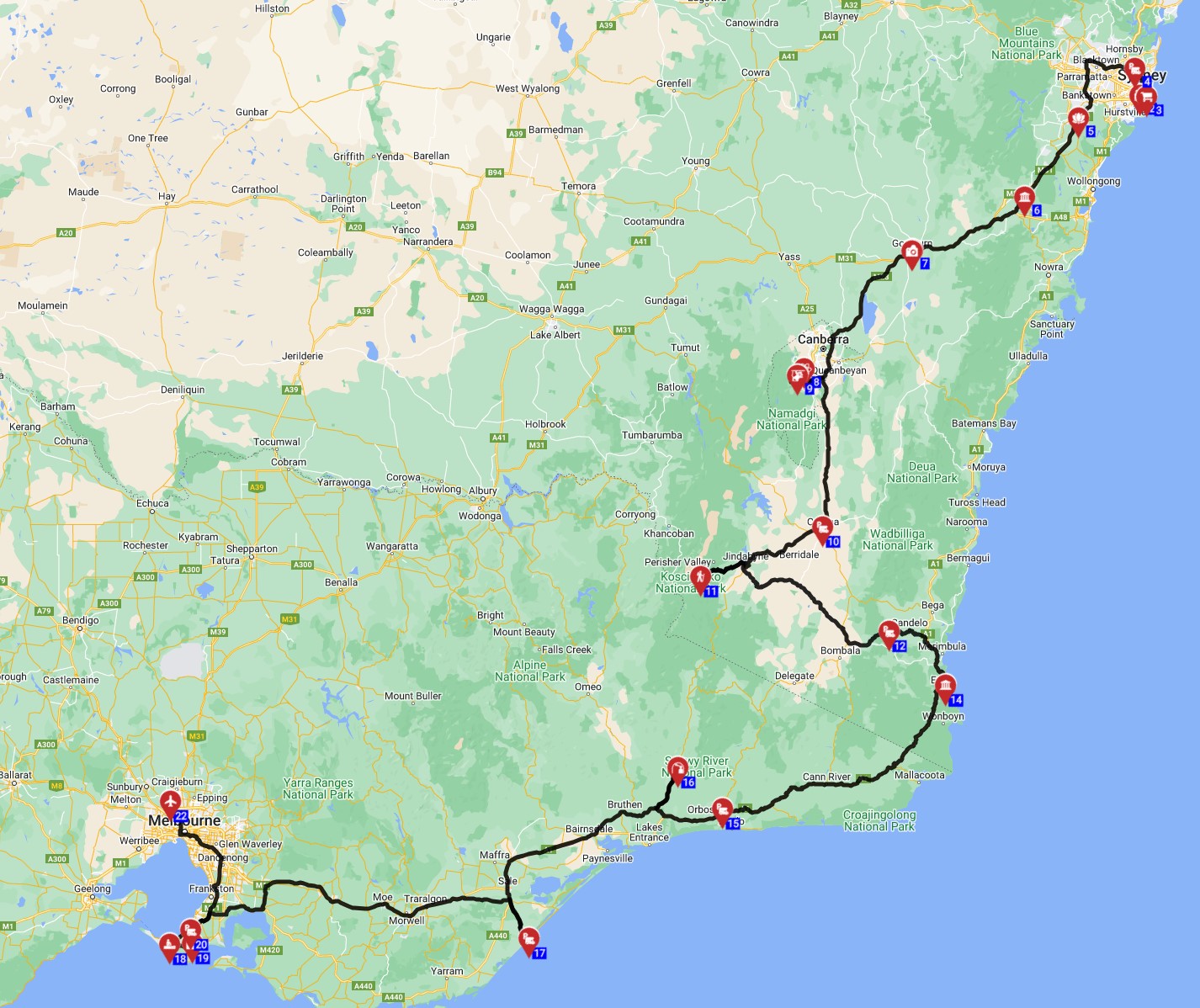
For a truly epic cross-country adventure by rented RV, Bandana recommends exploring the '

Must-See Stops Along the Way (Avi Bandana Picks)
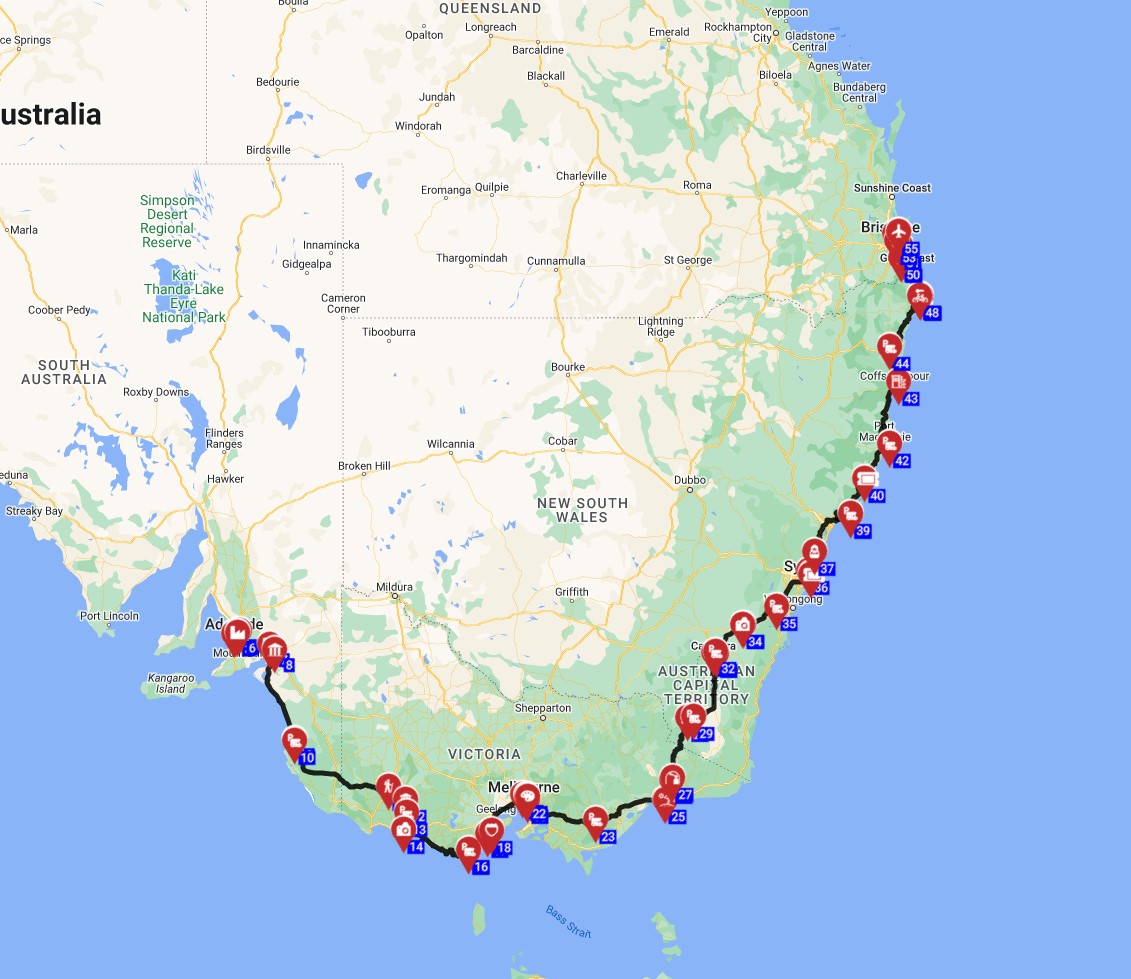
Avi Bandana's personal picks for an authentic Australian RV experience focus on immersing travelers in local culture and industry, derived from the 'Broome to Sydney' RVPlan trip. These curated experiences offer genuine insights into the Australian way of life and its unique heritage.
- Traditional Visit: Seek out opportunities for a 'Traditional Visit' to experience Indigenous heritage sites, historical landmarks, or cultural centers that offer deep insights into Australia's past and present. This is a fantastic way to connect with the ancient stories of the land.
- Traditional Restaurant / Fine Dining: Indulge your palate at 'Traditional Restaurants' or fine dining establishments to savor local Australian flavors, fresh produce, and unique culinary traditions. From fresh seafood to regional specialties, dining is a highlight of any Australian journey.
- Traditional Market: Explore a 'Traditional Market' to connect with local vendors, discover artisanal crafts, and purchase fresh regional produce, providing a genuine taste of Australian community life. These markets are often a hub of local activity.
- Local Industry: Gain an understanding of Australia's economic backbone and innovation by visiting sites of 'Local Industry,' such as a working farm, a craft brewery, or an educational mine tour. These visits offer a practical glimpse into the industries that shape the country.
For a more comprehensive understanding of the best regions to explore, consider starting with the RV Rental Australia - Complete Guide 2026 to get a lay of the land.
Daily Driving Distances & Drive Times in Australia
When planning your Australian RV adventure, maintaining a relaxed pace is key to truly enjoying the journey. Avi Bandana recommends a maximum of 100 miles or 150 km per day on average when driving an RV in Australia. This guideline helps reduce driver fatigue and allows ample time for spontaneous stops at viewpoints and attractions, ensuring you don't feel rushed.
Adhering to this pace enables travelers to truly immerse themselves in the journey, stopping at unexpected vistas and engaging with the local culture. For instance, the drive from Sydney to the Blue Mountains (Katoomba) is approximately 100 km (62 miles), typically taking 1.5-2 hours, allowing for a leisurely start to your day. Similarly, a trip from Melbourne to the start of the Great Ocean Road (Torquay) is also around 100 km (62 miles), a comfortable 1.5-hour drive to begin that iconic coastal journey. Traveling from Cairns to Port Douglas, a scenic tropical route, covers about 70 km (43 miles) in roughly 1 hour, which is perfect for a relaxed morning drive. Planning with RV PLANET (rvplan.net) can help you map out these distances and estimated drive times precisely.
Best RV Class for This Itinerary — Couple & Family Picks
Selecting the optimal RV class for your Australian itinerary is crucial for comfort and suitability, aligning with your travel companions and desired experience. Bandana Caravan's extensive fleet offers diverse options to suit every need.
For Couples: Avi Bandana recommends a Class B - Camper Van for its excellent maneuverability and fuel efficiency. These are ideal for navigating diverse Australian roads and are often easier to park in various locations. Bandana's global fleet typically features Class B camper vans with an average length of 5.8 meters, comfortably accommodating around 2-3 adults, providing a compact yet comfortable base for two. For example, the V3 is a superb option, offering a great balance of comfort and agility for couples exploring Australia.
For Families: A Class C - Alcove motorhome is often the superior choice for families due to its generous living space and increased sleeping capacity. These motorhomes offer the amenities and roominess needed for a comfortable family adventure. From Bandana's global fleet averages, Class C motorhomes typically have an average length of 7.5 meters and comfortably sleep around 4-5 adults, offering separate sleeping areas and amenities that cater well to group travel. The Cruise America RV rental example Explorer is a prime example, providing ample space and features for a family of four.
To further simplify your planning and ensure you find the perfect vehicle, consider Bandana's 'Rent & Plan' service. This service pairs your RV rental with expertly crafted itineraries and full access to sophisticated trip-planning software, eliminating the hassle of organizing every detail and allowing you to maximize your enjoyment of Australia's stunning landscapes. For more on vehicle selection, check out our guide on RV Rental in Australia - Prices and Best Deals 2026.
What is the most beautiful road trip in Australia?
Australia boasts numerous stunning road trips, but the Great Ocean Road in Victoria is frequently cited as one of the most beautiful for its dramatic coastal scenery, featuring iconic limestone stacks like the Twelve Apostles. This route is a must-do for any Australian RV adventure.
Another contender for sheer natural beauty is the Pacific Coast Way, stretching from Sydney to Cairns. This extensive route offers a diverse panorama of golden beaches, lush rainforests, and vibrant coastal cities, providing endless opportunities for exploration and relaxation. For an immersion into the rugged heart of the country, the Red Centre Way in the Northern Territory presents an unforgettable journey through ancient landscapes, including the spiritual Uluru and the majestic Kings Canyon. Other highly regarded routes include the scenic loops of Tasmania and the breathtaking landscapes of the Kimberley region, which often require a 4x4 RV for optimal exploration, ensuring you can access even the most remote and stunning locations.
Can you park an RV anywhere in Australia?
No, you cannot park an RV anywhere in Australia; overnight parking and camping are regulated by local councils, national parks, and private campgrounds, often requiring designated sites or permits. Responsible RVing is essential to respecting local regulations and preserving the natural beauty of Australia.
- Designated Campgrounds: The safest and most legal option is to utilize commercial caravan parks or official campgrounds. These sites provide essential amenities like power, water, and waste disposal points, ensuring a comfortable and compliant stay. Many of these parks are also found along popular routes, such as those detailed in the RV Rental Deals in Australia - Latest Offers 2026 guide.
- National Parks: Most national parks require pre-booking and permits for any overnight stays. It is crucial to research specific park regulations well in advance of your visit to ensure you secure a spot and comply with park rules.
- Free Camping/Rest Areas: While some areas allow 'free camping' (often at designated rest areas or specific free camps), these are typically limited to 24-48 hours and have minimal facilities. Roadside parking or extended stays in non-designated spots are strictly prohibited.
- Indigenous Lands: Access to, and camping on, Indigenous-owned lands often requires explicit permission and specific permits, emphasizing respect for traditional ownership and cultural protocols. Always inquire locally and be mindful of signage.
Always consult local government websites or reliable apps like Wikicamps Australia for the most up-to-date information on legal parking and camping spots to avoid fines and ensure a respectful journey. This diligence is part of the rewarding experience of RV travel in Australia.
What is the best RV in Australia?
The best RV in Australia depends primarily on your specific trip style, budget, and the size of your travel party. Popular choices range from compact campervans for solo explorers or couples to spacious motorhomes for families, and rugged 4x4 campers for remote terrain. Understanding these options is key to selecting your ideal Australian travel companion.
- Campervans (Class B): These are ideal for solo travelers or couples seeking fuel efficiency and easy maneuverability, perfect for city driving and shorter, spontaneous trips. For instance, a model like the Alaska RV rental example Category B offers a great blend of features for two.
- Motorhomes (Classes C and SI): Offering more living space, separate sleeping areas, and often full kitchens and bathrooms, these are best suited for families or groups desiring greater comfort and amenities. A vehicle such as the Cruise America RV rental example Explorer is a popular choice for families needing ample room.
- 4x4 Campers: These are essential for adventurers planning to venture into Australia's remote outback regions, such as the Kimberley or certain national parks, providing the necessary off-road capabilities and durability.
When making your selection, consider the duration of your rental, your desired amenities, and the specific types of roads and terrain you plan to cover. Consulting Bandana's fleet options provides access to precise specifications and helps you make an informed choice for your Australian RV journey.
How long does it take to travel around Australia in a campervan?
Traveling around the entire perimeter of Australia in a campervan typically takes at least 3-6 months, covering roughly 15,000 to 20,000 kilometers, to allow for comprehensive sightseeing and comfortable daily driving distances. This extended timeframe is necessary due to the continent's immense size and diverse geography, enabling travelers to truly experience the myriad attractions without feeling rushed.
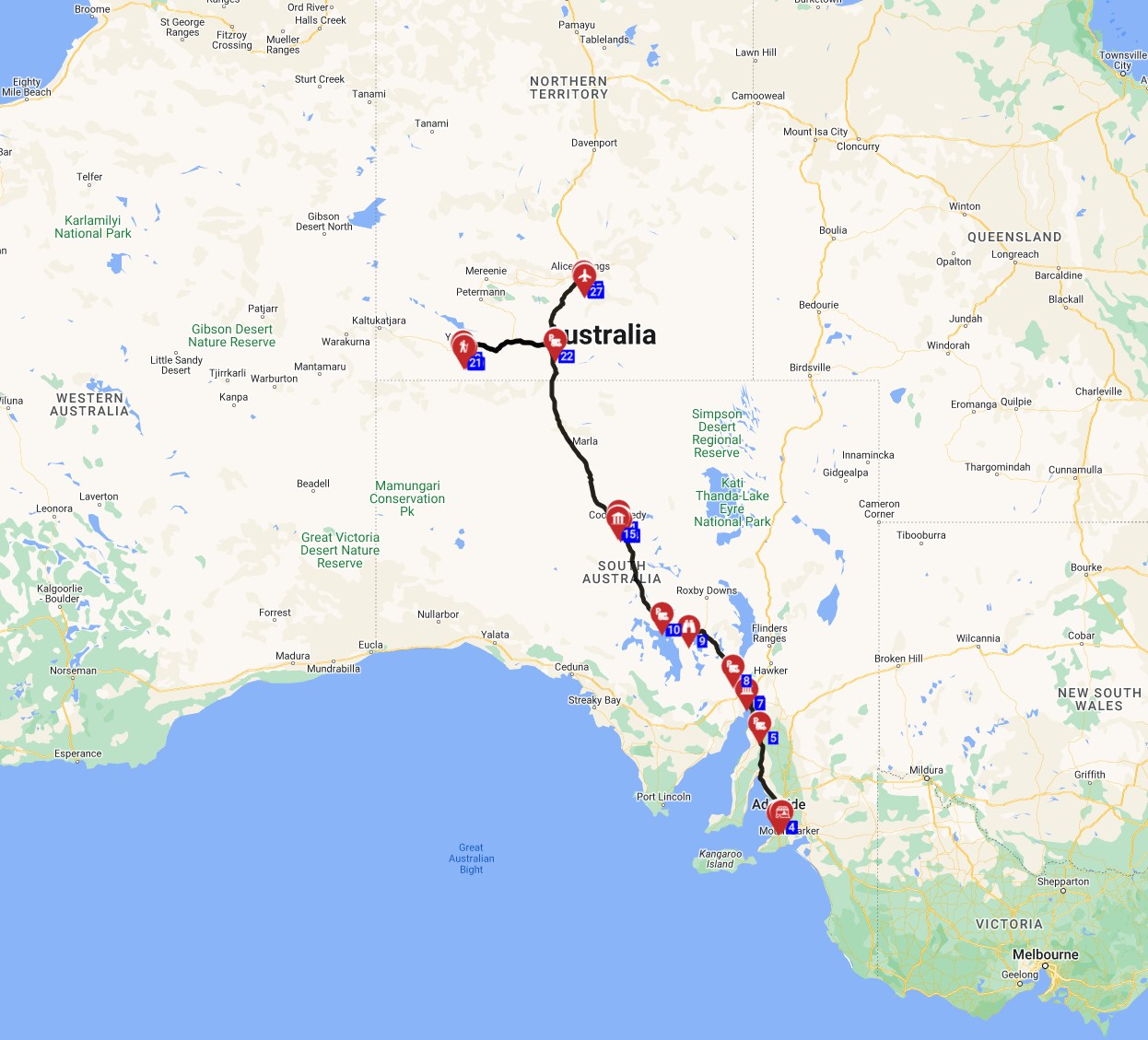
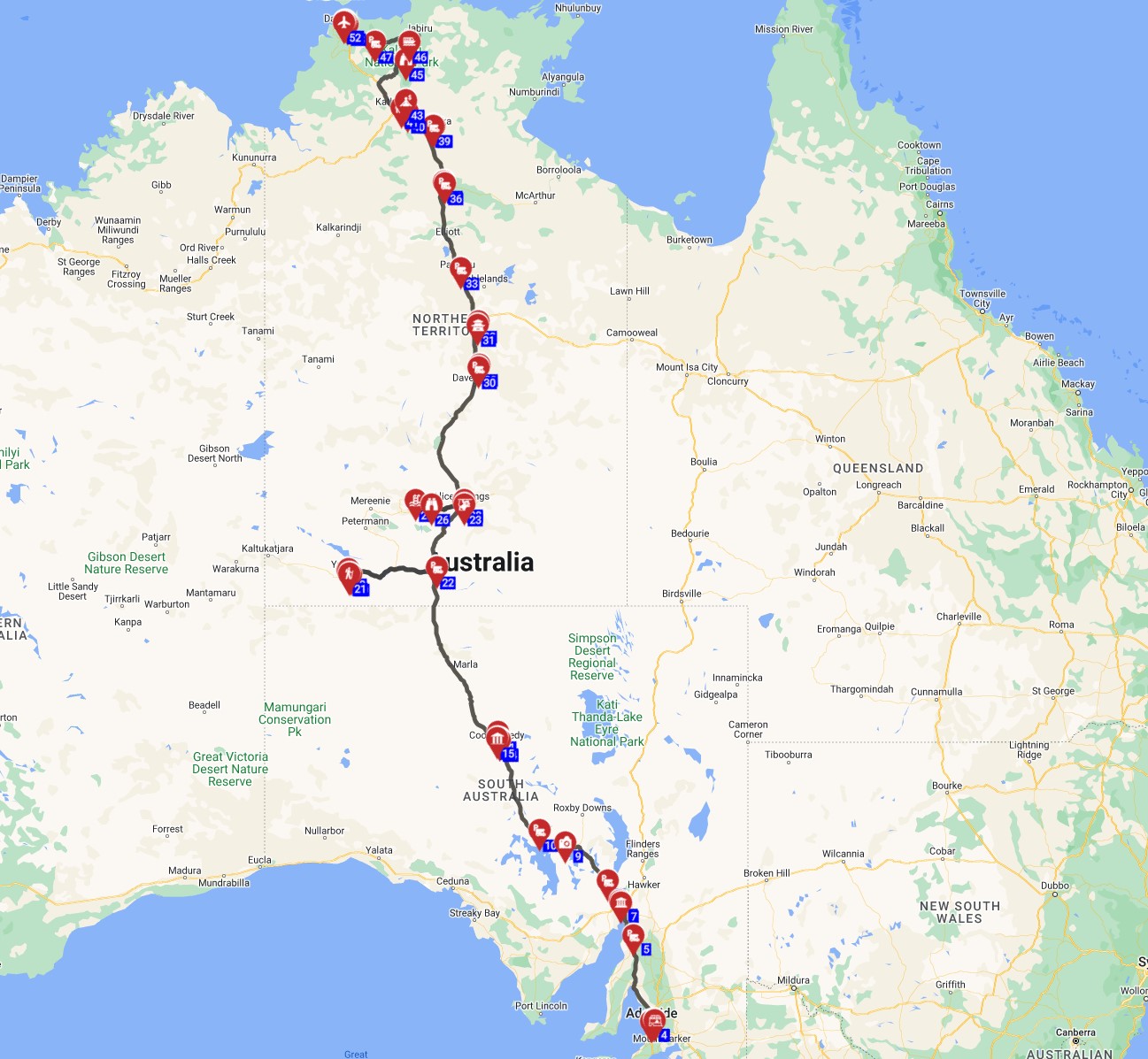
A full circumnavigation, affectionately known as 'The Big Lap,' demands meticulous planning for seasonal weather variations; for instance, northern Australia is best explored during the dry season (May-October), while the southern regions are more pleasant during milder months. For those with less time, a 1-2 month trip can still offer a significant cross-country journey or an in-depth exploration of multiple specific states, focusing on major highlights. For instance, the Melbourne to Darwin - Australia’s Heartline Road Trip (26 days, 5622 km) is a fantastic way to see a large portion of the country in a manageable timeframe.
What is the 333 rule for campervan?
The '333 rule' for campervan travel recommends driving a maximum of 300 kilometers (or roughly 186 miles) per day, stopping every 3 hours for a break, and staying at least 3 nights in a location you particularly enjoy. This promotes a relaxed, safe, and immersive travel pace.
- 300 kilometers (186 miles) per day: This limit helps prevent driver fatigue and ensures sufficient time to enjoy destinations rather than constantly being on the road, aligning with Avi Bandana's recommendation of 150 km (100 miles) per day for a more leisurely experience.
- Stop every 3 hours: Regular breaks are vital for maintaining alertness and comfort; stretching, refueling, and refreshing are crucial components of safe long-distance driving, especially on Australia's vast routes.
- Stay 3 nights: This element encourages slower travel, allowing for deeper immersion in beautiful locations, supporting local communities, and truly experiencing an area before moving on, fostering a more relaxed and rewarding holiday.
Adhering to the 333 rule significantly enhances safety, improves the overall quality of the travel experience, and helps prevent burnout from continuous transit, making your Australian RV adventure truly unforgettable.
What not to do in Australia as an American?
As an American traveler in Australia, avoid comparing everything to the US, neglecting sun safety, underestimating vast distances or unique wildlife hazards, and disrespecting Indigenous culture or local driving rules. Respecting local customs and conditions is paramount for a smooth and enjoyable trip.
- Driving on the Left: Crucially, Australians drive on the left-hand side of the road; take time to adapt and practice in quiet areas if unfamiliar. Your rented RV will be equipped for driving on the left.
- Underestimate the Sun: Never underestimate Australia's strong sun; always wear broad-spectrum sunscreen (SPF 30+), a wide-brimmed hat, sunglasses, and protective clothing, even on overcast days.
- Wildlife Interactions: Avoid feeding wild animals, and be highly aware of unique hazards such as venomous snakes, spiders, estuarine crocodiles in the north, and kangaroos on roads, particularly at dawn and dusk. Drive with caution and respect wildlife.
- Disrespect Indigenous Culture: Show profound respect for Indigenous communities and their sacred sites; seek permission before entering restricted areas and be mindful of cultural protocols and traditions.
- Lack of Remote Area Preparedness: Do not venture into remote areas without thorough planning, ample supplies of water and fuel, emergency communication devices, and informing others of your detailed itinerary.
- Tipping Expectations: Tipping is not generally expected or customary in Australia, unlike in the US; while appreciated for exceptional service, it is not obligatory.
Embracing these tips will help ensure a respectful and enriching experience as you explore Australia in your rented motorhome. For more local insights, our guide on RV Travel Guide to Australia - Tips and Top Spots 2026 offers valuable local advice.
How long does it take to campervan around Australia?
A significant cross-country campervan journey in Australia, such as the Broome to Sydney route, can comfortably take about 3-5 weeks (e.g., 31 days for a 7,393 km trip), allowing ample time for key stops and experiences without rushing. This timeframe allows for a comprehensive exploration of the diverse landscapes. For a full circumnavigation, known as 'The Big Lap,' planning for 3-6 months is more realistic to truly experience the continent's vastness.
While a full circumnavigation often spans 3-6 months, a more focused journey across key states or along major coastal routes can be achieved in shorter, dedicated periods. For example, exploring Australia's iconic East Coast from Sydney to Cairns typically requires 2-4 weeks, while a comprehensive deep dive into Tasmania's wilderness might take 10-14 days. The ideal duration balances actual driving time with generous opportunities for exploration, ensuring adherence to recommended daily driving limits to maximize enjoyment and minimize fatigue.
What are the top 3 tourist attractions in Australia?
Australia's top three iconic tourist attractions are widely considered to be the Sydney Opera House, Uluru (Ayers Rock), and the Great Barrier Reef. Each offers unique cultural, natural, or historical experiences that are essential for any visitor.
- Sydney Opera House, New South Wales: A UNESCO World Heritage site and an architectural marvel, it's best experienced with a guided tour, attending a performance, or simply admiring its unique design from Sydney Harbour. Accessing this area by RV typically involves utilizing city caravan parks and public transport.
- Uluru (Ayers Rock), Northern Territory: The spiritual heart of Australia, this massive sandstone monolith offers breathtaking sunrises and sunsets, best appreciated through guided Indigenous cultural tours and walks around its sacred base. While RV access is feasible for exploring the regions surrounding Uluru, parking directly at the site requires planning.
- Great Barrier Reef, Queensland: As the world's largest coral reef system, it's a natural wonder accessible from various coastal towns like Cairns and Port Douglas, offering unparalleled opportunities for snorkeling, diving, and boat tours.
When planning your RV trip, consider how to best incorporate these iconic sights into your itinerary. Our detailed route plans on RV PLANET (rvplan.net) can help you organize your journey effectively.
How many days are enough for an Australia trip?
For an Australia trip, a minimum of 7-10 days is recommended to explore a single major region thoroughly (e.g., Sydney and surrounds). A 2-3 week trip allows for exploring 2-3 regions, connecting major cities like
Given Australia's vast distances, rushing can significantly detract from the travel experience; allocating ample time for each destination is paramount for an enjoyable RV holiday. Considering a comprehensive itinerary like the Perth to Alice Springs - The Dreamtime Highway (21 days) showcases how extended travel can reveal the true breadth of this incredible country.
What is the best month to go to Australia?
The best month to go to Australia largely depends on the specific region you plan to visit due to its vast size and diverse climates. Generally, March-May (autumn) and September-November (spring) offer mild weather across many southern regions, while the dry season (May-October) is ideal for the tropical north.
- Southern Australia (Sydney, Melbourne, Adelaide, Perth, Tasmania): Spring (Sept-Nov) and Autumn (Mar-May) typically provide pleasant temperatures, vibrant landscapes, and fewer crowds compared to the peak summer season.
- Tropical North (Cairns, Darwin, Broome): The dry season (May-October) is optimal for this region, characterized by clear skies, lower humidity, and cooler temperatures, effectively avoiding the intense heat, torrential rains, and cyclone risks of the wet season.
- Red Centre (Uluru, Alice Springs): Autumn (April-May) and Spring (September-October) are the most comfortable times to visit, escaping the extreme heat of summer and the surprisingly cold nights of winter.
Always consider potential bushfire seasons (primarily summer in southern states) and cyclone seasons (summer in the tropical north) when planning your trip to ensure maximum safety and accessibility. For detailed seasonal advice tailored to specific routes, consult RV PLANET (rvplan.net).
What You Shouldn't Miss
- Drive the iconic Great Ocean Road in Victoria, experiencing the Twelve Apostles and dramatic coastal scenery.
- Explore the spiritual heart of Australia by visiting Uluru and Kata Tjuta, ideally with an Indigenous guide for deeper cultural understanding.
- Snorkel or dive the Great Barrier Reef off the coast of Queensland, a world-renowned natural wonder accessible via tours from Cairns or Port Douglas.
- Witness the unique wildlife of Kangaroo Island, South Australia, known for its abundant kangaroos, koalas, and sea lions.
- Discover the ancient landscapes and opal mining town of Coober Pedy in South Australia, where many residents live underground to escape the heat.
- Embark on a journey through the Red Centre, experiencing the vastness and unique beauty of Australia's desert heartland.
Final Thoughts
Australia is a land of incredible diversity, and exploring it by RV offers an unparalleled sense of freedom and adventure. Whether you have a few days or several weeks, there's an itinerary to suit every traveler's pace and interests. From the stunning coastal drives to the vast outback, your rented motorhome is your key to unlocking the wonders of this vast continent.
Remember to plan ahead, respect the local environment and culture, and embrace the slower pace of RV travel. The journey itself is as much a part of the experience as the destinations. With the right preparation and the support of Bandana Caravan and RV PLANET, your Australian RV adventure is sure to be an unforgettable experience.
Ready to start planning? Discover top RV rentals in Australia and compare prices to find your perfect vehicle. We're here to help you make your dream Australian road trip a reality!