In This Guide
- Can You Drive an RV in Canada? License & Age Rules
- Road Conditions & Terrain in Canada
- RV Size Limits, Bridges & Restricted Zones
- Fuel: Diesel vs. Petrol & Cost per 100 km
- Tolls, Vignettes & Border Rules
- Driving Tips for RV Rental Travelers
- Recommended RV Class for Canada Roads
- Should I Choose a Compact Van Instead of a Large RV in Canada?
- Can I Park Anywhere? Free & Wild Camping Rules in Canada
- Can I Drive an RV Into the City Center? Heights, Tunnels & Local Signage
- Top Cities for RV Rental in Canada
- What You Shouldn't Miss
- Why Book with Bandana Caravan
- Final Thoughts
- Frequently Asked Questions
Embarking on a shorter RV adventure in Canada offers an unparalleled sense of freedom and discovery, allowing you to immerse yourself in stunning landscapes from coast to coast. Canada is a vast, welcoming country, perfectly suited for exploring by motorhome or campervan. Whether you're planning a week-long journey through the Rockies or a quick getaway to a coastal province, understanding the nuances of driving a rented RV here will ensure a smooth and memorable trip. For live availability and current prices, start with our RV Rental Canada - Complete Guide 2026 guide.
Can You Drive an RV in Canada? License & Age Rules
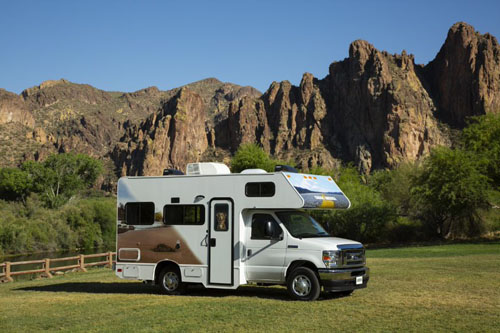
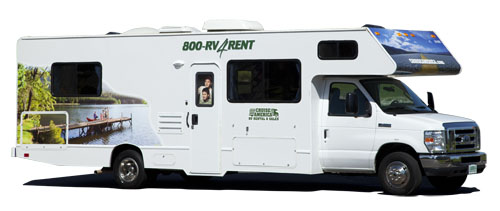
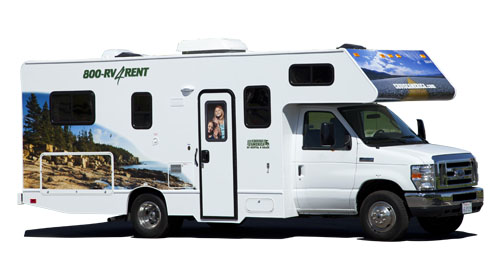
Most recreational vehicles (RVs) in Canada, including Class A, Class B campervans, and Class C motorhomes, can be driven with a standard Class 5 (or equivalent) driver's license, provided the vehicle's Gross Vehicle Weight Rating (GVWR) is below 11,000 kg (approximately 24,250 lbs). This means that for the vast majority of rental motorhomes, you won't need a special commercial license. A valid driver's license from your home country is generally sufficient for foreign drivers on short visits to Canada, but an International Driving Permit (IDP) translated into English or French is highly recommended if your license is not in one of Canada's official languages. This can save you a lot of hassle and is a wise addition to your travel documents. The minimum age to rent an RV in Canada is typically 21 years old, varying slightly by rental company, but Bandana partners do not impose young driver surcharges or vehicle class restrictions based on age. Heavier RVs exceeding 11,000 kg GVWR or those designed for more than 24 passengers may necessitate a commercial license class, but these are rarely found in the standard rental fleet.Navigating the booking process for an RV rental in Canada through a comparison platform like Bandana is straightforward. Our platform allows you to compare models and prices from over 50 leading suppliers worldwide, including popular names like El Monte, Cruise America, Apollo, and Britz. We make sure you see the full picture, with no hidden fees, and transparent pricing. You can also explore options like a "24' Class C Motorhome" with automatic transmission and a generator, or a more compact "Class B - Camper Van" for greater maneuverability.
Road Conditions & Terrain in Canada
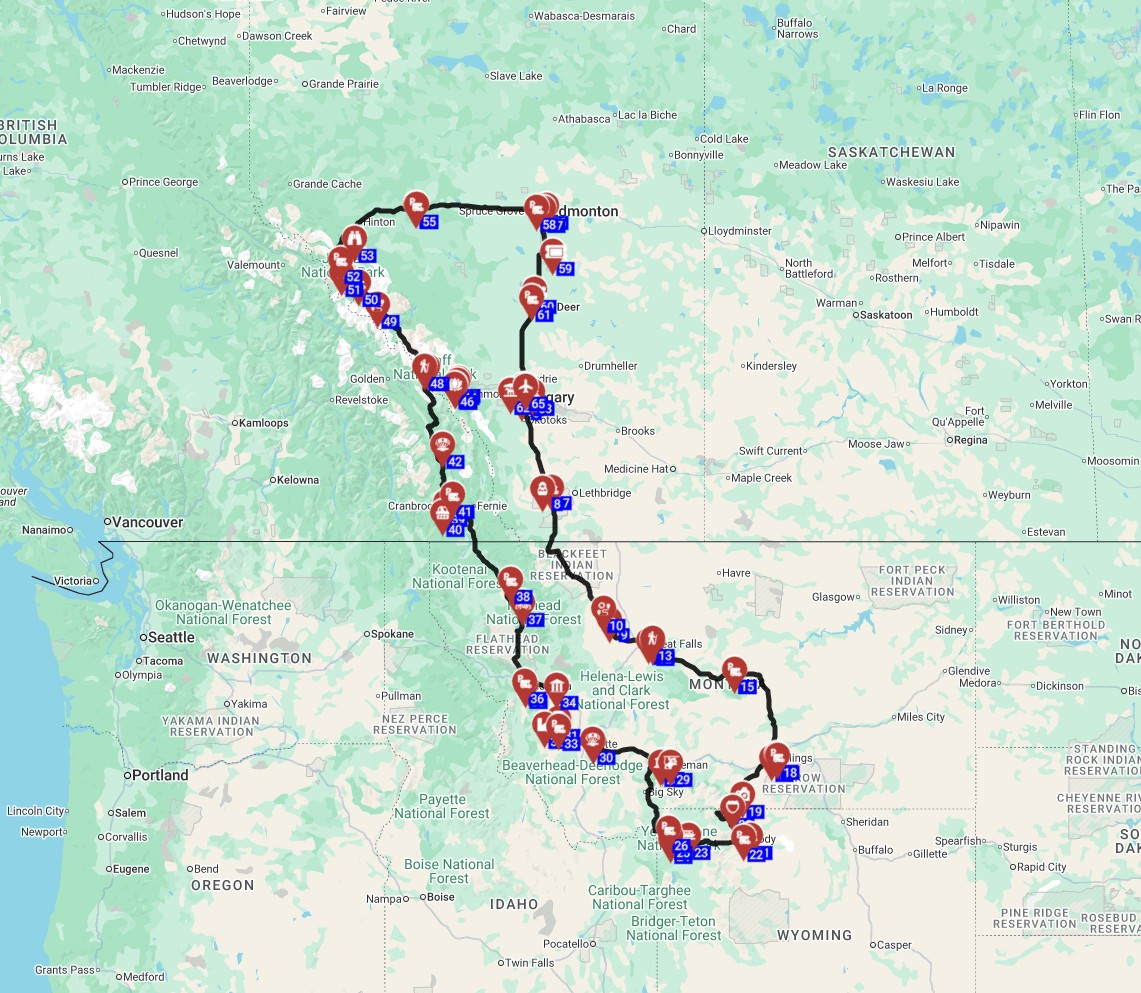
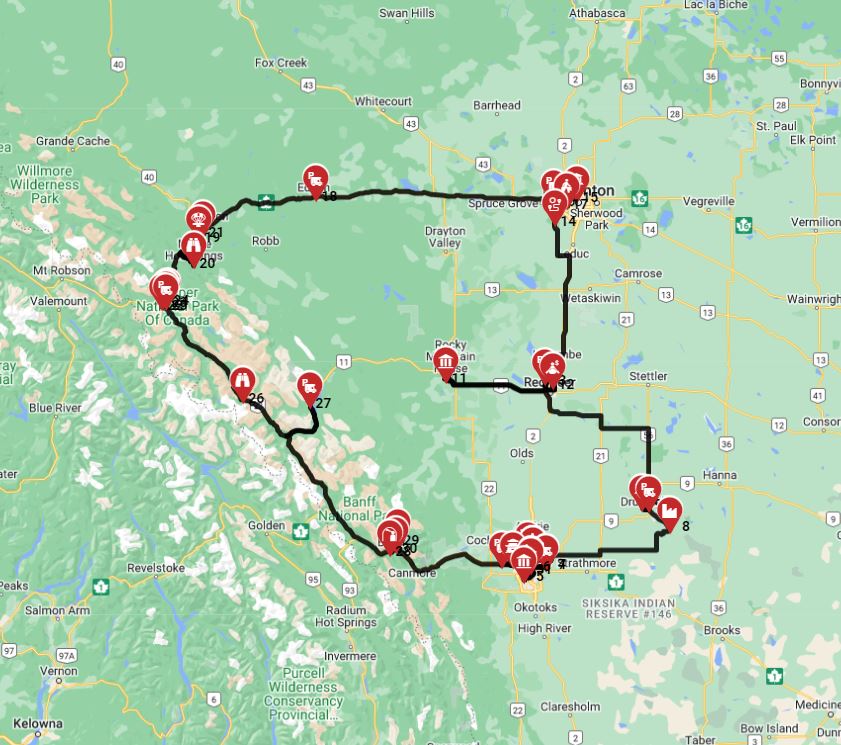
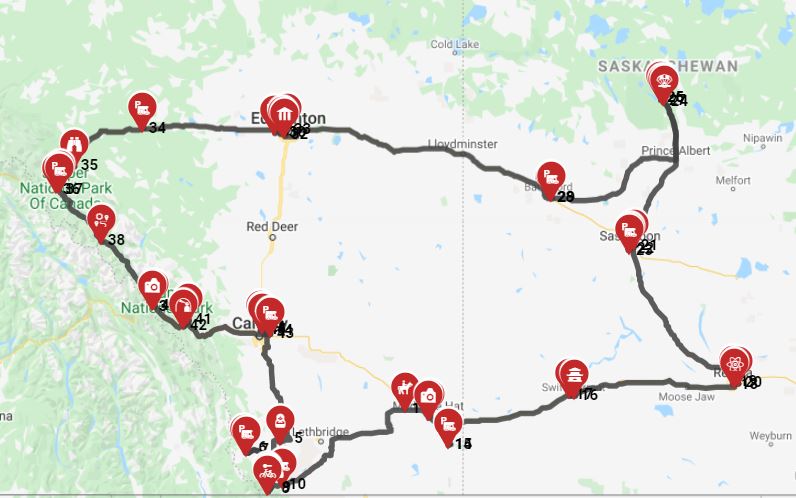
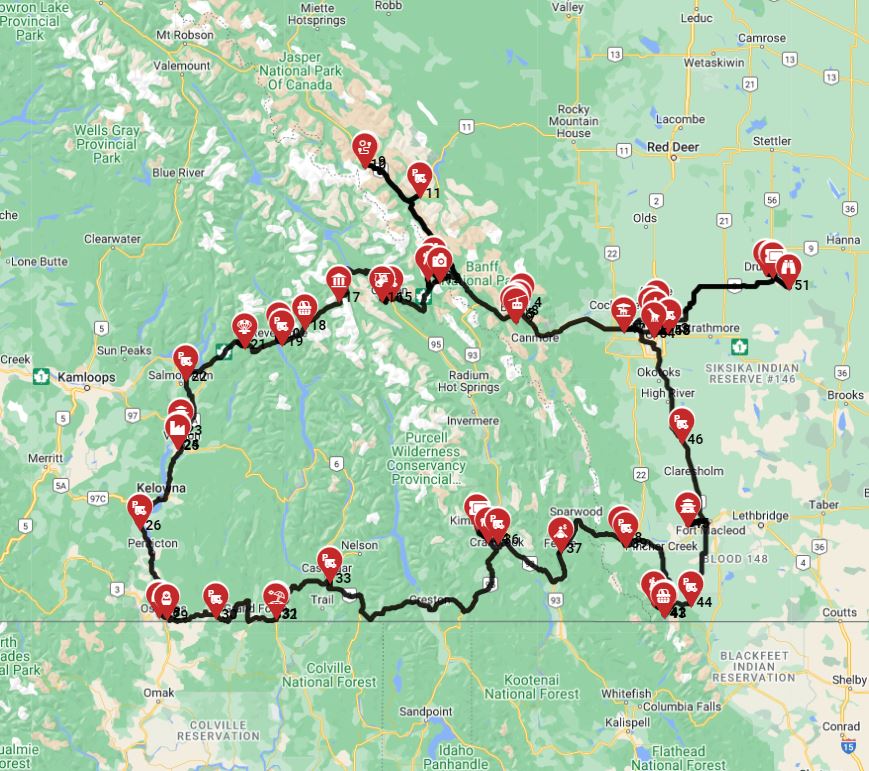
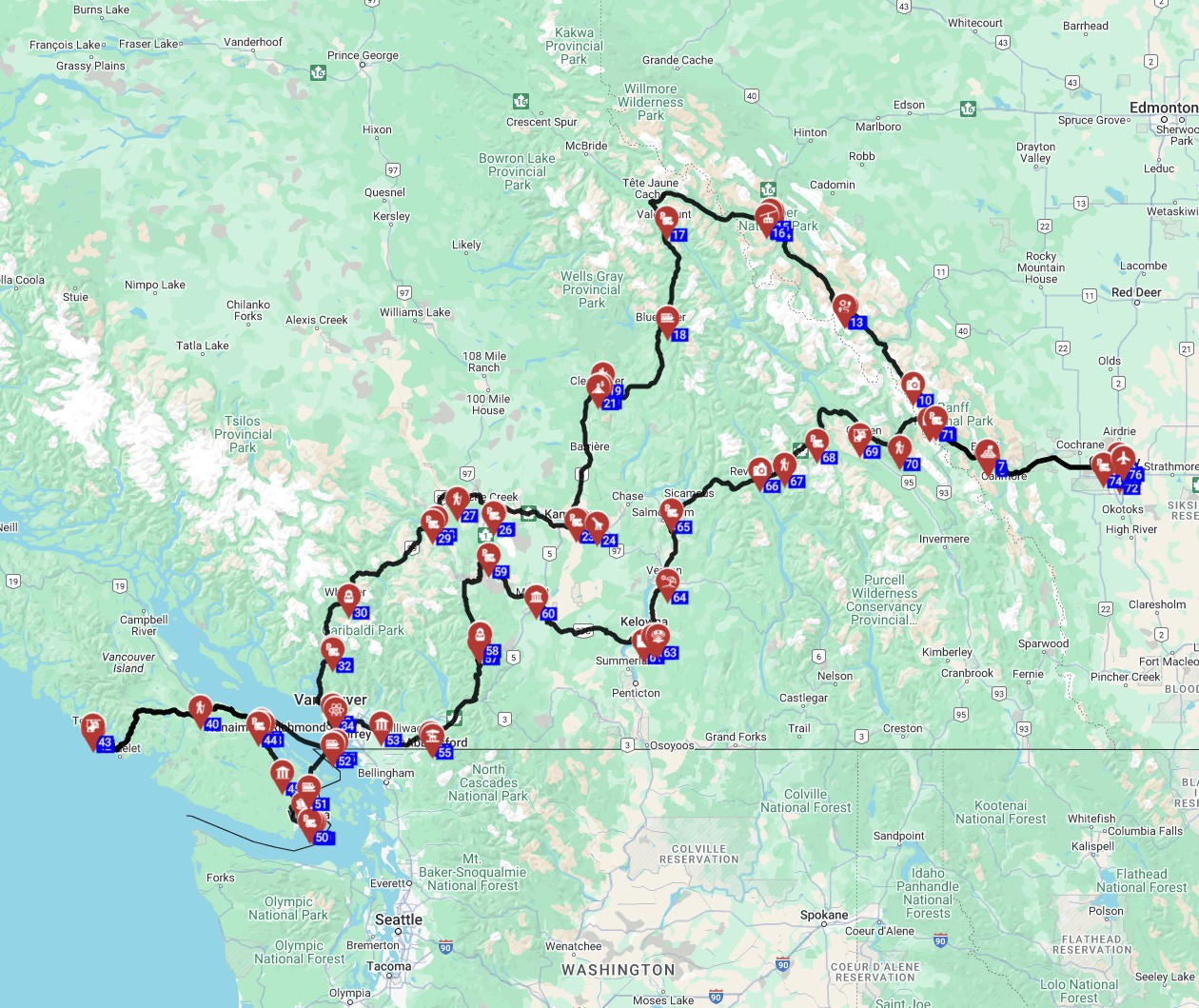
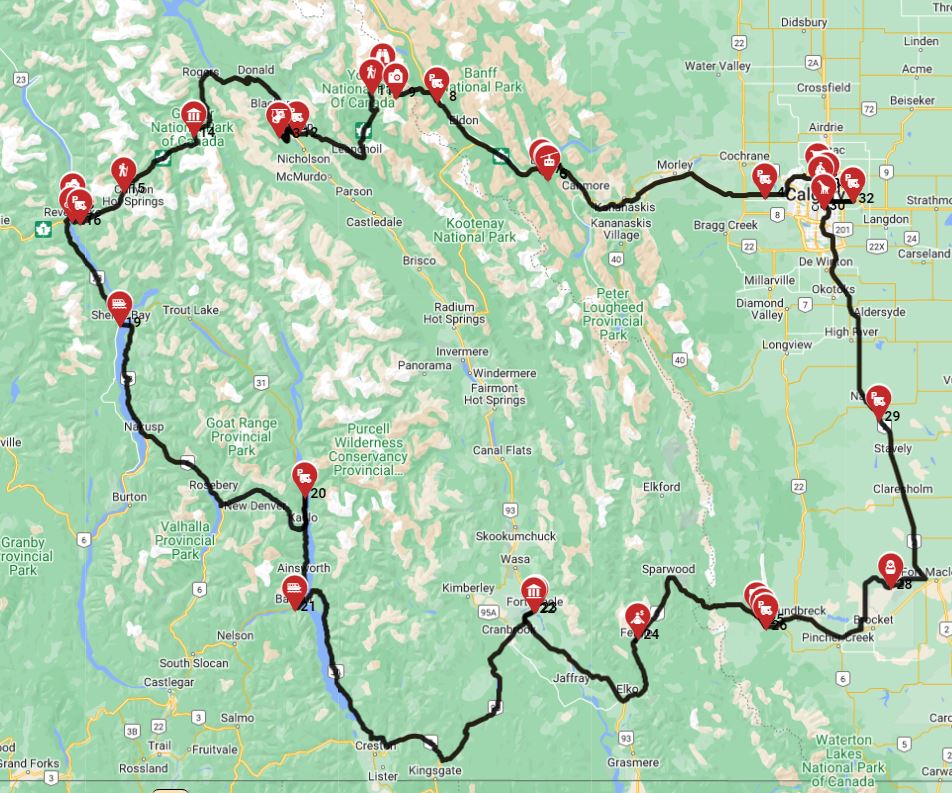
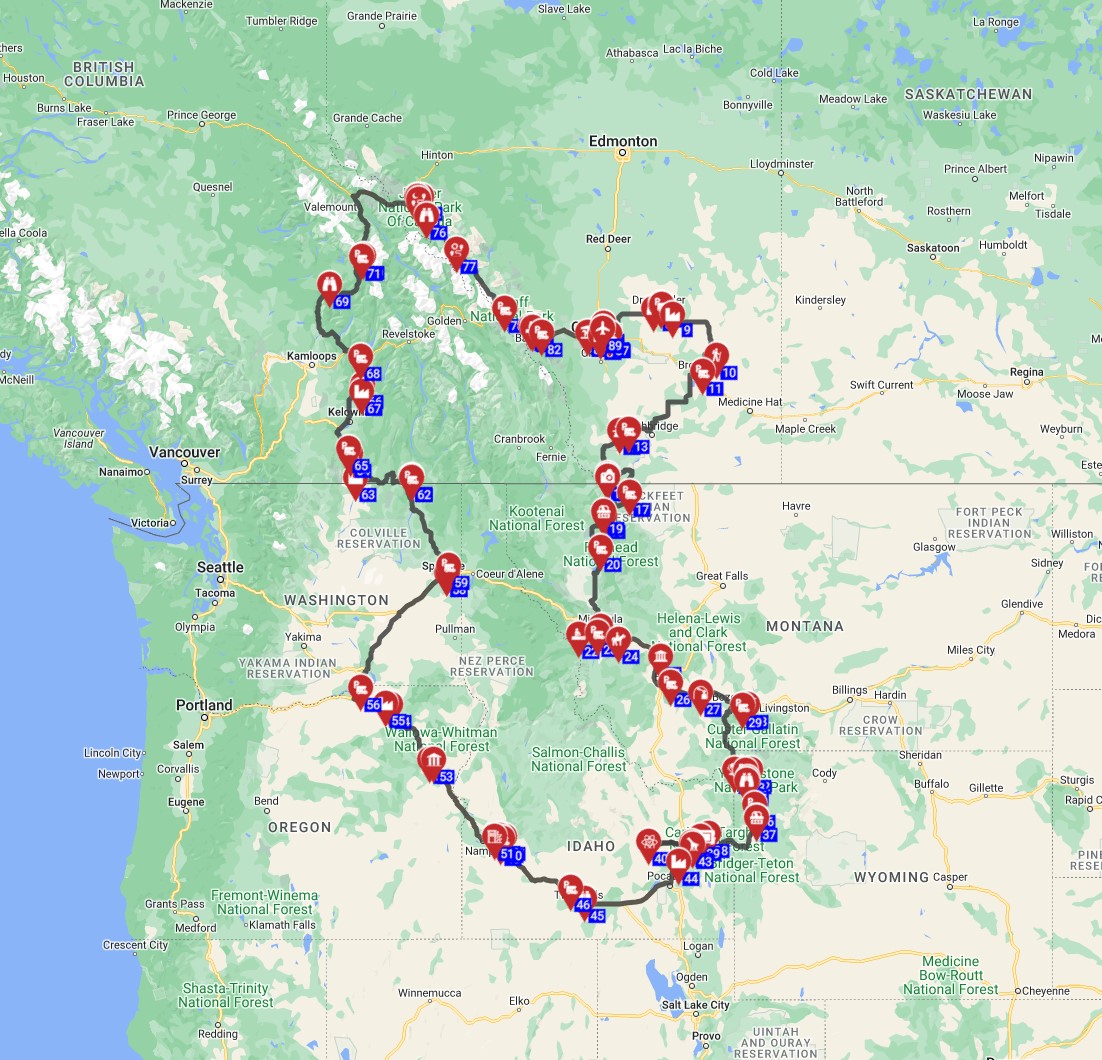
Canada presents a diverse range of road conditions, from meticulously maintained primary highways to gravel routes in remote areas and varied urban street networks, all generally suitable for motorhome or campervan travel. The terrain itself is incredibly varied, encompassing the flat, expansive prairies, the challenging and often breathtaking mountainous regions in the west (like the Canadian Rockies), the rugged Canadian Shield, and scenic coastal roads, frequently demanding careful and appreciative driving. While main highways are typically in excellent condition, drivers should anticipate potential potholes, particularly during the spring thaw periods, and adjust their driving speed accordingly. Slow, scenic driving is highly encouraged to fully appreciate the majestic Canadian landscape and to allow for unexpected encounters with wildlife like deer, moose, or bears, especially on less-traveled routes.When planning your route, remember our recommendation for slow travel: aim for a maximum of 100-150 km per day on average. This pace allows you to truly feel the place, connect to the local culture, savor the food, and soak in the incredible scenery. Whether you're exploring the rugged Atlantic coastline or winding through mountain passes, taking your time will enhance the experience. For finding campsites and campgrounds during your trip, we recommend using RV PLANET (rvplan.net) - a great resource for locating available spots along your route. You can also find route plans like the "

RV Size Limits, Bridges & Restricted Zones
Most standard rental RV sizes are well accommodated on Canadian roads and infrastructure, including the smaller 5.5-meter Class B campervans and larger 7.5-meter Class C and A motorhomes found in Bandana's fleet. However, drivers must always be vigilant for specific height and weight restrictions prominently displayed on signage for bridges, tunnels, and ferry services. It is crucial to always refer to local signage for precise height or weight limitations, as these can vary significantly for older bridges or in specific national parks, potentially ranging from 3.5m to 4.5m in height. Ferry operators, such as those serving Vancouver Island or Newfoundland, typically charge based on vehicle length, making it essential to know your rented RV's exact measurements (Bandana's fleet averages between 5.5m for Class B campervans to 7.5m for Class C and A motorhomes). While extensive environmental zones are uncommon in Canada, certain national parks might impose vehicle restrictions or require specific permits for entry, so always check park-specific rules in advance.Fuel: Diesel vs. Petrol & Cost per 100 km
RV rentals in Canada are available in both diesel and petrol (gasoline) options, with diesel often being a more fuel-efficient choice for larger Class C and Class A motorhomes. Based on Bandana's global fleet averages, fuel consumption typically ranges from 8-10 Liters/100 km for a Class B Camper Van, 10-11 Liters/100 km for a Class SI Semi-integrated model, 10-12 Liters/100 km for a Class C Alcove model, 8-12 Liters/100 km for Class A Integrated RVs, and 12-17 Liters/100 km for a Class TC Truck Camper. Fuel costs fluctuate significantly across provinces, generally being higher in British Columbia and lower in Alberta, so budgeting around $1.80 to $2.20 CAD per liter (current estimate) is advisable. A 100 km drive could therefore cost anywhere from $15 to $40, depending on the RV class and current fuel prices, underscoring the importance of real-world budget planning. For comprehensive budgeting and expense tracking on your route, check out RV PLANET routes, where you can itemize and track every cost along the way.Tolls, Vignettes & Border Rules
Canada predominantly features free highways, with very few toll roads or vignettes; however, specific bridges or sections of highway, such as Highway 407 ETR in Ontario, may have electronic tolls. It is always wise to research your intended route for potential tolls, as these are often collected electronically, and unregistered vehicles can incur fines plus administrative fees. When planning cross-border travel to or from the USA, a specific border crossing guide is crucial, covering required documents such as valid passports for all travelers, vehicle registration, and your RV rental agreement. Additionally, be aware of prohibited items like firearms and certain agricultural produce, and ensure you have up-to-date rabies vaccination proof for any pets. Some Bandana partner RVs may offer the option to pre-purchase toll passes, which can provide convenience and help avoid unexpected fines. If you're considering extending your adventure into the United States, our RV Rental USA - Complete Guide 2026 provides valuable insights.Driving Tips for RV Rental Travelers
For any RV trip in Canada, even shorter adventures, planning frequent stops is a smart strategy, especially when traveling with families. Schedule regular breaks every 2-3 hours for rest, meals, and exploring Canada's numerous scenic viewpoints. Always monitor your fuel and provisions, as gas stations and grocery stores can be scarce outside of major towns; planning ahead for fuel stops and carrying adequate water and non-perishable food is essential, particularly when venturing into remote areas. Practice acute wildlife awareness, exercising extreme caution on rural roads, especially at dawn and dusk, for encounters with large wildlife such as deer, moose, and bears; understanding appropriate responses to these situations is key to safe travel. Cell service can be unreliable in remote Canadian regions, so consider downloading offline maps and potentially investing in a satellite messenger for emergency communication. Finally, embrace Canadian RV culture by being mindful of campground etiquette, such as adhering to quiet hours and respecting privacy, to fully enjoy the friendly community vibe common in Canadian RV parks. For a fantastic adventure, consider the "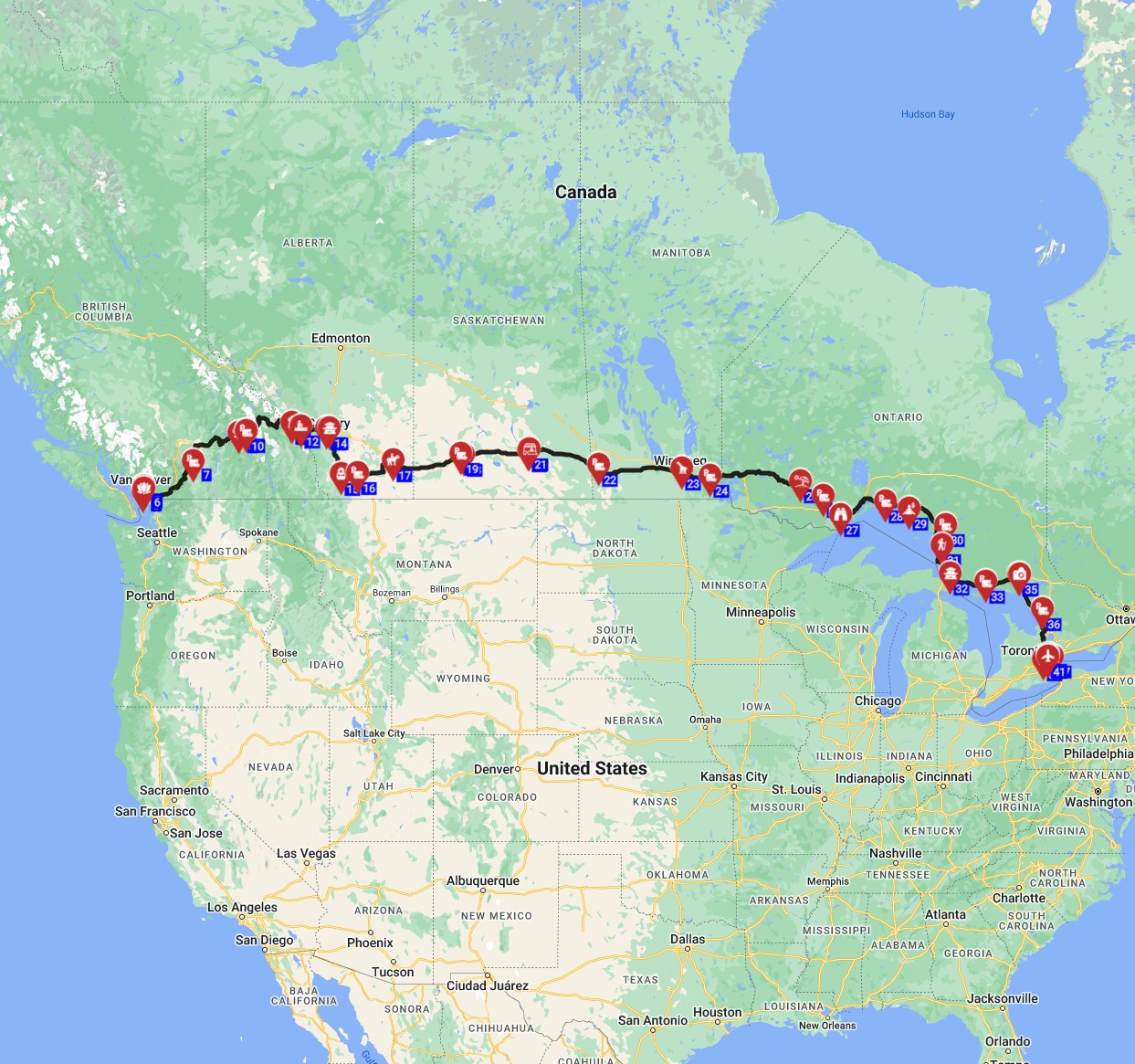
Recommended RV Class for Canada Roads
For RV rentals in Canada, Class SI - Semi-integrated and Class C - Alcove models are highly recommended due to their excellent balance of comfort, amenities, and suitability for Canada's diverse road conditions. Class SI - Semi-integrated RVs, averaging 6.9 meters in length from Bandana's fleet, are perfect for couples or small families (typically accommodating 3.8 sleeping places) who seek a comfortable driving experience combined with ample interior space, such as the "2 Berth Rover" or "A 4 - Comfort Automatic". Class C - Alcove RVs, averaging 7.5 meters in length, are an ideal choice for larger families or groups (with an average of 5.8 sleeping places), offering generous living quarters and additional sleeping capacity, fitting well on most Canadian highways and into provincial park campgrounds. Examples include the "24' Class C Motorhome" or a "6 Berth Derwent". Both of these classes provide sufficient ground clearance and stable handling for varied driving environments, from paved provincial roads to well-maintained gravel park access routes. For those interested in cost-effective options, our "Cheap RV Rental in Canada - Budget Guide 2026" offers more details.Should I Choose a Compact Van Instead of a Large RV in Canada?
While a compact van, such as a Class B - Camper Van (averaging 5.8 meters in length), offers superior maneuverability and ease of parking, larger RVs (Class SI, C, A) often provide a better balance of comfort and indoor space for an extended RV rental in Canada. Larger motorhomes generally feature more extensive amenities, dedicated sleeping areas, and enhanced indoor living space, which can significantly improve the overall experience of a week-long trip or longer, especially in varied Canadian weather. A compact van is genuinely advantageous when navigating extremely tight historic city centers or exceptionally narrow, winding mountain passes, though such conditions are less common on primary Canadian RV touring routes. For the majority of Canadian attractions and campgrounds, even the largest RVs, like a Class A Integrated averaging 7.5m (such as a "Class A - Thor ACE 30"), can be driven and parked without significant difficulty, making comfort and available amenities often a more critical factor for travelers. You can compare different models and their features when looking for a "Long-Term RV Rental in Canada - Monthly Rates 2026".Can I Park Anywhere? Free & Wild Camping Rules in Canada
Free camping, often known as boondocking or dispersed camping, is generally permitted on vast areas of Crown Land across Canada, although specific regulations can differ significantly by province and local land management authority. Travelers should diligently research provincial and municipal regulations for the exact areas they intend to visit to ensure compliance and avoid trespassing. When engaging in Crown Land camping, it is imperative to adhere to 'Leave No Trace' principles, including proper waste disposal and fire safety protocols; permits may also be required in certain designated areas, particularly in sensitive ecosystems. Overnight parking in private retail parking lots, such as Walmart, may be tolerated in some locations, but this is always at the discretion of individual store management and subject to local bylaws, so always seek permission first. Rules vary by region; checking local regulations and following local law before parking overnight is crucial. If you're looking for specific recommendations, our "RV Camping in Canada - Best Campgrounds 2026" guide can help you plan your stops.Can I Drive an RV Into the City Center? Heights, Tunnels & Local Signage
Yes, an RV can almost always be driven into Canadian city centers, but doing so requires careful attention to local signage and a clear understanding of your vehicle's dimensions. Drivers must pay close attention to posted height limits for tunnels, underpasses, and especially parking garages, where most RVs will not fit due to their typical height of 3-4 meters. Be aware of low bridges, particularly in older urban districts or residential areas, and always look out for signs indicating 'no RV' or 'no commercial vehicle' on specific streets. General best practice includes being vigilant for environmental zones (rare but emerging), residents-only parking restrictions, and areas with limited maneuvering space. For convenience, it is often more practical to park a rented RV at a designated area on the outskirts of major cities and utilize public transportation to explore the downtown core. Remember to drive slowly and carefully, and you can drive almost anywhere without issues. No need to stress - just use common sense and pay attention.Top Cities for RV Rental in Canada
Canada offers numerous fantastic starting points for your RV adventure, with rental depots conveniently located in many major cities. These urban centers provide access to diverse landscapes and serve as excellent gateways to your chosen route.- Abbotsford: Located in British Columbia's Fraser Valley, Abbotsford is a great gateway to exploring the scenic West Coast, including nearby mountains and lakes.
- Bellingham: While technically in the USA, Bellingham is often a pickup point for those planning to cross the border into Western Canada, offering proximity to Vancouver and the surrounding areas.
- Bolton: Situated north of Toronto, Bolton provides a convenient starting point for exploring Ontario's cottage country, the Great Lakes, or heading further east.
- Burlington: Another Ontario city near Toronto, Burlington offers easy access to the Niagara region and the beautiful natural areas around Lake Ontario.
- Churchville: Near Brampton, Ontario, Churchville is a practical spot to begin trips into central Canada or towards the US border for cross-country adventures.
- Coquitlam: A suburb of Vancouver, Coquitlam is an ideal location to pick up your campervan and begin your journey into the Pacific Rim or the stunning Canadian Rockies.
- Dartmouth: On the East Coast, Dartmouth, part of Halifax, Nova Scotia, is your entry point to explore the Maritime provinces with their charming coastal towns and fresh seafood.
- Delta: South of Vancouver, Delta offers quick access to Vancouver Island via ferry or routes heading south into the USA.
- Gibsons: A picturesque coastal town on British Columbia's Sunshine Coast, Gibsons is perfect for starting a more relaxed, scenic RV trip by the ocean.
- Halifax: As the capital of Nova Scotia, Halifax is a vibrant city and a superb base for exploring the stunning Cabot Trail, Peggy's Cove, and the rich history of Eastern Canada. Our route plan, "Halifax to Whitehorse - Exploring Canada’s Heartland in a Motorhome" (37 days, 9199.1 km) shows the incredible journey possible from here.
What You Shouldn't Miss
Canada is a land of incredible natural beauty and vibrant culture, offering endless possibilities for a rented RV adventure. Here are some must-do experiences for your trip:
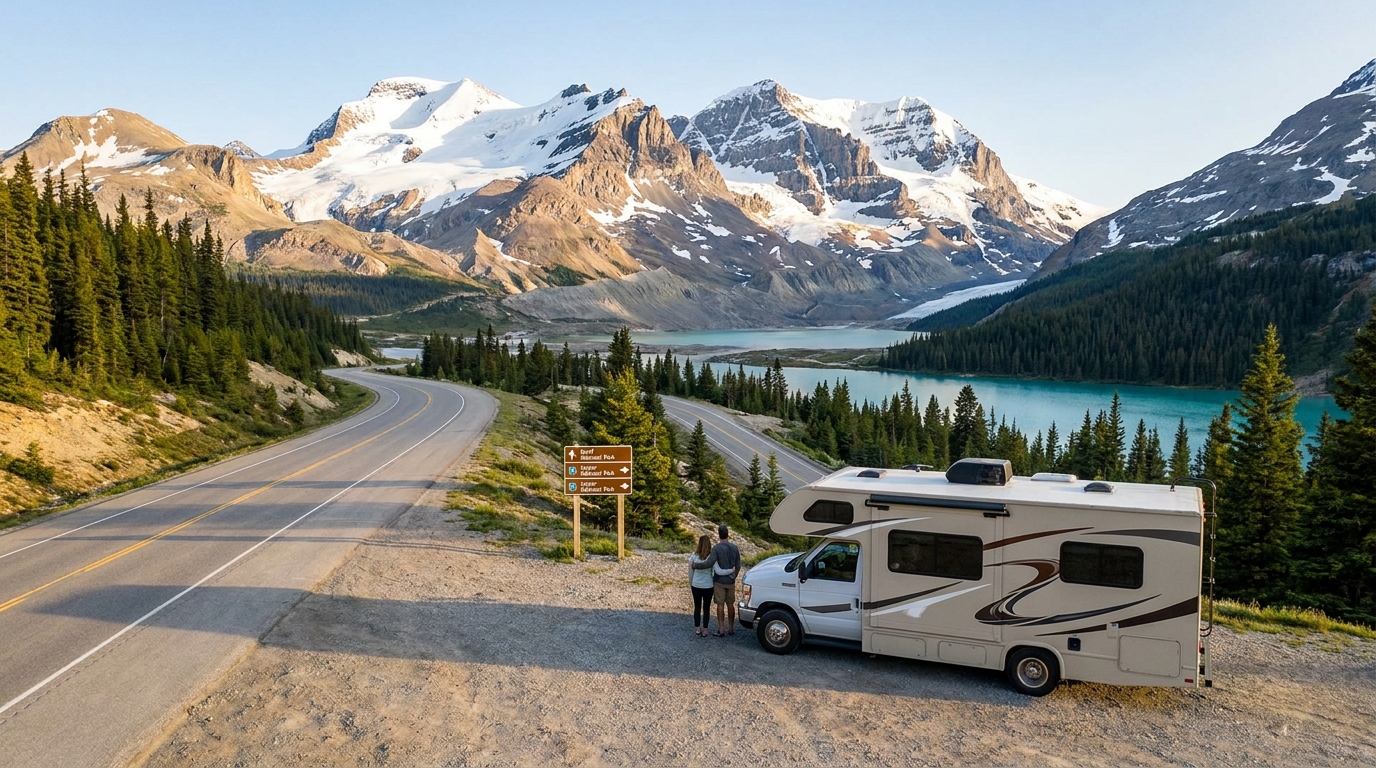
- Drive the Icefields Parkway, Alberta: This 232-kilometer scenic highway through Banff and Jasper National Parks is consistently ranked among the world's most beautiful drives. You'll encounter over 100 ancient glaciers, stunning turquoise lakes, and abundant wildlife.
- Explore the Cabot Trail, Nova Scotia: A world-renowned scenic highway on Cape Breton Island, offering dramatic coastal vistas, charming fishing villages, and rich Celtic culture. Perfect for slow travel and soaking in the East Coast charm.
- Visit the Bay of Fundy, New Brunswick & Nova Scotia: Witness the highest tides in the world, marvel at the Hopewell Rocks, and enjoy fresh seafood. Tide pooling and sea kayaking are popular activities here.
- Discover Old Quebec City, Quebec: Step back in time in North America's only walled city, a UNESCO World Heritage site. Park your RV nearby and explore the cobblestone streets, historic architecture, and European atmosphere on foot.
- Experience the Northern Lights in Yukon or Northwest Territories: For an unforgettable spectacle, head north during the colder months (September to April) to witness the magical aurora borealis dance across the night sky from your cozy rented camper.
- Indulge in a local culinary tour: From fresh Atlantic lobster to Montreal's iconic poutine and Vancouver's diverse Asian cuisine, Canada offers a delicious journey for your taste buds. Preparing some of these delights in your RV kitchen can be a joy too! Don't forget to check out our RV-friendly recipes playlist for inspiration.
Final Thoughts
Exploring Canada by rented RV is an extraordinary experience that combines the comforts of home with the thrill of discovery. From the moment you pick up your motorhome until your journey concludes, the vast landscapes and welcoming spirit of Canada will captivate you. With the right preparation and a sense of adventure, your shorter RV trip, be it a week-long or two-week adventure, can become a cherished memory.
At Bandana, we're passionate about helping you craft that perfect trip. Our platform offers the transparency and support you need to book with confidence, backed by over two decades of expertise in RV travel. So go ahead, imagine yourself driving through picturesque mountains or along rugged coastlines, stopping wherever your heart desires. Your Canadian RV adventure awaits!
Discover top destinations, planning tips, all in one place! Get inspired for your next Canadian RV trip now.
On the routes offered through RV PLANET routes, you can itemize and track every expense along the way for easy budgeting.