In This Guide
- Can You Drive an RV in Australia? License & Age Rules
- Road Conditions & Terrain in Australia
- RV Size Limits, Bridges & Restricted Zones
- Fuel: Diesel vs. Petrol & Cost per 100 km
- Tolls, Vignettes & Border Rules
- Driving Tips for Rv Rental Travelers
- Recommended RV Class for Australia Roads
- Should I Choose a Compact Van Instead of a Large RV in Australia?
- Can I Park Anywhere? Free & Wild Camping Rules in Australia
- Can I Drive an RV Into the City Center? Heights, Tunnels & Local Signage
- What You Shouldn't Miss
- Top Cities for RV Rental in Australia
Embarking on an RV adventure across Australia offers unparalleled freedom and a chance to experience its vast, diverse landscapes up close. At Bandana RV, we're true RV specialists, dedicated to helping you plan an unforgettable journey. For live availability and current prices, start with our RV Rental Australia - Complete Guide 2026 guide.
Can You Drive an RV in Australia? License & Age Rules
Australian regulations generally permit driving most RVs, including motorhomes and campervans, with a standard car license, provided the vehicle has a Gross Vehicle Mass (GVM) of up to 4.5 tonnes. This covers the vast majority of rental recreational vehicles available, from compact campervans to larger Class C motorhomes, making it accessible for many travelers. For international visitors, a valid overseas driver's license printed in English is usually sufficient for stays up to three months in most states and territories. If your license is not in English, an International Driving Permit (IDP) in conjunction with your original license is recommended, though not always mandatory. The minimum age for RV rental in Australia is typically 21 years old across our partner suppliers, with no additional young driver surcharges or vehicle class restrictions based on age, giving younger adventurers the same opportunities. Remember that Australian roads operate on the left-hand side, a fundamental rule that drivers should quickly adapt to for safe travel.
Road Conditions & Terrain in Australia
Australia boasts incredibly diverse road conditions, ranging from impeccably maintained sealed highways perfect for all types of rented RVs to rugged, unsealed tracks in remote outback areas that might require a 4WD campervan and very careful planning. Major routes, such as those connecting Sydney, Melbourne, and Brisbane, or the coastal roads along Western Australia, are generally excellent for motorhome travel, offering smooth journeys. However, venturing into remote areas will likely involve corrugated gravel roads, dusty sections, and potential wildlife hazards, necessitating slower speeds and increased vigilance. Always check local forecasts and road reports before heading into these regions, as conditions can change rapidly, especially in arid or tropical zones. Plan for slower average speeds, perhaps 100-150 km per day on average, allowing ample time to feel the place, connect to the culture, the food, and the scenery. You'll want to savor the journey, not rush it.
RV Size Limits, Bridges & Restricted Zones
Rented RVs in Australia generally face few overarching size limits on standard roads, but drivers must always be mindful of local signage indicating specific height, weight, and length restrictions. This is particularly crucial in urban areas with multi-story car parks, underpasses, and for certain ferry crossings. For example, some city tunnels or older bridges might have lower clearances. It's always wise to know your specific rented motorhome's dimensions, whether it's a compact Class B campervan like the "2 Berth Hi Top" or a larger Class C "4 Berth Deluxe," to avoid unexpected situations. Australia also has stringent environmental and biosecurity zones, especially when crossing state borders or entering national parks, which may restrict vehicle access or require cleaning to prevent the spread of pests and diseases. Always dispose of fresh fruit, vegetables, plants, and honey before reaching state biosecurity checkpoints to avoid penalties.
Fuel: Diesel vs. Petrol & Cost per 100 km
Most rented RVs in Australia operate on either diesel or unleaded petrol, with diesel typically offering superior fuel efficiency for larger motorhomes. Diesel is widely available at service stations throughout major and regional areas, though its availability can become sparse in very remote outback regions, necessitating careful planning. Based on Bandana's global fleet averages, Class SI - Semi-integrated motorhomes generally consume 10–11 Liters/100 km, while Class C - Alcove models typically consume 10–12 Liters/100 km. Smaller Class B - Camper Vans, such as the "Active Bunk Auto," average around 10 Liters/100 km, making them a fuel-efficient choice for couples. It's essential to plan your fuel stops meticulously in remote stretches where distances between towns are vast and fuel prices tend to be higher. Utilizing RV-specific navigation or fuel-finding apps can help you locate stations and identify areas with limited phone or internet coverage, which is crucial for managing your budget. For tracking these and other ancillary trip costs, remember that RV PLANET routes allow you to itemize and track every expense along the way for easy budgeting. On the routes offered through RV PLANET routes, you can itemize and track every expense along the way for easy budgeting.
Tolls, Vignettes & Border Rules
Australia primarily uses electronic tolls, which are predominantly found on urban motorways in major cities like Sydney, Melbourne, and Brisbane. There isn't a national vignette system like in some European countries; instead, you'll need specific passes or accounts for these tolled roads. Many of Bandana’s rent-motorhome RVs offer the option of pre-purchasing a toll pass or having an e-tag linked to your rental, which is highly recommended to avoid unexpected fines for unpaid tolls. While there are no hard 'border rules' between Australian states in terms of driving permits, travelers must be aware of stringent biosecurity checks. When crossing certain state lines, particularly into South Australia and Western Australia, agricultural inspection stations are common, where you might be required to dispose of fresh fruit, vegetables, plants, and honey to prevent the spread of pests and diseases. Always plan ahead to account for these checks and avoid penalties, ensuring a smooth transition between Australia's diverse regions.
Driving Tips for Rv Rental Travelers
When driving a rented RV across Australia, it's paramount to plan your route carefully, especially when venturing into remote regions, and to remain highly alert for unique Australian wildlife. Always remember to drive on the left-hand side of the road and adhere strictly to speed limits, which are enforced rigorously. Practice safe driving habits by taking regular breaks, ideally every two hours, particularly important given Australia's vast distances and the potential for fatigue on long, straight stretches. Be especially vigilant for wildlife, such as kangaroos, wallabies, emus, and even cattle, which are most active at dawn and dusk and can pose significant road hazards. Reducing your speed in identified wildlife areas is a wise precaution. If your itinerary includes unsealed roads, understand specific rules: reduce speed significantly, maintain a safe following distance to minimize dust and stone chip damage, and be aware of 'road trains' (multi-trailer trucks) that require ample space when passing. For remote travel, ensure you have emergency communication methods like a satellite phone or EPIRB, carry extra water and fuel, and always inform others of your itinerary. For finding campsites and campgrounds during your trip, we recommend using RV PLANET (rvplan.net) - a great resource for locating available spots along your route. Additionally, embrace ethical waste management by adhering to 'Leave No Trace' principles and respecting the environment.
Recommended RV Class for Australia Roads
For navigating Australia's incredibly diverse road network, Class SI - Semi-integrated motorhomes and Class C - Alcove motorhomes are generally highly recommended due to their excellent balance of comfort, spaciousness, and manageable size across varied conditions. Bandana's Class SI models, such as the "2 Berth Tamar" or "Active Long Select," averaging around 6.9 meters in length with 3-4 sleeping places, offer a comfortable yet relatively fuel-efficient option perfect for couples or small families exploring major highways and well-maintained regional roads. For larger families or groups, Class C - Alcove motorhomes, like the "4 Berth Deluxe" or "Jayco Conquest Royale 6," averaging 7.5 meters in length with 5-6 sleeping places, provide ample space, full kitchen facilities (perfect for trying new RV-friendly recipes playlist), and greater amenities for longer journeys. For those considering light unsealed roads or seeking more compact maneuverability, Class B - Camper Vans (averaging 5.8 meters with 2-3 sleeping places) are also excellent choices. We handle the details, so you live the journey, ensuring you get the right vehicle for your Australian adventure.
Should I Choose a Compact Van Instead of a Large RV in Australia?
For the majority of Australian travel, larger rented RVs typically pose no significant driving issues beyond very specific tight urban areas or exceptionally remote unsealed tracks, making onboard comfort and generous living space often a higher priority than extreme maneuverability. A compact campervan, such as a Bandana Class B - Camper Van averaging 5.8 meters in length like the "Active Pop Top" or "Hi5 Camper," excels in navigating denser city streets, fitting into standard parking spaces more easily, and generally offers better fuel economy, which can be a consideration for budget-conscious travelers planning a week-long trip. Conversely, a larger Class C - Alcove motorhome (averaging 7.5 meters) or even a Class A - Integrated motorhome (which some suppliers offer, like the "El Monte Elite Traveller") provides superior amenities, more spacious living and sleeping areas, and greater storage capacity. These features can be invaluable for extended exploration, offering a true mobile home experience across Australia's vast distances. Your choice should align closely with your itinerary, how many people are traveling (couples vs. families with kids), and the level of comfort you desire. Remember, with full transparency, there are no hidden fees or surprises, so you can clearly see the costs associated with each vehicle size.
Can I Park Anywhere? Free & Wild Camping Rules in Australia
No, you generally cannot park and wild camp a rented motorhome just anywhere in Australia, as strict regulations govern overnight parking to protect the environment, wildlife, and ensure public safety. While some designated free camping areas do exist, particularly in regional and remote zones-including certain rest stops, roadside bays, and council-managed areas-it is illegal to camp overnight on most public land, national parks (without specific permits), and private property without explicit permission. Always prioritize using established campsites, caravan parks, or clearly designated free camping spots. It's crucial to adhere to 'Leave No Trace' principles by taking all rubbish with you, properly disposing of greywater and blackwater at dump points, and respecting local ecosystems. Rules vary significantly by region and local council, so always check local regulations and follow local law before parking overnight. Many national and state parks only reserve 25-30% of their spots, leaving the rest for first-come-first-serve. Reassure yourself: you’ll find a spot. If not at the first campground, then the next one. Call ahead before driving to confirm availability. For finding campsites and campgrounds during your trip, we recommend using RV PLANET (rvplan.net) - a great resource for locating available spots along your route.
Can I Drive an RV Into the City Center? Heights, Tunnels & Local Signage
Yes, you can drive almost anywhere in Australia, including into Australian city centers, with your rented RV without major issues. The key is to drive slowly and carefully, and pay close attention to local signage. You don't need to stress; just use common sense. Drivers must remain highly vigilant for local signage, especially regarding height restrictions for multi-story car parks, tunnels, and low bridges, which are common in urban infrastructure. For instance, Sydney's harbour tunnel has specific height restrictions that RV drivers must be aware of. While RVs are common on major city arteries, finding suitable and affordable parking can be challenging, with larger vehicles often needing to utilize peripheral car parks or designated oversized vehicle spots. Always observe height restriction signs carefully for tunnels and underpasses. Additionally, be aware of local traffic management schemes, such as clearways during peak hours or specific environmental zones, that may restrict access or parking for larger vehicles. Remember, our 24/7 support means real people are behind you every step of the way, even if you just need a quick tip on navigating city traffic.
What You Shouldn't Miss
- Explore the Great Ocean Road (Victoria): Drive this iconic 243-kilometer stretch from Torquay to Allansford, witnessing dramatic coastal cliffs, the Twelve Apostles, and charming seaside towns. Allow 3-5 days to truly savor its beauty.
- Journey through the Kimberley (Western Australia): For the adventurous, embark on a remote 4WD campervan trip through the rugged Kimberley region, discovering ancient gorges, stunning waterfalls, and unique Indigenous culture.
- Immerse in Tropical North Queensland: Combine the Daintree Rainforest, the Great Barrier Reef (from Cairns), and the Atherton Tablelands in a single RV adventure. This region offers lush landscapes, abundant wildlife, and refreshing waterfalls.
- Experience the Red Centre (Northern Territory): Witness the majesty of Uluru and Kata Tjuta, explore Kings Canyon, and camp under a blanket of stars. This spiritual heartland of Australia is an absolute must-see with a rented motorhome.
- Discover the Coastal Wonders of Tasmania: Take a rented campervan around Tasmania's diverse coastlines, from the pristine white sands of Wineglass Bay to the rugged beauty of Cradle Mountain, enjoying fresh seafood and local produce along the way.
🎬 Video coming soon
Looking for expert insights from Avi Bandana? Top 5 Adventures - recommendations from Avi Bandana
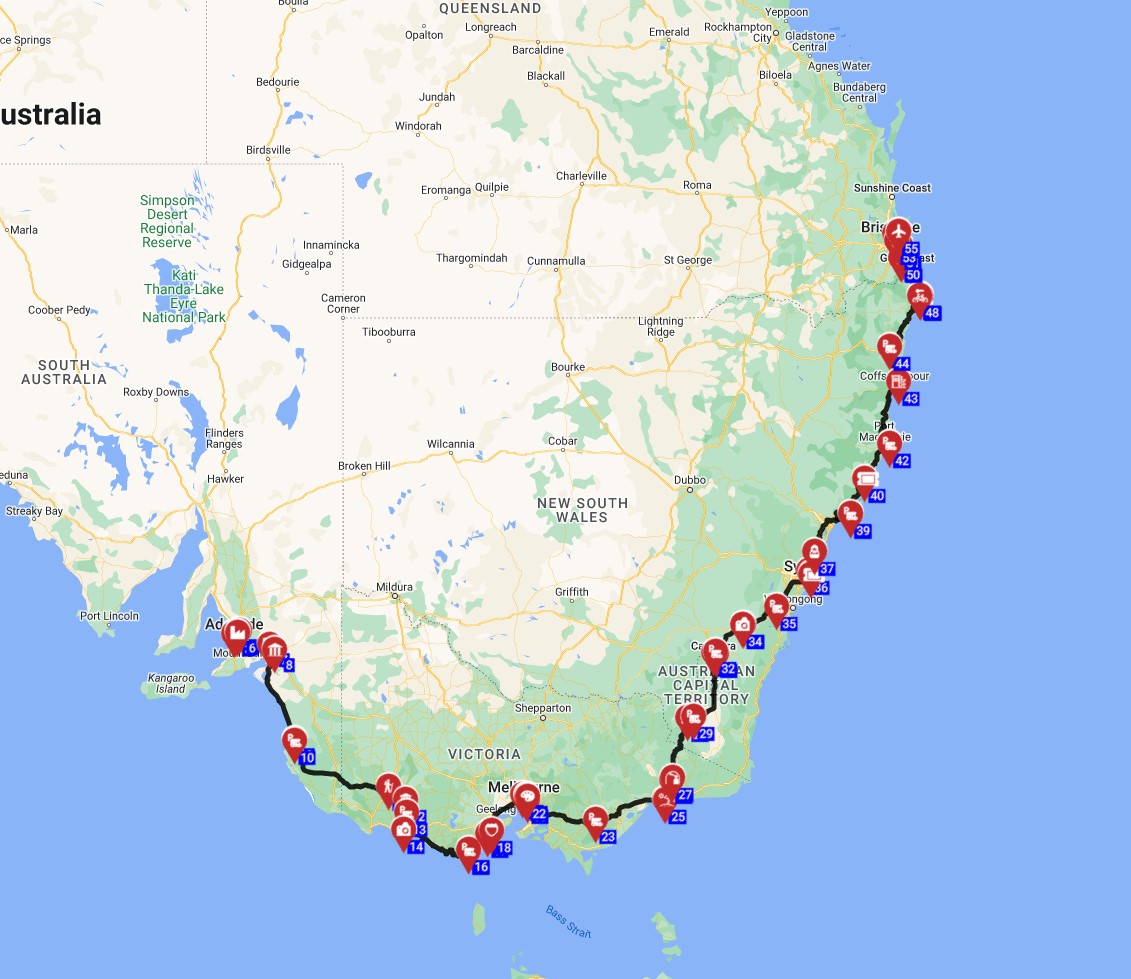
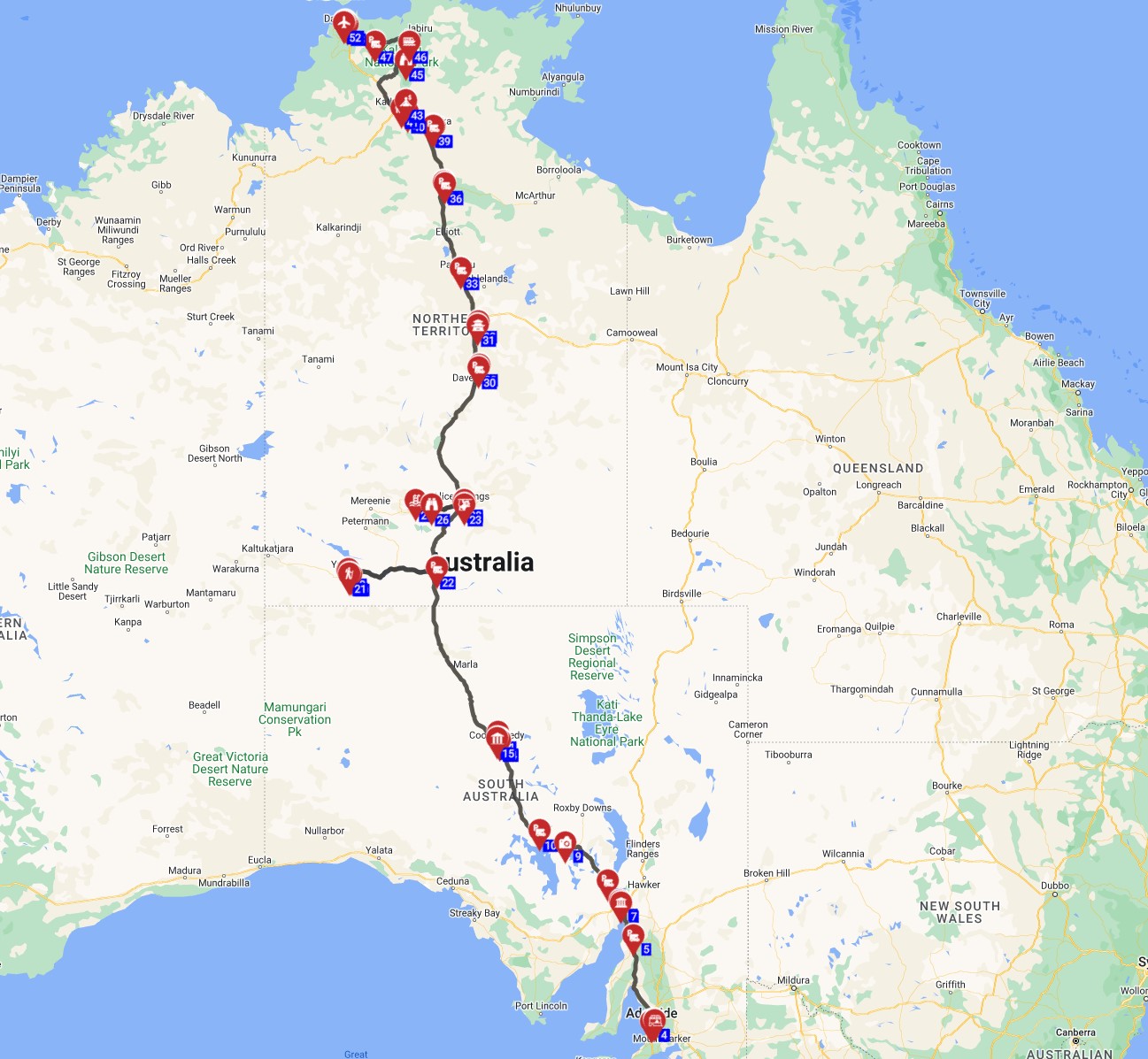
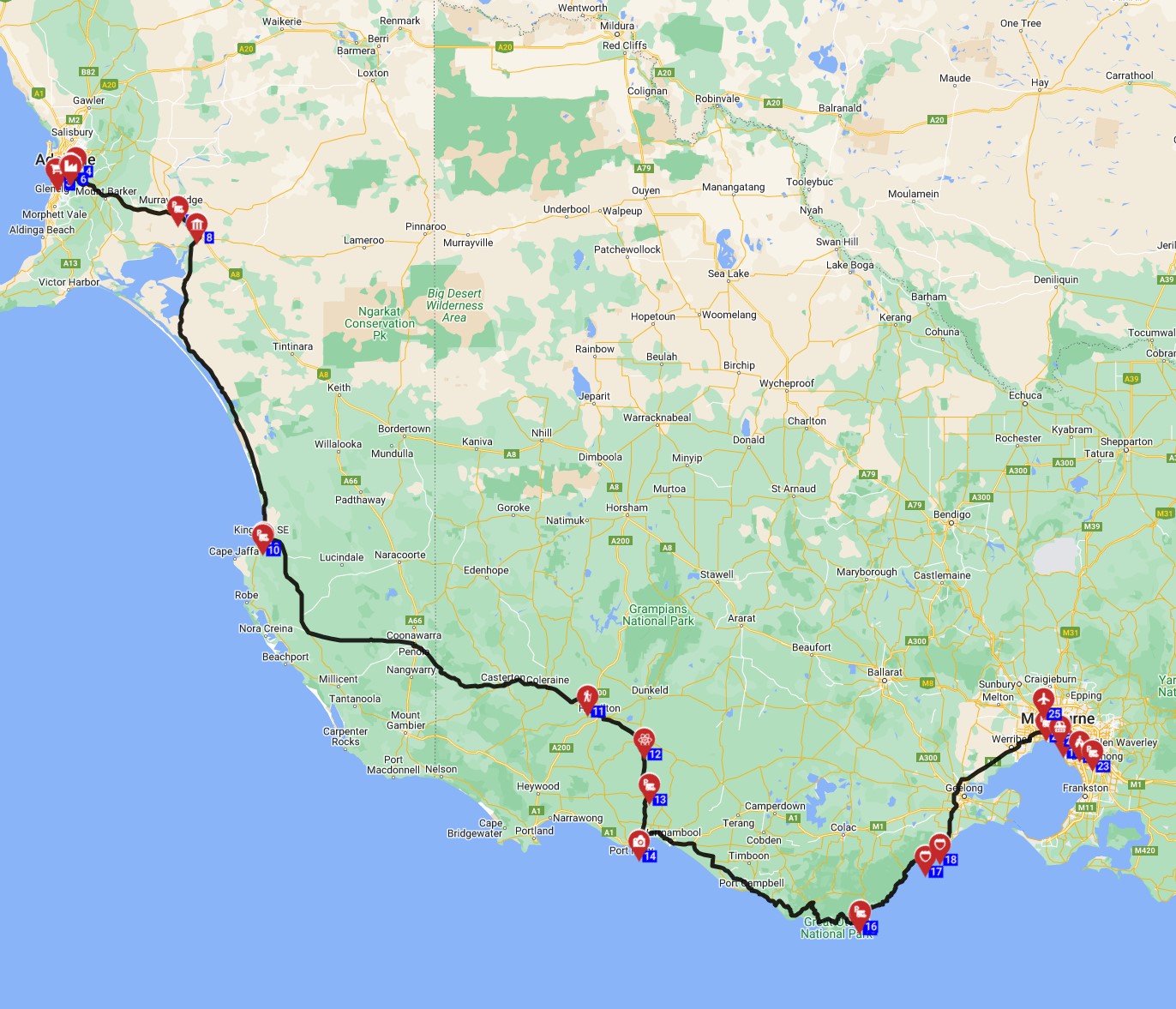
The "Melbourne to Darwin - Australia’s Heartline Road Trip" covers 5622.8 km over 26 days, immersing you in 2 wildlife shows, an aquarium, 5 hiking areas, and 3 museums. This extensive route plan helps you discover Australia’s diverse heartland, from urban culture to remote natural wonders. When planning, you may also find our guide "RV Travel Guide to Australia - Tips and Top Spots 2026" helpful.
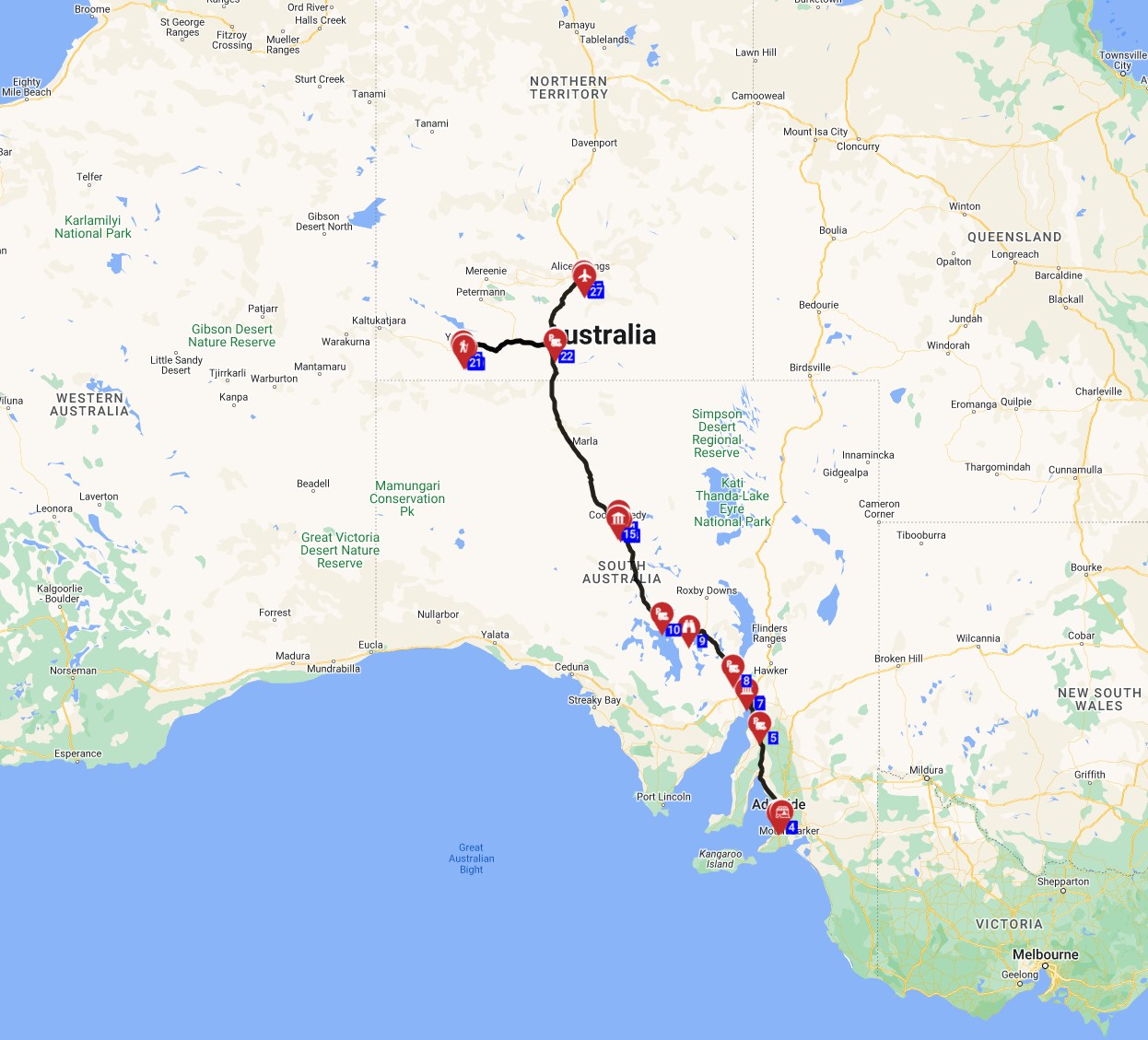
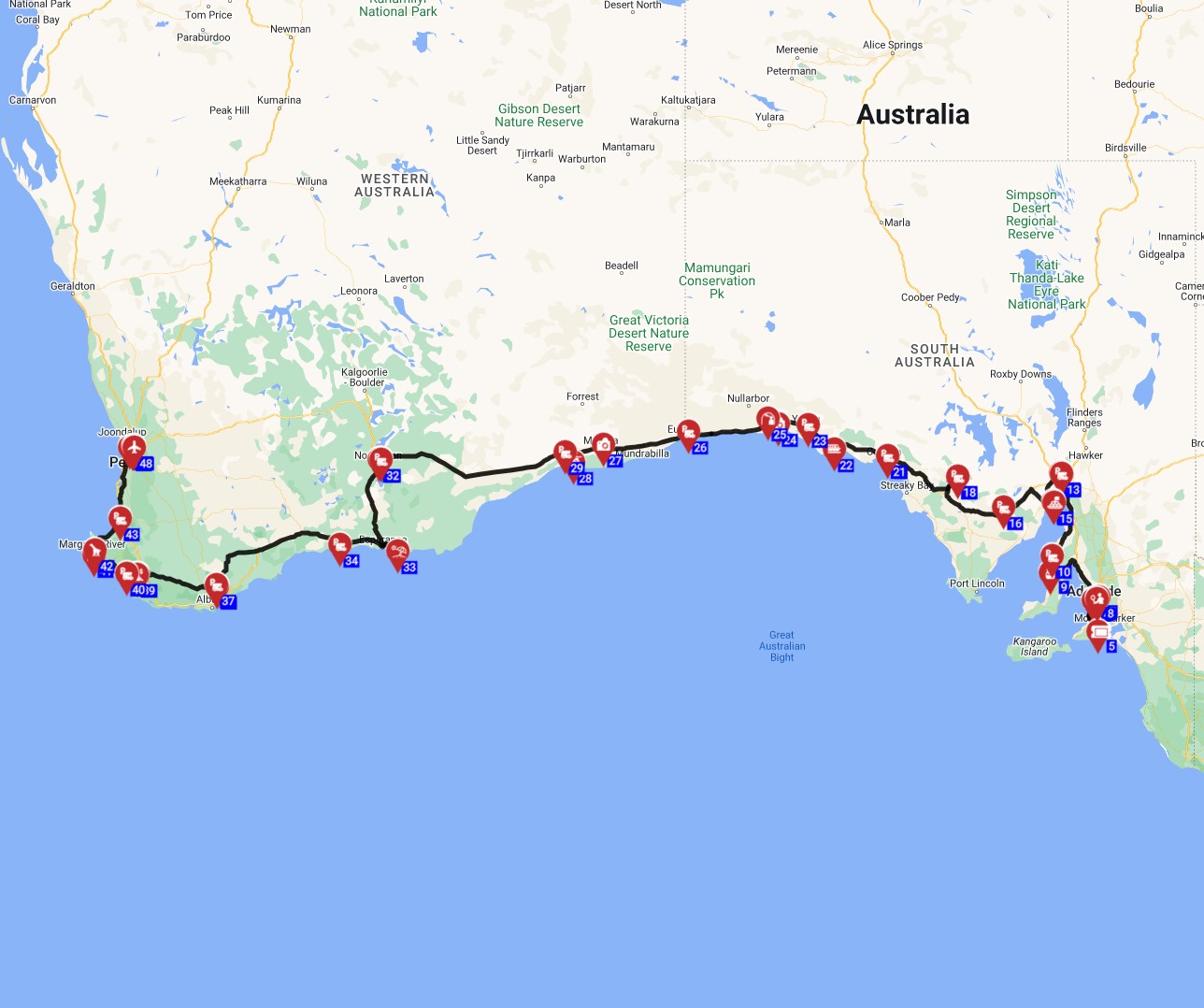
The "Perth to Alice Springs - The Dreamtime Highway: A Journey Through Australia's Heart" is a 21-day, 5447.3 km itinerary that includes 2 wildlife watches, a beach, a botanical garden, and 4 natural features. This route plan offers deep cultural and natural immersion through Australia's vast interior. If you're considering a one-way rental for this long journey, our "One-Way RV Rental in Australia - Price Guide 2026" provides essential pricing details.
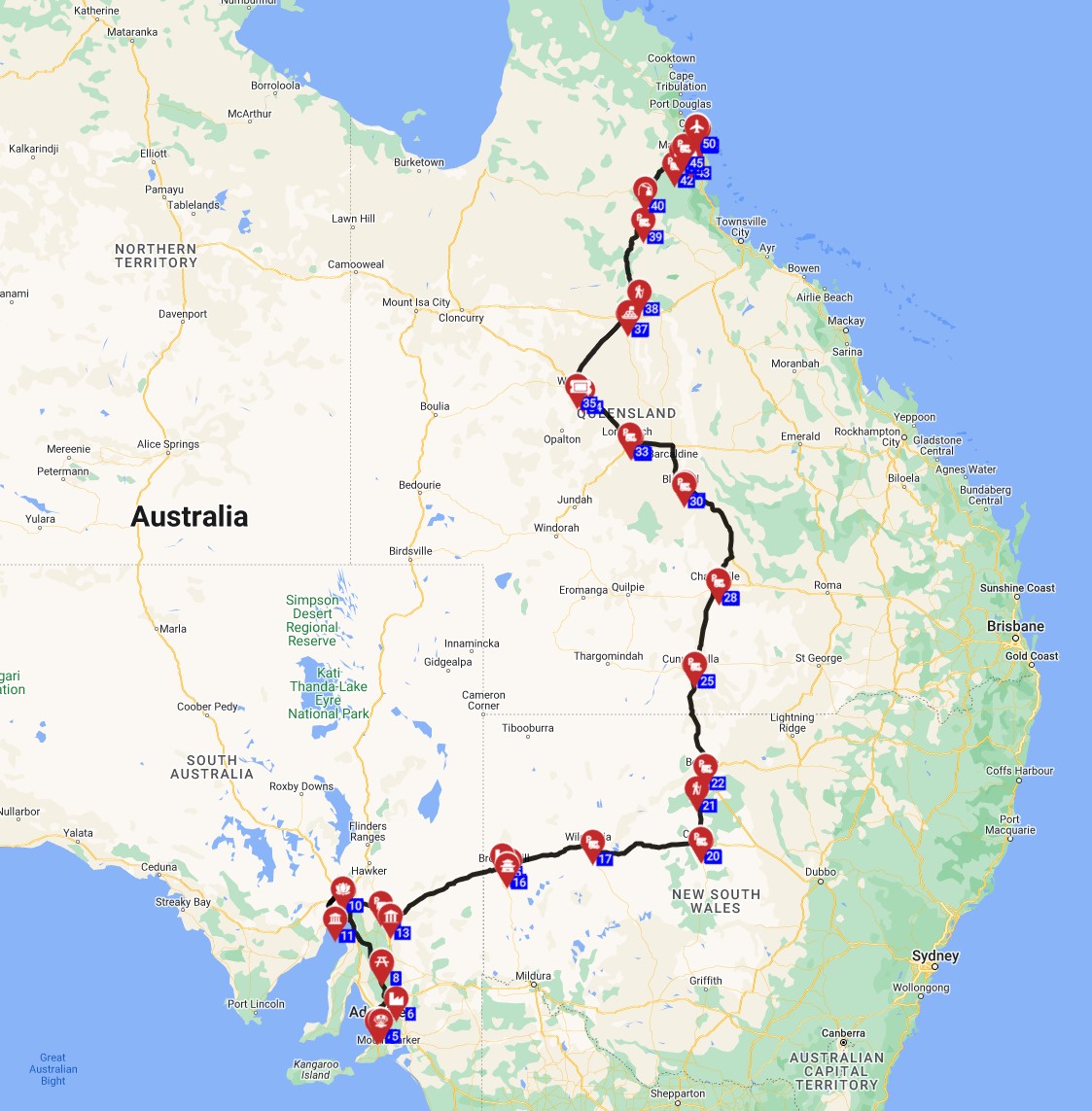
The "Cairns to Alice Springs - Northern Horizons: A Journey Through Australia's Heartland" route plan is a 17-day, 4003.6 km trip featuring 2 caves, 3 hiking areas, and 2 swimming spots. This route provides a comprehensive experience from the tropical north to the iconic Red Centre. For more details on budgeting your adventure, consider exploring "RV Rental in Australia - Prices and Best Deals 2026".
Top Cities for RV Rental in Australia
Australia offers numerous convenient pickup and drop-off locations for your rented RV, making it easy to start and end your journey wherever suits your itinerary. Here are some of the top cities for motorhome rental, each offering unique starting points for incredible adventures:
- Sydney, New South Wales: The vibrant harbour city is a fantastic starting point for coastal trips north to the Gold Coast or south towards Melbourne. Explore its iconic landmarks before heading out to scenic national parks.
- Melbourne, Victoria: Known for its cultural scene, Melbourne is the gateway to the Great Ocean Road and the picturesque wineries of the Yarra Valley. It’s also a key starting point for longer journeys through the country's heartland.
- Brisbane, Queensland: Ideal for exploring the stunning beaches of the Sunshine Coast and Gold Coast, or venturing further north to the tropical wonders of the Whitsundays.
- Perth, Western Australia: The starting line for epic journeys across the Nullarbor Plain, or northwards to the rugged beauty of the Coral Coast and the vast landscapes of Western Australia.
- Cairns, Queensland: Your entry point to the Great Barrier Reef, the Daintree Rainforest, and the captivating Northern Horizons route towards Alice Springs.
- Adelaide, South Australia: Perfect for discovering the Barossa Valley's wineries, the Flinders Ranges, and the serene Kangaroo Island.
- Alice Springs, Northern Territory: The heart of the Red Centre, offering direct access to Uluru, Kata Tjuta, and Kings Canyon for an authentic outback experience.
- Hobart, Tasmania: Begin your exploration of Tasmania's rugged coastlines, pristine wilderness, and charming historical towns from this southern capital.
Each city provides excellent access to a range of experiences, whether you're looking for an extended road trip or a week-long exploration.
Final Thoughts
Renting an RV in Australia promises an adventure like no other, offering the freedom to explore its iconic coastlines, vast outback, and vibrant cities at your own pace. With a variety of motorhome and campervan options available, from compact campervans ideal for couples to spacious Class C motorhomes for families, there's a perfect mobile home for every journey. Remember to embrace the slow travel philosophy-averaging max 100-150 km per day-to truly immerse yourself in the culture, food, and breathtaking scenery.
Navigating the diverse terrain, understanding local rules, and planning ahead for fuel and campsites are all part of the unique Australian RV experience. With Bandana RV, you benefit from our full transparency, 24/7 support, and access to expertly crafted itineraries via RV PLANET (rvplan.net), ensuring a smooth and memorable trip. We’re here to help you handle the details, so you can focus on living the journey.
So, why wait? Imagine yourself waking up to a stunning Australian sunrise, brewing coffee in your rented RV, and setting off to discover another corner of this magnificent continent. Your ultimate Australian RV adventure awaits! Discover top destinations, planning tips, all in one place!