In This Guide
- Where to Camp in Australia - Top Options
- Campground Types in Australia (National, Private, Wild)
- Featured RV Park or Campground in Australia
- Hookups & Amenities - What to Expect
- Booking Windows & Reservations in Australia
- Nearby Supermarkets & Resupply Points
- Best RV Class for Camping in Australia
- How to Save on Campgrounds in Australia
- Can you park an RV anywhere in Australia?
- What are RV parks called in Australia?
- Where can you park overnight for free in Australia?
- What is the average caravan park fee in Australia?
- How much do campsites cost in Australia?
- Are RVs allowed in Australia?
- How can I book campsites in Australia?
- Do you need to pre-book campsites in Australia?
- What is ghost camping in Australia?
Australia is a land of incredible diversity, offering some of the world's most spectacular landscapes for a rented motorhome adventure. From the sun-drenched beaches of Queensland to the rugged outback of the Northern Territory, exploring Australia with a rental RV provides unparalleled freedom and flexibility for quick stays and extended road trips. For live availability and current prices, start with our RV Rental Australia - Complete Guide 2026 guide, where you'll find everything you need to kickstart your journey across this vast continent.
Where to Camp in Australia - Top Options
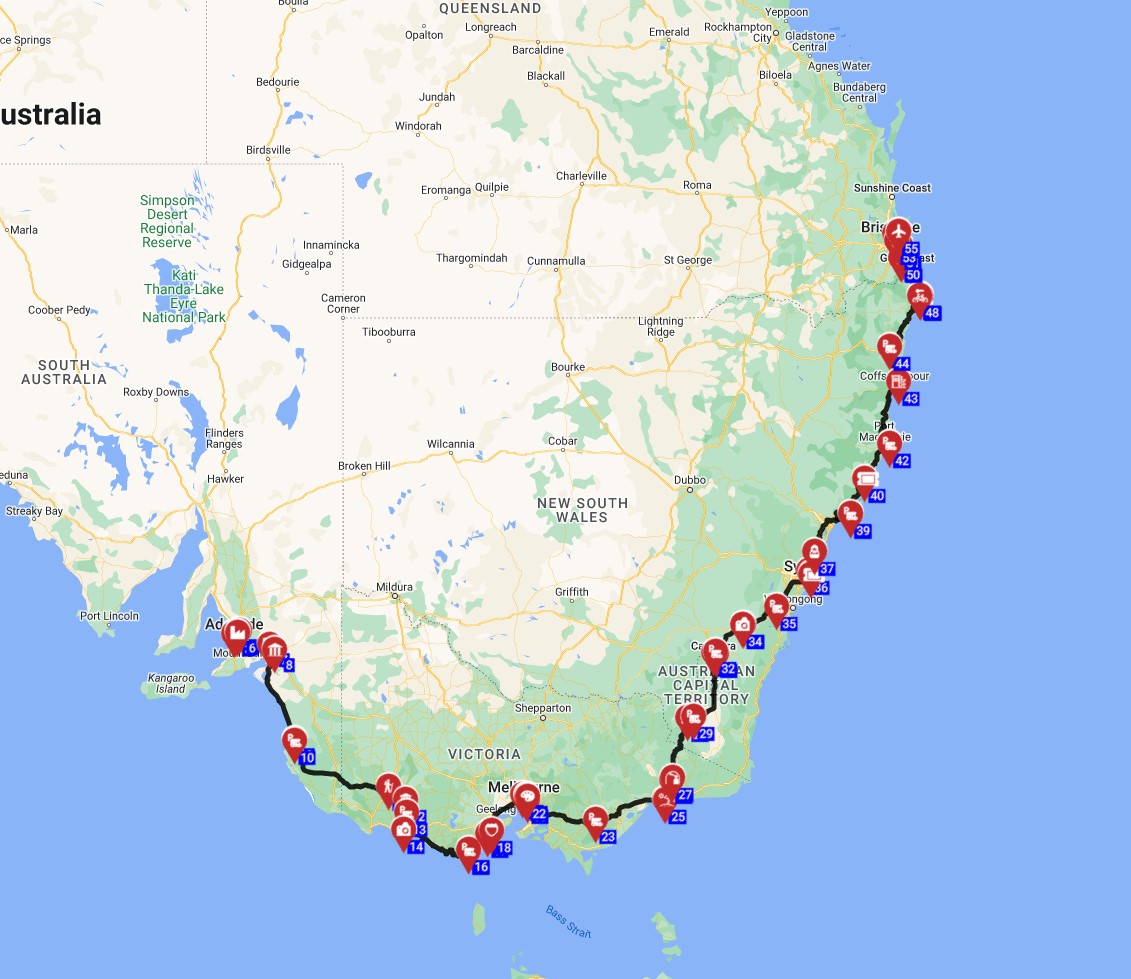
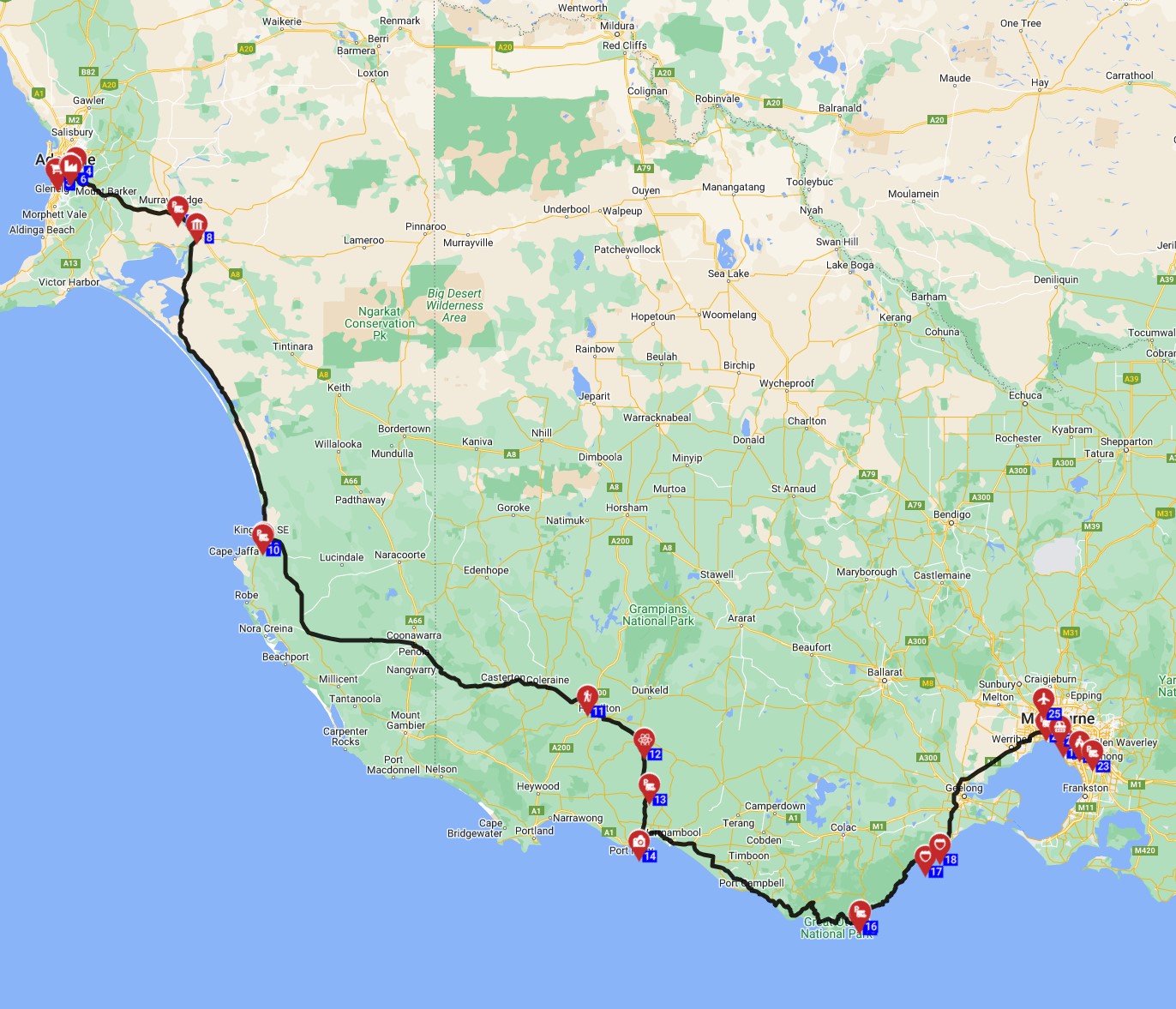
Australia offers diverse camping experiences from coastal views to outback serenity, catering to every RV traveler's preference. Popular regions for RV camping include the iconic Great Ocean Road in Victoria, offering stunning coastal vistas and national park access, the ancient Red Centre in the Northern Territory, home to Uluru, and the breathtaking coastlines of Queensland and Western Australia. When planning your RV trip, consider national parks for their pristine natural beauty and unique wildlife encounters, or opt for private caravan parks for their extensive amenities, depending on your preferred travel style and comfort level.
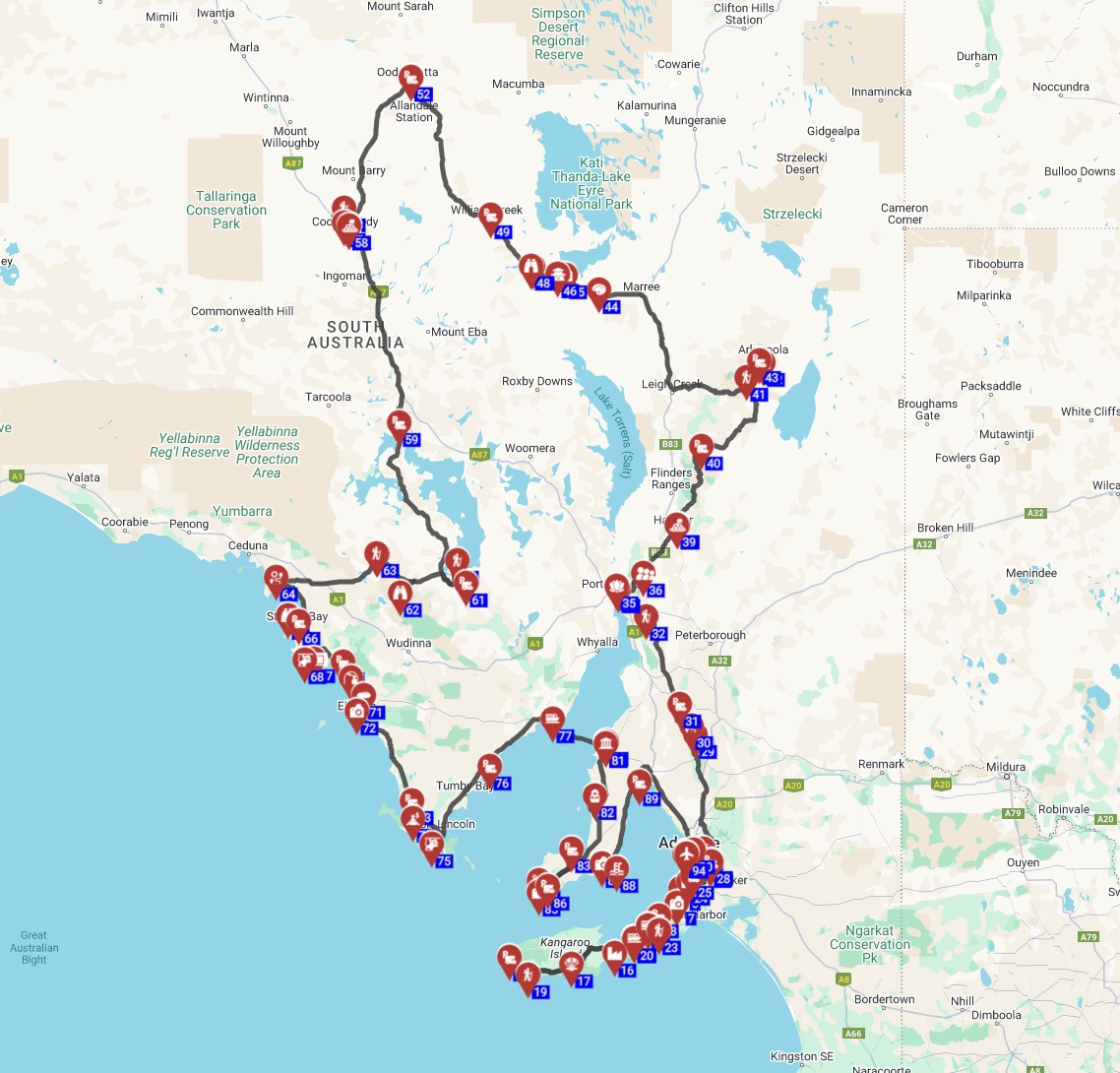
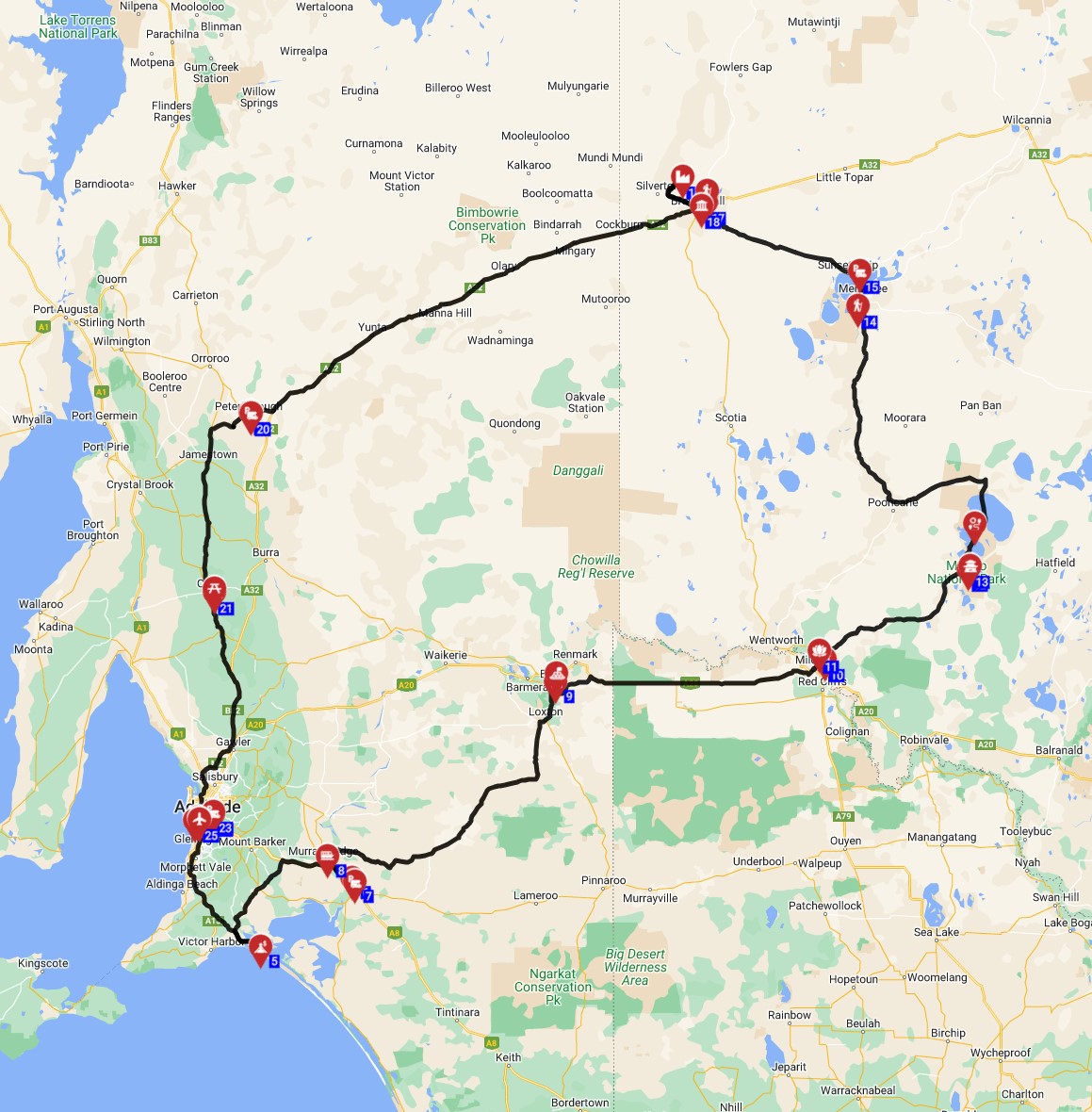
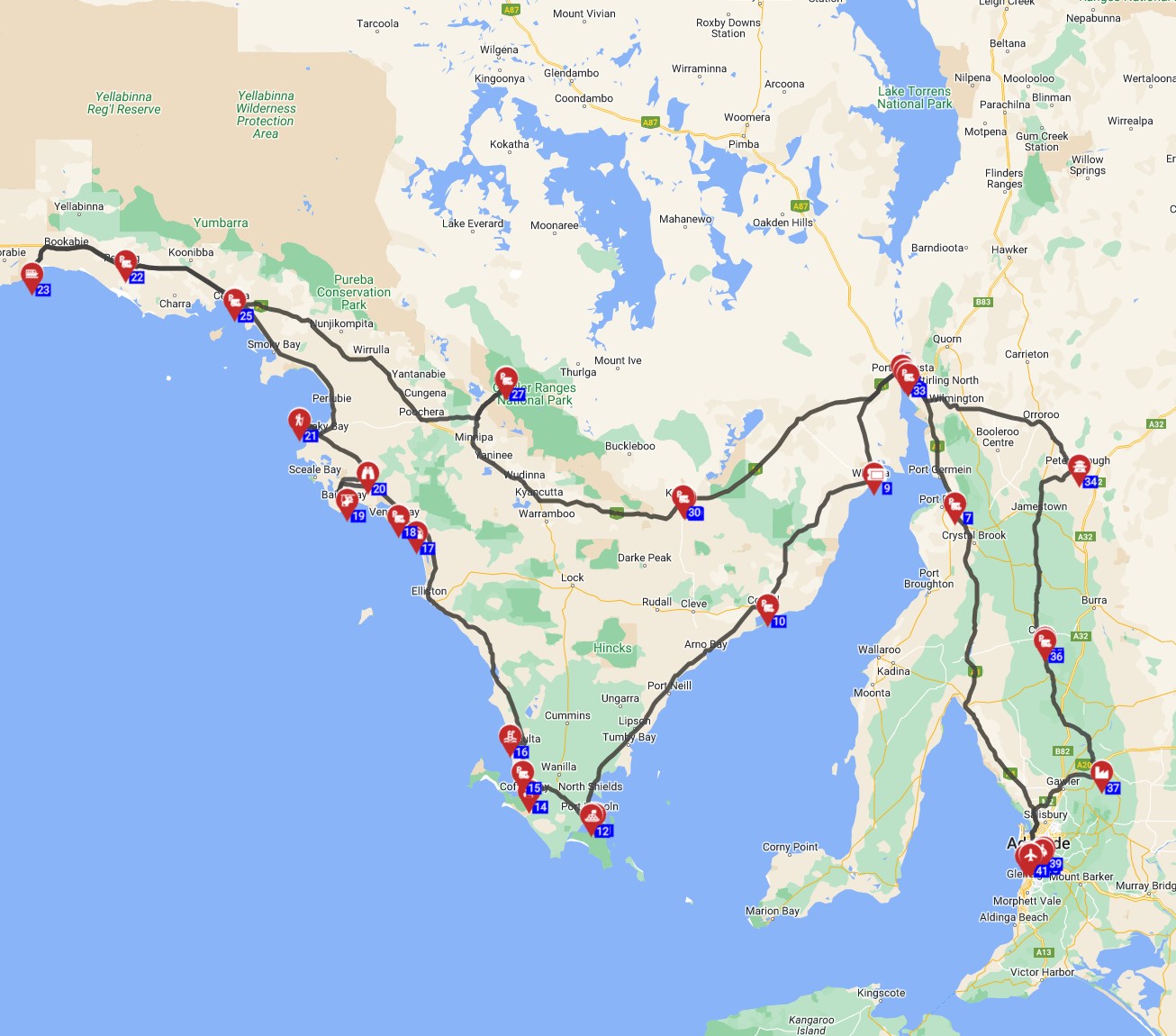
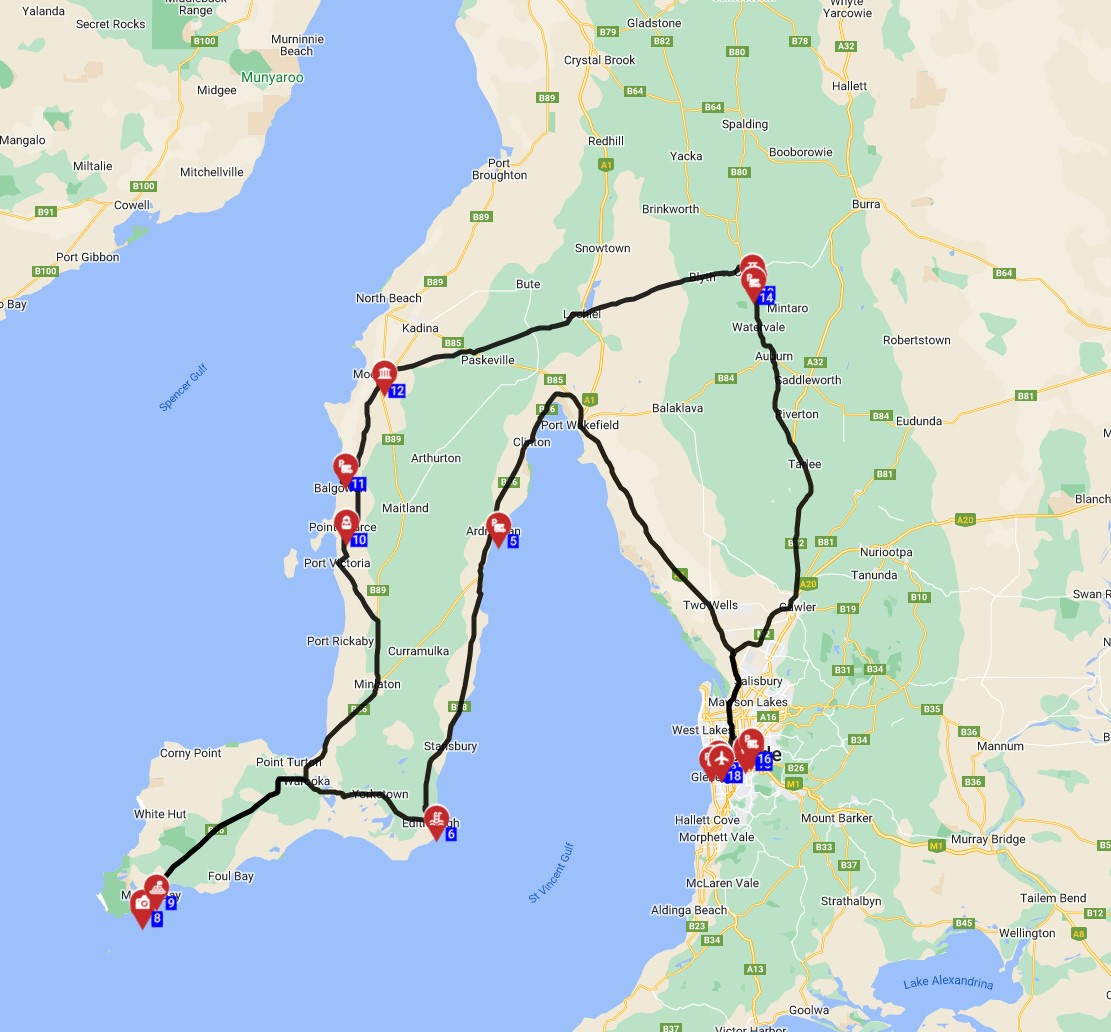
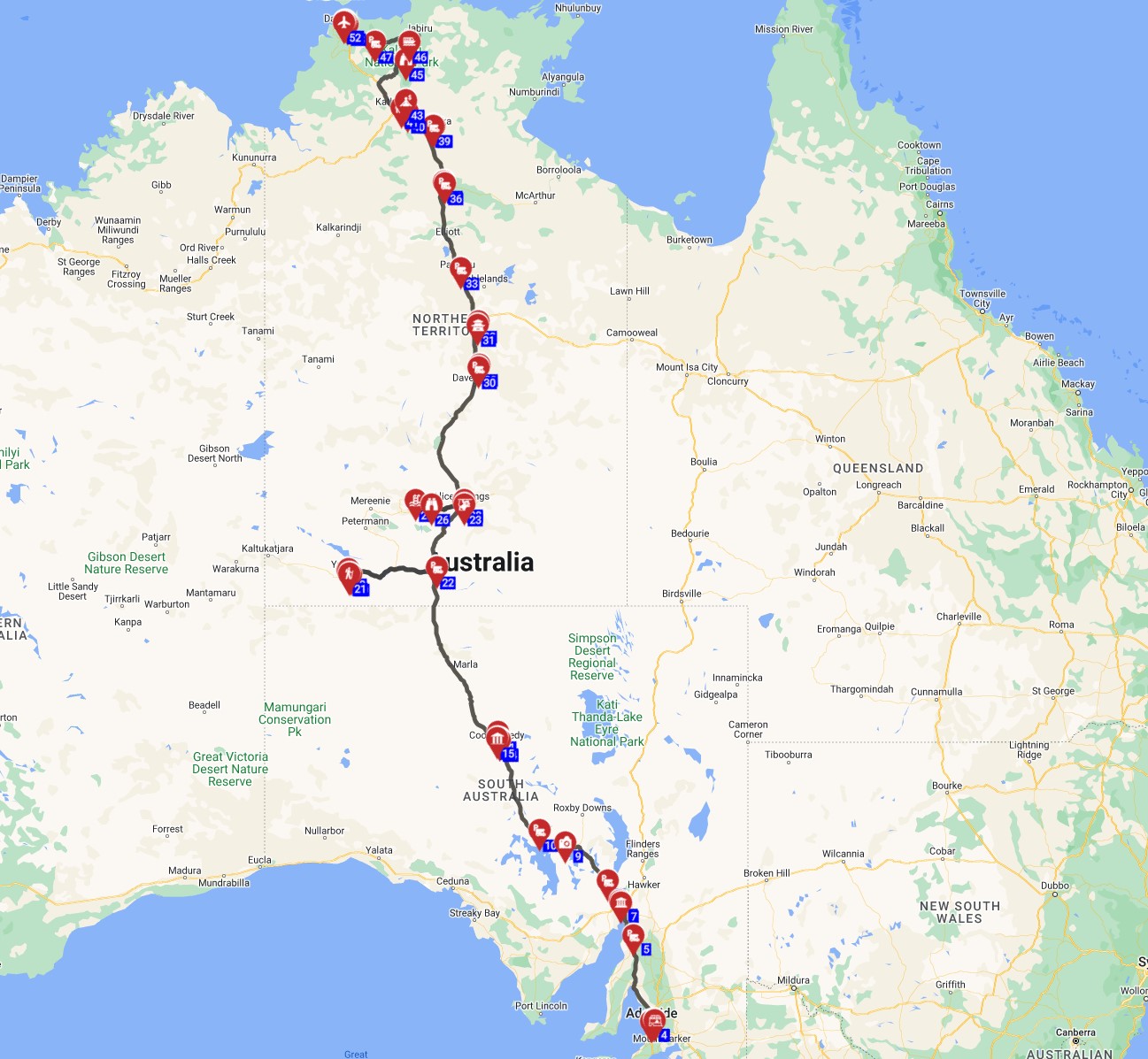
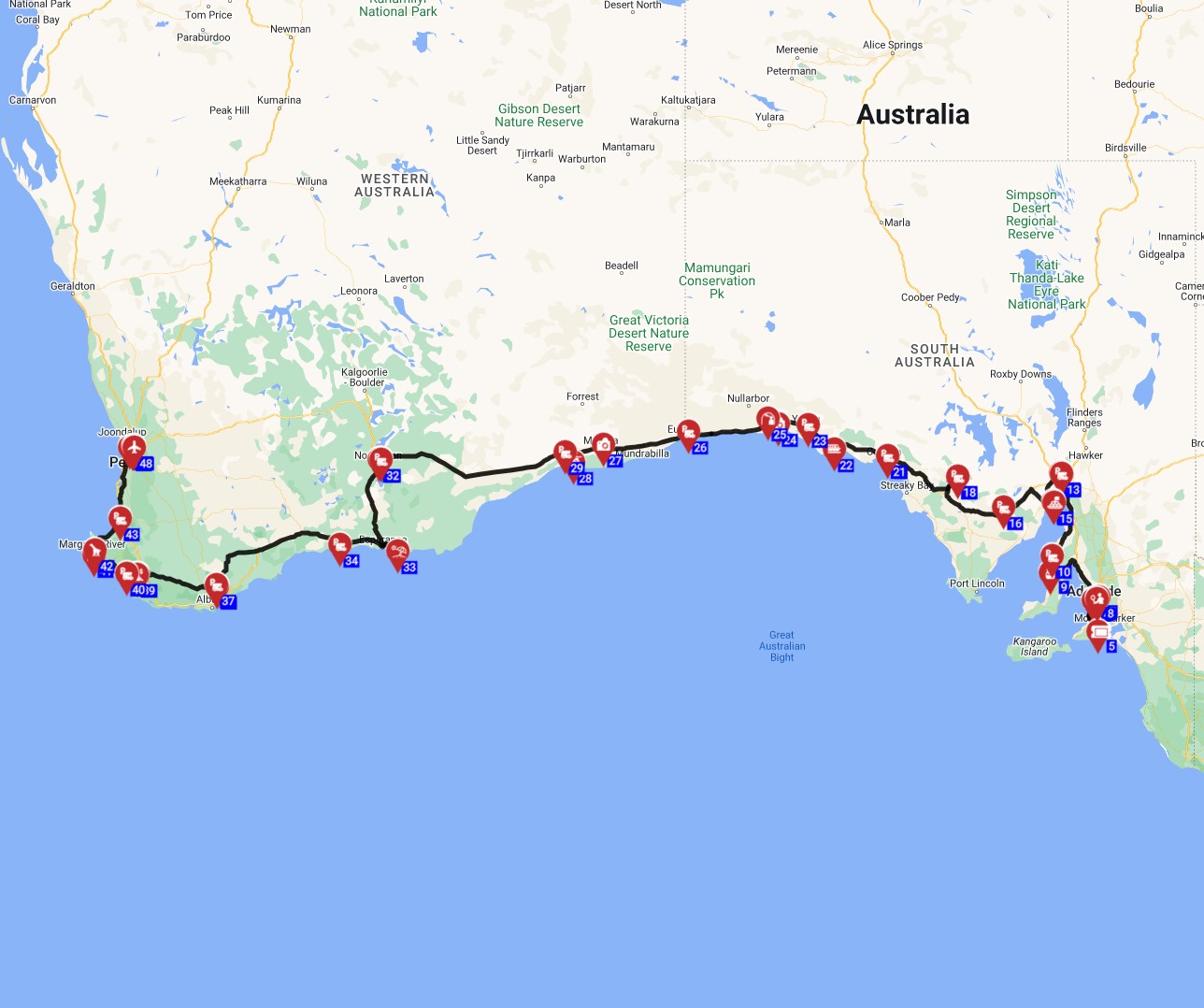
Planning your route to include these diverse camping options is simple with tools like RV PLANET, which offers 1,300+ pre-planned routes across 5 continents, including Australia. For example, the "Melbourne to Darwin - Australia’s Heartline Road Trip" covers 5622.8 km over 26 days, featuring 5 hiking areas and 4 natural features.
Campground Types in Australia (National, Private, Wild)
Australia features three primary types of RV camping: national/state park campgrounds, private caravan/holiday parks, and designated free/wild camping areas, each offering distinct experiences. National and state park campgrounds provide unparalleled access to natural wonders, typically offering basic amenities like toilets and sometimes water, and require booking through state park services (e.g., Parks Victoria, NSW National Parks and Wildlife Service). These sites often immerse you deeper into nature, with many offering walking trails and wildlife viewing opportunities.
Private caravan parks, often called holiday parks, provide extensive facilities such as powered sites, dump points, hot showers, laundry, swimming pools, and Wi-Fi, appealing to those seeking comfort and comprehensive amenities. These parks are usually located in or near towns, making them convenient for resupply and local attractions. For a more budget-friendly approach, consider looking into "RV Rental Deals in Australia - Latest Offers 2026" to combine savings on your vehicle with more economical campground choices.
Wild or freedom camping, while appealing for its solitude, is generally restricted to designated free camps or rest areas, with strict rules against overnight parking in non-designated public lands or private property without permission. Always check local signage and regulations to avoid fines, which can be significant. The 'leave no trace' principle is paramount when engaging in free camping to preserve Australia's natural beauty.
Featured RV Park or Campground in Australia
When selecting an RV park in Australia, look for establishments that cater to your specific needs, whether it's proximity to attractions, comprehensive family-friendly amenities, or a quiet, natural setting. Many top-rated parks offer a mix of powered and unpowered sites, modern ablution blocks, camp kitchens, and often recreational facilities like pools or playgrounds. Factors such as accessibility for your specific RV class, proximity to resupply points, and local activities are crucial to enhance your camping experience.
For instance, Big4 Holiday Parks are a popular choice nationwide, known for their consistent quality and family-friendly amenities like jumping pillows and communal BBQ areas. When preparing meals in your rented motorhome's kitchen, having access to these facilities can be a real bonus. You can find inspiration and practical tips on our RV-friendly recipes playlist to make the most of your onboard cooking setup.
Always call ahead or check online reviews for specific parks, as facilities and availability can vary. Some parks even offer guided tours or activities, providing a deeper connection to the local culture and environment, aligning with the slow travel philosophy of exploring max 100-150 km per day.
Hookups & Amenities - What to Expect
In Australia, most private caravan parks and many national park campgrounds offer essential hookups and amenities for RVs, including electricity, fresh water, and waste dump points. Electrical hookups typically provide 240V/50Hz power, requiring a standard Australian 3-pin plug (a 15-amp lead is often needed for RVs), while water hookups are standard garden hose connections. Common amenities across various campgrounds include shared showers and toilets, laundry facilities, BBQ areas, and communal kitchens. Wi-Fi access is increasingly common in private parks, though often at an extra cost or with limited data, and mobile reception can be spotty in remote areas, necessitating alternative communication plans like satellite phones for peace of mind. On the routes offered through RV PLANET routes, you can itemize and track every expense along the way for easy budgeting.
For budgeting your trip, knowing which amenities are included versus extra costs is vital. Many RV PLANET routes offer detailed expense tracking, so you can itemize and manage every cost along the way. This includes not just campground fees, but also fuel, propane, dump fees, and groceries. You can explore these RV PLANET routes to get a clear picture of what to expect.
Booking Windows & Reservations in Australia
For travelers who prefer everything organized, booking RV campsites well in advance, especially during peak seasons like school holidays (December-January, Easter, July) or major events, is crucial to secure desired spots in Australia's popular destinations. However, for spontaneous adventurers, many national park campgrounds reserve only 25-30% of their sites for advance reservations, with the remainder often available on a first-come, first-served basis, offering flexibility. This means you don't always need to book months ahead for an enjoyable trip.
While pre-booking is advised for iconic locations or during high-demand periods, spontaneous travelers can often find a place by calling ahead a day or two in advance, or by being flexible with their campground choice, as alternatives are usually available nearby. You'll find a spot. If not at the first campground, then the next one. Call ahead before driving. Australia's vastness provides plenty of options, ensuring you'll almost certainly find a suitable place to stay, even if it's the next campground down the road. For finding campsites and campgrounds during your trip, we recommend using RV PLANET (rvplan.net) - a great resource for locating available spots along your route.
Nearby Supermarkets & Resupply Points
RV travelers in Australia can easily resupply at major supermarket chains such as Woolworths, Coles, and IGA, found in most towns and cities across the country. These stores are widely accessible, making it convenient to stock up on groceries and other essentials for your rental campervan. For remote areas, 'roadhouses' serve as vital resupply points, offering fuel, basic groceries, and sometimes meals and accommodation, though prices can be higher due to logistics and their remote locations.
Planning your route with resupply stops in mind is essential, especially when venturing into the Outback where distances between services can be considerable, sometimes hundreds of kilometers. Always carry sufficient water (at least 20 liters per person per day is recommended for remote travel), non-perishable food, and extra fuel for remote journeys, as unexpected delays can occur, and mobile reception may be unreliable. Consider a large motorhome like a "6 Berth Discovery" with its 125 Liter fresh water tank and 190 liter refrigerator if you plan extended stays in remote areas.
Best RV Class for Camping in Australia
The best RV class for camping in Australia depends heavily on your travel style, group size, and intended terrain, ranging from nimble campervans for agile exploration to spacious alcove motorhomes for family comfort. Bandana offers a variety of motorhome classes. Our Class B - Camper Vans, such as the "Active Pop Top" which sleeps 4 and is 5.99 meters long, are ideal for couples or small families seeking maneuverability, fuel efficiency (typically 10-14 Liters/100 km), and suitability for both caravan parks and some unsealed road access. These smaller vehicles, often with features like front air conditioning, a small gas stove, and a 90 liter refrigerator, provide a cozy and intimate travel experience.
For larger families or those desiring more comfort and space, Bandana's Class C - Alcove motorhomes, like a "6 Berth Adventurer" sleeping 6 and 7.4 meters long, offer ample living areas, a 190 liter refrigerator, and comprehensive amenities including a shower and toilet. While they provide a home-away-from-home feel, these larger vehicles are generally better suited for sealed roads and established caravan parks due to their size. Drive slowly and carefully, and you can drive almost anywhere without issues. No need to stress - just use common sense and pay attention, regardless of your RV's size.
🎬 Video coming soon
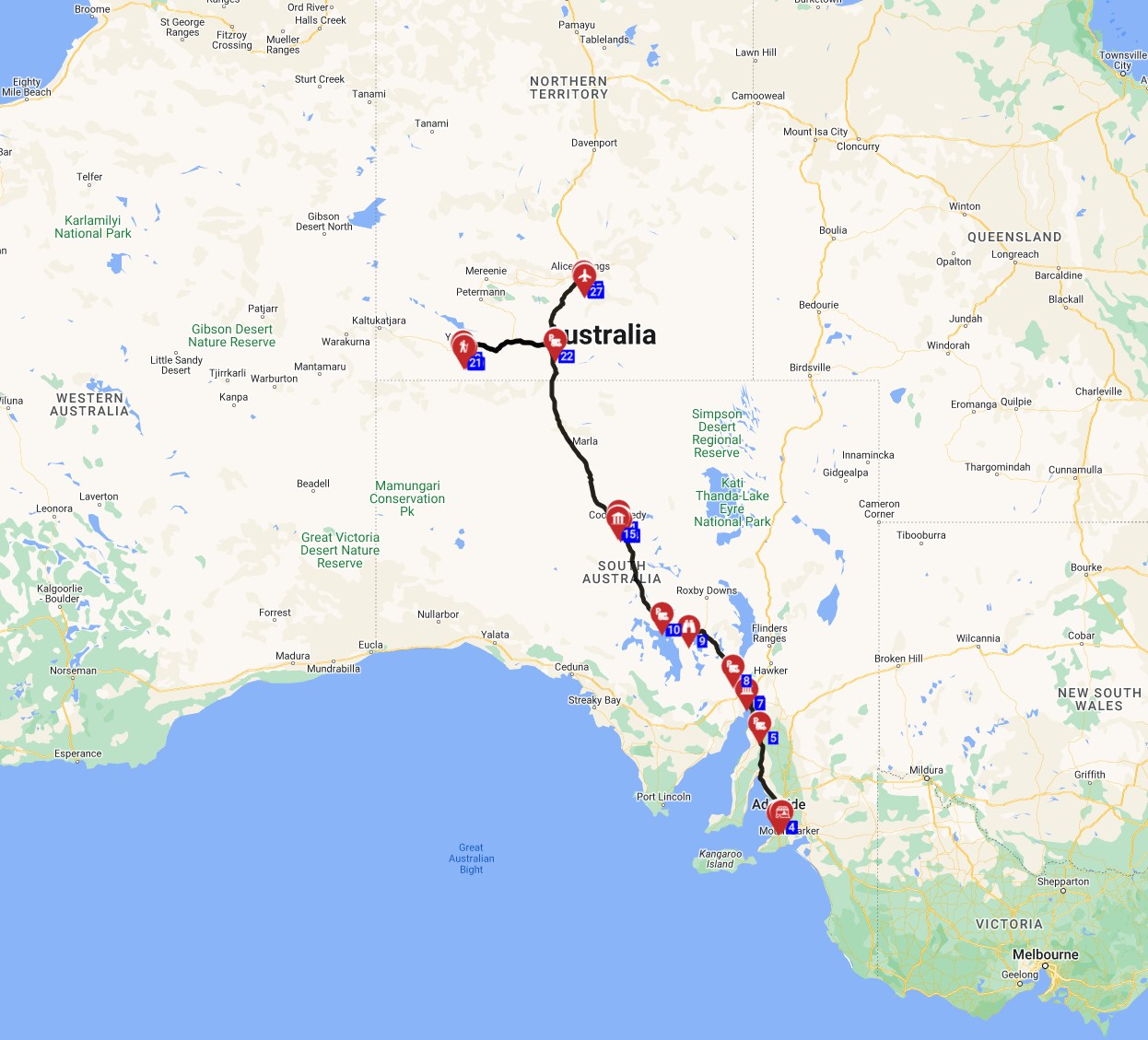
For specific routes like "Perth to Alice Springs - The Dreamtime Highway: A Journey Through Australia's Heart," which covers 5447.3 km over 21 days with 2 hiking areas and 4 natural features, the choice of vehicle is paramount. While most rental RVs are 2WD and limited to sealed roads, some itineraries might benefit from a 4WD truck camper for off-grid and remote track access. Always check road conditions before venturing off main routes.
How to Save on Campgrounds in Australia
One significant way to save on campground fees in Australia is by utilizing rental company campground discount cards or memberships, which can offer savings at participating parks. Many major caravan park chains offer loyalty programs or allow discounts through affiliated organizations. Opting for shoulder season travel (spring: September-November and autumn: March-May) can significantly reduce nightly rates compared to peak holiday periods, providing a more budget-friendly and less crowded experience. For instance, a "Weekly RV Rental in Australia - Pricing 2026" might be considerably cheaper in May than in December.
Choosing municipal or regional campgrounds over private resorts often results in lower prices, as they typically offer fewer amenities but still provide essential services like fresh water and dump points. Booking extended stays of three or more nights can often unlock weekly rates, which are generally more economical per night than single-night bookings. Additionally, consider splitting costs with another RV group if traveling together. For tracking all these variable costs, RV PLANET routes allow you to itemize and track every expense along the way for easy budgeting. This full transparency means no hidden fees or surprises.
Can you park an RV anywhere in Australia?
No, you cannot park an RV anywhere in Australia; regulations vary significantly by state, territory, and local council, with strict rules governing where overnight parking is permitted. Overnight parking is generally restricted to designated caravan parks, official campgrounds, specific rest areas, and approved free camping spots. Parking a rented motorhome overnight in residential streets, public parks, or on private property without permission is typically illegal and can result in fines or being moved on by authorities. Always check local signage and regulations, and consult apps like Wikicamps Australia for verified legal parking and camping locations to avoid penalties. Drive slowly and carefully, and you can drive almost anywhere without issues. No need to stress - just use common sense and pay attention.
What are RV parks called in Australia?
In Australia, RV parks are most commonly referred to as caravan parks or holiday parks, reflecting the prevalence of caravans (travel trailers) in the local camping culture. These facilities cater to a range of recreational vehicles, including all motorhome classes (Class A, Class B, Class C) and campervans, from basic powered sites to extensive resort-style features. Some may also be called tourist parks or camping grounds, but 'caravan park' is the most ubiquitous term you'll encounter across the country. Understanding this terminology is key when searching for accommodation and interacting with local camping communities and services.
Where can you park overnight for free in Australia?
Overnight free parking for RVs in Australia is possible in designated free camps, rest areas, and some roadside stops, often managed by local councils or state road authorities. Resources like the Wikicamps Australia app, local council websites, and specific state tourism guides are invaluable for finding legal and verified free camping locations. Many regional towns offer '24-hour stops' or are designated 'RV friendly towns,' which provide designated free or low-cost overnight parking, often to encourage tourism and local spending.
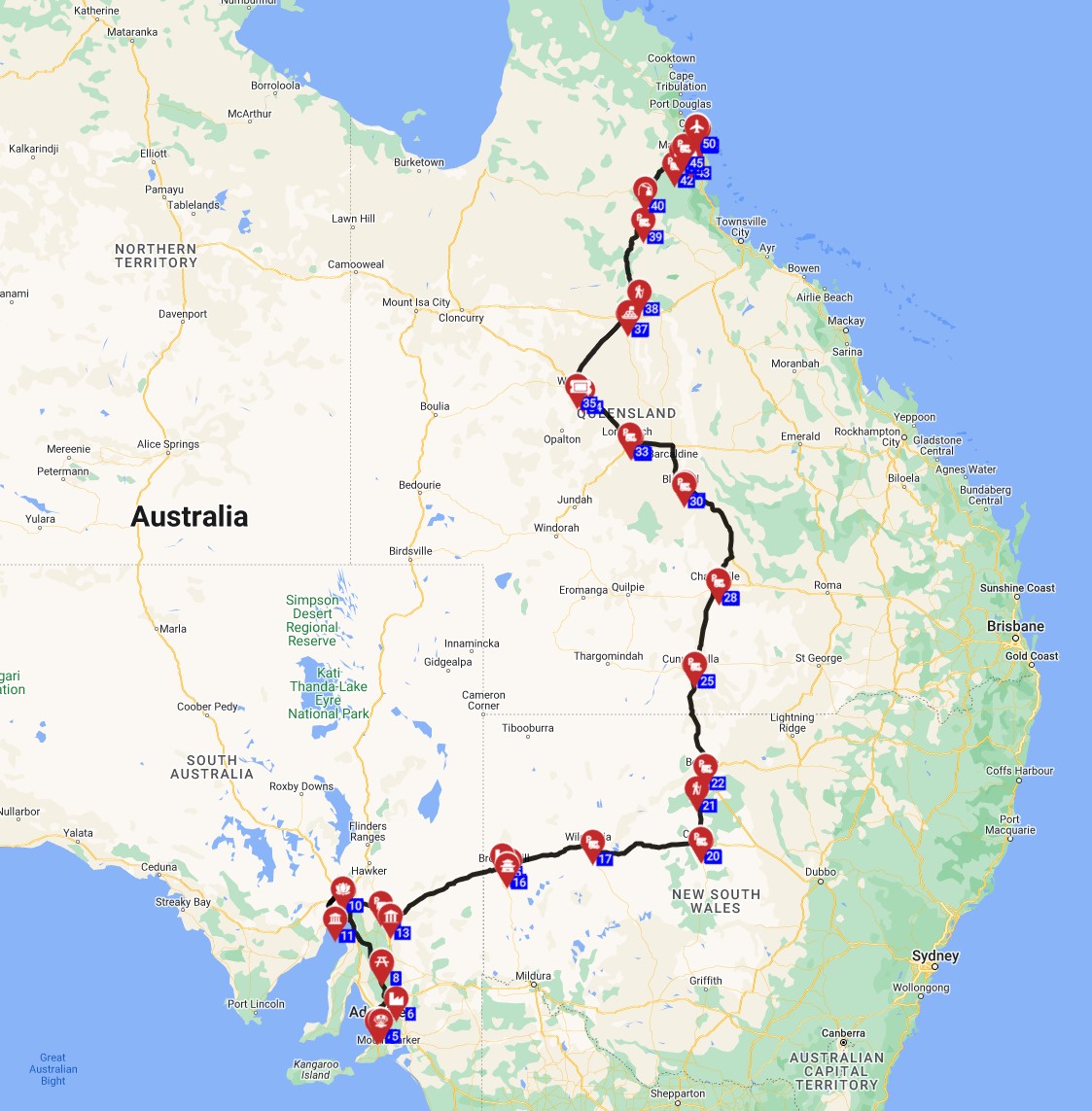
Rules for free camping typically include a maximum stay duration (e.g., 24 or 48 hours), strict 'leave no trace' principles, and self-containment requirements, such as having an onboard toilet and greywater tank. Always ensure your rented campervan meets these requirements and that you respect the local environment and community rules. For routes like "Cairns to Alice Springs - Northern Horizons: A Journey Through Australia's Heartland," covering 4003.6 km over 17 days, planning free stops can be a great way to save money and experience more remote areas.
What is the average caravan park fee in Australia?
The average caravan park fee in Australia typically ranges from AUD $30 to $60 per night for a powered site, though prices can vary significantly based on location, amenities, and seasonality. Expect higher fees in prime coastal locations like the Great Barrier Reef region, major tourist hubs such as Sydney or Melbourne, and during peak holiday periods (like school breaks), where prices can easily exceed AUD $70-$100 per night for premium sites or cabins. Unpowered sites are generally cheaper, ranging from AUD $20-$45, while sites in more remote or less popular areas might be found for under AUD $30.
Many parks offer weekly or monthly discounts, and some provide special rates for seniors or members of affiliated camping clubs, which can help mitigate overall costs for a longer journey. Keep in mind that prices are dynamic, similar to flight tickets, changing daily based on availability and supplier decisions, so checking "RV Rental in Australia - Prices and Best Deals 2026" regularly is a good strategy.
How much do campsites cost in Australia?
Campsite costs in Australia vary widely, from free designated rest areas and low-cost national park sites (around AUD $7-$25 per night) to full-service private caravan parks (AUD $30-$60+ per night). National and state park campgrounds generally offer the most budget-friendly paid options, often requiring online booking and providing basic facilities like composting toilets and communal fire pits. Private caravan parks (holiday parks) represent the mid-to-high range, offering extensive amenities such as power, water, dump points, hot showers, laundry, and often recreational facilities, with prices reflecting these services.
Budgeting for a typical RV trip should also include variable costs beyond just campsite fees, such as fuel (especially in remote areas where distances are vast), permits for specific national park access, and potential unexpected repairs. An RV PLANET route plan can help you visualize these expenses. Consider an optional upgrade to a top-level deductible for extra peace of mind, ensuring a stress-free trip. Bandana, as true RV specialists since 2001, helps tens of thousands of travelers plan these trips with full transparency and 24/7 support.
Are RVs allowed in Australia?
Yes, RVs are widely allowed and very popular for travel across Australia, with a robust infrastructure of roads, national parks, and dedicated camping facilities to support them. Australia's vast landscapes and well-developed tourism industry make it an ideal destination for rental RV travel, offering freedom and flexibility to explore diverse regions. Rental RVs are readily available from major cities like Sydney, Melbourne, Brisbane, Perth, Adelaide, and Cairns. The country caters to all types of recreational vehicles, from small campervans like the "2 Berth Sandpiper" (6.2 meters long) to large motorhomes such as the "Euro Deluxe" (up to 7.4 meters long and sleeps 6).
Visitors should be aware of local road rules (Australia drives on the left), specific vehicle dimensions for certain routes (e.g., low bridges, ferry limits for some islands), and state-specific camping regulations. Driving an RV in cities is manageable: drive slowly and carefully, and you can drive almost anywhere without issues. No need to stress - just use common sense and pay attention. A standard car driver's license is sufficient for all motorhome classes in Australia, although an International Driving Permit (IDP) is recommended for non-English speakers.
How can I book campsites in Australia?
Campsites in Australia can primarily be booked through dedicated online portals for national and state parks, directly via private caravan park websites or booking platforms, or sometimes through phone reservations. For national and state park campsites, official government websites (e.g., Parks Australia, NSW National Parks and Wildlife Service, Parks Victoria) are the go-to platforms, often requiring advance booking and permit acquisition for certain popular areas. Private caravan and holiday parks can be booked directly through their individual websites, via aggregator sites like Booking.com or Expedia, or specialized camping apps such as Wikicamps Australia.
During peak seasons or for remote, popular sites, booking several months in advance is advisable, especially for an "RV Rental Near Australia Airport - Pickup Pricing 2026" which often means high demand locations. However, off-peak travel may allow for more spontaneous, same-day or next-day bookings. Remember, our platform helps you compare final prices across 50+ leading RV suppliers worldwide, including Apollo and Britz, ensuring full transparency in your rental booking, before you even consider campsite fees.
Do you need to pre-book campsites in Australia?
While not always mandatory, pre-booking campsites in Australia is highly recommended, especially during peak seasons, school holidays, or for popular national parks and specific tourist destinations, to secure a spot and avoid disappointment. In high-demand areas or for iconic locations like Uluru-Kata Tjuta National Park or specific Great Ocean Road campgrounds, sites can book out months in advance. For more flexibility or off-peak travel, many regional caravan parks and less-visited national park sites may have availability for same-day or next-day bookings. You'll always find a spot, even if it means checking a few options. Call ahead before driving to confirm availability and avoid unnecessary detours.
Always check the booking policies of individual campgrounds, particularly for national parks which often have strict rules and limited first-come, first-served options. This dual system caters to both meticulous pre-planners who like everything organized and spontaneous travelers who prefer to book day-to-day. With a rented motorhome, you have the freedom to adapt your plans as you go, and with Bandana's 25% planning discount for using rvplan.net, you can easily plan your itinerary and find suitable camping options.
What is ghost camping in Australia?
Ghost camping in Australia typically refers to the practice of discreetly parking a rented RV or campervan overnight in unauthorized or undesignated locations, often without permission or payment, to avoid campground fees. This practice is generally illegal and frowned upon, as it can lead to environmental damage, littering, and strained relations with local communities. Authorities actively patrol areas prone to ghost camping, and individuals caught doing so can face significant fines or be required to move on immediately.
Instead of ghost camping, travelers are encouraged to utilize the extensive network of legal free camps, low-cost national park sites, or paid caravan parks to ensure a responsible and enjoyable RV experience. Adhering to local regulations not only protects Australia's pristine environment but also ensures a peaceful and respectful journey for everyone. There are plenty of fantastic legal options for overnight stays, so there's no need to risk fines or inconvenience.
What You Shouldn't Miss
- Looking for expert insights from Avi Bandana? Top 5 Adventures - recommendations from Avi Bandana
- Drive the breathtaking Great Ocean Road in Victoria, making sure to stop at the iconic Twelve Apostles.
- Experience the spiritual heart of Australia with a visit to Uluru-Kata Tjuta National Park in the Northern Territory.
- Explore the Daintree Rainforest and snorkel the Great Barrier Reef in Queensland, two UNESCO World Heritage sites offering unparalleled natural beauty.
- Journey through the vast Nullarbor Plain, an epic drive that offers unique outback landscapes and remote camping opportunities.
- Discover the stunning beaches and national parks of Western Australia, from Margaret River's wineries to the rugged Purnululu National Park (Bungle Bungle Range).
- Take time to feel the place, connect to the culture, the food, and the scenery. Travel slowly, max 100-150 km per day on average, to truly appreciate Australia's wonders.
Final Thoughts
Embarking on an RV adventure in Australia is more than just a trip; it's an opportunity to create unforgettable memories, connect with nature, and explore a truly unique country at your own pace. Whether you're planning quick stays at various campgrounds or an extended road trip across diverse landscapes, renting an RV offers the flexibility and comfort to make your dreams a reality. Remember to embrace slow travel, allowing yourself to truly immerse in the local culture and breathtaking scenery.
With Bandana, you're supported by true RV specialists who prioritize transparency and genuine advice. We're here to help you navigate the options, from choosing the perfect motorhome to understanding local camping regulations. Let us help you find the easiest, safest, and most affordable way to rent an RV, ensuring your Australian adventure is seamless and joyous. Get inspired for your next trip! Discover top destinations, planning tips, all in one place!
So, pack your bags, set your sights on Australia, and prepare for an incredible journey. The open road is calling, and your perfect rental RV awaits!