In This Guide
- Can You Drive an RV in Australia? License & Age Rules
- Road Conditions & Terrain in Australia
- RV Size Limits, Bridges & Restricted Zones
- Fuel: Diesel vs. Petrol & Cost per 100 km
- Tolls, Vignettes & Border Rules
- Driving Tips for rv rental Travelers
- Recommended RV Class for Australia Roads
- Should I Choose a Compact Van Instead of a Large RV in Australia?
- Can I Park Anywhere? Free & Wild Camping Rules in Australia
- Can I Drive an RV Into the City Center? Heights, Tunnels & Local Signage
- Can you sleep in a motorhome while driving in Australia?
- Can you legally drive in Australia with a US license?
- Do you need a special license to drive an RV in Australia?
- Can you stop anywhere in a motorhome in Australia?
- Are RVs allowed in Australia?
- How much does it cost to travel around Australia in a motorhome?
- What is the average cost of insuring a motorhome in Australia?
- What You Shouldn't Miss
- Why Book with Bandana Caravan
- Final Thoughts
- Frequently Asked Questions
Imagine yourself traversing Australia's breathtaking landscapes, from the vibrant coral reefs of the north to the rugged outback, all from the comfort of your own home-on-wheels. A week-long RV driving tour in Australia in 2026 promises an unforgettable adventure, giving you the freedom to explore at your own pace. With Bandana RV, we believe that discovering the world by rented motorhome should be straightforward, inspiring, and always supported. For live availability and current prices, start with our RV Rental Australia - Complete Guide 2026 guide, offering everything you need to plan your ultimate Aussie road trip. We're here to share our expertise, ensuring you have all the facts and insights to hit the road with confidence and make incredible memories.
Can You Drive an RV in Australia? License & Age Rules
Yes, you can absolutely drive an RV in Australia with a standard car license, provided the vehicle does not exceed a Gross Vehicle Mass (GVM) of 4.5 tonnes, which covers most rental motorhomes and campervans. This means that for popular options like a Class C - Alcove (avg. 7.5m length) or a Class SI - Semi-integrated (avg. 6.9m length) RV, your regular driver's license is perfectly adequate. For international visitors, a valid foreign driver's license is accepted if it's in English; otherwise, an International Driving Permit (IDP) is recommended to accompany your home country license for easier identification. Most rental companies, including Bandana's partners, require drivers to be at least 21 years old, and importantly, there are no young driver surcharges or vehicle class restrictions based on age, making RV travel accessible for a wider range of adventurers. Always carry your physical driver's license and IDP, if applicable, to ensure compliance with local road laws.
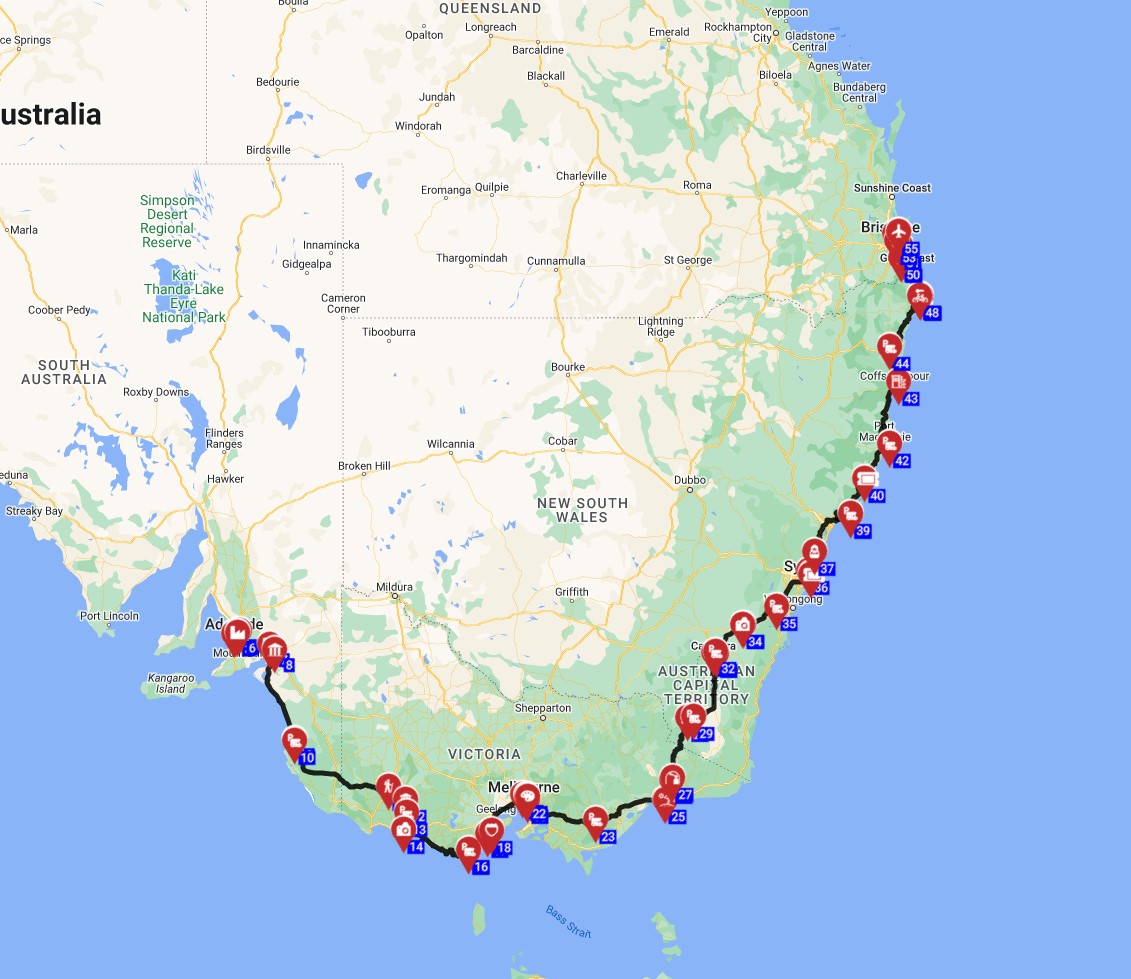
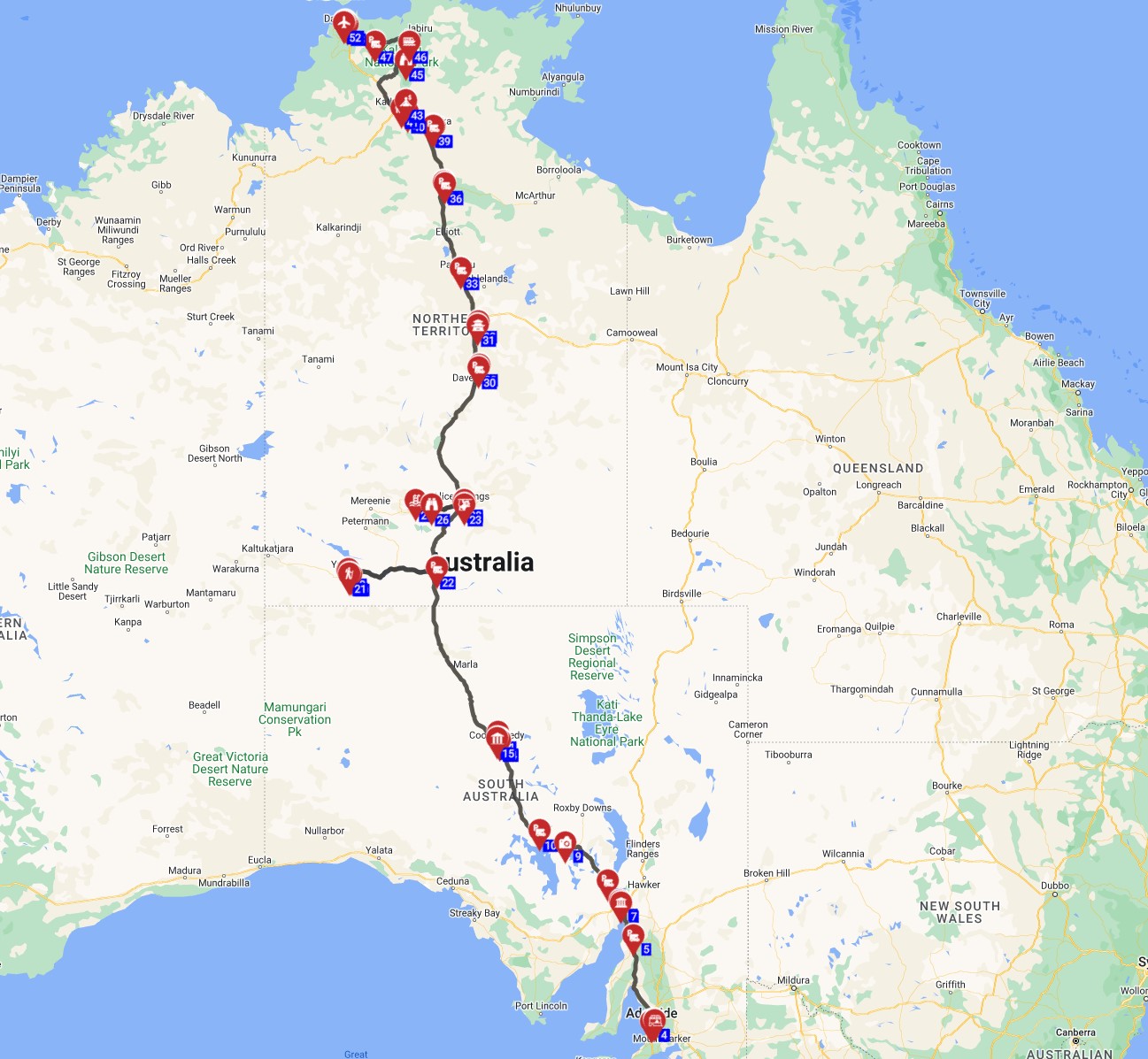
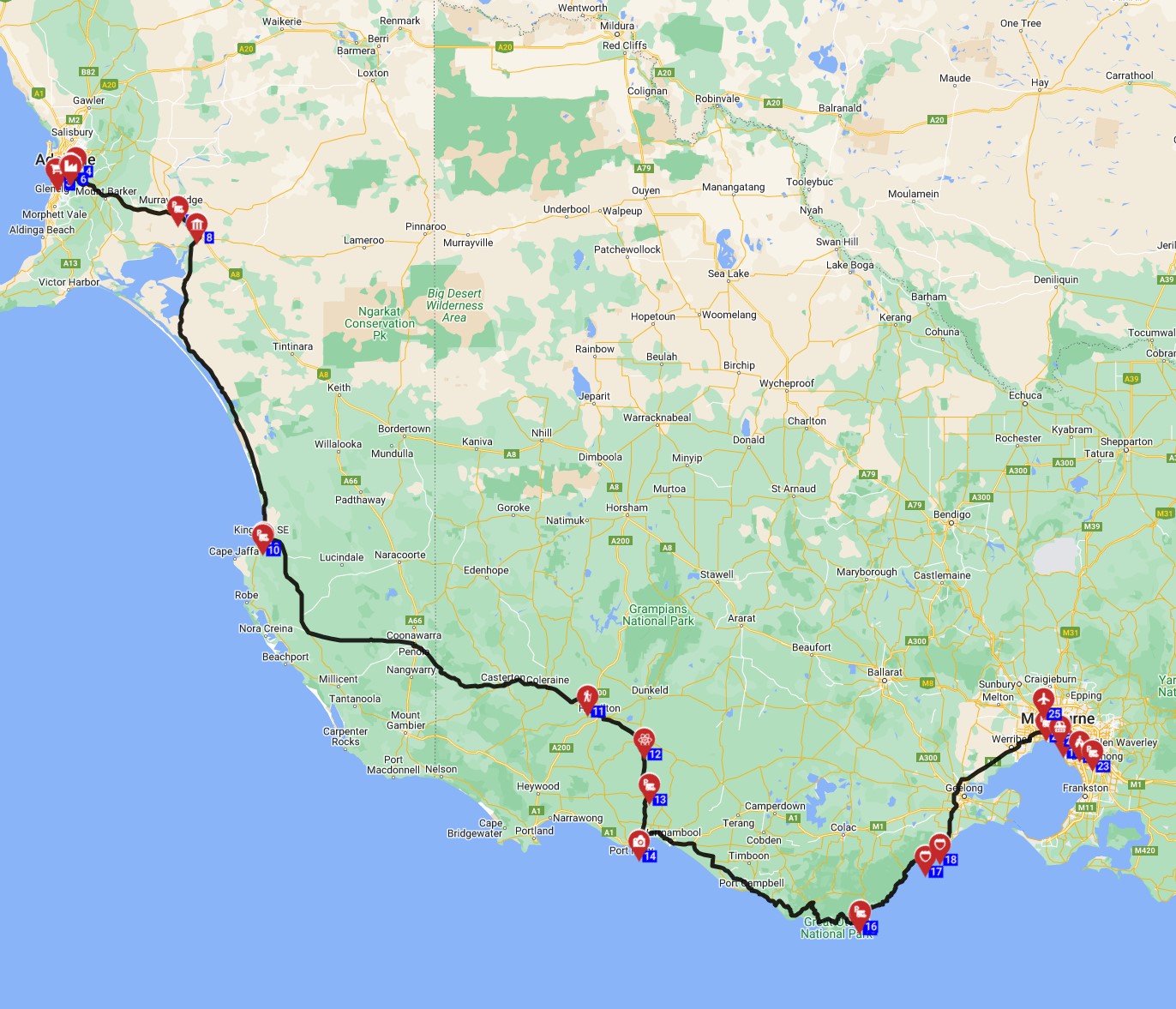
When considering an extended trip, planning ahead is key. For example, exploring the extensive 5622.8 km Melbourne to Darwin - Australia’s Heartline Road Trip can take over three weeks. Understanding the licensing and age rules upfront ensures a smooth start to such an epic journey. Bandana RV offers full transparency, so you'll always know exactly what's required without hidden fees or surprises.
Road Conditions & Terrain in Australia
Australia boasts a diverse range of road conditions, from well-maintained sealed highways linking major cities and coastal towns to more challenging unsealed gravel roads, especially in remote and Outback regions. For the best experience with a rented motorhome or campervan, it's generally recommended to stick to sealed roads. Most standard rental RVs are designed for this type of surface, and driving on unsealed roads, particularly those in very remote areas, may void certain insurance coverages, so always check your rental agreement carefully.
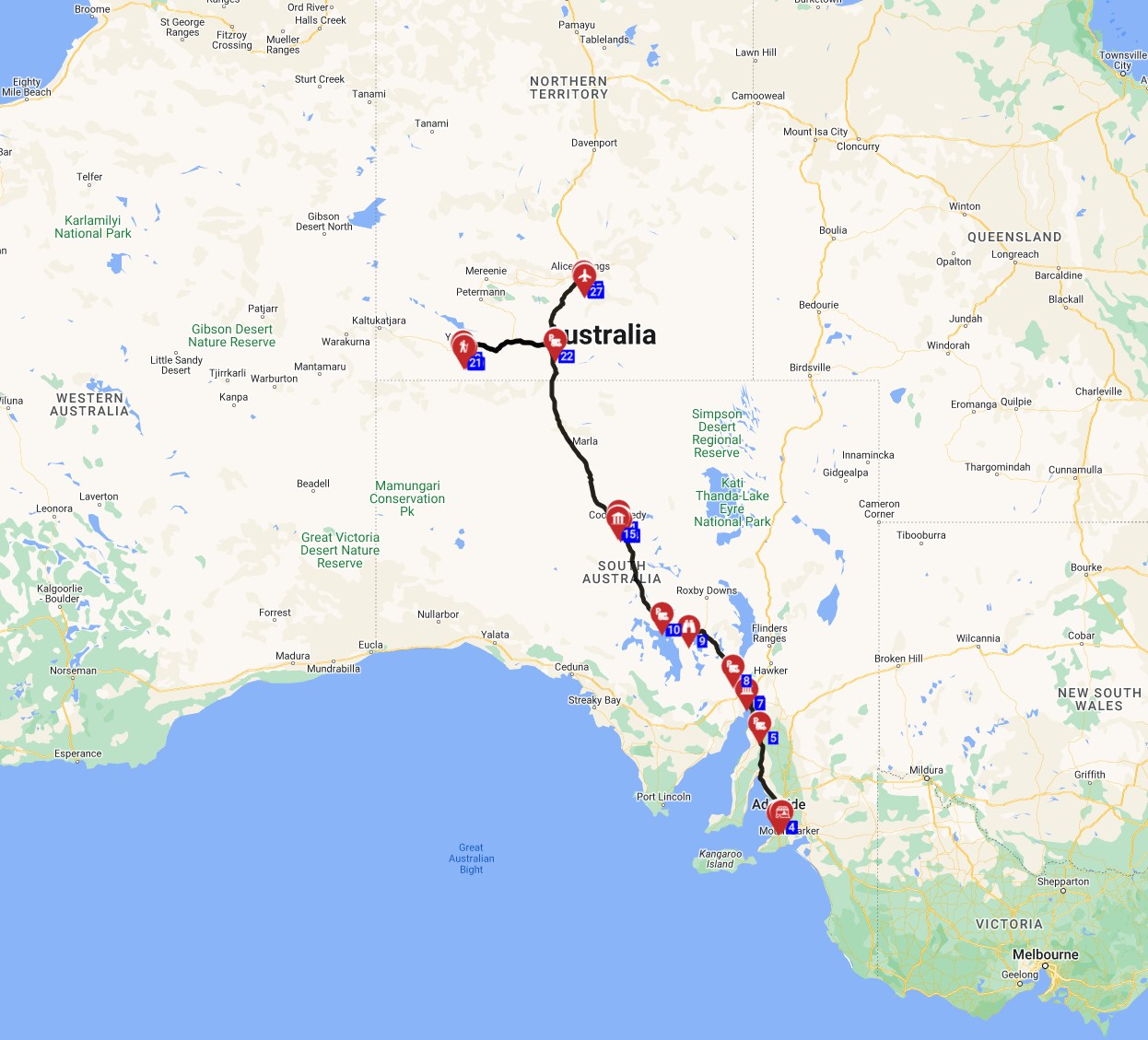
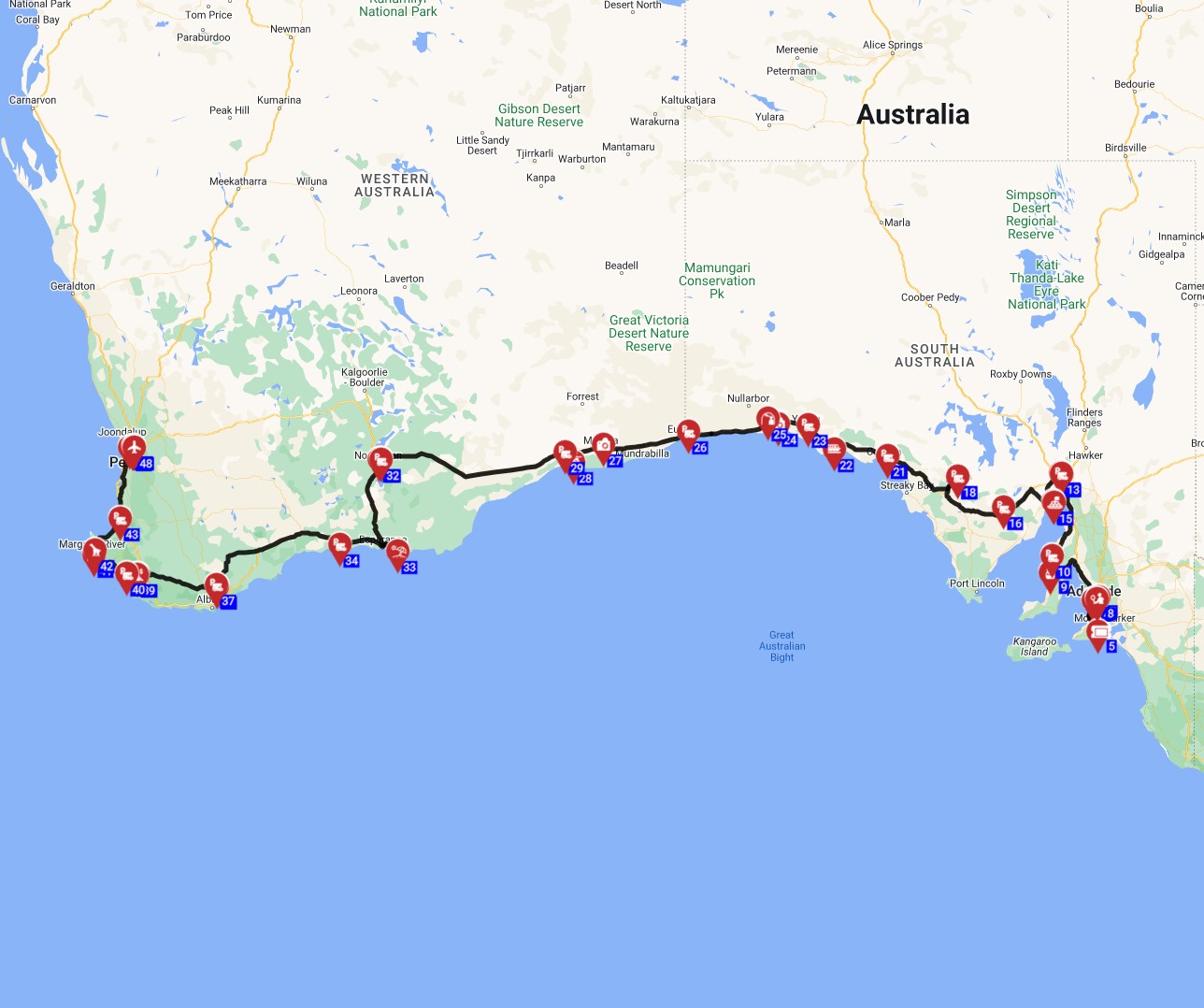
We encourage slow travel; aim for a maximum of 100-150 km per day on average. This allows you to truly immerse yourself in the place, connect with the local culture, food, and stunning scenery. Australia’s varied terrain offers everything from lush forests and pristine coastal drives to arid desert landscapes, each demanding a mindful approach. Be prepared for long distances between towns and services, especially when undertaking journeys like the Perth to Alice Springs - The Dreamtime Highway: A Journey Through Australia's Heart, which spans 5447.299999999999 km over 21 days, featuring vast stretches where fuel and water stops are infrequent. Always be vigilant for wildlife, particularly kangaroos and emus, especially during dawn, dusk, and night, and remember that driving on the left-hand side of the road is standard across all Australian states and territories.
RV Size Limits, Bridges & Restricted Zones
While Australia’s major road networks are generally accommodating for RVs, drivers must remain aware of potential height and weight restrictions, particularly when navigating urban areas and entering national parks. Low bridges and tunnels, primarily found in city centers like Sydney and Melbourne, require careful attention to clear signage indicating maximum vehicle heights, usually displayed in meters. For instance, a Class C - Alcove RV, averaging 7.5m in length, will generally fit, but always double-check signage. Certain environmental zones or sensitive areas, such as specific national parks or coastal reserves, may have restrictions on vehicle types or sizes, so it's always wise to check ahead with park authorities or local visitor centers. When planning unique travel experiences, like ferry crossings to Tasmania, accurately measuring your rented RV's length and height is crucial, as these dimensions directly impact booking and cost. Bandana's Class SI - Semi-integrated models, typically around 6.9m long, offer a good balance of space and maneuverability for most Australian routes, but common sense and paying attention to local signs will be your best guides.
Fuel: Diesel vs. Petrol & Cost per 100 km
Most modern rental RVs in Australia operate on diesel, which is generally more fuel-efficient and widely available across the country, alongside petrol. Based on Bandana's global fleet averages, a Class SI - Semi-integrated RV typically consumes 10-11 Liters/100 km, while a Class C - Alcove averages 10-12 Liters/100 km. You should budget for fuel costs averaging AUD $1.80-$2.20 per liter in 2026, recognizing that prices can be notably higher in remote areas and during peak travel times. An estimated cost per 100 km would therefore range from AUD $20 to $26, for example, 12 liters/100 km at $2.00/liter equals $24 per 100 km. Planning your route and checking fuel prices ahead can help manage these expenses, especially on long stretches. On RV PLANET routes, travelers can itemize and track every expense along the way for easy budgeting, ensuring full transparency of your total trip cost, including fuel. On the routes offered through RV PLANET routes, you can itemize and track every expense along the way for easy budgeting.
Tolls, Vignettes & Border Rules
Tolls in Australia are exclusively electronic and are primarily found on specific motorways and bridges within major metropolitan areas like Sydney, Melbourne, and Brisbane; there is no national vignette system. Since Australia is an island continent, RV travelers won't encounter any land border rules or crossings. To pay tolls, you'll typically need an e-tag or a temporary pass, which can be purchased online or via phone either before or shortly after using a toll road to avoid incurring fines. Some rental RVs may already be equipped with e-tags or offer options to pre-purchase toll passes through your supplier, which simplifies travel and prevents unexpected charges. Travelers should particularly research toll routes in New South Wales, Victoria, and Queensland to ensure full compliance with state-specific payment systems, avoiding any surprises. This kind of full transparency is what Bandana RV strives for, helping you plan with confidence.
Driving Tips for rv rental Travelers
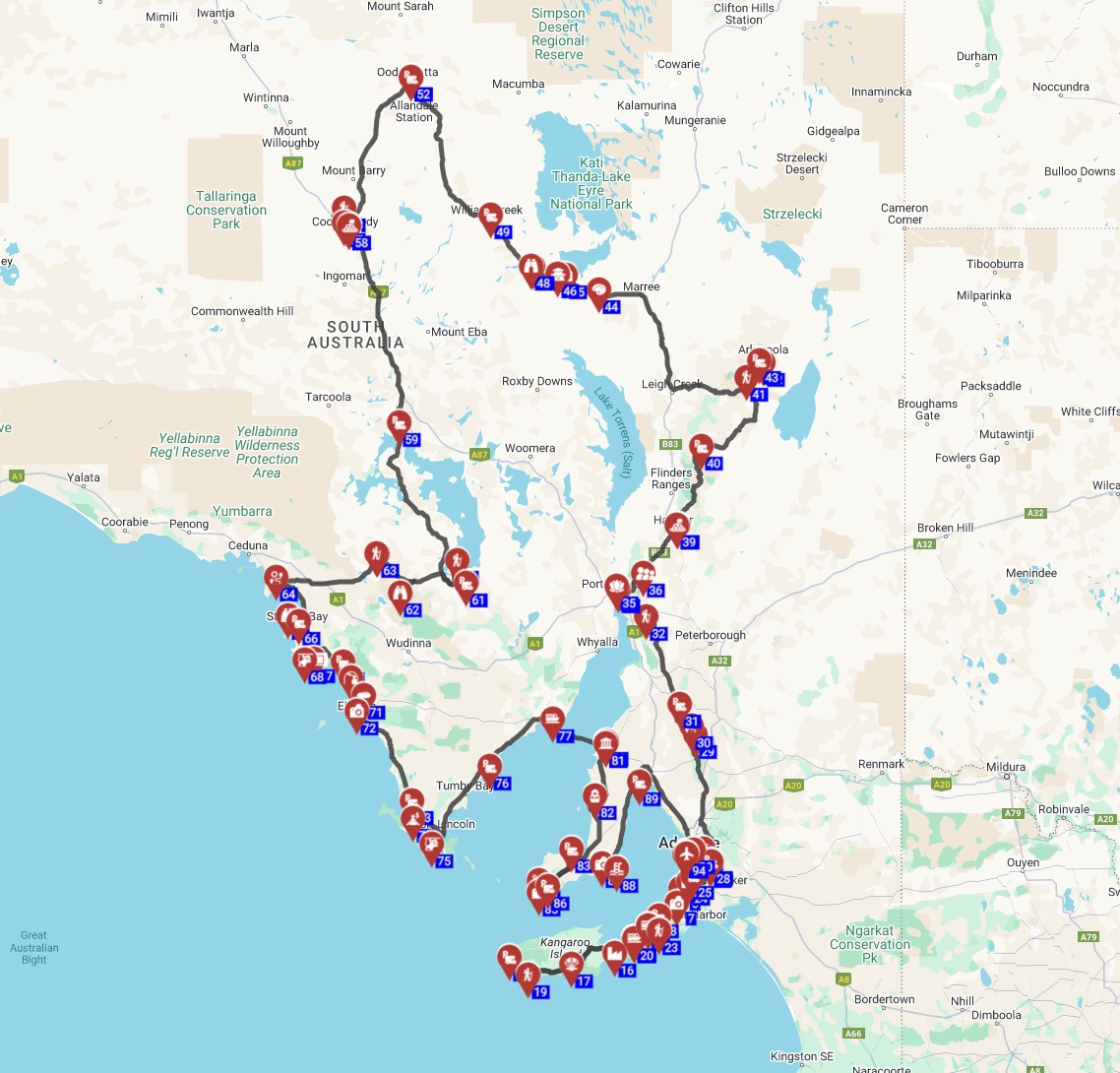
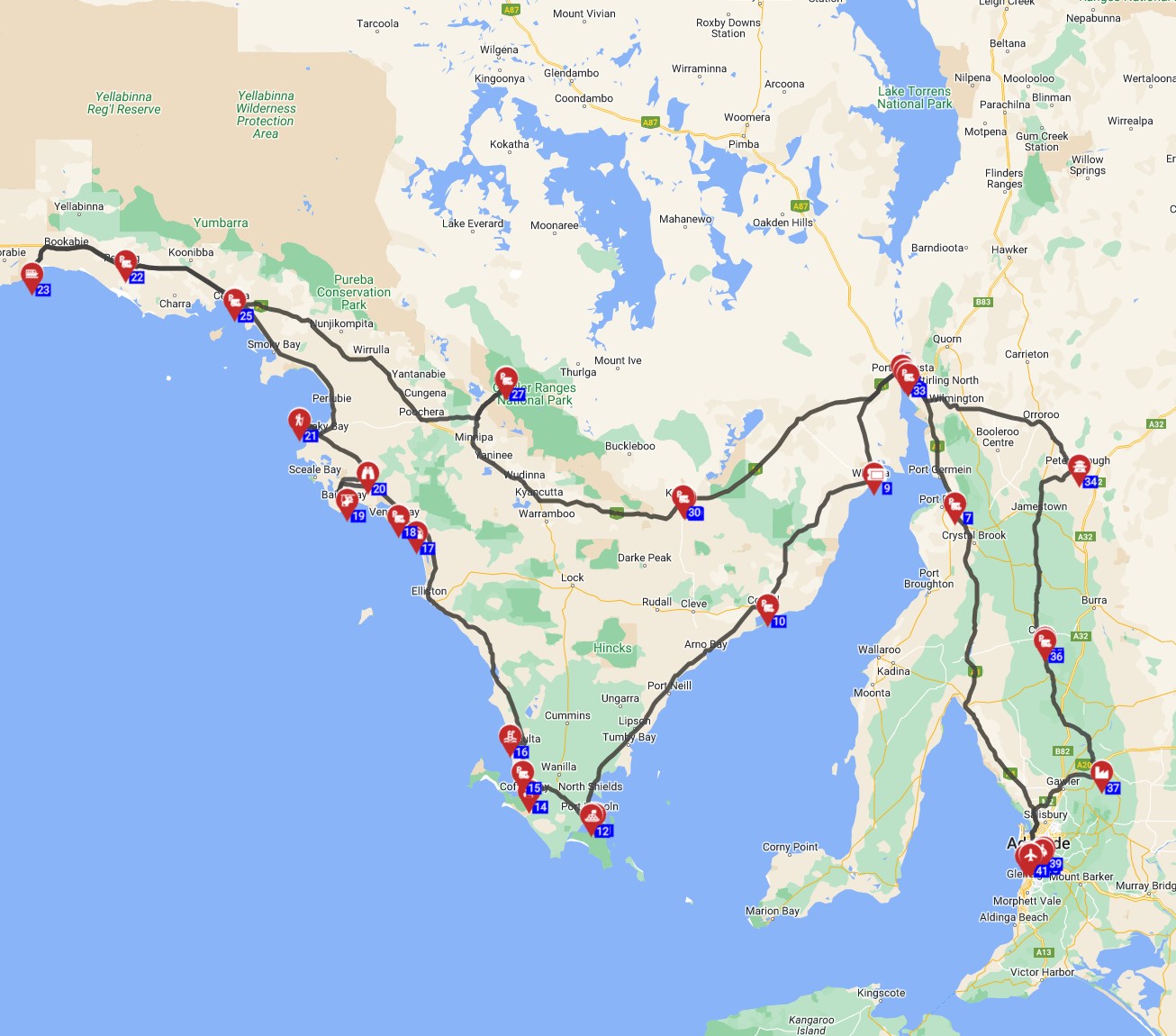
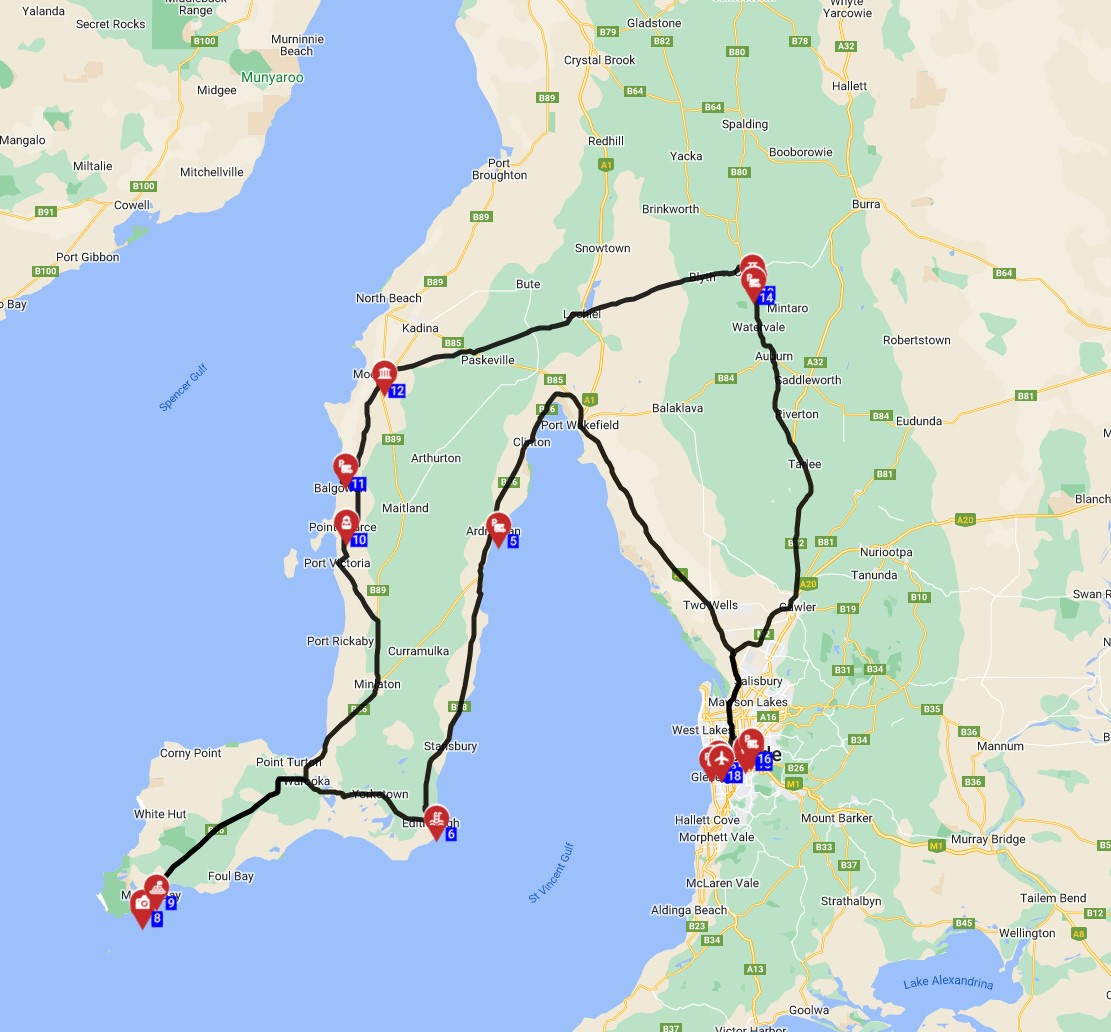
Successfully navigating Australia in a rented RV requires adherence to key driving practices, starting with always driving on the left side of the road and strictly observing posted speed limits. Planning your daily routes is crucial, particularly in remote regions where services like fuel and water might be sparse; always carry emergency supplies and a reliable communication device. Be extremely aware of wildlife, especially large animals like kangaroos and emus, which are most active at dawn, dusk, and during the night; it is safest to avoid driving during these periods whenever possible. Taking frequent breaks, ideally every two hours, is essential to combat fatigue, a significant factor in road accidents on Australia's long, often monotonous stretches of highway. Consider exploring scenic routes, like those recommended in South Australia (e.g., Adelaide to Yorke Peninsula or Eyre Peninsula), which are perfectly suited for RV exploration and offer ample opportunities for rest and sightseeing. Bandana RV's 24/7 support means real people are behind you before, during, and after your booking, ensuring you have the information you need for a safe and enjoyable journey.
Recommended RV Class for Australia Roads
For comfortable and comprehensive touring across Australia's extensive network of sealed roads, Class SI - Semi-integrated or Class C - Alcove motorhomes are highly recommended. These classes strike an excellent balance between spacious living and practical driving. Bandana's Class SI - Semi-integrated models, typically 6.9m in length and offering 3.8 sleeping places, are ideal for couples or small families seeking maneuverability combined with essential amenities. For larger families or those desiring more extensive space and full facilities on longer journeys, Class C - Alcove RVs, averaging 7.5m in length and accommodating 5.8 sleeping places, are perfect. While Class B - Camper Vans (approx. 5.8m) provide excellent maneuverability and better fuel efficiency, the increased living space of a Class SI or Class C often significantly enhances the overall Australian road trip experience. We are true RV specialists, ready to help you compare final prices across suppliers to find the perfect vehicle for your adventure, ensuring what you see is what you pay, with no surprise fees at pickup.
Should I Choose a Compact Van Instead of a Large RV in Australia?
For most week-long RV adventures in Australia, opting for a larger motorhome over a compact van generally provides significantly greater comfort and space without substantial driving drawbacks. Larger RVs, such as Bandana's Class C - Alcove, averaging 7.5m in length, offer superior living areas, larger kitchens for preparing RV-friendly recipes playlist, and more extensive bathroom facilities, which are crucial for extended road trips across Australia's vast distances. A compact van, like Bandana's Class B - Camper Van (averaging 5.8m), primarily benefits travelers prioritizing maximum maneuverability in tight urban settings or seeking slightly better fuel economy, often around 8-11 Liters/100 km. The trade-off for a compact van typically involves sacrificing internal space, amenities, and overall onboard comfort, which can be keenly felt during long travel days or unexpected weather. Choose a compact van if your itinerary is heavily city-focused or if absolute ease of parking is your top priority; otherwise, a larger RV provides a more enriching and comfortable mobile base for exploring Australia's diverse landscapes. Our team, with over two decades of RV travel experience, can help you find the ideal campervan for your needs.
Can I Park Anywhere? Free & Wild Camping Rules in Australia
No, you generally cannot park and sleep anywhere you wish in a rented motorhome in Australia; free or 'wild' camping is largely restricted and frequently illegal outside designated areas. Legal overnight parking options primarily include commercial caravan parks, national park campgrounds (many of which offer over 100 dedicated RV spots), and specific rest areas that explicitly permit self-contained RVs for short stays. Many rural towns actively promote designated 'free' or low-cost camping spots, often requiring self-contained vehicles, which are clearly signposted. Parking illegally overnight can result in significant fines from local councils and authorities, so always check local signage and regulations diligently. Crucially, rules vary considerably by state, territory, and even individual local council; always consult local tourist information or reliable camping apps for precise regulations before parking overnight. For finding campsites and campgrounds during your trip, we recommend using RV PLANET (rvplan.net) - a great resource for locating available spots along your route.
Can I Drive an RV Into the City Center? Heights, Tunnels & Local Signage
Yes, a rented RV can generally be driven into Australian city centers, but drivers must exercise extreme caution and be highly observant of local signage, especially regarding height restrictions. While major arterial roads are designed to accommodate RVs, smaller streets, historic precincts, and particularly underground car parks in city centers often impose restrictive height and weight limits. Australian cities utilize clear signage for vehicle restrictions, typically in meters; drivers should constantly monitor for signs indicating low clearances (e.g., tunnels, bridges) or vehicle type prohibitions. Environmental zones are not a widespread concern for RVs in Australian cities, but standard parking restrictions, such as residents-only zones and metered parking, are common and must be strictly adhered to. For ease and to avoid navigating tight spaces, it is often more practical to park your RV at designated outer-city caravan parks or public transport hubs and utilize public transit for city exploration. Drive slowly and carefully, and you can drive almost anywhere without issues. No need to stress - just use common sense and pay attention.
Can you sleep in a motorhome while driving in Australia?
No, it is strictly illegal and highly dangerous for any occupant to sleep in a motorhome while the vehicle is in motion on Australian roads. Australian road laws mandate that all passengers must be properly seated in an approved seat and restrained with a seatbelt while the RV is being driven. Beds and sleeping areas within a motorhome are exclusively for use when the vehicle is stationary and parked safely, not during travel. Driving while fatigued poses a serious risk, so drivers and passengers should plan for regular stops at designated rest areas or campgrounds for adequate rest and sleep. Ignoring these regulations can lead to substantial fines, endanger lives, and potentially invalidate your travel insurance coverage.
Can you legally drive in Australia with a US license?
Yes, US citizens can legally drive a rented RV in Australia with a valid US driver's license for up to three months from their arrival in each Australian state or territory. If your US license is not in English, it must be accompanied by an International Driving Permit (IDP) or an official English translation to be legally recognized. For stays exceeding three months, international visitors typically need to apply for an Australian driver's license in the specific state or territory where they reside. It is a legal requirement to carry your physical US license and IDP (if applicable) at all times while driving. Remember that standard rental age restrictions (generally 21 years or older for Bandana's partner suppliers) and vehicle weight class requirements still apply to all drivers, including those with foreign licenses; refer to the 'Can You Drive an RV in Australia? License & Age Rules' section for more comprehensive details.
Do you need a special license to drive an RV in Australia?
No, for the vast majority of rental RVs in Australia, a standard car license, equivalent to a Class C license, is entirely sufficient, provided the vehicle's Gross Vehicle Mass (GVM) does not exceed 4.5 tonnes. This 4.5-tonne GVM threshold comfortably covers most typical rental motorhomes, including popular Class B Camper Vans, Class SI Semi-integrated, and Class C Alcove models available through Bandana. A 'special' or higher class license, such as a Light Rigid or Medium Rigid license, is only required for vehicles exceeding 4.5 tonnes GVM, which are generally not part of standard rental fleets. Always confirm the specific GVM of your chosen rental RV and ensure your existing driver's license category is valid for that vehicle to comply with Australian road rules. Detailed information on license requirements and vehicle weight categories can be found in the 'Can You Drive an RV in Australia? License & Age Rules' section of this guide. You won't find any hidden fees or surprises with Bandana RV.
Can you stop anywhere in a motorhome in Australia?
No, you generally cannot stop and stay overnight anywhere you please in a rented motorhome in Australia; free camping is largely prohibited or strictly regulated across the country. Legal overnight parking is restricted to designated areas such as commercial caravan parks, national park campgrounds (many offering powered sites for around AUD $30-$60 per night), and specific signposted rest areas that explicitly permit self-contained vehicles for short stays. While short daytime stops at marked pull-offs and rest areas are generally allowed for breaks, extended overnight stays are only permitted where explicitly indicated by clear signage or specific regulations. Illegal overnight parking can result in significant fines from local authorities and may lead to issues with your rental agreement, so always exercise caution and confirm local rules. For comprehensive details on legal overnight parking, please refer to the 'Can I Park Anywhere? Free & Wild Camping Rules in Australia' section within this guide. You can find many great options by exploring RV PLANET routes.
Are RVs allowed in Australia?
Yes, RVs, encompassing motorhomes and campervans, are widely allowed and are an extremely popular mode of travel for exploring Australia's incredibly diverse landscapes. The country's extensive road network, coupled with numerous national parks and private campgrounds, are well-equipped to cater to RV travelers, offering abundant facilities. Many rental companies partnering with Bandana, such as Apollo and Britz, offer a broad selection of RV classes suitable for various travel preferences and group sizes, including the comfortable Class SI - Semi-integrated with its practical living space. While RVs are generally permitted across the continent, it is essential to understand and adhere to specific local regulations concerning licensing, parking, and access to certain remote or urban areas. Australia’s robust RV culture is strongly supported by a wealth of resources, including apps for finding campsites, fuel, and services, making it a convenient and enjoyable travel option for a week-long trip or an extended adventure.
How much does it cost to travel around Australia in a motorhome?
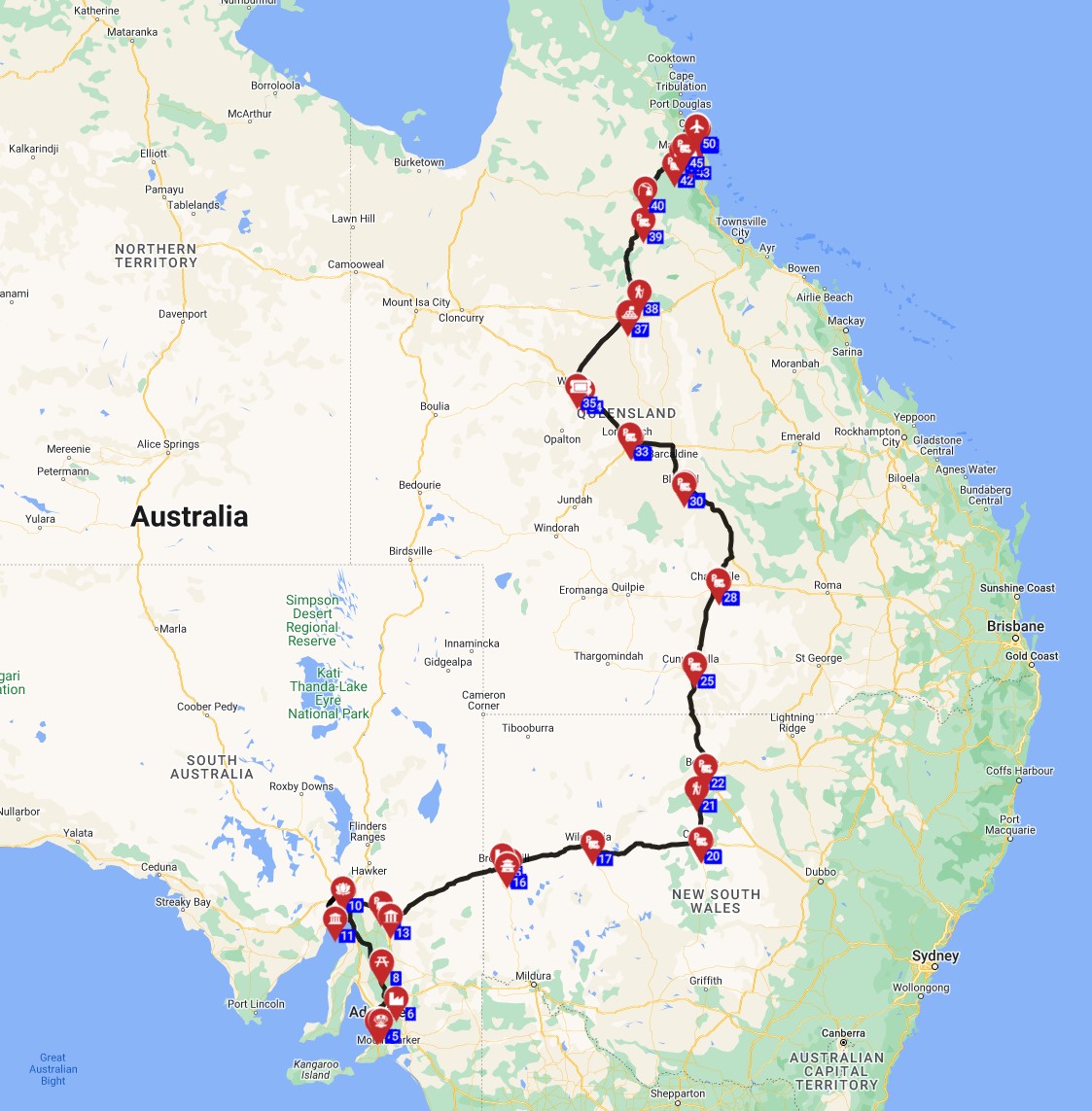
The cost of traveling around Australia in a rented motorhome varies significantly, influenced by key factors such as the RV class, rental duration, season of travel, current fuel prices, campground fees, food expenses, and desired activities. Rental costs for an RV can range from approximately AUD $80-$150 per day for a compact campervan in the off-season to AUD $250-$400+ per day for a larger motorhome like a Class C - Alcove during peak periods (December-February). Fuel expenses, based on Bandana's global fleet averages of 10-12 Liters/100 km for most RVs, could add $20-$26 per 100 km, potentially accumulating to hundreds or thousands over an extensive trip such as the 4003.6 km Cairns to Alice Springs - Northern Horizons: A Journey Through Australia's Heartland route. You also need to budget for additional costs including campground fees (AUD $30-$60 per night for powered sites), national park entry fees (varied, often AUD $30-$100 per vehicle per state), groceries, and activities. A realistic overall budget for a two-week motorhome trip for two people, excluding international flights, might range from AUD $3,000 to $6,000+, necessitating detailed planning for an accurate personal estimate. Remember, prices are dynamic and change daily, much like flight tickets, so the final price is set at actual booking time. For more pricing insights, you can review our "RV Rental in Australia - Prices and Best Deals 2026" guide.
What is the average cost of insuring a motorhome in Australia?
For rental motorhomes in Australia, basic insurance coverage is typically included in the rental price, usually with a standard excess (deductible) amount that varies by supplier and can be several thousand AUD. Most rental companies offer optional excess reduction insurance, which can significantly lower or even waive your liability in case of damage or theft, costing an additional AUD $30-$70 per day. This additional insurance provides crucial peace of mind, covering potential damages from accidents, theft, or other unforeseen incidents, thereby reducing your financial risk. You can upgrade to a top-level deductible for extra peace of mind through Bandana RV, ensuring you travel without unnecessary worries. Always thoroughly review your rental agreement's insurance policy to fully understand coverage limits and consider purchasing additional excess reduction for increased protection, especially given Australia's long driving distances and varied road conditions. We believe in full transparency, so you'll always know your options clearly.
What You Shouldn't Miss
- Explore the Great Ocean Road, Victoria: Drive this iconic 243-kilometer coastal route, stopping at the Twelve Apostles and charming seaside towns.
- Immerse yourself in Uluru-Kata Tjuta National Park, Northern Territory: Witness the majestic changing colors of Uluru and Kata Tjuta at sunrise or sunset.
- Discover the Daintree Rainforest, Queensland: Walk through the ancient rainforest, visit Cape Tribulation, and spot unique wildlife.
- Snorkel or dive in the Great Barrier Reef: Experience one of the world's natural wonders from Cairns or Port Douglas.
- Visit Sydney's iconic landmarks: Park your RV at a nearby campground and take public transport to see the Sydney Opera House and Harbour Bridge.
- Discover the Blue Mountains, New South Wales: Hike through stunning valleys, see the Three Sisters rock formation, and enjoy panoramic views.
🎬 Video coming soon
Looking for expert insights from Avi Bandana? Top 5 Adventures - recommendations from Avi Bandana.
Final Thoughts
Embarking on a week-long RV driving tour in Australia is an incredible way to experience this vast and diverse continent. From navigating city streets with care to exploring remote outback routes, a rented motorhome or campervan provides unparalleled freedom and flexibility. Remember to drive slowly, embrace the local culture, and always pay attention to road conditions and wildlife.
At Bandana RV, we're with you every step of the way, from comparing the perfect campervan for your family to ensuring full transparency in pricing. We handle the details, you live the journey, making your Australian adventure truly unforgettable. Discover top destinations, planning tips, all in one place!
Ready to plan a trip itinerary in advance with minimal effort and maximum enjoyment? Compare Motorhome Prices for Australia now and start envisioning your epic road trip across this stunning land.