In This Guide
- Embarking on a New Zealand RV Adventure
- Top 5 Tips for RV Rental in New Zealand
- Before You Book - Class, Dates, Insurance
- Pre-Trip Prep - Packing Checklist for New Zealand
- On the Road - Driving, Fueling, Navigation
- At the Campground - Setup, Hookups & Etiquette
- RV Rental-Specific Tips for New Zealand
- Common Mistakes to Avoid in New Zealand
- How much does it cost to rent a RV in New Zealand?
- How much money would I need for 2 weeks in New Zealand?
- Is it worth it to rent a campervan in New Zealand?
- What are the drawbacks of renting an RV?
- What is the best camper rental in New Zealand?
- Is it easy to drive a motorhome in New Zealand?
- Is it easy to campervan around New Zealand?
- What is the 333 rule for campervan?
- Do and don'ts New Zealand?
- Top Cities for RV Rental in New Zealand
- Road Rules and Safety in New Zealand
- Connectivity and Emergencies in New Zealand
- What You Shouldn't Miss
- Why Book with Bandana Caravan
- Final Thoughts
- Frequently Asked Questions
New Zealand is a dream destination for a motorhome adventure, especially for seniors seeking comfort, flexibility, and breathtaking scenery at their own pace. Imagine waking up to the sound of waves, the sight of a majestic fiord, or a serene mountain vista, all from the comfort of your rented mobile home. With its stunning natural beauty, well-maintained roads, and abundance of scenic campgrounds, New Zealand offers an unparalleled RV experience for those looking to embrace slow travel and soak in every moment. For live availability and current prices, start with our RV Rental New Zealand - Complete Guide 2026 guide.
At Bandana RV, we understand that comfortable travel is key, and we specialize in helping every traveler find the perfect rental RV to match their needs, especially for an extended road trip. We believe that age should never be a barrier to exploring the world, and New Zealand's diverse landscapes, from the geothermal wonders of the North Island to the dramatic glaciers of the South Island, are waiting to be discovered by you.
Top 5 Tips for RV Rental in New Zealand
Planning your RV rental trip to New Zealand requires a few key considerations to ensure a smooth and enjoyable experience, especially for seniors prioritizing comfort and ease. These five tips will set you up for success:
- Booking your RV well in advance, particularly for peak seasons like December to February, is essential to secure better rates and ensure your preferred vehicle type is available. Prices for a 2-berth campervan can start from NZD $80 per day in the low season, but can easily double or triple during summer.
- Understanding the 'self-contained' vehicle requirements is crucial if you plan to enjoy freedom camping, as most designated freedom camping spots strictly require certified vehicles to prevent hefty fines of up to NZD $200. A self-contained RV means it has a toilet, fresh water tank (minimum 3 days' supply per person), and grey/black water holding tanks.
- Planning a flexible itinerary that allows for spontaneous stops but doesn't overschedule is vital, accounting for New Zealand's varied road conditions which can range from wide highways to narrow, winding coastal roads. Aim for a maximum of 100-150 km per day on average to truly immerse yourself in each destination.
- Opting for comprehensive insurance coverage is highly recommended to protect against unforeseen incidents, as basic coverage often comes with a high excess of NZD $5,000 or more. You can upgrade to a top-level deductible for extra peace of mind, reducing your out-of-pocket expenses in case of an accident.
- Packing versatile layers for clothing is a smart strategy, as New Zealand's weather can change rapidly, even within a single day. Be prepared for sun, rain, and cooler temperatures to fully enjoy outdoor activities and scenic overlooks.
Before You Book - Class, Dates, Insurance
Making informed decisions before booking your RV rental is key to a comfortable and worry-free New Zealand journey. The class of RV, your travel dates, and insurance coverage are among the most important factors.
When choosing an RV class, consider campervans or smaller motorhomes if you prioritize ease of driving and maneuverability, especially on New Zealand's winding roads. For example, a "rv rental denver example Category Van" offers front air conditioning, ideal for a couple, and is a recent, small RV with a shower and toilet, perfect for comfortable independent travel. If you're a couple seeking more space or amenities, a compact Class C motorhome (like the "hire campervan example Paradise S/T" with automatic transmission, front air conditioning, and shower/toilet) would be an excellent choice. Larger luxury models, such as the "rv rentals example Comfort Class," featuring three double beds and designed for a big family or group of friends (up to 2+2), offer extensive space and amenities for an extended trip. A standard car driver's license is sufficient for all motorhome classes, so you don't need any special permits, which simplifies the process.
Locking in your rental dates as early as possible, ideally three to six months out for summer (December-February) and major holidays, will allow you to benefit from early bird discounts and ensure your preferred vehicle type is available. For those with more flexibility, traveling during the shoulder seasons (spring: September-November, autumn: March-May) can offer pleasant weather, fewer crowds, and often better rental rates. Even spontaneous travelers will find options, as many national and state parks reserve a significant portion of their spots (up to 70-75%) for first-come-first-serve campers. Always call ahead to inquire about availability before driving long distances to a campground.
Regarding insurance, basic insurance is always included with your rental, though it typically carries a high excess, sometimes over NZD $5,000. To see prices including the most comprehensive coverage, select that option during your search on our platform; then all relevant insurance options will be clearly shown. We believe in full transparency, so you'll never encounter hidden fees or surprises when comparing options. Consider upgrading to a top-level deductible for extra peace of mind, significantly reducing your financial liability in the unlikely event of an accident.
Pre-Trip Prep - Packing Checklist for New Zealand
Preparing thoroughly before your RV adventure in New Zealand will enhance your comfort and enjoyment. Here's a comprehensive packing checklist tailored for an RV rental trip, keeping in mind the country's diverse climate and outdoor focus:
- Layers of clothing: Pack a thermal base, fleece mid-layers, and a waterproof/windproof outer shell, as New Zealand's weather can shift dramatically from sunny skies to chilly rain in a matter of hours.
- Comfortable walking shoes or hiking boots: Essential for exploring national parks, scenic trails, and charming towns.
- Swimsuit & quick-dry towel: You'll want these for New Zealand's beautiful beaches, hot springs, and refreshing lakes.
- Reusable shopping bags: For groceries and souvenirs, aligning with New Zealand's eco-conscious culture.
- Small cooking essentials: While many RV rentals come equipped, bringing your favorite spices, a small bottle of olive oil, salt, and pepper can make preparing meals in your RV kitchen feel more like home. For inspiration on what to cook, check out our RV-friendly recipes playlist.
- First-aid kit & personal medications: Always carry any prescription medications in their original packaging and a basic first-aid kit for minor cuts or ailments.
- Headlamp or flashlight: Invaluable for navigating campgrounds at night or exploring caves.
- Insect repellent: Especially crucial for deterring sandflies, particularly on the South Island.
- Sunscreen & hat: New Zealand's UV index can be very high, even on cloudy days.
- International Driving Permit (IDP) & home country license: An IDP is recommended for visitors from non-English-speaking countries, although not strictly mandatory in all cases, but always carry your valid home country license.
- Passport & visa documents: Keep these secure and easily accessible, along with printed or downloaded copies of your RV rental and any accommodation bookings.
- Portable power bank & car chargers: For keeping your phones, cameras, and other devices charged while on the go.
At the Campground - Setup, Hookups & Etiquette
Arriving at a New Zealand campground after a day of scenic driving is a highlight of RV travel. Knowing how to set up your rented motorhome and observing local etiquette ensures a pleasant stay for everyone.
Upon arrival, carefully position and level your RV to ensure appliances like refrigerators function correctly and for comfortable sleeping. Most modern RVs come with leveling blocks, which are simple to use. Many campgrounds offer powered sites, so connecting hookups in the correct order is important: first, connect power (if applicable) to prevent surges, then fresh water, and finally, attach the grey/black water hose to the dump station connection (if staying at a full hookup site). Always ensure connections are secure to prevent leaks.
Observing quiet hours, typically from 10 PM to 7 AM, is standard practice to respect fellow campers. Keep noise levels low, minimize generator use, or refrain entirely during these times. New Zealand campgrounds, from Department of Conservation (DOC) sites to commercial holiday parks, are generally peaceful places, and maintaining that tranquility is part of the experience. Always dispose of waste at designated dump stations and refrain from leaving any rubbish behind, practicing 'Leave No Trace' principles to preserve New Zealand's pristine environment. Public dump stations are widely available, and your rental company will provide guidance on their location.
When booking campsites, especially during peak season, it’s advisable to reserve ahead for popular holiday parks. However, many DOC sites and regional council campgrounds operate on a first-come, first-serve basis, offering flexibility. Even if your first choice is full, there’s usually a next one not too far away; a quick call ahead before driving is always a good idea.
RV Rental-Specific Tips for New Zealand
New Zealand offers a range of motorhome options, and choosing the right one for your comfort and travel style is essential, particularly for seniors who value accessibility and ease of use. This often means considering vehicle features that cater to a more relaxed journey.
Seniors may prefer an ergonomic RV class with automatic transmission for easier driving, avoiding the manual gear changes often found in smaller campervans. Look for vehicles with lower steps for easy access into and out of the living area. A motorhome or campervan with larger windows for scenic viewing, such as a Class B campervan, allows you to enjoy New Zealand's stunning landscapes without extensive driving. Modern models, like the "rv rental denver example Category Van" or "rent rv example A1," are often equipped with front air conditioning, a comfortable bed (like a double bed measuring 150/195cm), and integrated showers and toilets, making them highly self-contained and convenient. These are typically around 6 meters in length, providing a good balance of interior comfort and exterior maneuverability.
For those planning longer stays or wanting to cook more elaborate meals, a mid-sized Class C motorhome like the "cruise america rv rental example Explorer" might be a better fit, typically around 7.1 meters long with a 75-liter fuel tank and 82-liter fresh and waste water tanks. These usually feature more extensive kitchen facilities, including a gas stove, 90-liter refrigerator, and microwave, enabling you to prepare a variety of meals using fresh local produce. This can also help manage your overall trip budget, as cooking in your rental can be more cost-effective than dining out every day. For ideas you can prep on the road, watch our RV-friendly recipes playlist on YouTube.
Consider the layout of the motorhome too. Some models offer permanent beds, which means you don't have to convert a dining area for sleeping each night. This convenience can greatly enhance comfort on an extended road trip. Additionally, when discussing route plans and itineraries for New Zealand, our RV PLANET routes are designed by professionals, offering structured yet flexible options for all travel styles.
If you're interested in a one-way adventure, know that One-Way RV Rental in New Zealand - Price Guide 2026 options are available between major cities like Auckland and Christchurch, offering flexibility in your travel plans, though a drop-off fee typically applies. We constantly compare options from over 50 leading RV suppliers worldwide, including trusted partners like Apollo and Britz, to ensure you get the best deals with full price transparency.
Common Mistakes to Avoid in New Zealand
Even experienced RVers can make common mistakes when traveling in a new country like New Zealand, but knowing what to look out for can save you time, stress, and money. Avoid these pitfalls for a smoother journey:
- Instead of overscheduling your itinerary, allow for flexibility and spontaneity; New Zealand's beauty often lies in unexpected stops and detours. Traveling slowly, with a maximum of 100-150 km per day on average, allows you to truly feel the place, connect to the culture, the food, and the scenery.
- Rather than ignoring road signs, pay close attention to warnings for tight corners, steep inclines, and narrow bridges, which are common on many scenic routes, especially in areas like the West Coast of the South Island. These signs are there for your safety and indicate unique driving conditions for larger vehicles.
- Avoid improper waste disposal; always use designated dump stations for grey and black water and rubbish bins for all other waste, upholding New Zealand's strict environmental standards and avoiding fines of up to NZD $200 for illegal freedom camping.
- Instead of underestimating trip costs, budget generously for fuel (especially if opting for a larger diesel motorhome which may incur RUC), campground fees, and unexpected expenses. These can add up quickly, so a realistic financial plan is crucial. Our platform shows full price transparency, so there are no hidden fees or surprises at booking.
- Rather than driving when tired, take frequent breaks, share driving duties if possible, and ensure you get adequate rest to navigate New Zealand's challenging roads safely. Pull over at scenic viewpoints or designated rest areas to refresh.
- Don't forget to book popular campsites, especially national park sites, well in advance during peak season (December-February). While some sites are first-come-first-serve (up to 75% in some parks), popular spots fill up quickly. A call ahead to the campground is always recommended if you haven't booked.
How much does a motorhome rental cost in New Zealand?
RV rental costs in New Zealand typically range from NZD $80-$300 per day, depending on the vehicle type, season, and rental duration. Additional expenses will include fuel, campground fees, food, and activities, all of which contribute to the total trip cost.
Rental rates are generally highest in peak summer (December-February) and lowest in winter (June-August). A compact campervan, ideal for a couple, might start at NZD $80 per day in the low season but could reach NZD $250+ in summer. A larger Class C motorhome, suitable for a family of 2+2, might range from NZD $150 to $400+ per day. Remember, prices are dynamic, much like flight tickets, changing daily based on availability and supplier marketing decisions, with the final price set at actual booking time.
Fuel is a significant cost, especially for larger diesel motorhomes (which may incur a Road User Charge on top of the fuel price). Expect to budget NZD $400-800 for fuel for a two-week trip covering typical distances. Campground fees vary from free (for certified self-contained vehicles at designated freedom camping spots) to NZD $20-60+ per night for powered sites at commercial holiday parks offering amenities like hot showers and cooking facilities. Food costs can be managed efficiently by cooking most meals in your RV's kitchen, which can be a fun and budget-friendly aspect of your journey. Comprehensive insurance significantly increases the daily rate but provides substantial peace of mind by reducing your liability excess.
For more detailed budgeting, check out our "RV Rental in New Zealand - Prices and Best Deals 2026" guide.
How much money would I need for 2 weeks in New Zealand?
For a two-week RV trip in New Zealand, a realistic budget for two people could range from NZD $2,500 (budget-conscious) to $7,000+ (mid-range/luxury), covering RV rental, fuel, food, basic activities, and campsites. This estimation provides a clear financial outline for your adventure.
RV rental for 14 days might cost NZD $1,000 - $4,200, depending on the chosen vehicle class (e.g., a compact Class B campervan versus a spacious Class C motorhome like the "rv rentals example Comfort Class") and the travel season. A fuel budget for two weeks could be NZD $400 - $800, factoring in average distances and fuel consumption (typically 10-25 Liters per 100km). Food expenses, if mostly self-catered with some dining out, could be around NZD $300 - $700. Campground fees for 14 nights could range from NZD $0 (for extensive freedom camping with a certified self-contained vehicle) to $400 (for a mix of Department of Conservation sites and commercial holiday parks with powered sites).
Allocating additional funds for activities like scenic flights, excursions (e.g., Milford Sound cruises), national park passes (if applicable), and souvenirs is important. Remember that prices are dynamic and will be finalized at the actual booking time. Our full transparency policy ensures no hidden fees, providing you with a clear total cost before you commit. We've been helping tens of thousands of travelers since 2001, refining our process to make RV travel accessible and straightforward.
Is it worth it to rent a campervan in New Zealand?
Renting a campervan or motorhome in New Zealand is widely considered worth it for travelers seeking unparalleled flexibility, direct access to stunning natural landscapes, and the freedom to explore at their own pace, especially if you enjoy self-sufficient travel. The country's infrastructure is well-suited for RV exploration.
The pros include unrivaled freedom to change plans, allowing you to chase good weather or linger longer at a favorite spot like Lake Tekapo or the Marlborough Sounds. A rented campervan provides access to remote scenic areas that are otherwise difficult to reach, offering unique accommodation with a view every night. There's also the potential for significant savings on accommodation compared to hotels, particularly if you utilize budget-friendly DOC campsites or permitted freedom camping spots. Plus, you have the ability to carry all your gear, from hiking boots to photography equipment, right with you.
However, there are cons to consider: RV travel can have higher overall costs when factoring in rental, insurance, and fuel compared to car and hostel travel. Driving larger vehicles, even a Class B campervan like a "hire campervan example Paradise S/T," requires more caution on New Zealand's narrow, winding roads. Parking challenges can arise in bustling town centers or popular tourist spots like Queenstown. Less spontaneity for popular campsites is common, as many require advance bookings during peak season. Finally, some areas, particularly in the South Island, are prone to sandflies, which can be a nuisance, so good insect repellent is a must. Overall, for a unique and immersive travel experience, the benefits of renting an RV in New Zealand far outweigh the minor drawbacks.
What are the drawbacks of renting an RV?
Key drawbacks of renting an RV in New Zealand include potentially higher overall costs compared to car and budget accommodation, the challenge of navigating larger vehicles on narrow roads, limited parking in towns, and the necessity to plan for campsite bookings, particularly during peak season. Understanding these can help you mitigate them effectively.
While RV rental offers immense freedom, the total cost can be higher when factoring in the daily rental rate (which can be NZD $80-400+), comprehensive insurance, fuel (consuming 10-25 Liters per 100km), and campground fees. Driving a larger vehicle, even a Class C motorhome, can be challenging on New Zealand's narrow, winding roads and mountain passes, especially if you're accustomed to driving smaller cars. Drive slowly and carefully, and you can drive almost anywhere without issues. No need to stress - just use common sense and pay attention.
Finding suitable parking in city centers and popular tourist spots can be difficult due to the size of motorhomes. Many popular campsites, particularly during peak season, require advance booking, which can limit spontaneity unless you're prepared to seek out first-come-first-serve options, which typically make up 25-30% of available spots in national/state parks. Some areas, like the West Coast, are prone to sandflies, which can be a significant nuisance if you’re not prepared with repellent. Lastly, while RVs offer all the comforts of home, they are less agile for exploring very tight city streets or unpaved backroads compared to a smaller car, meaning you might occasionally need to park your RV and explore smaller areas on foot or by shuttle.
What is the best camper rental in New Zealand?
The 'best' camper rental in New Zealand ultimately depends on individual travel style, budget, and desired vehicle features, with Bandana RV offering comparison across popular and reputable suppliers like Apollo and Britz to help you find your ideal match. We are true RV specialists, not just a travel agency side department.
For budget-conscious travelers or young couples, compact campervans (Class B) are often favored. These are easier to drive and park, typically around 5-6 meters long. Options like the "rv rental denver example Category Van" are known for being budget-friendly, yet come with essential features like a shower, toilet, and front air conditioning, making them highly practical. Their fuel consumption is also generally lower, around 10-15 Liters per 100km.
Mid-range travelers or smaller families (2 adults + 2 kids) might prefer Class C motorhomes, which offer more space and amenities. Vehicles similar to the "hire campervan example Paradise S/T" or the "cruise america rv rental example Explorer" often feature automatic transmissions, full kitchens, and comfortable sleeping for 2-4 people. These typically range from 6 to 7.5 meters in length. For those seeking a truly luxurious experience or traveling with a larger group (up to 4-6 people), premium Class A or larger Class C motorhomes are available. Models akin to the "rv rentals example Comfort Class" boast features like three double beds, spacious living areas, and are often newer models (up to 3 years on the road), providing exceptional comfort for an extended road trip across New Zealand.
When choosing, consider factors like vehicle age, specific inclusions (e.g., linens, kitchenware, bicycle rack availability), customer service reputation, comprehensive insurance options, and convenient depot locations in cities like Auckland or Christchurch. Our platform allows you to compare final prices from 50+ leading RV suppliers side-by-side, ensuring full transparency with no hidden fees or conversion commissions.
Is it easy to drive a motorhome in New Zealand?
Driving a motorhome in New Zealand is generally manageable for experienced drivers accustomed to larger vehicles, though it requires extra caution due to narrow, winding roads, steep inclines, and the necessity of driving on the left-hand side. The country's roads are well-maintained, but they are often engineered for smaller vehicles and vary greatly in character.
New Zealand roads, while mostly sealed, can be narrow and very winding, especially on the South Island and in mountainous regions such as the Southern Alps or the Coromandel Peninsula. Drivers from right-hand drive countries must adapt to driving on the left and be acutely aware of their vehicle's size and length for turns, parking, and passing. We encourage drivers to take their time and adhere to local speed limits, which are often lower for larger vehicles. Motorhomes typically drive slower than cars, so patience is key, and it's good practice to pull over safely at designated areas to let faster traffic pass, as courtesy on the road is highly valued.
Steep ascents and descents are common, requiring careful gear selection and controlled braking, especially when traversing passes like Arthur's Pass or Haast Pass. Modern RVs, like those from our partner suppliers such as Britz, often feature automatic transmissions, which can make driving easier and less fatiguing, especially on long journeys. No special license beyond your standard car driver's license is required for any of our rental motorhomes, simplifying the process for international visitors. An International Driving Permit (IDP) is recommended for visitors from non-English-speaking countries but is not mandatory in all cases, though always carry your valid home country license.
Is it easy to campervan around New Zealand?
Campervanning around New Zealand is relatively easy, thanks to a well-developed network of campgrounds, dump stations, and stunning scenic routes, provided travelers plan their journey and understand local regulations, like the '333 rule' for freedom camping. This makes self-sufficient exploration highly accessible.
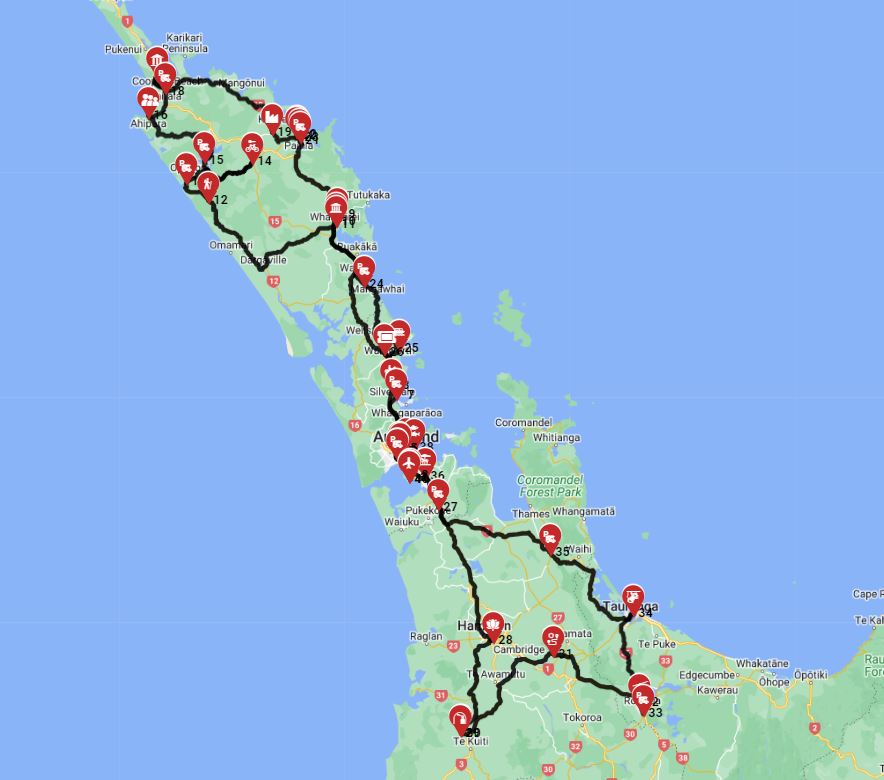
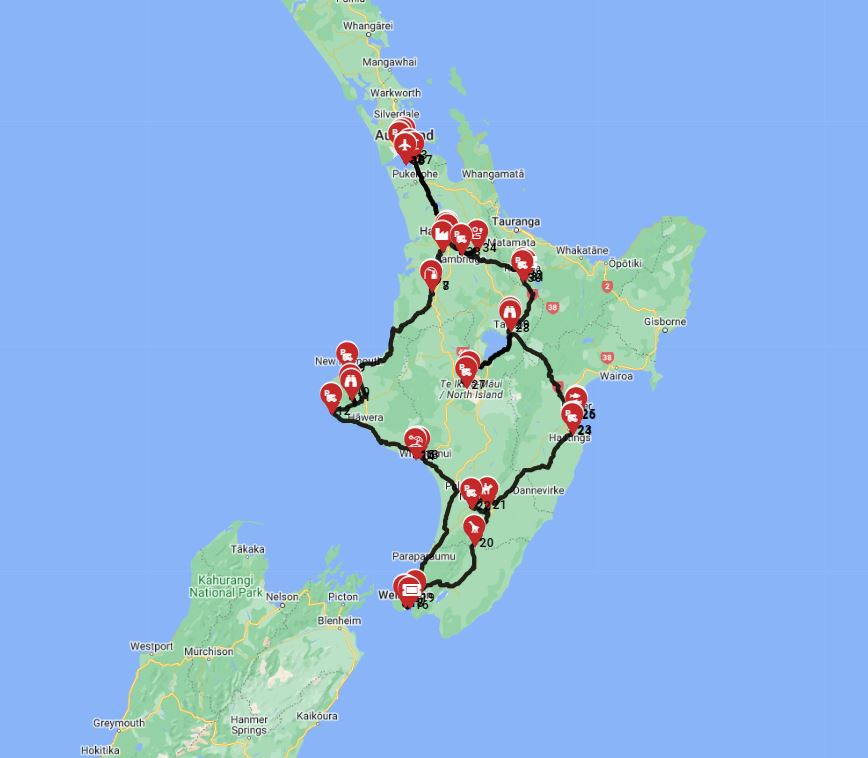
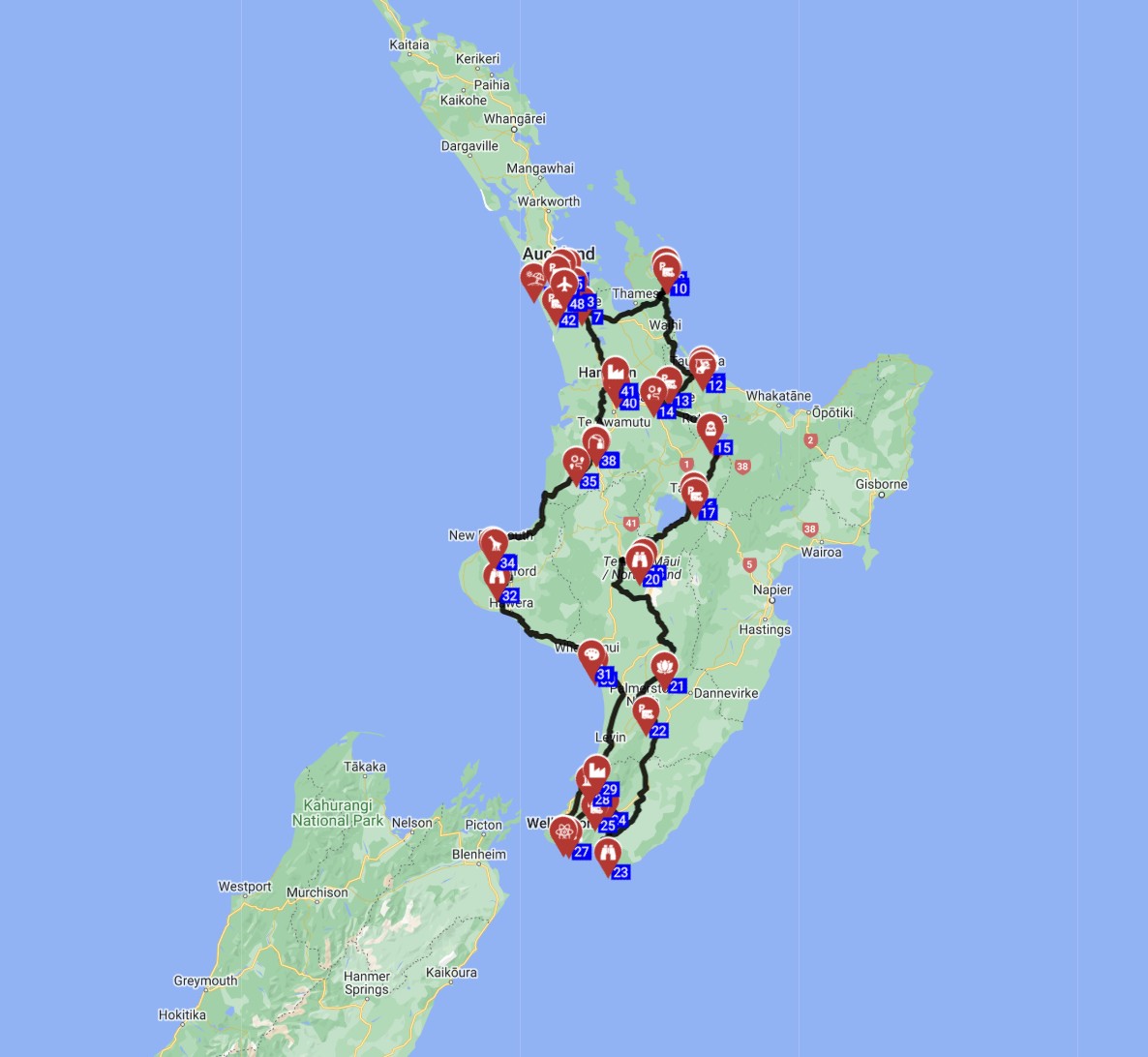
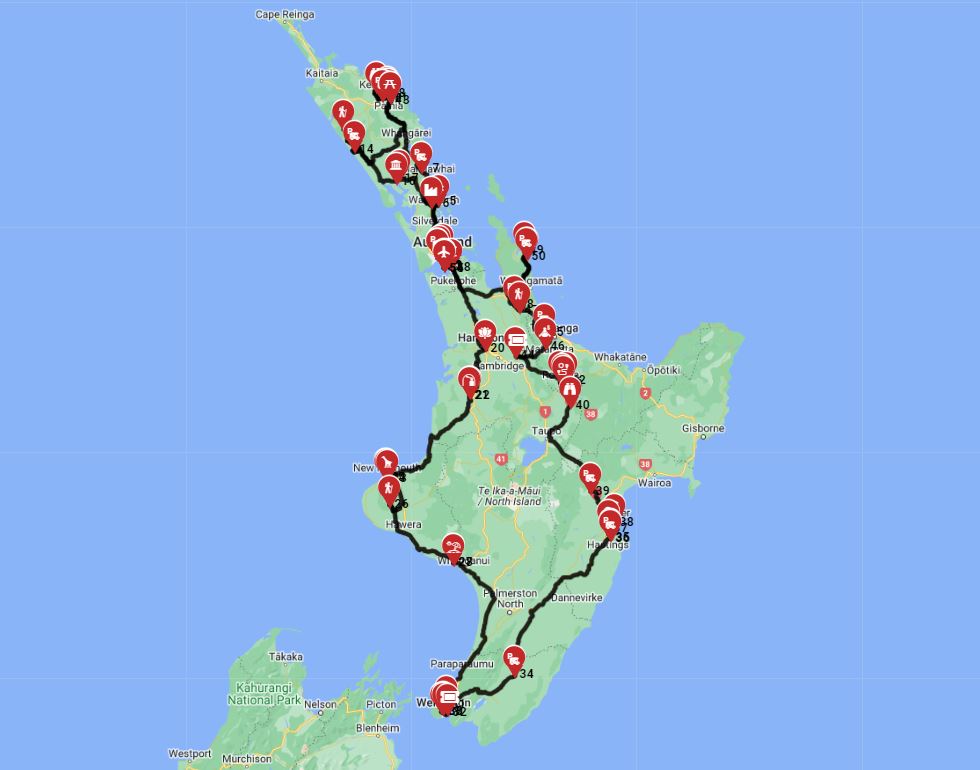
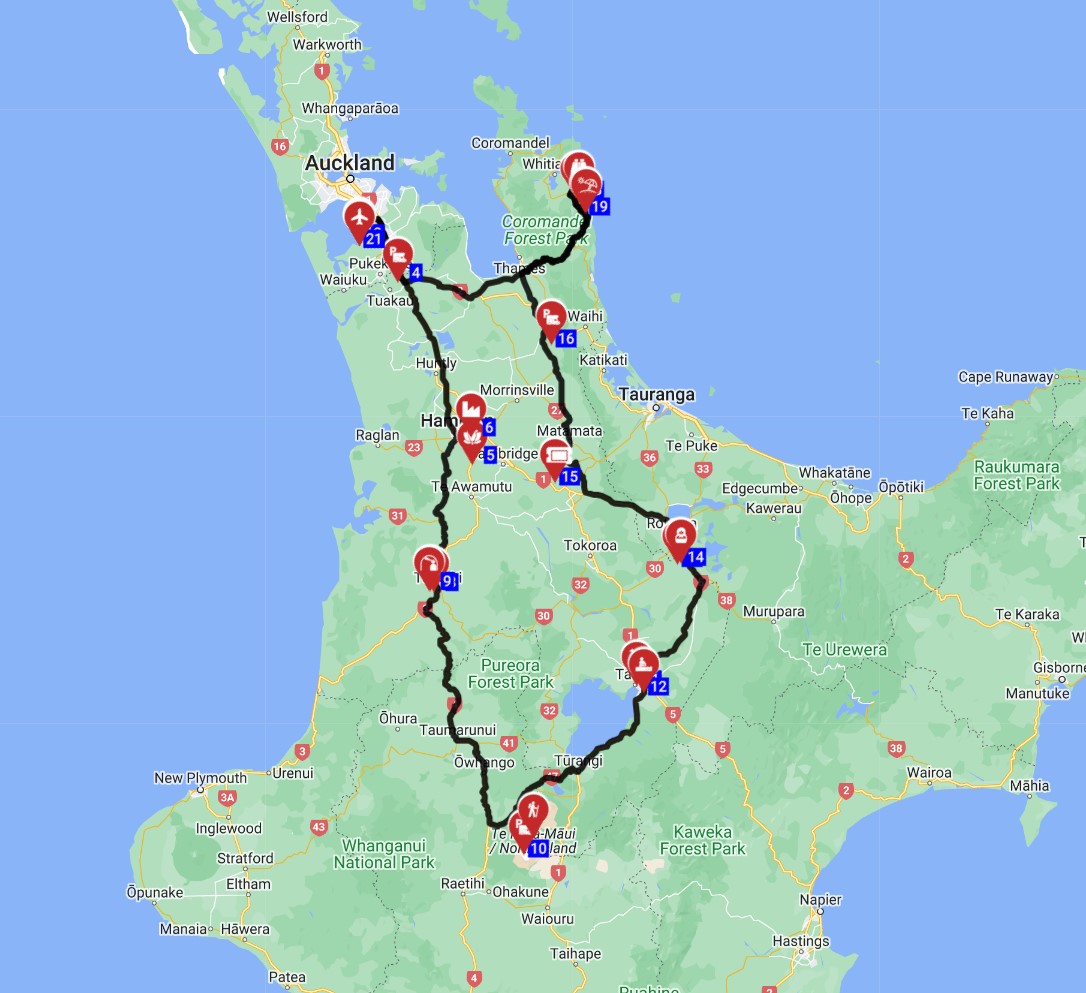
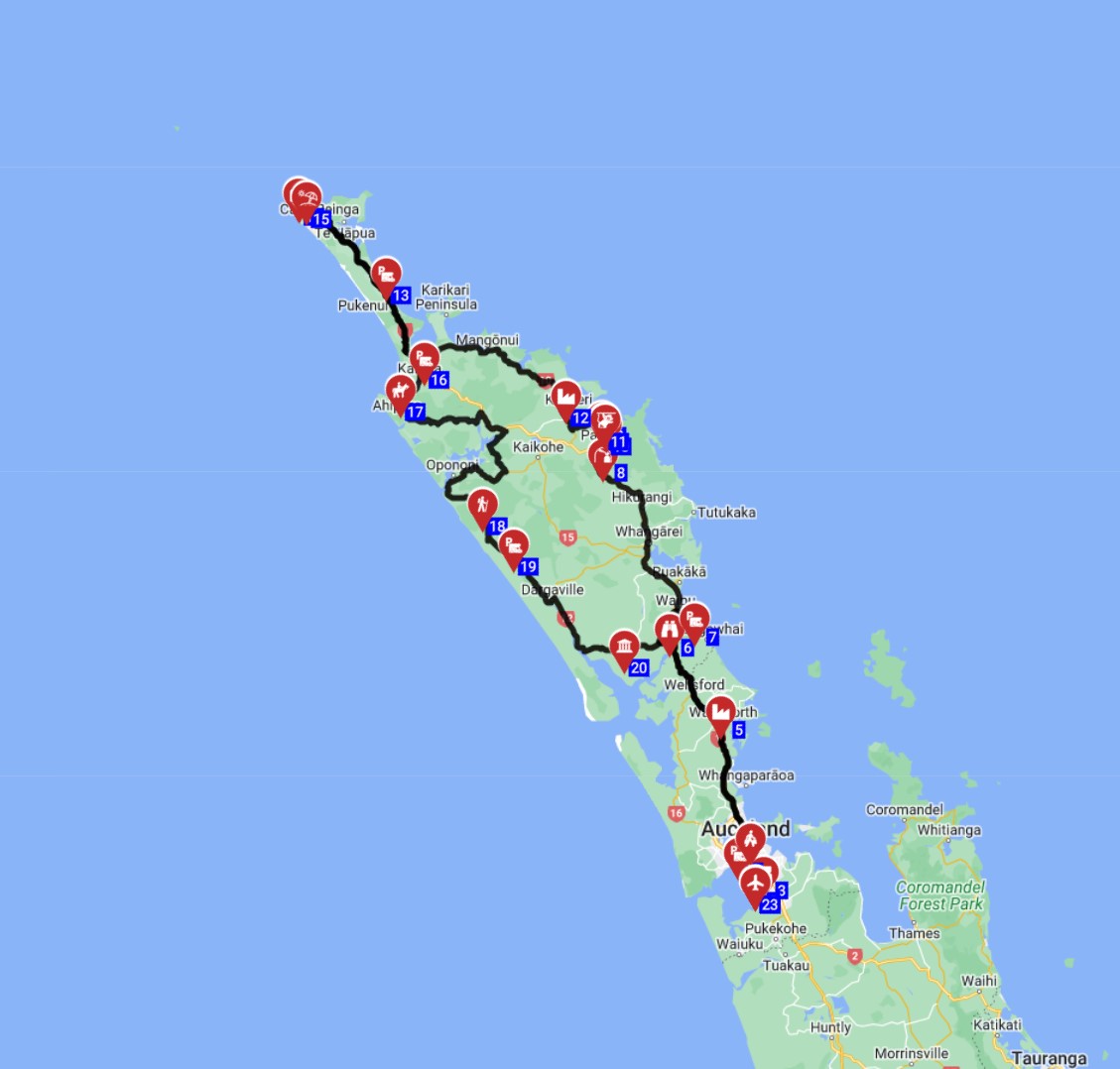
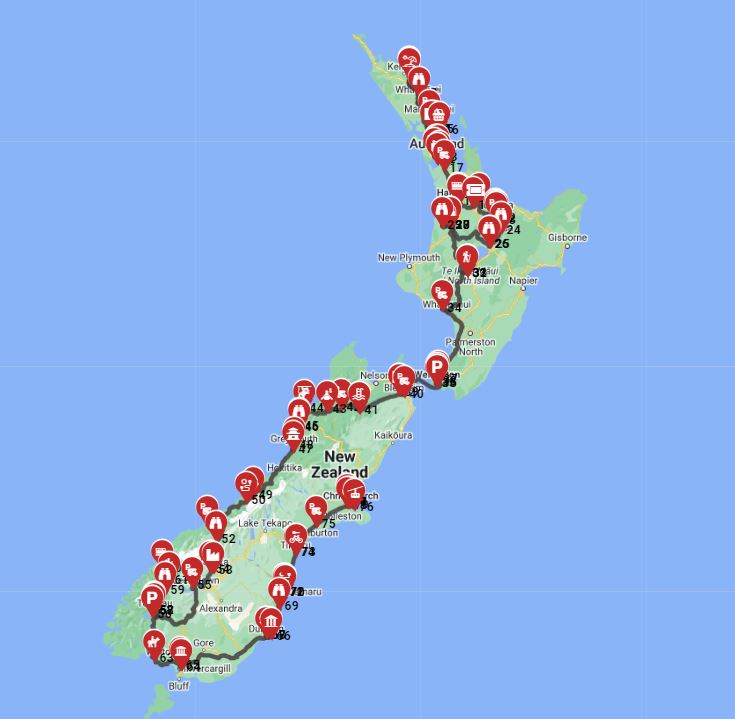
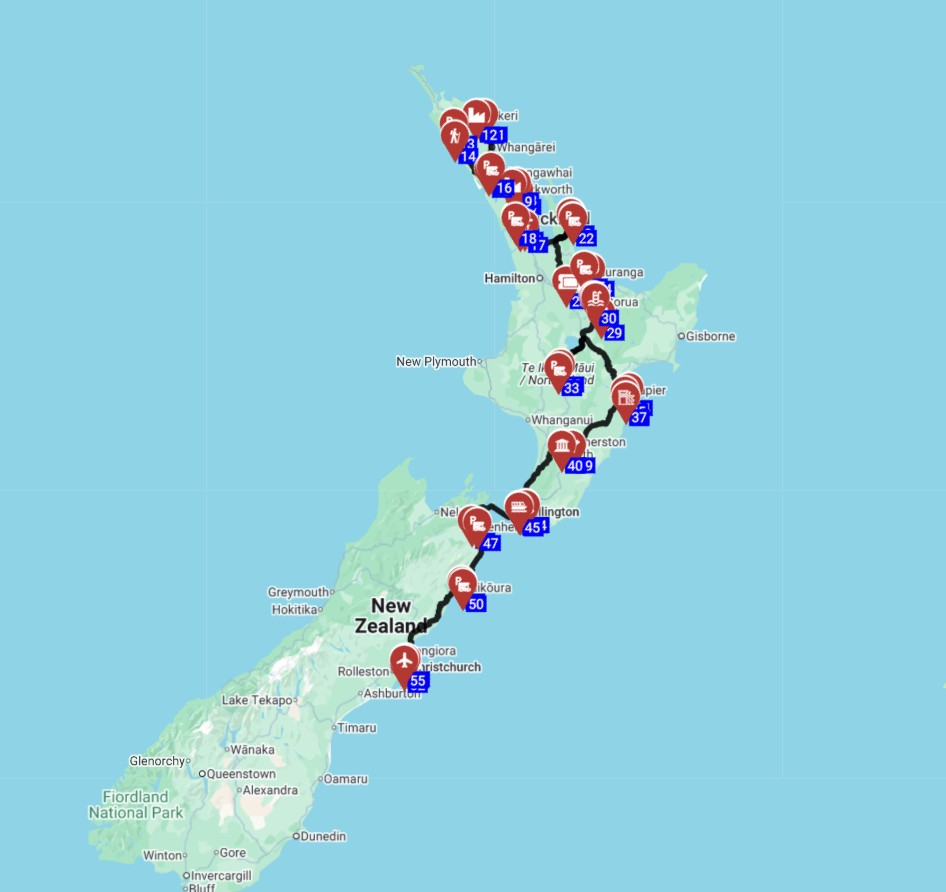
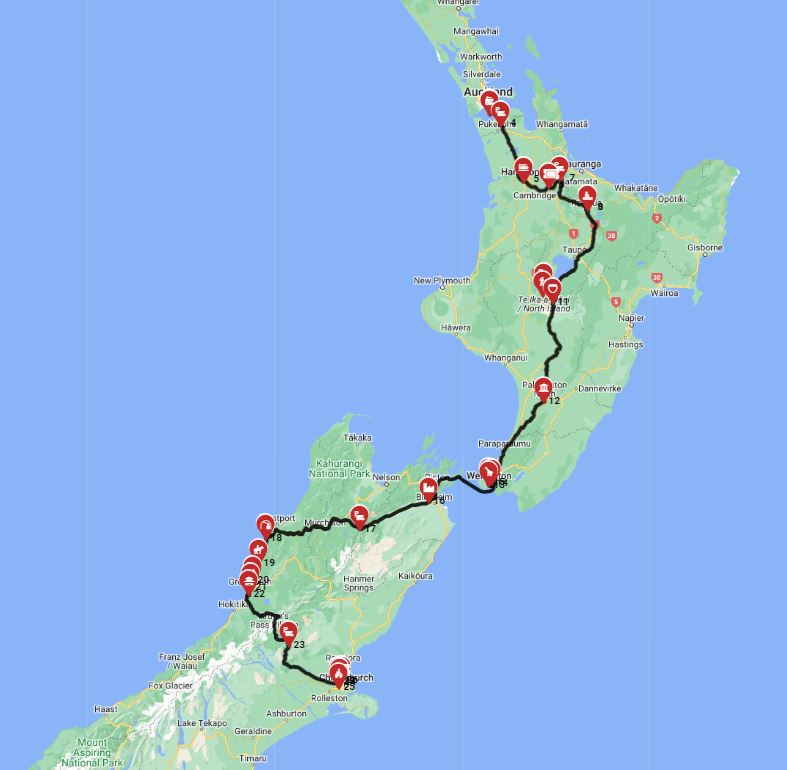
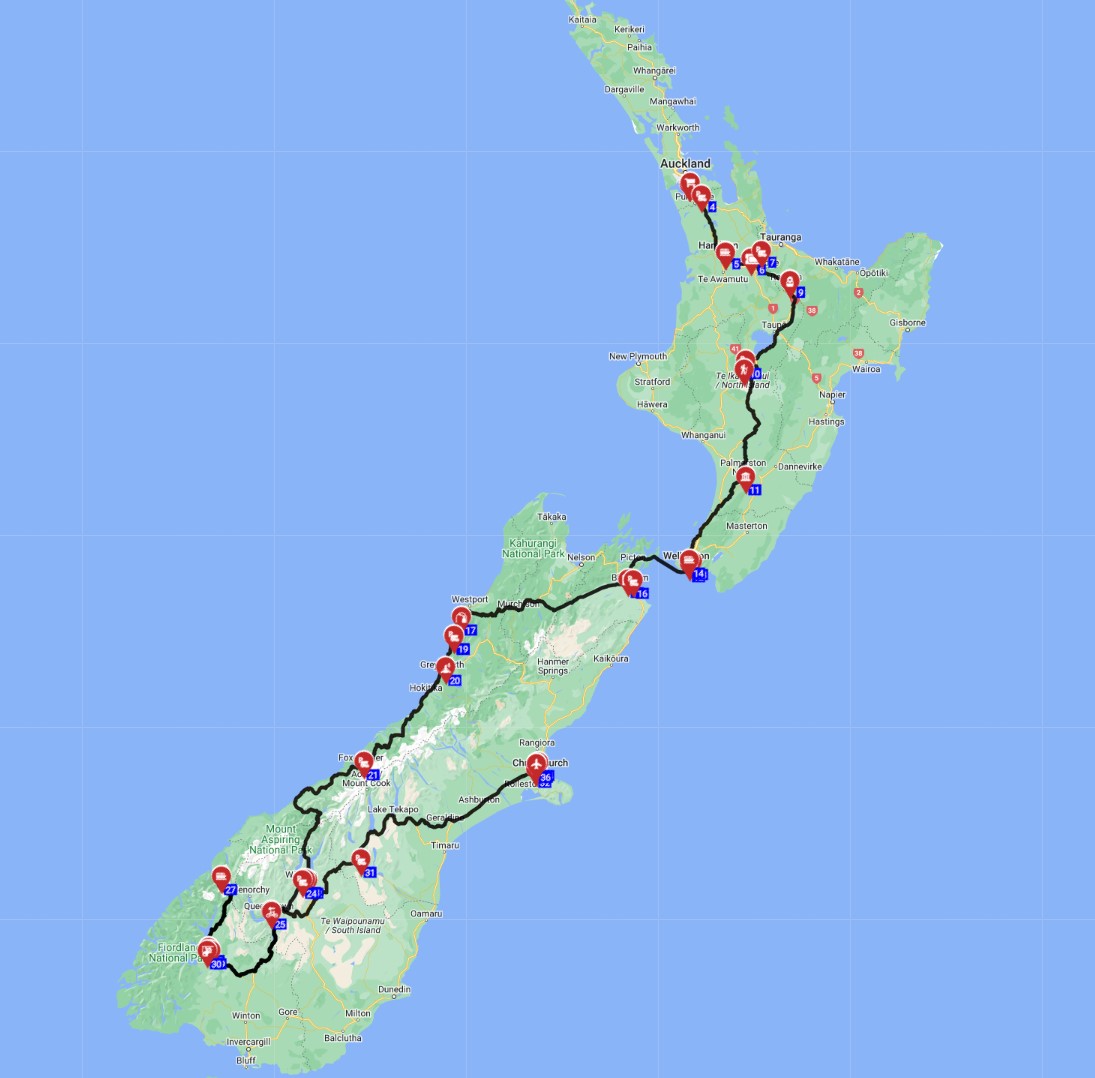
The country boasts excellent infrastructure specifically designed for RVs, including numerous Department of Conservation (DOC) campsites (some offering powered sites), commercial holiday parks with extensive amenities (like laundry, kitchens, and hot showers), and a wide distribution of free dump stations for waste disposal. Planning your route plans in advance and booking popular sites, especially during the peak season from December to February, greatly simplifies the journey. Many RV PLANET routes are specifically tailored for New Zealand, like the 18-day "
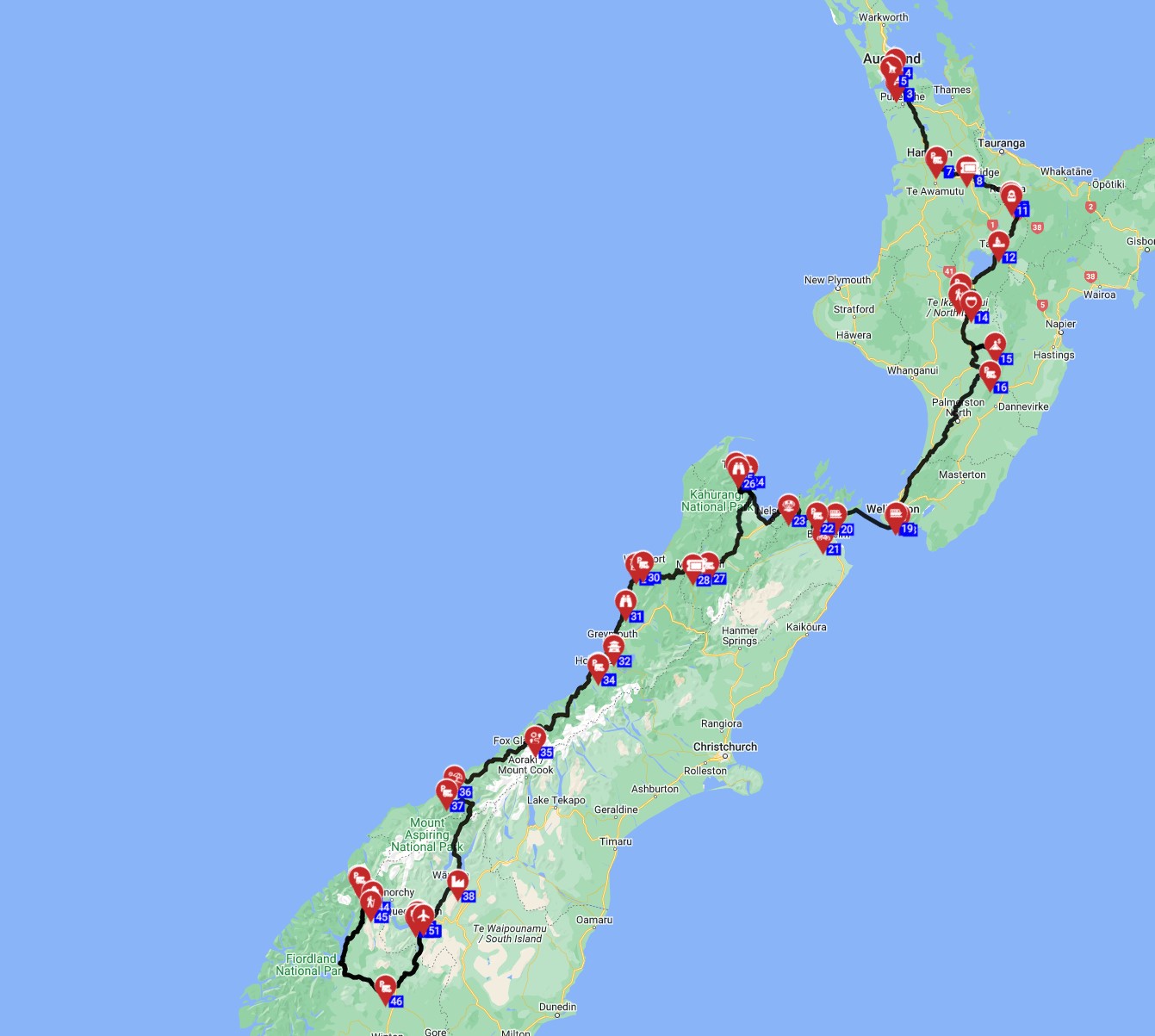
Having a self-contained certified vehicle, identifiable by a blue sticker, greatly increases your options for designated overnight stops, including some freedom camping areas, allowing more flexibility in your trip. Mobile reception can be spotty in very remote areas, so having offline maps or a satellite device can be beneficial for uninterrupted navigation. We recommend traveling slowly, ideally no more than 100-150 km per day on average, to truly experience the local culture and breathtaking scenery without rushing.
What is the 333 rule for campervan?
The '333 rule' for campervans in New Zealand is an informal guideline for responsible freedom camping, generally advocating for vehicles to be fully self-contained, staying for a maximum of 3 nights in one spot, and being at least 3 km from the nearest official campground or town center. This rule promotes respectful and sustainable travel practices.
While not a strict legal regulation, it encapsulates best practices for environmentally responsible and respectful freedom camping in New Zealand. The most critical legal requirement for freedom camping is that your rented motorhome or campervan must be certified 'self-contained' and display a blue self-containment sticker, ensuring it has adequate onboard facilities (toilet, fresh and waste water tanks) to last for at least 3 days for all occupants without external services. Failure to comply can result in fines up to NZD $200.
Freedom camping is only allowed in designated areas, and local council bylaws often specify allowed durations and locations, irrespective of the '333 rule.' Always check local signage and official resources (like the Department of Conservation website) to confirm where freedom camping is permitted. Always use official dump stations for waste and refrain from littering to preserve New Zealand's natural beauty, practicing "Leave No Trace" principles. These practices are crucial to ensure continued access to stunning, untouched locations for all travelers.
Do and don'ts New Zealand?
When traveling in New Zealand with a rented RV, 'dos' include driving on the left, respecting local Māori culture and 'mana' (prestige/authority), practicing 'Leave No Trace' principles, and staying in designated campgrounds, while 'don'ts' include freedom camping illegally, littering, or driving over the speed limit. Adhering to these guidelines ensures a respectful and enjoyable trip.
Do:
- Drive on the left-hand side of the road and take frequent breaks to combat fatigue, especially on long scenic routes.
- Respect Māori culture and heritage sites. A simple 'Kia Ora' (hello) is a warm greeting.
- Use designated dump stations for all grey and black water waste, and always dispose of rubbish in appropriate bins or take it with you.
- Conserve water and other resources, as they are precious in many remote areas.
- Plan your itinerary with realistic driving times, allowing for spontaneous stops and slow travel (max 100-150 km per day).
- Pack for all weather conditions by bringing versatile layers, as the weather can change rapidly.
- Familiarize yourself with New Zealand's road signs, particularly those indicating winding roads, narrow bridges, and potential hazards.
Don't:
- Freedom camp illegally; always check signage and local bylaws to ensure your self-contained vehicle is in an approved area to avoid fines.
- Litter or dispose of waste improperly, maintaining the pristine natural environment.
- Drive over the speed limit; New Zealand roads often demand lower speeds than you might be used to, particularly with a larger RV.
- Approach or feed wildlife, including birds, seals, and dolphins, as it can disrupt their natural behavior and be harmful.
- Disrespect local customs and traditions, particularly when visiting Māori cultural sites (marae) or engaging with local communities.
Top Cities for RV Rental in New Zealand
New Zealand offers several excellent starting points for your RV rental adventure, each providing access to unique landscapes and experiences. These cities serve as major hubs with multiple rental suppliers, making pick-up and drop-off convenient.
- Auckland: As New Zealand's largest city, Auckland is a primary gateway for international arrivals and a popular starting point for North Island explorations. From here, you can easily access the Bay of Islands, Rotorua's geothermal wonders, and the stunning Coromandel Peninsula.
- Christchurch: Located on the South Island, Christchurch is often the starting point for exploring the dramatic Southern Alps, the West Coast glaciers, and the picturesque Marlborough Sounds. It offers a comprehensive network of rental services and is a key hub for many RV PLANET routes.
- Queenstown: Known as the adventure capital, Queenstown is a fantastic base for exploring Fiordland National Park (including Milford Sound), Wanaka, and the central Otago wine region. While smaller, it's a popular pick-up/drop-off point, especially for one-way RV rentals across the South Island.
- Wellington: New Zealand's vibrant capital, Wellington, offers a blend of culture and nature. It's an excellent place to pick up your RV if you plan to explore the lower North Island, including the Wairarapa wine region or the Kapiti Coast.
- Dunedin: On the South Island's southeast coast, Dunedin offers unique Scottish heritage and access to the Otago Peninsula's wildlife (penguins, albatrosses). It's also a great base for exploring the Catlins coastal area, known for its rugged beauty.
- Nelson: Situated at the top of the South Island, Nelson is the gateway to Abel Tasman National Park and Kahurangi National Park. It's perfect for those looking for a blend of golden beaches, lush forests, and artisan communities.
Bandana RV has direct partnerships with 50+ leading RV suppliers worldwide, including major players in New Zealand, ensuring a wide selection of motorhomes and campervans across these key cities.
Road Rules and Safety in New Zealand
Understanding New Zealand's specific road rules and safety guidelines is essential for a stress-free RV rental vacation. Driving in New Zealand is unique due to its left-hand traffic, diverse terrain, and specific signage.
- Left-Hand Driving: In New Zealand, you must drive on the left side of the road. This is a critical adjustment for visitors from right-hand drive countries. Take extra caution, especially at intersections and roundabouts, and consider renting an automatic transmission RV for easier adaptation.
- Speed Limits: The general speed limit on open roads is 100 km/h, while in urban areas, it's typically 50 km/h. However, pay close attention to posted signs, as limits can change frequently, particularly on winding or narrow sections. For larger vehicles like motorhomes, it's often prudent to drive below the maximum speed limit, especially on unfamiliar roads.
- Passing Lanes: On many two-lane highways, you'll encounter designated passing lanes. If you're driving slower traffic, use these opportunities to safely pull over and allow faster vehicles to pass, demonstrating road courtesy.
- One-Lane Bridges: These are common, especially on the South Island. Signs will indicate whether you have the right of way or need to give way. Always approach with caution and be prepared to stop.
- Fatigue: Long drives can be tiring. Plan your journey with regular breaks every two hours, and try not to exceed 100-150 km of driving per day. New Zealand encourages slow travel to truly enjoy the scenery.
- Road Conditions: While main roads are well-maintained, you'll encounter gravel roads, steep gradients, and sharp corners, particularly in national parks and scenic areas. Drive according to conditions, and always reduce speed.
- Licensing: A standard car driver's license is sufficient for ALL motorhome classes. An International Driving Permit (IDP) is recommended for visitors from non-English speaking countries, translated into English, but is not mandatory if your home license is already in English. The minimum rental age is 21 years, with no young driver surcharges or vehicle class restrictions based on age.
🎬 Video coming soon
Connectivity and Emergencies in New Zealand
Staying connected and knowing what to do in an emergency are vital aspects of any RV rental trip in New Zealand. While the country is generally safe, being prepared enhances peace of mind.
- Mobile Connectivity: Major cities and towns have excellent mobile phone coverage (4G/5G), but service can be sporadic or non-existent in remote national parks, mountainous regions, and parts of the West Coast. Consider purchasing a local SIM card from providers like Spark, Vodafone, or 2degrees upon arrival for data and calls. Pre-paid plans are readily available and affordable.
- Wi-Fi Access: Most commercial campgrounds and holiday parks offer Wi-Fi, sometimes for a fee. Public libraries and many cafes in towns also provide free Wi-Fi. It's a good idea to download offline maps, such as Google Maps or Maps.me, before heading into areas with limited reception.
- Emergency Numbers: The national emergency number for Police, Fire, and Ambulance services in New Zealand is 111. This number is free to call from any phone.
- Roadside Assistance: All reputable RV rental suppliers in New Zealand, including those partnered with Bandana RV, provide 24/7 roadside assistance for mechanical breakdowns. Familiarize yourself with your rental company's specific roadside assistance number and procedures before you depart. Keep this number handy.
- Travel Insurance: Beyond your vehicle insurance, comprehensive travel insurance is always a wise investment. It covers medical emergencies, trip cancellations, lost luggage, and other unforeseen circumstances, providing an additional layer of support.
- Staying Informed: Before embarking on longer drives, especially through remote or mountainous regions, check local weather forecasts and road conditions through resources like the NZTA website. This is particularly important during winter or periods of heavy rain.
Bandana RV is here to support you before and during your booking process, offering expertise and transparent pricing. Once on the road, our trusted partners ensure you have the necessary support for your adventure.
What You Shouldn't Miss
New Zealand is a land of unparalleled beauty, offering countless experiences for RV travelers. Here are some of our top recommendations:
- Milford Sound (South Island): Drive the incredibly scenic Milford Road (State Highway 94) to this stunning fiord, often called the "8th Wonder of the World." Take a boat cruise to witness cascading waterfalls and towering peaks, a highlight of any trip.
- Rotorua (North Island): Immerse yourself in Māori culture and geothermal wonders. Visit Te Puia for geysers and mud pools, and experience a traditional Hangi dinner. The Redwood Forest also offers beautiful walking trails.
- Abel Tasman National Park (South Island): Explore golden beaches and turquoise waters. Park your RV at a nearby campground and enjoy hiking parts of the Great Walk, kayaking, or taking a water taxi to secluded bays.
- Franz Josef and Fox Glaciers (South Island): Witness these accessible glaciers with easy walks to terminal faces, or opt for a scenic helicopter flight for breathtaking aerial views.
- Queenstown & Wanaka (South Island): Embrace adventure in Queenstown, from bungy jumping to scenic gondola rides. Enjoy the relaxed vibe and stunning lakeside scenery of nearby Wanaka, including its famous "That Wanaka Tree."
- Bay of Islands (North Island): Discover historic sites and beautiful coastlines. Cruise among the 144 islands, spot dolphins, and visit Russell, New Zealand's first capital.
Looking for expert insights from Avi Bandana? Top 5 Adventures - recommendations from Avi Bandana provide even more curated experiences for your RV journey.
Final Thoughts
Embarking on an RV rental adventure in New Zealand as a senior is an incredible opportunity to experience one of the world's most beautiful countries with comfort and freedom. By choosing the right motorhome, preparing diligently, and embracing the local customs, you're set for an unforgettable journey. Imagine the serene mornings, the spectacular views from your doorstep, and the joy of exploring at a pace that suits you perfectly.
At Bandana Caravan, we're dedicated to making this dream a reality for you. We are here to support you every step of the way, from comparing prices across numerous suppliers to helping you choose the ideal vehicle. Our commitment to full transparency and genuine expertise ensures you embark on your New Zealand adventure with confidence and excitement. Life is now – discover top destinations, planning tips, all in one place!
So, take the leap! New Zealand's majestic landscapes, vibrant culture, and welcoming spirit await your discovery. Your next great adventure, filled with comfortable travel and cherished memories, starts here.