In This Guide
- Top 5 Tips for RV Rental in New Zealand
- Before You Book — Class, Dates, Insurance
- Pre-Trip Prep — Packing Checklist for New Zealand
- On the Road — Driving, Fueling, Navigation
- At the Campground — Setup, Hookups & Etiquette
- RV Rental-Specific Tips for New Zealand
- Common Mistakes to Avoid in New Zealand
- How much does it cost to rent a RV in New Zealand?
- What is the 333 rule for campervan?
- What is the best camper rental in New Zealand?
- Is it worth it to rent a campervan in New Zealand?
- Is it easy to drive a motorhome in New Zealand?
- Do and don'ts New Zealand?
- How much money would I need for 2 weeks in New Zealand?
- Is it easy to campervan around New Zealand?
- What are the drawbacks of renting an RV?
- What You Shouldn't Miss
- Why Book with Bandana Caravan
- Final Thoughts
- Frequently Asked Questions
New Zealand is a dream destination for RV adventurers, offering an unparalleled blend of stunning landscapes, thrilling activities, and warm hospitality. Imagine waking up to a different breathtaking view every morning, from snow-capped mountains to pristine beaches, all from the comfort of your rented motorhome. At Bandana RV, we understand that planning such an epic journey requires expert guidance and complete transparency. That's why we're here to be your trusted resource, offering clear advice and unwavering support. For live availability and current prices, start with our RV Rental New Zealand - Complete Guide 2026 guide.
Top 5 Tips for RV Rental in New Zealand
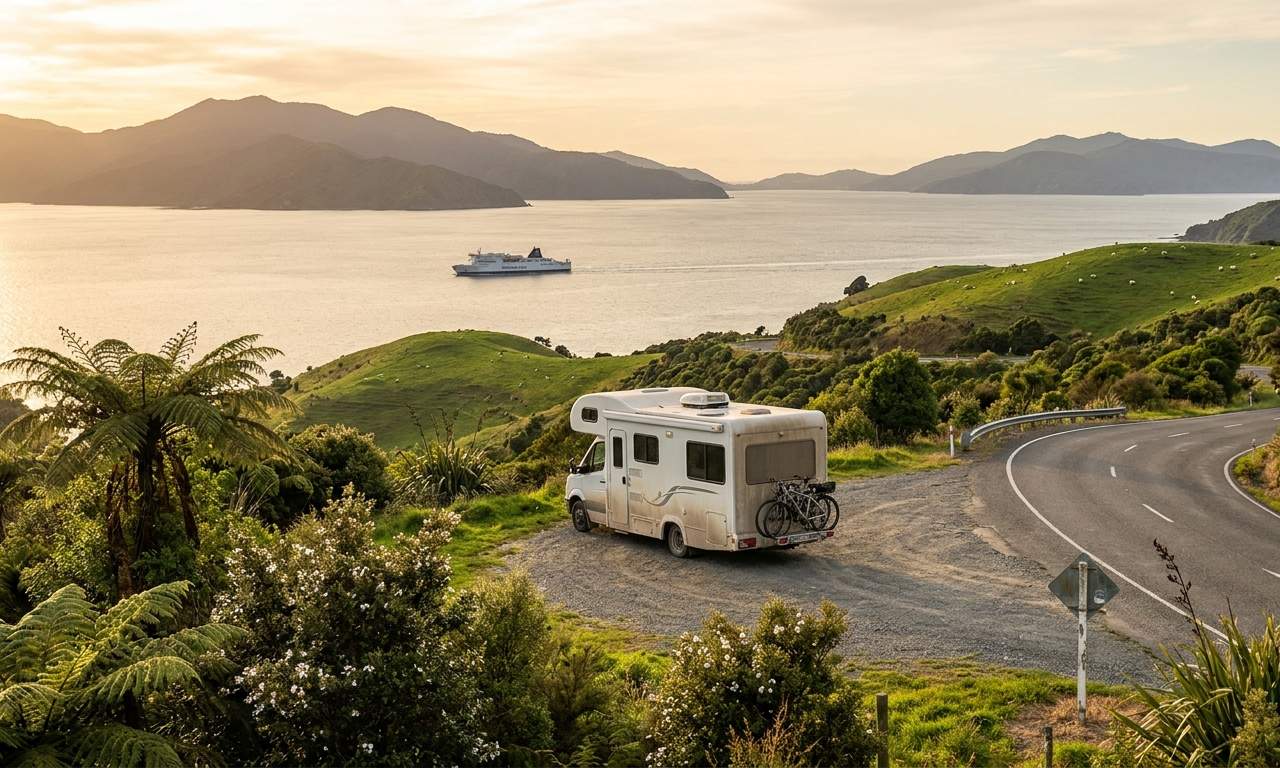
Securing your preferred RV in New Zealand requires advance planning, especially if you aim to travel during peak season (December-February), as popular Class C motorhomes with amenities like an 82-liter fresh water tank get booked quickly. To ensure you have the best selection of models and competitive rates, it’s advisable to book your RV 3-6 months ahead. This proactive approach helps you avoid disappointment and potentially higher prices that come with last-minute bookings.
Another crucial tip is understanding New Zealand's unique 'Certified Self-Contained' regulations if freedom camping appeals to you. Your rented campervan or motorhome needs a special blue sticker, certifying it meets specific waste water and toilet capacity standards to legally park overnight in many designated areas. This ensures you're respecting the pristine environment that makes New Zealand so special. While planning your route, embrace flexibility; New Zealand's diverse landscapes, from the geothermal wonders of Rotorua to the majestic fjords of Milford Sound, often present unexpected detours and hidden gems. We recommend travelling slowly, aiming for a maximum of 100-150 km per day on average, to truly immerse yourself in the culture, food, and scenery.
Consider upgrading to top-level deductible reimbursement for added peace of mind, as this optional upgrade can save you significant costs in the event of an unforeseen incident on the winding roads or in remote areas. Finally, budget carefully for all costs beyond the daily rental rate, including diesel Road User Charges (RUCs), one-way fees (which can range from NZD $200-$700), and variable campsite charges (NZD $20-$70 per night). For more detailed pricing, explore the "RV Rental in New Zealand - Prices and Best Deals 2026" guide.
Before You Book — Class, Dates, Insurance
Choosing the right RV class for your New Zealand adventure is paramount, dictating your comfort, driving experience, and overall trip enjoyment. For couples or solo travelers, a compact campervan like the Jucy Crib (often with a 60-liter fuel tank and 18-liter fridge) or a 'Class B - Camper Van' offering easy maneuverability is often ideal. Families with 2 adults and 2 children might prefer a spacious Class C motorhome, providing ample sleeping arrangements (e.g., a double bed over the cab and a rear double bed) and dining areas, such as the Apollo Euro Camper. Regardless of your choice, knowing the features you need, like a full kitchen or a shower, will help narrow down options among our 50+ leading RV suppliers worldwide.
Securing your rental dates as early as possible, ideally 3-6 months out for the popular summer season (December-February), or even up to 12 months for specific models, is crucial. This helps lock in better rates and ensures availability. Last-minute bookings are possible, but prices are dynamic and change daily based on demand and seasonality, much like flight tickets. Basic insurance is always included with your rental, providing fundamental coverage. For those seeking extra peace of mind, you can upgrade to a top-level deductible reimbursement during the booking process. We believe in full transparency: what you see is what you get, with no hidden fees or surprises.
You’ll find a spot at a campground. Many national and state parks reserve only 25-30% of their spots for advance booking, leaving the rest available on a first-come, first-serve basis. Always call ahead before driving to a new campground to check availability, especially during peak times. For more insights on financial planning, check out the "Cheap RV Rental in New Zealand - Budget Guide 2026" and "Luxury RV Rental in New Zealand - Premium Prices 2026" guides.
Pre-Trip Prep — Packing Checklist for New Zealand
A smart packing strategy is key to a comfortable and stress-free RV trip in New Zealand, where the weather can be highly changeable across its 2,400 km length. Pack in layers: include waterproof outerwear (like a lightweight rain jacket), warm fleeces (for cooler evenings or alpine regions), and quick-drying activewear for hiking. Most RV rentals, such as the Apollo Euro Deluxe (which often includes a 140-liter fresh water tank), come with basic kitchen essentials like pots, pans, and cutlery, but consider bringing a small reusable coffee cup and sturdy grocery bags to reduce waste. For personal cooking preferences, remember you can easily prepare your favorite meals on board - find inspiration in our RV-friendly recipes playlist.
Safety is paramount for any road trip, so a well-stocked first-aid kit is essential. Other vital items include a headlamp or flashlight (for navigating campgrounds at night), emergency contact information, and a reflective vest for roadside stops, especially important on less-trafficked routes. Remember your valid driver's license (an International Driving Permit is recommended for non-English speakers but not mandatory in most cases), passport, rental agreement, booking confirmations, and travel insurance details. Many campgrounds offer laundromats, so resist the urge to overpack and utilize these facilities to keep your wardrobe fresh without cluttering your RV's 2 cubic meters of storage.
On the Road — Driving, Fueling, Navigation
Driving a rented motorhome in New Zealand requires adapting to left-hand traffic and a road network that often features narrow, winding, and hilly routes, particularly in scenic areas like the Southern Alps. Drive slowly and carefully, and you can drive almost anywhere without issues. No need to stress - just use common sense and pay attention. Pay close attention to single-lane bridges, which are common in rural areas and clearly signposted with specific give-way rules. While the open road speed limit is generally 100 kph, it's often prudent to travel at lower speeds due to road conditions and the size of your vehicle, such as a 7-meter long Class C RV like the Britz Safari.
Fueling stations can be sparse in remote parts, especially on the South Island where distances between towns can be significant. It's always wise to refuel whenever opportunities arise, ensuring your 75-100 liter fuel tank remains adequately stocked. Diesel vehicles in New Zealand are subject to Road User Charges (RUCs), an additional cost factored into your fuel consumption. For navigation, while mobile signal is reliable in populated areas, it can be intermittent in remote parts. Utilizing offline maps (like Google Maps or Maps.me) or a dedicated GPS device is highly recommended to stay on track. Always adhere strictly to posted speed limits and be mindful of local signage to ensure a safe and enjoyable journey. For more specific local driving tips, our "RV Travel Guide to New Zealand - Tips and Top Spots 2026" offers valuable advice. On the routes offered through RV PLANET routes, you can itemize and track every expense along the way for easy budgeting.
At the Campground — Setup, Hookups & Etiquette
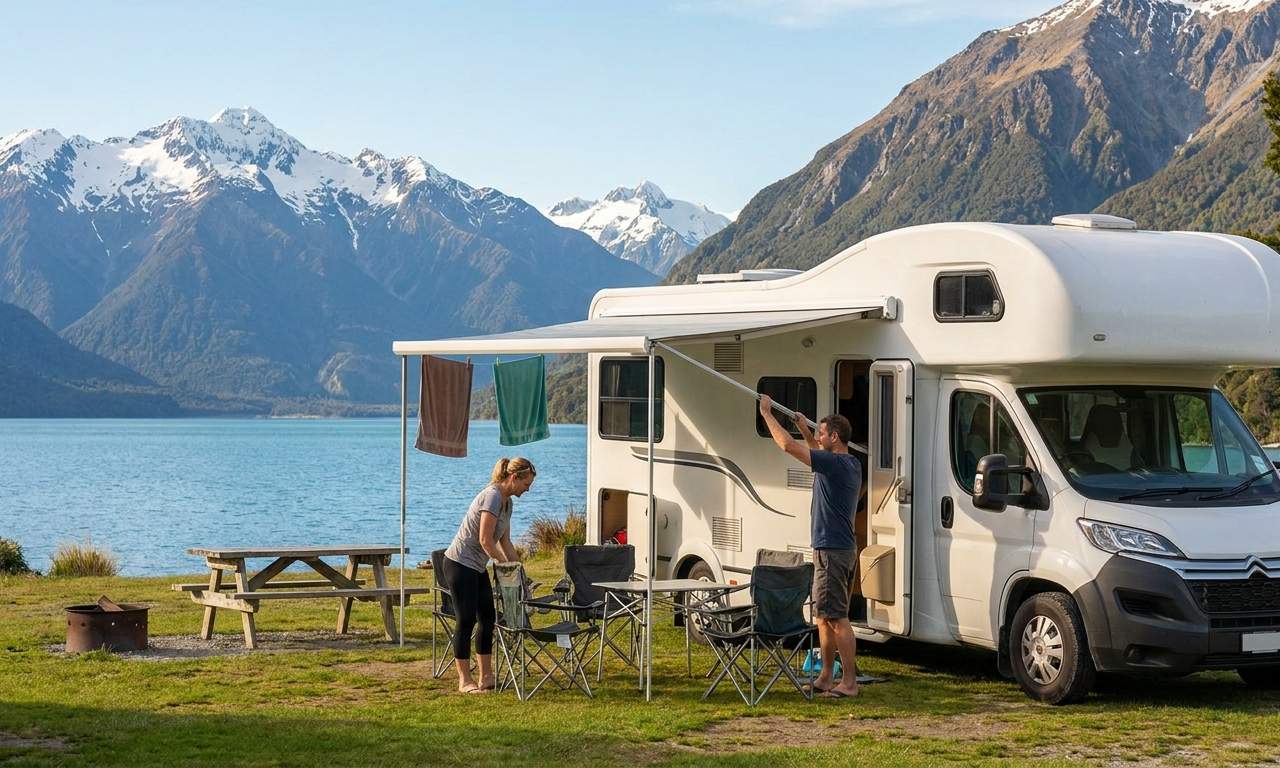
Upon arrival at a New Zealand campground, a smooth setup ensures a relaxing stay, whether your rented motorhome is a compact campervan or a larger Class C with a 120-liter fresh water tank. First, position your vehicle on a level spot, then connect to the electrical hookup (if available), ensuring your RV's circuit breaker is off before plugging in. Next, securely attach the fresh water hose to the designated tap and your RV's inlet, and then connect your grey water hose to a suitable drain. Finally, handle black water disposal at the dump station, ensuring proper hygiene and environmental care. For finding campsites and campgrounds during your trip, we recommend using RV PLANET (rvplan.net) - a great resource for locating available spots along your route.
Respecting campground etiquette is crucial for a harmonious experience with fellow campers. Observe quiet hours, typically from 10 PM to 7 AM, to ensure everyone gets a peaceful night's rest. Always leave your campsite tidy, disposing of rubbish properly in designated bins and utilizing recycling facilities where available. New Zealand's natural beauty is its greatest asset, and practicing 'tiaki' (care for people and place) by minimizing your environmental impact is a key part of RV travel here. Many holiday parks offer communal kitchens, laundry facilities, and social areas, providing a chance to connect with other travelers.
RV Rental-Specific Tips for New Zealand
Tailoring your RV rental choice to your group's needs ensures maximum comfort and enjoyment on New Zealand's diverse roads. For families, selecting a motorhome with ample sleeping arrangements (such as a 6-berth Class C with bunk beds and two double beds, accommodating up to 6 people) and a separate dining area is practical. Consider a vehicle like the Koru Star 6 Freedom, which often features a 150-liter refrigerator and a fuel-efficient 2.2L turbo diesel engine. Planning kid-friendly stops, like the numerous national parks offering short walks or adventure activities like the Shotover Jet in Queenstown, will enhance the trip for everyone. Many Class C motorhomes also come with rear seat belts for child safety seats.
Seniors might prefer an automatic transmission for easier driving on New Zealand's varied terrain and an RV with accessible amenities and beds, such as a low-profile Class SI motorhome with a permanent rear bed. Planning shorter driving days, averaging 100-150 km, can significantly enhance comfort and allow more time to soak in the scenery. Budget travelers should prioritize certified self-contained campervans (like the Jucy Condo, with a 55-liter fresh water tank) to take advantage of freedom camping spots and minimize campsite fees. Luxury travelers, on the other hand, can opt for premium RVs from suppliers like Maui or KEA, which offer larger Class A motorhomes with amenities such as spacious bathrooms, entertainment systems (TV/DVD), and gourmet kitchen setups, potentially with slide-outs for extra living space.
Common Mistakes to Avoid in New Zealand
One of the most frequent mistakes first-time RV renters make in New Zealand is underestimating driving times. Road trip planning resources like Google Maps often provide optimistic estimates. Instead, add an extra 20-30% to online map times, especially for routes through mountainous regions like Fiordland or along the West Coast, due to winding roads, frequent photo stops, and single-lane bridges. This allows for a more relaxed pace, aligning with the "travel slowly" philosophy.
Failing to book Interislander or Bluebridge ferries in advance is another common pitfall. If your journey involves crossing between the North and South Islands with your RV, securing your ferry passage well ahead of time is critical, particularly during peak season or for larger motorhomes. Ignoring 'Certified Self-Contained' (CSC) rules can lead to fines; always ensure your rented RV has the required blue sticker and only freedom camp in designated areas that permit CSC vehicles. Disregarding local customs and environmental guidelines is also a mistake; practice 'tiaki' (care for people and place) by respecting Māori culture, using designated waste disposal points (dump stations), and leaving no trace in natural environments. Lastly, overpacking can make your RV feel cramped; instead, pack lighter and utilize laundromats, commonly found at holiday parks, throughout your week-long or extended road trip.
How much does it cost to rent a RV in New Zealand?
Daily RV rental costs in New Zealand typically range from NZD $80 for a basic campervan like the Jucy Crib (ideal for 2 people) in the shoulder season (May-September) to over NZD $400 for a large, modern 6-berth motorhome during peak summer months (December-February). Prices are influenced by several factors: vehicle size (e.g., a compact campervan versus a Class C with a 140-liter fresh water tank), the RV's age, rental duration (longer trips often have lower daily rates), seasonality, and the specific rental company chosen from our network of 50+ suppliers. The final price is always set at the actual booking time, as prices are dynamic and change daily based on availability.
Beyond the daily rental rate, budgeting for additional costs is crucial for a complete picture of your trip expenses. This includes insurance (you can choose between basic coverage or upgrade to a top-level deductible for extra peace of mind), fuel (NZD $400-$800 for a 2-week trip, remembering diesel Road User Charges apply), campsite fees (averaging NZD $20-$70 per night for powered sites), and potential one-way fees (NZD $200-$700) or additional driver charges. A full 2-week RV trip for a couple, encompassing all these expenses and some activities, could realistically total from NZD $3,000 to $6,000+. On RV PLANET routes, travelers can itemize and track every expense along the way for easy budgeting, ensuring no hidden fees or surprises.
What is the 333 rule for campervan?
The "333 rule" for campervans in New Zealand is an informal yet widely accepted guideline for responsible freedom camping, though it is not a formal legal requirement in itself. It advises campers to: 1) Stay a maximum of 3 nights in any one designated freedom camping spot, 2) Move at least 3 kilometers between different freedom camping locations, and 3) Ensure their vehicle is Certified Self-Contained. This rule promotes sustainability and helps manage the impact of tourism on New Zealand's environment.
A Certified Self-Contained vehicle (displaying a blue sticker) has onboard fresh water, grey water, and black water tanks (e.g., minimum 12L flush toilet, 24L wastewater capacity per person), allowing waste to be contained for at least three days. This prevents environmental pollution and ensures travelers can legally access designated freedom camping sites. Adhering to this guideline, along with specific local council freedom camping bylaws, is vital for preserving New Zealand's pristine environment and ensuring positive experiences for all travelers. It reflects the local value of 'kaitiakitanga' or guardianship of the land.
What is the best camper rental in New Zealand?
Determining the 'best' camper rental in New Zealand is subjective, as it depends entirely on your specific travel style, budget, and desired amenities. Bandana RV partners with over 50 leading RV suppliers worldwide, including popular options like Apollo, Britz, and Maui, each catering to different preferences. For budget-conscious travelers or young couples, companies like Jucy often offer smaller, older campervans (e.g., the Jucy Crib with a 2.4L petrol engine and automatic transmission), which are ideal for week-long trips. These typically come with basic features like a small fridge (18 liters) and a gas stove.
Mid-range companies like Britz or Apollo provide a good balance of comfort and cost, with a wider selection of vehicles including 2-4 berth campervans and motorhomes, such as the Britz Venturer (a Class SI with a 140-liter fresh water tank). These often feature more amenities like a full kitchen, shower, and toilet. For luxury and premium experiences, Maui or KEA offer larger, newer, and more fully-equipped motorhomes (e.g., a 6-berth Class C like the Maui Cascade, with a 190-liter refrigerator and TV), often including slide-outs for extra space, suitable for extended road trips. When choosing, consider insurance options, customer service reviews, included mileage packages, potential one-way fees (from NZD $200), and cancellation policies to find the perfect fit for your adventure. You can compare different New Zealand RV rental options directly on our platform, a testament to our full transparency.
Is it worth it to rent a campervan in New Zealand?
Renting a campervan or motorhome in New Zealand is widely regarded as an incredibly worthwhile way to experience the country, offering unparalleled freedom and flexibility to explore diverse landscapes at your own pace. The main benefits include the ability to wake up to stunning natural views, from the shores of Lake Wanaka to the slopes of Aoraki/Mount Cook, without the hassle of daily hotel check-ins and outs. This mobile accommodation means you can spontaneously change your itinerary, linger longer at a favorite spot, or discover hidden gems not on your original plan. Imagine preparing a fresh breakfast in your campervan's kitchen (which often includes a 2-burner gas stove and 50-liter fridge) with a view of the ocean.
While the initial rental cost (starting from NZD $80/day for smaller units) and fuel expenses (averaging NZD $400-$800 for a 2-week trip) are factors, campervan travel can offer potential cost savings on accommodation compared to booking hotels every night, especially if you utilize Department of Conservation (DOC) campsites (starting from NZD $8/night) or designated freedom camping spots. However, consider whether you value spontaneity over fixed itineraries, are comfortable driving a larger vehicle (which can be up to 7 meters long), and are prepared for the logistics of managing fresh water refills (e.g., 100-liter tank capacity) and waste disposal before committing. For flexible and pre-planned routes, check out RV PLANET (rvplan.net) to help you visualize your journey.
Is it easy to drive a motorhome in New Zealand?
Driving a motorhome in New Zealand is generally manageable for most confident drivers, but it does require some adaptation due to specific road characteristics and local driving etiquette. New Zealand's roads are often narrower, more winding, and significantly hillier than those in many other countries, particularly in mountainous regions like the Southern Alps on the South Island. This requires careful navigation, reduced speeds, and constant attention to the road, especially when operating a larger Class C motorhome (which might be 6-8 meters long with a wider turning radius).
Drivers must adapt to driving on the left-hand side of the road and be prepared for frequent single-lane bridges, which are common in rural areas and clearly signposted with 'give way' rules. Always pull over safely at designated passing lanes if you're holding up traffic on winding roads. While parking can sometimes be challenging in bustling city centers like Auckland or Queenstown for larger vehicles, most towns and popular tourist attractions offer designated RV parking. Holiday parks and private campgrounds always provide ample space for all motorhome sizes. Drive slowly and carefully, and you can drive almost anywhere without issues. No need to stress - just use common sense and pay attention to road conditions and signage.
Do and don'ts New Zealand?
When RVing in New Zealand, do embrace 'tiaki' (care for people and place) by respecting Māori culture and customs; learn a few basic Māori greetings like 'Kia Ora' (hello) and always ask permission before taking photos of people or sacred sites. Don't litter or dispose of waste improperly; always use designated bins, recycling facilities, and official dump stations to maintain New Zealand's pristine environment, especially if your rented campervan is certified self-contained with its 24-liter wastewater tank. On the roads, do drive to the conditions, adhere to speed limits (which can vary, with 100 kph on open roads), and pull over safely to let faster traffic pass, particularly on winding or narrow routes.
Crucially, don't assume you can freedom camp anywhere; only park overnight in designated areas, ensuring your vehicle displays the required Certified Self-Contained sticker where applicable. Do engage with locals and embrace the 'manaakitanga' (hospitality) of New Zealanders; they are often happy to share tips and stories about their country. Conversely, don't disturb wildlife or remove natural items (like stones, plants, or shells) from national parks or protected areas, as this is illegal and harmful to the ecosystem. Planning your route with tools like RV PLANET routes can help ensure you adhere to local regulations and cultural practices.
How much money would I need for 2 weeks in New Zealand?
For a 2-week RV trip in New Zealand, a realistic budget for two people typically ranges from NZD $3,000 to $6,000+, depending heavily on your RV choice, preferred activities, and dining preferences. This comprehensive budget usually covers the RV rental itself (estimated at NZD $1,120 - $5,600+ based on a daily rate of NZD $80-$400). Fuel costs, including diesel Road User Charges, could amount to NZD $400-$800, considering an average consumption of 11-14 liters per 100 km for many motorhomes. Campsite fees will add another NZD $280-$980 for 14 nights, assuming a mix of basic DOC sites and powered holiday park spots (NZD $20-$70/night).
A basic food budget for cooking most meals in your RV's kitchen (with a 80-150 liter refrigerator) might be NZD $400-$700. However, additional expenses for activities like bungy jumping in Queenstown, a Milford Sound cruise, or a visit to Hobbiton (which can collectively add NZD $500-$1,500+ to your budget) can significantly increase the total. Saving money can be achieved by opting for more freedom camping where permitted (requiring a Certified Self-Contained vehicle), cooking most meals on board, and choosing free outdoor activities like hiking. Remember, prices are dynamic, so using a comparison platform like Bandana RV gives you full price transparency without hidden fees.
Is it easy to campervan around New Zealand?
Campervanning around New Zealand is largely considered easy due to the country's well-developed tourism infrastructure, including numerous scenic routes, clearly marked dump stations, and a wide array of campsites. The comprehensive network of holiday parks, private campgrounds, and Department of Conservation (DOC) sites makes finding overnight accommodation straightforward, though booking in peak season (December-February) is advisable for popular spots. Many rented motorhomes, even compact campervans, come equipped with essential features like a 50-80 liter refrigerator and a gas stove for convenient cooking.
Navigation is generally clear, with good road signage and reliable GPS coverage in most populated areas, complemented by helpful apps like CamperMate for locating facilities, dump stations, and freedom camping sites. While main roads are well-maintained, some remote areas feature gravel or unsealed roads, and mountainous regions like the Haast Pass demand careful driving due to narrow, winding paths. However, with a relaxed approach and an average travel speed of 100-150 km per day, exploring New Zealand by RV is a joyful and manageable experience for most travelers. Consider reviewing "One-Way RV Rental in New Zealand - Price Guide 2026" if you plan to explore both islands without backtracking.
What are the drawbacks of renting an RV?
Renting an RV for your New Zealand adventure, while offering incredible freedom, can entail some drawbacks, particularly concerning costs. The overall expense can be higher compared to a traditional car rental paired with budget accommodation, due to the combination of daily RV rental fees (starting from NZD $80/day), higher fuel consumption (larger motorhomes might use 14-16 liters per 100 km), mandatory diesel Road User Charges (RUCs), and varying campsite fees (NZD $20-$70/night). While Bandana offers full transparency on rental prices, ancillary costs can add up, making it important to budget carefully using tools available on RV PLANET (rvplan.net).
Driving a larger vehicle, such as a 7-meter Class C motorhome, on New Zealand's often narrow and winding roads can be challenging, especially for inexperienced RV drivers. This can lead to slower travel times and potentially increased stress, requiring more focus than driving a standard car. Finding suitable parking in popular towns and tourist hotspots can also be difficult due to the RV's size, sometimes requiring walks from designated parking areas. Furthermore, managing the logistics of fresh water refills (e.g., 100-150 liter tanks), grey and black water disposal at dump stations, and planning for overnight stays in designated areas requires consistent effort. These tasks, if not well-planned, can limit spontaneity. Lastly, New Zealand's variable weather conditions, from strong winds making driving difficult to persistent rain limiting outdoor activities, can significantly impact an RV trip, underscoring the need for flexible planning.
What You Shouldn't Miss
New Zealand is brimming with unforgettable experiences, and exploring by rented motorhome allows you to discover its most incredible corners at your own pace.
- **Explore the geothermal wonders of Rotorua:** Immerse yourself in Māori culture and witness bubbling mud pools and geysers.
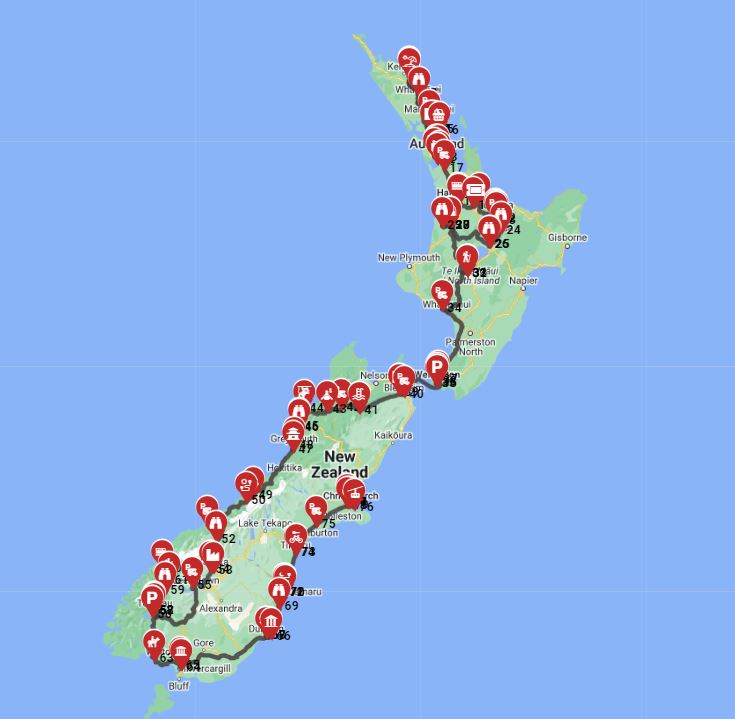
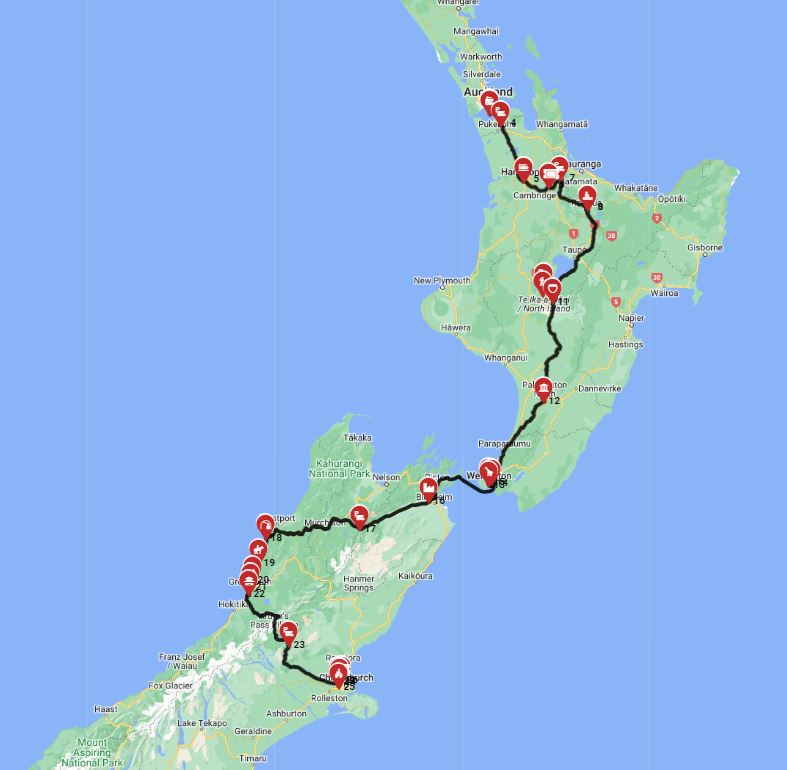
- **Cruise Milford Sound:** A must-do South Island experience, these majestic fjords offer dramatic scenery and incredible wildlife spotting opportunities, as included in the "
" route plan which features 3 cruise terminals and 4 wildlife watch activities.
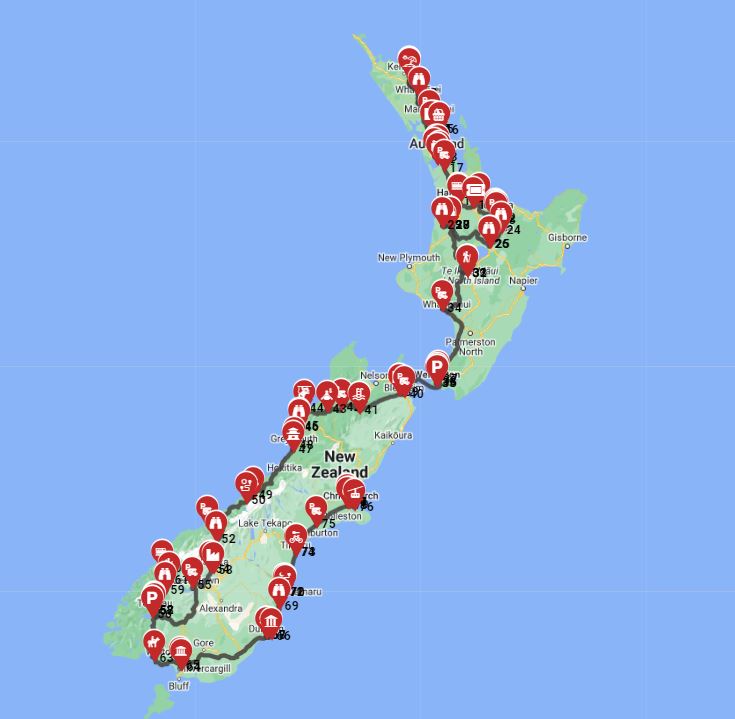 Auckland to Christchurch - Comprehensive New Zealand
 - **Hike in Fiordland National Park:** Discover a network of world-renowned trails, from easy walks to multi-day treks like the Milford Track.
- **Visit the West Coast Glaciers:** Marvel at Franz Josef and Fox Glaciers, unique temperate glaciers descending into lush rainforest.
- **Stargaze in the Aoraki Mackenzie International Dark Sky Reserve:** Witness an incredible night sky in one of the world's best dark sky locations.
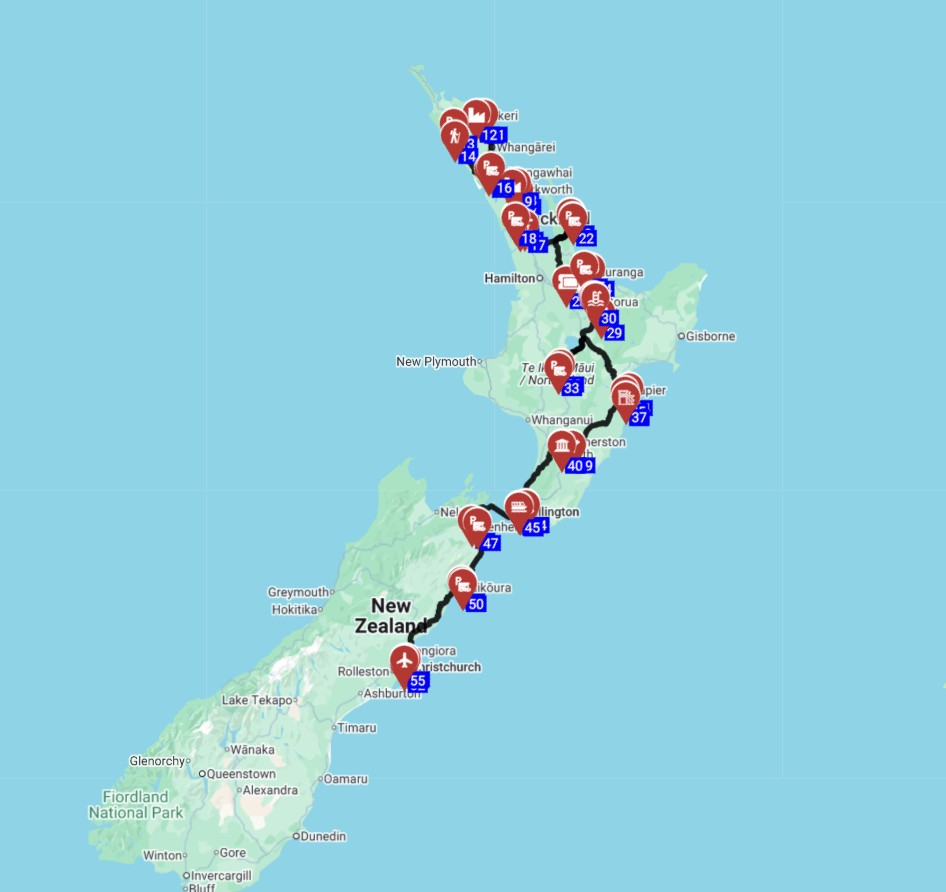
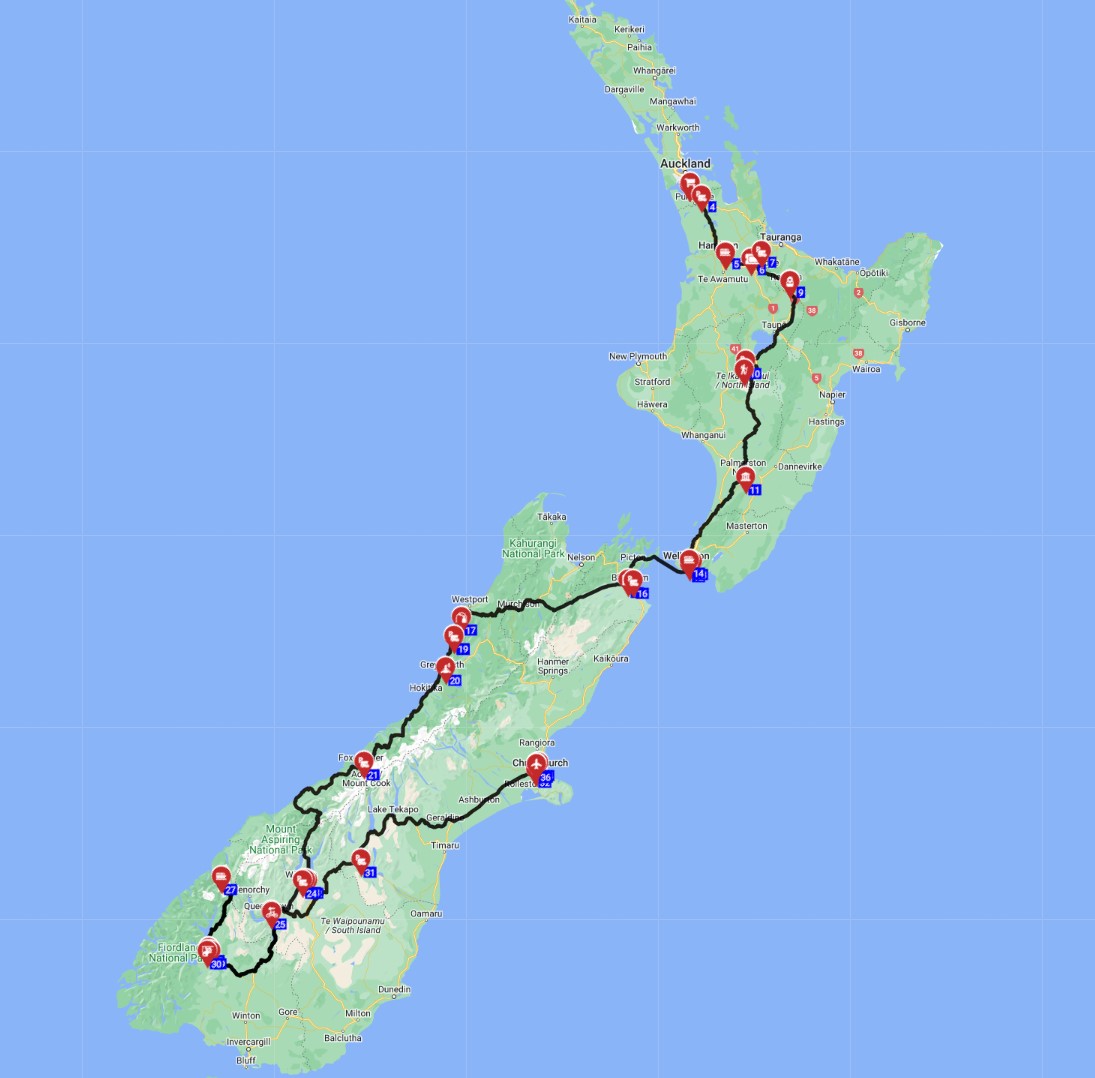
- **Experience Queenstown's Adventure Capital status:** From bungee jumping to jet boating, the South Island offers adrenaline-pumping activities, as highlighted in the "
" itinerary, featuring 1 Extreme Activity.
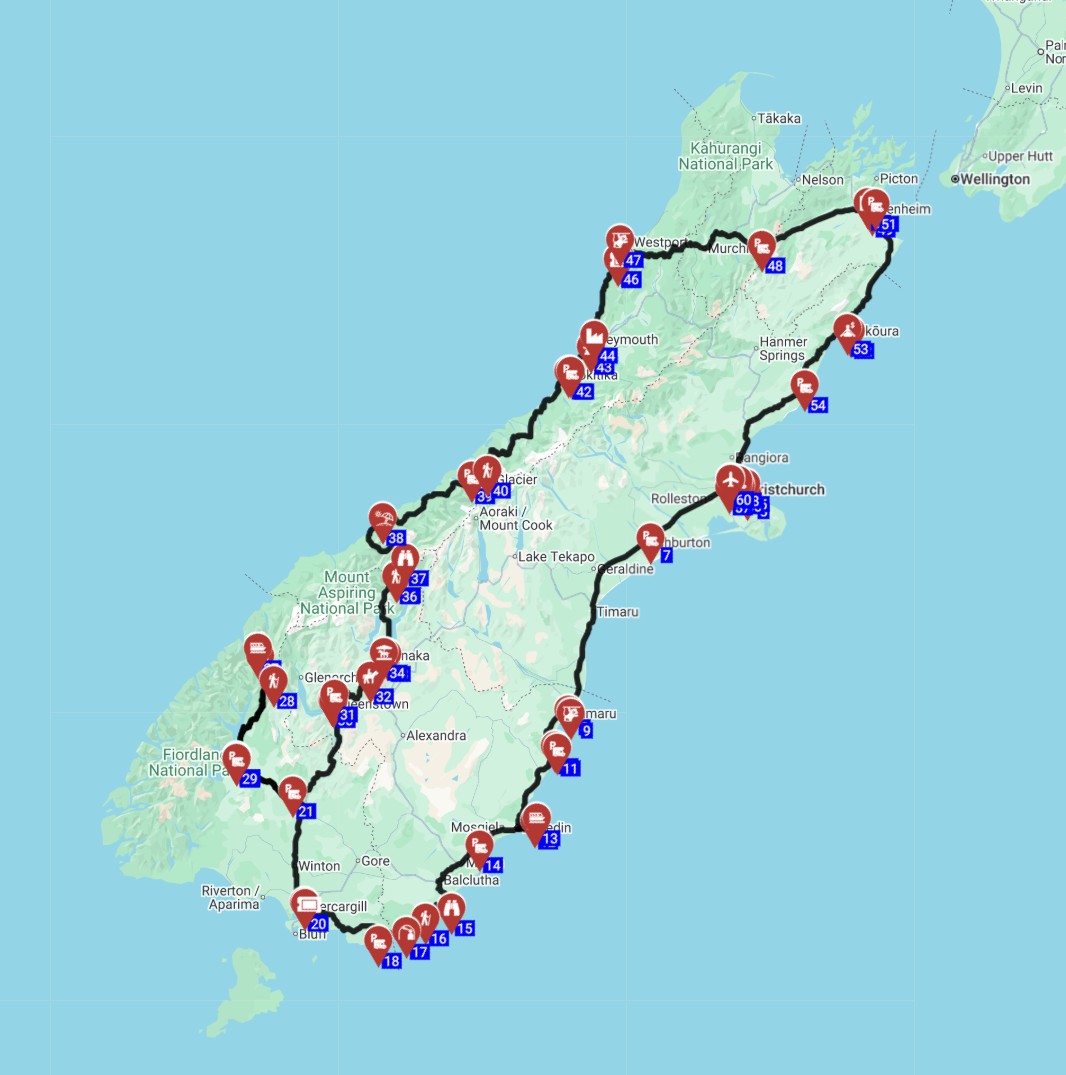 Christchurch Roundtrip - Around the South Island
Looking for expert insights from Avi Bandana? Top 5 Adventures - recommendations from Avi Bandana
🎬 Video coming soon
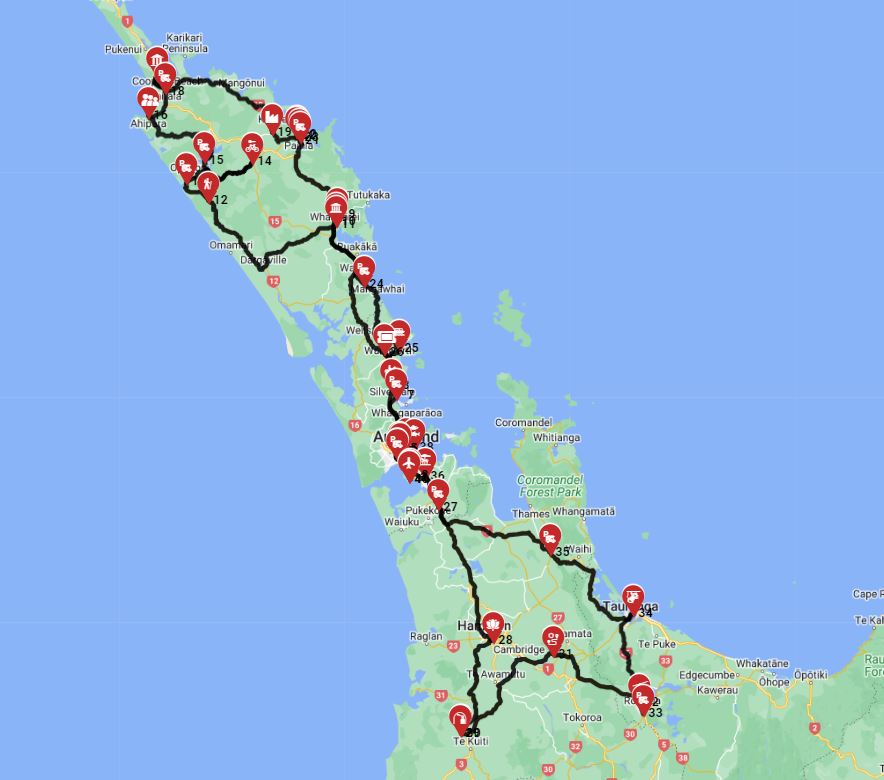
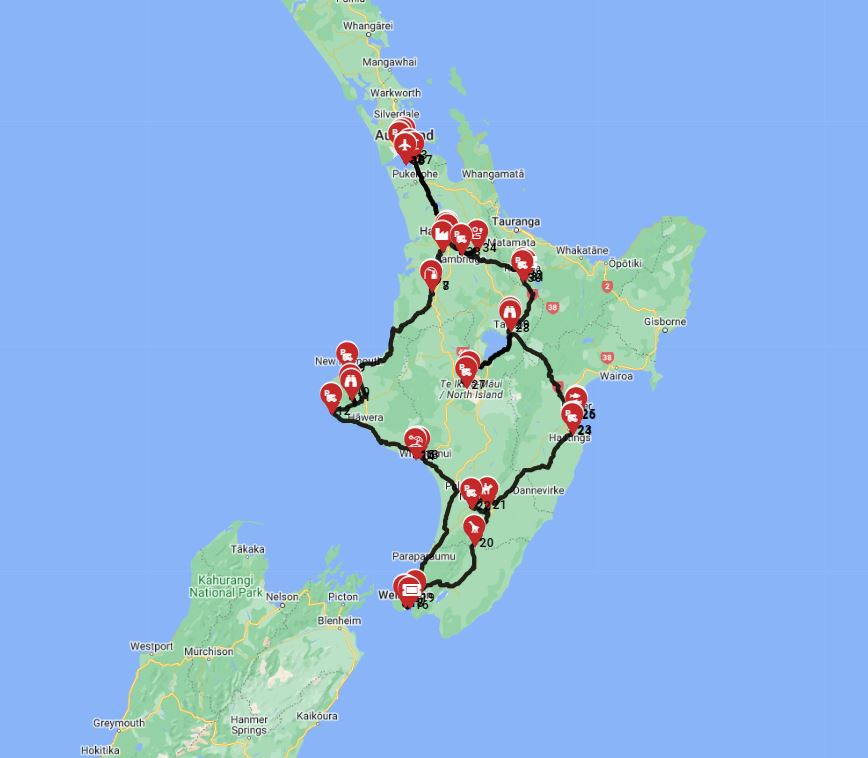
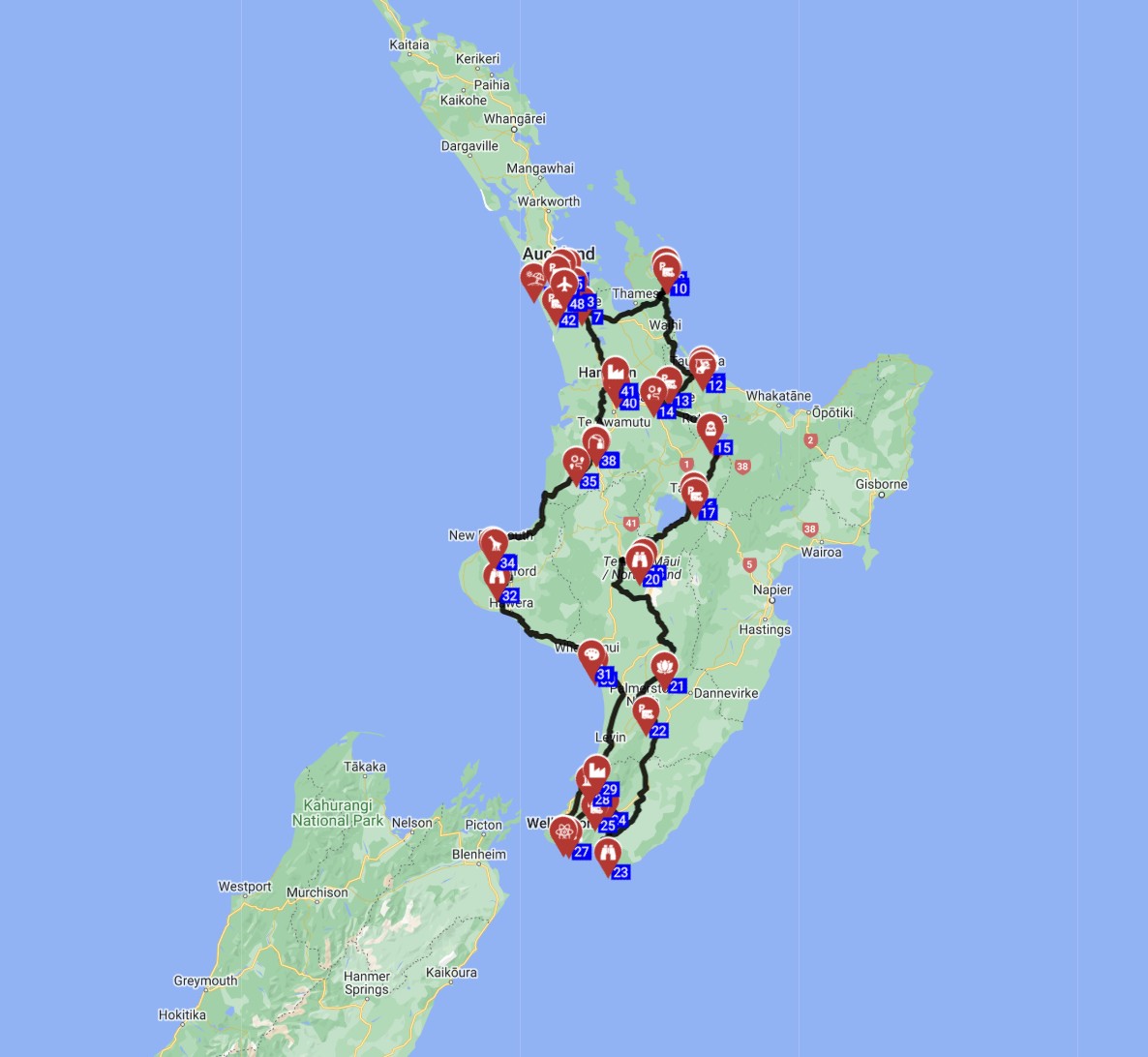
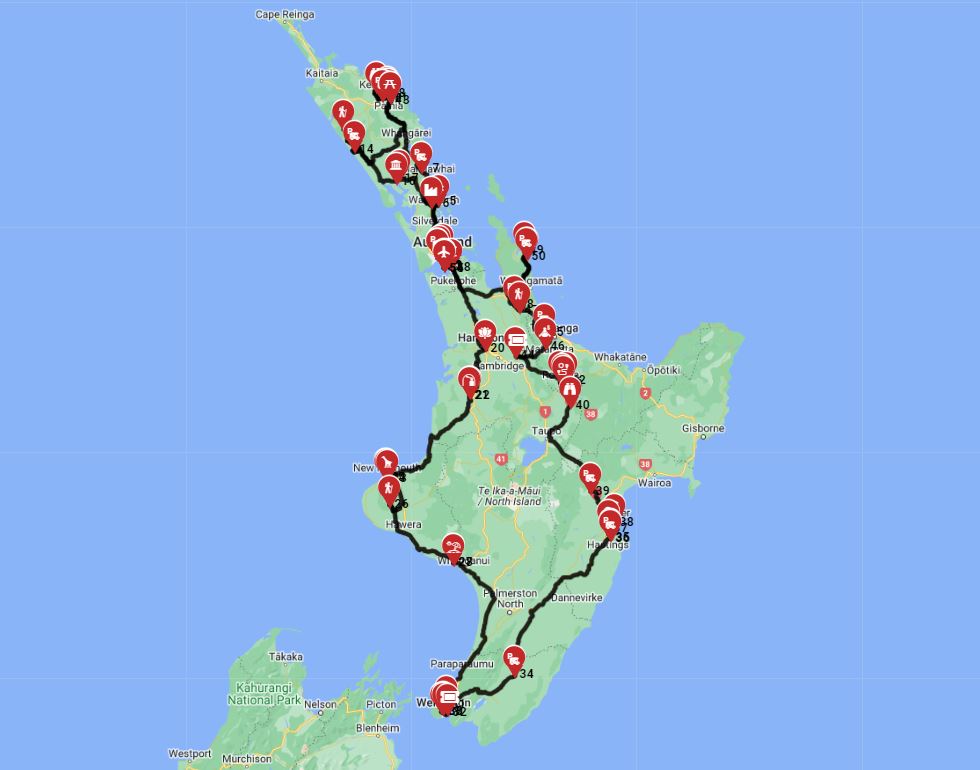
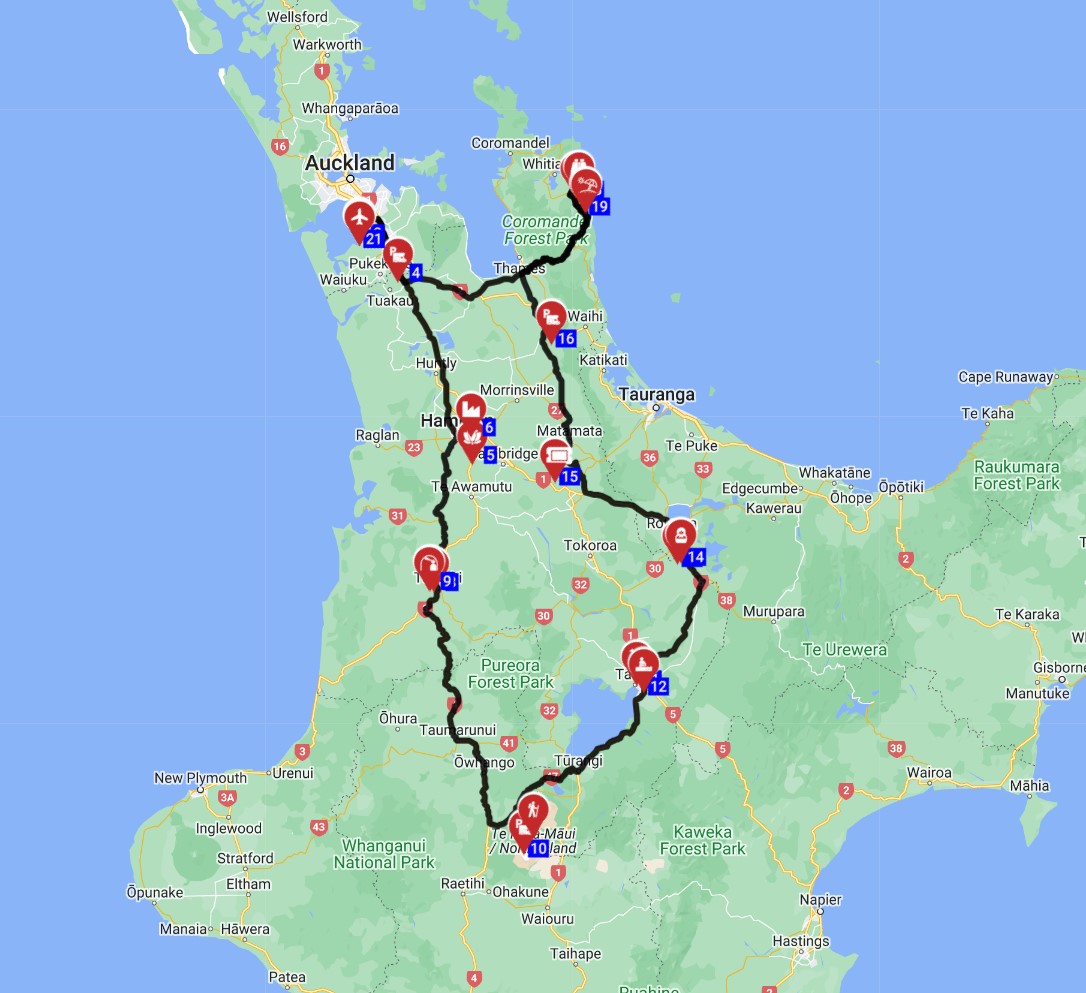
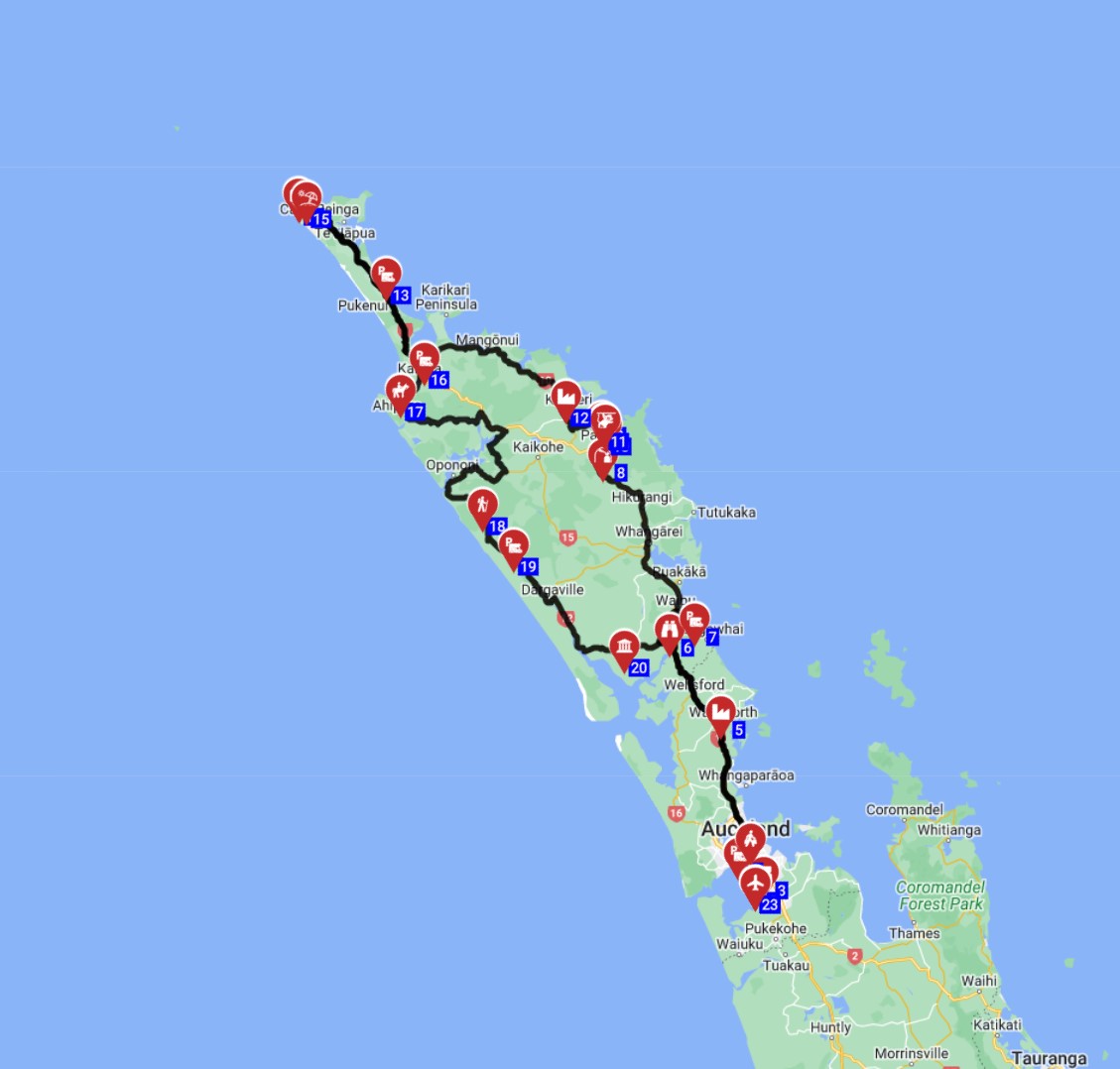
This 25-day route covering 4060.2 km includes 1 Amusement Park, 4 Animals Show / Wildlife watch, 1 Aquarium, 1 Art Gallery, 1 Beach, and many more attractions. You'll find plenty of opportunities to experience the essence of New Zealand.
The 18-day
Consider the
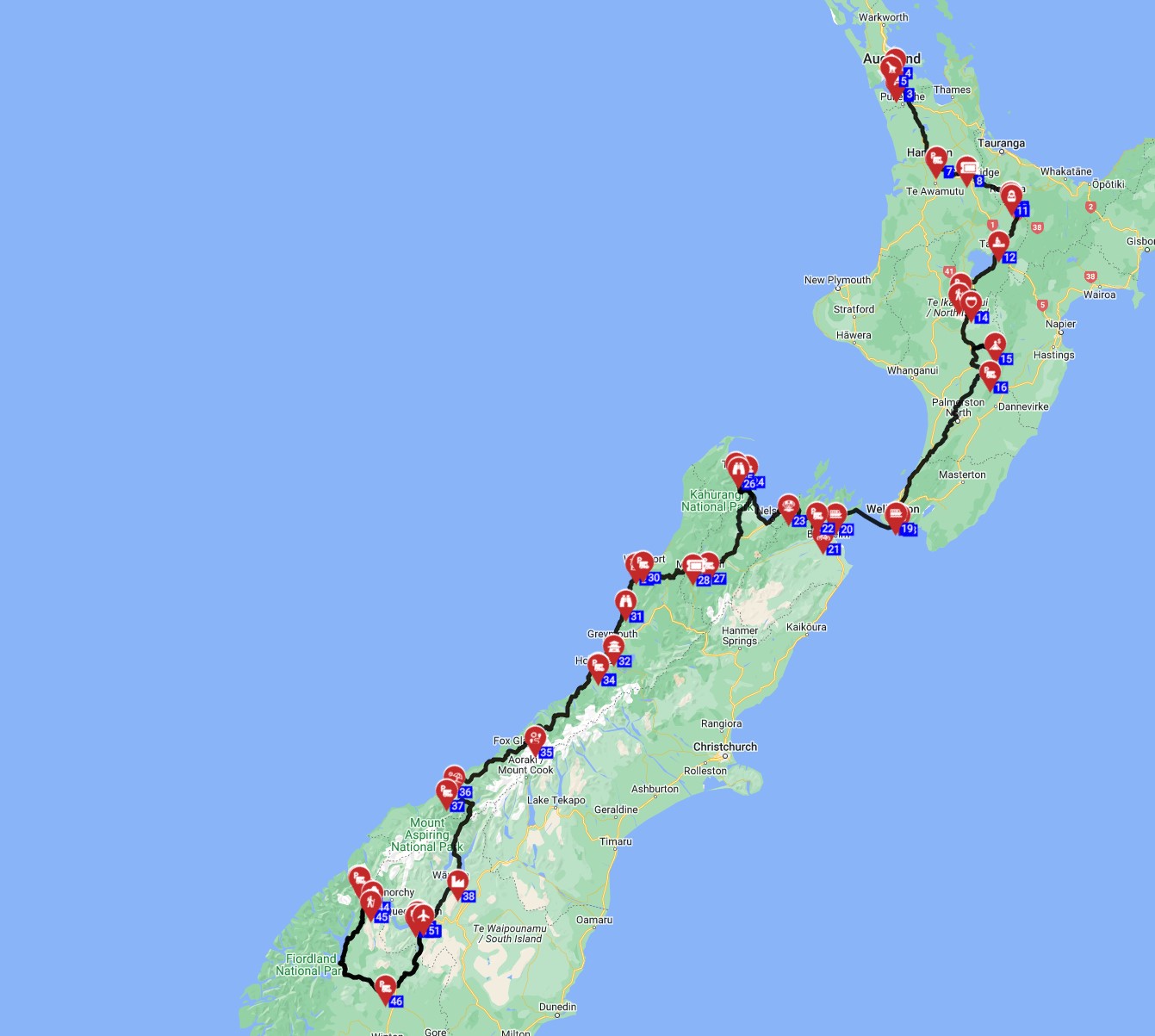
Final Thoughts
Embarking on an RV adventure in New Zealand offers a unique and intimate way to discover this incredible country, from its majestic mountains to its serene coastlines. With the right planning and a spirit of adventure, you'll create memories that last a lifetime. Remember, traveling slowly, perhaps 100-150 km per day, allows you to truly connect with the stunning scenery and vibrant local culture.
At Bandana RV, we're dedicated to making your journey as smooth and enjoyable as possible. We handle the details, so you can live the journey, supported by our true RV specialists who provide full transparency and unwavering support before, during, and after your booking. Whether you're considering a campervan for two or a spacious motorhome for the whole family, New Zealand awaits your exploration.
Get inspired for your next trip! Discover top destinations, planning tips, all in one place with Bandana RV, your partner for an unforgettable New Zealand RV rental experience. Find RV Rentals in New Zealand today!