For live availability and current prices, start with our RV Rental New Zealand - Complete Guide 2026 guide.
In This Guide
- Top 5 Tips for RV Rental in New Zealand
- Before You Book - Class, Dates, Insurance
- Pre-Trip Prep - Packing Checklist for New Zealand
- On the Road - Driving, Fueling, Navigation
- At the Campground - Setup, Hookups and Etiquette
- RV Rental-Specific Tips for New Zealand
- Common Mistakes to Avoid in New Zealand
- How much does it cost to rent an RV in New Zealand?
- What is the 333 rule for campervan?
- What is the best camper rental in New Zealand?
- Is it worth it to rent a campervan in New Zealand?
- Is it easy to drive a motorhome in New Zealand?
- Do and don'ts New Zealand?
- How much money would I need for 2 weeks in New Zealand?
- Is it easy to campervan around New Zealand?
- What are the drawbacks of renting an RV?
- What You Shouldn't Miss
- Why Book with Bandana Caravan
- Final Thoughts
- Frequently Asked Questions
New Zealand is a dream destination for a motorhome adventure, offering breathtaking landscapes, from dramatic fjords to geothermal wonders and pristine coastlines. Exploring this incredible country with a rented RV gives you the freedom to chase the sun, wake up to stunning views, and create an itinerary that’s perfectly yours. To ensure your journey is as smooth and enjoyable as possible, careful planning is key. For live availability and current prices, start with our RV Rental New Zealand - Complete Guide 2024 guide, which provides a comprehensive overview of everything you need to know.
Top 5 Tips for RV Rental in New Zealand
Booking your RV well in advance, especially for New Zealand's peak summer season (December-February), is the surest way to secure better rates and ensure the availability of your preferred vehicle, with savings of up to 25% possible when booking 90+ days ahead. Secondly, understanding the 'self-contained' certification requirements for your rental is crucial, as this certification, usually indicated by a blue sticker, is legally required for freedom camping in many designated areas and typically means your vehicle has onboard fresh, grey, and black water tanks of at least 90L each, plus an attached toilet. Thirdly, travelers should accurately factor in all potential costs beyond just the rental fee, including fuel, campsite fees, inter-island ferry crossings, and comprehensive insurance options to avoid financial surprises. Additionally, choosing a rental RV size and class that comfortably fits your group and travel style is important, considering both adequate living space and ease of driving on New Zealand's winding roads and one-lane bridges. Finally, familiarize yourself with unique New Zealand road rules and driving conditions, such as always driving on the left, navigating one-lane bridges by following 'give way' signs, and being prepared for gravel roads and potential livestock. On the routes offered through RV PLANET routes, you can itemize and track every expense along the way for easy budgeting.
Before You Book - Class, Dates, Insurance
When selecting your ideal rental motorhome in New Zealand, consider vehicle size, sleeping capacity, and essential amenities like an onboard shower and toilet, as these features will define your comfort and flexibility on the road. For instance, a campervan like the Jucy Chaser (4.7m length) is ideal for a couple, featuring a compact kitchen with a 50L refrigerator, while a larger Class C motorhome like the Koru Star 6 Freedom (over 7m length) can accommodate up to six people with full kitchen facilities and a spacious living area. Secure your RV by locking in booking dates as early as possible, particularly for popular periods like summer (December-February) or school holidays, which can significantly impact rental prices and vehicle selection. Booking 3-6 months ahead is often recommended to benefit from a wider range of vehicles and more competitive rates.
Basic insurance is always included with your rental motorhome. To easily compare prices that include the most comprehensive coverage, simply select that option during your search on Bandana RV. We believe in full transparency, so all relevant insurance options will be clearly shown, allowing you to choose the level of protection that gives you peace of mind. Upgrading to a top-level deductible reimbursement option is highly recommended, as it can significantly reduce your out-of-pocket expenses in case of an accident.
🎬 Video coming soon
Pre-Trip Prep - Packing Checklist for New Zealand
For New Zealand's variable climate, essential clothing includes versatile layers such as a thermal base, a warm fleece, and a waterproof outer shell, along with swimwear for hot springs, sturdy walking shoes, a hat, and sunglasses to protect against UV. Typical kitchen essentials to bring or buy include reusable shopping bags, a small cutting board, a sharp knife, basic spices (salt, pepper), and coffee/tea supplies, as most rental RVs come with fundamental cooking gear like a 3-burner gas stove and a refrigerator with freezer space, such as found in the F2 motorhome. For inspiration on meals on the go, check out our RV-friendly recipes playlist. Your safety kit should comprise a comprehensive first-aid kit, a high-visibility vest for roadside emergencies, a headlamp or flashlight, and insect repellent. Essential documents always include your standard driver's license (an International Driving Permit is recommended for visitors from non-English speaking countries but not mandatory), passport, RV rental agreement, travel insurance details, and physical or offline maps for areas with limited mobile reception.
On the Road - Driving, Fueling, Navigation
When driving a rented RV in New Zealand, always drive on the left side of the road and be prepared for specific challenges like navigating one-lane bridges, which require careful observation of 'give way' signs. The country's roads, especially outside major routes, can be narrow and winding, with occasional mountain passes and unsealed gravel sections, so planning for slower travel speeds (max 100-150 km per day on average) is wise. No need to stress about city driving - just drive slowly and carefully, and you can drive almost anywhere without issues. For fueling, be aware that many motorhomes, like the Jayco Grandiose with its 3L Diesel engine, are diesel-powered, which is often cheaper than petrol; plan your refills strategically as fuel stations can be sparse in remote areas. For navigation, utilize GPS systems but always supplement with physical or offline maps, as mobile reception can be intermittent in New Zealand's more scenic and remote regions. Factor in logistics for inter-island ferry travel if your route crosses between the North and South Islands; booking these crossings well in advance, especially with a larger RV, is essential.
At the Campground - Setup, Hookups and Etiquette
Upon arrival at a campground in New Zealand, the typical setup sequence involves parking your rental motorhome on a level spot, connecting to mains power (if available, usually 240V), then connecting to a fresh water supply, and finally ensuring your waste systems (grey and black water tanks) are prepared for use. Understanding hookups means knowing how to safely connect to electrical pedestals, fill your fresh water tanks (such as a 120L fresh water tank found in many 4-berth motorhomes), and properly empty your waste tanks at designated dump stations, which are widely available in most towns and holiday parks. New Zealand offers diverse campsite types, including basic Department of Conservation (DOC) sites (often unpowered and costing NZD $8-$15 per person), fully equipped private holiday parks (NZD $25-$60+ per powered site), and more informal freedom camping spots; booking ahead, especially for popular holiday parks during peak season, is highly advisable. Campground etiquette requires observing quiet hours (typically 10 PM to 7 AM), properly disposing of all rubbish following 'Leave No Trace' principles, and being considerate of your fellow campers' space and peace. Remember, a rental RV must have a valid 'self-contained' certification if you plan to freedom camp, as this is a legal requirement for most informal or unpowered sites.
For finding campsites and campgrounds during your trip, we recommend using RV PLANET (rvplan.net) - a great resource for locating available spots along your route. Additionally, on RV PLANET routes, travelers can itemize and track every expense along the way for easy budgeting.
RV Rental-Specific Tips for New Zealand
When planning a rental RV trip in New Zealand, selecting the right vehicle and planning style for your group is paramount. For families with kids, choosing a motorhome like the "Family Plus" (a Class C with bunk beds and sleeping for 6) with adequate child seat anchors is crucial, and planning driving schedules around nap times, incorporating frequent stops at playgrounds or short, engaging walks, ensures everyone enjoys the journey. Seniors may benefit from selecting an ergonomic RV class such as a semi-integrated Class SI motorhome like the "2 Berth Tamar" with automatic transmission, featuring easy access, lower beds, and prioritizing comfort with shorter, more leisurely driving days. Budget travelers can save money by opting for older RV models (like a "Cheapa 2 Berth" campervan), traveling during off-peak seasons, and utilizing legal freedom camping spots (with a self-contained certified vehicle). Consistently preparing your own meals in your rented motorhome’s kitchen is also a significant cost-saver; check out our RV-friendly recipes playlist for ideas. Luxury seekers should consider premium RVs such as the "campervan hire new zealand example Aquila" or "Euro Deluxe" that offer expansive interiors, high-end amenities, and add-ons like outdoor furniture or bike racks for an enhanced travel experience. For specific cost comparisons, explore "RV Rental in New Zealand - Prices and Best Deals 2026" to understand various pricing tiers.
Common Mistakes to Avoid in New Zealand
A frequent mistake in New Zealand RV travel is underestimating driving times; New Zealand's winding roads and numerous scenic stops mean travel often takes significantly longer than anticipated, so instead, plan for shorter daily distances (e.g., max 100-150 km per day on average). Another common error is neglecting to book campsites, especially during peak season (December-February), as popular holiday parks and Department of Conservation (DOC) sites fill quickly; secure your accommodations a few days or weeks in advance, and if you're spontaneous, call ahead before driving. Never ignore self-contained rules when freedom camping; doing so without a certified self-contained vehicle is illegal and incurs fines, so ensure your rental motorhome is certified or stick to designated campgrounds. Avoiding overlooking comprehensive insurance coverage is essential; basic insurance often has high excesses (e.g., NZD $5,000), so understand all your insurance options and consider upgrading to a top-level deductible reimbursement for better peace of mind and breakdown assistance. Don't fail to factor in all potential travel costs beyond just the rental; budget realistically for diesel fuel, inter-island ferry crossings, campsite fees, activities, and groceries. Steer clear of poor waste management practices; illegally dumping grey or black water is harmful and prohibited, so always use designated dump stations found in most towns and holiday parks throughout New country. For more insights on flexible booking and saving, see "Cheap RV Rental in New Zealand - Budget Guide 2026".
How much does it cost to rent an RV in New Zealand?
The cost to rent an RV in New Zealand varies significantly, generally ranging from NZD $80-$150 per day for smaller campervans in off-peak season to NZD $300-$600+ for larger, luxury motorhomes during peak summer months (December-February). For example, a budget-friendly option like the Jucy Crib campervan (2-berth) might start around NZD $80/day, while a 6-berth Euro Deluxe Class C motorhome could be over NZD $400/day. Travelers should budget for substantial fuel costs, as RVs are less fuel-efficient than cars, averaging 10-14 liters per 100 km; diesel, commonly used in RVs, is generally cheaper than petrol. Campsite fees range from free (for basic, self-contained only Department of Conservation (DOC) sites) to NZD $15-$25 per person for paid DOC sites, and NZD $25-$60+ per powered site at private holiday parks. If traveling between the North and South Islands, budget NZD $200-$400 for the Interislander or Bluebridge ferry crossing, which charges separately for the vehicle and passengers. While basic insurance is included, comprehensive options with lower excesses (e.g., reducing a standard NZD $5,000 excess to zero) will add to the total cost. Remember to allocate funds for food, activities, and optional add-ons like bedding, kitchen kits, or GPS units, which can impact your overall trip budget; for detailed budgeting, explore RV PLANET routes which allow for expense tracking.
What is the 333 rule for campervan?
The '333 rule' for campervans in New Zealand is an unofficial guideline for responsible freedom camping, emphasizing staying no more than 3 nights in one spot, maintaining 3 meters distance from other vehicles, and ensuring your vehicle is self-contained and parked legally. The most critical legal aspect for freedom camping is that your campervan or motorhome *must* be certified as self-contained, identified by a blue sticker, allowing you to stay in areas not explicitly designated for non-self-contained vehicles. This certification verifies minimum fresh (e.g., 90L), grey (e.g., 90L), and black water tank capacities along with an onboard toilet. Failure to possess a valid self-containment certificate when freedom camping or improper waste disposal can lead to significant fines, often NZD $200-$400, underscoring the importance of adhering to regulations. The '333 rule' implicitly stresses responsible waste management, requiring all waste (greywater, blackwater, and general rubbish) to be securely contained within the vehicle and disposed of only at official dump stations. To ensure your rental qualifies, always verify that your RV has the official blue self-containment sticker, which reputable rental companies like Apollo and Britz typically ensure their vehicles possess.
What is the best camper rental in New Zealand?
The 'best' camper rental in New Zealand is subjective, entirely depending on your individual travel preferences, budget, group size, and desired amenities for your trip. For instance, smaller campervans like the 'Chaser' are ideal for couples, while larger families might prefer a 6-berth motorhome such as the 'Euro Deluxe', offering ample sleeping and living space. Rental companies range from budget-friendly options offering basic campervans (e.g., Jucy) to mid-range providers such as Britz and Maui with more amenities like an onboard toilet and shower, up to luxury motorhome companies like Apollo and KEA which provide high-end features and newer models. Consider whether you require a vehicle equipped with an onboard toilet and shower, a heating system for cooler nights, ample storage space for luggage, or specific bed configurations to match your comfort needs. Look for companies with strong customer service reviews, reliable breakdown assistance (Bandana provides 24/7 pre-booking and booking support), and a network of multiple depot locations for convenient pick-up and drop-off, enhancing your travel support. Carefully compare the various RV insurance options offered by different providers, paying close attention to the level of coverage and the excess amounts, as these can vary significantly and impact your financial responsibility. Bandana makes this easy by displaying full price transparency and enabling you to compare final prices across suppliers - what you see is what you pay, with no surprise fees at pickup.
Is it worth it to rent a campervan in New Zealand?
Renting a campervan or motorhome in New Zealand is widely considered a highly worthwhile way to experience the country, providing unparalleled flexibility, access to stunning scenic routes, and potential cost savings on accommodation. Imagine yourself waking up to panoramic views of Milford Sound or a serene Lake Pukaki from your mobile home. You gain the ultimate freedom to spontaneously change your itinerary, stop at countless picturesque locations (many of which are Department of Conservation sites), and explore off-the-beaten-path destinations at your own pace, unbound by rigid hotel bookings. New Zealand's most breathtaking landscapes are often best accessed and appreciated directly from the road, with a rented campervan offering a front-row seat to these stunning natural vistas. While the initial rental cost (e.g., NZD $80-$600+ daily) can be significant, a campervan combines both transport and accommodation, potentially leading to overall savings compared to separately booking a car rental and hotels, especially if you utilize freedom camping or more affordable DOC sites. RV travel offers a unique and immersive way to connect deeply with New Zealand's natural environment and vibrant culture, fostering a sense of adventure and discovery. It's important to consider potential drawbacks, such as higher fuel consumption (e.g., 10-14 L/100km) and the need for diligent waste management, to ensure it aligns with your expectations.
Is it easy to drive a motorhome in New Zealand?
Driving a motorhome in New Zealand is generally manageable for most drivers but requires careful attention and adaptation due to the country's winding roads, often narrower lanes, and specific local driving rules. Remember that New Zealand drives on the left side of the road, which can be an adjustment for international visitors accustomed to right-hand driving. Be prepared for diverse road conditions, including steep gradients, narrow and winding roads, particularly in mountainous regions like the Southern Alps, and common gravel sections in more remote areas. You will frequently encounter one-lane bridges; it's crucial to understand and follow the 'give way' rules clearly indicated by roadside signage to ensure safe passage. Larger motorhomes demand more caution for tight turns, parking maneuvers, and strong crosswinds on open roads, requiring drivers to maintain vigilance. Drive slowly and carefully, and you can drive almost anywhere without issues. No need to stress - just use common sense and pay attention. It is advisable to take some time to get accustomed to the vehicle's size, weight, and handling characteristics on quieter roads before embarking on major routes or challenging terrain. A standard car driver's license is sufficient for all motorhome classes in New Zealand, making the legal requirements straightforward.
Do and don'ts New Zealand?
When traveling in New Zealand, particularly by rented RV, it is essential to adhere to local customs and environmental guidelines to ensure a respectful, safe, and sustainable visit. Always drive on the left side of the road, give way on one-lane bridges as signposted, properly dispose of all waste at designated dump stations, and book campsites in advance during peak seasons (December-February) to avoid disappointment. Respect Māori culture and customs, including understanding the significance of certain sacred places (tapu) and traditions like the hongi, and always practice 'Leave No Trace' principles to protect the pristine environment of this beautiful country. Don't freedom camp in non-designated areas or without a certified self-contained vehicle, as this is illegal and can result in significant fines (NZD $200-$400). Never litter or dump any waste illegally, feed wildlife, or touch cultural artifacts without explicit permission. Don't exceed posted speed limits, drive when you are feeling tired, or disregard road signs, as these practices can lead to accidents or fines. Always dispose of your rubbish correctly, use designated public toilets, and stay on marked tracks to minimize your environmental impact and preserve New Zealand's natural beauty. Travel slowly, max 100-150 km per day on average; take time to feel the place, connect to the culture, the food, and the scenery.
How much money would I need for 2 weeks in New Zealand?
For a two-week RV trip in New Zealand, a realistic budget for two people typically ranges from NZD $3,000 to $8,000+, heavily dependent on the type of rental RV, travel style, and chosen activities. For instance, a budget campervan like the Jucy Condo might lower daily rental costs, while a luxury motorhome like the Koru Star 6 Freedom will increase them. Allocate approximately NZD $1,000 - $4,000+ for RV rental over two weeks, with costs varying significantly based on vehicle size, age, and the season you travel (peak season being December-February). Budget an estimated NZD $500 - $1,000 for fuel, especially if you plan extensive travel across both islands, factoring in current diesel prices (typically cheaper than petrol) and your RV's fuel efficiency (e.g., 10-14 L/100km). Expect to spend NZD $200 - $600 on campsites, choosing a mix of affordable DOC sites (NZD $8-$15/person) and more amenity-rich private holiday parks (NZD $25-$60+ per powered site) based on your preferences. For food, budgeting NZD $400 - $800 should cover groceries for cooking most meals in your RV's kitchen, with occasional restaurant visits or takeaways. Activities and tours are highly variable; budget NZD $500 - $1,500+ for popular experiences such as bungy jumping, Milford Sound cruises, or Hobbiton tours. Include NZD $200 - $400 in your budget for a return inter-island ferry crossing, which charges for both the RV and passengers. Always add a 10-15% contingency fund to your budget for any unexpected expenses, souvenirs, or spontaneous splurges. For detailed route plans and budgeting tools, explore RV PLANET (rvplan.net) - our sister company offers 25% planning discount for using their pre-planned routes.
Is it easy to campervan around New Zealand?
Campervanning around New Zealand is generally straightforward and incredibly rewarding, supported by a good tourist infrastructure and an abundance of stunning scenery, though advance planning is essential to navigate specific logistical challenges. New Zealand features a well-maintained road network, though be aware that many roads, particularly outside major highways, are winding, can be narrow, and often involve steep ascents and descents, especially in the South Island's mountainous regions. A wide range of campsites are available, from basic Department of Conservation (DOC) sites to fully serviced holiday parks, making it easy to find suitable overnight stops, though booking popular sites ahead of time is highly advisable, especially during the December-February peak season. Designated dump stations for grey and black water are conveniently located in most towns and holiday parks throughout the country, facilitating proper waste disposal for your self-contained rental motorhome. While GPS navigation is reliable in most populated areas, mobile reception can be patchy in remote or highly scenic regions, necessitating the use of offline maps or physical maps as a backup. Maneuvering larger RVs can present challenges in crowded town centers, at popular attractions, or within tight parking spaces, requiring careful route planning and awareness of vehicle dimensions; remember, you can drive almost anywhere without issues if you drive slowly and carefully. Seasonal considerations are important; while generally easy, winter travel can introduce challenges with snow and ice on certain mountain passes, requiring specific preparation like carrying snow chains.
What are the drawbacks of renting an RV?
While RV travel in New Zealand offers incredible freedom and scenic beauty, potential drawbacks include higher fuel costs, slower travel times, limited living space, and practical challenges like parking larger vehicles. RVs generally exhibit lower fuel efficiency compared to standard cars, which can lead to significantly higher fuel expenses (e.g., 10-14 L/100km for diesel vehicles), especially when covering extensive distances across the country. Due to New Zealand's winding roads and the larger size of the vehicle (even a medium Class C motorhome like the "MHC24" is around 7.3m long), average speeds are typically slower, resulting in longer travel times between destinations than initially anticipated. Even in larger motorhomes, the living space can feel restricted for extended trips or during periods of inclement weather, potentially leading to a sense of confinement. Finding suitable parking for larger RVs can be difficult in busy town centers, at popular tourist attractions, or within some public car parks, requiring careful planning and foresight; however, driving slowly and carefully minimizes issues. Regular emptying of grey and black water tanks at designated dump stations is a necessary but potentially inconvenient aspect of RV travel, requiring adherence to a schedule. It's crucial to understand the insurance excess (often NZD $5,000 standard) and be aware of potential hidden costs such as cleaning fees, road user charges (applicable to diesel vehicles), or additional charges for breakdown assistance. Although infrequent, mechanical issues or breakdowns can disrupt travel plans, causing delays and requiring coordination for assistance, even with robust support networks. In more remote areas of New Zealand, mobile reception and internet access can be limited, potentially affecting navigation, communication, and overall connectivity during your trip, so offline maps are highly recommended. For exploring luxury options, consult "Luxury RV Rental in New Zealand - Premium Prices 2026".
What You Shouldn't Miss
New Zealand offers a plethora of must-do experiences for RV travelers. Here are some top recommendations:
- Milford Sound Cruise: Journey through the stunning Fiordland National Park to experience the iconic Milford Sound. The drive itself, including the Homer Tunnel, is an adventure.
- Queenstown Thrills: Known as the 'Adventure Capital,' Queenstown is perfect for bungy jumping, jet boating, or scenic gondola rides. Explore the surrounding areas with your rented campervan.
- Rotorua's Geothermal Wonders: Immerse yourself in Māori culture and witness the dramatic geothermal activity of Rotorua's geysers and bubbling mud pools.
- Tongariro Alpine Crossing: For hikers, this is one of New Zealand's Great Walks. Even a portion offers spectacular volcanic landscapes. Remember to check weather conditions and transport arrangements.
- Glacier Country: Visit the Franz Josef or Fox Glaciers on the West Coast of the South Island. Take a guided walk or a scenic helicopter flight for incredible views.
- Bay of Islands: In the North Island, enjoy historic sites, pristine beaches, and marine life encounters.
Looking for expert insights from Avi Bandana? Top 5 Adventures - recommendations from Avi Bandana
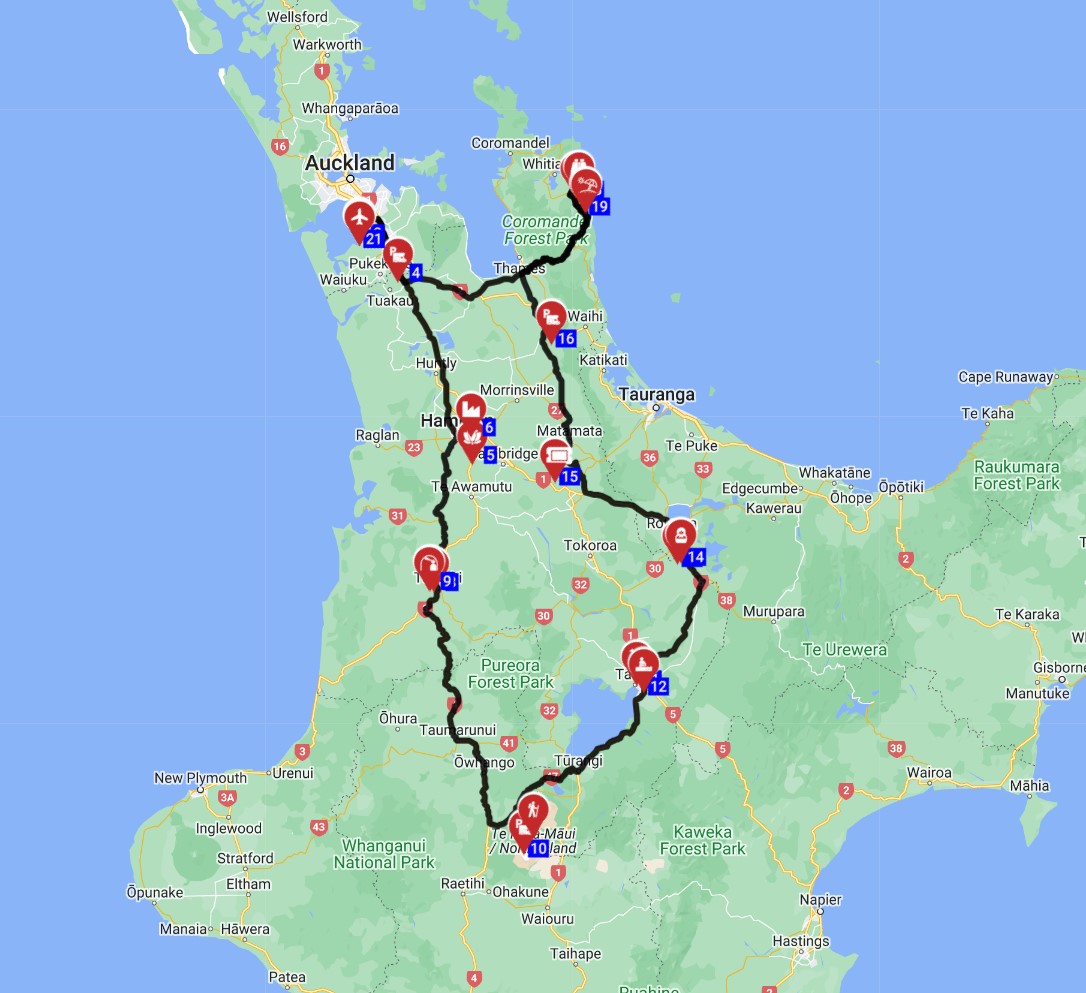
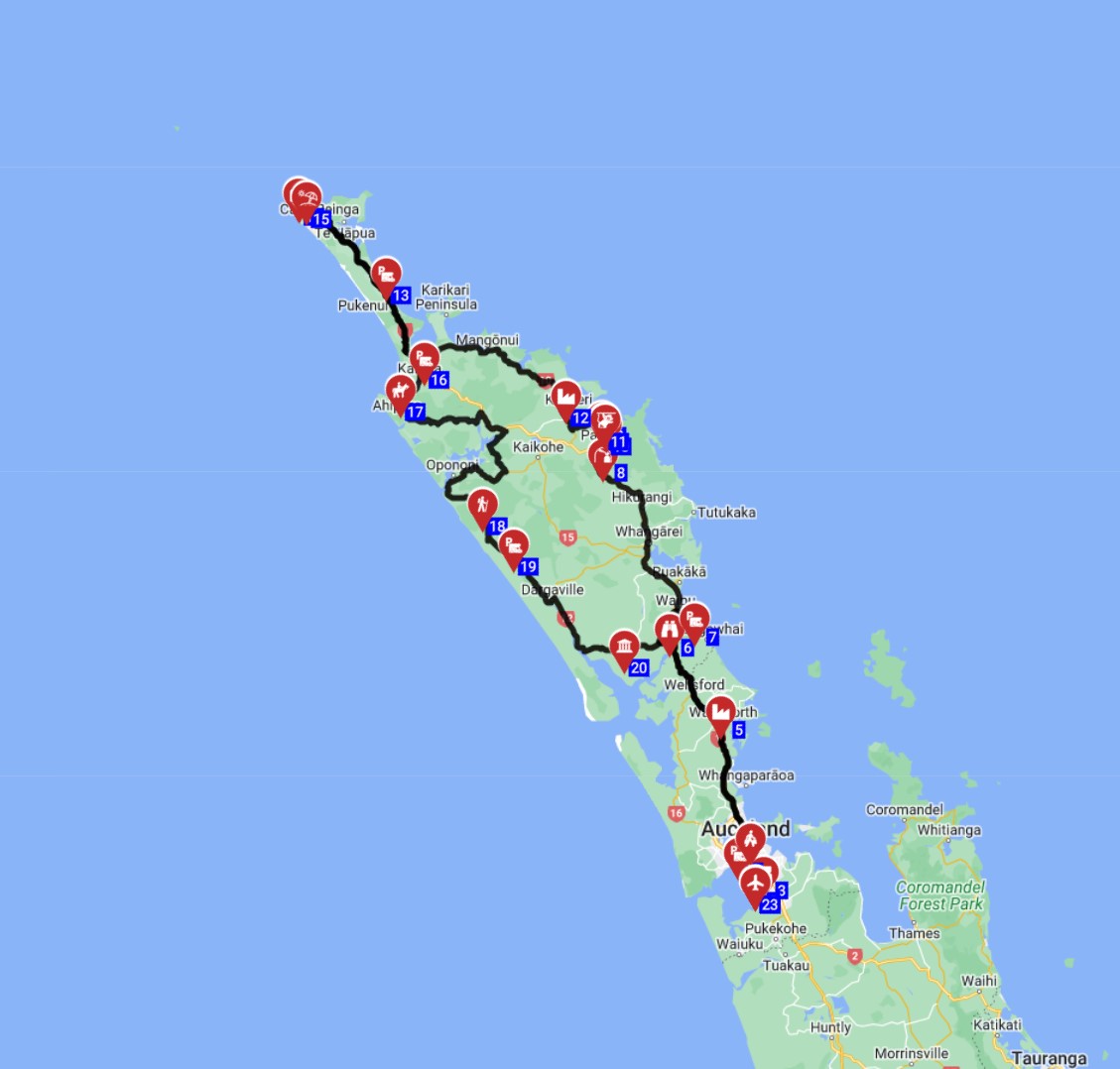
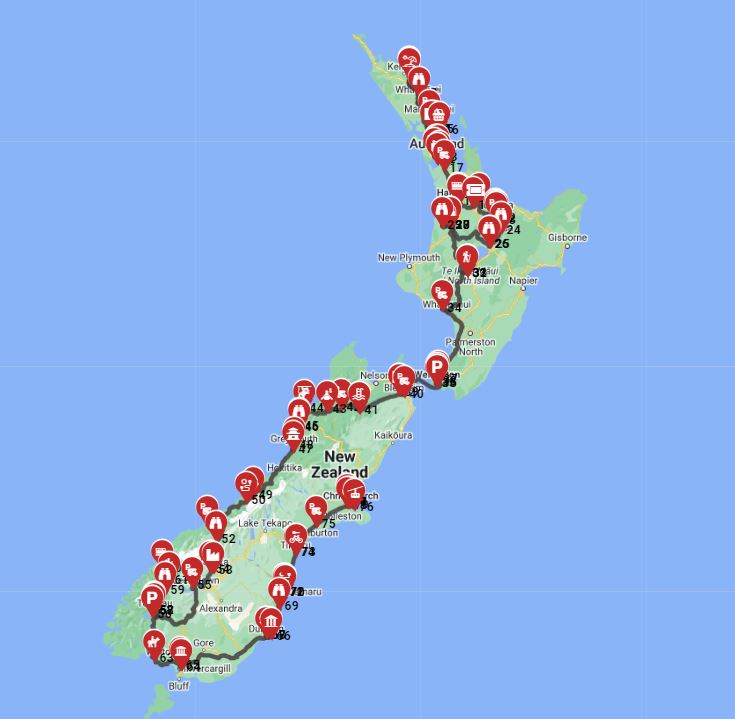
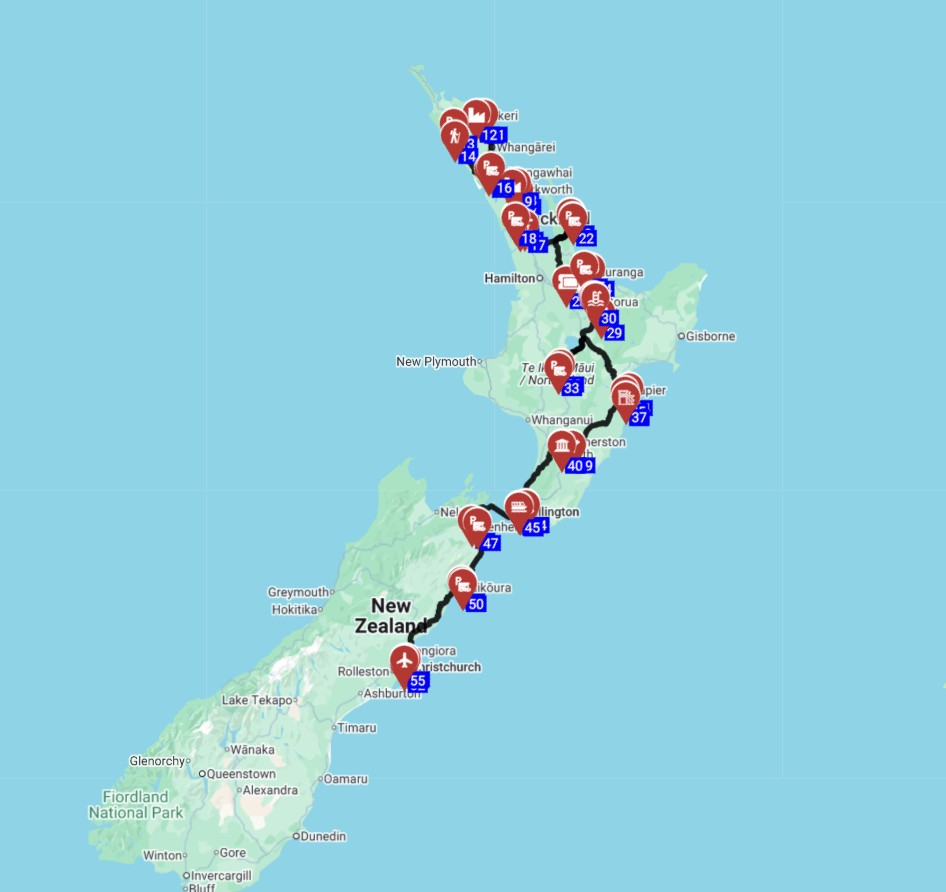
Avi suggests these meticulously crafted itineraries from RV PLANET, designed by professionals who know New Zealand:
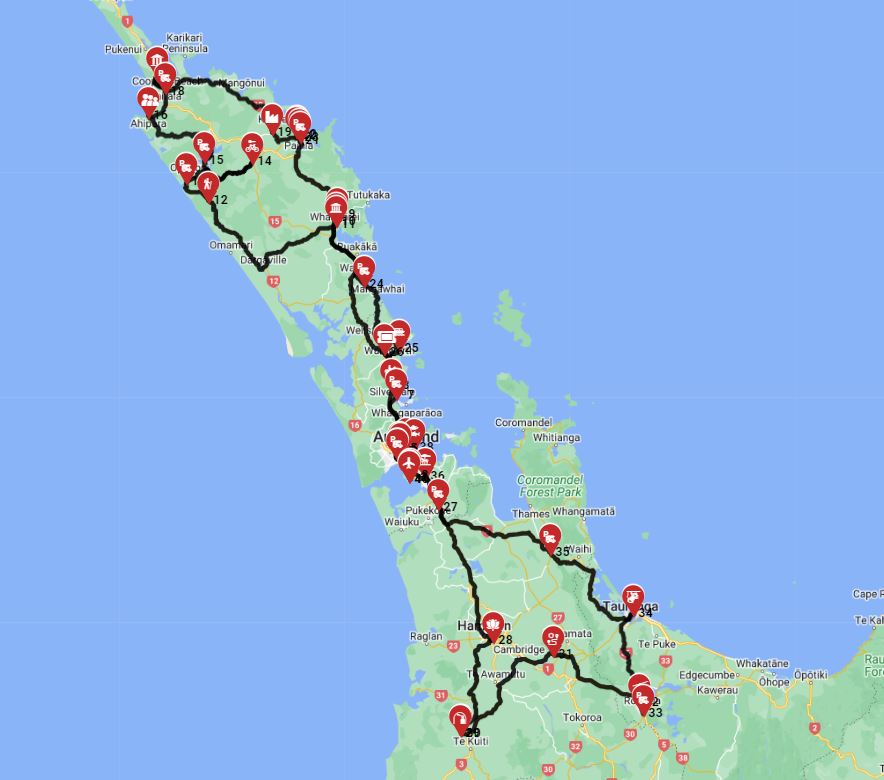
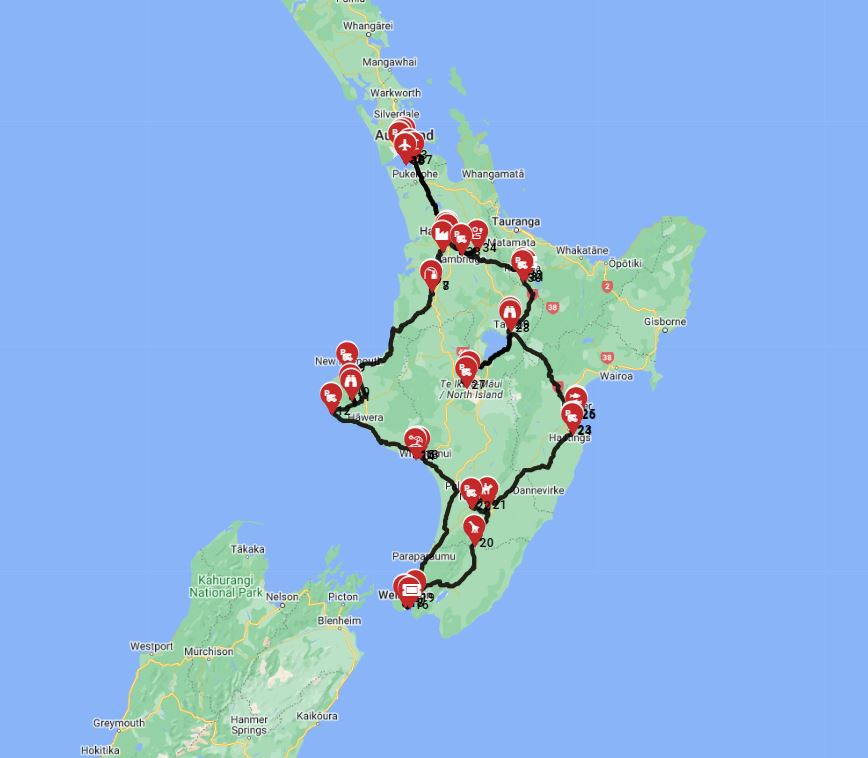
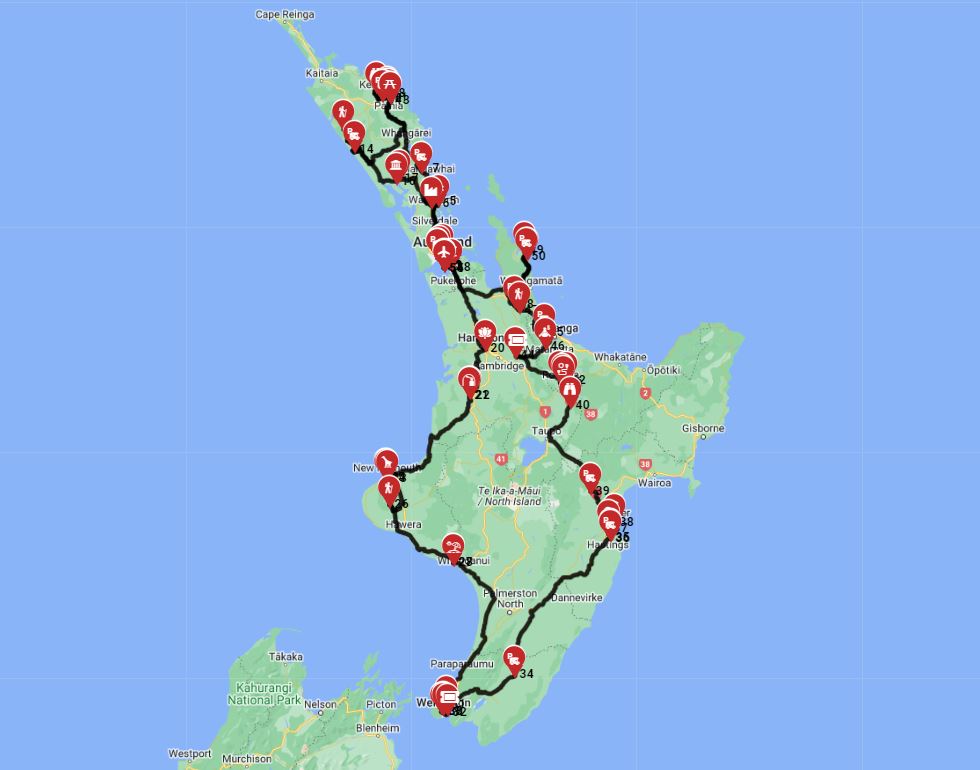
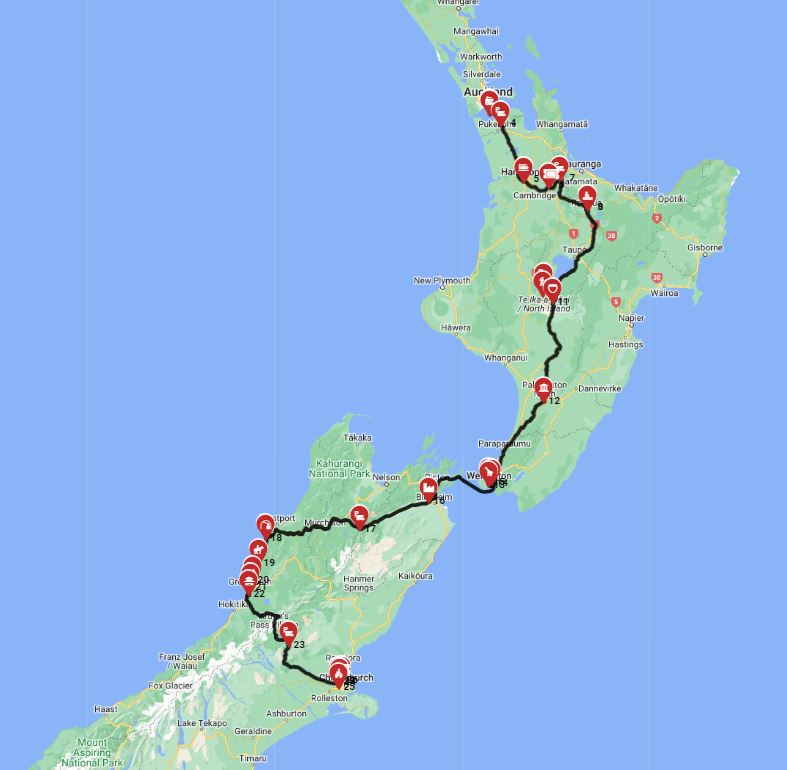
This 25-day, 4060.2 km route takes you from Auckland to Christchurch, including 4 wildlife watch opportunities, 3 museums, and 9 natural features, offering a truly comprehensive experience of both islands.
For those focusing on the South Island, this 18-day, 2647.3 km roundtrip from Christchurch highlights 5 hiking areas, 3 local industries, and 4 natural features, letting you immerse yourself in the rugged beauty. You can even personalize this route through RV PLANET for a 25% planning discount.
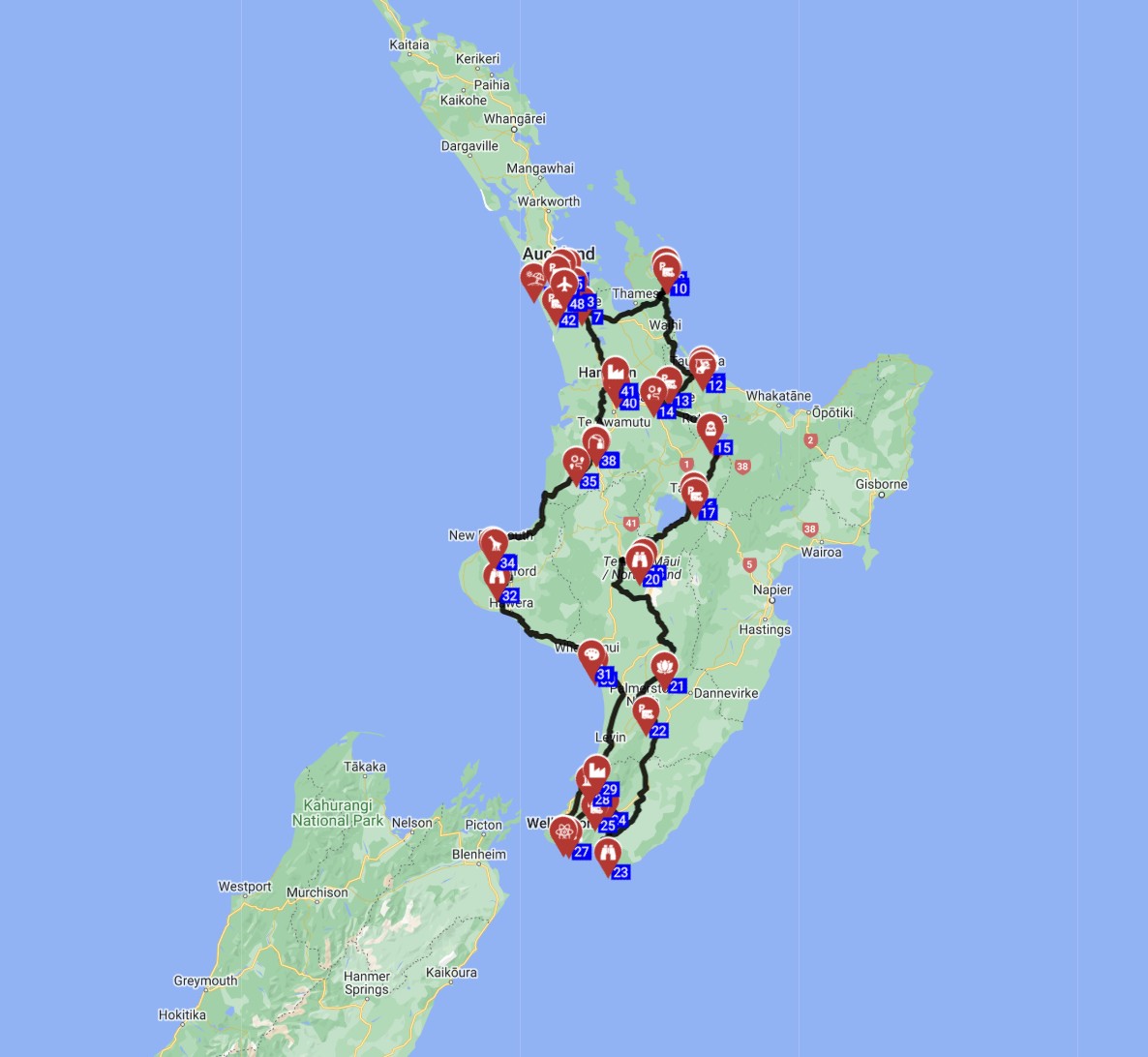
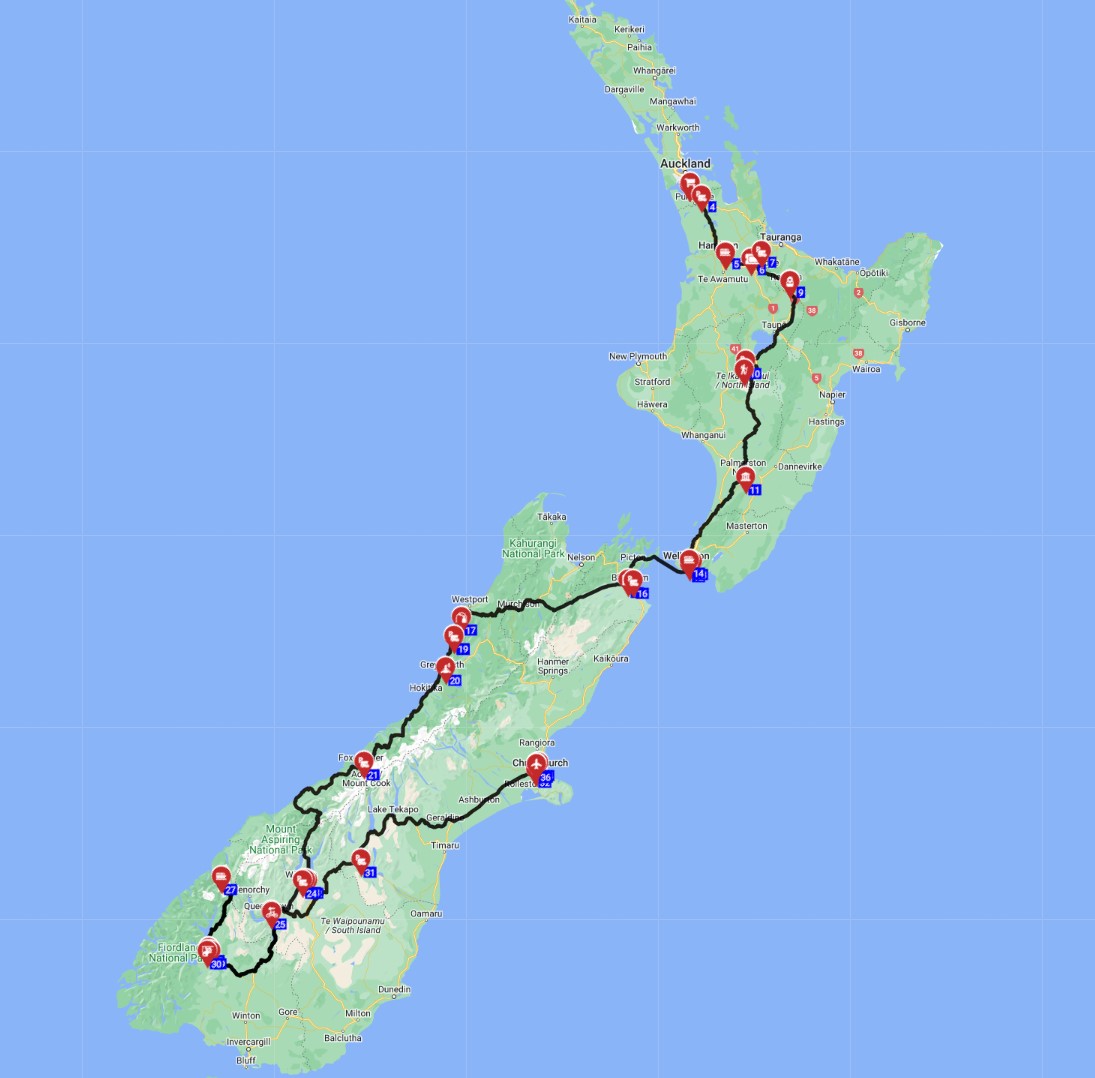
Experience "The Great Kiwi Road Trip" on this 18-day, 2830.2 km adventure from Auckland to Queenstown, including 2 scenic routes, 2 tourist attractions, and a zoo, ensuring a diverse and exciting journey.
Final Thoughts
Embracing a rental motorhome adventure in New Zealand is an unparalleled way to discover its stunning natural beauty and vibrant culture. With the right preparation, understanding of local customs, and a flexible mindset, you're set for a journey of a lifetime. Remember to savor each moment, travel slowly, and let the magic of New Zealand unfold around you.
Whether you're planning a week-long trip to explore the South Island's glaciers or a two-week adventure from Auckland to Queenstown, a rented RV offers the ultimate freedom and comfort. Trust in our expertise, transparent pricing, and robust support to make your New Zealand road trip dreams a reality. Compare Motorhome Prices for New Zealand now and start planning your unforgettable escape!