In This Guide
- Top 5 Tips for RV Rental in Germany
- Before You Book - Class, Dates, Insurance
- Pre-Trip Prep - Packing Checklist for Germany
- On the Road - Driving, Fueling, Navigation
- At the Campground - Setup, Hookups & Etiquette
- RV Rental-Specific Tips for Germany
- Common Mistakes to Avoid in Germany
- What are Stellplätze in Germany and how do they differ from campsites?
- What are the RV driving laws and environmental zone rules in Germany?
- How much does an RV trip to Germany cost beyond the rental fee?
- Do I need a special driver's license to rent an RV in Germany?
- What is the best time of year to rent an RV in Germany?
- Can I travel with pets in an RV rental in Germany?
- What are some off-the-beaten-path RV routes in Germany?
- Top Cities for RV Rental in Germany
- Why Book with Bandana Caravan
- Final Thoughts
- Frequently Asked Questions
Embarking on an RV adventure in Germany promises a unique blend of majestic castles, vibrant cities, and serene natural landscapes. This guide provides essential tips for a smooth and unforgettable motorhome or campervan rental experience across Germany, ensuring you're well-prepared for the open road. For live availability and current prices, start with our RV Rental Germany - Complete Guide 2026 guide.
Top 5 Tips for RV Rental in Germany
Securing your preferred RV model and dates for a German road trip requires booking well in advance, especially during peak seasons like summer or Oktoberfest, where demand can increase prices by 20-30%.
Understanding Germany's distinct road rules, including varied speed limits for different RV weights and the necessity of environmental zone stickers for city access, is crucial for a compliant journey. For instance, an RV like the "K125", a campervan with a 2.2 liter engine and manual transmission, offers great maneuverability for city driving.
Utilizing Stellplätze, dedicated RV parking spots, offers a cost-effective and convenient alternative to traditional campgrounds, with many providing basic services for free or a low fee of €5-€20 per night. These spots are often strategically located near towns or attractions, making spontaneous stops simpler.
Choosing an RV class appropriate for your group size and desired comfort level is key, keeping in mind that Germany's diverse road conditions, from Autobahns to scenic backroads, favor different vehicle types. For instance, a compact campervan like the "Campervan for 2 - Automatic" (equipped with front air conditioning and a shower) is ideal for couples navigating charming villages, while a larger Class C motorhome such as the "Euro Deluxe" (featuring three double beds and roof air conditioning) provides ample space for larger families.
Planning a flexible itinerary that allows for spontaneous stops and deeper exploration of local culture will greatly enhance your adventure, as Germany offers countless hidden gems off the main routes. Remember to travel slowly, max 100-150 km per day on average, to fully immerse yourself in the scenery, culture, and food.
Before You Book - Class, Dates, Insurance
When selecting an RV class for your German adventure, consider the number of travelers, luggage capacity, and whether you prioritize compact maneuverability for city driving or spacious comfort for longer trips.
Compact campervans like the "Category Van" (ideal for a couple, with front air condition, shower, and toilet) are excellent for navigating smaller towns and scenic routes, offering a convenient way to immerse yourself in local life. For families, Class C motorhomes such as the "Comfort Family 5" (which can accommodate up to 5 people and often includes roof air conditioning and a shower) provide more amenities and living space. Larger Class A motorhomes, exemplified by a "Luxury" model (often including luxury features like TV and additional sleeping areas), offer the most spacious and luxurious experience for those seeking premium comfort on their journey through Germany. Remember, while a large RV can feel imposing at first, driving slowly and carefully allows you to navigate almost anywhere without issues, and there's no need to stress about it - just use common sense and pay attention.
Locking in your rental dates as early as possible is crucial, especially if you plan to travel during popular events like Oktoberfest, Christmas markets, or school holidays. While booking 6-12 months ahead can often secure better rates and a wider selection of vehicles for 2026, many national and state parks reserve 25-30% of their spots for spontaneous travelers on a first-come, first-serve basis. This means you don't always need to book a year in advance; you'll find a spot, and if not at the first campground, then the next one. Always call ahead before driving.
Regarding insurance options, basic third-party liability and comprehensive insurance (with an excess) are typically included in your RV rental package in Germany. You can upgrade to a top-level deductible for extra peace of mind, which often reduces your out-of-pocket liability in case of an incident. Our platform allows you to compare final prices across suppliers, ensuring full transparency in what you see is what you pay, with no surprise fees at pickup, which includes clearly showing available insurance add-ons.
Pre-Trip Prep - Packing Checklist for Germany
Preparing a thoughtful packing list tailored to Germany's climate and RV travel style ensures a smooth journey, balancing comfort with practicality for your mobile home on the road.
Remember that while many campsites offer amenities, having personal items enhances comfort, particularly for cooking and overnight stays. Consider that a typical rented motorhome like the "MHC28" comes with a 160-liter fresh water tank and 210-liter waste water tank, providing ample capacity for several days of travel before needing to refill or empty. Kitchenettes usually include a stove and refrigerator, perfect for preparing meals using fresh local ingredients.
- European power adapter (Schuko plug) for 230V outlets
- Reusable water bottle and coffee cup
- Small backpack for day trips and hikes
- Sunscreen and hat for summer excursions
- Layers of clothing, as even in summer, evenings can be cool, especially in mountainous regions
- Comfortable walking shoes for exploring cities and trails
- Rain jacket or umbrella, essential for unpredictable European weather
- Basic cooking essentials (salt, pepper, oil, coffee) if not provided with your rental RV-friendly recipes playlist
- Dish soap and sponge for keeping your RV kitchen tidy
- Reusable shopping bags, common in German supermarkets
- First-aid kit with basic medical supplies
- Reflective safety vest (required by law in Germany)
- Warning triangle (required by law in Germany)
- Valid driver's license (an International Driving Permit is recommended for non-EU visitors but not mandatory)
- Passport/ID cards for border crossings and identification
- RV rental confirmation and insurance documents
- Credit cards and some Euros in cash for smaller purchases or fees
On the Road - Driving, Fueling, Navigation
Navigating Germany's roads in your rented RV is an exciting experience, but requires attention to local regulations and driving practices to ensure a smooth journey.
When driving your motorhome in Germany, familiarize yourself with local speed limits; generally, RVs up to 3.5 tons have a limit of 100 km/h on Autobahns, while heavier RVs (over 3.5 tons) face stricter limits, typically 80 km/h on Autobahns and 60 km/h outside urban areas. Drive slowly and carefully, and you can drive almost anywhere without issues. No need to stress - just use common sense and pay attention, even in cities. Always be mindful of environmental zones ('Umweltzonen') in German cities, which require a specific sticker ('Umweltplakette') to avoid fines, and your rental provider should typically provide this sticker. For more detailed information on specific routes and regulations, our "Family RV Driving in Germany - Safe Routes 2026" itinerary provides great insights.
Fueling is straightforward: most service stations ('Tankstelle') across Germany accept international credit cards, and many also have convenience stores. Diesel ('Diesel') is the most common fuel type for motorhomes, but always double-check your vehicle's requirements at pickup. Running out of fuel on the Autobahn is considered an avoidable emergency and can result in fines, so plan your stops meticulously. For longer journeys, consider a Class C motorhome like the "C-30" with its 208-liter fuel tank for extended range.
Navigation systems, either built-in to your rented motorhome or via smartphone apps like Google Maps or offline apps such as Maps.me, are highly recommended to avoid complex routes and find specific Stellplätze or campsites. Be aware that some narrow village roads may be challenging for larger RVs; consider setting your GPS to 'RV mode' if available, which can suggest routes more suitable for larger vehicles. Remember, slow travel, averaging max 100-150 km per day, allows you to fully enjoy the scenic beauty and local stops, rather than rushing through.
🎬 Video coming soon
At the Campground - Setup, Hookups & Etiquette
Upon arrival at a German campsite or Stellplatz, selecting your spot is often the first step; look for designated RV pitches that offer level ground, which will make setting up your rented motorhome much easier.
Once parked, the general setup order is to first connect your electricity (using your European power adapter), then your fresh water hose (if available), and finally position your grey water hose for drainage into a designated receptacle. Many campsites offer 230V electrical hookups, and some larger motorhomes, like a "6 Berth Deluxe", often feature generous fresh and waste water tanks (e.g., 100-150 liters) to reduce the frequency of service stops.
Adhering to local etiquette is essential: German campsites often have strict quiet hours, typically from 10 PM to 7 AM, during which excessive noise is discouraged. Always keep your pitch tidy, dispose of waste properly in designated bins, and be considerate of your neighbors by not encroaching on their space. For finding campsites and campgrounds during your trip, we recommend using RV PLANET (rvplan.net) - a great resource for locating available spots along your route, distinguishing between full-service campsites and basic Stellplätze. Our guide to "Cheap RV Camping in Germany - Budget Sites 2026" also provides further valuable tips.
RV Rental-Specific Tips for Germany
Tailoring your RV trip to Germany to your group's specific needs can greatly enhance the experience, ensuring everyone enjoys the journey, whether you're a family, a senior couple, or a budget-conscious traveler.
For Families: Choose a rental RV with adequate sleeping arrangements and consider models with separate living and sleeping areas for nap-friendly drives or quiet evenings after the kids are asleep. A Class C motorhome like the "Euro Deluxe" provides ample space with three double beds. Pack entertainment for children, such as books, games, or tablets, and actively look for campsites with playgrounds or family-friendly activities. Slow travel, averaging 100-150 km per day, is particularly beneficial for families, allowing children more time to explore and prevent travel fatigue.
For Seniors: Prioritize ergonomic RV classes that offer easy entry/exit, comfortable beds, and accessible bathroom facilities. Many modern semi-integrated motorhomes, such as a "Luxury Small" model, offer thoughtful layouts and automatic transmissions for easier driving. Opt for an automatic transmission for smoother driving and consider rentals that include satellite navigation to simplify route finding. Always confirm features like a 100-liter fresh water tank and an enclosed chemical toilet are included for self-sufficiency.
For Budget Travelers: Maximize your savings by utilizing 'Stellplätze' for free or low-cost overnight stays, which are abundant throughout Germany and can significantly cut down on accommodation expenses. Preparing most meals in your rented RV kitchen using ingredients from local supermarkets like Aldi and Lidl can drastically reduce food costs. You can find inspiration and practical ideas in our RV-friendly recipes playlist. Planning routes that minimize fuel consumption by avoiding unnecessary detours also contributes to saving money, and on RV PLANET routes, travelers can itemize and track every expense along the way for easy budgeting. On the routes offered through RV PLANET routes, you can itemize and track every expense along the way for easy budgeting.
For Luxury Travelers: Explore premium motorhome models, often Class A or high-end semi-integrated RVs, with integrated amenities like larger showers, entertainment systems, and comfortable lounges. Inquire about add-ons such as bedding packages, gourmet kitchen sets, and bicycle racks to further enhance your comfort and experience. A "Class A - Integrated" model like the "Active First" features a front air conditioner, shower, and toilet for a truly luxurious journey through Germany.
Common Mistakes to Avoid in Germany
To ensure a stress-free and enjoyable RV rental experience in Germany, awareness of common pitfalls can save you time and money.
Not understanding 'Umweltzonen' (Environmental Zones) is a frequent mistake. Instead, confirm your RV rental has the required green 'Umweltplakette' (emission sticker) if you plan to drive into German cities; check directly with your rental provider upon pickup. Failing to display this sticker can result in fines of €80 or more.
Underestimating driving times is another common oversight. German roads can be busy, especially during peak hours, and RVs have lower speed limits than cars, often 100 km/h on Autobahns and 80 km/h on other major roads, so factor in extra time for travel between destinations and spontaneous scenic stops. Slow travel, averaging 100-150 km per day, is a great way to ensure you don't feel rushed.
Overlooking 'Stellplätze' can lead to higher accommodation costs. Relying solely on traditional campsites can be more expensive, with nightly rates typically ranging from €20 to €50+. Instead, leverage the extensive network of Stellplätze for convenient and often free or low-cost overnight parking, typically €5-€20, which often provide basic services like fresh water and waste disposal. Our "Cheap RV Camping in Germany - Budget Sites 2026" article provides more details.
Ignoring waste disposal regulations is not only impolite but can also lead to fines. Wild camping (overnight parking outside designated areas) is generally not permitted in Germany, with exceptions only for short, restorative stops, and improper waste disposal can result in penalties. Always use designated waste and grey/black water disposal points at Stellplätze or campsites, which are readily available and clearly marked.
Failing to book ahead during peak season for popular RV models and desirable campsites can lead to disappointment. Instead, secure your rental and key campsite reservations months in advance, particularly for summer, Oktoberfest (late September to early October), or Christmas market periods (late November through December), to ensure availability and potentially better rates. However, remember that many national parks hold back 25-30% of spots for last-minute arrivals, so even spontaneous trips have options; always call ahead for availability.
What are Stellplätze in Germany and how do they differ from campsites?
Stellplätze are dedicated, often minimalist, parking areas specifically for RVs in Germany, typically offering basic services like electricity and water, distinguishing them from more amenity-rich traditional campsites.
These specialized spots are common across Germany, frequently found near towns, attractions, or scenic routes, providing a convenient and often cheaper alternative to full-service campsites. While Stellplätze usually offer basic hookups such as electricity (for which you'll need a European power adapter) and fresh water, and sometimes waste disposal facilities, they generally lack extensive amenities like showers, toilets, laundromats, or recreation facilities that are standard at traditional campgrounds. Unlike wild camping, which is generally prohibited in Germany (with exceptions for short, restorative stops), Stellplätze offer a legal and preferred option for short-term stays, often for 1-3 nights. Etiquette at a Stellplatz includes paying any required fees (usually collected via an automated machine or by a local attendant), respecting quiet hours (typically 10 PM to 7 AM), and disposing of waste responsibly. Travelers can locate them using resources like the 'promobil Stellplatz Atlas' or popular apps such as Park4Night.
What are the RV driving laws and environmental zone rules in Germany?
In Germany, motorhomes are subject to specific traffic laws, including differentiated speed limits based on vehicle weight and mandatory environmental stickers for designated urban 'Umweltzonen'.
For rented RVs up to 3.5 tons, speed limits are generally 100 km/h (62 mph) on Autobahns (motorways), 100 km/h on non-urban roads, and 50 km/h (31 mph) in urban areas, similar to passenger cars. However, heavier RVs (over 3.5 tons) face stricter limits, typically 80 km/h (50 mph) on Autobahns and 60 km/h (37 mph) outside urban areas. It's always best to check the specific weight of your rented motorhome, such as a "MHC24" with its 7.3-meter length, to ensure compliance. Environmental zones ('Umweltzonen') in many German cities require a specific 'Umweltplakette' (emission sticker) to enter, with fines of €80 or more for non-compliance; your rental provider should typically supply this sticker. Drive slowly and carefully, and you can drive almost anywhere without issues. No need to stress - just use common sense and pay attention.
Toll roads for heavier vehicles (over 7.5 tons) mainly apply to commercial trucks and not typically to standard rental motorhomes or campervans, though it's always wise to confirm if your vehicle's Maximum Authorized Mass (MAM) falls into this category. Winter tire requirements are situational, meaning that if winter conditions (ice, snow, slush) are present, winter tires (marked with a M+S symbol or Alpine symbol) are legally mandated between October and Easter, regardless of the vehicle type, so check rental policies for winter trips. For a week-long trip, you might cover significant distances, and understanding these rules is key, as highlighted in our "Weekly RV Rental in Germany - Pricing 2026" guide.
How much does an RV trip to Germany cost beyond the rental fee?
An RV trip to Germany involves various costs beyond the rental fee, including significant expenses for fuel, varied campsite or Stellplatz fees, and daily grocery spending, making a realistic budget crucial.
Fuel will be a primary expense, as Germany typically has higher fuel prices compared to many other countries in Europe, with diesel currently averaging around €1.70-€1.90 per liter, making efficient driving and route planning important. Campsite fees can range from €20 to €50+ per night depending on amenities and location (e.g., a 5-star park versus a basic site), while Stellplätze are often free or cost between €5-€20 for basic services. Grocery costs are generally comparable to other Western European countries, and cooking most meals in your rented RV kitchen (which often includes a 90-liter refrigerator, like in the "Explorer" model) can significantly reduce food expenses compared to dining out. For example, a family of four might spend €60-€80 daily on groceries and an average of €30 on campsites.
Potential unexpected fees might include parking fines (if you don't adhere to local rules), tolls for specific routes (though most rental RVs do not incur truck tolls), or additional insurance deductibles if you haven't opted for a top-level deductible reimbursement. Other costs could include propane refills (a 9 kg gas bottle might last 1-2 weeks for cooking and heating), dump station fees (€2-€5), and public transport if exploring cities. For easy budgeting and tracking all these ancillary costs, RV PLANET routes allow travelers to itemize and track every expense along the way.
Do I need a special driver's license to rent an RV in Germany?
A standard car driver's license is sufficient for ALL motorhome classes (Class A, Class B, and Class C) rented from Bandana, as we only rent vehicles up to 3,500 kg Maximum Authorized Mass (MAM).
For most typical rental RVs in Germany with a Maximum Authorized Mass (MAM) up to 3,500 kg (3.5 tons), a standard Category B driver's license, issued in the EU/EEA, or an equivalent international license for non-EU visitors, is sufficient. An International Driving Permit (IDP) is recommended for visitors from non-English-speaking countries like Germany, as it provides a translation of your license, but it is NOT mandatory in most cases. This means that a couple renting a "Luxury Small" campervan with a 2.3-liter diesel engine or a family opting for a "Group D" Class C motorhome (under 3,500 kg) will only need their regular car license. Always confirm the specific license requirements with your rental company and check the vehicle's registration documents for its MAM before booking to be absolutely sure, though our partners primarily offer vehicles that fall under the standard B license.
What is the best time of year to rent an RV in Germany?
The best time of year to rent an RV in Germany largely depends on your travel preferences, with late spring (May-June) and early autumn (September-October) offering ideal weather and fewer crowds.
For pleasant weather and full access to outdoor attractions and scenic routes, late spring (May-June) provides mild temperatures, vibrant green landscapes, and fewer tourists than the peak summer months, with average temperatures around 15-20°C (59-68°F). Early autumn (September-October) is also ideal, offering comfortable temperatures, beautiful fall foliage, and opportunities to experience harvest festivals or the famous Oktoberfest (late September to early October in Munich). Summer (July-August) is the peak season, popular for lakes, mountains, and cultural festivals, but it brings higher prices (often 20-30% more) and more tourists, requiring bookings 3-6 months in advance. Our "RV Rental in Germany - Prices and Best Deals 2026" guide offers more pricing seasonality details.
If you're interested in specific events, Oktoberfest typically runs from late September to early October in Munich, and enchanting Christmas markets are prevalent across Germany from late November through December. Winter (November-April) RVing is certainly possible for enthusiasts of winter sports or those wishing to experience festive markets, though some campsites may close, and specialized equipment like winter tires are legally mandated in snowy or icy conditions. Each season offers distinct advantages, from spring blossoms and fall foliage to unique cultural immersion opportunities, making Germany a versatile RV destination year-round. For winter trips, our "Winter RV Rental in Germany - Pricing Guide 2026" provides essential advice.
Can I travel with pets in an RV rental in Germany?
Traveling with pets in an RV rental in Germany is generally permissible, provided you adhere to specific German regulations and ensure your rental company allows pets, which many Bandana partners do for an additional fee.
Many RV rental companies in Germany offer pet-friendly vehicles, often for an additional cleaning fee ranging from €50-€150; it is crucial to confirm this policy directly with the provider before booking. Specific German regulations require pets, particularly dogs and cats, to have a valid EU Pet Passport, be microchipped, and be vaccinated against rabies at least 21 days prior to entry. These requirements align with the broader "RV Rental Europe - Complete Guide 2026" regulations. A pet-friendly option might be a "Category Family 5 AT" Class C motorhome, which allows pets and provides enough space for both family and furry friends.
Additionally, ensure your pet is securely restrained while the RV is in motion, using a harness or carrier, to ensure safety for all passengers and prevent distractions to the driver. Be aware that not all attractions, restaurants, or campsites are pet-friendly, so research pet-friendly locations and potential attractions in advance using resources like local tourist offices or pet-friendly travel apps to ensure a smooth trip for both you and your companion. Taking a week-long trip with pets requires careful planning, but Germany offers many beautiful natural areas for walking and exploring with your furry friend.
What are some off-the-beaten-path RV routes in Germany?
Germany offers numerous off-the-beaten-path RV routes that provide unique cultural immersion and stunning landscapes away from typical tourist hotspots, perfect for slow travel at 100-150 km per day.
Consider embarking on the 'German Fairy Tale Route' (Deutsche Märchenstraße), which winds for approximately 600 km through picturesque towns and landscapes that inspired the Brothers Grimm, offering charming medieval villages, historical castles like Sababurg Castle, and captivating forests. This route, with over 15 distinct towns, offers an immersive experience into literary heritage. Another excellent option is the 'Deutsche Vulkanstraße' (German Volcano Route) in the Eifel region, a 280 km route showcasing geological wonders, volcanic lakes (maars), and thermal springs, featuring 39 geologically significant sites. For wine lovers, the 'Deutsche Weinstraße' (German Wine Route) in the Palatinate region provides a beautiful 85 km journey through vineyards, charming wine villages, and wine festivals, with numerous opportunities for wine tasting at over 50 local vineyards.
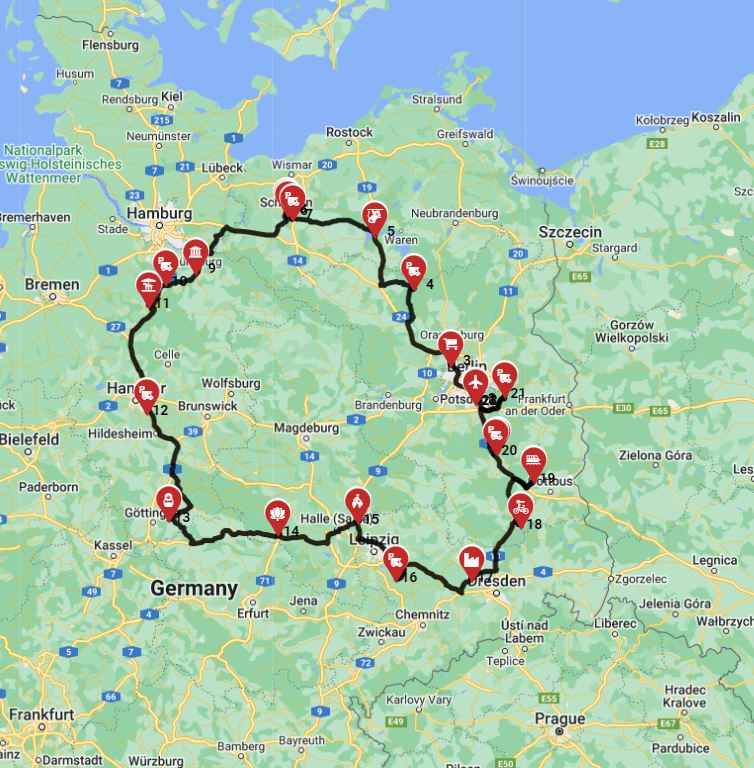
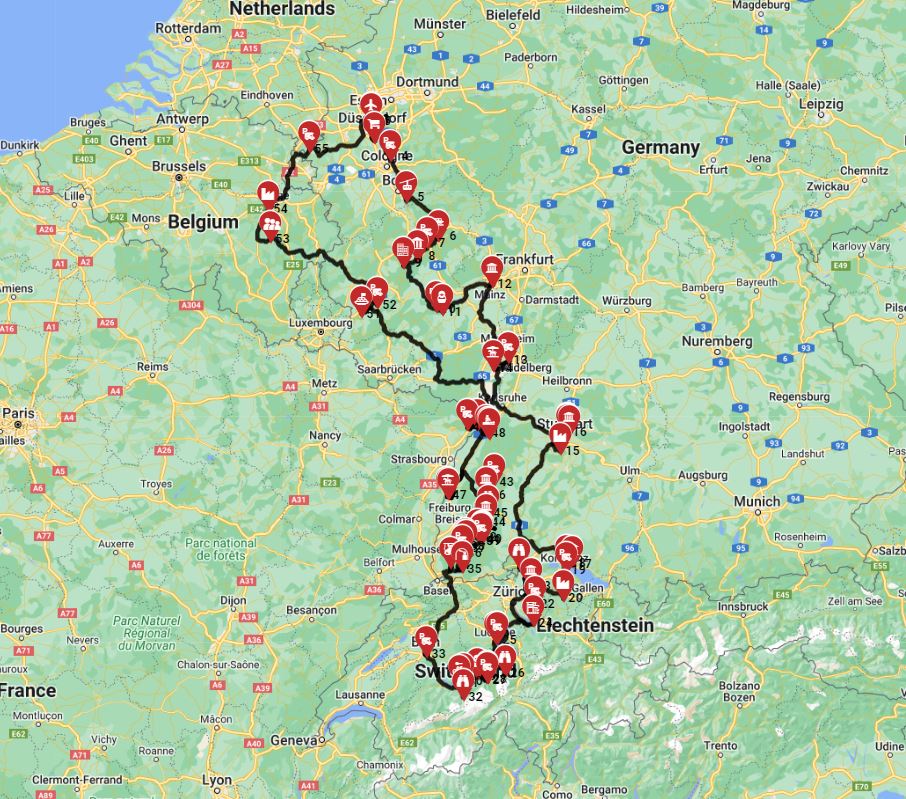
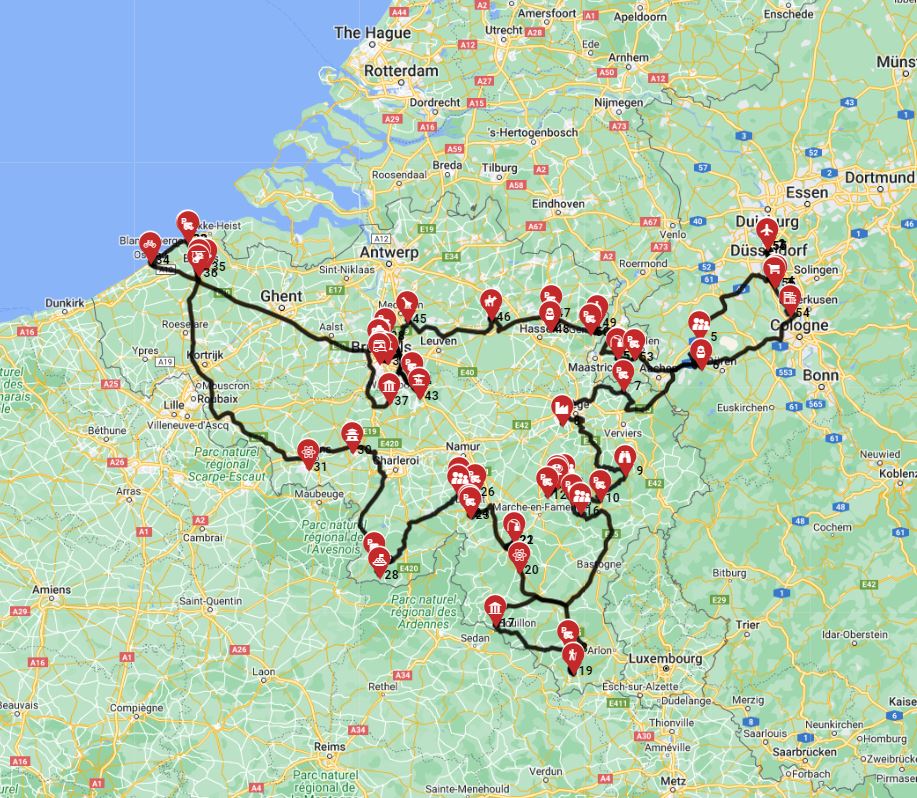
These routes encourage genuine cultural immersion by leading you through less-visited regions, allowing for authentic encounters with local traditions, cuisine, and untouched nature, often with ample Stellplatz options along the way for convenient overnight stays. For instance, the Frankfurt Roundtrip - North Germany - Including Hamburg & Berlin route plan, a 15-day, 2230.1 km adventure, includes 2 historical sites, 2 museums, and numerous local industries, offering a blend of history and culture, with opportunities to stop at cities like Hamburg and Berlin, while still allowing for exploration of smaller towns. Or consider the
Top Cities for RV Rental in Germany
Germany offers numerous fantastic cities for picking up your RV rental, each providing a unique gateway to different regions and adventures.
Berlin: As Germany's vibrant capital, Berlin offers a rich blend of history, culture, and modern attractions. Picking up your motorhome here allows you to explore iconic sites like the Brandenburg Gate and the Reichstag, then easily venture east towards the Baltic Sea or south into Saxony. Berlin serves as an excellent starting point for any extended road trip, including the "Frankfurt Roundtrip - North Germany - Including Hamburg & Berlin" route plan.
Munich: Located in Bavaria, Munich is the perfect launchpad for exploring the scenic Alps, the Romantic Road, and charming Bavarian villages. It's also famous for Oktoberfest, making it a popular pick-up location in autumn. From Munich, you can head to picturesque towns like Füssen, home to Neuschwanstein Castle.
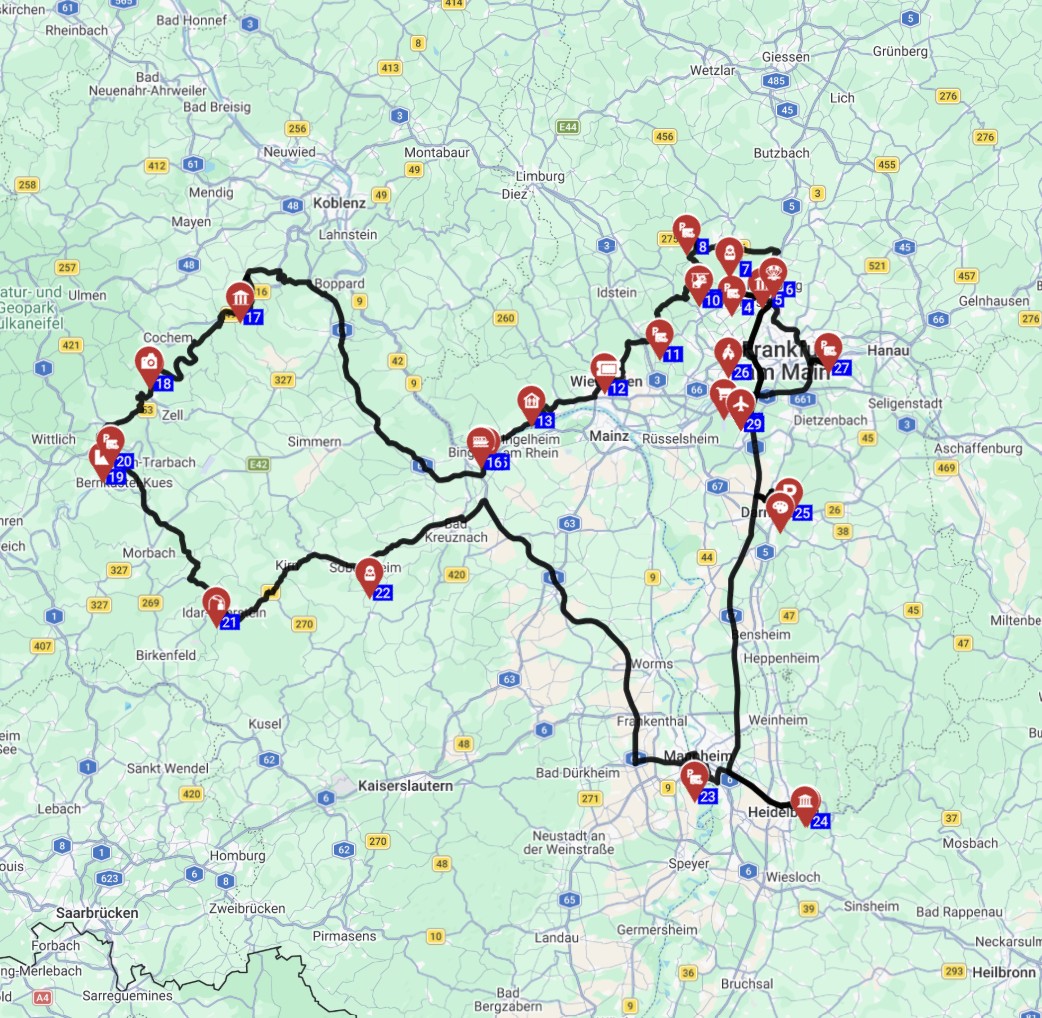
Frankfurt: This major transport hub in central Germany offers convenient access to various regions, from the Rhine Valley's castles and vineyards to the Black Forest. With direct access to Autobahns, you can quickly begin your journey, as shown in the "Frankfurt Round Trip - The Heart of Germany" itinerary. Frankfurt is an excellent choice for those wanting to cover diverse landscapes on their RV trip.
Hamburg: Germany's second-largest city and a major port, Hamburg provides a unique maritime flavor. Renting a campervan here allows for exploration of its impressive Speicherstadt (warehouse district) and bustling fish market, before heading north towards the North Sea coast or even into Scandinavia.
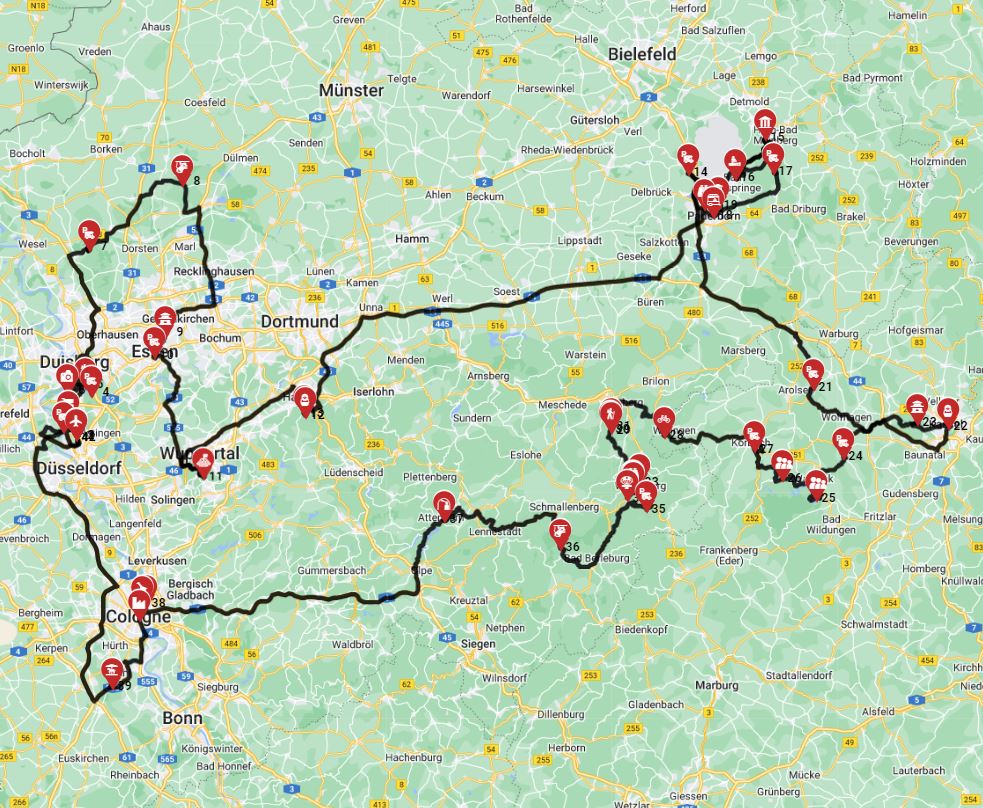
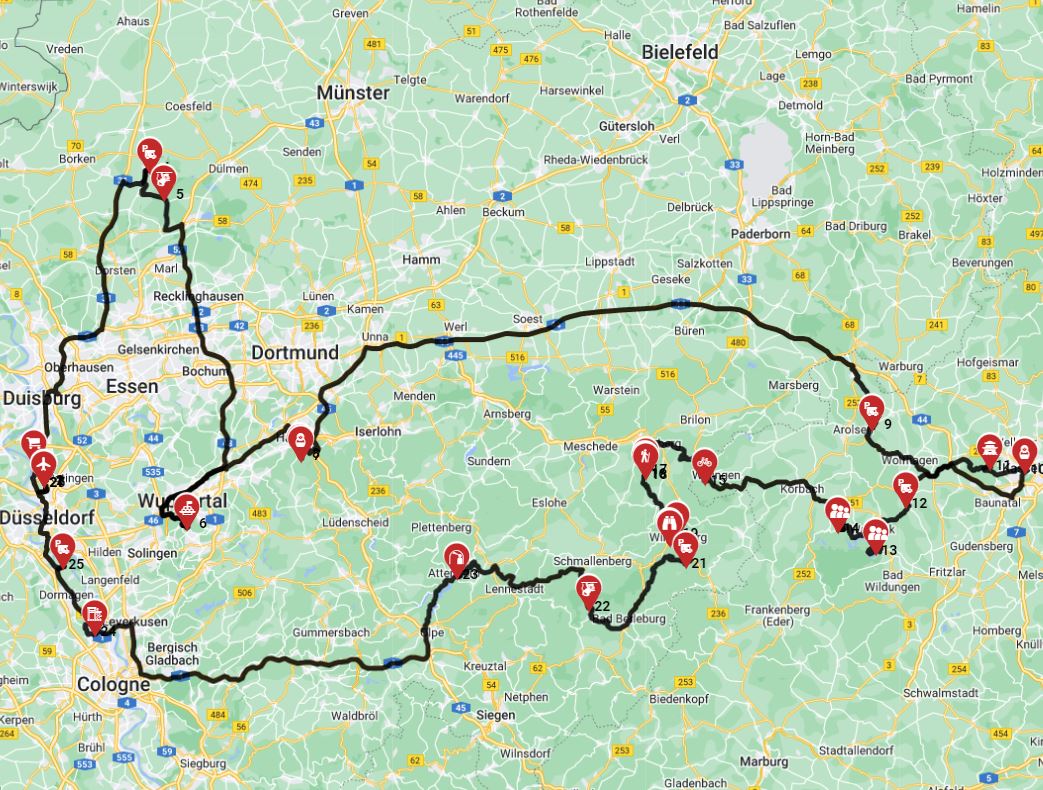
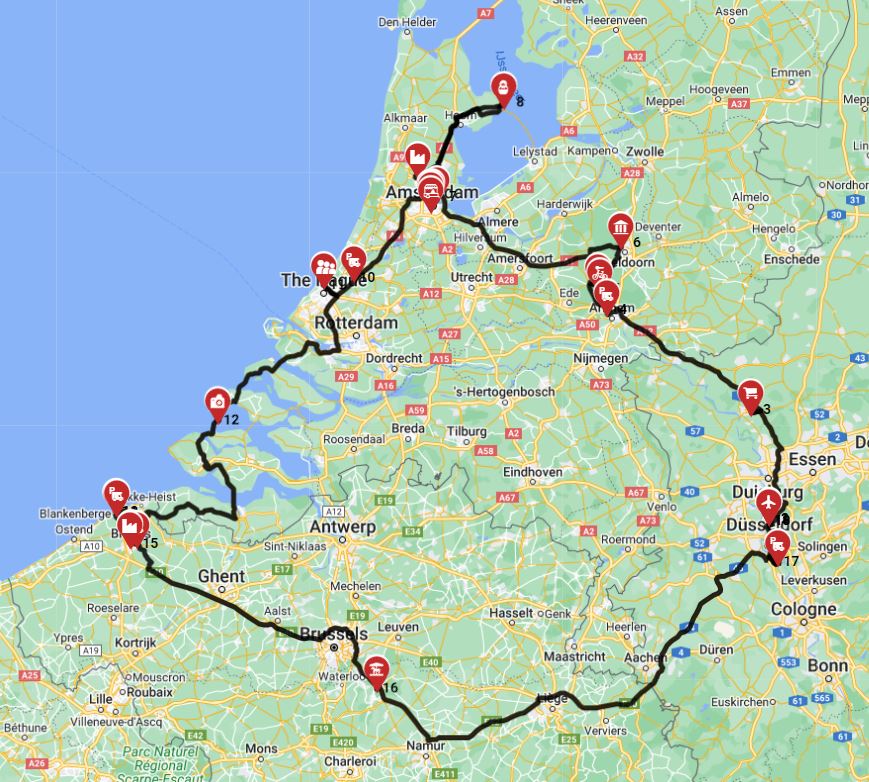
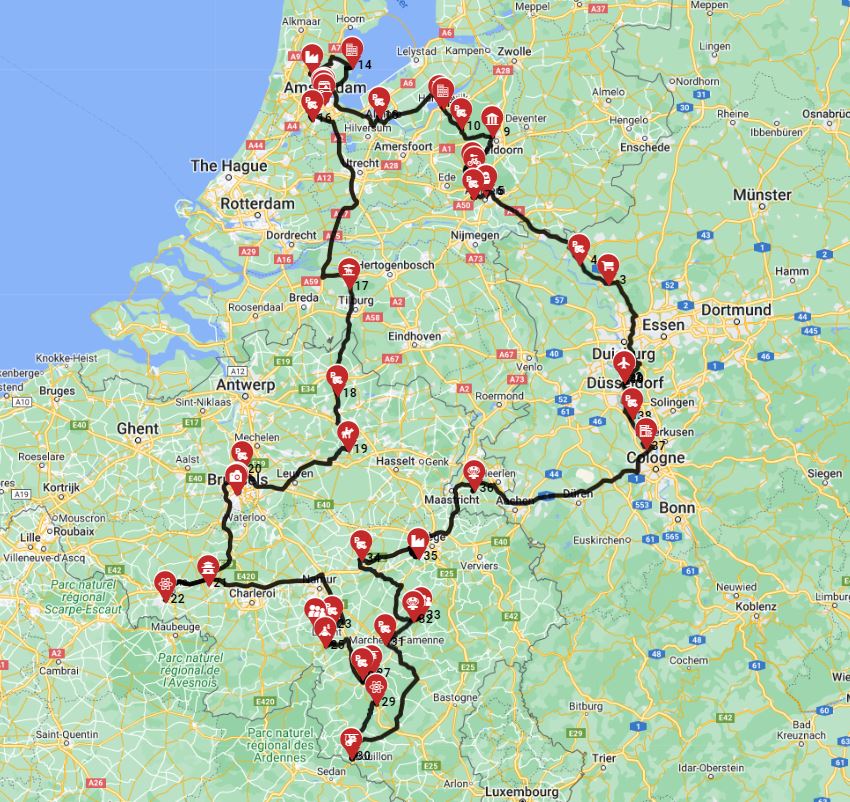
Cologne: Known for its stunning Gothic cathedral, Cologne is a fantastic base for exploring the Rhine and Moselle river valleys, dotted with medieval castles and vineyards. Its central location in North Rhine-Westphalia makes it easy to access both German and neighboring European attractions, such as those on the "Dusseldorf Roundtrip - Germany / Netherlands / Belgium" route.
Stuttgart: Situated in Baden-Württemberg, Stuttgart is ideal for accessing the Black Forest, Lake Constance, and the Swabian Alb region. It's also a hub for automotive enthusiasts, with the Mercedes-Benz and Porsche museums. An RV rental from Stuttgart offers a blend of nature and engineering marvels.
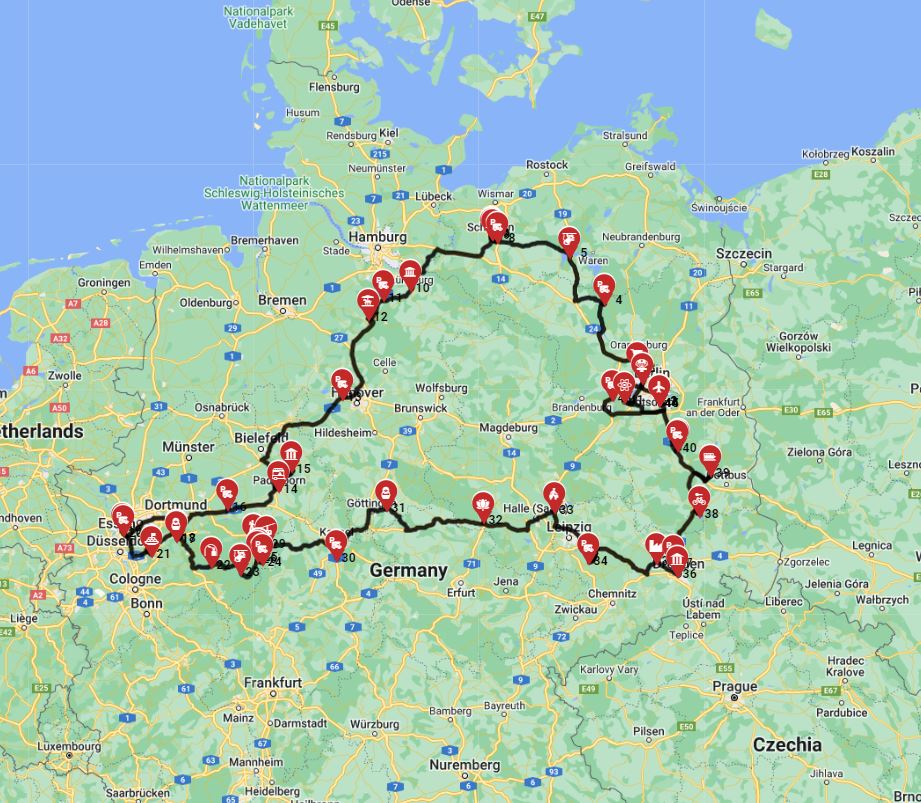
Dusseldorf: Another major city in North Rhine-Westphalia, Dusseldorf is known for its fashion and art scene. Its proximity to the Netherlands and Belgium makes it a great starting point for international RV adventures, as exemplified by the "Dusseldorf Roundtrip - Germany / Netherlands / Belgium" route. The city's excellent infrastructure ensures easy pickup and departure.
Final Thoughts
A motorhome or campervan rental in Germany offers unparalleled freedom to discover its rich history, vibrant culture, and breathtaking landscapes at your own pace. By keeping these essential tips in mind—from understanding local driving laws and embracing Stellplätze to planning a flexible itinerary—you're well on your way to an incredible adventure.
Remember, we're here to support you every step of the way, from pre-booking comparisons and expert advice to coordinating your rental details. Our goal is to make RV travel accessible, transparent, and joyful for everyone, so you can focus on making unforgettable memories on your German road trip.
Don't just dream about it – imagine yourself winding through the Black Forest, exploring Bavarian castles, or cruising along the Rhine River. Get inspired for your next trip and start planning your perfect RV adventure in Germany today!