In This Guide
- Top 5 Tips for Rv Rental in Australia
- Before You Book - Class, Dates, Insurance
- Pre-Trip Prep - Packing Checklist for Australia
- On the Road - Driving, Fueling, Navigation
- At the Campground - Setup, Hookups & Etiquette
- Rv Rental-Specific Tips for Australia
- Common Mistakes to Avoid in Australia
- What is the 3-3-3 rule for campervan?
- What are the drawbacks of renting an RV?
- How much does it cost to rent a RV in Australia?
- Can you park an RV anywhere in Australia?
- How much is a 1 week RV rental?
- Is it worth having a toilet in a campervan?
- Can US citizens rent a car in Australia?
- What not to do in Australia as an American?
- Is AUD$3000 enough for 2 weeks in Australia?
Australia, a land of breathtaking contrasts, offers an unparalleled adventure for travelers exploring by rented motorhome or campervan. Imagine waking up to the sound of kookaburras, brewing your morning coffee with an ocean view, or watching kangaroos graze as the sun sets over the outback. A rented RV provides the ultimate freedom to discover this vast continent's iconic landmarks, hidden gems, and vibrant cities at your own pace. For live availability and current prices, start with our RV Rental Australia - Complete Guide 2026 guide. We are true RV specialists, dedicated to making your Australian road trip dreams a reality, with full transparency and no hidden fees.
🎬 Video coming soon
Top 5 Tips for Rv Rental in Australia
Embarking on a motorhome adventure in Australia requires some thoughtful planning to ensure a smooth and memorable journey. The vast distances and unique landscapes of Australia mean a little preparation goes a long way. To truly experience the wonders of the country, it's wise to plan your travels slowly, aiming for an average of no more than 100-150 km per day. This allows you ample time to immerse yourself in the local culture, savor delicious food, and fully appreciate the stunning scenery.
- **Book well in advance, especially for peak seasons.** Australia's peak travel season (December-February, plus school holidays) sees high demand for popular rental motorhomes and campervans. Securing your booking 2-4 months ahead can often lead to better availability and potentially save you up to 25% on rental rates. For specific information, check out our "RV Rental in Australia - Prices and Best Deals 2026" or "RV Rental Deals in Australia - Latest Offers 2026".
- **Research Australian road rules, including for larger vehicles.** In Australia, driving is on the left-hand side of the road, and speed limits are measured in kilometers per hour. Drive slowly and carefully, and you can drive almost anywhere without issues. No need to stress - just use common sense and pay attention.
- **Plan your route with designated campsites in mind.** Australia has an extensive network of caravan parks and national park campgrounds. For finding campsites and campgrounds during your trip, we recommend using RV PLANET (rvplan.net) - a great resource for locating available spots along your route. You'll find a spot; if not at the first campground, then the next one. Call ahead before driving to confirm availability.
- **Budget for more than just rental fees.** Beyond the daily rental rate, typical ancillary costs for an RV trip in Australia include fuel, national park entry fees, campground fees (ranging from AUD$30-AUD$60 for a powered site), propane, and groceries. On RV PLANET routes, travelers can itemize and track every expense along the way for easy budgeting.
- **Opt for comprehensive insurance for peace of mind.** While basic insurance is included with your RV rental in Australia, you can upgrade to a top-level deductible reimbursement for extra peace of mind. This optional upgrade significantly reduces your financial liability in case of an accident or damage, ensuring a worry-free adventure.
Before You Book - Class, Dates, Insurance
Choosing an RV class depends on group size, comfort needs, and travel style, with options ranging from compact campervans for agility to larger motorhomes for family comfort and amenities. Consider a compact campervan like the "rv rental denver example Category Van" for a couple seeking flexibility, or a larger Class C motorhome such as the "rv rentals example Comfort Class" with 3 double beds for a big family of 4-6 people, perfect for extended road trips.
Locking in your rental dates 6-12 months ahead is advisable for peak season travel, which in Australia includes the summer months (December-February) and school holidays. However, flexible travelers can often secure better rates during off-peak times or even find last-minute deals due to dynamic pricing. Prices for rented motorhomes are dynamic, much like flight tickets; they change daily based on availability, seasonality, and supplier marketing decisions. The final price is set at the actual booking time.
Basic insurance is always included with your motorhome rental. To compare prices including the most comprehensive coverage, select that option during your search on Bandana; then, all relevant insurance options, including the ability to upgrade to a top-level deductible reimbursement, will be shown. This ensures full transparency, with no hidden fees or surprises.
Pre-Trip Prep - Packing Checklist for Australia
Your RV packing checklist for Australia should include climate-appropriate clothing, kitchen essentials, safety gear like high-SPF sunscreen and a first-aid kit, and all necessary travel documents. Since Australia's climate can vary dramatically across regions, layering is key, even during summer months in some areas. Remember to pack light for ease of storage within your rented motorhome.
Consider the following essentials:
- **Clothing:**
- Lightweight, breathable clothing (e.g., cotton, linen)
- Swimsuit and towel (for beaches, pools, waterholes)
- Wide-brimmed hat and sunglasses (essential for sun protection)
- Rain jacket/poncho (unexpected showers can occur)
- Warm layers for evenings (even in summer, nights can be cool)
- Sturdy walking shoes for hiking and exploration
- **Kitchen & Food:** Having a kitchen in your camper or motorhome is one of the joys of RV travel, allowing you to prepare fresh meals and save on dining out. Our RV-friendly recipes playlist can inspire your onboard cooking!
- Reusable water bottles (stay hydrated in the heat)
- Basic cooking essentials (salt, pepper, oil - check what's provided by supplier)
- Reusable shopping bags (for groceries)
- **Safety & Health:**
- Sunscreen (high SPF, 30+ recommended)
- Insect repellent (especially for mosquitos and flies, particularly in rural areas)
- Comprehensive first-aid kit (including snake bite bandage, antiseptic, pain relievers)
- Portable power bank for devices (for when you're off-grid)
- Satellite communication device or EPIRB for truly remote areas (check coverage for your route)
- **Documents:**
- Valid driver's license (a standard car driver's license is sufficient for all motorhome classes in Australia). An International Driving Permit (IDP) is highly recommended for visitors from non-English-speaking countries, but not mandatory in most cases.
- Passport and visa (if applicable)
- Rental agreement and insurance documents (keep copies digitally and physically)
- Copies of important documents (digital and physical backups)
On the Road - Driving, Fueling, Navigation
Practical tips for driving an RV in Australia include remembering to drive on the left, observing speed limits, planning fuel stops in remote areas, and utilizing offline navigation due to patchy mobile service. Australia's road network is generally well-maintained, but distances between towns and services, especially in the Outback, can be vast. Speed limits are typically 50 km/h in urban areas, 100 km/h on rural roads, and 110 km/h on major highways, but always check local signage.
Drive cautiously, particularly at dawn, dusk, and night, as kangaroos, wallabies, and other wildlife are active and pose a significant collision risk. These periods are when animals are most likely to be on or near the roads, so slow down and be extra vigilant. It's often advisable to avoid driving in rural areas during these times if possible.
Plan fuel stops diligently in remote areas where distances between stations can be vast, and always fill up when you have the opportunity. Downloading offline maps and GPS apps is essential as mobile signal can be intermittent or nonexistent in many national parks and remote regions. Consider a physical map as a backup. Be aware that many rental agreements restrict RV use on unsealed (dirt) roads, and conditions on these roads can change rapidly due to weather, so always check before venturing off the main routes.
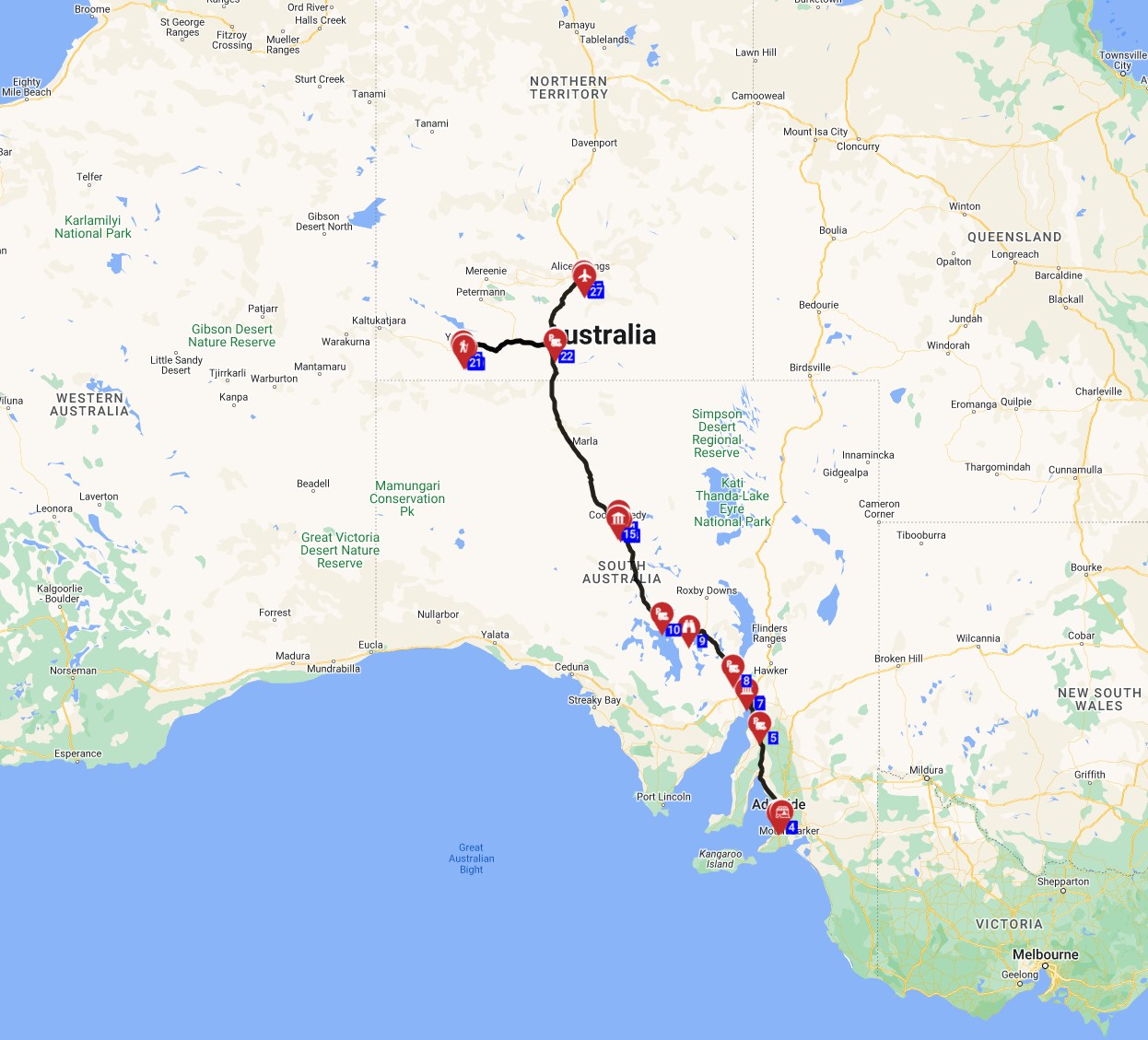
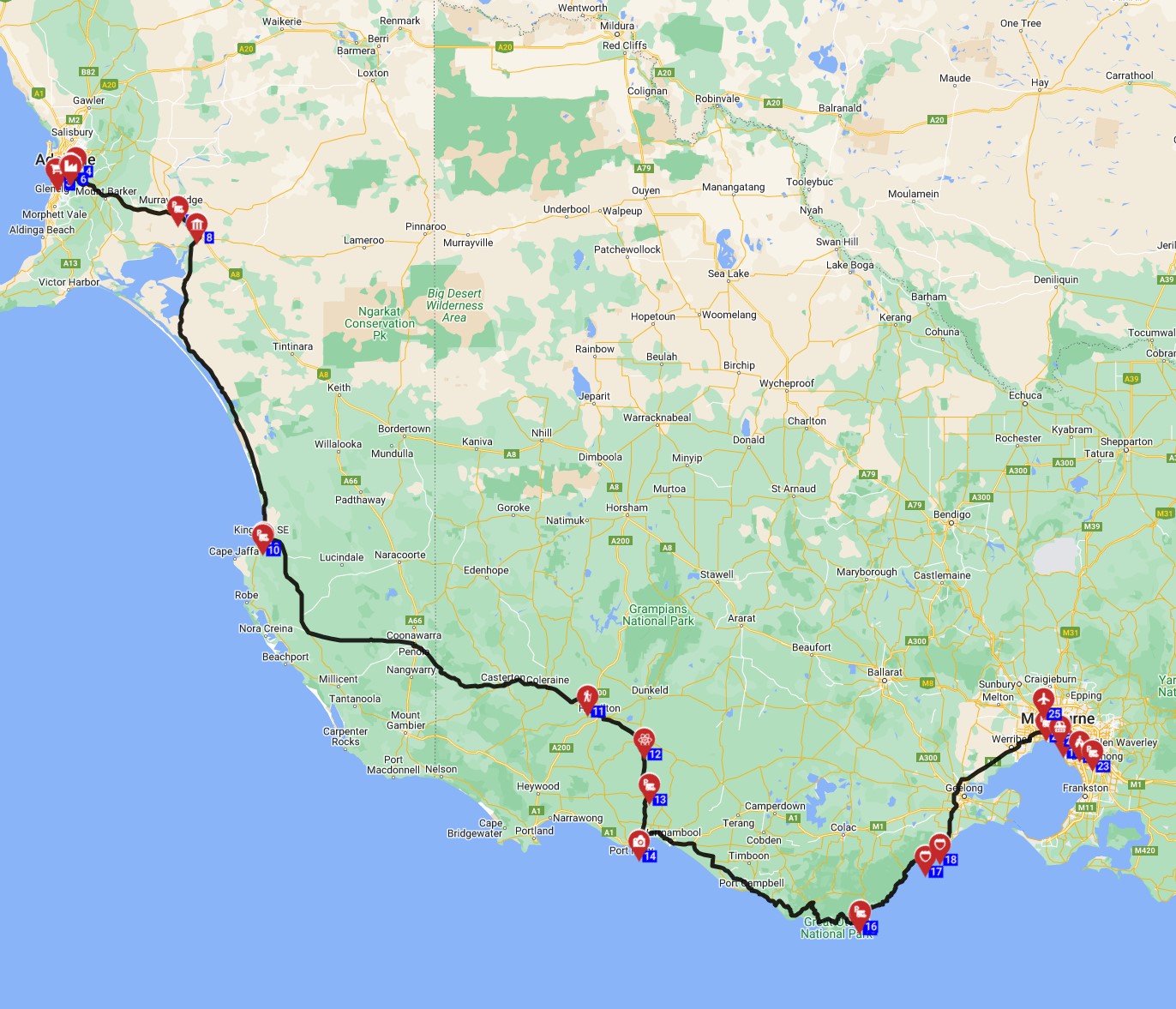
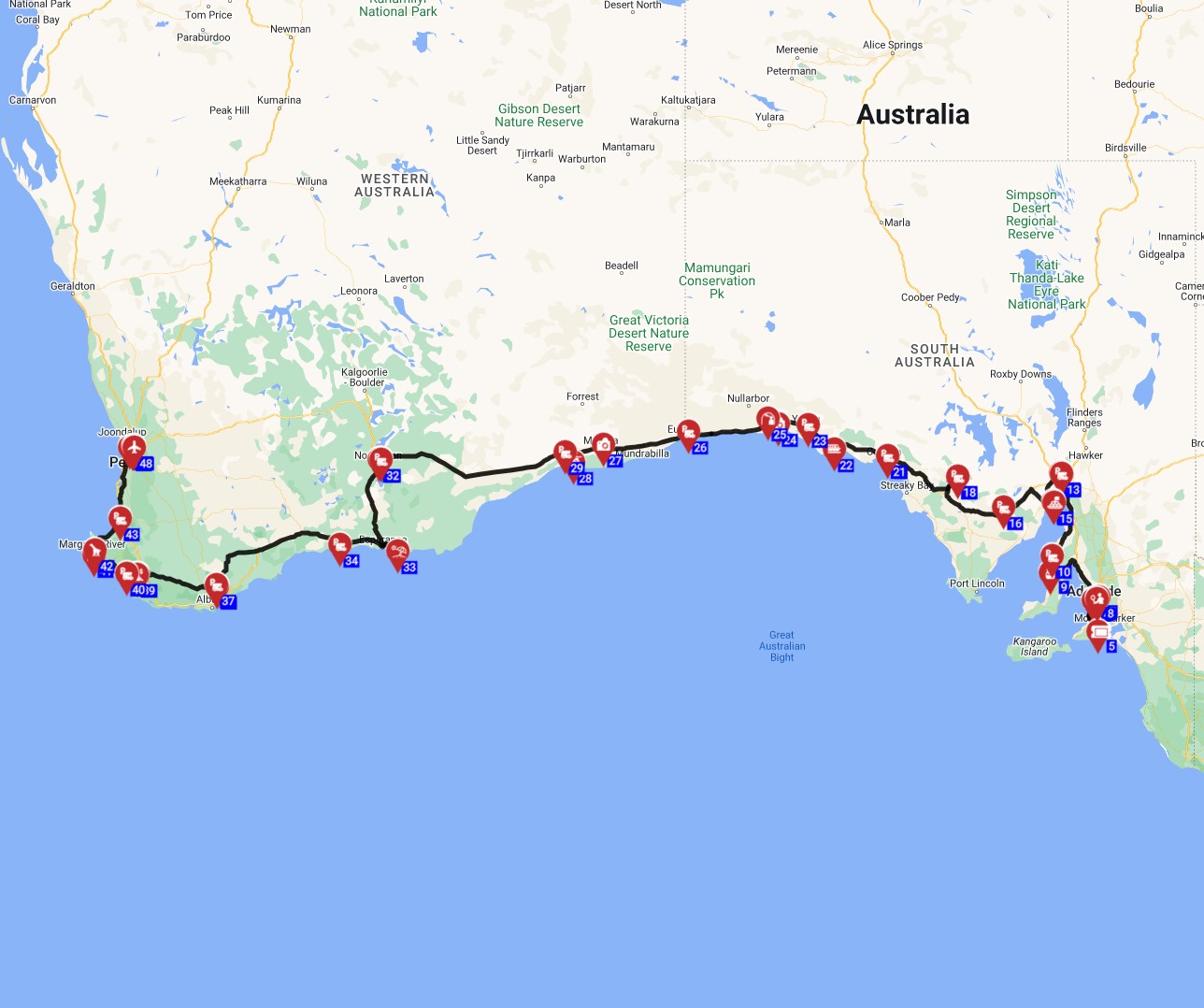
For more detailed planning, consider pre-planned routes from RV PLANET, such as the "Perth to Alice Springs - The Dreamtime Highway: A Journey Through Australia's Heart" which covers 5447.3 km over 21 days and includes 2 Animals Show / Wildlife watch, 2 hiking areas, and 3 Museums. Planning these details in advance can help prevent stress on your trip.
At the Campground - Setup, Hookups & Etiquette
Upon arriving at an RV campground in Australia, first park your vehicle, connect power, then fresh water, and finally, your grey water hose to a drain or tank, always observing quiet hours and proper waste disposal. Most caravan parks and national park campgrounds offer powered sites with electricity and water hookups, providing a comfortable and convenient stay. Always follow the campground's specific instructions for setup.
Familiarize yourself with the process of emptying the black water (toilet) tank at designated dump points, ensuring environmental compliance. Never dispose of grey or black water in undesignated areas; this is an environmental offense. Observe quiet hours, typically from 9 PM or 10 PM to 7 AM, maintain low noise levels, respect other campers' privacy, and dispose of all rubbish correctly in provided bins. Many national parks require entry fees or permits, which should be purchased in advance or upon entry.
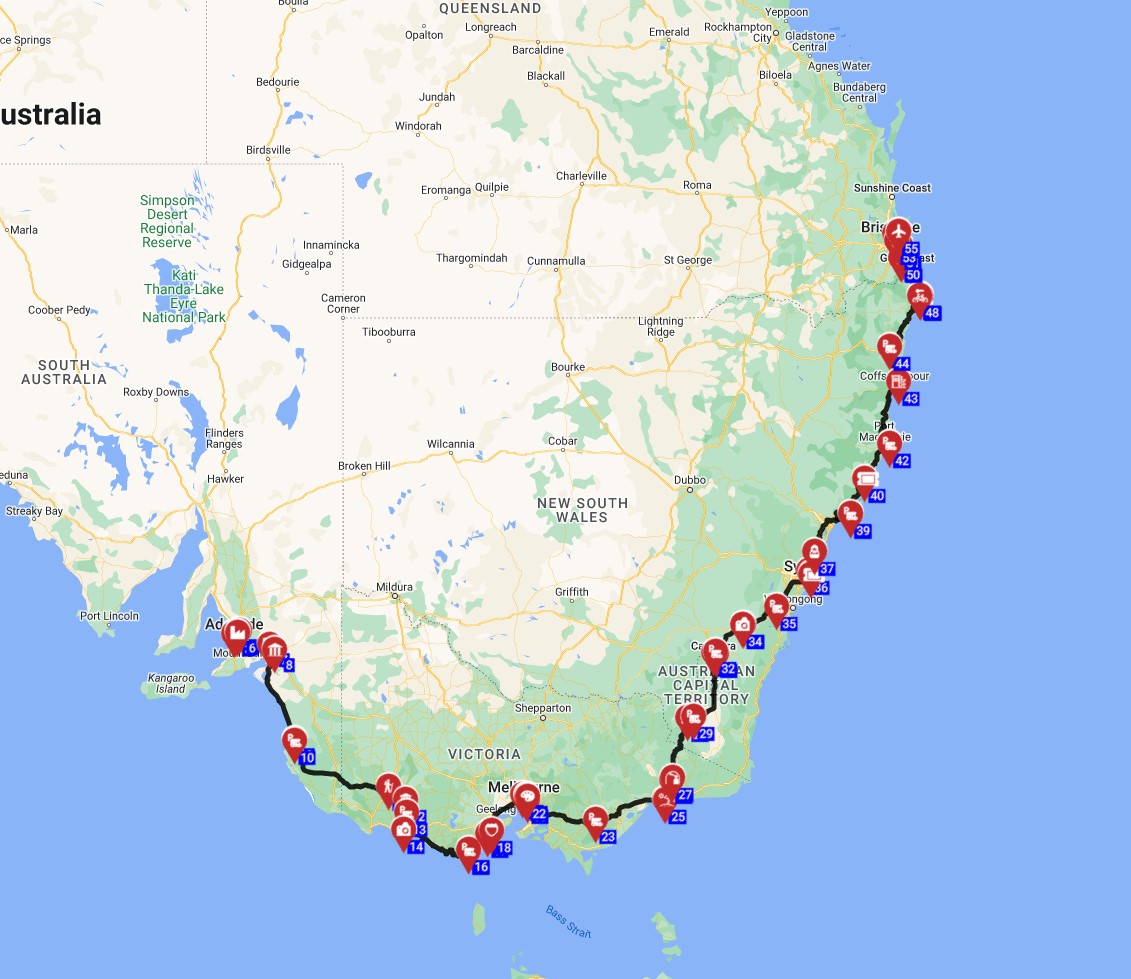
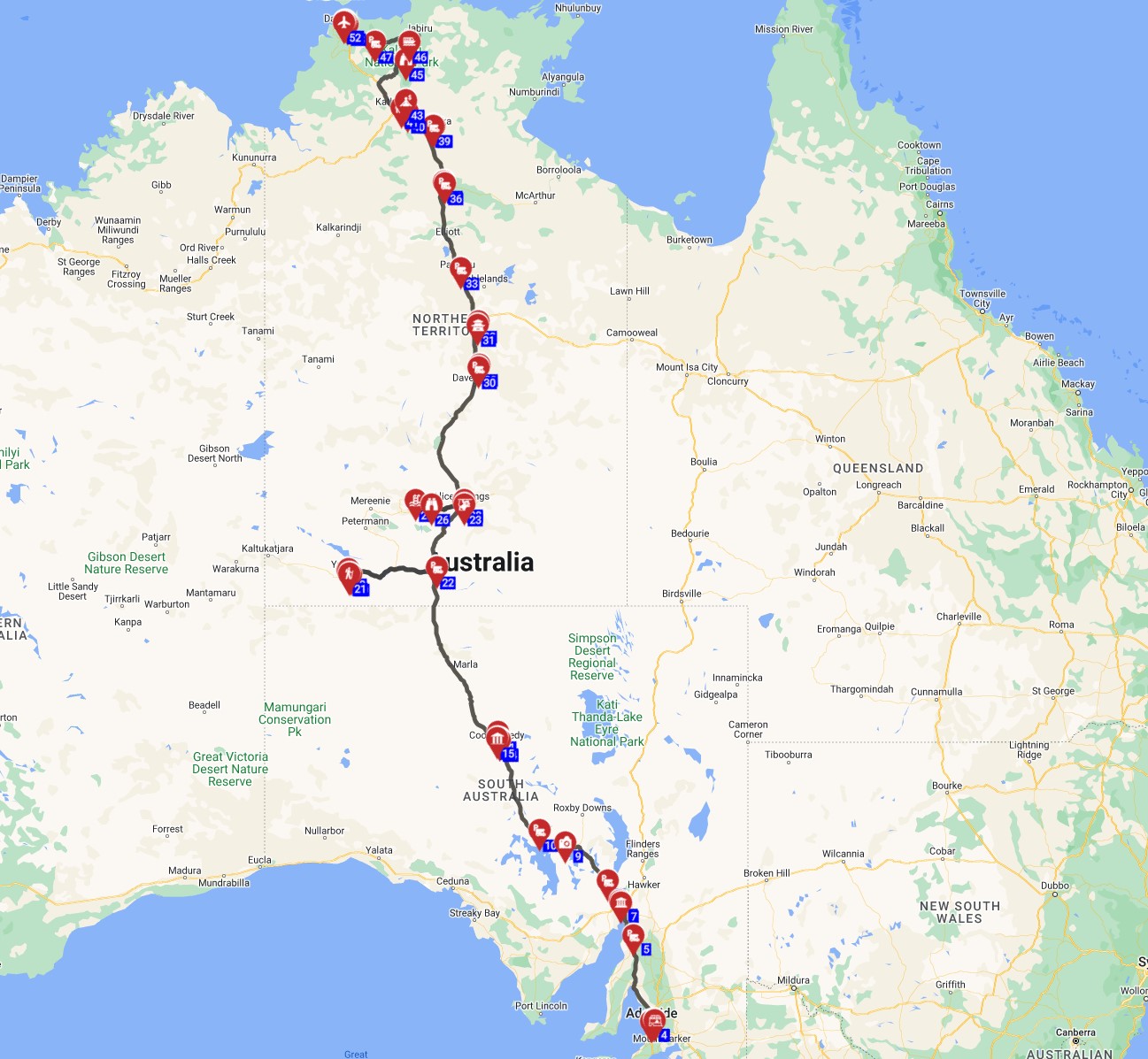
Consider the "Melbourne to Darwin - Australia’s Heartline Road Trip" route plan from RV PLANET, a 26-day, 5622.8 km journey including 5 hiking areas and 4 Natural Features, which can help you identify suitable campgrounds along its extensive path.
Rv Rental-Specific Tips for Australia
RV rental tips for Australia can be tailored to various traveler profiles, such as choosing family-friendly layouts for children, ergonomic options for seniors, budget-conscious routes for free camping, or premium add-ons for luxury experiences. With our direct partnerships with 50+ leading RV suppliers worldwide, including Apollo and Britz, Bandana offers a wide selection to fit every need.
- For families, opt for motorhomes with adequate sleeping arrangements (like the "6 Berth Deluxe" with 3 double beds), child seat anchor points, and consider separate dining areas for comfort, planning shorter driving days of 100-150 km.
- Seniors should look for RVs with easy access, comfortable beds, and automated features, ensuring driving distances are manageable to avoid fatigue. A "2 Berth Hi Top" campervan, often with automatic transmission, can be a great option for couples.
- Budget travelers can save by selecting older model campervans, traveling during off-peak seasons, and utilizing free overnight rest areas or low-cost council-run campgrounds. Always ensure your chosen campervan meets 'self-contained' requirements for designated free camping spots.
- Luxury seekers might explore premium RVs with slide-outs, advanced entertainment systems, and en-suite bathrooms, such as the "Euro Deluxe" or similar Class A motorhomes. Opting for comprehensive insurance is also a common choice for those seeking maximum peace of mind.
No matter your preference, our 24/7 support means real people are behind you to assist with pre-booking comparisons, booking support, and post-booking coordination. This is part of our commitment to being true RV specialists, not just a travel agency side department.
Common Mistakes to Avoid in Australia
To ensure a smooth RV trip in Australia, travelers should avoid common mistakes like underestimating vast distances, ignoring intense sun exposure, or being unprepared for unique wildlife and remote conditions. Australia is a massive country, and what looks like a short drive on a map can easily be hundreds of kilometers.
- Instead of underestimating distances, plan realistic daily itineraries, allowing ample time for travel between destinations, especially in vast regions like the Outback. Remember the recommendation for slow travel: max 100-150 km per day.
- Instead of ignoring weather warnings, check local forecasts regularly for extreme heat, bushfire risks, or tropical cyclones in northern Australia during summer. Always prioritize safety and adjust your route plan as needed.
- Instead of disregarding wildlife risks, drive cautiously, especially at dawn and dusk, and be aware of animal crossings, particularly in rural and outback areas. Hitting a large animal can cause serious damage to your rented motorhome.
- Instead of not booking campsites in advance, secure your campsites, particularly in popular areas or during peak season, to avoid disappointment and ensure a safe overnight spot. Many national/state parks reserve only 25-30% of spots; the rest are first-come-first-serve, so calling ahead is wise.
- Instead of not understanding rental agreement terms, thoroughly read your rental contract regarding road access (e.g., restrictions on unsealed roads), insurance coverage, and fuel policies before departure. We offer full transparency so there are no hidden fees or surprises.
- Instead of underpacking for remote areas, carry sufficient water, food, fuel, and have reliable communication (like a satellite phone or satellite messenger) if venturing into truly remote regions where mobile service is unavailable.
What is the 3-3-3 rule for campervan?
The "3-3-3 rule" for campervan and RV travel is a widely recommended guideline to ensure safe and enjoyable road trips in Australia, suggesting you drive no more than 300 kilometers, arrive by 3 PM, and stay for at least 3 nights. This rule is particularly useful in Australia due to its vast distances and unique driving conditions.
Driving no more than 300 km (or approximately 3 hours) helps prevent driver fatigue, a major risk on Australia's long, often monotonous roads, and allows for unexpected stops and sightseeing. Arriving by 3 PM ensures you have sufficient daylight for finding and setting up your campsite, which is crucial for safety and avoiding wildlife encounters, especially at dusk. Staying for at least 3 nights encourages slower travel, allowing for deeper exploration of an area and reducing the stress of constant packing and unpacking, truly letting you connect to the culture, food, and scenery.
What are the drawbacks of renting an RV?
Renting an RV in Australia can come with drawbacks such as higher fuel consumption, limited flexibility in parking compared to a car, and the need for careful management of waste and water systems. These factors are important to consider when planning your adventure.
Larger motorhomes and campervans, like a "6 Berth Discovery" or similar, consume more fuel than a standard car, significantly impacting the budget, especially over Australia's vast distances. Driving and parking a larger vehicle can also be challenging in crowded cities or tight spaces, with some urban roads or national parks having size restrictions. Furthermore, renting an RV requires responsibility for managing water tanks (fresh and grey/black), regularly emptying waste at designated dump points, and ensuring power hookups at campgrounds. While the initial rental fee can be substantial, opting for comprehensive insurance or a top-level deductible reimbursement can mitigate financial risks, making the overall experience more relaxed.
How much does it cost to rent a RV in Australia?
The cost to rent an RV in Australia varies significantly based on factors such as vehicle size, rental duration, time of year, and included amenities, generally ranging from AUD$70 per day for a basic campervan to over AUD$300 per day for a luxury motorhome. These prices are dynamic, changing daily based on availability, seasonality, and supplier marketing decisions, so booking closer to your desired dates may result in different rates.
- **Vehicle Size:** Smaller campervans, such as a "2 Berth Sandpiper" or similar compact model, are more economical at AUD$70-AUD$120 per day. Larger motorhomes, like a "4 Berth Adventurer" with a 190-liter refrigerator, offering extensive amenities are typically pricier, ranging from AUD$150 to over AUD$300 per day.
- **Seasonality:** Peak seasons (Australian summer, school holidays) experience higher demand and prices, while off-peak travel (e.g., winter in the southern states) usually offers better deals.
- **Rental Duration:** Longer rental durations often result in a lower daily rate, making extended road trips more cost-effective per day. For weekly or long-term options, consult "Weekly RV Rental in Australia - Pricing 2026" or "Long-Term RV Rental in Australia - Monthly Rates 2026".
- **Insurance:** While basic insurance is usually included, upgrading to reduce excess liability or to a top-level deductible reimbursement can add AUD$30-AUD$70 per day for extra peace of mind.
- **Additional Costs:** Beyond the rental fee, budget an additional AUD$200-AUD$400+ for fuel for a moderately sized week-long trip, plus daily camping fees (AUD$30-AUD$60 for powered sites), national park entry fees, LPG for cooking, and provision costs. All these ancillary costs can be tracked and itemized easily with RV PLANET routes.
We believe in full transparency: what you see is what you get, with no hidden fees, no surprises, no tricks or gimmicks.
Can you park an RV anywhere in Australia?
No, you cannot park an RV anywhere in Australia; parking regulations are strict and vary by state, territory, and local council, generally restricting overnight parking to designated campgrounds, caravan parks, and authorized free rest areas. It's crucial to understand these rules to avoid fines and ensure a safe trip in your rented motorhome or campervan.
Always prioritize caravan parks and campgrounds, which offer essential facilities like power, water, and dump points, making them the most convenient option for RV travelers. Free camping is restricted to specific council-approved overnight rest areas, roadside stops with time limits, or private properties with permission. Most national parks only allow overnight stays in designated campgrounds, often requiring advance bookings and permits. Overnight parking in residential streets, public car parks, or sensitive environmental areas is generally prohibited and can result in fines. Illegal dumping of grey or black water is an environmental offense and strictly prohibited; always use designated dump points to protect Australia's pristine environment.
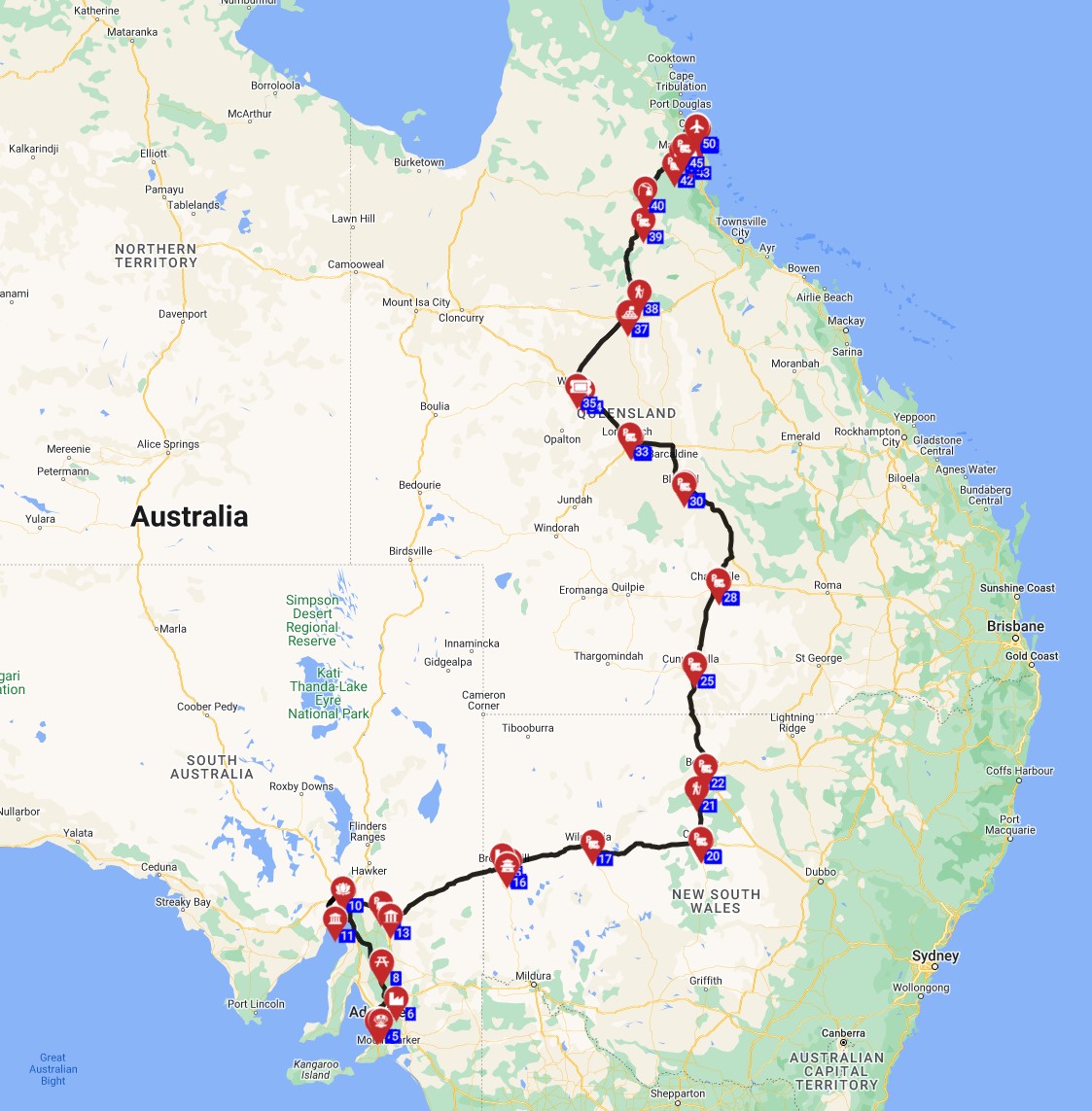
To help with this, RV PLANET offers 1,300+ pre-planned routes across 5 continents, including Australia, which often highlight designated camping spots. For instance, the "Cairns to Alice Springs - Northern Horizons: A Journey Through Australia's Heartland" route plan covers 4003.6 km over 17 days and features 3 hiking areas and 2 Natural Features, all with considered overnight stops.
How much is a 1 week RV rental?
A 1-week RV rental in Australia can typically range from AUD$490 to AUD$2100 or more, depending on the RV type, time of year, and the rental company. These prices are dynamic and can fluctuate based on demand and availability.
- For a basic campervan, like a "Paradise Camper 4x4 double cab" or similar, during off-peak season, expect to pay AUD$70-AUD$120 per day, totaling AUD$490-AUD$840 for the week.
- Mid-range motorhomes, suitable for a couple or small family, might cost AUD$150-AUD$250 per day, amounting to AUD$1050-AUD$1750 for a week. A popular option might be the "hire campervan example Paradise S/T" or an "Active Bunk Auto" campervan.
- Luxury RV models with premium features can exceed AUD$300 per day, totaling AUD$2100+ for the week.
- These prices can increase by 30-100% during peak seasons, such as the Australian summer (December to February) or school holidays, while off-peak travel can offer significant discounts.
- Beyond the rental fee, budget an additional AUD$200-AUD$400+ for fuel for a moderately sized week-long trip, plus daily camping fees and food costs. For comprehensive insights into rental costs, including tips on securing the best rates, our "RV Rental in Australia - Prices and Best Deals 2026" provides detailed information.
Is it worth having a toilet in a campervan?
Having a toilet in a campervan or motorhome is often worth it for the convenience, privacy, and flexibility it offers, especially when traveling with children, during night hours, or in remote areas where public facilities are scarce. For many travelers, this feature enhances the overall comfort and autonomy of their RV adventure in Australia.
Onboard toilets offer immediate access, eliminating the need to stop at public restrooms, which is particularly beneficial during long drives, in bad weather, or at night. They provide privacy, highly valued by families or those who prefer not to use public facilities. A toilet is also essential for freedom camping or staying in rest areas where amenities are limited, enabling truly self-contained travel. The "rent rv example A1" and "rent rv example A2" models often include a shower and toilet, offering a comfortable self-contained experience.
However, drawbacks include consuming interior space, requiring regular emptying of the black water tank at designated dump points, increased water consumption (for flushing), and generally higher rental costs for RVs equipped with them. For shorter trips or city travel where ample public facilities are available, a toilet might be less critical, but for remote or extended journeys, its value significantly increases. We handle the details, you live the journey, and that includes helping you choose the right amenities for your trip.
Can US citizens rent a car in Australia?
Yes, US citizens can rent a car or motorhome in Australia, provided they meet the minimum age requirements and possess a valid US driver's license. The minimum rental age is 21 years old for all motorhome classes in Australia, with no young driver surcharges or vehicle class restrictions based on age.
While a valid US driver's license is generally sufficient for renting an RV in Australia, an International Driving Permit (IDP) is highly recommended and sometimes required by rental companies or local police for translation purposes, especially if your US license does not clearly state "driver's license" in English. US citizens must be prepared to drive on the left-hand side of the road, with the steering wheel on the right side of the vehicle, which takes some adjustment. It's also wise to review rental company insurance options carefully, as US car insurance may not cover international rentals, making additional coverage advisable for peace of mind. A valid passport and the appropriate Australian visa are also necessary for entry into Australia and to complete the rental process. Our 24/7 support is there to assist with all your pre-booking and booking needs, ensuring a smooth start to your journey.
What not to do in Australia as an American?
As an American traveling in Australia, it's important to avoid common cultural missteps and safety errors, such such as underestimating distances, ignoring sun protection, or being unprepared for unique wildlife and remote conditions. Adapting to local customs and environmental realities will significantly enhance your RV rental experience.
- **Don't underestimate Australia's vast distances;** plan realistic daily itineraries, aiming for no more than 100-150 km per day to avoid fatigue and allow for spontaneous discoveries. For comprehensive route planning, RV PLANET (rvplan.net) offers many pre-planned itineraries.
- **Don't forget sun protection;** always wear high-SPF sunscreen, a wide-brimmed hat, and sunglasses, and seek shade during peak UV hours (typically 10 AM to 3 PM). The Australian sun is much more intense than in many parts of the US.
- **Don't mess with wildlife;** maintain a respectful distance, never feed wild animals, and be aware of dangerous creatures like snakes, spiders, and marine stingers. Drive cautiously at dawn and dusk, as kangaroos and other large animals are very active then.
- **Don't ignore water safety;** swim only at patrolled beaches between the flags, be aware of strong currents, and research marine stingers if traveling in tropical waters during summer.
- **Don't expect constant mobile service;** plan for offline navigation with downloaded maps and consider a satellite phone or messenger for remote travel in areas with limited connectivity.
- **Don't litter or disrespect the environment;** always take your rubbish with you and follow 'Leave No Trace' principles to preserve Australia's pristine natural beauty.
- **Don't underestimate alcohol limits;** Australia has strict drink-driving laws with lower limits (.05% BAC) than in some parts of the US.
Is AUD$3000 enough for 2 weeks in Australia?
AUD$3000 for a 2-week RV trip in Australia is a tight but achievable budget for a solo traveler or a couple aiming for a budget-conscious experience, excluding international flights but covering basic RV rental, fuel, food, and some campsite fees. This budget requires careful planning and a focus on cost-saving measures. On the routes offered through RV PLANET routes, you can itemize and track every expense along the way for easy budgeting.
- Budgeting for a basic campervan, such as a "Minivan/Station Wagon" or "Juliette 2-3" model, during off-peak season might allocate AUD$980-AUD$1400 for 14 days of rental (AUD$70-AUD$100 per day).
- Expect to spend AUD$400-AUD$800 on fuel over 2 weeks, depending on your itinerary's length and your rented RV's fuel efficiency.
- For accommodation, budgeting AUD$300-AUD$600 allows for a mix of free rest stops and basic powered campsites (averaging AUD$21-AUD$43 per night).
- Self-catering most meals can keep food costs down, with an estimated AUD$420-AUD$700 for groceries over two weeks. Our RV-friendly recipes playlist offers great ideas for cooking on the road.
- This leaves a small buffer (AUD$100-AUD$300) for national park entry fees, a few paid activities, or unexpected expenses.
This budget typically requires basic accommodation, cooking most meals, and careful fuel management. For a more comfortable experience, AUD$4000-AUD$6000 would be more realistic for a couple, allowing for more amenities, diverse activities, and occasional restaurant meals. Prices are dynamic, so using a comparison platform like Bandana can help find the best deals for your chosen dates and vehicle type.
What You Shouldn't Miss
Looking for expert insights from Avi Bandana? Top 5 Adventures - recommendations from Avi Bandana:
- **Driving the Great Ocean Road, Victoria:** This iconic coastal drive offers breathtaking cliff faces, stunning surf beaches, and the famous Twelve Apostles. Allocate 3-5 days to truly savor the experience and stop at charming seaside towns.
- **Exploring Uluru-Kata Tjuta National Park, Northern Territory:** Witness the spiritual heart of Australia with the majestic Uluru and Kata Tjuta. Plan for at least 3 full days to experience sunrises, sunsets, and walks around these ancient geological formations.
- **Snorkeling or Diving the Great Barrier Reef, Queensland:** Base yourself in Cairns or Port Douglas for a day trip to the world's largest coral reef system. Numerous tours cater to all skill levels, offering an unforgettable marine encounter.
- **Camping in the Tasmanian Wilderness:** Discover pristine national parks, rugged mountains, and serene lakes. Overland Track, Wineglass Bay, and Cradle Mountain are must-sees. Aim for a week or more to explore thoroughly.
- **Experiencing the Western Australian Coastline:** From the vibrant city of Perth, head north to the Pinnacles Desert or south to the Margaret River wine region. Further north, Ningaloo Reef offers incredible whale shark encounters (seasonal).
Final Thoughts
Exploring Australia in a rented motorhome or campervan is an adventure unlike any other, offering freedom and flexibility to discover its diverse landscapes and vibrant culture. Whether you're planning a week-long coastal cruise or an extended journey into the heart of the Outback, a well-prepared RV trip promises unforgettable memories. Remember to embrace slow travel, allowing yourself to truly connect with each destination and its unique charm.
We at Bandana are here to support you every step of the way, from comparing the best rental options to providing expert advice for your trip. Our commitment to full transparency and personalized support ensures that your Australian RV adventure is as seamless and enjoyable as possible. So, get inspired, compare Motorhome Prices for Australia, and prepare to embark on the journey of a lifetime!
Ready to discover the wonders of Australia on your own terms? Find rv Rentals in Australia today!