In This Guide
- Top 5 Tips for RV Rental in Australia
- Before You Book - Class Dates Insurance
- Pre-Trip Prep - Packing Checklist for Australia
- On the Road - Driving Fueling Navigation
- At the Campground - Setup Hookups and Etiquette
- RV Rental-Specific Tips for Australia
- Common Mistakes to Avoid in Australia
- What is the 3-3-3 rule for campervan?
- What are the drawbacks of renting an RV?
- How much does it cost to rent an RV in Australia?
- Can you park an RV anywhere in Australia?
- How much is a 1 week RV rental?
- Is it worth having a toilet in a campervan?
- Can US citizens rent a car in Australia?
- What not to do in Australia as an American?
- Is 3000 AUD enough for 2 weeks in Australia?
- What You Shouldn't Miss
- Why Book with Bandana Caravan
- Final Thoughts
- Frequently Asked Questions
Australia, with its vast landscapes, stunning coastlines, and unique wildlife, is an unparalleled destination for a rented RV adventure. Imagine waking up to the sounds of nature, cooking breakfast with an ocean view, and having the freedom to explore at your own pace. With Bandana Caravan, we've been helping tens of thousands of travelers discover the joy of RV travel since 2001, providing a transparent and supportive booking experience from the moment you start planning until your adventure begins. For live availability and current prices, start with our RV Rental Australia - Complete Guide 2026 guide.
Top 5 Tips for RV Rental in Australia
Embarking on a motorhome rental adventure in Australia requires a few key considerations to ensure a smooth and enjoyable trip across this vast continent. First, booking well in advance, especially for popular periods like the peak summer season (December-February) or school holidays, often secures better rates and availability; many national and state parks only reserve 25-30% of spots, leaving the rest for first-come-first-serve arrivals, so don't stress, you'll find a spot.
Second, selecting an RV size that comfortably accommodates your group without being cumbersome is crucial for your Australian journey. While some may worry about driving larger motorhomes in cities, rest assured: drive slowly and carefully, and you can drive almost anywhere without issues. No need to stress - just use common sense and pay attention. For instance, a family of four might find a Class C motorhome like the "Euro Deluxe" or "4 Berth Adventurer" (with options for 2 double beds or bunks) ideal, offering ample living and sleeping space without feeling cramped. Couples might prefer a more compact campervan such as the "Active Pop Top" for easier maneuverability and fuel efficiency, equipped with features like a small fridge and gas stove for self-catering. We also pride ourselves on full transparency, ensuring no hidden fees or surprises as you compare options.
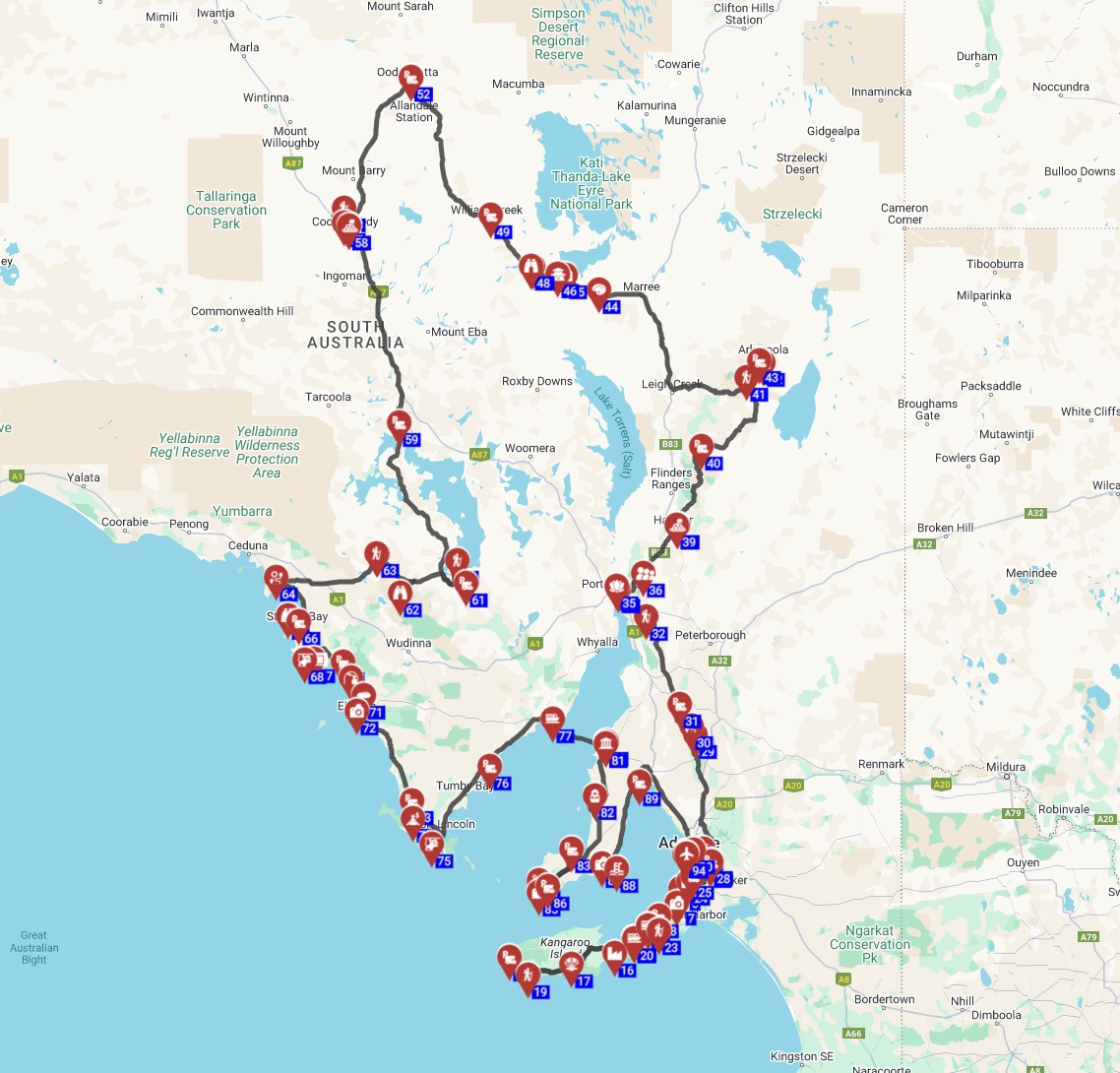
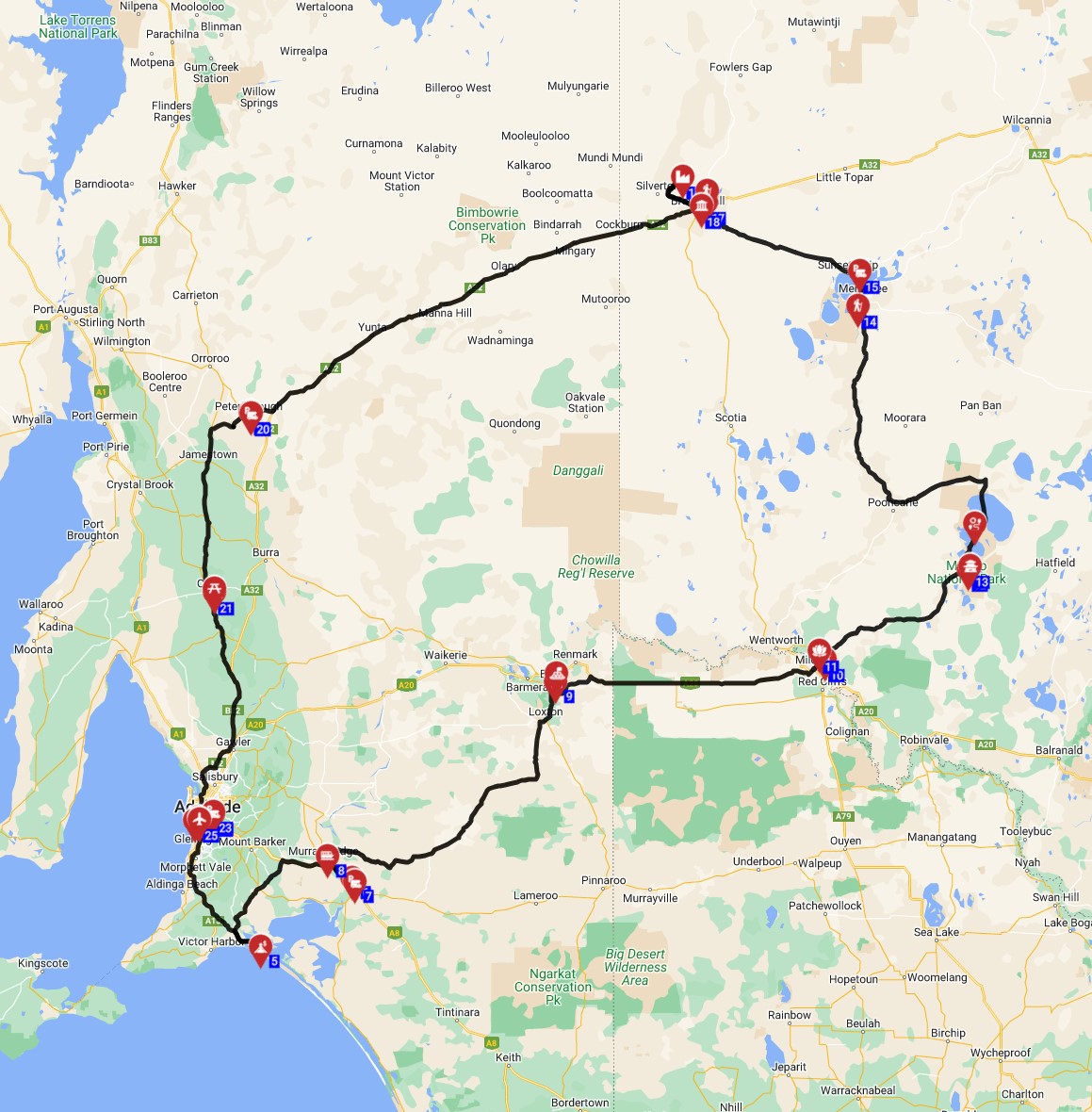
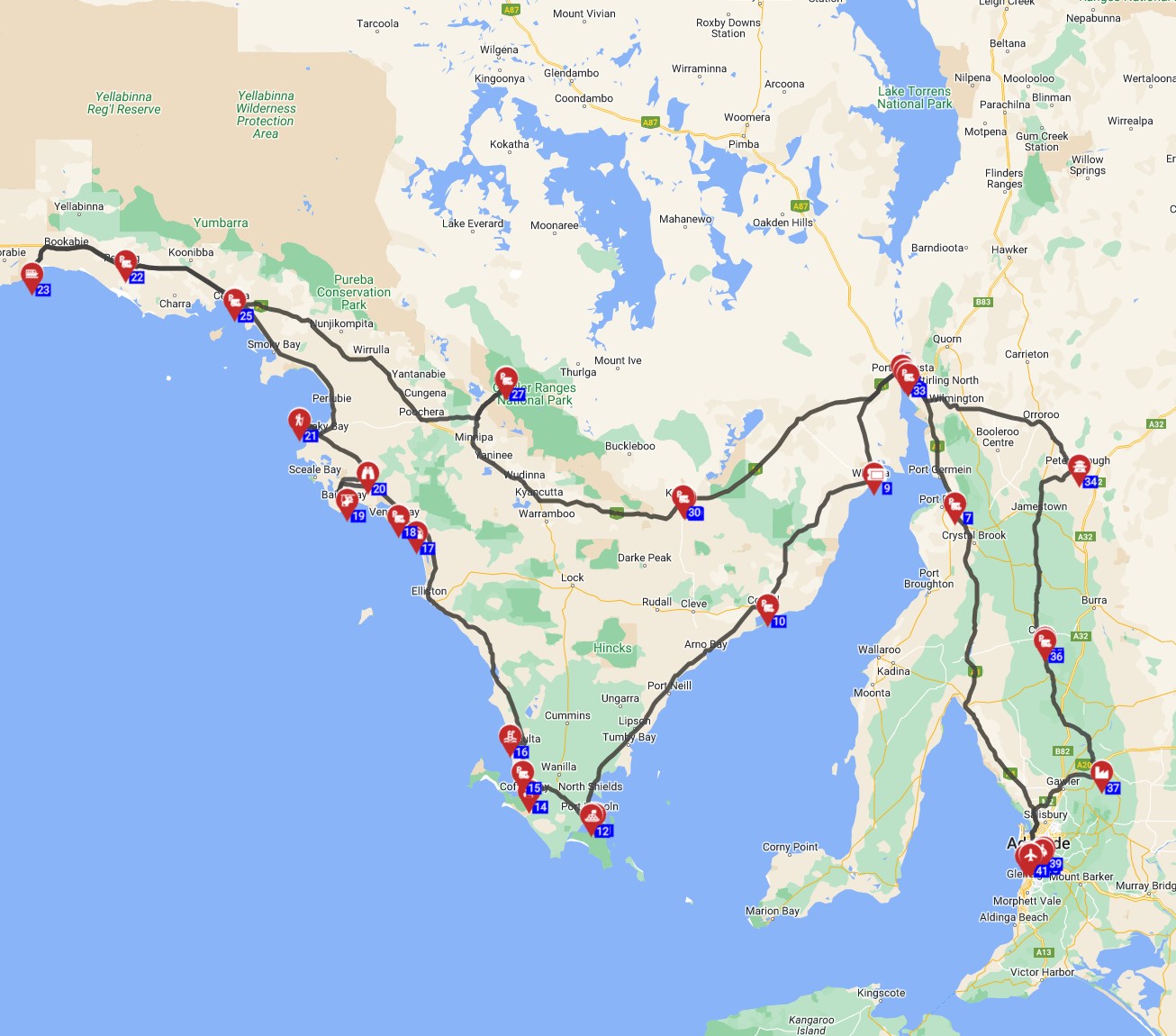
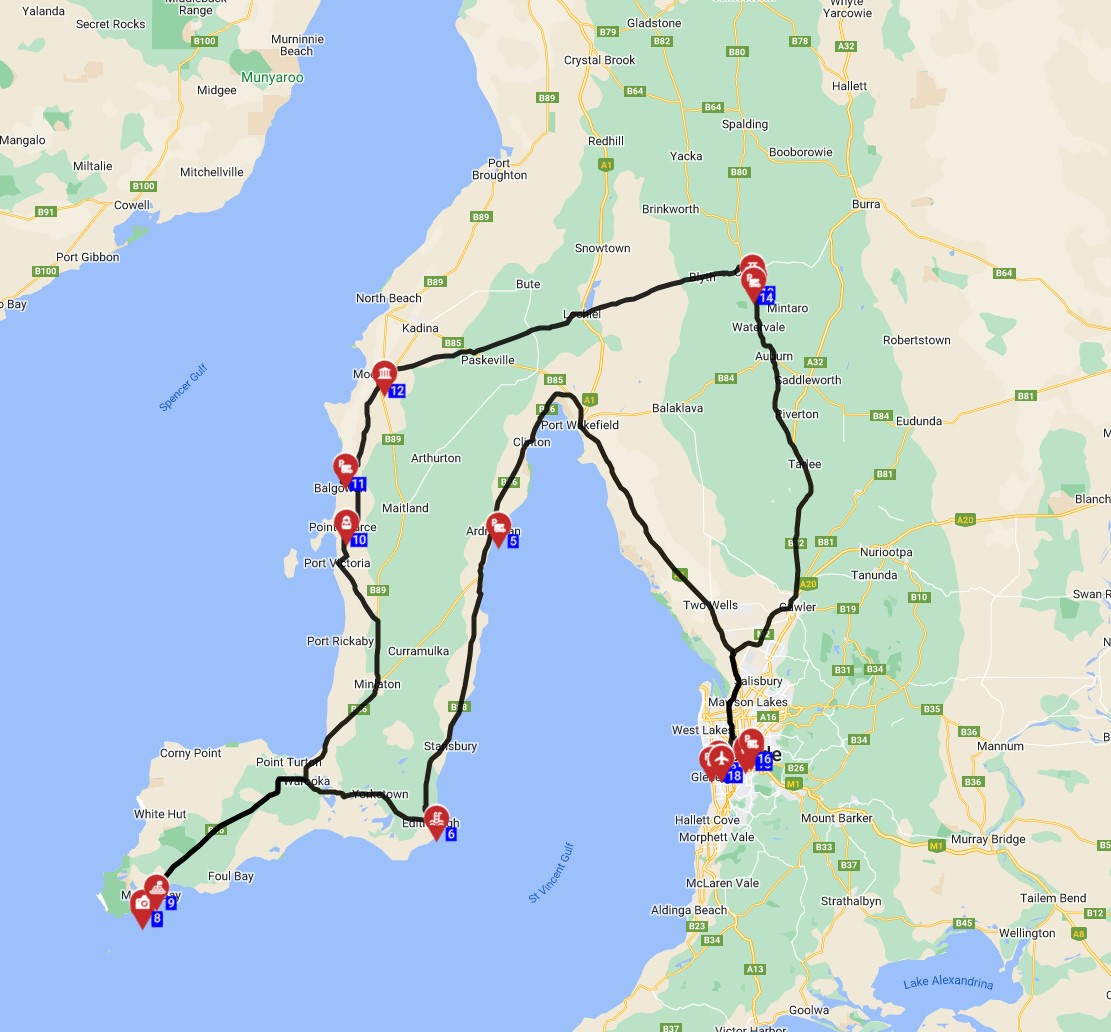
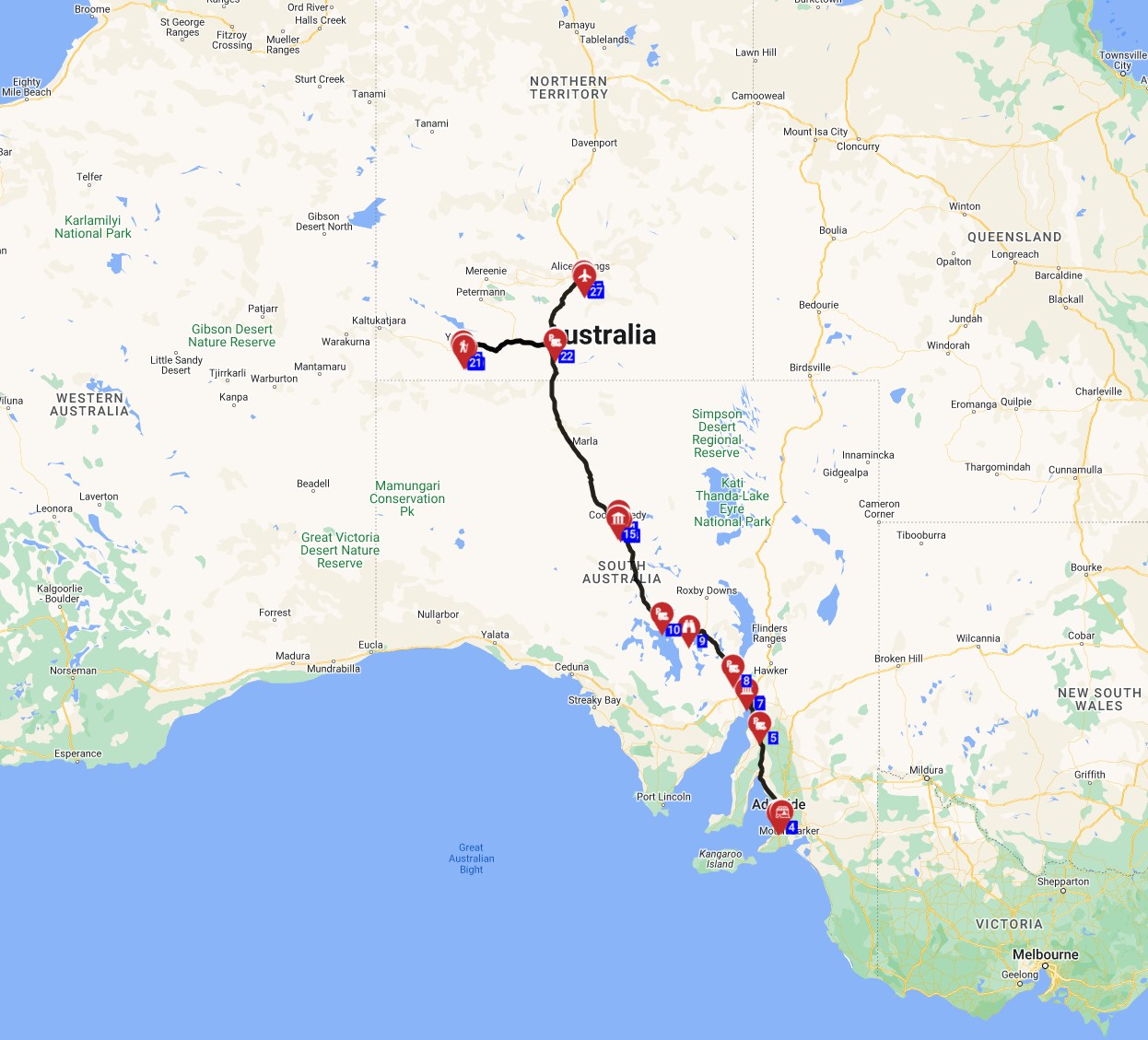
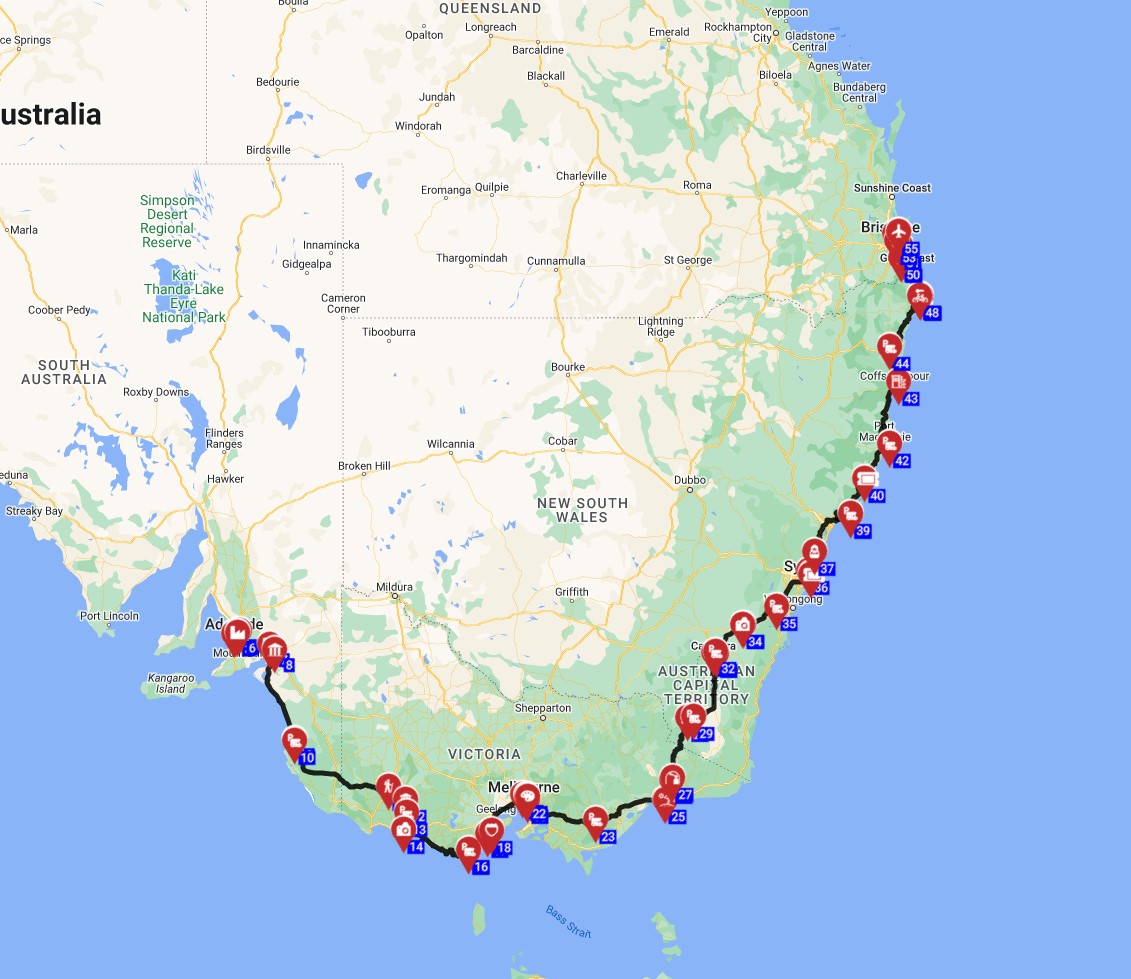
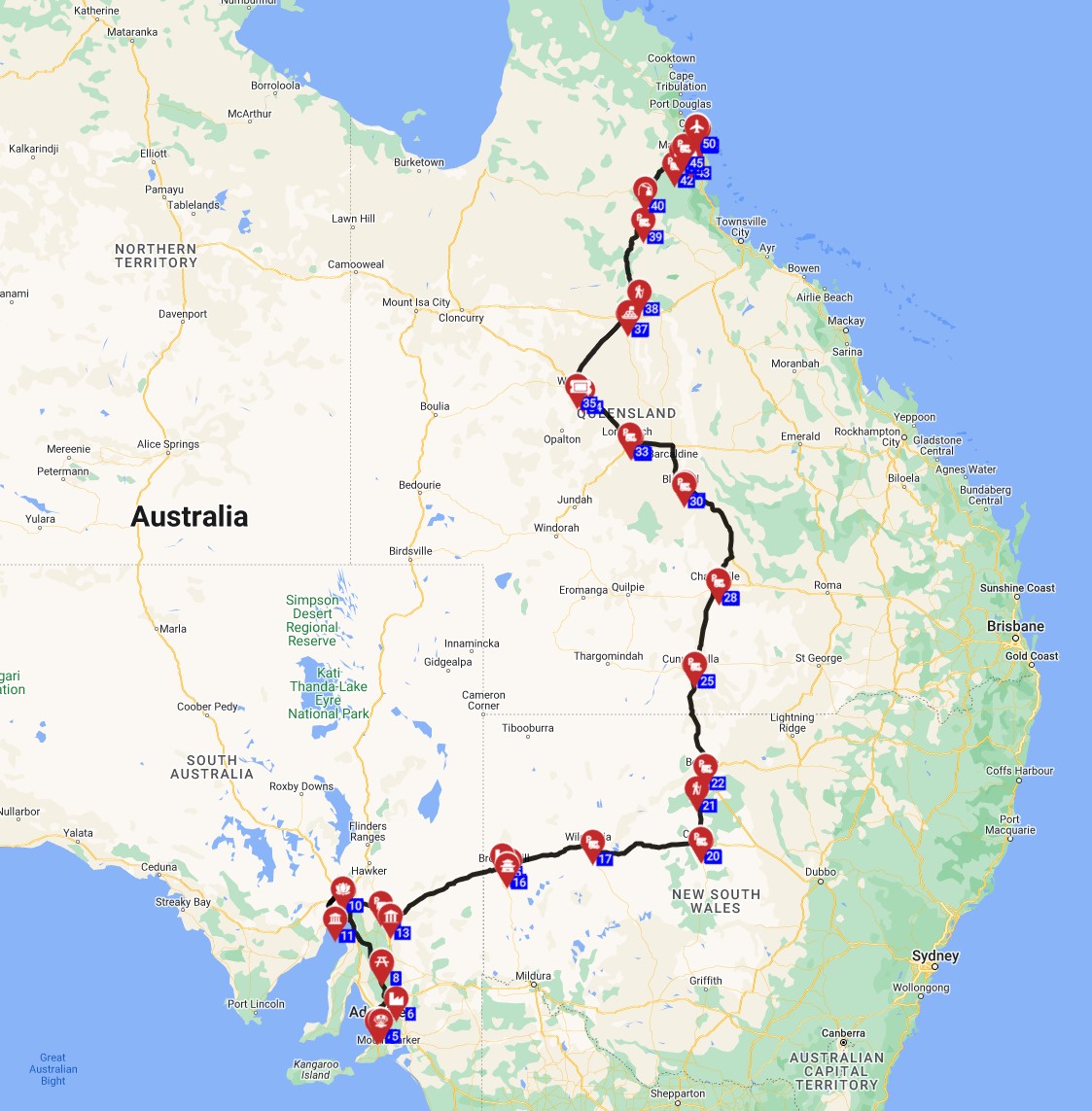
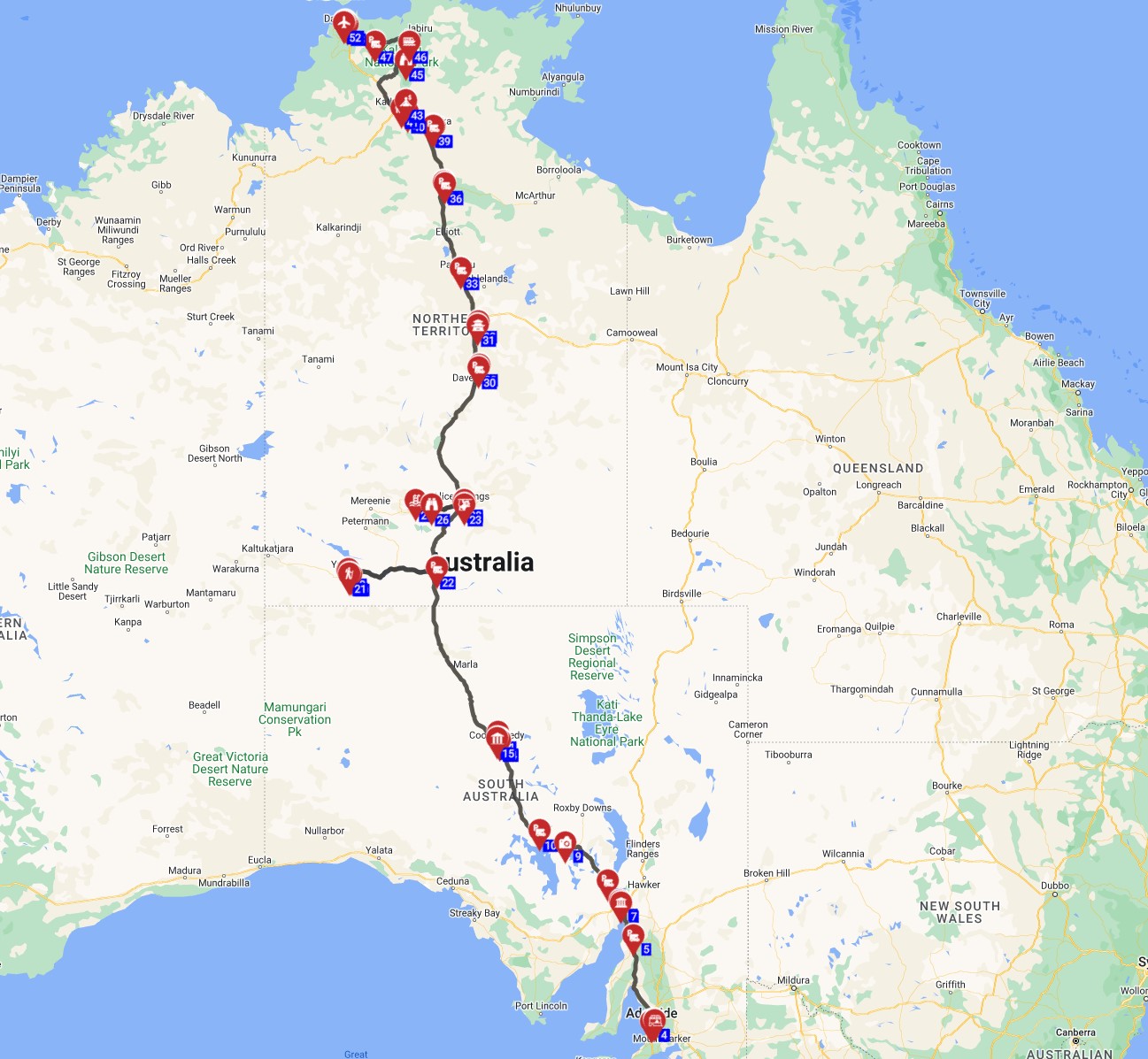
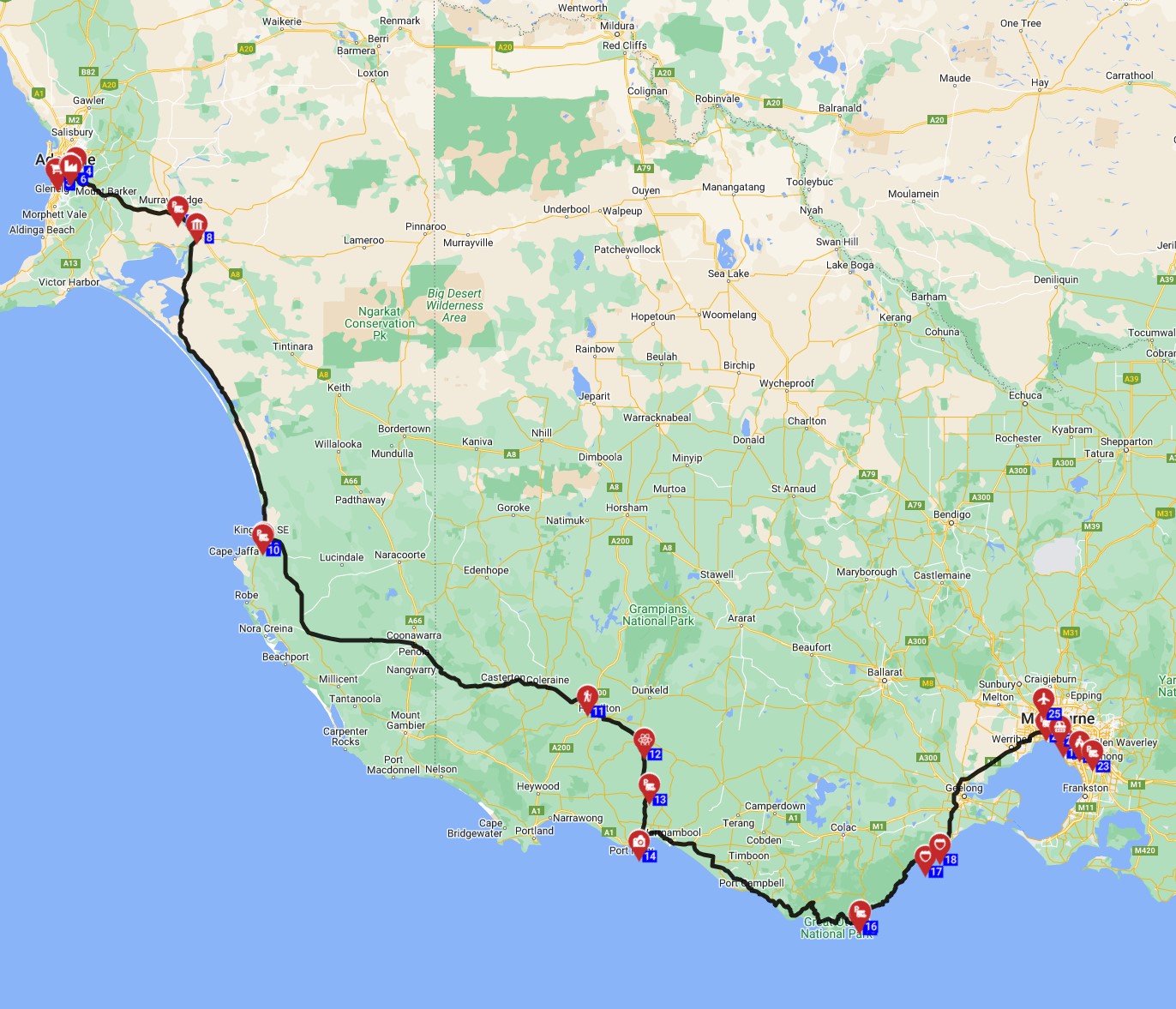
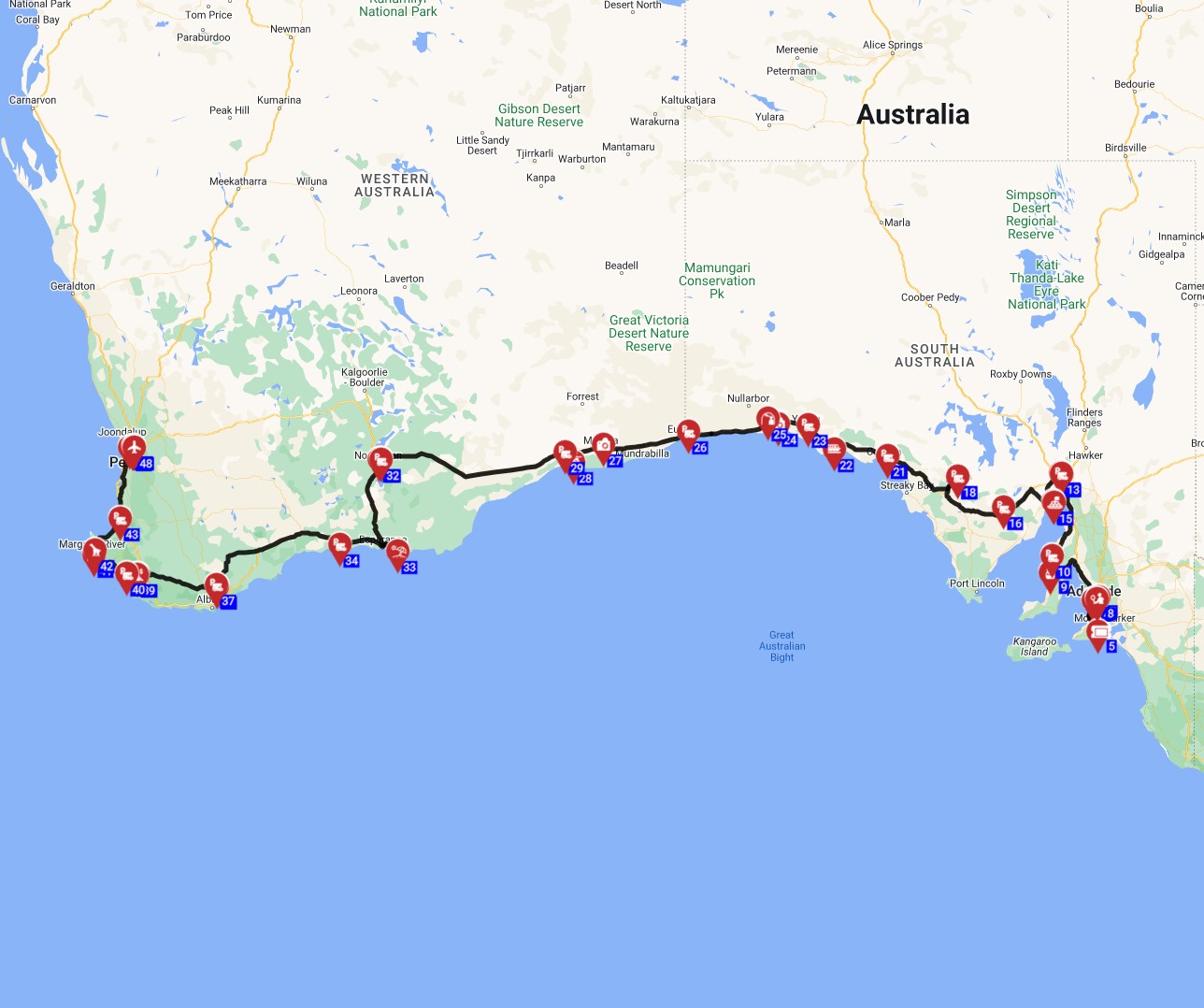
Third, factoring in all potential costs-rental fees, fuel, campsites, and optional insurance-is essential for a realistic budget; exploring RV PLANET routes allows travelers to itemize and track every expense along the way for easy budgeting. Fourth, familiarizing yourself with Australia's unique road rules and understanding the vast distances between destinations is vital for safe travels, as road signs often warn of specific wildlife like kangaroos and emus. Finally, planning your route with designated stops and pre-booked overnight parks, particularly in remote areas or during peak season, can prevent unnecessary stress and ensures a comfortable trip, a service that our Rent&Plan professionals can help with, offering ready-made itineraries and a 25% planning discount when you use rvplan.net. On the routes offered through RV PLANET routes, you can itemize and track every expense along the way for easy budgeting.
Before You Book - Class Dates Insurance
Before confirming your RV rental in Australia, selecting the appropriate RV class based on your group size, desired amenities, and budget is paramount. Motorhomes are available in various sizes, from compact Class B campervans, perfect for solo travelers or couples (like the "2 Berth Sandpiper"), to spacious Class C motorhomes with sleeping capacity for families of 4-6 people (e.g., "6 Berth Discovery" with its 190-liter fridge and 125-liter fresh water tank), and even larger Class A models offering expansive living areas, such as the "MHLUX" which has a 320-liter fuel tank for extended trips. Locking in your rental dates as early as possible is advisable for securing the best rates and availability, especially during popular Australian school holidays or major events. Spontaneous travelers can also find day-to-day bookings, as many campgrounds reserve first-come, first-served spots, but always call ahead before driving long distances.
Understanding the insurance options is also a critical step: basic insurance is always included, but to see prices including the most comprehensive coverage, select that option during your search, and all relevant insurance packages will be clearly displayed. We offer the ability to upgrade to a top-level deductible reimbursement for extra peace of mind, ensuring you travel with confidence. This full transparency means no hidden fees, no surprises, and complete clarity on your financial commitment. For more information on pricing, you might consult "RV Rental in Australia - Prices and Best Deals 2026" or "RV Rental Deals in Australia - Latest Offers 2026" to compare different options. We handle the details, so you can focus on living the journey.
Pre-Trip Prep - Packing Checklist for Australia
A well-prepared packing checklist for your Australian RV rental trip ensures comfort and readiness for varied conditions. Essential clothing includes lightweight, versatile items like shorts, t-shirts, and dresses for warm days, complemented by warm layers such as jumpers and jackets for cool evenings or mornings, especially inland or during shoulder seasons. A rain jacket is always a good idea, as are swimsuits and towels for coastal dips or campground pools. Sturdy walking shoes and sandals will cover most activities, from hiking national park trails to beach strolls.
Beyond clothing, ensure all essential documents-driver's license (an International Driving Permit is recommended for visitors from non-English speaking countries, though not mandatory in most cases), passport, visa, and rental confirmation-are easily accessible and backed up digitally. A first-aid kit with band-aids, antiseptic, and pain relievers, along with any personal medications and insect repellent, are crucial safety items. For self-catering, which can significantly reduce ancillary costs on your trip, organize basic cooking spices and oil; most RVs like the "Paradise Family 5" or "4 Berth Adventurer" come with fully equipped kitchens, including refrigerators and gas stoves, making it easy to prepare delicious meals on the go. Check out our RV-friendly recipes playlist for inspiration! Don't forget reusable water bottles, a daypack for excursions, and an Australian power adapter (Type I) for your electronics. Remember, God is in the small details, and we take care of them, making a big difference in your travel experience.
- Lightweight clothing (shorts, t-shirts, dresses)
- Warm layers (jumper, jacket) for cool evenings/mornings
- Rain jacket
- Swimsuit and towel
- Sturdy walking shoes and sandals
- Sun hat, sunglasses, and high-SPF sunscreen
- Personal toiletries
- Insect repellent
- First-aid kit (band-aids, antiseptic, pain relievers)
- Any personal medications
- Headlamp or flashlight
- Reusable water bottles
- Daypack for excursions
- Australian power adapter (Type I)
- Driver's license (international permit if applicable)
- Passport and visa (if international)
- Rental booking confirmation
- Travel insurance details
- Credit/debit cards
- Emergency contact list
- Portable charger/power bank
- Basic cooking spices/oil
- Dish soap and sponge (check if supplied)
On the Road - Driving Fueling Navigation
When driving your rented motorhome in Australia, always remember to drive on the left side of the road, a fundamental rule for visitors, especially those from right-hand-drive countries. Adhere to posted speed limits, which are typically 100-110 km/h on highways and lower in urban and rural areas, and remain vigilant for wildlife, particularly at dawn and dusk, when animals like kangaroos, emus, and even cattle can unexpectedly cross roads. Planning your fuel stops is crucial, especially in remote areas of the Outback, where service stations can be sparse and distances between them can exceed 200 kilometers; always top up your tank when the opportunity arises.
Utilize GPS navigation systems for route guidance, but always have offline maps or physical maps as a backup for areas with limited or no mobile signal. Remember to travel slowly, aiming for a maximum of 100-150 km per day on average, allowing you time to feel the place, connect to the culture, the food, and the scenery without rushing. Take regular breaks every 2-3 hours to combat driver fatigue, especially on long, monotonous stretches of highway. Be prepared for rapidly changing weather conditions, from intense heat in the interior to sudden coastal storms, ensuring your Class C motorhome like the "Jayco Conquest Royale 6" or a spacious campervan such as the "Koru Star 4 Freedom" is ready for anything. Drive slowly and carefully in cities, and you can drive almost anywhere without issues; there's no need to stress, just use common sense and pay attention to your surroundings.
At the Campground - Setup Hookups and Etiquette
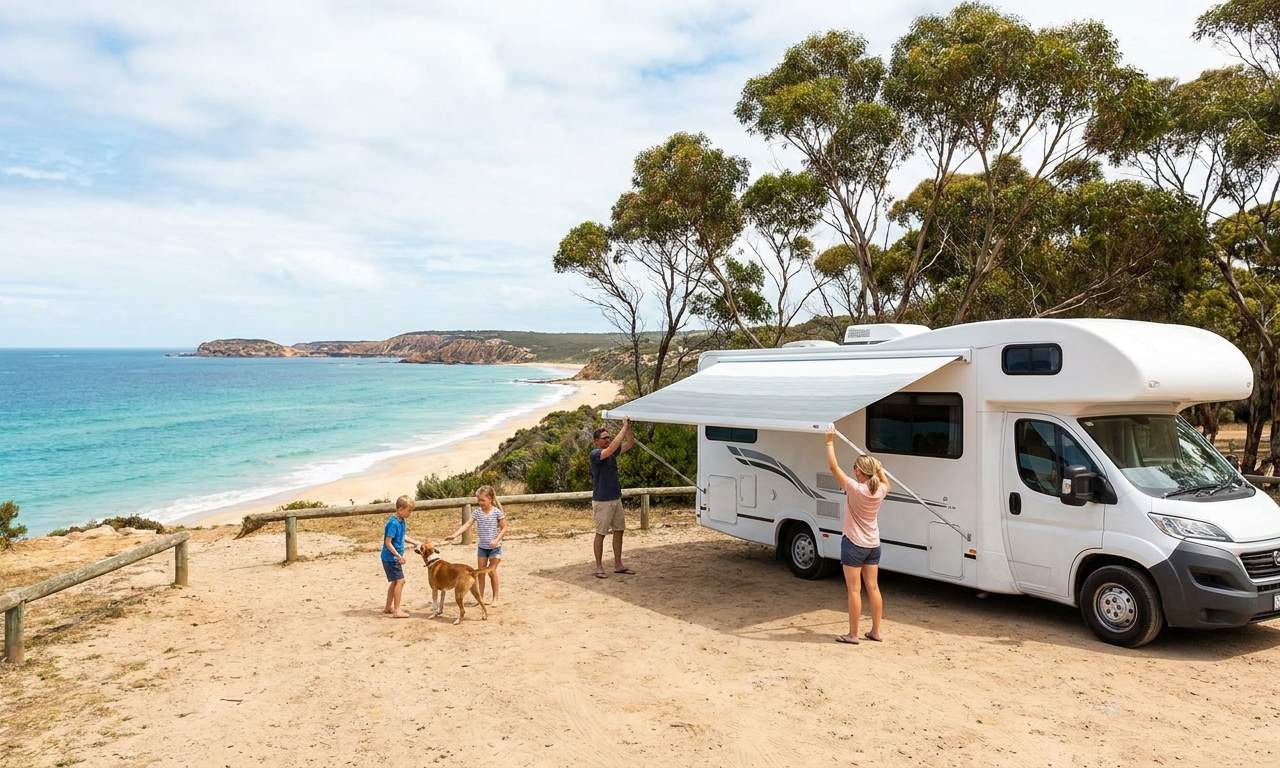
Upon arriving at an RV campground in Australia, check in at reception first to collect your site information and locate your designated spot. Carefully maneuver your rented RV, whether it's a compact campervan or a larger motorhome, into your site, ensuring ample clearance for any slide-outs or awnings you might deploy. Next, connect to the utilities in the correct sequence: typically, shore power first, then the fresh water hose, and finally, the wastewater (grey and black water) hose if your site includes a sewer hookup. Level your RV using leveling blocks if necessary, which ensures comfort inside and proper function of appliances like the refrigerator and shower.
Familiarize yourself with the campground facilities, including communal bathrooms, laundries, and any shared recreational areas. Respecting quiet hours, usually from late evening until early morning (e.g., 10 PM to 7 AM), is vital to ensure a peaceful environment for all campers, fostering a harmonious community spirit. Properly disposing of all waste, including grey and black water at designated dump points and recycling rubbish, is not only good etiquette but often a legal requirement. For finding campsites and campgrounds during your trip, we recommend using RV PLANET (rvplan.net), a great resource for locating available spots along your route.
RV Rental-Specific Tips for Australia
Tailoring your RV rental choice and travel style to your group's specific needs can significantly enhance your Australian adventure. For families traveling with children, choosing a larger Class C motorhome like the "F4" which has sleeping for 5 with a double bed and bunk beds, or the "Paradise Family 5" (sleeping 5 with a 70-liter fuel tank), ensures multiple sleeping areas and ample dining space. Planning shorter driving days, averaging under 150 km, with frequent stops at playgrounds or attractions listed in RV PLANET routes, helps keep everyone happy and engaged. Seniors often appreciate an RV with automatic transmission and power steering for easier driving, prioritizing models with walk-through access to the living area and comfortable beds, such as the "B 2 - Classic" with its 140/200cm double bed. For budget travelers, seeking out smaller, more fuel-efficient campervans like the "Juliette 2-3" (a compact campervan ideal for a couple) is key, along with planning to cook most meals in their onboard kitchens and utilizing free or low-cost camping apps like WikiCamps, especially during shoulder seasons for better rates. Lastly, luxury seekers can explore premium motorhome classes such as a "Class A - Thor ACE 30" (sleeping 6, 302-liter fuel tank) or the "Euro Deluxe" which boasts 3 double beds and TV, often equipped with slide-outs, separate showers, and multiple entertainment systems, enhancing outdoor living with optional add-ons like camping chairs and tables.
Common Mistakes to Avoid in Australia
To ensure a smooth RV rental experience in Australia, avoid underestimating the country's vast distances: instead, use online planners to calculate realistic driving times, remembering that travel between major cities like Perth and Alice Springs can span over 2,400 km. Ignoring wildlife warnings is another common pitfall; instead, be extra vigilant at dawn and dusk, especially in rural areas, and know how to react to animals like kangaroos and emus crossing the road. Disregarding sun protection is dangerous given Australia's strong UV index; always apply high-SPF sunscreen, wear a hat and sunglasses, and protective clothing.
Not pre-booking campsites, particularly during peak season or in popular areas like national parks, can lead to scrambling for overnight spots; instead, book your stays in advance, or research specific first-come-first-served sites, always calling ahead before driving. Overpacking is a frequent mistake for first-time RV renters; instead, pack light and utilize your motorhome's onboard storage efficiently, as most RVs have limited space. Finally, avoid assuming free camping is allowed everywhere; instead, research legal free and paid camping options using apps and local council information to prevent fines or disruptions, especially since Bandana does not provide in-trip campsite finding services.
What is the 3-3-3 rule for campervan?
The "3-3-3 rule" for campervan or RV travel in Australia is a widely recommended guideline for safe and enjoyable road trips, suggesting driving no more than 300 kilometers per day, stopping every 3 hours for a break, and staying for a minimum of 3 nights in one location to prevent fatigue and allow for better exploration. This rule promotes safety by preventing driver exhaustion on Australia's vast roads, especially important when driving a larger vehicle like a Class C motorhome, which can feel different from a standard car. Additionally, it encourages travelers to immerse themselves more deeply in each destination, fostering connections to local culture, food, and scenery, rather than rushing through the journey.
What are the drawbacks of renting an RV?
Renting an RV in Australia, while offering incredible freedom, can present certain challenges such as long driving distances between major attractions, which can be tiring and lead to higher fuel consumption compared to a smaller car. Very remote areas may have limited amenities, including sparse fuel stations and intermittent mobile service, requiring careful pre-planning and carrying extra supplies. Furthermore, there's an initial learning curve for managing RV utilities like fresh water, grey water, and black water tanks, as well as understanding power hookups at campgrounds.
While motorhomes can be driven almost anywhere with care, their size may mean slower travel speeds on some winding roads or in dense urban traffic, though with common sense and attention, city driving is manageable. Unexpected repair costs can be a concern if not fully covered by your insurance package, highlighting the benefit of considering a top-level deductible reimbursement option. Lastly, finding parking in crowded tourist spots can sometimes be less convenient than with a regular vehicle.
How much does it cost to rent an RV in Australia?
The cost to rent an RV in Australia varies significantly based on factors like vehicle size, rental duration, season, pickup/drop-off locations, and insurance coverage, with daily rates typically ranging from AUD $80 for a small campervan off-season to over AUD $300 for a large motorhome during peak periods. Prices are dynamic, similar to flight tickets, changing daily based on availability and supplier marketing decisions, so the final price is set at the actual booking time. Beyond the base rental, fuel is a major ongoing expense, especially given Australia's vast distances and fuel consumption for motorhomes like a "Cruise America example Explorer" with a 75-liter fuel tank or a larger "MHC30" with a 210-liter fuel tank. Campsite fees add to daily costs, with powered sites in popular caravan parks potentially costing AUD $30-$70 per night, while free camping options are more limited and require research. Other ancillary costs include propane for cooking (many RVs have a 2X 11 Kg gas bottle capacity), dump station fees, tolls, and groceries for self-catering, which can be tracked and itemized through RV PLANET routes for easy budgeting. One-way rental fees, which can range from AUD $150 to $500, and additional driver charges should also be considered when estimating your total trip budget.
Can you park an RV anywhere in Australia?
No, you cannot park an RV anywhere in Australia, as parking is restricted by a patchwork of state, territory, and local council regulations. Overnight parking is generally only permitted in designated campsites and caravan parks, which offer essential amenities like power, water, and dump points. While approved free camping spots exist, particularly in regional and remote areas, they require research through apps like WikiCamps or local tourist information and strict adherence to specific rules, such as duration limits and waste disposal guidelines.
Illegal parking, especially in urban areas or on private property, can result in significant fines and may disrupt local communities, so always respect "no overnight parking" signs. National Parks often have specific camping grounds that require advance bookings and permit fees, especially for popular sites like those near Uluru. Always plan your overnight stays carefully and call ahead to confirm availability, even for first-come-first-served spots, rather than assuming you'll find a legal place to park for the night.
How much is a 1 week RV rental?
A 1-week RV rental in Australia can range from approximately AUD $560 (around $80/day) for a smaller, off-season campervan like the "Juliette 2-3", to over AUD $2100 ($300/day) for a large, feature-rich motorhome during peak season, or even more for luxury models. The price depends heavily on the vehicle type, the rental company, the specific dates (peak Australian summer, December-February, or school holidays will drive up weekly rates significantly), and the pickup/drop-off locations. Off-peak or shoulder seasons (e.g., May-September outside of major holidays) typically offer more affordable weekly prices, sometimes with savings of up to 25% if booked 90+ days in advance.
Comprehensive insurance packages, which provide greater peace of mind with a lower deductible, will also increase the weekly cost, but are a worthwhile consideration for protecting your adventure. While longer rentals often come with a better daily rate, a 1-week trip is a common minimum duration for many suppliers and provides a fantastic opportunity to explore a specific region, such as the iconic coastal routes of New South Wales or the rugged beauty of Tasmania. For specific weekly pricing and available offers, check our "Weekly RV Rental in Australia - Pricing 2026" guide.
Is it worth having a toilet in a campervan?
Having a toilet and shower in a campervan or RV in Australia is often considered worth it for the significant convenience and privacy it provides, especially when traveling in remote areas with limited public facilities. It offers immense flexibility for unplanned stops, during night-time hours, or when camping off-grid, greatly enhancing your self-sufficiency. For instance, a Class B campervan like the "Koru Star 2 Freedom" with its included shower and toilet offers more autonomy than a basic sleepervan.
However, an onboard toilet does require regular waste management, including emptying the black water tank at designated dump points every few days, which might involve additional fees at some campgrounds. It also adds to the vehicle's size and weight, potentially impacting fuel efficiency slightly compared to a simpler campervan. Ultimately, the decision depends on your comfort level, budget, and desired travel style-if you value convenience and plan to explore areas with fewer amenities, a toilet and shower are valuable features.
Can US citizens rent a car in Australia?
Yes, US citizens can absolutely rent a car or RV in Australia, provided they meet the standard rental requirements. A valid US driver's license is essential, and it must be in English. An International Driving Permit (IDP) is strongly recommended for visitors from non-English-speaking countries or if your US license lacks a photo, though it is not always legally mandatory for short stays if your US license is clear and in English. Many rental companies require the primary driver to be at least 21 years old (Bandana's minimum age), and thankfully, there are no young driver surcharges or vehicle class restrictions based on age for any of our rental motorhomes.
A major credit card is also required for the security deposit, which can be substantial (often AUD $2000-$7500 for a Class C motorhome). Familiarity with driving on the left side of the road is crucial for safety and confidence, as is understanding local road rules which may differ from those in the US. Remember to check specific visa requirements for your stay, and always carry physical copies of your documents as a backup to digital versions.
What not to do in Australia as an American?
As an American visitor exploring Australia with a rented RV, it's advisable to avoid driving on the right side of the road; always drive on the left, as this is a fundamental and critical difference from US driving. Do not underestimate the vast distances and travel times between destinations, as Australia is a continent, not just a country, and journeys can be much longer than anticipated. It's also important not to disrespect Indigenous culture or sacred sites; always be mindful and respectful of local customs and heritage when visiting culturally significant areas.
Do not approach native wildlife like kangaroos, crocodiles, or snakes too closely, as these animals are wild and can be unpredictable or dangerous. Neglecting sun protection (high-SPF sunscreen, a hat, and sunglasses) or proper hydration can lead to serious health issues, given Australia's intense sun. Never ignore warning signs for swimming or dangerous conditions, especially those related to rip currents, marine stingers in northern waters (during "stinger season" from October to May), or crocodiles. Finally, do not assume free camping is allowed anywhere; always check local regulations and designated areas to avoid fines and ensure responsible travel.
Is 3000 AUD enough for 2 weeks in Australia?
AUD $3000 can be enough for a 2-week RV trip in Australia, especially for budget-conscious travelers, but it requires careful planning and mindful spending. This budget would be suitable for opting for a smaller campervan, such as the "Active Classic" (ideal for a couple, compact size), utilizing free or low-cost campsites found via RV PLANET, and self-catering most meals. For example, cooking most of your RV-friendly recipes playlist meals on your onboard stove will save significant restaurant costs.
However, this budget would be tight if including significant paid activities like extensive tours (e.g., Great Barrier Reef excursions, Uluru tours) or frequent dining out. It would not typically cover international flights to and from Australia. Fuel costs for 2 weeks can be substantial on long routes, so this needs to be a major consideration within the $3000. Luxury RV rentals, such as a Class A motorhome like the "MHLUX" or a fully-featured Class C like the "Euro Deluxe," would easily exceed this budget. This budget allows for a comfortable, budget-conscious trip with mindful spending, especially during the shoulder seasons (e.g., April-June or September-November) when rental rates are often lower. For a detailed breakdown of costs over different durations, consult our "Long-Term RV Rental in Australia - Monthly Rates 2026" and "RV Rental in Australia - Prices and Best Deals 2026" guides.
What You Shouldn't Miss
Australia offers an incredible array of experiences for RV travelers, from coastal drives to outback adventures. Don't miss exploring the vibrant cities like Sydney and Melbourne, easily navigable in your rented motorhome with careful driving, before heading out to stunning natural wonders.
- **The Great Ocean Road, Victoria:** This iconic 243-kilometer coastal drive, perfect for a 3-4 day segment of a week-long trip, showcases breathtaking cliff faces, pristine beaches, and the Twelve Apostles. It's an ideal route for a Class C motorhome, with numerous caravan parks along the way offering powered sites.
- **Uluru-Kata Tjuta National Park, Northern Territory:** A true heartland experience, witnessing the sunrise and sunset over Uluru is a profound cultural and natural spectacle. Camp nearby in your rented RV and explore the 10.6 km base walk or shorter trails around Kata Tjuta.
- **The Daintree Rainforest, Queensland:** Immerse yourself in the world's oldest tropical rainforest, exploring boardwalks, crocodile-spotting cruises on the Daintree River, and beautiful beaches. Many caravan parks are available for your campervan rental in towns like Port Douglas or Cape Tribulation.
- **Fraser Island, Queensland (4WD RVs only):** The world's largest sand island, offering incredible freshwater lakes, towering rainforests, and vast beaches. If you've opted for a 4WD campervan like the "Adventure Tent Select" or "4x4 Camper B - THOR" (equipped with a 40-liter fresh water tank), this offers a unique off-road adventure, but check rental agreements for 4WD access.
- **Western Australia's Coral Coast:** Drive your motorhome rental along this spectacular route, stopping to snorkel or dive with whale sharks at Ningaloo Reef (April-July) or enjoying the dramatic coastline. The drive from Perth northwards offers ample opportunities for slow travel and connection with nature.
- **Tasmania's Wilderness:** Renting an RV in Tasmania allows you to easily explore Cradle Mountain-Lake St. Clair National Park, Freycinet National Park, and the island's charming towns and gourmet food trails over a two-week adventure.
Looking for expert insights from Avi Bandana? Top 5 Adventures - recommendations from Avi Bandana
🎬 Video coming soon
Final Thoughts
Australia by RV rental truly offers a unique and unforgettable way to experience this magnificent country. From the sun-kissed beaches to the rugged outback, a rented motorhome or campervan provides the freedom and flexibility to create your own adventure, discovering hidden gems and iconic landmarks at your own pace. With careful planning, a clear understanding of costs, and an adventurous spirit, your Australian road trip will be a journey of a lifetime.
At Bandana Caravan, we are here to support you every step of the way, ensuring full transparency, expert advice from true RV specialists, and peace of mind during your planning and booking. So, pack your bags, prepare your route, and get ready to hit the road. The incredible landscapes and vibrant culture of Australia await your discovery!
Compare Motorhome Prices for Australia and embark on your incredible journey today! Find rv Rentals in Australia and check Australia RV Rental Prices Now to start planning.