In This Guide
- What airport rv rental RV Rental Costs in Tokyo (CurrentYear)
- Seasonal Pricing - Peak vs. Shoulder vs. Off-Season in Tokyo
- What's Included vs. What's an Add-On
- Hidden Costs to Budget For in Tokyo
- How to Save on airport rv rental RV Rental in Tokyo
- How much does it cost to rent an RV in Japan?
- What is the best type of RV to rent in Japan?
- Is it easy to drive an RV in Japan?
- Where can you park an RV in Japan?
- Can you RV camp anywhere in Japan?
- What is a Michinoeki in Japan?
- Is it worth renting an RV in Japan?
- What should I know before driving in Japan?
Embarking on an RV adventure from Tokyo offers a unique perspective of Japan, blending urban exploration with serene natural escapes. When considering an RV rental near Tokyo Airport, understanding pickup pricing and what’s included is key to a smooth journey. At Bandana RV, we believe in full transparency, ensuring no hidden fees or surprises along your route. For live availability and current prices, start with our RV Rental Tokyo - Complete Guide 2026 guide. We are true RV specialists, dedicated to helping you discover the joy and freedom of a motorhome vacation, providing support before, during, and after your booking with real people behind you 24/7.
What airport rv rental RV Rental Costs in Tokyo (CurrentYear)
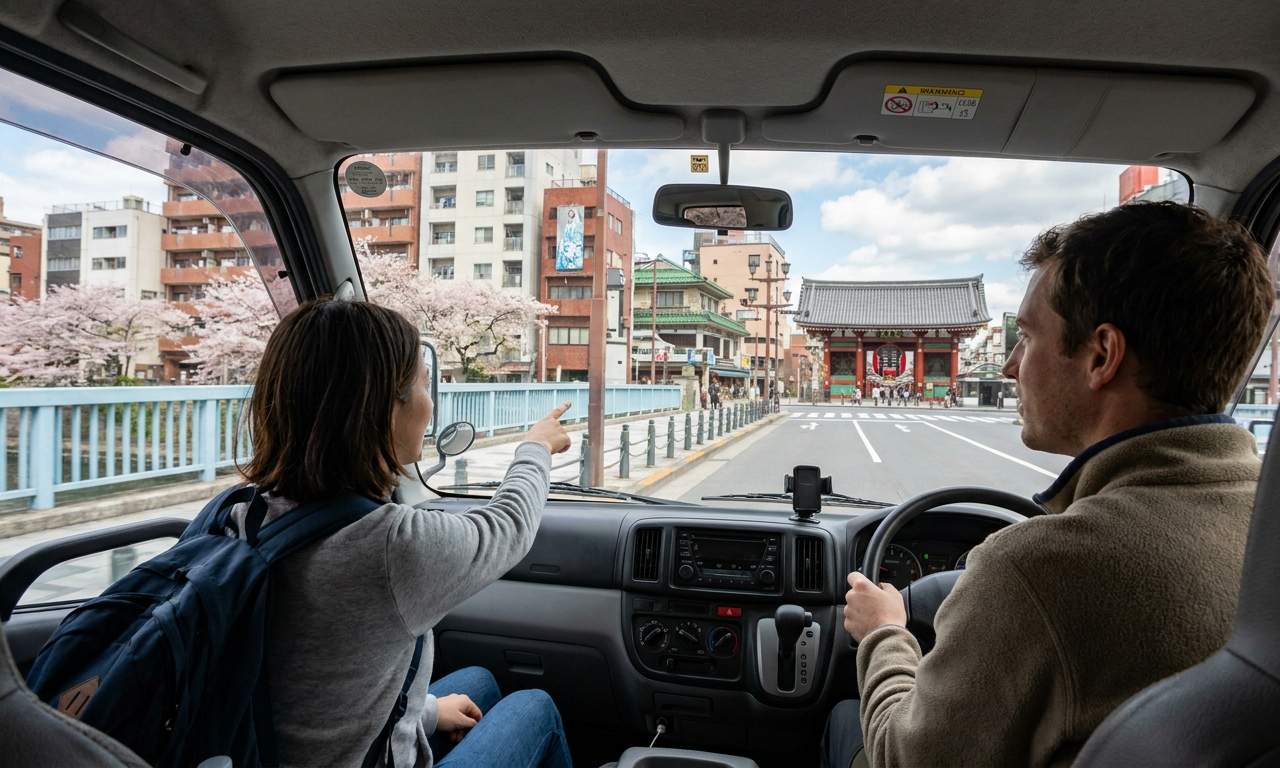
RV rental costs in Tokyo for the current year are dynamic, similar to flight tickets, changing daily based on factors like demand, availability, and seasonality. For a 1-week trip, a compact campervan like the "Category Van" (ideal for a couple, features front air condition and shower) can range from approximately ¥12,000 to ¥25,000 per day during the shoulder season. A 2-week adventure in a larger Class C motorhome, such as the "rv rentals example Comfort Class" (sleeping 4-6, with shower and toilet), might cost between ¥20,000 and ¥40,000 daily. For an extended 1-month journey, daily rates often decrease, making longer trips more economical per day. Pickup and drop-off pricing examples are typically based on locations like Tokyo Narita (ID 2187) or Haneda Airport. Families with kids often opt for mid-sized Class C motorhomes, which generally have higher rental costs than campervans, but offer more sleeping capacity and amenities for 4-6 people.
Bandana RV maintains direct partnerships with over 50 leading RV suppliers worldwide, including popular brands like El Monte, Cruise America, Apollo, and Britz, ensuring a wide selection and competitive pricing for your Tokyo adventure. We provide full price transparency, so what you see is what you get, without hidden fees or conversion commissions.
Seasonal Pricing - Peak vs. Shoulder vs. Off-Season in Tokyo
RV rental prices in Tokyo fluctuate significantly across peak, shoulder, and off-seasons. Peak season, typically from July to August and during major national holidays like Golden Week (late April-early May) or Obon (mid-August), sees the highest rates due to increased demand, with daily rental costs potentially rising by 30-50%. Shoulder seasons, usually May-June and September-October, offer a pleasant balance of good weather and moderate pricing, with savings of up to 20% compared to peak season. Off-season, from November to March (excluding winter holidays), generally provides the lowest rates, with April often being the cheapest month for securing an RV rental in Tokyo, potentially saving travelers up to 25% on their booking.
What's Included vs. What's an Add-On
Basic insurance is always included with RV rentals in Japan, offering fundamental coverage for your peace of mind. However, optional add-ons typically enhance your trip experience and safety. These often include comprehensive insurance tiers for reduced liability, unlimited mileage packages (highly recommended for extensive exploration beyond Tokyo), generator usage, and specialized kitchen or bedding kits. For instance, a Class C motorhome like the "cruise america rv rental example Explorer" might come with a basic setup, while a campervan rental might require additional kits. Inclusions vary significantly by specific RV model and rental station, so it's always wise to verify details for each booking. Bandana RV offers a convenient comparison toggle to view prices that include kitchen utensils, tableware, and bedding, making it easier to plan your meals on the go. Imagine preparing your favorite dishes right inside your rented campervan; for inspiration, check out our RV-friendly recipes playlist.
Hidden Costs to Budget For in Tokyo
Beyond the initial RV rental fees, travelers in Tokyo should budget for several ancillary costs to ensure a smooth trip. Tolls, especially on Japan's extensive expressway system, can be significant; an Electronic Toll Collection (ETC) card is almost essential for convenience and often provides discounts, with some rental RVs offering pre-purchased toll usage. Fuel costs in Japan can fluctuate, averaging around ¥170-¥190 per liter for gasoline. Urban parking for RVs in Tokyo is limited and can be costly, often ranging from ¥500 to ¥1,000 per hour in central areas like Shinjuku or Shibuya, requiring careful planning to find suitable spots outside the city center or at dedicated RV parks. Campsite fees vary by location and amenities, generally ranging from ¥2,000 to ¥6,000 per night, with premium spots near attractions like Mount Fuji potentially higher. Additionally, factor in propane for cooking and heating, dump fees (often a small fee at private campgrounds), and of course, groceries for your onboard kitchen. For comprehensive budgeting and tracking every expense along the way, we recommend exploring RV PLANET routes, which allow you to itemize costs easily. On the routes offered through RV PLANET routes, you can itemize and track every expense along the way for easy budgeting.
How to Save on airport rv rental RV Rental in Tokyo
To find the cheapest airport rv rental in Tokyo, strategic planning and flexibility are your best allies. Booking during the shoulder or off-season, such as April, can significantly reduce rental costs by as much as 25-30% compared to peak times. Being flexible with your travel dates, even by a few days, can reveal substantial savings. Opting to pre-purchase toll-road usage through your rental provider can avoid unexpected charges and potentially offer cost benefits over paying cash at each toll booth. Many rental companies or campgrounds, for example near Tokyo Disneyland, offer discount cards or loyalty programs that can reduce campsite fees or fuel expenses; always inquire about these. Choosing a smaller RV class, such as a compact campervan like the "rv rental denver example Category Van," if it comfortably accommodates your group of 2-3, will result in lower rental fees and significantly better fuel economy compared to a larger Class A or Class C motorhome. Finally, booking for longer durations, like a two-week adventure or a month-long journey, frequently leads to a better daily rental rate, offering more value for your money. You can monitor flex-rate drops and special promotions on our comparison platform to yield substantial savings.
How much does it cost to rent an RV in Japan?
Renting an RV in Japan typically costs between ¥10,000 to ¥30,000 per day, but prices are highly variable based on RV size, season, and rental duration. For example, a basic 2-berth campervan might start at ¥10,000-¥15,000 per day in the off-season, while a spacious 4-6 berth Class C motorhome could be ¥25,000-¥35,000+ per day during peak travel periods. Costs can also differ slightly depending on the pickup location outside of major hubs like Tokyo, but the primary drivers are seasonality and vehicle type. For current estimates specifically for airport RV rental in Tokyo, refer to our comparison tool.
What is the best type of RV to rent in Japan?
The best type of RV to rent in Japan largely depends on your travel style and comfort with navigating narrow roads; compact campervans (often referred to as 'light campers' or 'cab campers') are frequently recommended for ease of maneuverability. These smaller units, such as a "Patagonia Camper 4x4 double cab" or a "hire campervan example Paradise S/T" with automatic transmission, are ideal for couples or small families of up to 4, making it easier to drive and park in dense urban areas and rural routes, truly adapting to Japan's diverse infrastructure. Larger Class C RVs, like the "rv rentals example Comfort Class" which sleeps 4-6, offer more living space and amenities including a shower and toilet, but can be challenging on Tokyo's notoriously narrow streets and in finding suitable parking. Consider your group size and the amount of luggage you'll have when choosing between a nimble campervan and a more spacious motorhome for your Japanese adventure.
Is it easy to drive an RV in Japan?
Driving an RV in Japan can be a rewarding experience, but it requires adaptation to left-hand traffic, often narrow urban streets, and reliance on navigation tools due to the language barrier. Japanese roads are exceptionally well-maintained, but navigating dense areas like central Tokyo in a larger motorhome demands careful attention and familiarity with local traffic laws. Drive slowly and carefully, and you can drive almost anywhere without issues. No need to stress - just use common sense and pay attention. Utilizing reliable Japanese navigation apps, which often allow input via map codes or phone numbers, is crucial for seamless travel and overcoming language challenges. If you're unaccustomed to left-hand driving, practicing with a smaller rented campervan first can help build confidence before handling a larger RV. Our "Driving an RV in Tokyo - Complete Guide 2026" offers more detailed tips.
Where can you park an RV in Japan?
In Japan, RVs can be parked at designated campsites, 'Michinoeki' (roadside stations), and specific urban parking garages or lots designed to accommodate larger vehicles. Dedicated RV campsites, such as the popular Lake Kawaguchiko Auto Campsite with Mount Fuji views, are the best option for extended stays, offering amenities like electrical hookups, fresh water, and dump stations. Finding suitable urban parking in Tokyo, especially for larger Class C motorhomes, requires prior research; apps and websites can help identify lots with adequate height (many garages have a 2.1-meter limit) and length clearances. Michinoeki are excellent for short breaks and often allow free overnight parking, but they are not full campsites and have specific rules against setting up extensive camp gear outside your vehicle.
Can you RV camp anywhere in Japan?
No, wild camping or parking an RV anywhere is generally not permitted in Japan; RVers should primarily utilize designated campsites and follow specific rules at 'Michinoeki' (roadside stations). It's crucial to respect local regulations and cultural etiquette, which includes strict rules about trash disposal and recycling, as well as maintaining quiet hours, especially in residential areas or at Michinoeki. Michinoeki are for rest and overnight parking only, not for setting up camp chairs, awnings, or engaging in typical camping activities. Always use proper facilities for waste disposal and avoid leaving any trace to maintain good relations with local communities and ensure the future of RV travel in Japan. For campsite options, our "RV Camping for One-Way Trips in Tokyo 2026" can provide guidance.
What is a Michinoeki in Japan?
A Michinoeki (道の駅), or roadside station, is a government-designated public facility along national and prefectural roads in Japan, offering travelers a place to rest, use restrooms, and often purchase local products and food. These stations are extremely popular with RVers as they provide free overnight parking, making them convenient stops during an RV journey, especially for those embarking on a "Week-Long RV Driving Tour in Tokyo 2026". While Michinoeki offer amenities like clean restrooms, local shops, and sometimes restaurants, they are not campsites; specific rules apply, such as no setting up camp gear (chairs, tables, awnings) outside your vehicle and respecting quiet hours. They are vital for RV travel in Japan, acting as rest stops and cultural hubs rather than full-service camping grounds.
Is it worth renting an RV in Japan?
Renting an RV in Japan can be highly worthwhile for travelers seeking flexibility, immersive access to nature, and unique cultural experiences beyond traditional tourist routes. A rented motorhome offers the freedom to explore Japan's stunning landscapes, from the base of Mount Fuji (Fujinomiya or Yamanakako) to coastal drives along the Izu Peninsula and hot spring towns, all at your own pace. It can provide cost savings compared to continually booking hotels, especially for families or groups, and allows for self-catering to manage food budgets effectively. Venturing to off-the-beaten-path destinations like lesser-known national parks or secluded onsens becomes significantly easier with an RV, offering a deeper immersion into Japanese culture and nature. For broader context, refer to our "RV Rental Japan - Complete Guide 2026".
What should I know before driving in Japan?
Before driving an RV in Japan, be prepared for left-hand traffic, an extensive toll road system (ETC cards are highly recommended for efficiency), and strict adherence to traffic laws and speed limits. Familiarize yourself with Japanese road signs, which often include English translations, and rely on robust navigation apps like Google Maps or Japan-specific apps (using phone numbers or map codes for addresses) for seamless travel and overcoming language challenges. Understand basic emergency protocols: know how to contact local emergency services (110 for police, 119 for fire/ambulance), and be aware of roadside assistance options provided by your rental company. Japan is prone to natural disasters like earthquakes and typhoons; stay informed about local weather alerts and have an emergency kit in your RV, including water, food, and a fully charged phone. Remember to travel slowly, averaging max 100-150 km per day, to truly feel the place, connect to the culture, the food, and the scenery. For fuel-saving tips, check our "Budget RV Driving in Tokyo - Save on Fuel 2026".
🎬 Video coming soon
What You Shouldn't Miss
- **Mount Fuji Scenic Drive**: Rent a campervan from Tokyo and take a scenic route to Lake Kawaguchiko. Stay at a lakeside campsite for unparalleled views of Mount Fuji, especially during sunrise.
- **Hakone Loop by Motorhome**: Explore the diverse landscapes of Hakone, including volcanic hot springs, Lake Ashi cruises, and the open-air museum, all accessible with your rented RV. Park at a local campground and use local transport for the loop.
- **Nikko National Park**: Drive your motorhome to Nikko to discover UNESCO World Heritage shrines and temples amidst stunning autumn foliage or lush greenery, parking at designated RV-friendly spots outside the core temple area.
- **Izu Peninsula Coastal Route**: Experience a beautiful coastal drive, stopping at picturesque beaches, charming fishing villages, and natural hot springs. The route offers numerous Michinoeki and local campsites suitable for a rented RV.
- **Chiba Flower Line**: Take your RV to Chiba Prefecture, especially in spring, to witness vibrant flower fields and enjoy fresh seafood, a perfect short trip from Tokyo.
Looking for expert insights from Avi Bandana? Top 5 Adventures - recommendations from Avi Bandana
Final Thoughts
Renting an RV near Tokyo Airport opens up a world of adventure, allowing you to explore Japan's stunning landscapes and vibrant culture at your own pace. From the bustling streets of Tokyo to the tranquil serenity of Mount Fuji, a rented motorhome or campervan provides unmatched flexibility. Remember to plan your route, consider seasonal pricing, and embrace the local driving customs for a truly authentic experience.
At Bandana RV, we're here to make your Japanese RV adventure a reality, with transparent pricing and dedicated support every step of the way. Travel slowly - max 100-150 km per day on average - take time to feel the place, connect to the culture, the food, and the scenery. Get inspired for your next trip and plan a trip itinerary in advance with minimal effort and maximum enjoyment. Your unforgettable journey from Tokyo awaits!
Find Motorhome Rentals in TokyoIn This Guide
- What airport rv rental RV Rental Costs in Tokyo (CurrentYear)
- Seasonal Pricing - Peak vs. Shoulder vs. Off-Season in Tokyo
- What's Included vs. What's an Add-On
- Hidden Costs to Budget For in Tokyo
- How to Save on airport rv rental RV Rental in Tokyo
- How much does it cost to rent an RV in Japan?
- What is the best type of RV to rent in Japan?
- Is it easy to drive an RV in Japan?
- Where can you park an RV in Japan?
- Can you RV camp anywhere in Japan?
- What is a Michinoeki in Japan?
- Is it worth renting an RV in Japan?
- What should I know before driving in Japan?
Embarking on an RV adventure from Tokyo offers a unique perspective of Japan, blending urban exploration with serene natural escapes. When considering an RV rental near Tokyo Airport, understanding pickup pricing and what’s included is key to a smooth journey. At Bandana RV, we believe in full transparency, ensuring no hidden fees or surprises along your route. For live availability and current prices, start with our RV Rental Tokyo - Complete Guide 2026 guide. We are true RV specialists, dedicated to helping you discover the joy and freedom of a motorhome vacation, providing support before, during, and after your booking with real people behind you 24/7.
What airport rv rental RV Rental Costs in Tokyo (CurrentYear)
RV rental costs in Tokyo for the current year are dynamic, similar to flight tickets, changing daily based on factors like demand, availability, and seasonality. For a 1-week trip, a compact campervan like the "Category Van" (ideal for a couple, features front air condition and shower) can range from approximately ¥12,000 to ¥25,000 per day during the shoulder season. A 2-week adventure in a larger Class C motorhome, such as the "rv rentals example Comfort Class" (sleeping 4-6, with shower and toilet), might cost between ¥20,000 and ¥40,000 daily. For an extended 1-month journey, daily rates often decrease, making longer trips more economical per day. Pickup and drop-off pricing examples are typically based on locations like Tokyo Narita (ID 2187) or Haneda Airport. Families with kids often opt for mid-sized Class C motorhomes, which generally have higher rental costs than campervans, but offer more sleeping capacity and amenities for 4-6 people.
Bandana RV maintains direct partnerships with over 50 leading RV suppliers worldwide, including popular brands like El Monte, Cruise America, Apollo, and Britz, ensuring a wide selection and competitive pricing for your Tokyo adventure. We provide full price transparency, so what you see is what you get, without hidden fees or conversion commissions.
Seasonal Pricing - Peak vs. Shoulder vs. Off-Season in Tokyo
RV rental prices in Tokyo fluctuate significantly across peak, shoulder, and off-seasons. Peak season, typically from July to August and during major national holidays like Golden Week (late April-early May) or Obon (mid-August), sees the highest rates due to increased demand, with daily rental costs potentially rising by 30-50%. Shoulder seasons, usually May-June and September-October, offer a pleasant balance of good weather and moderate pricing, with savings of up to 20% compared to peak season. Off-season, from November to March (excluding winter holidays), generally provides the lowest rates, with April often being the cheapest month for securing an RV rental in Tokyo, potentially saving travelers up to 25% on their booking.
What's Included vs. What's an Add-On
Basic insurance is always included with RV rentals in Japan, offering fundamental coverage for your peace of mind. However, optional add-ons typically enhance your trip experience and safety. These often include comprehensive insurance tiers for reduced liability, unlimited mileage packages (highly recommended for extensive exploration beyond Tokyo), generator usage, and specialized kitchen or bedding kits. For instance, a Class C motorhome like the "cruise america rv rental example Explorer" might come with a basic setup, while a campervan rental might require additional kits. Inclusions vary significantly by specific RV model and rental station, so it's always wise to verify details for each booking. Bandana RV offers a convenient comparison toggle to view prices that include kitchen utensils, tableware, and bedding, making it easier to plan your meals on the go. Imagine preparing your favorite dishes right inside your rented campervan; for inspiration, check out our RV-friendly recipes playlist.
Hidden Costs to Budget For in Tokyo
Beyond the initial RV rental fees, travelers in Tokyo should budget for several ancillary costs to ensure a smooth trip. Tolls, especially on Japan's extensive expressway system, can be significant; an Electronic Toll Collection (ETC) card is almost essential for convenience and often provides discounts, with some rental RVs offering pre-purchased toll usage. Fuel costs in Japan can fluctuate, averaging around ¥170-¥190 per liter for gasoline. Urban parking for RVs in Tokyo is limited and can be costly, often ranging from ¥500 to ¥1,000 per hour in central areas like Shinjuku or Shibuya, requiring careful planning to find suitable spots outside the city center or at dedicated RV parks. Campsite fees vary by location and amenities, generally ranging from ¥2,000 to ¥6,000 per night, with premium spots near attractions like Mount Fuji potentially higher. Additionally, factor in propane for cooking and heating, dump fees (often a small fee at private campgrounds), and of course, groceries for your onboard kitchen. For comprehensive budgeting and tracking every expense along the way, we recommend exploring RV PLANET routes, which allow you to itemize costs easily.
How to Save on airport rv rental RV Rental in Tokyo
To find the cheapest airport rv rental in Tokyo, strategic planning and flexibility are your best allies. Booking during the shoulder or off-season, such as April, can significantly reduce rental costs by as much as 25-30% compared to peak times. Being flexible with your travel dates, even by a few days, can reveal substantial savings. Opting to pre-purchase toll-road usage through your rental provider can avoid unexpected charges and potentially offer cost benefits over paying cash at each toll booth. Many rental companies or campgrounds, for example near Tokyo Disneyland, offer discount cards or loyalty programs that can reduce campsite fees or fuel expenses; always inquire about these. Choosing a smaller RV class, such as a compact campervan like the "rv rental denver example Category Van," if it comfortably accommodates your group of 2-3, will result in lower rental fees and significantly better fuel economy compared to a larger Class A or Class C motorhome. Finally, booking for longer durations, like a two-week adventure or a month-long journey, frequently leads to a better daily rental rate, offering more value for your money. You can monitor flex-rate drops and special promotions on our comparison platform to yield substantial savings.
How much does it cost to rent an RV in Japan?
Renting an RV in Japan typically costs between ¥10,000 to ¥30,000 per day, but prices are highly variable based on RV size, season, and rental duration. For example, a basic 2-berth campervan might start at ¥10,000-¥15,000 per day in the off-season, while a spacious 4-6 berth Class C motorhome could be ¥25,000-¥35,000+ per day during peak travel periods. Costs can also differ slightly depending on the pickup location outside of major hubs like Tokyo, but the primary drivers are seasonality and vehicle type. For current estimates specifically for airport RV rental in Tokyo, refer to our comparison tool.
What is the best type of RV to rent in Japan?
The best type of RV to rent in Japan largely depends on your travel style and comfort with navigating narrow roads; compact campervans (often referred to as 'light campers' or 'cab campers') are frequently recommended for ease of maneuverability. These smaller units, such as a "Patagonia Camper 4x4 double cab" or a "hire campervan example Paradise S/T" with automatic transmission, are ideal for couples or small families of up to 4, making it easier to drive and park in dense urban areas and rural routes, truly adapting to Japan's diverse infrastructure. Larger Class C RVs, like the "rv rentals example Comfort Class" which sleeps 4-6, offer more living space and amenities including a shower and toilet, but can be challenging on Tokyo's notoriously narrow streets and in finding suitable parking. Consider your group size and the amount of luggage you'll have when choosing between a nimble campervan and a more spacious motorhome for your Japanese adventure.
Is it easy to drive an RV in Japan?
Driving an RV in Japan can be a rewarding experience, but it requires adaptation to left-hand traffic, often narrow urban streets, and reliance on navigation tools due to the language barrier. Japanese roads are exceptionally well-maintained, but navigating dense areas like central Tokyo in a larger motorhome demands careful attention and familiarity with local traffic laws. Drive slowly and carefully, and you can drive almost anywhere without issues. No need to stress - just use common sense and pay attention. Utilizing reliable Japanese navigation apps, which often allow input via map codes or phone numbers, is crucial for seamless travel and overcoming language challenges. If you're unaccustomed to left-hand driving, practicing with a smaller rented campervan first can help build confidence before handling a larger RV. Our "Driving an RV in Tokyo - Complete Guide 2026" offers more detailed tips.
Where can you park an RV in Japan?
In Japan, RVs can be parked at designated campsites, 'Michinoeki' (roadside stations), and specific urban parking garages or lots designed to accommodate larger vehicles. Dedicated RV campsites, such as the popular Lake Kawaguchiko Auto Campsite with Mount Fuji views, are the best option for extended stays, offering amenities like electrical hookups, fresh water, and dump stations. Finding suitable urban parking in Tokyo, especially for larger Class C motorhomes, requires prior research; apps and websites can help identify lots with adequate height (many garages have a 2.1-meter limit) and length clearances. Michinoeki are excellent for short breaks and often allow free overnight parking, but they are not full campsites and have specific rules against setting up extensive camp gear outside your vehicle.
Can you RV camp anywhere in Japan?
No, wild camping or parking an RV anywhere is generally not permitted in Japan; RVers should primarily utilize designated campsites and follow specific rules at 'Michinoeki' (roadside stations). It's crucial to respect local regulations and cultural etiquette, which includes strict rules about trash disposal and recycling, as well as maintaining quiet hours, especially in residential areas or at Michinoeki. Michinoeki are for rest and overnight parking only, not for setting up camp chairs, awnings, or engaging in typical camping activities. Always use proper facilities for waste disposal and avoid leaving any trace to maintain good relations with local communities and ensure the future of RV travel in Japan. For campsite options, our "RV Camping for One-Way Trips in Tokyo 2026" can provide guidance.
What is a Michinoeki in Japan?
A Michinoeki (道の駅), or roadside station, is a government-designated public facility along national and prefectural roads in Japan, offering travelers a place to rest, use restrooms, and often purchase local products and food. These stations are extremely popular with RVers as they provide free overnight parking, making them convenient stops during an RV journey, especially for those embarking on a "Week-Long RV Driving Tour in Tokyo 2026". While Michinoeki offer amenities like clean restrooms, local shops, and sometimes restaurants, they are not campsites; specific rules apply, such as no setting up camp gear (chairs, tables, awnings) outside your vehicle and respecting quiet hours. They are vital for RV travel in Japan, acting as rest stops and cultural hubs rather than full-service camping grounds.
Is it worth renting an RV in Japan?
Renting an RV in Japan can be highly worthwhile for travelers seeking flexibility, immersive access to nature, and unique cultural experiences beyond traditional tourist routes. A rented motorhome offers the freedom to explore Japan's stunning landscapes, from the base of Mount Fuji (Fujinomiya or Yamanakako) to coastal drives along the Izu Peninsula and hot spring towns, all at your own pace. It can provide cost savings compared to continually booking hotels, especially for families or groups, and allows for self-catering to manage food budgets effectively. Venturing to off-the-beaten-path destinations like lesser-known national parks or secluded onsens becomes significantly easier with an RV, offering a deeper immersion into Japanese culture and nature. For broader context, refer to our "RV Rental Japan - Complete Guide 2026".
What should I know before driving in Japan?
Before driving an RV in Japan, be prepared for left-hand traffic, an extensive toll road system (ETC cards are highly recommended for efficiency), and strict adherence to traffic laws and speed limits. Familiarize yourself with Japanese road signs, which often include English translations, and rely on robust navigation apps like Google Maps or Japan-specific apps (using phone numbers or map codes for addresses) for seamless travel and overcoming language challenges. Understand basic emergency protocols: know how to contact local emergency services (110 for police, 119 for fire/ambulance), and be aware of roadside assistance options provided by your rental company. Japan is prone to natural disasters like earthquakes and typhoons; stay informed about local weather alerts and have an emergency kit in your RV, including water, food, and a fully charged phone. Remember to travel slowly, averaging max 100-150 km per day, to truly feel the place, connect to the culture, the food, and the scenery. For fuel-saving tips, check our "Budget RV Driving in Tokyo - Save on Fuel 2026".
🎬 Video coming soon
What You Shouldn't Miss
- **Mount Fuji Scenic Drive**: Rent a campervan from Tokyo and take a scenic route to Lake Kawaguchiko. Stay at a lakeside campsite for unparalleled views of Mount Fuji, especially during sunrise.
- **Hakone Loop by Motorhome**: Explore the diverse landscapes of Hakone, including volcanic hot springs, Lake Ashi cruises, and the open-air museum, all accessible with your rented RV. Park at a local campground and use local transport for the loop.
- **Nikko National Park**: Drive your motorhome to Nikko to discover UNESCO World Heritage shrines and temples amidst stunning autumn foliage or lush greenery, parking at designated RV-friendly spots outside the core temple area.
- **Izu Peninsula Coastal Route**: Experience a beautiful coastal drive, stopping at picturesque beaches, charming fishing villages, and natural hot springs. The route offers numerous Michinoeki and local campsites suitable for a rented RV.
- **Chiba Flower Line**: Take your RV to Chiba Prefecture, especially in spring, to witness vibrant flower fields and enjoy fresh seafood, a perfect short trip from Tokyo.
Looking for expert insights from Avi Bandana? Top 5 Adventures - recommendations from Avi Bandana
Final Thoughts
Renting an RV near Tokyo Airport opens up a world of adventure, allowing you to explore Japan's stunning landscapes and vibrant culture at your own pace. From the bustling streets of Tokyo to the tranquil serenity of Mount Fuji, a rented motorhome or campervan provides unmatched flexibility. Remember to plan your route, consider seasonal pricing, and embrace the local driving customs for a truly authentic experience.
At Bandana RV, we're here to make your Japanese RV adventure a reality, with transparent pricing and dedicated support every step of the way. Travel slowly - max 100-150 km per day on average - take time to feel the place, connect to the culture, the food, and the scenery. Get inspired for your next trip and plan a trip itinerary in advance with minimal effort and maximum enjoyment. Your unforgettable journey from Tokyo awaits!
Find Motorhome Rentals in Tokyo