In This Guide
- Can Foreigners Drive an RV in Tokyo? License & Age Rules
- Road Conditions & Terrain in Tokyo
- RV Size Limits, Bridges & Restricted Zones in Tokyo
- Fuel: Diesel vs. Petrol & Cost per 100 km in Tokyo
- Tolls, Vignettes & Border Rules for RVs in Japan
- Driving Tips for Cheap RV Rental Travelers in Tokyo
- Recommended RV Class for Tokyo Roads
- Should I Choose a Compact Van Instead of a Large RV in Tokyo?
- Can I Park Anywhere? Free & Wild Camping Rules in Tokyo
- Can I Drive an RV Into the City Center? Heights, Tunnels & Local Signage
- How much does it cost to rent an RV in Japan?
- Is it easy to drive a campervan in Japan?
- Can foreigners drive RVs in Japan?
- Where can you go camping in Japan?
- What kind of RVs are available for rent in Japan?
Can Foreigners Drive an RV in Tokyo? License & Age Rules
Foreigners can drive rental RVs in Tokyo and throughout Japan with an International Driving Permit (IDP) based on their home country's license. This permit acts as an official translation and is essential for legal driving, so be sure to obtain it before you arrive in Japan. A standard car driver's license, suitable for vehicles up to 3,500 kg (7,716 lbs), is generally sufficient for operating most rental motorhomes like Class C Alcoves available in Tokyo. The minimum driver age for RV rentals in Tokyo is typically 21 years old across most Bandana partner suppliers. There are no young driver surcharges and no vehicle class restrictions based on age, making RV travel accessible for younger adult travelers as well. Always carry both your national driver's license and your IDP, as both are required by Japanese law.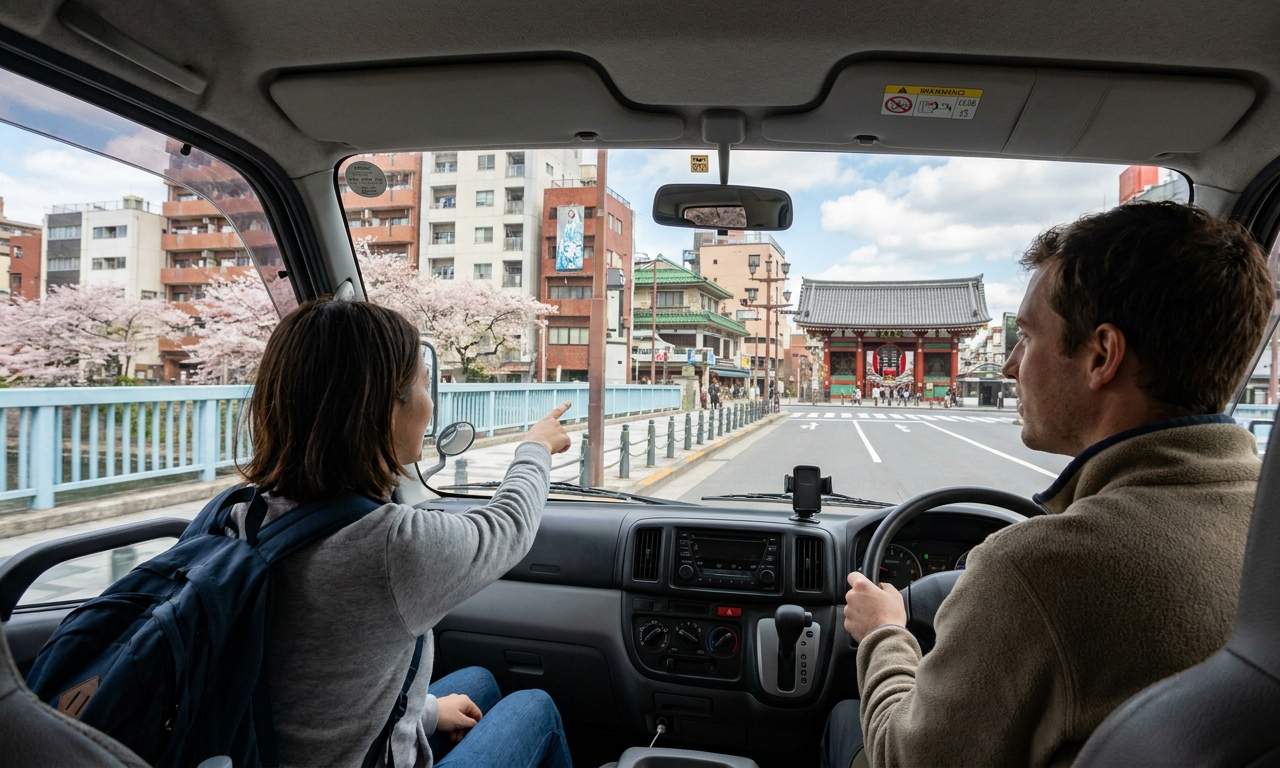
Road Conditions & Terrain in Tokyo
Tokyo's main roads are excellently maintained and mostly paved, offering smooth driving for your rented campervan. While the city center itself is largely flat, areas just outside, like the stunning Hakone region or the majestic vicinity of Mount Fuji, feature mountainous terrain with winding roads that require careful navigation. Driving a larger motorhome like a Class C Alcove (averaging around 5 meters in length) in Tokyo requires patience due to urban density and the sheer volume of traffic, particularly during peak hours on major arteries like the Shuto Expressway. However, with a mindful approach and by driving slowly and carefully, you can navigate almost anywhere without issues. For instance, around popular spots like Shibuya Crossing or Tokyo Station, traffic can be intense, but a patient driver will find it manageable. Remember to connect to the culture, the food, and the scenery at a relaxed pace, traveling max 100-150 km per day on average.RV Size Limits, Bridges & Restricted Zones in Tokyo
Tokyo does not impose widespread RV size limits on its major roads, but drivers must be vigilant for specific height restrictions in certain areas. You'll encounter height limits for tunnels, underground parking garages near places like Shinjuku or Ginza, and some older bridges, typically marked with clear signage. For instance, many multi-story car parks are designed for compact vehicles and will not accommodate a Class C Alcove RV, which typically has a height of 3-3.5 meters. Renters of Class C Alcove RVs should always note overhead clearances. Environmental zones, common in some European cities, are less prevalent in Japan; however, always check local signage for any specific vehicle restrictions in certain areas or during particular times, especially around historical sites or pedestrian-heavy districts.Fuel: Diesel vs. Petrol & Cost per 100 km in Tokyo
Most rental RVs and campervans in Japan, including popular Class C Alcoves, typically operate on petrol (gasoline), which is readily available at service stations throughout Tokyo and across Japan. While precise fuel consumption varies by vehicle model and driving conditions, an average Class C motorhome might consume 11-15 liters per 100 km. Budget travelers should factor in these fuel costs, as prices fluctuate regularly, often between ¥160-¥180 per liter (approximately $1.05-$1.20 USD per liter), which can add up on longer trips. Some Bandana partner suppliers offer fuel discount cards for certain RVs, so inquire about these when booking to help manage daily expenses. Remember that for efficient budgeting and tracking of all your trip costs, including fuel, RV PLANET routes allow you to itemize and monitor every expense.Tolls, Vignettes & Border Rules for RVs in Japan
Japan features an extensive network of toll roads, especially around major urban centers like Tokyo, which can represent a significant expense for RV travelers. Unlike some European countries that use vignette systems, Japanese tolls are typically paid per section or distance traveled. The most convenient method for handling these payments is an Electronic Toll Collection (ETC) card. Many RV rental companies in Tokyo allow you to pre-purchase or rent an ETC card, which streamlines toll payments and helps avoid delays or potential fines on the Japanese expressway system. For example, driving the Tomei Expressway from Tokyo towards Mount Fuji will involve multiple toll gates. Since Bandana facilitates RV rentals across 50+ countries, we understand the nuances of local road rules and are here to support your pre-booking comparison and post-booking coordination. There are no international borders to cross when driving within Japan, simplifying cross-prefecture travel.Driving Tips for Cheap RV Rental Travelers in Tokyo
Driving a rented RV in Tokyo requires specific attention to local customs and road signs for a smooth experience. First, always drive on the left side of the road and prioritize pedestrians, especially in busy areas like Shinjuku-ku and Shibuya. Familiarize yourself with common Japanese road signs, which blend international symbols with unique local pictograms; many major routes, however, have bilingual signs. We highly recommend utilizing navigation apps or GPS devices with English voice guidance to help navigate Tokyo's complex intersections and avoid unexpectedly narrow side streets, particularly in older districts like Asakusa. Plan your routes to include frequent stops, leveraging "Michi-no-Eki" (roadside stations) for breaks, fresh produce, and local cultural experiences. To efficiently manage expressway tolls, which are prevalent throughout Japan, consider pre-booking an ETC card with your rental RV.Recommended RV Class for Tokyo Roads
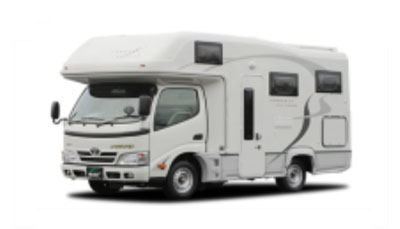
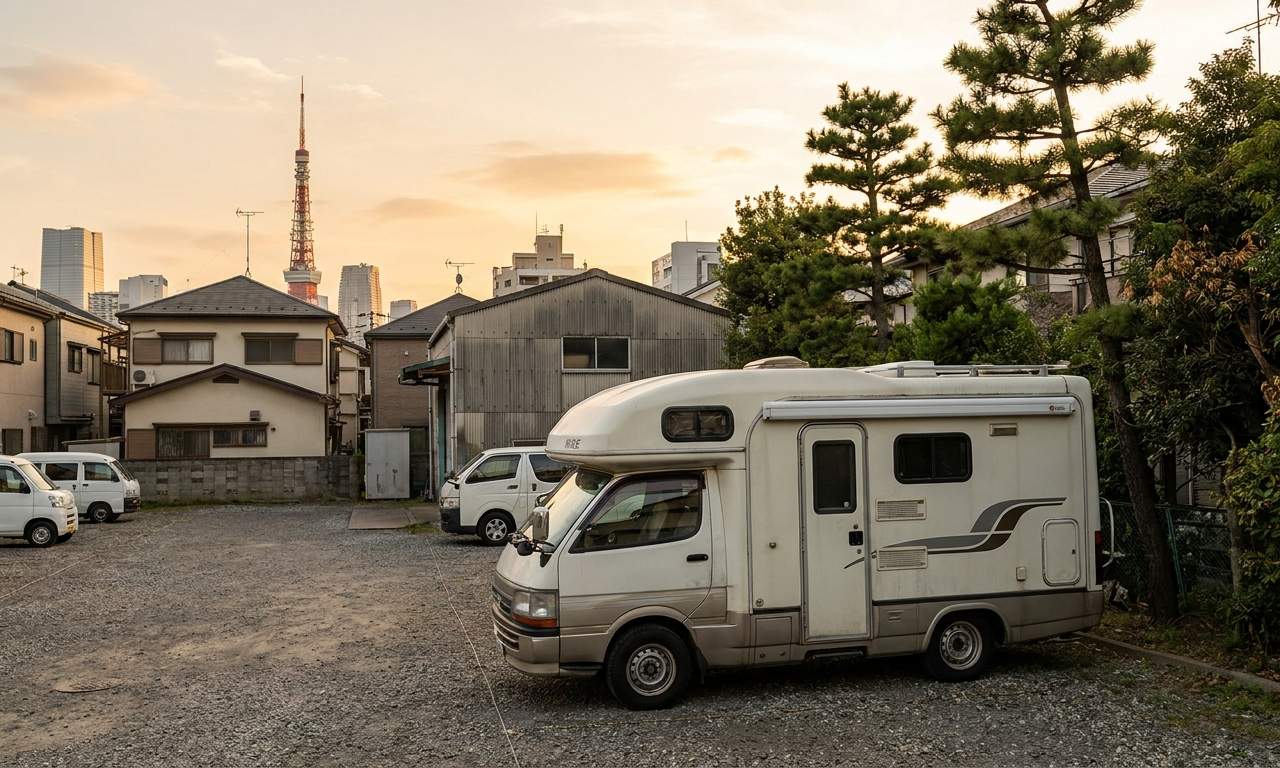
For navigating Tokyo roads and exploring the beautiful surrounding areas, a Class C - Alcove RV is a highly recommended option from Bandana's fleet due to its balanced size and amenities. A typical Class C - Alcove rental RV, averaging around 5 meters in length, offers comfortable sleeping arrangements for up to 6 people (though ideally suited for 3-4 adults) without being overly cumbersome for Japanese roads. Vehicles like the "Budget RV Driving in Tokyo - Save on Fuel 2026" model, which prioritize efficiency, are an excellent choice for a cheap RV rental in Tokyo. This class provides ample living space, a compact kitchen perfect for preparing RV-friendly recipes playlist, and essential facilities for families or small groups. It remains manageable for both urban driving to central districts and for accessing popular destinations outside the city, such as the Fuji Five Lakes region.Should I Choose a Compact Van Instead of a Large RV in Tokyo?
While compact campervans undeniably offer superior maneuverability in extremely tight city centers or very narrow mountain passes, most rental RVs, including versatile Class C Alcoves, are perfectly suitable for driving in Tokyo and its surrounding regions. Choosing a larger RV like a Class C Alcove often provides significantly more comfort, indoor living space, and amenities such as a private toilet, shower, and a fully equipped kitchen. These features greatly enhance your travel experience, especially for extended trips lasting a week or more. The roads outside Tokyo's densest urban cores are well-suited for these larger motorhomes, allowing you to enjoy the benefits of a full RV experience without significant compromise. Remember, Bandana Caravan, founded in 2001, has over 23 years of experience, ensuring we match you with the right vehicle for your adventure.Can I Park Anywhere? Free & Wild Camping Rules in Tokyo
Strictly speaking, wild camping or overnight parking outside designated areas is generally not permitted in Japan, including metropolitan Tokyo. There is a strong cultural emphasis on utilizing official facilities for overnight stays. Many "Michi-no-Eki" (roadside stations) and service areas along expressways, such as the Ebina Service Area on the Tomei Expressway, allow temporary overnight parking for rest purposes, but they typically do not permit setting up camp or extended stays. For legal and comfortable overnight stays near Tokyo, it is always recommended to utilize dedicated RV parks, campgrounds, or official parking areas designed for campervans. These can be found in regions like Chiba, Kanagawa, or Yamanashi, just a short drive from the city. Always check local regulations and follow local law to respect private property and public ordinances. For finding campsites and campgrounds during your trip, we recommend using RV PLANET (rvplan.net) - a great resource for locating available spots along your route.Can I Drive an RV Into the City Center? Heights, Tunnels & Local Signage
Yes, you can generally drive a rented RV into most city centers in Tokyo, but careful attention to local signage, particularly for height and weight restrictions, is crucial. Drivers must be vigilant for height limits on underground parking garages, low bridges over rivers like the Sumida, and certain tunnels, which are usually clearly marked with height indicators (e.g., 2.5m or 3m). For instance, a Class C motorhome like the "MHC24" with a height of 3.25 meters will not fit into most multi-story urban parking facilities. You should also pay close attention to local environmental zones, residents-only streets, or time-restricted access areas near popular sites like the Imperial Palace, which are typically clearly marked with Japanese signage and sometimes English translations. Plan your parking in advance, perhaps utilizing larger public lots on the outskirts or at dedicated RV parking facilities further afield, then using Tokyo's excellent public transport to explore central areas.How much does it cost to rent an RV in Japan?
The cost to rent an RV in Japan varies significantly based on vehicle type, rental duration (e.g., a one-week adventure vs. a longer trip), season, and included features. Daily rates typically range from ¥10,000 to ¥30,000 (approximately $70-$200 USD) for a Class C Alcove RV, with campervans often being on the lower end. Beyond the base rental fee, travelers should budget for additional costs such as expressway tolls (a notable expense in Japan, potentially ¥3,000-¥5,000 for a trip outside Tokyo), fuel (around ¥1.10 per km for a Class C), campground fees (¥2,000-¥5,000 per night), and optional extras like bedding or kitchen kits. A detailed cost breakdown for an RV trip to Japan should also include estimated expenses for food, sightseeing, and potential optional insurance upgrades for comprehensive peace of mind. Remember, our platform facilitates bookings in 30+ currencies with full price transparency.Is it easy to drive a campervan in Japan?
Driving a rented campervan in Japan is generally straightforward and an enjoyable way to explore the country for foreigners, once accustomed to left-hand traffic. The ease of driving is significantly enhanced by Japan's exceptionally well-maintained road infrastructure, clear signage (often bilingual on major routes and expressways like the Tomei and Chuo), and a polite driving culture. Challenges might include navigating very narrow urban streets in older Tokyo districts, understanding some Japanese-only road signs in rural areas, and managing the significant cost of expressway tolls, which an ETC card can streamline. Planning your route carefully and using a GPS with English guidance will make your RV trip stress-free. Traveling slowly, averaging max 100-150 km per day, allows you to truly feel the place and connect with the scenery.Can foreigners drive RVs in Japan?
Foreigners can legally drive rented RVs in Japan, provided they possess a valid International Driving Permit (IDP) issued in their home country, based on their existing driver's license. It is crucial to obtain this IDP before arriving in Japan, as it cannot be issued upon arrival and is mandatory alongside your original national license. Some nationalities from countries with specific agreements with Japan, such as Germany, France, or Switzerland, may be permitted to drive with an official translation of their domestic license rather than an IDP; however, checking specific requirements for your country with the Japanese Embassy or Consulate prior to travel is essential. A standard car driver's license is sufficient for all motorhome classes (Class A, Class B, and Class C) rented in Japan.Where can you go camping in Japan?
Japan offers numerous scenic campsites and RV parks throughout the country, with popular destinations for RV travelers extending from Tokyo to regions like Mount Fuji, Hakone, Nikko, and the Izu Peninsula. Many "Michi-no-Eki" (roadside stations) serve as excellent stops for rest, offering local produce, clean restrooms, and sometimes even hot springs (onsen), though official overnight camping is generally restricted here. Popular campgrounds near Tokyo include Pica Sagamiko in Kanagawa Prefecture, which offers powered sites and facilities just an hour's drive from central Tokyo, and various sites around Lake Kawaguchiko offering stunning Mount Fuji views. When camping in Japan, observe cultural etiquette such as proper waste disposal, quiet hours, and respecting local customs, particularly when visiting onsen or interacting with local communities. For finding campsites and campgrounds during your trip, we recommend using RV PLANET (rvplan.net) - a great resource for locating available spots along your route.What kind of RVs are available for rent in Japan?
Rental companies in Japan, including Bandana's partner suppliers, offer a diverse range of motorhomes and campervans, catering to various travel styles and group sizes. These include compact campervans perfect for solo travelers or couples (like the "Active Classic"), versatile cabover (Alcove) models like the Class C, and larger family-friendly motorhomes. A popular choice, especially for families or groups of 3-6, is the Class C - Alcove RV, which in Bandana's local Tokyo fleet, averages 5 meters in length and comfortably sleeps up to 6 people (typically 3 adults or 2 adults and 2-3 children). These vehicles, such as the "cruise america rv rental example Explorer" model (7.1m length), are well-suited for Japanese roads, balancing interior amenities with manageable dimensions for both urban and scenic rural exploration. They typically provide cooking facilities, beds, and often a shower and toilet for a fully self-contained journey.What You Shouldn't Miss
- **Explore Mount Fuji's Five Lakes (Fuji Five Lakes)**: Drive your rented motorhome from Tokyo south-west for about 2 hours to discover the iconic Fuji Five Lakes region. Camp at sites like Koan Campground on Lake Motosuko for stunning, unobstructed views of Mount Fuji, especially at sunrise.
- **Immerse Yourself in Hakone's Hot Springs and Art**: Venture to Hakone, roughly 1.5 hours southwest of Tokyo. Park your campervan near Lake Ashi and explore the Hakone Open-Air Museum, then relax in a traditional onsen.
- **Discover Nikko's UNESCO World Heritage Sites**: Head north from Tokyo for about 2 hours in your RV to Nikko, home to ornate shrines and temples like Toshogu Shrine. Many campgrounds in the Nikko National Park area offer a tranquil base.
- **Experience Coastal Beauty on the Izu Peninsula**: Drive your mobile home south-west from Tokyo to the Izu Peninsula, famous for its dramatic coastlines, volcanic landscapes, and scenic drives. Stop at local fishing villages and enjoy fresh seafood.
- **Visit the Metropolitan Area's Michi-no-Eki**: Make a point to stop at several Michi-no-Eki (roadside stations) like Michi-no-Eki Hanyu (near Saitama), which offers a unique blend of local products, food stalls, and clean facilities, providing a glimpse into regional Japan.
- Looking for expert insights from Avi Bandana? Top 5 Adventures - recommendations from Avi Bandana
Final Thoughts
Embarking on a cheap RV rental adventure in Tokyo offers an unparalleled way to experience Japan's dynamic urban landscape and serene natural beauty. From navigating the city's well-maintained roads to exploring the breathtaking regions beyond, a rented campervan provides the flexibility and comfort for an unforgettable journey. Remember to embrace the slow travel philosophy, allowing you to truly connect with the culture, food, and stunning scenery.With Bandana Caravan, you're never alone in your planning. Our commitment to full transparency and dedicated support means you can compare options and book your ideal motorhome with confidence. Imagine cooking a fresh meal in your RV's kitchen after a day of sightseeing, or waking up to views of Mount Fuji right outside your window. The possibilities are endless when you choose a rented RV for your Tokyo adventure. We handle the details, you live the journey, ensuring personal service from day one until your booking is confirmed.
Find Motorhome Rentals in Tokyo