For live availability and current prices, start with our RV Rental Tokyo - Complete Guide 2026 guide.
In This Guide
- Can You Drive an RV in Tokyo? License & Age Rules
- Road Conditions & Terrain in Tokyo
- RV Size Limits, Bridges & Restricted Zones in Tokyo
- Fuel: Diesel vs. Petrol & Cost per 100 km in Tokyo
- Tolls, Vignettes & Border Rules for RVs in Japan
- Driving Tips for Weekly RV Rental Travelers in Tokyo
- Recommended RV Class for Tokyo Roads
- Should I Choose a Compact Van Instead of a Large RV in Tokyo?
- Can I Park Anywhere? Free & Wild Camping Rules in Tokyo
- Can I Drive an RV Into the City Center? Heights, Tunnels & Local Signage
- What are the RV Logistics for Waste, Water, and Fuel in Tokyo?
- How do Michi-no-Eki (Roadside Stations) benefit RV travel in Japan and Tokyo?
- What are the cultural etiquette and local laws for RV camping in Tokyo?
- How can I combine RV travel with Tokyo's public transport system?
- What is the detailed cost breakdown for an RV rental in Tokyo, including tolls, fuel, and parking?
- What are practical tips and apps for navigating language barriers as an RVer in Tokyo?
Can You Drive an RV in Tokyo? License & Age Rules
Foreigners can indeed drive a rented RV in Tokyo and throughout Japan, provided they hold a valid International Driving Permit (IDP) alongside their home country license. The IDP translates your existing license into multiple languages, making it recognizable to local authorities. For live availability and current prices, start with our RV Rental Tokyo - Complete Guide 2024 guide. Most Bandana RV rental partners in Japan require drivers to be at least 21 years old, with no young driver surcharges or vehicle class restrictions based on age, making it accessible for a wide range of travelers. For standard motorhomes (typically under 3.5 tons), a regular car driver's license, equivalent to a Class B, is generally sufficient when accompanied by an IDP. This means you won't need any special license or Commercial Driver's License (CDL) to embark on your week-long RV driving tour in Tokyo. Driving a rented motorhome in Tokyo is a fantastic way to experience Japan, offering flexibility and comfort.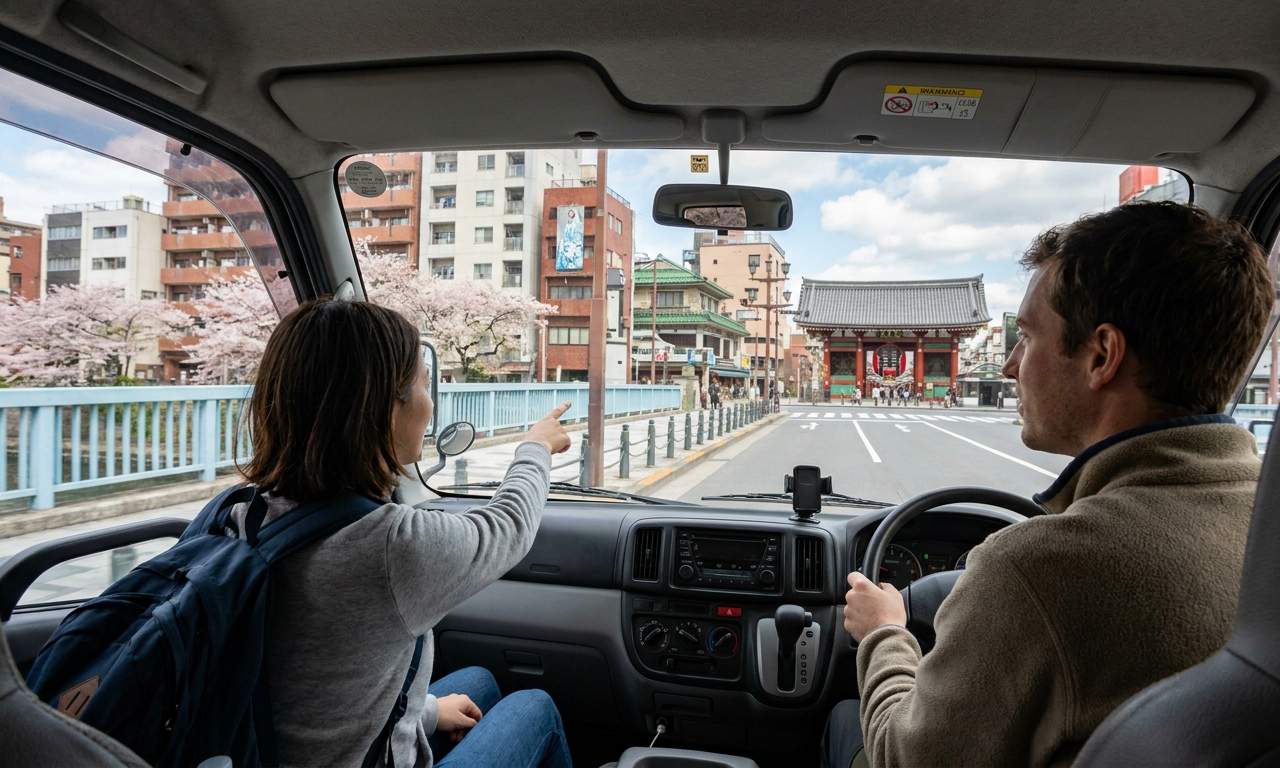
Road Conditions & Terrain in Tokyo
Tokyo boasts excellent, well-maintained roads across the city and into the surrounding prefectures, ensuring a smooth journey for your weekly RV rental. Urban areas within Tokyo itself, like Shibuya or Shinjuku, are characterized by narrow streets and dense traffic, which necessitate slow and careful driving. However, with common sense and attention, you can drive almost anywhere without issues, and there's no need to stress about smaller RVs. The immediate Tokyo area is generally flat, making for comfortable driving. When venturing into surrounding prefectures, such as Hakone or Mount Fuji, mountainous terrain becomes more prevalent, offering stunning scenic drives but requiring extra caution. Planning your itinerary to travel slowly, averaging a maximum of 100-150 km per day, allows you to fully appreciate the scenery and culture without rushing your rented campervan. For further planning, explore our RV Rental Japan - Complete Guide 2024.RV Size Limits, Bridges & Restricted Zones in Tokyo
RV drivers in Tokyo must pay close attention to posted height limits, especially when considering underground parking garages or older underpasses which often have restrictions around 2.1-2.3 meters. Weight restrictions are less common for rental motorhomes but should always be observed if posted. While specific environmental zones similar to some European cities are not generally common for private RVs in Tokyo, certain historical districts or pedestrian-heavy areas, like the Ginza shopping district, may have restricted access or prohibit larger vehicles. General guidance suggests selecting a rented RV or campervan that is not excessively tall or wide, ideally under 2.8 meters in height and 2.2 meters in width, for easier parking and navigation through urban settings and narrower roads outside the capital.Fuel: Diesel vs. Petrol & Cost per 100 km in Tokyo
Petrol (gasoline) is the most common fuel type readily available at service stations across Japan, though some larger rented RVs may operate on diesel, which can be less ubiquitous outside of major urban centers like Tokyo. Fuel costs in Japan are generally higher than in many Western countries, with petrol (regular unleaded) often costing around ¥160-¥180 per liter (approximately $1.00-$1.20 USD per liter at current exchange rates), significantly impacting overall travel budgets for a weekly RV rental. As Bandana RV's Tokyo fleet features diverse Class C - Alcove RVs and campervans without specific common fuel consumption data, travelers should budget for varying fuel efficiency based on the particular vehicle, driving style, and total distance traveled. For a 5-meter Class C motorhome, typical fuel consumption might range from 8-12 liters per 100 km, meaning a 100 km daily average could cost approximately ¥1,280-¥2,160 ($8.50-$14.50 USD) just for fuel. This information is crucial for those interested in a "Cheap RV Rental in Tokyo - Budget Guide 2024".Tolls, Vignettes & Border Rules for RVs in Japan
Japan features an extensive network of expressways, which are predominantly toll roads and can significantly add to the cost of a weekly RV rental. For instance, the Tokyo Bay Aqua-Line, a key route, has a toll of around ¥3,140 for a standard car. An Electronic Toll Collection (ETC) card is highly recommended for seamless travel and potential discounts on these expressways, allowing for automatic toll payments without frequent cash transactions. Most RV rental suppliers in Tokyo offer ETC cards as an optional add-on or built into the vehicle. There are no vignettes or border rules within Japan, as it's an island nation, meaning toll fees are the primary additional road cost for using most expressways, especially those leading into and out of Tokyo and connecting to regional attractions. Budgeting for these tolls is crucial for any RV trip. You can track all these expenses easily on RV PLANET routes.Driving Tips for Weekly RV Rental Travelers in Tokyo
When driving a rented RV in Tokyo, remember to drive on the left side of the road, and be highly mindful of Japan's strict adherence to traffic laws and posted speed limits, which are rigorously enforced. Utilizing modern navigation apps like Google Maps with Japanese map data or a dedicated English-language GPS unit is crucial to navigate Tokyo's complex road system and identify RV-friendly parking locations. Planning your routes in advance is essential to avoid peak hour traffic within Tokyo's central wards and to prioritize Michi-no-Eki (roadside stations) for comfortable breaks and legal overnight stops. For families or groups on a week-long RV adventure, plan frequent stops every 2-3 hours to allow for rest, stretching, and exploration at scenic points or Michi-no-Eki, ensuring everyone enjoys the journey. Consider our "RV Travel Guide to Tokyo - Tips and Top Spots 2024" for more detailed advice.Recommended RV Class for Tokyo Roads
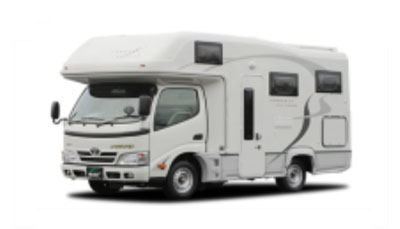
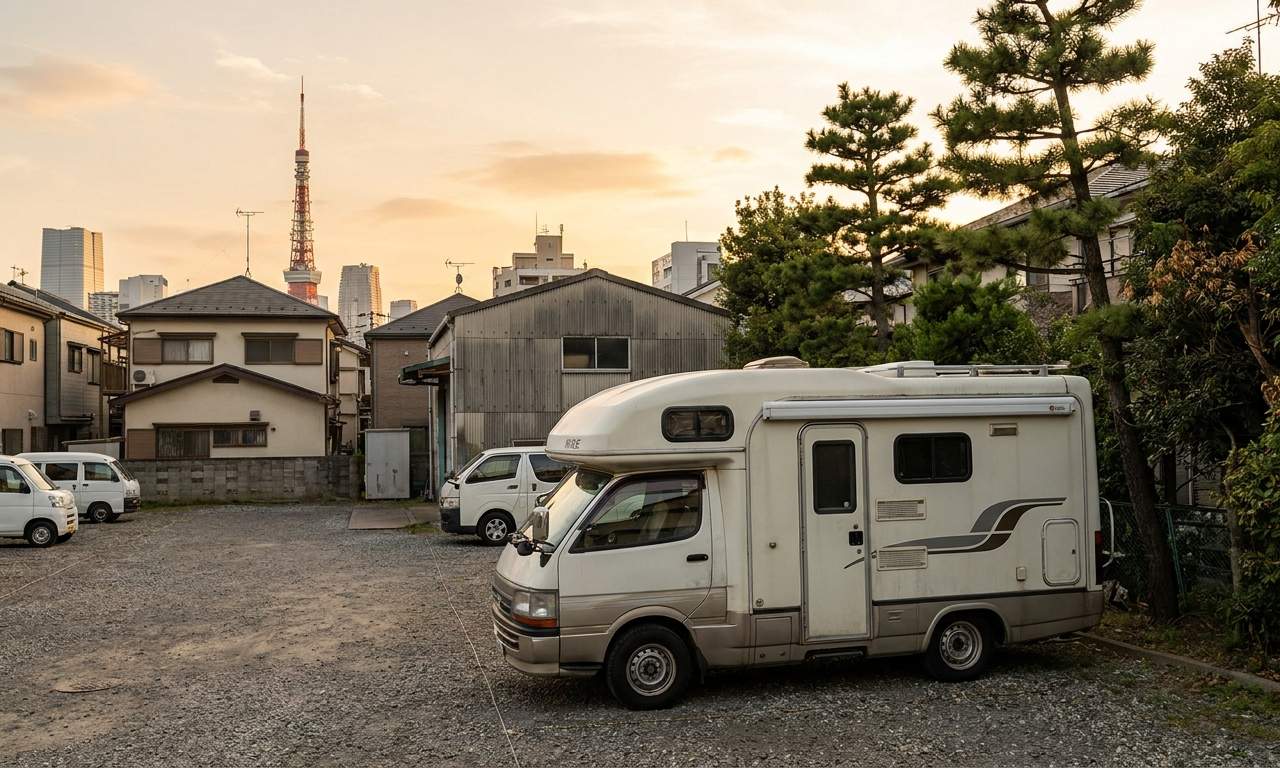
For navigating Tokyo's roads and venturing into surrounding areas for a week-long rental, a more compact RV class is generally recommended for its superior maneuverability and ease of parking. Bandana's Tokyo-local fleet often includes Class C - Alcove motorhomes, with an average length of around 5 meters, which are well-suited for both urban and suburban navigation. For example, a 4-berth motorhome similar to an "Adventurer" or a "camper for rent example Alcove Sport Plus" (both around 5-6 meters long, ideal for 2-4 people) offers a practical balance between sufficient living space for up to 3 adults or a small family and agile handling compared to larger, less nimble RVs. This size allows for comfortable touring without feeling overly cumbersome on Japan's roads.Should I Choose a Compact Van Instead of a Large RV in Tokyo?
For a week-long RV trip around Tokyo, the choice between a compact campervan and a larger Class C motorhome depends on your priorities for comfort versus urban maneuverability. While a compact campervan, like a "Category Van" or "HiTop" rental, offers superior agility and easier parking in Tokyo's dense urban areas, a Class C - Alcove provides significantly more comfort, interior space, and amenities for an extended rental. For instance, a Class C - Alcove (average length 5m) from Bandana's fleet strikes a good balance, offering a full kitchen and bathroom facilities often not found in smaller vans. If your trip focuses purely on central Tokyo sightseeing, a compact van or parking your RV on the outskirts and using public transport might be more practical. However, for a week-long adventure balancing city access with exploring wider regions around Tokyo, the added indoor space, dedicated dining area, and facilities of a Class C motorhome usually make it the preferred choice, enhancing the overall experience. For comparing different sizes, check out "RV Rental Deals in Tokyo - Latest Offers 2024".Can I Park Anywhere? Free & Wild Camping Rules in Tokyo
Free and wild camping (boondocking) is generally prohibited in Tokyo and across much of Japan outside of designated campsites or Michi-no-Eki (roadside stations). Michi-no-Eki, an integral part of Japanese road trip culture, offers safe, legal, and often free overnight parking for RVs, complete with amenities like clean restrooms, local shops, and sometimes even hot springs. Always adhere to local regulations and display clear signage where required, respect private property, and utilize designated camping facilities to avoid fines and maintain positive relationships with local communities. Rules regarding overnight stays can vary by specific Michi-no-Eki or region; therefore, it is always advisable to check local regulations and call ahead before planning an overnight stop with your rented motorhome.Can I Drive an RV Into the City Center? Heights, Tunnels & Local Signage
Yes, it is generally possible to drive a rented RV into Tokyo's city center, but travelers should be aware of the significant practical challenges. The city is characterized by narrow roads, heavy traffic congestion (especially during peak hours around Shinjuku and Shibuya crossings), and extremely limited parking options suitable for larger vehicles. Drivers must pay very close attention to specific local signage, particularly the strict height limits for tunnels and multi-story car parks, which are often around 2.1-2.3 meters, making most underground facilities unsuitable for RVs. Street parking is exceptionally scarce and often expensive, costing ¥500-¥1000 per hour or more in central Tokyo. A more effective strategy is to park your rented RV at a designated RV park or a Michi-no-Eki on the city's outskirts, such as the Michi-no-Eki Hachioji Takiyama, and then leverage Tokyo's efficient public transportation system for central sightseeing.What are the RV Logistics for Waste, Water, and Fuel in Tokyo?
Managing RV waste disposal and water refills in Tokyo requires careful planning, as dedicated RV service points within the dense urban core are extremely limited. Travelers should primarily rely on designated RV-friendly campsites or larger Michi-no-Eki (roadside stations) located outside the immediate city center for emptying grey and black water tanks and refilling fresh water supplies. For example, some campgrounds in areas like Chiba or Kanagawa prefectures, just outside Tokyo, offer full hook-up facilities. While petrol stations are numerous throughout Tokyo, some smaller, older stations may not have sufficient space for larger rented RVs or campervans to maneuver comfortably. Additionally, diesel fuel can be less common than petrol, so planning fuel stops strategically, particularly for diesel vehicles, is highly recommended. Utilize apps like 'RV Park Japan' or 'Camp Japan' to locate specific facilities for waste, water, and fuel that can accommodate RVs, ensuring a smooth week-long RV experience. For finding campsites and campgrounds during your trip, we recommend using RV PLANET (rvplan.net) - a great resource for locating available spots along your route.How do Michi-no-Eki (Roadside Stations) benefit RV travel in Japan and Tokyo?
Michi-no-Eki, or roadside stations, are unique to Japan and are cornerstone facilities for RV travelers around Tokyo, providing crucial amenities and a legal overnight parking option. Japan boasts over 1,200 Michi-no-Eki nationwide. These stations offer much more than just a place to park; they typically provide clean restrooms, access to local food and unique goods from the region, and often free overnight parking for rented motorhomes, though full hook-ups are rare. Many Michi-no-Eki also feature information centers for local attractions, electric vehicle charging stations, and sometimes even hot springs (onsen) or foot baths, enhancing the RV travel experience with a taste of local culture. They serve as an excellent network for exploring areas adjacent to Tokyo, offering a safe and convenient base without the need for expensive city parking. Discover how to plan a trip itinerary in advance with minimal effort and maximum enjoyment using these unique stations.What are the cultural etiquette and local laws for RV camping in Tokyo?
RV travelers in Tokyo and throughout Japan must strictly adhere to local laws, which unequivocally prohibit wild camping outside designated areas and mandate proper waste disposal. Cultural etiquette is paramount in Japan and dictates maintaining quiet hours, especially when overnighting at Michi-no-Eki, and leaving no trace behind, ensuring cleanliness and respect for the environment. Always dispose of trash in designated bins, carefully separating recyclables as per local instructions (often complex), and never drain grey water illegally, as this is considered highly disrespectful. Be mindful of noise levels, particularly when running generators (many Michi-no-Eki have restrictions on generator use or specific hours), and interact respectfully with locals and other travelers, demonstrating appreciation for Japanese hospitality. Embracing these practices is part of a positive "RV Rental Tokyo - Complete Guide 2024" experience.How can I combine RV travel with Tokyo's public transport system?
To effectively explore Tokyo during your week-long RV rental, the most practical approach is to strategically park your motorhome at an RV park or a suitable Michi-no-Eki on the city's outskirts and utilize Tokyo's world-class train and subway network for central city exploration. This strategy minimizes the challenges of driving and parking a larger RV in the dense urban core while providing convenient and rapid access to all major attractions like the Imperial Palace or Tokyo Skytree. Consider purchasing a Suica or Pasmo IC card for seamless travel on public transport, which can be easily topped up at any station and used across different lines and even for small purchases. Parking your rented RV outside the city center, perhaps near a major train station like Tachikawa or Hachioji, allows for a more relaxed RV experience and saves significantly on potentially expensive and hard-to-find urban parking fees.🎬 Video coming soon
What is the detailed cost breakdown for an RV rental in Tokyo, including tolls, fuel, and parking?
A detailed cost breakdown for a weekly RV rental in Tokyo involves several key components, and prices are dynamic, changing daily based on availability and seasonality. The base rental fee for a Class C motorhome can range from approximately $800 to $1,700 USD for a week, depending on the season and specific model (e.g., a "Comfort Class" RV). Toll fees are a significant expense in Japan; expect to budget several thousand yen (e.g., ¥3,000-¥7,000 or $20-$47 USD) daily if frequently using expressways for your "One-Way RV Rental in Tokyo - Price Guide 2024," making an ETC card highly advisable. Fuel prices are relatively high, with petrol often costing around ¥160-¥180 per liter, contributing substantially to the weekly cost; a week of average driving (700-1000 km) could mean $100-$180 USD in fuel. Urban parking, if required in central Tokyo, can be exceptionally expensive, often costing ¥500-¥1000 ($3.30-$6.70 USD) per hour or more, emphasizing the financial benefit of using Michi-no-Eki or public transport for city access. Ancillary costs like campground fees (around ¥2,000-¥5,000 or $13-$33 USD per night), propane, and dump fees also add to the total. On RV PLANET, you can easily itemize and track every expense along the way for easy budgeting. For more detailed information on maximizing your budget, check out our "Cheap RV Rental in Tokyo - Budget Guide 2024."What are practical tips and apps for navigating language barriers as an RVer in Tokyo?
Navigating language barriers as an RVer in Tokyo can be significantly streamlined by preparing with practical tools and phrases. Using real-time translation apps like Google Translate or DeepL on your smartphone is highly effective for interpreting road signs, restaurant menus, and engaging in basic conversations with locals or rental staff. Learning a few key Japanese phrases, such as "Konnichiwa" (hello), "Arigato gozaimasu" (thank you), "Sumimasen" (excuse me/I'm sorry), "Doko desu ka?" (Where is...?), and "Ikura desu ka?" (How much is it?), can greatly enhance interactions at rental agencies, shops, Michi-no-Eki, and fuel stations. Utilize GPS navigation systems or apps that offer English language interfaces and provide clear, voice-guided directions, which is especially helpful for Tokyo's complex urban road networks. Consider downloading offline maps for areas with potentially spotty internet coverage. Always carry a physical copy of your International Driving Permit and passport for identification purposes, as these are often requested. For those seeking premium experiences, our "Luxury RV Rental in Tokyo - Premium Prices 2024" article also has advice for smooth travel.What You Shouldn't Miss
- **Mount Fuji Scenic Drive:** Take your rented motorhome along Route 139 from Tokyo towards the Fuji Five Lakes region. Drive slowly and carefully, averaging no more than 100-150 km per day, to fully appreciate the iconic views of Mount Fuji and the serene lake landscapes.
- **Hakone Loop RV Adventure:** Explore the Hakone region, an hour or two from Tokyo, by RV. Visit the Hakone Open-Air Museum, take a scenic cruise on Lake Ashi, and unwind in a traditional onsen. Park your RV at a nearby Michi-no-Eki and use local transport like the Hakone Ropeway for easy sightseeing.
- **Izu Peninsula Coastal Route:** Drive your rented campervan along the picturesque coast of the Izu Peninsula, southeast of Tokyo. Discover charming seaside towns, volcanic landscapes, and numerous hot spring resorts. This route offers a refreshing escape from the urban hustle.
- **Chiba Prefecture Flower Fields:** During spring and summer, drive your RV to Chiba Prefecture to witness vibrant flower fields, such as the canola blossoms in early spring or the sunflowers in summer. Many agricultural Michi-no-Eki in Chiba offer fresh local produce and parking.
- **Nikko National Park Exploration:** Head north from Tokyo in your motorhome to Nikko National Park, a UNESCO World Heritage site known for its ornate shrines, temples, and stunning natural beauty. Drive through the Irohazaka Winding Road (check RV size compatibility) and spend a day hiking to waterfalls and exploring historical sites.
- **Looking for expert insights from Avi Bandana?** Top 5 Adventures - recommendations from Avi Bandana
Final Thoughts
Embarking on a week-long RV driving tour in Tokyo and its surrounding regions is an unparalleled way to experience the captivating blend of urban dynamism and natural beauty that Japan offers. With a rented motorhome, you gain the freedom to craft your own adventure, lingering longer at serene temples, exploring picturesque coastal towns, or simply enjoying the flexibility of your mobile home. Remember to travel slowly, max 100-150 km per day on average, allowing yourself to truly feel the place, connect to the unique culture, savor the incredible food, and immerse in the stunning scenery. Navigating Tokyo with a rented RV is manageable with a bit of planning and attention to local nuances like Michi-no-Eki and public transport integration. We're here to support you before, during, and after your booking, ensuring a transparent and stress-free rental process. So, gather your family or friends, choose your ideal campervan, and prepare for an unforgettable adventure. Find Motorhome Rentals in TokyoFor ideas you can prep on the road, watch our RV-friendly recipes playlist on YouTube.