In This Guide
- Can You Drive an RV in Tokyo? License & Age Rules
- Road Conditions & Terrain in Tokyo
- RV Size Limits, Bridges & Restricted Zones in Tokyo
- Fuel: Diesel vs. Petrol & Cost per 100 km in Tokyo
- Tolls, Vignettes & Border Rules in Japan
- Driving Tips for RV Rental Travelers in Tokyo
- Recommended RV Class for Tokyo Roads
- Should I Choose a Compact Van Instead of a Large RV in Tokyo?
- Can I Park Anywhere? Free & Wild Camping Rules in Tokyo
- Can I Drive an RV Into the City Center? Heights, Tunnels & Local Signage
- What is the best time of year to rent an RV in Japan?
- How much does it cost to rent an RV in Tokyo?
- What are the best RV campsites near Tokyo?
- How can I find Michi-no-Eki near Tokyo?
- What are the rules for disposing of RV waste in Japan?
- Are there specific cultural etiquette tips for RV travel in Japan?
- Renting an RV in Japan for Extended Travel - What to Consider
- Are there any budget tips for RV travel in Japan?
Exploring Tokyo and beyond in a rented RV offers an unparalleled sense of freedom, allowing you to seamlessly blend urban adventure with Japan's stunning natural beauty. Many travelers wonder about the practicalities of navigating a motorhome in such a densely populated and unique destination. For live availability and current prices, start with our RV Rental Tokyo - Complete Guide 2026 guide. We’re here to reassure you: with a little preparation and the right vehicle, driving an RV in Tokyo is not just possible, but an incredibly rewarding way to experience this captivating country. Bandana has been helping tens of thousands of travelers explore the world by RV since 2001, making us true RV specialists who genuinely know the ropes.
Can You Drive an RV in Tokyo? License & Age Rules
Foreigners can generally drive a rented RV in Tokyo with an International Driving Permit (IDP) alongside their national driver's license. Japan requires all foreign drivers to carry a valid IDP, which translates your national license into one of the 10 official languages, making it understandable to Japanese authorities. Most compact RVs and campervans, including popular Class C - Alcove models, fall under standard passenger car license categories, typically requiring a minimum age of 21 for rental in Japan.
Always ensure your IDP is valid for the entire duration of your trip and that it specifically covers the vehicle class you intend to rent. While a standard driver's license is sufficient for all motorhome classes (Class A, Class B, and Class C) with no special permits needed, having your IDP in order is a non-negotiable legal requirement in Japan. At Bandana, we work directly with over 50 leading RV suppliers worldwide, including trusted names like Apollo and Britz, ensuring you have access to a range of vehicles that meet local regulations and your travel needs. There are no young driver surcharges or vehicle class restrictions based on age for our rentals, as long as you meet the 21-year minimum.
Road Conditions & Terrain in Tokyo
Tokyo features generally excellent road quality with well-maintained asphalt, extending from the bustling urban core to its quieter rural outskirts. The terrain within metropolitan Tokyo is predominantly flat and urban, characterized by multi-lane highways, well-marked intersections, and intricate elevated expressways. Outside the immediate city, mountainous regions like Hakone and winding coastal roads on the Izu Peninsula are easily accessible, offering stunning scenic drives.
When you embark on a rented RV adventure from Tokyo, the roads typically encourage slow, scenic driving, allowing you to fully immerse yourself in Japan's diverse landscapes. We always recommend slow travel, aiming for a maximum of 100-150 km per day on average, to truly feel the place, connect to the culture, the food, and the scenery. You'll find that driving conditions across Japan are safe and clearly signposted, with major routes being particularly accommodating for motorhome and campervan travel. Exploring "RV Travel Guide to Tokyo - Tips and Top Spots 2026" can provide more localized route recommendations.
RV Size Limits, Bridges & Restricted Zones in Tokyo
While there are no blanket RV size limits specifically prohibiting motorhomes in Tokyo, drivers should always be mindful of height restrictions in underground parking garages and some older tunnels, which are typically signposted clearly in meters. Most Class C - Alcove RVs, with an average length of around 5 meters, navigate major Tokyo roads and highways without issue, offering a good balance of interior space and city maneuverability.
For example, a typical Class C - Alcove motorhome like the 'cruise america example Explorer' is 7.1 meters long and 2.78 meters wide, while a 'Combi Van' is around 5 meters long and 1.95 meters wide. Always pay close attention to local signage for low bridges, narrow street warnings, or environmental zones, particularly in older districts of Tokyo like Yanaka or the backstreets of Shibuya. Drive slowly and carefully, and you can drive almost anywhere without issues; there's no need to stress, just use common sense and pay attention. When planning your route, consulting "RV Rental in Tokyo - Prices and Best Deals 2026" can help you choose the right vehicle size.
Fuel: Diesel vs. Petrol & Cost per 100 km in Tokyo
Most RVs and campervans available for rent in Japan, including the Bandana fleet's Class C - Alcove models, typically run on petrol (gasoline), which is widely available at numerous service stations across Tokyo and the wider country. Diesel vehicles are less common for smaller recreational vehicles in Japan. Fuel prices are dynamic, much like flight tickets, changing daily based on global markets and local supply, so it's wise to budget for variable costs. On the routes offered through RV PLANET routes, you can itemize and track every expense along the way for easy budgeting.
As specific fuel consumption data for all Tokyo rental fleets isn't uniformly provided, prepare for fuel costs that are generally higher than in some Western countries. For a rough estimate, expect to pay around ¥160-¥180 per liter for petrol (approximately $1.10-$1.20 USD per liter) as of 2026, varying by location and day. For a Class C motorhome like the 'Combi Van' with a 80-liter fuel tank, a fill-up could cost around ¥12,800-¥14,400. To mitigate these expenses over longer journeys, inquire if your RV rental package includes fuel discount cards or loyalty programs. On RV PLANET routes, travelers can itemize and track every expense along the way for easy budgeting, including fuel.
Tolls, Vignettes & Border Rules in Japan
Japan has an extensive network of toll roads, particularly around Tokyo and between major cities, which are crucial for efficient travel. Utilizing an Electronic Toll Collection (ETC) card is highly recommended for RV travel to streamline payments and avoid queues at toll booths. These cards can be pre-purchased or included with your rental from many services, including Bandana partners, ensuring a seamless experience on routes like the Shuto Expressway around Tokyo.
Tolls can be a significant travel expense; for example, a journey from Shinjuku to Hakone could incur tolls of around ¥2,000-¥3,000 one-way for an RV. However, they offer considerably faster routes compared to local roads, saving valuable travel time. Since Japan is an island nation, there are no international border crossings with an RV; your road trip will be confined to the country's fascinating islands. For those planning an extended route, knowing the One-Way RV Rental in Tokyo - Price Guide 2026 can help you calculate potential drop-off fees if you plan to return your vehicle in a different city within Japan.
Driving Tips for RV Rental Travelers in Tokyo
Navigating Tokyo in a rented RV requires careful attention and adherence to local driving customs. Always use a reliable GPS system with English translation, and be acutely aware of narrow streets and compact parking spaces common in Japanese cities, especially in popular areas like Ginza or Shinjuku. For seamless toll payments and faster travel on Japan's extensive highway network, utilize an ETC card, which significantly simplifies your journey.
Plan frequent stops at 'Michi-no-Eki' (roadside stations) for essential breaks, where you can find clean restrooms, local produce, and often restaurants, turning a simple stop into a cultural experience. Remember that Japan drives on the left side of the road, which might require an adjustment for drivers from right-hand driving countries. Finally, always practice respectful parking by using designated areas and avoiding overnight parking in residential zones to honor local customs and community rules. Our 24/7 support means real people are behind you before and after your booking, helping you prepare for these local nuances.
🎬 Video coming soon
Recommended RV Class for Tokyo Roads
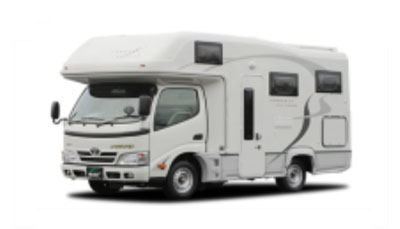
The Class C - Alcove, with an average length of 5 meters and a width of around 2.2 meters, is highly recommended for navigating Tokyo and wider Japan due to its excellent balance of maneuverability and interior space. This compact size, typical of many of Bandana's local rental fleet options, makes it manageable on urban streets and in many parking areas, while still offering comfortable sleeping capacity for up to 6 people, or comfortably accommodating 3 adults.
For example, a 'rent motorhome example A1' is ideal for a couple, offering a shower and toilet, while a 'rent motorhome example D2' can accommodate up to 6 people with bunk beds. Its relatively compact footprint allows for easier access to the numerous campsites and Michi-no-Eki facilities found across Japan, compared to much larger, less common RV classes. When considering a rented motorhome in Tokyo, selecting a Class C ensures you have the amenities of home without the significant bulk that might prove challenging on certain Japanese roads.
Should I Choose a Compact Van Instead of a Large RV in Tokyo?
While smaller Kei campers or compact vans offer ultimate maneuverability on Japan's narrowest roads and tight city parking, a Class C - Alcove RV, like Bandana's 5-meter models, often provides a better balance of comfort and practicality for most travelers exploring Tokyo and beyond. A compact van such as the 'Active Bunk Auto' offers flexibility for up to 4 people, while a Class C motorhome like the '4 Berth Deluxe' provides a more spacious experience for families.
Larger RVs (Class C motorhomes and some Class A models, though less common in Japan) offer significantly more indoor space, integrated kitchenettes, and full bathrooms, enhancing the overall travel experience, especially for families or extended trips. For example, a "24' Class C Motorhome" typically offers sleeping for 5 with a 166-liter fresh water tank. Opt for a compact campervan if you prioritize extremely tight city access and a minimal vehicle footprint, but a Class C - Alcove is generally manageable for Tokyo and provides superior living amenities like a shower and toilet. It really depends on your group size and desired level of comfort. Our RV Rental in Tokyo for Couples - Pricing 2026 or RV Rental in Tokyo for Seniors - Pricing 2026 guides can help narrow down suitable vehicle types.
Can I Park Anywhere? Free & Wild Camping Rules in Tokyo
Free or "wild" camping is generally not permitted in Tokyo or most of Japan; however, designated 'Michi-no-Eki' (roadside stations) offer legal and free overnight parking for RVs and campervans. These government-designated stations, numbering over 1,000 nationwide, are excellent resources for travelers, providing facilities like clean restrooms, local product shops, and sometimes restaurants, typically open 24/7. Active camping, such as setting out awnings, external tables, or cooking elaborate meals outside the vehicle, is usually prohibited at Michi-no-Eki to maintain their function as rest stops rather than full campgrounds.
For full camping amenities and extended stays near Tokyo, always utilize official campsites, which typically offer electrical hookups, water, and waste disposal facilities. Rules vary by region and individual Michi-no-Eki, so always check local regulations and follow posted signage before parking overnight. Remember, respect for local customs and cleanliness is paramount in Japan. For finding campsites and campgrounds during your trip, we recommend using RV PLANET (rvplan.net) - a great resource for locating available spots along your route.
Can I Drive an RV Into the City Center? Heights, Tunnels & Local Signage
Yes, you can generally drive a rented RV or campervan into Tokyo's city center on major routes, as roads are well-maintained, multi-lane, and adequately wide for standard vehicles. Key considerations for RV drivers include paying close attention to local signage, especially for height limits in underground parking garages, which are often restrictive (e.g., typically under 2.1 meters), tunnels, and some older overpasses, particularly around historical districts.
Be mindful of potential environmental zones or residents-only streets that might restrict larger vehicles, though these are less common on main thoroughfares. Utilizing a GPS system that allows you to input vehicle dimensions can provide real-time warnings for height and width restrictions, preventing unexpected detours or complications. Drive slowly and carefully, and you can drive almost anywhere without issues. No need to stress - just use common sense and pay attention to street signs, especially in areas like the Imperial Palace or Ginza. For live pricing, check Compare Motorhome Prices for Tokyo.
What is the best time of year to rent an RV in Japan?
The best times to rent an RV in Japan are typically spring (March-May) for spectacular cherry blossoms and autumn (September-November) for vibrant fall foliage, both offering pleasant weather and stunning scenery. Spring temperatures in Tokyo average 10-20°C (50-68°F), while autumn sees similar comfortable conditions, making these shoulder seasons ideal for a week-long trip or longer adventures. During these periods, you can enjoy outdoor activities without extreme heat or cold.
Avoid peak summer months (July-August) due to high humidity and the potential for typhoon season, although if you do travel then, plan routes to cooler, northern regions like Hokkaido. Winter travel (December-February) is ideal for ski enthusiasts heading to areas like Hokkaido or Nagano, but it requires specific RV preparations for snow and icy conditions, and careful route planning. For those seeking RV Rental Deals in Tokyo - Latest Offers 2026, off-peak seasons might yield better prices.
How much does it cost to rent an RV in Tokyo?
The cost to rent an RV in Tokyo varies widely depending on the model, season, rental duration, and included amenities, typically ranging from ¥15,000 to ¥30,000 (approximately $100-$200 USD) per day for a compact Class C - Alcove RV. Prices are dynamic, similar to airline tickets, and can change daily based on availability, seasonality, and supplier marketing decisions. For couples looking to explore, a smaller campervan might start from ¥12,000 (around $80 USD) per day, while a family of four might budget ¥25,000 (around $170 USD) or more for a larger Class C motorhome during a two-week adventure.
A detailed cost breakdown for RV travel in Japan should also account for additional expenses such as fuel (which can be ¥2,000-¥5,000 daily), significant highway tolls (also ¥2,000-¥5,000 daily), campground fees (averaging ¥2,000-¥5,000 per night for a powered site), and groceries for cooking in your RV's kitchen. Compared to trains and hotels, a rented RV offers flexibility and potential savings on accommodation for groups, particularly for longer trips, though fuel and tolls can accumulate. Our guide to Cheap RV Rental in Tokyo - Budget Guide 2026 offers more detailed cost-saving strategies.
What are the best RV campsites near Tokyo?
Some of the best RV campsites near Tokyo are found in scenic areas easily accessible from the city, such as those around iconic Mount Fuji, the hot springs region of Hakone, or the picturesque Izu Peninsula. Popular options like "PICA Fujiyama" near Lake Kawaguchiko offer well-equipped sites with amenities like electricity, water, and modern restrooms, making them ideal for comfortable overnight RV stays and glamping experiences.
Another excellent choice is "Nasu Kogen Auto Campground" in Tochigi Prefecture, which provides a more nature-immersed experience with full RV hookups and easy access to hiking trails and hot springs, approximately 2 hours north of Tokyo. These campsites typically average ¥3,000-¥5,000 (about $20-$35 USD) per night for a basic RV spot with hookups. For finding campsites and campgrounds during your trip, we recommend using RV PLANET (rvplan.net) - a great resource for locating available spots along your route and planning your itinerary.
How can I find Michi-no-Eki near Tokyo?
You can easily find 'Michi-no-Eki' (roadside stations) near Tokyo and across Japan using dedicated smartphone apps like '道の駅アプリ' (Michi-no-Eki App) or by consulting official Michi-no-Eki websites and local tourist information centers. These apps often provide details on facilities, operating hours, and local specialties available at each station. Many modern GPS systems, including those often found in rental RVs, have Michi-no-Eki pre-programmed as points of interest, simplifying navigation to these convenient overnight parking spots.
Michi-no-Eki are a cornerstone of RV travel in Japan, offering free overnight parking, clean restrooms (often with heated toilet seats), local product shops, and often restaurants, acting as vital rest stops and cultural hubs. For example, the Michi-no-Eki Hachioji Takiyama on the western outskirts of Tokyo offers fresh local produce and a popular direct sales center, making it a convenient stop before heading further into the mountains. Remember to follow the etiquette of quiet overnight parking without setting up extensive camps. You can find detailed Michi-no-Eki locations and integrate them into your trip using RV PLANET routes.
What are the rules for disposing of RV waste in Japan?
RV waste disposal in Japan, including greywater and blackwater, must be done strictly at designated dump stations, which are primarily located at official RV campsites and some larger Michi-no-Eki. It is critically important to manage your waste responsibly and respectfully in Japan, reflecting the country's strong emphasis on cleanliness and environmental protection. For example, a 'Class II DKG' motorhome has a 124-liter fresh water tank and requires proper disposal of its waste.
It is strictly prohibited to dispose of waste directly into public drains, rivers, or any natural environments, and doing so can result in significant fines. Always inquire about waste disposal facilities when booking campsites or planning Michi-no-Eki stops to ensure proper and convenient utility management during your RV journey. Many campsites will provide clear instructions and facilities for emptying your fresh, grey, and black water tanks. When planning your meals and utilizing your RV's kitchen, remember to visit our RV-friendly recipes playlist for easy meal ideas that minimize waste.
Are there specific cultural etiquette tips for RV travel in Japan?
Practicing respectful cultural etiquette is paramount for RV travel in Japan to ensure a positive experience for both travelers and locals. Maintaining low noise levels, especially at Michi-no-Eki during overnight parking, is crucial, so avoid loud conversations, music, or running generators late at night. Always remove your shoes before entering the living area of your rented RV or campervan, mirroring the traditional Japanese custom of removing footwear indoors, which demonstrates respect and cleanliness.
Additionally, be mindful of personal space, avoid blocking pathways with your RV or belongings, and always seek permission if you wish to use facilities beyond designated areas. Keeping your parking area tidy and free of litter is also expected. While direct interactions might be limited, a friendly "konnichiwa" (hello) or "arigatou gozaimasu" (thank you very much) goes a long way. This attention to small details makes a big difference, a principle we embody at Bandana Caravan, where we believe God is in the small details.
Renting an RV in Japan for Extended Travel - What to Consider
For foreigners interested in extended RV travel in Japan, renting an RV for a long-term period is generally more practical and less administratively burdensome than attempting to purchase one. Purchasing an RV in Japan involves navigating complex Japanese residency requirements, vehicle registration processes, and stringent vehicle inspections (Shaken), which can be challenging without permanent residency. Renting allows you to enjoy the freedom of RV travel without the significant upfront investment and logistical hurdles.
Many Bandana partners offer flexible rental durations, allowing you to secure a motorhome or campervan for a month or more. For example, a 'MH-A' Class C motorhome is described as winter-ready, suitable for extended trips. When considering longer rental periods, compare "RV Rental in Tokyo - Prices and Best Deals 2026" to find the most cost-effective options. This approach aligns with our focus on RV rentals for vacation travel, ensuring a joyful and accessible experience for everyone. Our comprehensive service provides full transparency with no hidden fees, helping you plan your extended Japanese adventure with complete peace of mind.
Are there any budget tips for RV travel in Japan?
To make a rented RV trip in Japan more affordable, strategically utilize the extensive network of Michi-no-Eki for free overnight parking whenever possible, rather than relying solely on pricier official campgrounds. Cooking meals in your RV's kitchenette using fresh ingredients purchased from local supermarkets or Michi-no-Eki direct sales markets can significantly reduce dining expenses compared to eating out. For cooking inspiration, check out our RV-friendly recipes playlist.
Consider traveling during the shoulder seasons, such as late spring (May-June) or early autumn (September), to avoid peak rental prices and tourist crowds, which can reduce costs by 10-20% on average. Furthermore, acquiring an ETC card for toll roads can sometimes offer minor discounts, and it certainly saves time and hassle. When planning your budget, remember that on the RV PLANET routes, travelers can itemize and track every expense along the way for easy budgeting. Our commitment to full transparency means no hidden fees or surprises, helping you manage your total trip cost effectively.
What You Shouldn't Miss
- **Mount Fuji Scenic Drives:** Drive your rented motorhome along the scenic roads around the Fuji Five Lakes region, including Lake Kawaguchiko, for iconic views of Mount Fuji, especially during sunrise or sunset.
- **Hakone Loop by RV:** Explore the Hakone Open-Air Museum and the picturesque Lake Ashi with your campervan, taking advantage of local parking at tourist spots.
- **Izu Peninsula Coastal Route:** Embark on a slow drive along the Izu Peninsula's eastern coast, stopping at charming fishing villages, hot springs, and white sand beaches, averaging 100-150 km per day.
- **Nikko National Park's Spiritual Beauty:** Head north from Tokyo in your RV to visit the UNESCO World Heritage shrines and temples of Nikko, surrounded by stunning natural waterfalls and autumn foliage.
- **Chiba Prefecture's Countryside:** Discover the quieter side of Tokyo's neighboring prefecture, Chiba, with its vast farmlands, flower fields, and coastal views, perfect for a relaxed day trip or week-long excursion.
Looking for expert insights from Avi Bandana? Top 5 Adventures - recommendations from Avi Bandana
Final Thoughts
A rented RV adventure in Tokyo offers a unique blend of vibrant city life and serene natural escapes, allowing you to discover Japan at your own pace. With Bandana Caravan, you're choosing a partner dedicated to making your journey seamless, transparent, and unforgettable. We're here to support you before, during, and after your booking, ensuring every detail is covered so you can focus on making incredible memories.
Imagine waking up to the majestic sight of Mount Fuji from your motorhome, then spending the afternoon exploring ancient temples, all before settling into a peaceful Michi-no-Eki for the night. This kind of flexibility and discovery is what RV travel in Japan is all about. So, whether it's a week-long trip for two or an extended family adventure, let us help you find the perfect campervan or motorhome to begin your Tokyo road trip.
Find Motorhome Rentals in Tokyo