In This Guide
- What rv rental for seniors RV Rental Costs in Tokyo (2026)
- Seasonal Pricing - Peak vs. Shoulder vs. Off-Season in Tokyo
- What's Included vs. What's an Add-On
- Hidden Costs to Budget For in Tokyo
- How to Save on rv rental for seniors RV Rental in Tokyo
- Where Can I Park an RV Near Tokyo Attractions?
- What are the Cultural Etiquette Rules for RVing in Japan?
- What are RV-Friendly Itineraries Starting from Tokyo?
- What Size RV is Best for Navigating Tokyo and Japan's Narrow Roads?
- How to Prepare for Emergencies While RVing in Japan?
- What is the Total Cost of an RV Trip in Japan?
What rv rental for seniors RV Rental Costs in Tokyo (2026)
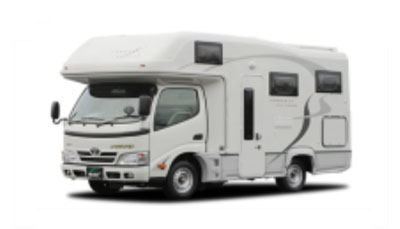
RV rental costs in Tokyo, Japan, are dynamic and can fluctuate significantly, much like flight tickets, varying daily based on factors such as availability, seasonality, and supplier marketing decisions. April is typically the cheapest month for a motorhome rental in Tokyo, often presenting more budget-friendly options for seniors with average daily rates starting from around $120-$180 USD for a compact campervan like the "hire campervan example Paradise S/T" (ideal for a couple, RV size - Small), while larger Class C motorhomes may range from $200-$350+ USD. For live availability and current prices, start with our RV Rental Tokyo - Complete Guide 2026 guide. We provide full transparency on all prices, meaning what you see when you search is what you'll pay, with no hidden fees or surprises at pickup. Our extensive network, including direct partnerships with over 50 leading RV suppliers worldwide such as Apollo and Britz, ensures you get competitive pricing for your Tokyo adventure.
Whether you're planning a week-long trip, a two-week adventure, or an extended road trip across Japan, prices for different RV classes (Class A, Class B, Class C, and campervans) and durations (1 week, 2 weeks, 1 month) are readily available through our comparison platform. These prices are flex-rate, meaning they can change daily based on demand and immediate availability. Therefore, we always recommend checking current prices directly via the search box at the top of the page for your specific travel dates. Traveling with a rented mobile home offers the freedom to explore at your own pace, creating an unforgettable experience for seniors keen on discovering Japan's unique blend of nature and culture.
Seasonal Pricing - Peak vs. Shoulder vs. Off-Season in Tokyo
Understanding seasonal pricing trends for RV rentals in Tokyo can help seniors budget effectively and find optimal times to travel. Peak season in Japan, typically during July-August and cherry blossom season (late March to early April), sees the highest RV rental prices due to high demand from summer holidays and popular events. During these times, a Class C motorhome could cost upwards of $300-$450 per day.
Shoulder seasons, generally from May-June and September-October, offer a pleasant balance of good weather and more moderate pricing. Temperatures are comfortable for outdoor activities, and the crowds are often smaller than in peak season, making it an excellent time for a rented campervan adventure. Daily rates might be in the $180-$280 range for a Class C. Off-season, from November-March (excluding the specific April cherry blossom period), generally provides the lowest rates, with April often being the most economical month for RV travel in Tokyo. Prices can be 15-20% lower than peak season, making a week-long trip more affordable. In peak season, prices can change significantly day-to-day, emphasizing the need to check specific dates well in advance to secure the best deals.
What's Included vs. What's an Add-On
When renting a motorhome in Tokyo, basic insurance is always included, providing fundamental coverage for your trip. This ensures a foundational level of protection, allowing you to travel with confidence. Optional add-ons, however, can enhance your journey and typically include comprehensive insurance tiers like the top-level deductible reimbursement for extra peace of mind, unlimited mileage packages for extensive exploration, generator usage for off-grid power, convenient kitchen kits for preparing meals, and comfortable bedding sets for a good night's sleep.
The specific inclusions and available add-ons vary significantly by RV model and rental station, making it essential for renters to verify these details for each booking. For example, some compact campervans like the "alaska rv rental example Paradise S/T" (RV size - Small) might offer a basic kitchen setup, while a larger "rv rentals example Comfort Class" (RV size - Large) may include more amenities. To view prices inclusive of the most comprehensive coverage or specific equipment, simply select those options during your search on Bandana Caravan; all relevant choices will then be displayed transparently. Our platform allows for easy comparison toggles to see if essential items like kitchen utensils, tableware, and bedding are part of the standard package or available as an extra, reinforcing our commitment to full transparency with no hidden fees.
Hidden Costs to Budget For in Tokyo
Beyond the initial RV rental fee for your Tokyo adventure, several hidden costs should be factored into your budget to avoid any surprises. Toll road charges in Japan can add up significantly, especially when traveling long distances or frequently on expressways. For instance, a drive from Tokyo to Kyoto, roughly 450 km (280 miles), can easily incur over $100 USD in tolls. On the routes offered through RV PLANET routes, you can itemize and track every expense along the way for easy budgeting.
Campsite fees also vary widely based on location, amenities, and time of year; budgeting for these overnight stays is essential, with costs ranging from $20-$50 USD per night at popular RV parks or campgrounds near scenic spots like Lake Kawaguchiko. Fuel costs, particularly for larger Class C motorhomes like the "cruise america rv rental example Explorer" with a 75-liter fuel tank and 11 liter/100 km consumption, should be carefully considered, as fuel prices can fluctuate. Some rental stations in and around Tokyo may charge for dump station usage, though many campgrounds include this in their fees. Many RVs available through Bandana RV allow pre-purchasing toll road usage or renting an ETC (Electronic Toll Collection) card to simplify travel and potentially avoid surprise charges. To itemize and track every expense along the way for easy budgeting, we recommend using RV PLANET routes, which can help you stay on top of all ancillary costs.
How to Save on rv rental for seniors RV Rental in Tokyo
Saving money on your RV rental in Tokyo involves strategic planning and flexibility. Booking your motorhome during the shoulder or off-season, particularly in April or late autumn, often offers the most significant savings on daily rental rates, potentially reducing costs by 10-15% compared to peak summer. Pre-paying for tolls or utilizing an available ETC (Electronic Toll Collection) card can streamline budgeting and potentially reduce overall travel costs on Japan's expressways. Utilizing discount cards for campgrounds or fuel, if offered by your rental provider or available through local tourist initiatives, can also lead to considerable savings over a week-long trip.
Choosing a smaller RV class or campervan that comfortably fits your group, such as an "rv rental denver example Category Van" (RV size - Small), can result in lower rental fees and better fuel efficiency, which is especially important for navigating Japan's narrower roads. Opting for longer rental durations, such as a two-week adventure over multiple shorter trips, often yields a better daily rate, providing more value for your money. Finally, monitoring dynamic flex-rate drops and booking early can secure better prices, as rates are always subject to change based on demand and availability. Remember, our platform at Bandana Caravan offers full transparency, so you can compare final prices across suppliers and know exactly what you're paying without any hidden fees.
Where Can I Park an RV Near Tokyo Attractions?
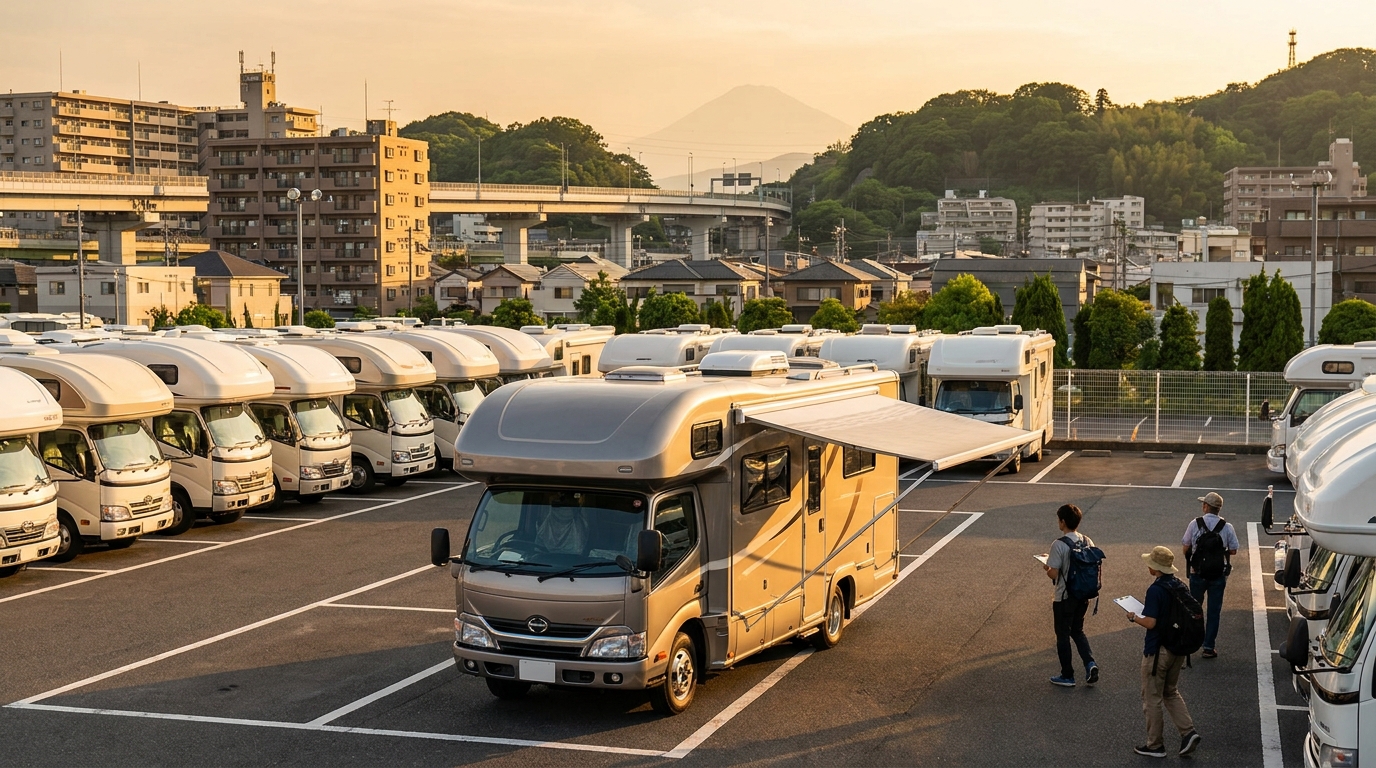
Finding designated RV parking in or very near central Tokyo is genuinely challenging due to the city's extreme urban density, making strategic planning crucial for seniors traveling by RV. You should consider parking at RV parks or large shopping centers located within a reasonable commuting distance of Tokyo's core, and then utilizing the city's world-class public transport system for exploring attractions like the Imperial Palace or Shibuya Crossing.
For example, options might include campgrounds in nearby Chiba or Saitama prefectures, which offer train connections to central Tokyo. Designated RV-friendly parking often exists at *Michi-no-eki* (roadside stations) outside the immediate metropolitan area, serving as excellent overnight stops and often providing amenities like restrooms and local produce markets. Some larger commercial parking lots on the outskirts, particularly near major train stations such as those in Futako-Tamagawa or Kinshicho, may accommodate larger vehicles, but it's always best to call ahead. Exploring options like private parking lots with RV capacity in surrounding prefectures (e.g., in Yokohama or Hakone) connected by efficient train lines can be an effective strategy. Drive slowly and carefully, and you can drive almost anywhere without issues. No need to stress — just use common sense and pay attention to signage and local traffic patterns when approaching urban areas in Tokyo.
What are the Cultural Etiquette Rules for RVing in Japan?
Adhering to Japan's cultural etiquette, particularly regarding cleanliness and quietude, is paramount for RVers, especially when utilizing public facilities or overnight stops like *Michi-no-eki*. Proper trash disposal is essential: always separate waste meticulously according to local rules (which can be very detailed) and be prepared to take your trash with you if no designated bins are available, as public bins are rare in many areas.
Maintaining low noise levels, especially during evening and morning hours, is a sign of respect for locals and other travelers at *Michi-no-eki* or campgrounds. RVers should also conserve water usage and manage greywater responsibly, ensuring no discharge occurs in inappropriate areas. When interacting with locals, be mindful and respectful, using polite language and observing customs like a slight bow or avoiding direct eye contact in certain social situations. Furthermore, if you plan to visit a traditional *onsen* (hot spring), familiarize yourself with bathing etiquette, including washing thoroughly before entering the communal baths and refraining from loud conversations. These practices contribute to a harmonious and enjoyable experience for everyone on your RV Rental Japan - Complete Guide 2026 adventure.
🎬 Video coming soon
What are RV-Friendly Itineraries Starting from Tokyo?
Several RV-friendly itineraries starting from Tokyo offer scenic routes and accessible attractions, perfect for seniors exploring Japan by rented motorhome. One popular route leads to Mount Fuji, Hakone, and the Izu Peninsula, providing breathtaking views, relaxing hot springs, and designated RV parking at many spots. Imagine yourself on the route, waking up to the iconic sight of Fuji-san from your comfortable rented camper. We highly recommend exploring our Rent&Plan service, which provides pre-planned routes by professionals, making your trip planning effortless.
Consider a loop through the Fuji Five Lakes region, incorporating overnight stays at RV parks or *Michi-no-eki* near Lake Kawaguchiko or Lake Yamanakako, which often have excellent facilities. The broader Kanto region also offers numerous RV-accessible destinations, such as Nikko for its UNESCO World Heritage shrines and natural beauty, or the Boso Peninsula for stunning coastal drives and fresh seafood. For travelers using rvplan.net, you can access a 25% planning discount on these expertly crafted itineraries. Our detailed route plans highlight specific RV-friendly campgrounds, *Michi-no-eki* with overnight facilities, and attractions with adequate parking for a rented mobile home. For even more detailed planning, check out our Week-Long RV Driving Tour in Tokyo 2026 or find inspiration in the RV Travel Guide to Tokyo - Tips and Top Spots 2026 for an extended road trip experience, averaging slow travel at max 100-150 km per day to truly connect with the culture and scenery.
What Size RV is Best for Navigating Tokyo and Japan's Narrow Roads?
For navigating Tokyo's urban environments and Japan's generally narrower roads, a smaller RV or campervan (Class B or compact Class C) is often the optimal choice for seniors. Vehicles like the "rv rental denver example Category Van" (RV size - Small) or a "Paradise Family 5" (RV size - Small) offer greater maneuverability in city traffic, easier parking, and better access to scenic routes and charming smaller towns that larger motorhomes might struggle with. Drive slowly and carefully, and you can drive almost anywhere without issues. No need to stress — just use common sense and pay attention to road signs indicating vehicle width or height restrictions.
While larger Class A RVs (like the "Class A - Thor ACE 30" with length 9.37m) offer more interior space, they can be challenging to drive and park, particularly in crowded areas or older parts of cities. Considering the overall length and width of your rented caravan relative to common road dimensions and parking space availability is key to a stress-free trip. Smaller vehicles also typically have better fuel efficiency, which can significantly reduce overall travel costs in Japan. Opting for a more compact campervan opens up more possibilities for exploring less-traveled paths and accessing attractions that might be difficult for larger RVs, enhancing your authentic Japanese road trip experience.
How to Prepare for Emergencies While RVing in Japan?
Emergency preparedness for foreign RVers in Japan includes understanding protocols for natural disasters like earthquakes, which are common but typically well-managed. Familiarize yourself with basic earthquake safety procedures: if driving, pull over safely, stay inside the RV until shaking stops, and listen for official alerts via local radio or smartphone apps. Keep your mobile devices charged and consider carrying a portable Wi-Fi device or a local SIM card for constant access to navigation, translation apps, and emergency information.
Beyond natural disasters, learn key Japanese road signs, which, while visually distinct, are crucial for safe navigation, especially regarding detours, warning signs, and identifying service areas. Remember, driving is on the left side of the road. Keep essential emergency contacts readily available, including your Bandana RV rental company's support line (available for pre-booking, booking, and post-booking coordination), your embassy or consulate, and Japan's general emergency numbers: 119 for fire and ambulance, and 110 for police. Having a basic first-aid kit and adequate supplies is also a practical step for any extended road trip in Japan.
What is the Total Cost of an RV Trip in Japan?
The total cost of an RV trip in Japan extends beyond just the motorhome rental itself, encompassing significant expenses for fuel, tolls, campsite fees, and daily living. For a two-week adventure, a couple might budget $1500-$2500 for the RV rental, $400-$800 for fuel (depending on mileage and vehicle size like the "cruise america rv rental example Explorer"), and $280-$700 for campsite fees (averaging $20-$50 per night). Tolls can add another $200-$500 for popular routes, making an ETC card essential.
Beyond these, budget for daily food costs, which can vary widely depending on whether you cook meals in your RV or dine out at restaurants. Shopping at local supermarkets and preparing your own meals can save a lot, especially using fresh local ingredients; you can find inspiration in our RV-friendly recipes playlist. Entrance fees for popular attractions, such as the Tokyo Skytree (approx. $20-30), Kyoto temples, or national parks like Fuji-Hakone-Izu, should also be factored in. Unexpected fees might include parking charges in specific areas like Shinjuku, additional ferry costs for island hopping, or minor maintenance needs not covered by insurance. Saving strategies include cooking in your RV, seeking out free or low-cost attractions, and building a contingency fund. For detailed budgeting, remember that RV PLANET routes allow travelers to itemize and track every expense along the way.
What You Shouldn't Miss
- Mount Fuji Scenic Drives: Drive your rented campervan along the Fuji Five Lakes (Fujigoko) region, especially around Lake Kawaguchiko, for stunning, unobstructed views of Mount Fuji and opportunities for lakeside camping. Many *Michi-no-eki* in this area offer fantastic overnight stops.
- Hakone Open-Air Museum: Explore a unique blend of nature and art in Hakone, a mountainous town known for its hot springs and views of Mount Fuji. Park your RV at a nearby designated lot and enjoy the diverse outdoor sculptures.
- Izu Peninsula Coastal Route: Take your mobile home south of Tokyo for a leisurely drive along the Izu Peninsula, renowned for its dramatic coastlines, volcanic landscapes, and numerous *onsen* towns like Atami or Ito. The "Luxury RV Driving in Tokyo - Scenic Routes 2026" itinerary often includes this region.
- Nikko's Shrines and Temples: Journey north to Nikko, a UNESCO World Heritage site home to elaborate shrines and temples set amidst beautiful natural scenery. There are RV-friendly parking areas on the outskirts, allowing easy access to the historical sites.
- Traditional Japanese Gardens in Tokyo: Even within the bustling city, seek out serene escapes like the Shinjuku Gyoen National Garden or the Imperial Palace East Garden. Park your RV at a peripheral parking lot and use public transport for a peaceful exploration.
- Looking for expert insights from Avi Bandana? Top 5 Adventures – recommendations from Avi Bandana.
Final Thoughts
Embarking on an RV rental adventure in Tokyo offers seniors an unparalleled way to experience the rich culture and stunning landscapes of Japan at a comfortable pace. Imagine the freedom of having your accommodation, kitchen, and transportation all in one, allowing you to seamlessly transition from the bustling streets of Shinjuku to the tranquil lakeshores of Mount Fuji. With careful planning around seasonal pricing, understanding what’s included, and budgeting for ancillary costs like tolls and campsites, you can craft a truly memorable and cost-effective journey.
At Bandana Caravan, we are committed to making your RV rental experience as smooth and enjoyable as possible. Our transparent pricing, extensive supplier network, and optional top-level deductible reimbursement ensure that you can focus on the joy of discovery without worrying about hidden fees or unexpected issues. Remember to embrace slow travel, averaging 100-150 km per day, to truly savor each moment and connect with the heart of Japan. So why wait? Your exciting Japanese road trip awaits!
Find Motorhome Rentals in Tokyo