In This Guide
- What RV Rental Beginners RV Rental Costs in Texas (2026)
- Seasonal Pricing - Peak vs. Shoulder vs. Off-Season in Texas
- What's Included vs. What's an Add-On
- Hidden Costs to Budget For in Texas
- How to Save on RV Rental Beginners RV Rental in Texas
- What are the full costs of RV travel in Texas beyond the rental?
- What are the costs associated with water, waste, and connectivity in remote Texas RVing?
- What are the costs of traveling with pets in an RV in Texas?
- Can you boondock or wild camp in Texas to save on fees?
- Are there extra costs for preparing for Texas' diverse weather and terrain?
- How do itineraries affect my RV rental budget in Texas?
- Does visiting hidden gems in Texas impact RV rental costs?
- What are the long-term RV rental costs for full-timing in Texas?
- What You Shouldn't Miss
- Why Book with Bandana Caravan
- Final Thoughts
- Frequently Asked Questions
What RV Rental Beginners RV Rental Costs in Texas (2026)
Rental costs for an RV in Texas in 2026 vary significantly, averaging $150-$300 per day for a Class C motorhome during peak season. These prices are dynamic, changing daily based on factors like availability, seasonality, the specific supplier, and marketing decisions, much like flight tickets. For couples seeking a more compact and budget-friendly option, a Class B campervan might range from $100-$200 per day, offering features such as a shower and toilet like the `rent rv example A1` or `rent rv example A2` models. Larger families or groups of friends exploring Texas might consider a Class C motorhome like the `rv rentals example Comfort Class` or even a spacious Class A motorhome, which can cost upwards of $250-$500 per day depending on amenities and recent model year, potentially accommodating up to 7-9 people with multiple beds. When estimating your trip's expenses, remember the final price is set at the actual booking time. A week-long RV rental trip in Texas for a family of four in a Class C motorhome could range from $1000-$2000 for the rental alone, while a two-week adventure might be $1800-$3500. A month-long rental typically offers a lower average daily rate, making it more cost-effective per day for extended exploration across Texas, such as touring national parks or scenic routes. Bandana offers full transparency with no hidden fees, ensuring what you see is what you get when you compare prices across 50+ leading RV suppliers worldwide.RV Rental Price Estimates for Texas (2026)
Prices are flex-rate estimates and may change at any time.
Live April Price Comparison — RV Class × Trip Length
| Trip length | Class A | Class B | Class C | Class SI | Class TC |
|---|---|---|---|---|---|
| 1 week 15/04 → 22/04 | Check prices | 3,021.34 $ US | 560.13 $ US | 4,594.95 $ US | 996.50 $ US |
| 2 weeks 15/04 → 29/04 | Check prices | 5,098.51 $ US | 820.47 $ US | 7,753.98 $ US | 1,655.27 $ US |
| 1 month 01/04 → 30/04 | Check prices | 10,197.02 $ US | 1,340.70 $ US | 15,507.97 $ US | 2,971.68 $ US |
Estimates only — flex-rate prices change daily based on availability and season.
For exact, up-to-date pricing for your specific travel dates, check live prices via the search box at the top of the page.
Seasonal Pricing - Peak vs. Shoulder vs. Off-Season in Texas
RV rental prices in Texas are highest during peak season, which generally aligns with summer (June-August) and major holidays like Spring Break or Thanksgiving, due to increased demand. During these times, popular destinations like Big Bend National Park or the Texas Hill Country see higher rates and fuller campgrounds. Conversely, off-season months, such as April-May and late fall (October-November), typically offer the lowest daily rates, potentially saving travelers 10-20% on their rental, alongside more comfortable weather for outdoor activities. Shoulder seasons (late spring and early fall, outside of major holidays) strike a pleasant balance, providing good weather conditions without the extreme heat of summer or the higher crowds and costs. For example, a Class C motorhome with front air conditioning and sleeping for four people, such as the `cruise america rv rental example Explorer` model, would be more readily available and affordable during these times. Planning your road trip during these periods allows for a more relaxed pace, which aligns with our recommendation to travel slowly, covering a maximum of 100-150 km per day on average, to truly experience the local culture, food, and scenery of Texas. For those looking for routes that maximize seasonal advantages, check out our 1,300+ pre-planned routes across 5 continents via RV PLANET (rvplan.net).What's Included vs. What's an Add-On
Basic liability insurance is always included with every RV rental in Texas, covering essential liabilities to ensure your travel is worry-free. However, many aspects that enhance convenience and comfort are often considered extra add-ons. These can include additional mileage packages, which are crucial for exploring Texas's vast distances, generator usage fees (especially important for running roof air condition units in warmer climates), and convenience kits that bundle kitchenware, bedding, and towels. The specific inclusions and available add-ons can vary widely by RV model and rental supplier, so it is essential to verify these details thoroughly during the booking process. For instance, a campervan for 2, like the `luxury rv rentals example Carthago Malibu 600`, might have different standard inclusions than a larger family motorhome. To ensure you’re getting the coverage and amenities you desire, you can select options for comprehensive coverage directly during your search on our platform; all relevant insurance options will then be clearly displayed. Bandana RV provides full transparency, meaning there are no hidden fees or surprises after you’ve made your booking, allowing you to clearly understand your total costs.How to Save on RV Rental Beginners RV Rental in Texas
To significantly save on your RV rental in Texas, consider several smart planning strategies that can reduce overall costs. Firstly, booking during the shoulder or off-season, such as April or late fall, generally yields lower daily rental rates due to decreased demand, often saving 10-20% compared to peak summer. Secondly, being flexible with your travel dates, even by a few days, can uncover cheaper prices as rental rates are dynamic and change daily. Utilizing a comparison platform like Bandana RV allows you to quickly compare final prices across 50+ suppliers, ensuring you find the most affordable option without hidden fees. Choosing a smaller RV class, such as a compact Class B campervan like the `V3` with a 100-liter fresh water tank, not only lowers the rental fee but also significantly reduces fuel costs, which are a major expense in Texas. Longer rental durations, typically a week or more, often result in a lower average daily rate than shorter trips. Finally, pre-planning your route to minimize backtracking and optimize for cheaper fuel stations can further enhance savings. For instance, a detailed route plan from RV PLANET can help you discover optimal paths, especially when navigating areas like the expansive West Texas or the vibrant coastal regions, and avoid unnecessary mileage or tolls.What are the full costs of RV travel in Texas beyond the rental?
The full costs of RV travel in Texas extend beyond the rental price to include fuel, campsite fees, activity admissions, and groceries, typically averaging $250-$500 per day for a family in a Class C motorhome. Fuel is a significant variable cost, especially for larger RVs like the `MH-B` that might get 10-15 miles per gallon while covering long distances across Texas's diverse landscapes. For instance, a 2,000-mile road trip could easily accumulate $800-$1,200 in fuel costs alone, depending on gas prices. Campsite fees, ranging from $15-$80+ per night for state parks and private resorts, also heavily influence your overall budget. For example, a spot at Guadalupe Mountains National Park might cost around $20, while a luxury resort near Houston could exceed $80. Additionally, budgeting for park entrance fees (e.g., $30 for a 7-day pass at Big Bend), local tours, dining out, and groceries for onboard cooking (which can save significant money) are crucial. Remember that with a rented RV, you have a mobile kitchen onboard, enabling you to prepare delicious meals. If you're looking for inspiration, check out our RV-friendly recipes playlist on YouTube! All these elements should be carefully factored into your financial plan for a comprehensive Texas RV adventure. For detailed Texas-specific practical advice, our Driving an RV in Texas - Complete Guide 2026 provides invaluable tips.What are the costs associated with water, waste, and connectivity in remote Texas RVing?
Managing water, waste, and connectivity in remote Texas RVing, such as in Big Bend, can incur costs for water refills, dump station access, and satellite internet solutions. Accessing fresh water and dump stations in remote areas might be limited or require a fee, typically $5-$25 at private RV parks or designated facilities, as public options become scarcer further from urban centers. A standard Class C motorhome, like the `24 Class C Motorhome`, usually has a fresh water tank of around 166 liters and a waste water tank of 147 liters, which needs careful management in remote settings. Cell service is often unreliable in remote Texas regions, necessitating potential investment in cell boosters ($100-$500) or satellite communication devices ($500-$1000 for hardware, plus monthly subscriptions) for consistent connectivity, which adds to your overall travel expenses. While many popular campgrounds offer Wi-Fi, it’s not guaranteed in more secluded spots. Planning for these services beforehand can help manage expectations and avoid unexpected expenses, ensuring you stay comfortable and connected even in the vastness of Texas. For planning comprehensive route plans through remote areas, RV PLANET offers excellent tools to mark these essential service stops.What are the costs of traveling with pets in an RV in Texas?
Traveling with pets in an RV in Texas typically involves additional costs such as pet fees from rental companies, increased cleaning charges, and potentially higher campsite fees. Many RV rental suppliers, including partners like Cruise America or El Monte, charge a non-refundable pet fee, which can range from $50-$250 per rental, and some may have restrictions on pet size or breed. For example, the `24' Class C Motorhome` is often listed as pet-friendly, but always confirm the specific terms with the supplier. Beyond the rental, some campgrounds in Texas also have pet fees (ranging from $2-$10 per night) or breed restrictions, while others, particularly state parks, generally welcome pets without extra charges, provided they are leashed. Increased cleaning charges might apply if the RV requires excessive cleaning after pet travel, typically $75-$150. Researching pet-friendly parks and ensuring your pet's vaccinations are up-to-date and travel documents are in order can prevent issues and unexpected vet costs, ensuring a smooth adventure for everyone.Can you boondock or wild camp in Texas to save on fees?
Yes, boondocking or dispersed camping is possible in certain areas of Texas, offering significant savings on campsite fees, particularly on National Forests and Bureau of Land Management (BLM) lands. Texas offers opportunities for free overnight stays in locations like Sam Houston National Forest, providing numerous primitive sites, though these are less extensive than in western states. For instance, Big Bend National Park allows backcountry primitive camping with a permit, offering stunning, secluded spots for a minimal fee ($10 for 14 days), ideal for experienced RVers in a well-equipped Class C or Class A motorhome. Boondocking requires self-sufficiency regarding water, power, and waste, so beginners should plan carefully for these needs, ensuring a fully charged house battery and ample water supplies. Always check local regulations and specific area rules for boondocking before setting up camp to avoid fines or issues. Driving a rented RV slowly and carefully, you can explore almost anywhere without issues. No need to stress - just use common sense and pay attention to signage, especially on unpaved roads leading to dispersed sites. For planning routes that include boondocking opportunities, RV PLANET can help identify suitable areas.Are there extra costs for preparing for Texas' diverse weather and terrain?
Preparing for Texas' diverse weather and terrain can involve extra costs for specialized gear, higher fuel consumption on difficult routes, or even insurance for unexpected climate challenges. The vastness of Texas means you might encounter anything from scorching desert heat in Big Bend to Gulf Coast humidity and sudden thunderstorms, or even occasional freezing temperatures in the Panhandle. Driving in mountainous regions, like those around Big Bend, may increase fuel consumption for a larger Class A motorhome with a 208-liter fuel tank, potentially affecting mileage allowances if you exceed your pre-purchased package. Extreme heat management, especially during Texas summers, might require consistent generator use for air conditioning, leading to additional fuel costs for generator operation ($5-$10 per hour). While Bandana RV never specifies restrictive technical requirements, our partners ensure all RVs are equipped for a comfortable journey. Storm preparedness, particularly for coastal or tornado-prone areas, may necessitate paying for secure parking or having contingency funds for unexpected stays at full-hookup campsites ($30-$80/night) if dry camping becomes unsafe. With a rented RV, it's wise to pack flexible clothing layers and check weather forecasts daily.How do itineraries affect my RV rental budget in Texas?
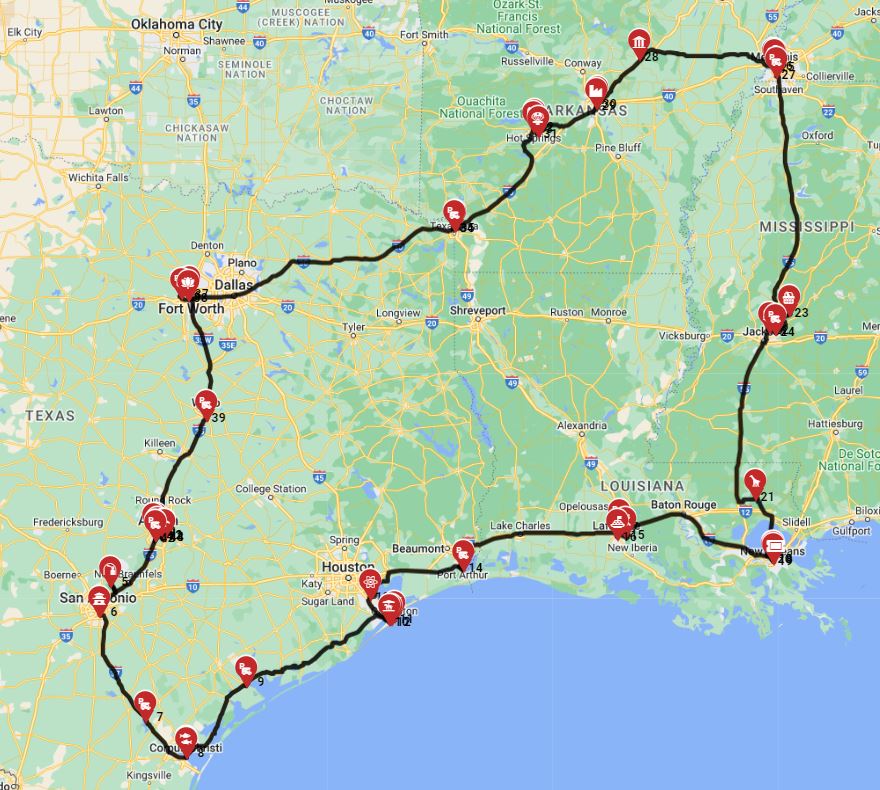
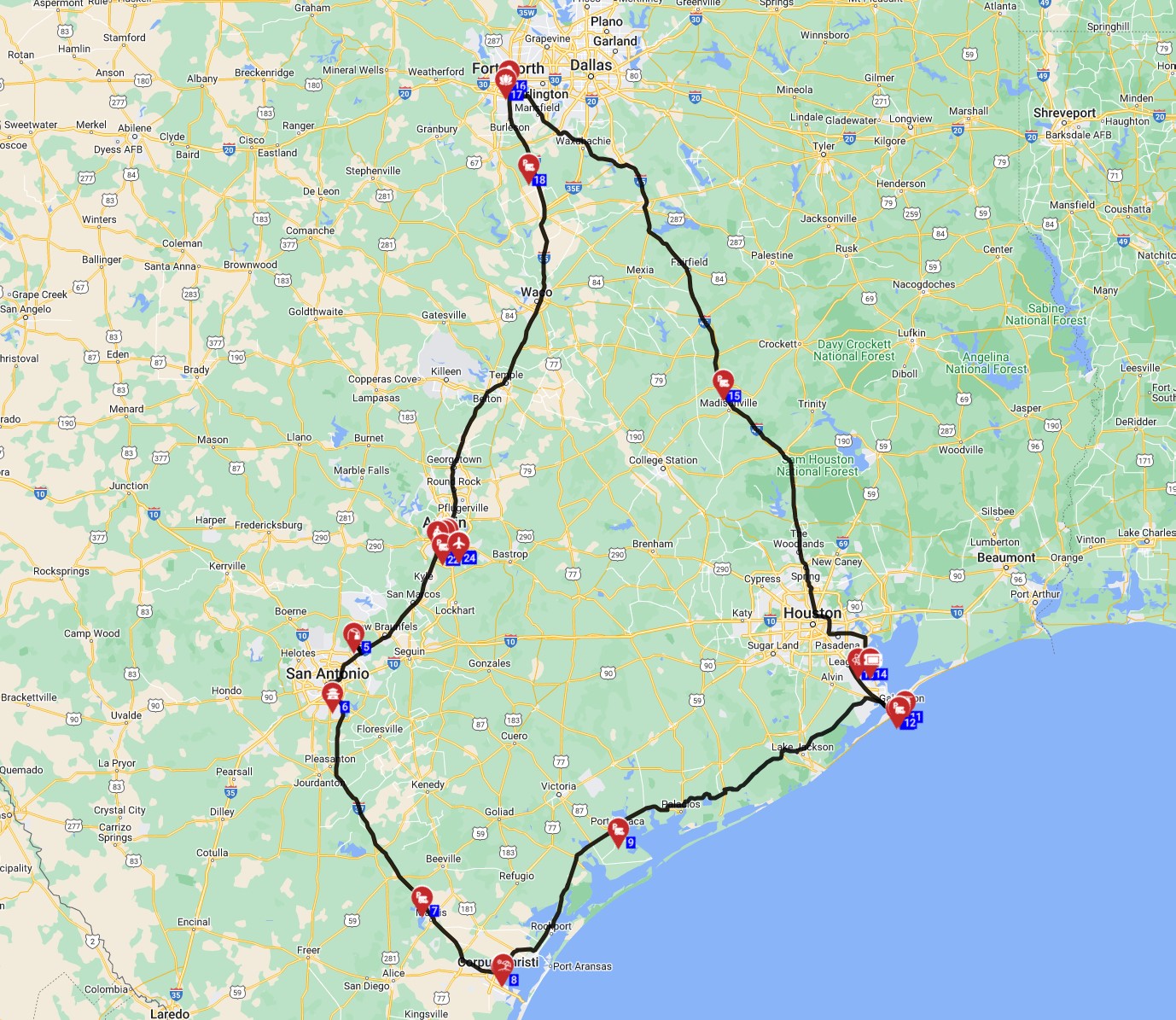
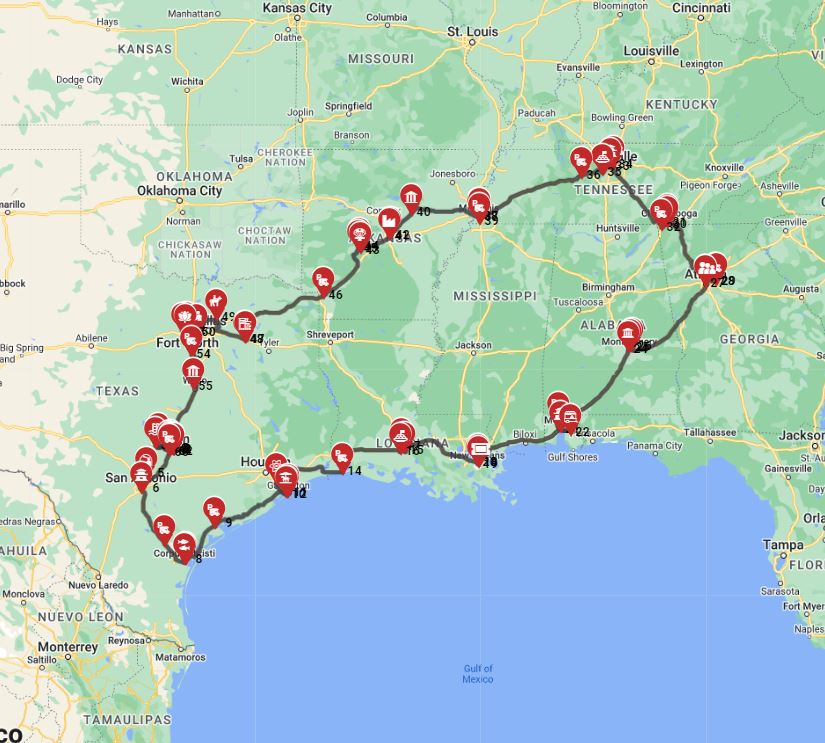
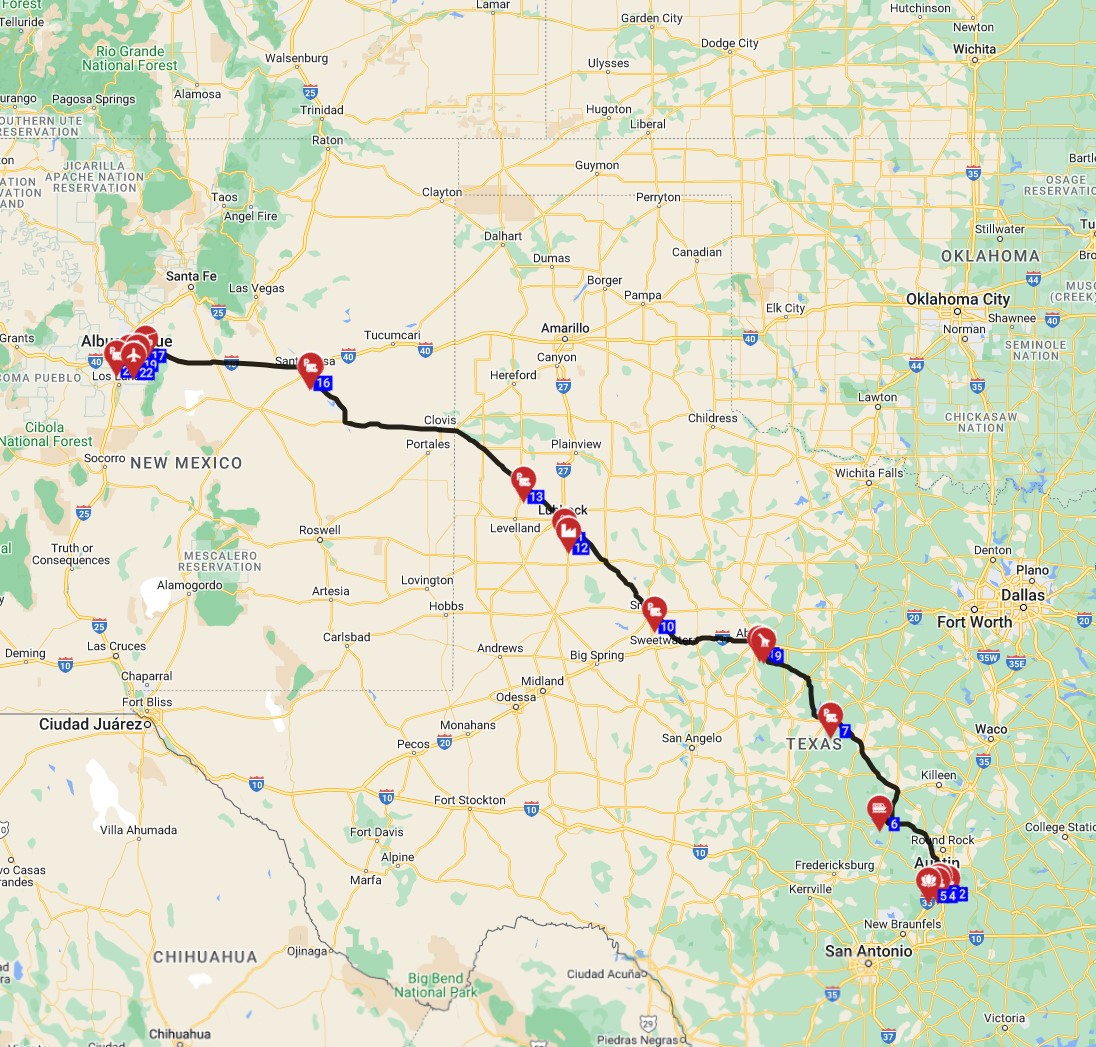
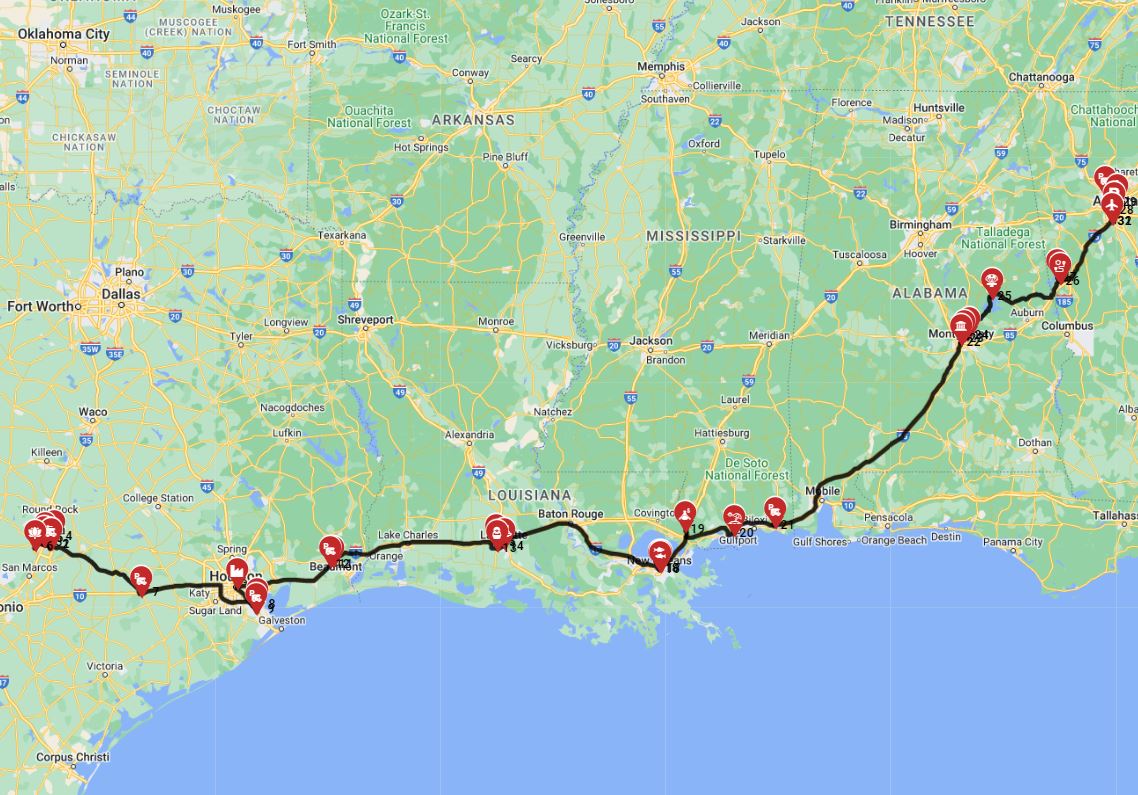
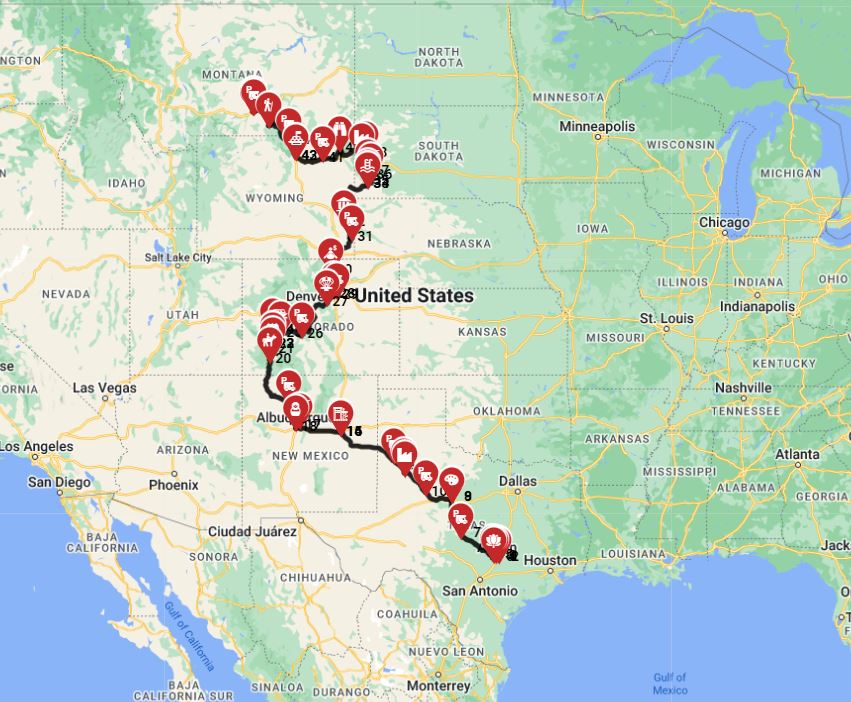
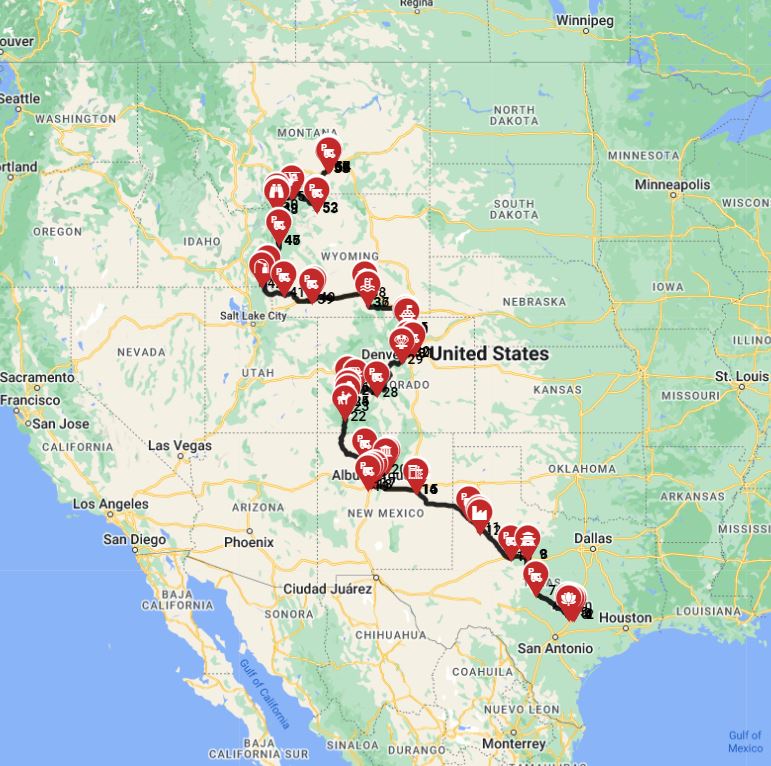
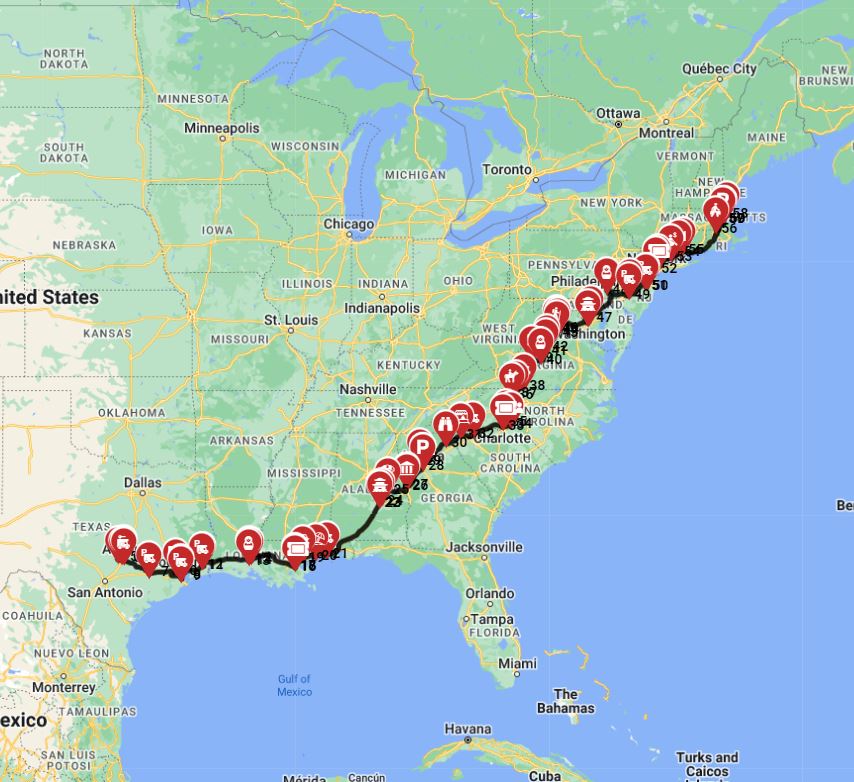
Your RV travel itinerary significantly impacts your budget through fuel consumption, campsite choices, activity costs, and potential one-way rental fees. Efficient route plans that minimize backtracking save on fuel and travel time, reducing overall expenses, especially given Texas's immense size. For example, planning a "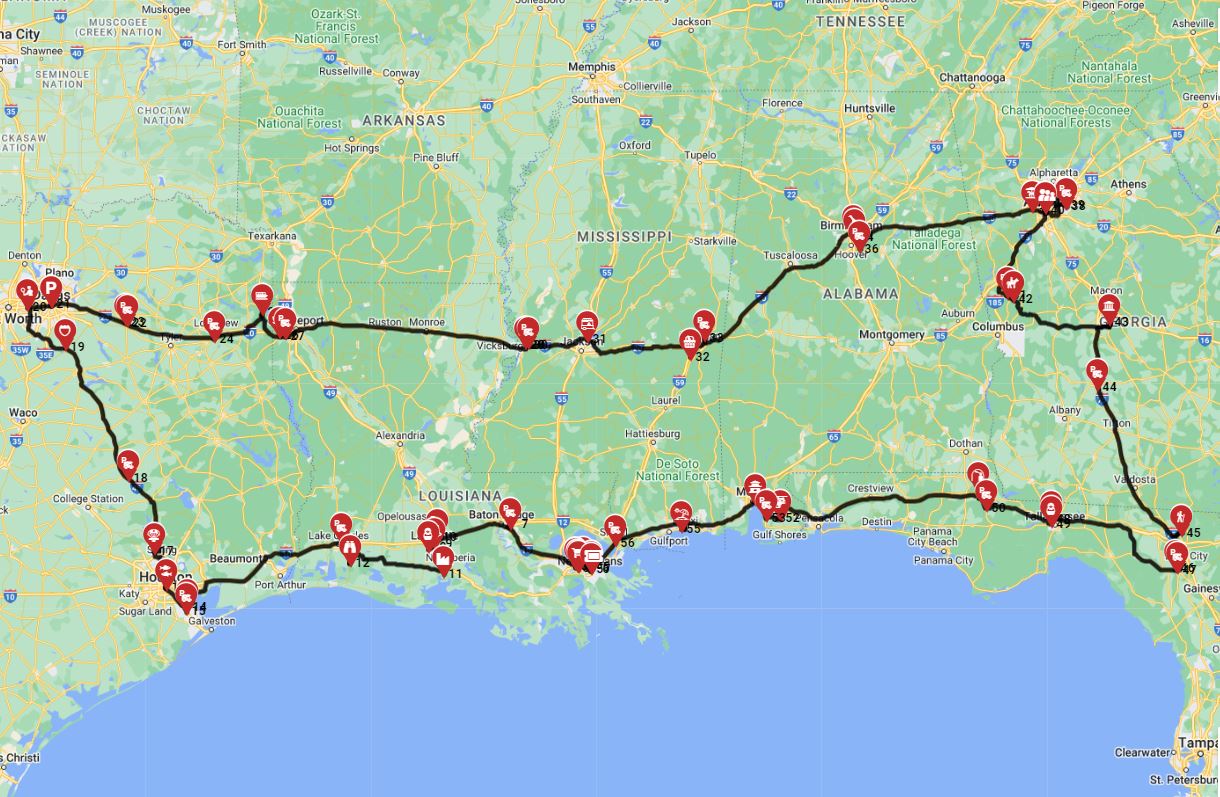
New Orleans roundtrip - New Orleans to the Heart of Texas and Beyond
What are the long-term RV rental costs for full-timing in Texas?
Long-term RV rental costs for extended stays in Texas include consistent monthly rental rates, ongoing campsite fees, and careful budgeting for utilities and maintenance, typically ranging from $1500-$4000+ per month depending on RV size and park amenities. While Bandana specializes in vacation RV rentals, many travelers enjoy extended trips, and long-term rental rates for motorhomes often offer a better daily value than short-term rentals, but still represent a significant ongoing expense. For example, a Class C motorhome like the `MHC24` can be rented for several months, with pricing structures often becoming more favorable for longer commitments. Those undertaking extended travel must budget for continuous campsite fees, which can add up significantly, or strategically utilize long-term stay discounts offered by some RV parks in Texas. For example, many private campgrounds offer weekly or monthly rates that are considerably lower than daily rates, sometimes 30-50% less. Utility costs, such as electricity (if not included in site fees), water, and propane, will also be ongoing expenses. Exploring a One-Way RV Driving in Texas - Route Planner 2026 might seem appealing for a long trip, but be mindful of associated fees.What You Shouldn't Miss
- Stargazing in Big Bend National Park: Experience truly dark skies at this International Dark Sky Park, where the Milky Way shines brighter than almost anywhere else in the lower 48 states. RV camping at Rio Grande Village offers a prime spot.
- Driving the Texas Hill Country: Explore charming small towns, vineyards, and scenic roads like FM 337 in a rented campervan, enjoying the rolling hills and natural springs.
- Palo Duro Canyon State Park: Camp on the floor of the "Grand Canyon of Texas," offering breathtaking views and excellent hiking trails for all skill levels.
- Balmorhea State Park Oasis: Discover the world's largest spring-fed swimming pool in West Texas, a refreshing stop for any RV traveler and a unique natural feature.
- The Gulf Coast Beaches: Drive your mobile home to destinations like Galveston Island State Park or Mustang Island State Park for sun, sand, and Gulf of Mexico breezes.
- Looking for expert insights from Avi Bandana? Top 5 Adventures - recommendations from Avi Bandana
Final Thoughts
Your first RV rental adventure in Texas promises incredible freedom and unforgettable memories, from stargazing in Big Bend to exploring the Hill Country's charming towns. Don't let the planning process overwhelm you; with Bandana RV, you have true specialists by your side, offering full transparency and support before, during, and after your booking. Remember to travel slowly, averaging 100-150 km per day, allowing yourself the time to truly connect with the diverse culture, delicious food, and stunning scenery that Texas has to offer. Whether you're a meticulous planner or a spontaneous traveler, our platform simplifies comparing options from trusted suppliers like El Monte and Cruise America. And with resources like RV PLANET, crafting your ideal Texas itinerary has never been easier or more rewarding. So go ahead, imagine yourself on the route, windows down, with the vast Texas sky above you – your next great adventure awaits! Discover top destinations, planning tips, all in one place! Plan a trip itinerary in advance with minimal effort and maximum enjoyment.On the routes offered through RV PLANET routes, you can itemize and track every expense along the way for easy budgeting.