In This Guide
- What rv rental beginners RV Rental Costs in North Canada (2024)
- Seasonal Pricing - Peak vs. Shoulder vs. Off-Season in North Canada
- How much to rent an RV for a week in Canada?
- How much does it cost to rent an RV in Canada for a week?
- How much is it to rent a small RV for 3 days?
- What's Included vs. What's an Add-On
- Hidden Costs to Budget For in North Canada
- How much does it cost to rent an RV in Canada?
- How to Save on rv rental beginners RV Rental in North Canada
- What is the cheapest way to rent an RV?
- Is it easy to drive an RV in Canada?
- Can you sleep anywhere in a campervan in Canada?
- Can Americans RV in Canada?
- Top Cities for RV Rental in North Canada
- Country-Wide Practical Info for RV Travelers
- What You Shouldn't Miss
What rv rental beginners RV Rental Costs in North Canada (2024)
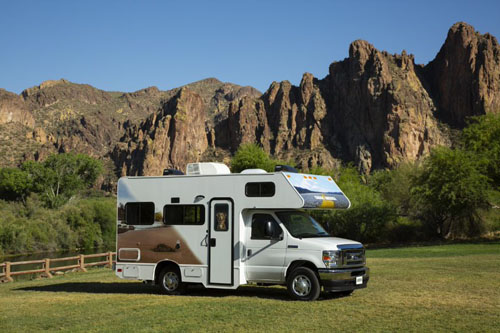
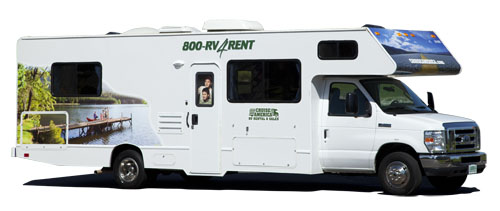
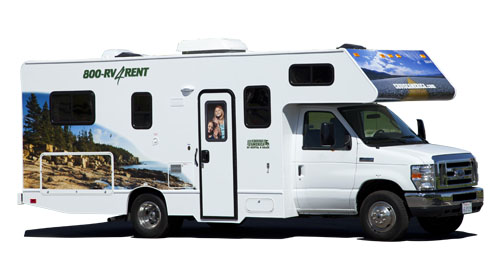
April is typically the cheapest month for RV rental in North Canada, with daily rates for a Class C motorhome averaging CAD 150-200. Prices for renting an RV are dynamic, much like flight tickets, and vary significantly based on the RV class, rental duration, seasonality, and the specific supplier's marketing decisions. A compact campervan, like the "rv rental denver example Category Van" or "hire campervan example Paradise S/T", suitable for 1-2 people, will naturally be more affordable than a larger, family-friendly Class C motorhome such as the "rv rentals example Comfort Class" or "29′ Class C Motorhome". Always check live prices for your specific travel dates and RV preferences through a comparison platform like Bandana RV, ensuring you see the final price at the actual booking time.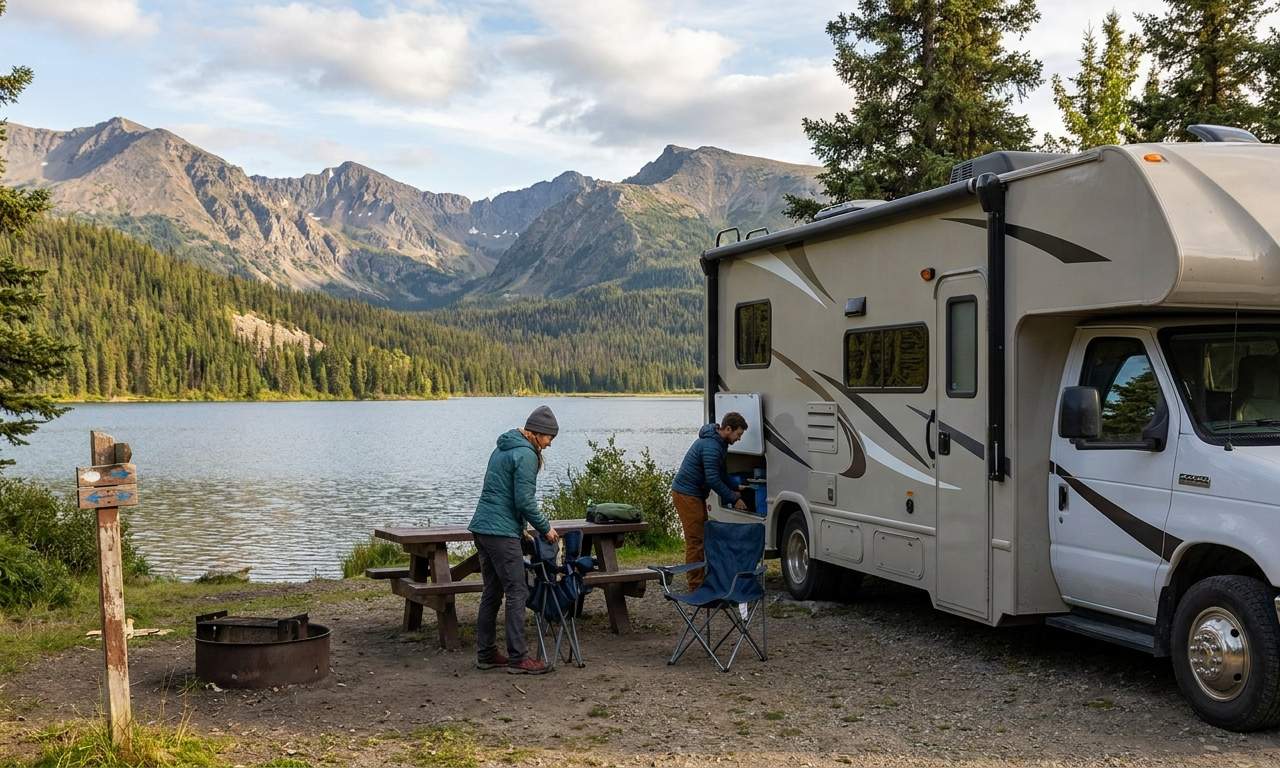
Seasonal Pricing - Peak vs. Shoulder vs. Off-Season in North Canada
Peak season for RV rentals in Northern Canada, typically from July to August, experiences the highest demand and consequently the highest prices, with daily rates potentially reaching CAD 300-500+ for larger motorhomes due to long daylight hours and optimal weather. Shoulder seasons, spanning May-June and September-early October, offer a favorable balance of good weather conditions, unique phenomena like the Midnight Sun in early summer or optimal Aurora Borealis viewing in early fall, and significantly lower rental rates, often 10-20% less than peak. Off-season, from late October to April, presents the lowest rental rates, sometimes dropping by 25-35%, ideal for those seeking specific winter experiences such as ice roads or enhanced Northern Lights viewing, provided they are prepared for extreme cold and limited services. Travelers should consider these seasonal variations to align their budget with their desired Northern Canada experience.How much to rent an RV for a week in Canada?
Renting an RV for a week in Canada, especially for exploring the Northern territories, typically ranges from CAD 1,500-2,000 for a Class C motorhome during the shoulder season, though prices can climb significantly to CAD 2,500-4,000+ during peak summer. This base price will be influenced by the specific pickup location (e.g., Whitehorse or Yellowknife will have fewer options and potentially higher prices than Calgary or Edmonton), the RV's age, and its features, such as 4-wheel drive capabilities that are often preferred for certain Northern roads. For a specific week-long trip, consulting the "Week-Long RV Driving Tour in North Canada 2026" itinerary can provide more tailored budgeting insights, and using an RV comparison platform allows you to see live flex-rate estimates for your exact dates and vehicle preferences.How much does it cost to rent an RV in Canada for a week?
The total cost for a week-long RV trip in Northern Canada extends significantly beyond the base rental, requiring a budget of CAD 2,500-5,000+ to cover additional expenses like specialized gear, elevated fuel prices, and potentially higher remote campsite fees. Fuel costs can be 20-40% higher in remote areas like the Dempster Highway compared to urban centers, with a 75-liter fuel tank on a Class B campervan consuming CAD 120-150 for a full tank at these prices. Essential safety gear, including a satellite communication device (rental cost CAD 50-100/week) and bear spray (purchase cost CAD 40-60), is highly recommended for wilderness travel. Additionally, campsite fees in provincial or territorial parks typically range from CAD 20-40 per night for a basic site. For managing these various ancillary costs, remember that RV PLANET routes allow you to itemize and track every expense for easy budgeting, ensuring no surprises on your Northern adventure.How much is it to rent a small RV for 3 days?
Renting a small RV or campervan for a 3-day trip in Northern Canada typically incurs a higher daily rate of CAD 200-400, leading to a total base rental cost between CAD 600-1200, depending on the season and availability in major Northern hubs like Whitehorse or Yellowknife. Shorter rentals often come with less favorable daily rates compared to week-long or extended trips, as suppliers need to cover fixed turnover costs. While possible, short-term rentals are less common for deep dives into the remote Northern territories due to the extensive travel times required to reach significant destinations. Opting for a shoulder season trip can provide more affordable options for these shorter durations, especially if your itinerary focuses on areas closer to the main urban centers or pick-up locations.What's Included vs. What's an Add-On
Standard RV rentals typically include basic liability insurance coverage and essential vehicle equipment, such as a compact refrigerator (e.g., 80 liters in a "V3" campervan) and a basic cooking stove, but specific inclusions vary significantly by provider and RV class. Basic insurance is always part of the rental agreement; however, you can usually upgrade to a top-level deductible for extra peace of mind, which is an optional purchase. Common add-ons for a Northern Canada trip often include additional mileage packages (e.g., 200 km/day vs. unlimited), generator usage fees (CAD 5-10 per hour), kitchen kits (basic pots, pans, cutlery), bedding and linen packages, and crucial specialized gear for Northern conditions like satellite phones (CAD 50-100/week rental), bear canisters, and extra fuel containers. Always confirm exact inclusions and optional add-ons directly with your chosen RV rental supplier before booking, especially when planning a remote Northern adventure where self-sufficiency is key. Should you wish to prepare meals in your motorhome's kitchen, check out our RV-friendly recipes playlist for inspiration!How much does it cost to rent an RV in Canada?
The overall cost to rent an RV in Canada, particularly for a Northern adventure, can range from CAD 1,000 for a short, off-season campervan trip to CAD 8,000+ for a multi-week peak-season Class A motorhome rental, depending on numerous factors. A comprehensive budget for a Northern Canada RV trip should account for the base rental fee, any chosen insurance upgrades (e.g., top-level deductible), mileage packages, significantly higher fuel costs (budget 20-30% more than in southern regions), daily campsite fees (CAD 20-50/night), food (groceries often pricier in remote areas), activities (like guided tours or permits), and a contingency fund for unexpected repairs or delays. Investing in a well-maintained vehicle, potentially a 4x4 camper like the "Patagonia Camper 4x4 double cab" for rough Northern roads, and carrying essential safety gear like a portable satellite device (rental CAD 50-100/week), is a wise part of this budget.How to Save on rv rental beginners RV Rental in North Canada
Booking your RV rental during Northern Canada's shoulder seasons, typically May-June or September-early October, can lead to significant savings of 15-25% on daily rates while still allowing you to enjoy pleasant weather and unique natural phenomena. Opting for a smaller RV class, such as a compact Class B campervan like the "2 Berth Hi Top" or "Category Van", if your group size (ideal for a couple) permits, can reduce both the base rental cost and substantially improve fuel efficiency, a critical factor given higher fuel prices in the North. To further mitigate expenses, pre-planning your fuel stops and carrying extra fuel containers can help avoid paying premium prices in isolated communities. Additionally, always ask your rental company about any available discount cards for campgrounds or fuel, as these perks can provide noticeable savings over a week-long or extended Northern trip. Finally, consider booking for longer durations, as daily rates often decrease for rentals exceeding one or two weeks, and regularly monitor flex-rate drops, as dynamic pricing can offer unexpected last-minute deals. If you are looking for Budget RV Driving in North Canada - Save on Fuel 2026, consider these tips.What is the cheapest way to rent an RV?
The cheapest way to rent an RV often involves booking well in advance, ideally 3-6 months, during the off-peak or shoulder season (May-June, September-October), choosing a smaller, more fuel-efficient campervan or Class C motorhome, and being flexible with your pickup and drop-off dates. In Northern Canada specifically, actively seeking out one-way relocation deals from major Southern Canadian rental hubs (like Vancouver or Edmonton) to Whitehorse or Yellowknife can sometimes offer significantly reduced rates, especially at the start or end of the season when suppliers need to move their fleet. While Bandana RV primarily partners with established RV suppliers like El Monte and Cruise America, exploring these supplier offerings for bundled mileage or essential kits can be more cost-effective than purchasing add-ons individually. Being open to slightly older vehicle models (often 2-4 years on the road) can also yield better value compared to recent models. For travelers interested in these options, our "One-Way RV Driving in North Canada - Route Planner 2026" guide can provide further details.Is it easy to drive an RV in Canada?
Driving an RV in Canada is generally manageable, but navigating the vast and often remote landscapes of Northern Canada presents unique challenges that demand careful preparation, especially for beginners. Road conditions in Yukon, Northwest Territories, and Nunavut can vary significantly, including long stretches of gravel highways like the 737 km (458 miles) Dempster Highway, which require experienced driving, reduced speeds (often 60-80 km/h), and a suitable, well-maintained vehicle. Wildlife encounters with bears, moose, and caribou are common, necessitating constant vigilance and knowledge of safe reactions. Furthermore, the lack of services, including fuel stations and cell signal, over long distances requires meticulous planning for fuel, food, and emergency communication (a satellite phone is highly recommended). Drive slowly and carefully, and you can drive almost anywhere without issues. No need to stress - just use common sense and pay attention. For a more in-depth look at local driving conditions and regulations, consult our "Driving an RV in North Canada - Complete Guide 2026" resource.Can you sleep anywhere in a campervan in Canada?
While Canada generally offers some flexibility for campervan camping, specific regulations in Northern Canada's territories dictate where you can legally and safely sleep, especially in remote areas. Boondocking, often referred to as "wild camping," is generally permitted on vast tracts of Crown land in Yukon and Northwest Territories, provided you understand and adhere to local regulations, respect private or Indigenous lands, and strictly practice Leave No Trace principles. However, for beginners or those seeking amenities and enhanced safety, designated campgrounds in territorial parks (e.g., Yukon Government campgrounds cost CAD 12/night) or private facilities (CAD 30-50/night) provide more reliable and comfortable options. Always research local bylaws in municipalities and heed signage regarding overnight parking or camping, particularly in popular tourist areas or near culturally sensitive sites to ensure a respectful and lawful trip.Can Americans RV in Canada?
Yes, Americans can absolutely rent and RV in Canada, provided they meet standard international travel requirements and carry the necessary documentation for entry. A valid passport is essential, along with proof of your rented vehicle's registration and appropriate insurance coverage that extends to Canada. It's advisable to confirm with your chosen Bandana RV rental supplier that your insurance policy is valid for cross-border travel. Be aware of Canadian customs regulations regarding what you can bring across the border, particularly concerning firearms, cannabis (which is legal in Canada but highly restricted at the border), and certain food items. While not always mandatory, an International Driving Permit (IDP) is recommended for visitors from non-English-speaking countries, but a standard U.S. driver's license is generally sufficient for RV rentals. For a broader perspective on RVing in North America, consider our "RV Rental USA - Complete Guide 2026".Top Cities for RV Rental in North Canada
Exploring North Canada by rented RV is an extraordinary experience, and while the major cities are few, they serve as crucial gateways to the vast wilderness.- Whitehorse, Yukon: As the capital of Yukon, Whitehorse is the primary hub for RV rentals and serves as an excellent starting point for journeys along the Alaska Highway and into the heart of the territory.
- Yellowknife, Northwest Territories: Yellowknife, known as the "Aurora Capital of North America," offers RV rental options and is the gateway to exploring the stunning landscapes and Indigenous cultures of the Northwest Territories.
- Dawson City, Yukon: A historic gold rush town, Dawson City is a popular destination and a perfect base for exploring the Klondike region and accessing the famed Dempster Highway.
- Inuvik, Northwest Territories: Located north of the Arctic Circle, Inuvik is accessible via the Dempster Highway and provides a truly Arctic RV experience, especially during the Midnight Sun season.
- Fort Nelson, British Columbia: Though technically in northern BC, Fort Nelson is a key stop on the Alaska Highway, offering services and RV rental pick-up/drop-off points for those heading further north.
Country-Wide Practical Info for RV Travelers
RV travel in North Canada requires some specific practical considerations to ensure a safe and enjoyable journey. In Canada, vehicles drive on the right side of the road, and speed limits are typically posted in kilometers per hour (km/h), ranging from 50 km/h in urban areas to 90-110 km/h on highways. Always adhere to posted limits, especially with a larger rented motorhome. For emergencies, the national number is 911 (for police, fire, or ambulance services). Cell service can be extremely spotty or non-existent outside of major towns in the North, so consider renting a satellite phone or carrying a personal locator beacon (PLB) for safety. Canadian SIM cards are widely available from providers like Bell, Rogers, and Telus in larger centers, offering various data plans for connectivity where available. When traveling through National Parks, a Parks Canada Discovery Pass (CAD 75.25 for an adult, CAD 151.25 for a family/group) is required, providing unlimited entry to over 80 parks and sites for one year.What You Shouldn't Miss
- Drive the entire 737 km (458 miles) Dempster Highway, crossing the Arctic Circle, to experience truly remote Arctic landscapes and reach Inuvik.
- Witness the spectacular Northern Lights (Aurora Borealis) in Yellowknife, NWT, where clear dark skies offer some of the best viewing opportunities globally, especially from late August to early October or March.
- Explore Tombstone Territorial Park in Yukon, often called "Canada's Patagonia," with its dramatic peaks, stunning fall colors, and numerous hiking trails.
- Visit Dawson City, Yukon, and immerse yourself in its Klondike Gold Rush history, including panning for gold and walking the historic boardwalks.
- Experience the Midnight Sun in summer above the Arctic Circle, where daylight extends for 24 hours, allowing for endless exploration.
- Journey along a portion of the historic Alaska Highway, stopping at iconic landmarks like the Sign Post Forest in Watson Lake, Yukon.
Final Thoughts
Embarking on your first RV rental adventure in North Canada is a journey of discovery, offering unmatched freedom and breathtaking scenery. Don't let the planning seem daunting; with the right preparation and a spirit of adventure, you'll create memories that last a lifetime. Remember, the key is to travel slowly, averaging a maximum of 100-150 km per day, allowing yourself the time to truly feel the place, connect to the unique cultures, savor the local food, and absorb the stunning scenery of this remarkable region. We're with you every step of the way, from comparing the best deals for your rented campervan or motorhome to ensuring you have all the information you need for a smooth trip. Get inspired for your next trip! Compare Motorhome Prices for North Canada and start planning your unforgettable journey today.On the routes offered through RV PLANET routes, you can itemize and track every expense along the way for easy budgeting.